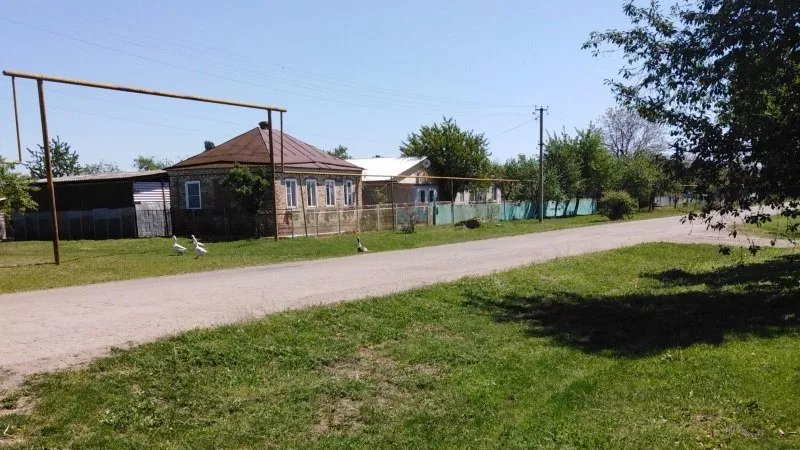
2020... the streets are deserted... everyone is sitting in their holes
This leap year is different from previous ones because of a new scourge: the arrival of the coronavirus. Thank God, we haven't gotten sick, and neither have our friends in the village, but self-isolation has been quite a strain on our nerves!
Our village has only a few regular grocery stores, stocking the standard selection of groceries, a few household cleaning supplies, and a few galoshes and socks. There's no sign of any Magnit, Pyaterochka, or even any specialized stores! We go to the neighboring village for items like clothing, dishes, pet food, and medicine. And then, in the spring, they announced quarantine measures!
Patrols drove around the village daily, checking on compliance with self-isolation. Oh, how difficult it was for us! We couldn't let the cows out to pasture... Letting the plowed horses out to roam was prohibited, and our feed reserves were dwindling before our eyes.
And they say it's easy to live in the village, because everything is yours! We humans might be able to feed ourselves, but first we need to feed the poor. And then it's the end of spring: there's no new harvest, and the old one is already gone. The turning point is the most difficult period.
So we turned to neighbors and friends who didn't have cows or other farmsteads for help. We collected vegetable and fruit peelings and food scraps for disposal. We ordered the cheapest grains from the store (the purity and grinding level aren't important for animals). At home, we sorted through all the remaining winter supplies in the basement—a little for ourselves, the rest for the farm.
As soon as the alfalfa and other grass in the hayfield grew, they began to mow it little by little to diversify the diet of the thin one.
While the alfalfa is young, it doesn't need to be dried, but once it begins to flower, it's usually left to dry in the sun for 5-7 hours after harvest. Otherwise, the cows can become "blown"—gases from fermentation accumulate in their stomachs, sometimes even leading to death.
Cows struggle on hay alone. So they were overjoyed at the first zucchini! So, we made feed from all this "riches." We tried to keep the diet balanced.
I'll tell you in more detail how we fed our animals in such extreme conditions (maybe someone, God forbid, will find this useful):
- For pigs The grain was soaked in boiling water overnight, and in the morning, after it had cooled, dishwashing liquid (naturally, without using chemicals), leftover food, and chopped vegetables were added to the porridge. Sometimes, the porridge was cooked directly with the peelings, adding a little salt just before cooking. This feed was given twice a day. In addition, once a day, they tried to treat the pigs to fresh grass—mostly weeds from the garden.
- For cows Before milking, they prepared a mixture of dry grain and fresh peelings. At lunchtime, they set out a trough of sliced zucchini, sprinkling them with a little leftover feed. In the morning and evening, they put hay in the manger. Grass wasn't abundant, but even a small amount increased milk yield.
- Bird We fed them scraps of wheat mixed with chopped vegetables and chopped grass. If you throw them whole peelings, they'll just trample them into the mud, which is no longer beneficial for either of us.
- Cats and dogs We fed them from our table or treated them to porridge mixed with fresh milk. It seemed these animals weren't suffering, but rather were happy with the circumstances.
By the end of the pandemic, our granaries were sparkling clean—not a single grain remained. We quietly eked out three months like that. But now I'm haunted by the fear that everything will be shut down again. Every time we go to the market, we always grab an extra bag of feed. We'll keep it as a reserve.
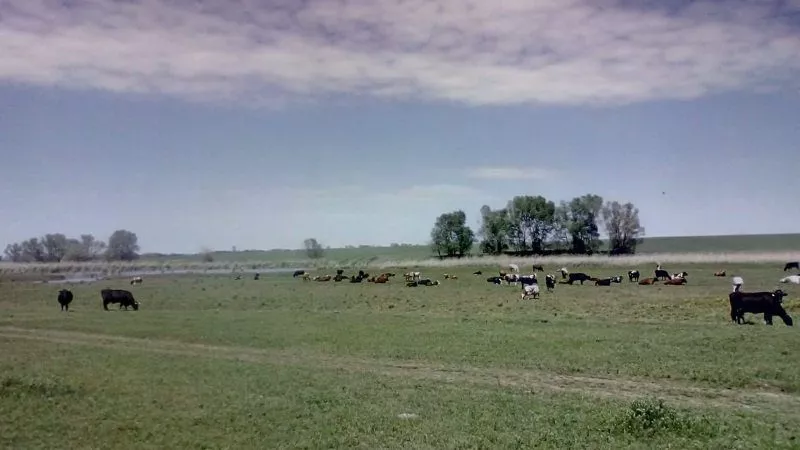
Here it is - our farm on pasture after the quarantine was eased.