

I became interested in climbing plants when I wanted to create a privacy fence for an abandoned property next door. In the spring, dandelions and celandine bloomed profusely there, and later, nettles, valerian, and sow thistle were fragrant.

As soon as the weed seeds ripened, the wind blew them onto our property, quickly sprouting, and we pulled up dandelions, valerian, and celandine by the bucketful. Sometimes we mowed the weeds while they were blooming. Then we decided to plant some climbing plants along the fence to somehow hide this unsightly sight—a wild field of weeds!
Crazy cucumber
The first was the crazy cucumber (Echinocystis—the plant's biological name). It appeared in our garden early in the spring, sprouting seedlings that resembled zucchini. Someone must have been growing it nearby, and its seed pods "shot" their seeds toward us.
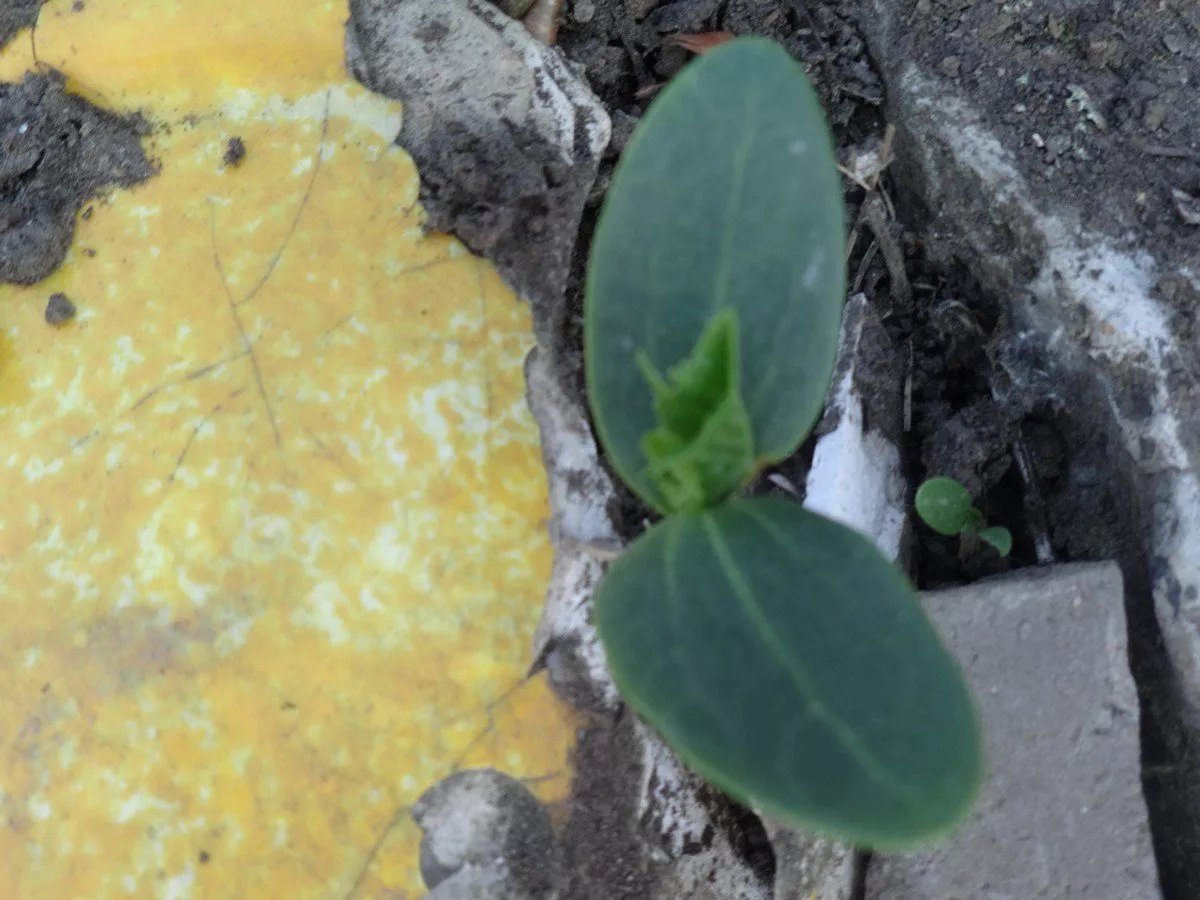
We transplanted them to a chain-link fence and they quickly grew all over the fence.
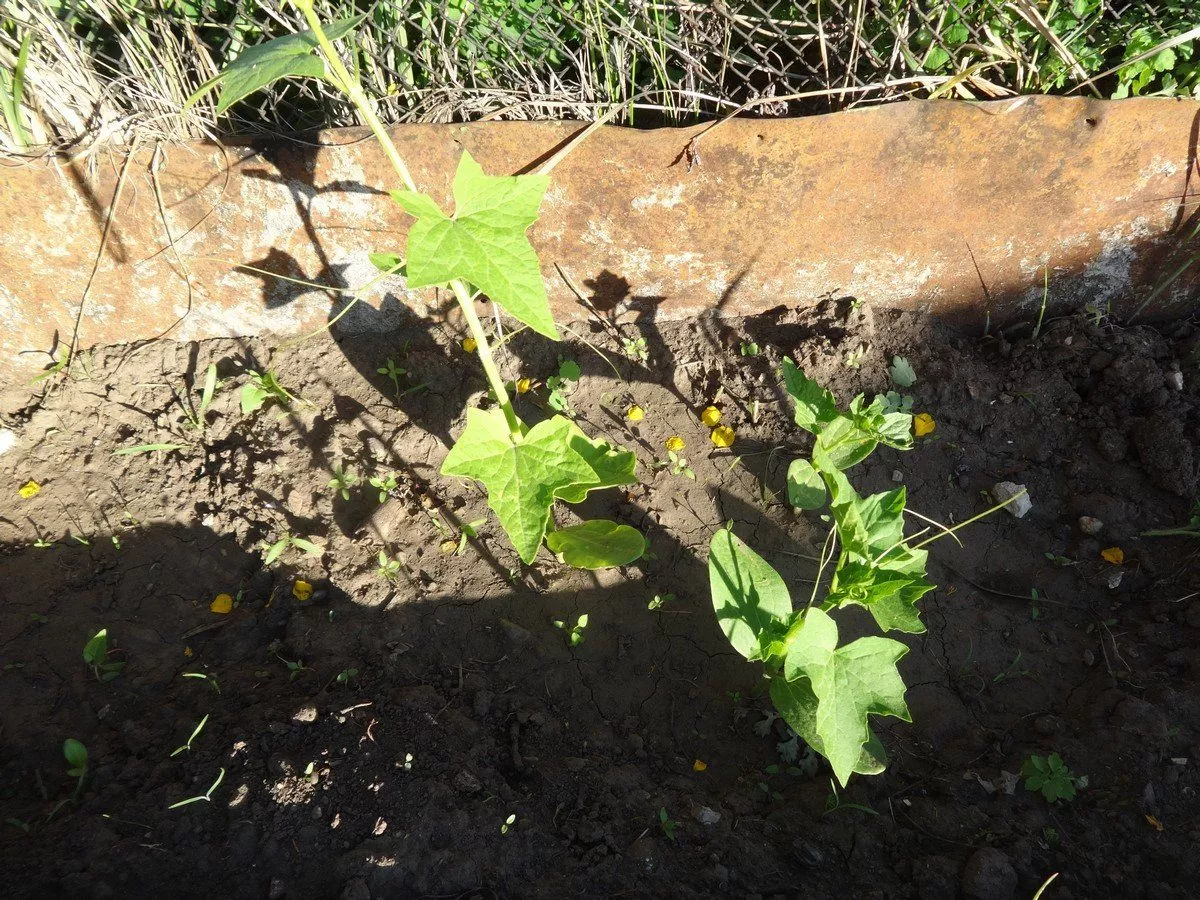
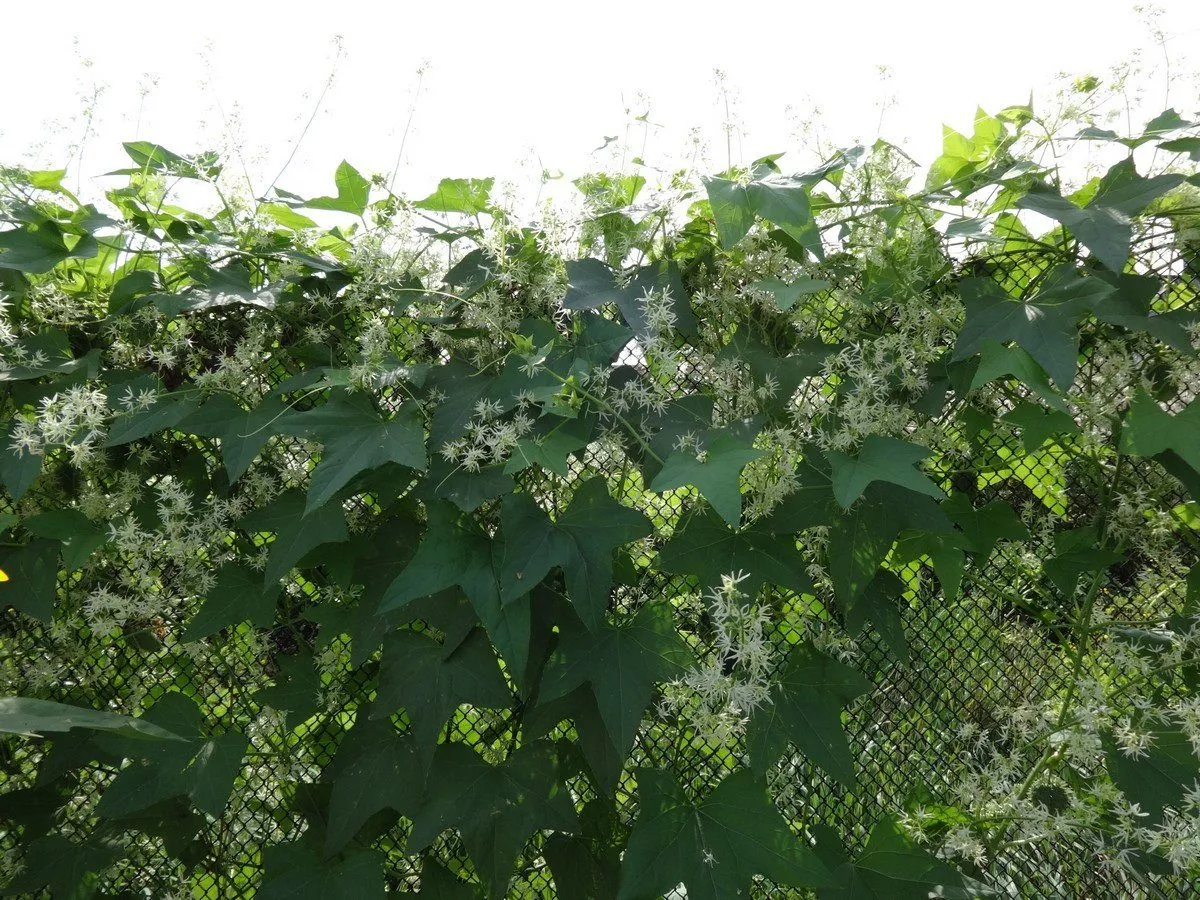
The crazy cucumber has green, carved triangular leaves and small inflorescences with small white flowers that emit a very pleasant aroma.
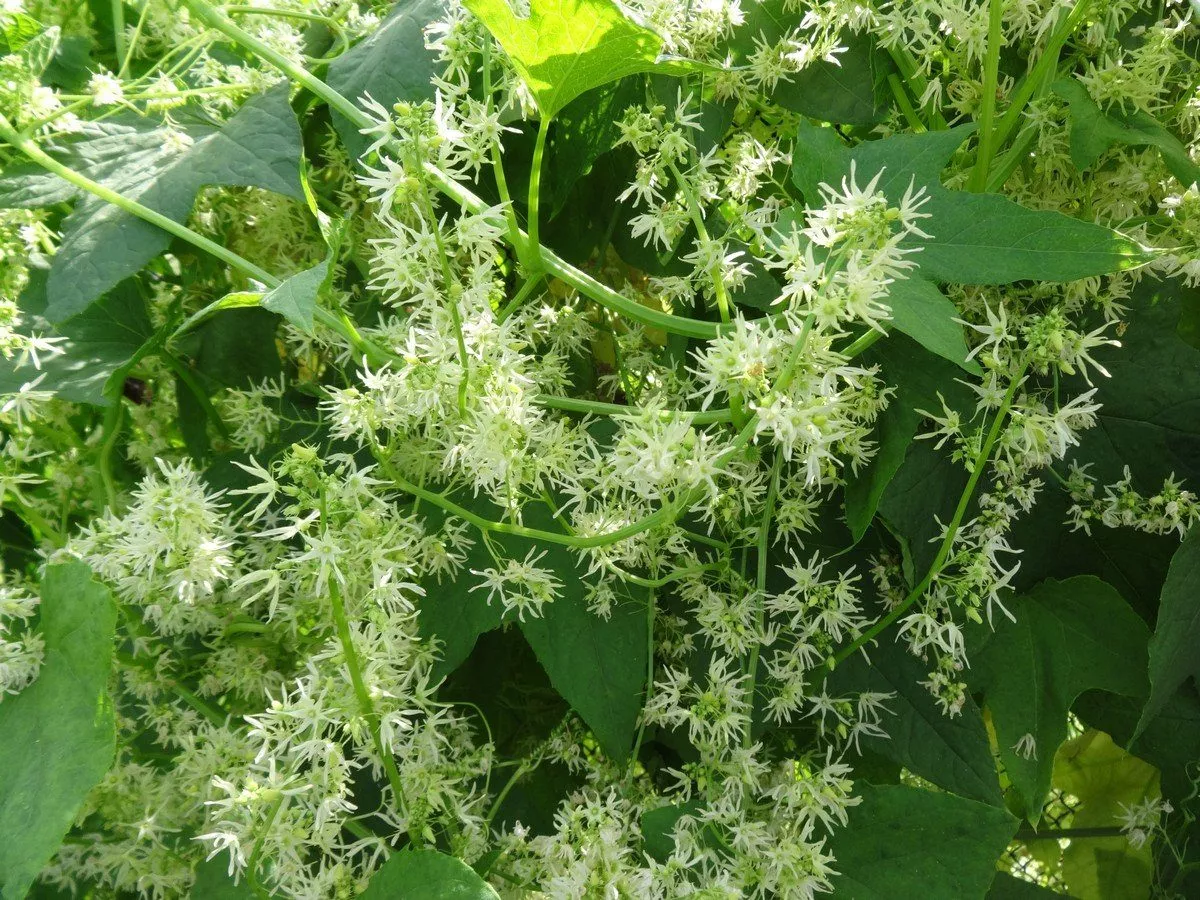
When the flowers fade, round, cucumber-like fruits appear, covered with bristles, and when the cucumbers ripen, the soft bristles turn into hard spines.
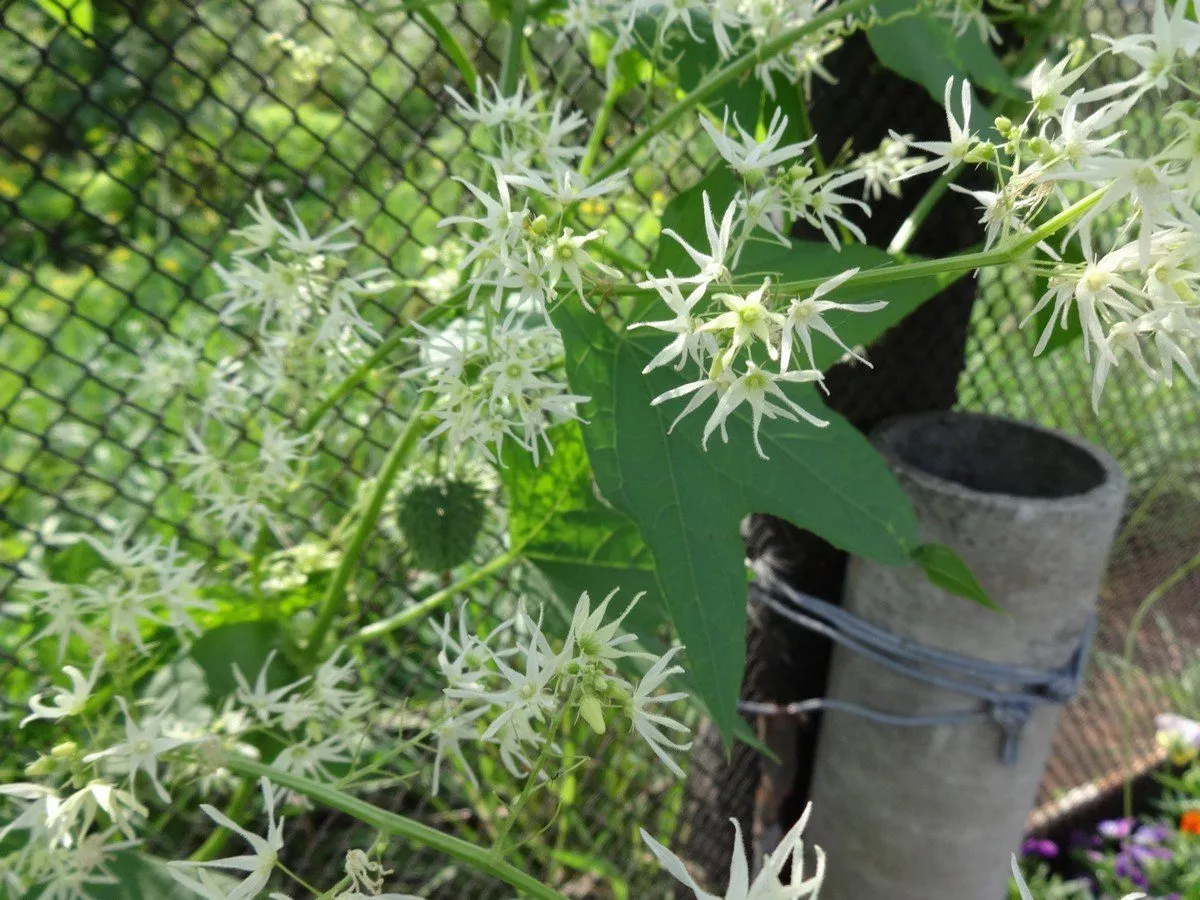
When we removed the withered leaves of the wild cucumber in the fall, these thorns pricked painfully.
Hop
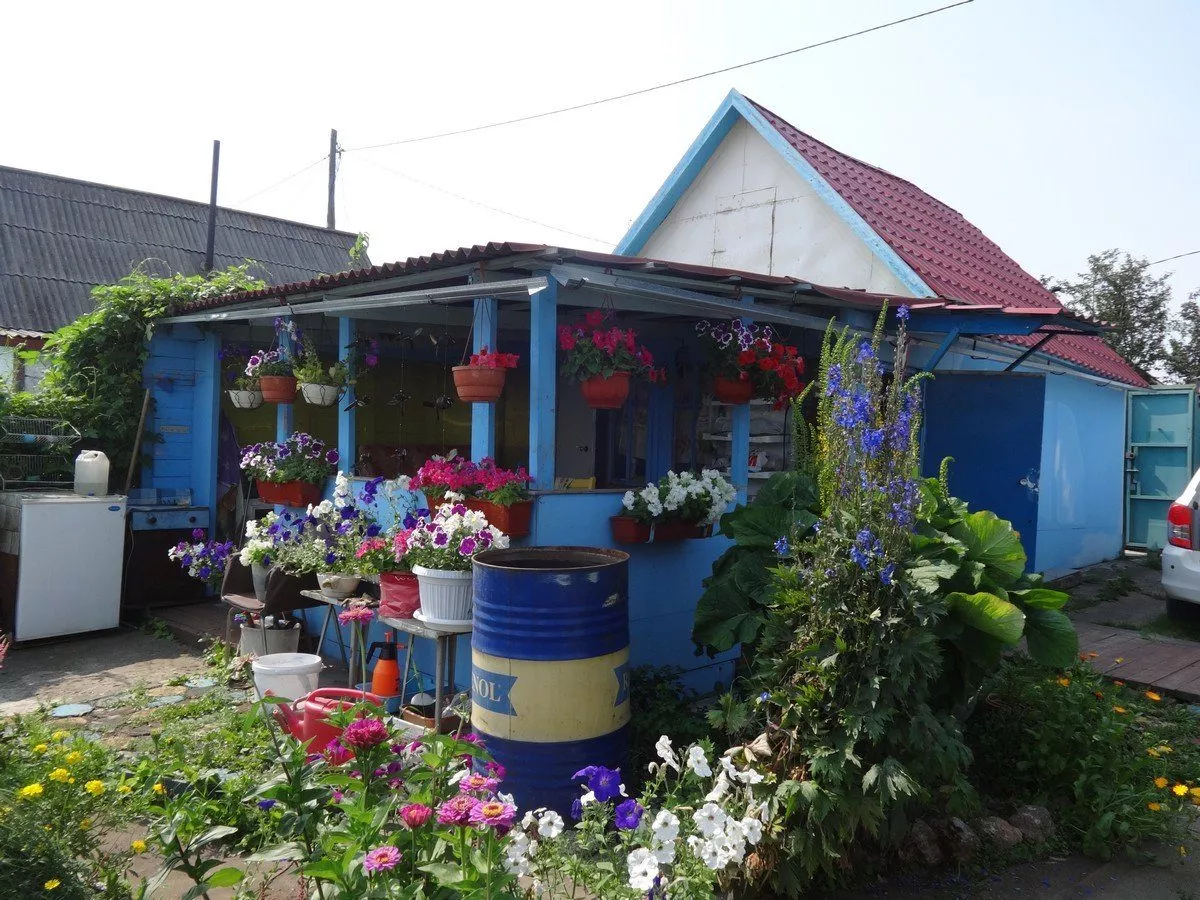
Hops grow in the neighbor's garden; in the spring, their vines quickly twine around the fence and creep onto our terrace gazebo. Then, numerous inflorescences appear, bearing small flowers that fall off after flowering, creating a lot of litter.
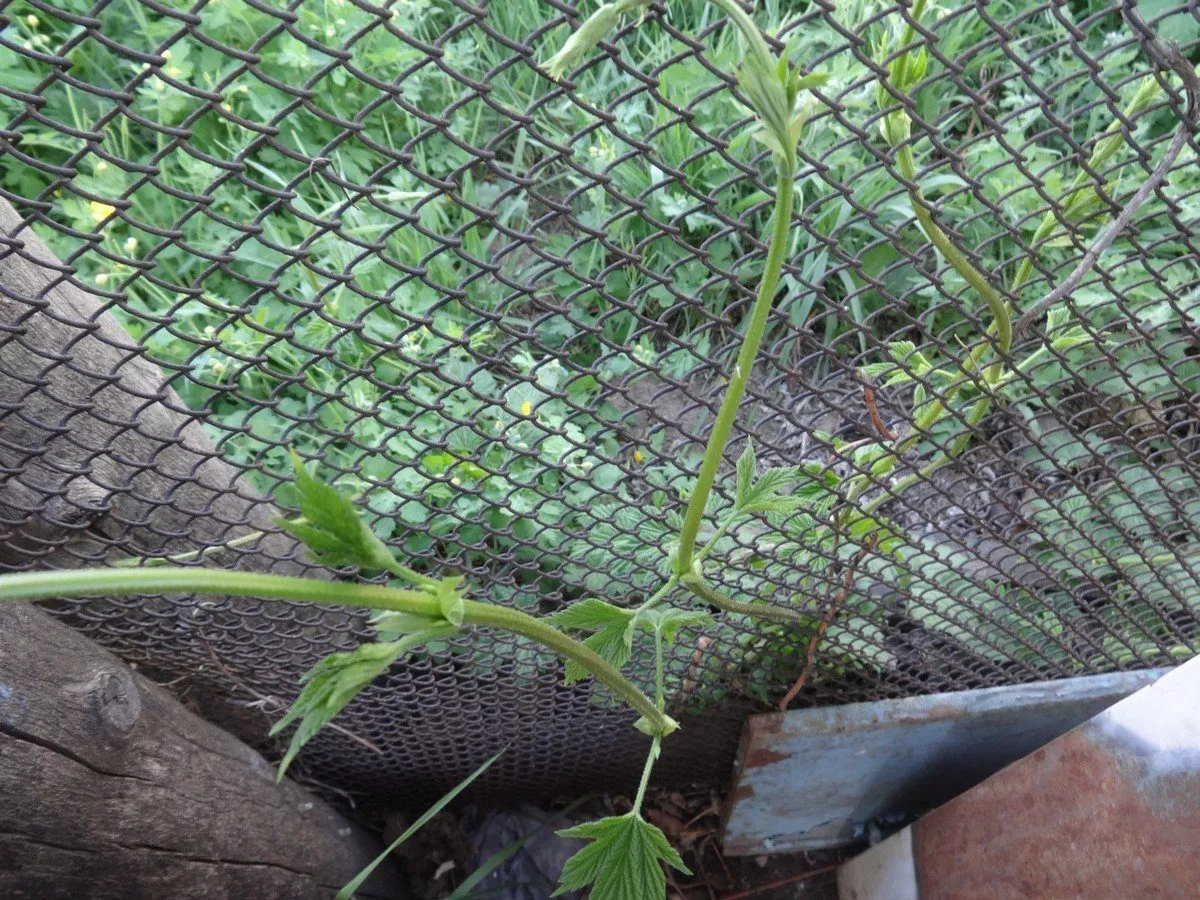
Hops are dioecious—there are male and female plants, which differ in their inflorescences. Female plants produce inflorescences in the form of green cones. My neighbors have a male plant; it would be better to have a female plant; the cones don't leave such a mess, and a decoction of hop cones can be used as a hair rinse for better growth and against hair loss.
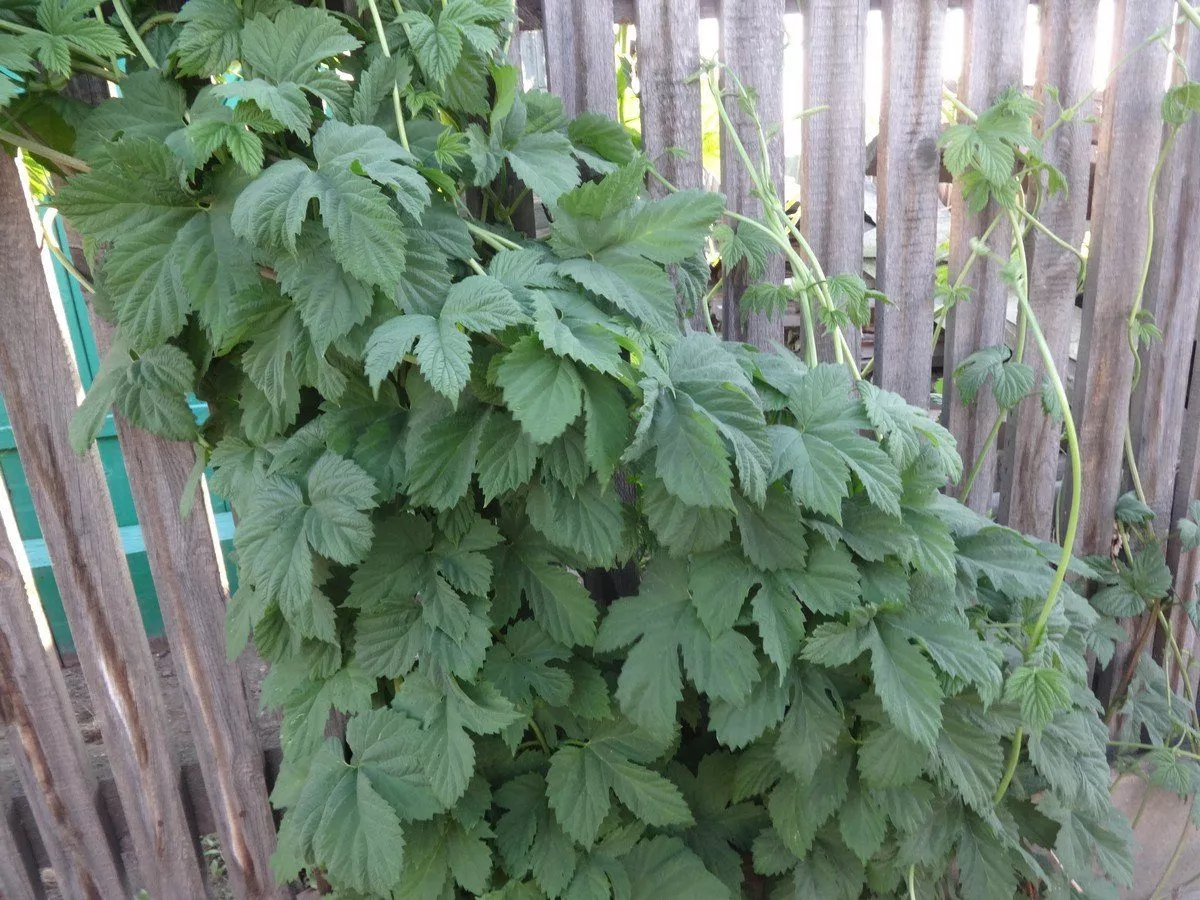
Hops are constantly attacked by all sorts of bugs, which chew holes in the leaves, making them look terrible. The leaves also become covered in a sticky coating, and small, black, winged aphids appear on them, which then fly to petunias growing in hanging pots and boxes. These hops have to be sprayed with pesticides.
The hops are growing quickly and shielding our dacha from the gaze of our neighbors, who have begun visiting theirs more frequently. They now mow the grass three or four times a season and harvest cherries, plums, and raspberries.
This is a very aggressive plant, and its tough stems can burn your skin. When it started creeping over from our neighbors, we were initially happy that it would shield us from prying eyes, but lately we've been trying to get rid of it, pruning the vines in the spring to keep them from creeping over. We've planted a vine of maiden grapes near our gazebo; we hope it will outcompete the hops.
Maiden grapes
Maiden grapes are a beautiful perennial vine with palmate green leaves consisting of five leaflets and carved teeth along the edges.
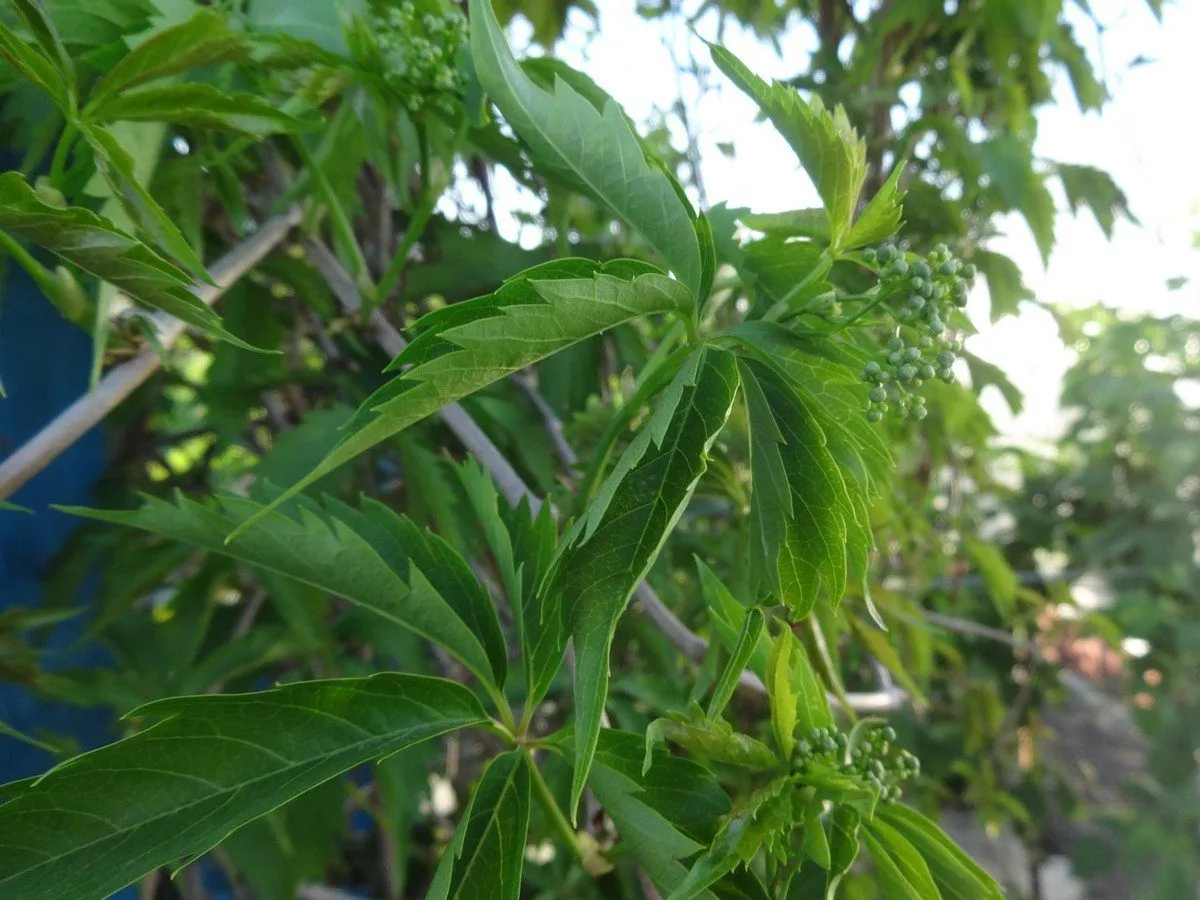
The vine grows very quickly, clinging to support with tendrils. In early summer, small green flowers appear on the maiden grape, and by the end of summer, blue grapes appear. In autumn, the foliage takes on a beautiful red hue.
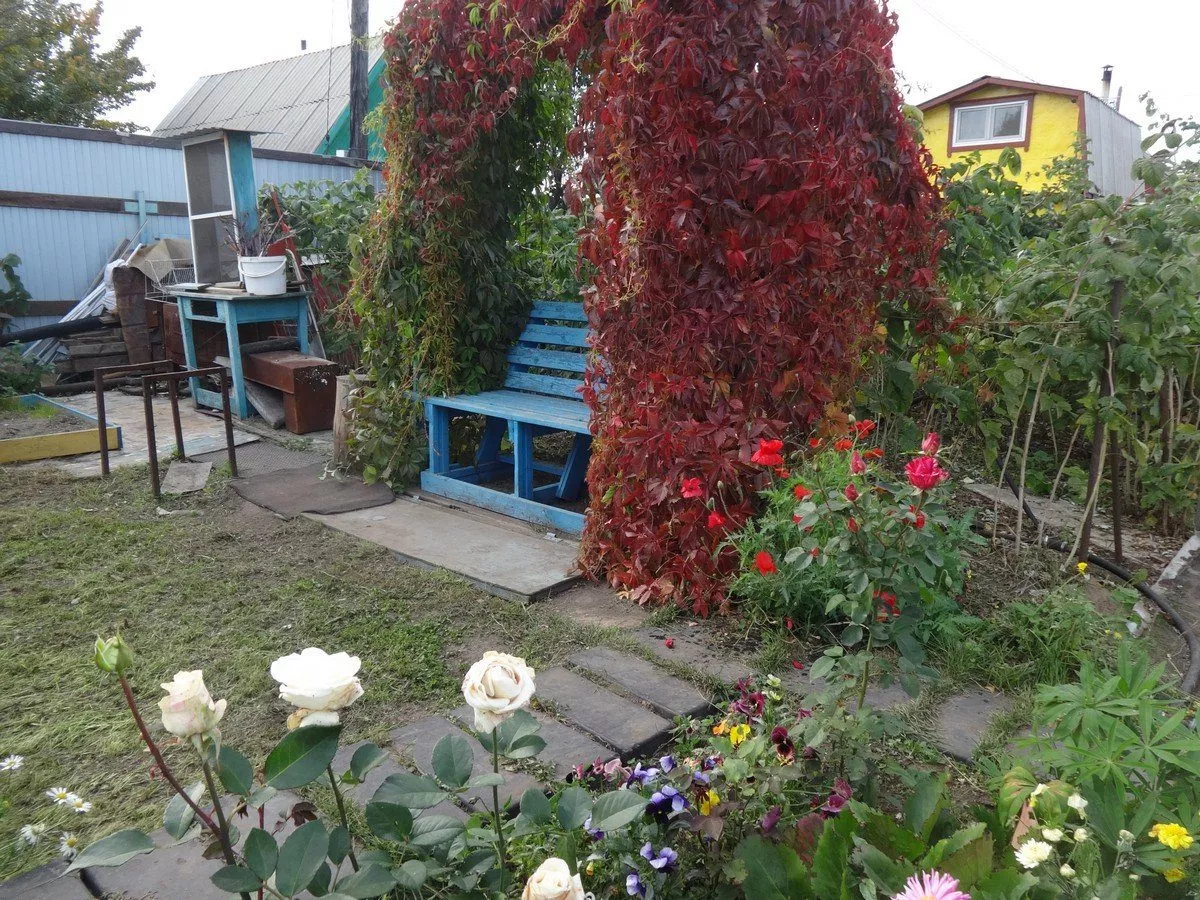
This frost-hardy plant doesn't freeze and grows well in sun or shade. Our Virginia creeper has climbed a bench in full sun. We planted two bushes on either side, creating light shade and adding beauty to our property.
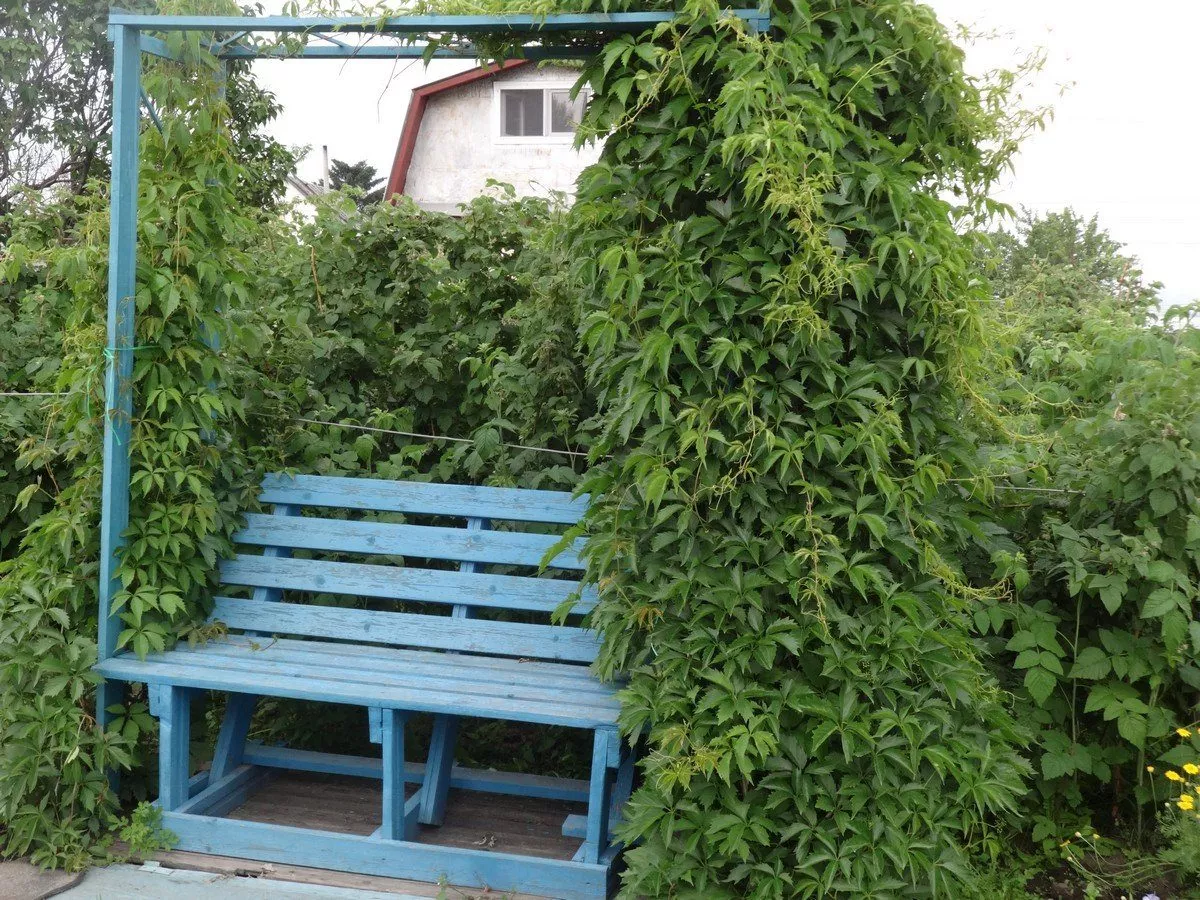
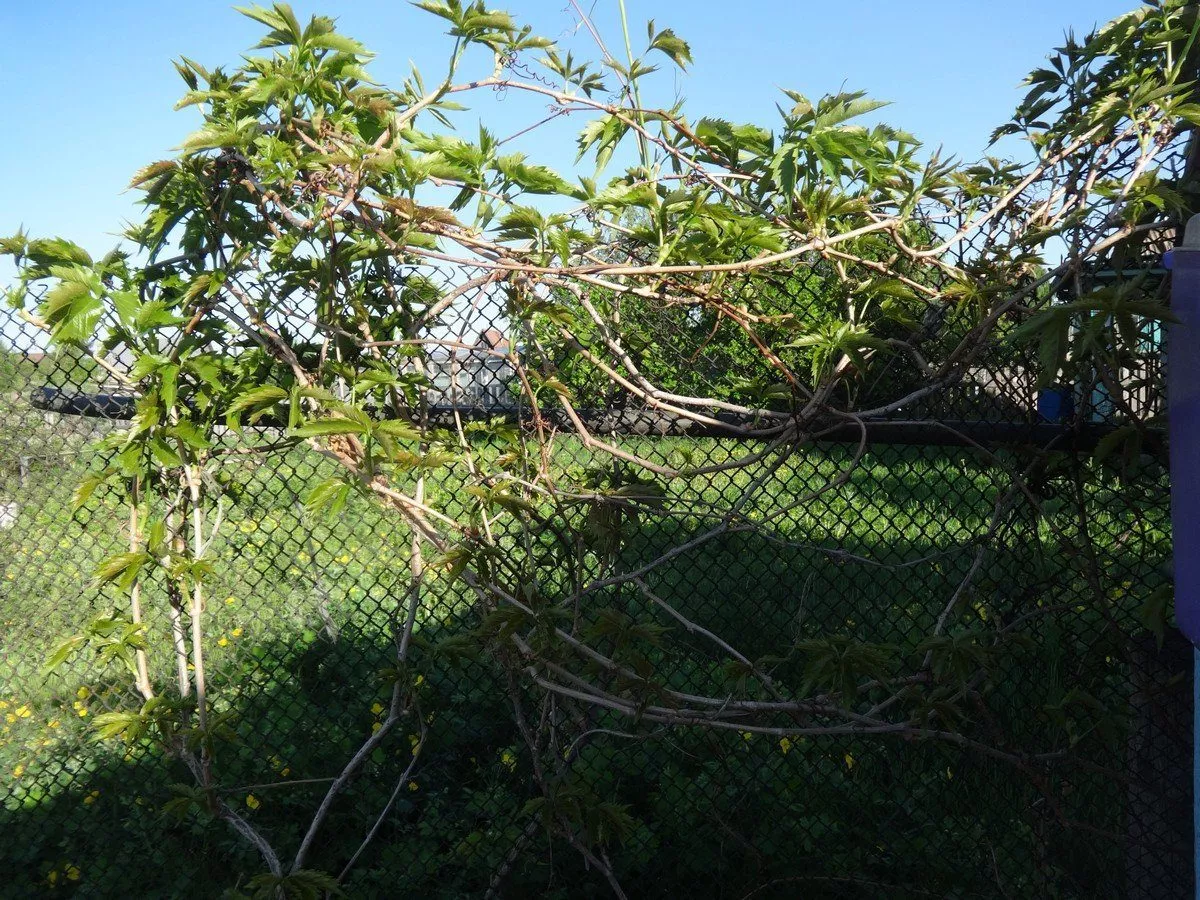
Another bush was planted in the shade near the summer house; it hasn't grown much yet, it's very small, but its vines cover the mesh fence, and soon its vines will reach the roof of the house, and it will replace the annoying hops.
Thunbergia alata
Another annual, beautifully flowering flower is the vine Thunbergia wingata. It has green, oval-shaped leaves, and small flowers in shades of yellow, orange, or light yellow, with a dark eye in the center.
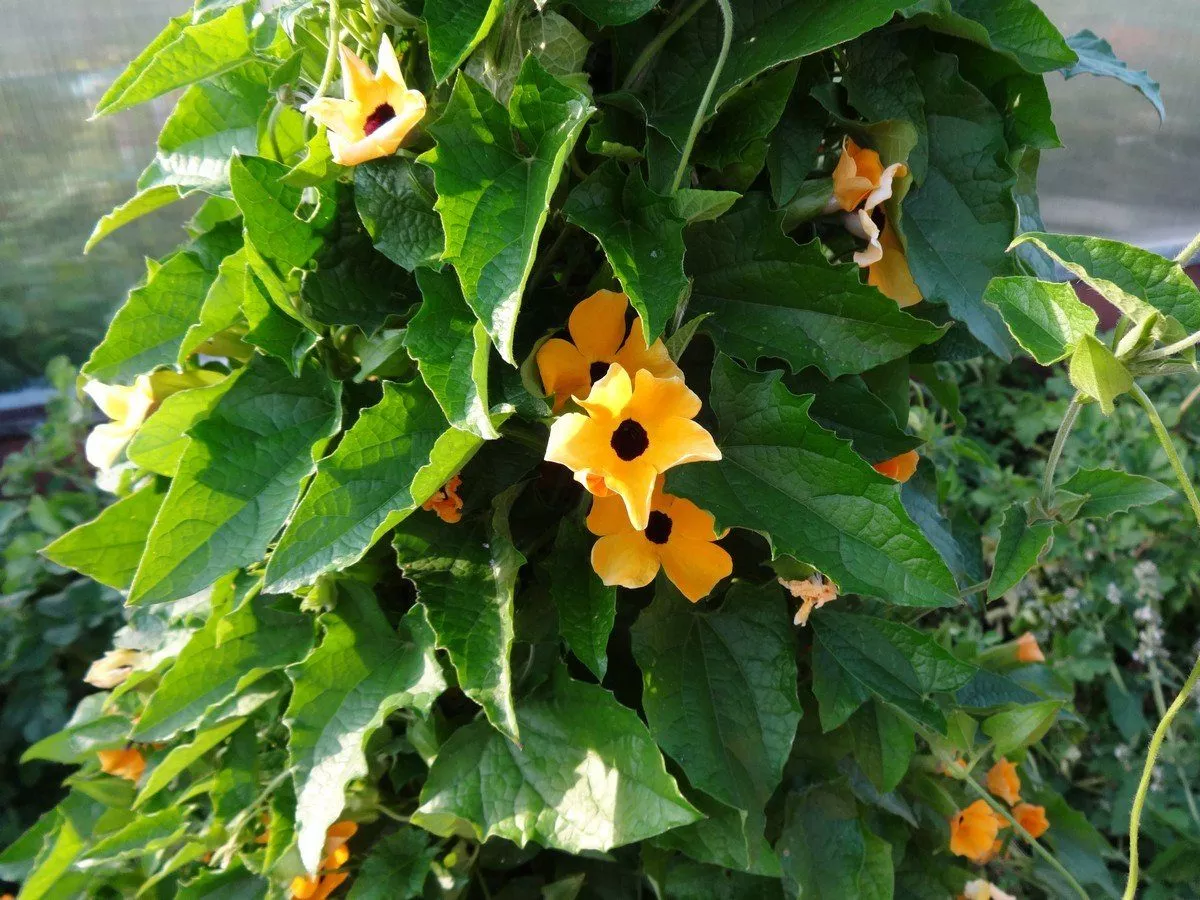
I first bought Thunbergia seedlings at the market, then grew them myself from seeds. I planted the seedlings near the fence at the end of May.
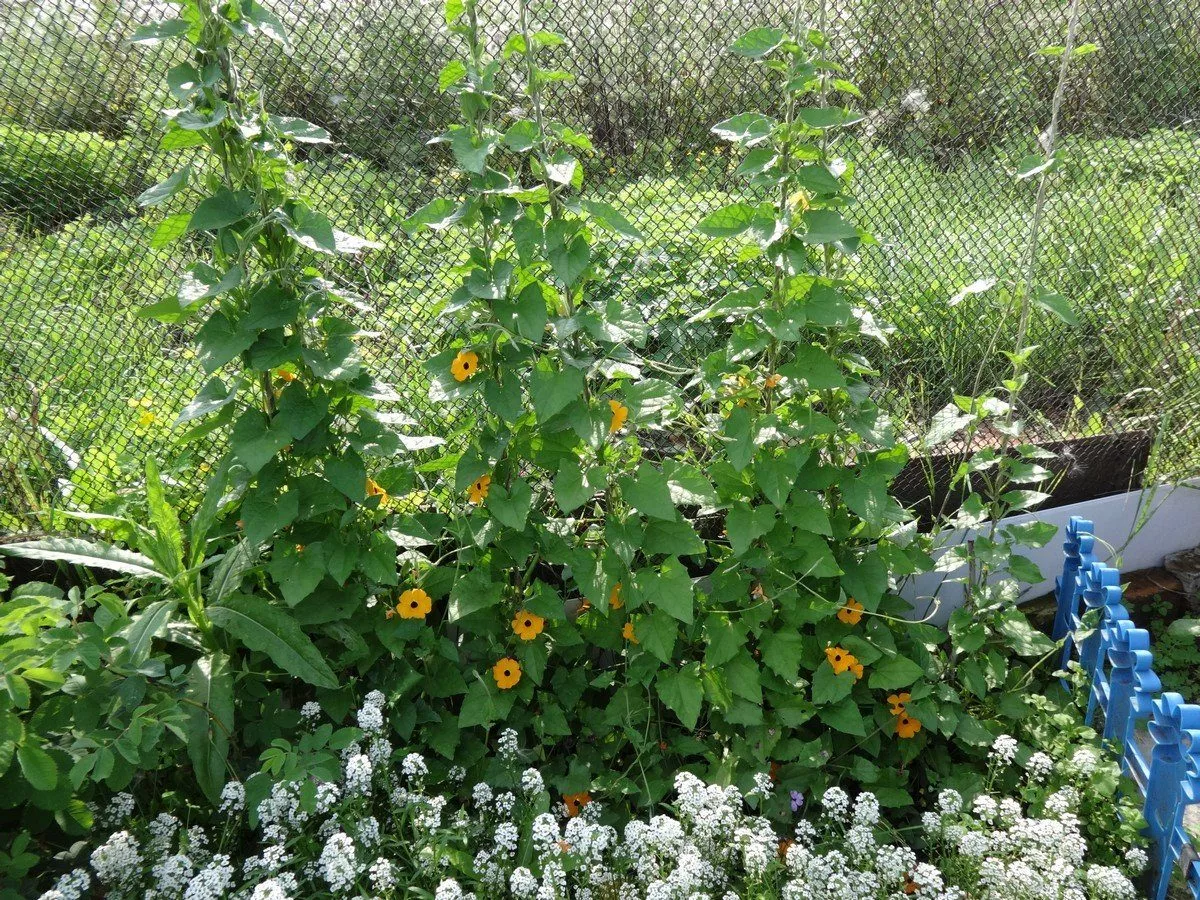
I planted it in a box and made a pyramid like this.
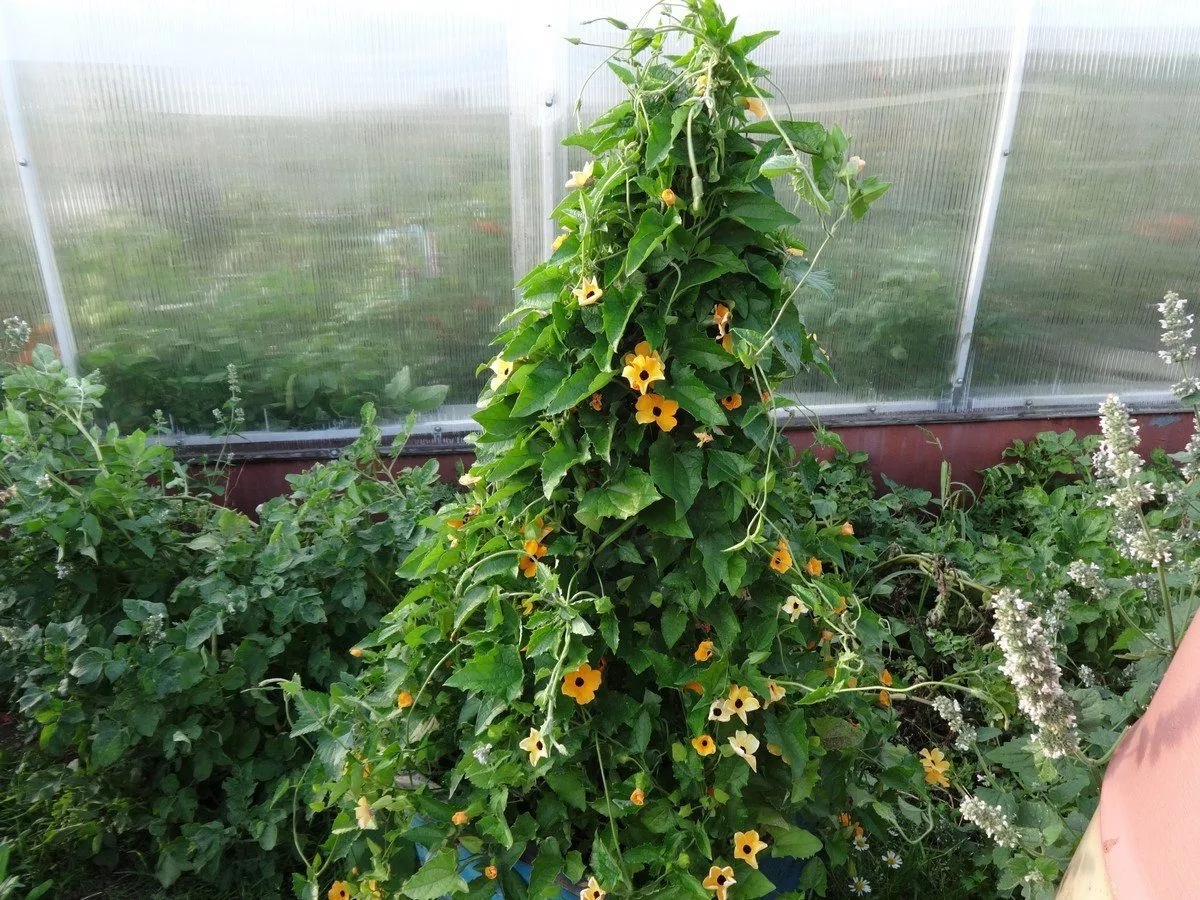
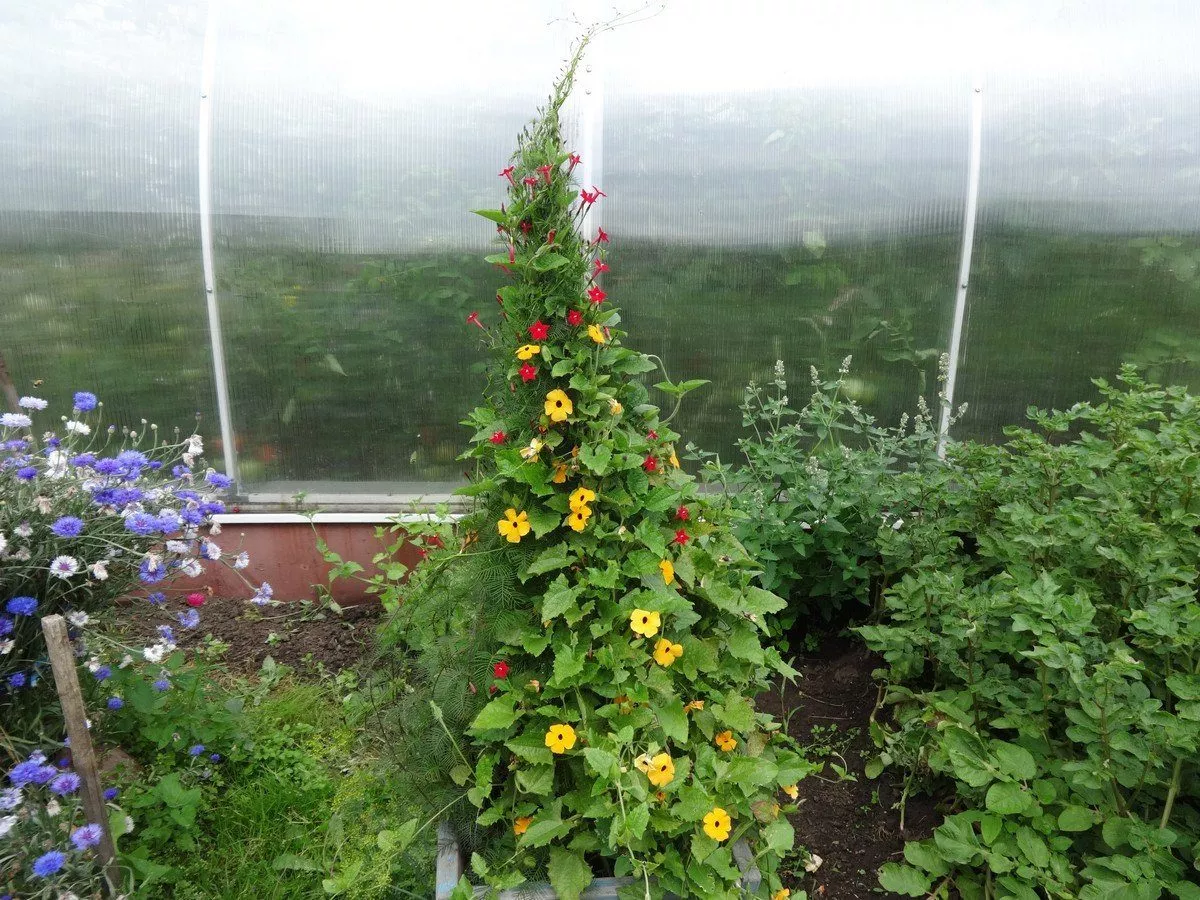
I planted some Thunbergia together with Ipomoea quamoclit, which is also a climbing plant with red star-shaped flowers and delicate Christmas tree leaves, and the result was such a pretty composition.
Morning Glory
I tried growing morning glory several times, the vine grew quickly and vigorously, entwined everything, became covered with large leaves, but there were almost no flowers, and I wanted lush flowering, the same thing happened with nasturtium.
Nasturtium
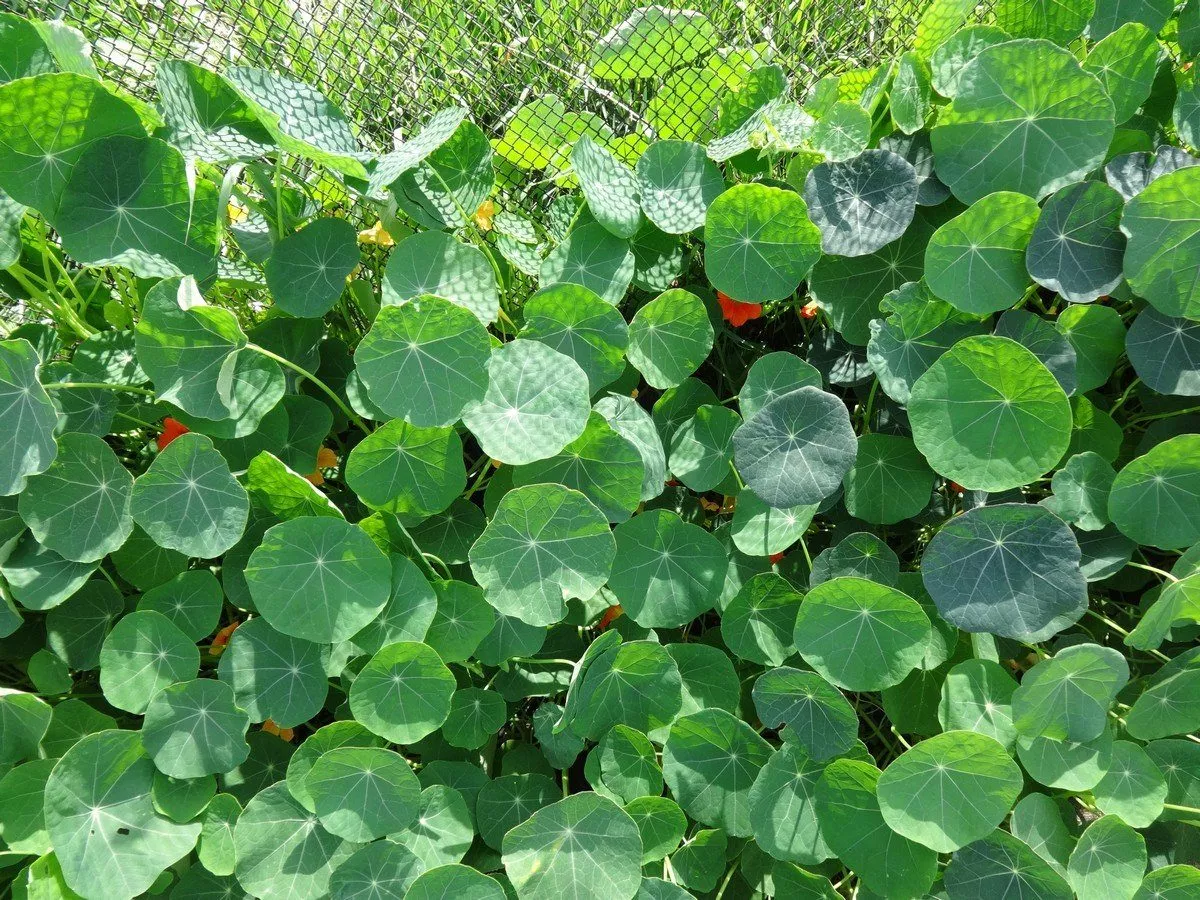
One year I planted nasturtium near the fence; its long stems with beautiful round leaves quickly twined around the fence and the surrounding area where I had low-growing marigolds growing.
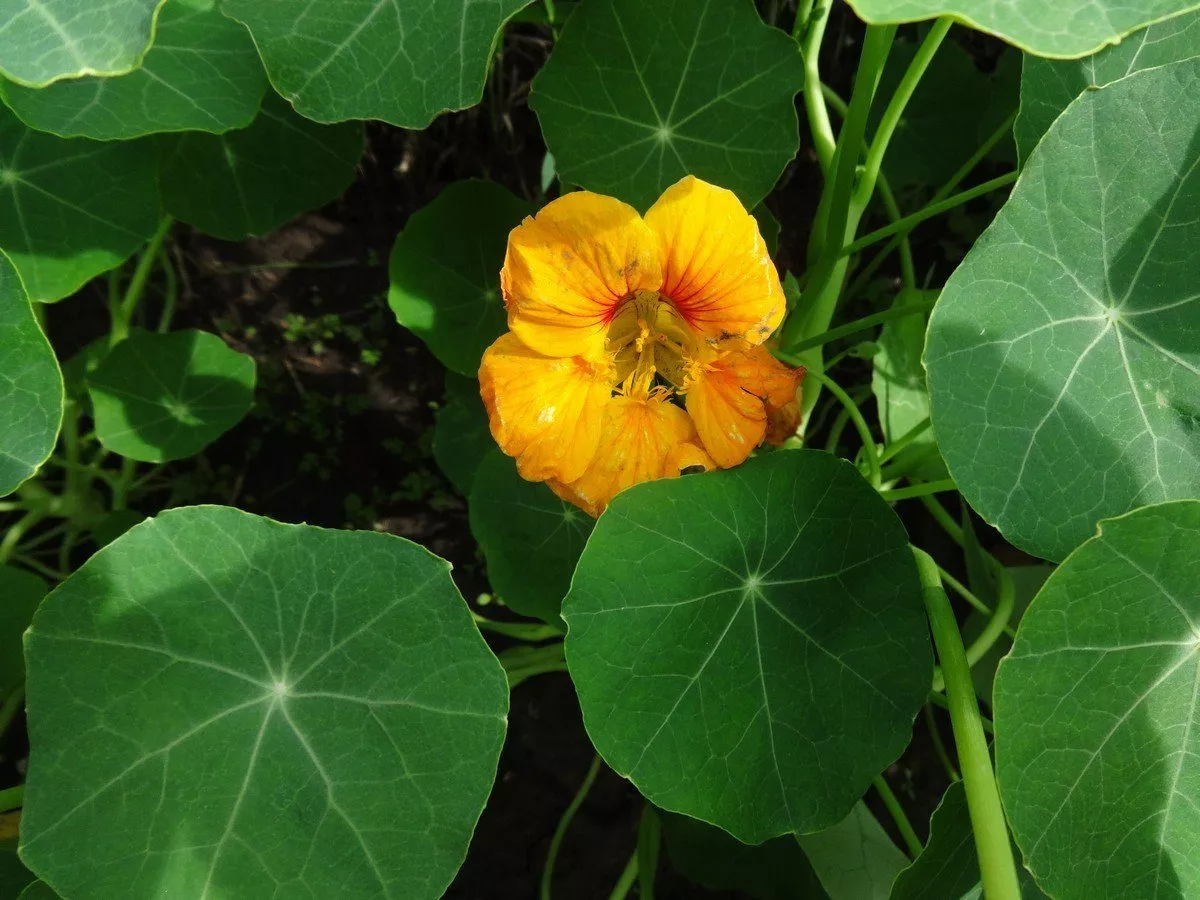
The nasturtiums simply choked them. I had to constantly trim the vines, which would immediately grow back. But the yellow-orange flowers were very few. I wanted the nasturtiums to bloom profusely, like in the pictures online, but it didn't work out that way. Perhaps my soil was too fertile, so instead of flowers, there were only leaves.
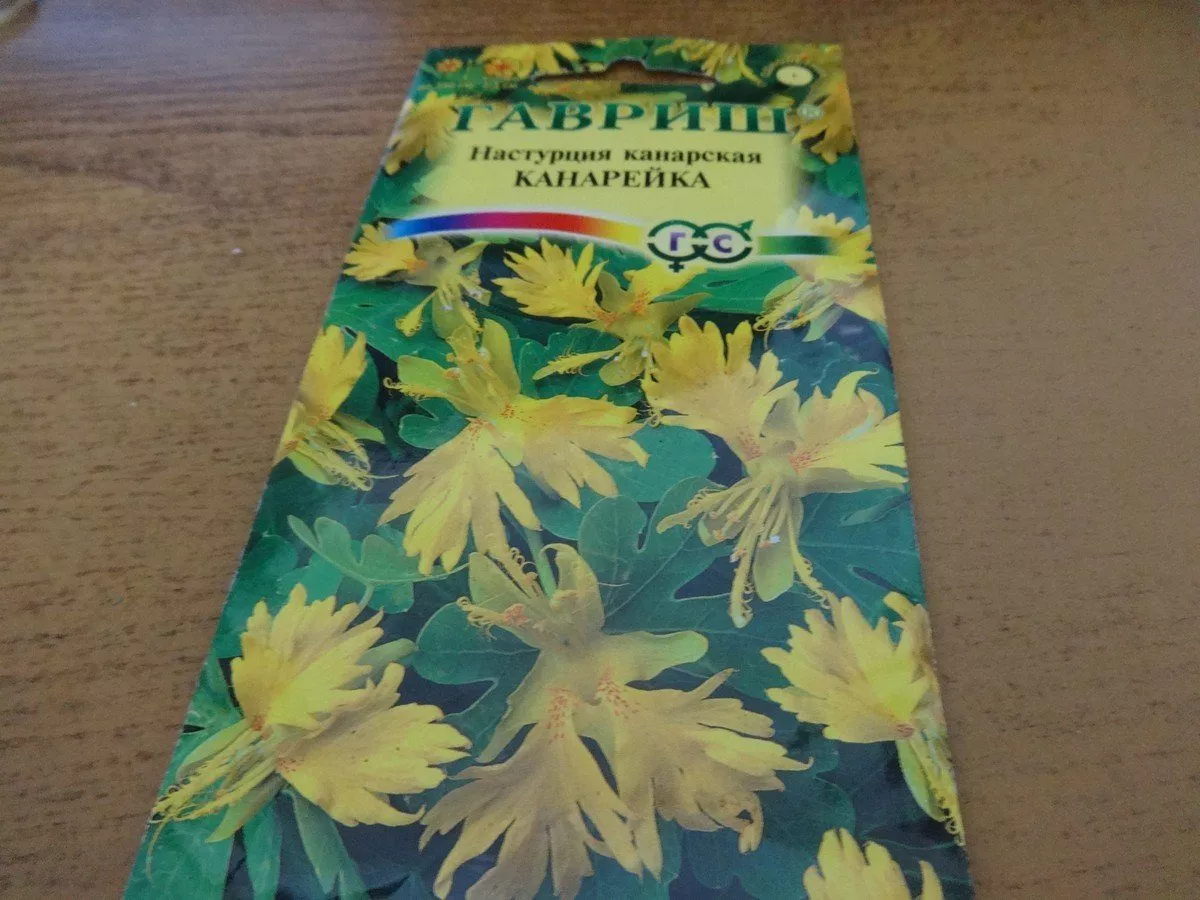
This year I bought Canary Island nasturtium seeds, sowed the seedlings, and 4 sprouts emerged.
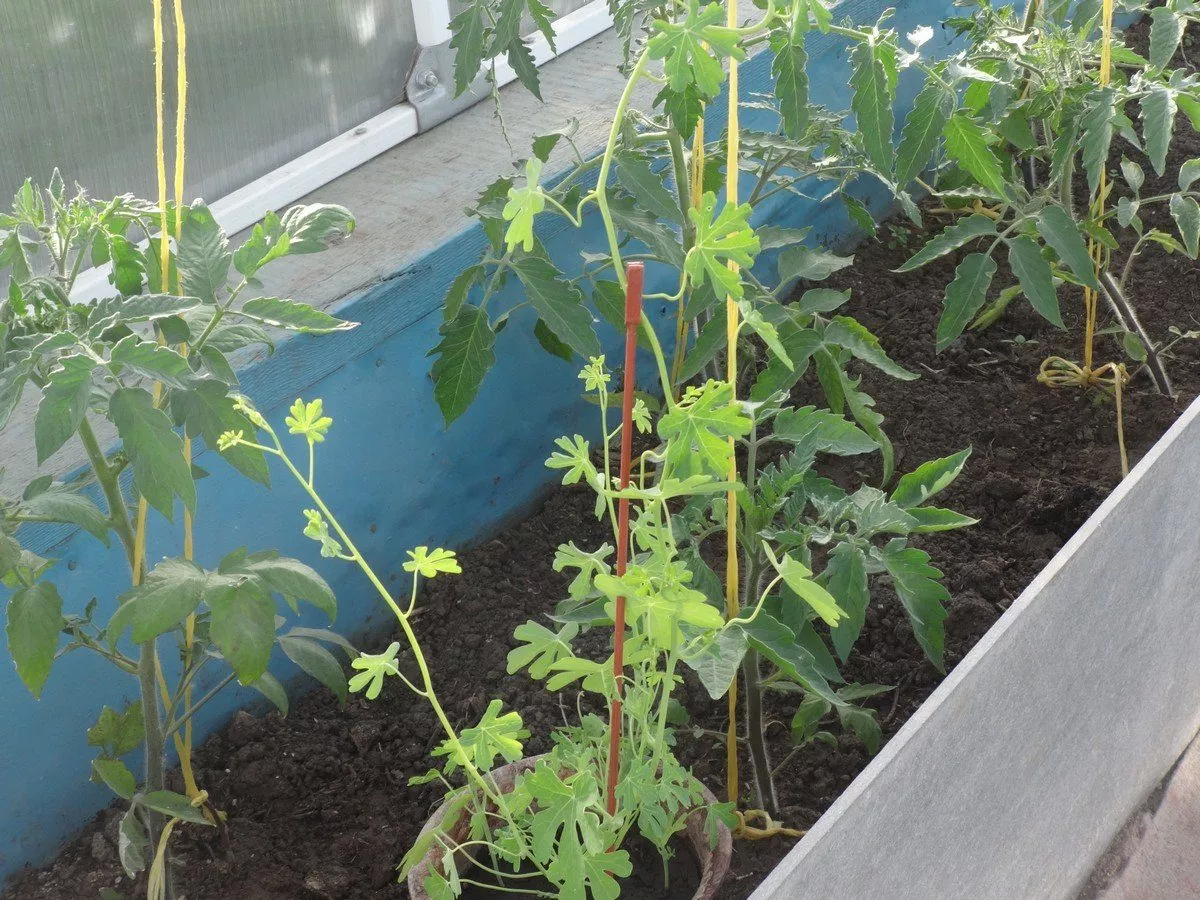
I planted them near the fence, I'll see what happens.
Sweet pea or vetch
One of my favorite climbing plants, which I grow every year from seedlings.
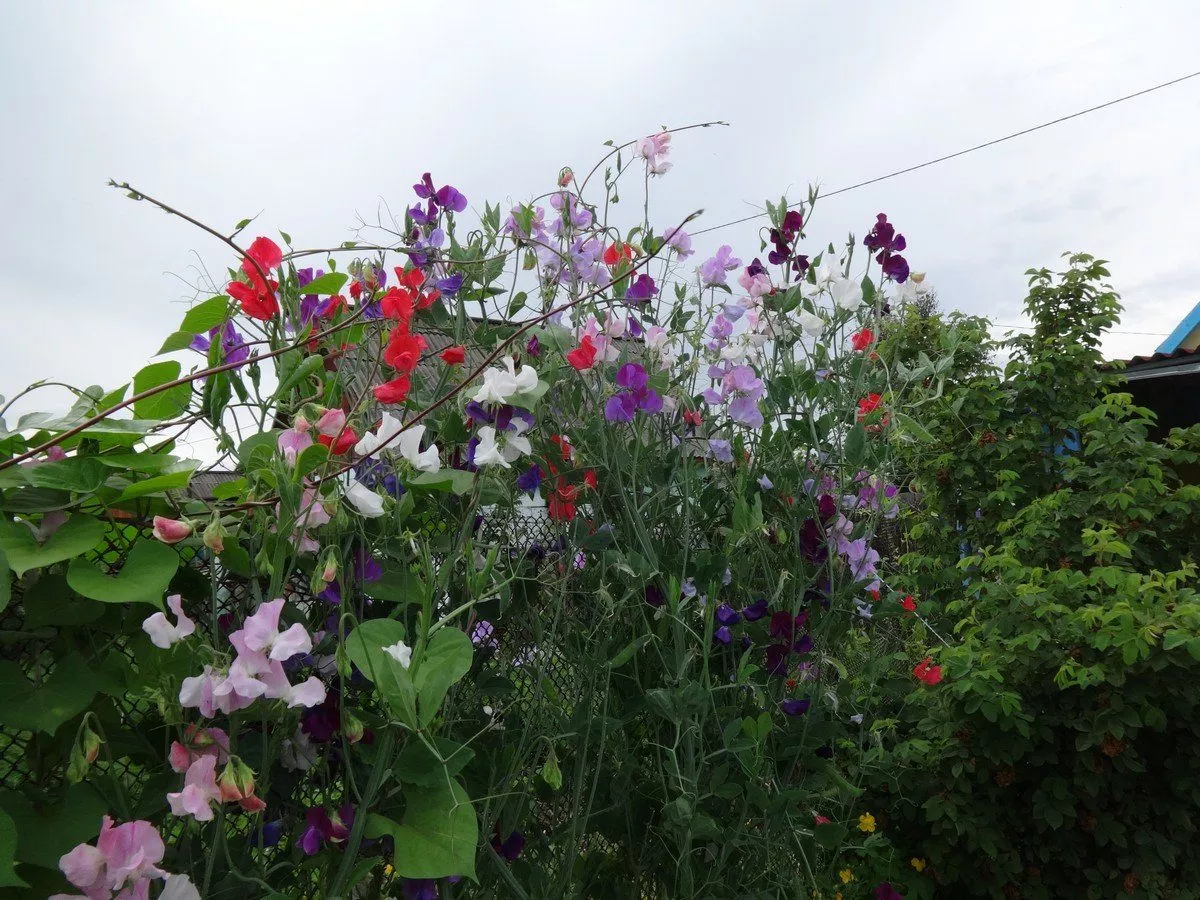
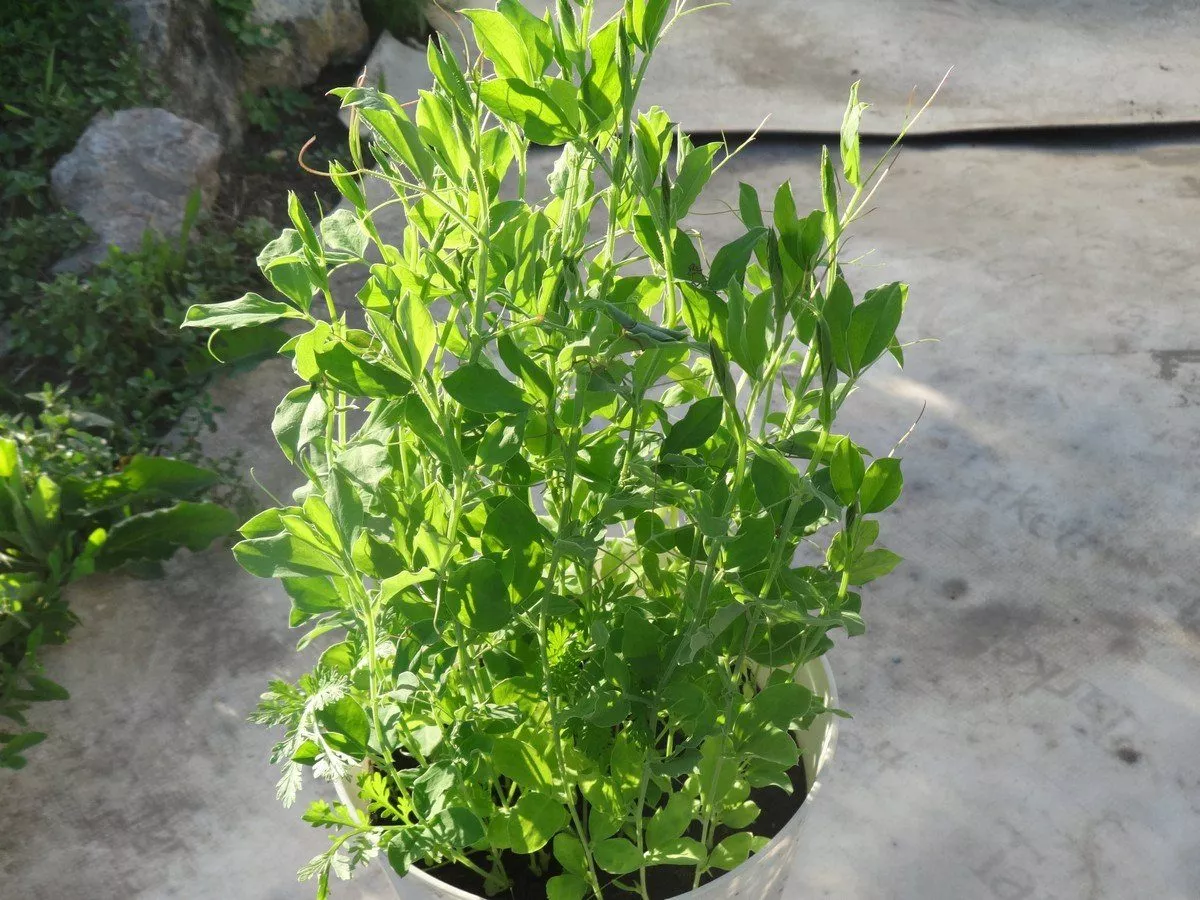 I really like its multicolored butterfly-shaped flowers, which emit a very pleasant scent. The plant resembles a common pea, but its flowers come in a variety of colors, from white to dark burgundy. It also produces bean-like pods containing peas.
Unlike regular peas, its pods are thin and small. The vetch quickly twines around the mesh fence and blooms beautifully and brightly until the frost, brightening up our dacha.
Clematis - Tangut and small-flowered burning
One year I grew Clematis tangutica from seeds - it is an unpretentious, beautifully flowering vine with yellow flowers that blooms in the fall.
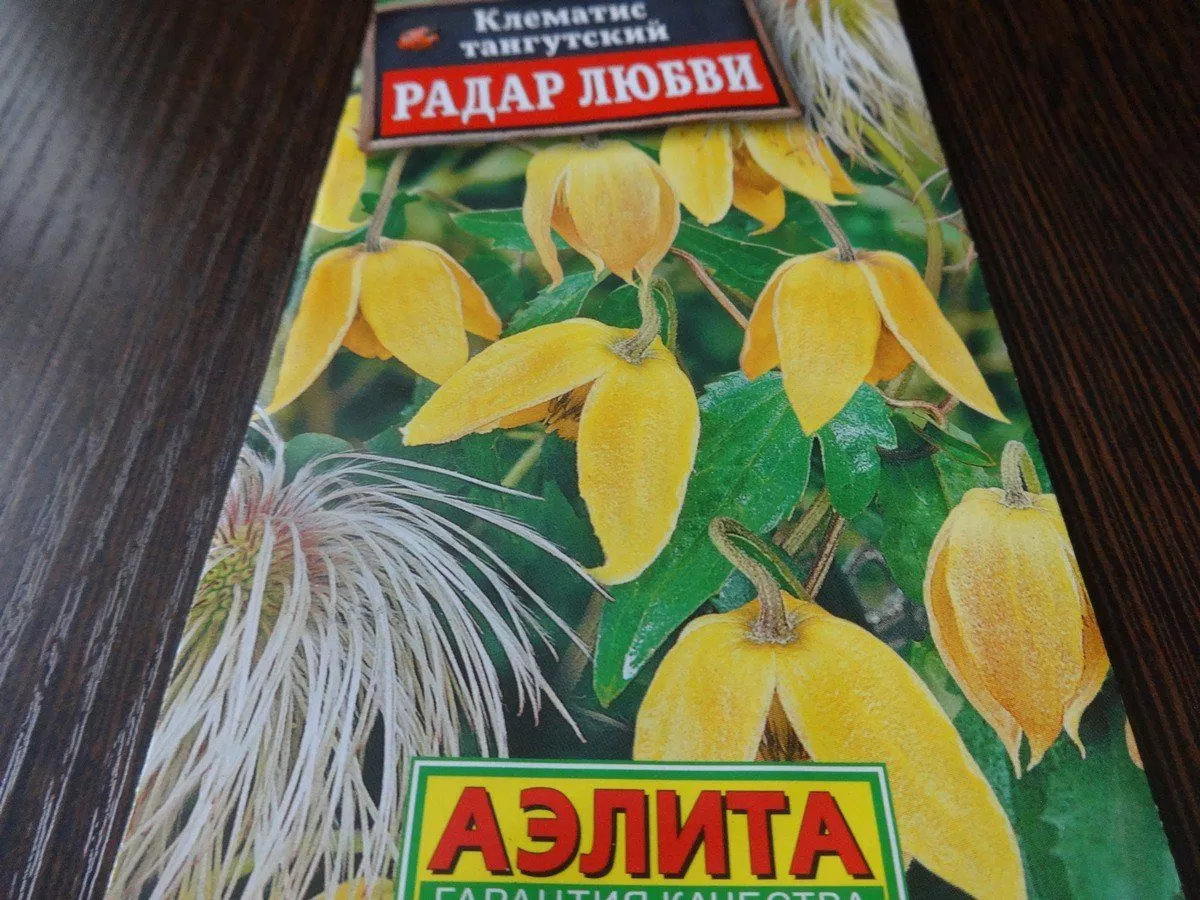
My liana bloomed at the beginning of October. The flowers were simply wonderful - soft yellow bells.
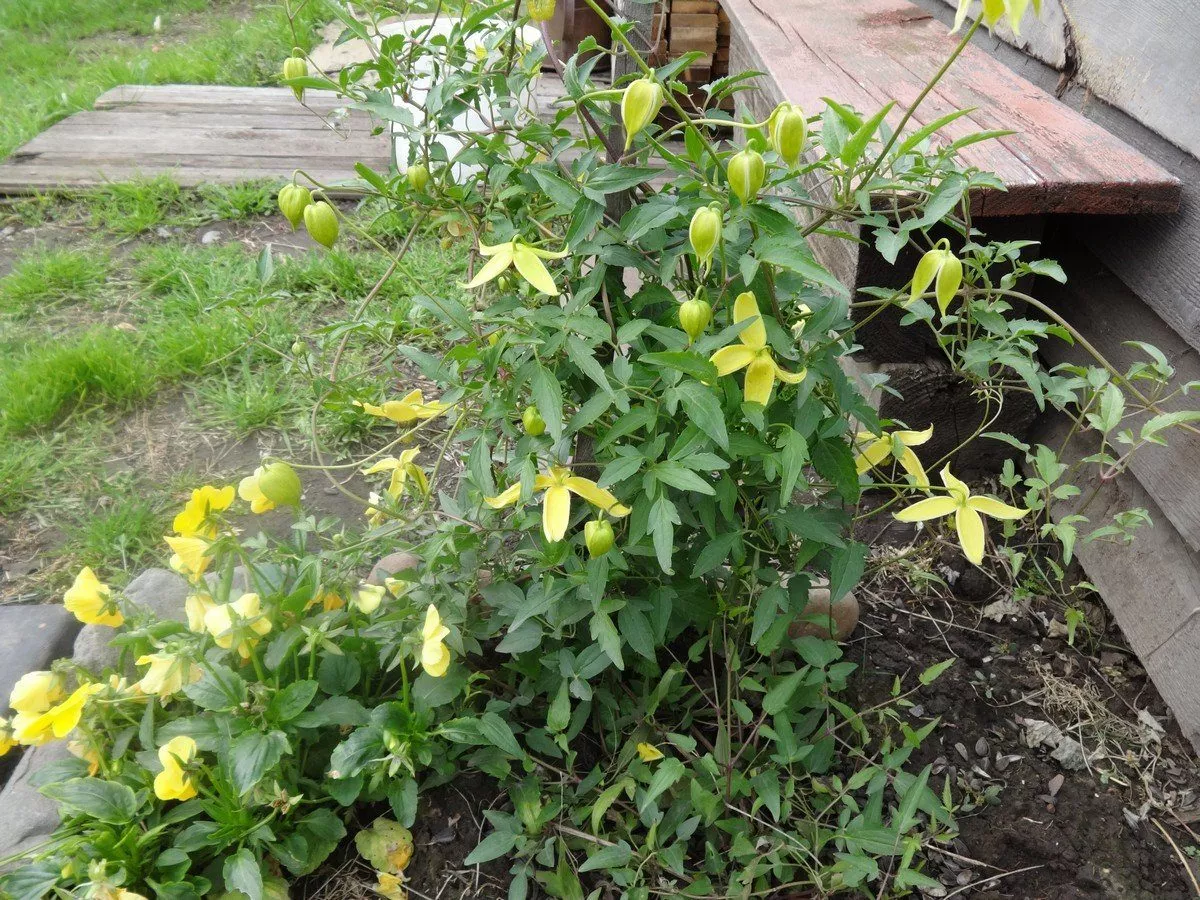
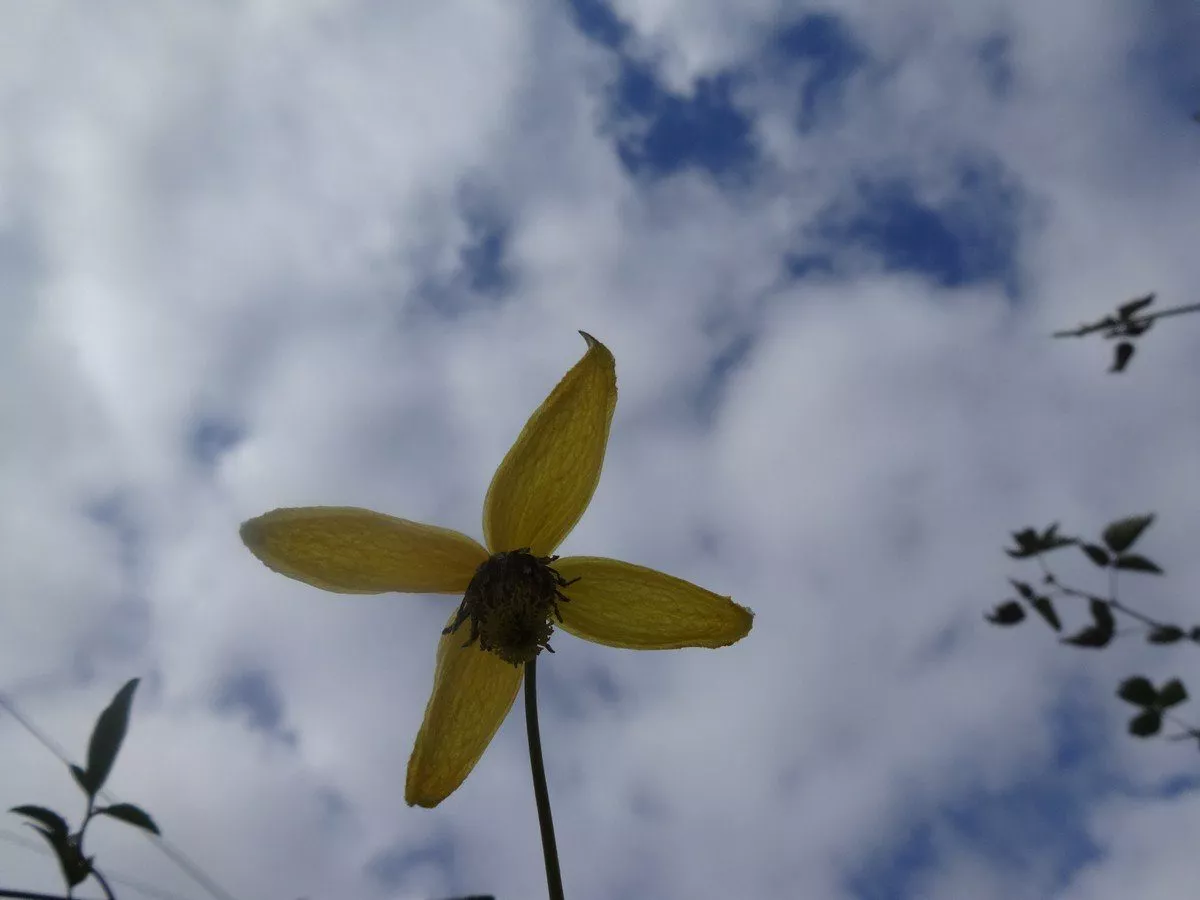
I dreamed of transplanting the clematis to the chain-link fence in the spring, but it didn't sprout. Although at our friends' dachas, the clematis tangutica has twined around the entire fence.
Clematis striata, a small-flowered white plant, also grows beautifully and blooms profusely at our dachas. Last spring, I planted a small, slender shoot, and it even produced delicate white flowers. This spring, a sturdy shoot emerged, already blooming, and is about to blossom.
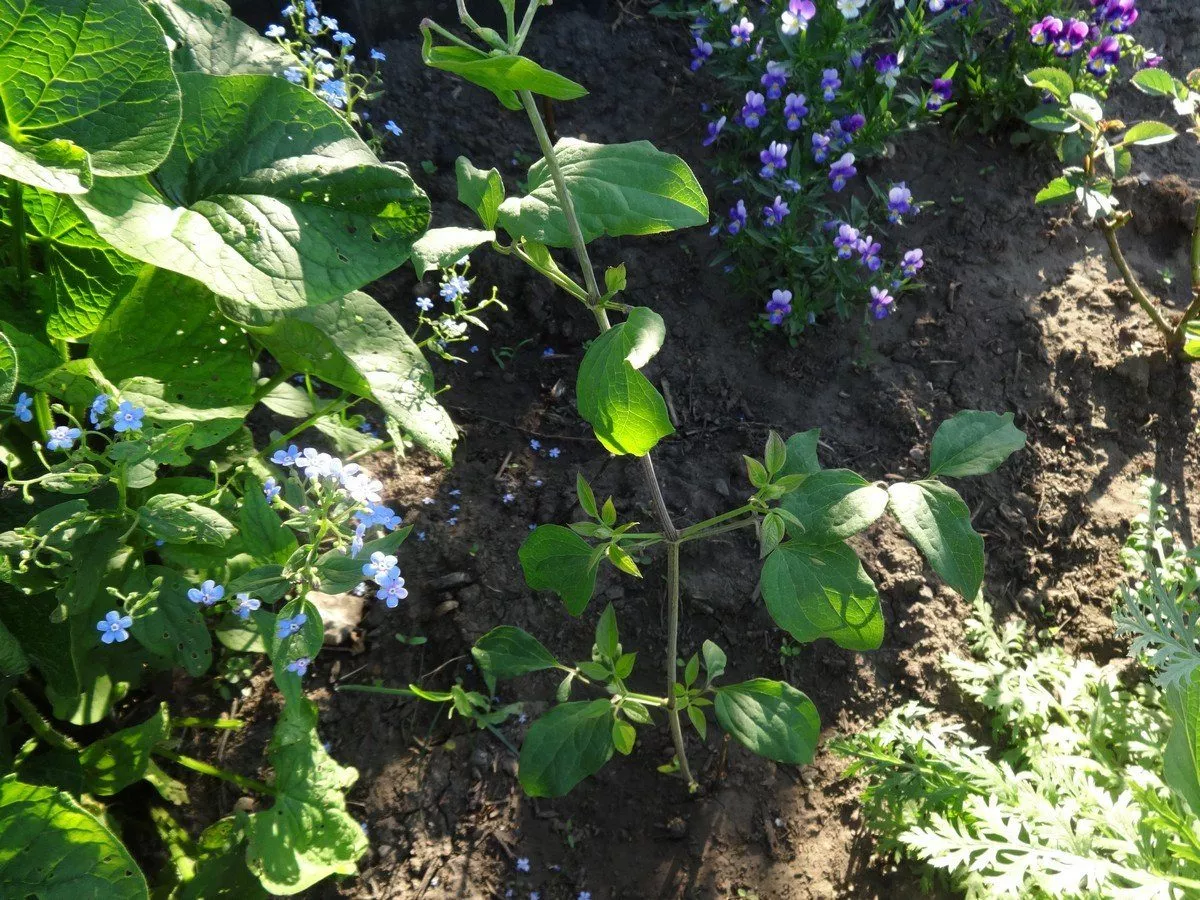
I hope that it will soon grow and decorate our dacha.