

Cabbage is a popular vegetable grown by gardeners. We also grow this healthy vegetable every year. The most common is white cabbage. We also grow Savoy cabbage, red cabbage, cauliflower, and Chinese cabbage—we plant 5-10 of each. All types of cabbage They produce a good harvest. I also grew broccoli, but I didn't get any beautiful, tight florets—no heads. The broccoli blossomed with yellow flowers and had to be pulled out. But the kohlrabi turned out well.
What kind of cabbage is this and how to grow it?
Kohlrabi is a type of cabbage that produces a turnip-shaped fruit on the stem instead of a head of cabbage. It's also known as cabbage turnip. While the fruit only looks like a turnip, it actually tastes like cabbage.
Read more about kohlrabi, its varieties and cultivation features in this article.
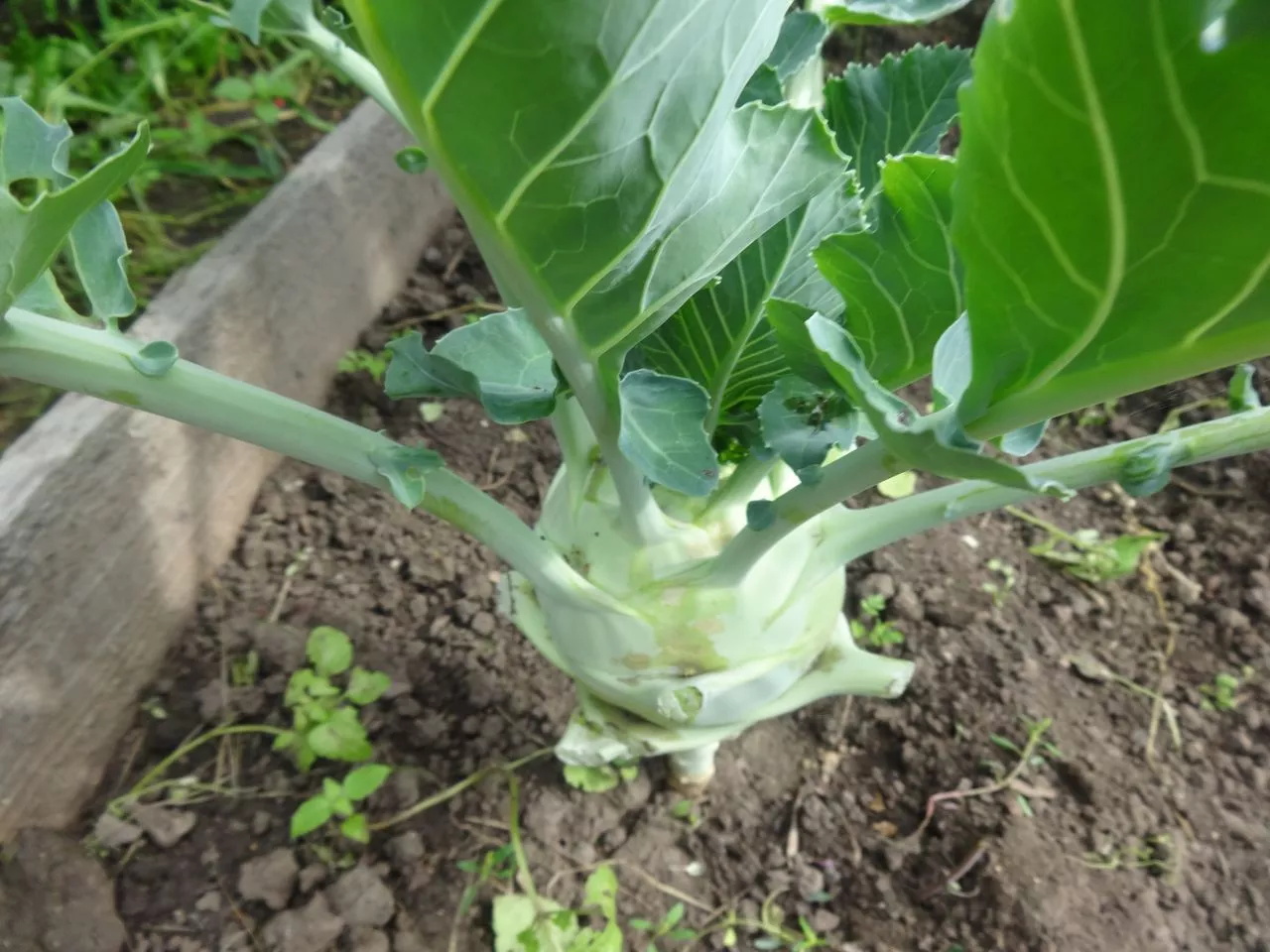
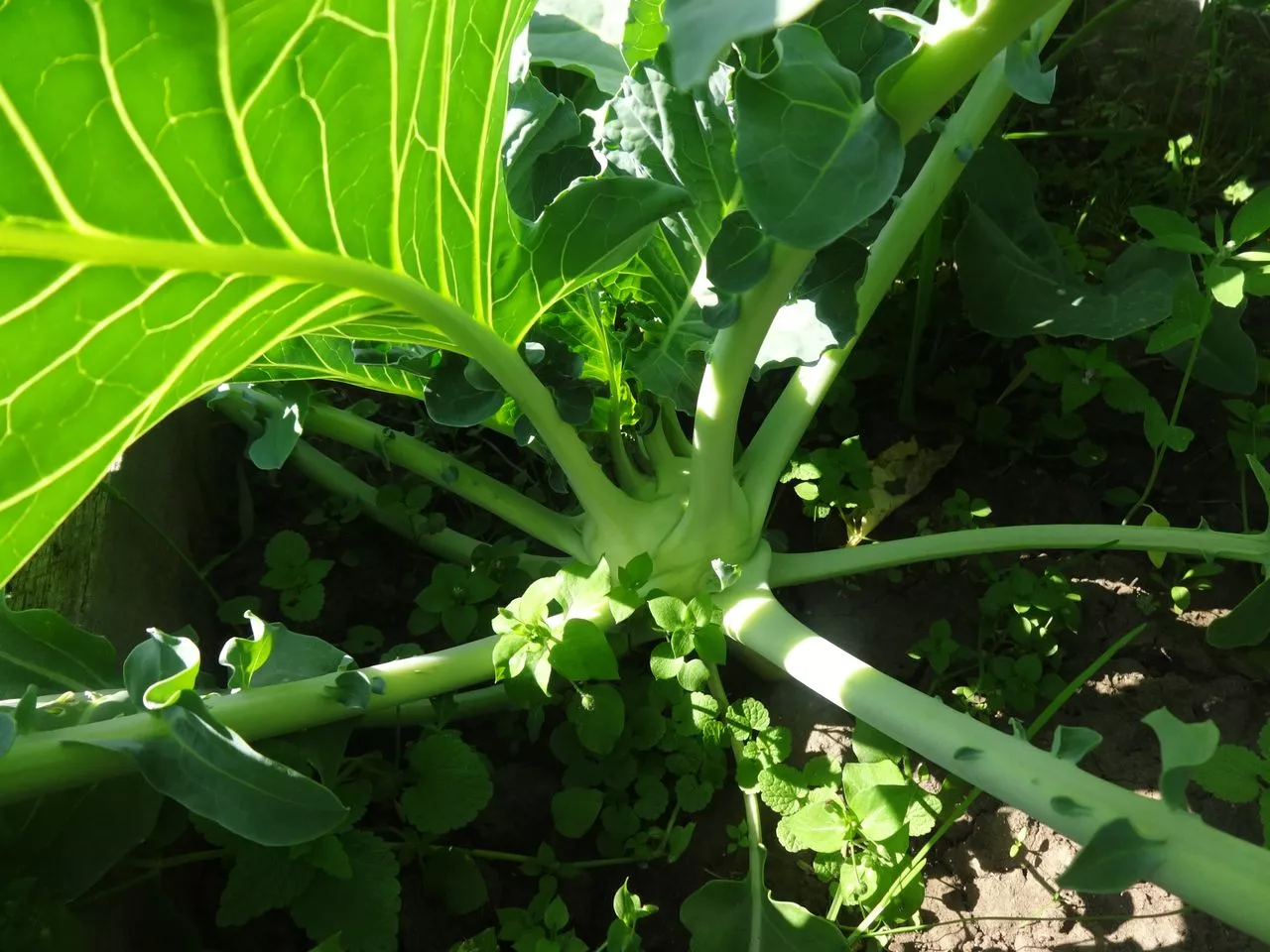
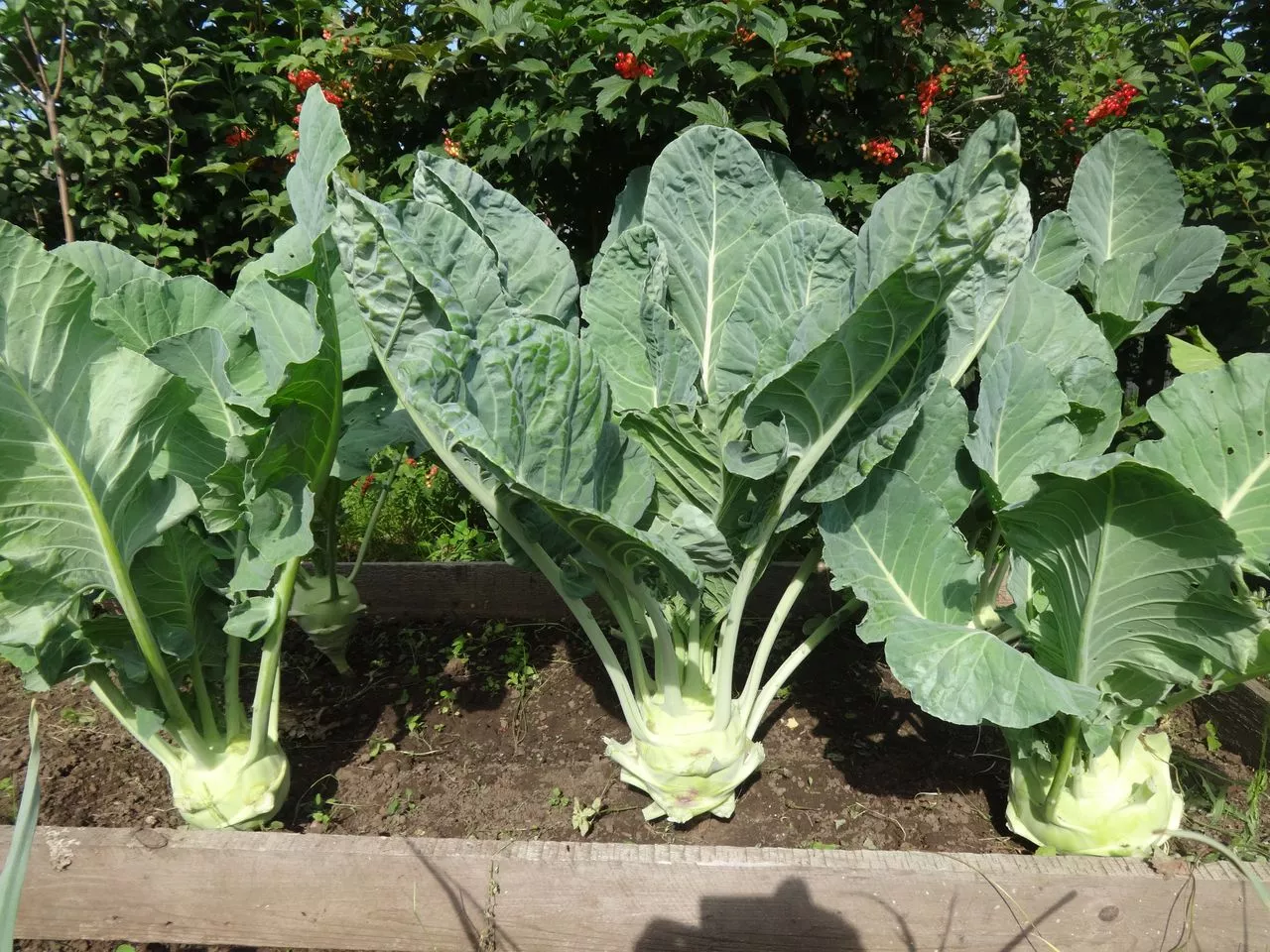
I grew kohlrabi using seedlings. The young seedlings are no different from cabbage seedlings. As they grow, their stems lengthen, bearing tall, bright green, large leaves.
Then a turnip forms in the center of the stem.
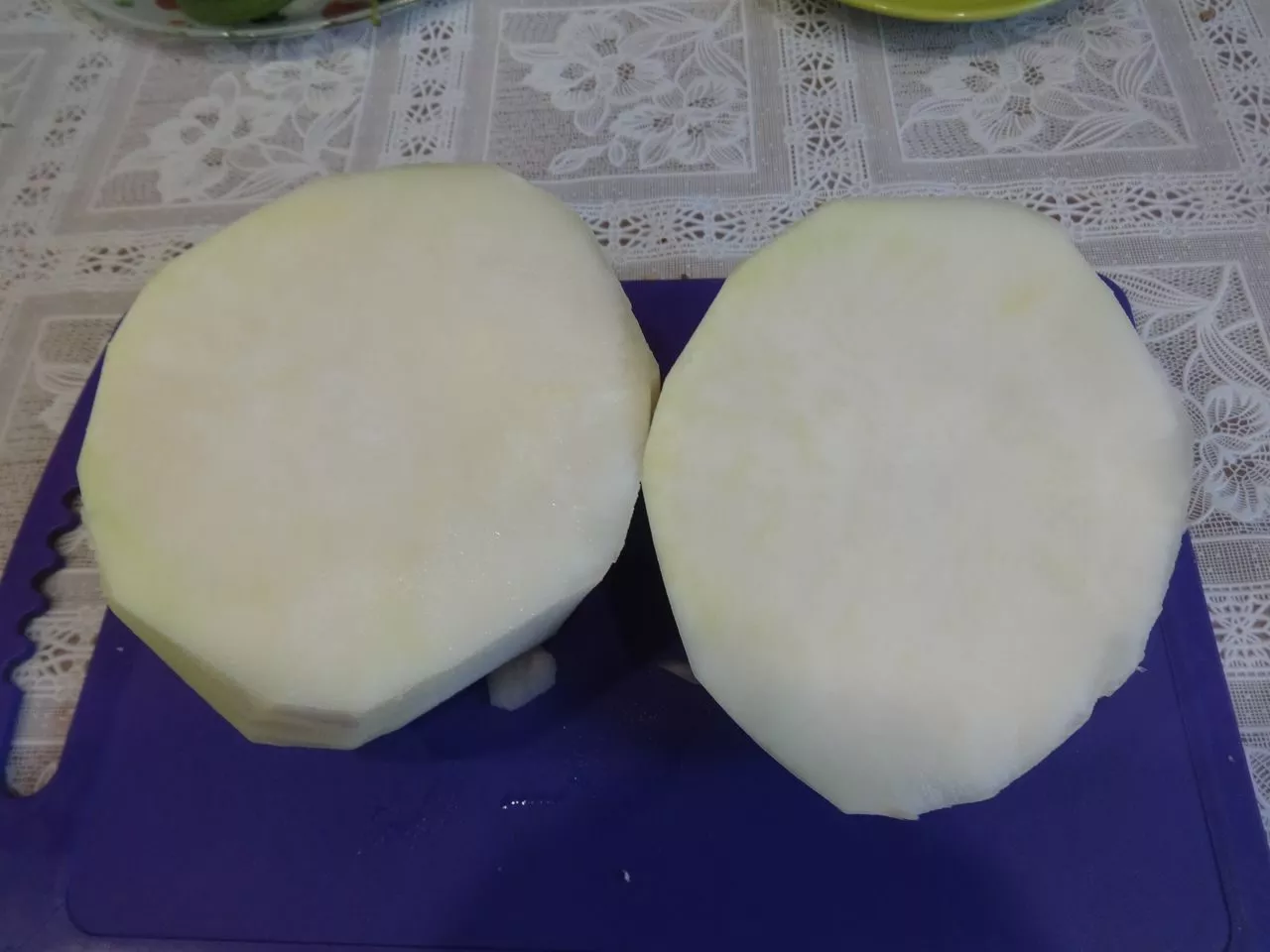
The turnip has a thick skin that needs to be peeled. The flesh is light, juicy, and tasty, without any bitterness.
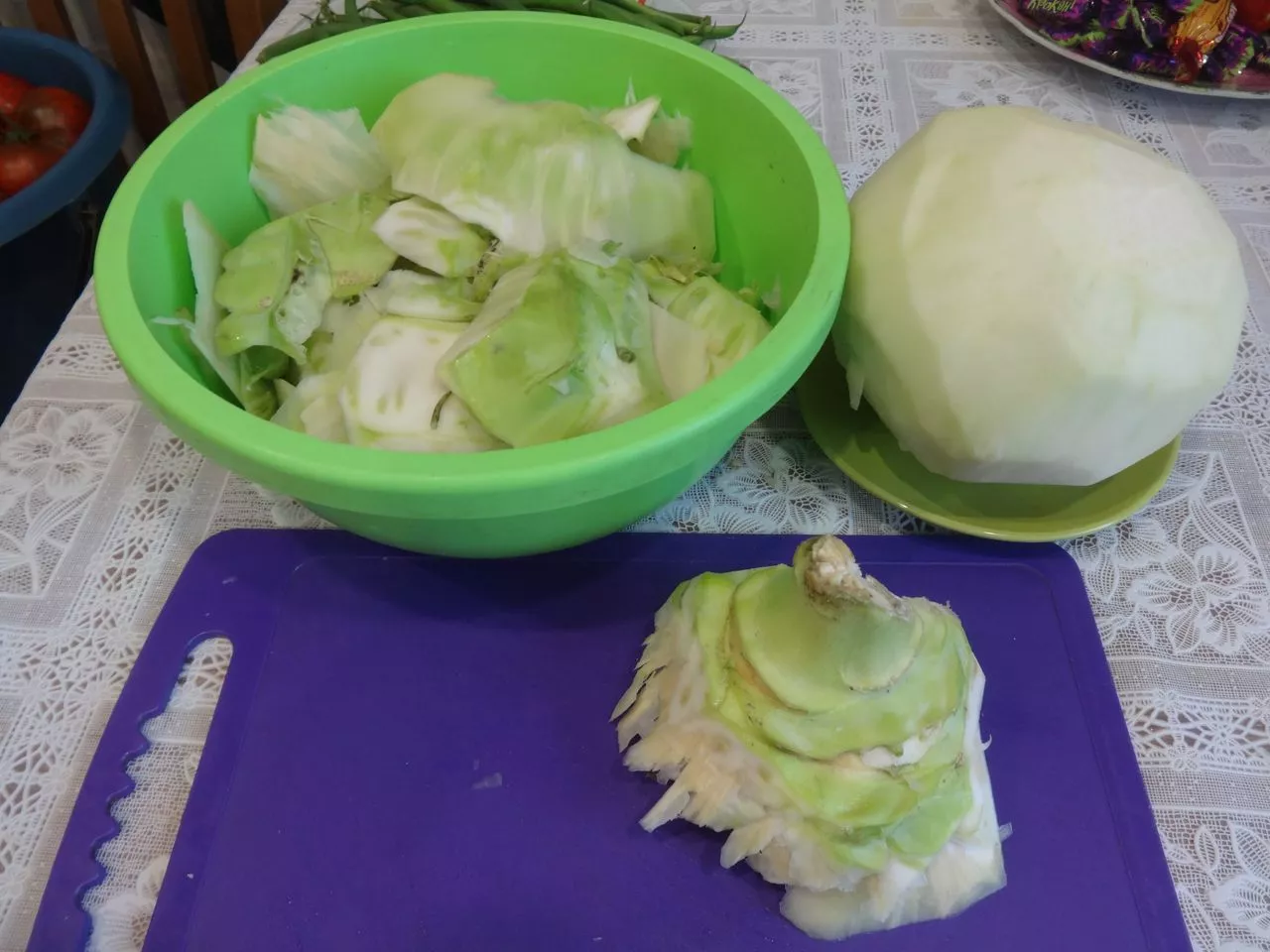
Kohlrabi can be used in fresh salads, stewed, fried, or simply eaten raw. Its flavor is reminiscent of a cabbage stalk, which many enjoy gnawing on while pickling cabbage for the winter.
Growing cabbage is easy and doesn't require much care. When planting, I added a handful of compost and a little ash to the hole, just like I would with regular cabbage.
Timely watering during hot seasons, loosening the soil, weeding, and pest control are the most common care.
Pests include cabbage moths, cutworms, and cabbage whites, but our cabbage was almost free of them. Only a few leaves had small holes.
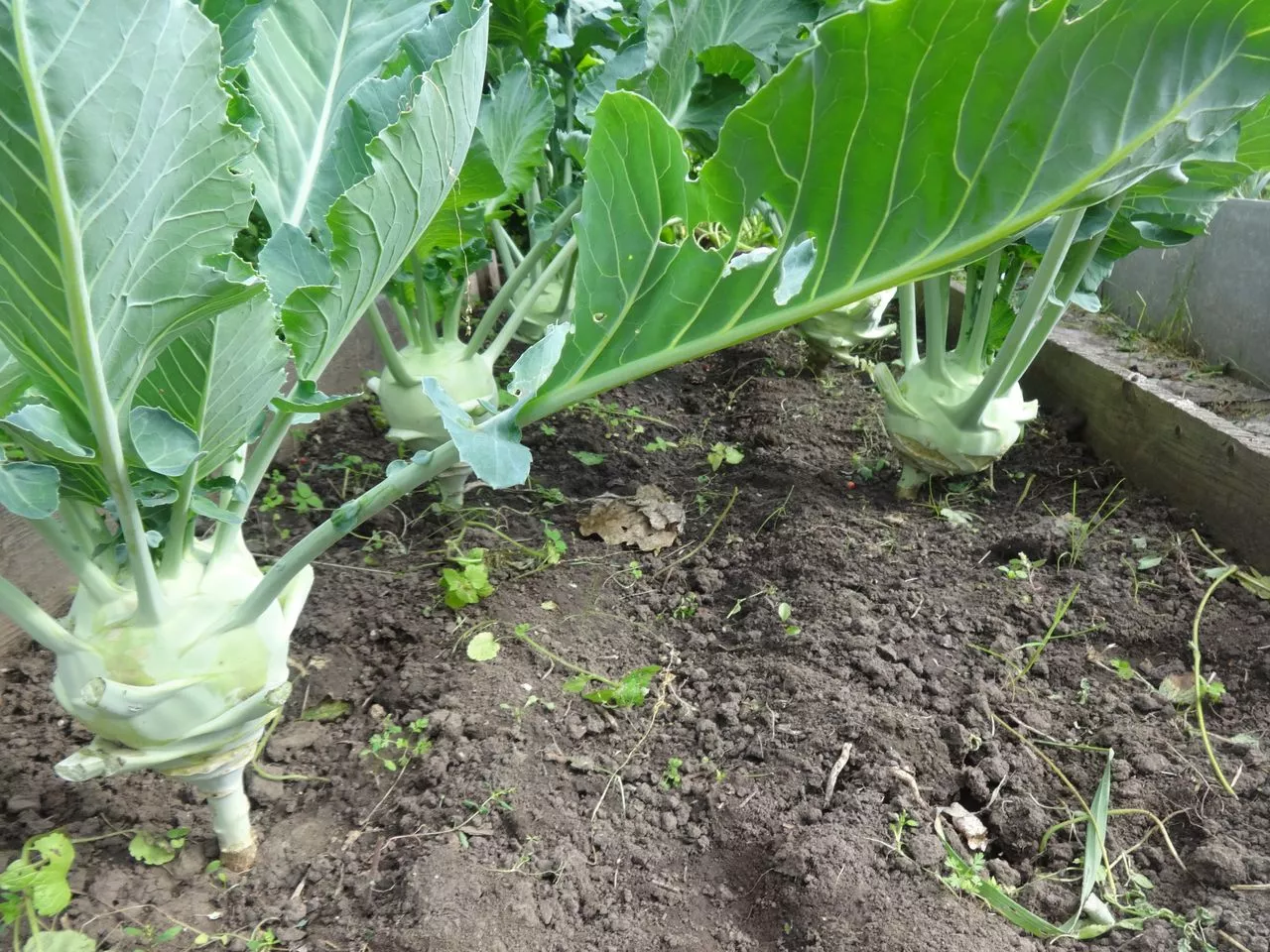
The kohlrabi fruits were clean and undamaged, unlike real turnips, which are constantly gnawed by pests, most likely wireworms. The tough skin is probably too tough for them to chew. And turnips don't touch the soil, growing on stems above ground level.
Kohlrabi requires a sunny spot with fertile soil. At the beginning of growth, it requires nitrogen fertilizer—watering with herbal infusions was done. Ash and humus were added under the bushes to provide the plant with potassium and other nutrients.
How to collect, store and use
Last spring, I planted 12 of these cabbages. We ate half the harvest over the summer, and the remaining turnips were harvested in early October.
- First, we cut the leaves off the turnips with pruning shears.
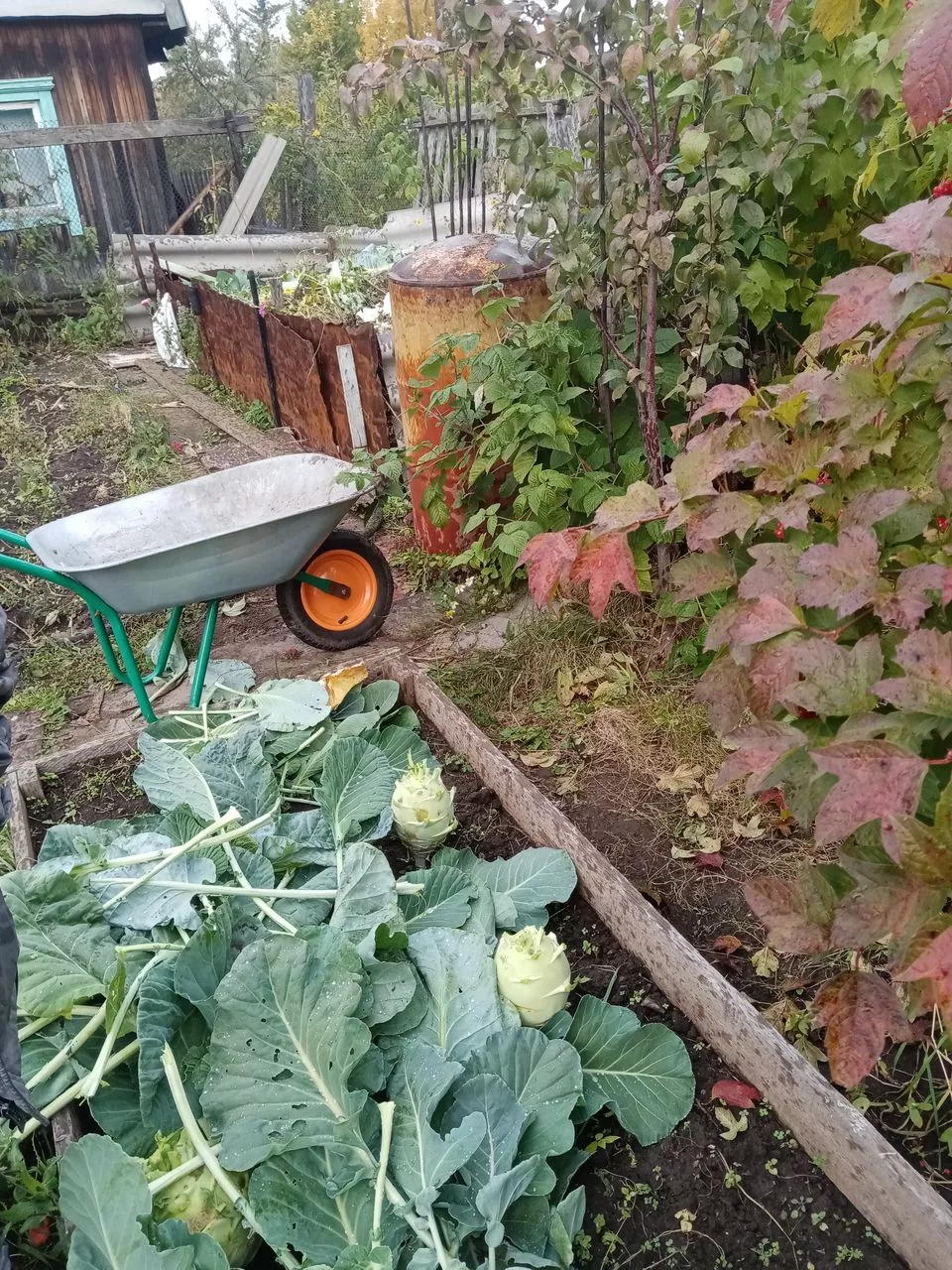
- They pulled out the root vegetable itself and cut off the root.
- The kohlrabi was stored in a wooden box in the cellar. The last turnip was taken out at the end of May. The fruit was well preserved, not woody or rotting.
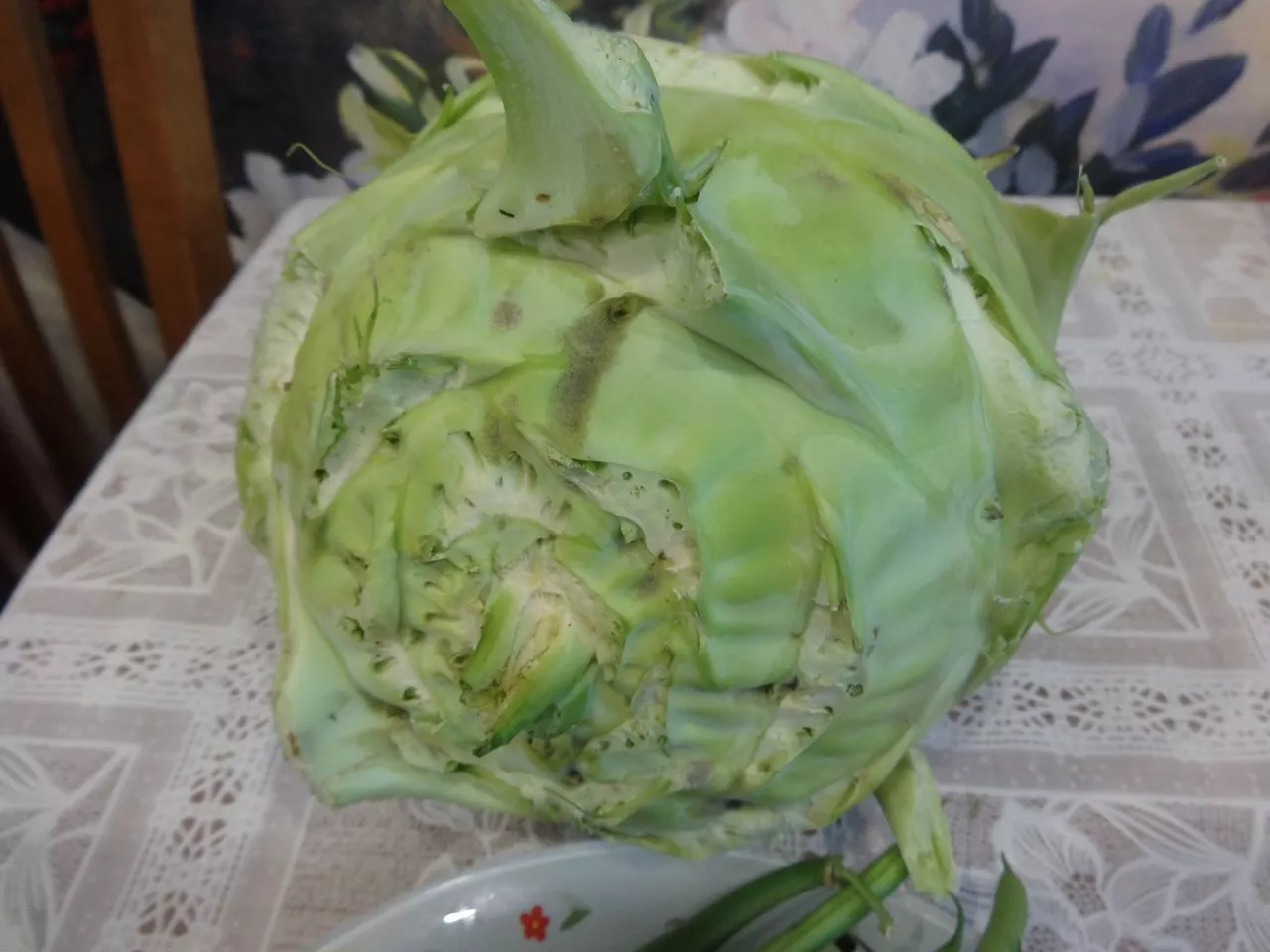
The peel was cut off and the juicy pulp was grated.
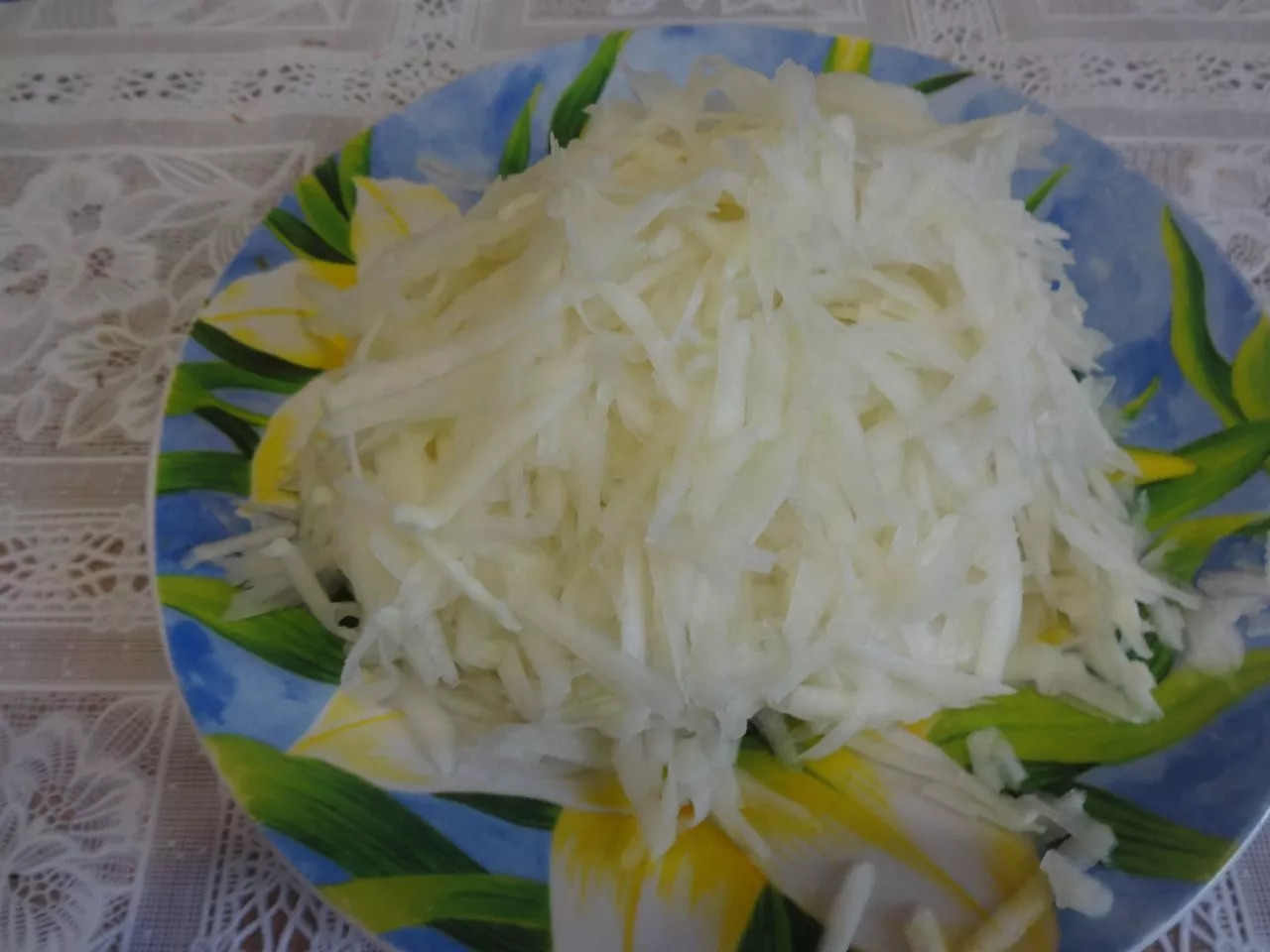
Added grated carrots, salt, pepper, drizzled with sunflower oil, and you have a delicious salad.
I didn't plant kohlrabi this year (2022), but next year I'll definitely sow cabbage seeds with green and purple turnips for seedlings.
About three years ago, I tried growing kohlrabi. Half of it didn't sprout, and what was left was tiny, about the size of an apple. Overall, I love this cabbage, but I'm having trouble growing it. I'll try using seedlings. Thanks for the link with details on caring for it, planting it, etc.