

A few years ago, I read online that many people were successfully raising quail from eggs bought at the grocery store. They said all the eggs there were "good," unlike chicken eggs. All you had to do was buy a package of eggs (preferably fresh ones with an expiration date), pop them into an incubator, and within 17 days, 80% of the chicks would hatch. If the expiration date was approaching, only 10-20% might hatch, including defective, damaged, or simply weak chicks.
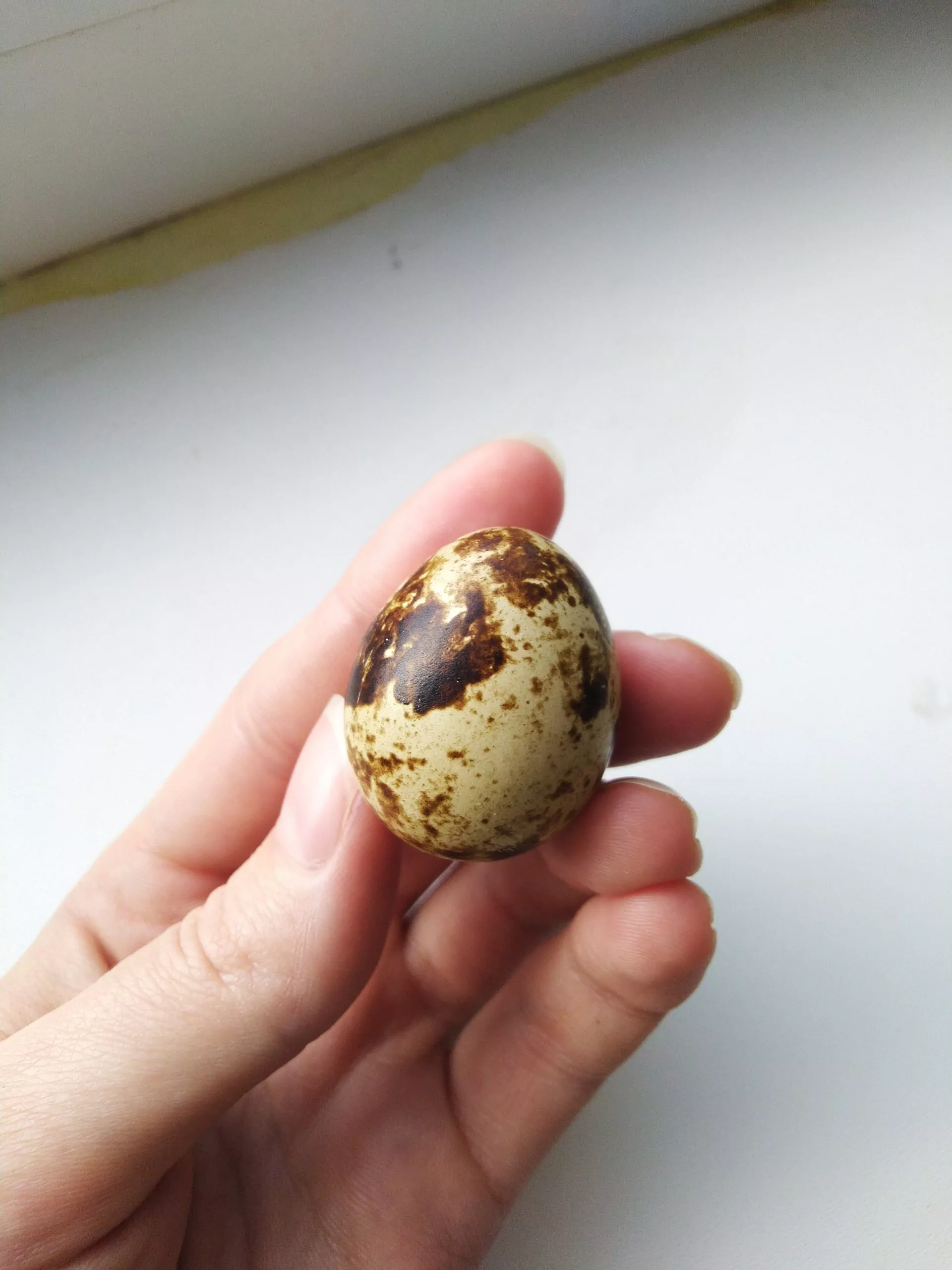
Oh, I was so excited about the idea! But I never got around to trying it. Another question nagged at me: what if I hatch the chicks? I live in the city, on the eighth floor of a two-room apartment…
Start
But this time, curiosity got the better of me, and I decided to conduct a scientific experiment with the kids. We bought some eggs, chose three of the largest ones (as recommended by experienced egg-eating enthusiasts online), but we didn't have an incubator!
But we found a way out:
- We took a small bowl.

- We put only 3 eggs there (we don’t need more, it’s good for testing).
- Carefully place a small lid with water and a cloth inside. This is necessary to maintain normal humidity.

- The bowl was placed on the windowsill, beneath which a cast-iron radiator was heating. The heat was good, reaching a perfect 37-38 degrees Celsius.
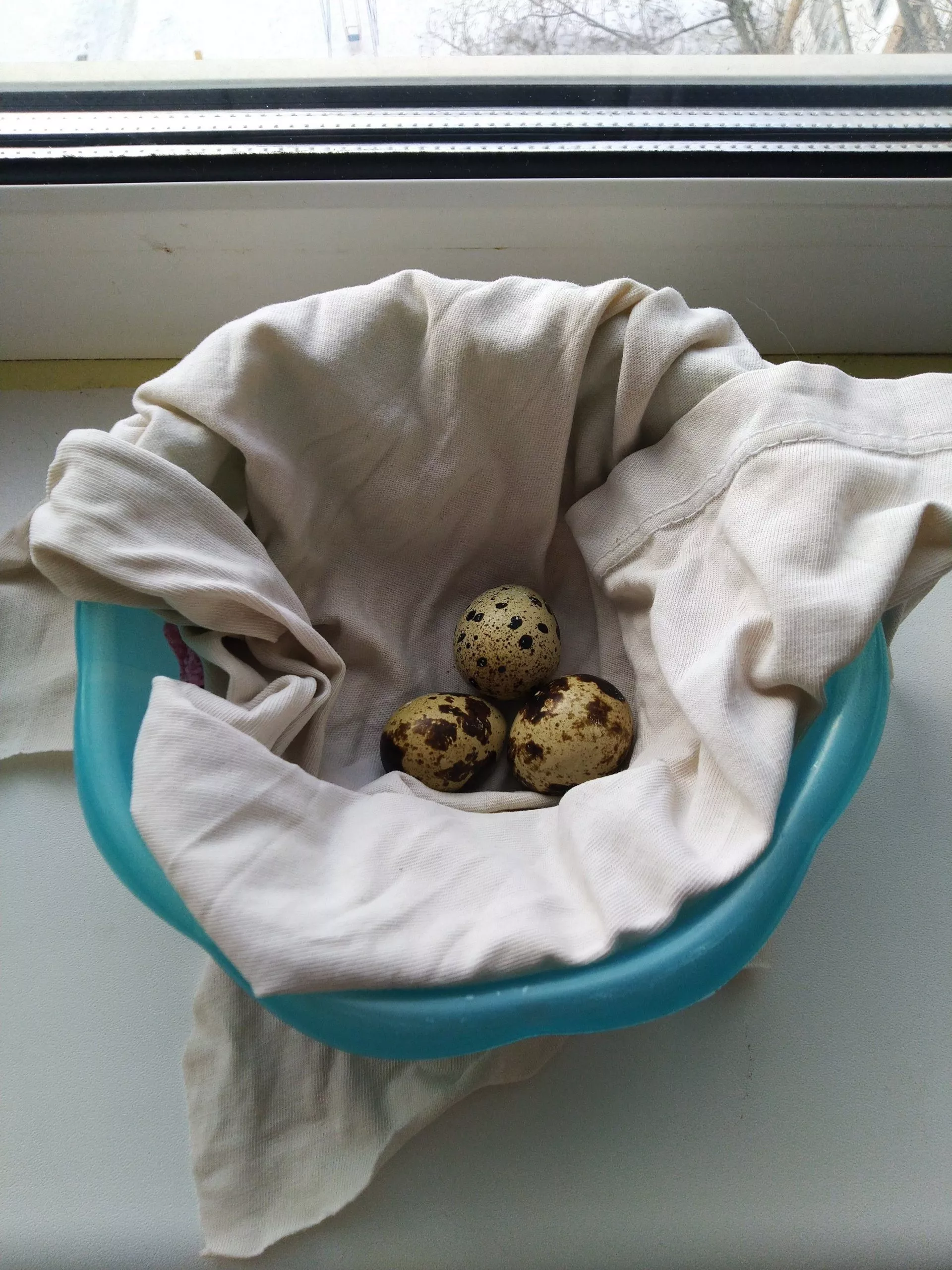
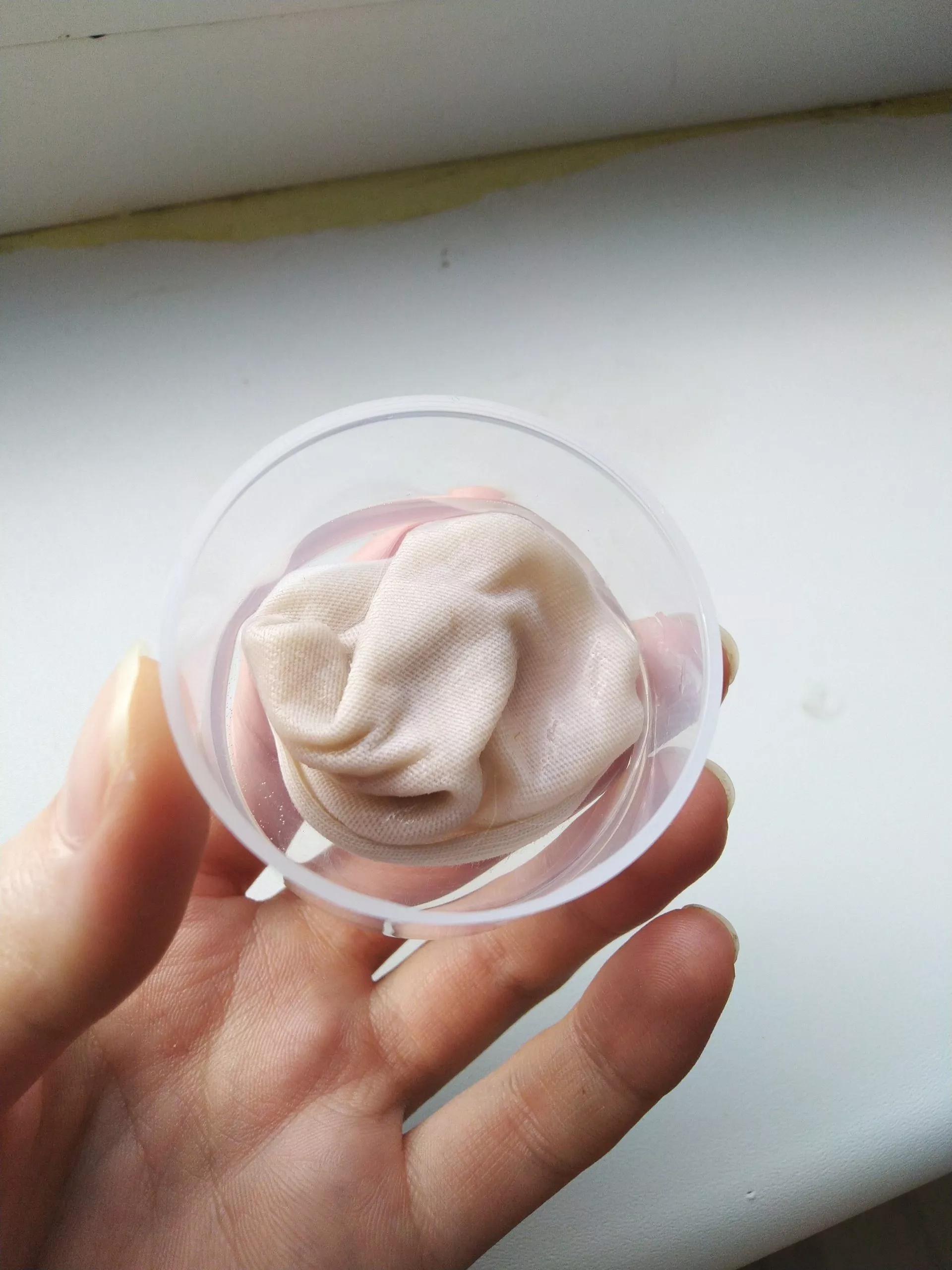
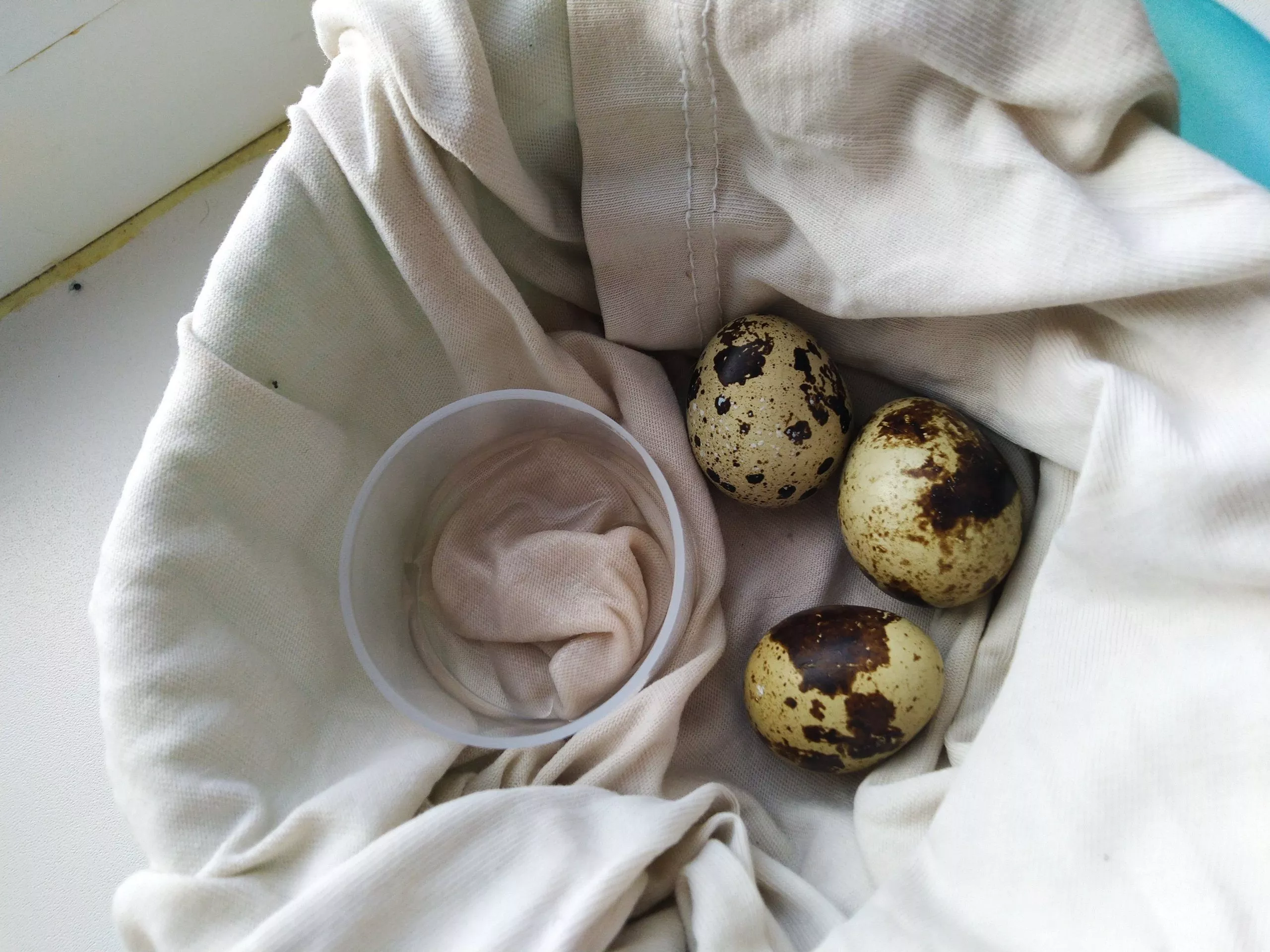

I didn't measure specific temperatures daily, which is essential to ensure humidity and warmth levels are maintained at the critical levels needed for embryonic development within the egg. But I don't have any such sensors, so I had to do everything by feel.
To be honest, I don’t believe the experiment will have a positive outcome, but it’s still interesting for both me and the kids.
The process has begun. I'm reporting back.
I turn the testicles over and swap them 4-6 times a day. This is necessary to prevent the embryos from sticking to the testicle, which can disrupt development.
I noticed something interesting. I candling my eggs daily (using a flashlight to see how the embryo is developing). For the first three days, the egg seemed empty; not even the yolk was visible. On the fourth day, I began to notice a round dark spot—the yolk. But it's barely visible and only at a certain angle.
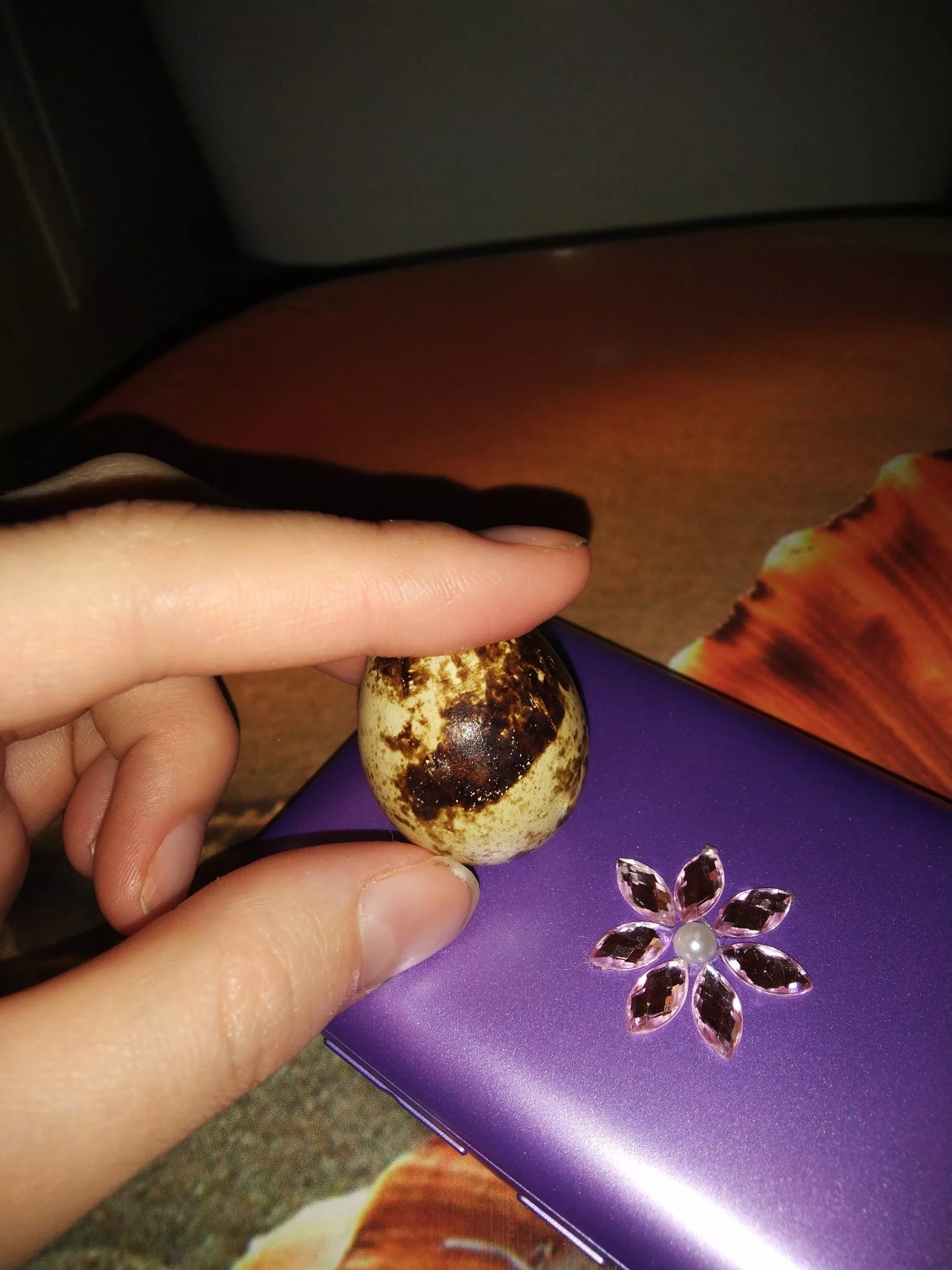
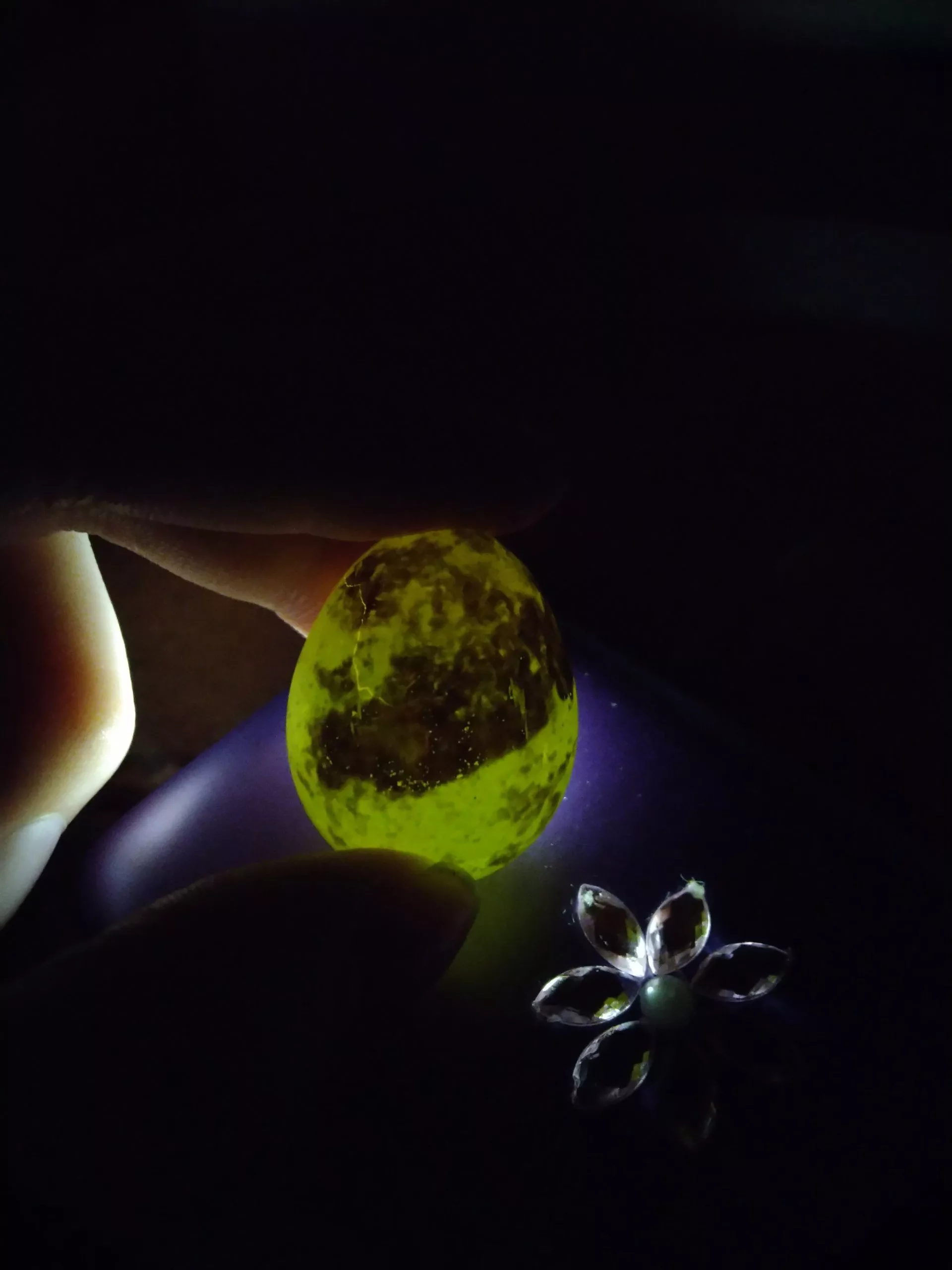
According to information from the Internet, on the 5th day you can see a blood network and darkening - the development of an embryo.
Failure
Something didn't go according to plan... To my great regret, on the fifth day, the radiator suddenly turned up, and the windowsill got so hot that my balls were hot the next morning. It was definitely 42-45 degrees. It was a disaster.
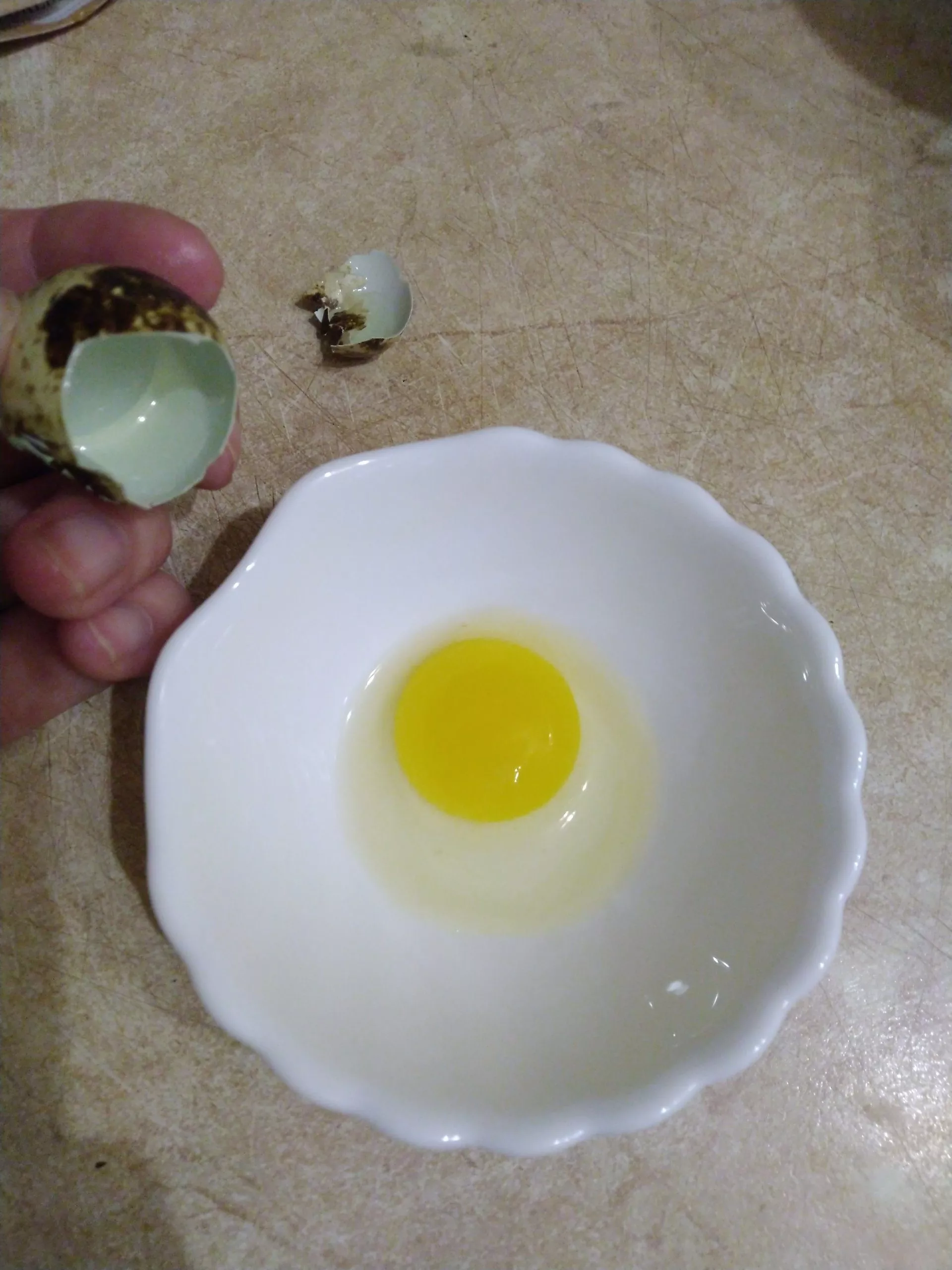
The experiment went downhill. I felt sorry for the "babies." But a negative result is still a result. To understand exactly where the eggs had stopped developing, I broke one.
To my surprise, the egg was fresh and showed no signs of development. Perhaps, even if all the incubation rules had been followed, the chick would still not have hatched, as all the eggs were defective.
Result
Based on the experience I have conducted, I would advise other experimenters to do the following:
- Buy only fresh eggs, preferably from breeders.
- Do not attempt to hatch without an incubator.
- The battery is the worst idea ever.
I'll try this experiment again soon, but this time under a lamp and with a humidity and temperature sensor. I've already ordered the device online. I skimped on the incubator, though. It's useless in the city, and buying one just for a single use isn't cost-effective.
Not “from” 80% but “to”.