

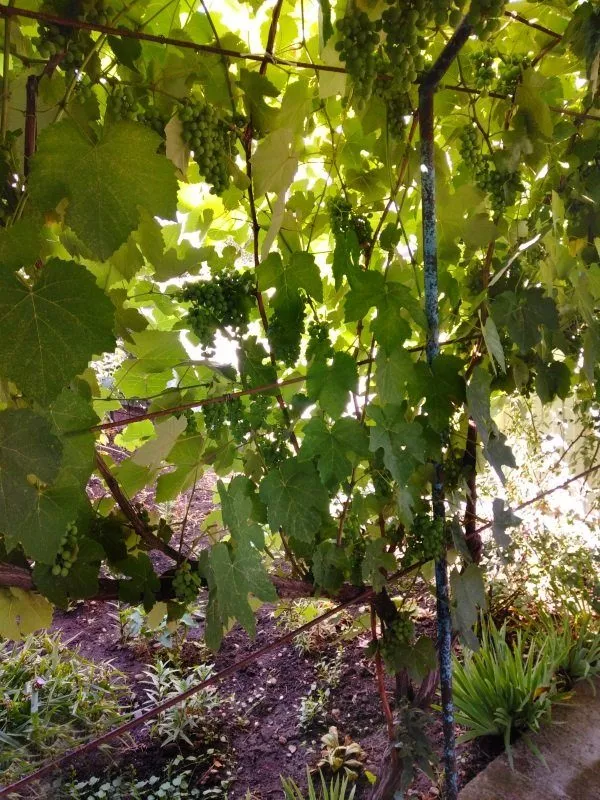
 My childhood is remembered for the aroma and sweet taste of huge white bunches of grapes growing from my grandfather's wickerwork. When my first son was born, my dad also planted a 5m x 12m vineyard for his grandchildren.
He approached the entire growing process with the utmost seriousness. It required a great deal of effort, money, and time. Constant care—treating with pesticides, fertilizing, weeding, and so on—paid off—with large, plump bunches of grapes. Even the first harvest was enough for our family and for sharing with neighbors and relatives.
Then my husband became obsessed with growing grapes. Luckily, he had someone to help and offer advice. I'll list what my husband did to get a good harvest. Perhaps his experience will be useful to someone else.
In the spring (after the grapes have been unwrapped) he treated the vines with iron sulfate, diluting it according to the instructions. I applied the product directly with a brush and spread it thoroughly over the entire surface of the woody stems.
It is mandatory to do this several times during the season. fed the cultureTo maintain immunity and resistance to adverse factors. In the countryside, organic fertilizers are readily available—manure, bird droppings, ash, herbal infusions, and compost. I sometimes sprayed the grapes with a solution of complex mineral fertilizer. The crop responds well to both root and foliar feeding.
Periodically plucked off the stepsonsTo prevent excess vegetation from draining the crop's energy. If they aren't removed, there will be few bunches, and the yield will drop significantly.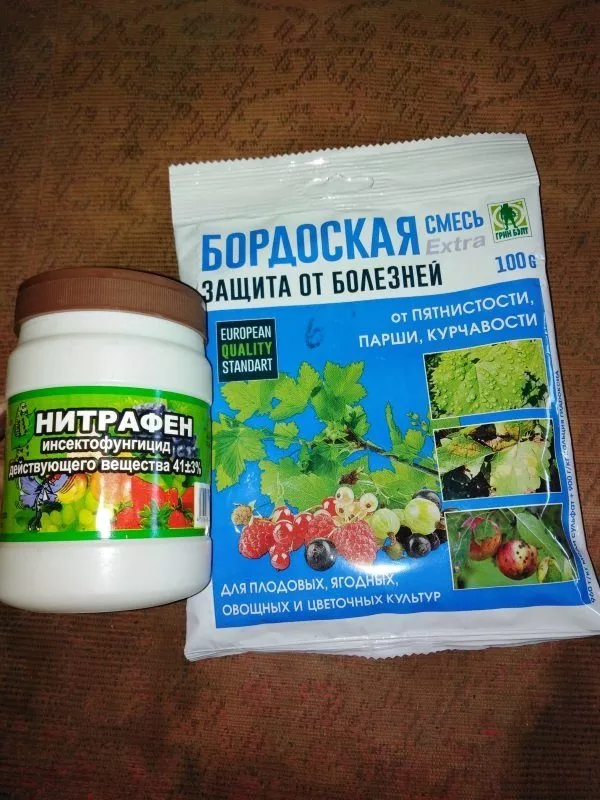
To combat diseases and pests sprayed the grapes "Topaz", "Hom", "Bordeaux mixture", "Nitrafen" and other drugs, according to the instructions.
Necessarily I watered the crop and loosened the soil after each watering.To prevent soil crust formation, this is the best preventative for fungal infections, as it allows oxygen to reach the roots freely.
After harvesting, closer to frost, the crop prepared for winter: added organic matter, wrapped it up.
Our vineyard grew and expanded for five or six years. Starting last season, we were exhausted from treating the crop—there was a veritable pest infestation. This is most likely due to the warm winter. This year, we weren't blessed with frost at all, so there are plenty of insects that carry diseases and destroy the grapes. Controlling them requires a significant amount of resources. Treatments need to be carried out much more frequently to save the harvest.
After calculating the costs, we concluded that growing grapes for our own use is no longer profitable. The only way to break even is by expanding our vineyards, but we're not ready for that. So next year, instead of cultivars, we'll plant low-maintenance wine grapes or Isabella—we'll make homemade wine!