
We wake up not to the alarm clock, but to the barking of the dogs. The clock shows 4:27 AM. At this time, Mom gets up to milk the cows, so we get up too: where to carry the feed bucket, where to help strain the milk…
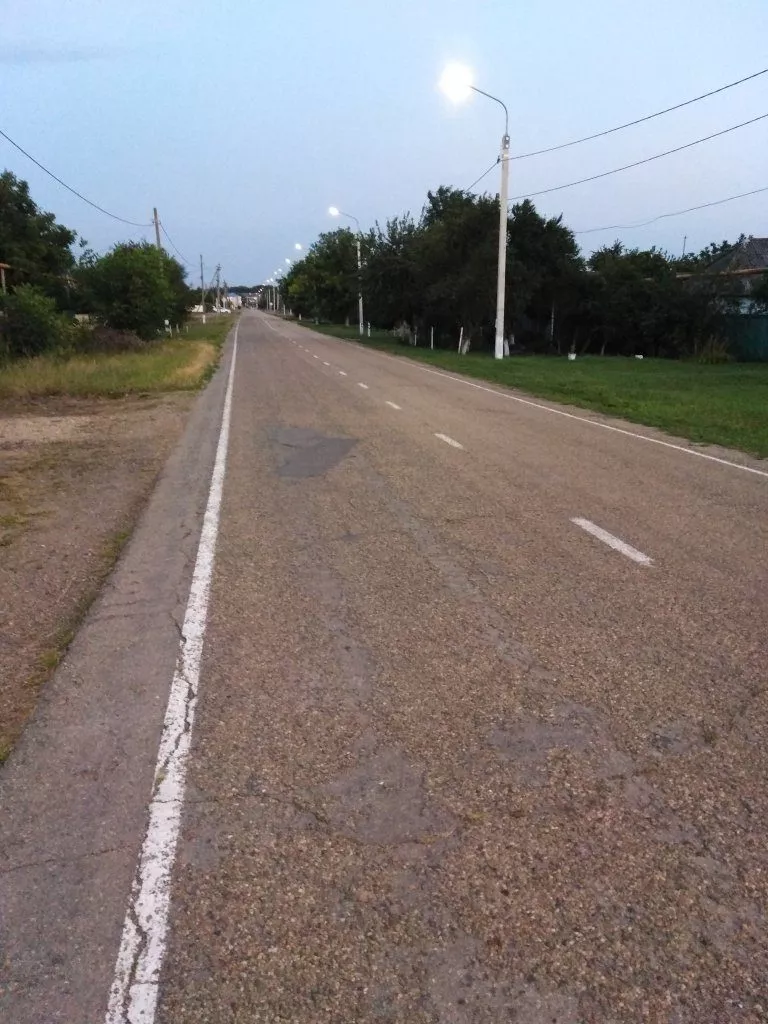
But I wanted to sleep! We couldn't find a place to sleep all night—it was hot, there wasn't a breath of wind outside, and the temperature never dropped below 25 degrees.
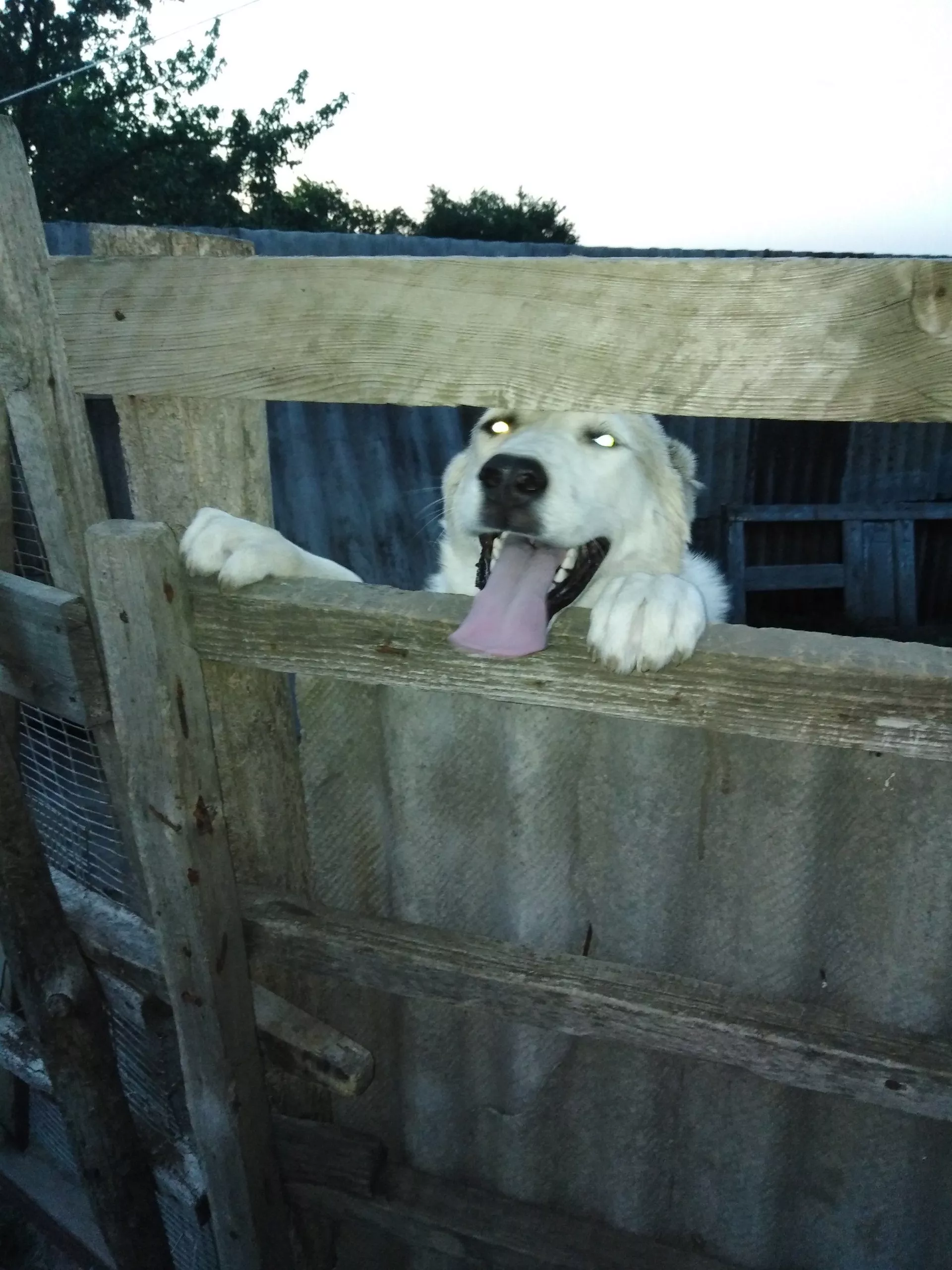
Our Lada, an Alabai puppy, greets us with a joyful bark and wags her docked tail. Our heart immediately brightens. She, our darling, is seven months old today! She's very large, but she acts like a child.
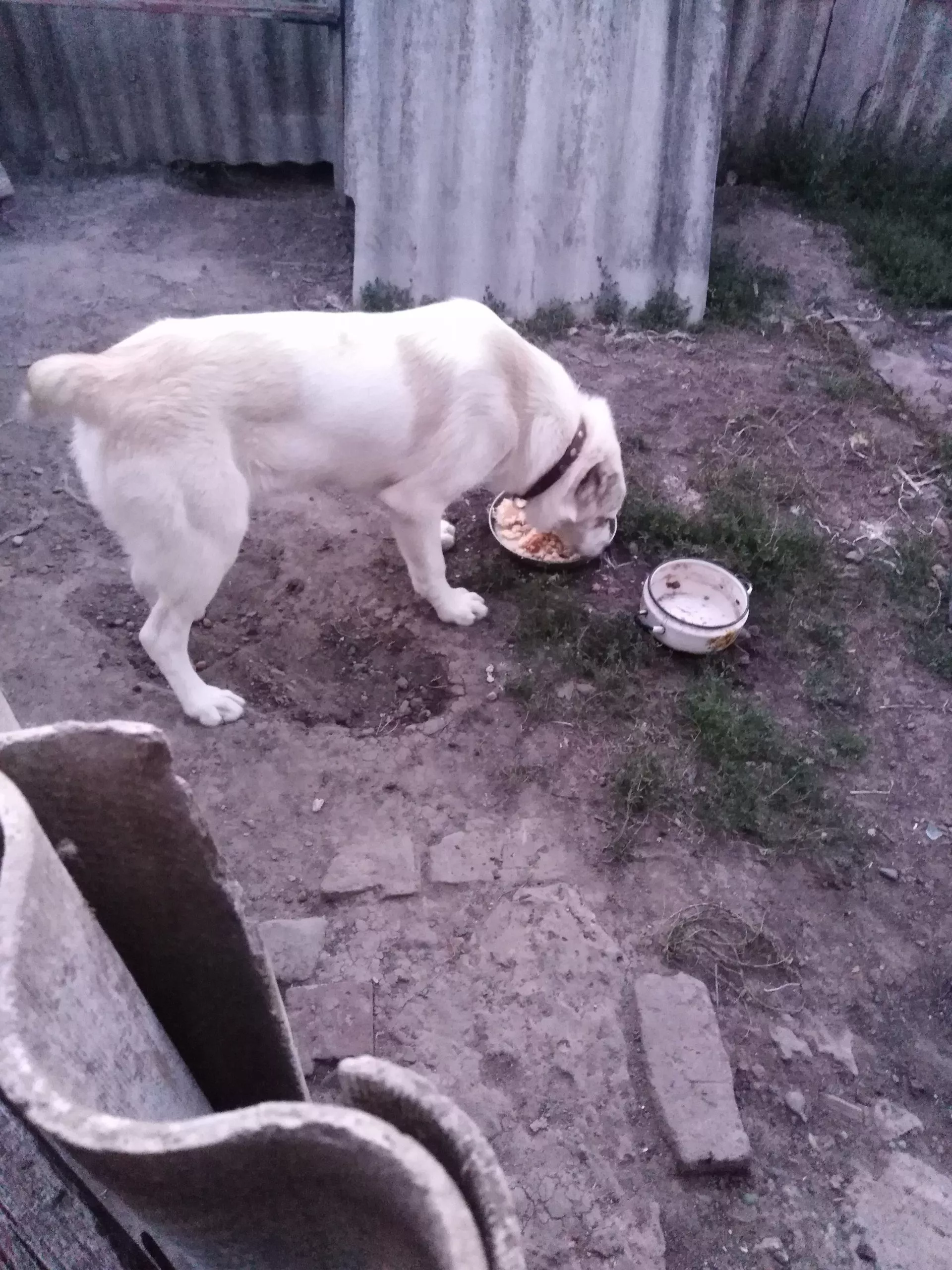
We fed the farm, collected the milk (milk collectors come and take it to the dairy plant), drove the cows to the herd and went to the garden while the sun's rays were still not scorching.
Now is harvest time—the most crucial time. But this year is challenging: cucumbers refuse to grow, tomatoes are plagued by disease, and all the plants are suffering from drought. My parents physically can't keep up with watering all 5000 square meters of crops. Another scourge is the chemical plant in the neighboring region. Often, long-awaited rain proves fatal to the growing season of tomatoes, cucumbers, and grapes—after releasing toxic smoke into the atmosphere, all this nasty stuff ends up in our garden beds with the precipitation.
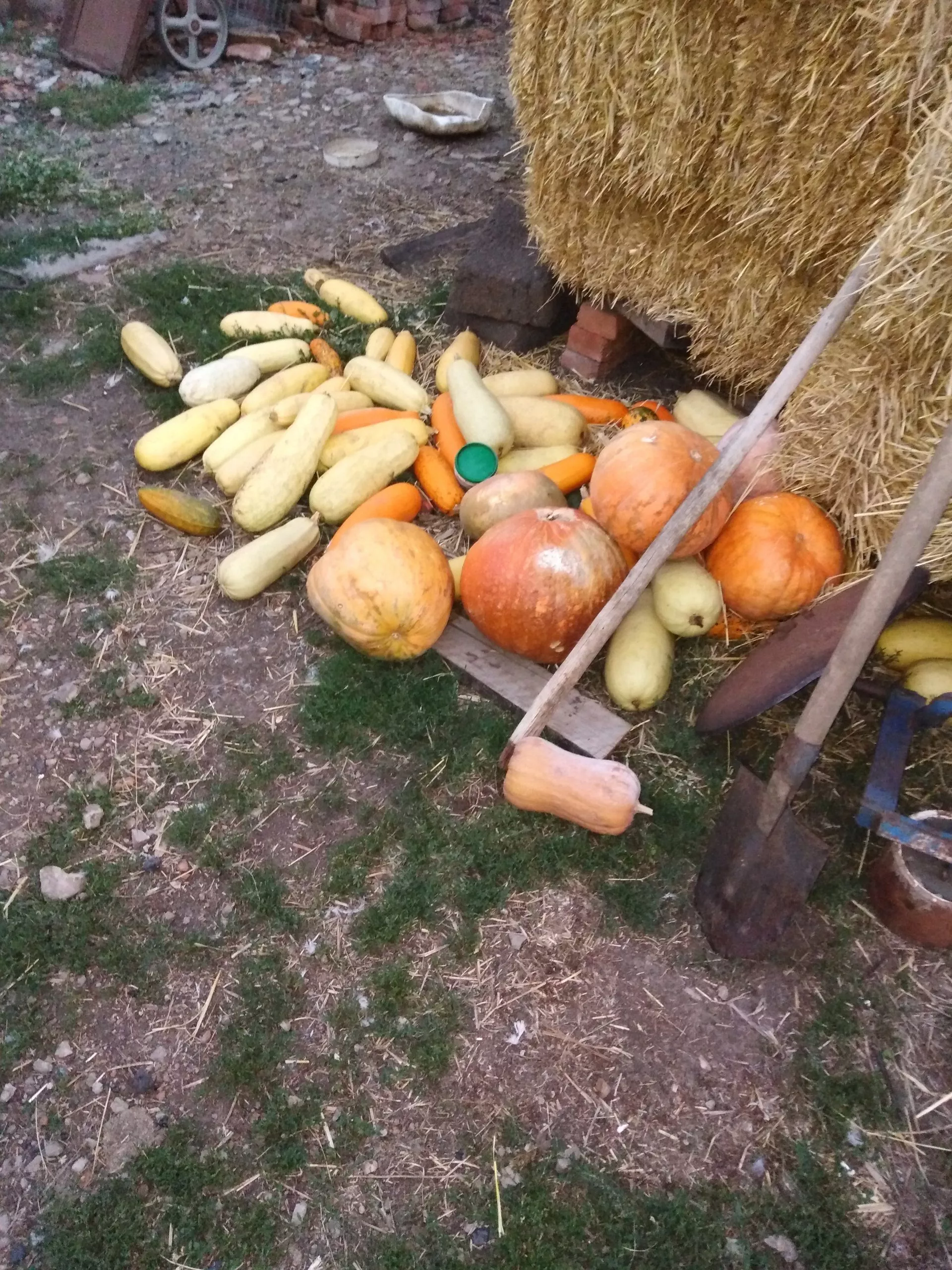
We picked some ripe zucchini and pumpkin and found a couple of watermelons. Oh, how happy the kids will be when they wake up!
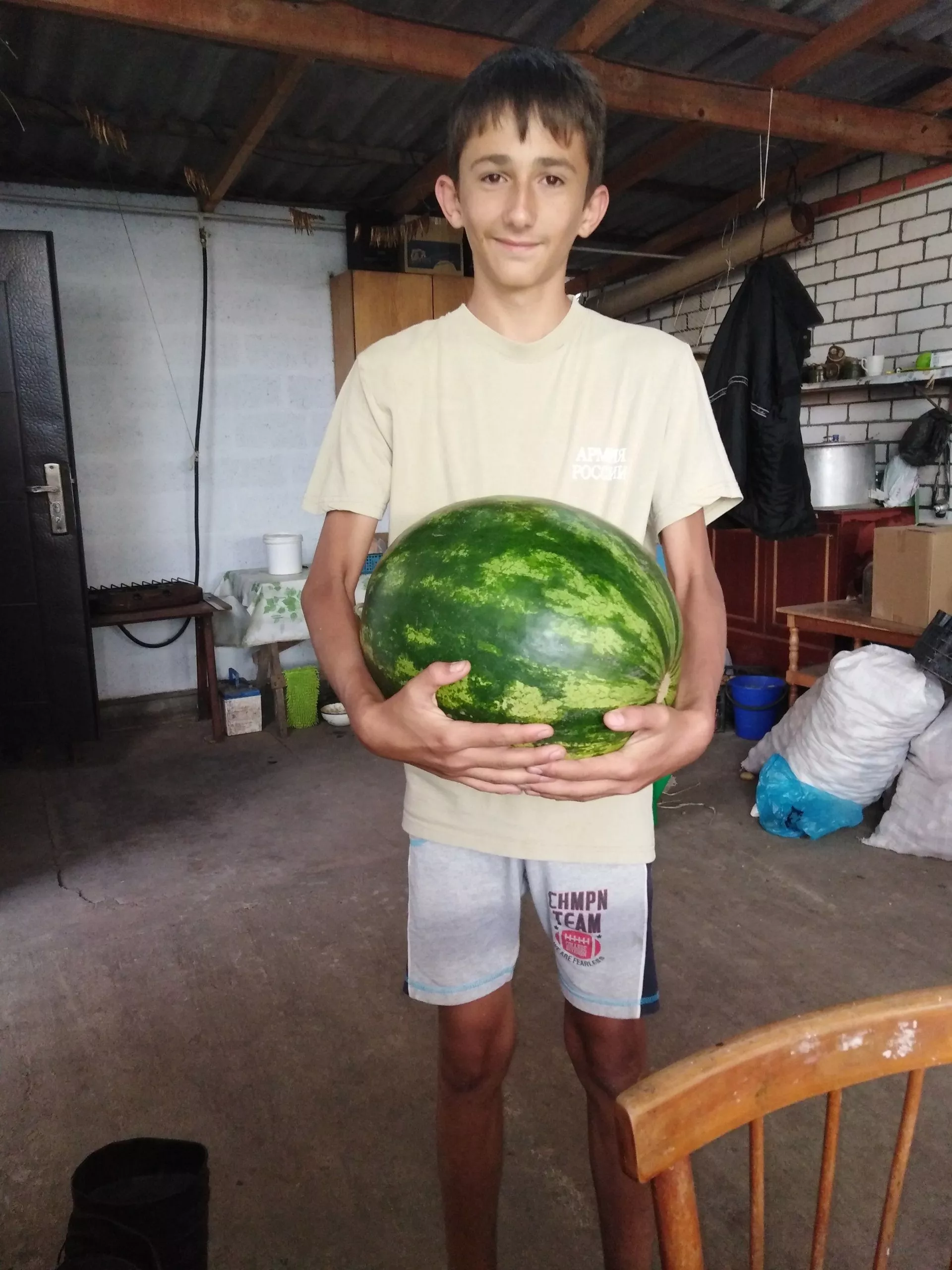
A happy son holds a watermelon
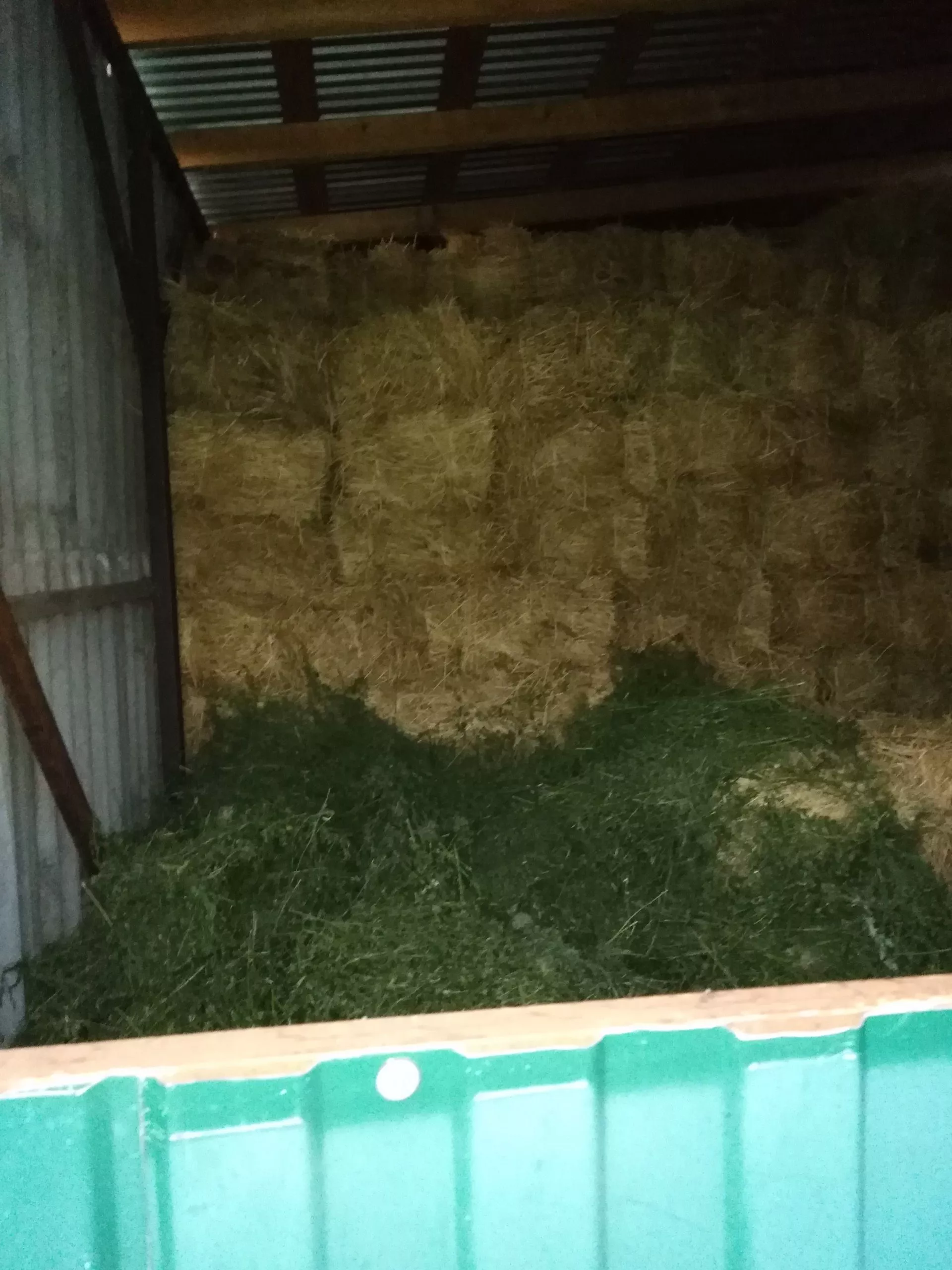
The dew has subsided, and it's time to go get hay—a friend is already baling the dried grass using specialized equipment. We used to have hayfields: forest belts and roadside areas, but then the administration took them all away. Now we sow alfalfa in our additional plots in the field. Those who don't have a farm use these gardens to grow vegetables.
These supplements aren't watered, so we're hoping for rain. And there's been very little of that this year. The first hay cut was meager, the second was better. Nevertheless, last year, two cuts filled the hay barn (about 700 bales of hay), while this year we've only "taken" 374 bales. Today's flight brought another 82, but the barn isn't full.
By lunchtime, our strength was running low. We gave all the animals some cold water and went to rest. New tasks and worries await us in the evening. The cows will return from the herd, and all the livestock will need to be fed for the second time in 24 hours.
A family friend brought a jar of honey:
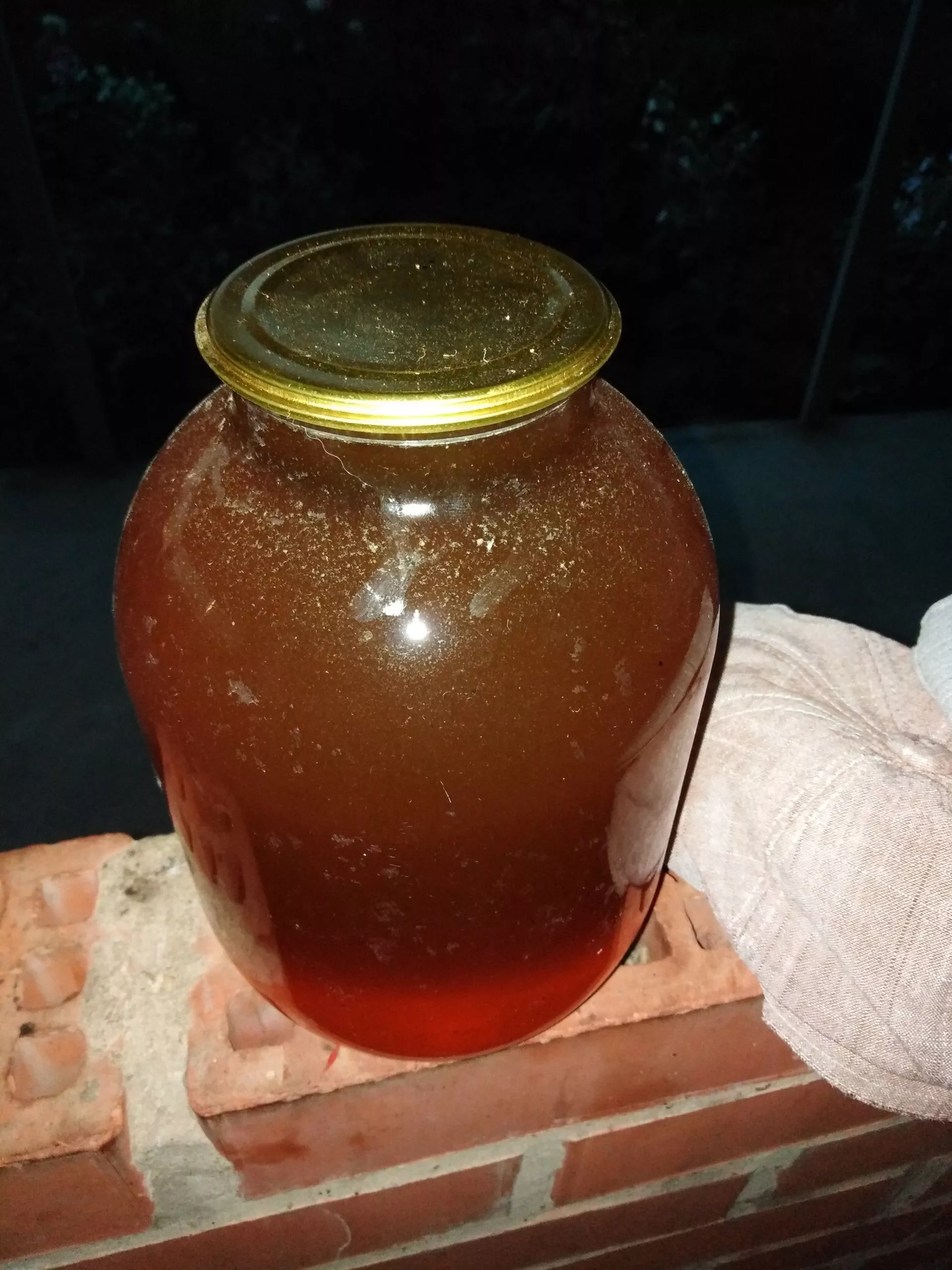
He doesn't have a large farm, but he keeps bees and bulls and has a staff of agricultural equipment. Everyone here survives solely through their own hard work.
And finally, I'll show you the beauty around me. Mom's front garden is fragrant:
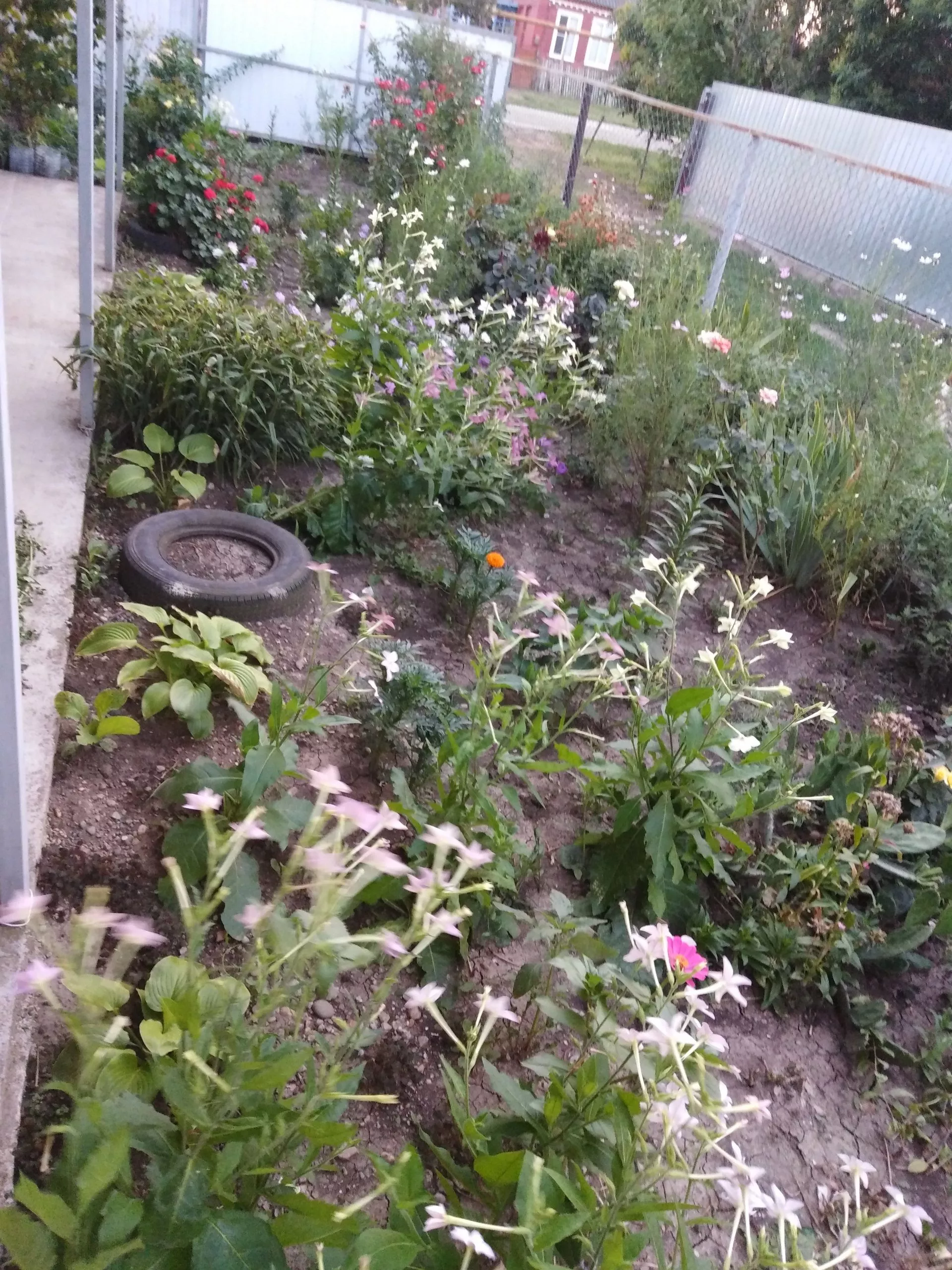
Every time I come to visit, I walk around each flower and admire them. It seems to me that they are completely different from mine. They have more of my mother's warmth.
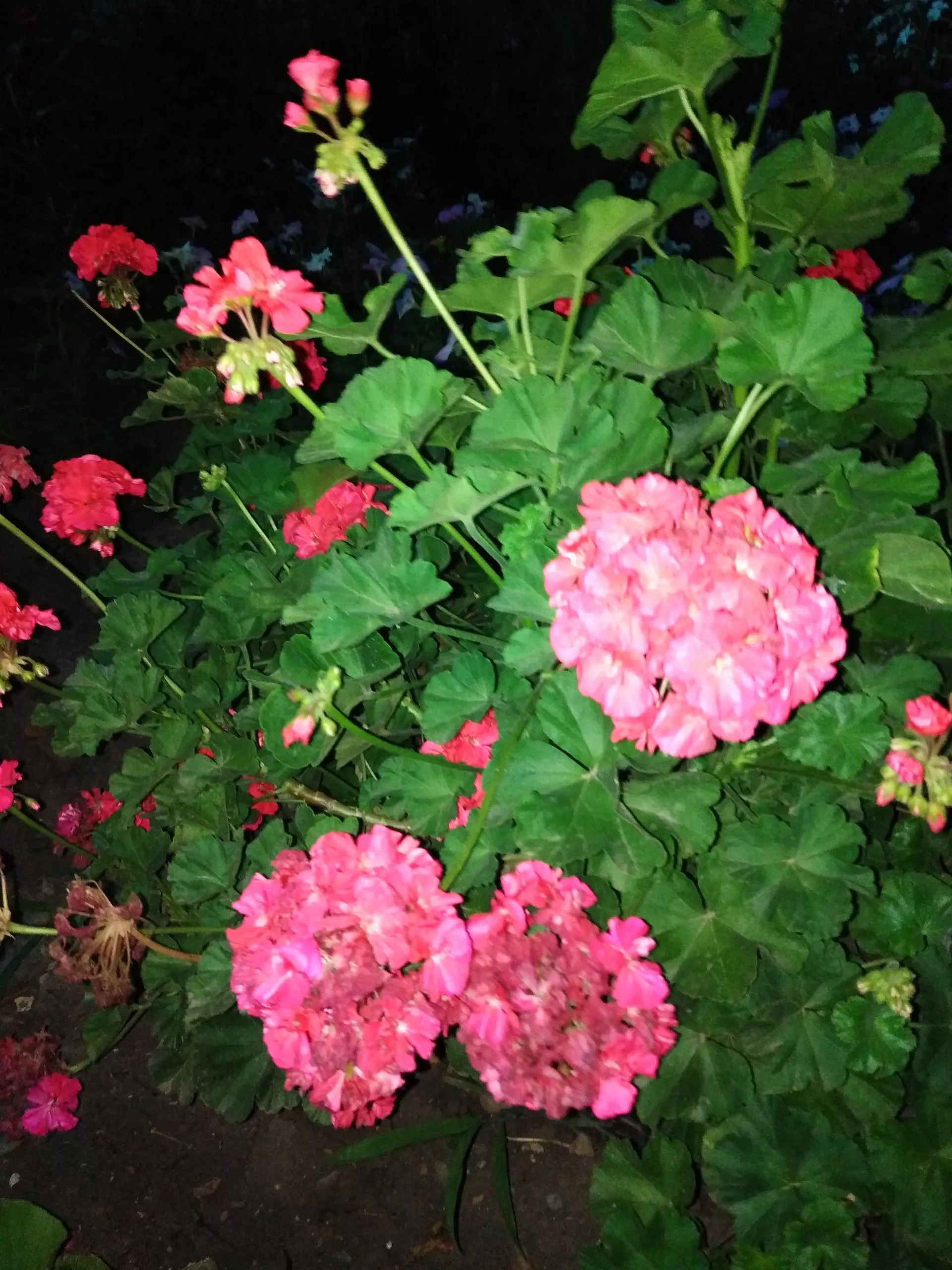
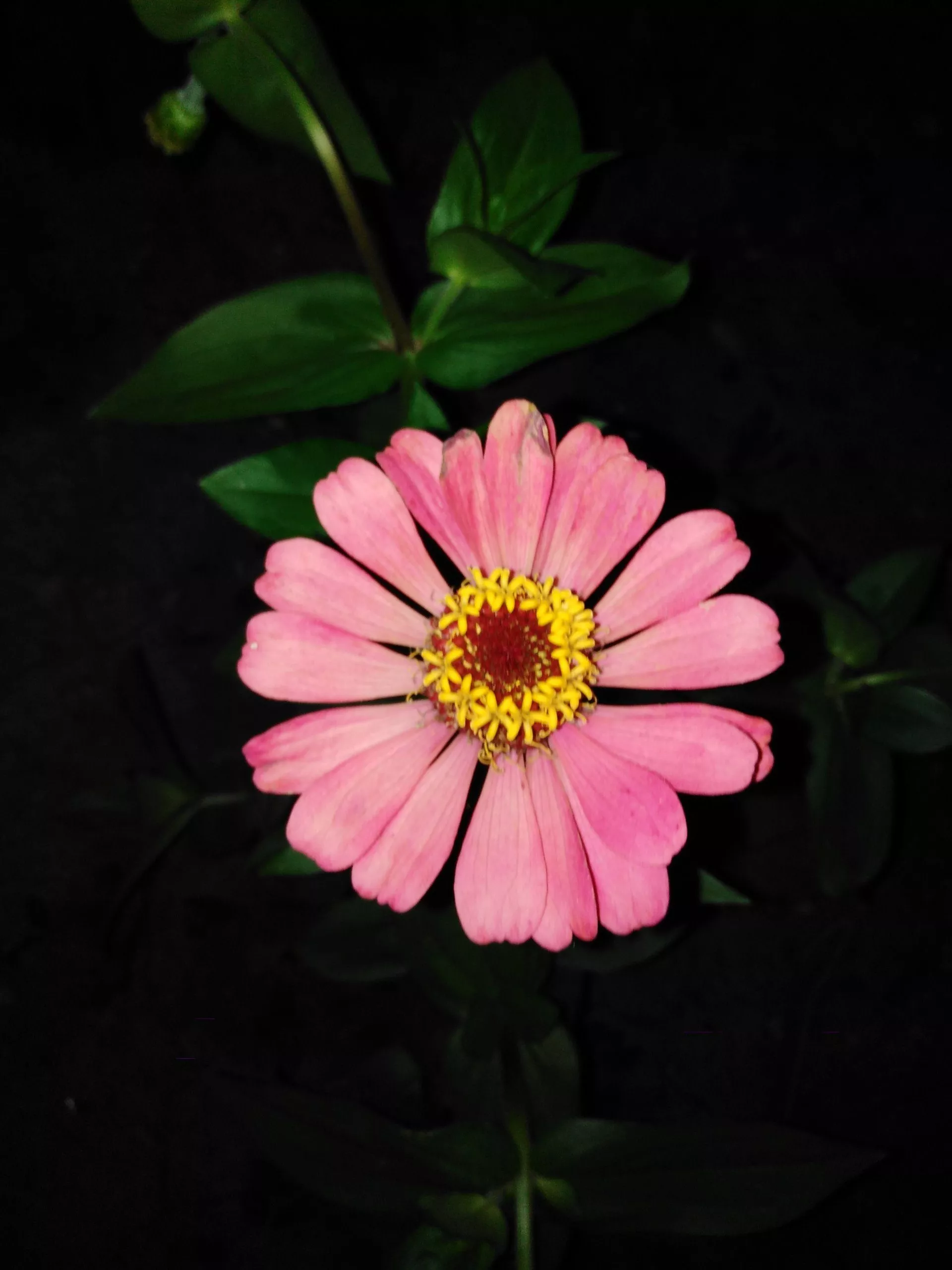
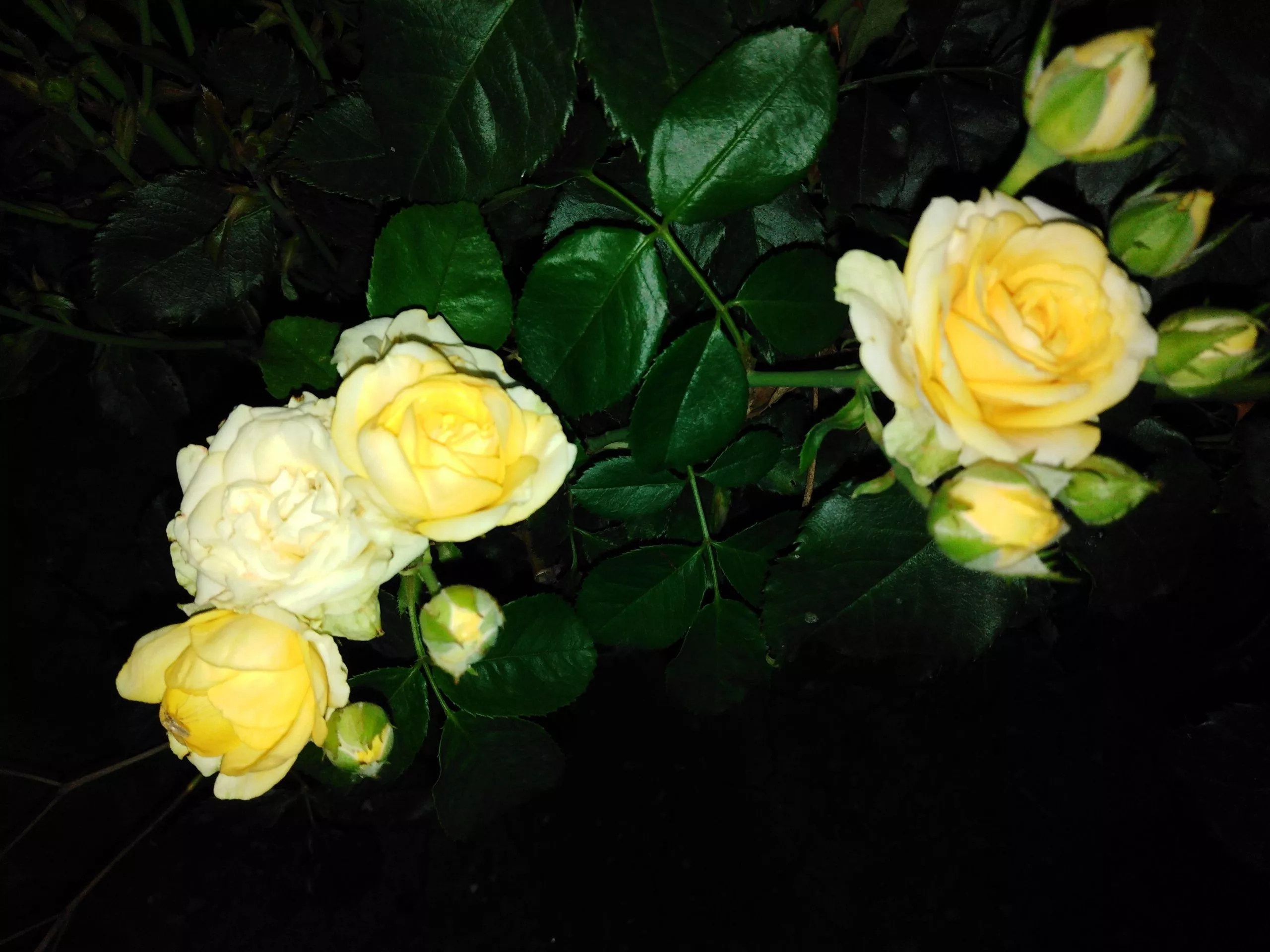
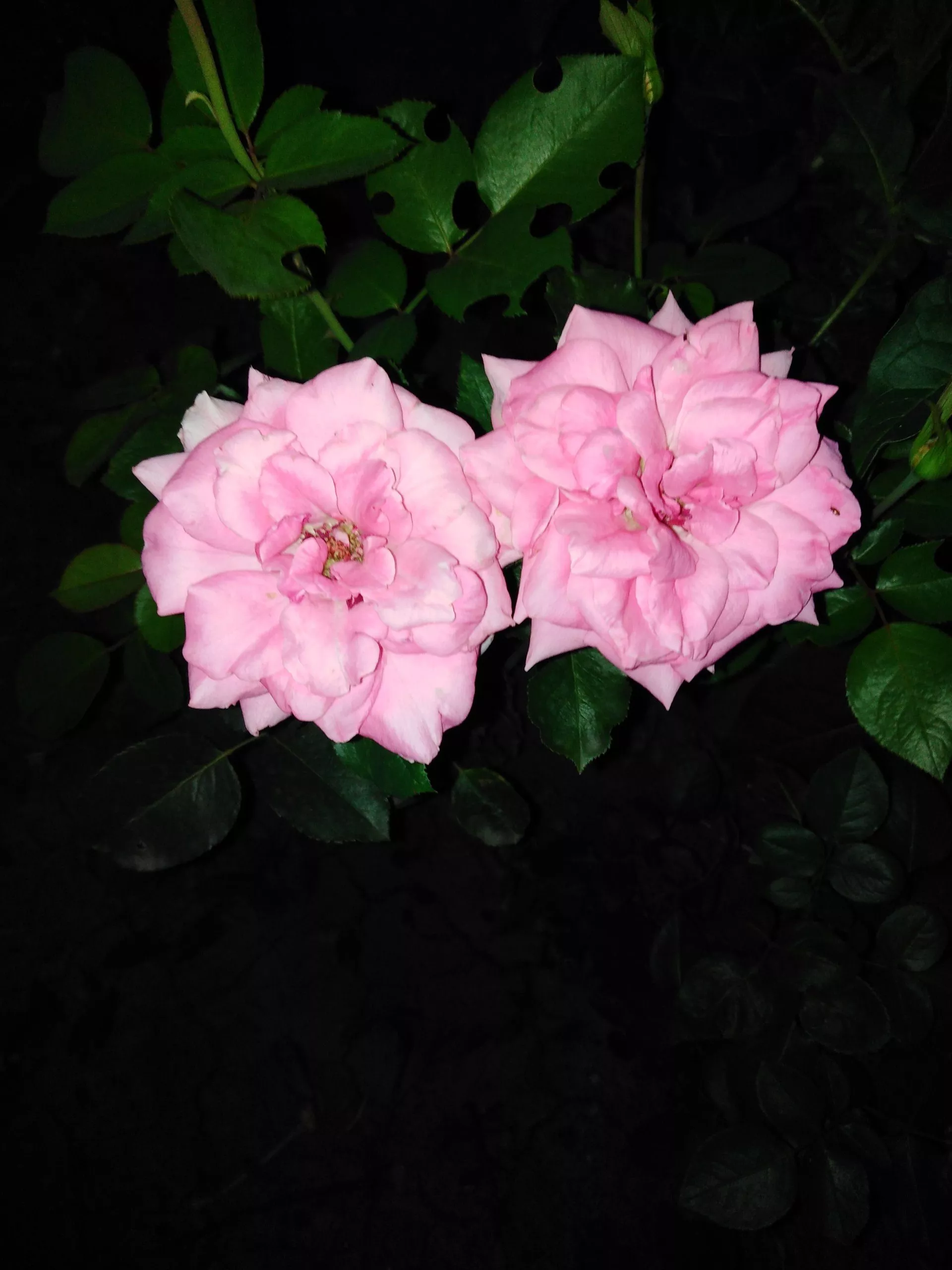
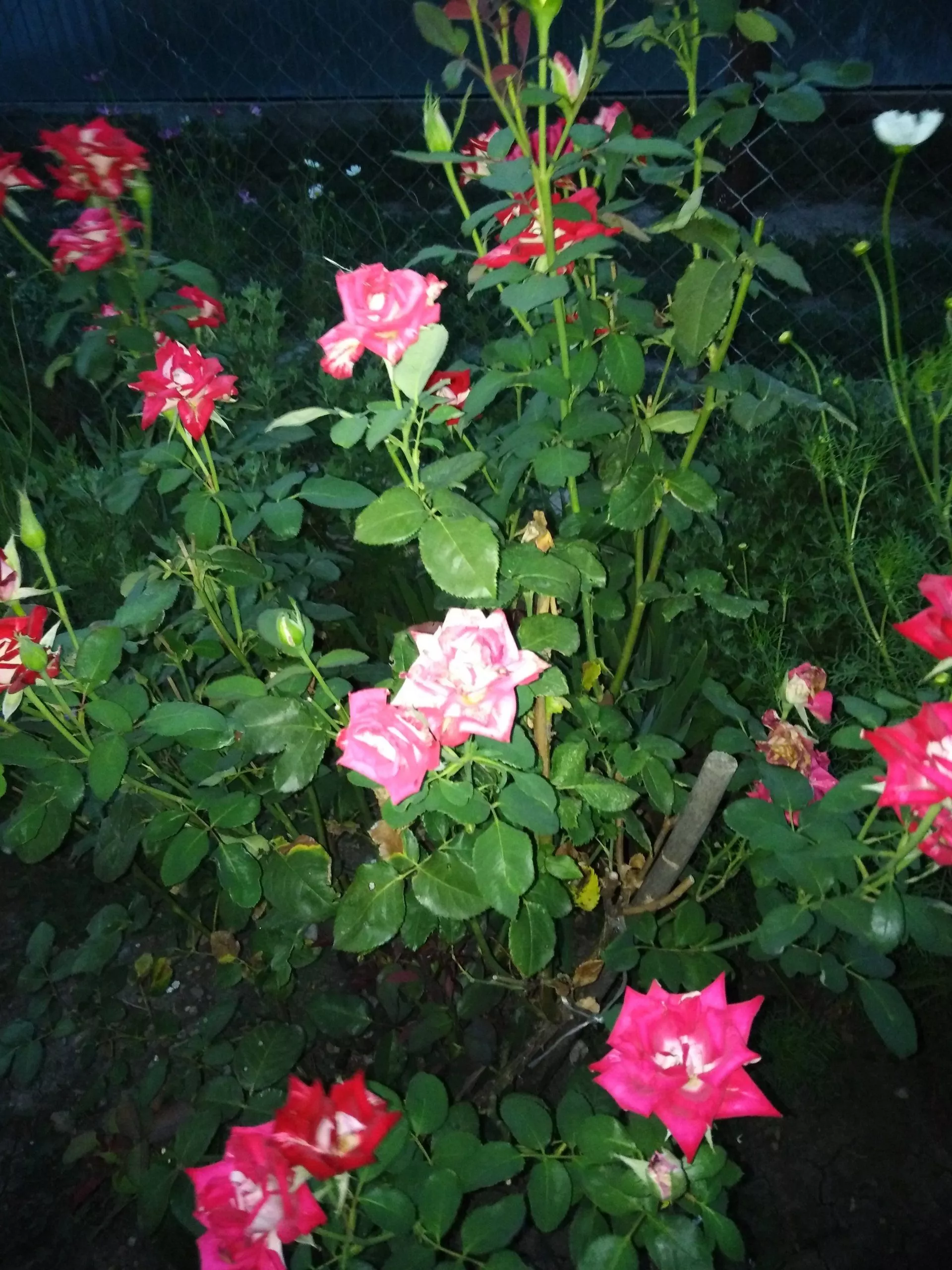
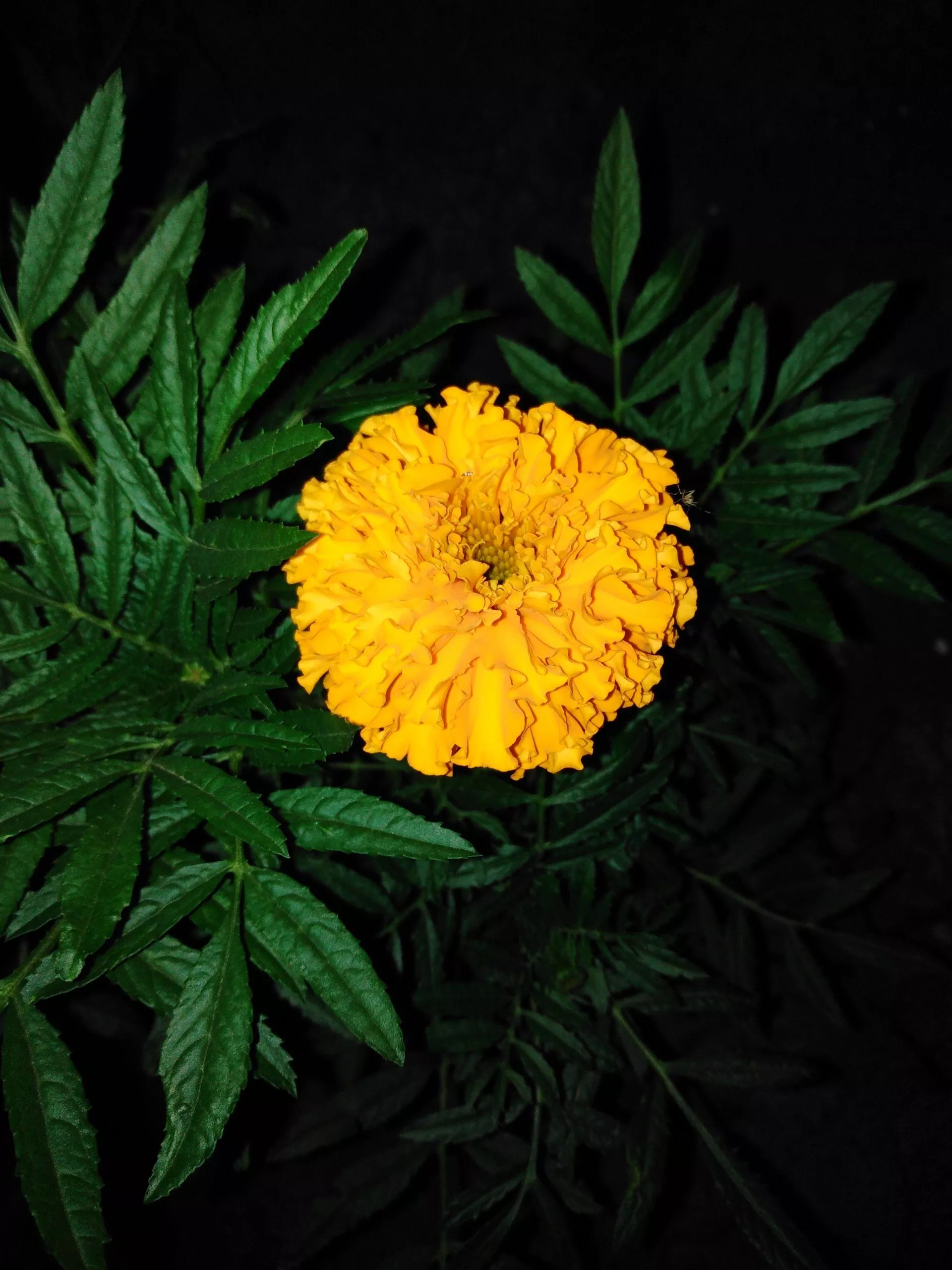
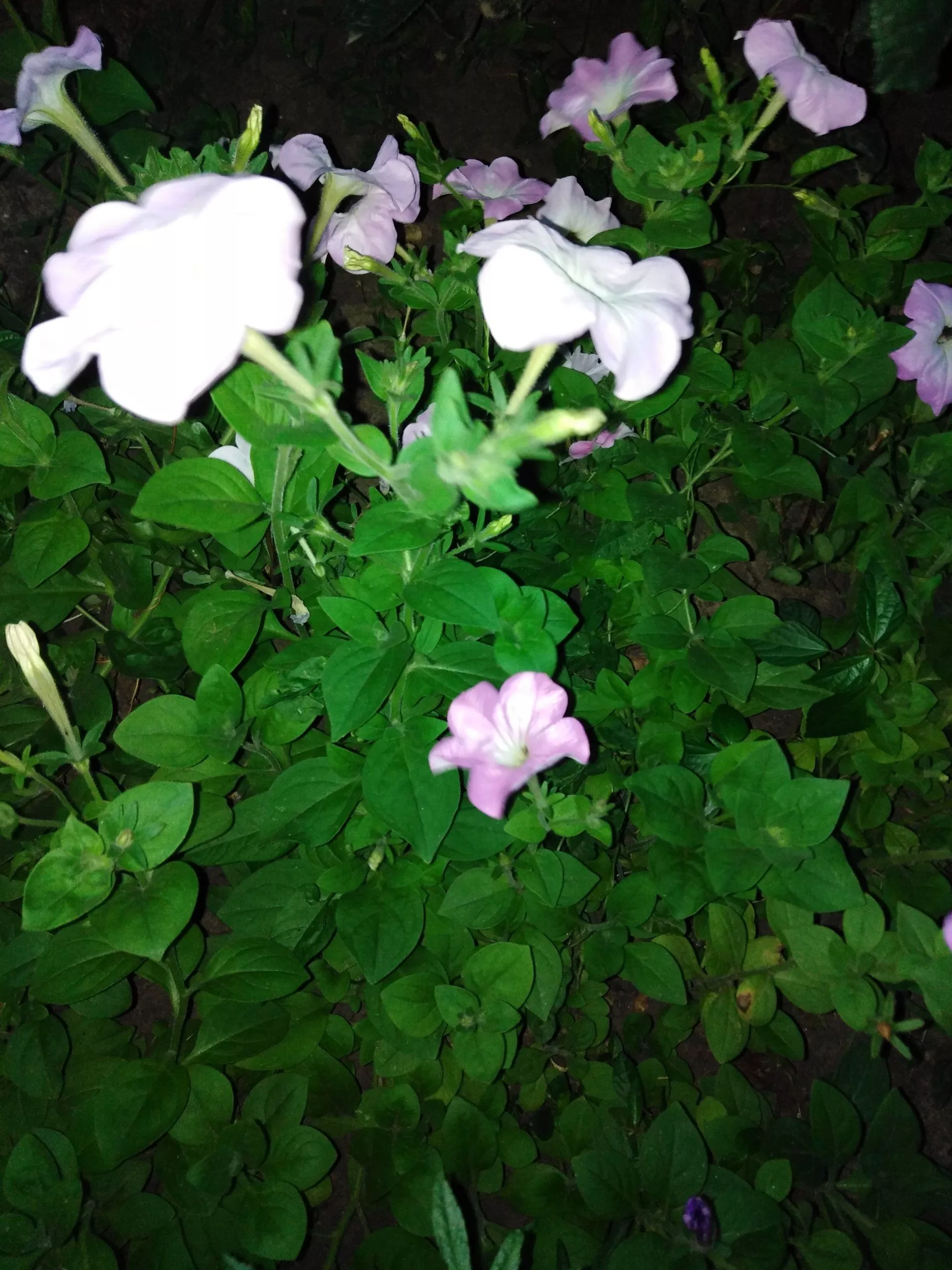
It's already night outside, and I'm walking around and taking pictures of my mother's flowers.  That's it, this is the last one. I want to take a picture of them all and keep them in my memory, but the day is already over.
That's what weekends are like in our village. Here, every dawn brings new worries and new joys. But work doesn't harden people; it makes them kinder, opens their hearts.