

A neighbor planted a small tree behind her yard in April. I didn't know its name, but I knew it was supposed to bloom, so it must be some kind of shrub or flower. The whole street took care of the sapling—they were so eager to see the buds.
At the end of May, the first flowers appeared on the branches—dark pink, carved bells 2-3 cm in diameter. There weren't many of them, but they were enough to attract attention. It was so beautiful, you couldn't take your eyes off them!
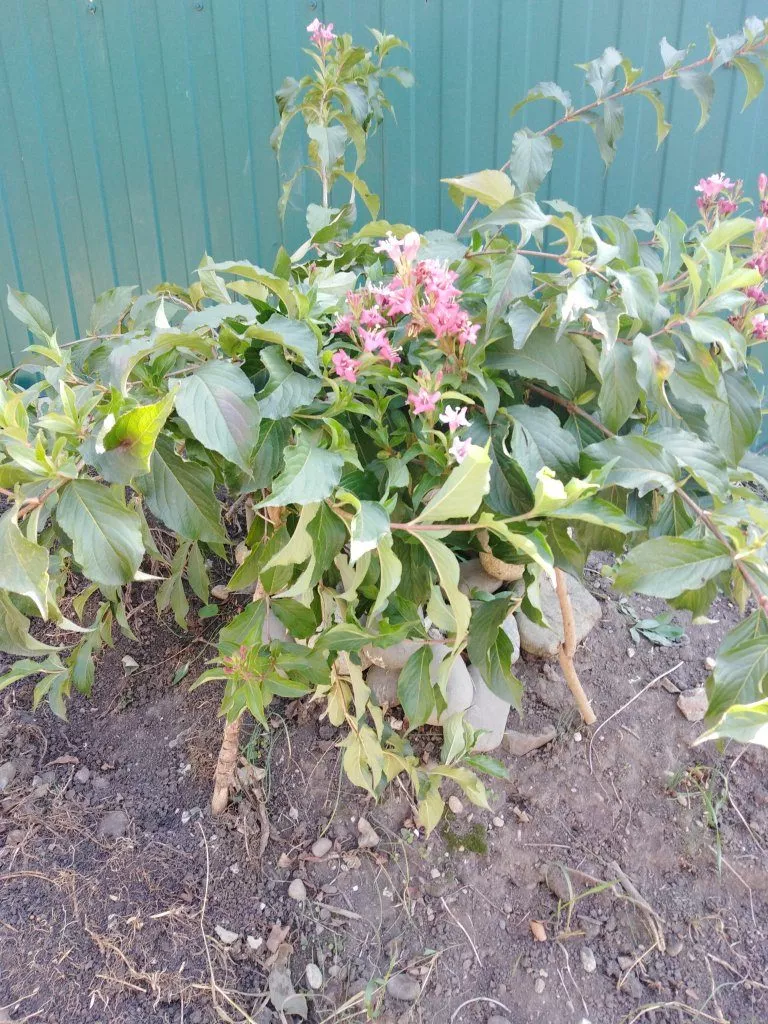
Everyone wanted such a gorgeous shrub for their front garden. We waited for shoots to appear, but none appeared during the first year. Then, by chance, I came across an article about this beauty in a magazine. How timely and opportune!
It turns out the shrub is called Weigela palatina. It's found in Primorye, Sakhalin, and the Kuril Islands. It grows up to 130 cm tall and blooms in May and early fall.
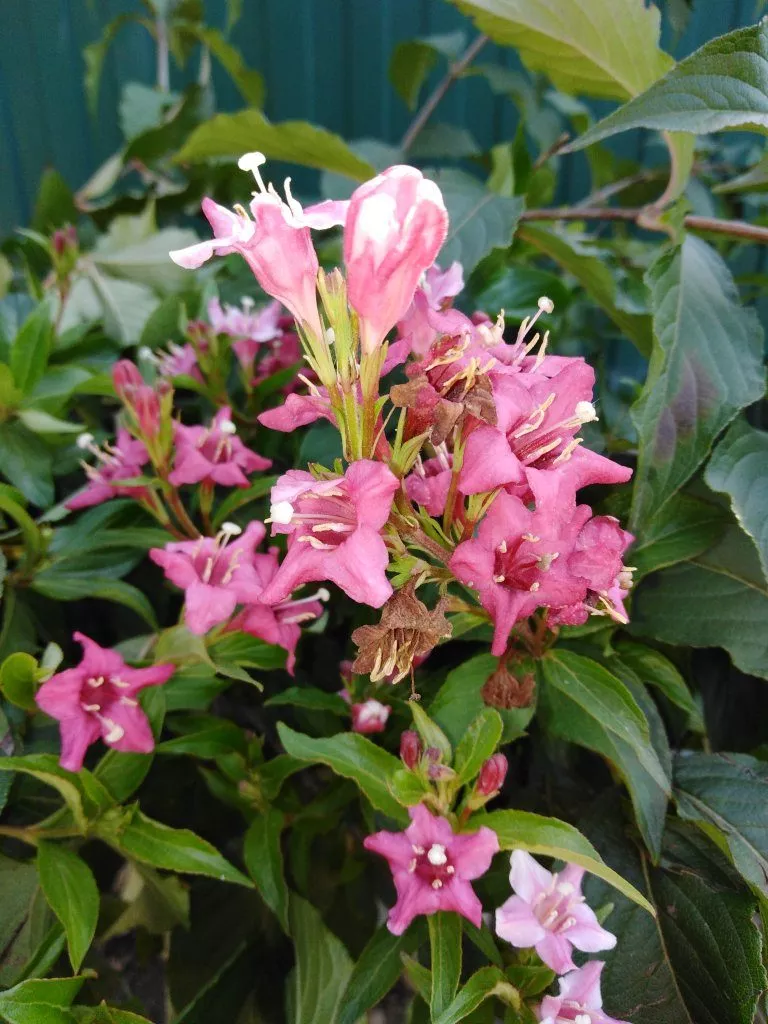
Flowers located at the ends of the shoots are light pink on the inside and a darker pink-purple on the outside. There are other varieties of Weigela, differing not only in color and growing conditions, but also in the timing and duration of flowering.
Following the advice on propagating the crop, I cut a woody branch in September and buried it in the ground at a 45-degree angle. It is important that one internode remains outside and one is completely in the soil. I covered the cutting with straw and sawdust. I didn't have to water it because it started raining.
I left the branch alone until spring. When the cold weather set in, I uncovered the weigela, and soon, warmed by the sun, it produced its first leaf buds. I recommend replanting it in its permanent location only in the fall, so the root system has time to fully develop and the plant itself can strengthen and grow.
For vigorous growth and flowering, the shrub requires sun and shelter from the wind. Therefore, I recommend planting weigela on the south side of the house or property. Keep in mind that it grows quite quickly and requires at least 0.7 square meters of space.
Before planting, fertilize the hole with humus and wood ash. If necessary, mix the soil with sand to loosen and aerate it. In the summer, feed the bush with green manure and ensure the soil around the stem is loose. To retain moisture, I recommend mulching the area around the trunk. In the fall, trim the branches to shape the bush into any desired shape.
The new shrub, grown from a branch, blooms much more vigorously and has long surpassed its "mother" in growth. This is most likely due to optimal care. It blooms for a long time—about a month—and the flowers are larger and more flamboyant.
The second autumn bloom lasts longer, from mid-September until November. This year, the weather has been kind: it's time to prepare the shrub for winter, and the warm days are favorable for flowering. I'm worried about sudden frosts causing damage, so I cover the bush with non-woven fabric at night.
I recommend planting weigela in a place of honor! The vibrant blooms and uniqueness of this plant will amaze you.