
This season has been a dry one in our village. Not a single useful rain has fallen—something trickles, teases, and then stops, or the wind blows away the clouds, spilling them into the neighboring village. The vegetable gardens adjacent to the house were watered from a well.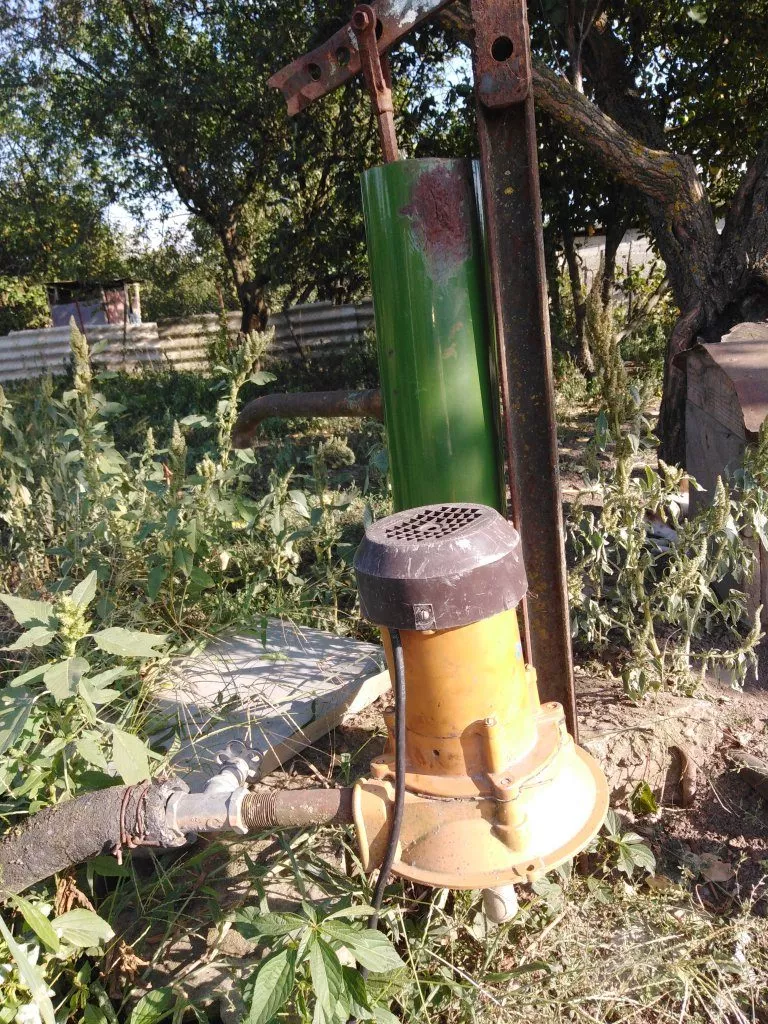 Because of the large area of land, we couldn't manage to cover all the crops. The weather was clear, and the 43-45 degree heat in the shade was exhausting both us and our plants. The pump was overheating. But the amaranth grows well around the pump. We pull this weed out and feed it to the pigs.
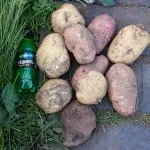
This year, we harvested about 700 kg of potatoes, although last season, we got three times more from the same area. The largest potatoes from the new crop are the size of a palm, not the size of a half-liter bottle, as before, and there are plenty of small ones, too. 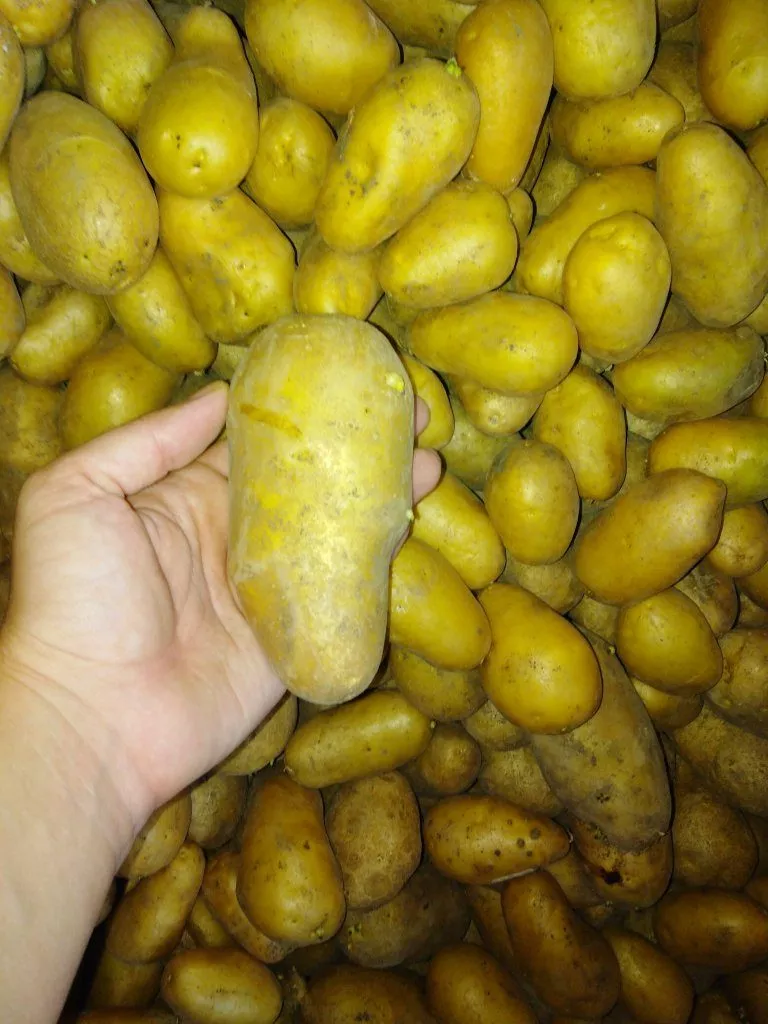
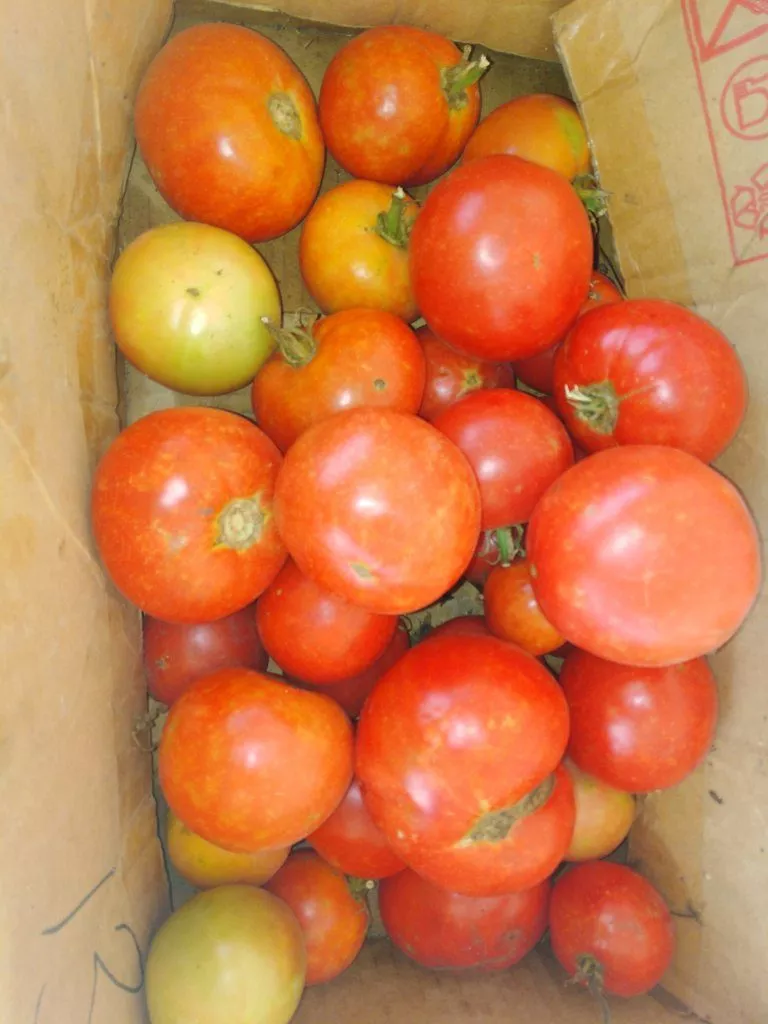
The tomato beds dried out prematurely. The fruits were picked while still green to prevent them from getting too hot in the sun, otherwise they would have been left without vegetables.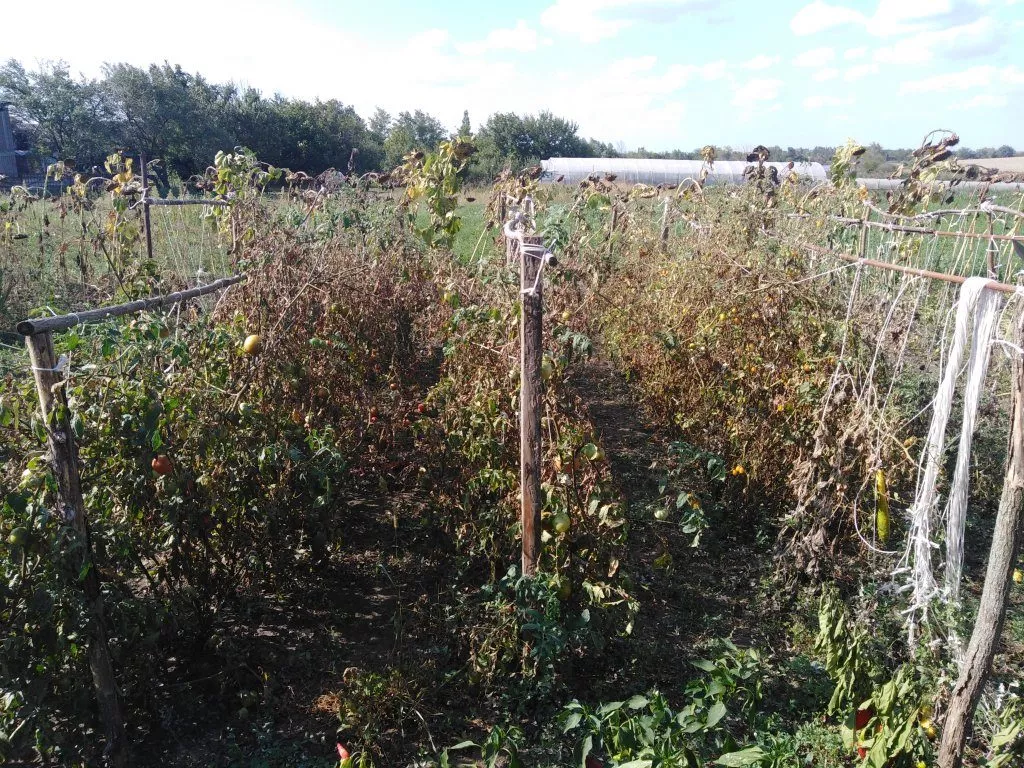
Late-ripening bell peppers, even with daily watering, look weak. The picked peppers are wilted. Weeds barely grow. The soil is like asphalt.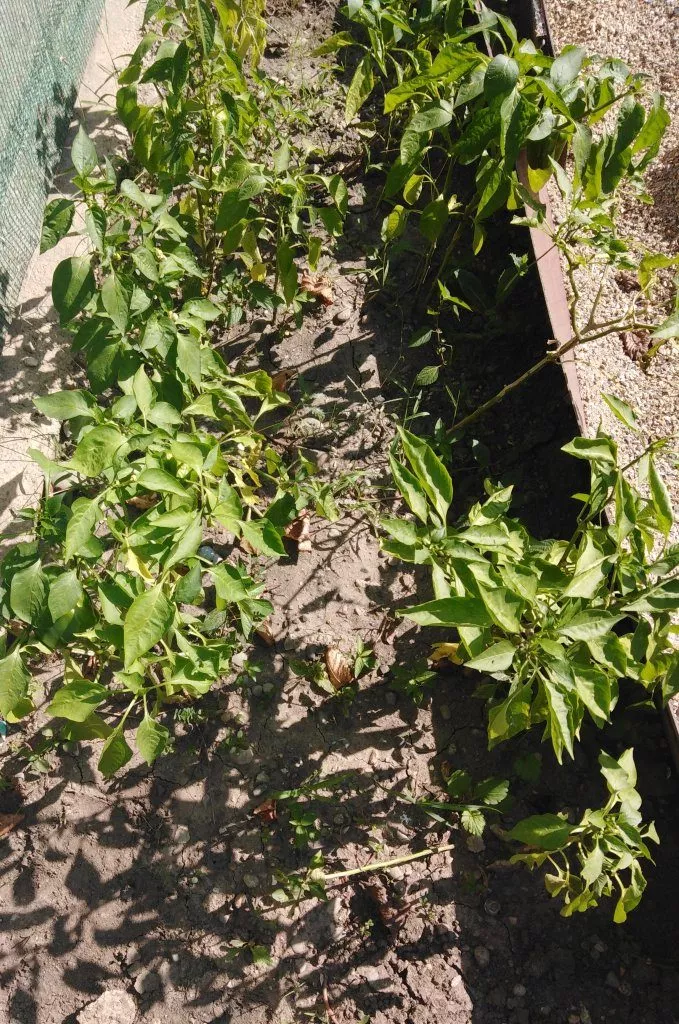
But hot pepper feels good.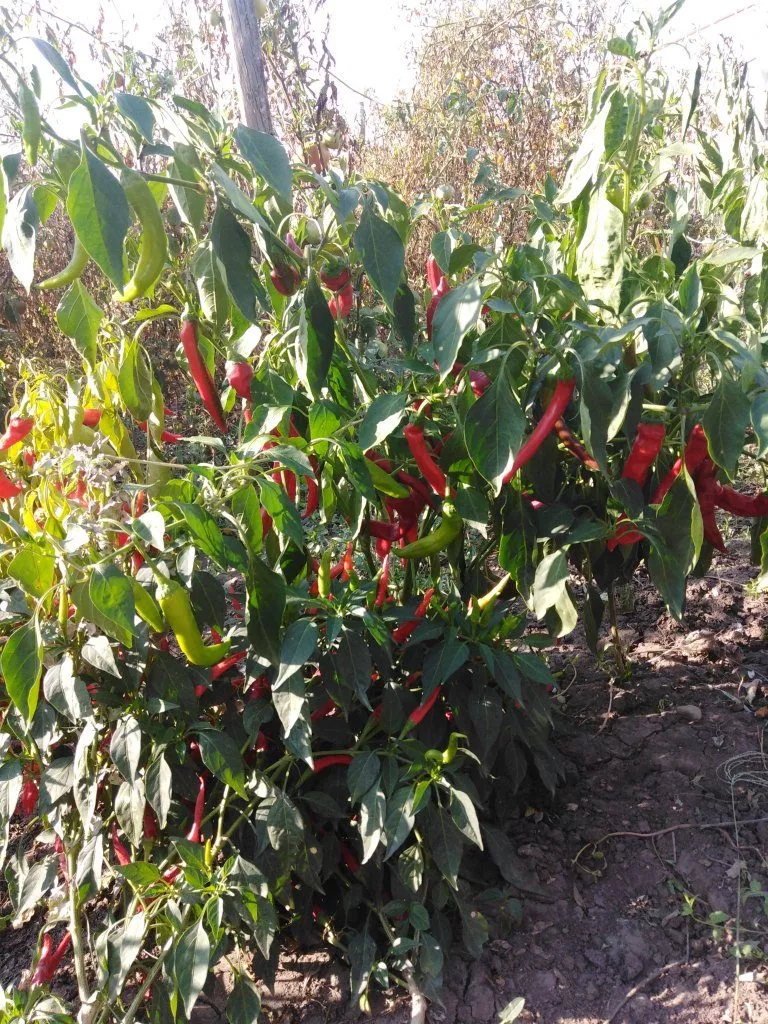
And this is our cabbage. We didn't treat it with anything this year. The leaves were eaten by flea beetles and cabbage white caterpillars, but the cabbage heads are whole and fine inside.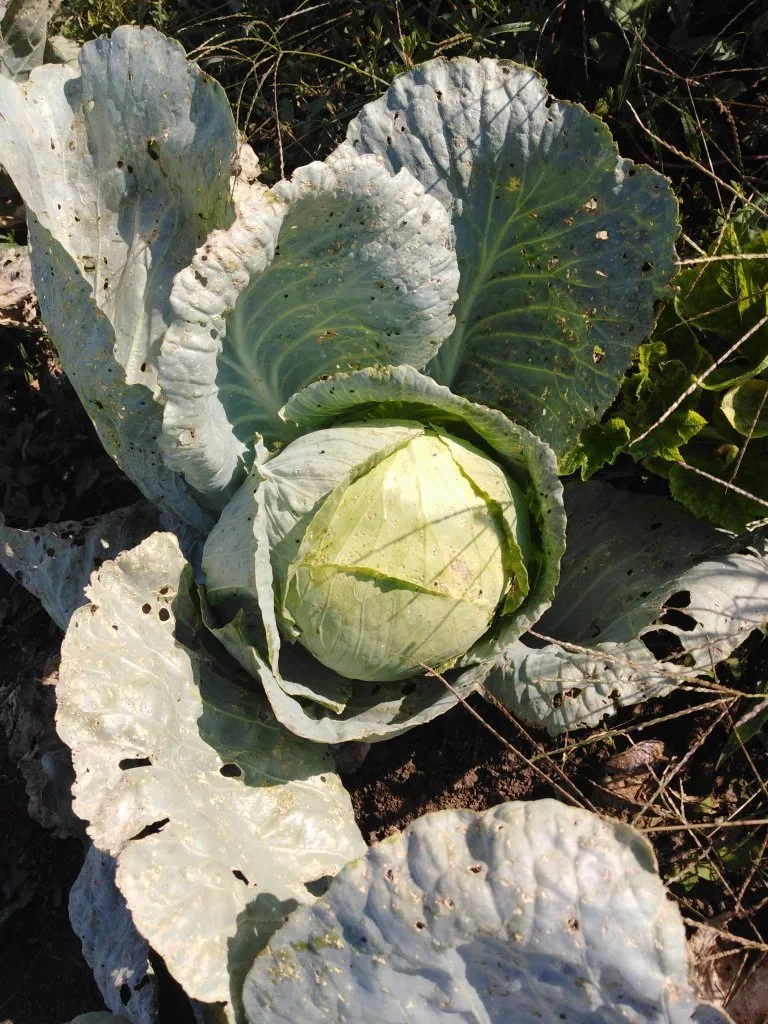
This is what today's gardening trip looks like. And while the vegetables may not be perfect, they're all homegrown and natural.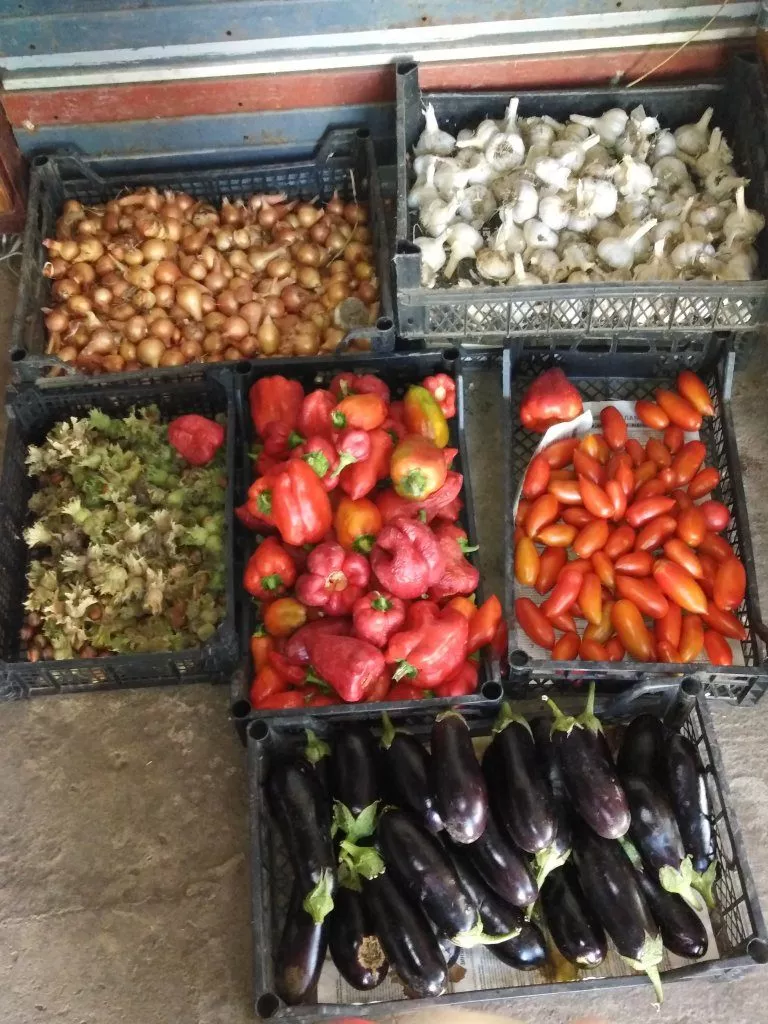
After the garden is fully harvested, we'll sow most of it with green manure to enrich the soil with micronutrients and make it lighter. Next season, we'll try mulching the beds for the first time. We hope this will help conserve valuable moisture in the soil.
And even though this year has been tough, we're still well-fed and prepared for winter—we've made plenty of compotes, pickles, and jams. We feed our livestock year-round from our garden. After all, land is profitable!