

Not only garden flowers and plants can decorate a summer cottage, but also plants that grow in forests, on lawns, in fields, or on rocks.
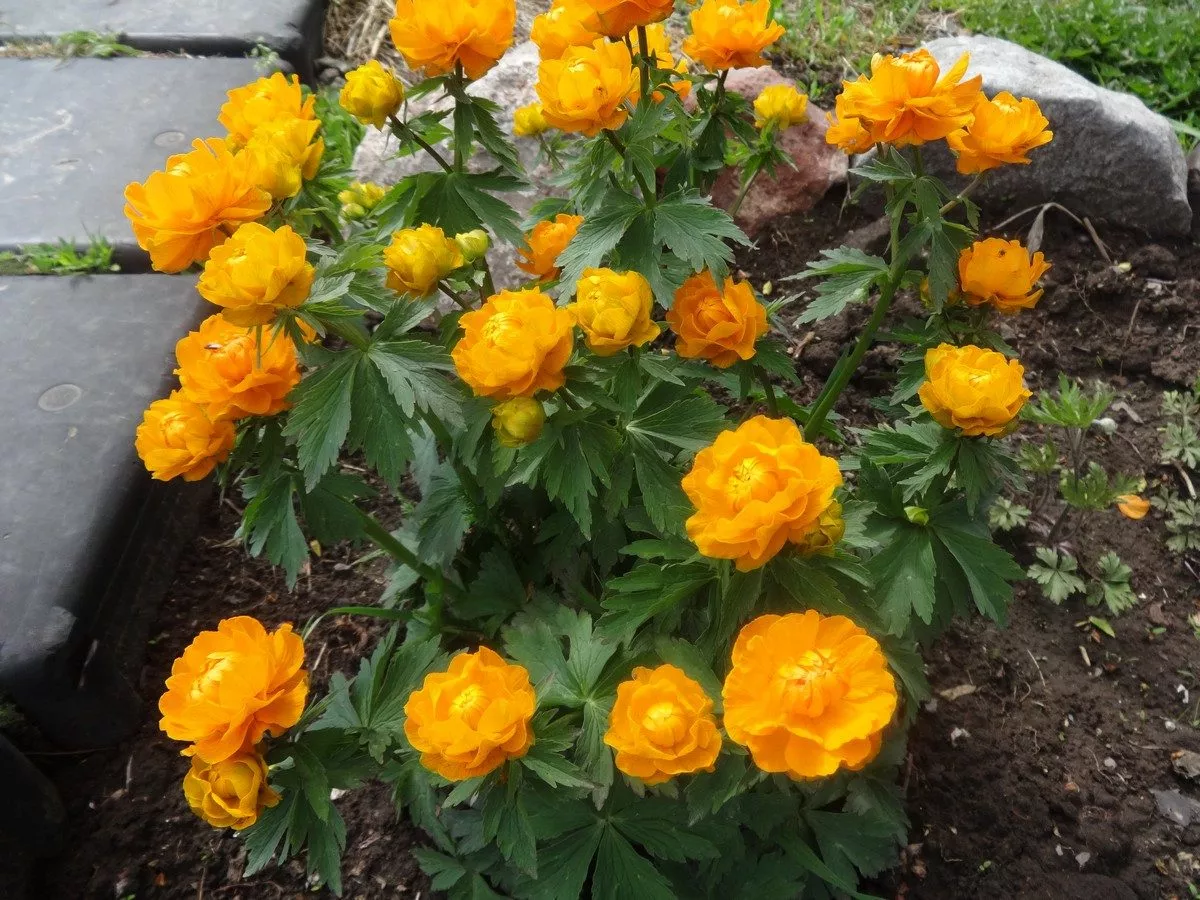
I have these same plants at my dacha. They grow well, bloom brightly and profusely, tolerate frost well, and don't require much attention. Primroses are the first to bloom, beginning in mid-May, even though it's still quite cold here.
The first to bloom in early May is the wood violet, followed by the other primroses - lungwort, primroses, pasqueflowers, marsh marigold and other flowers from nature.
Violet
The botanical name, Hill Violet, blooms in early May. The soil is still quite cold, and snow often falls at this time, but the plant is eager to show off its light purple flowers.
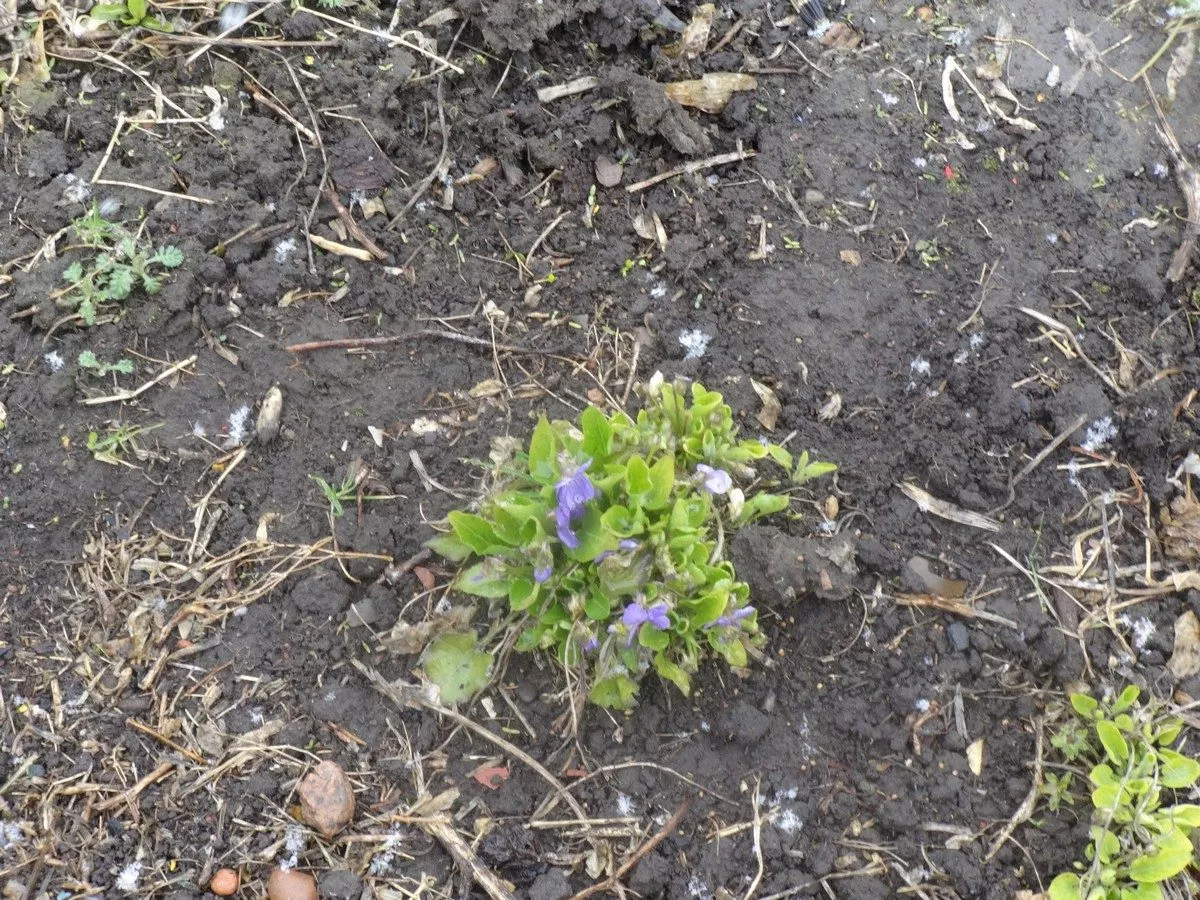
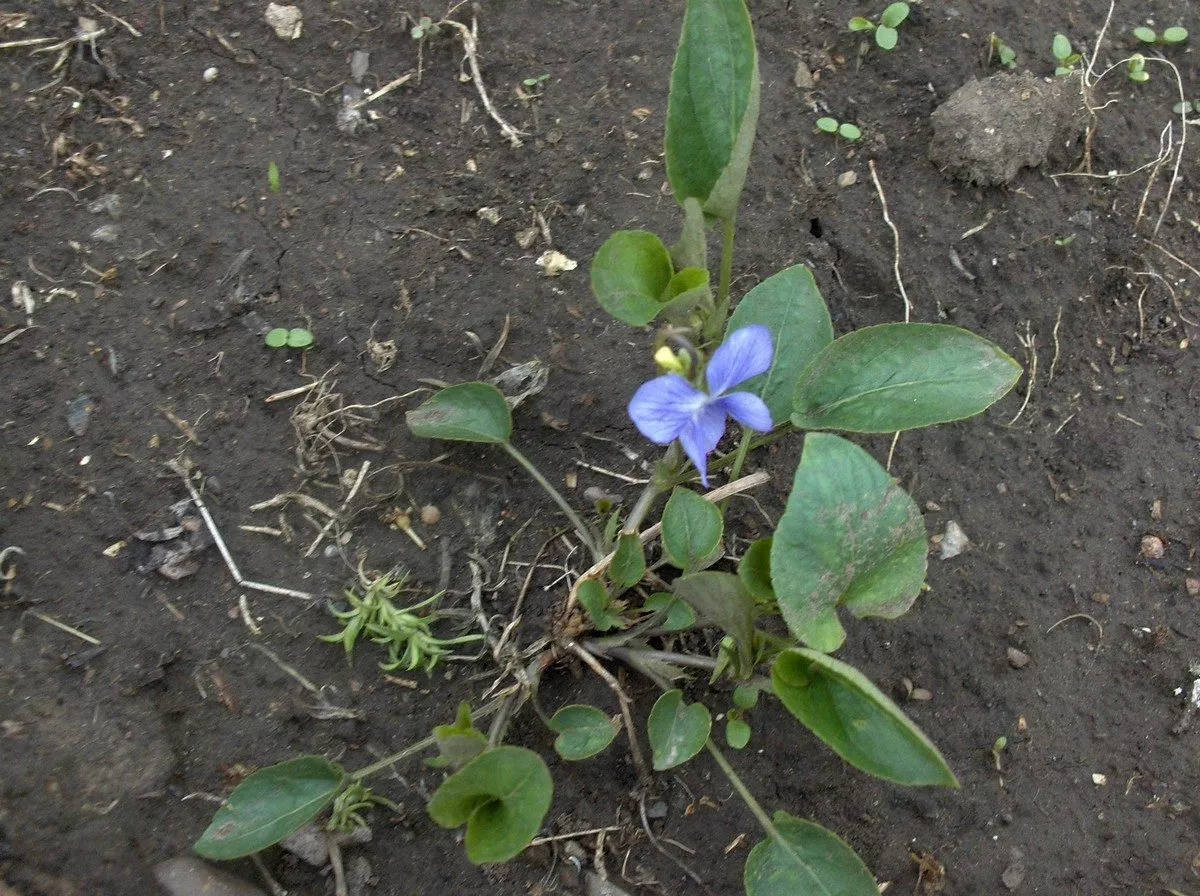
I brought violets from the forest, I was really struck by the lilac violet meadow.
A low-growing plant with heart-shaped, rounded leaves gathered in a rosette, and fragrant flowers borne on short stems. It reproduces by self-seeding. My violets have scattered all over my garden.
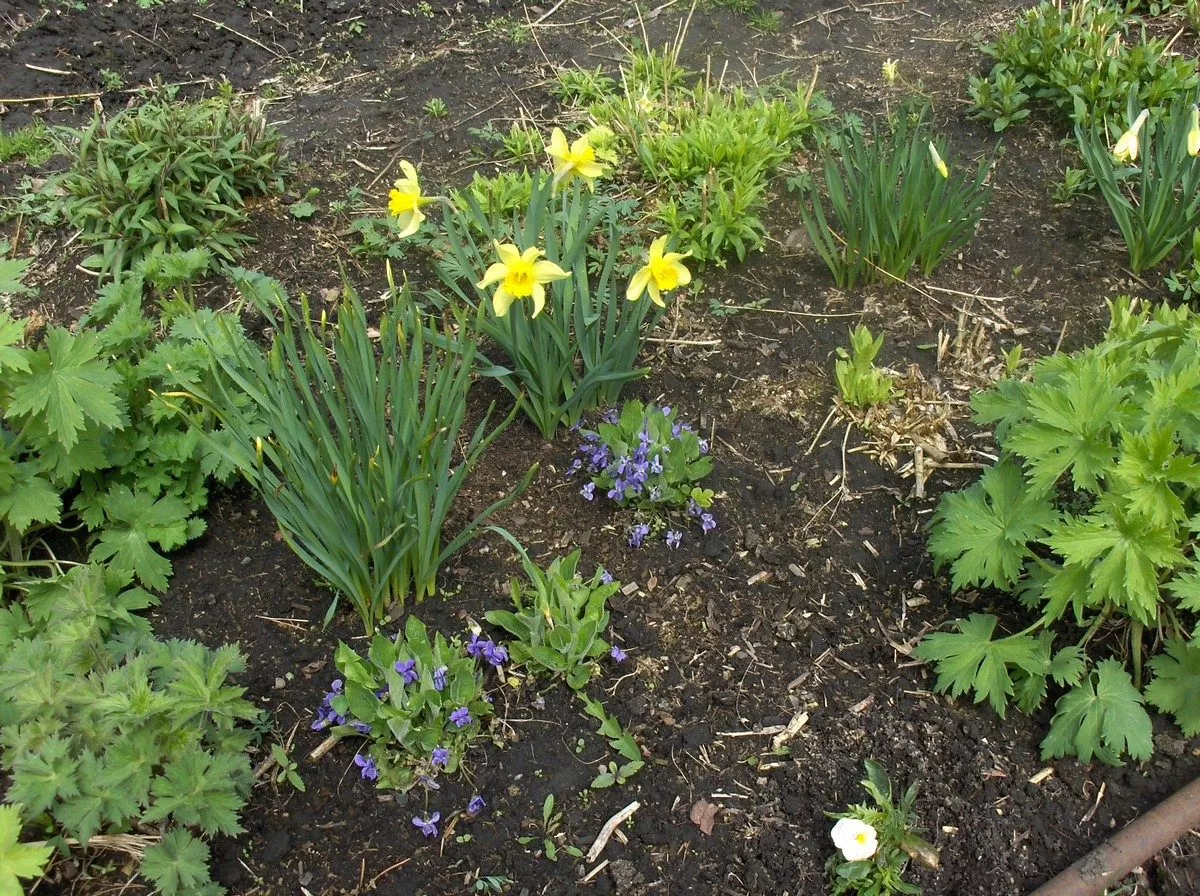
In the spring I remove most of the plants, leaving them only in the flower beds.
Primroses
My favorite wild primroses are my favorites. I have two types of wild primroses, one with bright yellow flowers and one with bright pink ones.
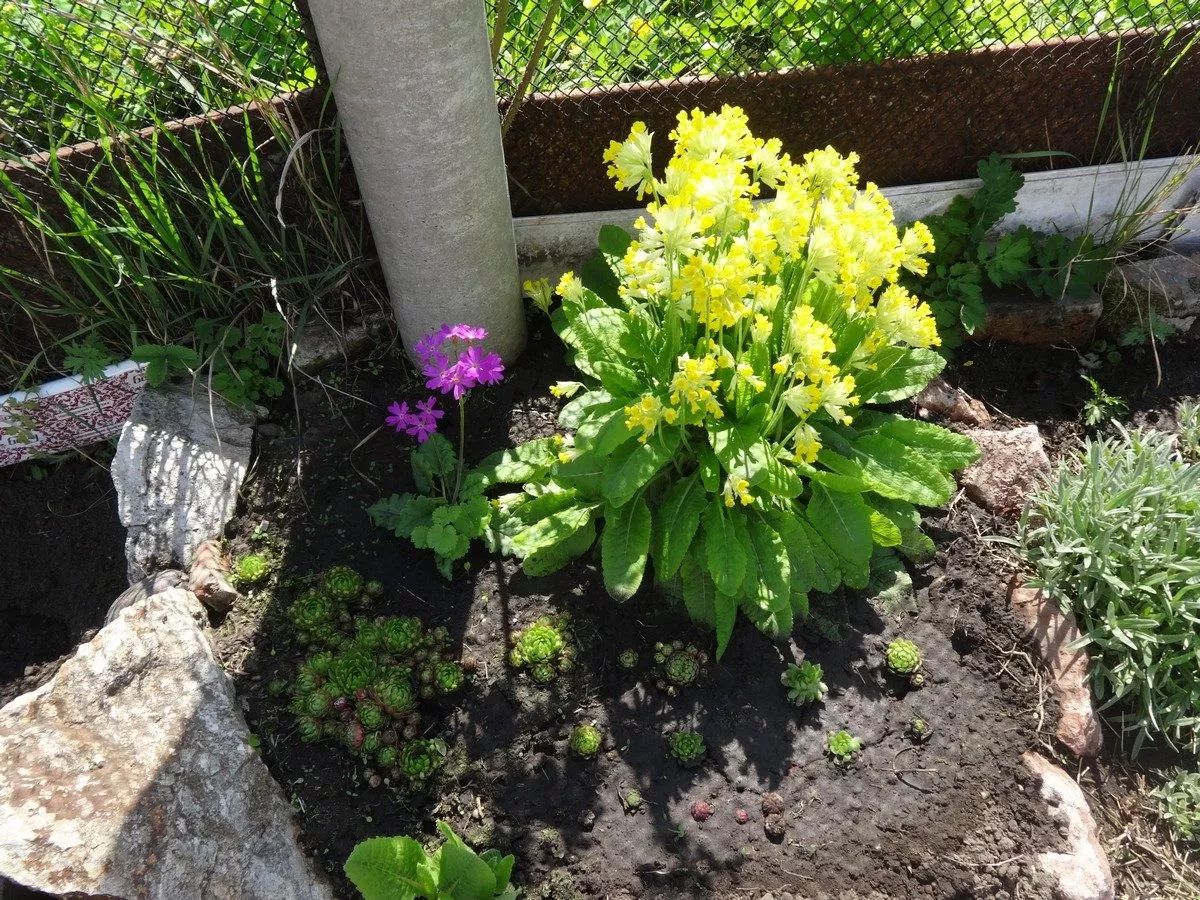
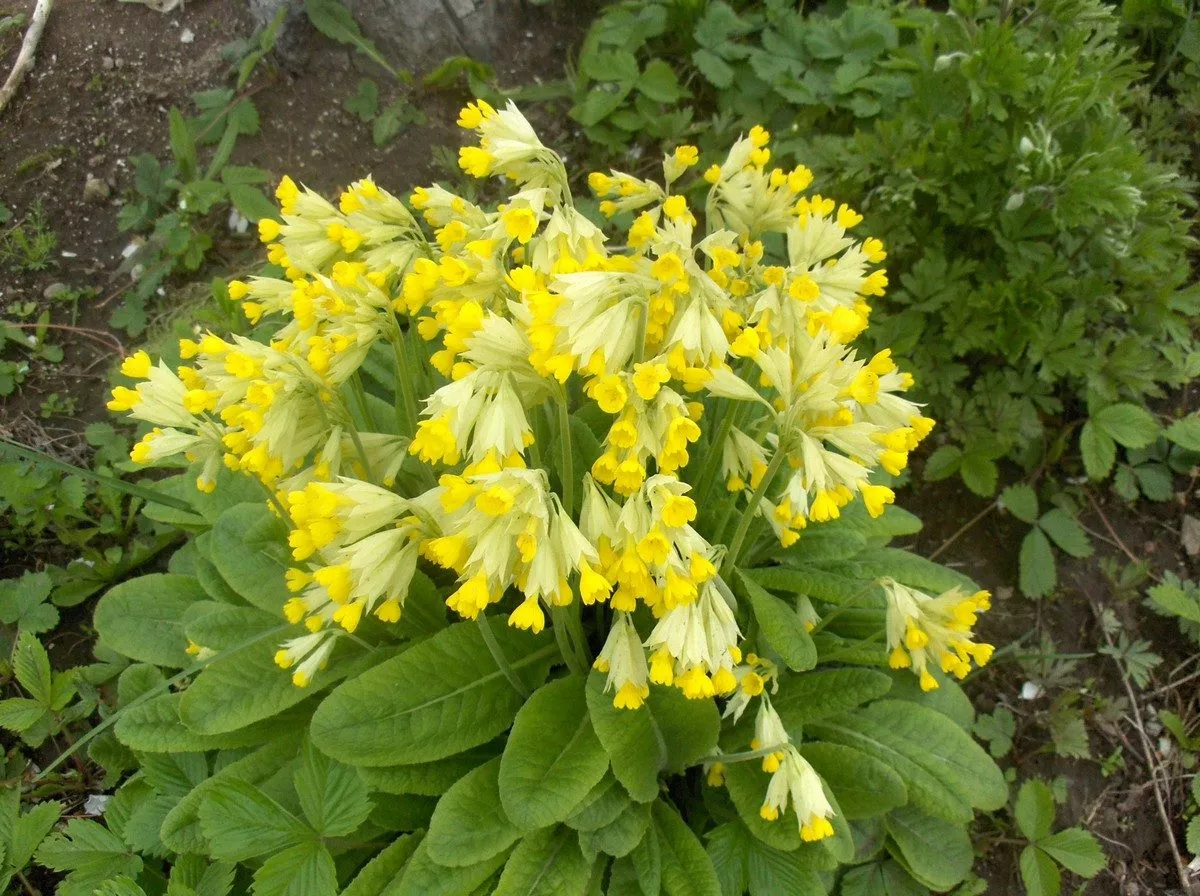
They bloom from mid-May, when tulip buds are just beginning to appear. They reproduce by self-seeding, young seedlings
They sprout only where they grow and do not extend beyond the flower bed. Read more about primroses You can read about it in this note.
Marsh marigold
Marsh marigold grew near our old dacha, right behind the fence. In the spring, meltwater would collect there, and marsh marigolds would grow on the hummocks—nice little bushes with large, shiny, rounded leaves. At the end of May, these bushes would be covered in bright yellow flowers, and the marshy, hummocky area would turn into a sunny, yellow meadow.
Marsh marigold is a perennial plant in the Buttercup family, with low-growing bushes reaching up to 30 centimeters. Its small flowers have five golden-yellow petals and numerous stamens within. Five to ten flowers bloom on a single stem.
This is a moisture-loving plant. I have marsh marigold growing in the dampest and shadiest flowerbed next to hostas and ligularia.
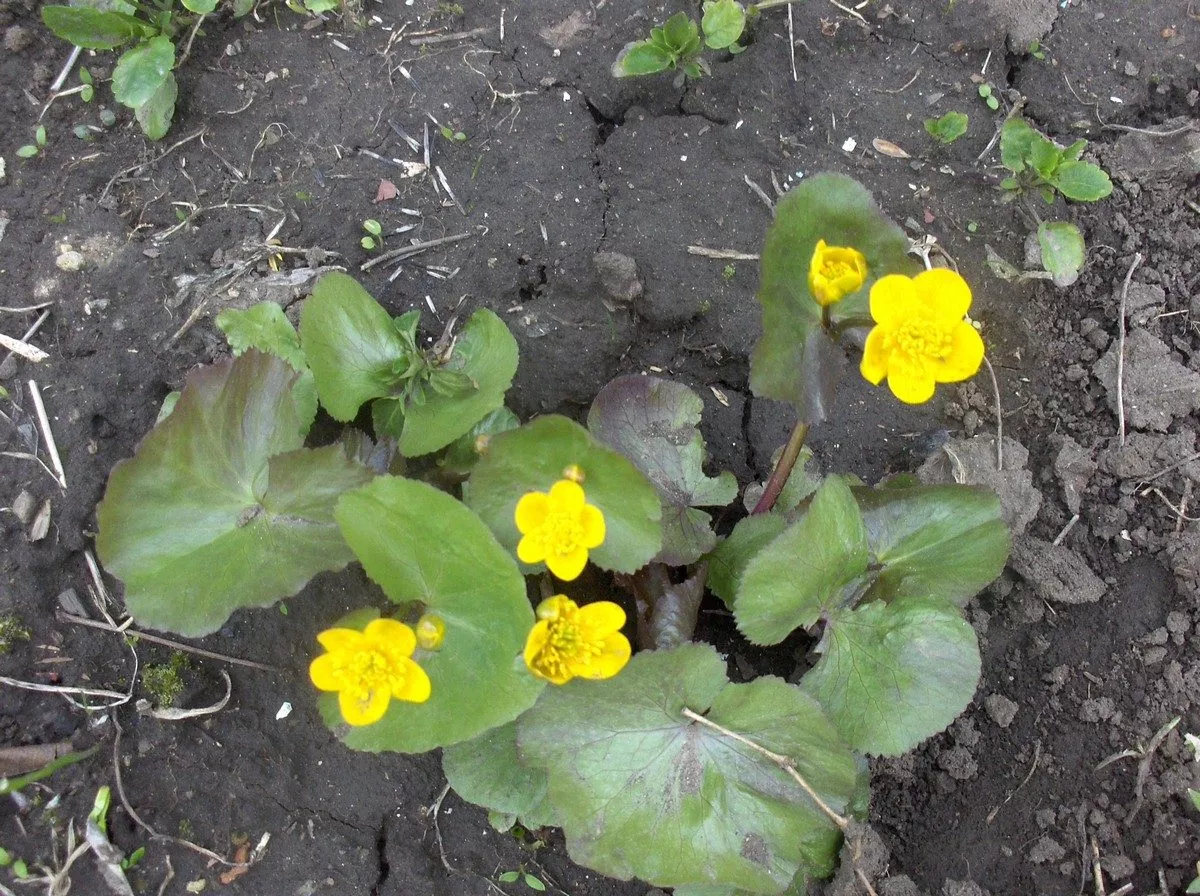
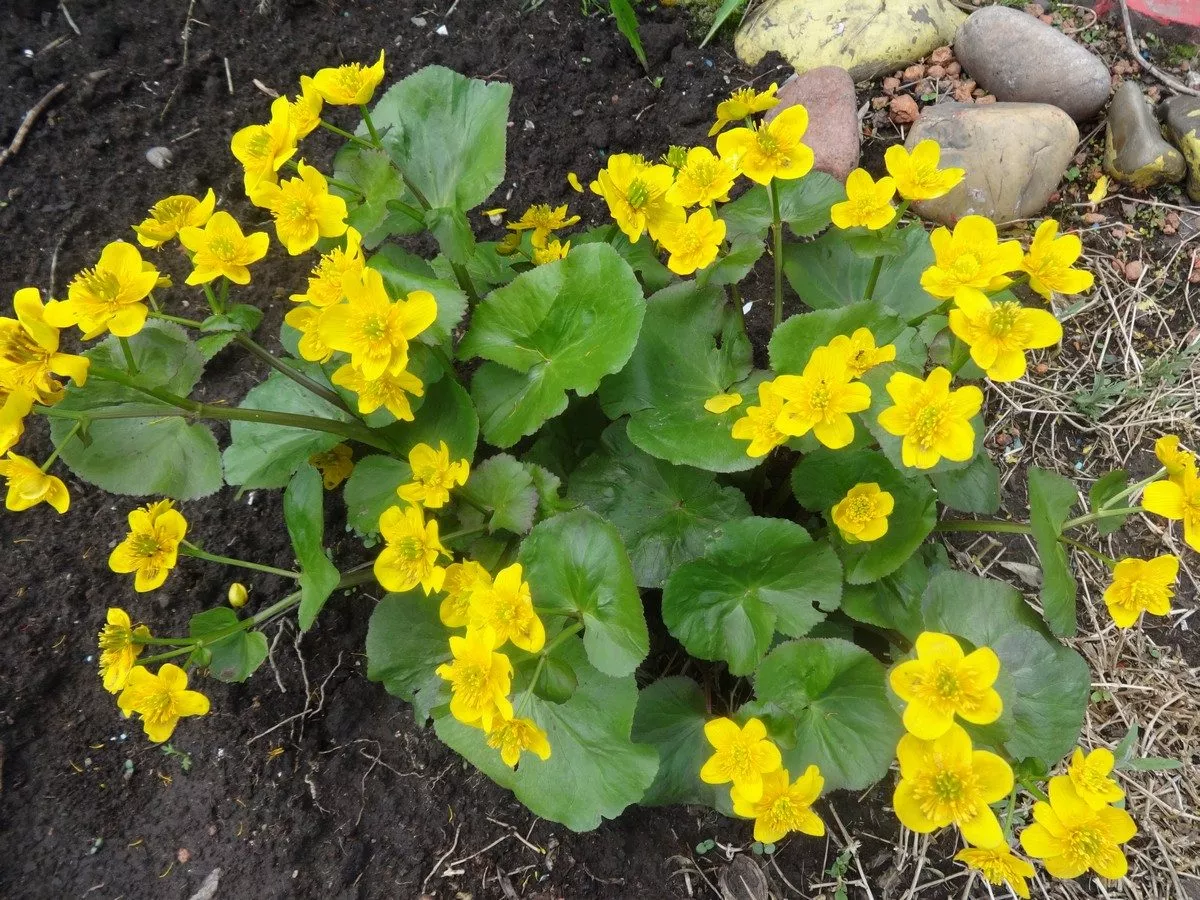
In the spring, the snow doesn't melt there for a long time, and there's also a barrel that collects rainwater from the roof. If the barrel overflows, the water spills onto the flowerbed. In the spring, the marsh marigolds have enough moisture to bloom. And in the summer, the hosta leaves cover their bushes, preventing them from suffering from the summer heat.
Rock Alyssum
I discovered this flower while looking for stones for my dacha. Our dacha community is located on a large hill or mountain. In some places, the foot of the mountain is rocky. We drove to this spot to collect large stones that I'm using for the dacha's design.
On the slope of this hilly area, I discovered flowering plants—purple pasqueflowers, yellow-flowered alyssum, and low-growing yellow irises. Also unusual were some plants I had never seen before—bushes with long leafless stems, or perhaps even leaves, blooming with small white flowers, and shaggy, plush bushes—I called this plant moss.
I also found a fragrant plant on this slope with twining stems and small leaves - by the smell I determined that it was creeping thyme.
I dug up all these plants, bush by bush, and brought them to the dacha. I built a small mound of stones and planted them.
I planted the pasqueflower and irises in a different spot. I liked the alyssum the most in my small alpine garden.
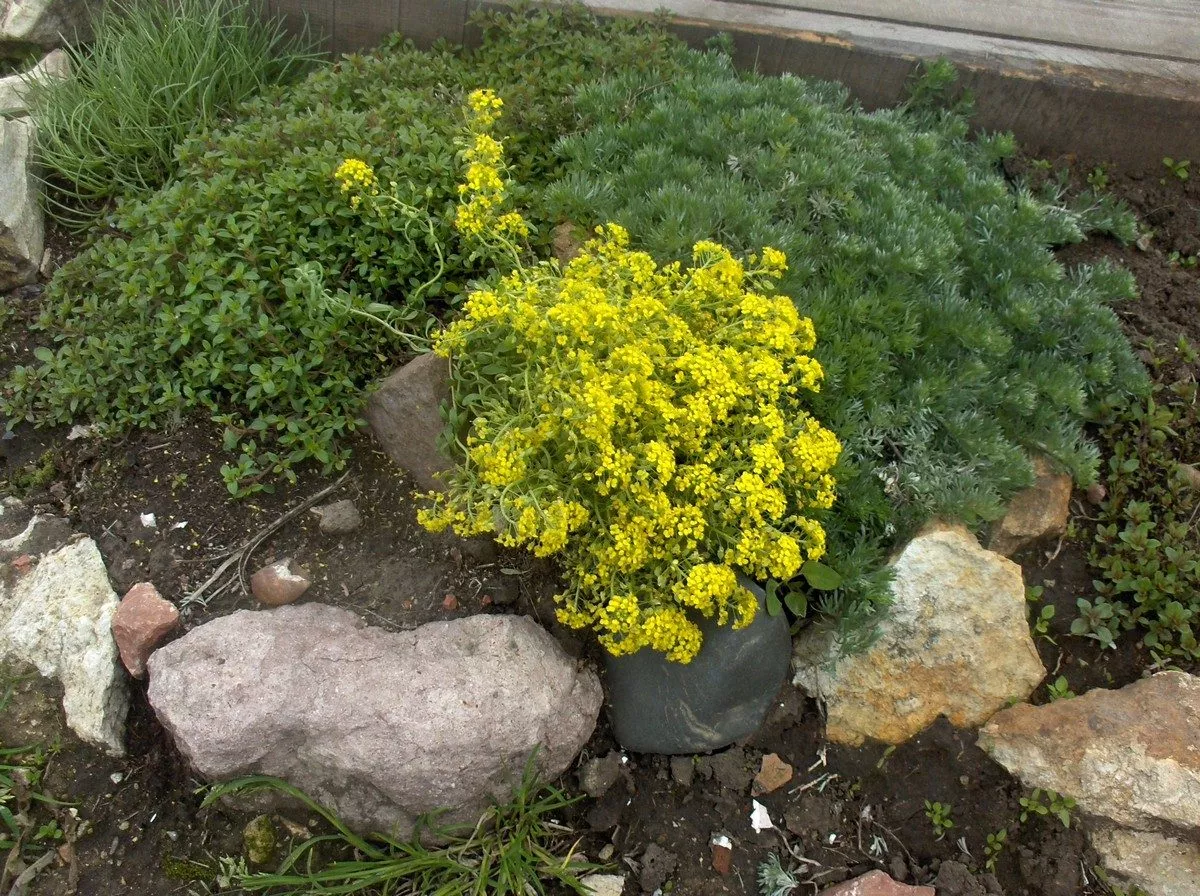
Rock alyssum is a perennial plant, about 30 centimeters tall. It has branched stems, woody at the roots. The leaves are small, elongated, and grayish in color. The flowers are bright yellow, with four small petals, and are fragrant.
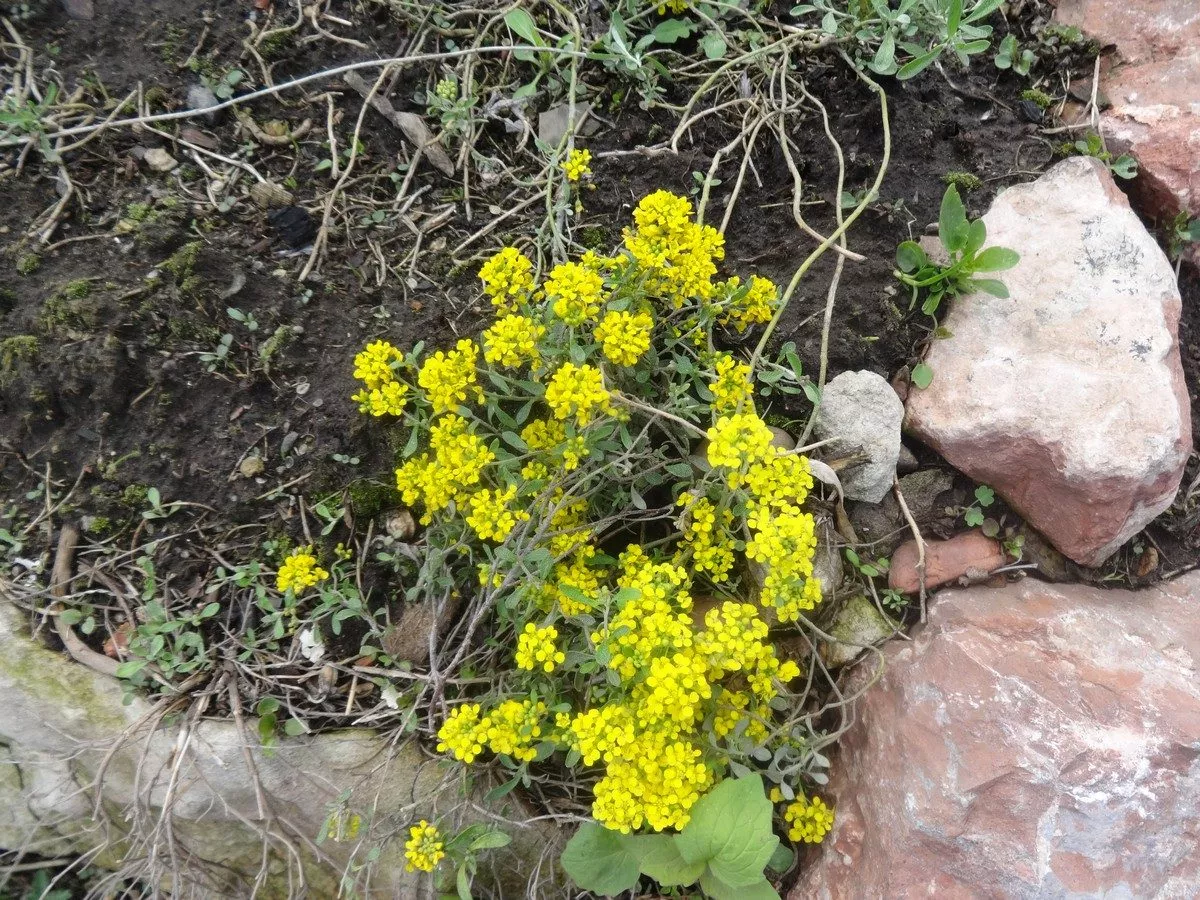
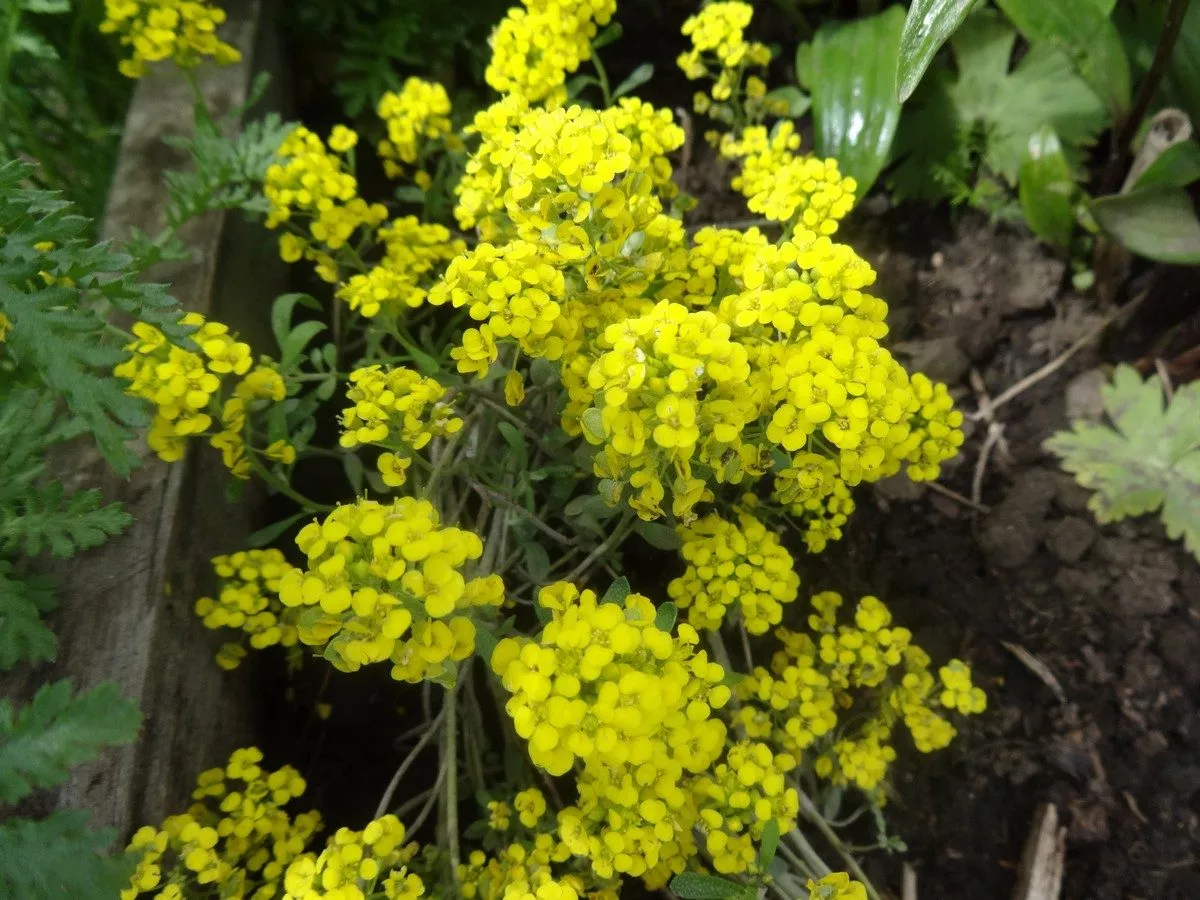
Alyssum blooms for over a month, sometimes even into late summer. It reproduces by self-seeding, and sometimes the bushes freeze during cold winters.
Low-growing irises
This is a low-growing perennial plant with a thick, branched rhizome and long, flat, glaucous-green leaves. The flowers are quite large, with bright yellow petals, thin dark stripes at the base, and a shaggy beard. The inner petals are narrower than the outer ones and elongated.
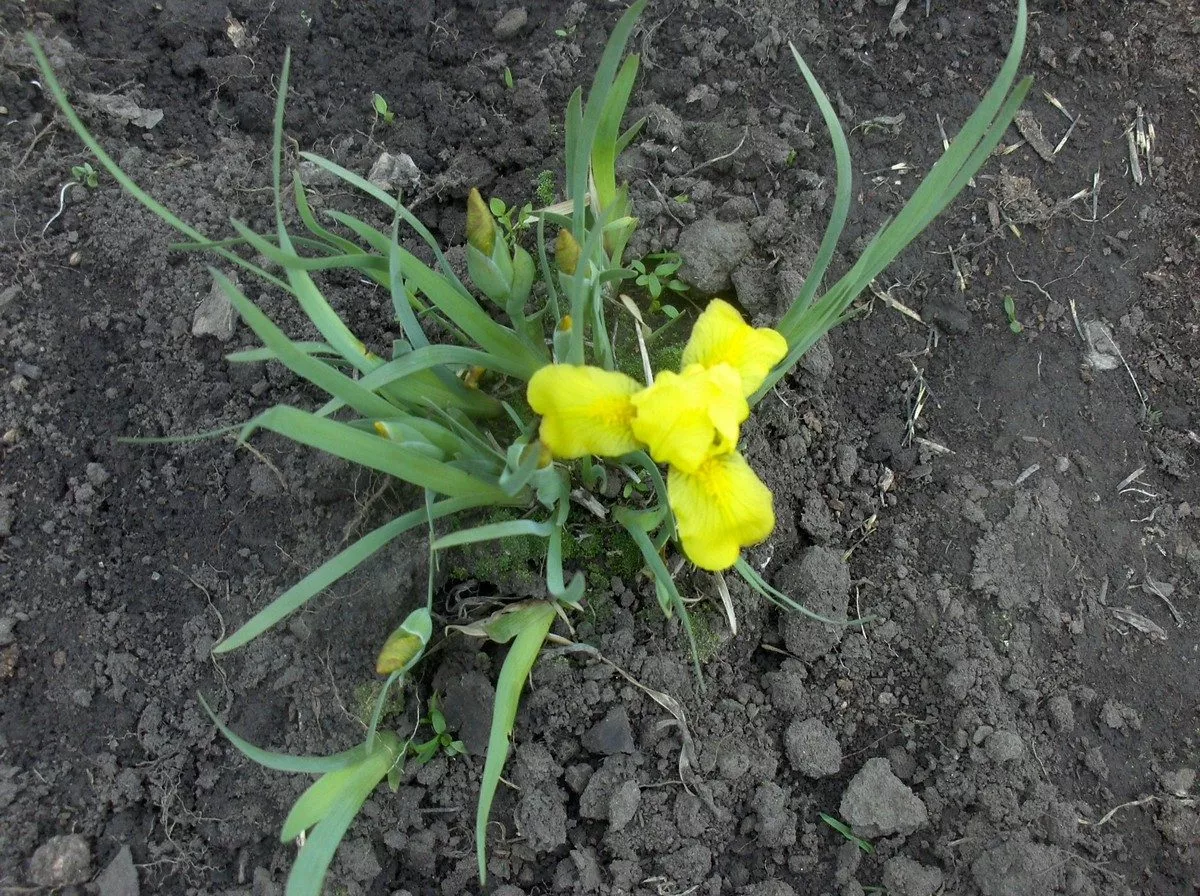
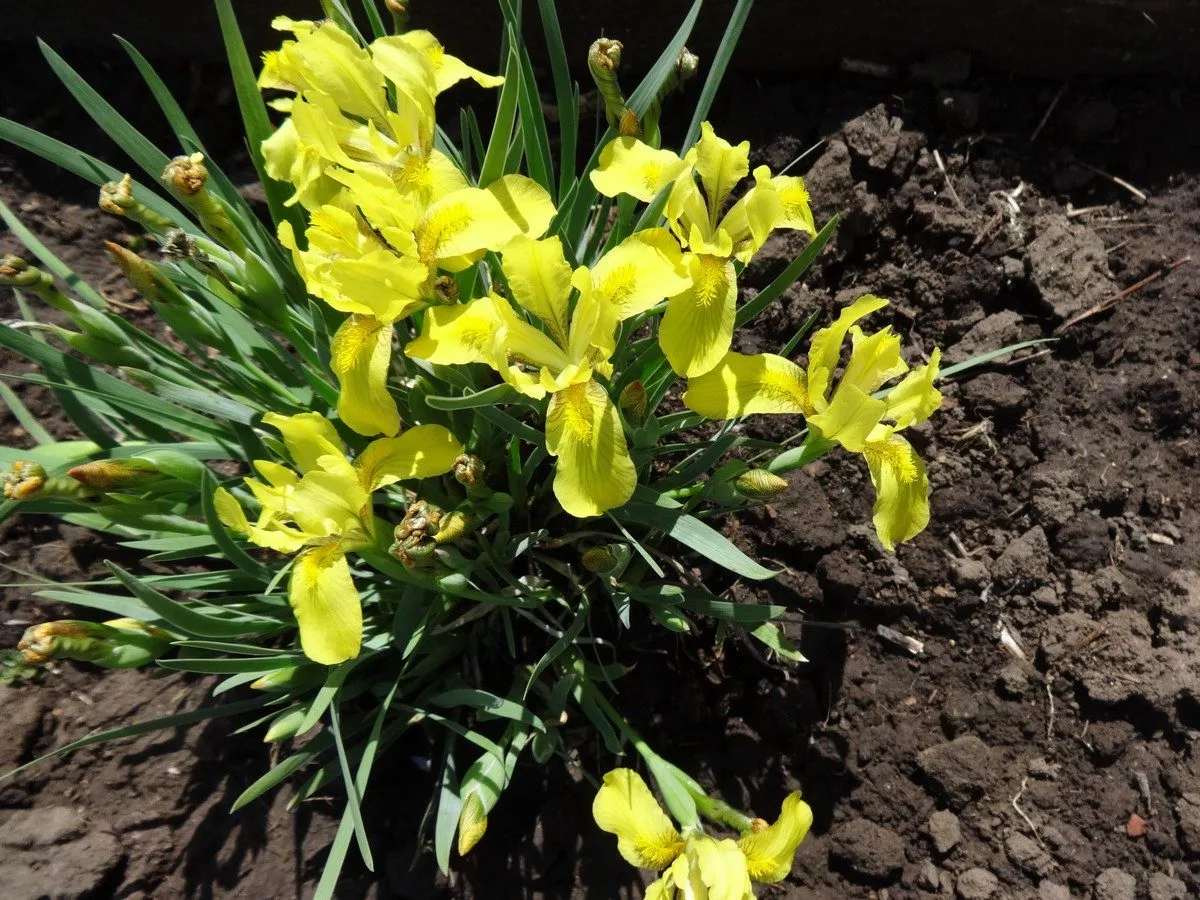
I really loved these miniature irises, which I called "taffy irises." They grew well and bloomed profusely in the spring, but in 2019, like many of my other flowers, they failed to sprout.
Later in nature I again came across iris bushes with yellow and blue flowers, but I didn’t dig them up, I let them grow in the wild.
Creeping thyme or wild thyme
Thyme is a creeping, fragrant, perennial subshrub that grows low. Its shoots, with numerous branches bearing small, green, oblong leaves, creep along the ground, entangling the ground.
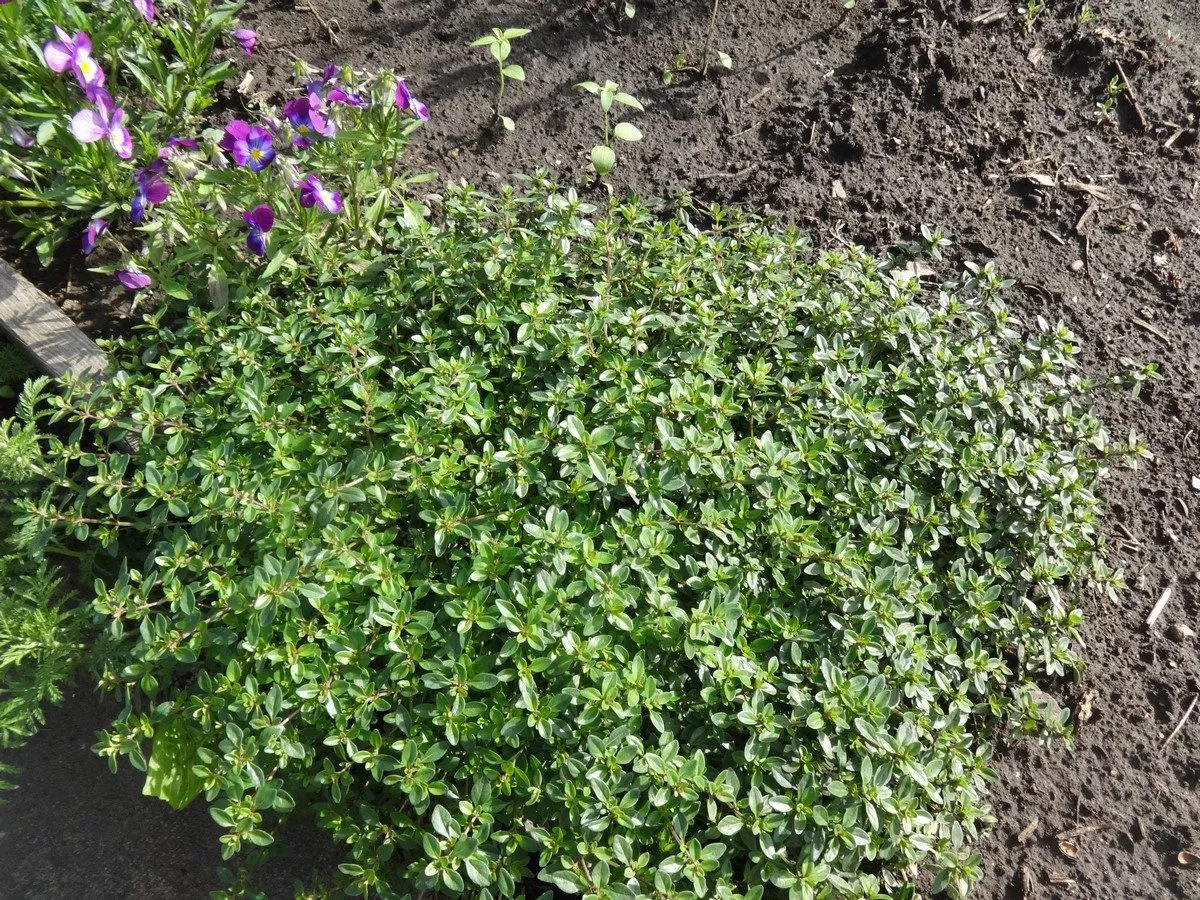
At the ends of the stems, inflorescences form with small, fragrant, pinkish-purple flowers. All parts of the plant—leaves and stems—exude a pleasant aroma.
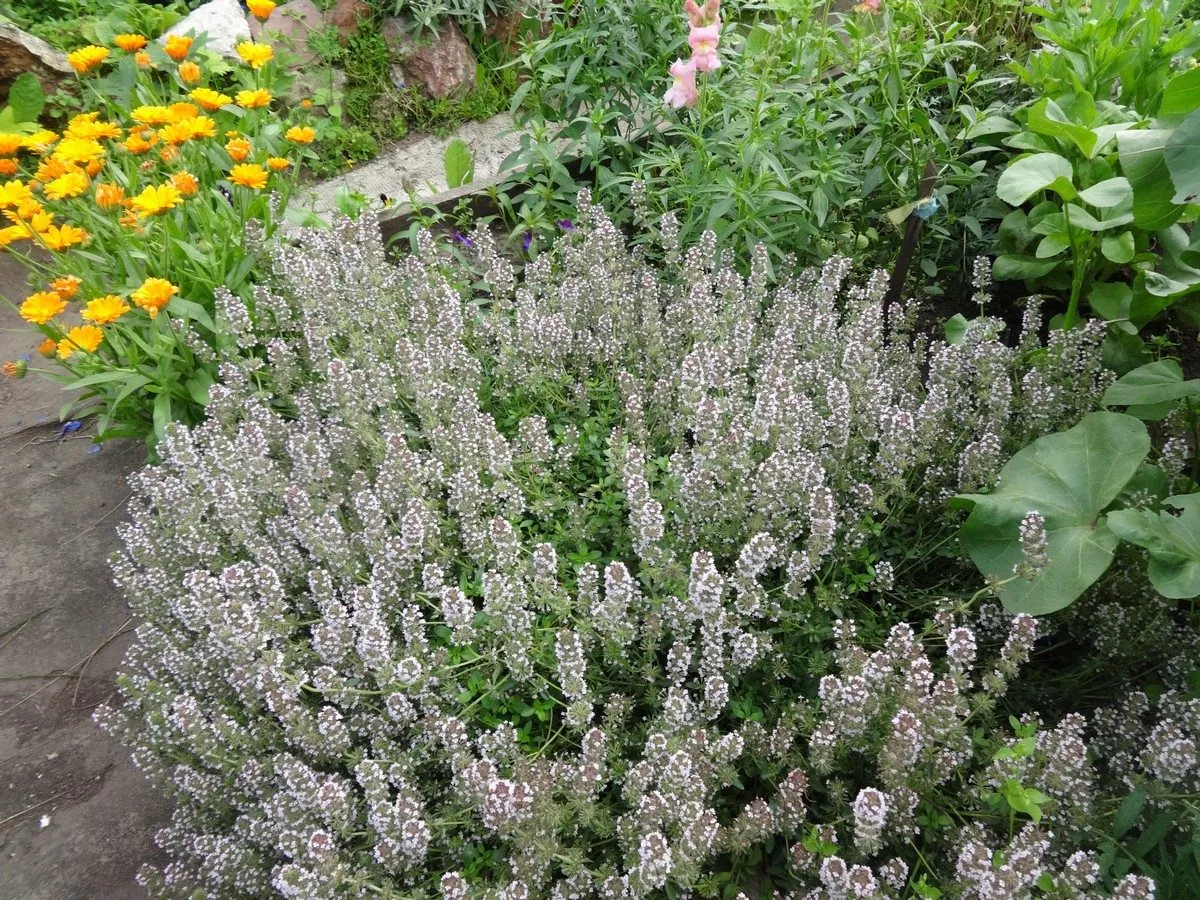
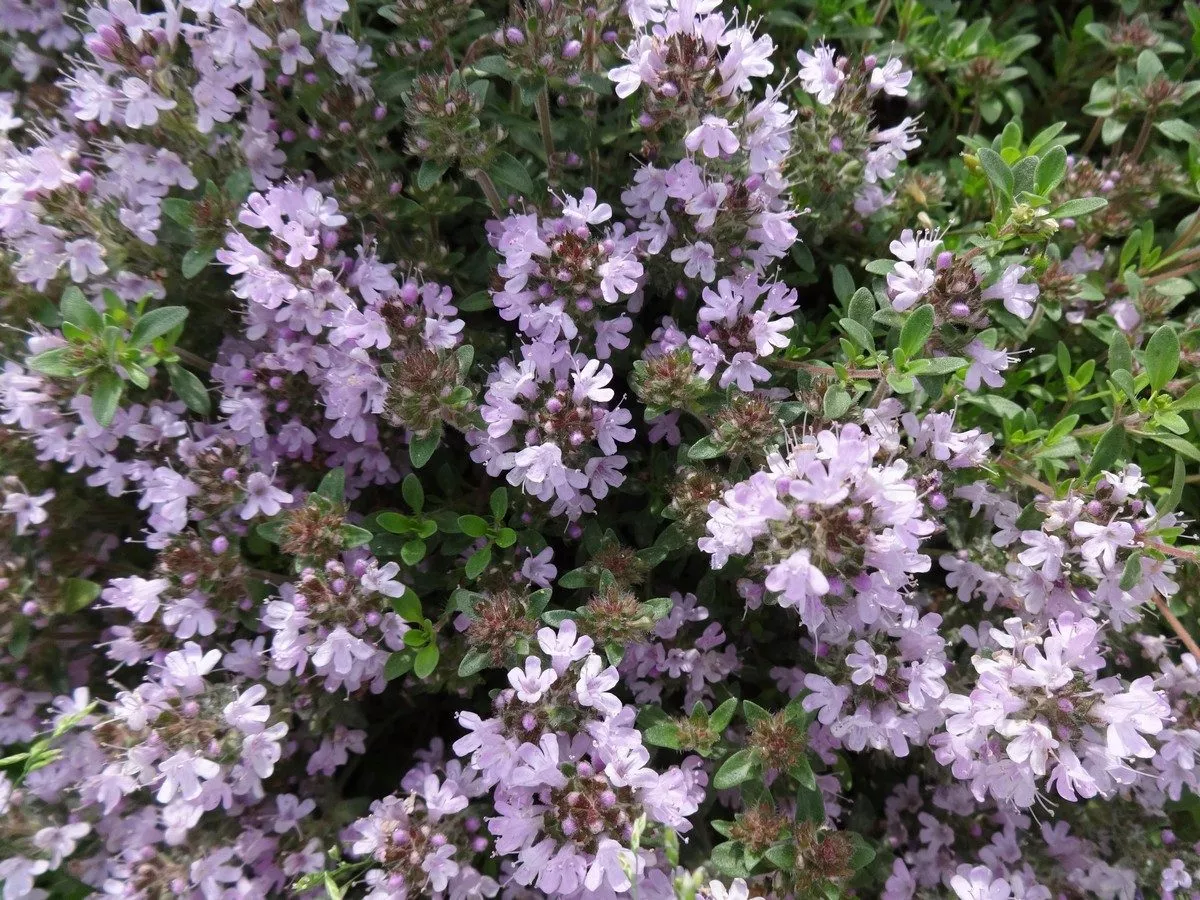
Bogorodskaya grass—as creeping thyme is commonly known—is a medicinal plant used in folk and traditional medicine to treat a variety of ailments. It's also used as a spicy seasoning for various dishes. We love thyme tea, made fresh in the summer and dried for the winter.
Lungwort
Lungwort is another primrose flower native to the forest. It is a perennial herbaceous plant from the Borage family. The bush grows about 20 cm tall, with straight, rough stems and lanceolate leaflets, pointed at the tips. The leaves also have a rough pubescence.
In spring, immediately after the snow melts, pink buds appear on the stems, then, when the bud opens, the flower petals turn bright blue or purple.
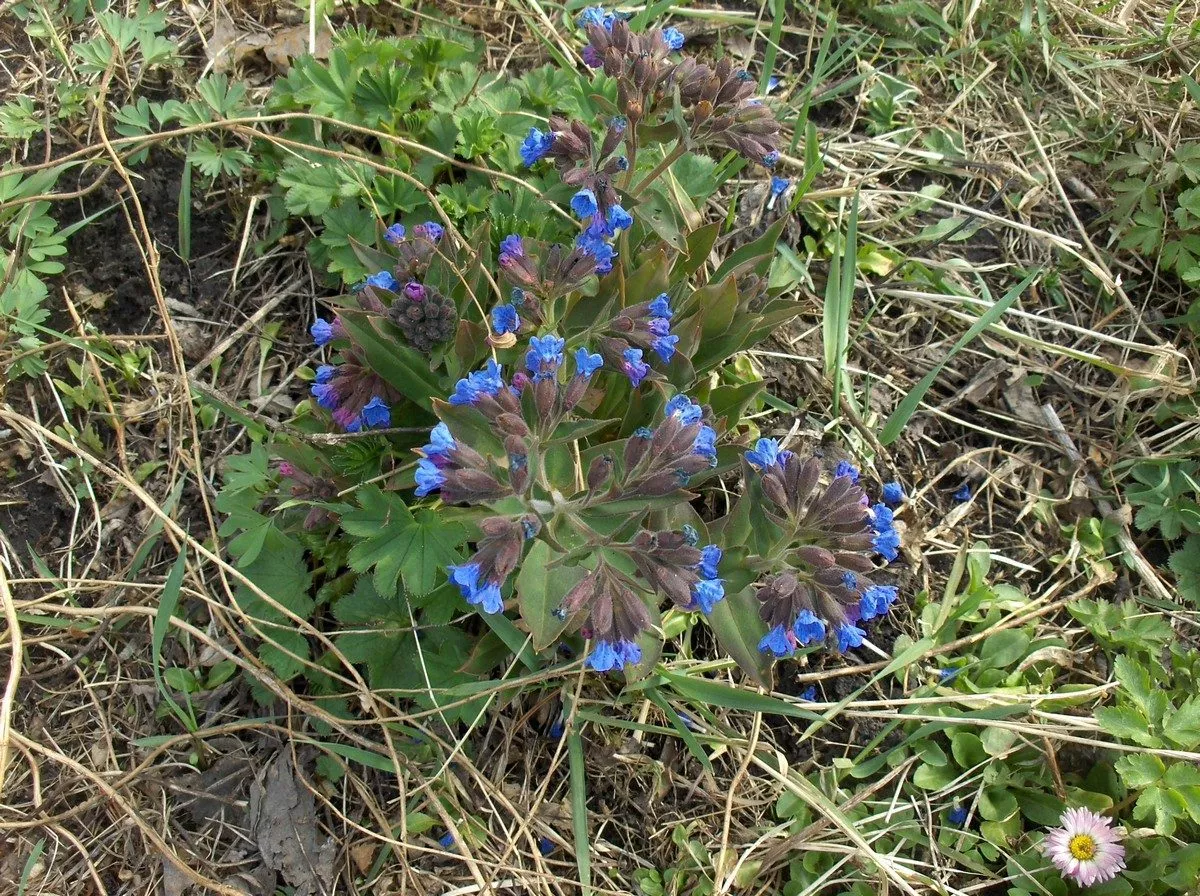
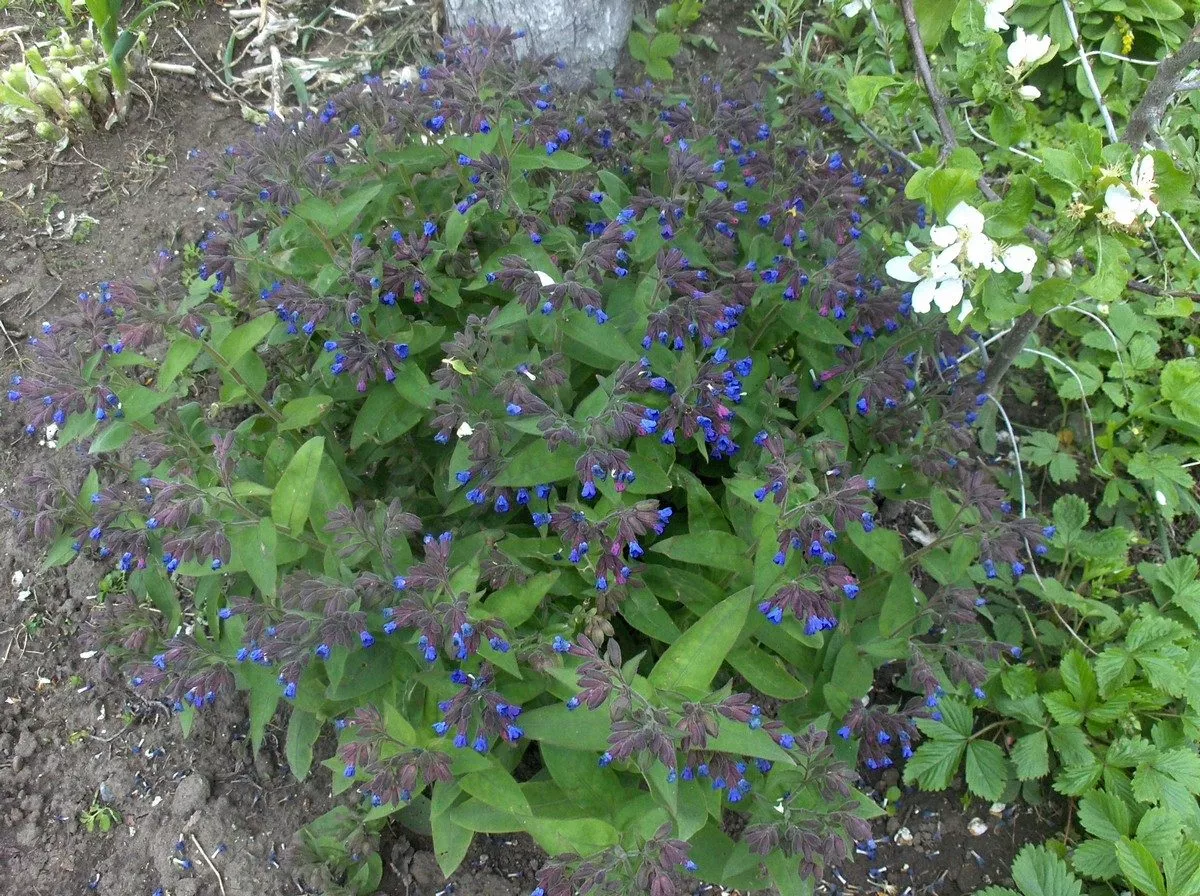
After flowering, the lungwort grows large basal leaves on long petioles.
We have a lungwort growing at our dacha; it starts blooming in early May. Its flowers are small, bright blue bells and are very fragrant.
During the flowering period, bumblebees buzz around the blooming lungwort all day. They collect nectar from the young pink flowers and pollinate the inflorescences. The pollinated flowers turn blue and no longer attract bumblebees.
Lungwort is a medicinal plant used in folk medicine. Decoctions of lungwort leaves are used to treat bronchitis, acute respiratory viral infections, and pneumonia. They are also used to treat gastrointestinal disorders, kidney disease, and bladder problems.
Pulsatilla or sleep-grass
Pasque flower or sleep-grass is a perennial herbaceous plant, 10-15 cm high, belongs to the Buttercup family.
The pasque flower begins to bloom with the arrival of the first warm days. As soon as the ground warms, the flower breaks through the soil with its sharp stems covered in shaggy silvery hairs. Then buds emerge, covered in fluffy hairs, and soon large, beautiful flowers open, with purple or yellow petals and a bright yellow center.
The leaves of the sleep-grass are grayish-green and dissected; even after flowering, the plant looks beautiful; fluffy balls appear on the peduncles, containing seeds.
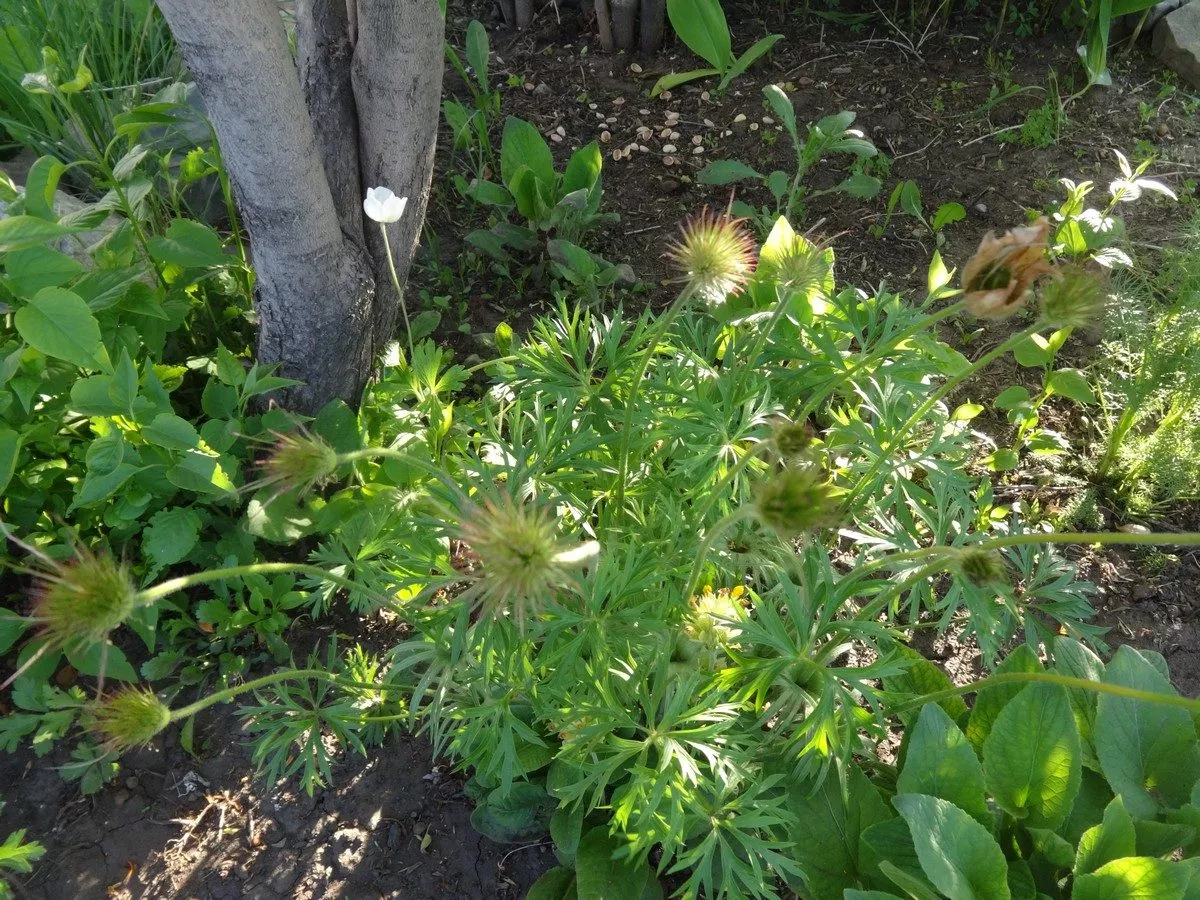
I have a golden pasqueflower growing at my dacha. Its seeds accidentally landed on a primrose bush I brought back from the wild. Both the pasqueflower and the primrose grow together under the lilac and bloom together every spring.
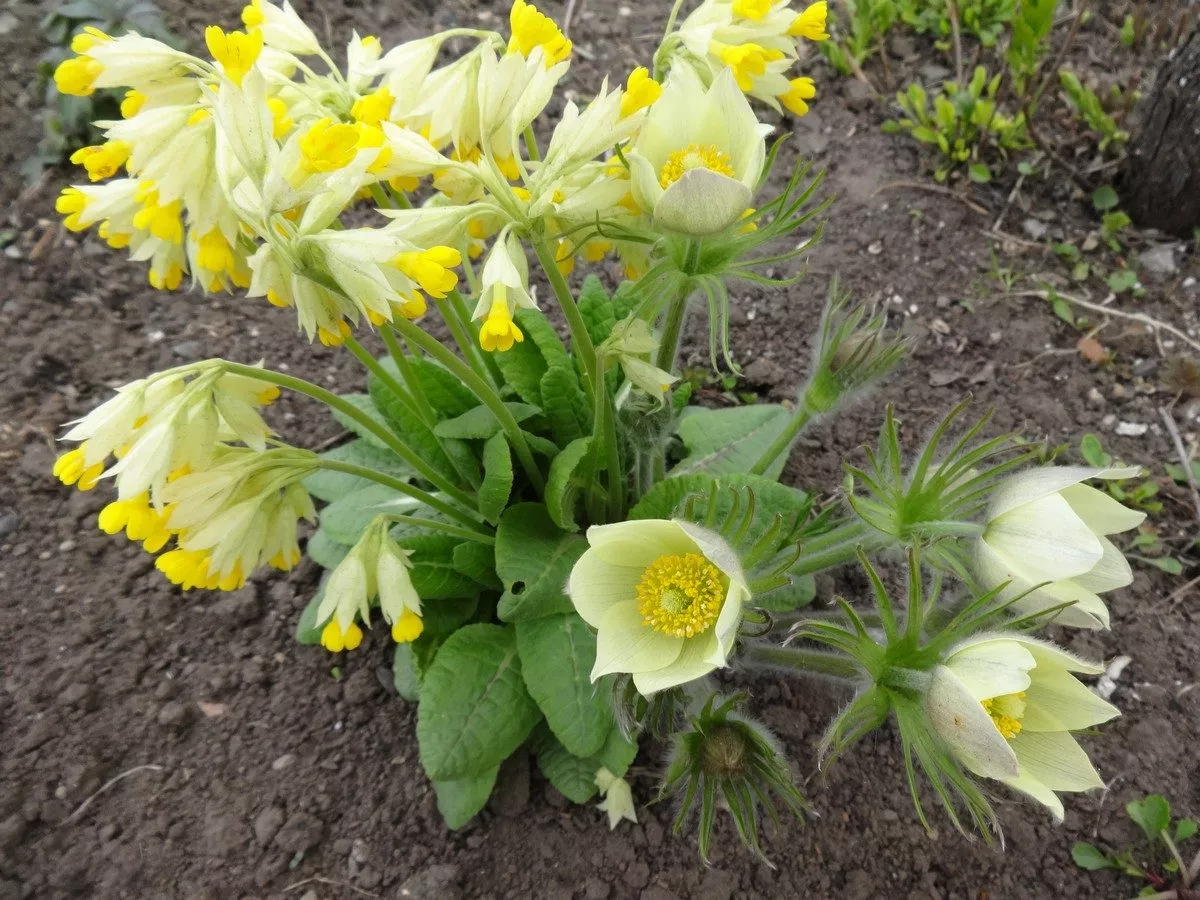
Here in Krasnoyarsk, pasque flowers begin blooming in early May, but if spring is early and warm, you can find this beautiful flower on sunny slopes or in light forest edges as early as mid-April.
Near our dacha, on the mountainside, purple pasque flowers are blooming. I tried to move a few bushes to my flower bed, but they didn’t take root.
The plant is medicinal and is used to treat many diseases; the dried herb and flowers are used to prepare infusions and decoctions.
Fresh leaves, stems and flowers of the sleep-grass contain toxic substances and care must be taken when caring for the plant.
Zharki or bathing suit
The saffron milkweed grew at our old dacha, both on the property itself and behind the fence in a damp, sunny meadow, along with the marsh marigold.
This is a herbaceous perennial from the Buttercup family with beautiful spherical, bright orange rose-shaped flowers located on slender shoots.
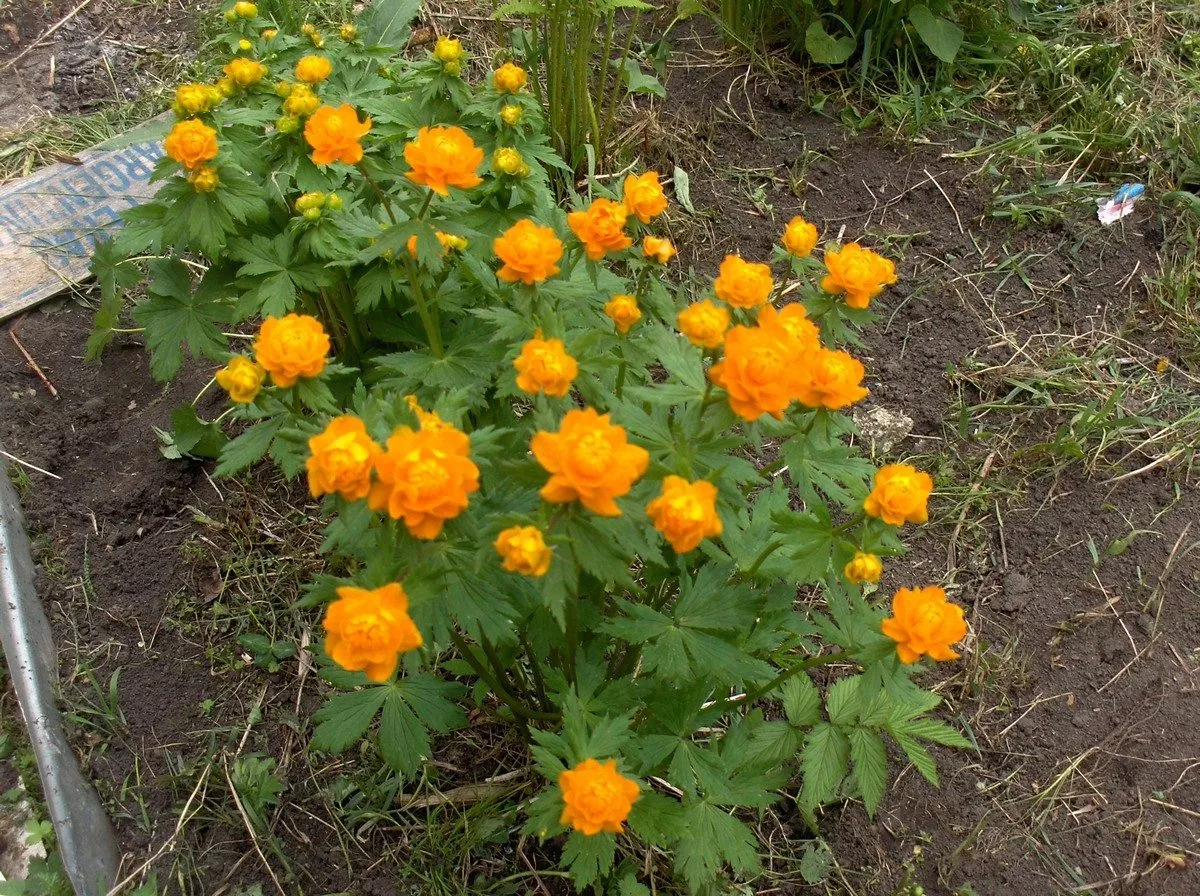
Even the plant's leaves are beautiful, dissected, the upper leaflets are tightly pressed to the stem, and the lower, larger ones are located on the petiole.
The Siberian rose, also known as the zhark, begins blooming in mid-May and lasts for about a month, attracting bees and bumblebees with its delicate aroma. The plant is a honey plant.
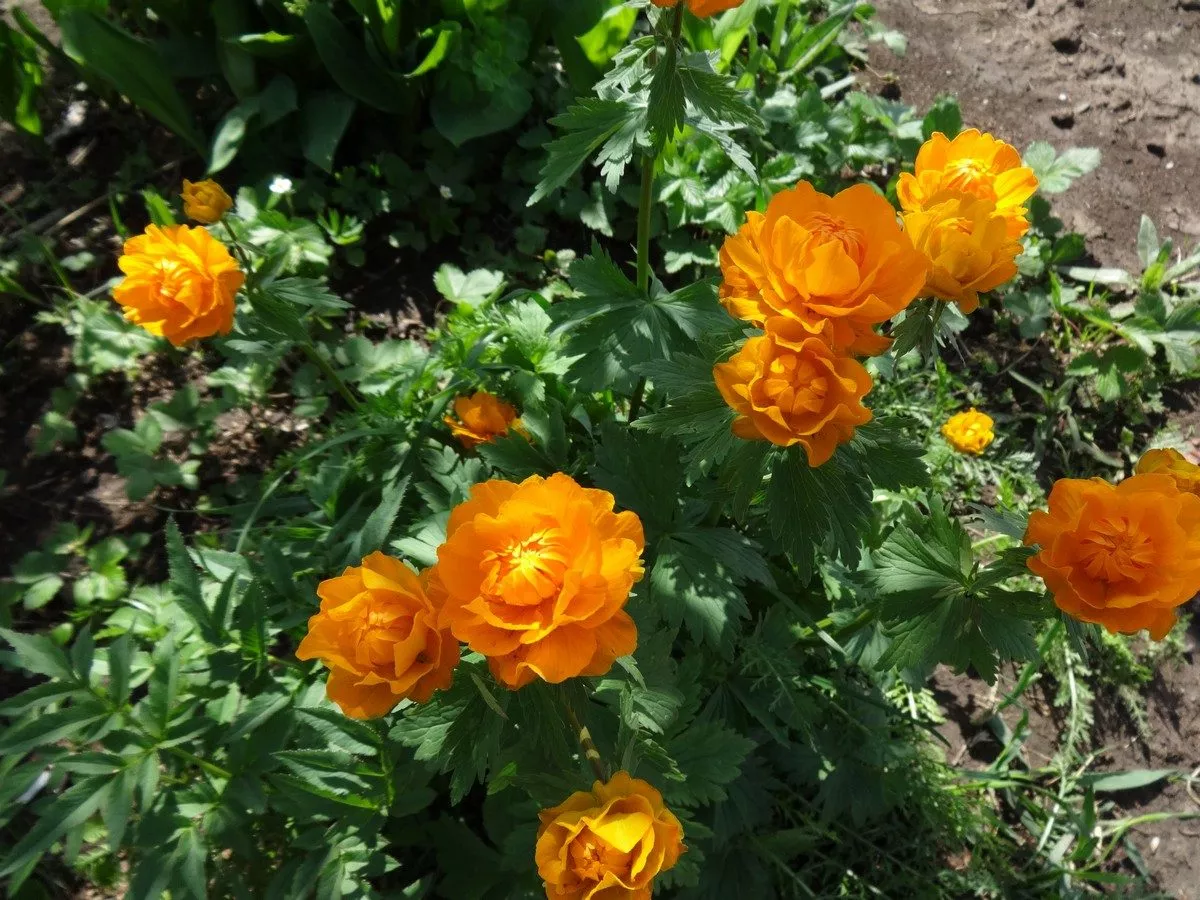
I have fireweed growing in two places under the lilac and under the old apple tree, and I really like these little flame-like flowers.
Sedum vulgare or common sedum
We brought back some sedum when we visited Galanino. We stayed there for two days and then went swimming in Denisikha. That's where I discovered some flowering sedum bushes, and of course, I couldn't resist bringing a few back to the dacha.
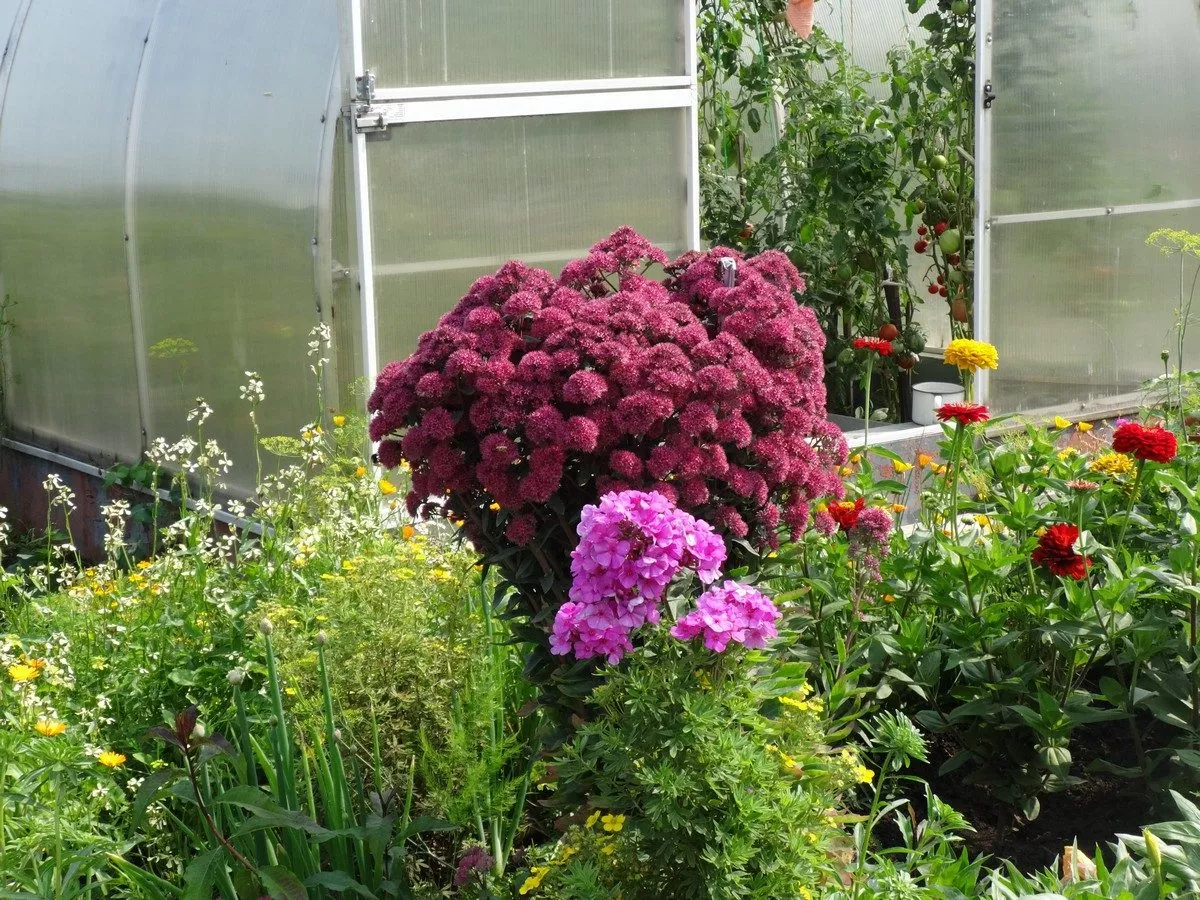
And they bloom beautifully and decorate my flowerbed. Our squeakers start blooming in mid-July.
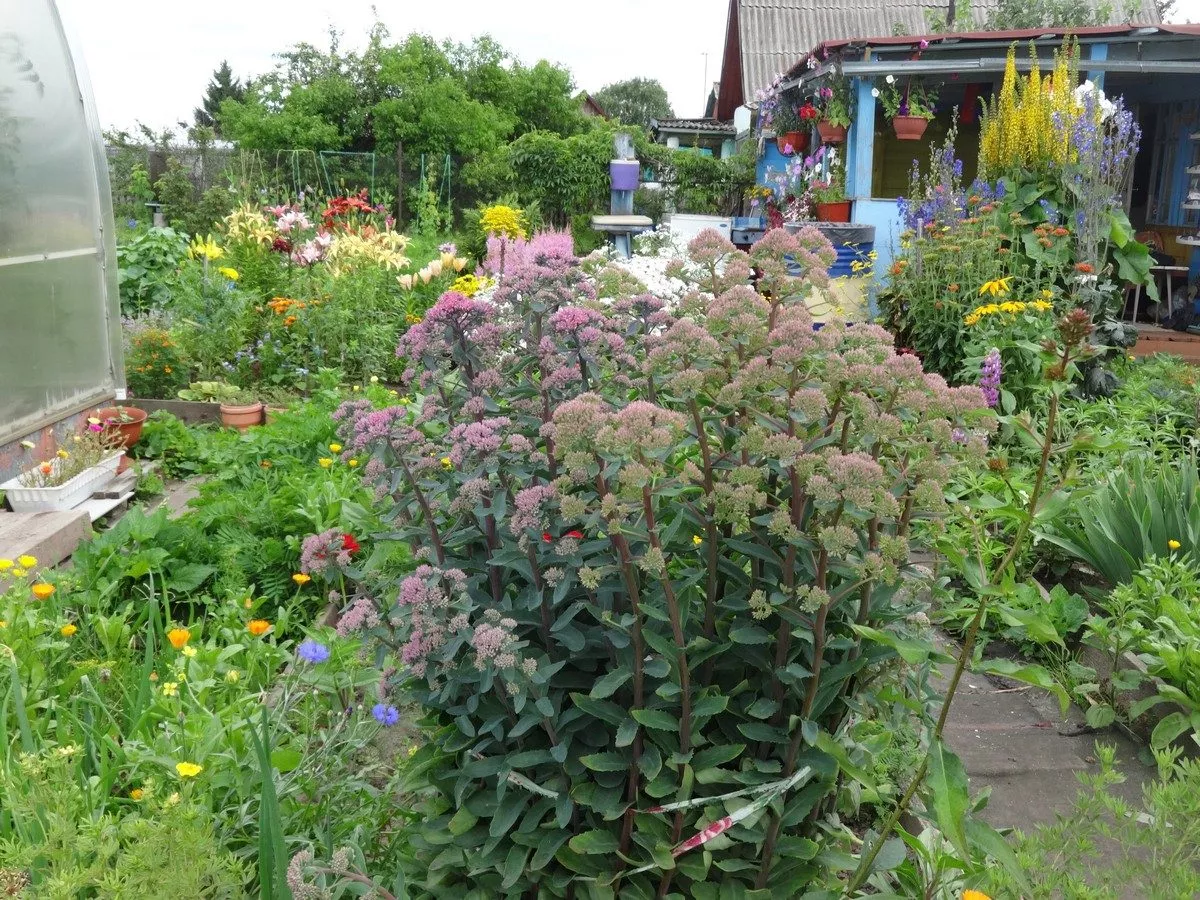
This is a honey plant, and hardworking and thrifty bees buzz over the flowers all day long.
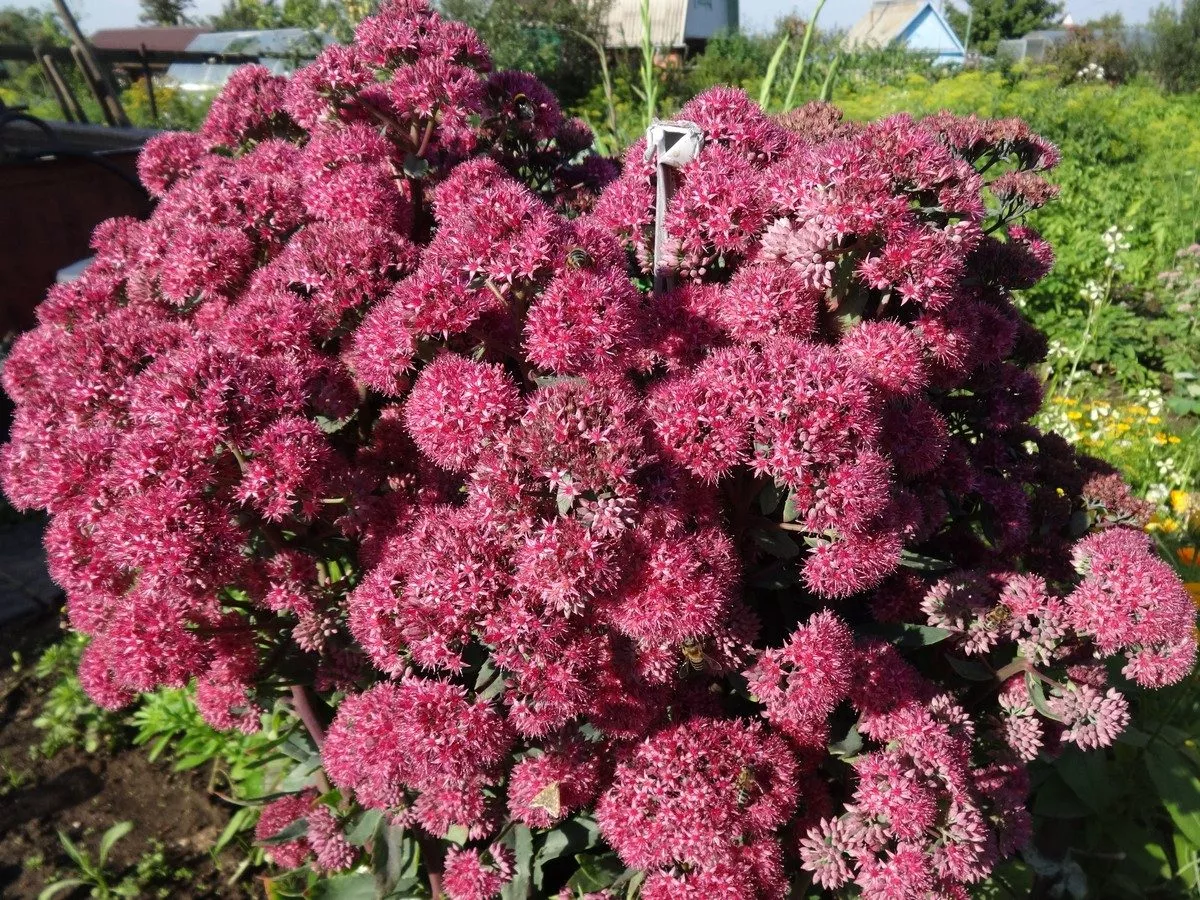
Sedum, or hare's cabbage—this is the other name for this perennial succulent plant from the Crassulaceae family. It has sturdy stems bearing fleshy, oblong leaves. At the top of the stems are multi-flowered inflorescences, the star-shaped flowers themselves being small and dark crimson.
Common bracken fern
There were fern bushes growing near an old dacha in the forest. I dug up two bushes and transplanted them to my plot, and later I moved one to another dacha.
It grows well and is one of the decorations of my flower bed.
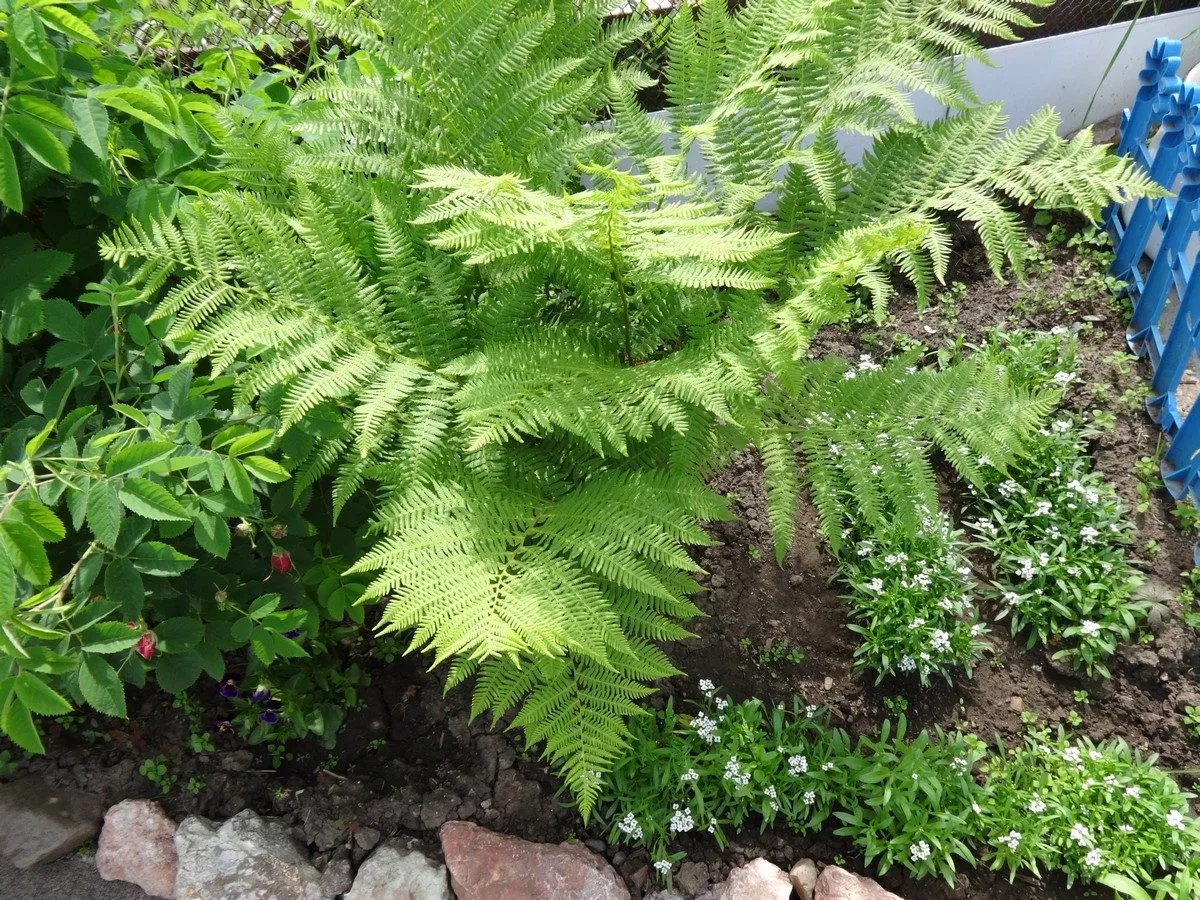
I recently planted hostas next to a fern and I really like this combination.
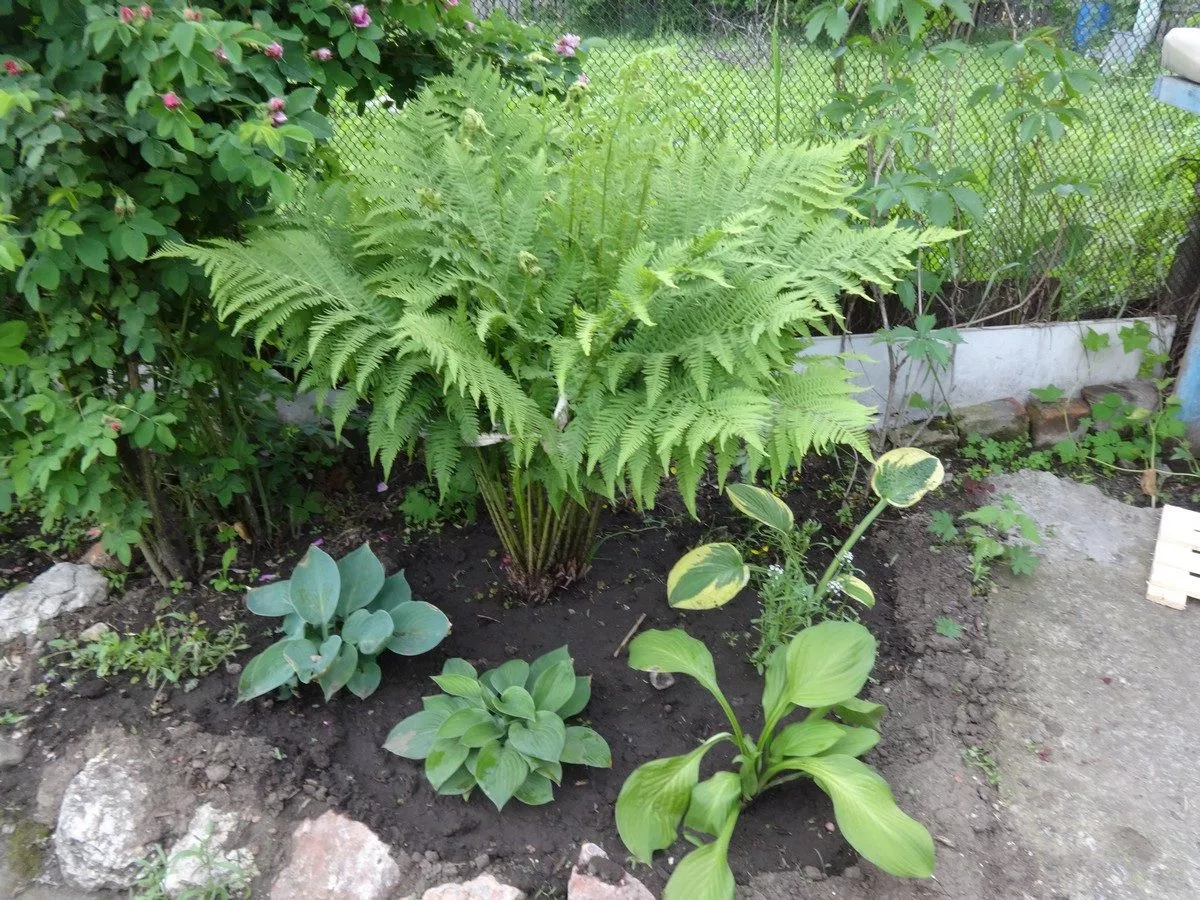
I grow a common bracken fern. It's a perennial plant with a long rhizome. In the spring, shoots with spiral-shaped buds sprout from the rhizome, followed by long, feathery, light-green leaves reminiscent of palm fronds. The bush looks very decorative all summer until the first frost.
Plants brought from the wild are unpretentious, take root well in a new place, overwinter well and decorate my flower garden.
And around there is Primrose-Strawberry (young)????