
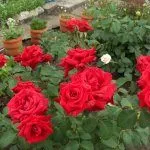
I want to tell and show what flowers grow here.
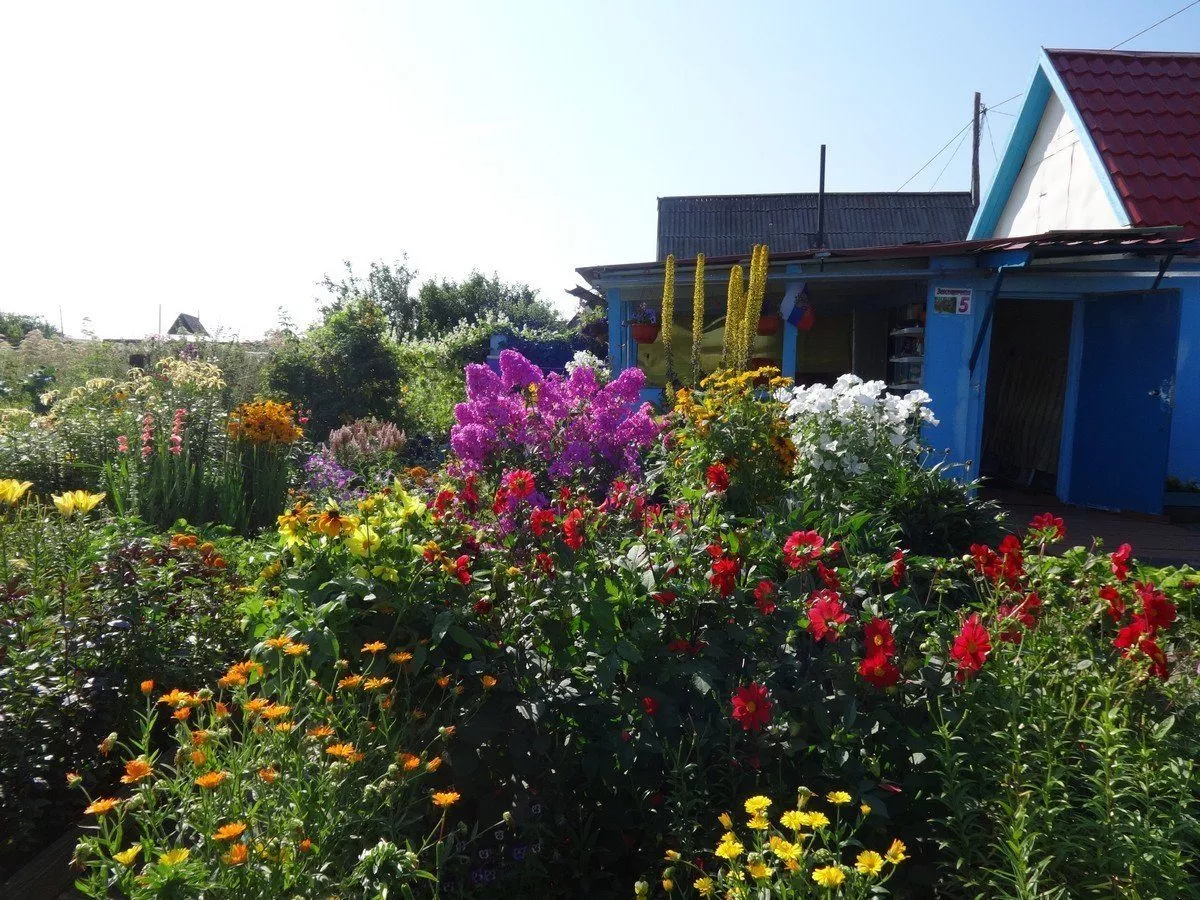
It's hard to imagine a dacha without flower beds. And on our 600 square meters, flowers occupy the sunniest spots. They grow and bloom from May until the first frost. Perennials and annuals, large and small, luxurious and unassuming.
I love all my flowers, but I have my favorites. These are roses, lilies, rudbeckias, daisies, poppies, and my handsome ligularia.
Every new summer cottage season, my flower beds look different. I'm constantly rearranging plants, planting new flowers, and removing those that couldn't survive our harsh winter. We live in Krasnoyarsk, and real spring doesn't arrive until May, and in March and April, the cottage is often covered in snowdrifts.
May
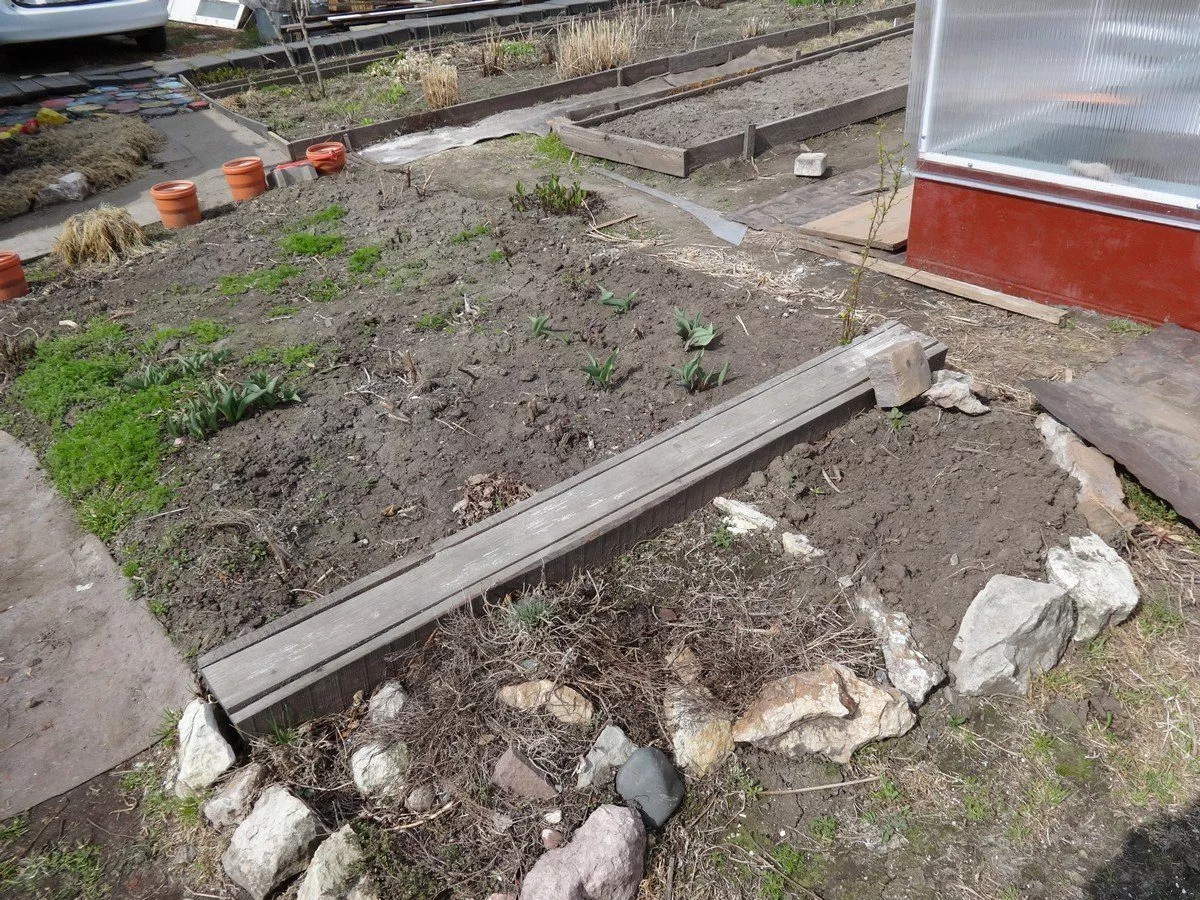
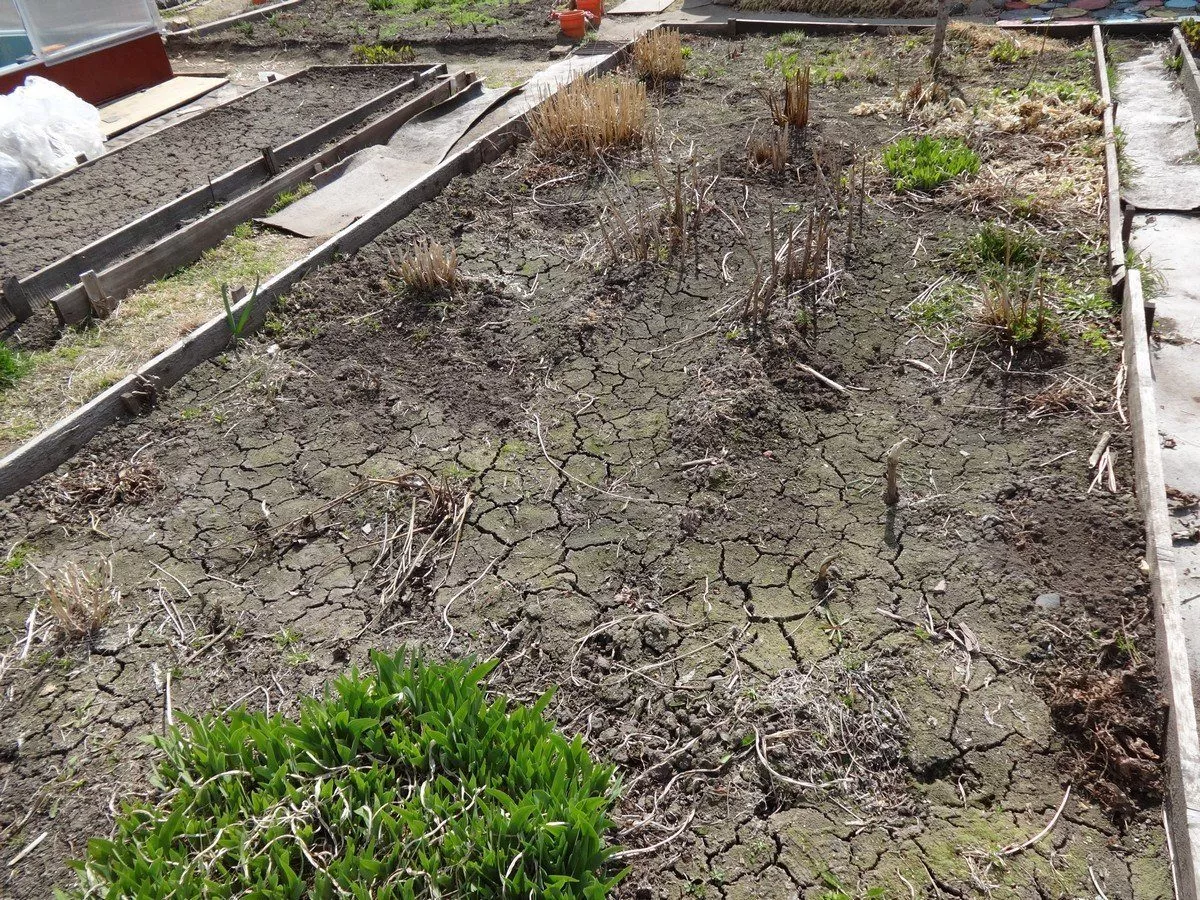
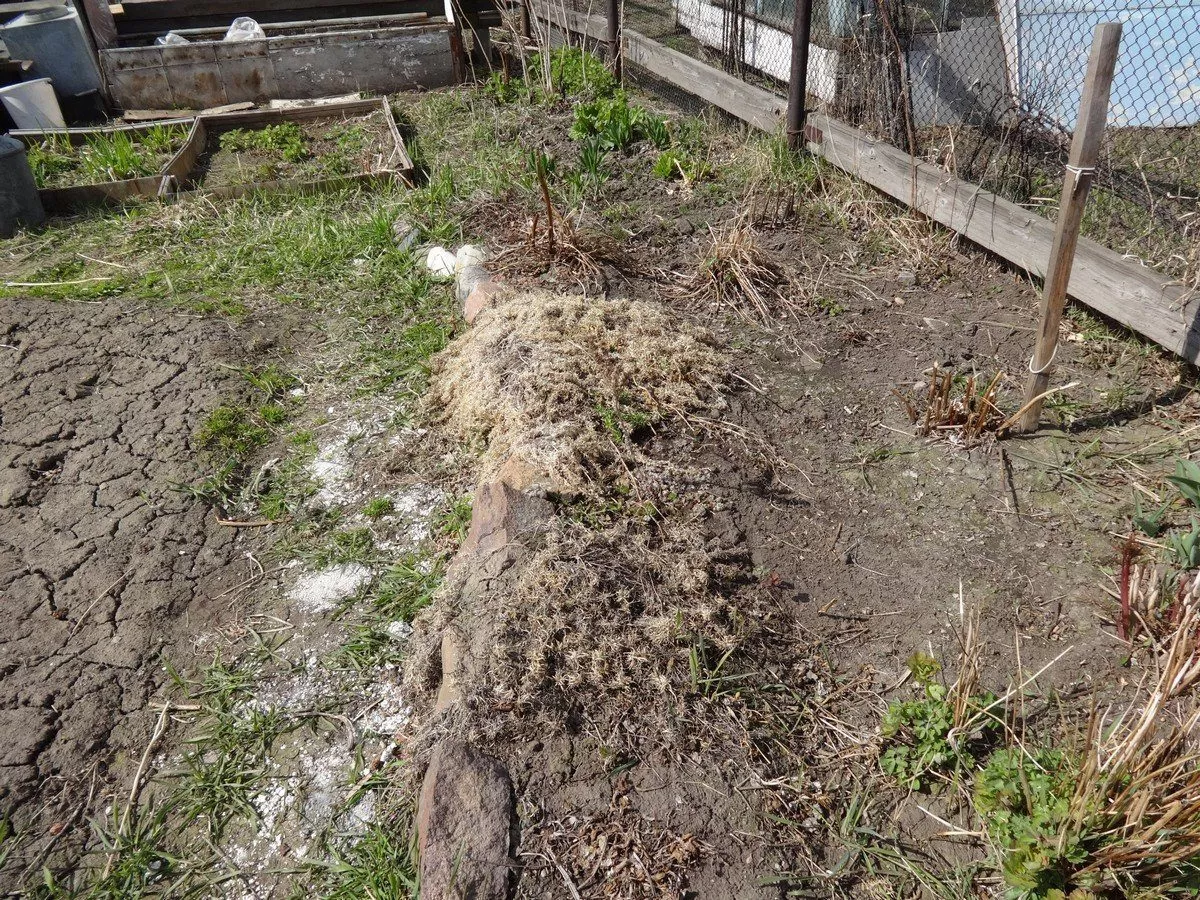
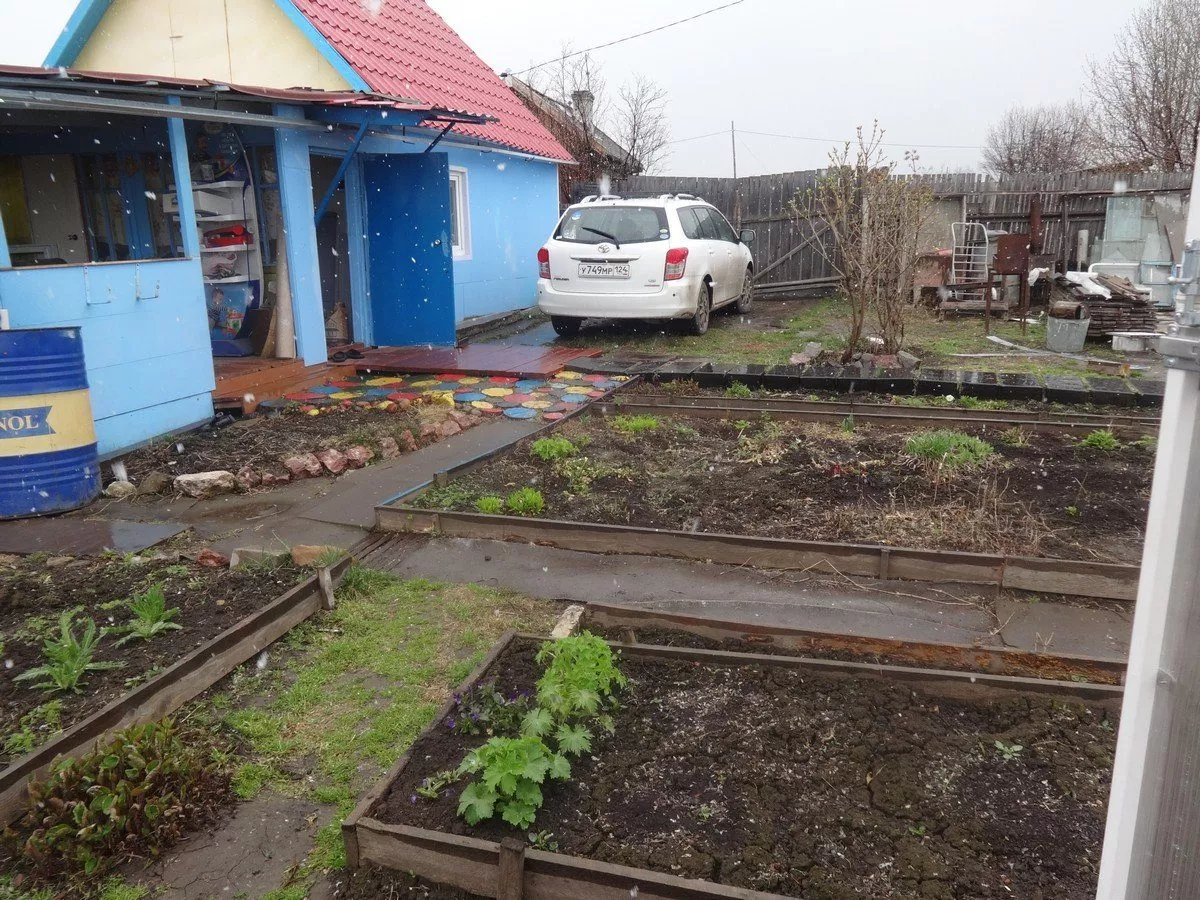
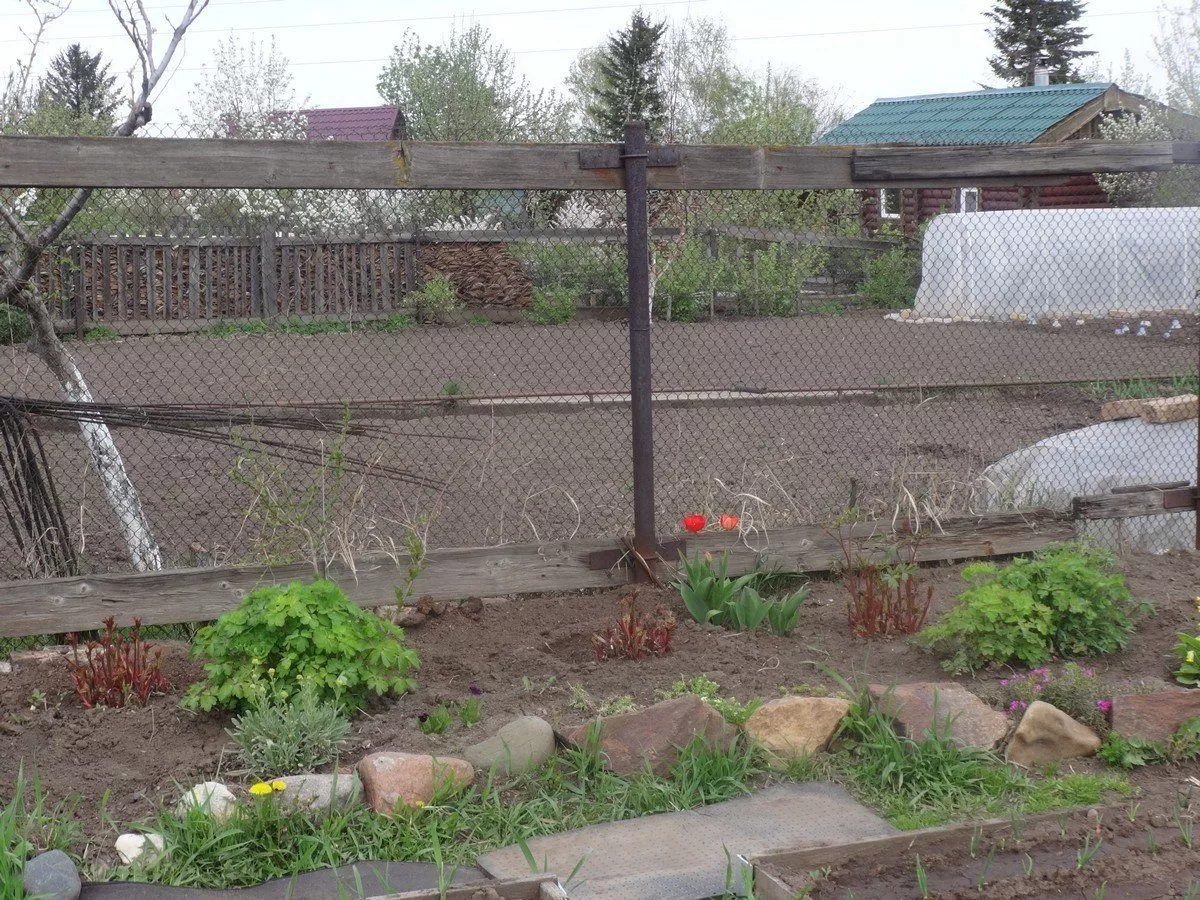
This is what my flower beds look like at the beginning of May.
The ground is bare, with only a few tulips, irises and other perennials beginning to sprout here and there.
And sometimes it even snows in May.
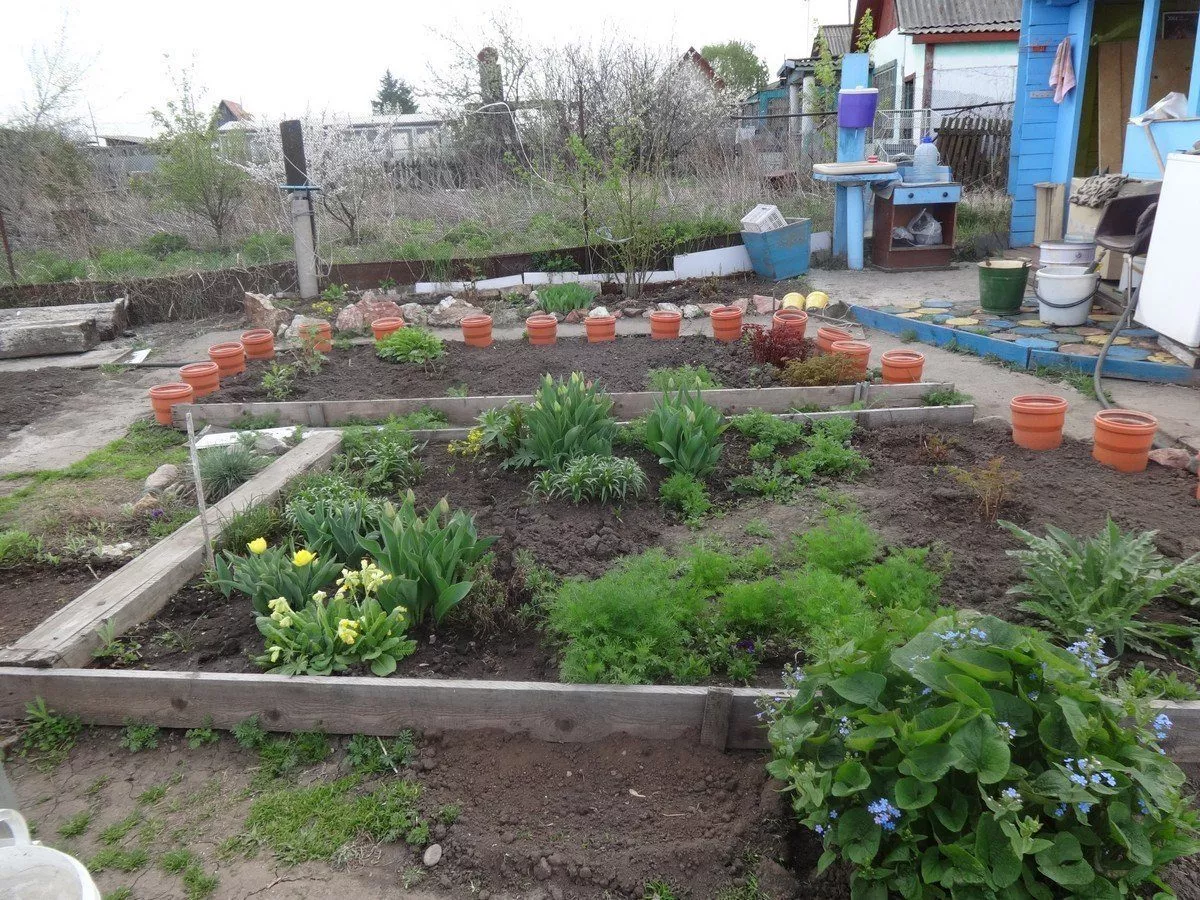
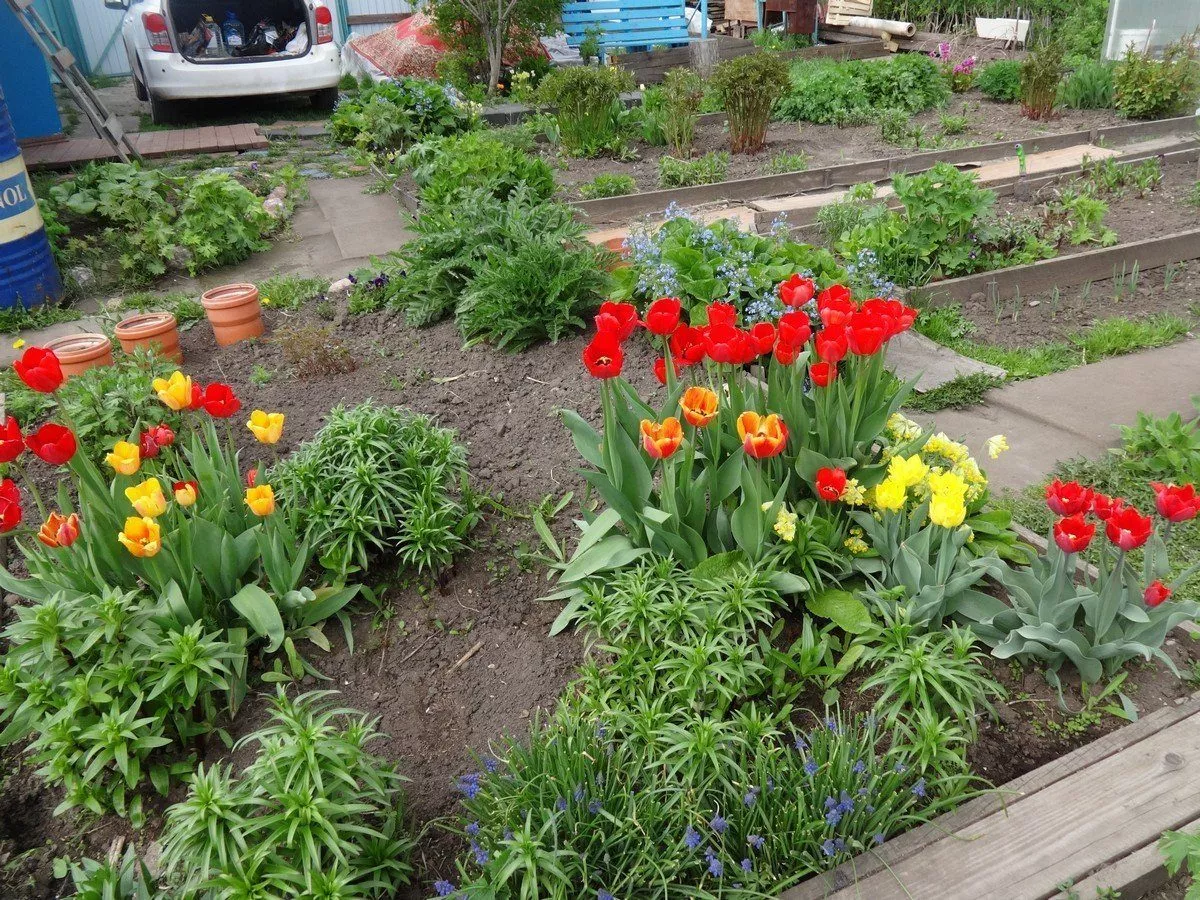
At the end of May, flower beds come to life, gradually becoming covered with greenery and primroses blooming.
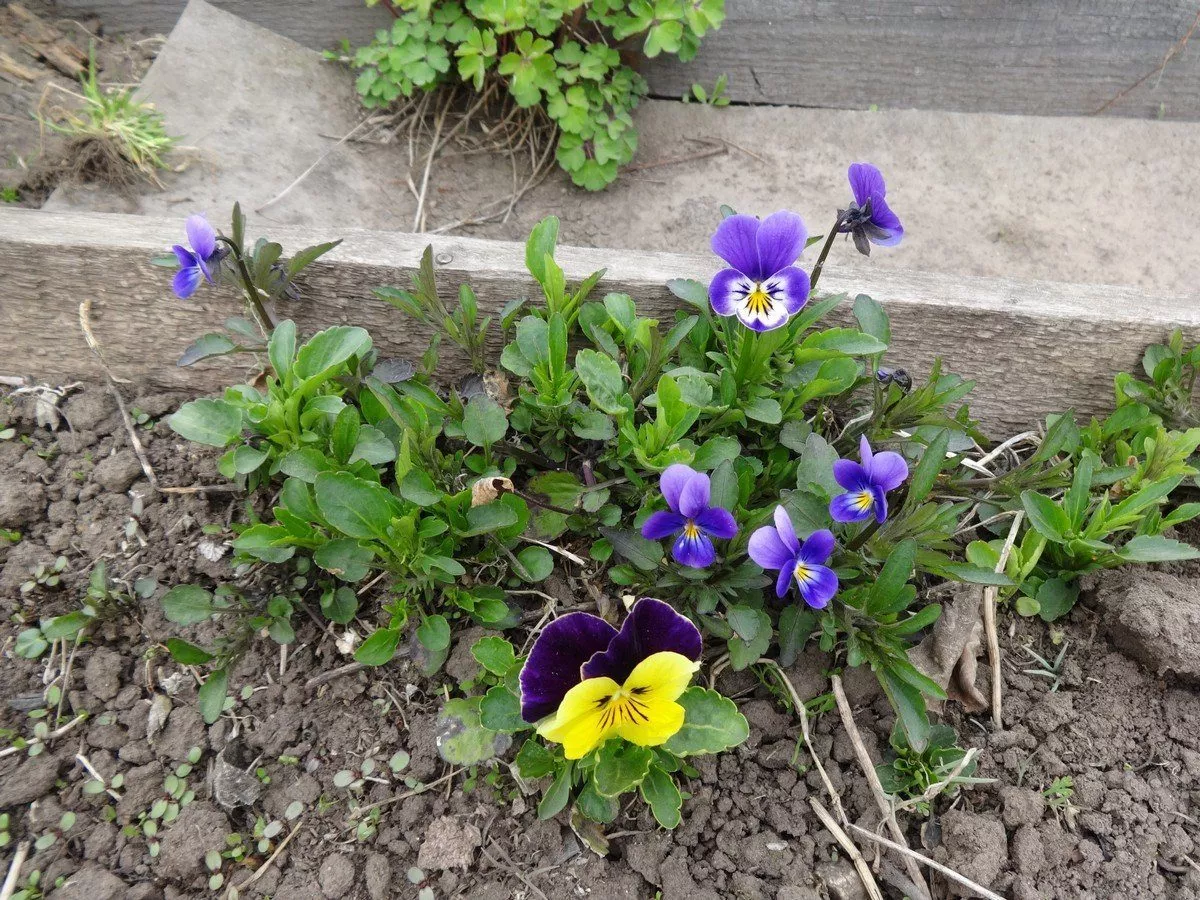
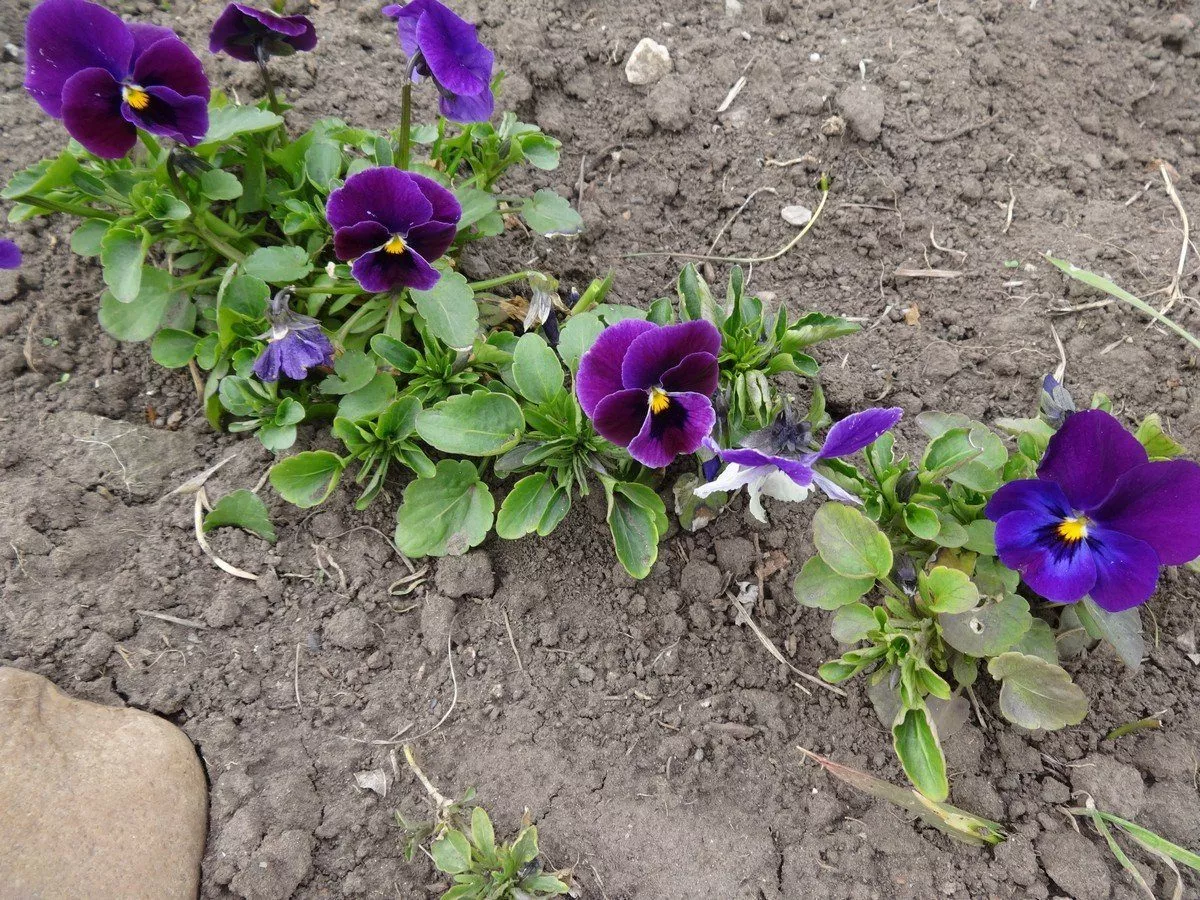
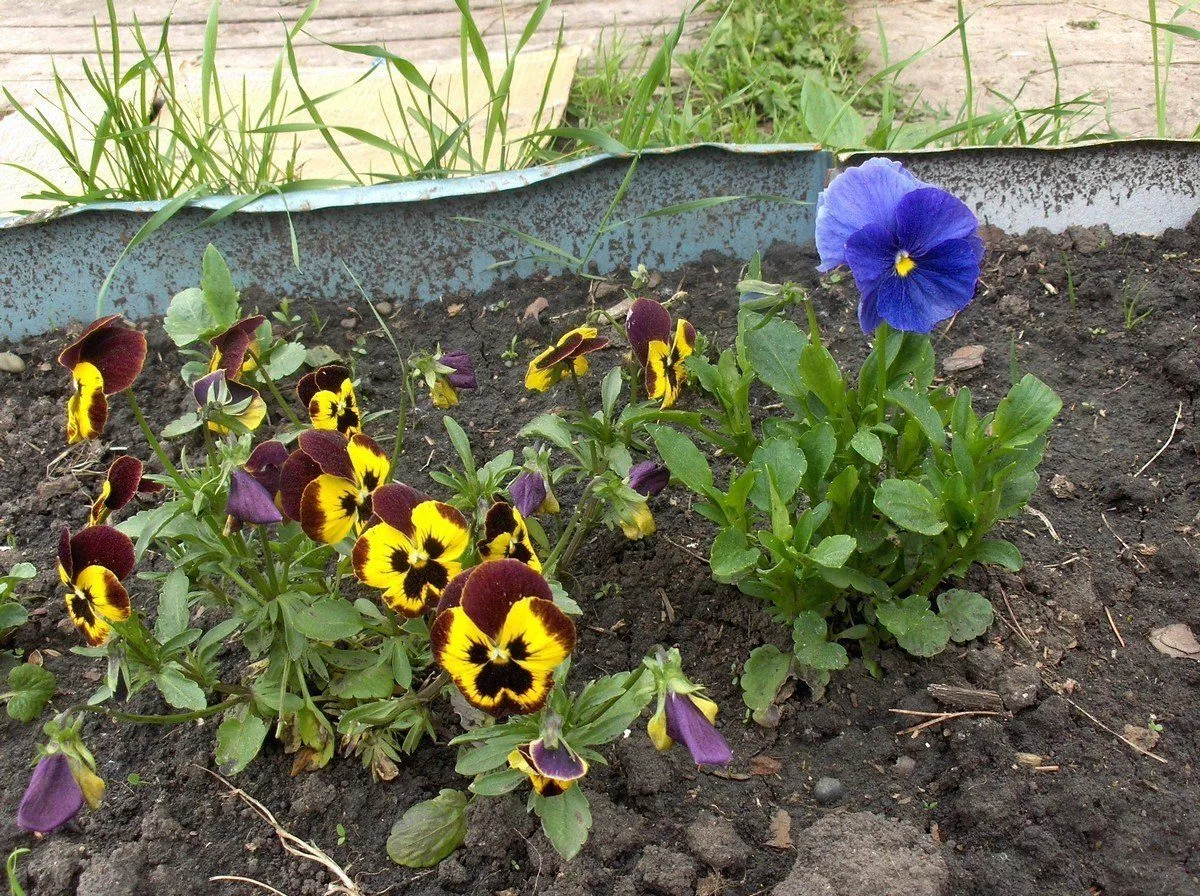
Pansies
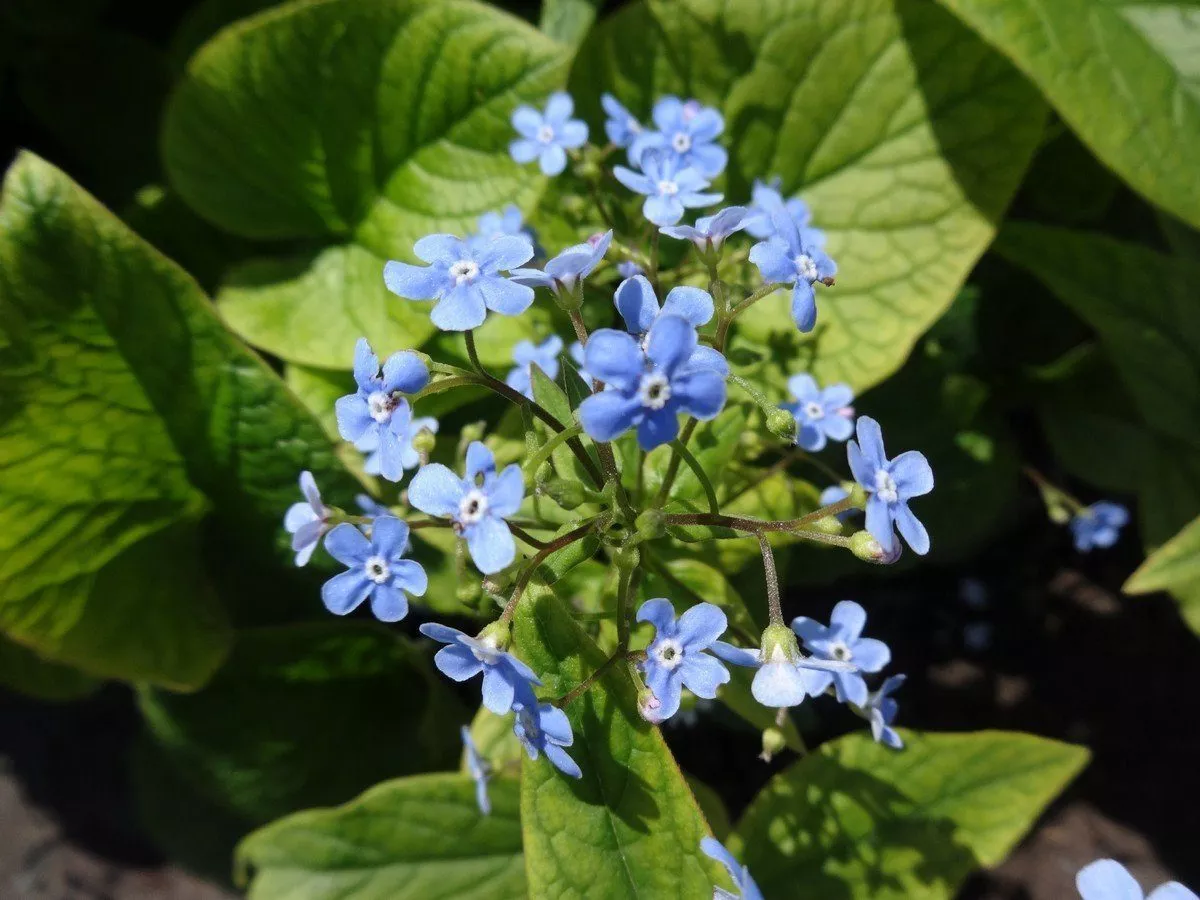
Brunner
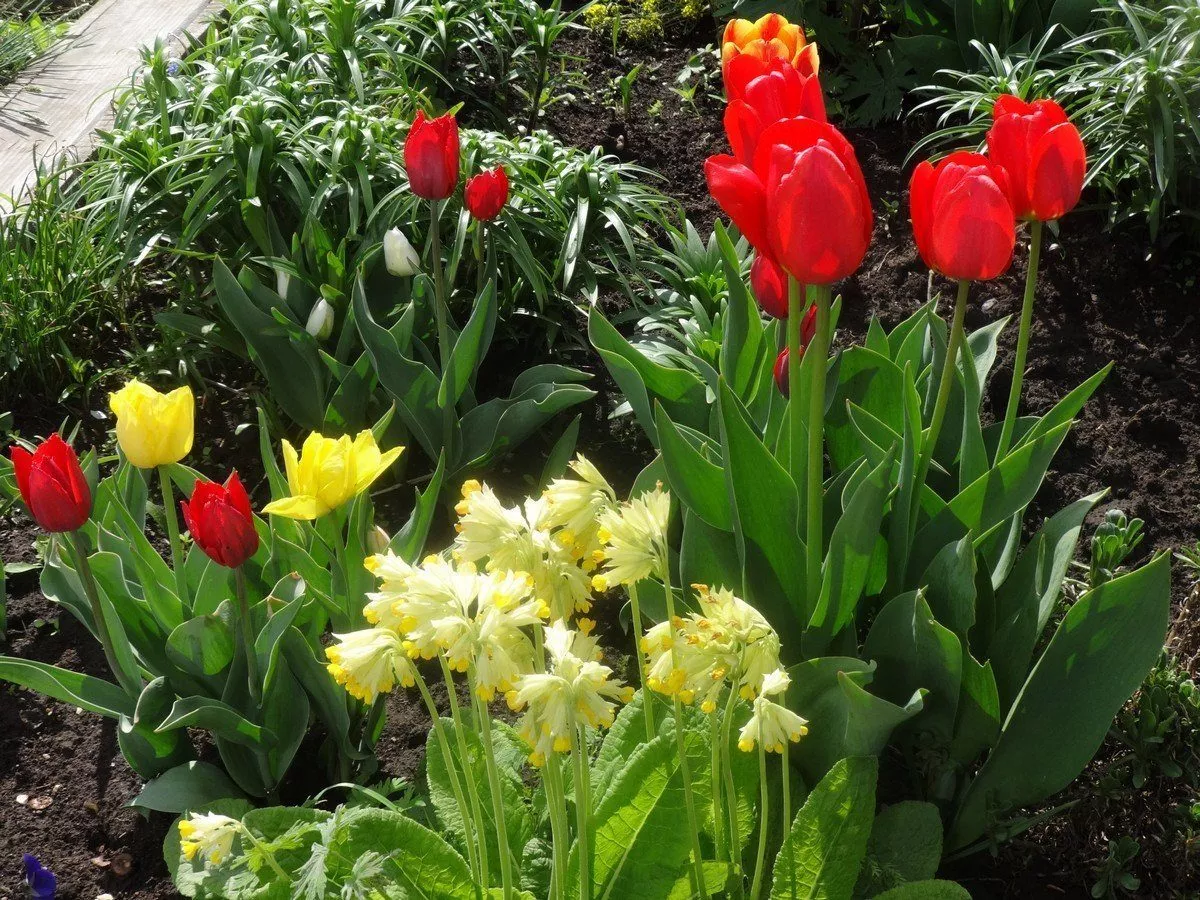
tulips
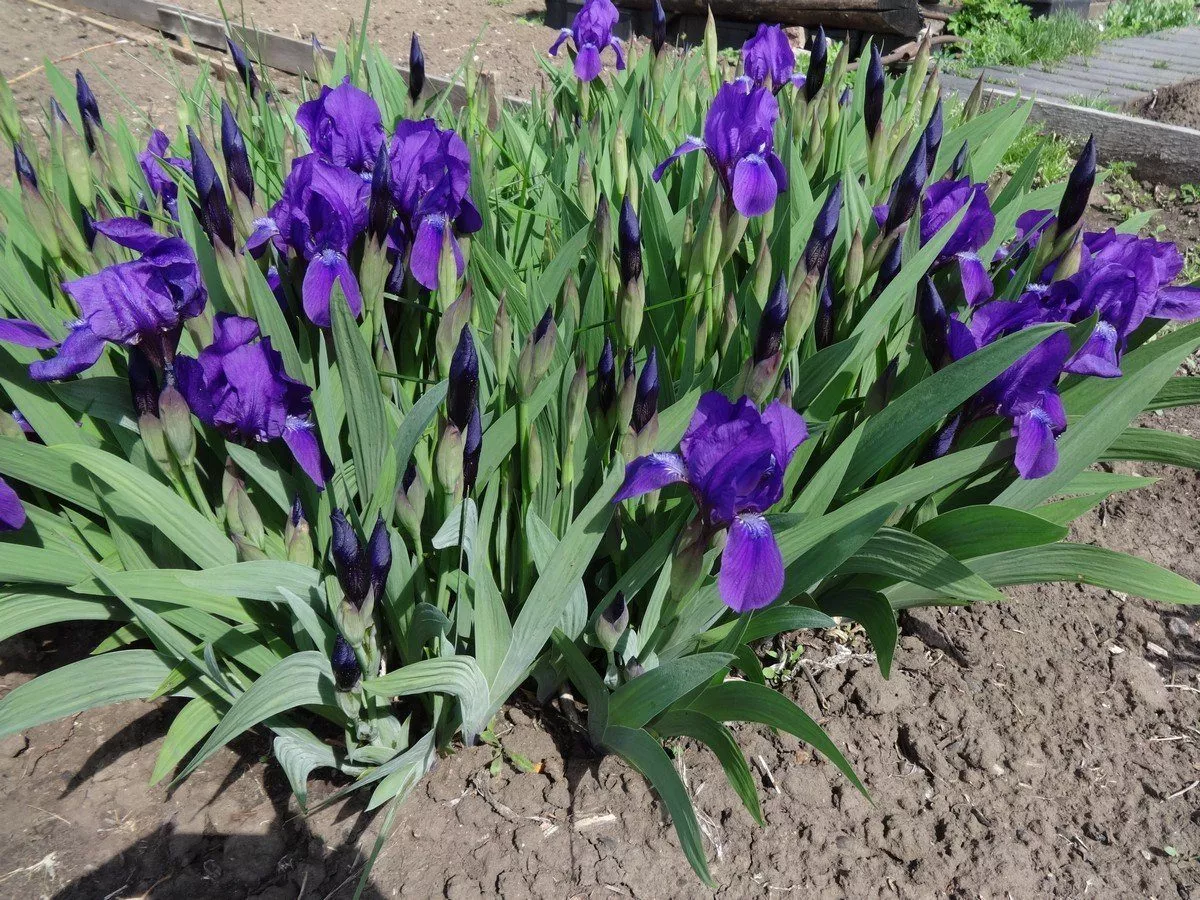
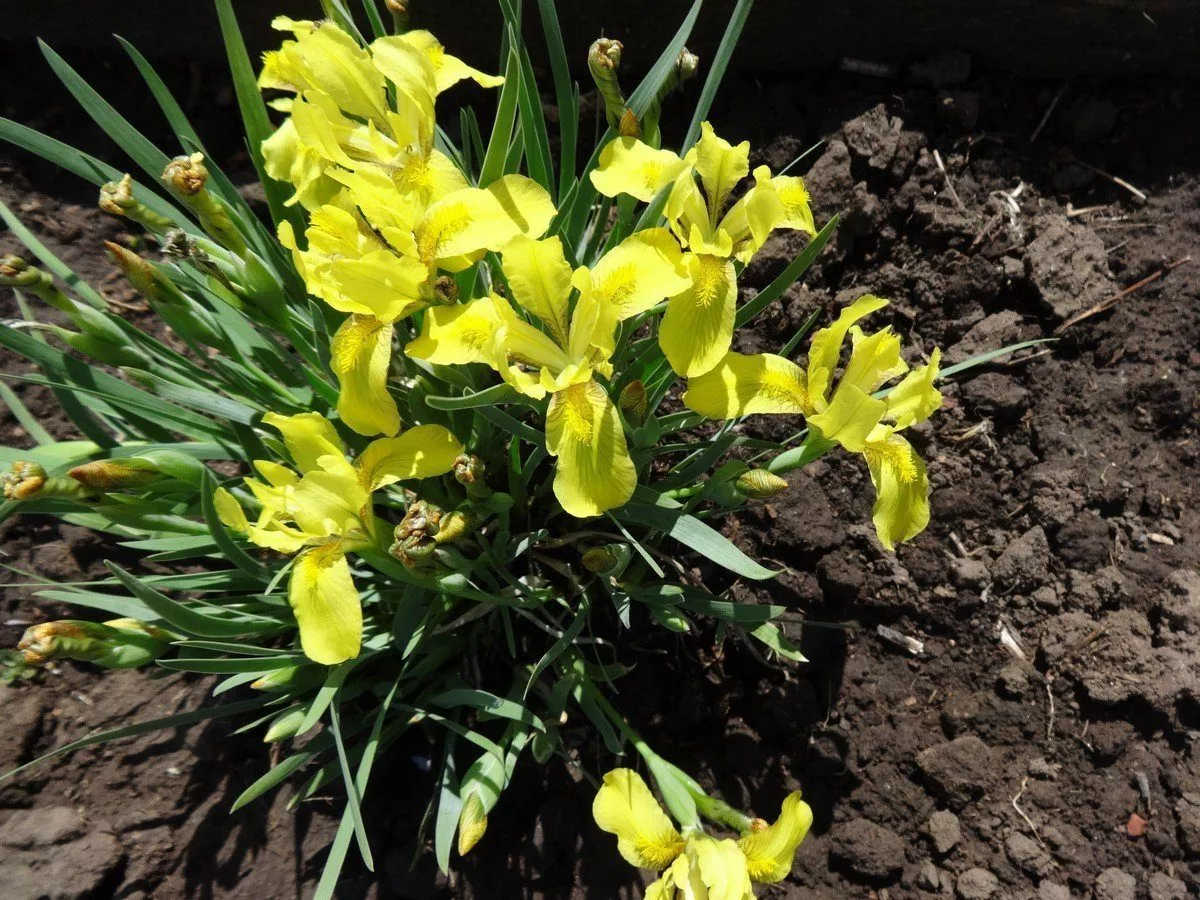
irises
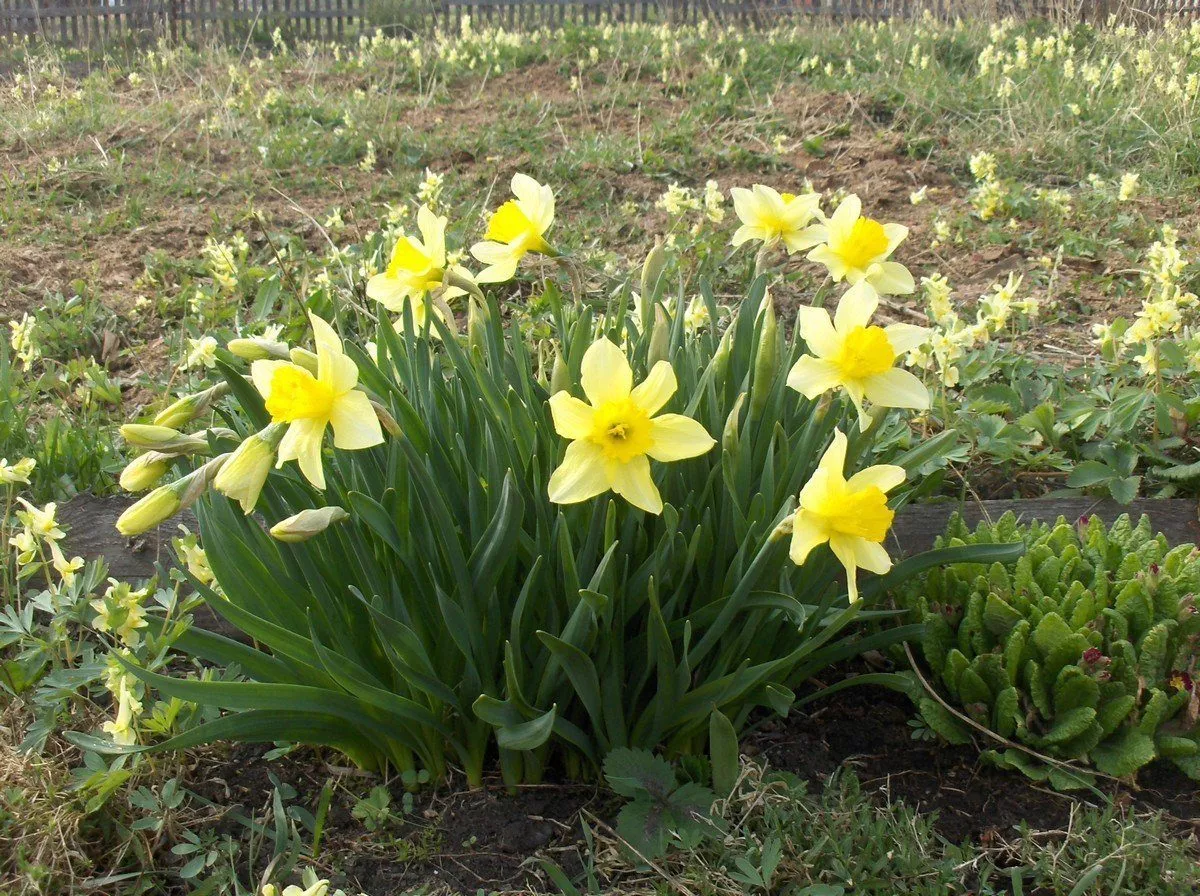
daffodils
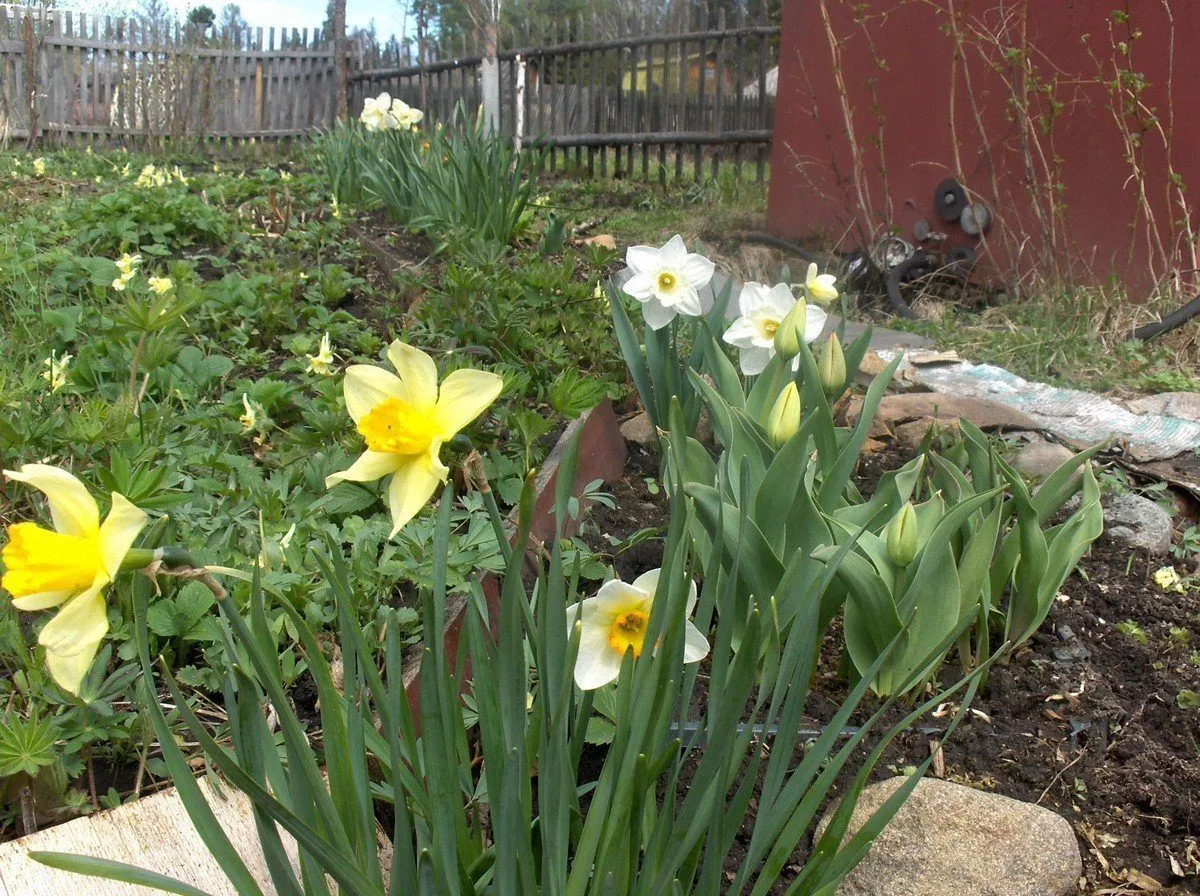
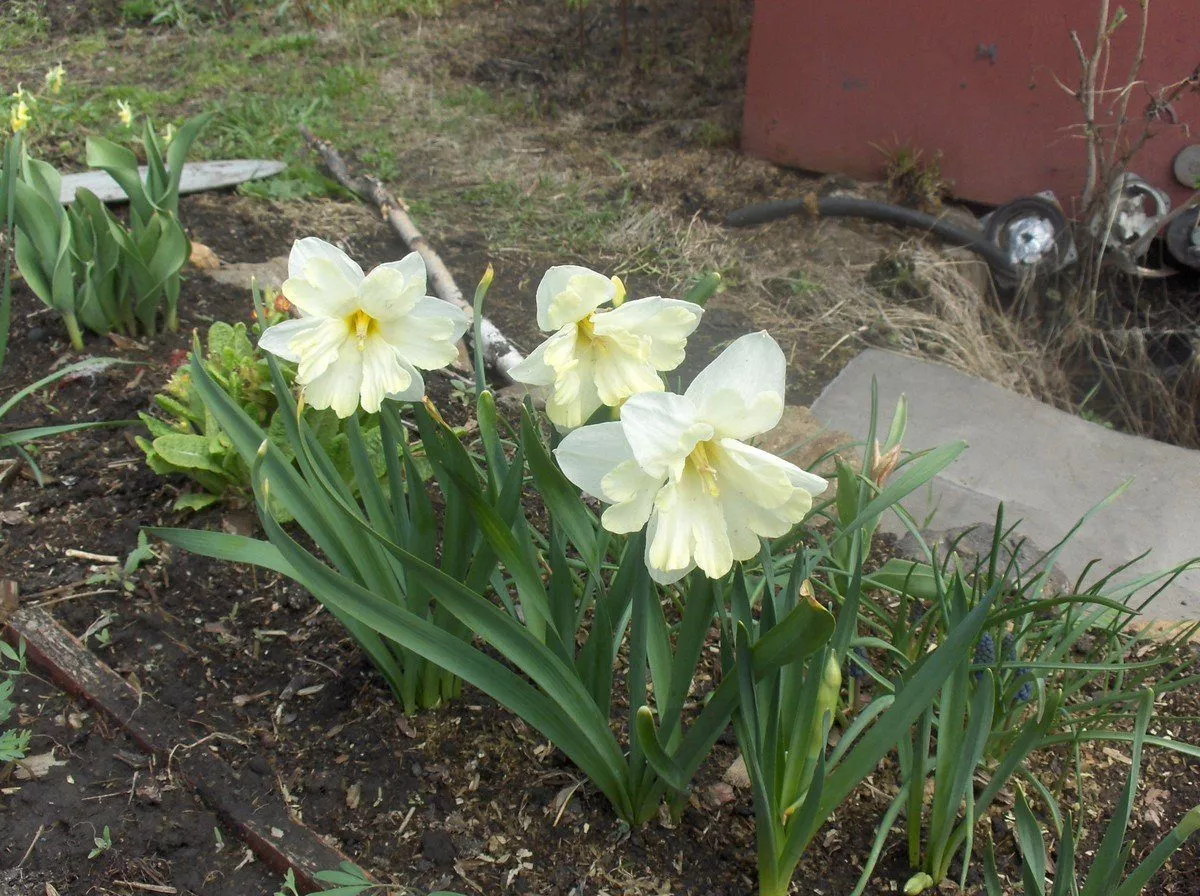
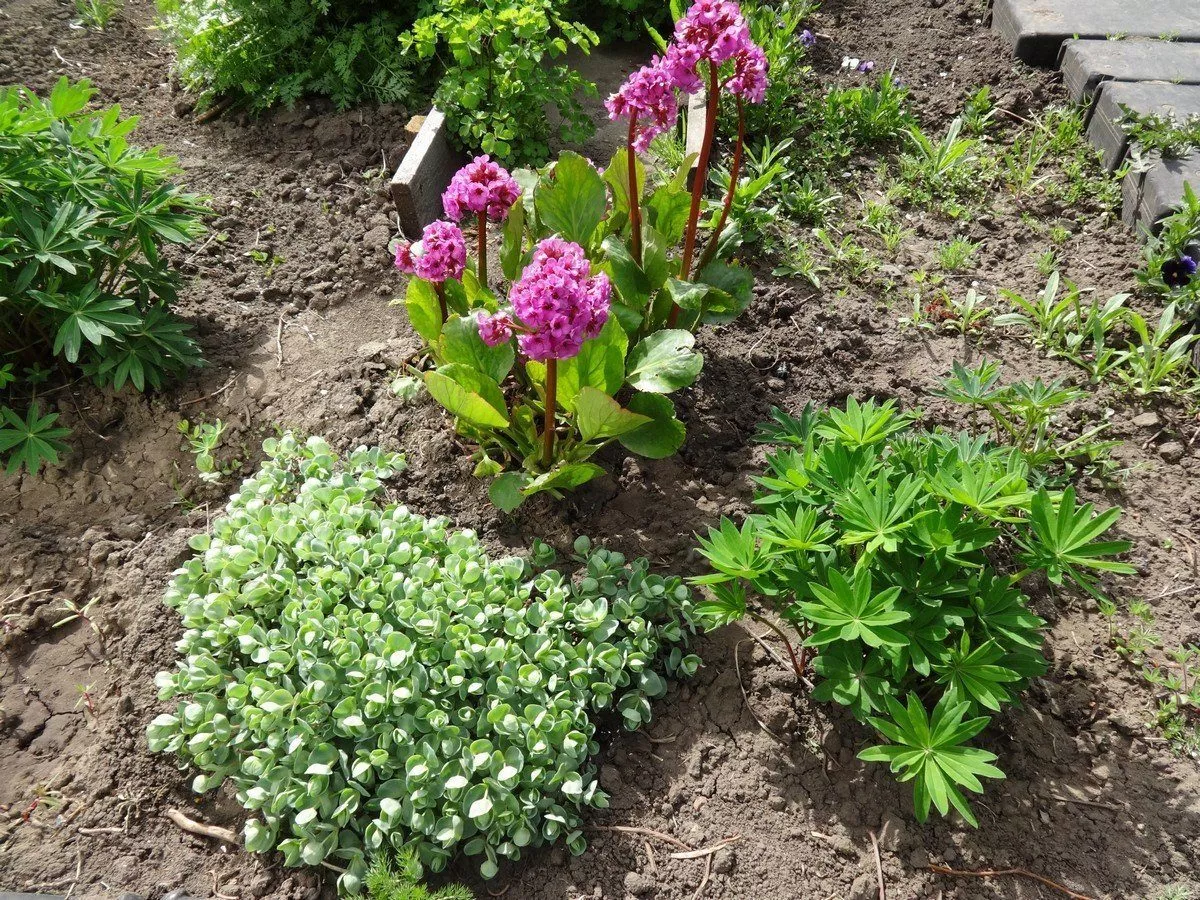
bergenia
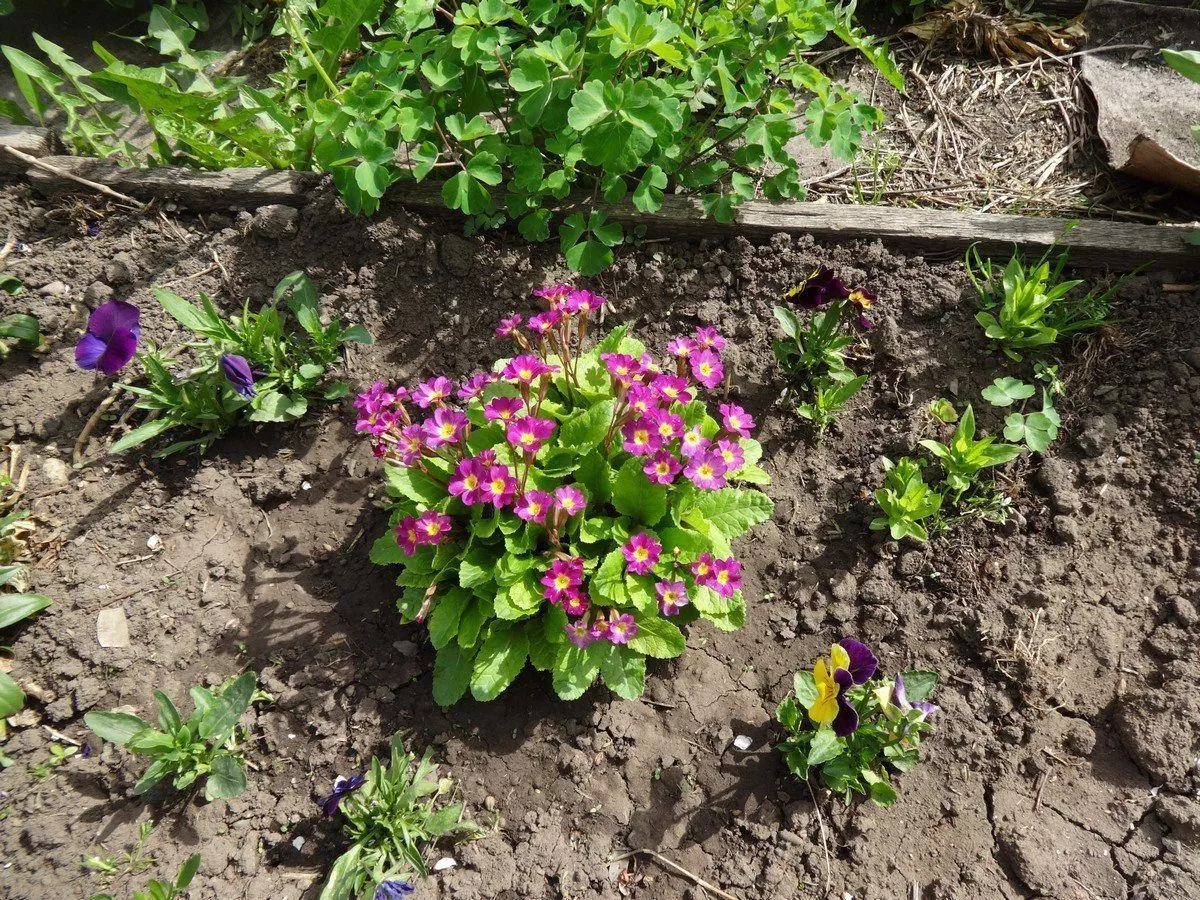
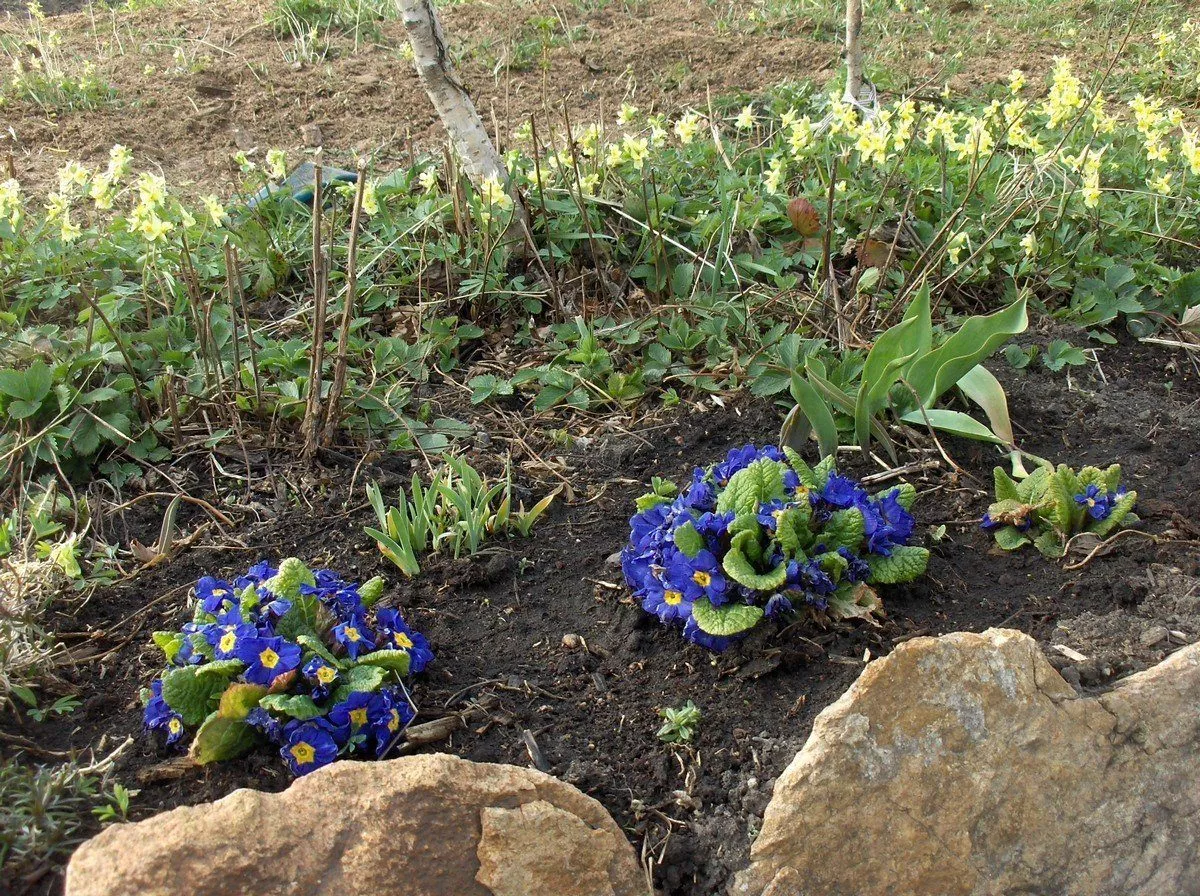
garden primroses
lilies of the valley
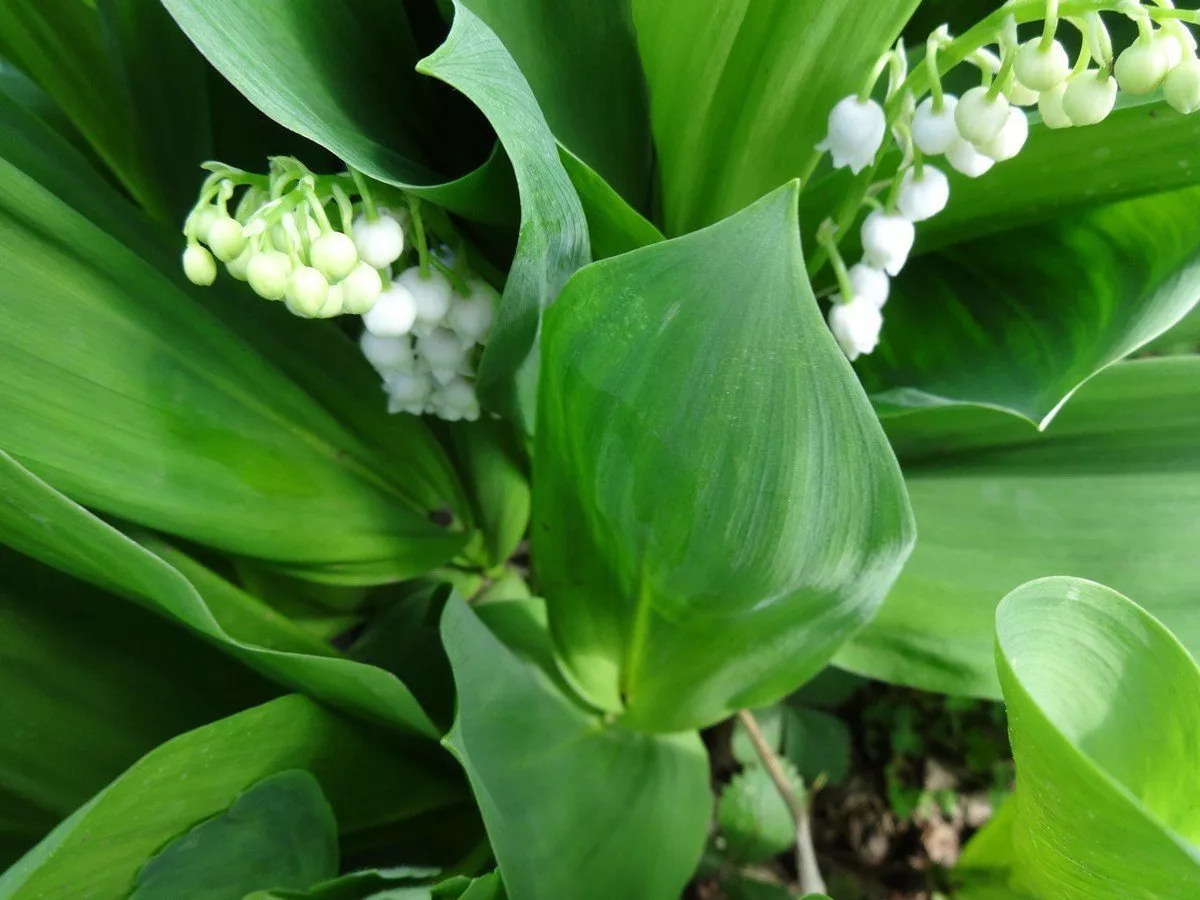
Forest and natural flowers are doing quite well.
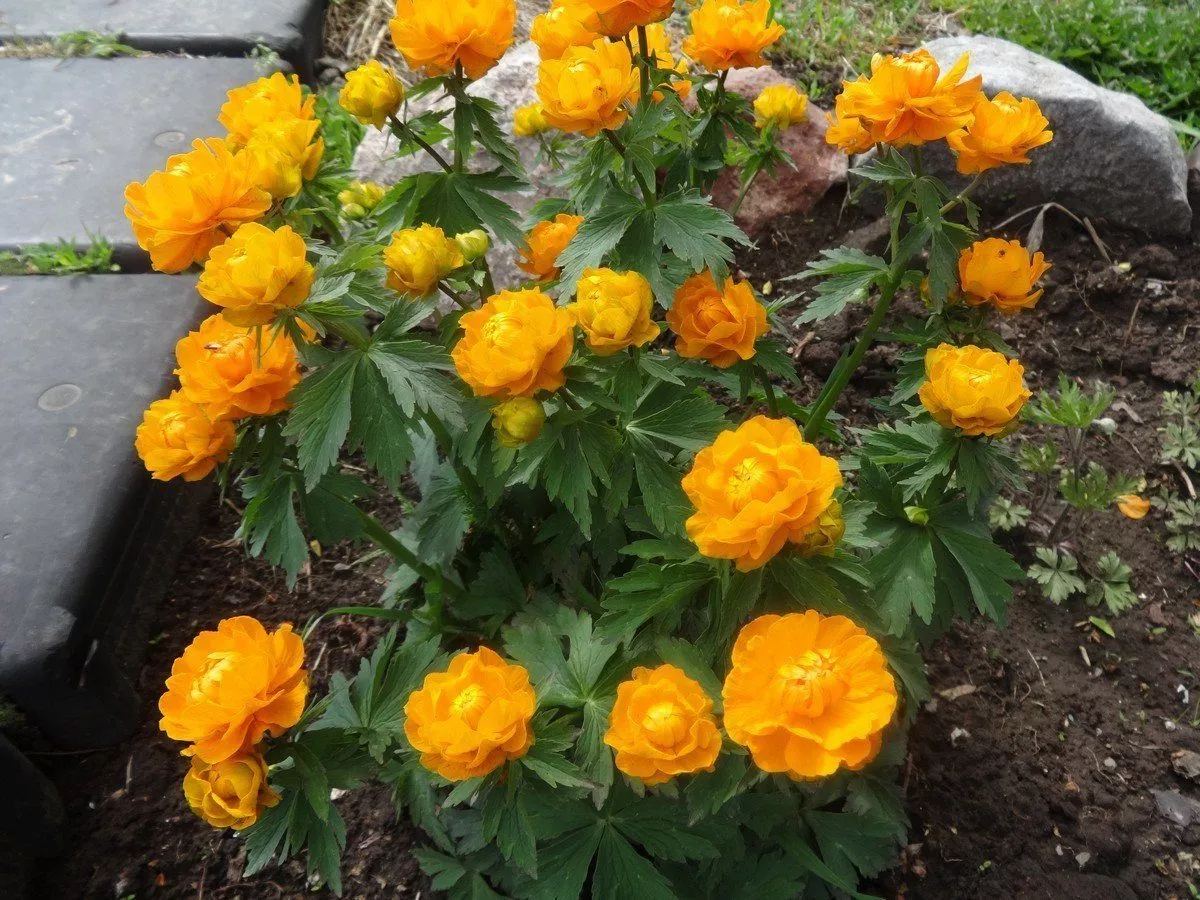
frying
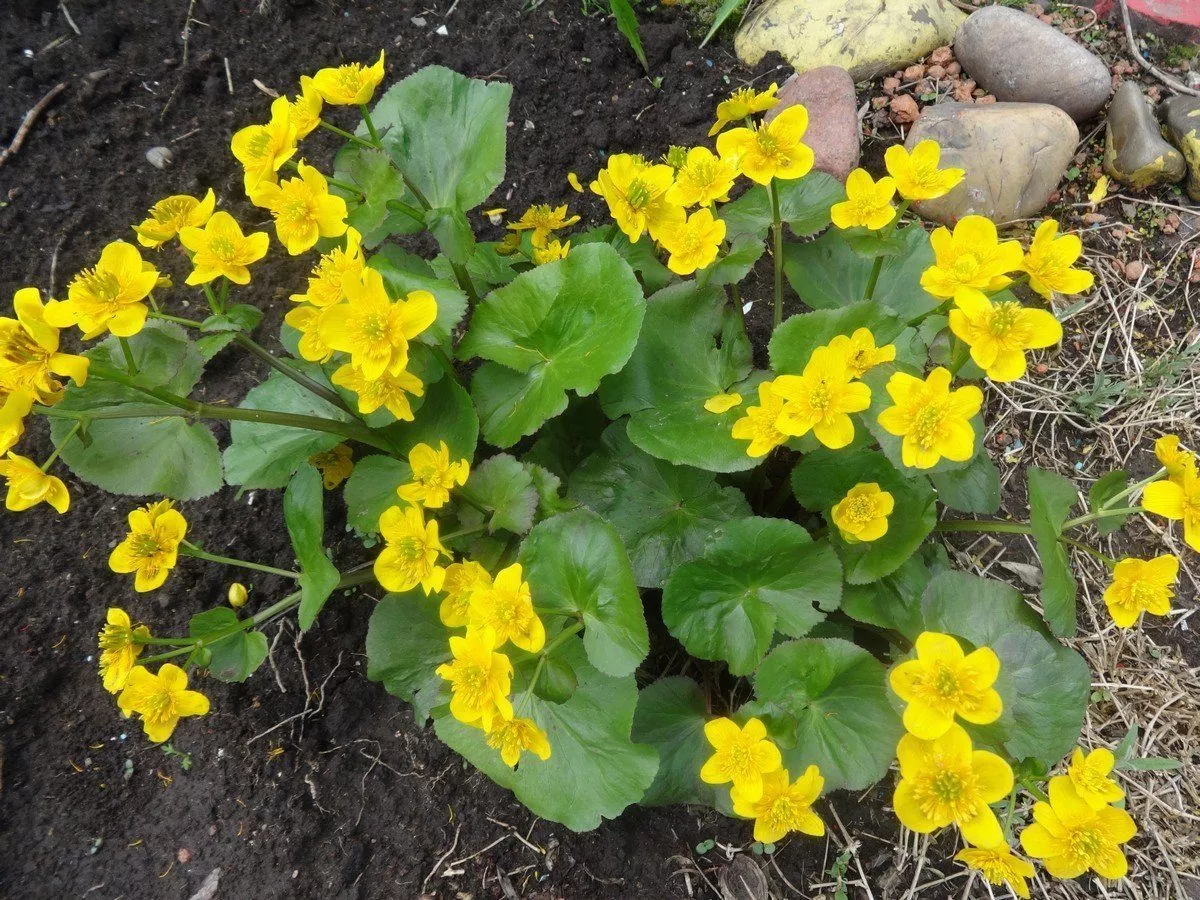
marsh marigold
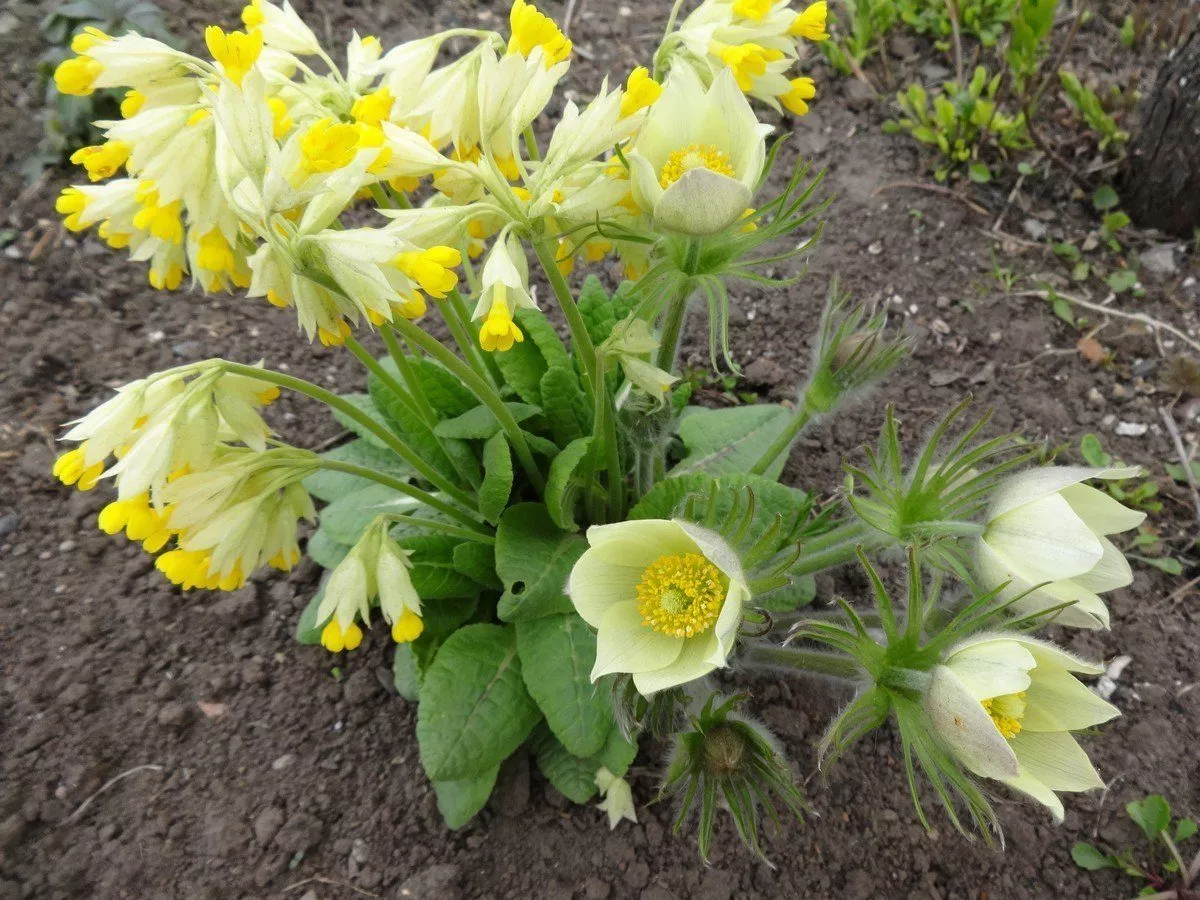
primroses and pasqueflowers
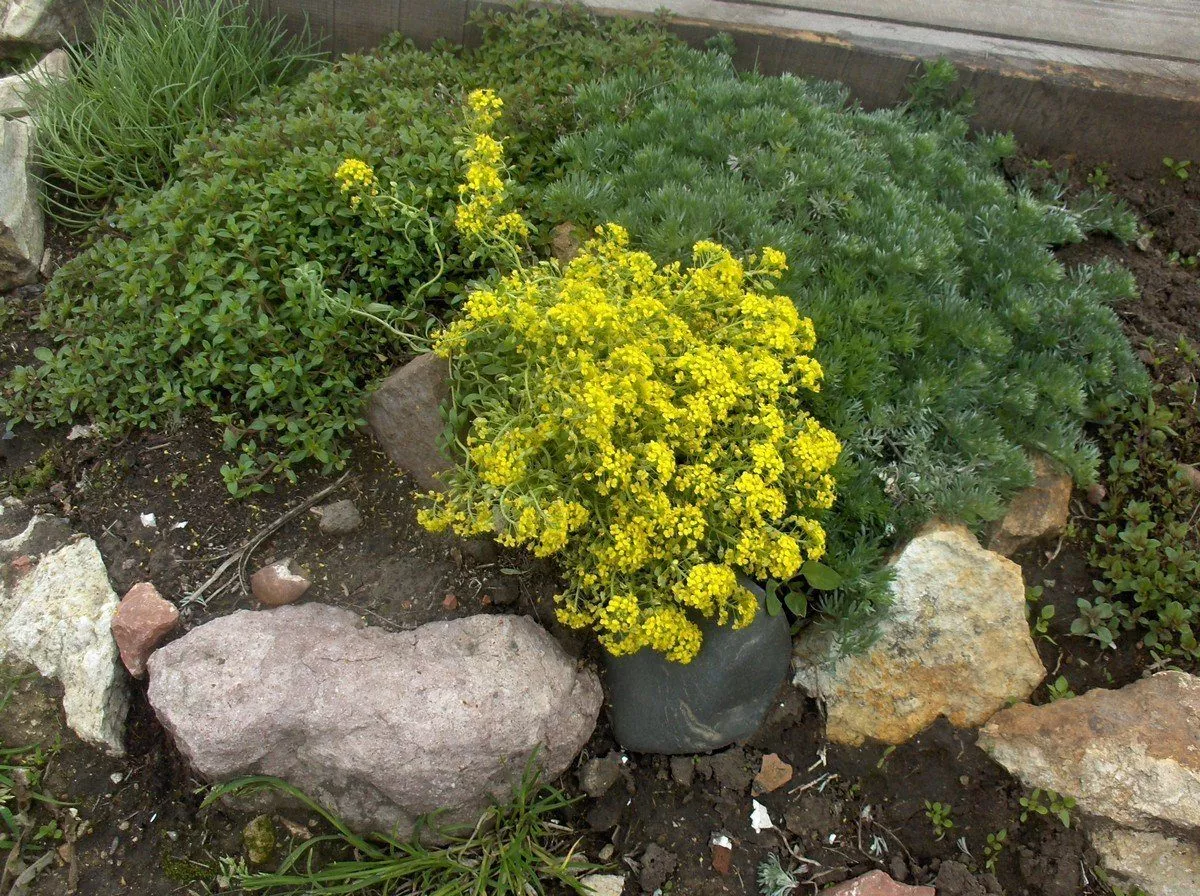
Alyssum.
June
At the beginning of June, flower beds are transformed.
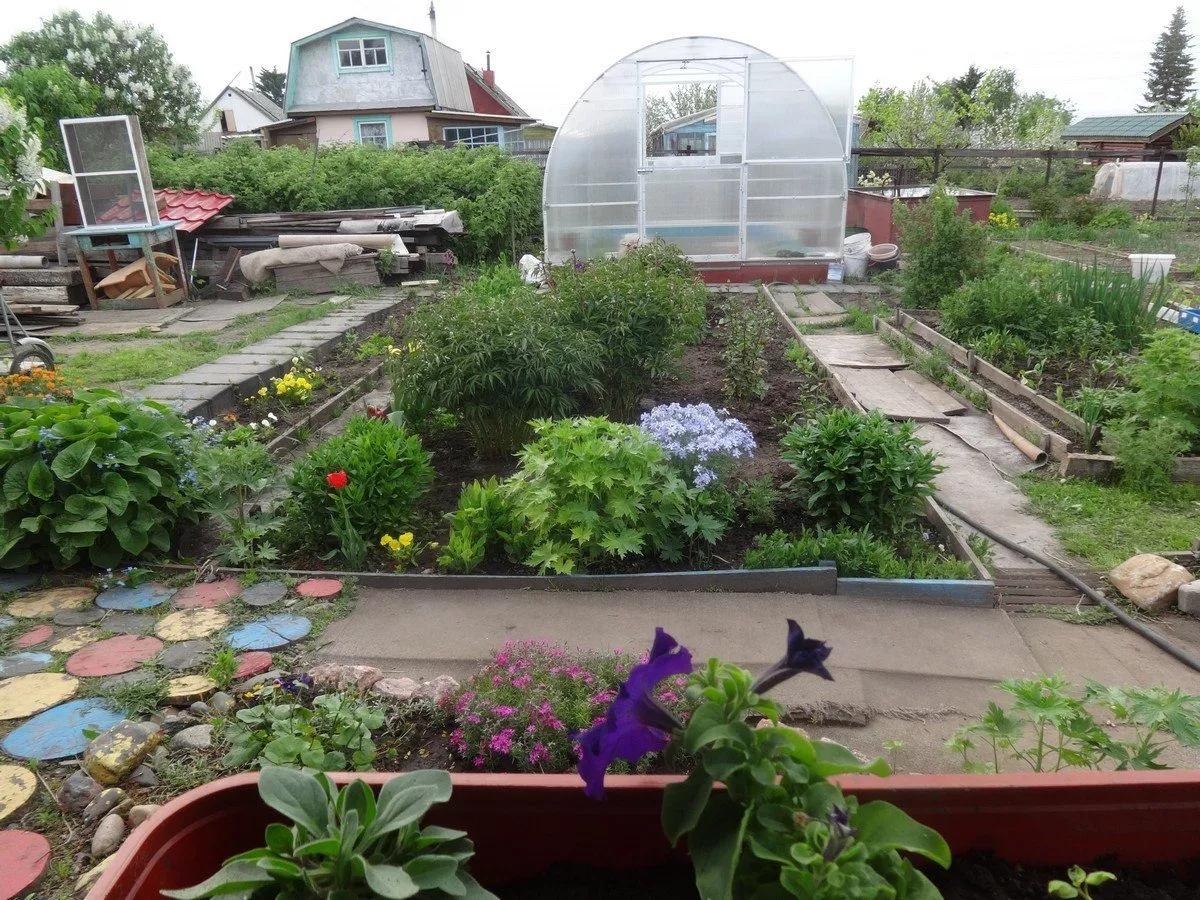
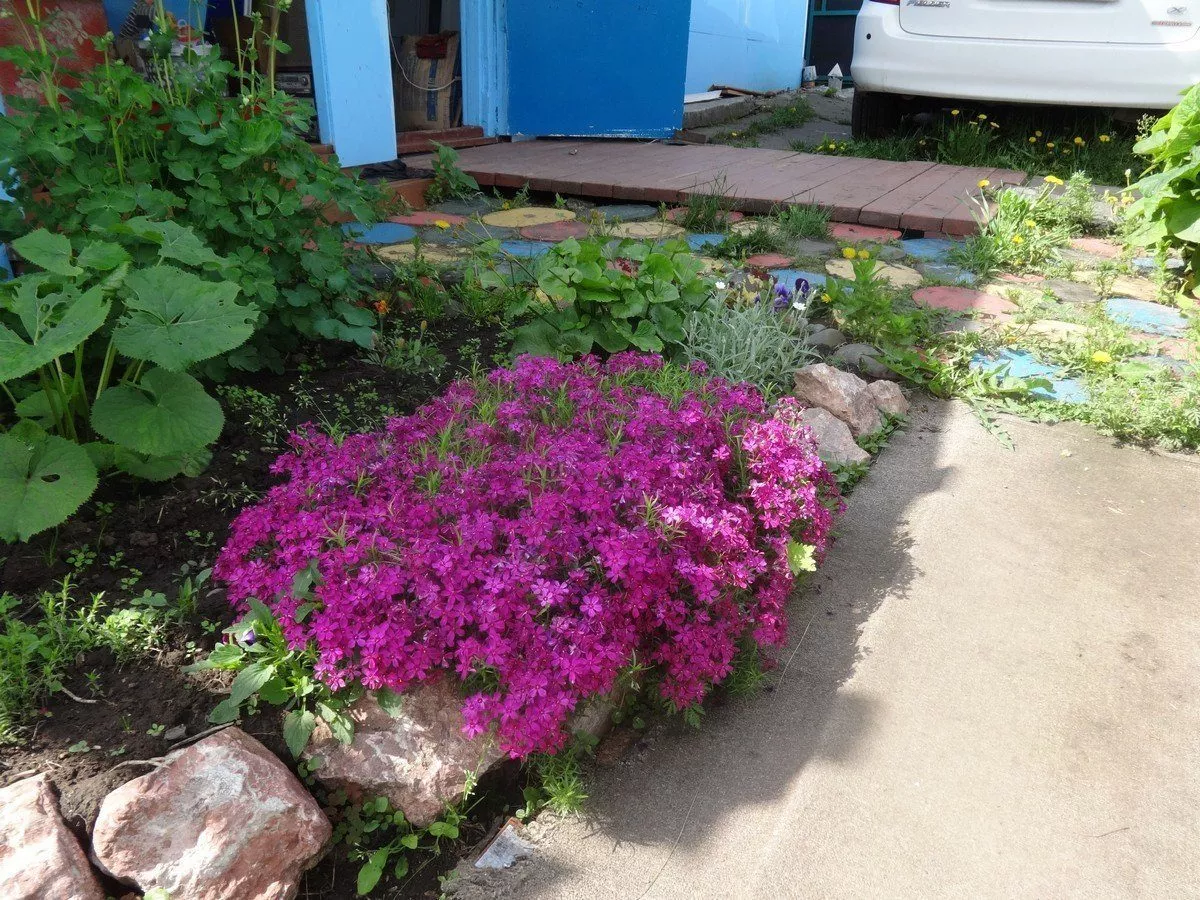
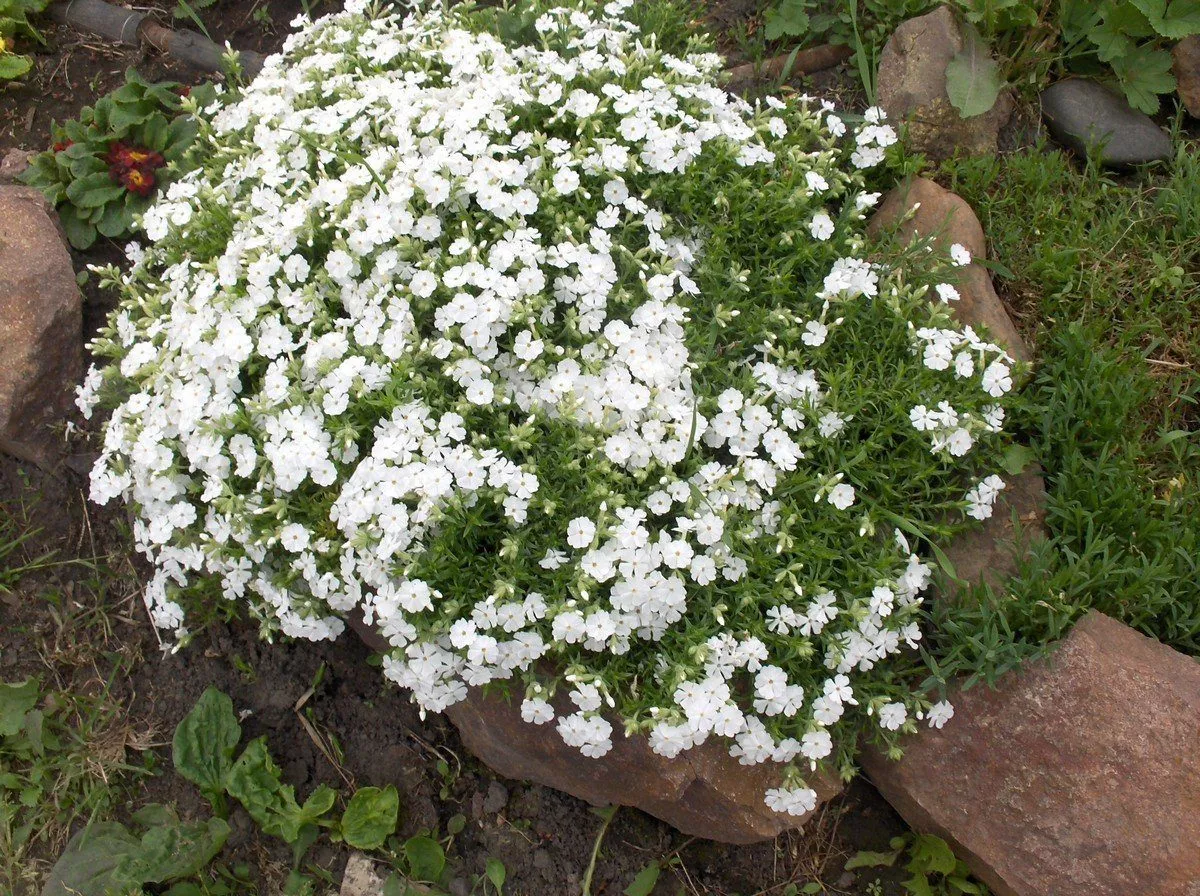
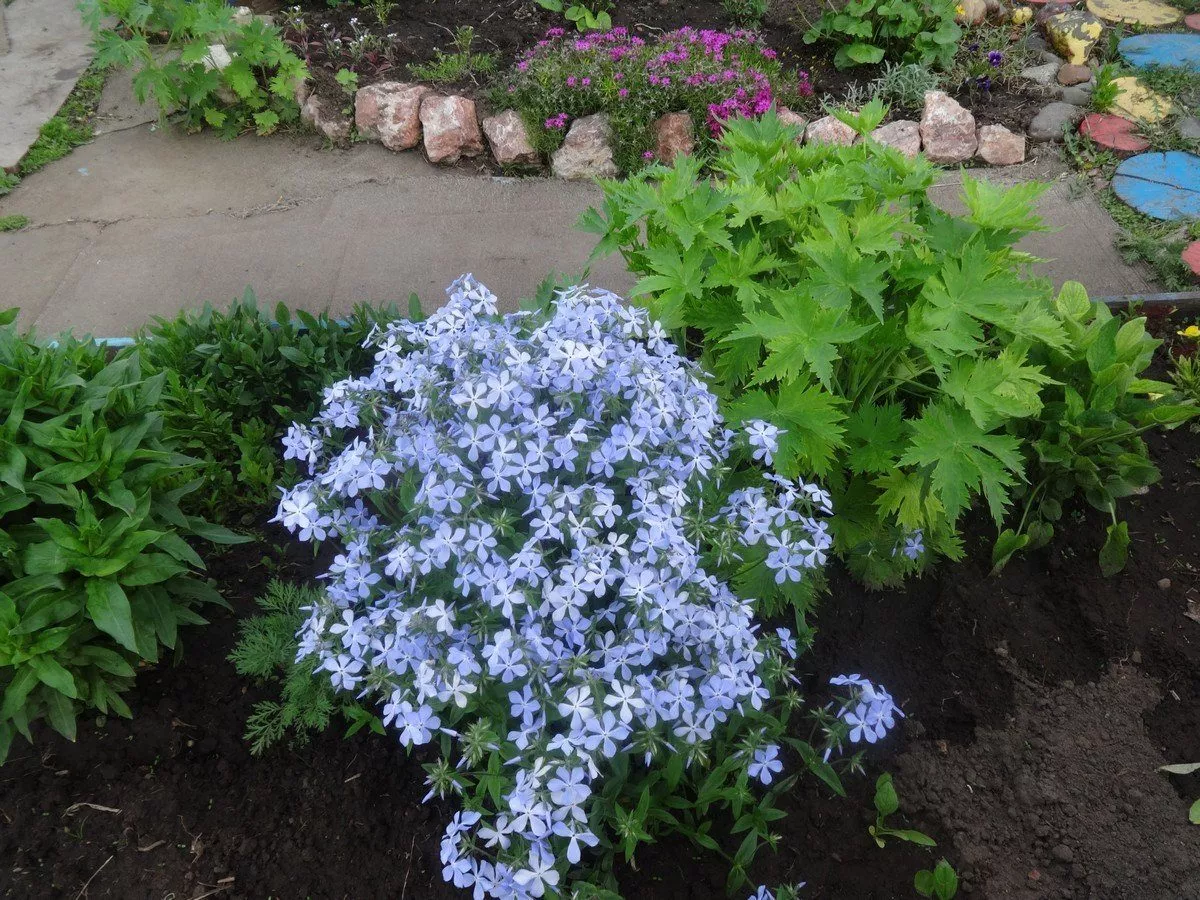
Subulate phlox and low-growing blue phlox are blooming profusely.
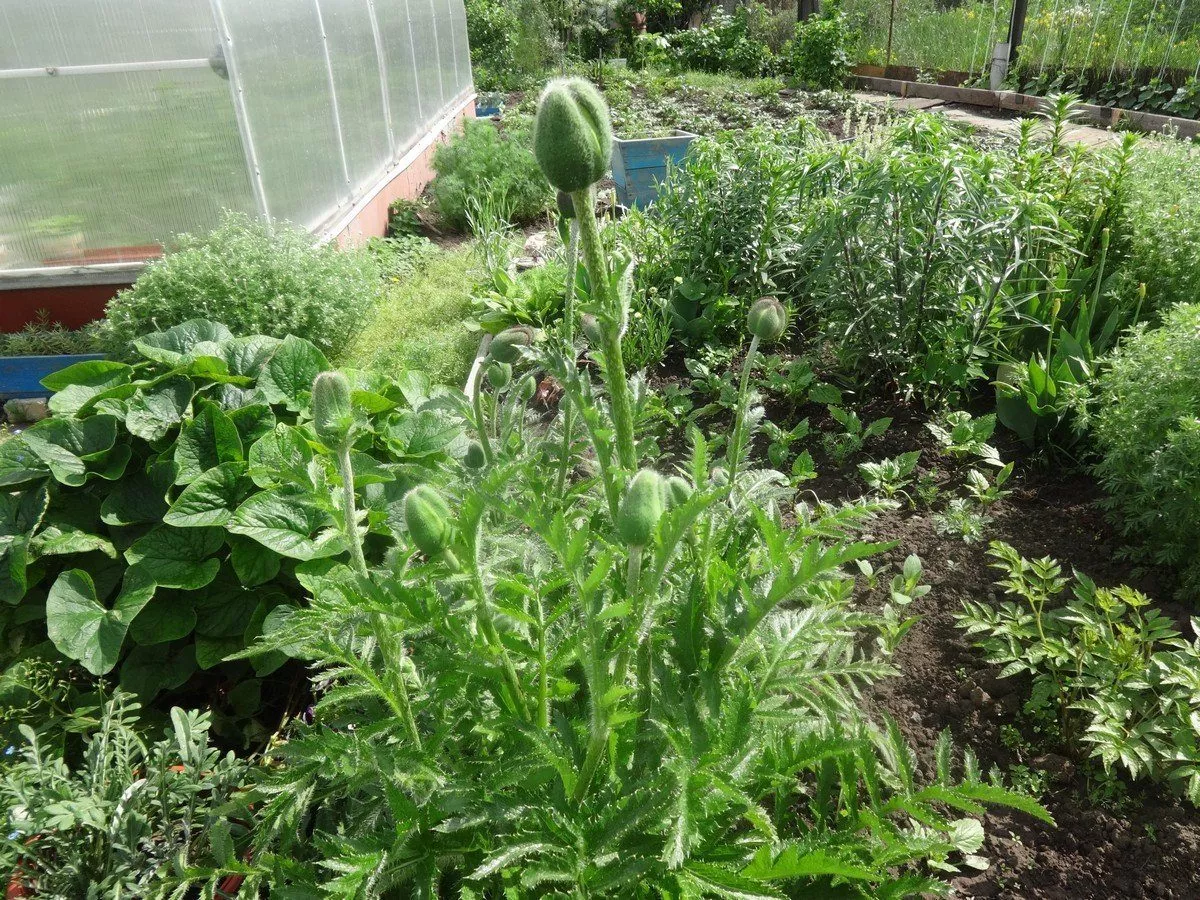
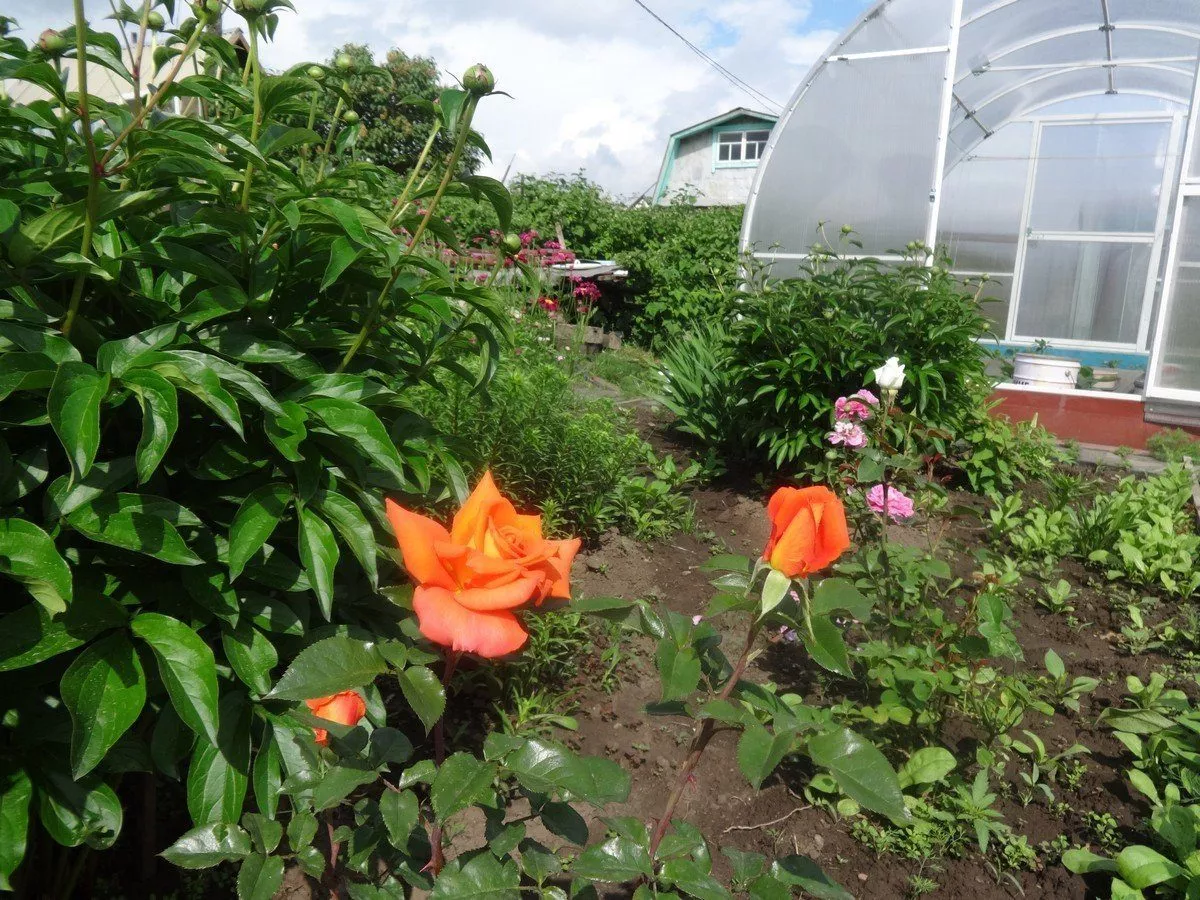
Oriental poppies and peonies are gaining color, and the first roses are beginning to bloom.
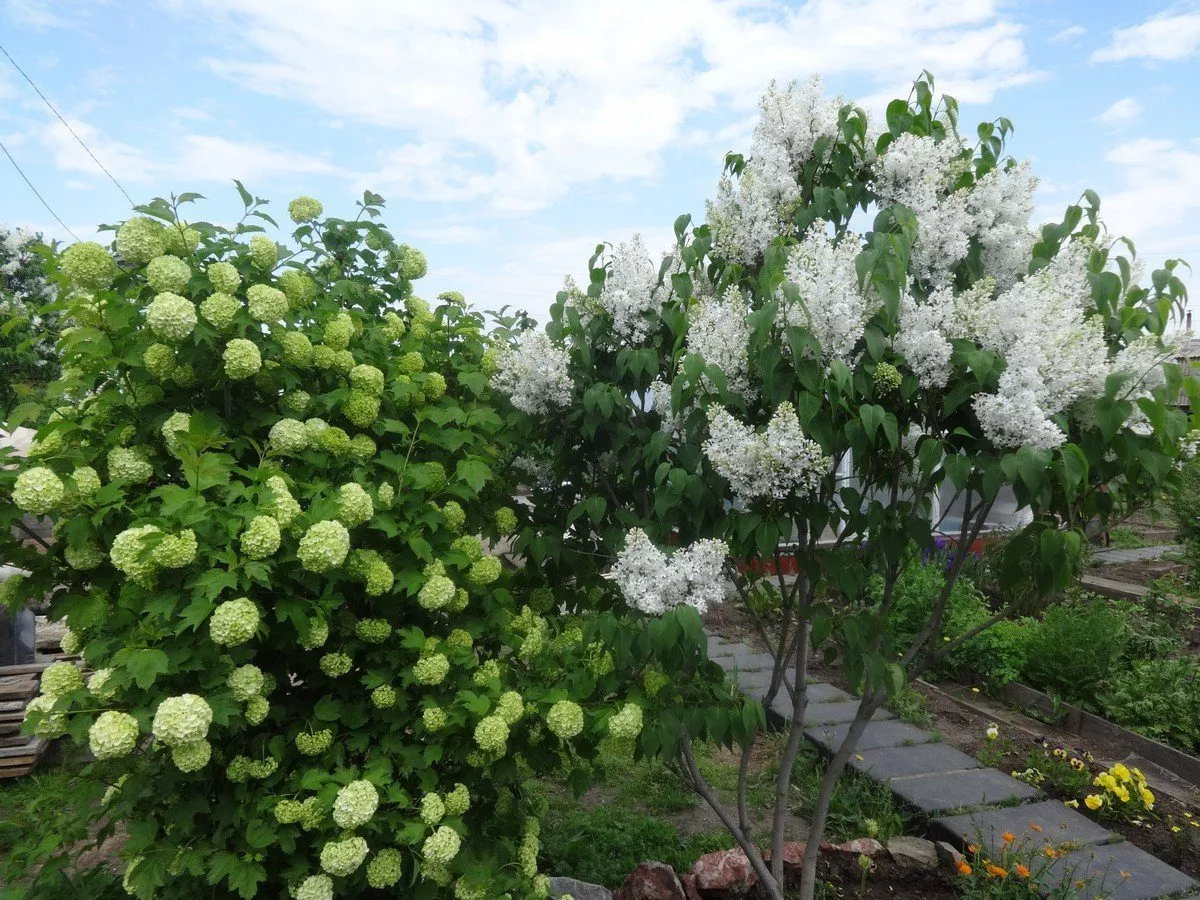
Viburnum buldenezh bushes and white lilacs are in full bloom.
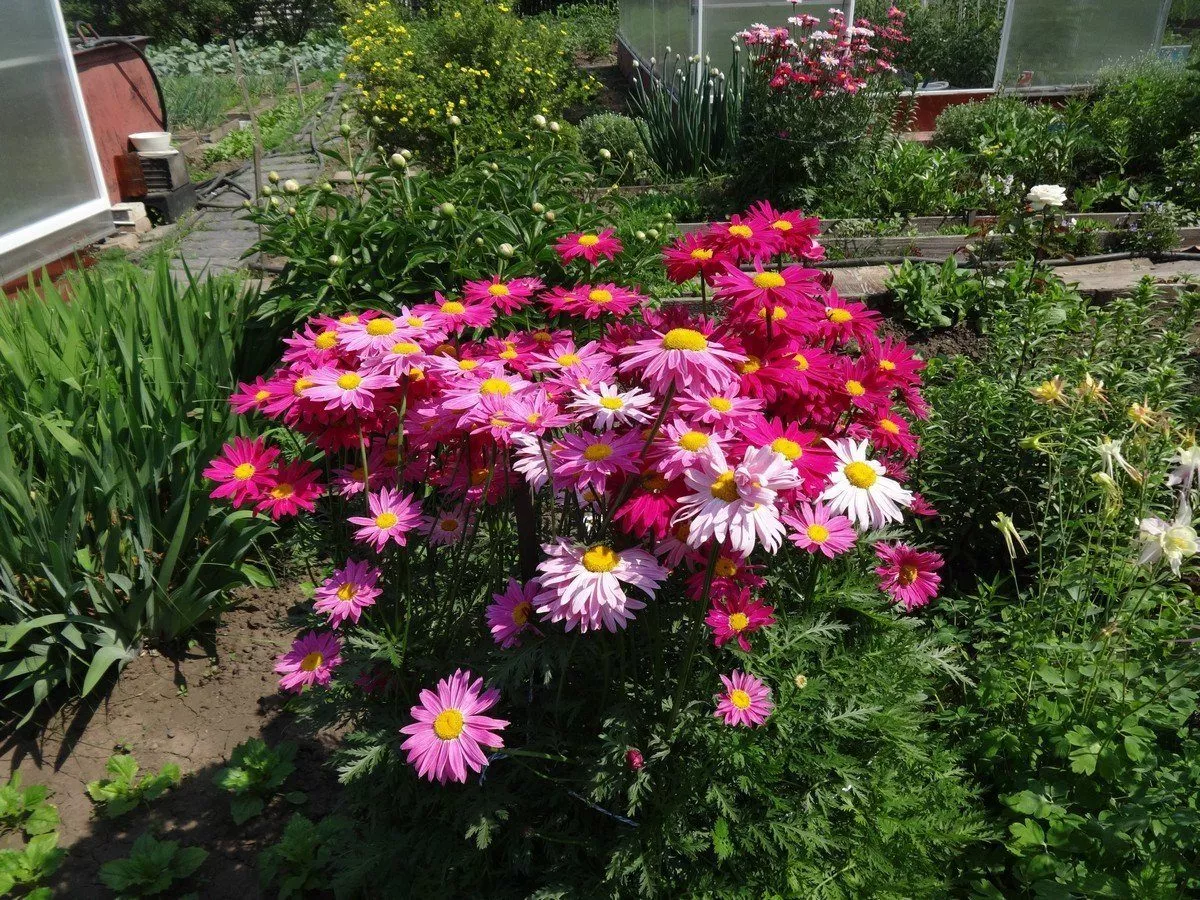
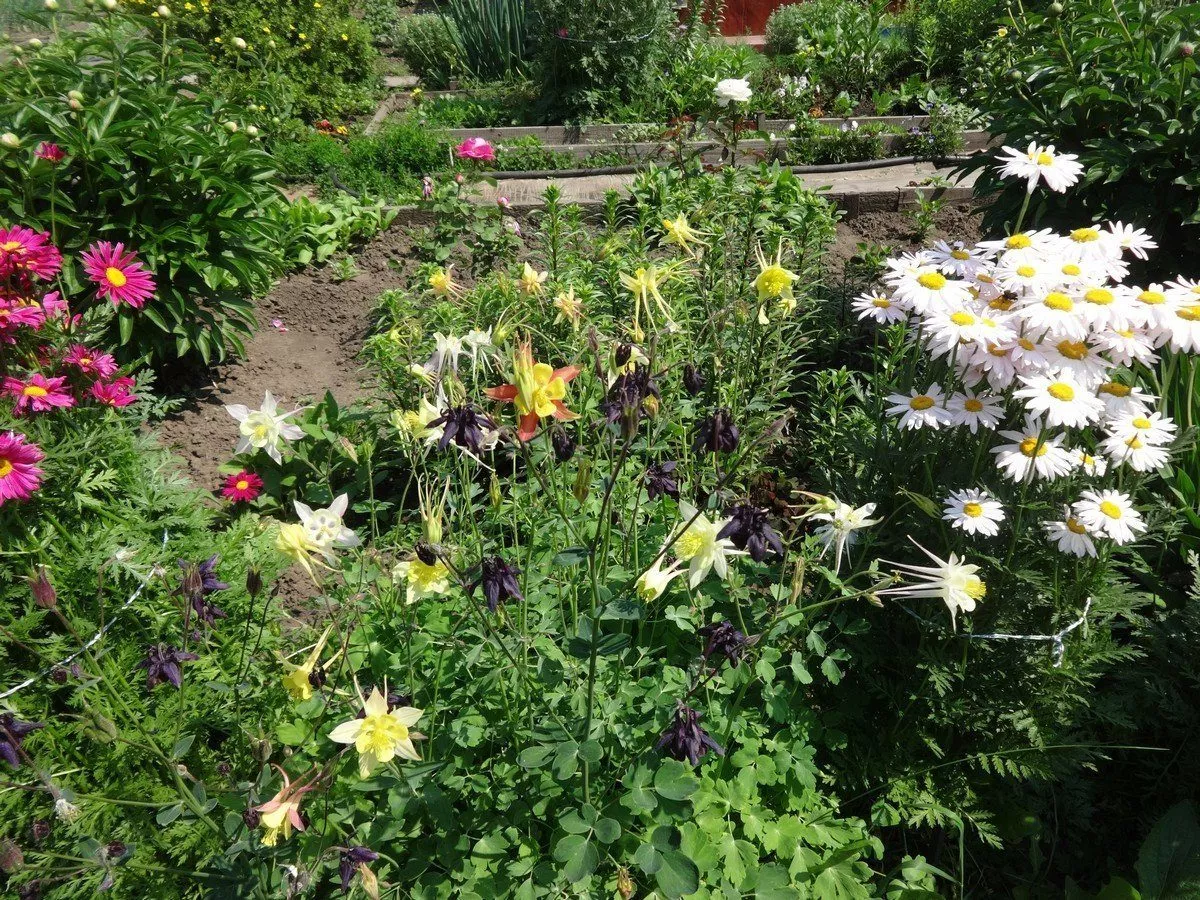
In the middle of the month, pyrethrum, aquilegia, and Kuril tea bloom.
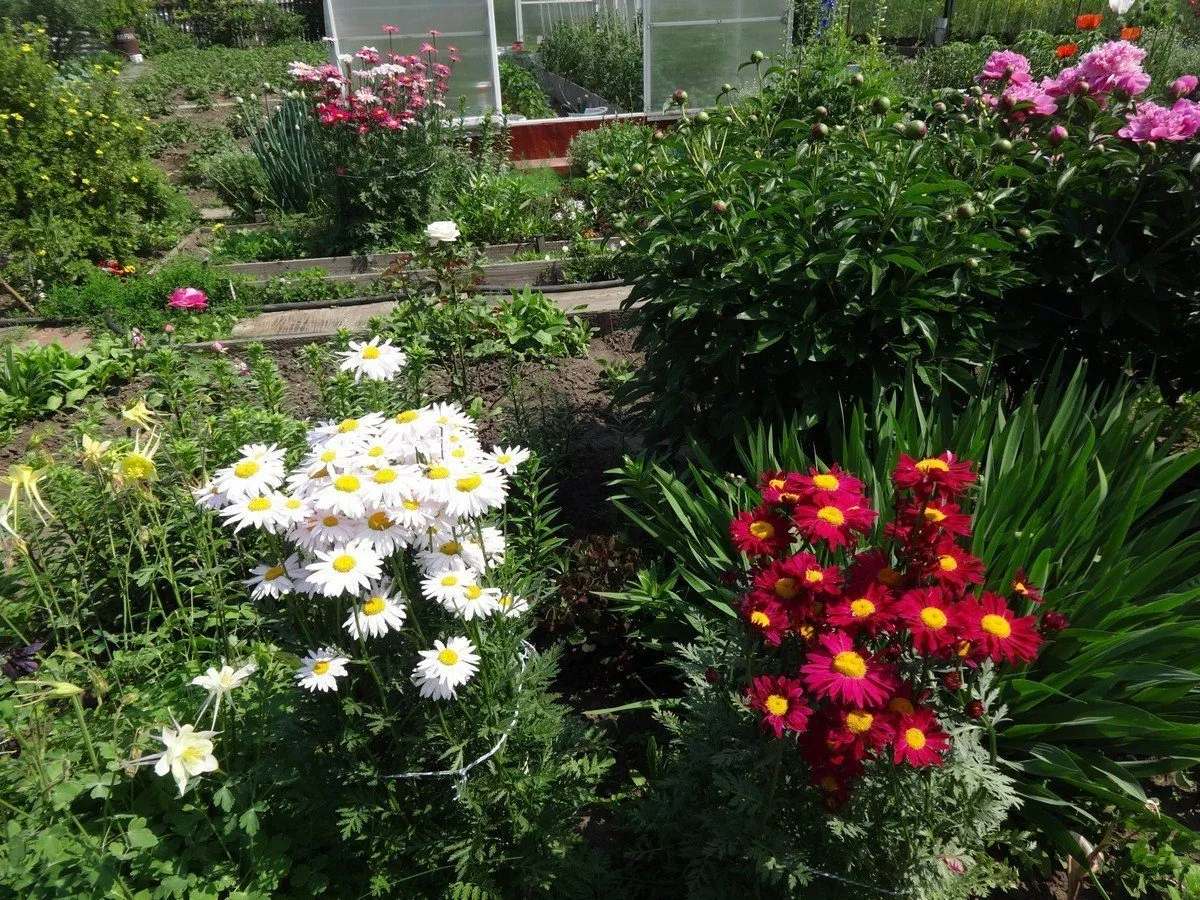
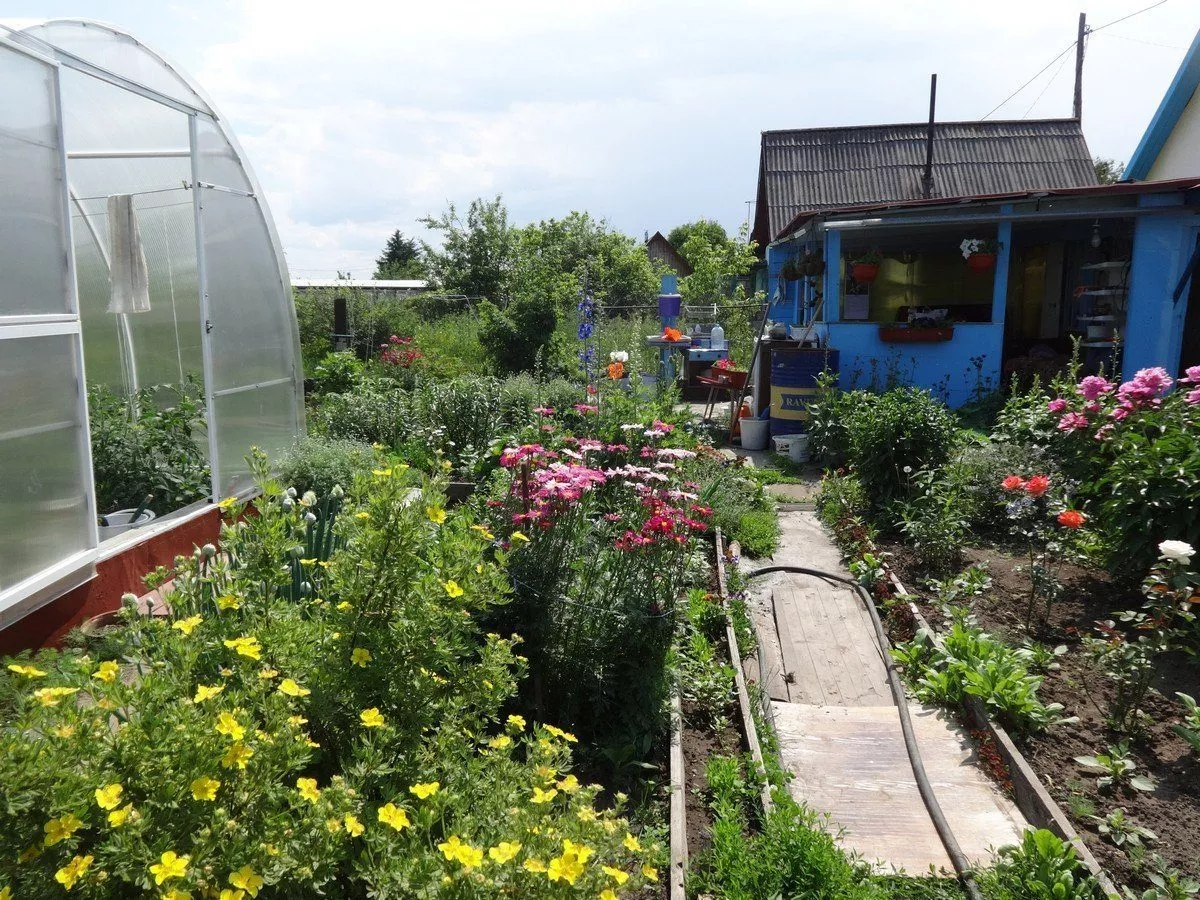
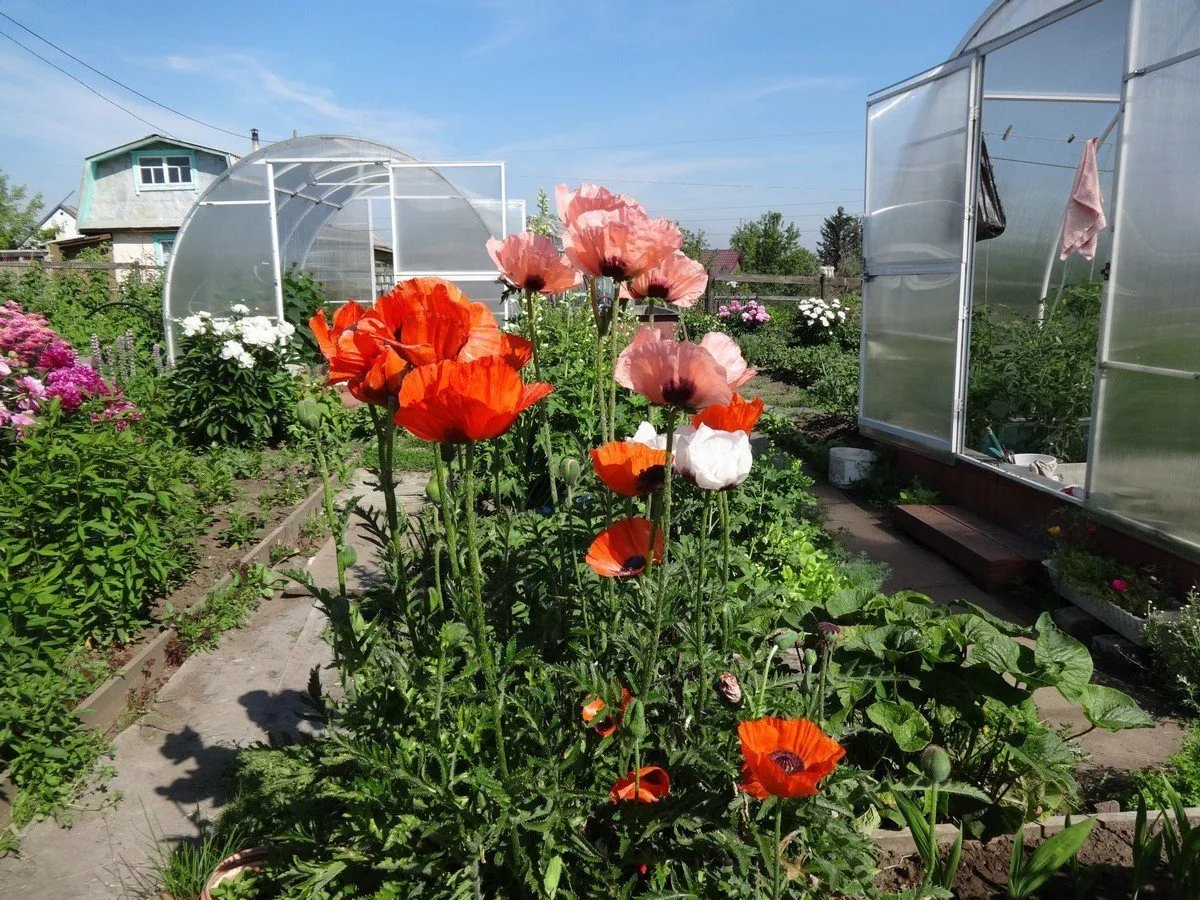
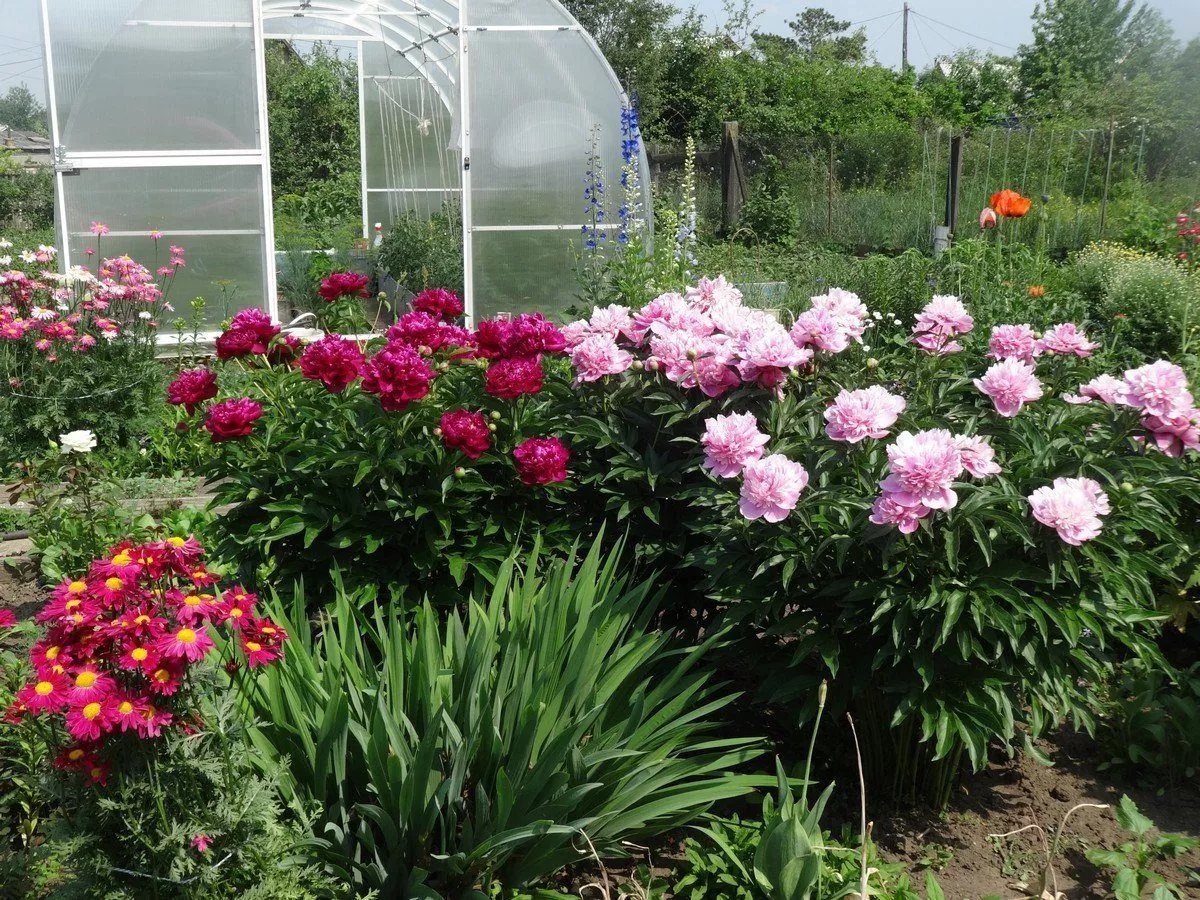
Delicate poppies and luxurious peonies amaze with their beauty.
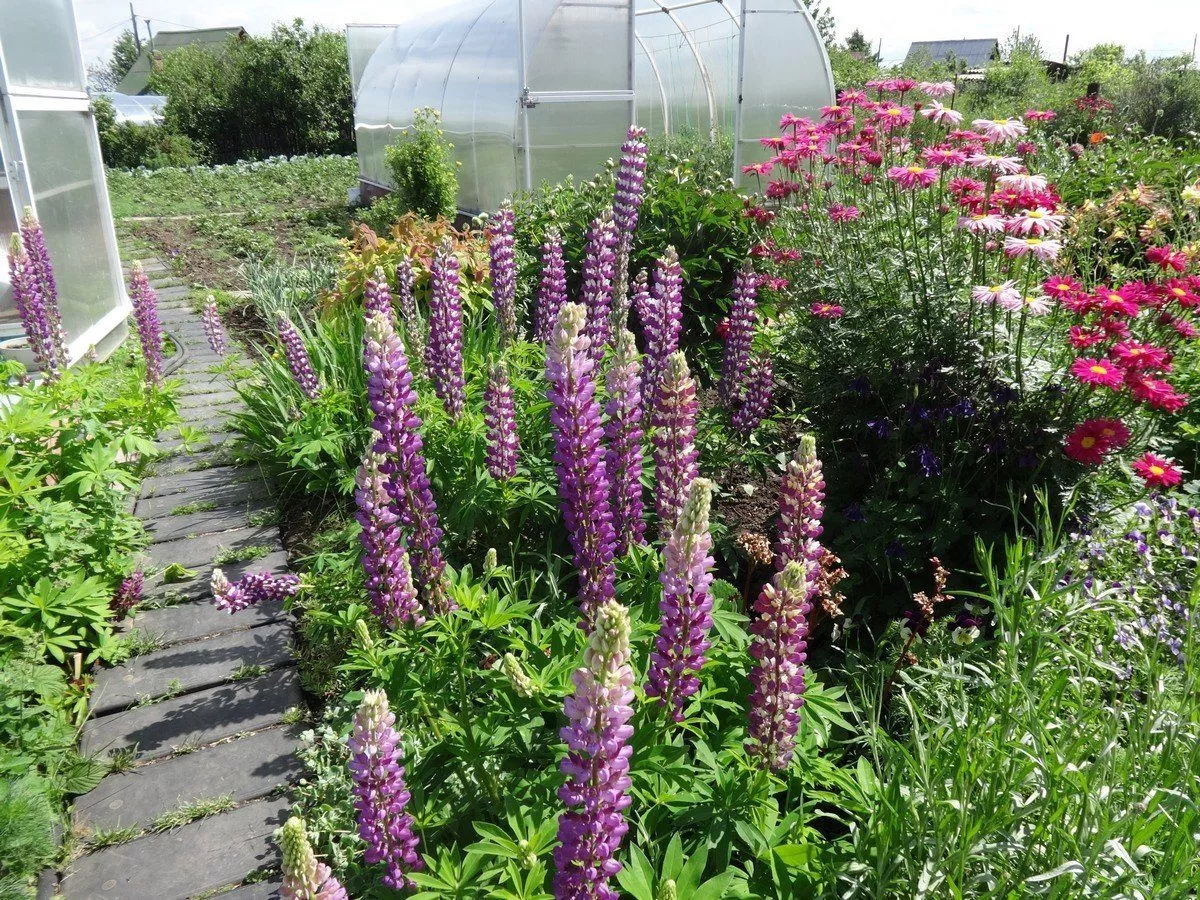
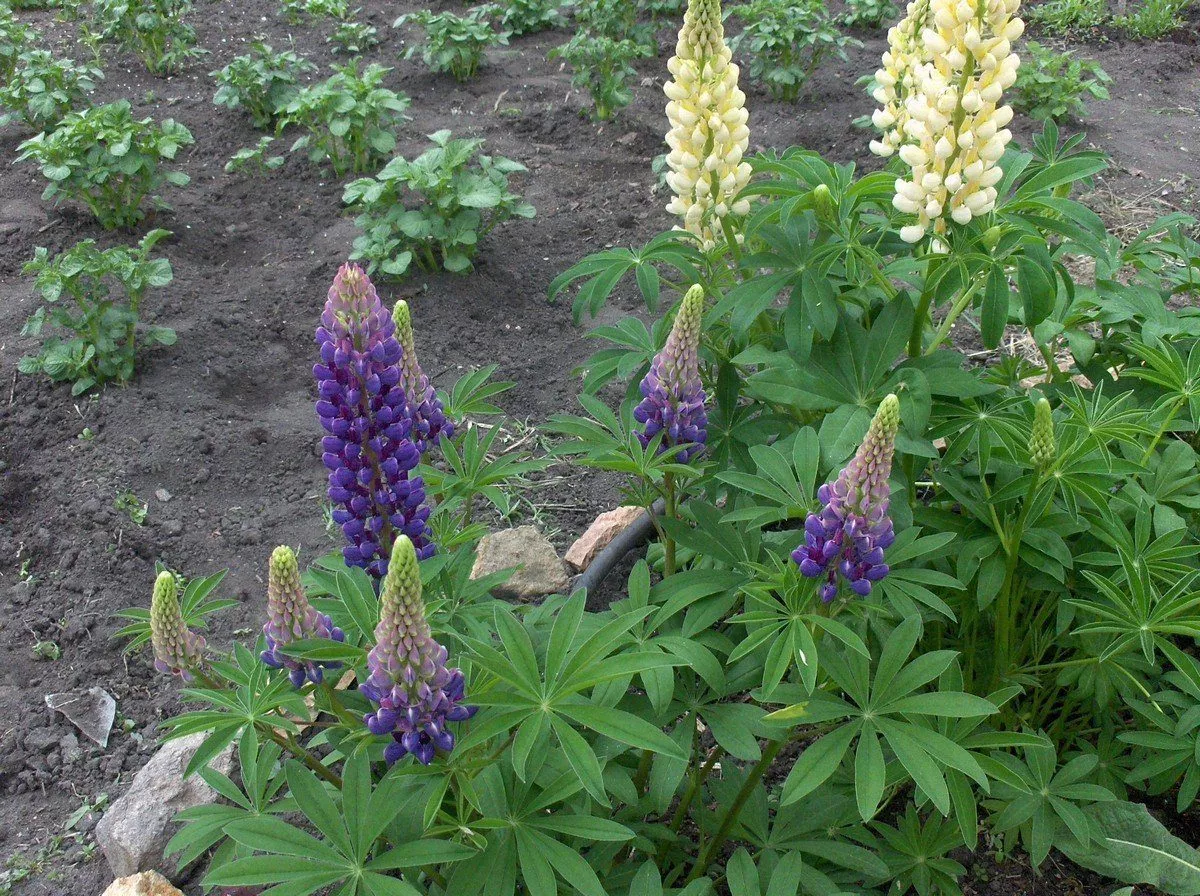
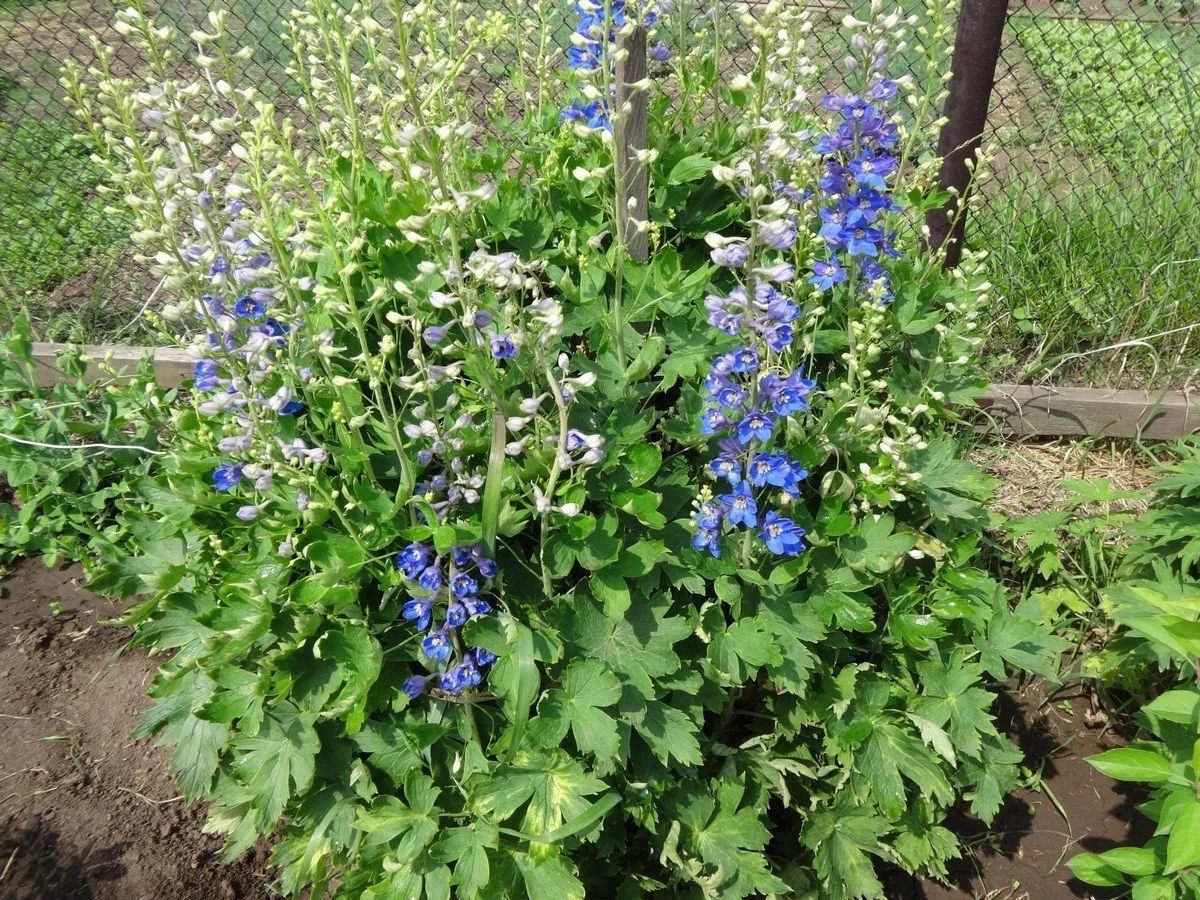
Lupines and delphiniums throw out their candles.
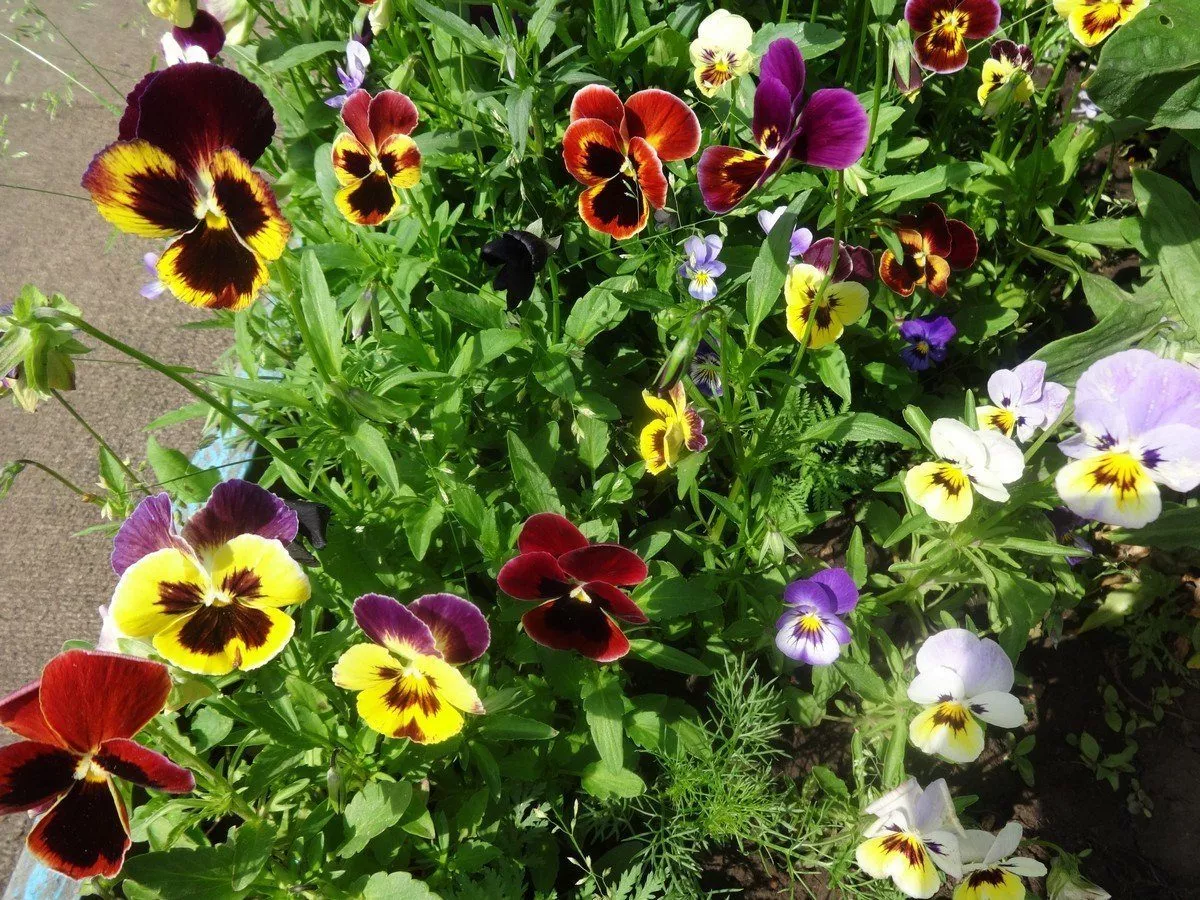
Curious pansies delight the eye.
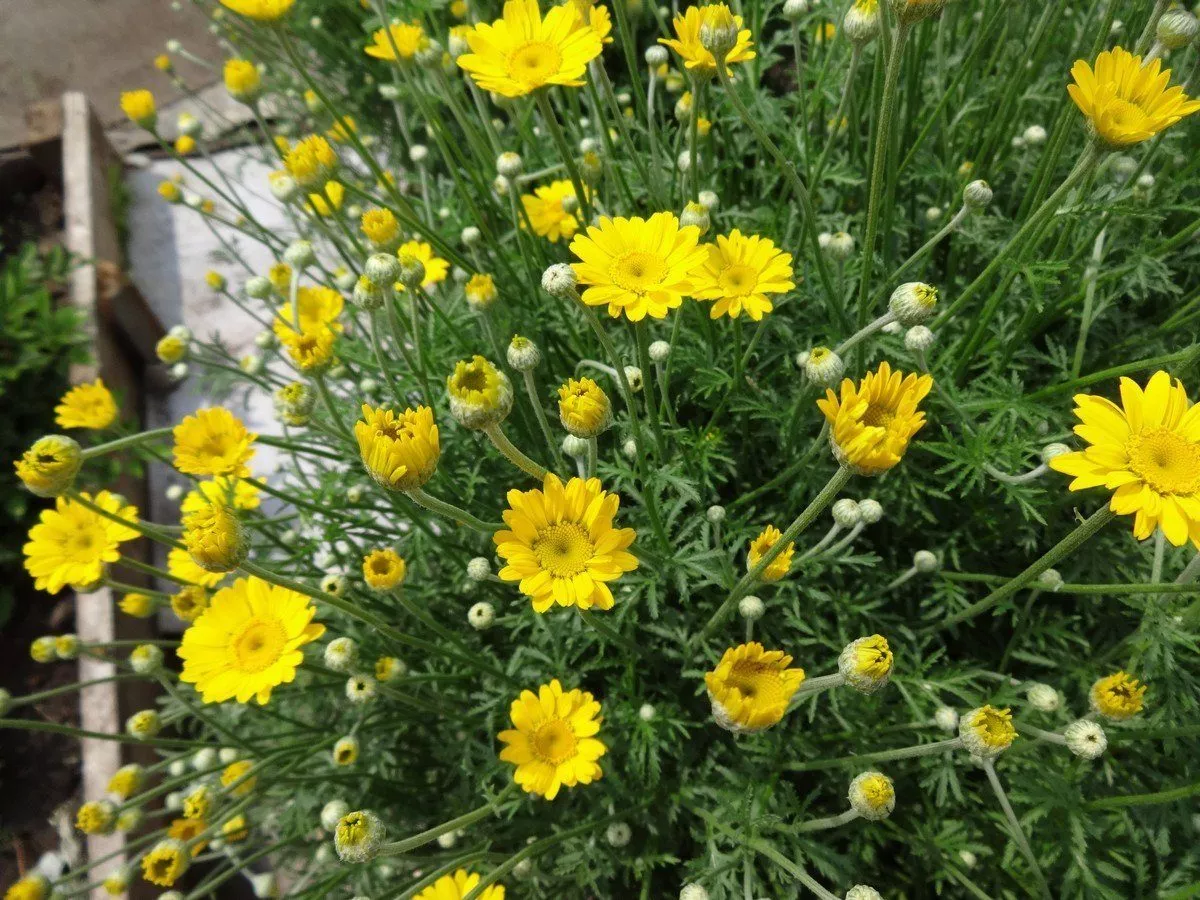
The chamomile flower blooms with its yellow daisies.
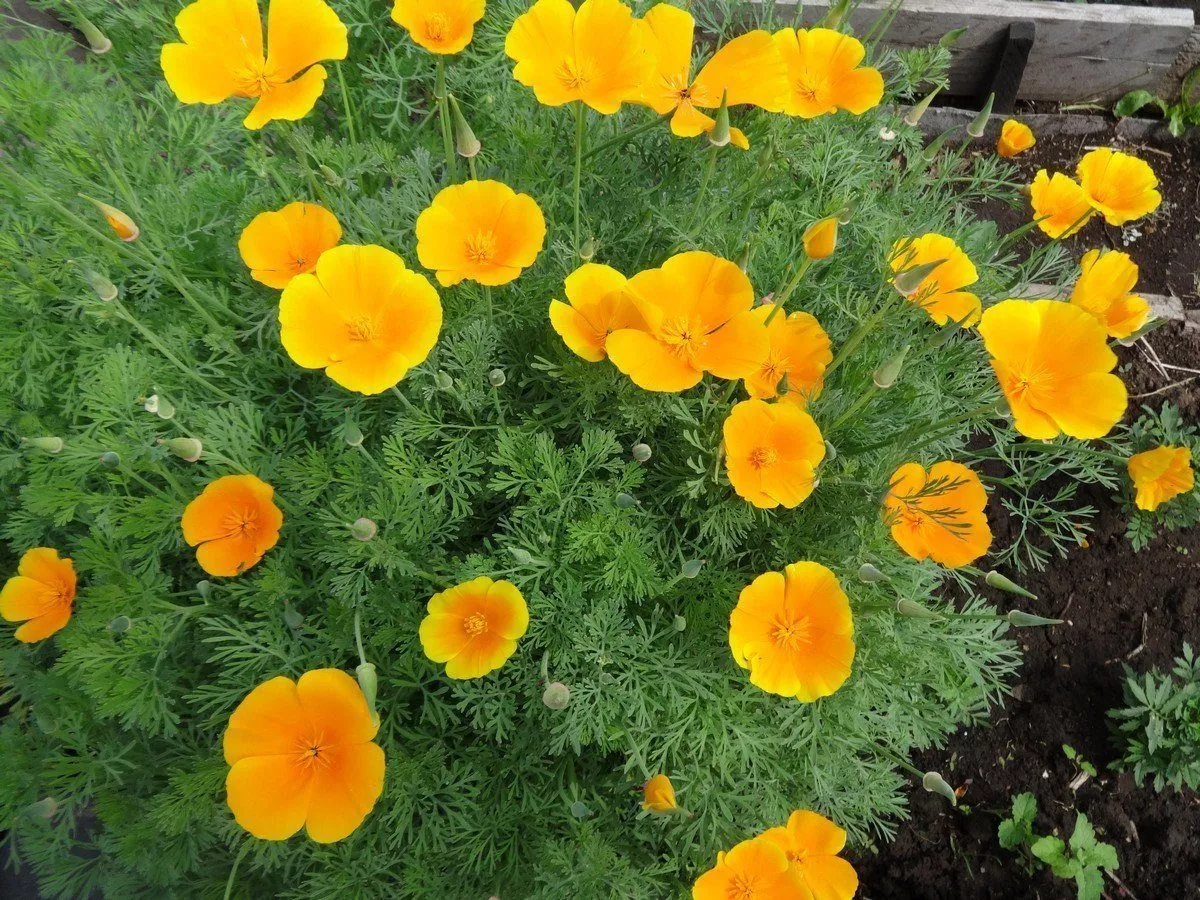
Delicate flowers of California poppy reach towards the sun.
July
My flower beds look beautiful in July.
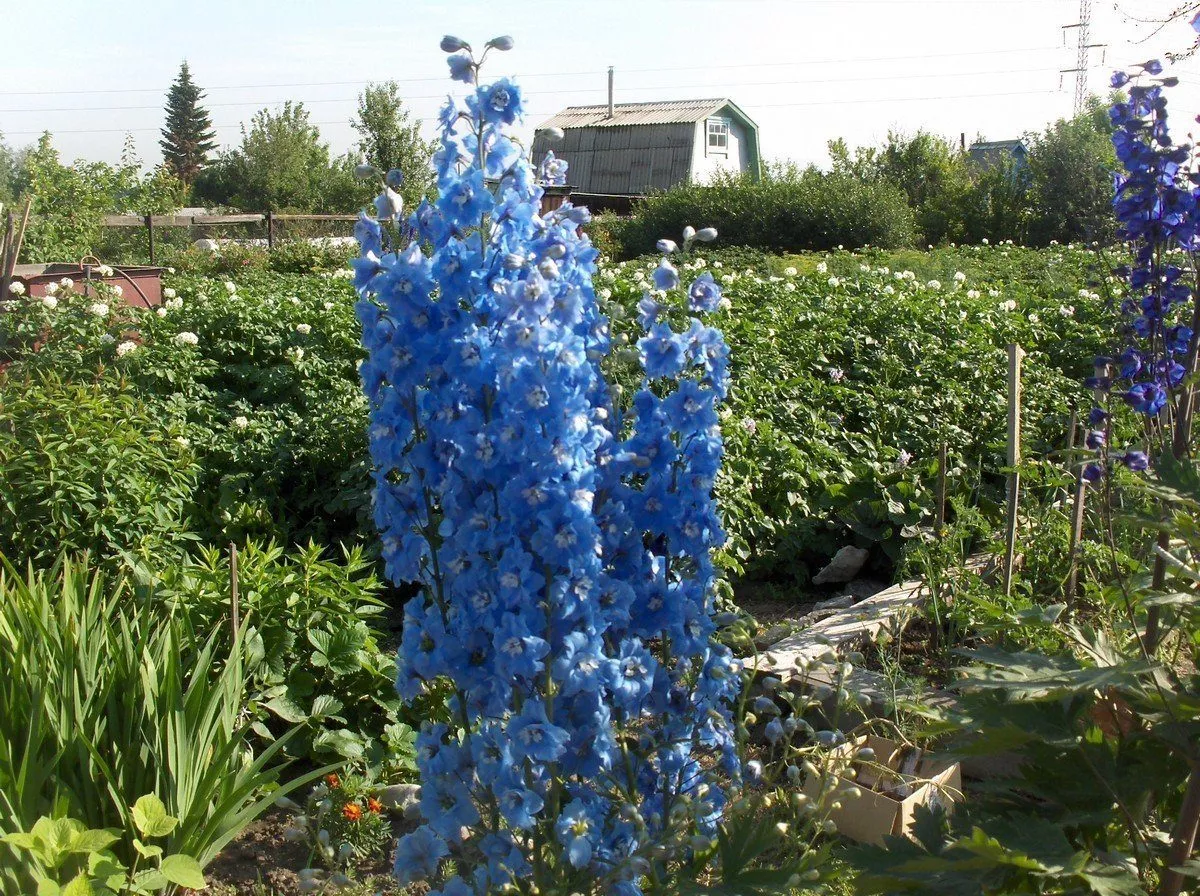
At the beginning of the month, light blue delphiniums and bright red lichens bloom - this is the popular name, and the botanical name is lychnes.
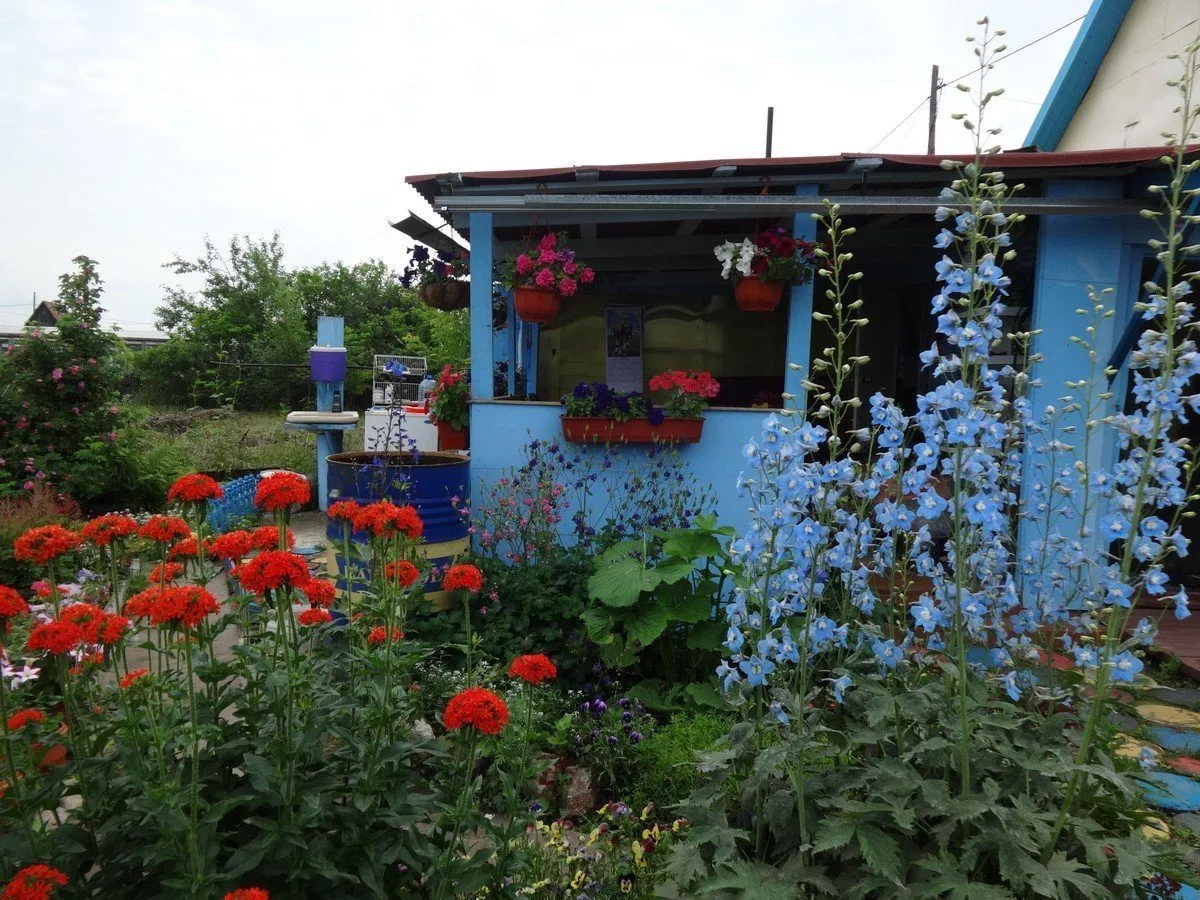
Petunias are blooming in boxes and pots.
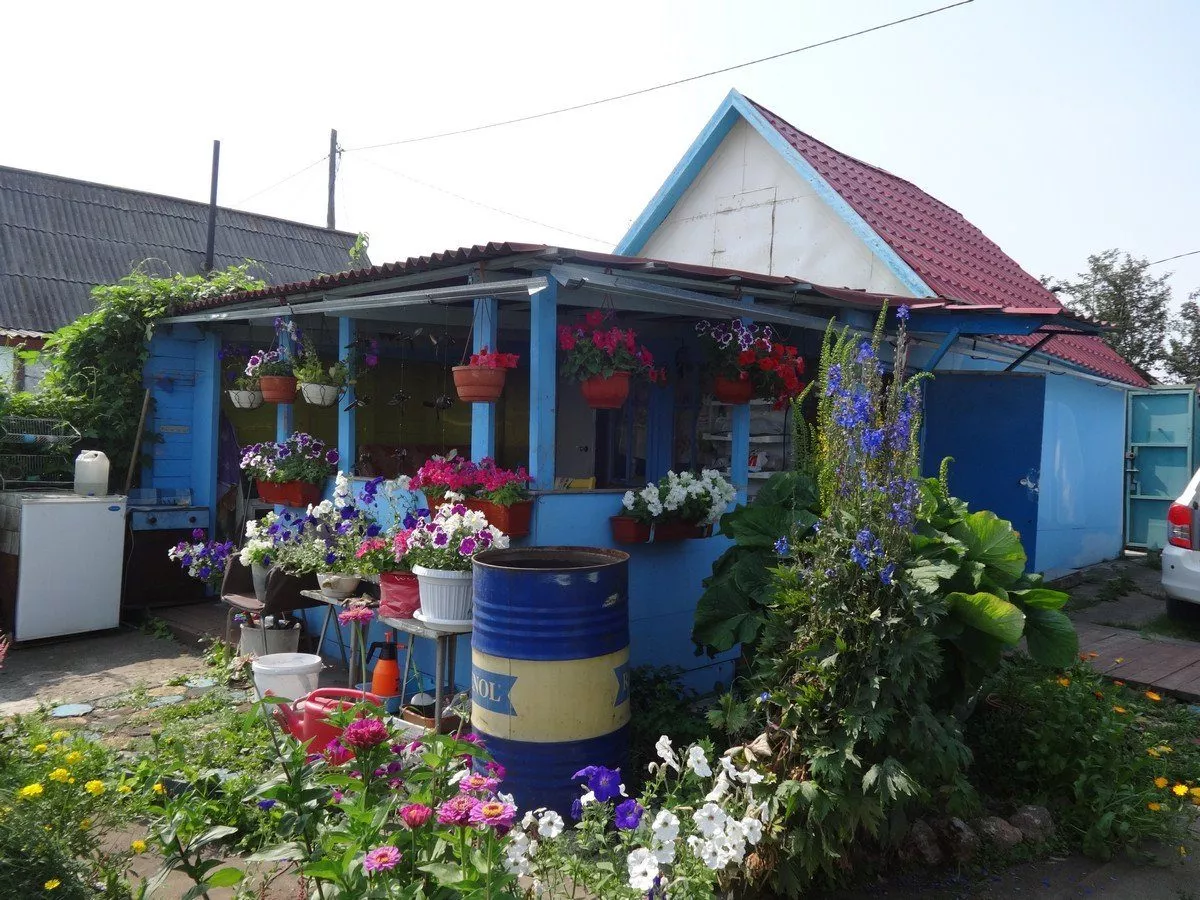
My favorite, the ligularia, is throwing out its candles. When it's in bloom, butterflies fly over it all day and bees buzz.
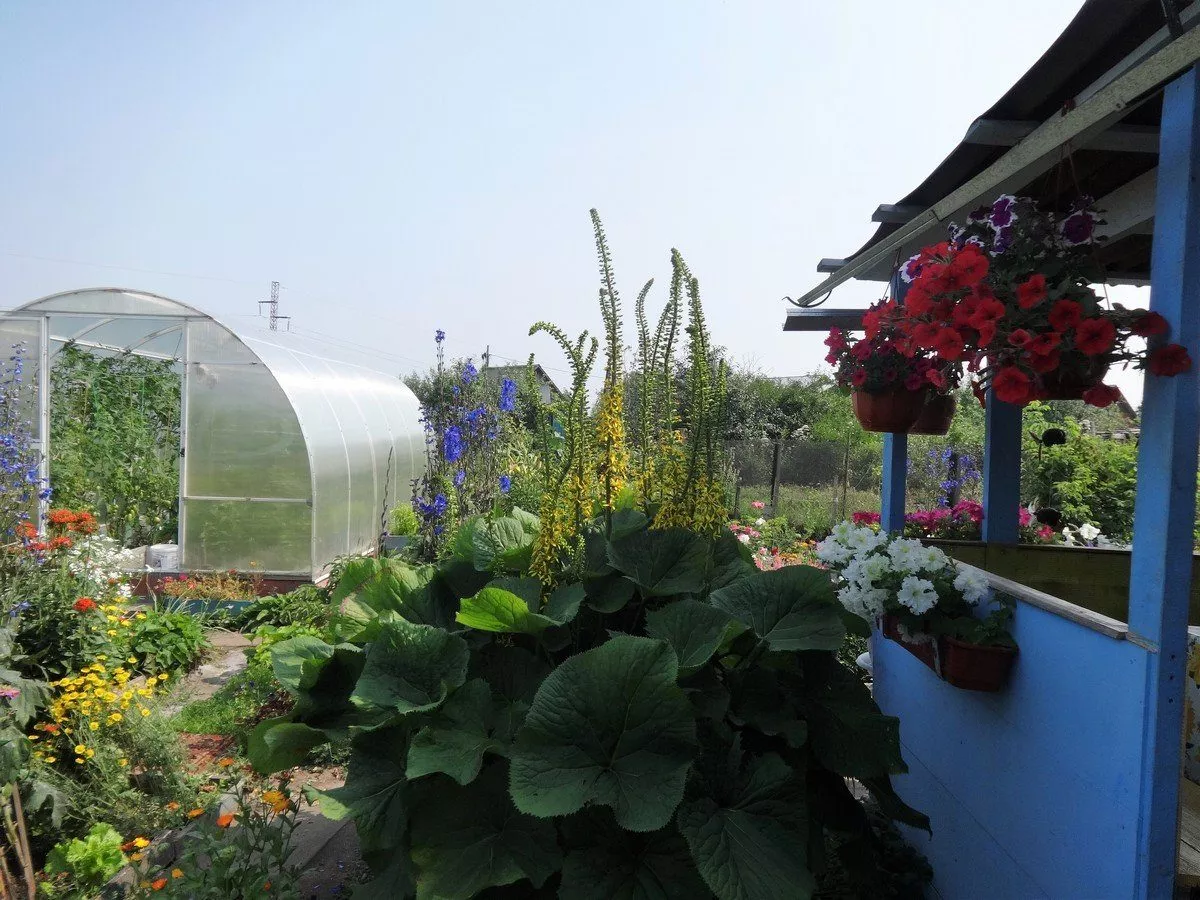
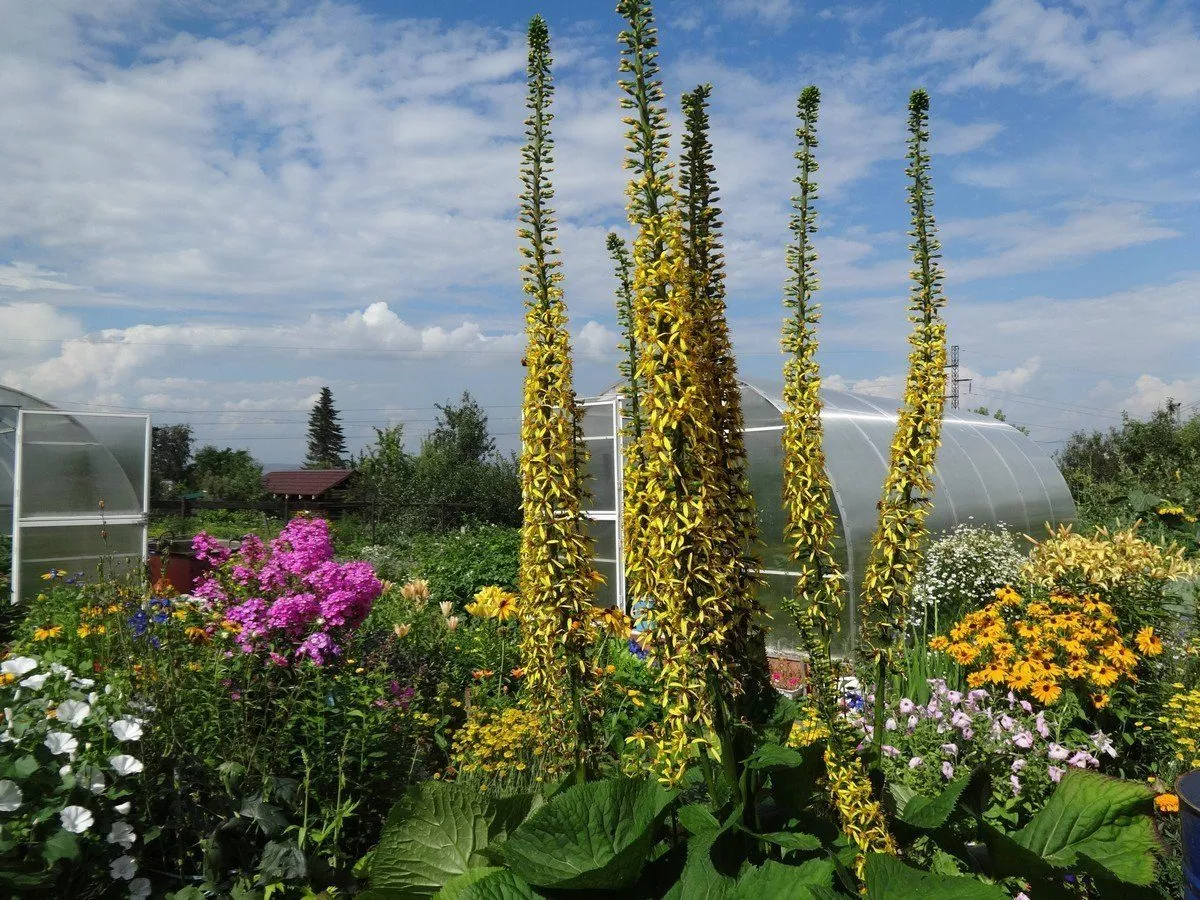
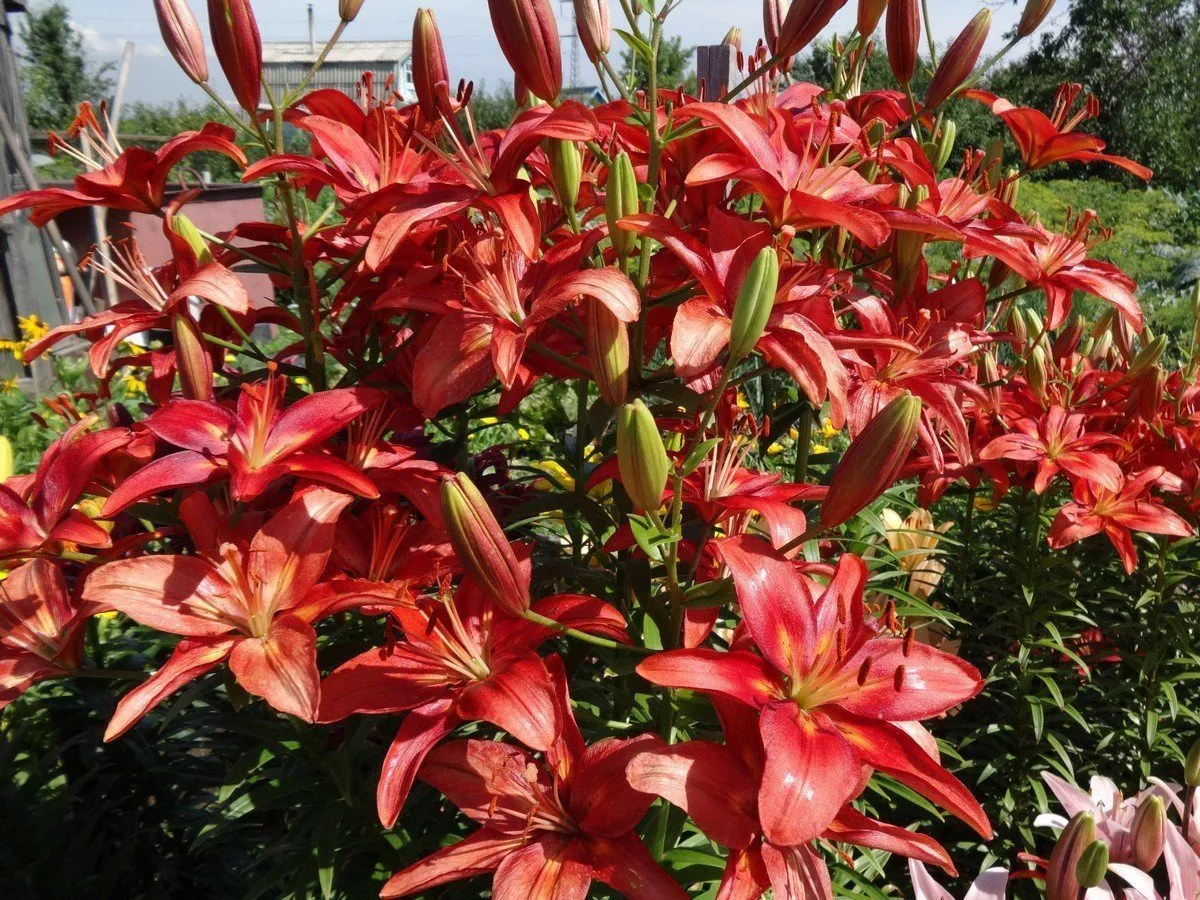
And since mid-July, my flowerbeds have been fragrant, filling the air with delicate aromas. Everything is blooming: gorgeous lilies and divine roses,
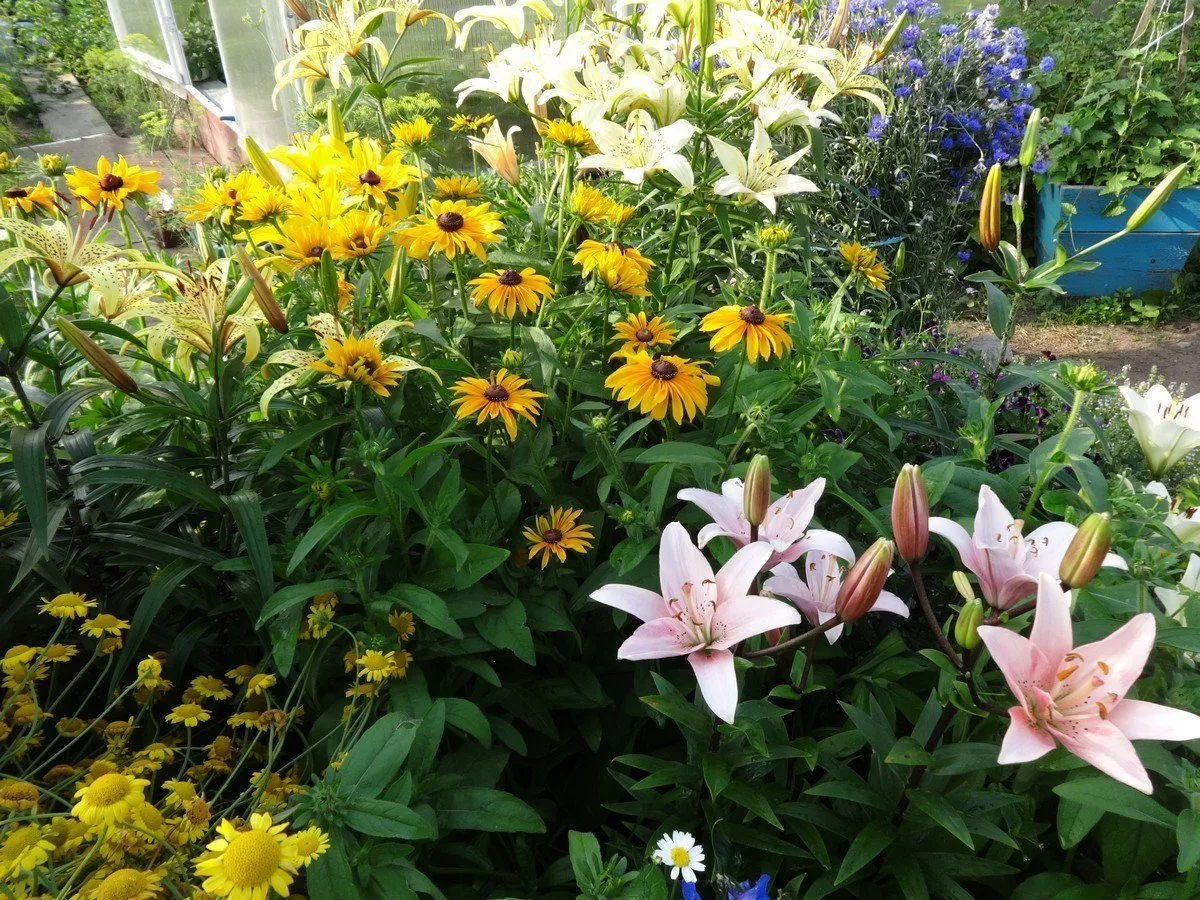
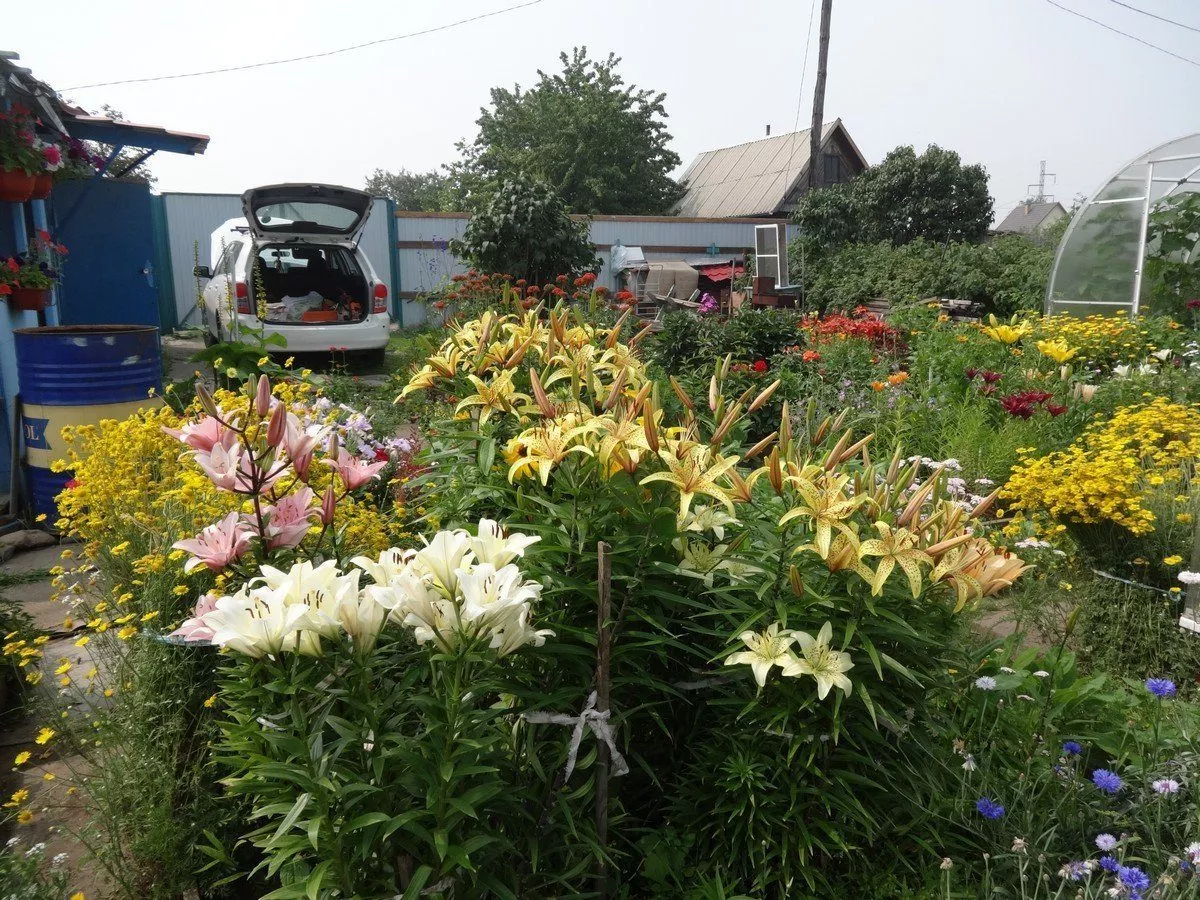
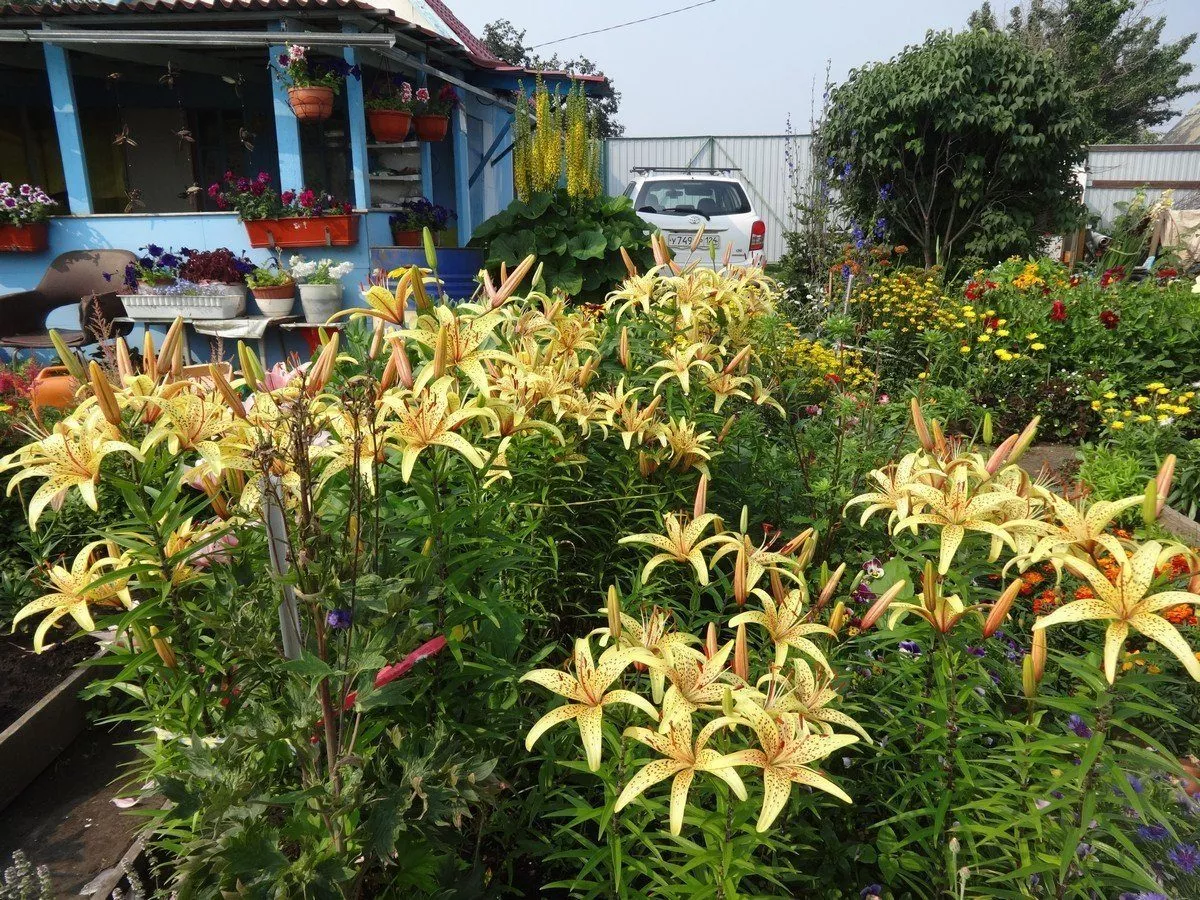
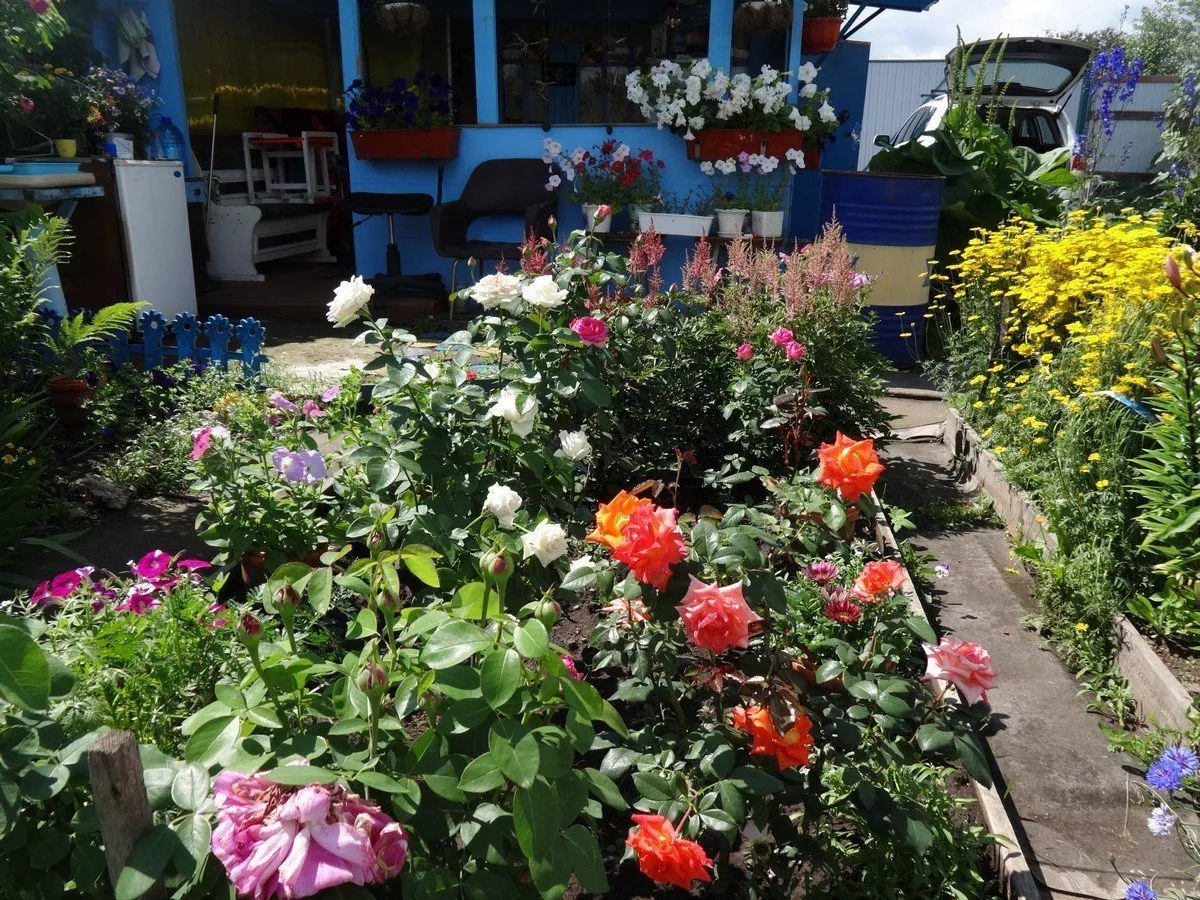
calendula, modest cornflowers and daisies,
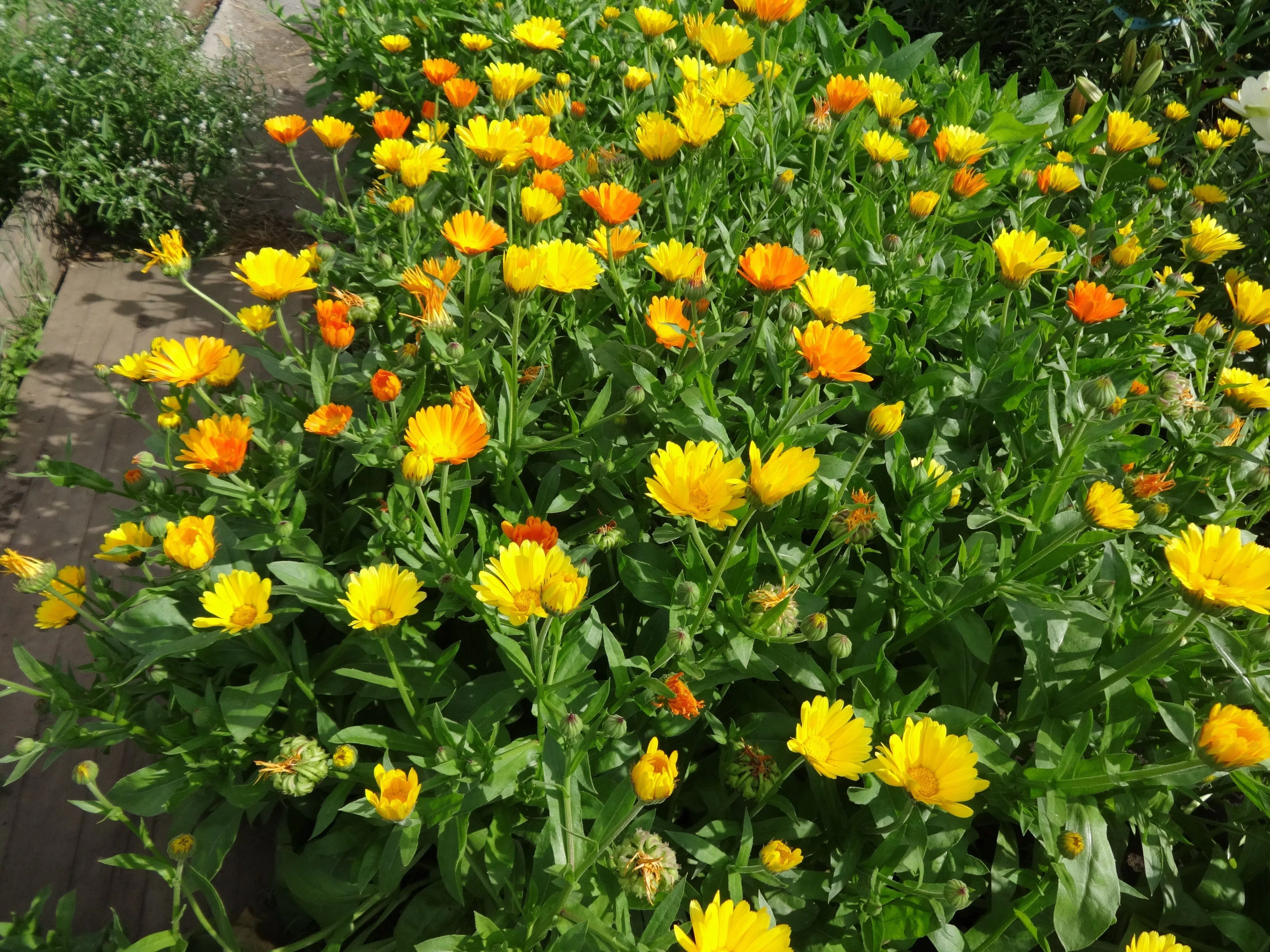
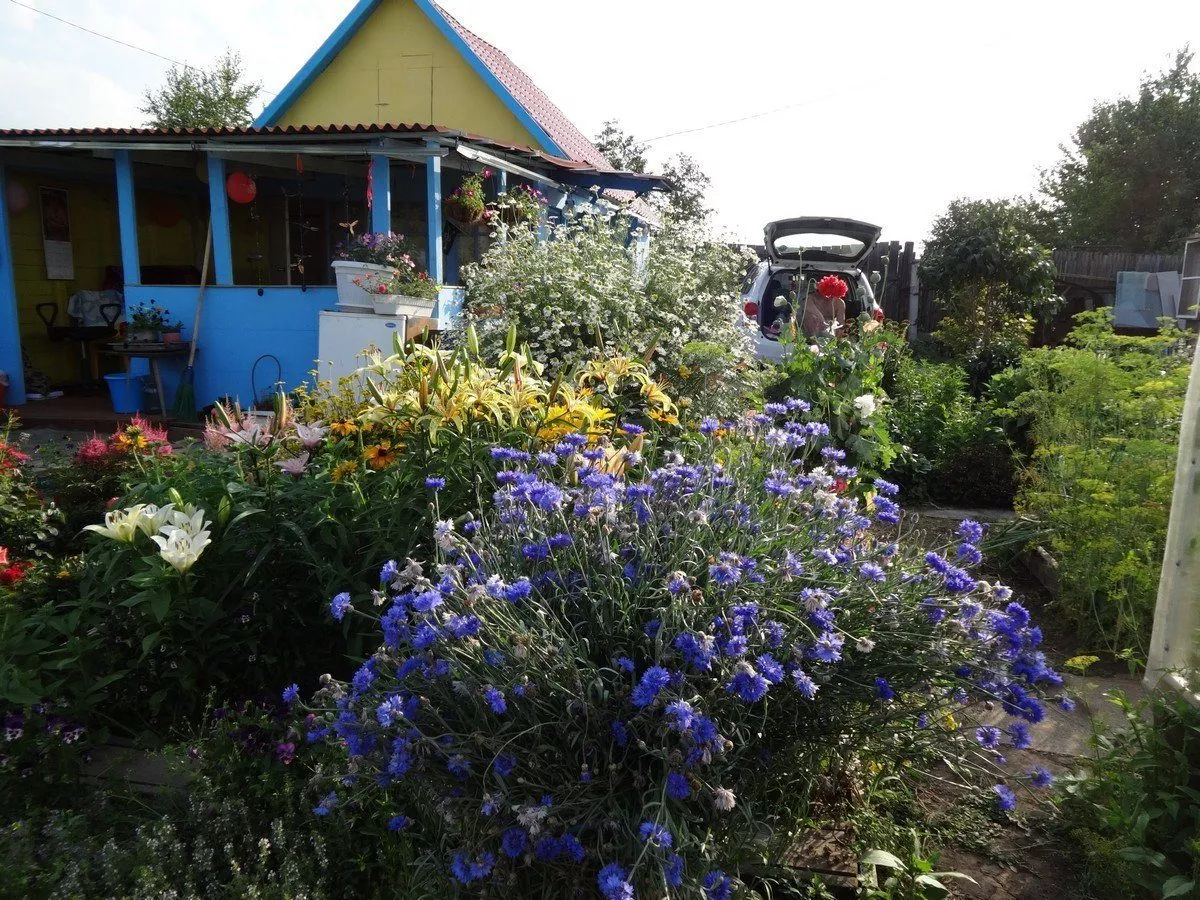
sun-drenched navels,
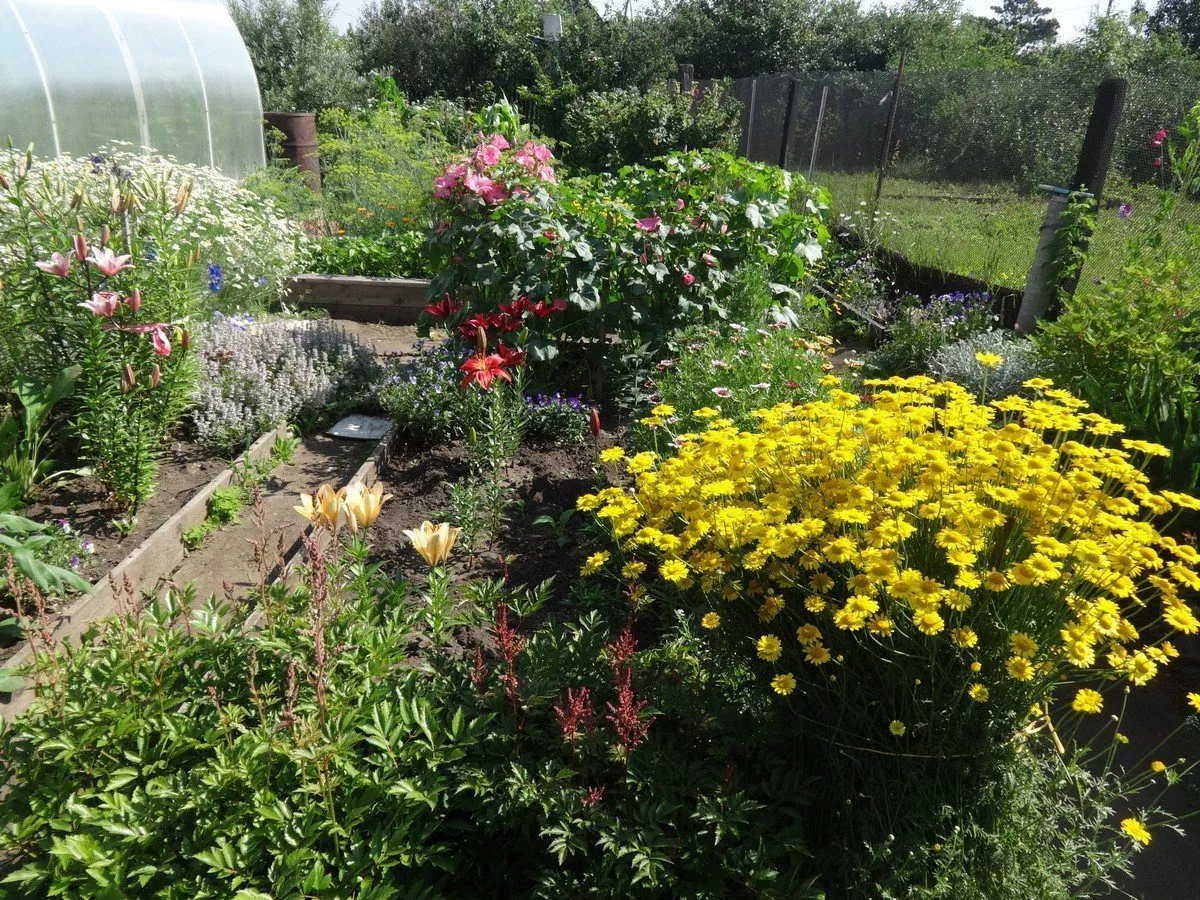
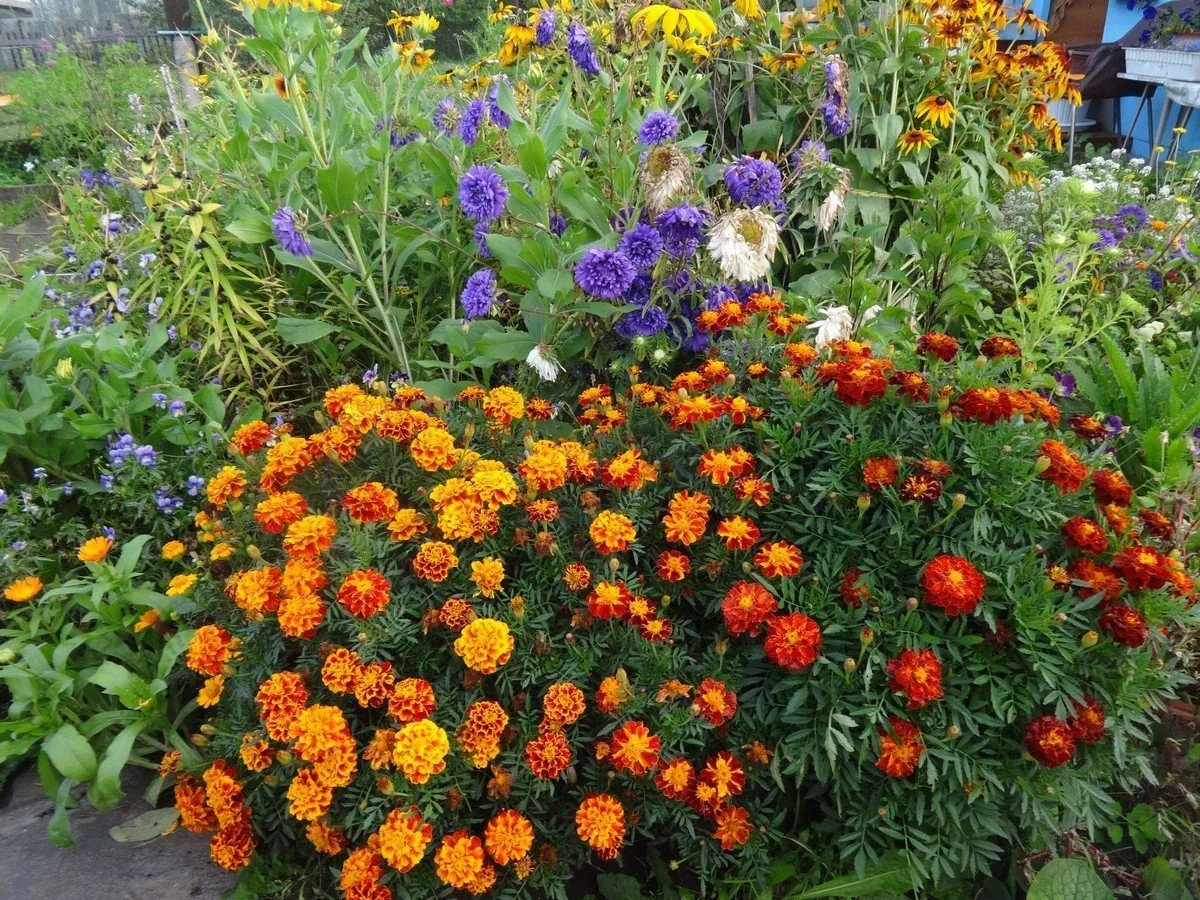
yellow and orange marigolds.
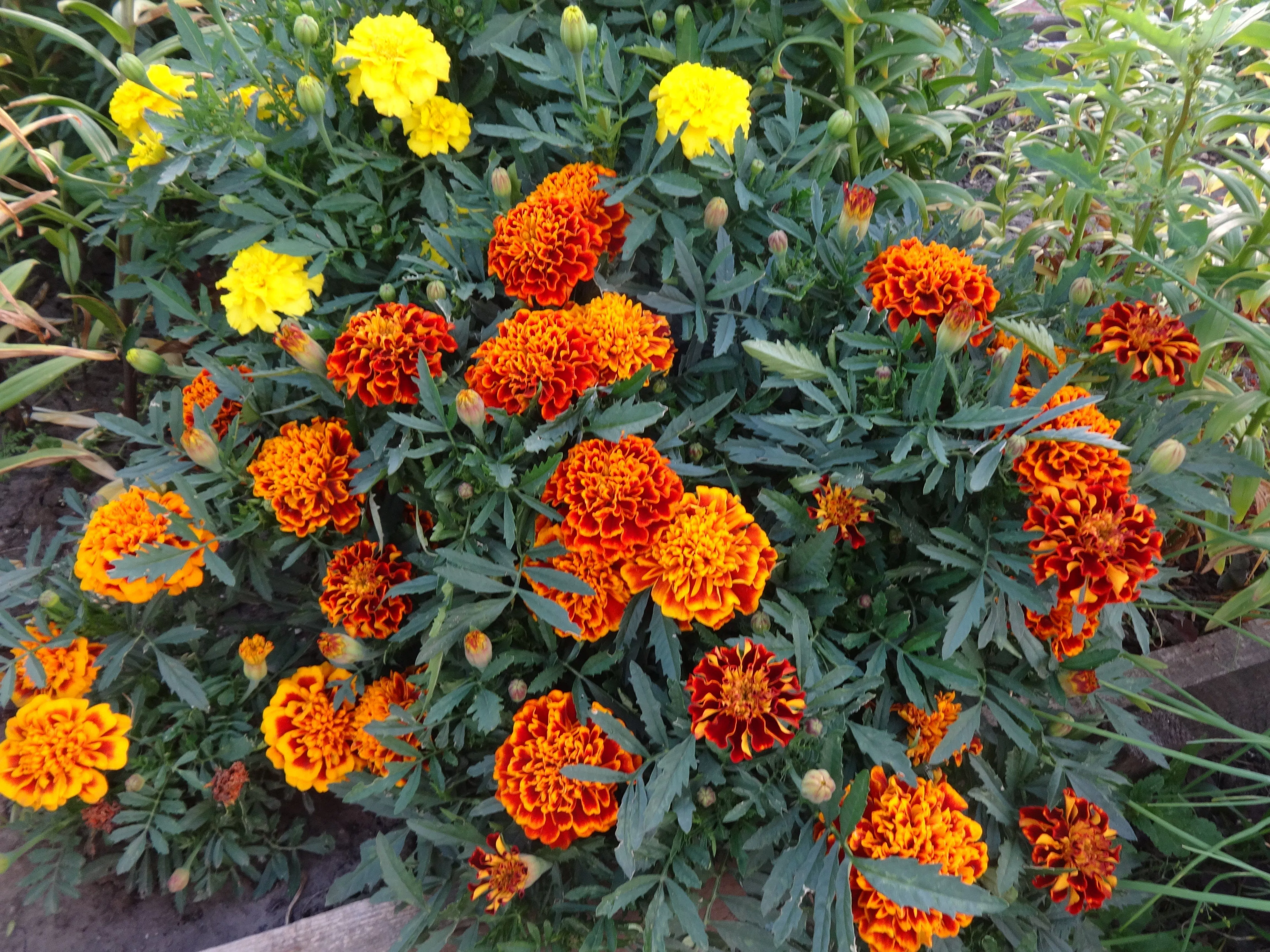
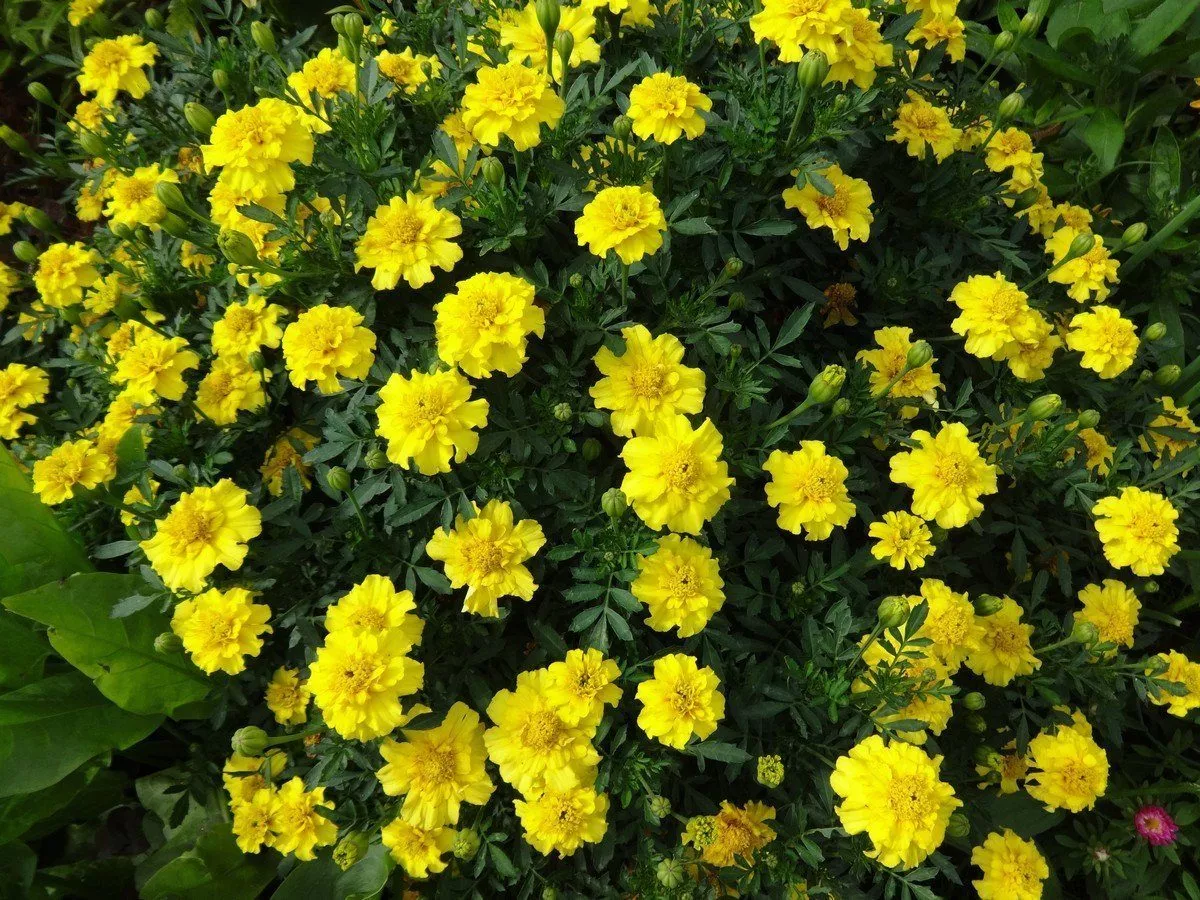
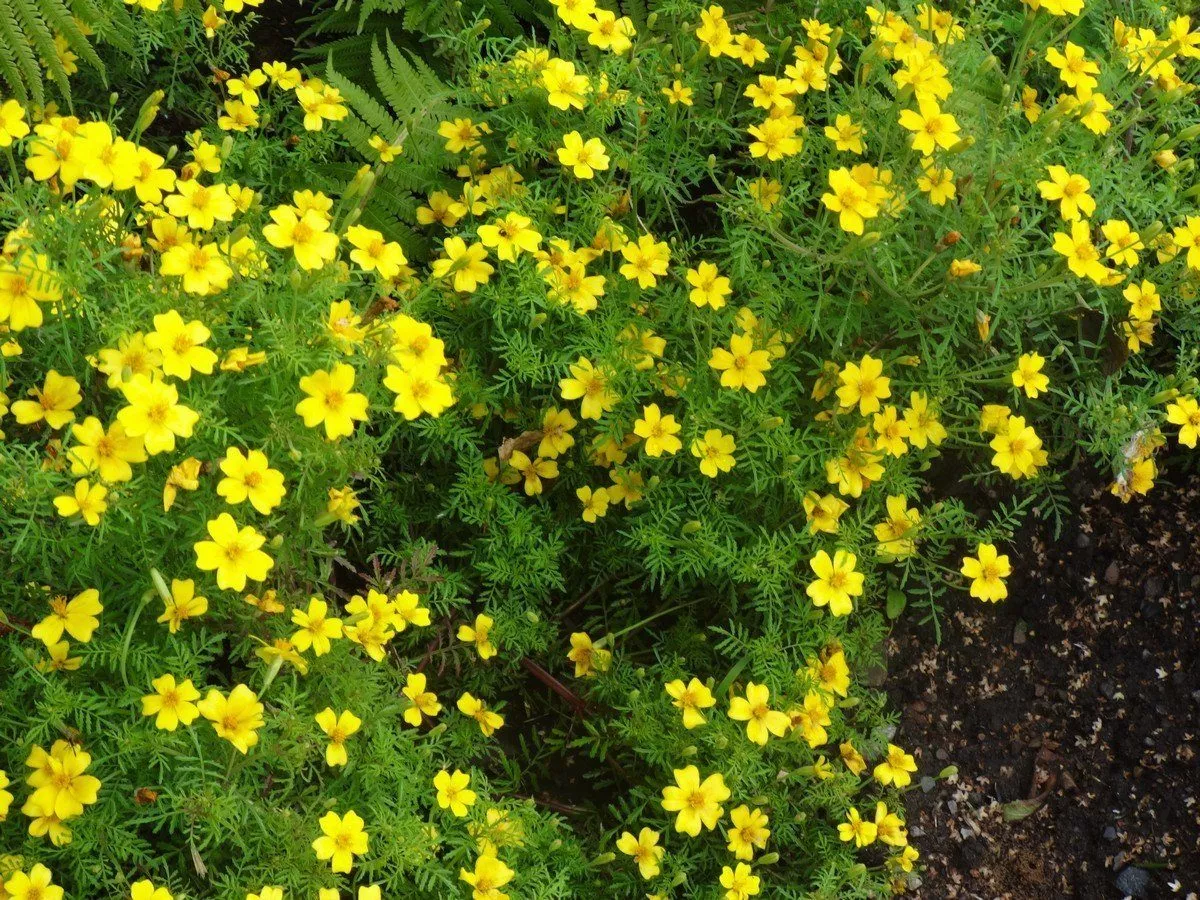
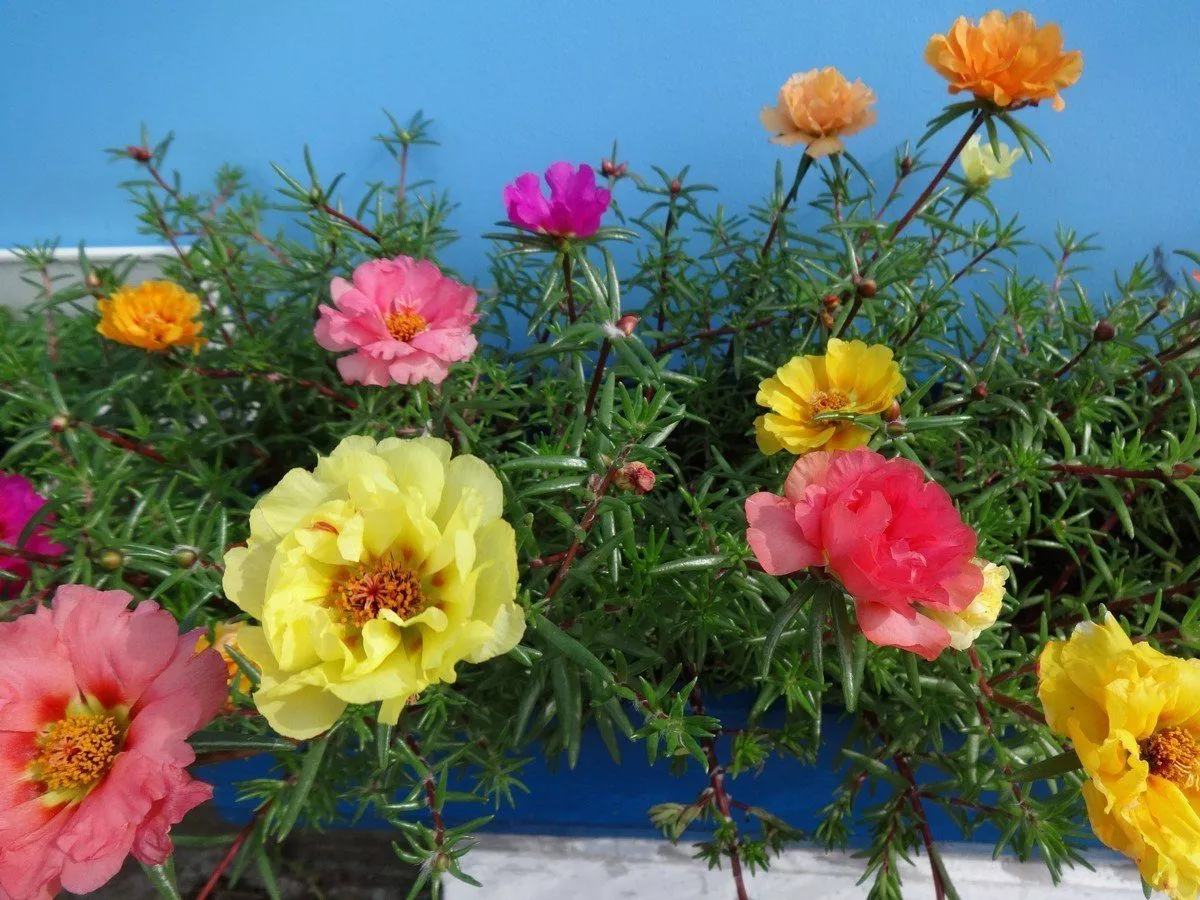
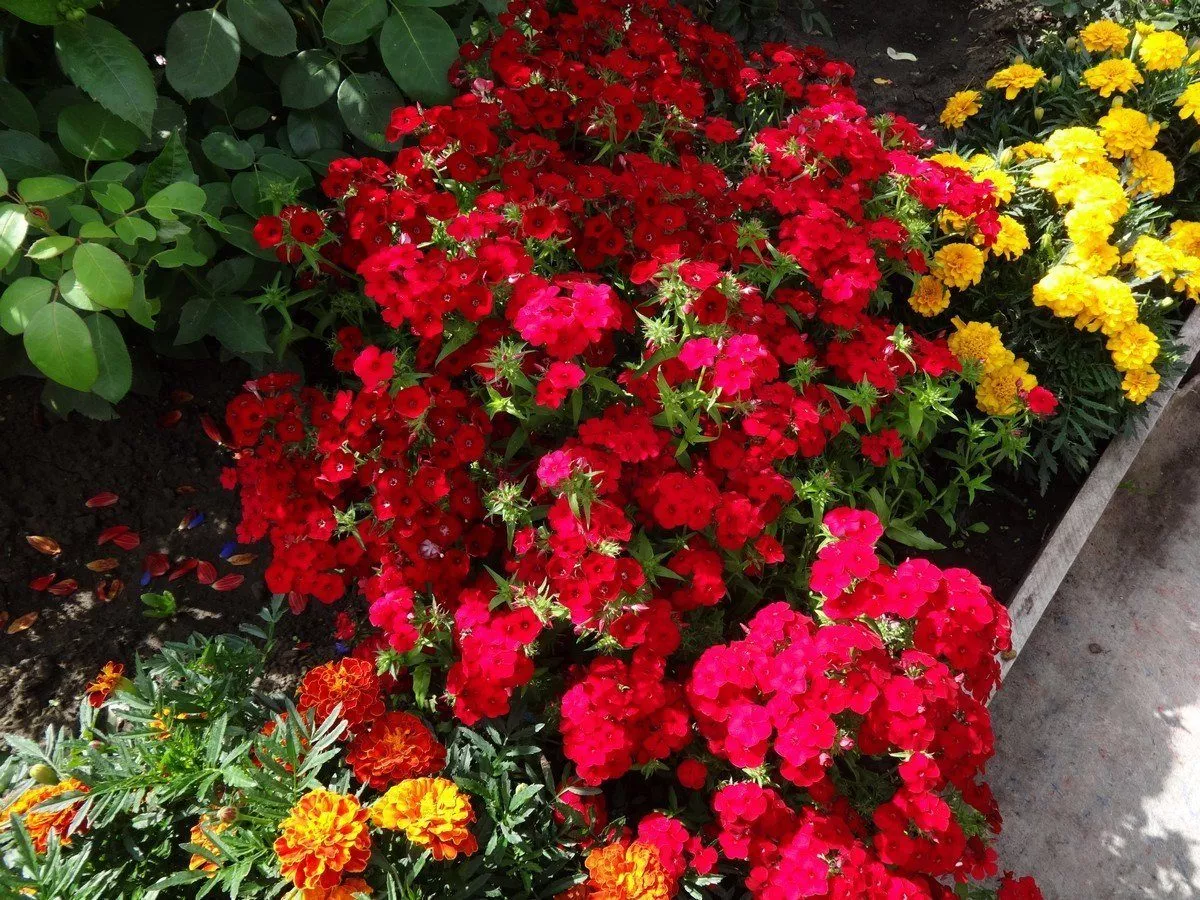
The delicate daisies of small petals, the silky petals of purslane and annual phloxes delight with their beauty,
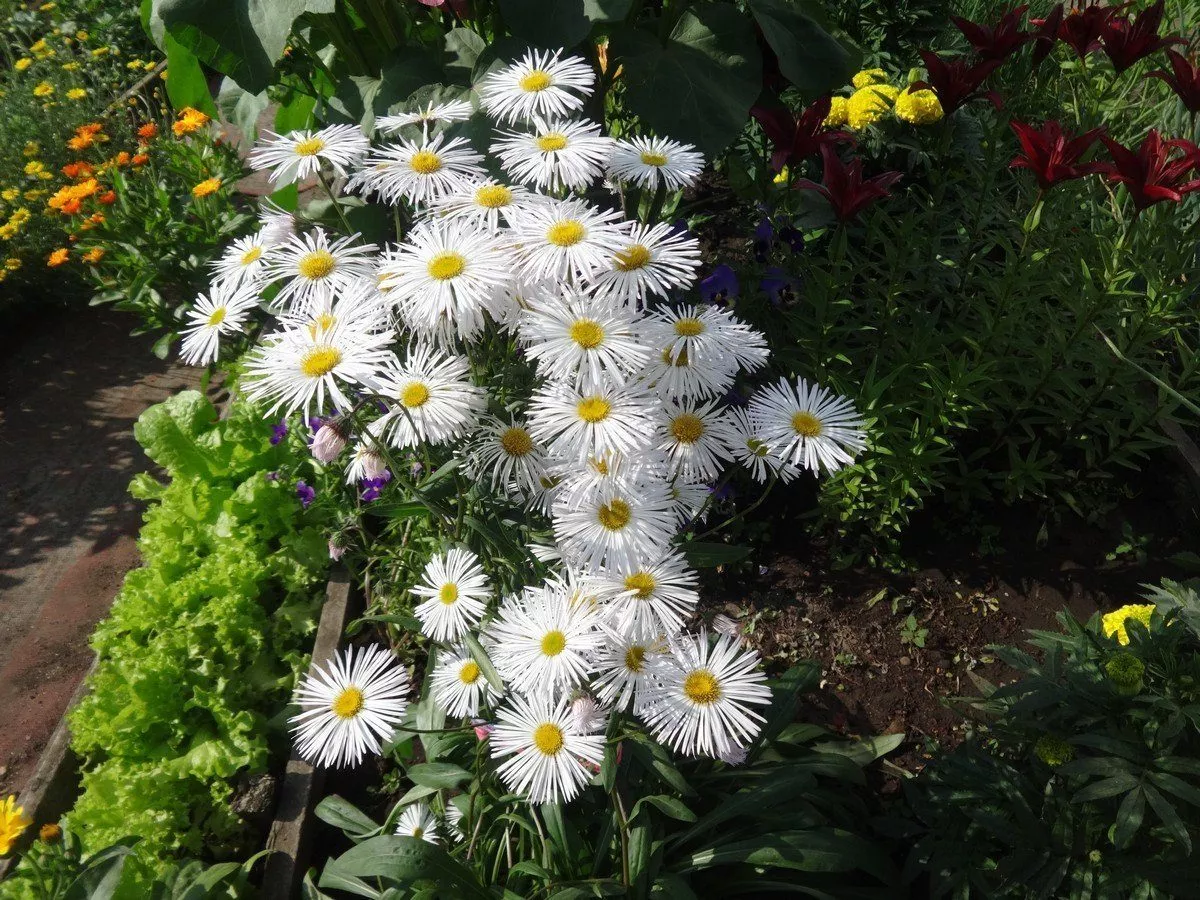
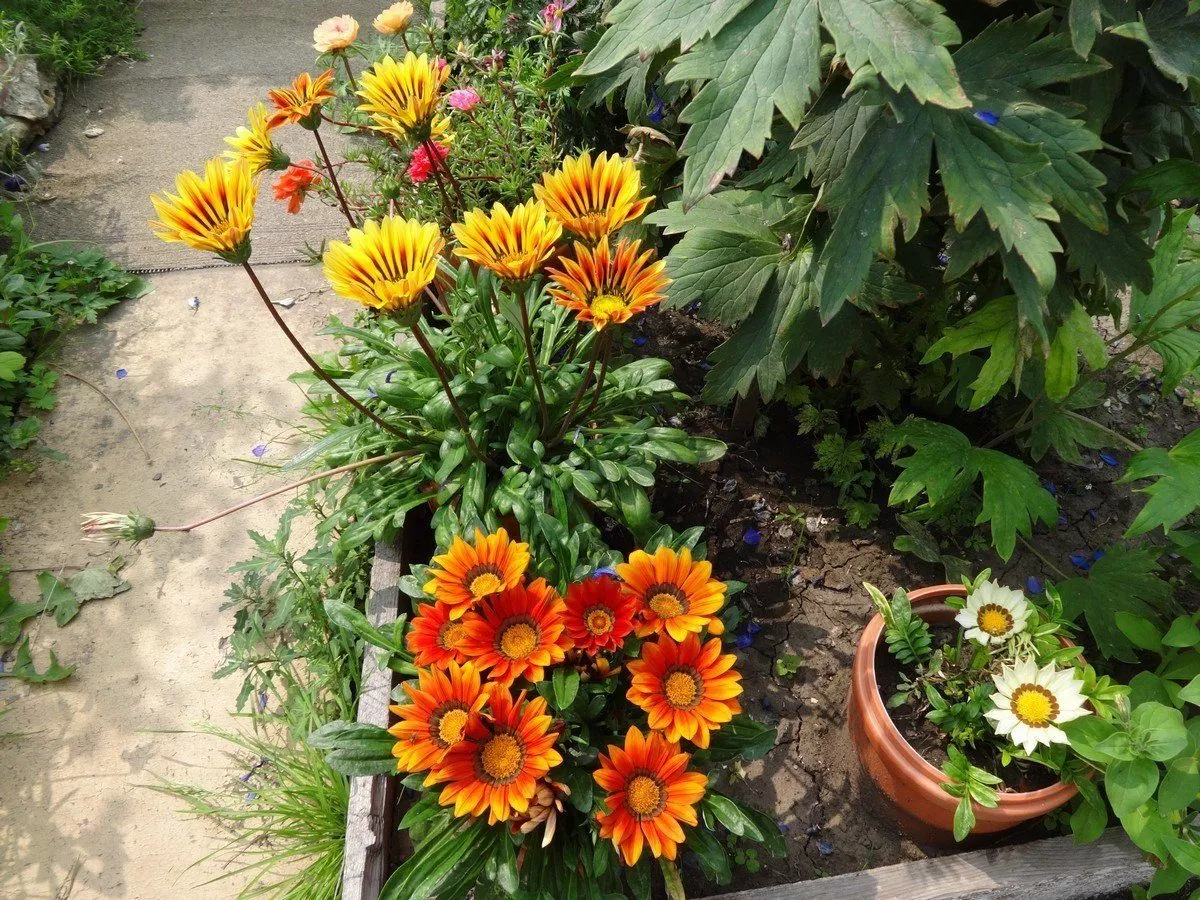
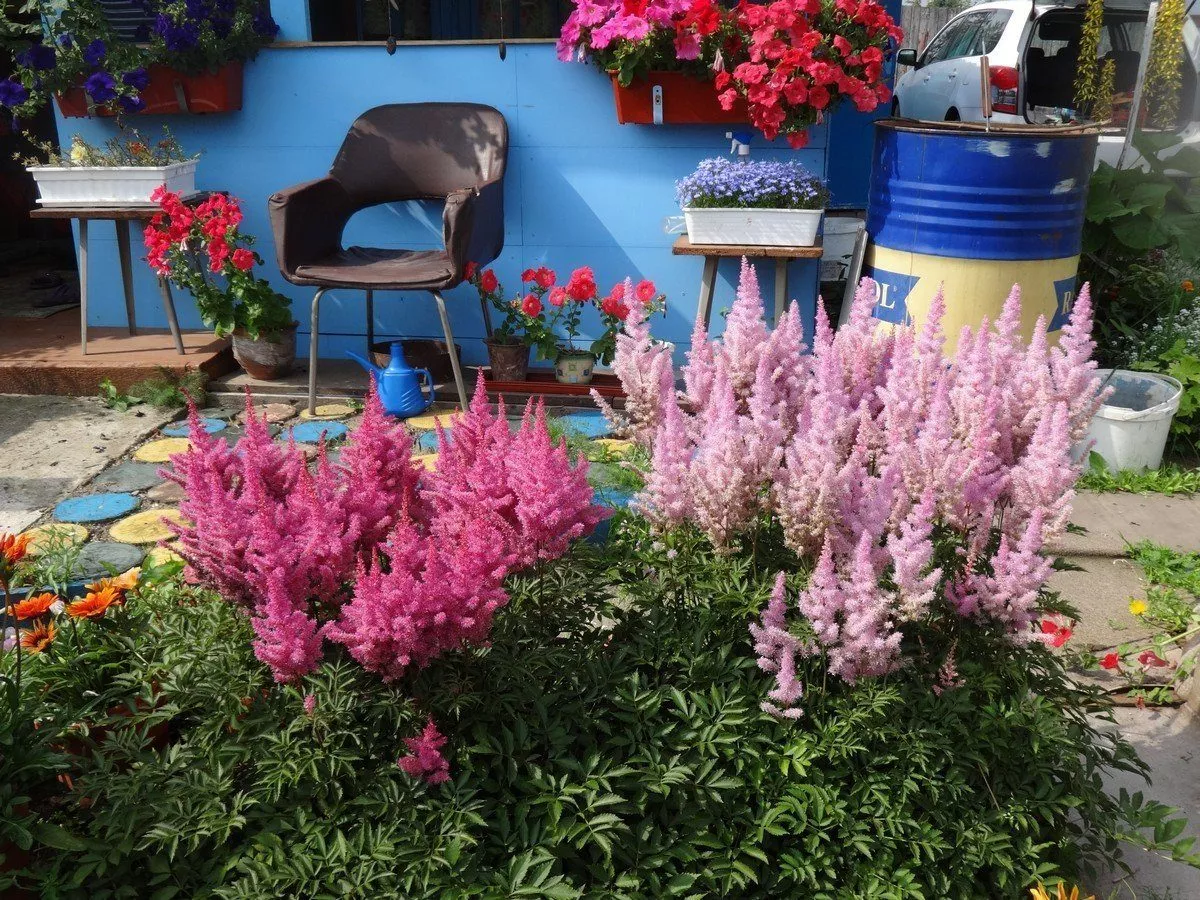
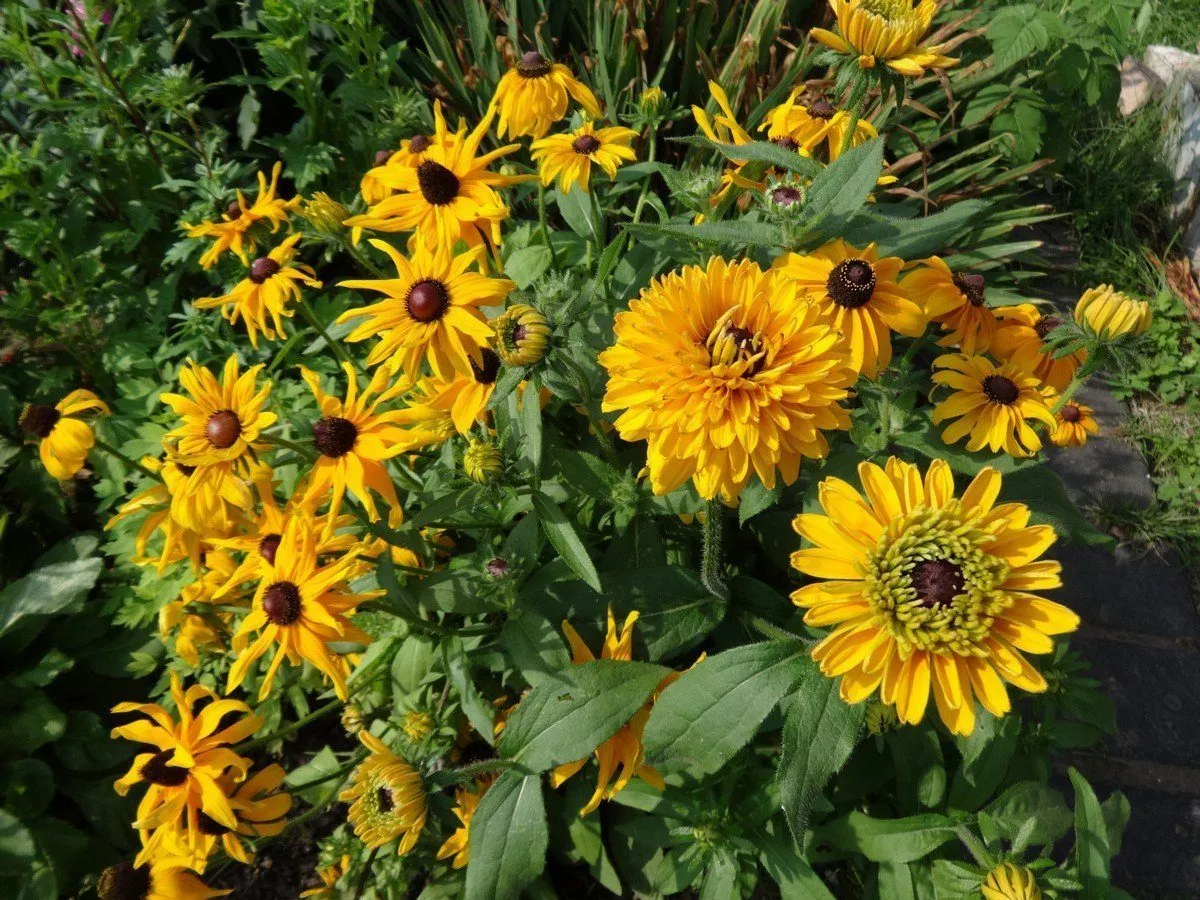
beautiful gazanias, astilbes and my favorite rudbeckias.
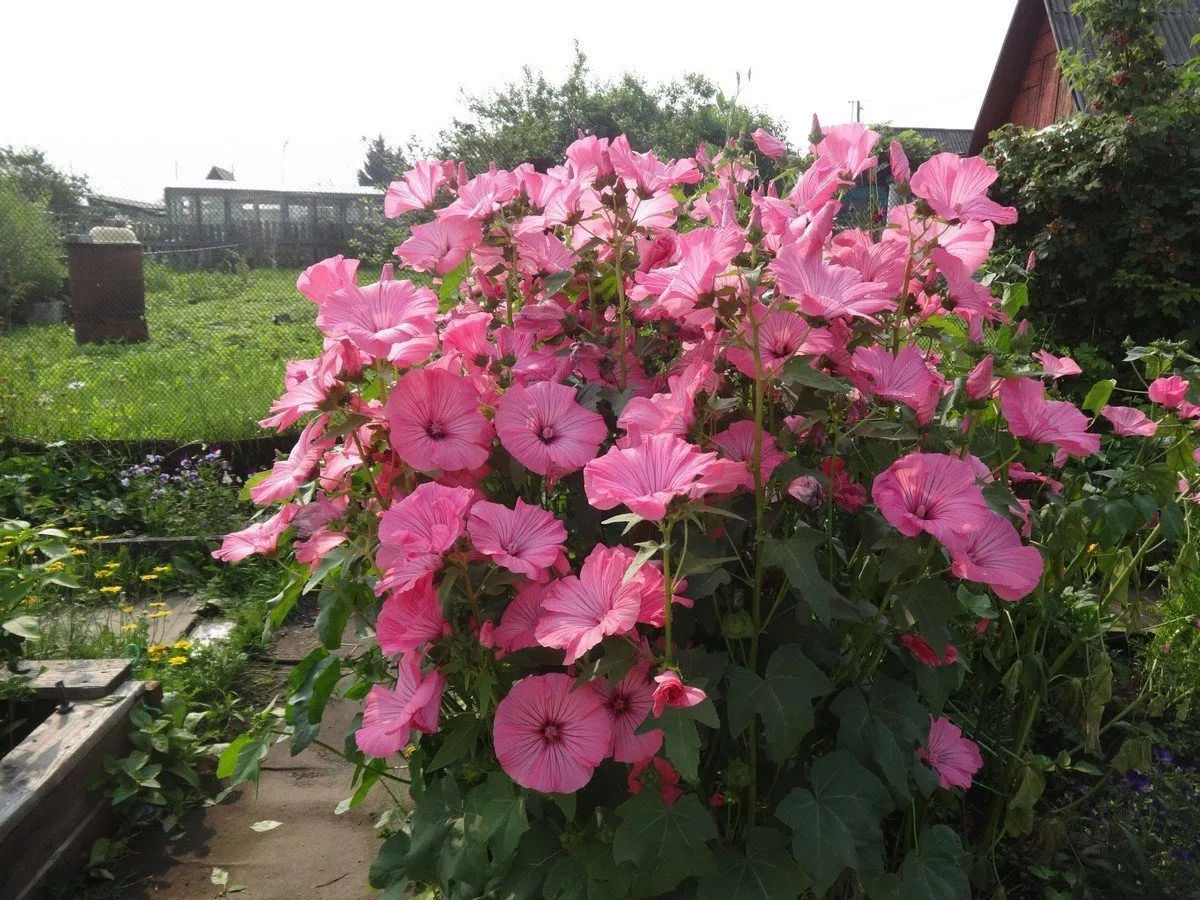
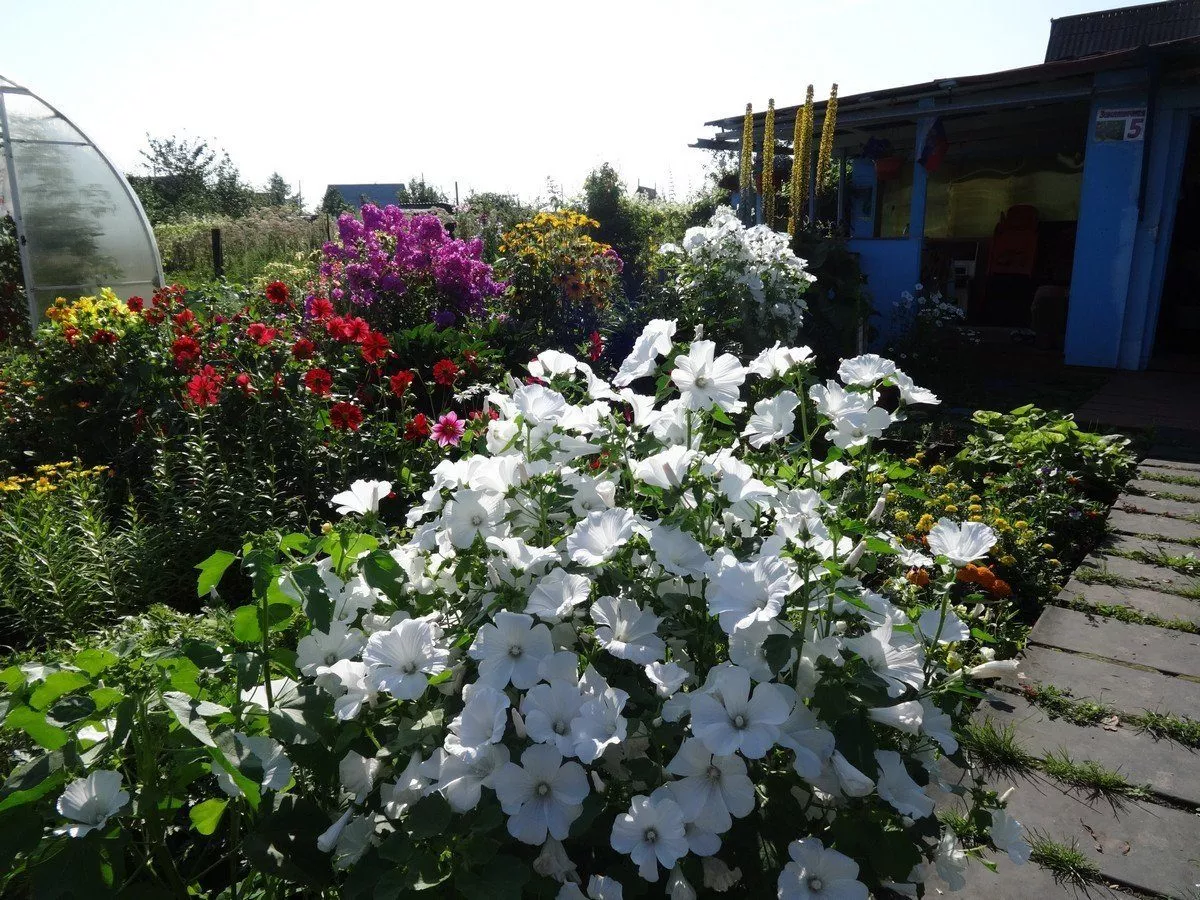
Lavatera is blooming,
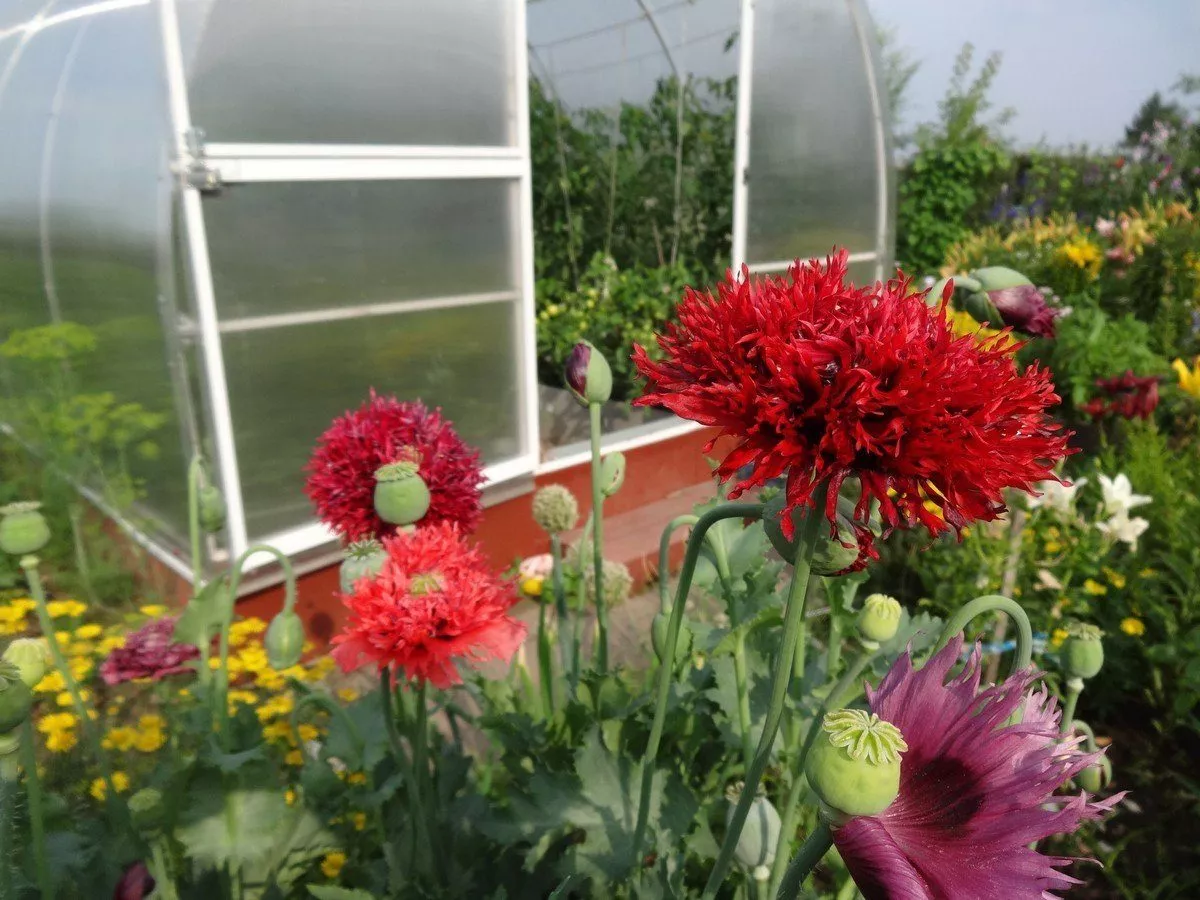
bright annual poppies.
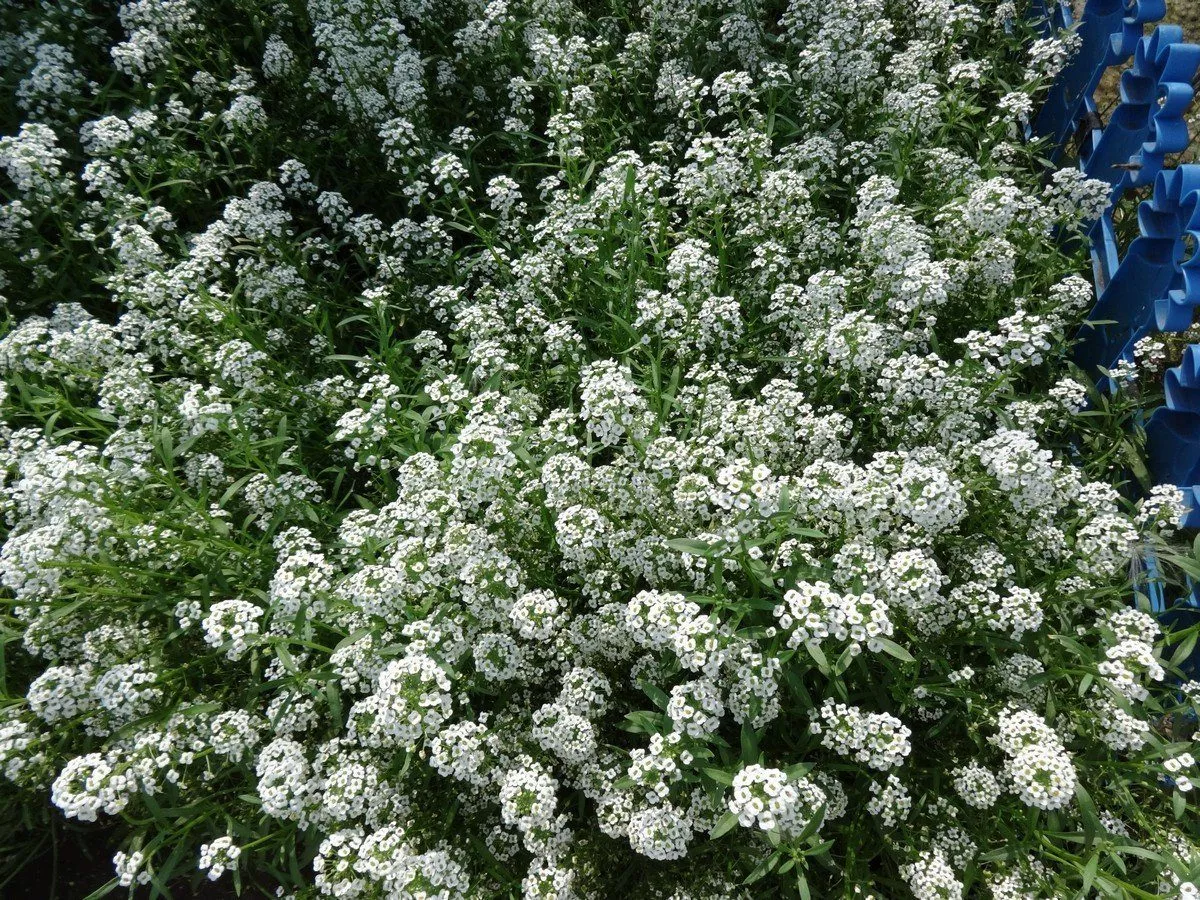
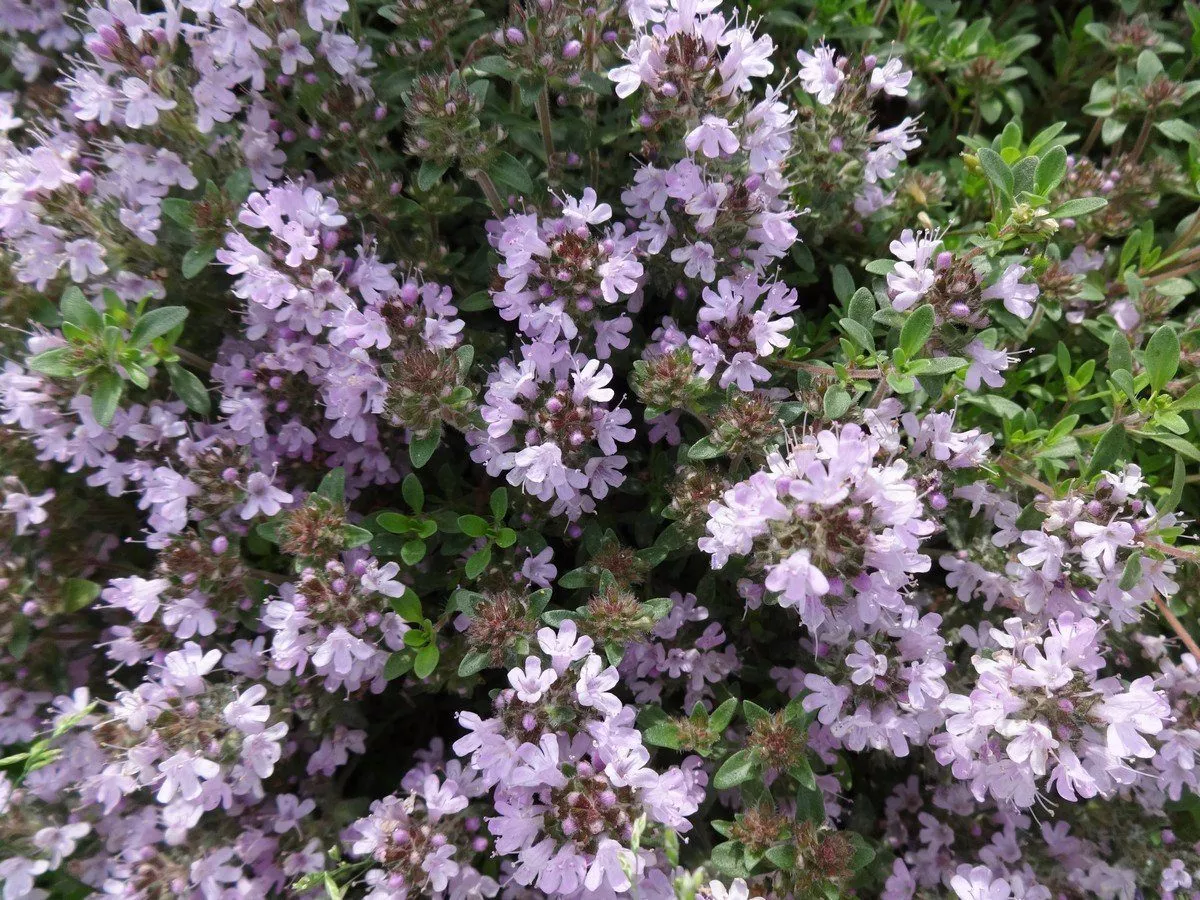
The honey aroma from flowering alyssum and thyme spreads throughout the entire dacha.
August
In August, flower beds are filled with new bright colors.
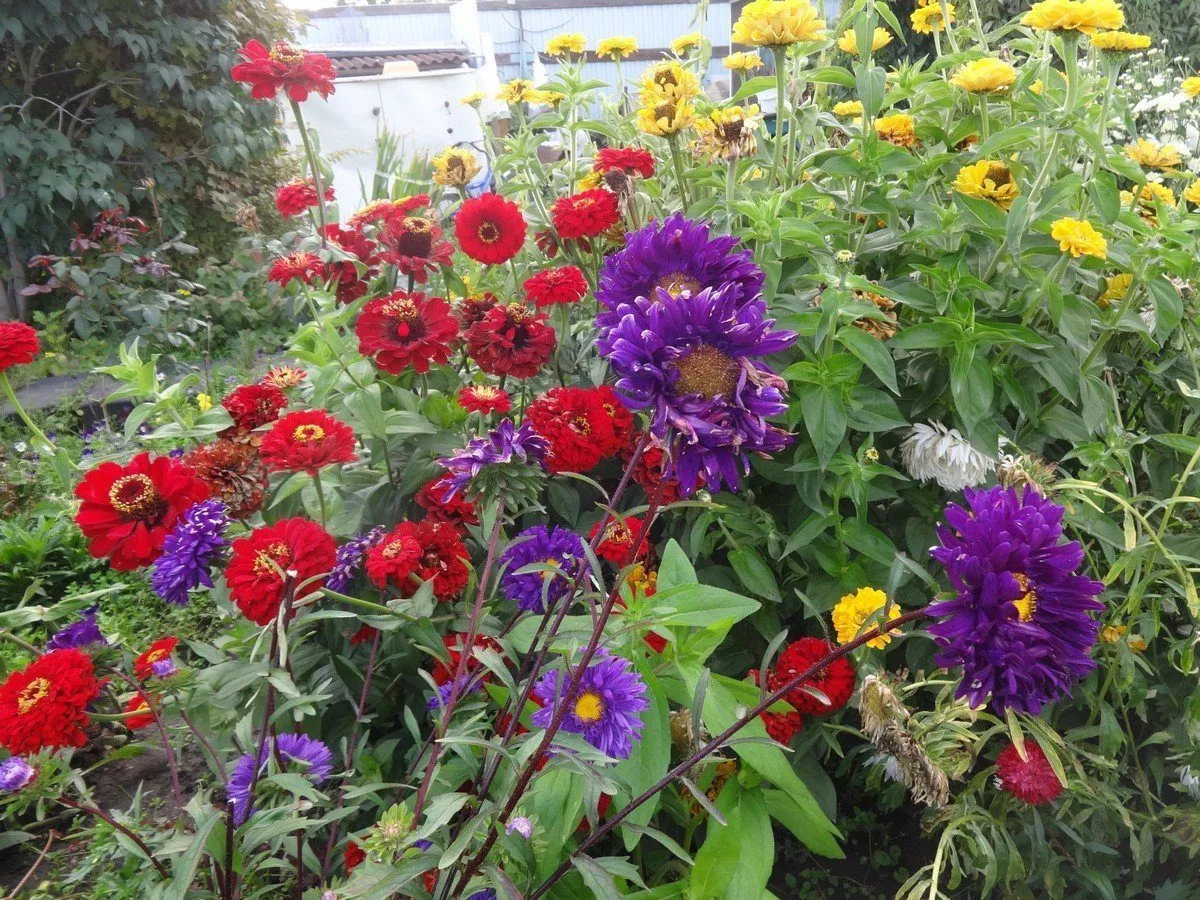
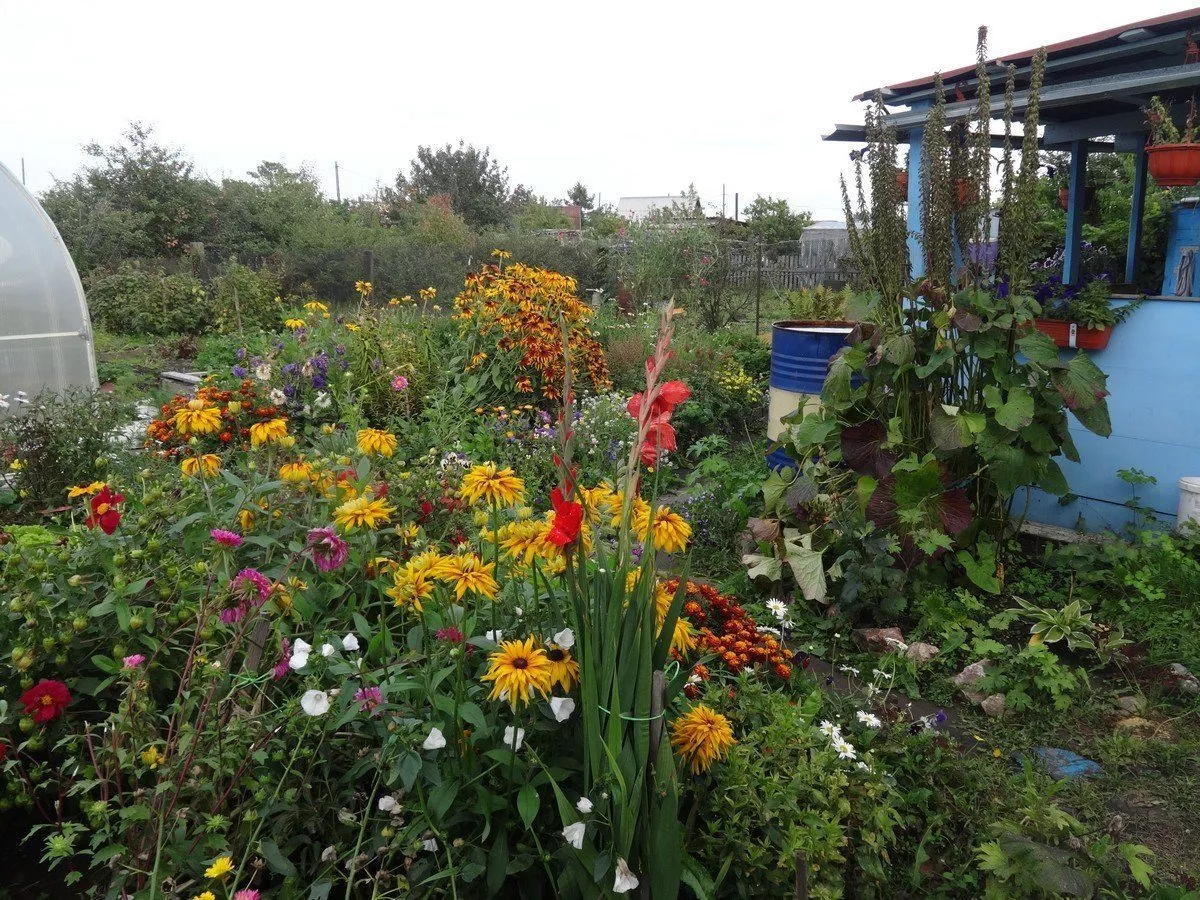
Gladioli, dahlias, zinnias and asters are beginning to bloom.
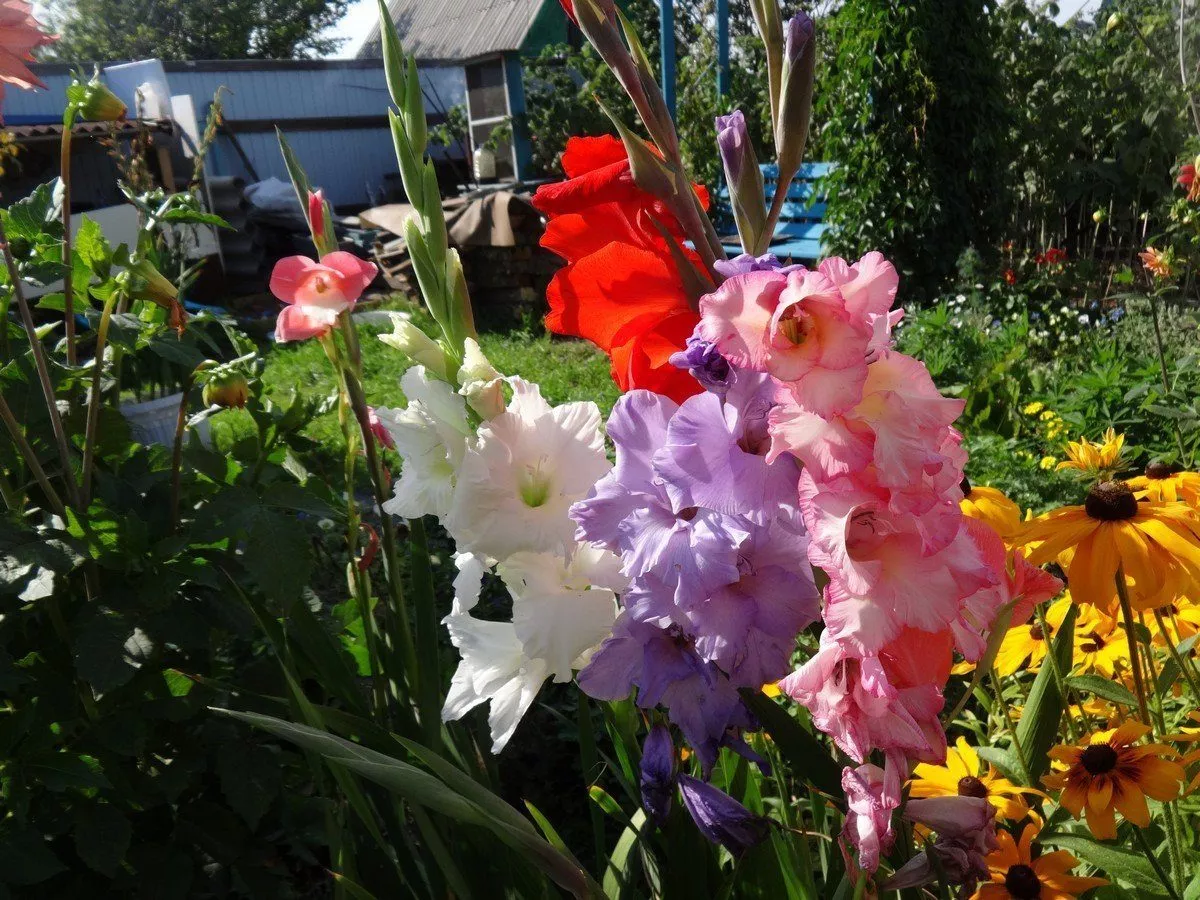
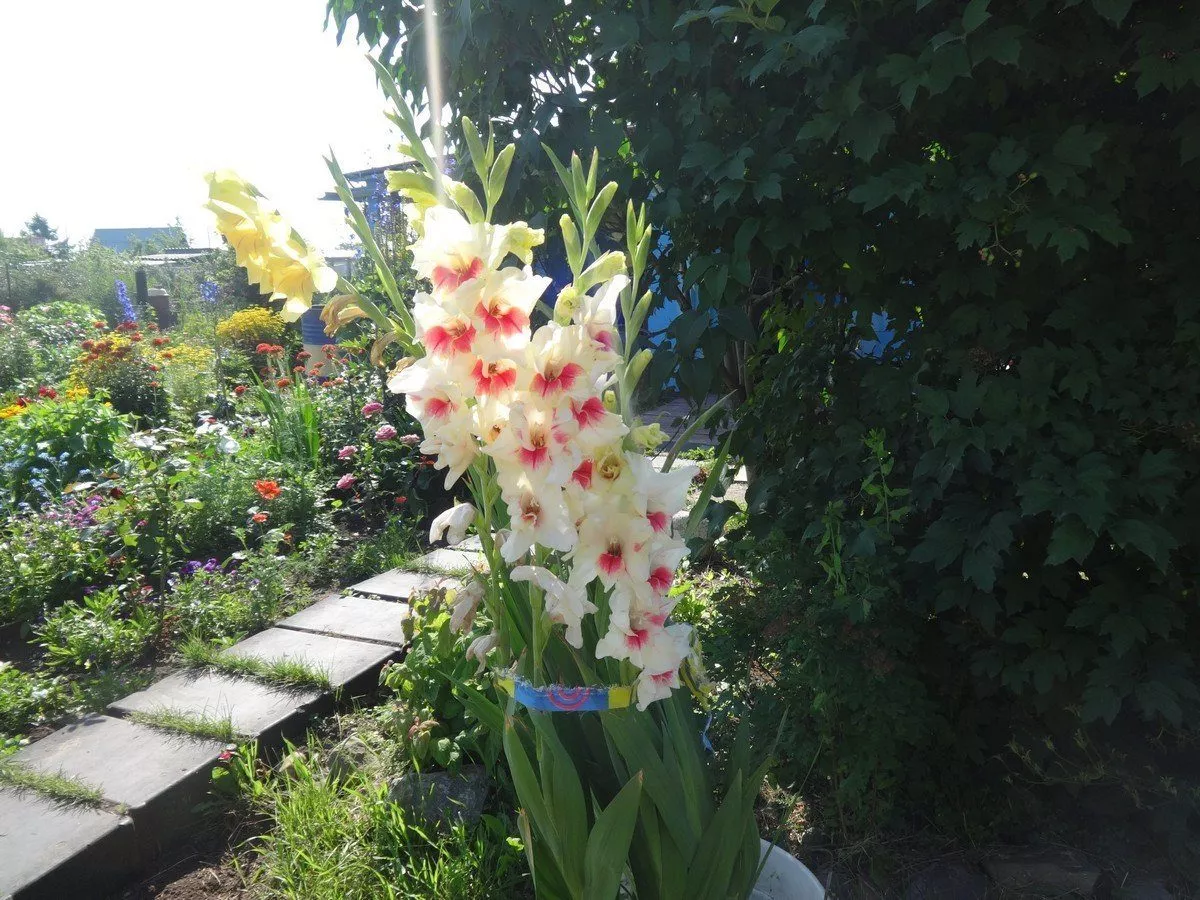
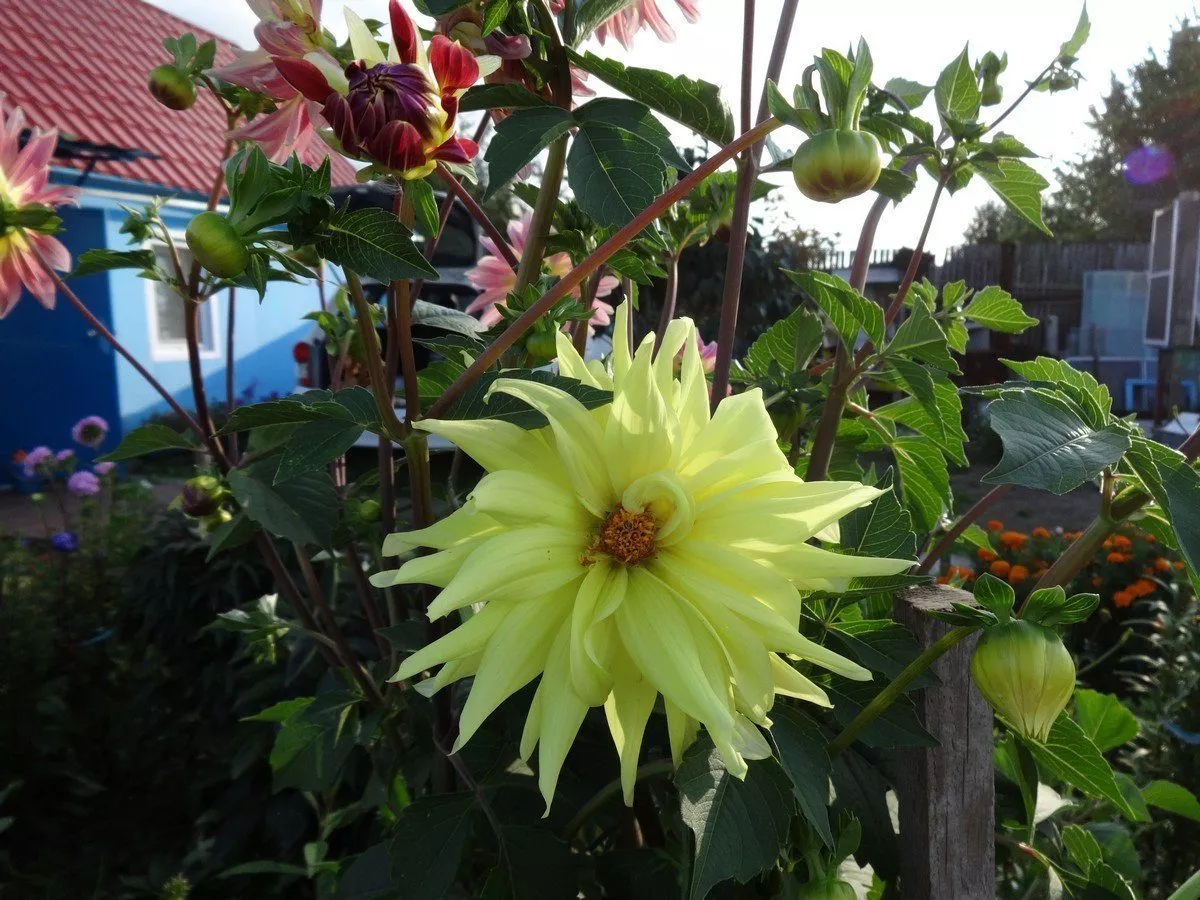
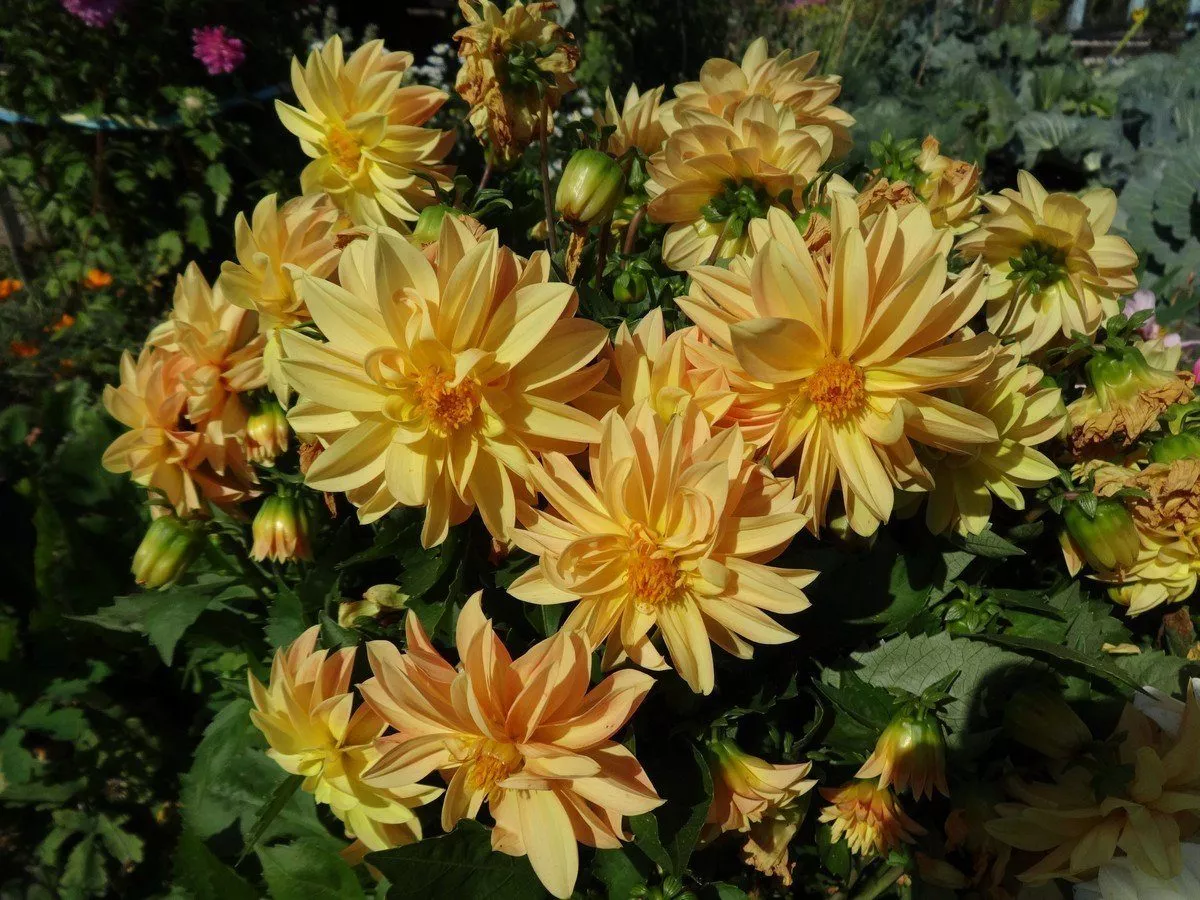
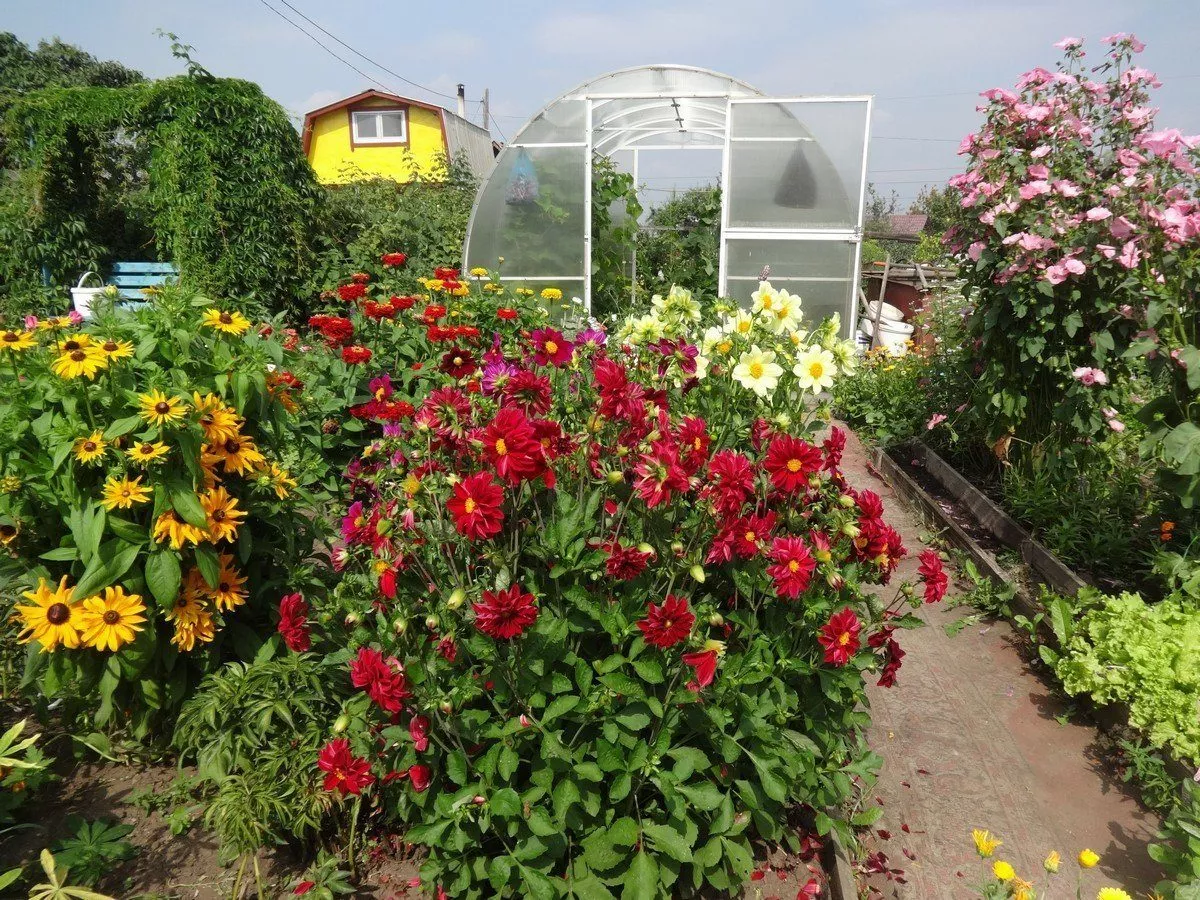
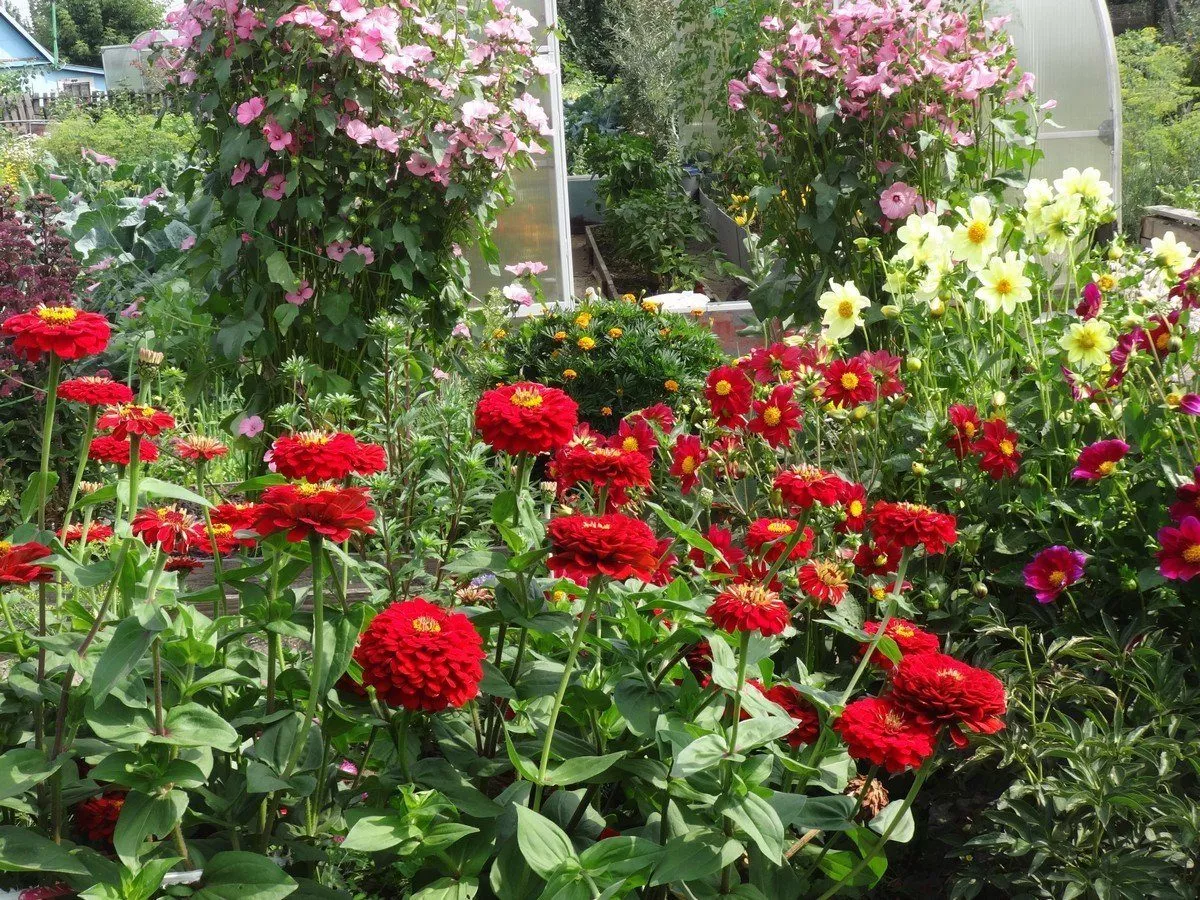
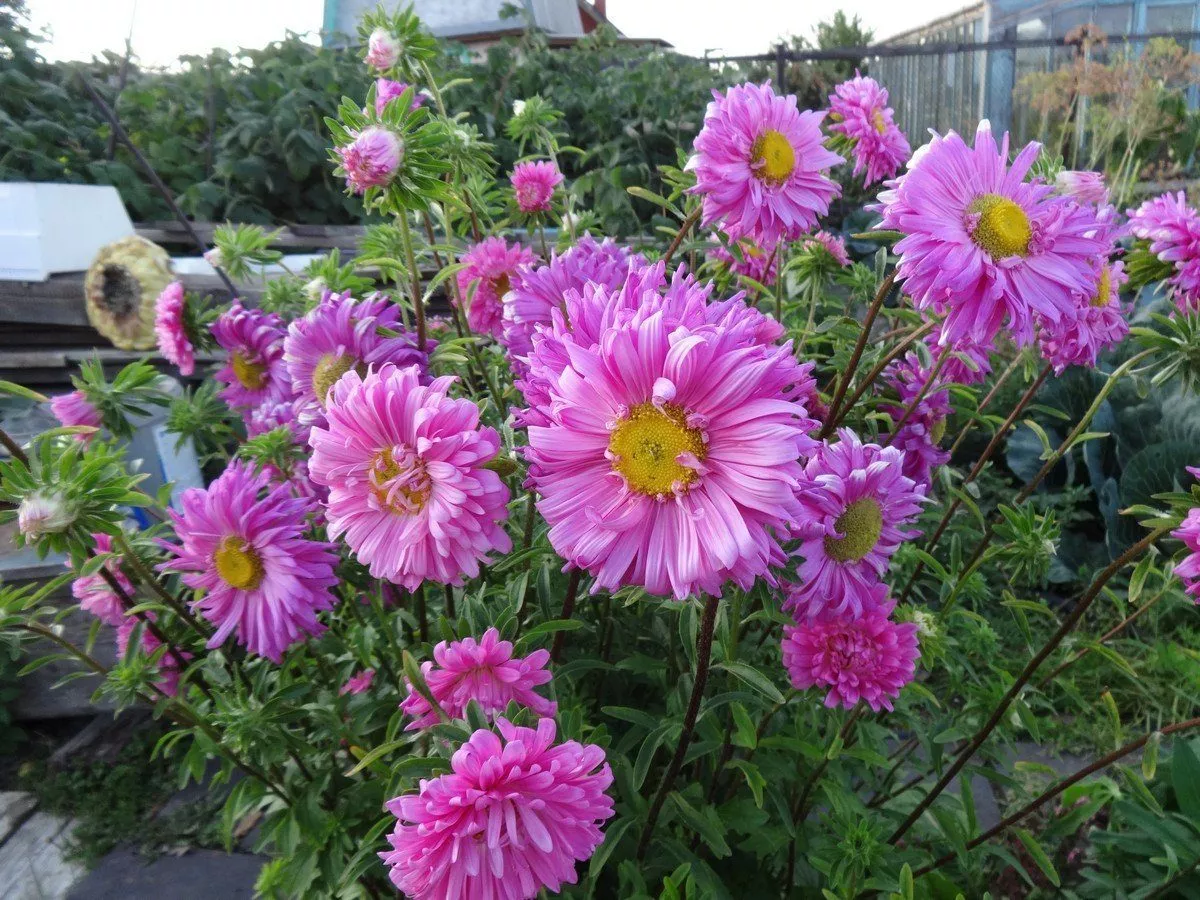
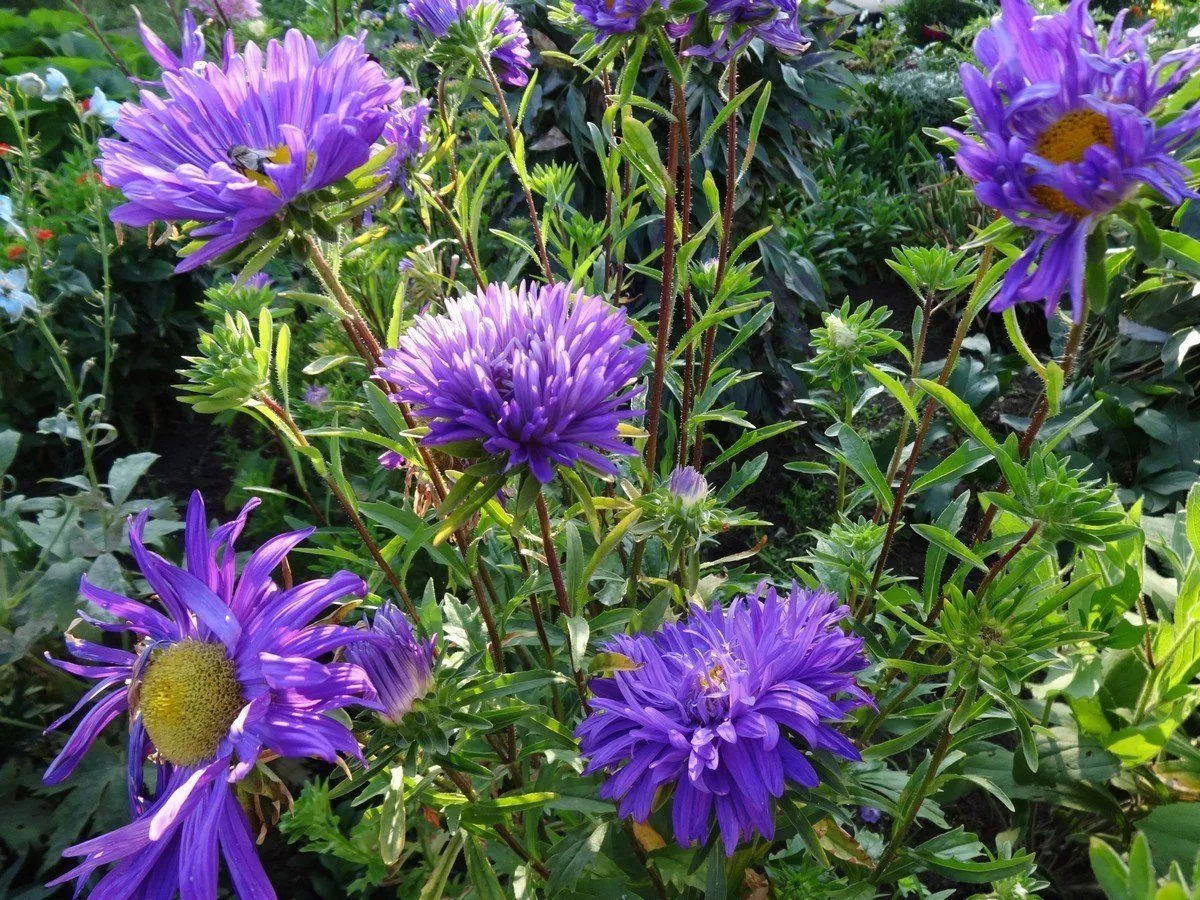
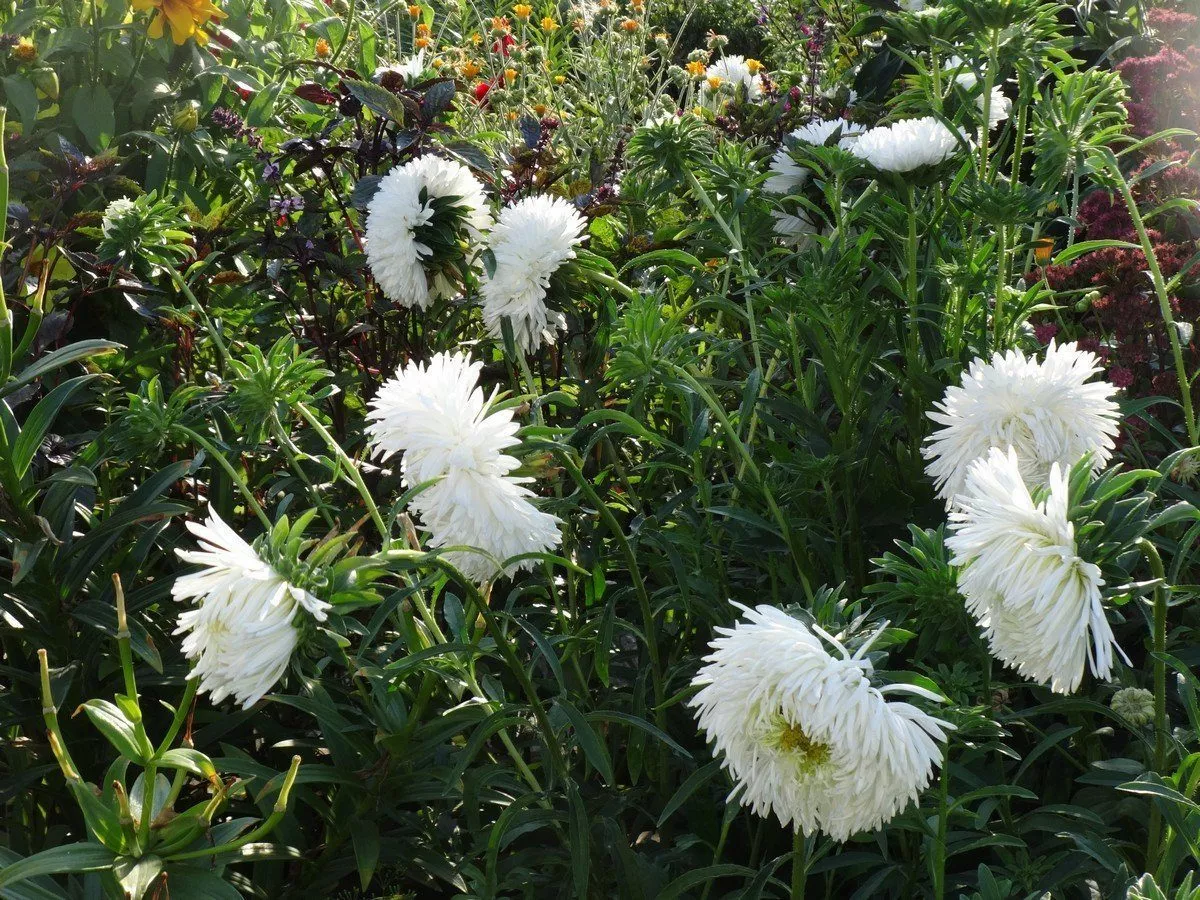
The keeled chrysanthemums are blooming their colorful daisies.
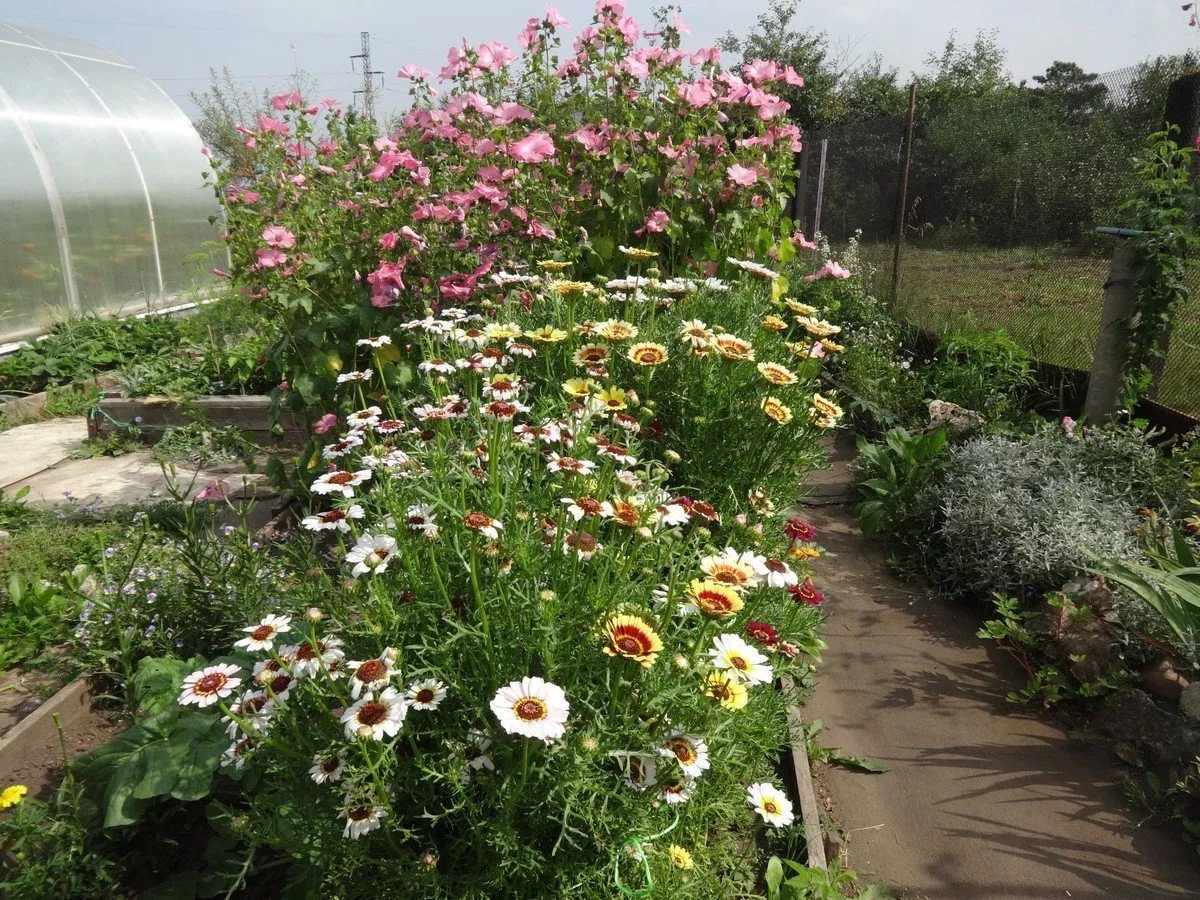
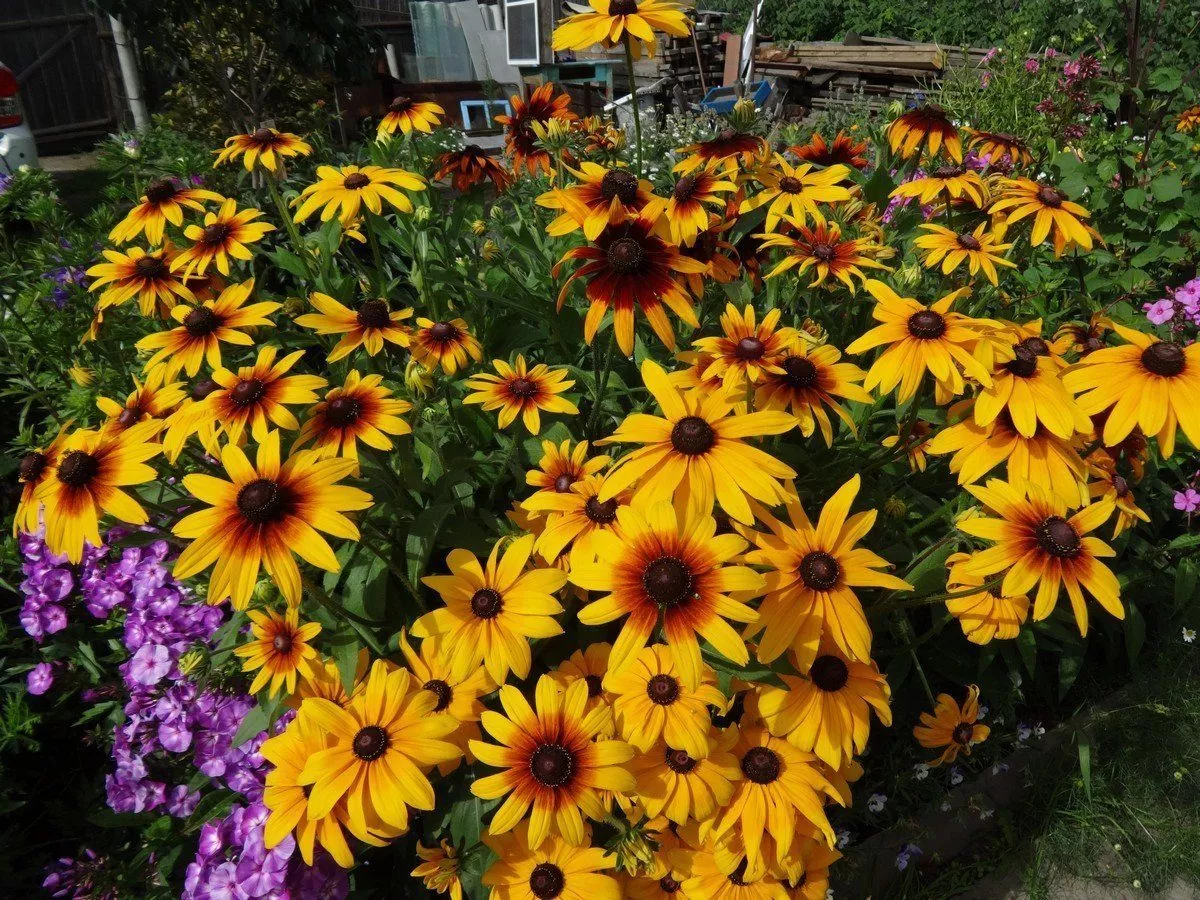
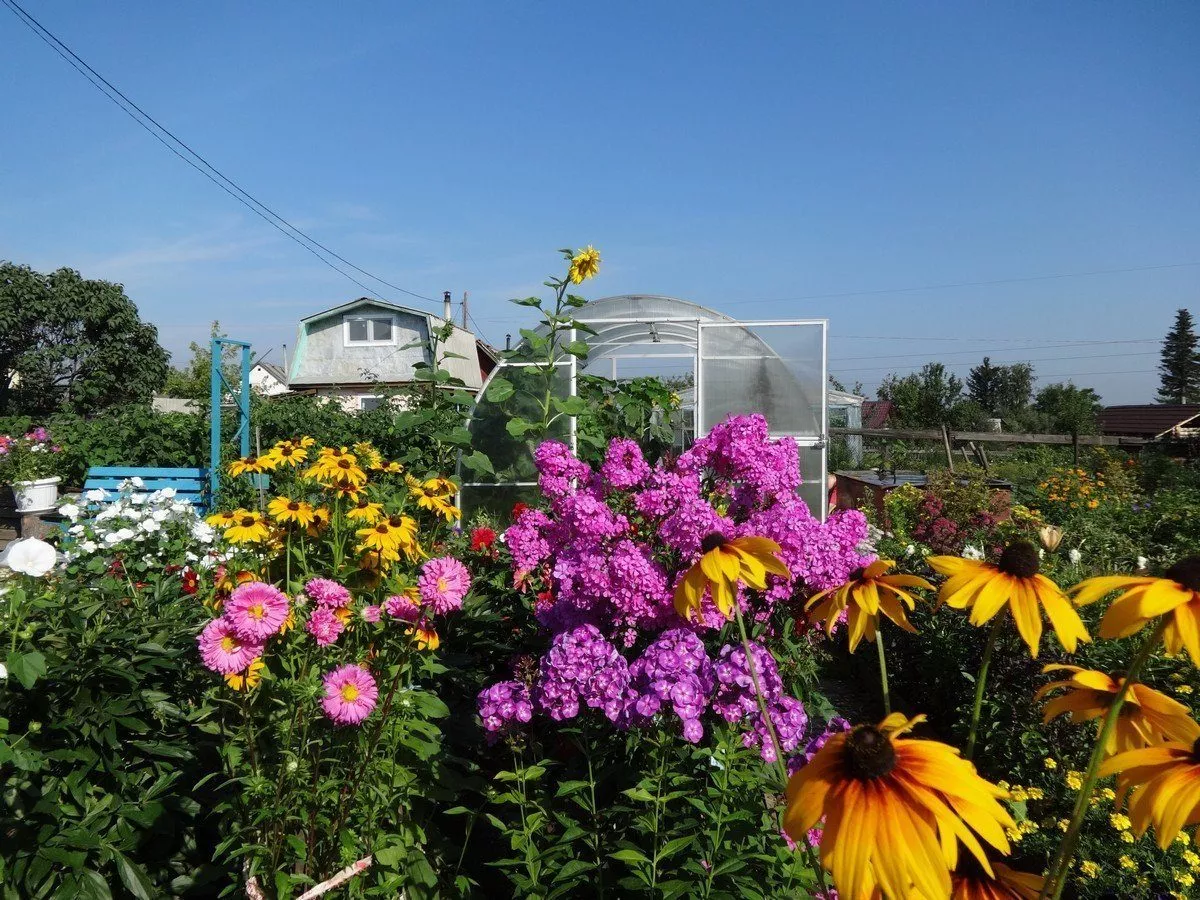
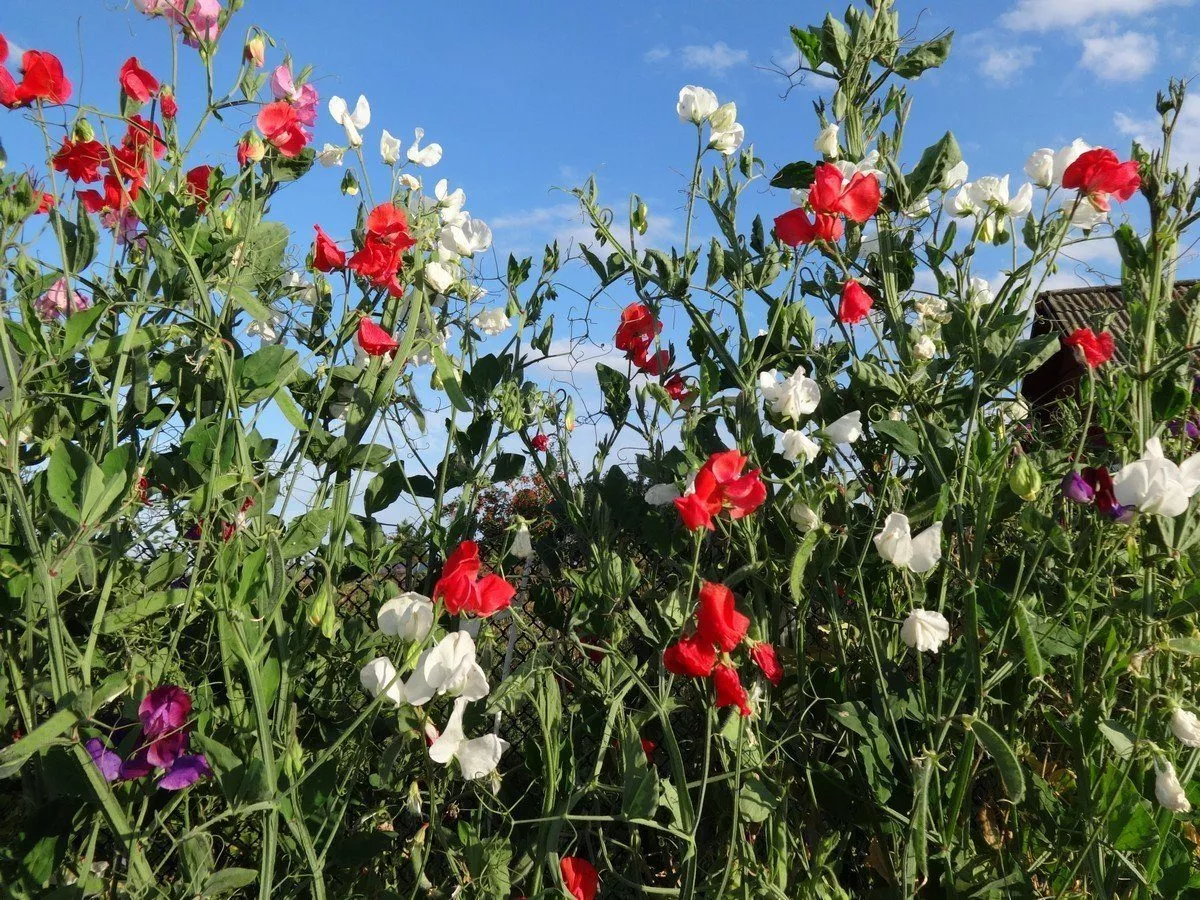
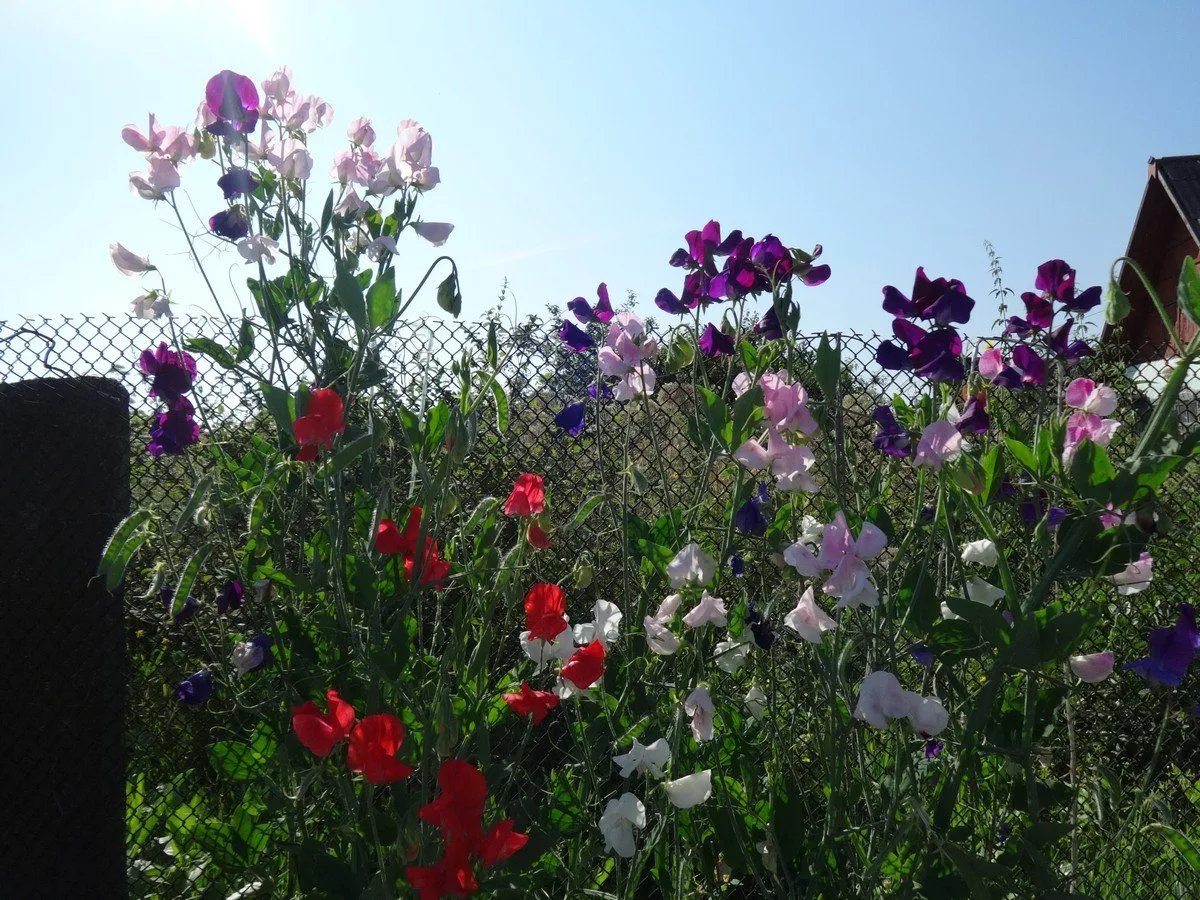
Rudbeckia, lavatera, phlox, and sweet pea are in full bloom. Their vibrant, multicolored butterfly-like flowers take flight.
September and October
At the beginning of September, the flower beds still sparkle with bright colors, but gradually they fade, bloom, and wither.
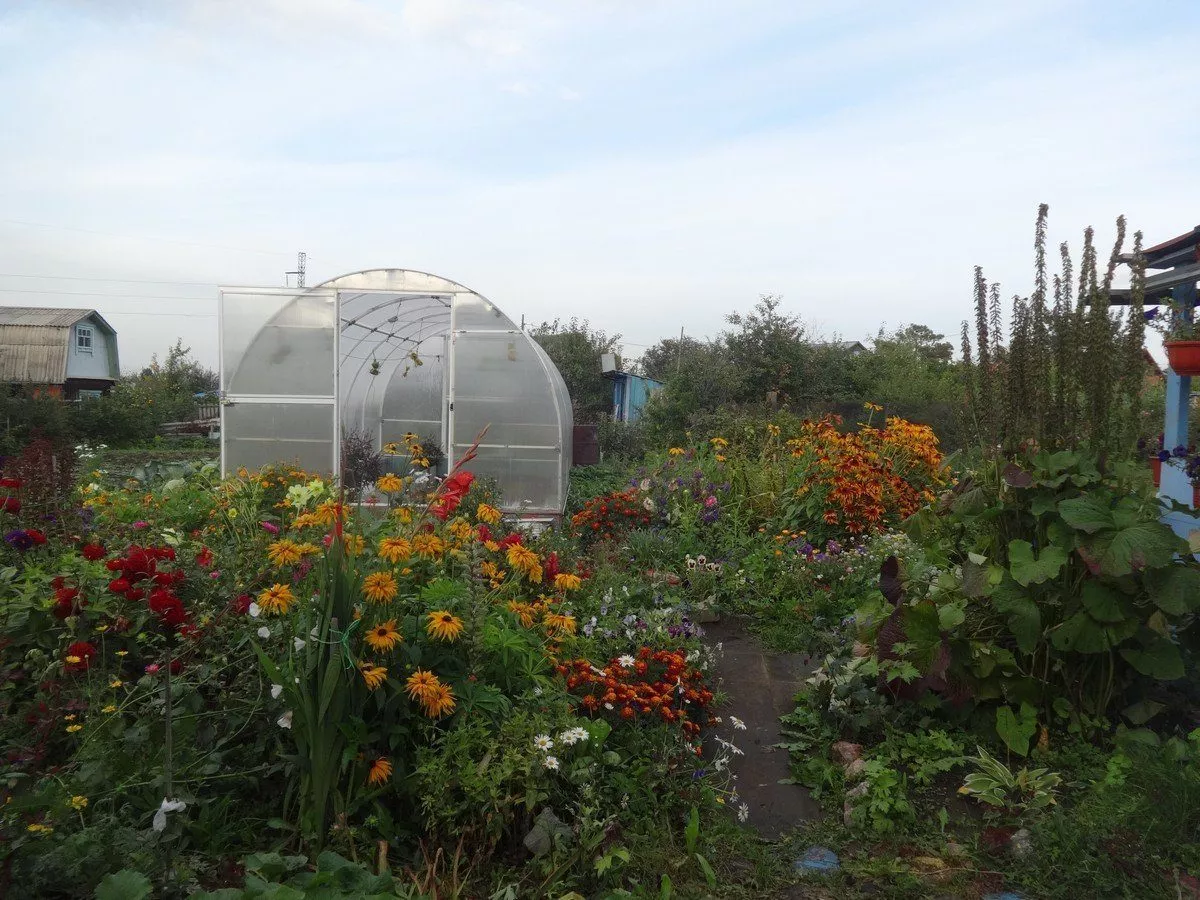
Frequent autumn rains wash away the color, delicate petals suffer from the night cold, and the bushes fall apart from moisture and wind.
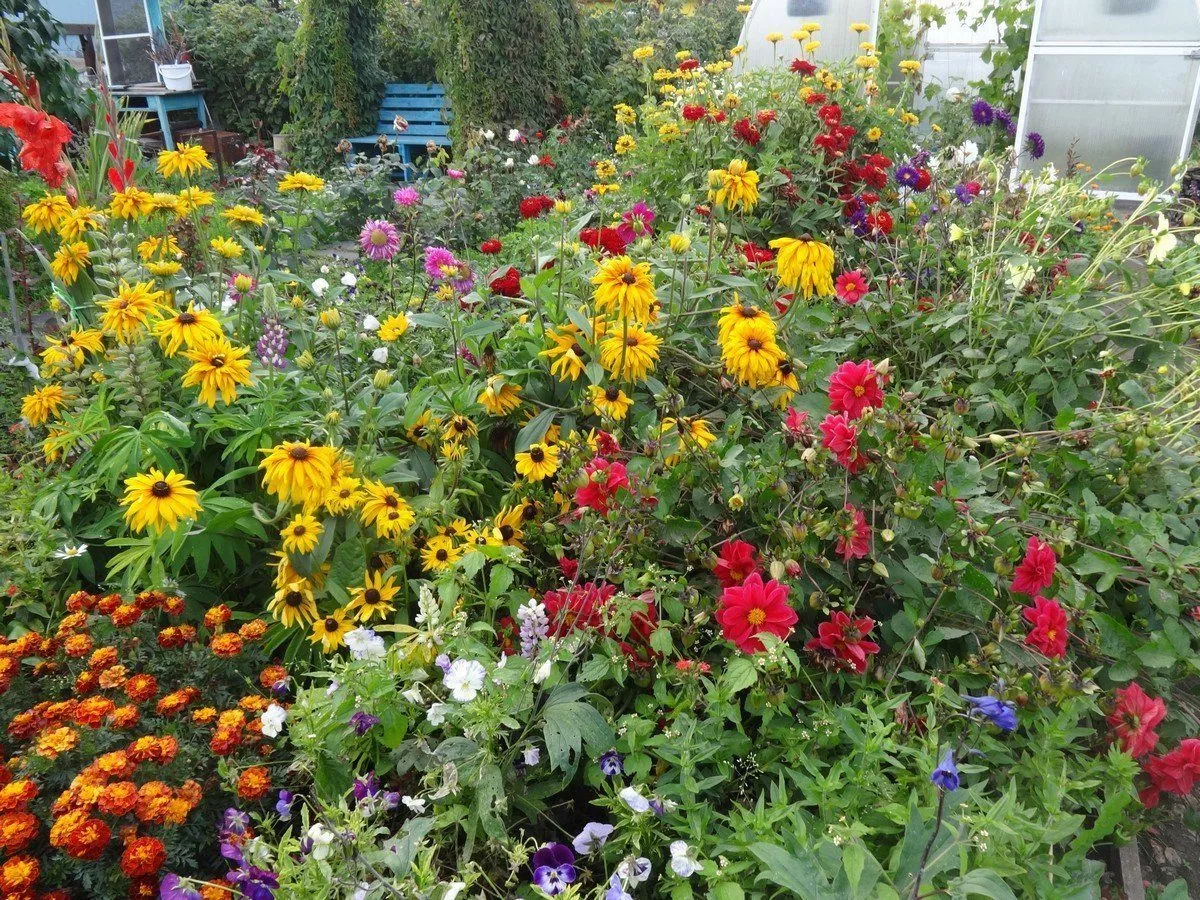
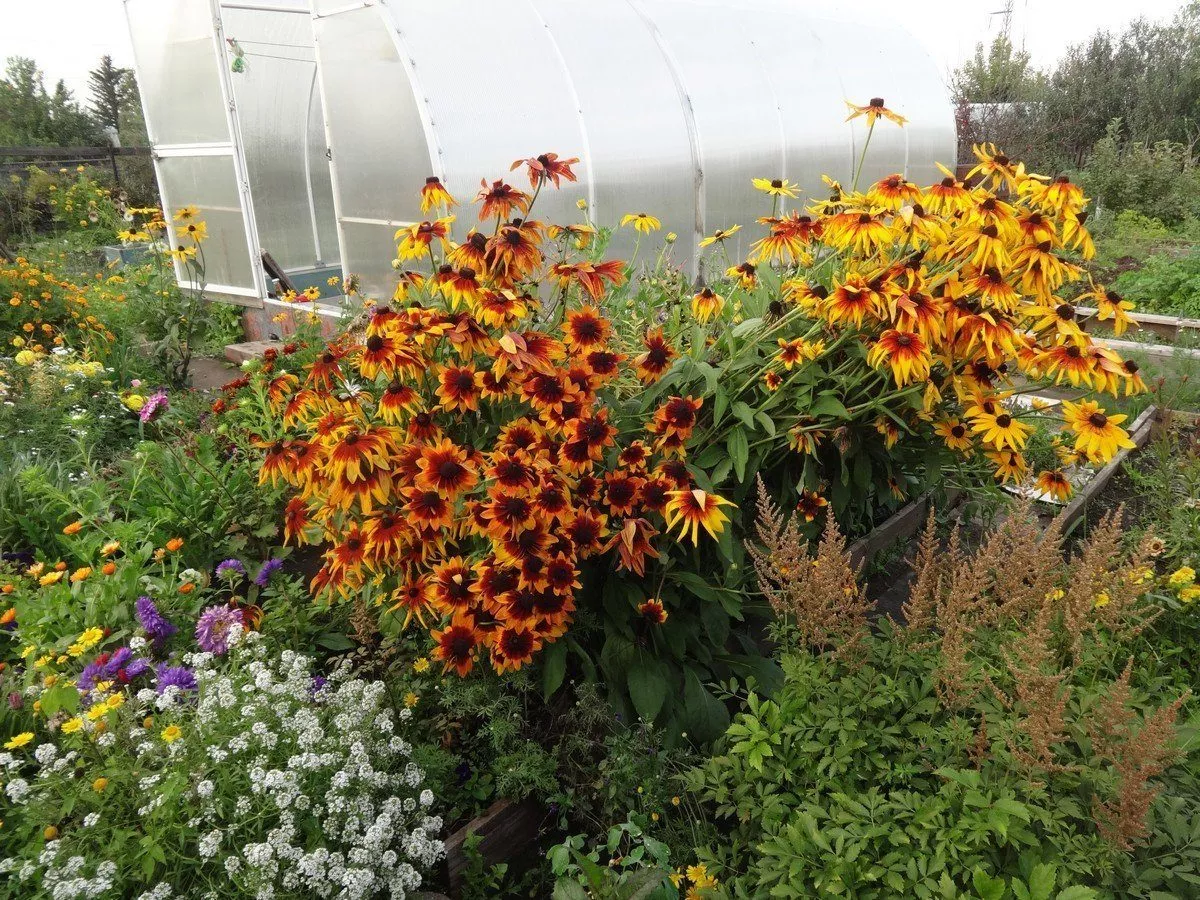
Rudbeckias, like little suns, brighten up cloudy days.
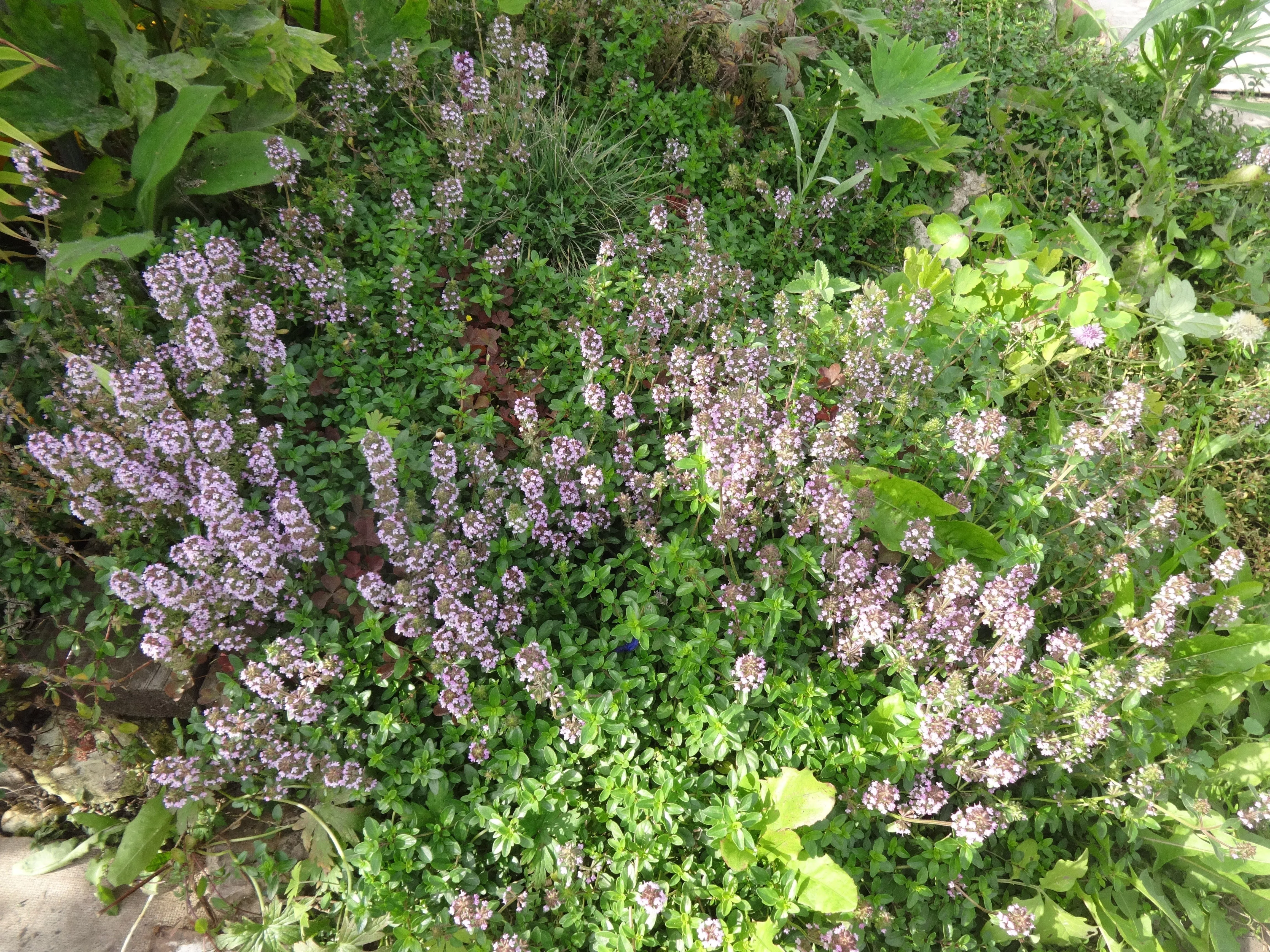
The small-petaled flowers are blooming again and the thyme is in bloom.
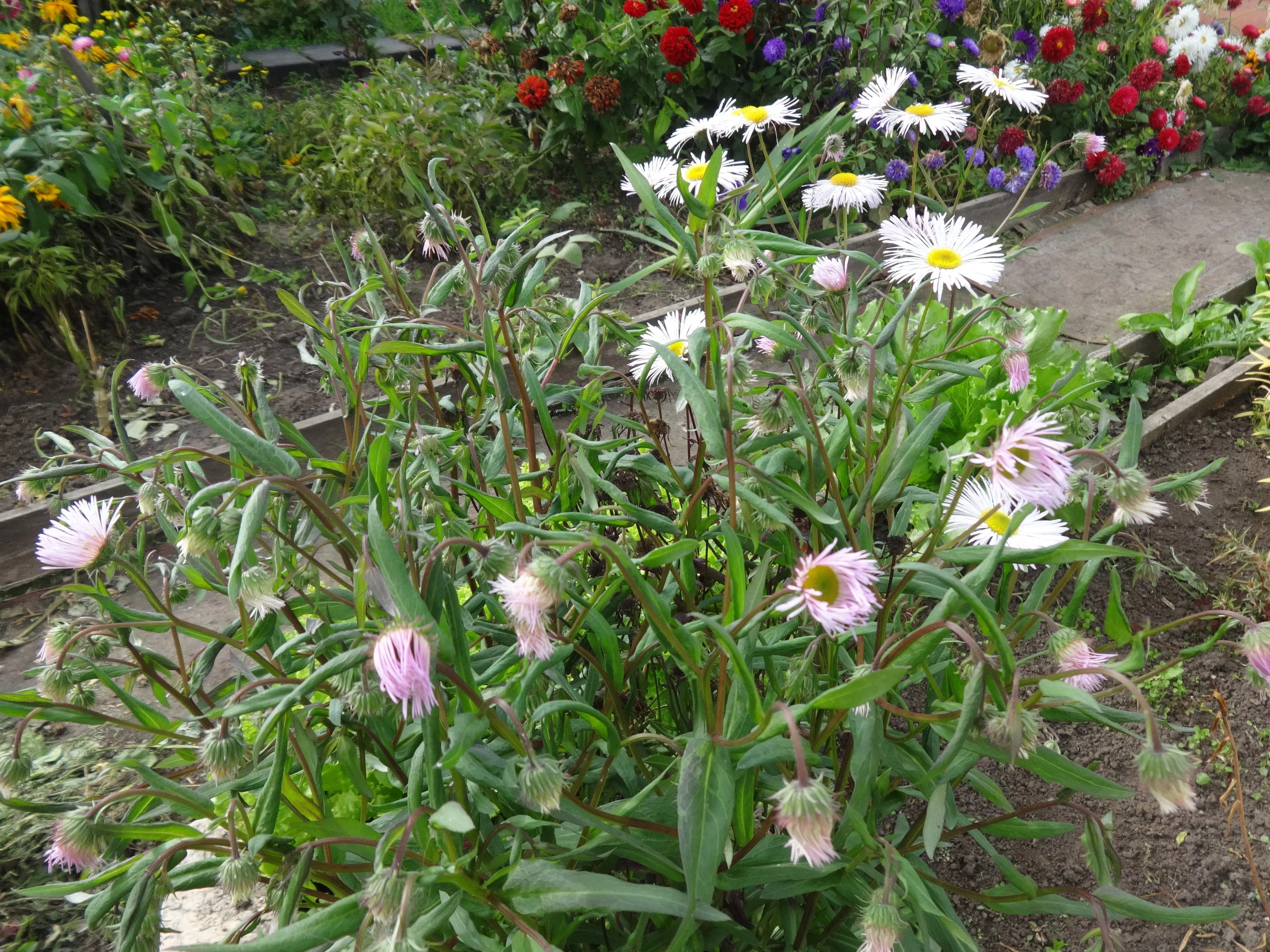
The chrysanthemum is blooming.
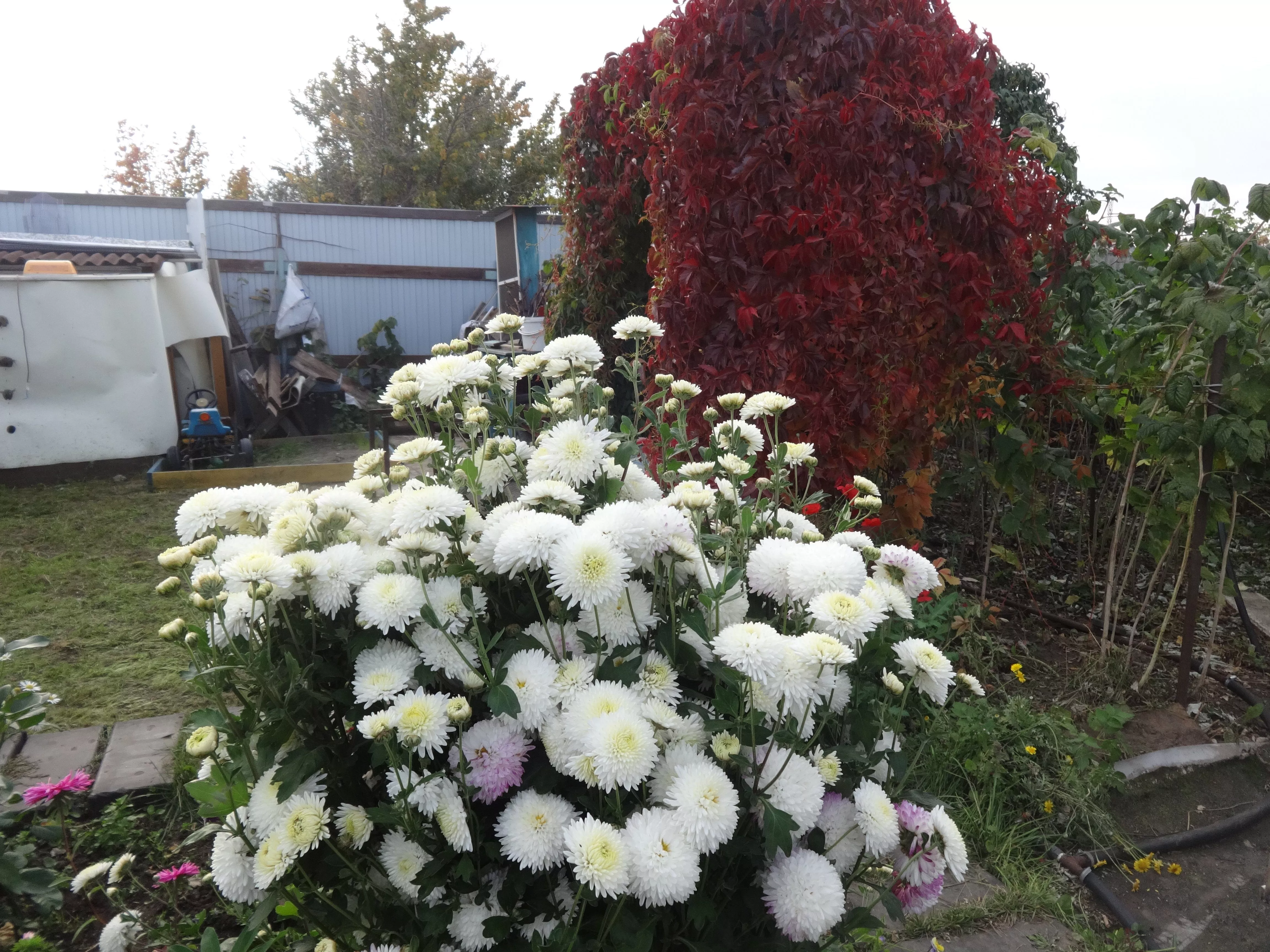
The October flowers begin to bloom and continue to blossom until the first frost.
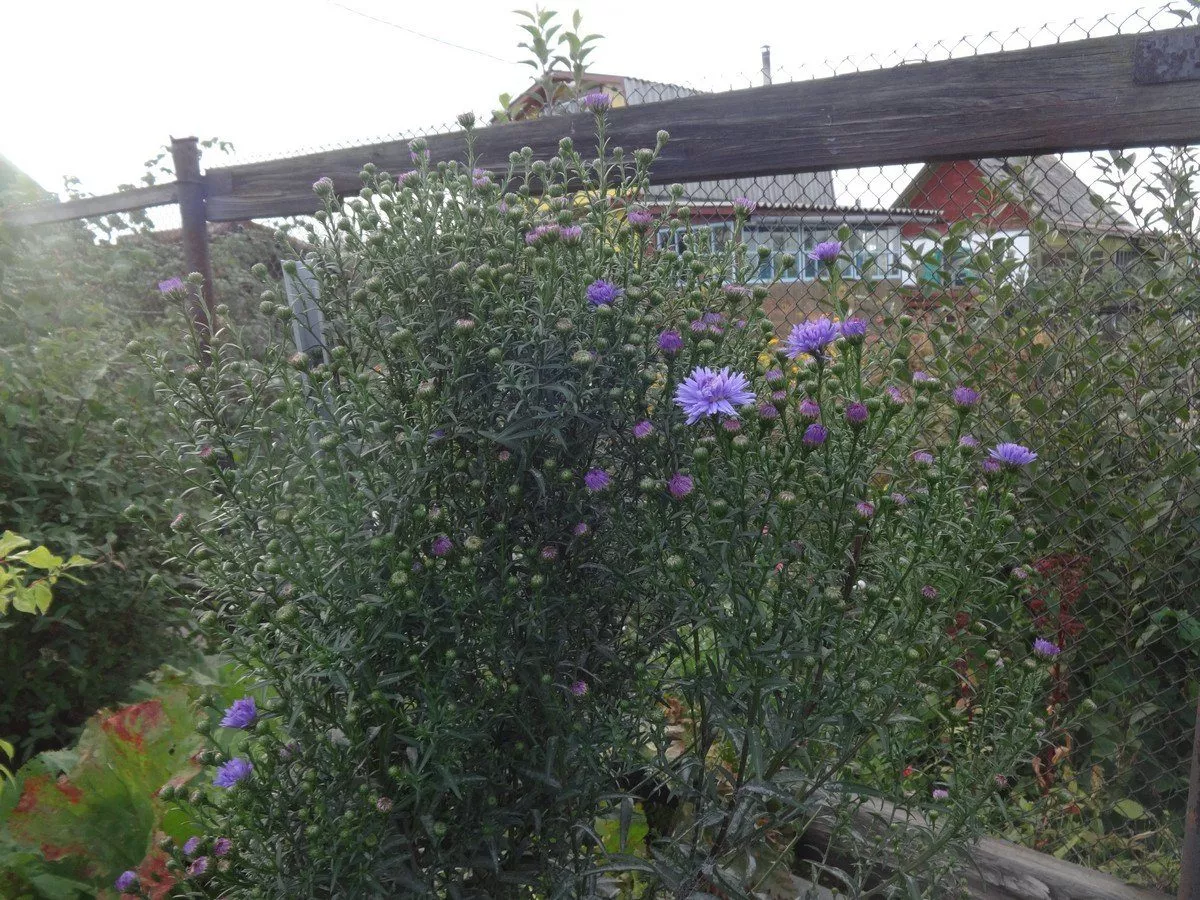
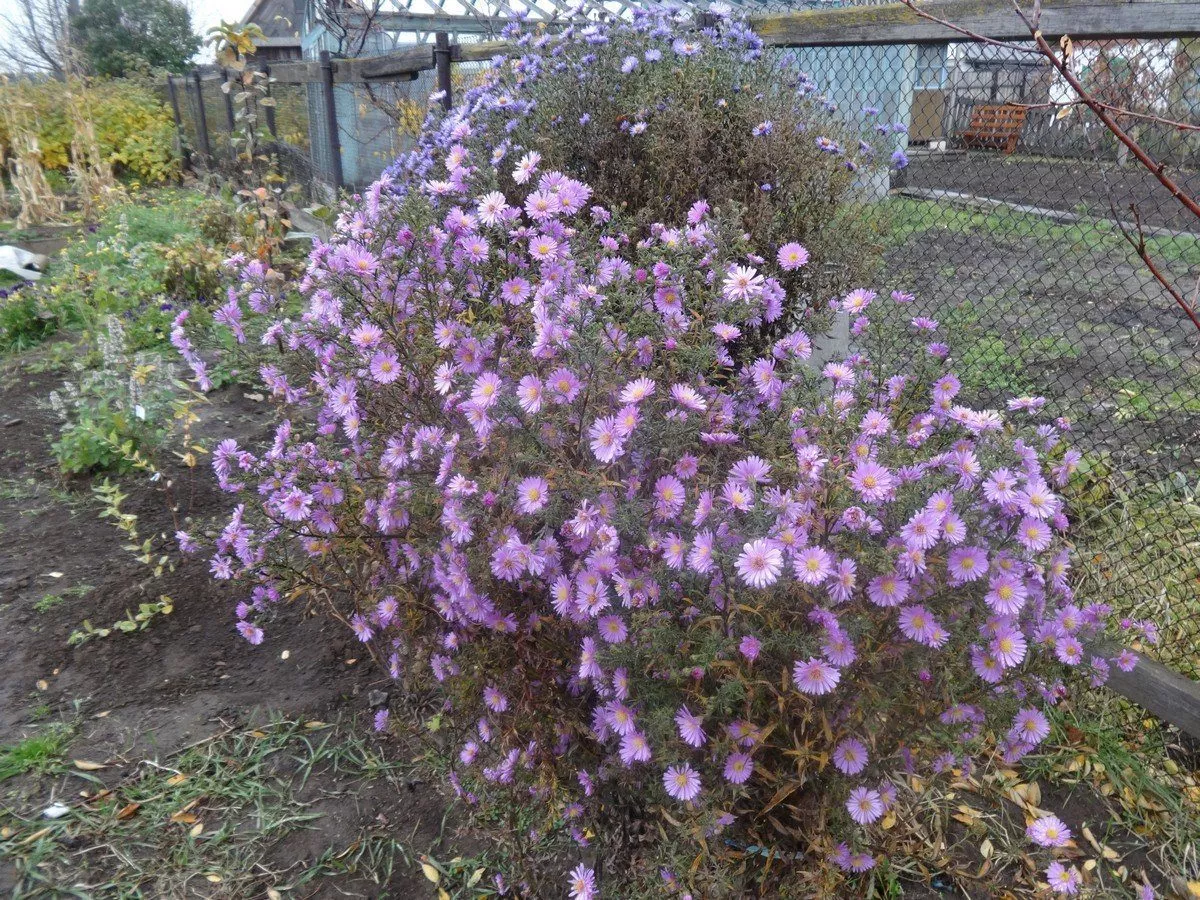
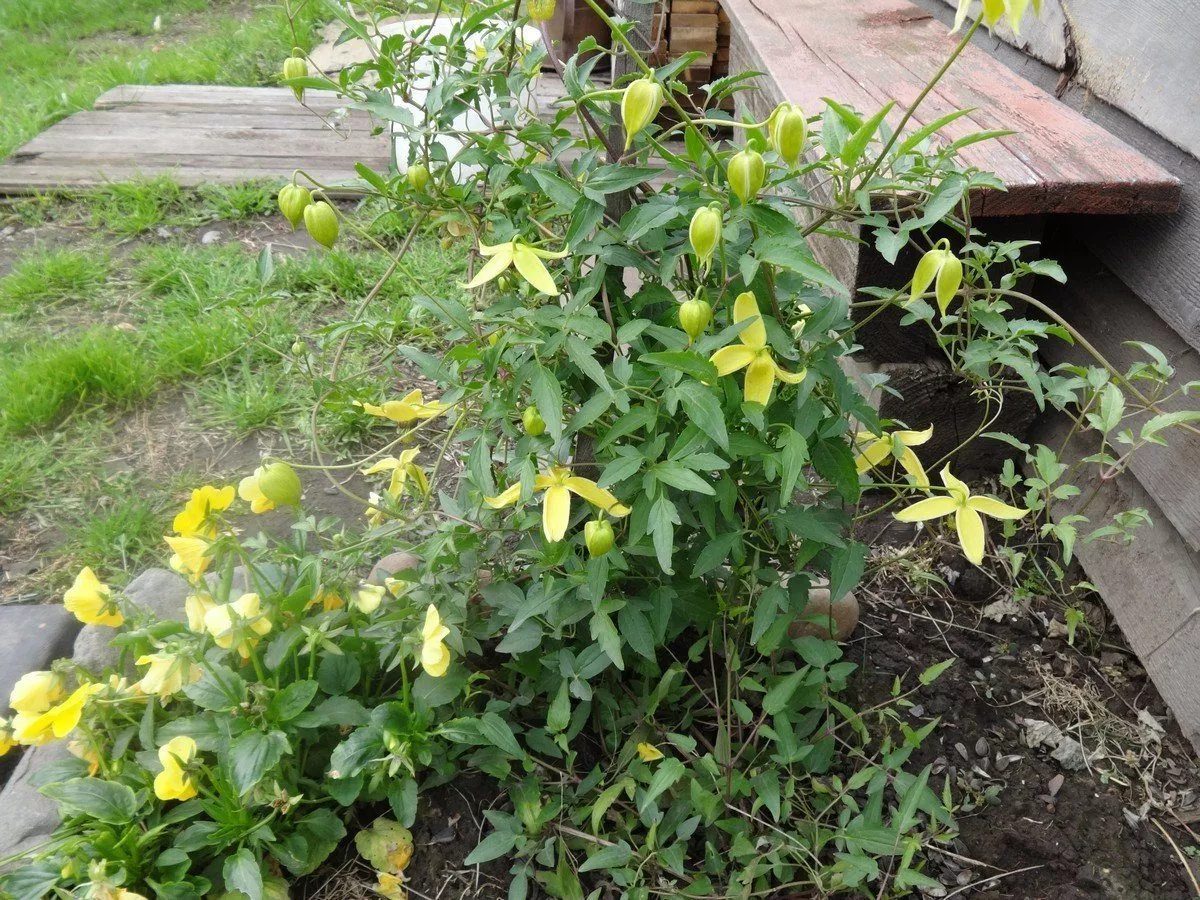
Clematis tangutica blooms with its delicate yellow bells.
Roses do not give up and grow new buds.
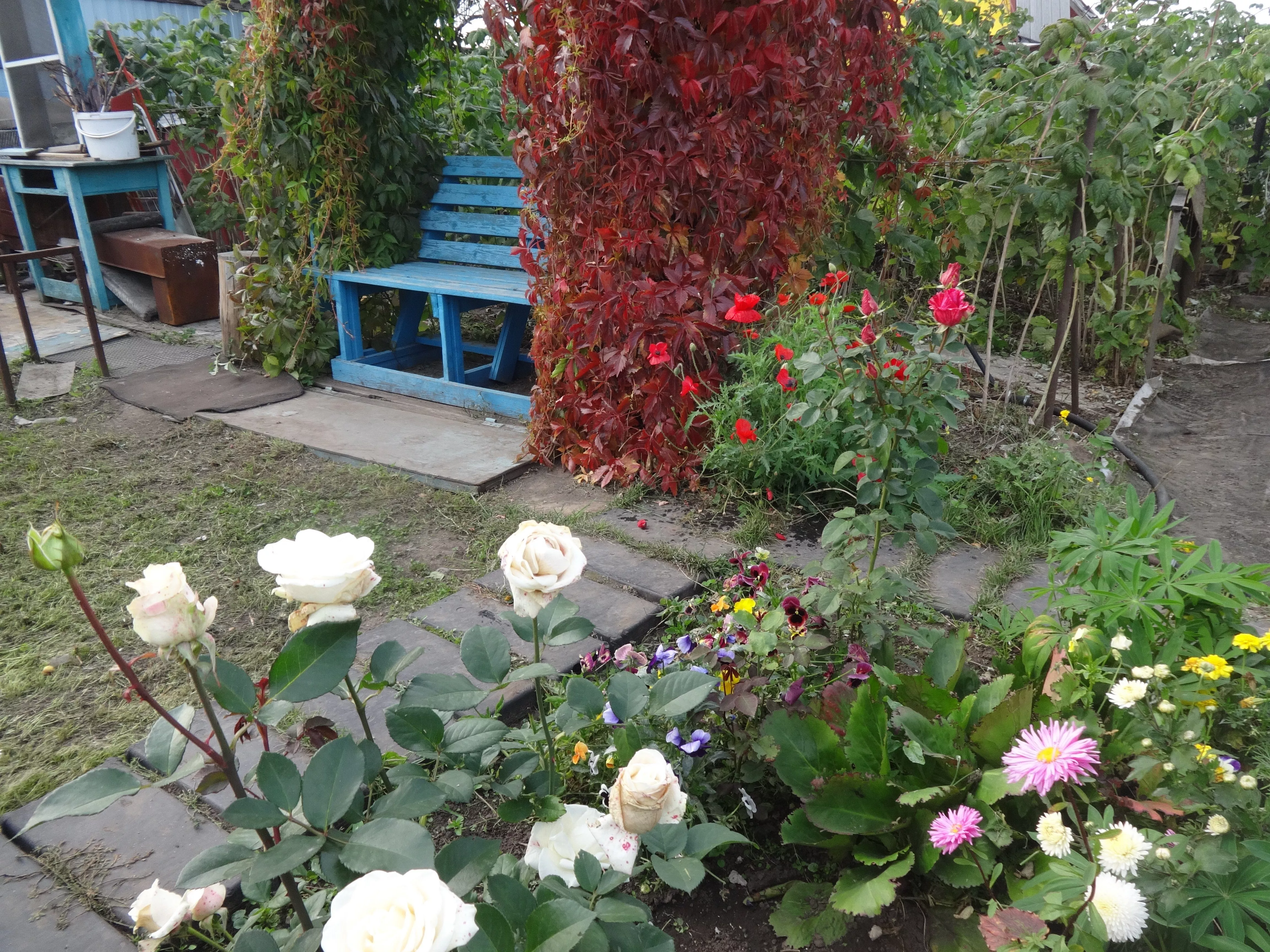
The last gladioli, dahlias, zinnias, asters and marigolds are fading.
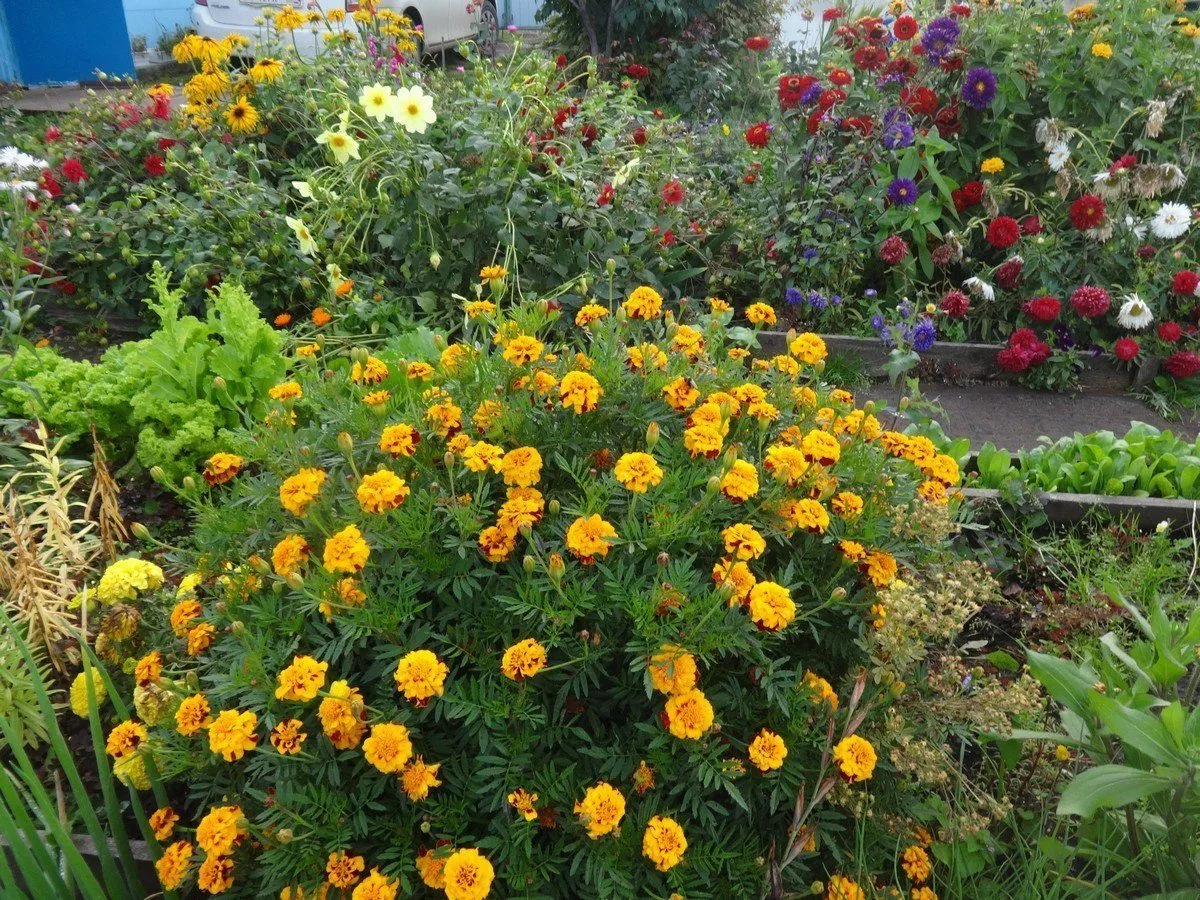
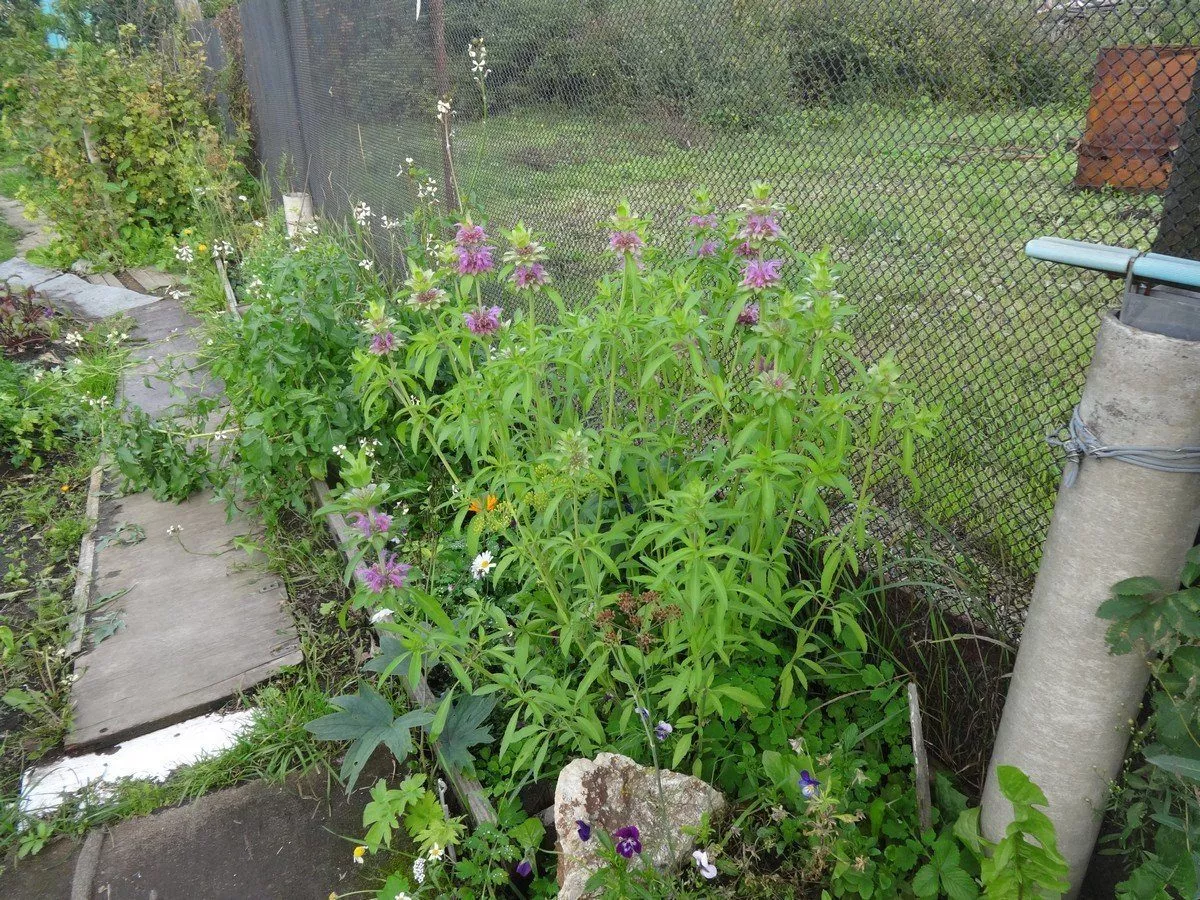
Monarda is trying to bloom.
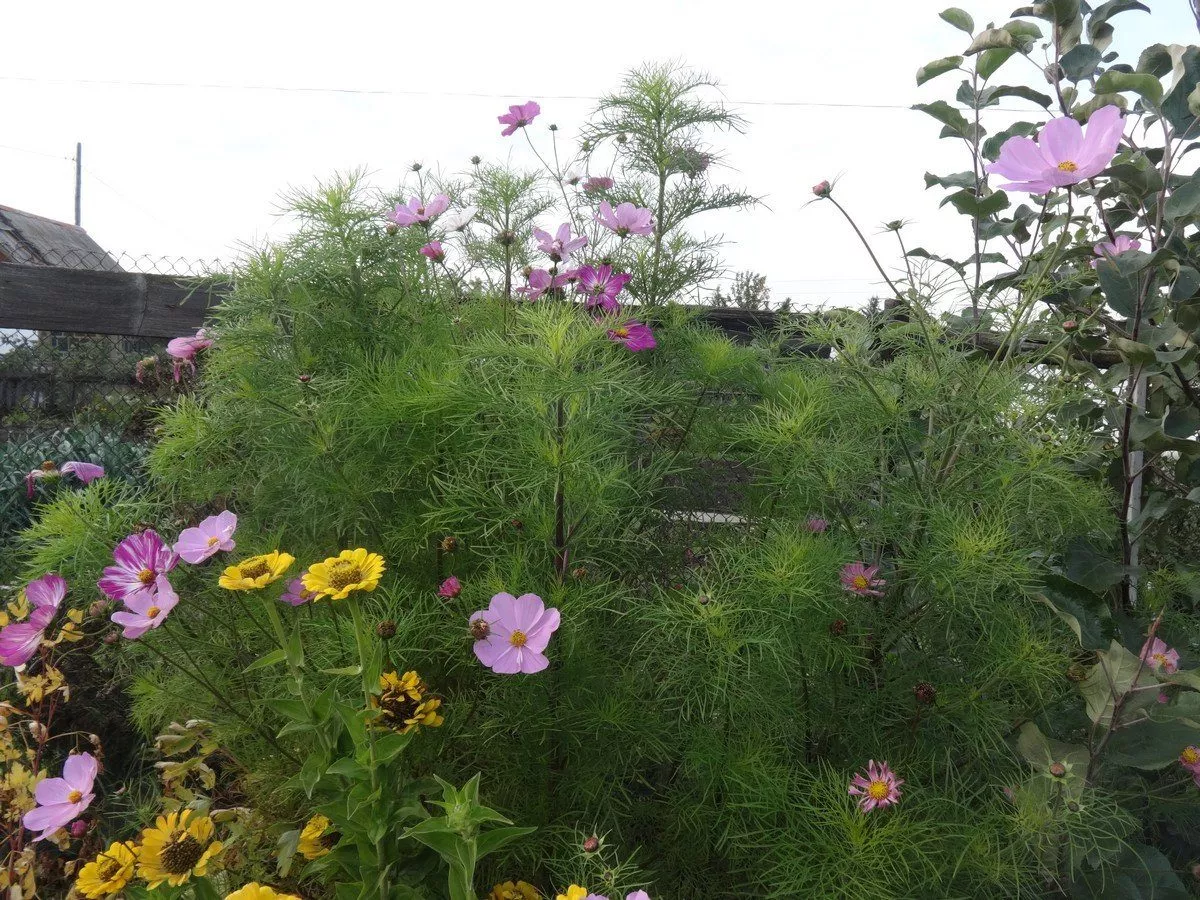
The cosmos is still blooming.
Ferns and hostas are turning yellow.
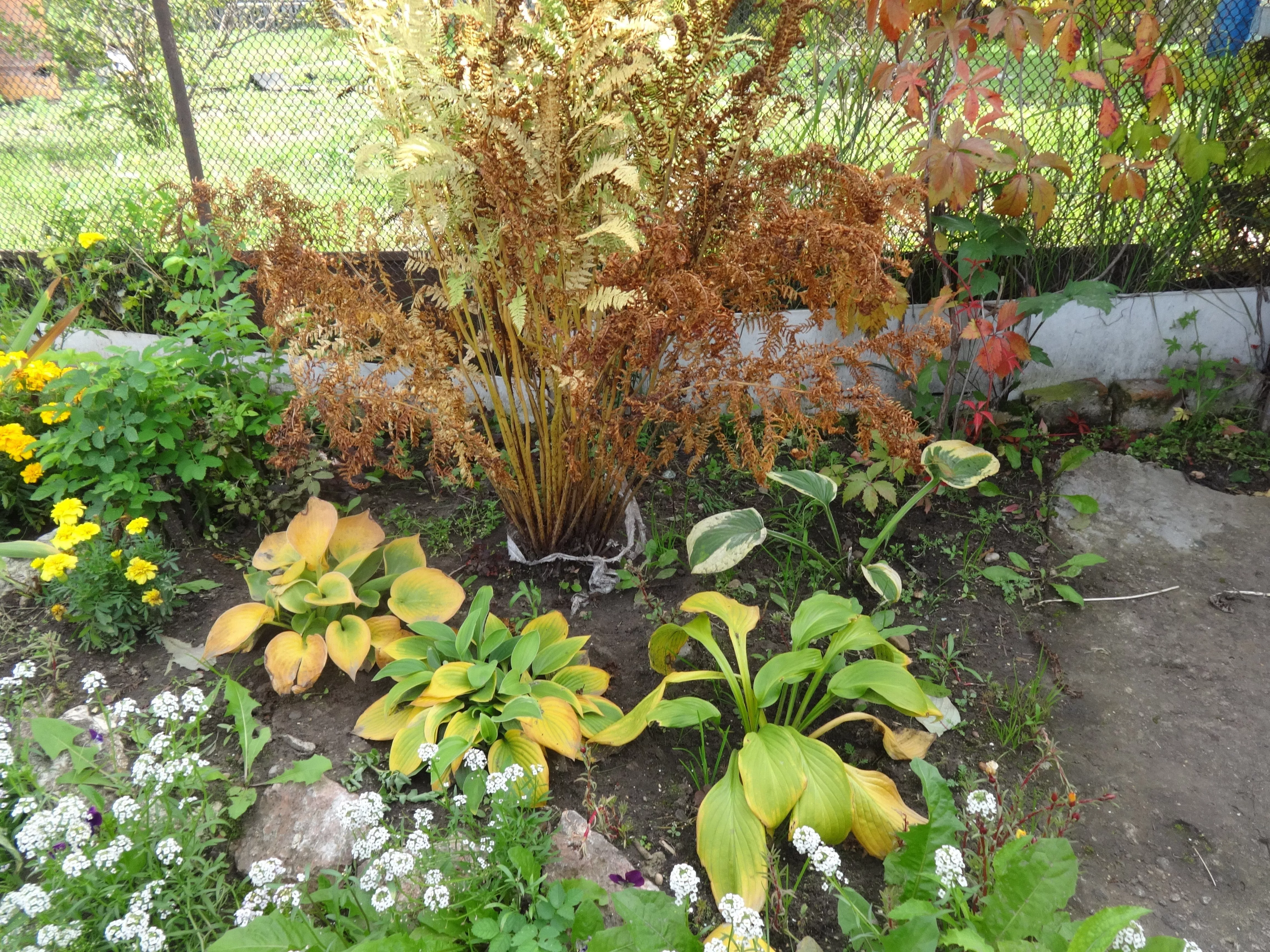
It's time to remove those flowers that have fallen apart and faded. The most resilient ones will bloom until frost, beautifying your garden.