
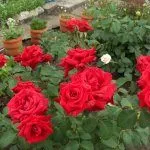
Like ladies in fluffy skirts
Zinnias are blooming in the flower beds,
The breeze sways them silently
And the dewdrops ring on the leaves,And they shine like an orange sun,
And they glow with a rosy dawn,
They shine with bright lilac lightning,
Admiring its beauty.
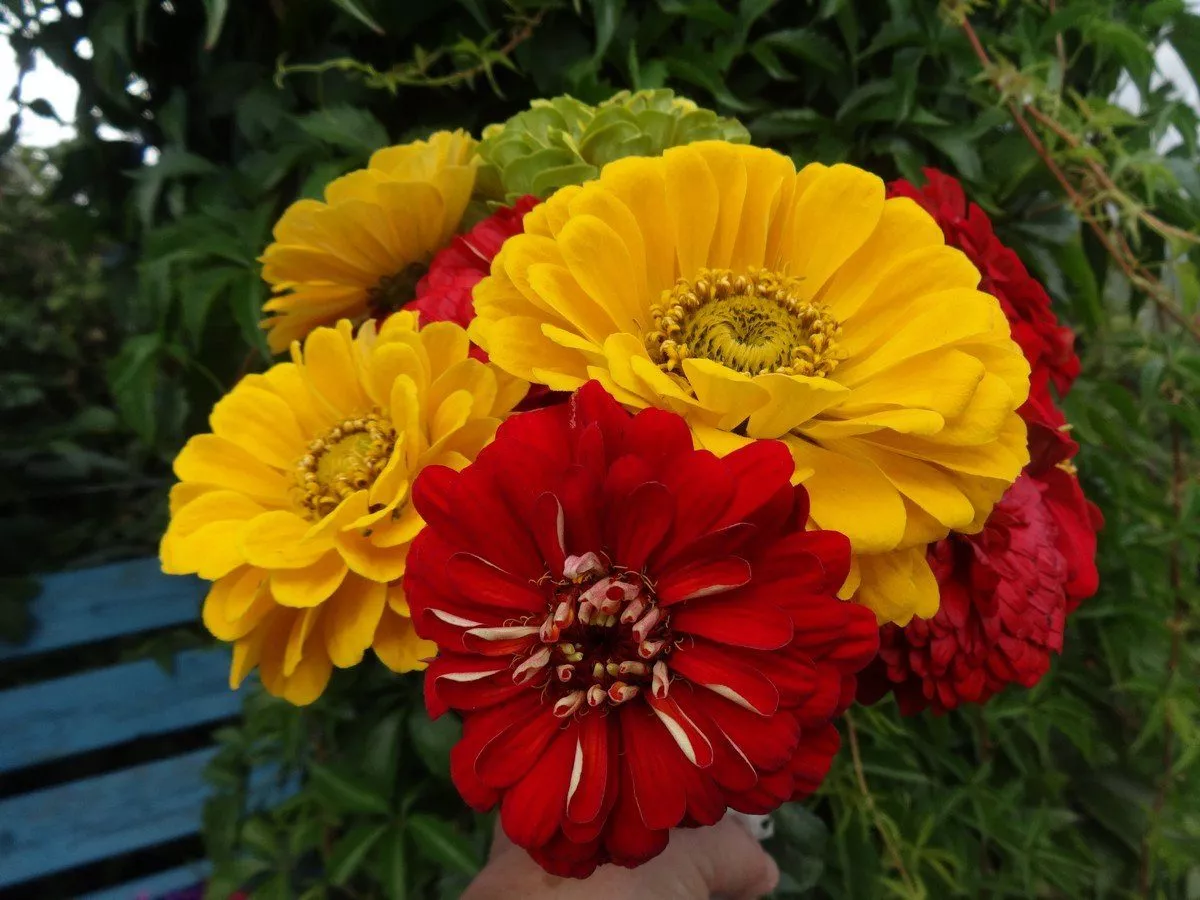
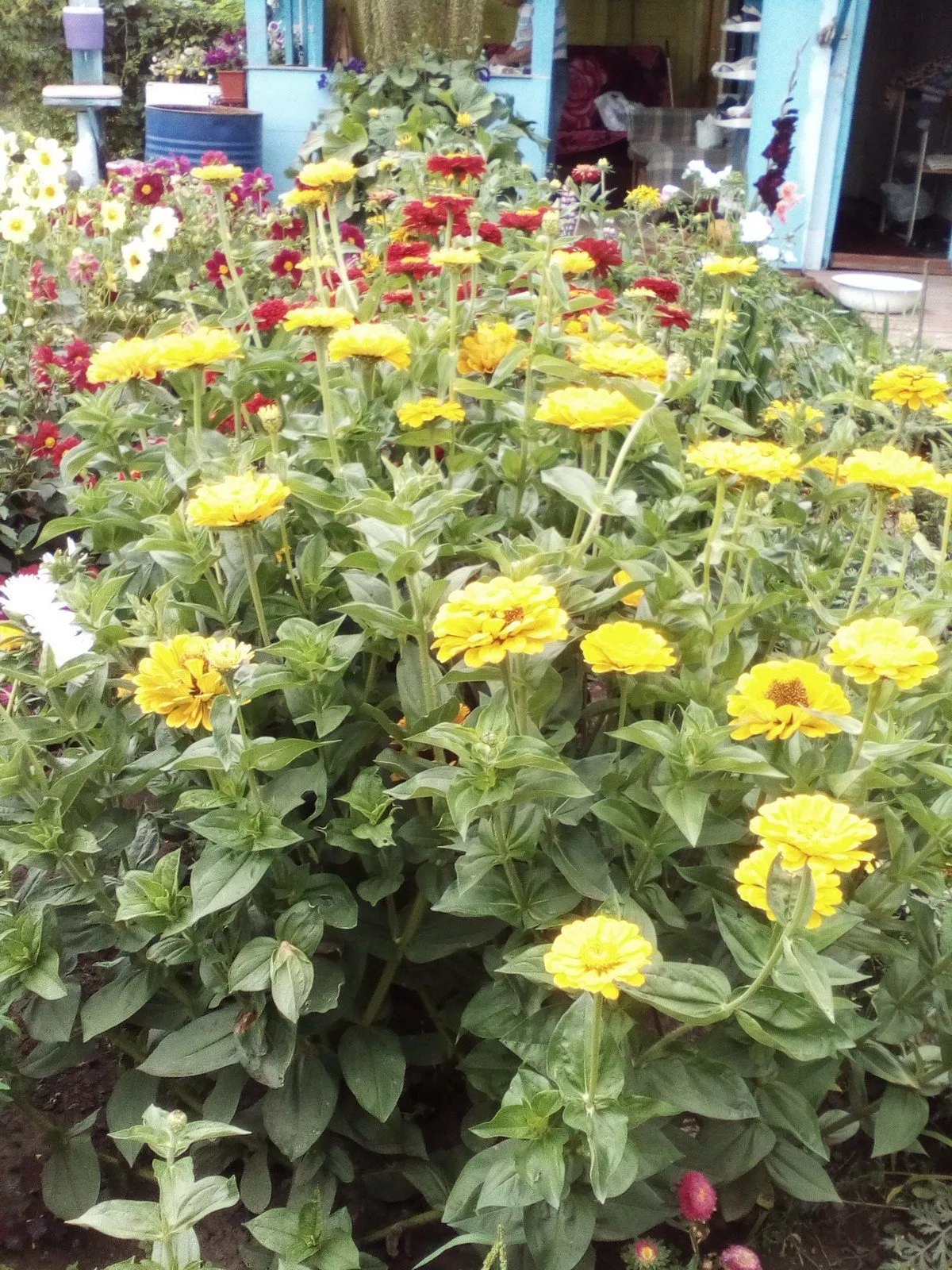
Zinnia — another wonderful, very bright and unpretentious flower that I enjoy growing at my dacha.
This annual plant produces beautiful flowers. The bushes grow tall and strong, covered with large, bright, velvety flowers.
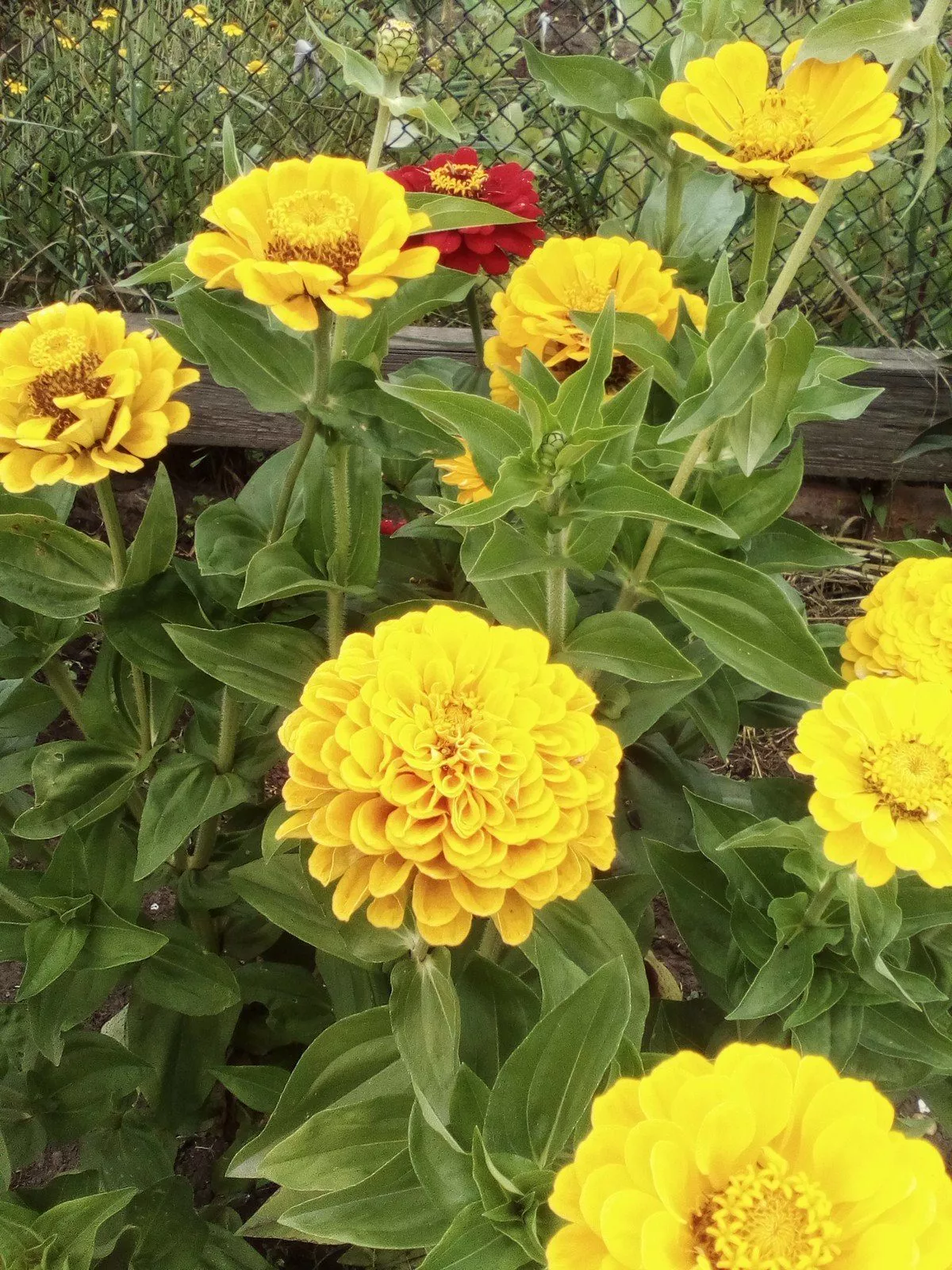
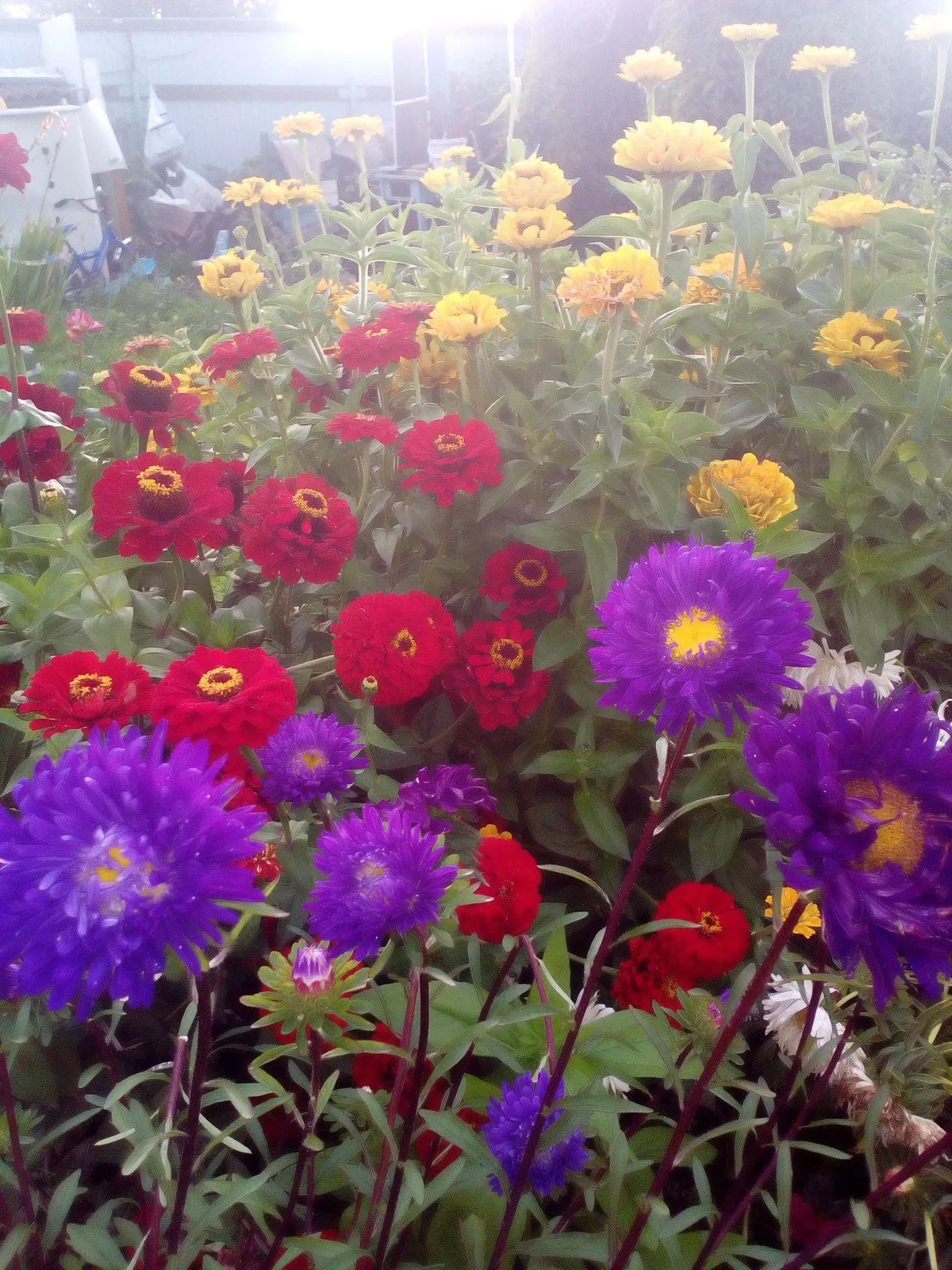
You can find seeds for every taste and color. There are tall varieties, starting at 90 cm, and low-growing border varieties, 25-30-40 cm. And the colors are absolutely fantastic, with every color of the rainbow, even variegated and two-tone.
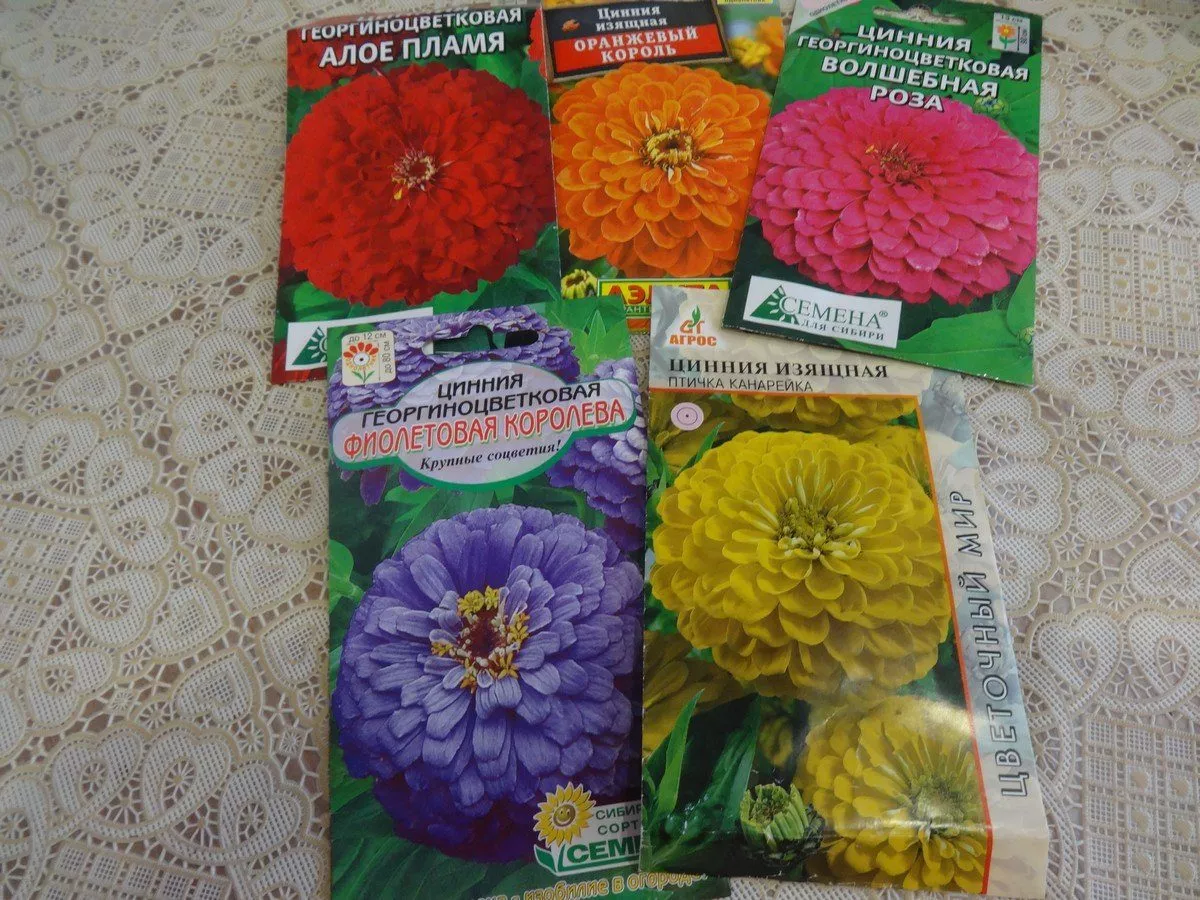
These are the zinnias I bought this year:
I grow zinnias from seedlings. I sow the seedlings in mid-April in boxes, cover them with plastic, and place them in a greenhouse. At the end of May, I plant them in the open ground in a flower bed. I add humus and a little wood ash to the holes, mix it with soil, and water them with a pink solution of potassium permanganate or phytosporin.
I plant the seedlings, water them and immediately mulch them with humus or compost.
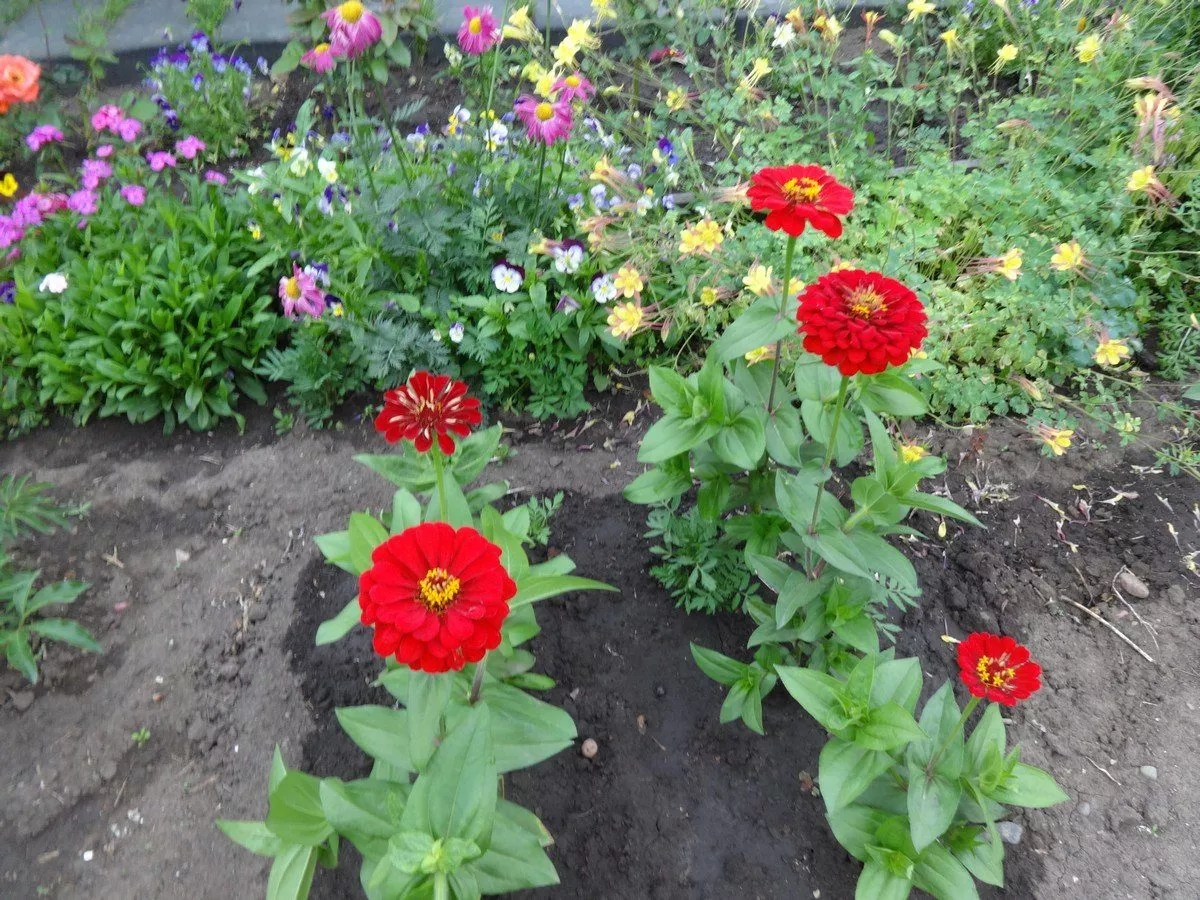
I read that it's best to pinch zinnia seedlings above the fourth pair of leaves to encourage bushier growth. I pinched some of the seedlings and left others untouched. Both types of plants send out side shoots, bush out, and bloom profusely. So, I don't think it's worth further traumatizing the plant.
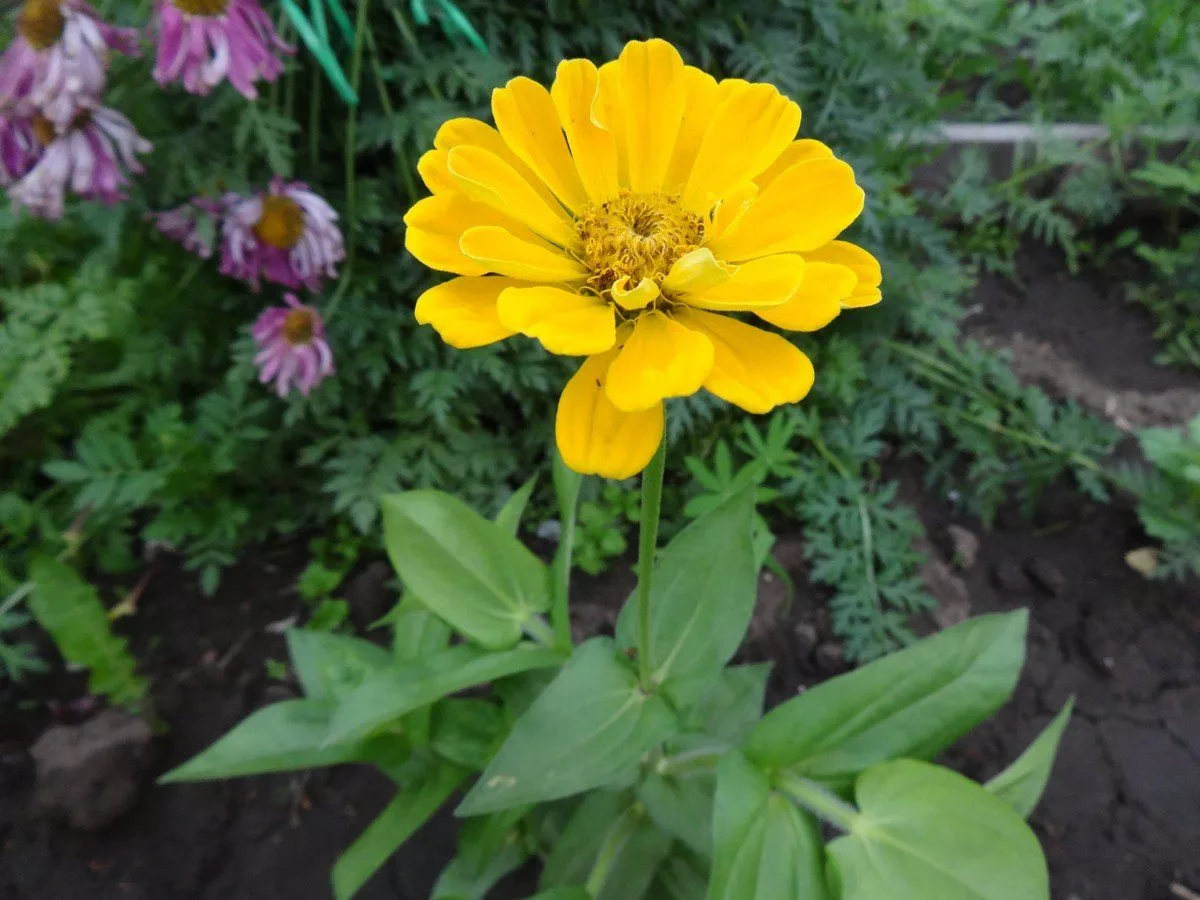
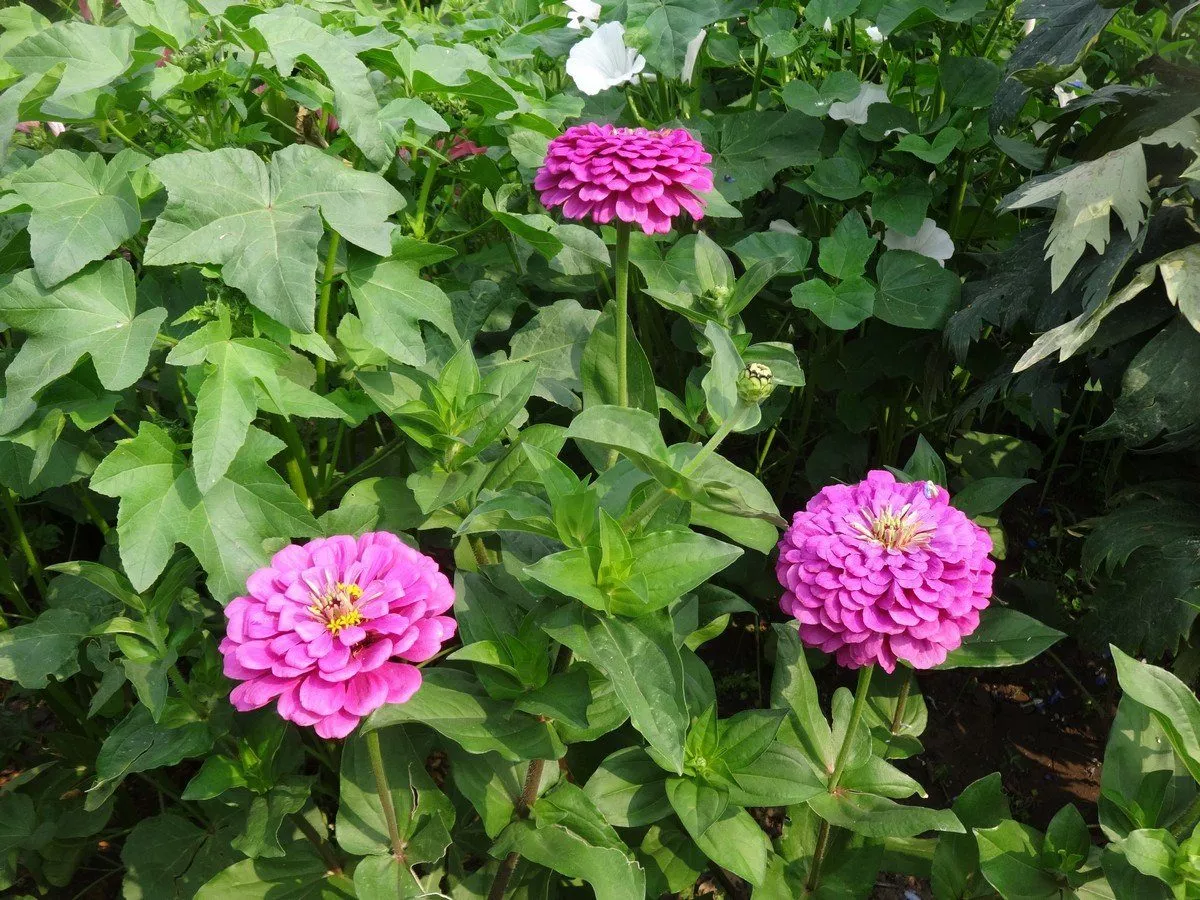
Before flowering, I sprinkle wood ash under the bushes and loosen the soil. Wood ash is rich in potassium, and potassium-rich fertilizers promote abundant flowering.
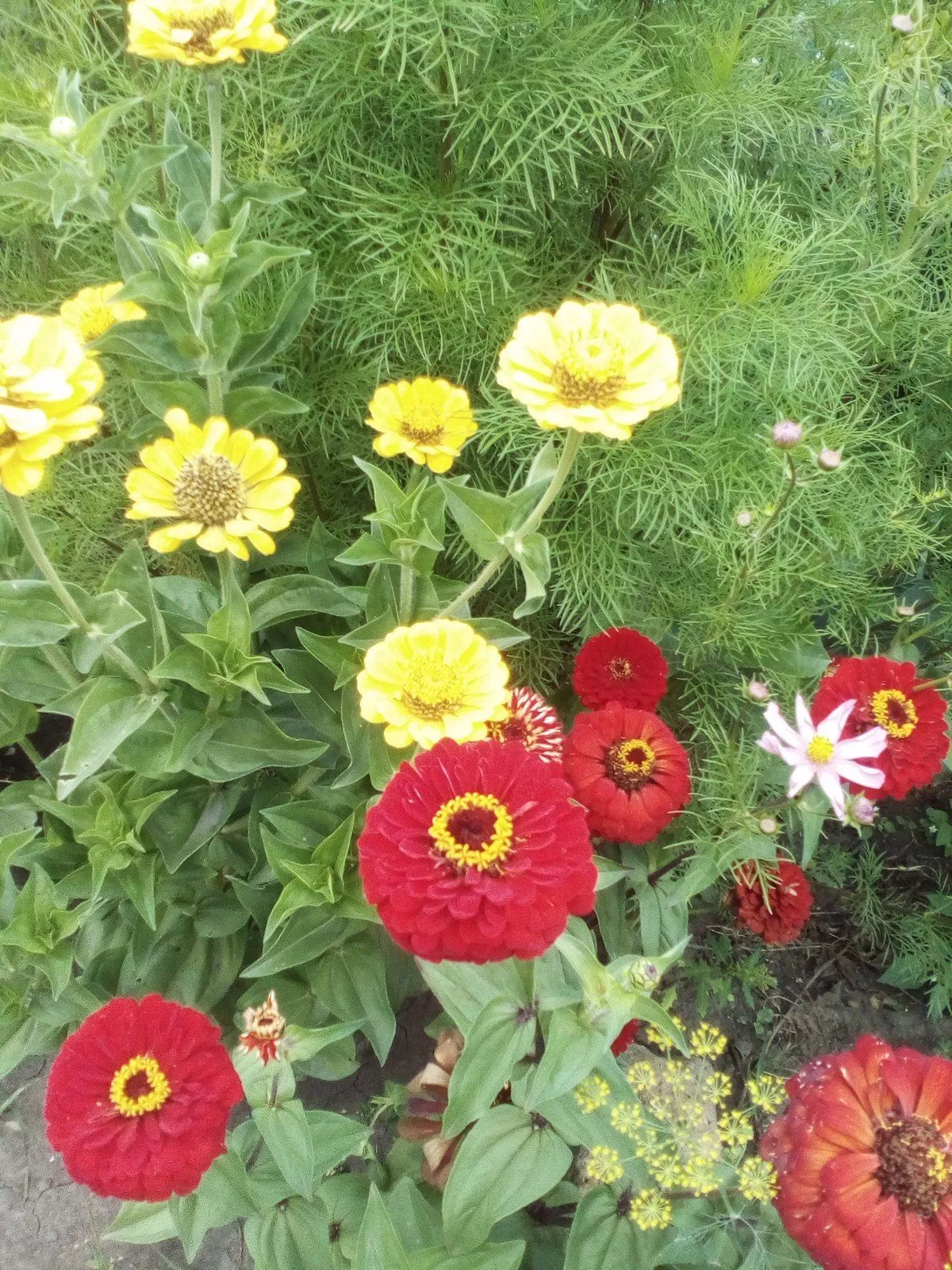
Our zinnias start blooming in early July and continue to bloom until the first frost. The flowers bloom for up to a month, and their petals don't fall off. They simply age and look unattractive, so I try to trim off the old buds. This also encourages new ones to emerge. Zinnias are beautiful in bouquets and don't wilt for a long time.
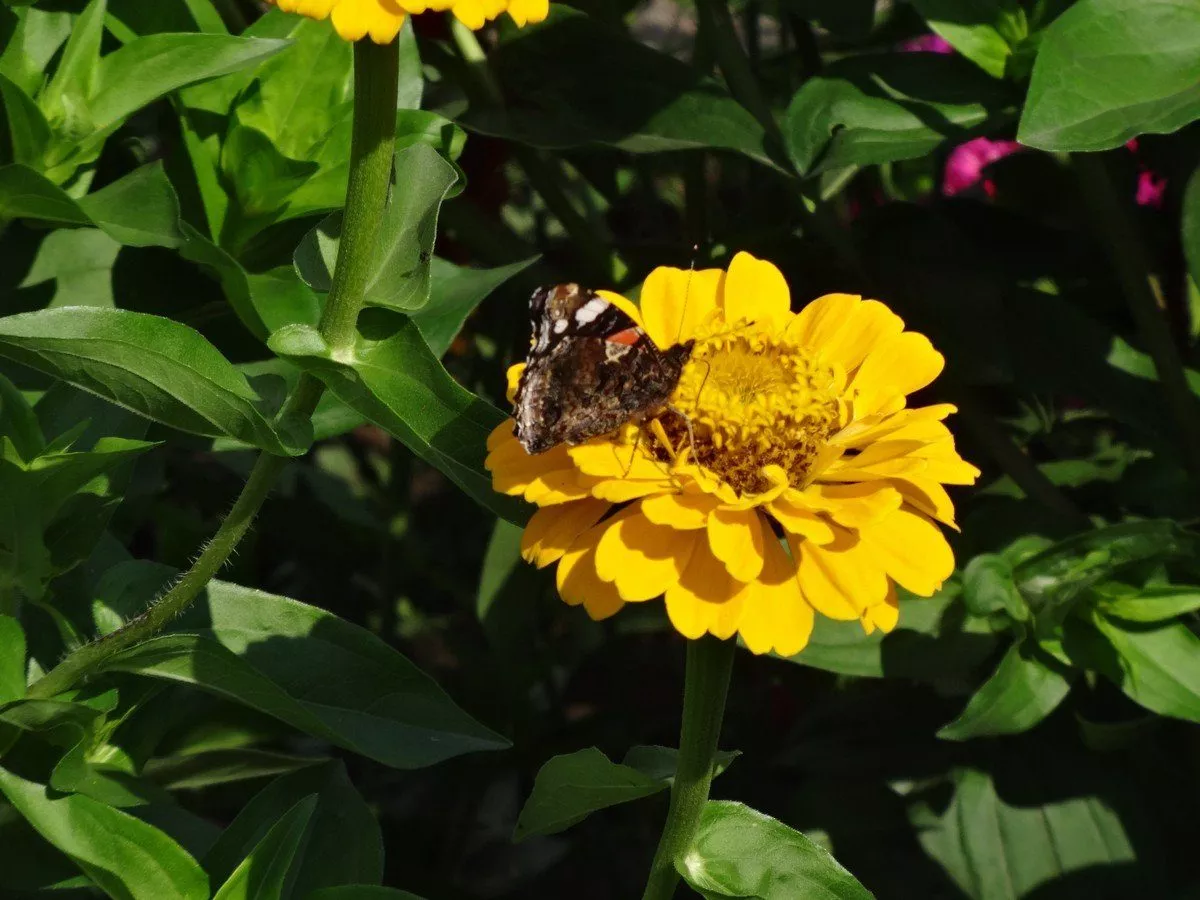
I've never encountered any pests on my flowers; perhaps the insects don't like the tough, rough leaves. But butterflies and bees absolutely adore its blossoms.
Plants can be susceptible to powdery mildew, fusarium wilt, and bacterial spot, but I've never had any problems with them. My zinnias grow in a sunny spot on fertile soil, and they get just the right amount of water and nutrients. They do have problems during rainy periods, when the succulent side branches, filled with moisture, break off. To prevent this, I tie up the bushes.
I don’t collect seeds, I buy them every year, they are cheap and always germinate well.
If you're wondering what flowers to plant in your garden that will be beautiful, vibrant, and require little maintenance, plant zinnias!