

Tomato juice, aromatic
And it tastes very nice,
We drink a glass a day
And we maintain health.
As always, a heavy rain fell towards evening. It was brief, but quickly flooded the yard, and rivers raged along the roads. The trip to the dacha was cancelled again; I didn't really want to wade through the mud.
This evening I planned to feed the berry bushes—currants, gooseberries, cherries. But it wasn't meant to be. So I decided to make tomato juice. A bucket of ripe tomatoes arrived from the dacha the day before.
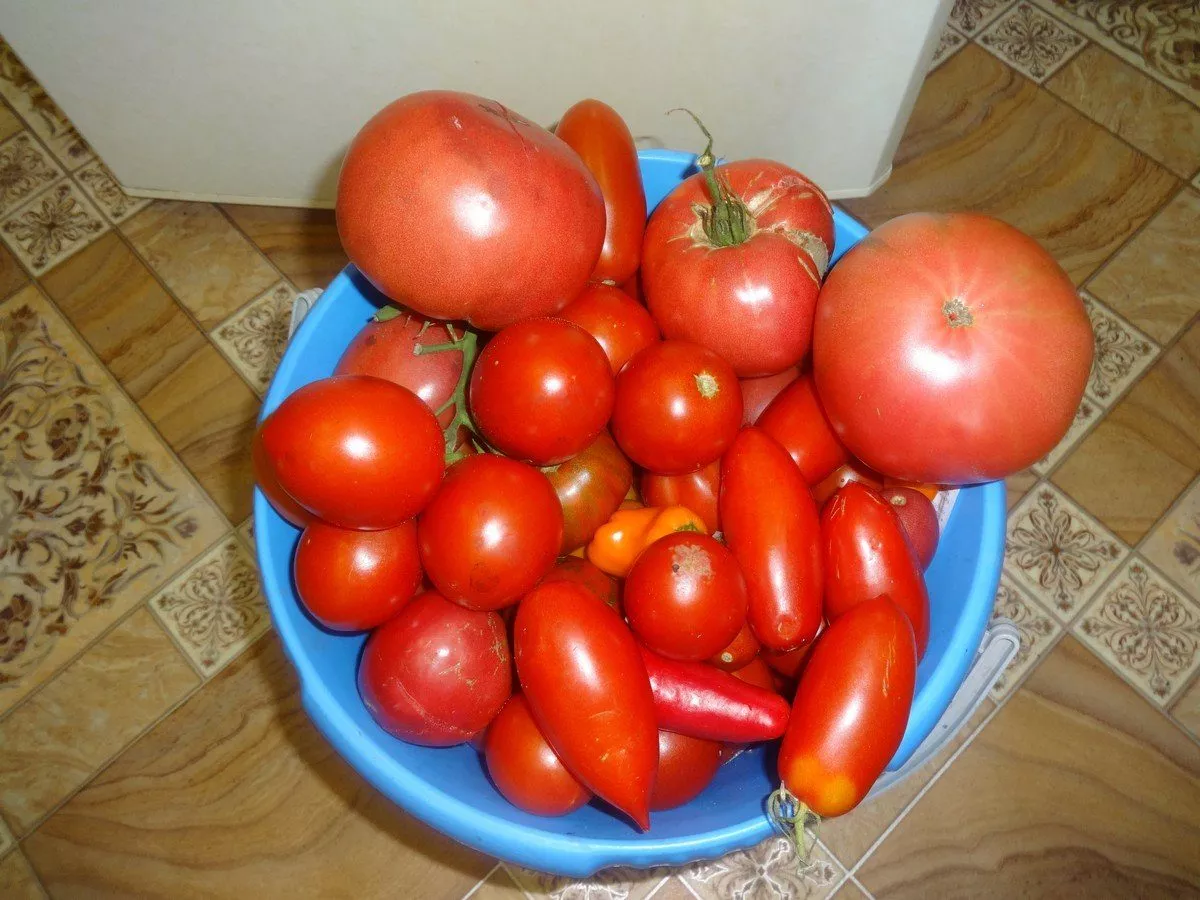
My husband and I love tomato juice; our kids drink it sometimes, but our grandson only appreciates sweet drinks. We used to always buy juice in liter bottles from a Krasnodar producer; it's the tastiest, and we always checked the production date and bought juice made during tomato season.
We've been harvesting our own juice for three seasons now. We make small batches of three to four liter bottles at a time. The juice is just as delicious as Krasnodar juice.
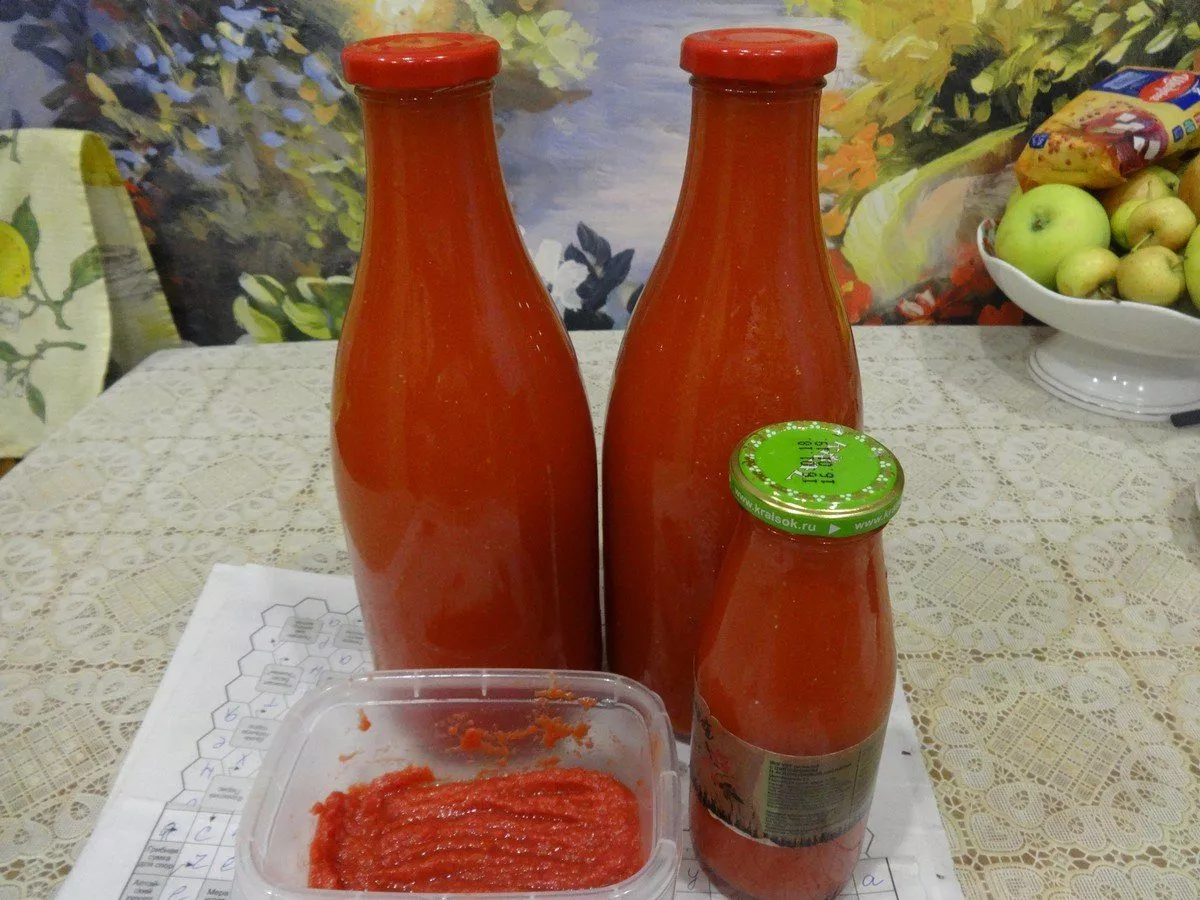
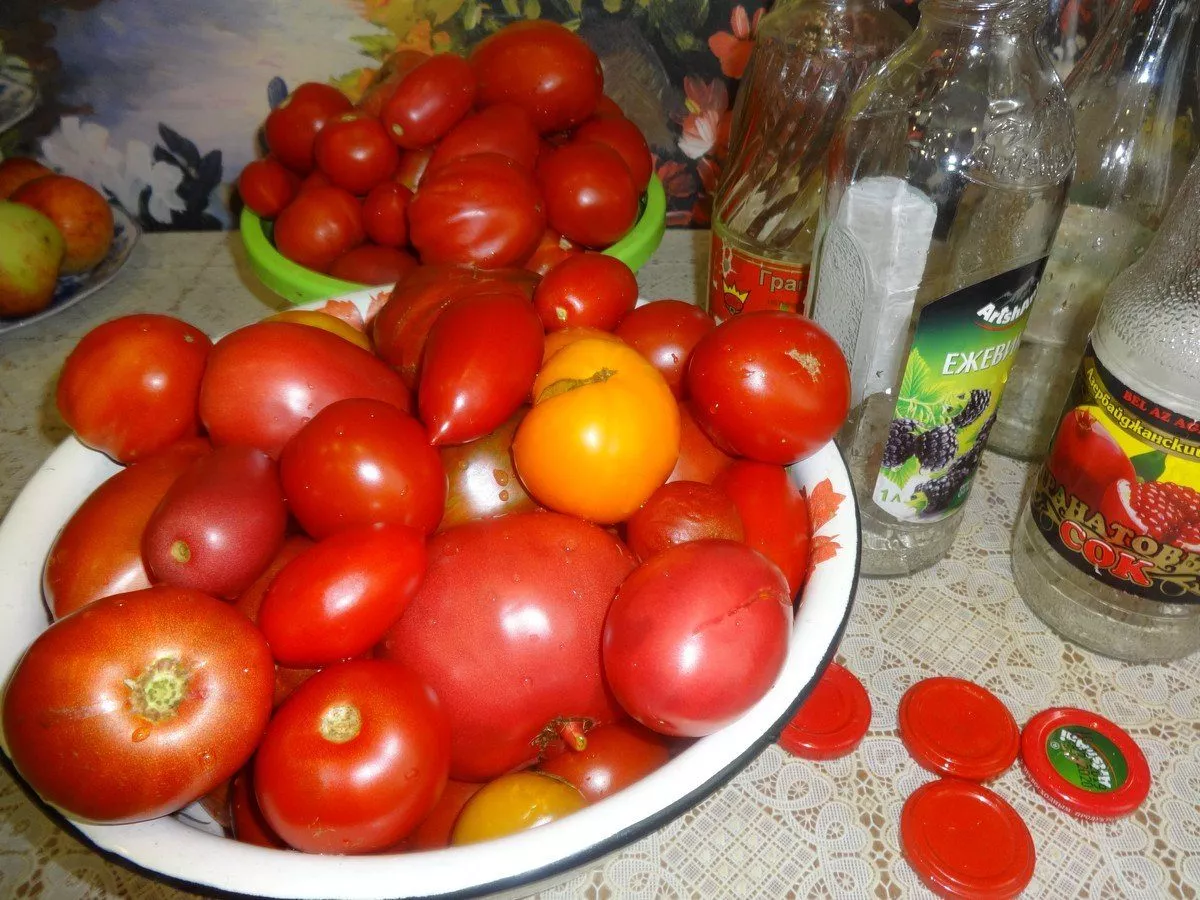
Making tomato juice is very simple. Wash the tomatoes thoroughly. It's best to use ripe, plump, and sweet ones.
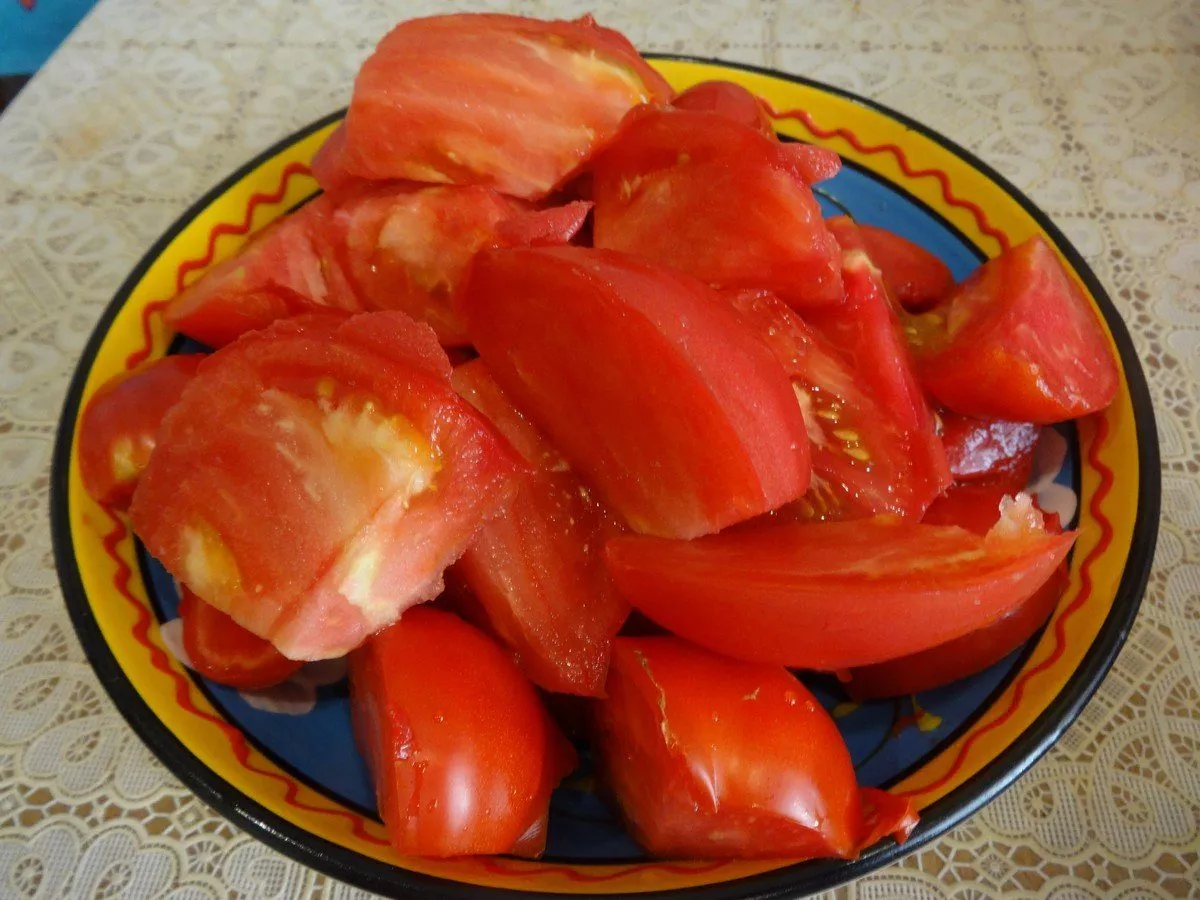
Cut the tomatoes into pieces, remove the light seals near the stalk, rough growths on the skin, and spoiled pieces.
Grind the tomatoes using a blender, meat grinder, or a coarse-toothed grater.
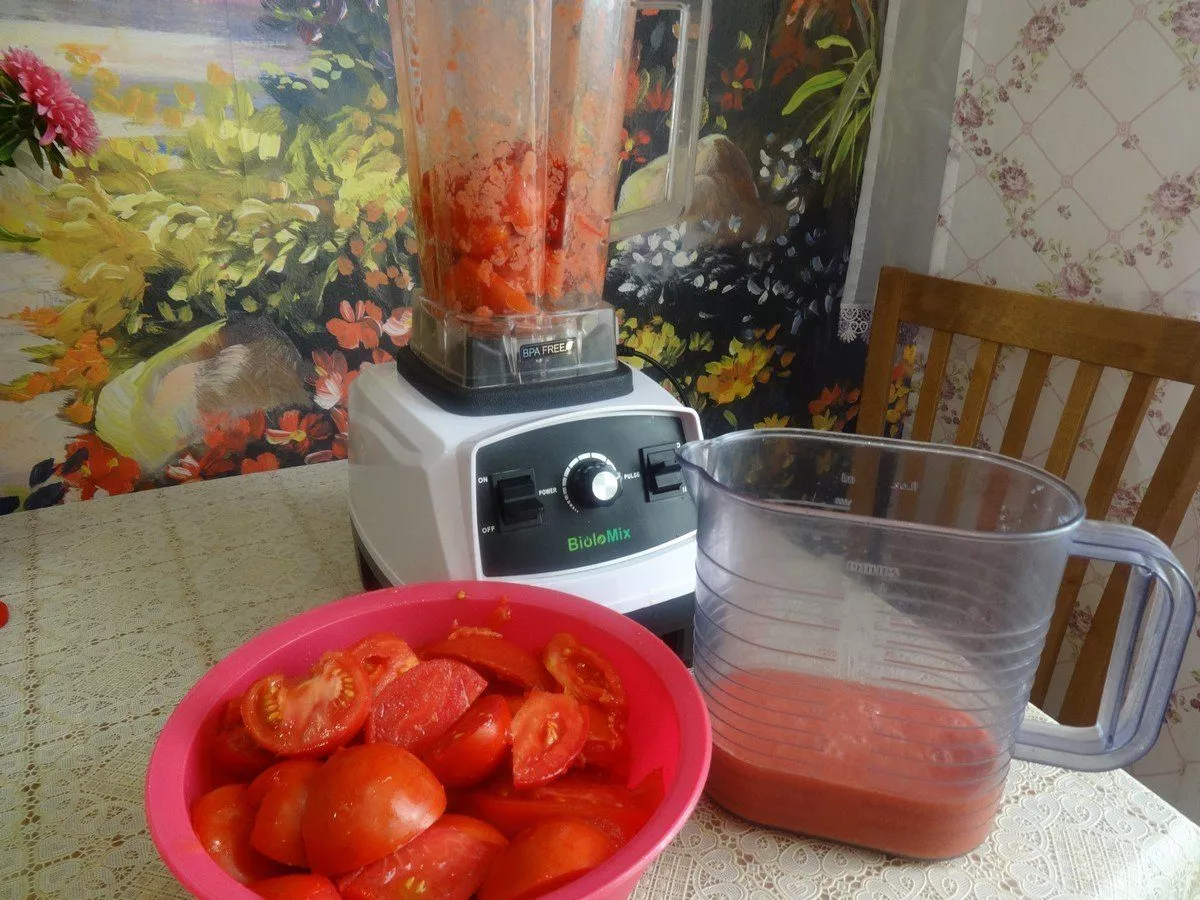
Strain the mixture through a sieve.
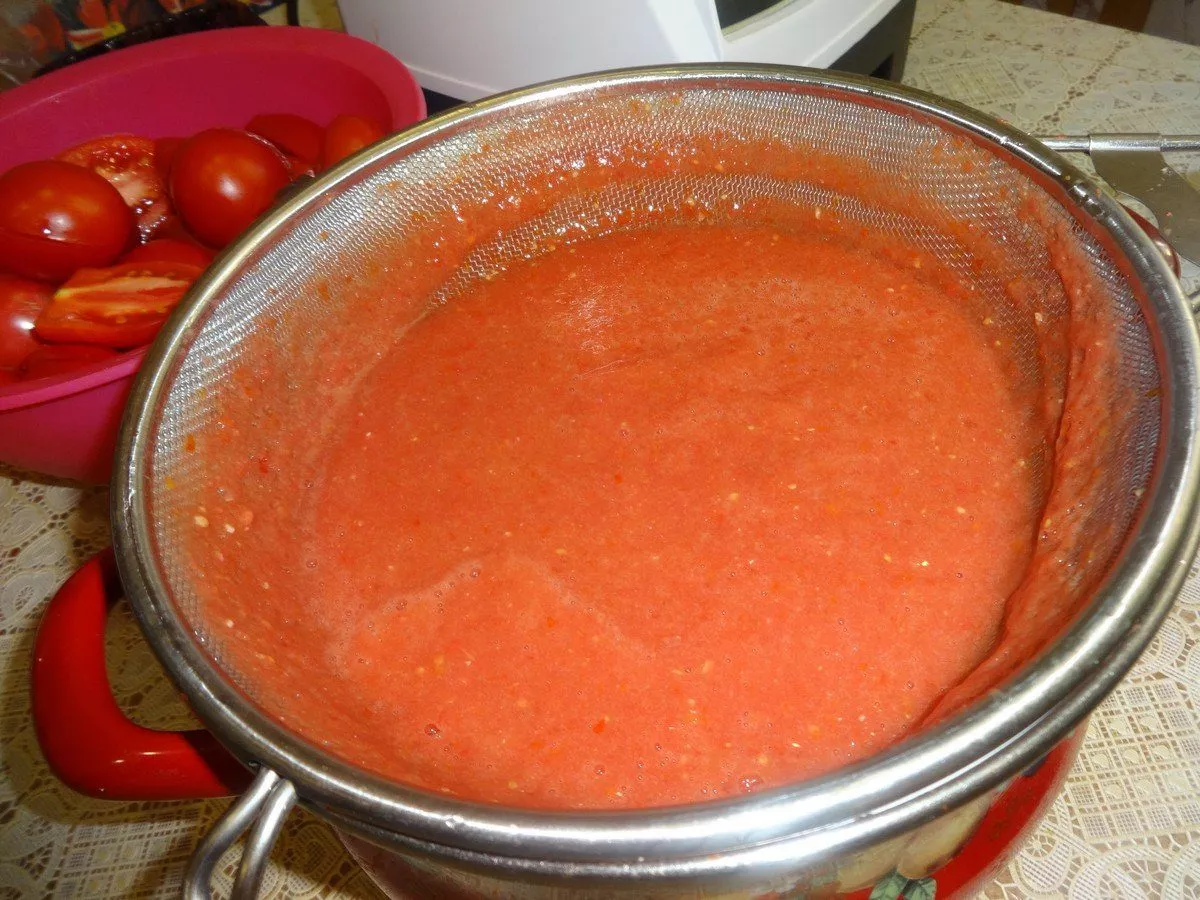
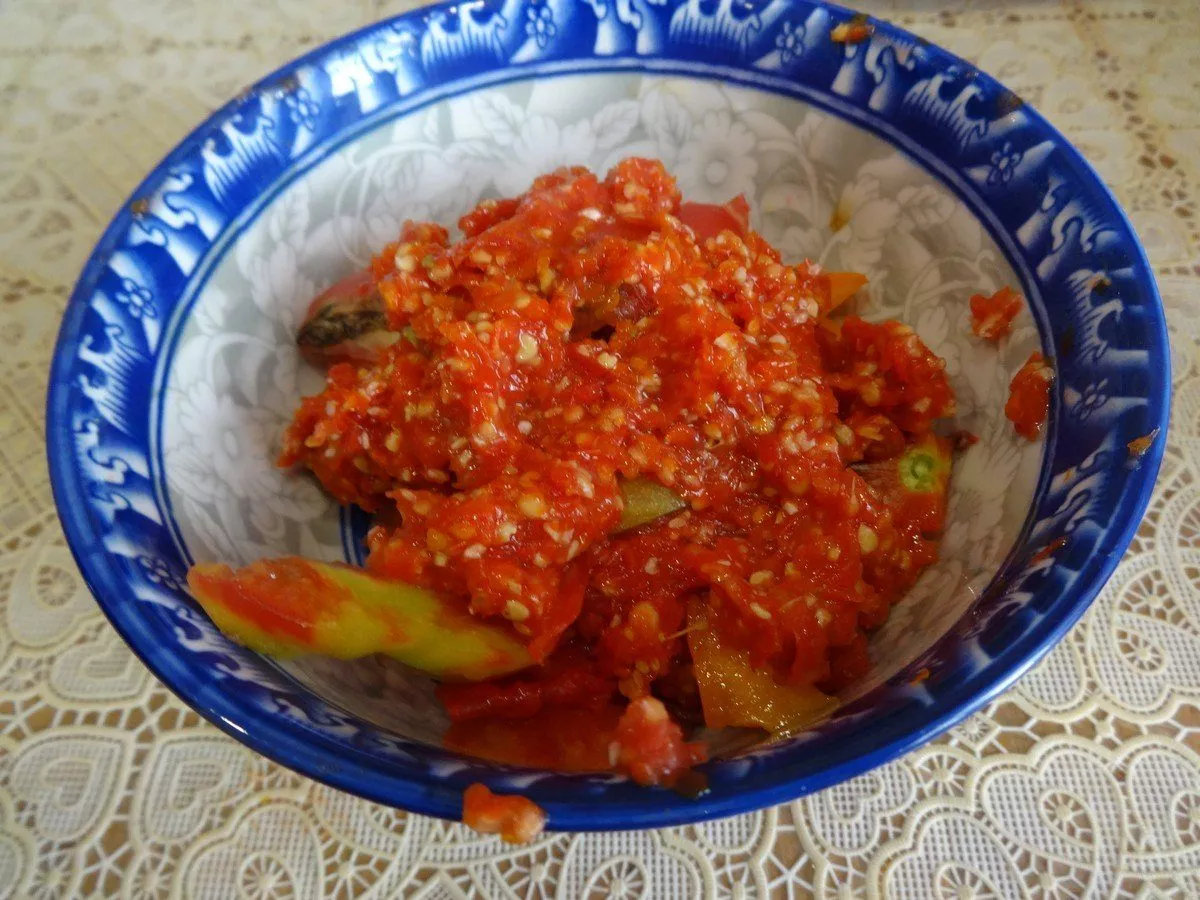
Some recipes recommend boiling the puree and straining it. But I always strain it immediately after blending. It's much more convenient; cold puree is easier to blend than hot puree, and it produces fewer waste seeds and pulp.
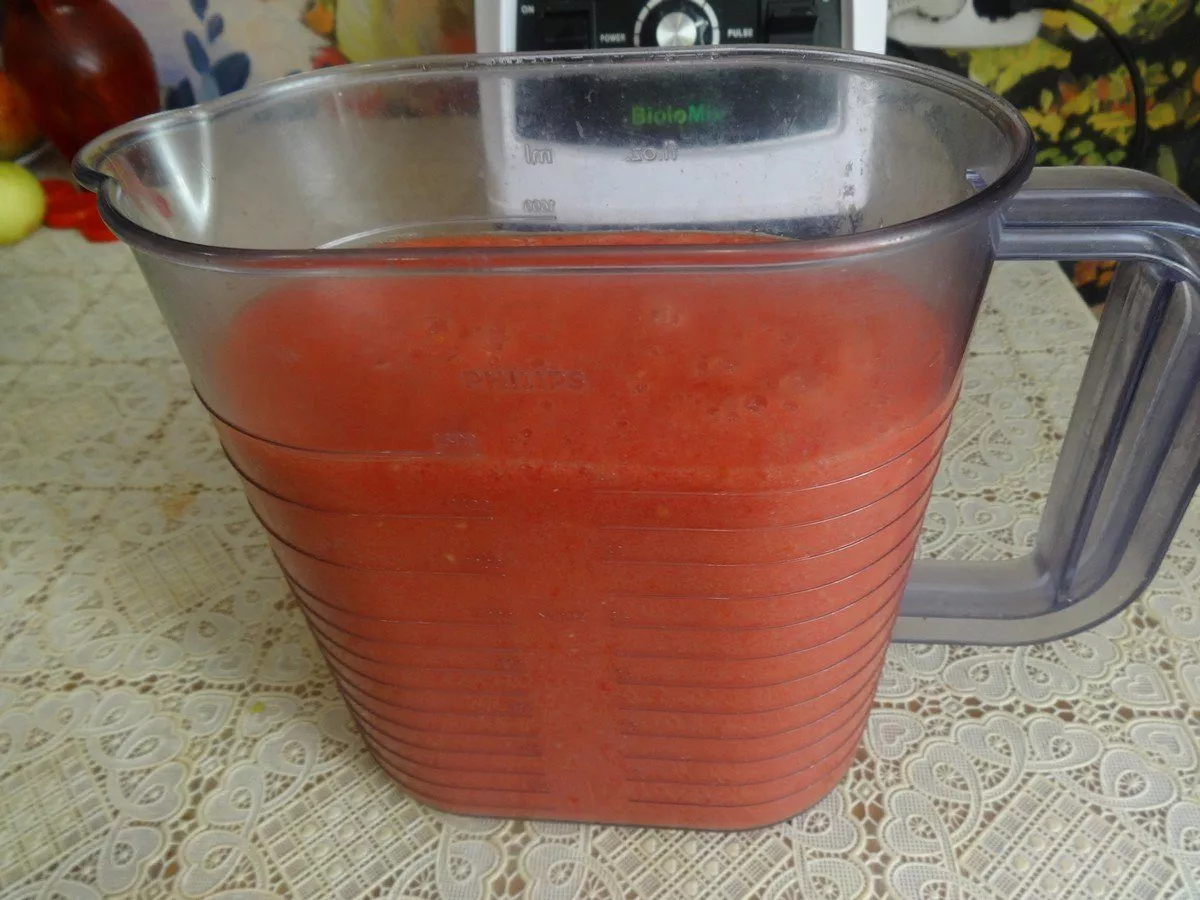
Then measure out the number of liters if you are adding salt and sugar, you can use a measuring cup or a liter jar.
Pour into a large saucepan, bring the juice to a boil, and cook over medium heat, stirring constantly.
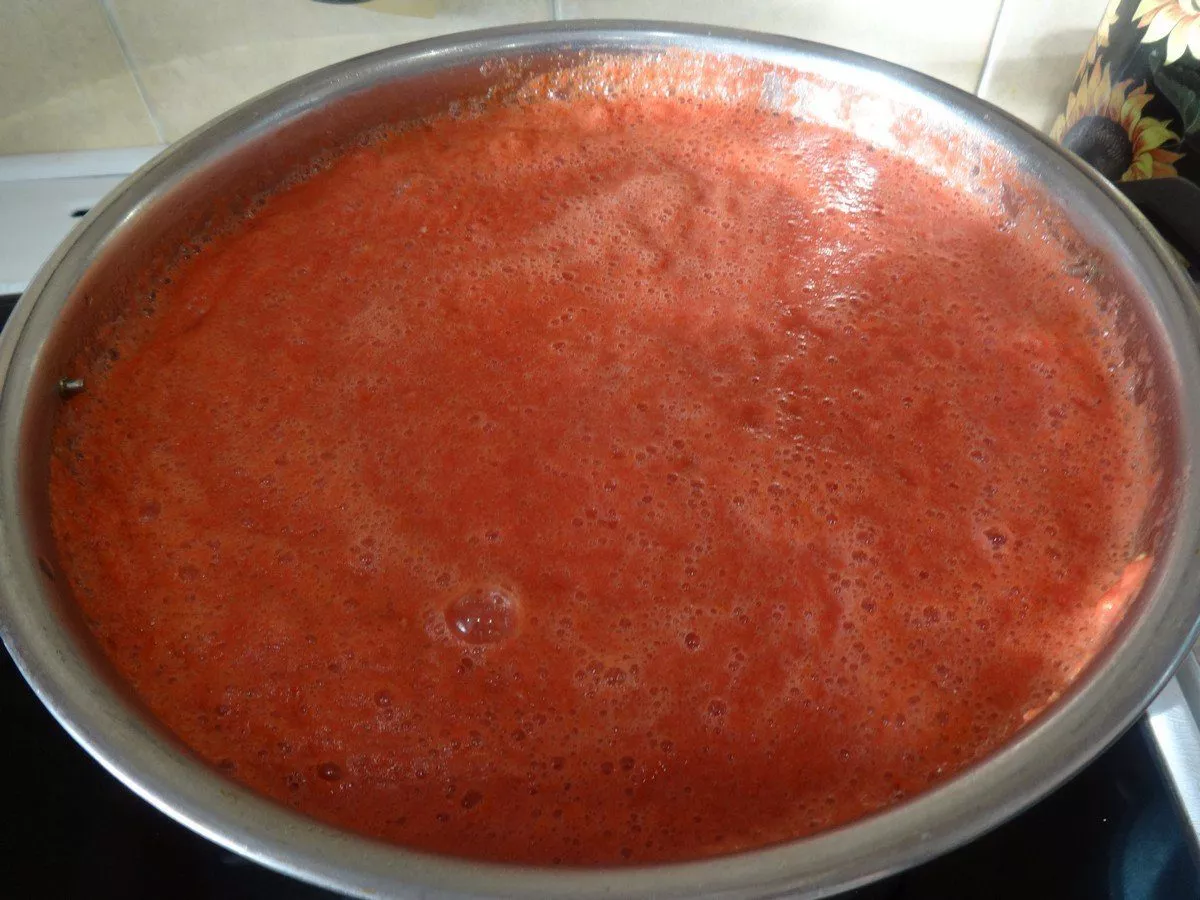
I prepare tomato juice in two ways - the first option is to skim off the foam with a slotted spoon, add half a teaspoon of salt and one teaspoon of sugar per liter of juice, and cook for 10-15 minutes after boiling.
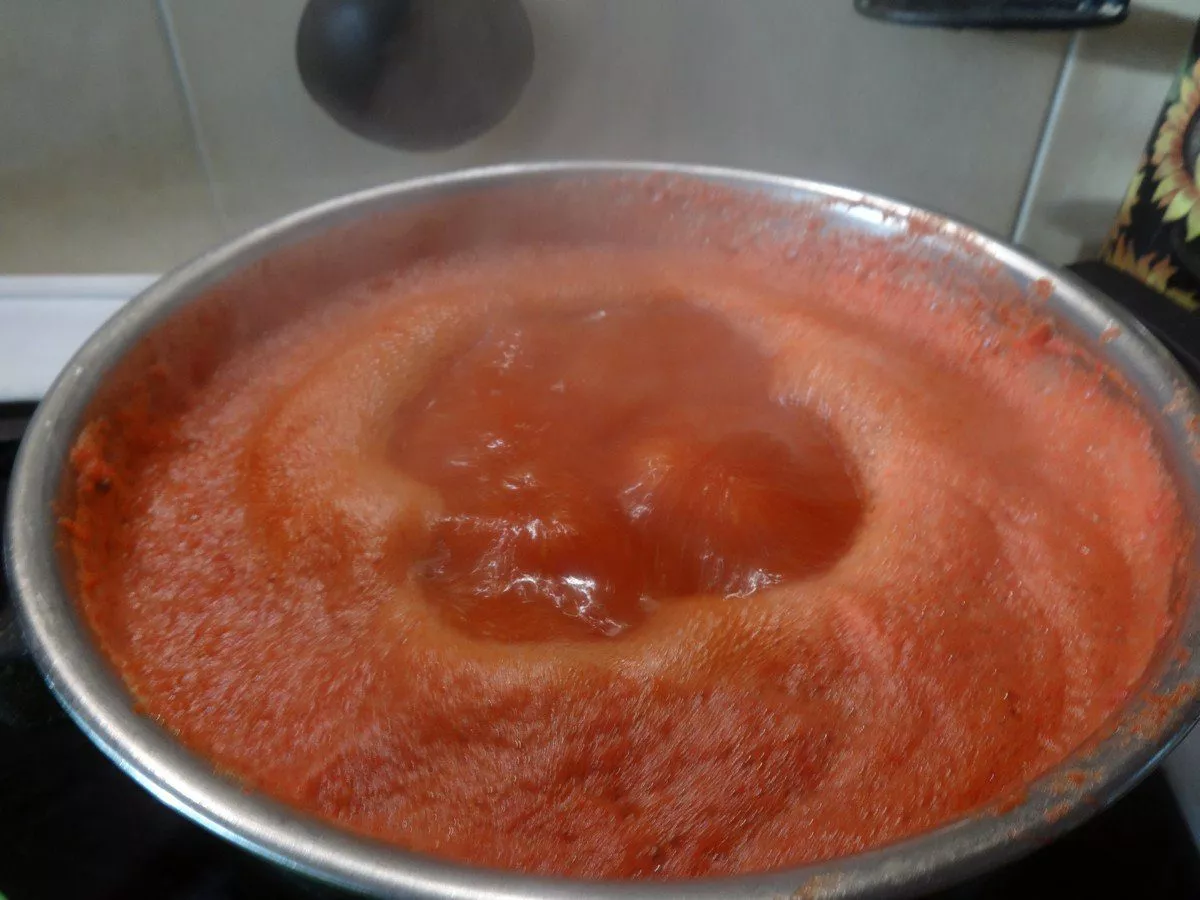
The second method: I don't skim off the foam, but stir it. It gradually evaporates as it boils. After 20-25 minutes, if the foam stops appearing, the juice is ready. This juice is thicker. I don't add salt or sugar. I prefer natural juice. In winter, you can add salt to the glass to taste.
I don't add other spices, such as black pepper, cloves, bay leaf, or vinegar; I just make plain tomato juice. Although, lately, I've been wanting to try making juice with spices. I also want to make it with orange and yellow tomatoes.
The boiling juice should be poured into warm, clean, sterilized jars and immediately closed with lids, covered with something warm - a blanket, jacket, towel.
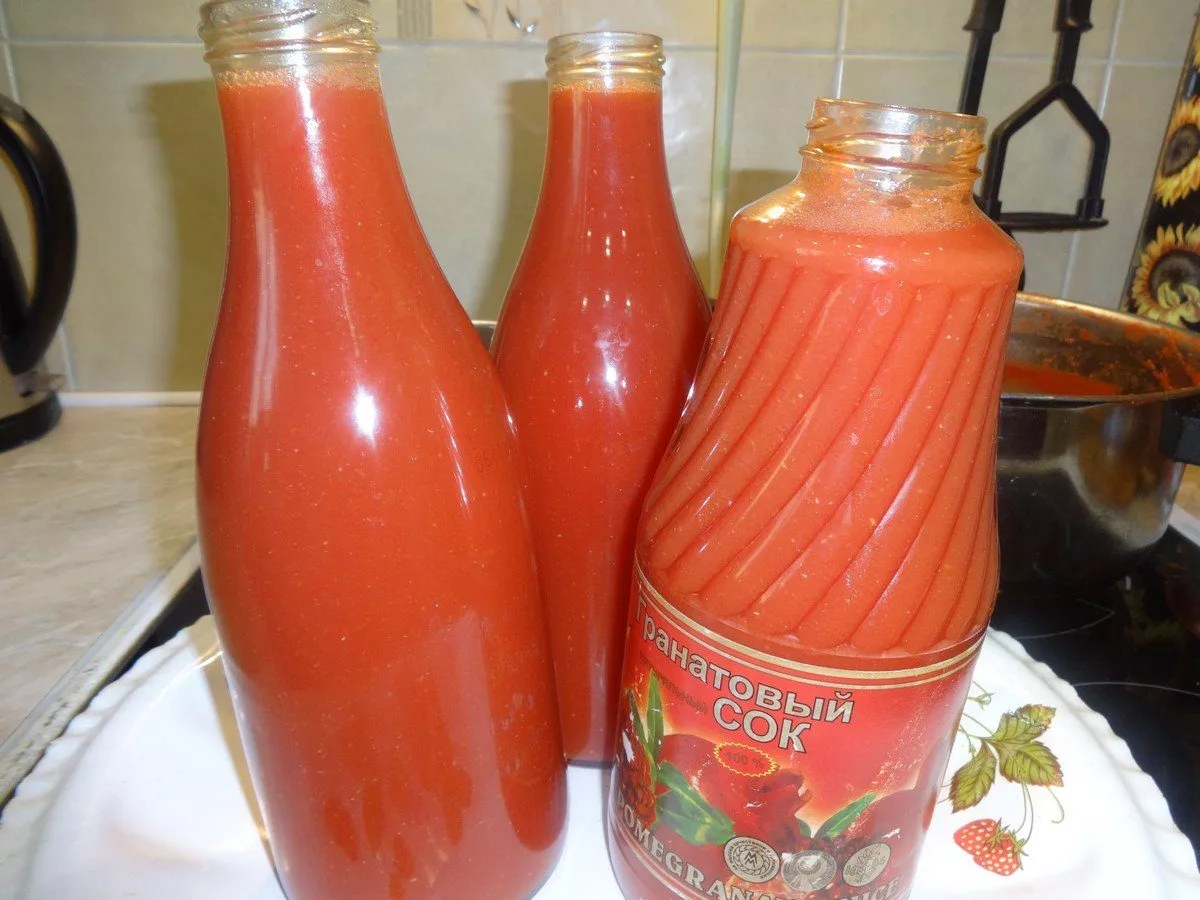
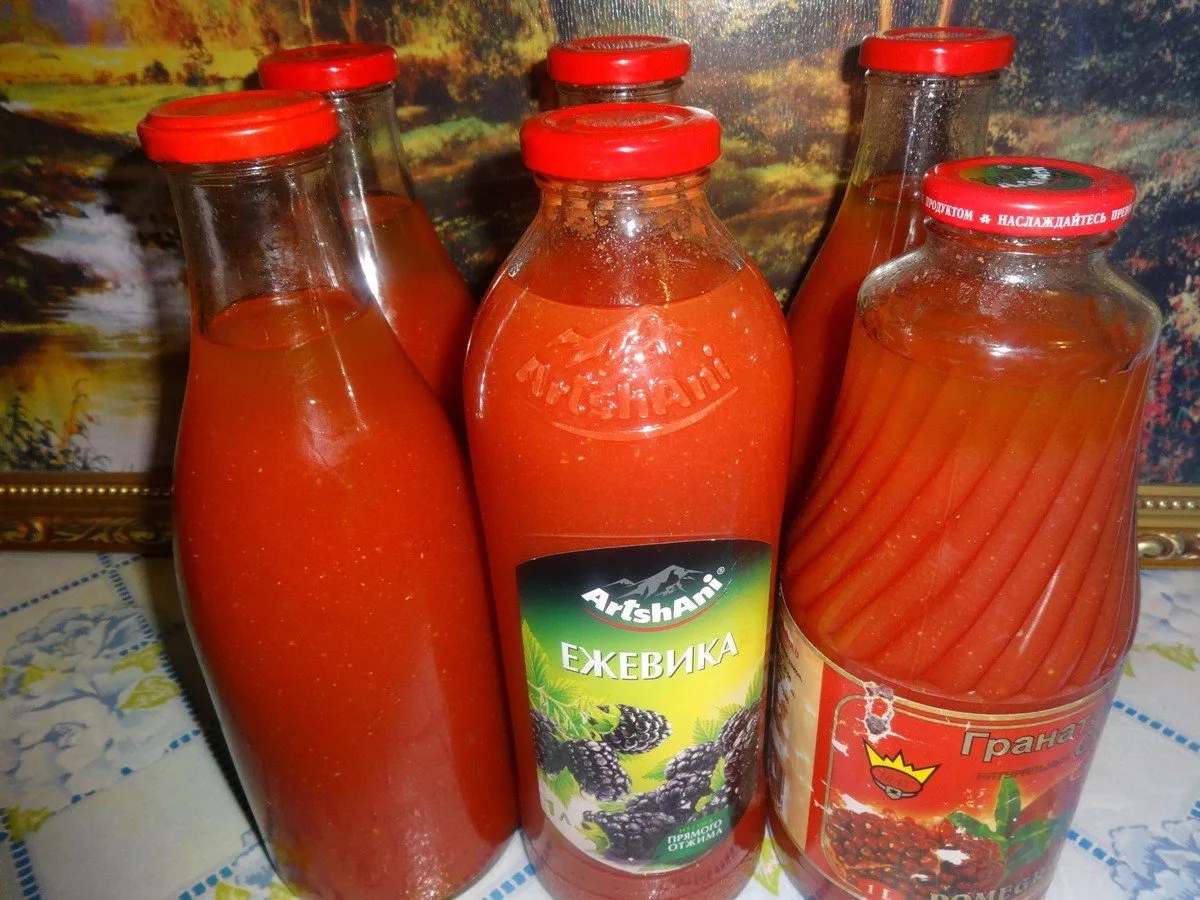
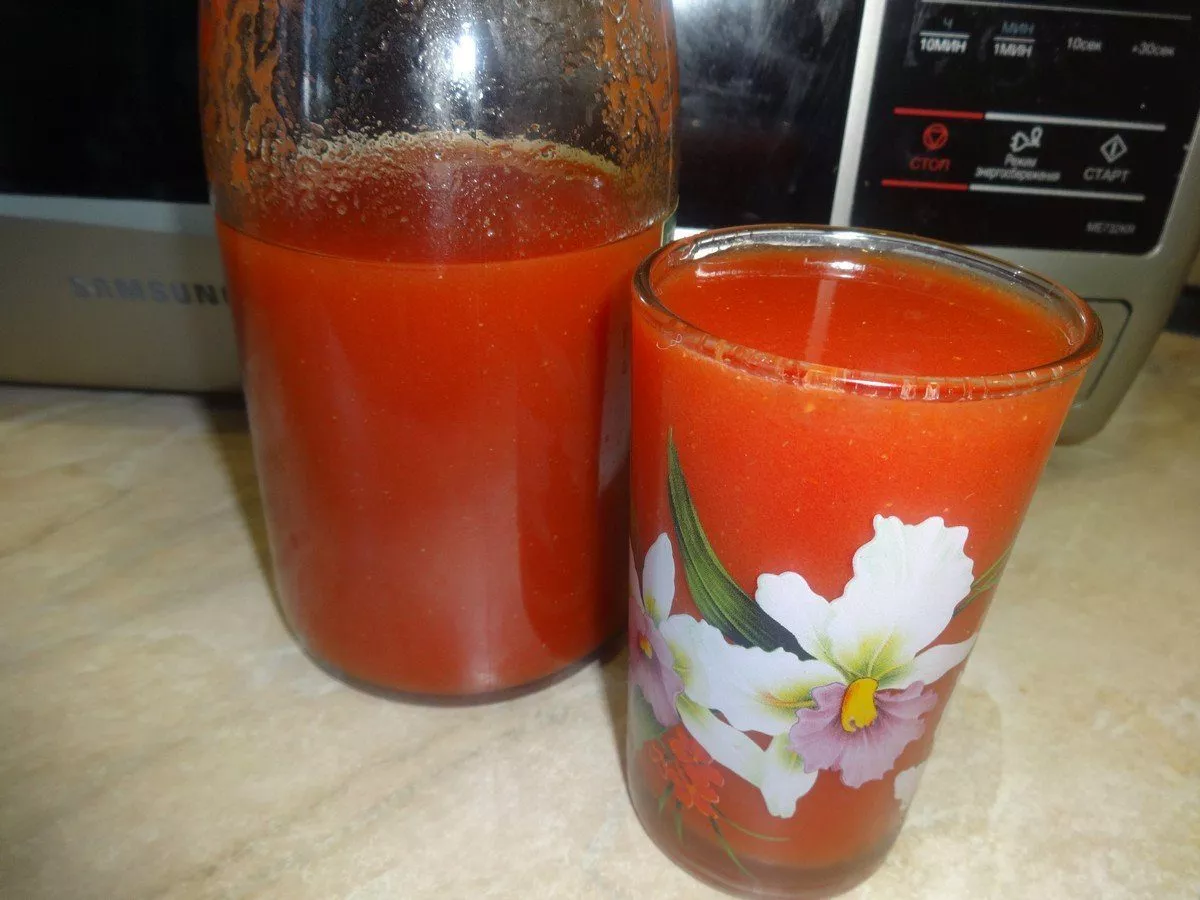
The finished juice has pulp, is tasty and aromatic.
Benefits of tomato juice
In addition to numerous vitamins, minerals, and other beneficial substances, tomato juice contains potassium, which means it protects the cardiovascular system, strengthens the heart and capillaries, thins the blood, lowers blood pressure, and prevents blood clots.
Lycopene prevents the development of cancer, is especially beneficial for prostate health, men simply need to drink tomato juice.
Contains serotonin, the hormone of happiness, so a glass of juice improves your mood and relieves nervous tension. It also strengthens the immune system, which is important during the coronavirus pandemic.