

We have creeping thyme growing at our dacha. It's a small, low-growing perennial shrub with thin, twining branches, small, rounded, elongated leaves, and tiny, bright pinkish-purple flowers.
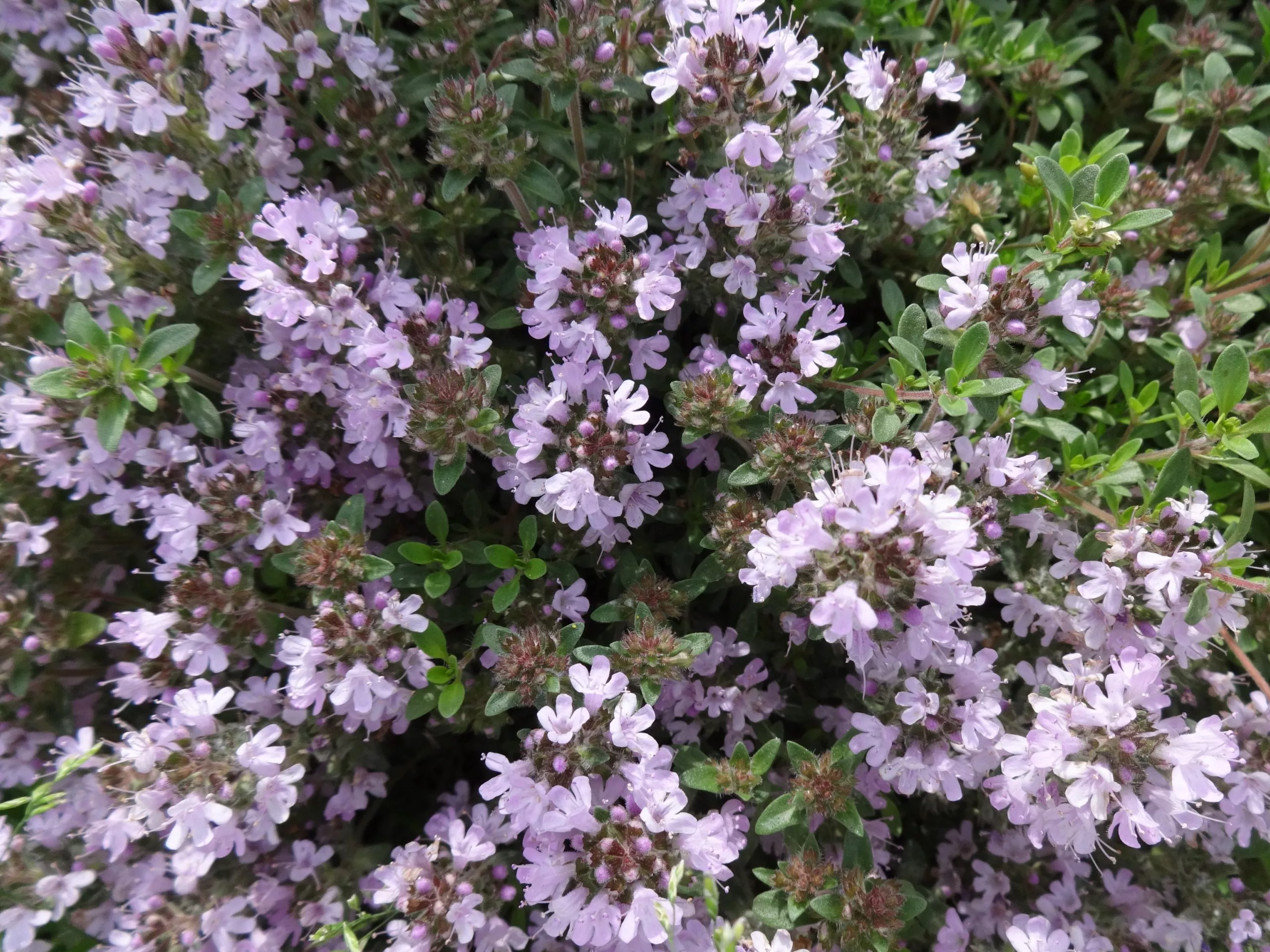
This plant is commonly known as thyme or Bogorodskaya grass. It is very fragrant, aromatic, and a good honey plant. Bees do not fly away from it during flowering.
Creeping thyme belongs to the Lamiaceae family. There are many different species of this plant. It can be found in sunny forest clearings and steppe areas.
I found this plant on the rocky slopes near our dachas and brought it into my garden. Now it grows at our dacha, decorating my flowerbed from spring until late fall. It's also very beneficial, as it's a medicinal plant with numerous healing properties.
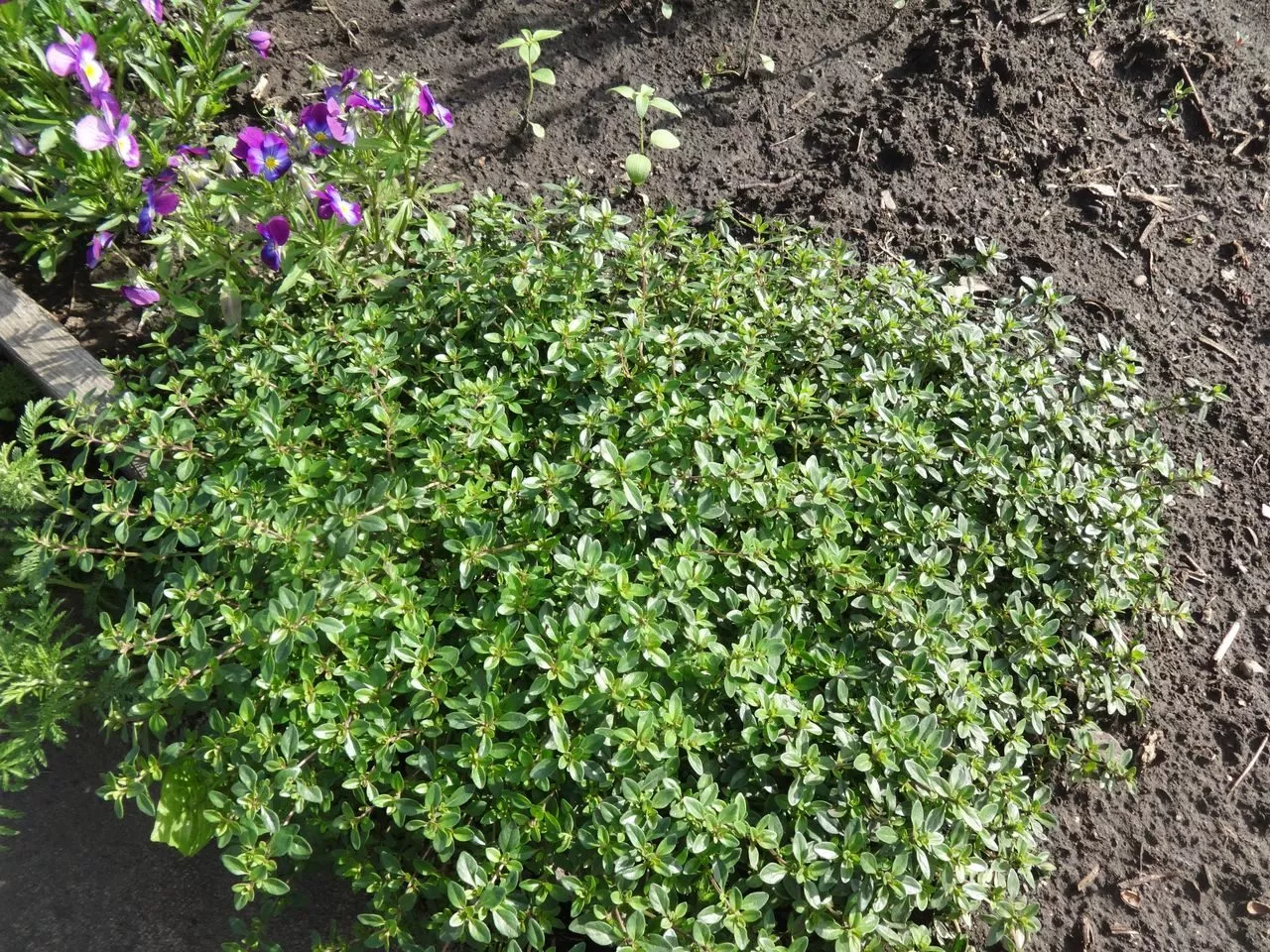
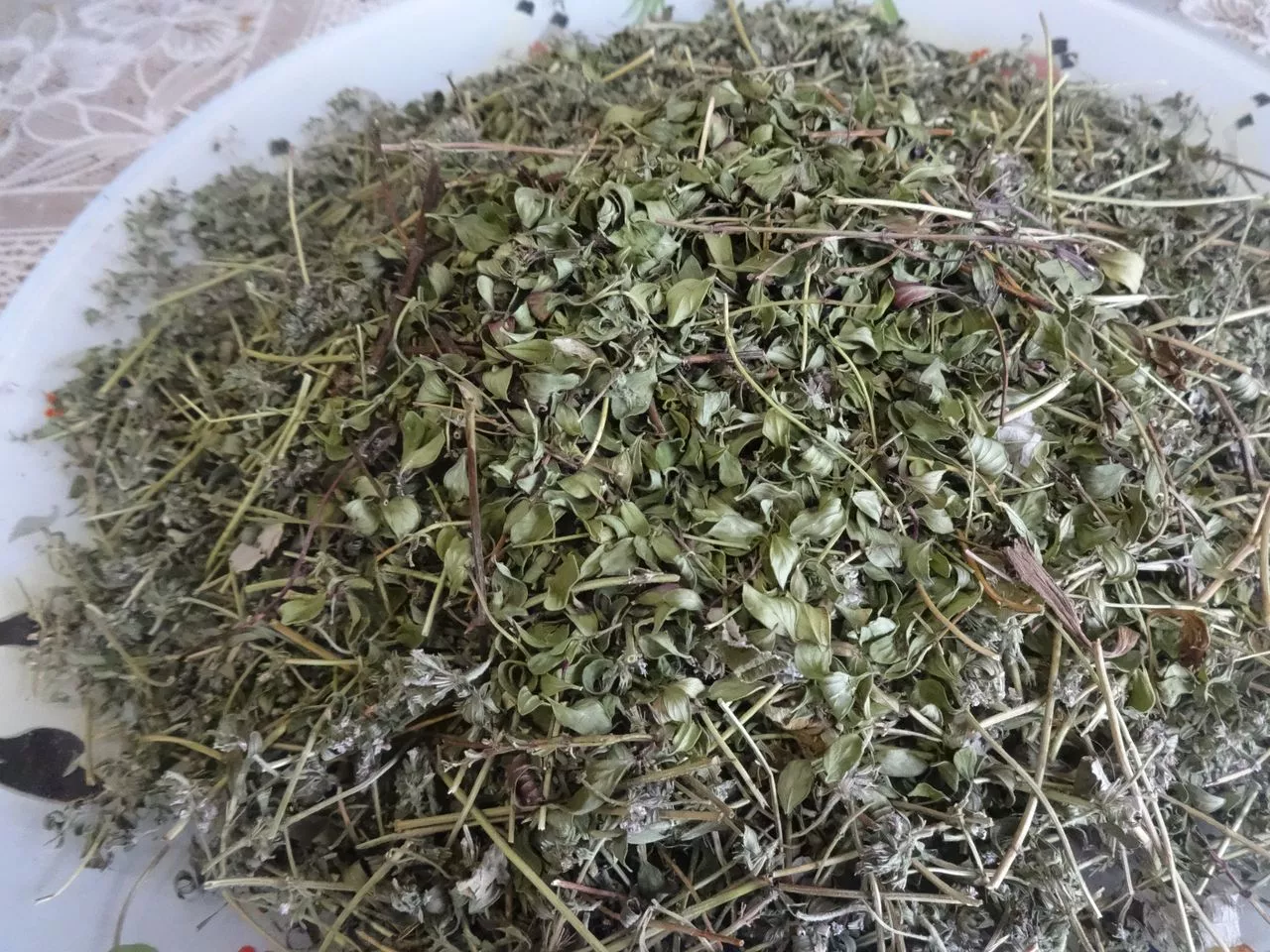
At the dacha, and even at home, we enjoy drinking tea made from fresh thyme, and also prepare and dry it for the winter.
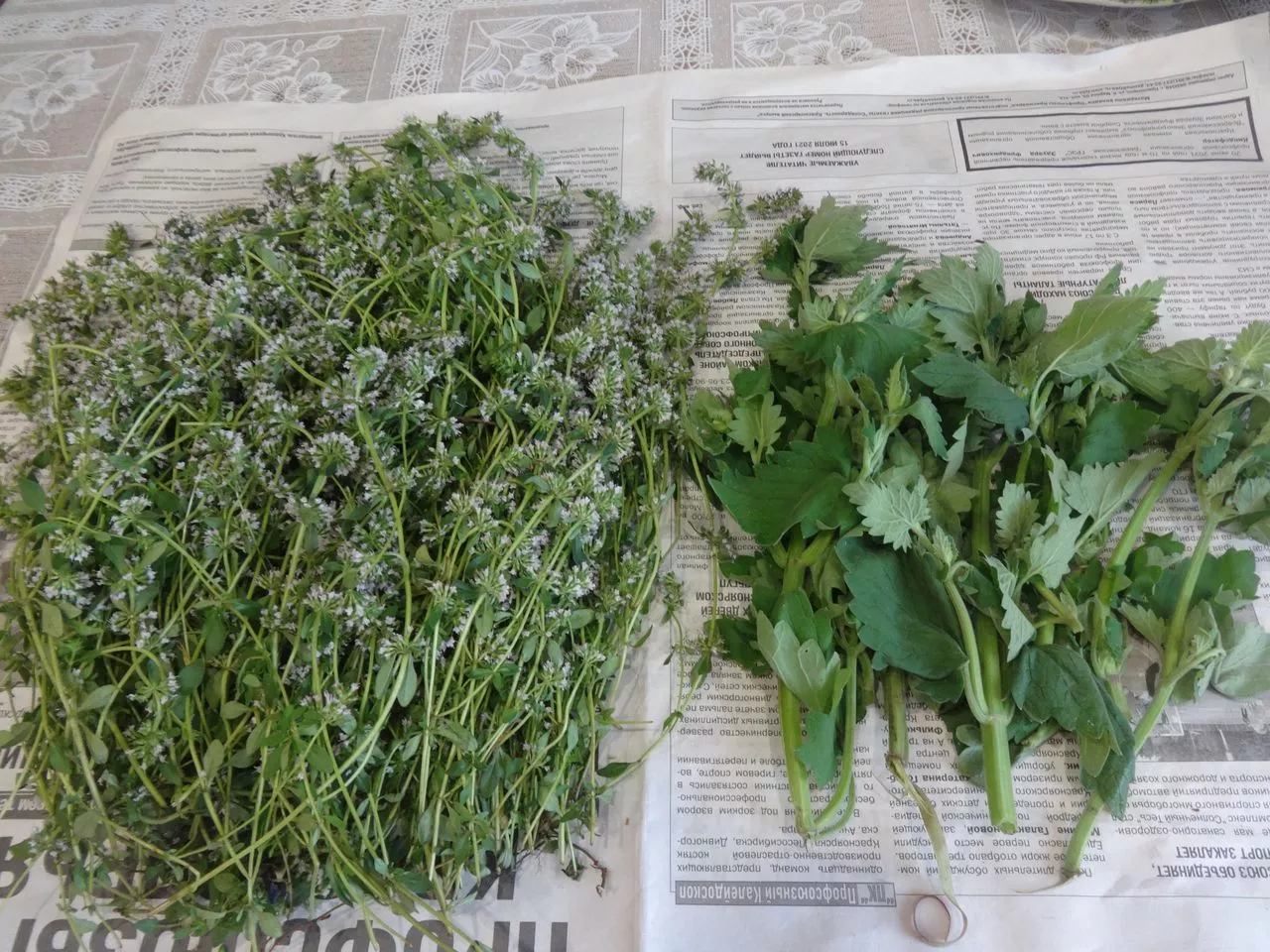
This tea is delicious and has a tonic effect, strengthens the body, and lifts the mood.
This groundcover plant has a rich chemical composition, containing many beneficial vitamins and minerals. I don't think there's any point in listing all of these substances. I'll briefly describe the medicinal properties of this herb, as thyme is widely used in folk medicine.
For treatment, decoctions, infusions and tinctures from dry herbs are used.
They have expectorant and antiseptic properties, thinning and removing mucus. Infusions and decoctions are used for bronchopulmonary diseases such as bronchitis, laryngitis, tracheitis, and bronchopneumonia. They are also used as a gargle for mouth ailments and sore throats, as a poultice for skin conditions, and as compresses for joint pain.
Thyme infusions and decoctions can also be used by those suffering from gastrointestinal diseases. Drinking these decoctions and infusions normalizes digestion, as the herb's disinfectant properties normalize the intestinal microflora. Stomach pain disappears, and gas formation is reduced.
Bogorodskaya grass has analgesic properties. It relieves spasms, regulates blood pressure, alleviates headaches, and helps with nervous disorders and insomnia.
How to make thyme infusions, decoctions, and tinctures
Recipe for an infusion for colds, coughs and for the treatment of the gastrointestinal tract:
Pour 2 teaspoons of dried herb into a glass (250 ml) of boiling water. Let steep for 10 minutes, then strain. Drink three glasses daily.
For coughs, add a spoonful of honey to the infusion.
Recipe for thyme decoction for the treatment of colds and bronchitis:
Pour 0.5 liters of boiling water over one tablespoon of dried herbs. Bring the infusion to a boil in a double boiler for 5-7 minutes. Cool for 15 minutes, then strain. Take warm, one-third of a glass 4-5 times daily. Drink half an hour before meals or 1.5-2 hours after meals.
Infusions and decoctions can be used to gargle a sore throat, wash wounds, boils, and acne.
Thyme tincture recipe #1:
Add three tablespoons of dried herb to 100 ml of vodka. Let it steep in a dark place for three weeks. Strain the infusion and use it to massage sore joints.
Recipe No. 2
Add 1 tablespoon of dried thyme and 1 tablespoon of lemon balm to 200 ml of vodka. Leave to steep in a dark place for 8-10 days, shaking occasionally. Strain and take 25-30 drops of the tincture in half a glass of water three times daily. The tincture is also used for rubbing sore joints.
Before using thyme tinctures, decoctions, and infusions for treatment, you should consult your doctor.
Where else is thyme used?
In traditional medicine, thyme is added to medications for acute and chronic respiratory diseases, bronchopulmonary diseases, tuberculosis, whooping cough, and coughs. Dried medicinal herbs are included in choleretic and expectorant infusions.
Thyme is also used in cooking, as a spicy seasoning for grilled meats and fish, and in beverages. Fresh thyme sprigs can be added when pickling cucumbers.
Fresh and dried thyme are used to make tea. It's delicious and fragrant. We love this kind of tea. Sometimes we drink pure thyme tea, and sometimes we add currant leaves, strawberry leaves, raspberry leaves, lemon balm, cornflower flowers, calendula, and marigolds.
You can also use berries—strawberries, raspberries, currants, viburnum, and rose hips. It makes a fragrant, healthy, vitamin-rich drink. Adding other herbs to the thyme creates teas with different flavors.
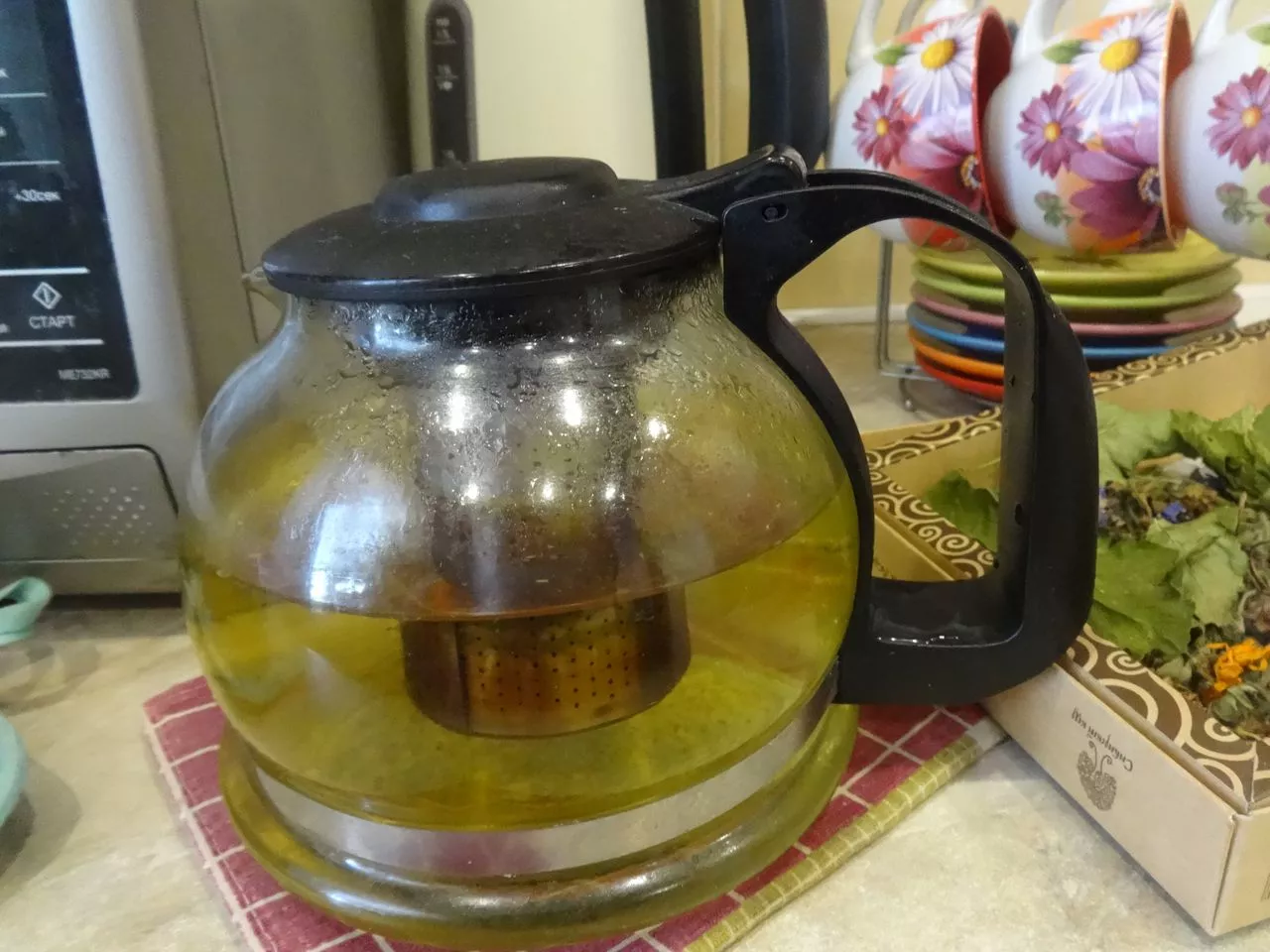
I just brewed some thyme tea, added a currant leaf and a calendula flower, and enjoyed drinking it with figs. Delicious!
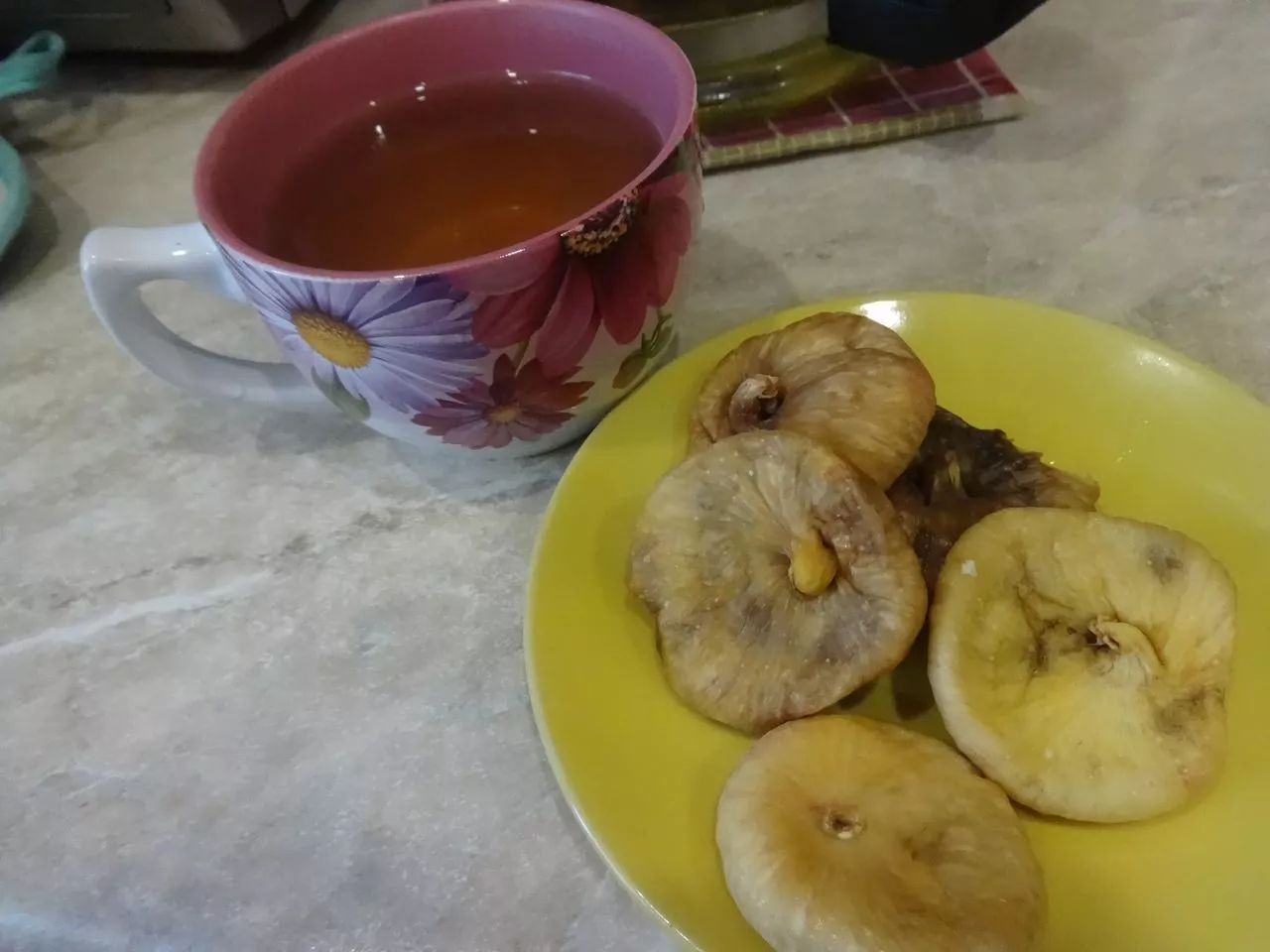
Thyme sprigs can also be added to regular tea leaves for added flavor.
And, of course, if someone has a cold, we treat it with thyme infusion. By the way, when I was little, there was a medicine called Pertussin that contained thyme. It tasted sweet. My mother always used it for my brother Vitalik; for some reason, he often caught colds and coughed. So, I'd pretend I had a cold too, and my mother would give me a spoonful of Pertussin. I wonder if they still sell that medicine?
I had no idea thyme was a wild savory—very surprising! Thank you so much for the information. I followed your advice and tried tea with calendula and currant leaves (I used blackcurrant leaves—right?). It was delicious. I'll always brew it this way from now on.