

Finally, summer has arrived here too. The first three days of June were sunny, without wind or rain, and truly hot!
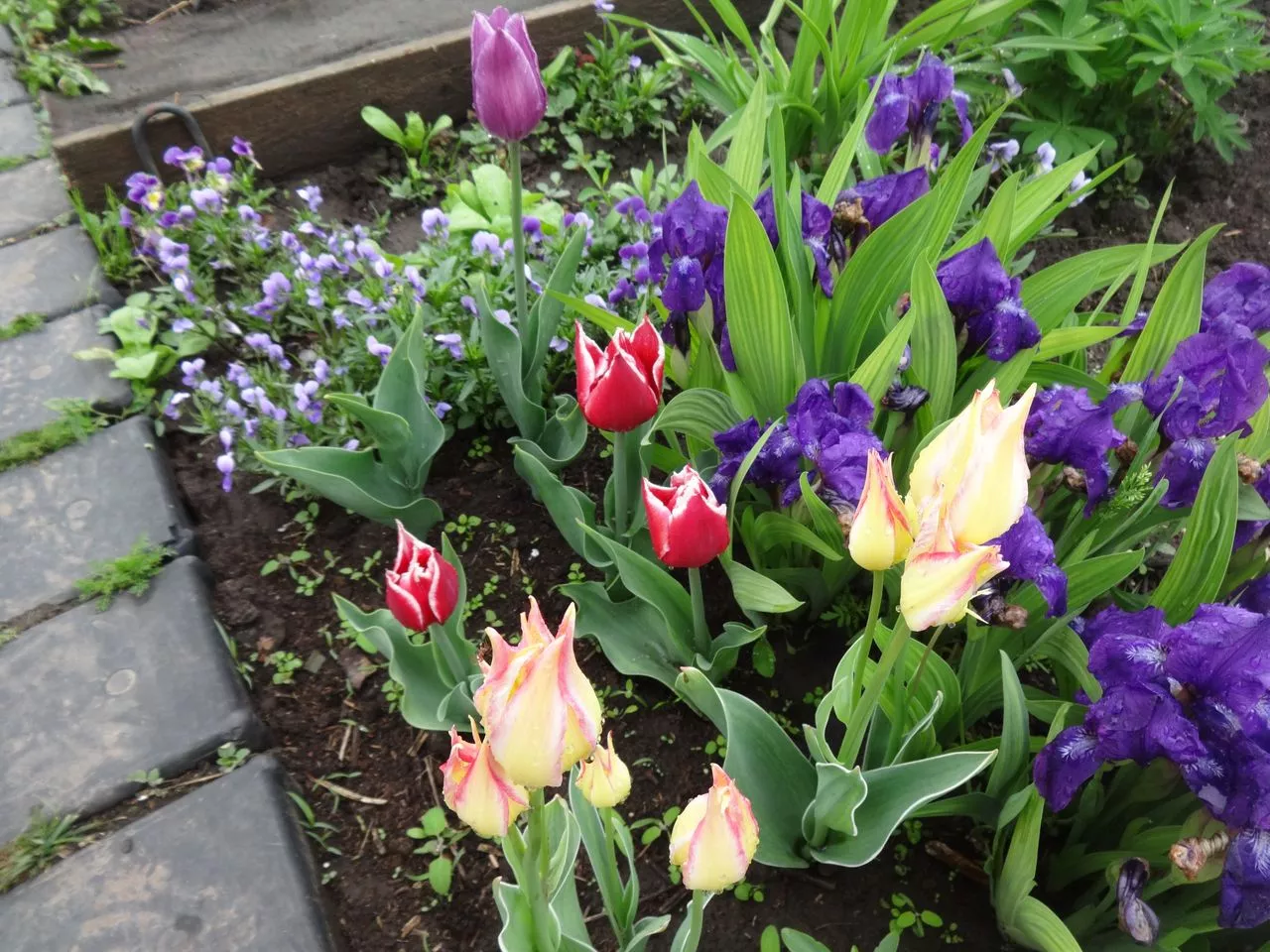
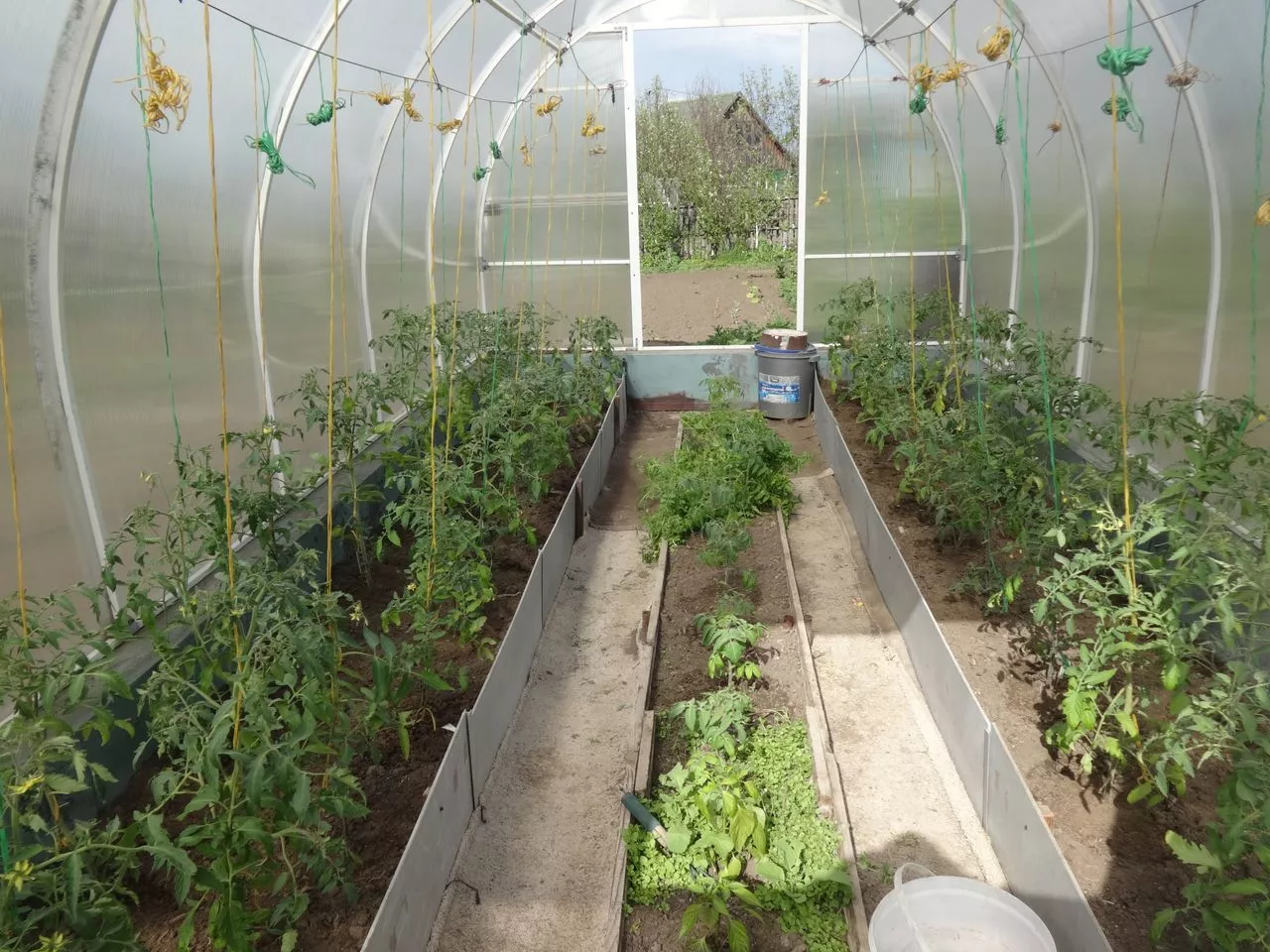
And over the weekend it got cold again, with more rain and wind. I'd like to briefly tell you how vegetables—tomatoes, cucumbers, and peppers—are growing in my greenhouses.
This year's winter was long, snowy, and frosty. In the spring, the snowdrifts took a long time to melt, the frozen soil didn't absorb moisture, and puddles were everywhere at the dacha. The soil in the vegetable beds and greenhouse turned green and cracked.
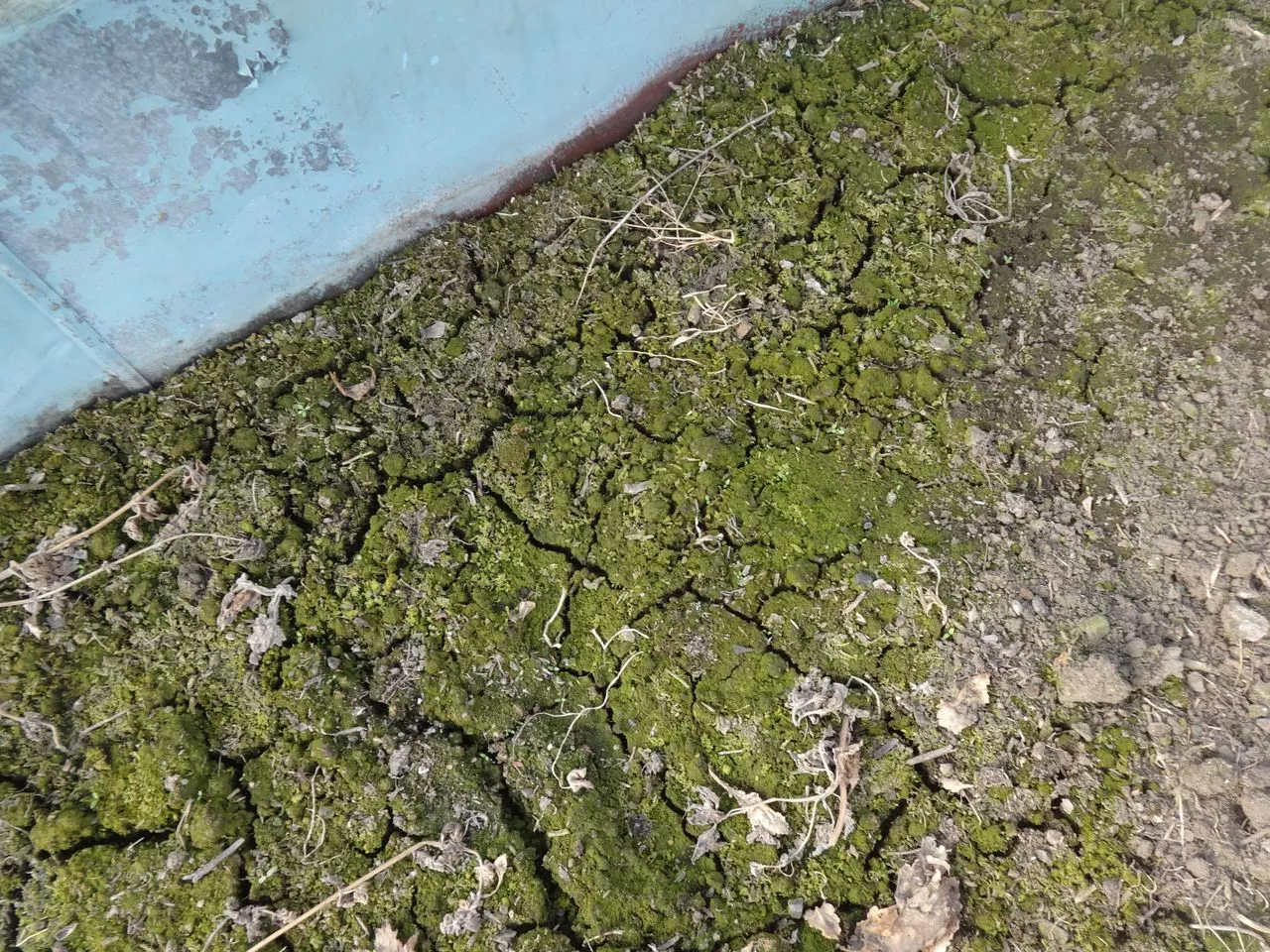
In the greenhouse, we removed the green layer of soil and sprinkled it with dolomite flour.
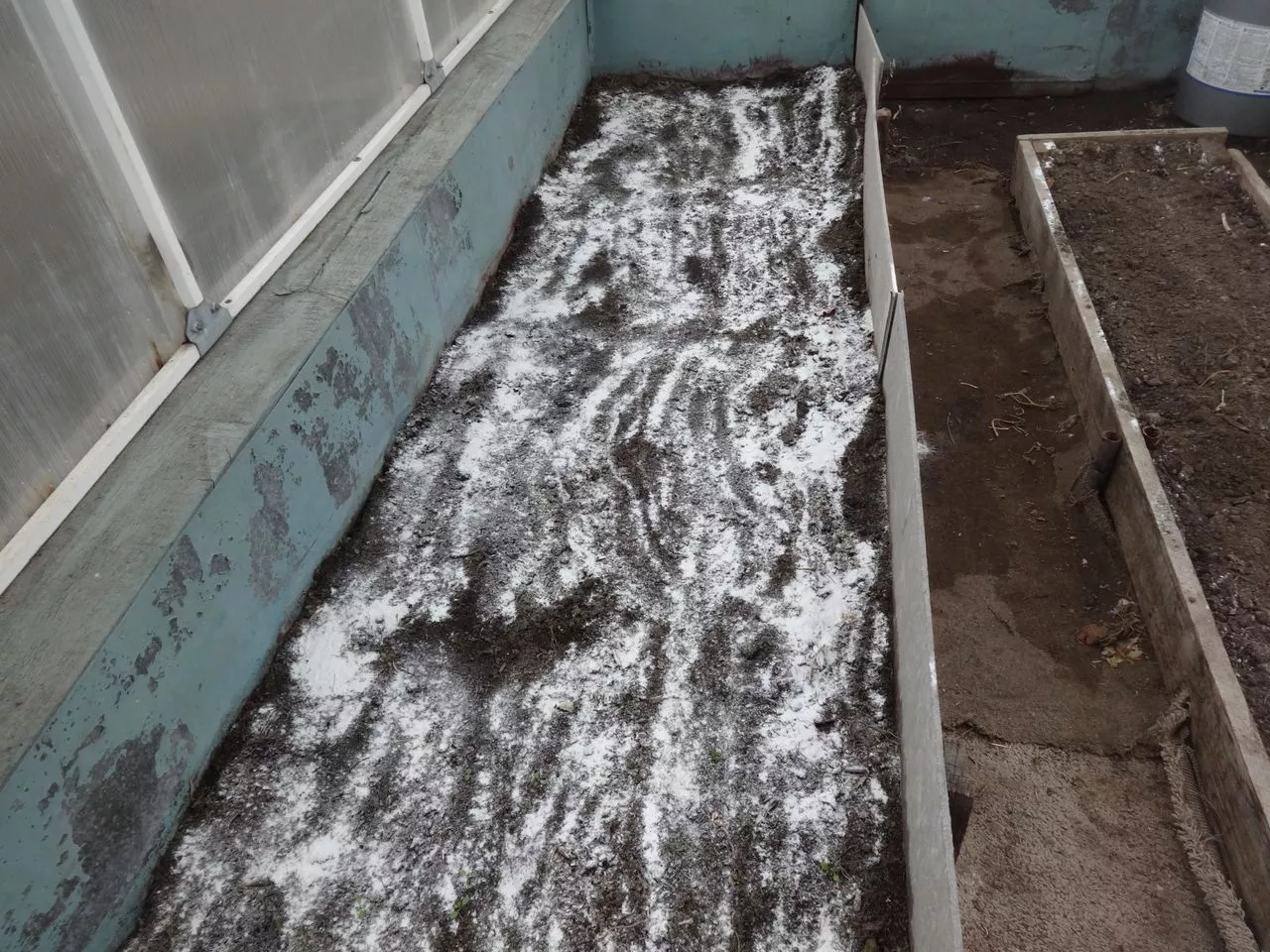
The soil was dug over and watered with a phytosporin solution. The greenhouses themselves were washed and sprayed with phytosporin.
In early April, we sowed radishes and greens—spinach, watercress, arugula, cilantro, and Japanese greens—and covered them with a covering material.
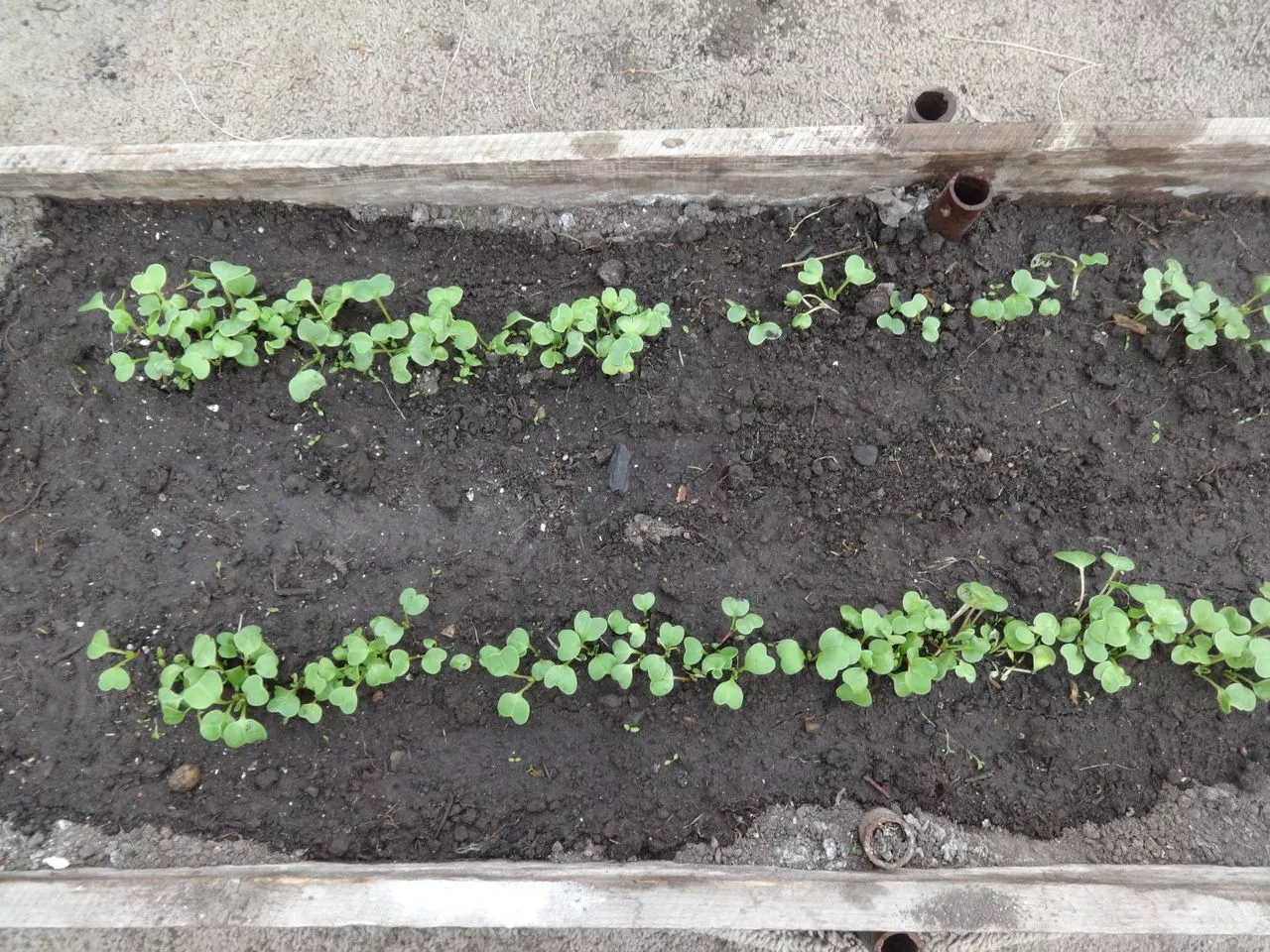
The radishes and greens grew well.
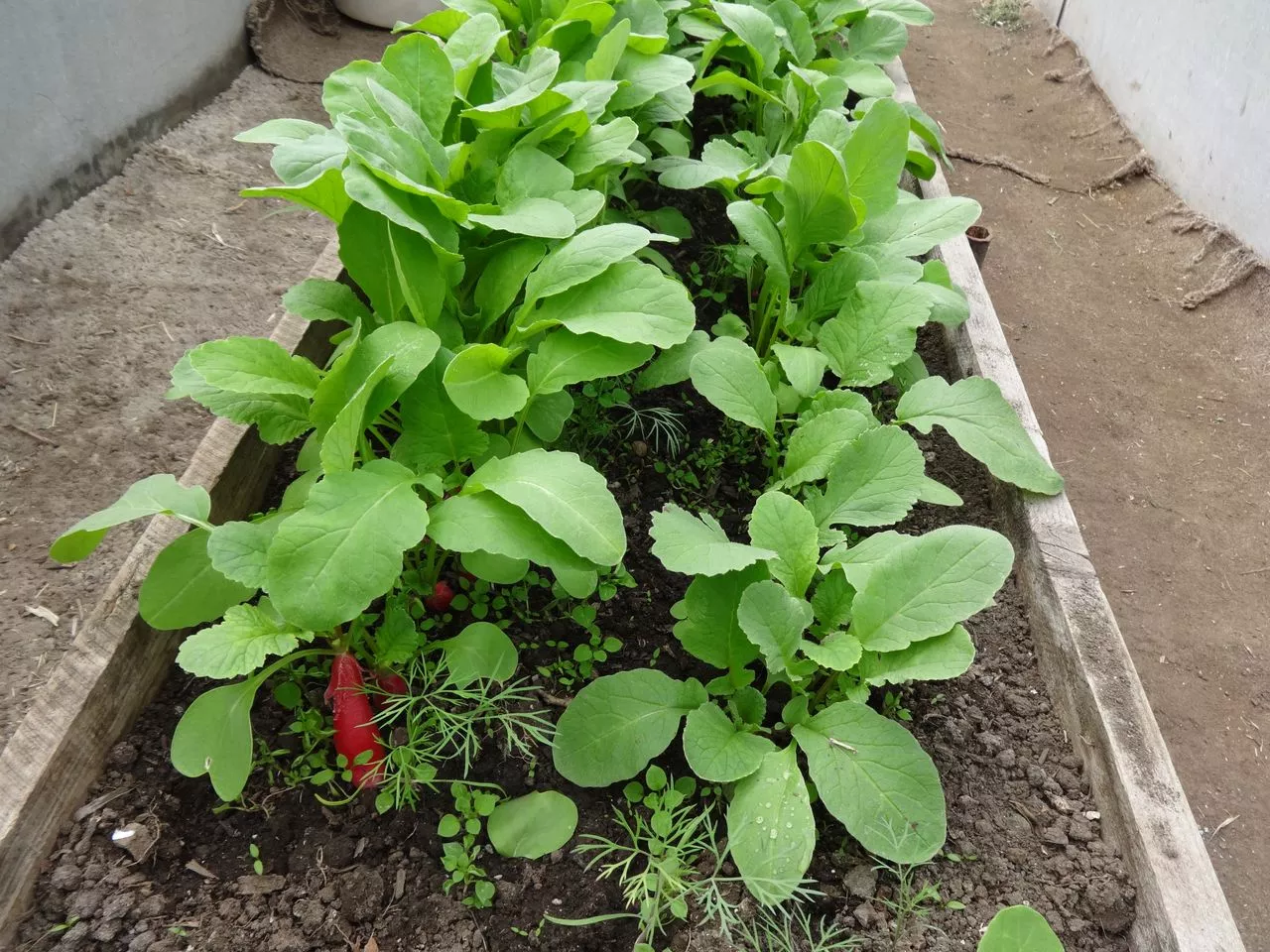
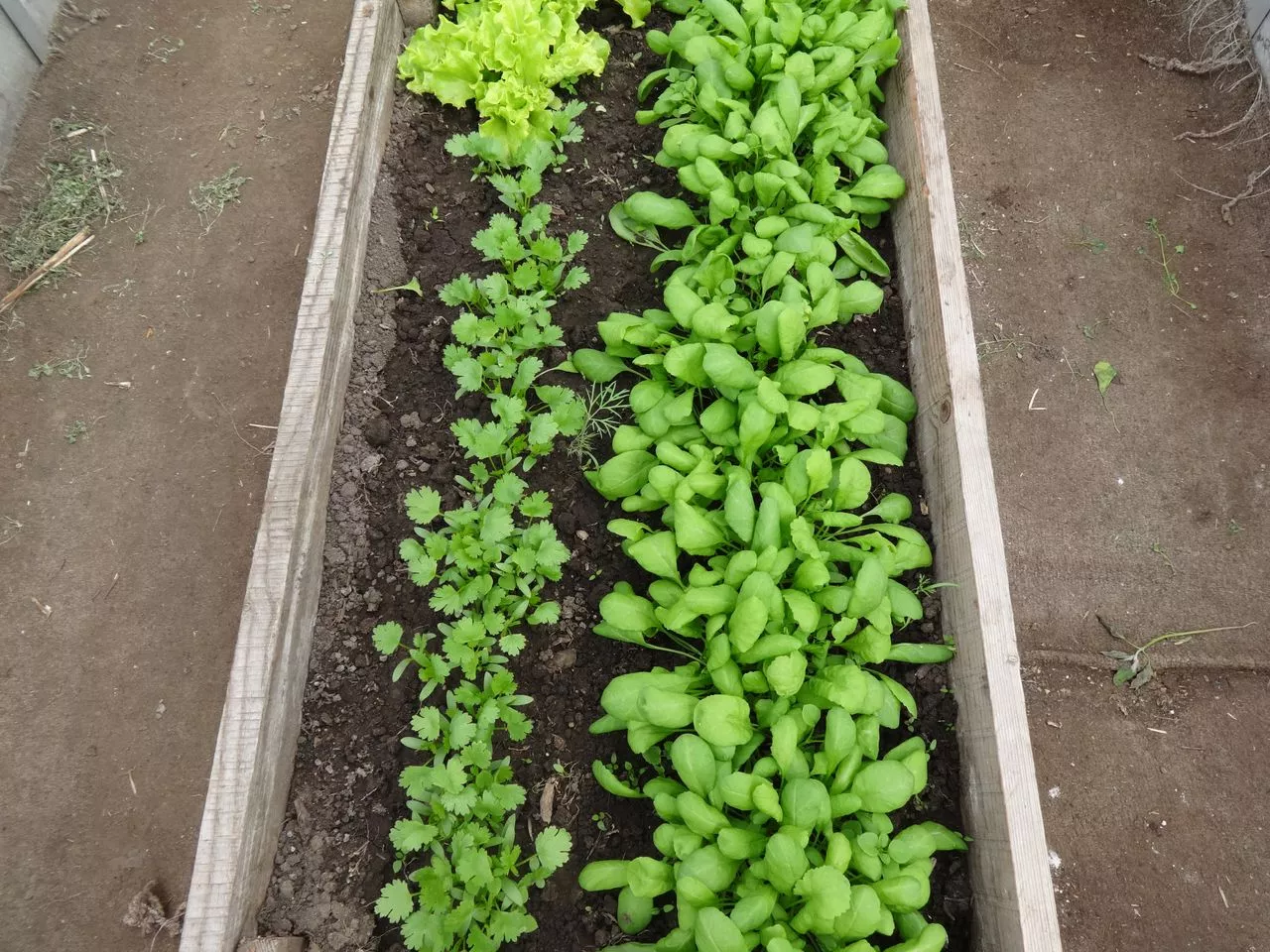
The first vitamins were eaten quickly and with pleasure.
May was unkind: windy and rainy, the nights were cold, and the days weren't hot either. I planted some of the tomatoes in the greenhouse on May 5th, the rest in mid-May, and covered them with a covering material at night.
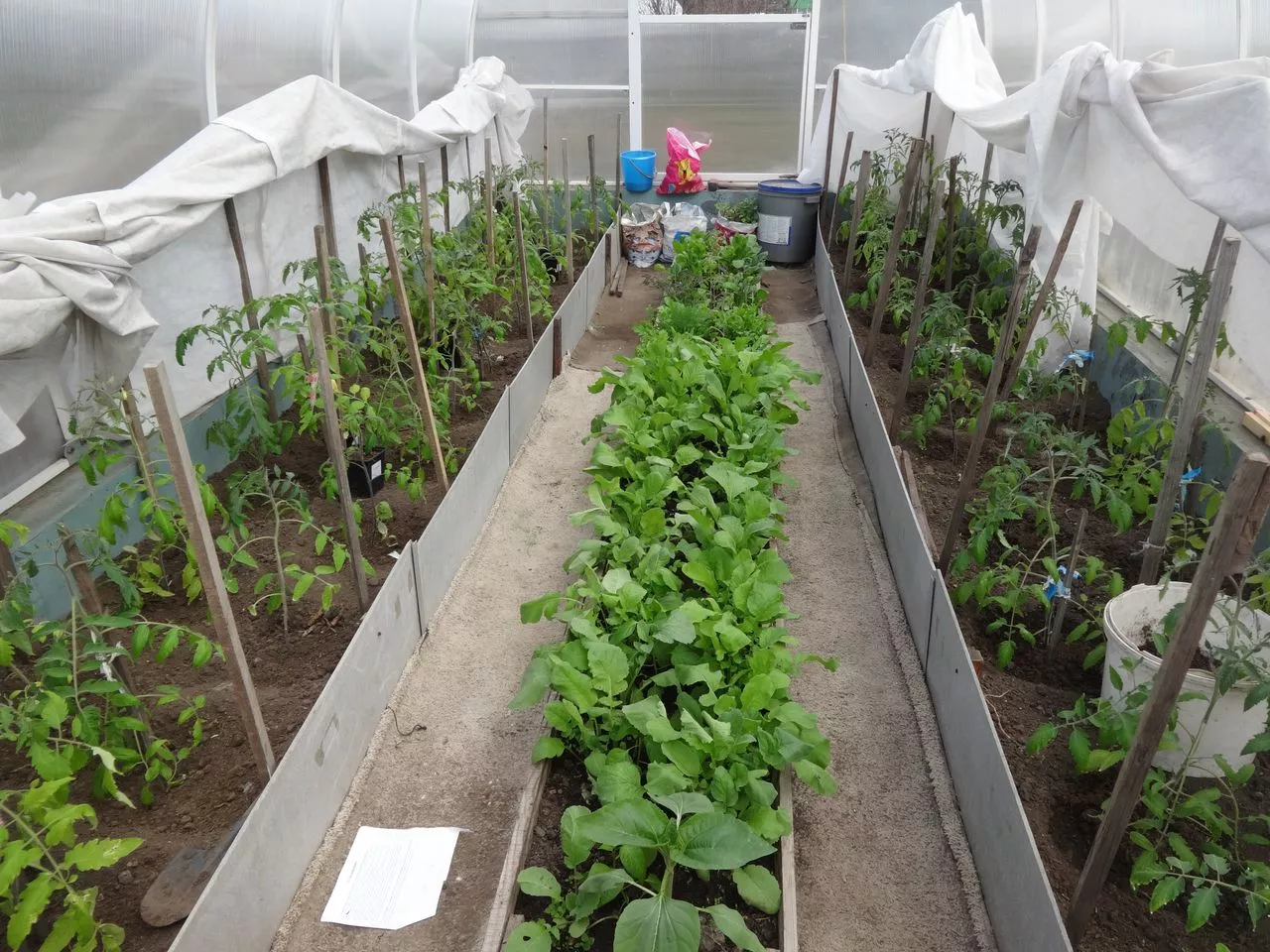
The tomatoes are growing well, blooming, and some bushes already have small tomatoes.
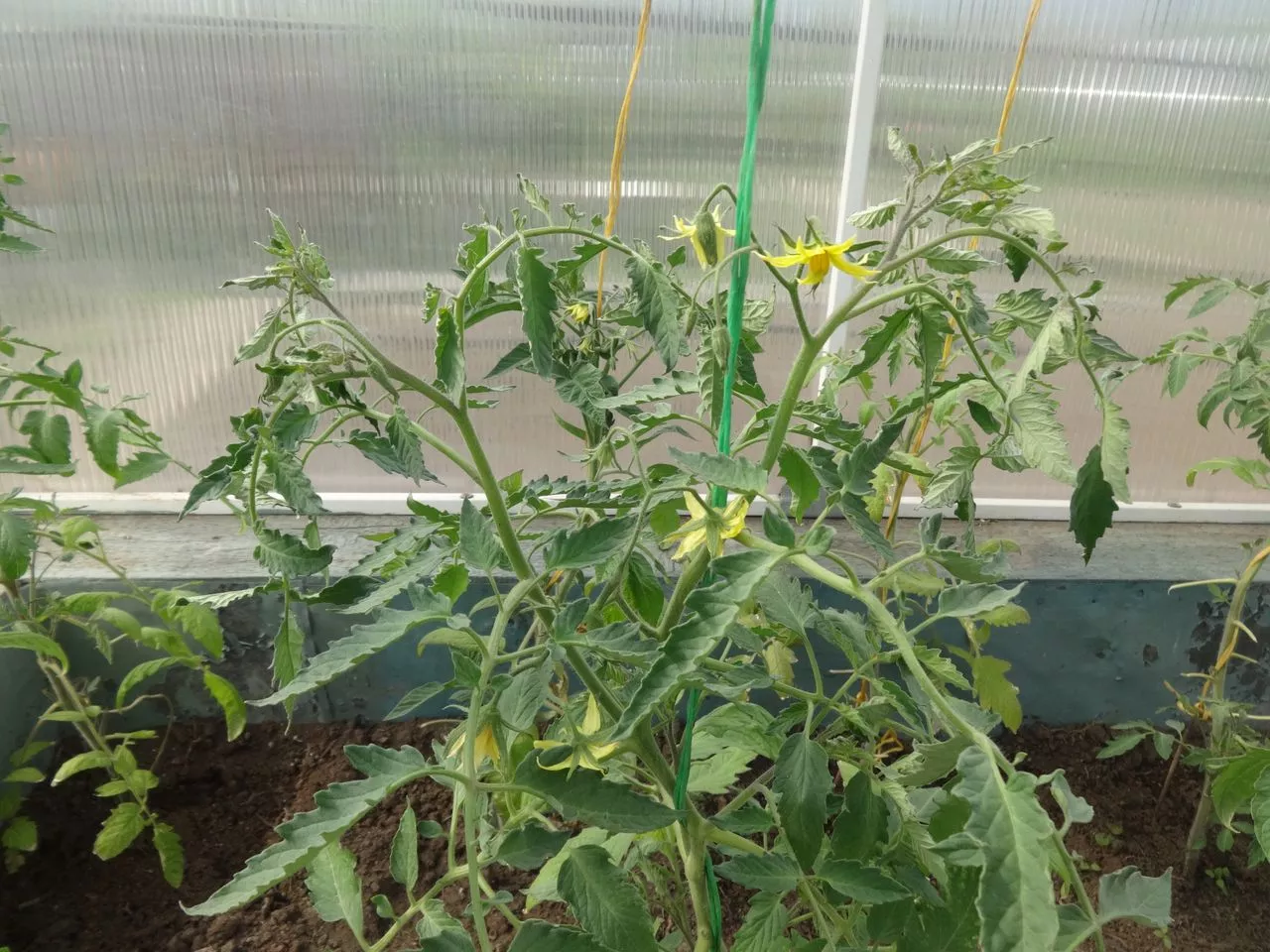
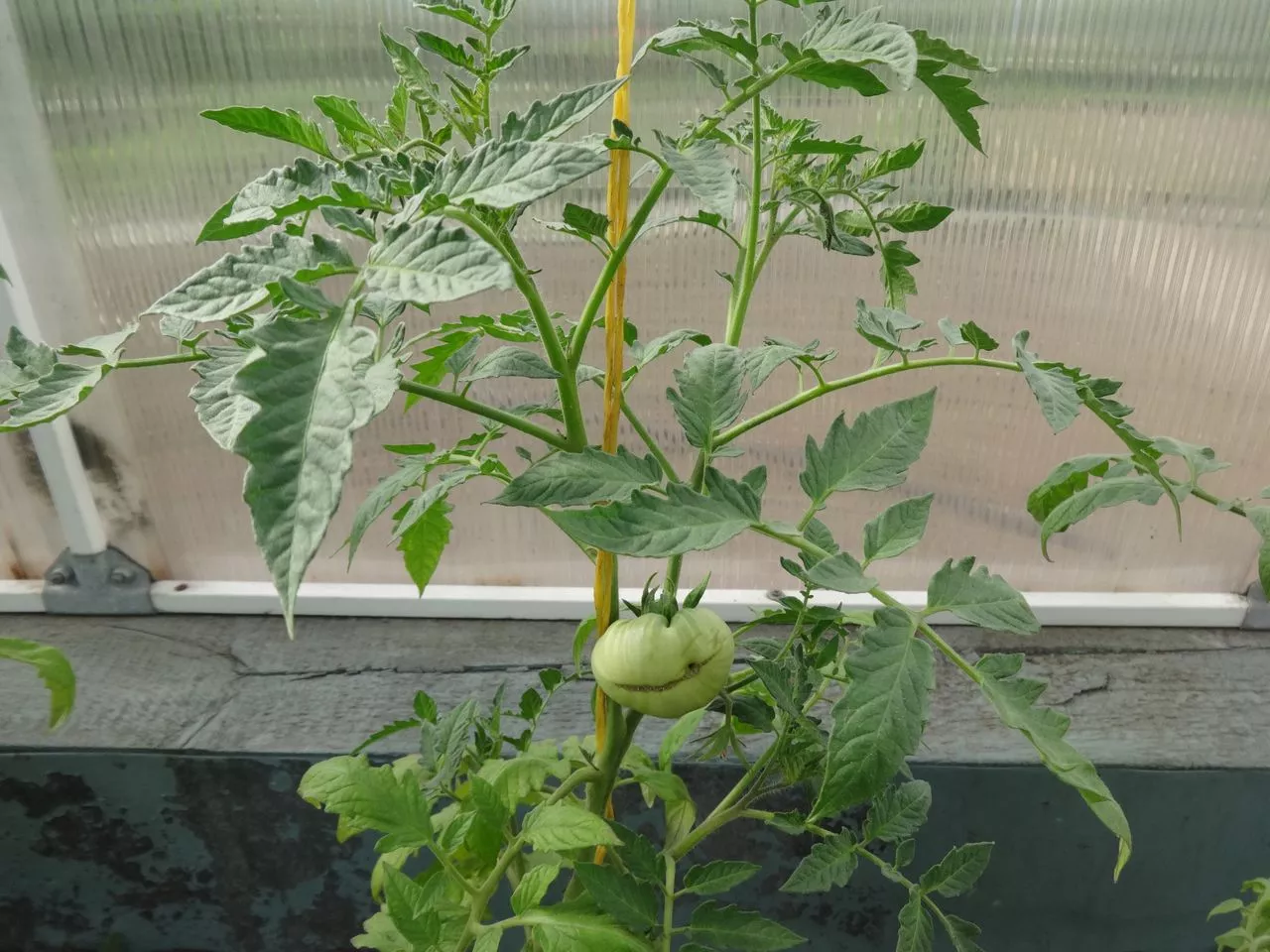
In the coming days I want to treat the flower brushes with tomato ovaries.
But cucumbers don’t grow at all - I grew a few at home, the seedlings were good.
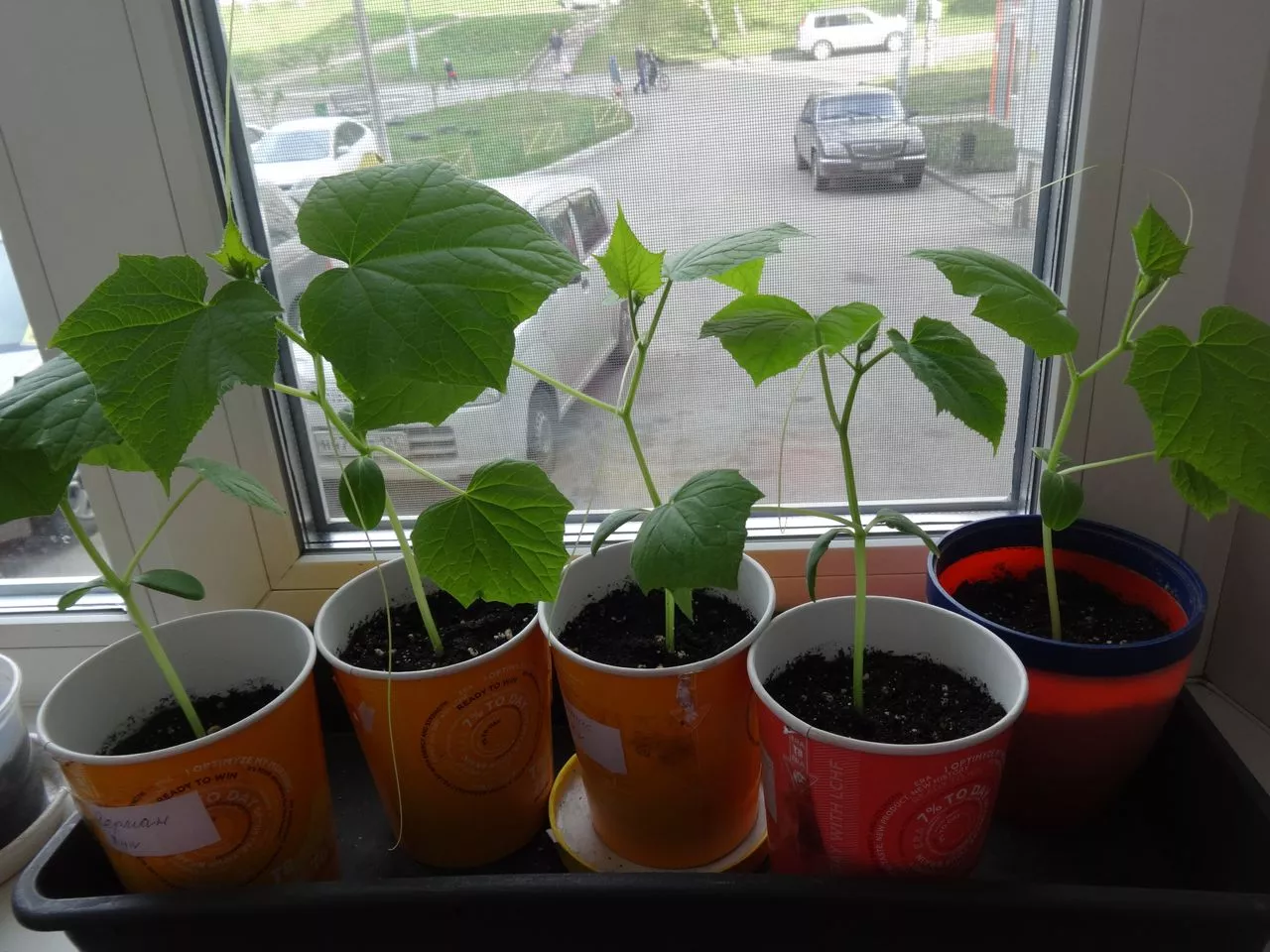
In mid-May, I transplanted the plants to a greenhouse, and problems began. The cold caused the leaves to turn outward, while others curled inward.
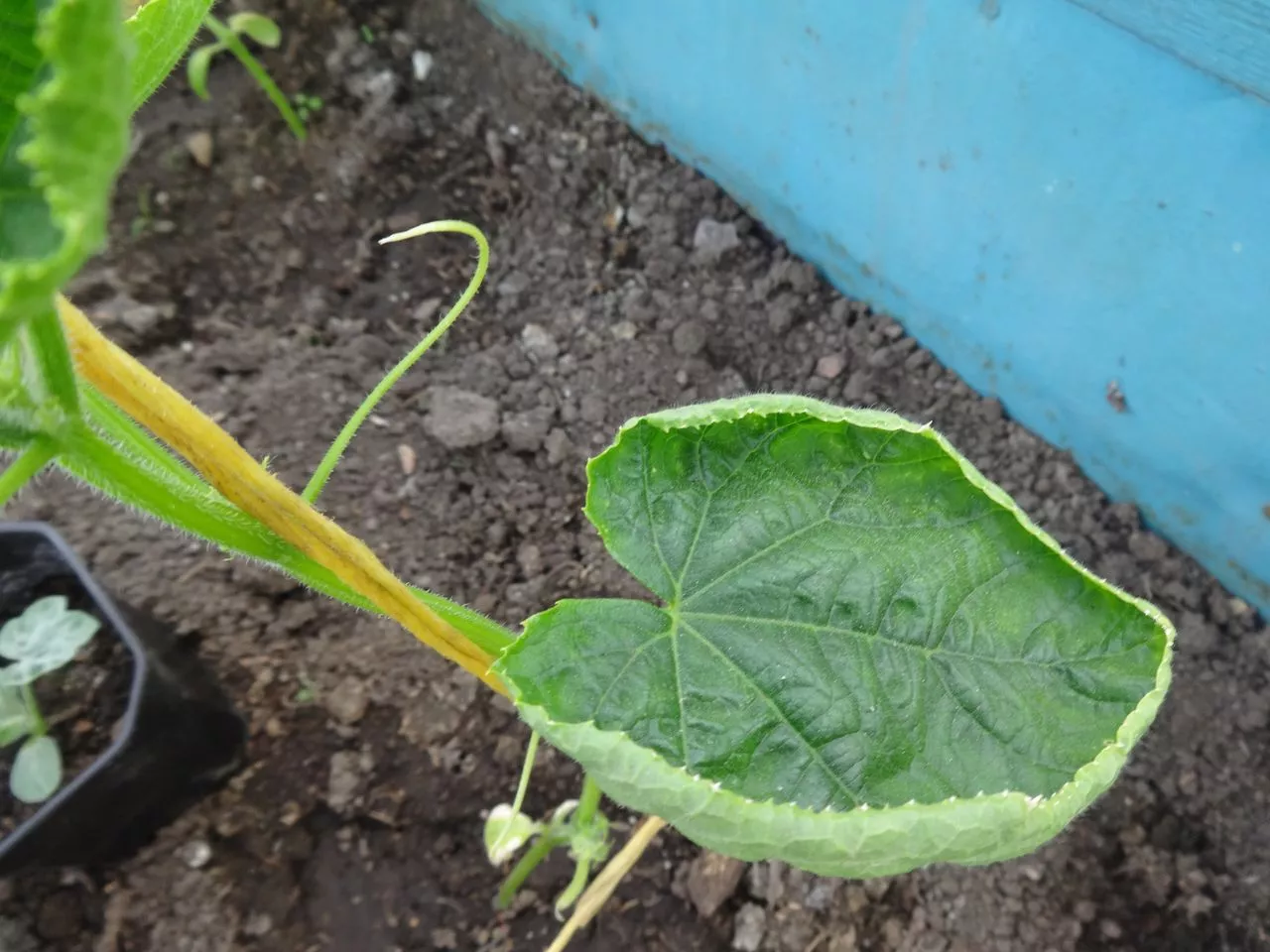
The leaves were covered in spots, and earwigs had nibbled at their edges.
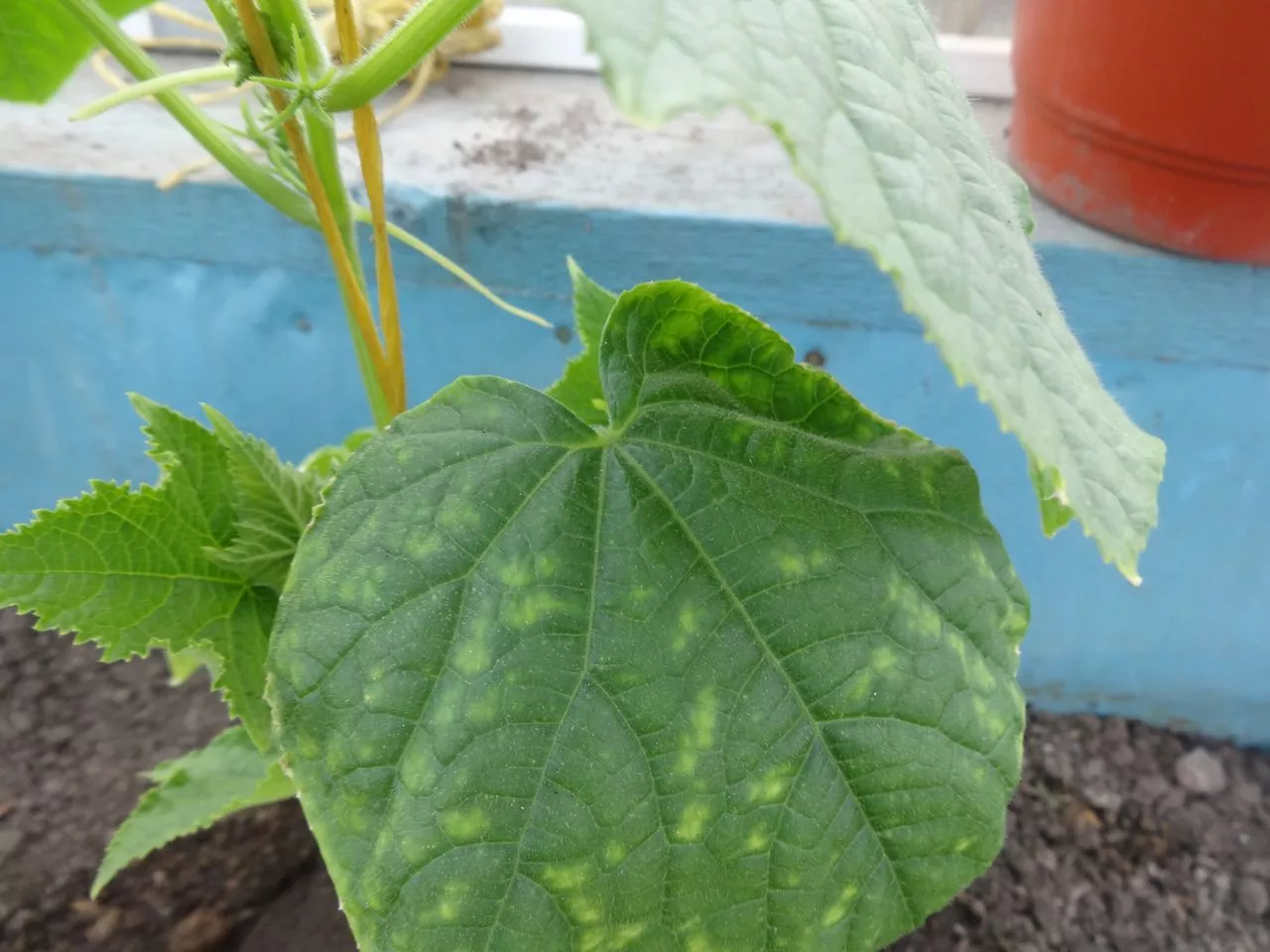
Of the seeds I sowed in the greenhouse, only six sprouted. They're growing slowly. Recently, I fertilized the cucumbers with herbal infusion and added ash and compost under the bushes. Cucumbers have started to form on the plants I grew indoors.
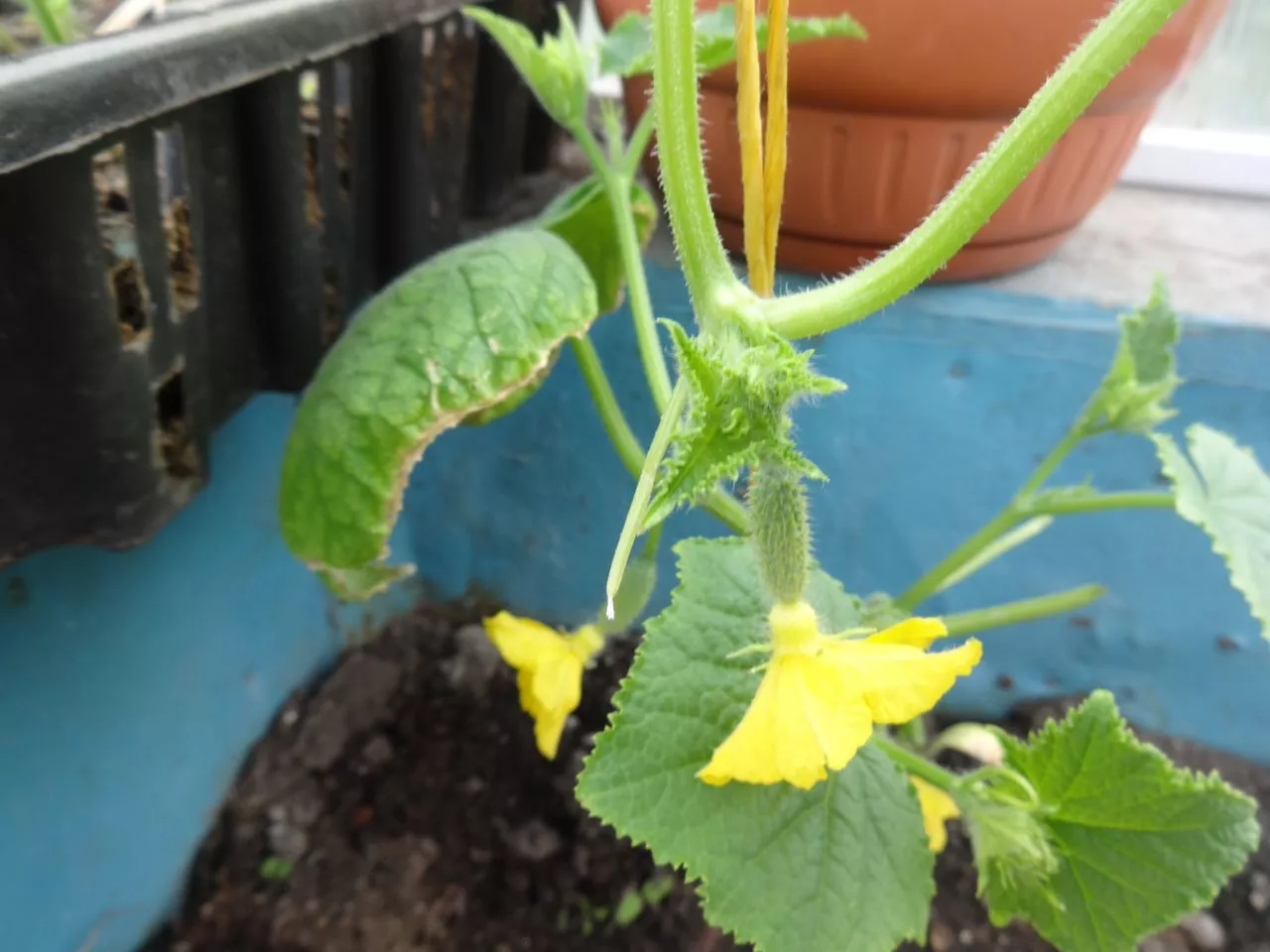 It is also encouraging that the upper leaves are growing back green and healthy.
The pepper seedlings grew well this year. I planted them in the greenhouse in mid-May. Cold nights and hot days in the greenhouse negatively affected the peppers—the leaves were sunburned and turned purple from the cold at night.
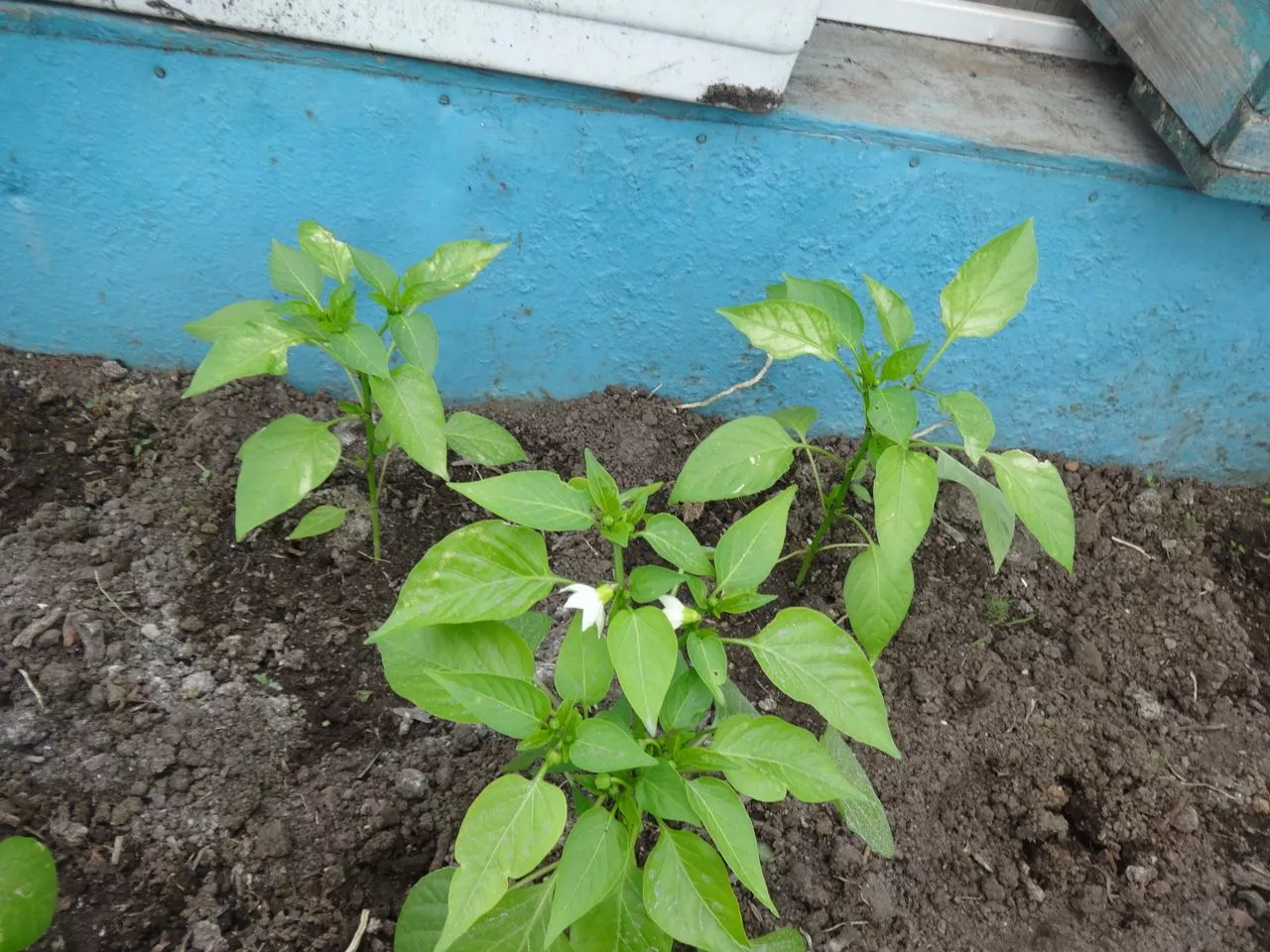
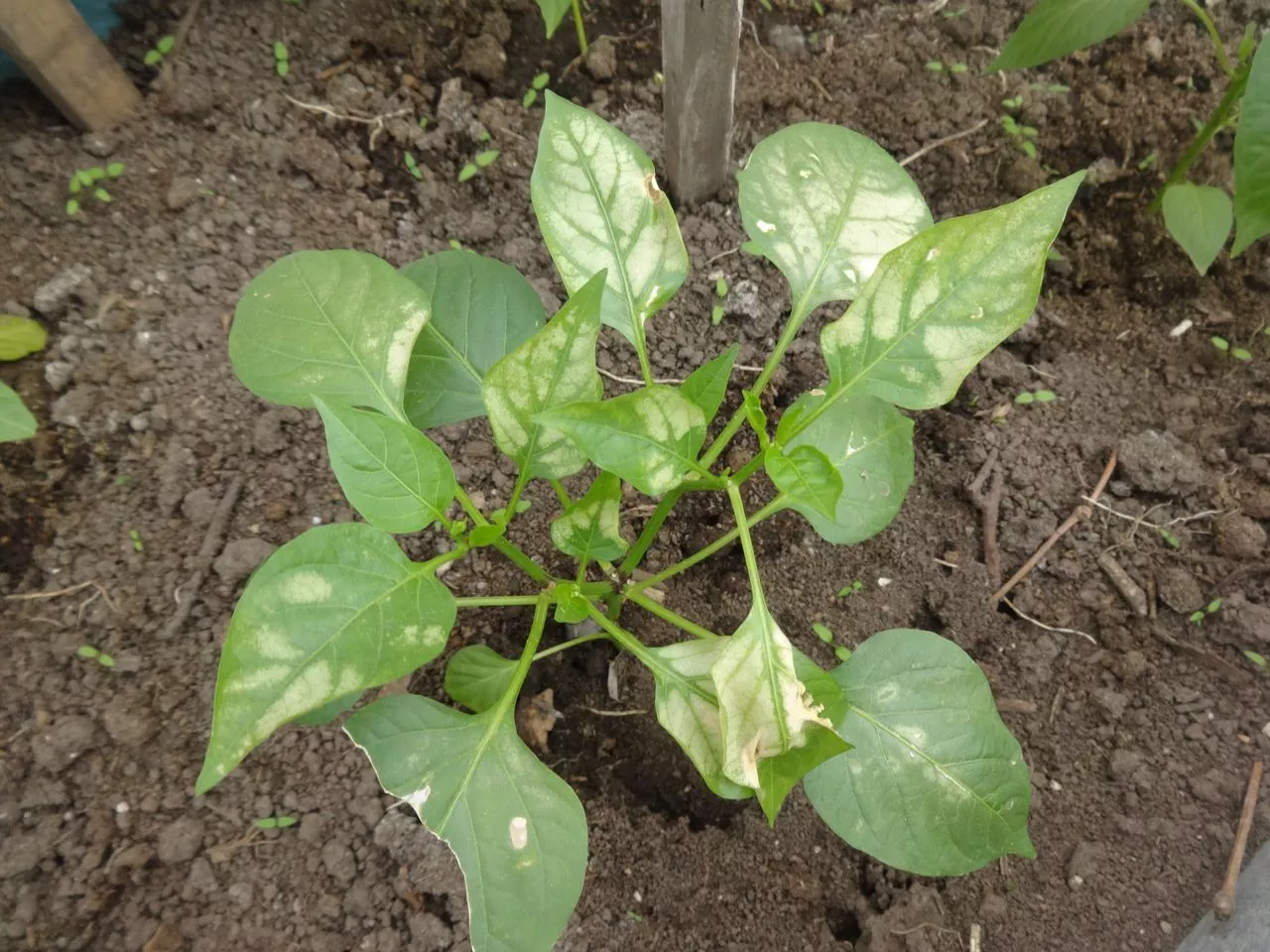
And the omnivorous earwigs also ate the leaves and the first buds.
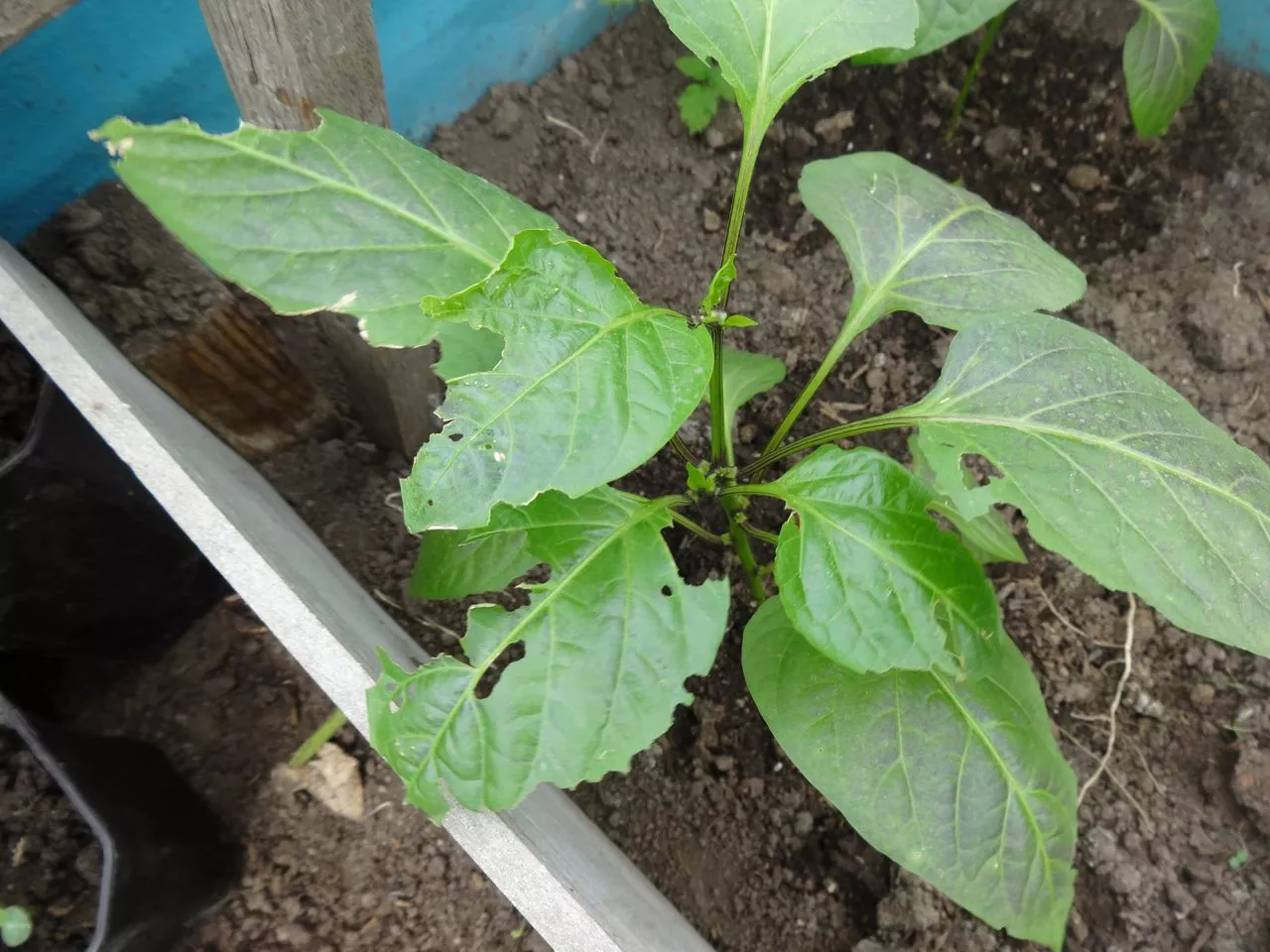
I had to sprinkle the peppers and other seedlings with a mixture of tobacco dust and ash. I also fed the peppers with an infusion of fermented grass and added humus and ash under the bushes.
Since June, we haven't completely closed the greenhouses, leaving the upper sections open, even though nighttime temperatures are low. In completely closed greenhouses, condensation forms at night, and cold droplets damage the seedling leaves. During the day, closed greenhouses become hot and stuffy, causing the leaves to wilt and burn.