

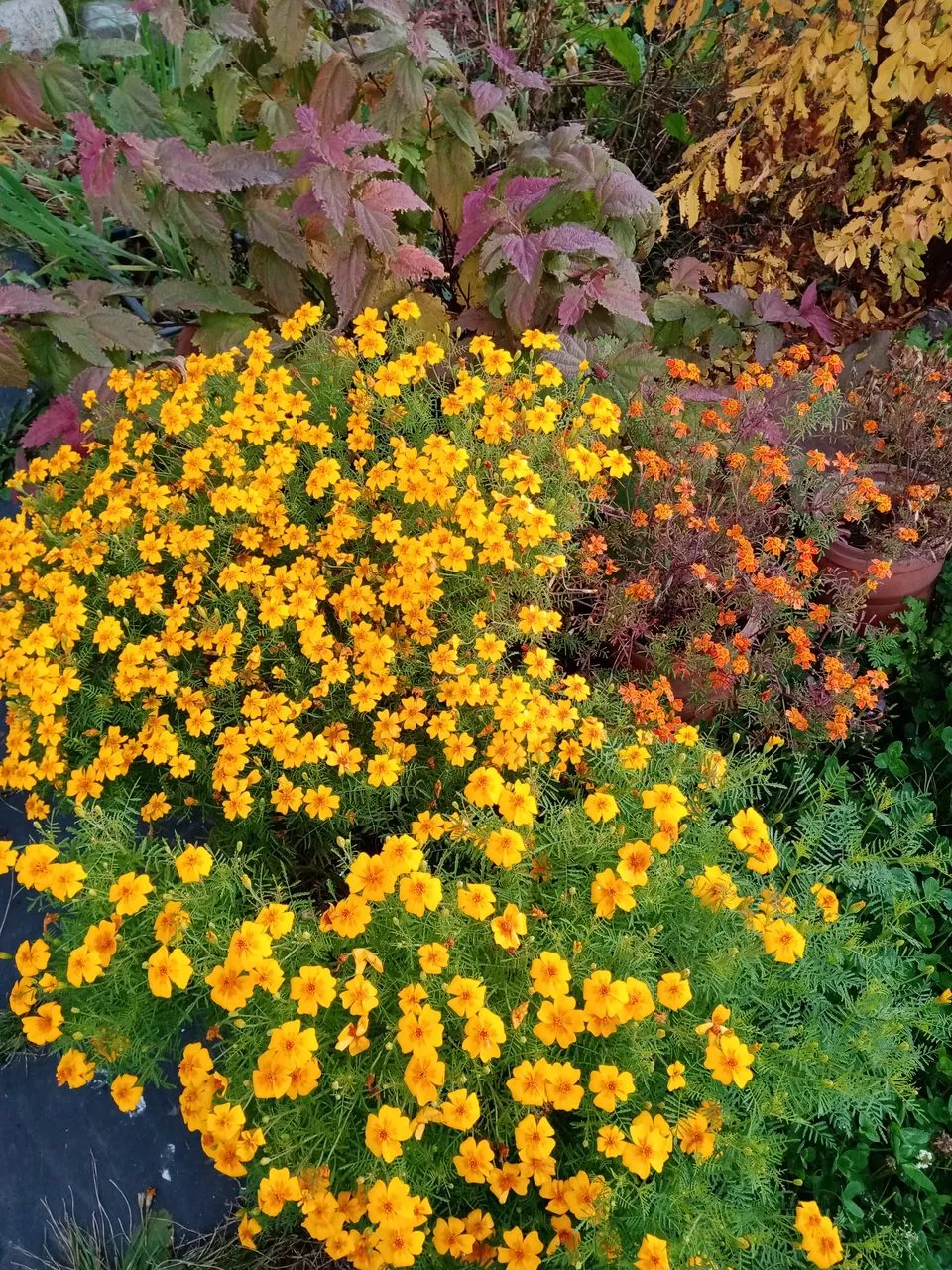
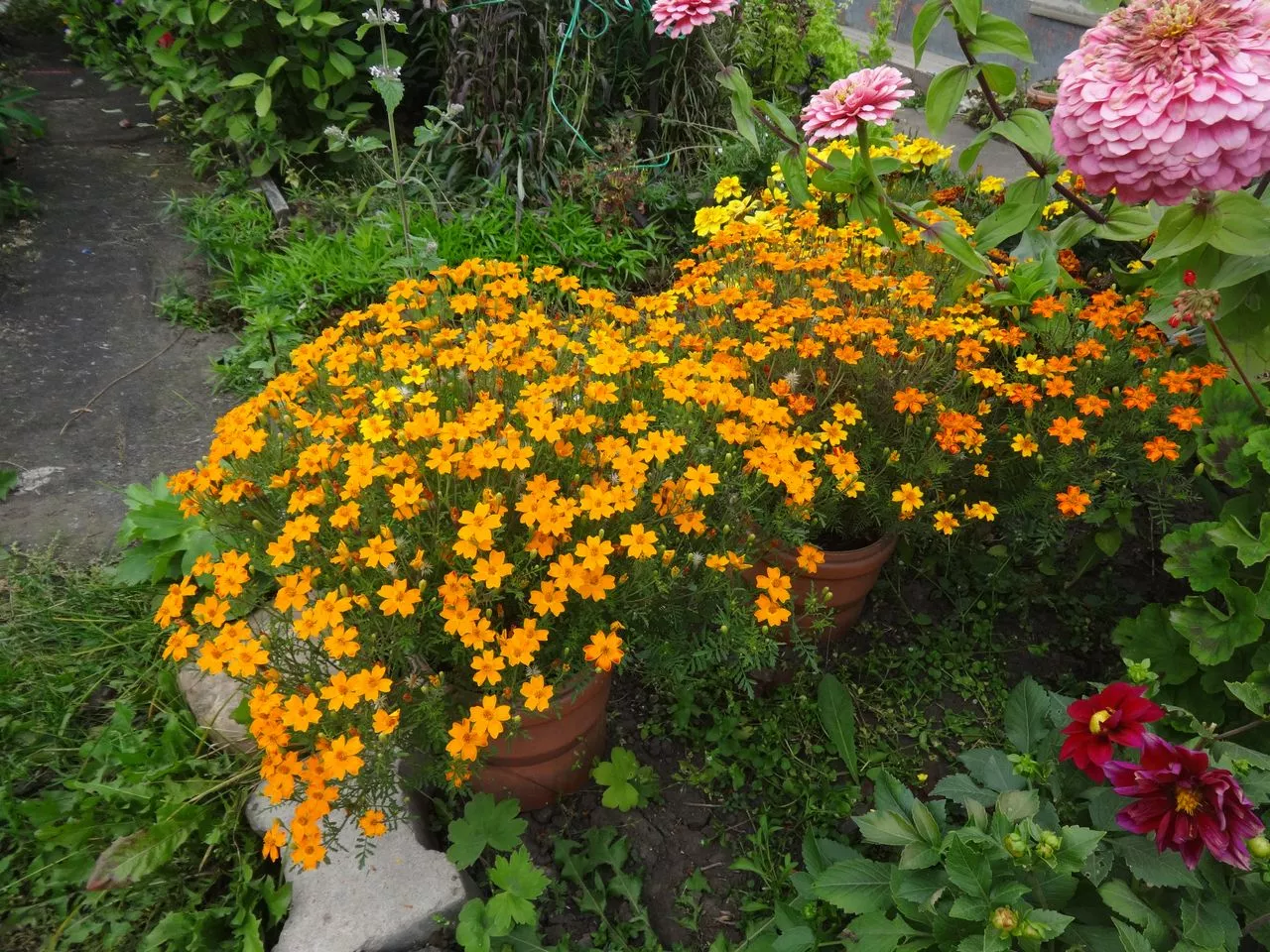
The flowerbed is full of bushes like balls
Covered with small flowers,
They have delicate leaves.
And flowers like gold.They emit a pungent smell,
Butterflies fly above them.
Tagetes is a thin-leaved plant,
Handsome, sweet, not capricious!
Hello gardeners and summer residents, it's early February, and I decided to sort through the seeds I collected from my flowers in the fall. Among the seeds are some marigold seeds, and I wanted to write a note about the thin-leaved marigolds. I've been absolutely fascinated by them for some time now.
Tagetes tenuifolia, like other marigold species, belong to the Asteraceae family. There are about 50 species in the wild, but gardeners use three to decorate their flowerbeds: Tagetes deflectus, Tagetes erectus, and Tagetes tenuifolia. You can also read about marigolds. Here.
I love these flowers. They're not fussy, grow well in any weather, and tolerate our Siberian rains very well. And they handle the heat very well, too!
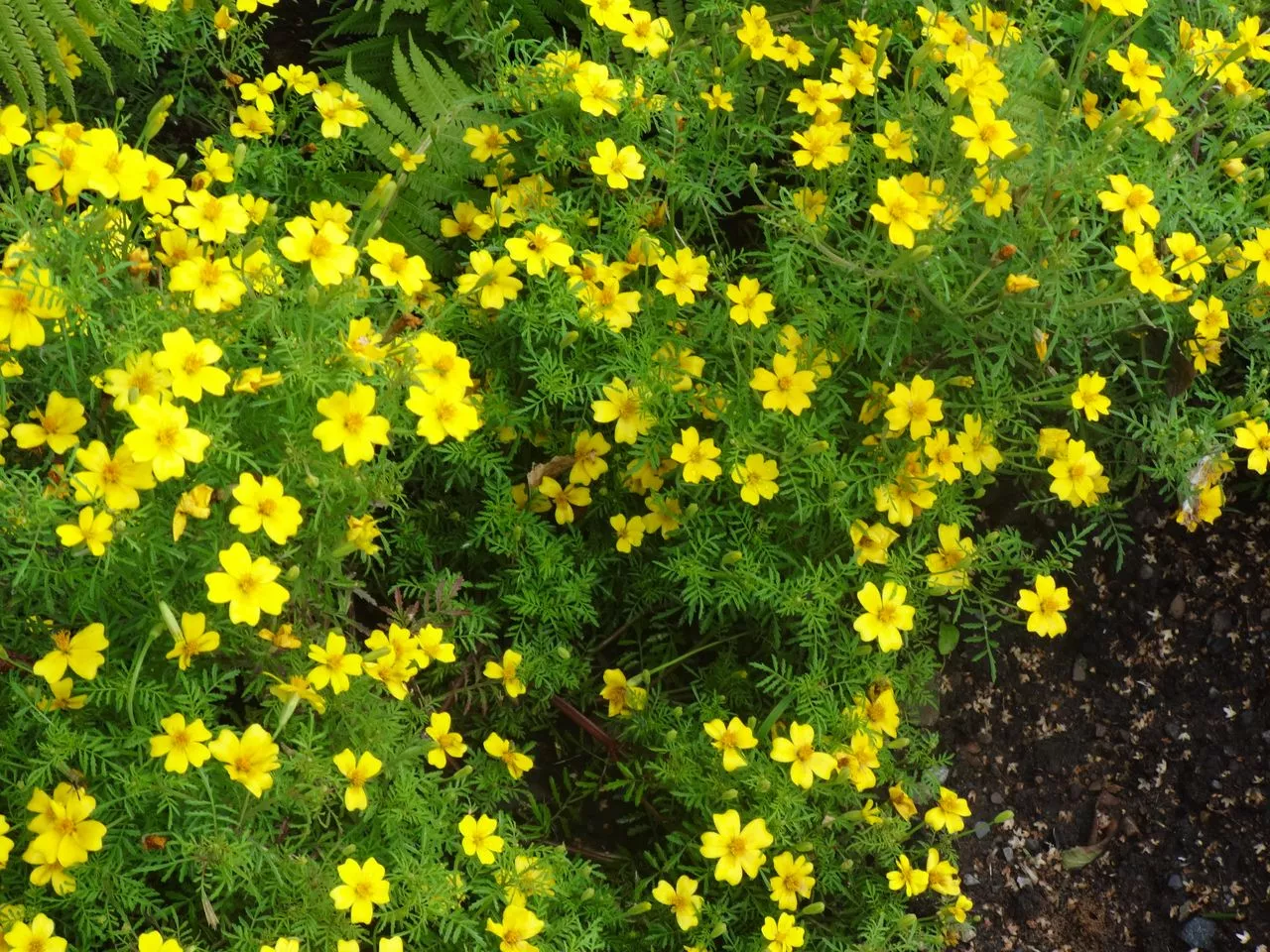
They are very rarely susceptible to disease. I've never encountered any diseases on marigolds. But even these unpretentious flowers sometimes suffer from blackleg, root rot, powdery mildew, and fusarium.
And pests don't ignore them either. Aphids, spider mites, thrips, caterpillars, and even slugs are not averse to feasting on the leaf pulp. I've been growing marigolds for a long time and haven't encountered any pests.
They're easy to grow, the seeds germinate quickly, and they self-seed each spring.
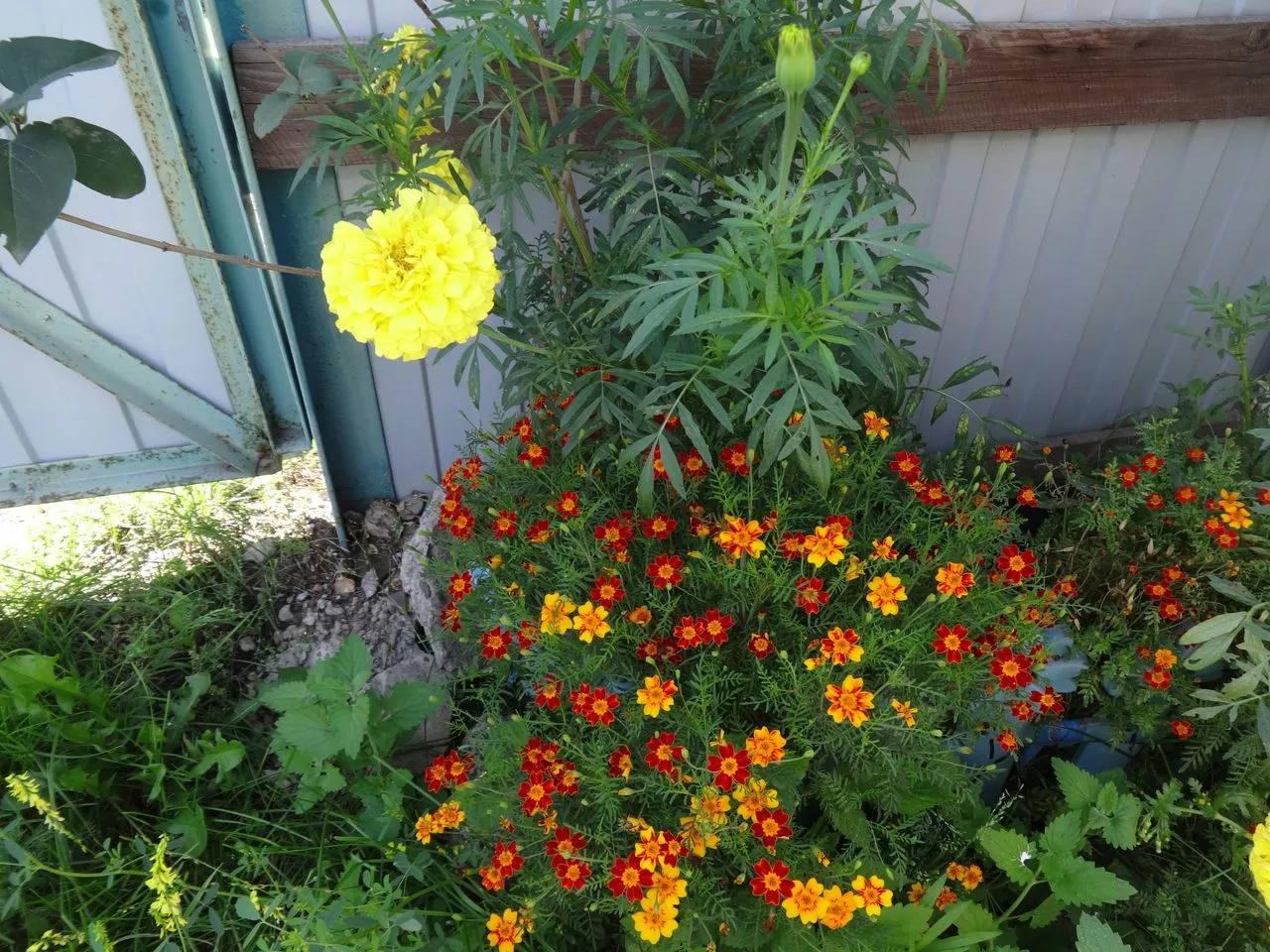
But I still sow marigolds in a box at the end of March or beginning of April and bring them into the greenhouse, cover them with film or covering material and grow the seedlings until the end of May, then plant them in flower beds.
I used to grow marigold seedlings on my apartment windowsill. I'd place the seeds in a damp cotton ball, and they'd sprout within just two days.
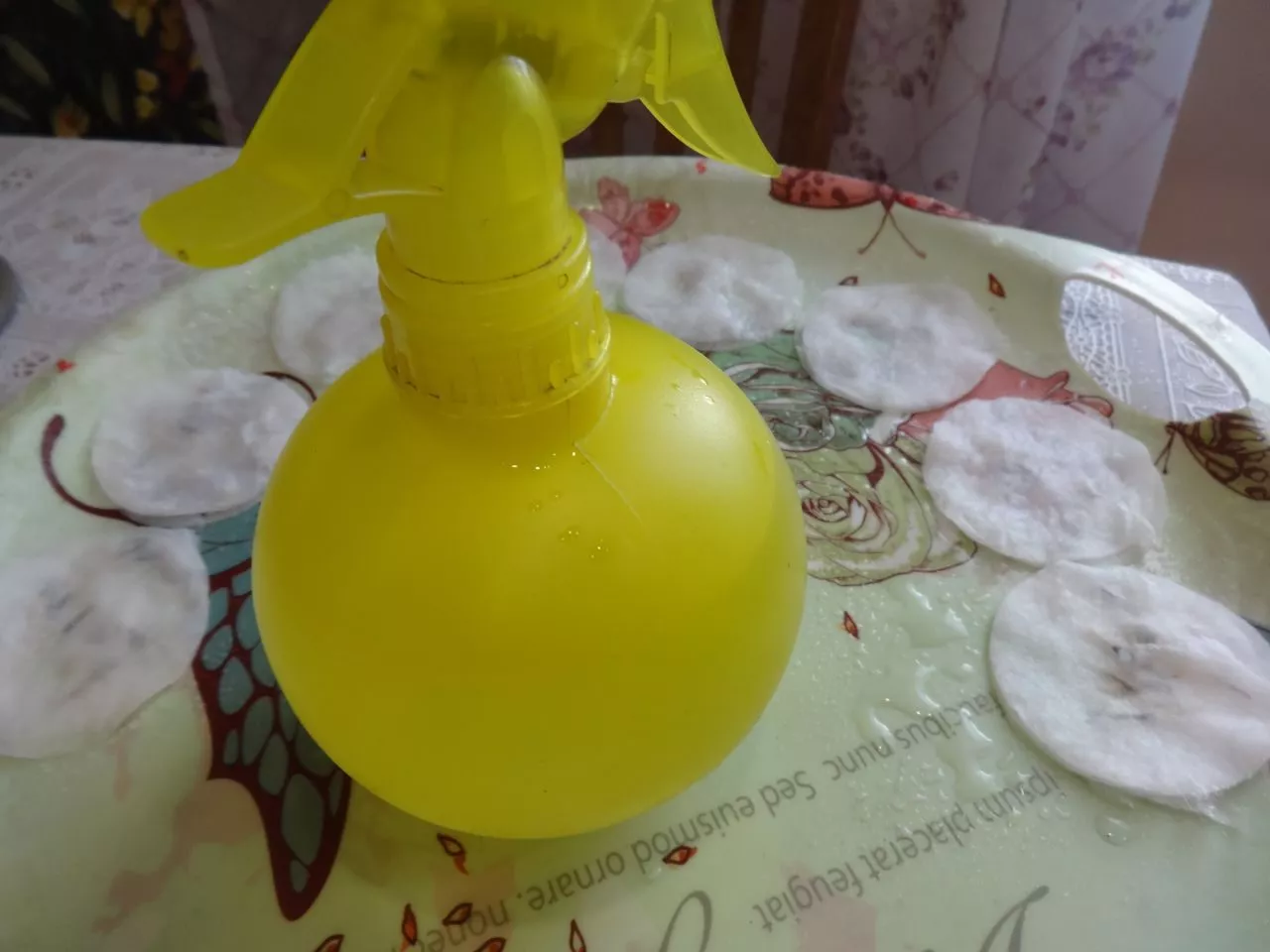
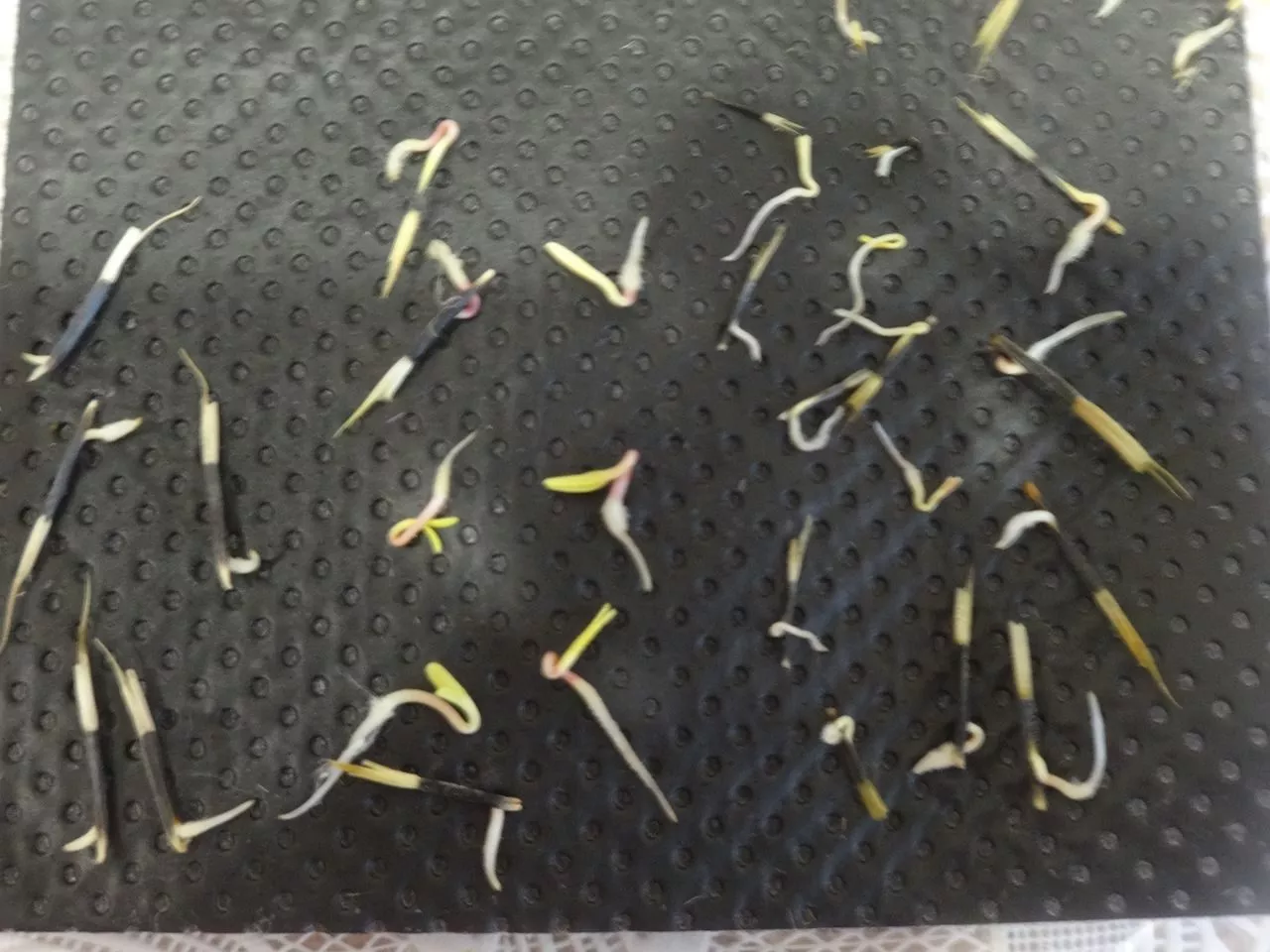
I planted the seeds in a small container. The seedlings sprouted quickly.
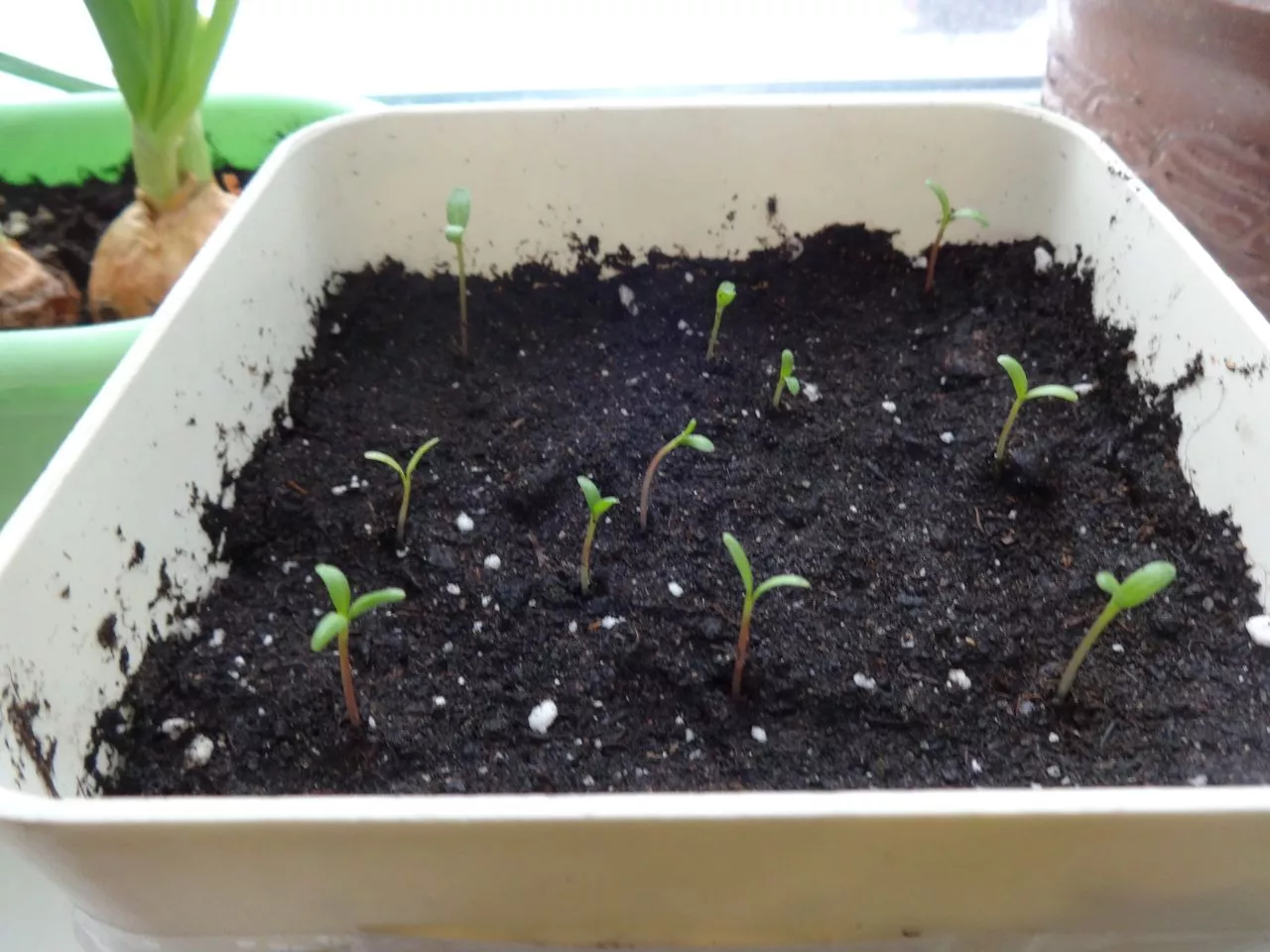
Indoors, the seedlings don't stretch, grow strong, and receive ample light from a window. Marigolds grown from seedlings bloom faster.
And those that grew in the flower beds in the spring, I leave some, and transplant others to other places; they will grow and bloom later, but will bloom until the frost.
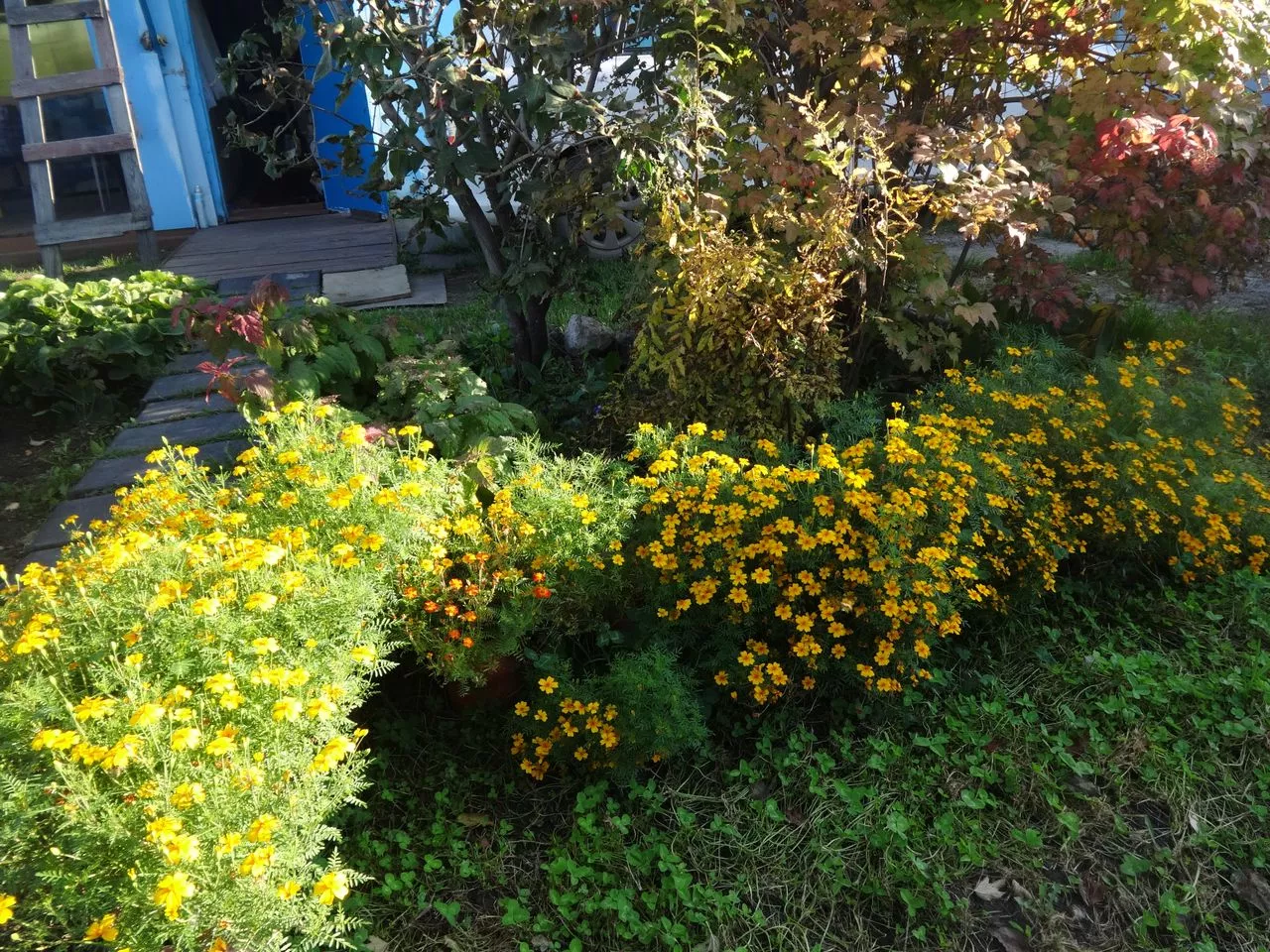
What do thin-leaved marigolds look like?
Mexican marigolds are annuals. They are low-growing bushes (30-40 cm) with numerous, highly branched shoots bearing green, delicate, fragrant leaves.
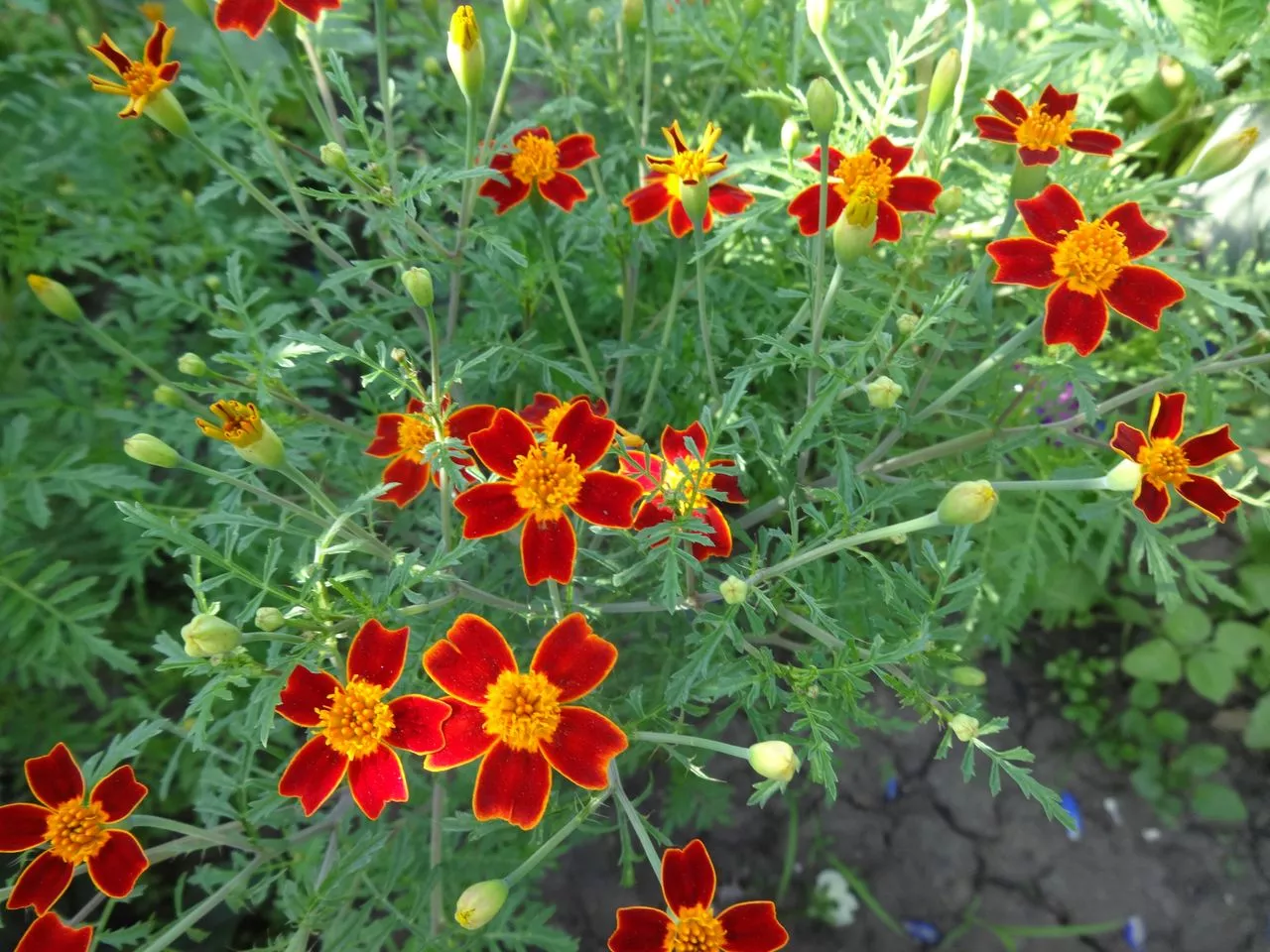
The branches are fragile and break easily. In the fall, the round bush falls apart, the shoots bending toward the ground. But to maintain its round shape, the bush can be tied to a small stake.
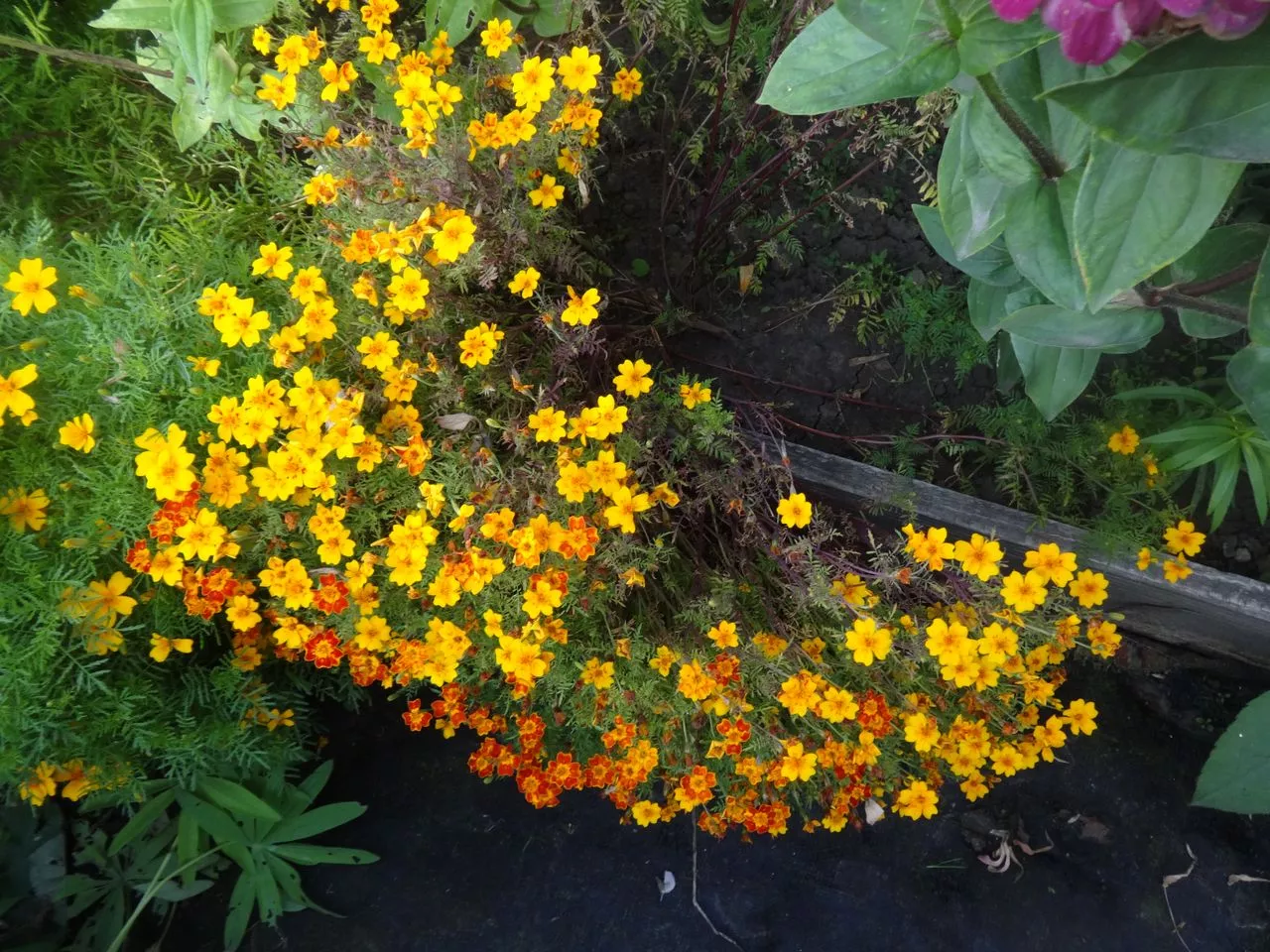
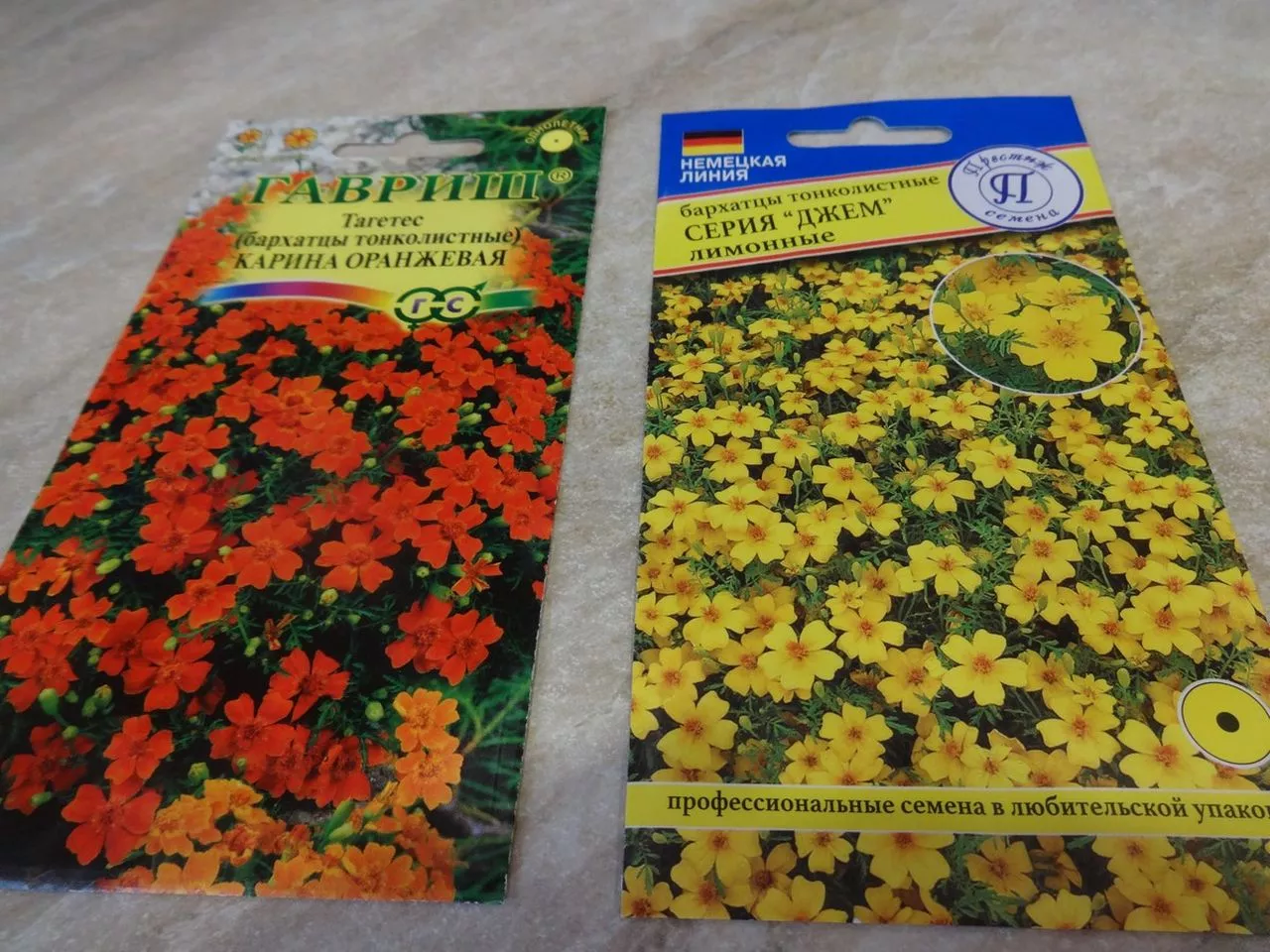
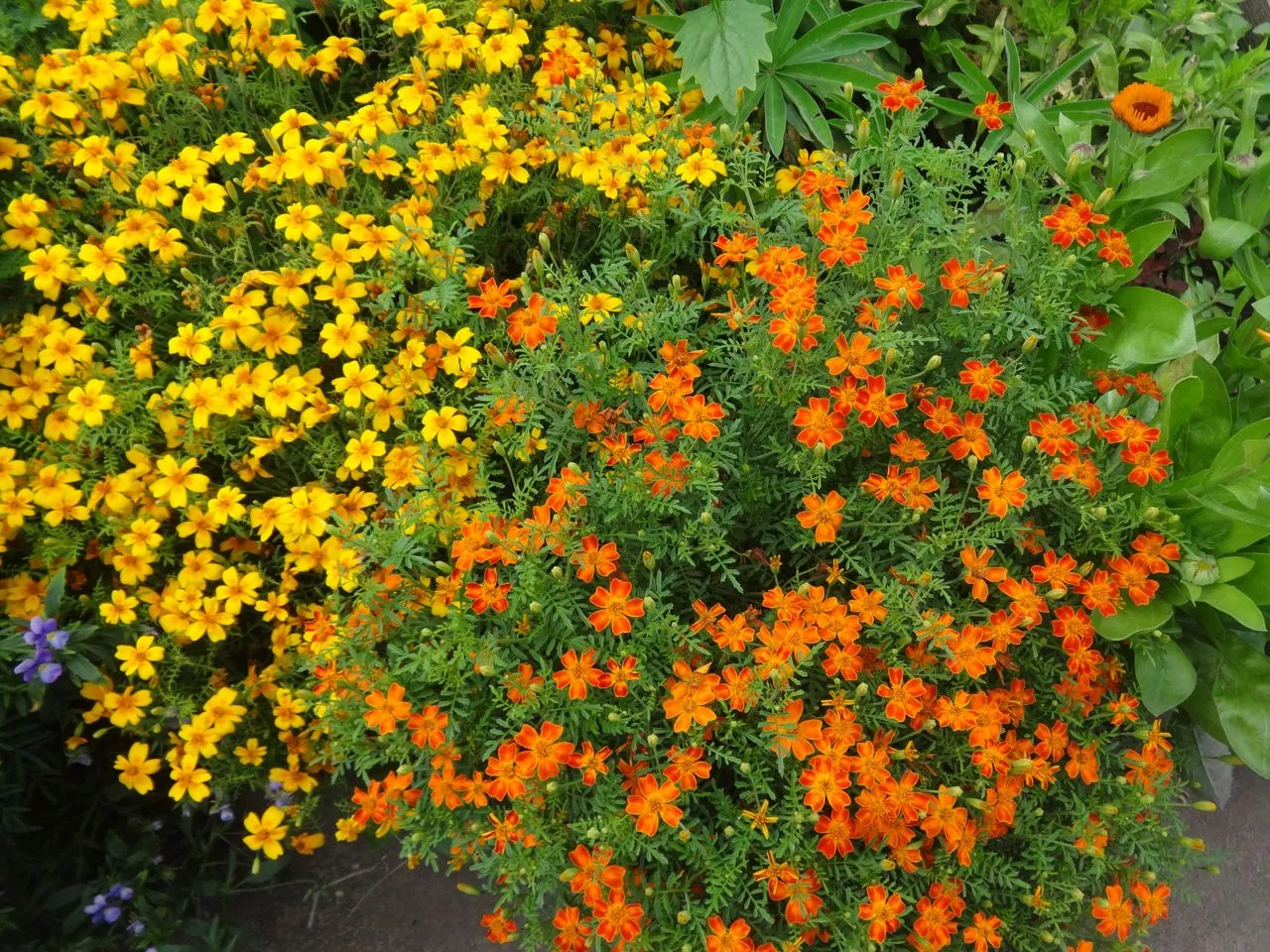
Tagetes inflorescences are small, on thin peduncles, with flowers ranging from 1.5 to 3 cm in diameter, simple, and five-petaled. Flower colors range from yellow to red, and bicolor specimens are also available.
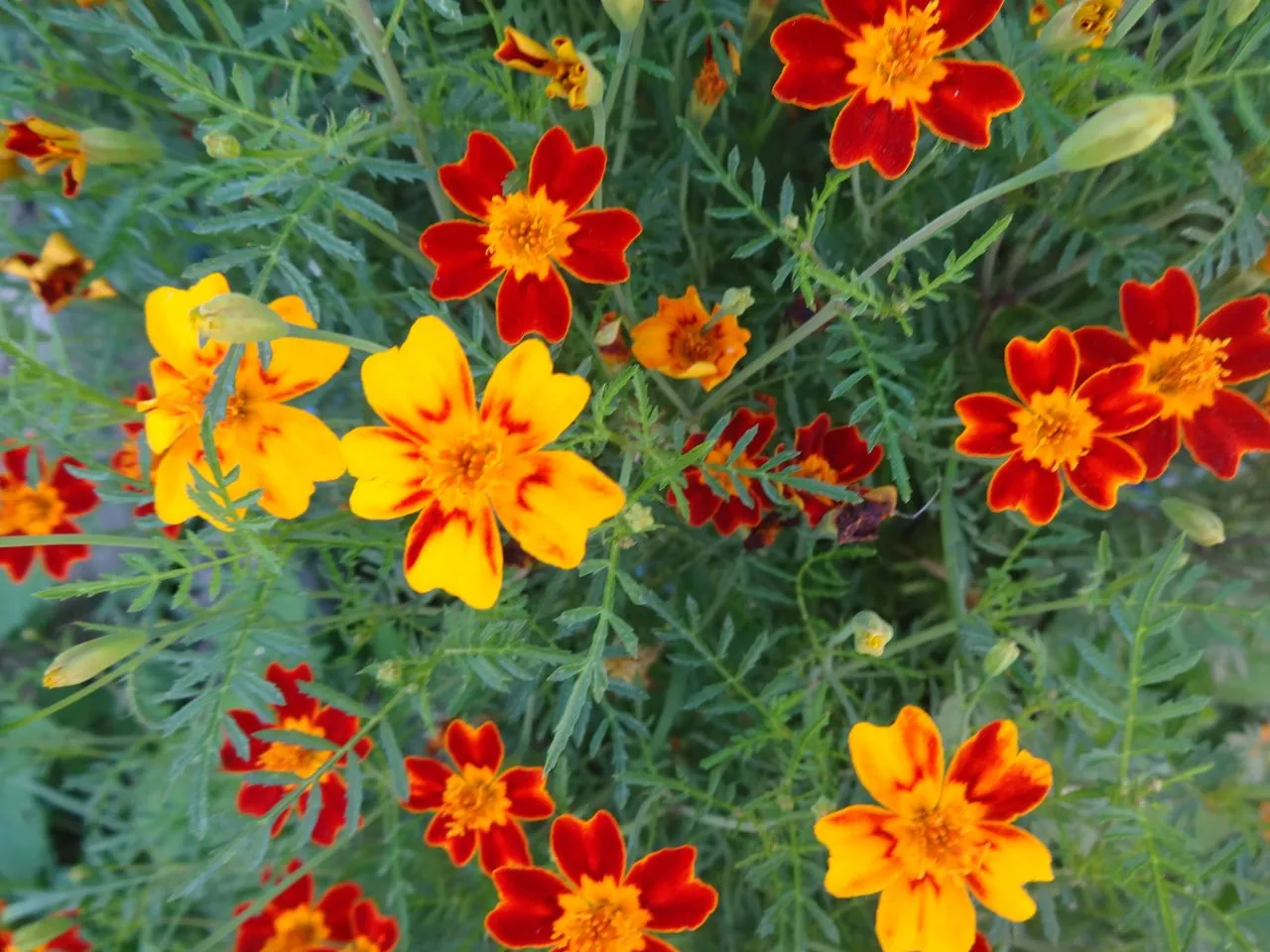 There are a lot of flowers.
Marigold flowers are very popular with bees and butterflies; by flying from flower to flower and then to fruit crops, the insects help pollinate garden plants.
During flowering, the bushes look very cute - like flowering balls.
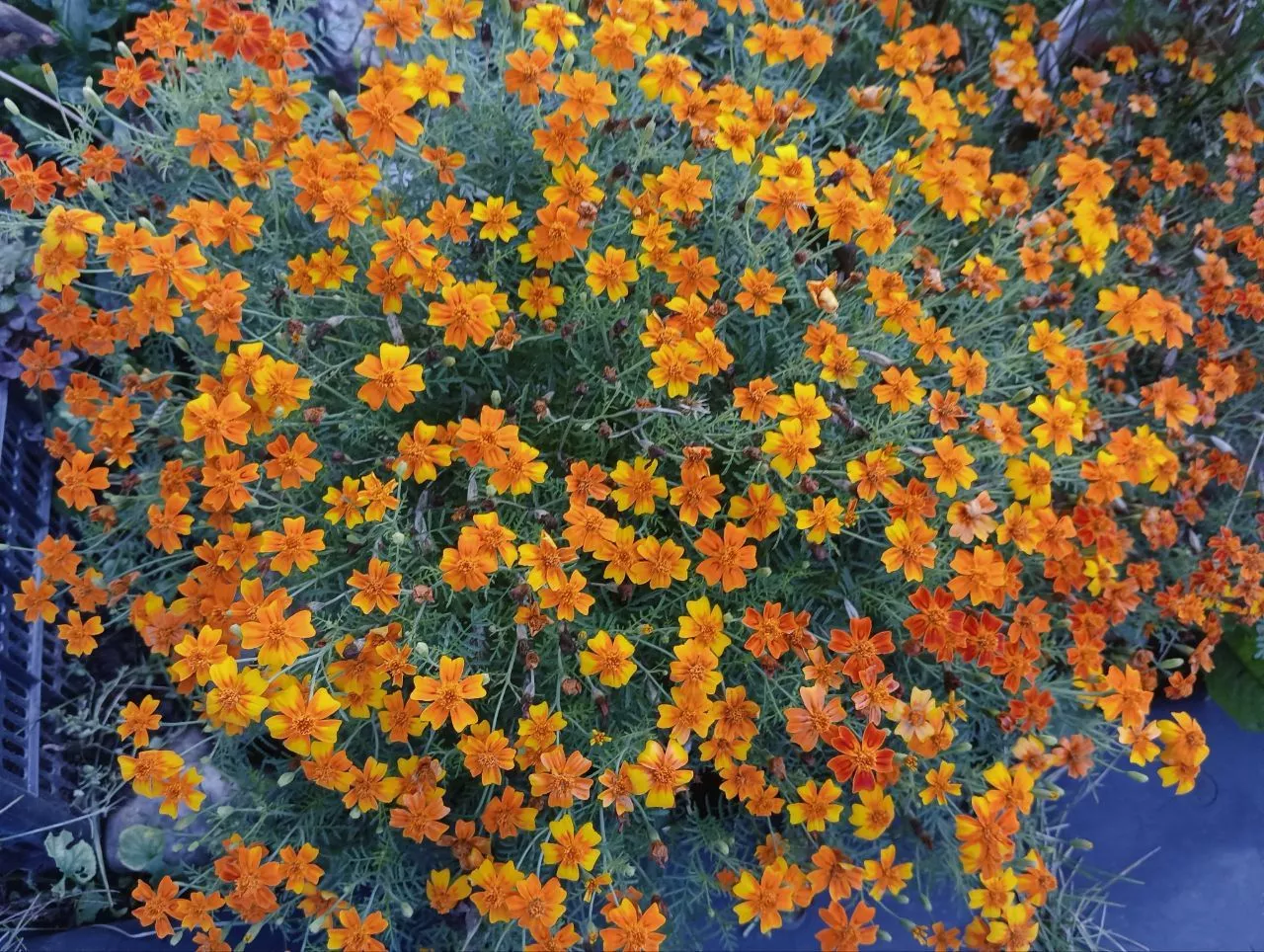
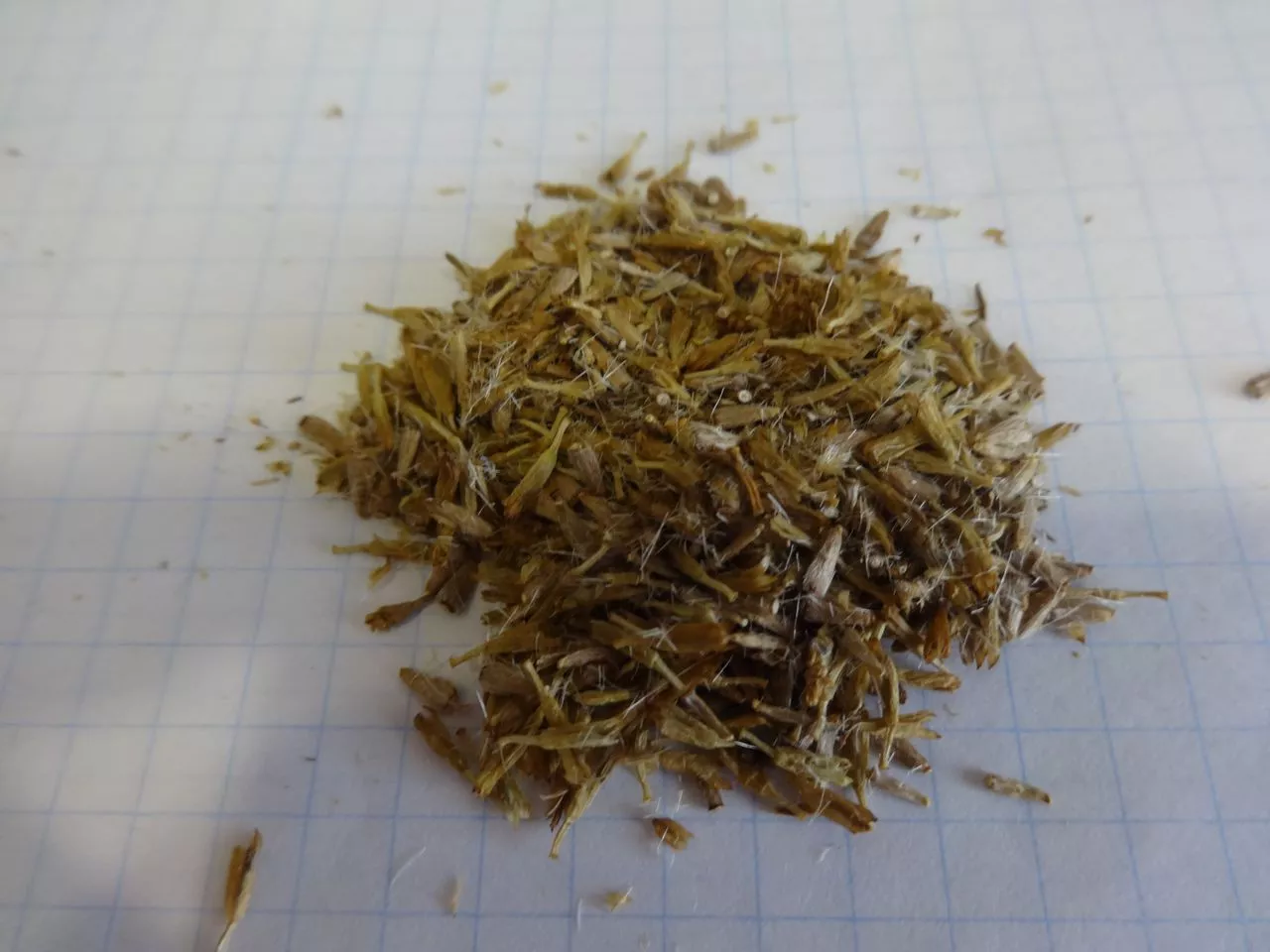
After flowering, seed pods form on the bushes; they are small and contain seeds inside – thin sticks.
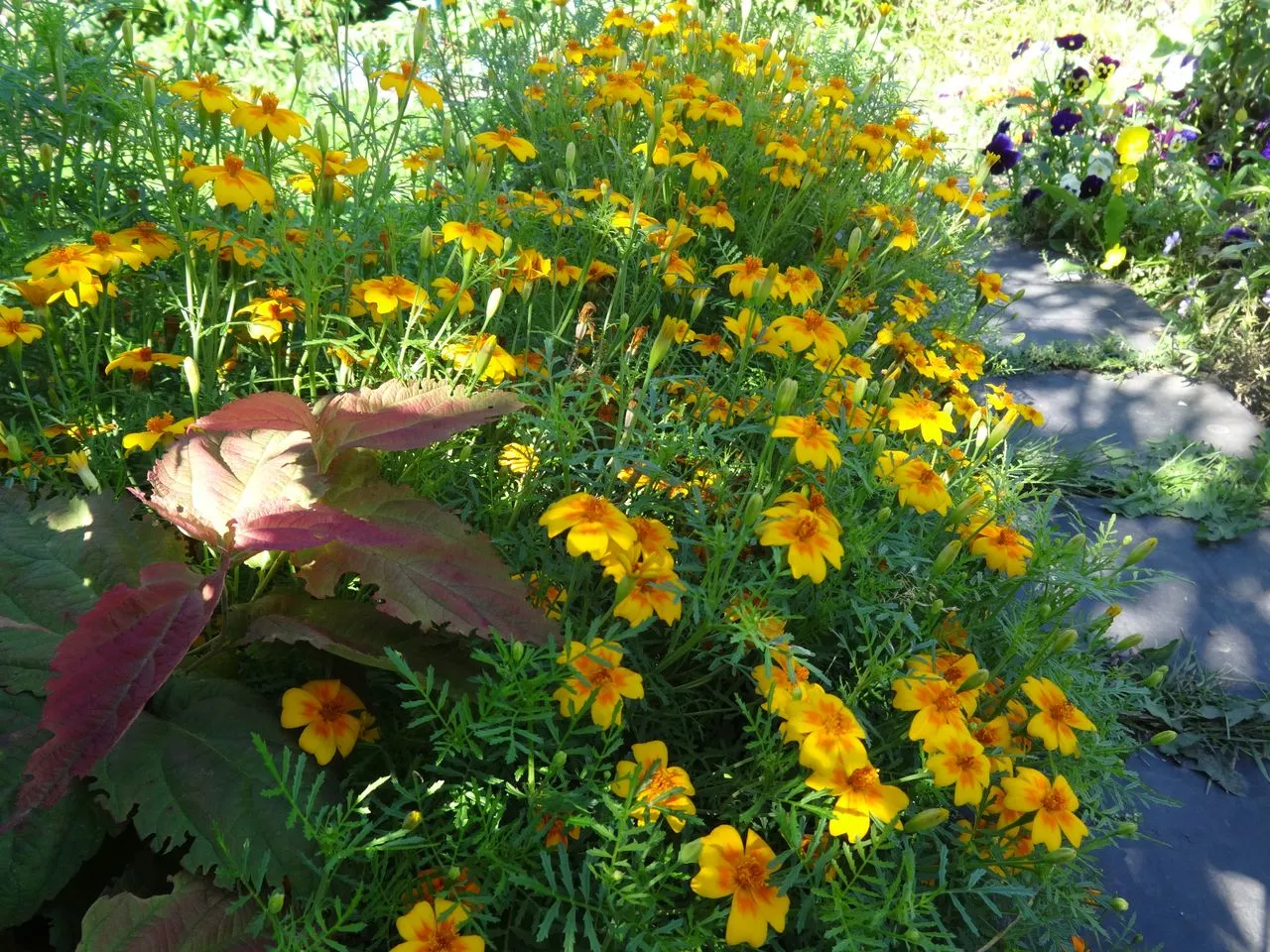
Thin-leaved marigolds love sunny, open spots and regular watering. But they also bloom beautifully under trees. However, the bushes tend to become slightly elongated.
Young seedlings are sensitive to frost and may die. Cold, damp weather damages seedlings, causing their leaves to turn burgundy and growth to slow. Therefore, it's best not to plant marigolds too early or in cold soil.
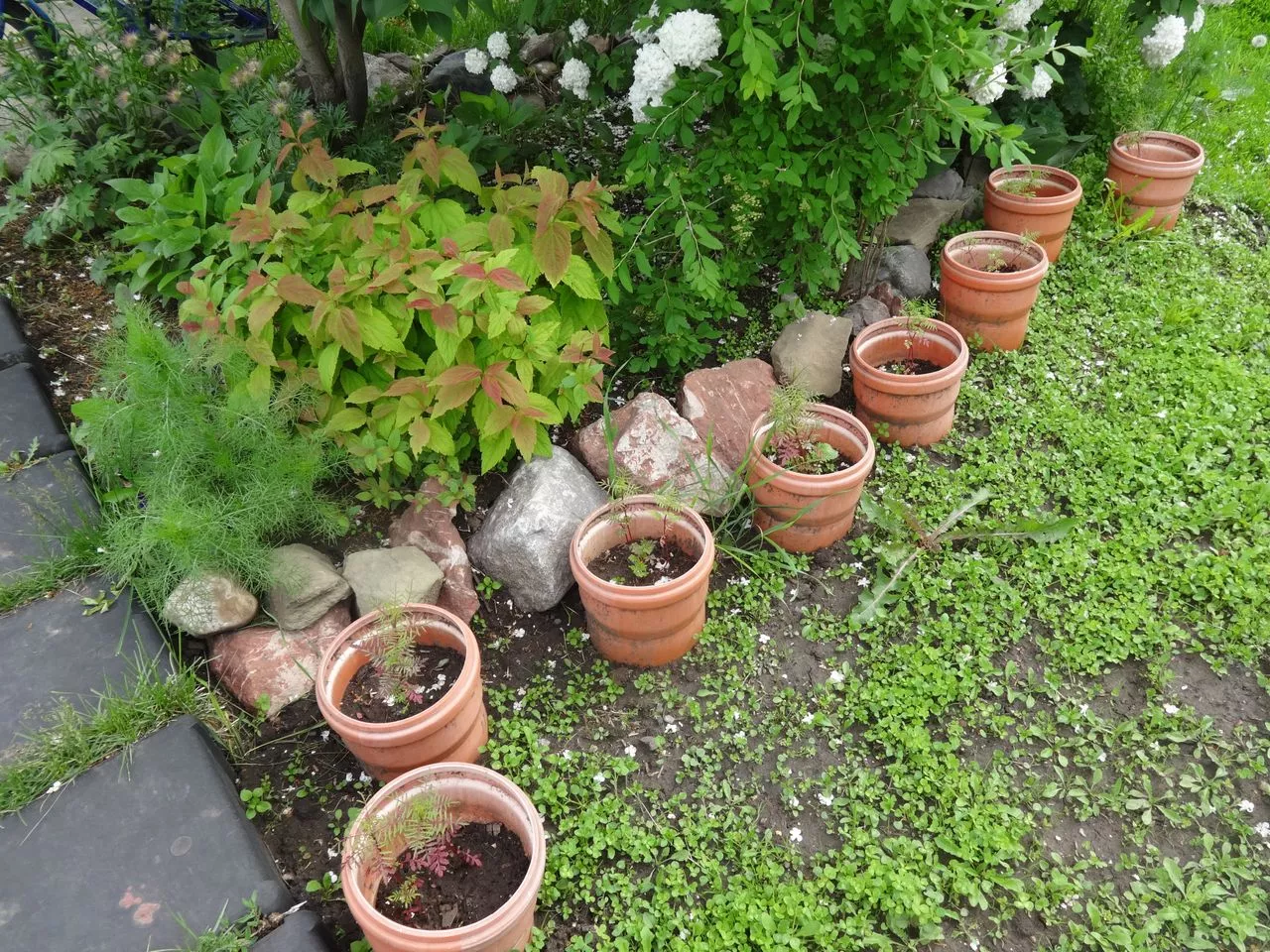
To ensure abundant flowering of Mexican marigolds, seedlings should be planted in fertile soil, with humus added to the holes and watered with potassium permanganate or a disease and pest control solution. Water the marigolds after planting.
They recommend pinching the shoots to make the bushes bushier. But I never pinch them; they bush out nicely anyway.
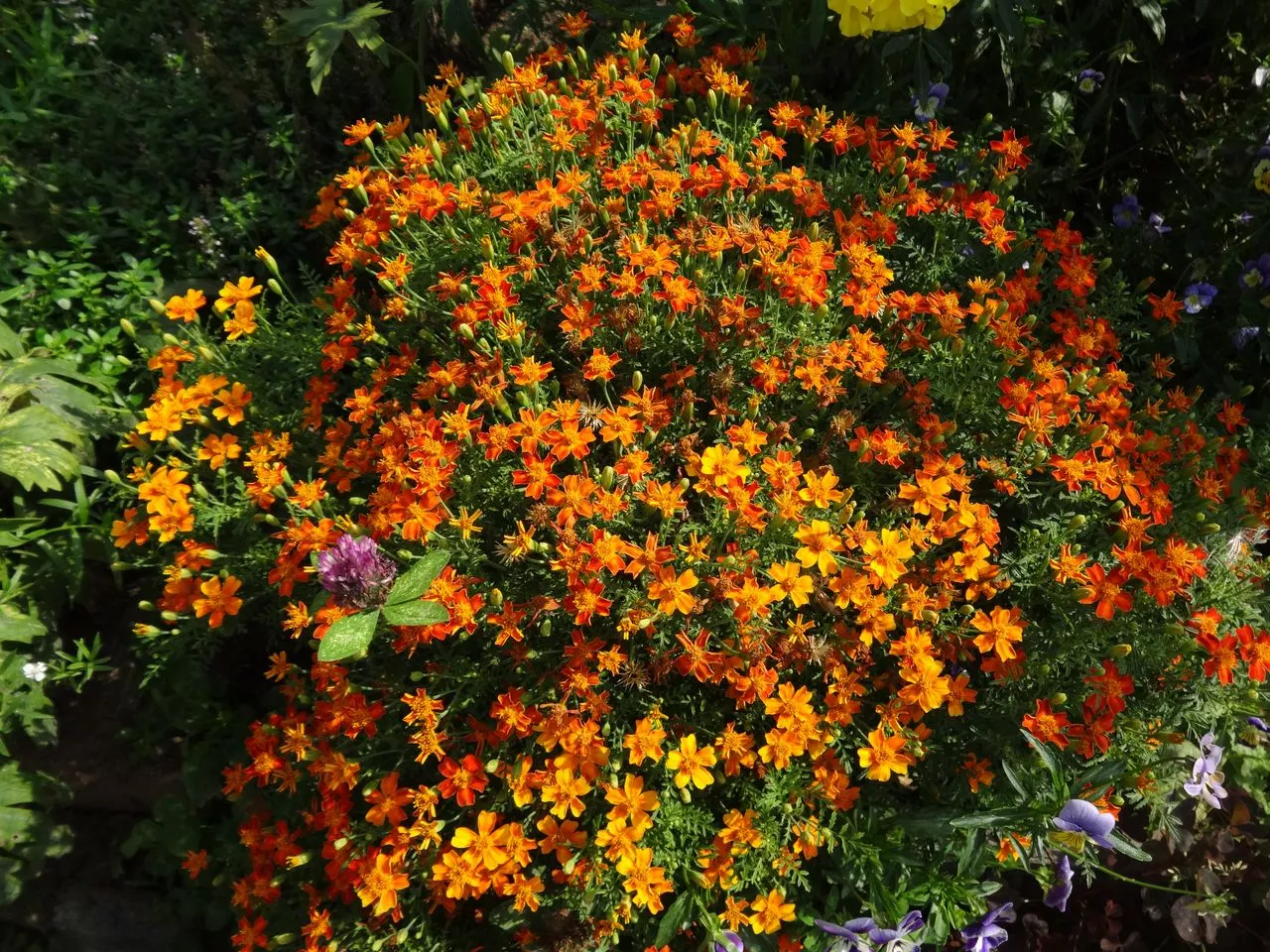
Thin-leaved marigolds, like other species, are hardy, undemanding in care, bloom all summer until late autumn and greatly decorate a summer cottage.
Where you have seedlings in clay pots, the soil is full of beneficial woodlice. It's not a nasty insect, but a weed.
No, it's white clover, but we also have plenty of woodlice at our dacha.