

In the spring, while trimming broken and dried branches on a black currant bush, I discovered that there were dark holes in the middle of the branches on one bush.
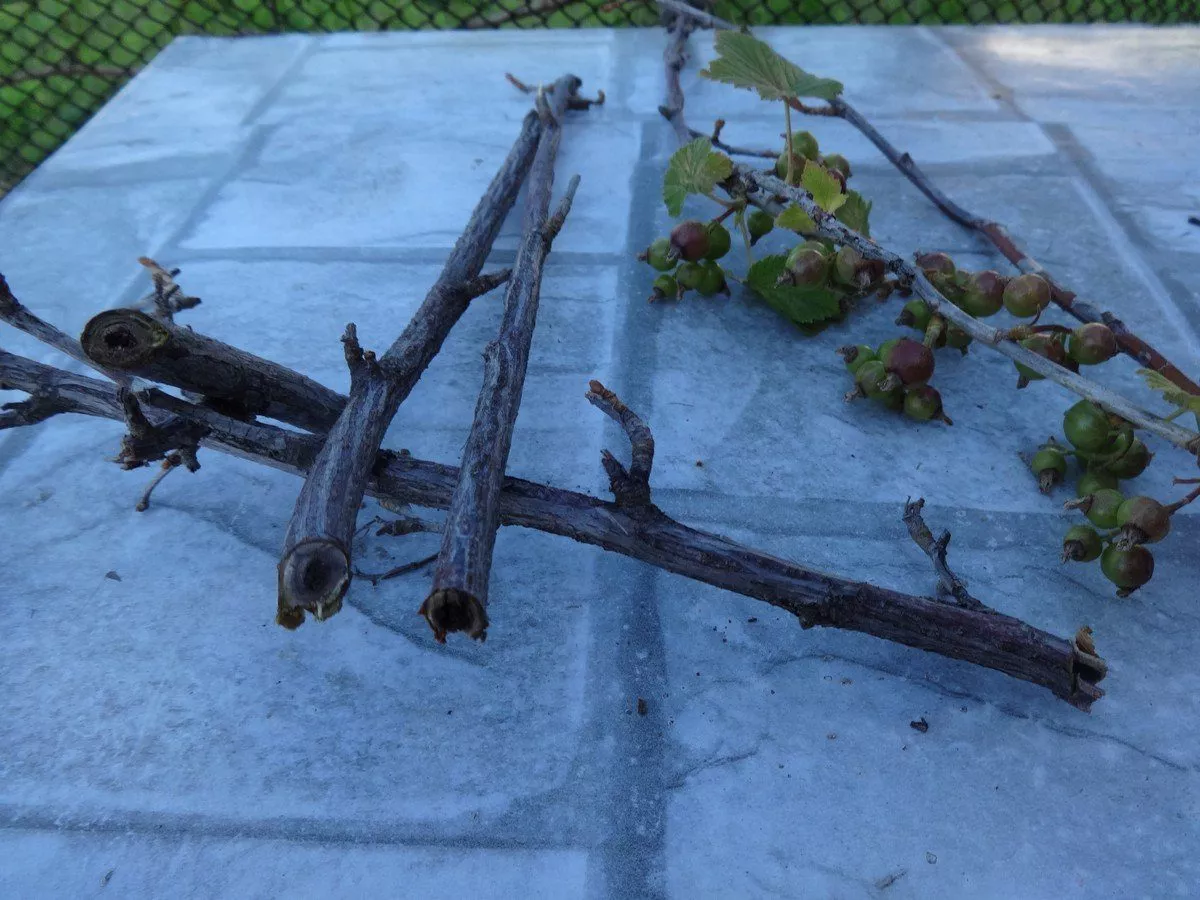
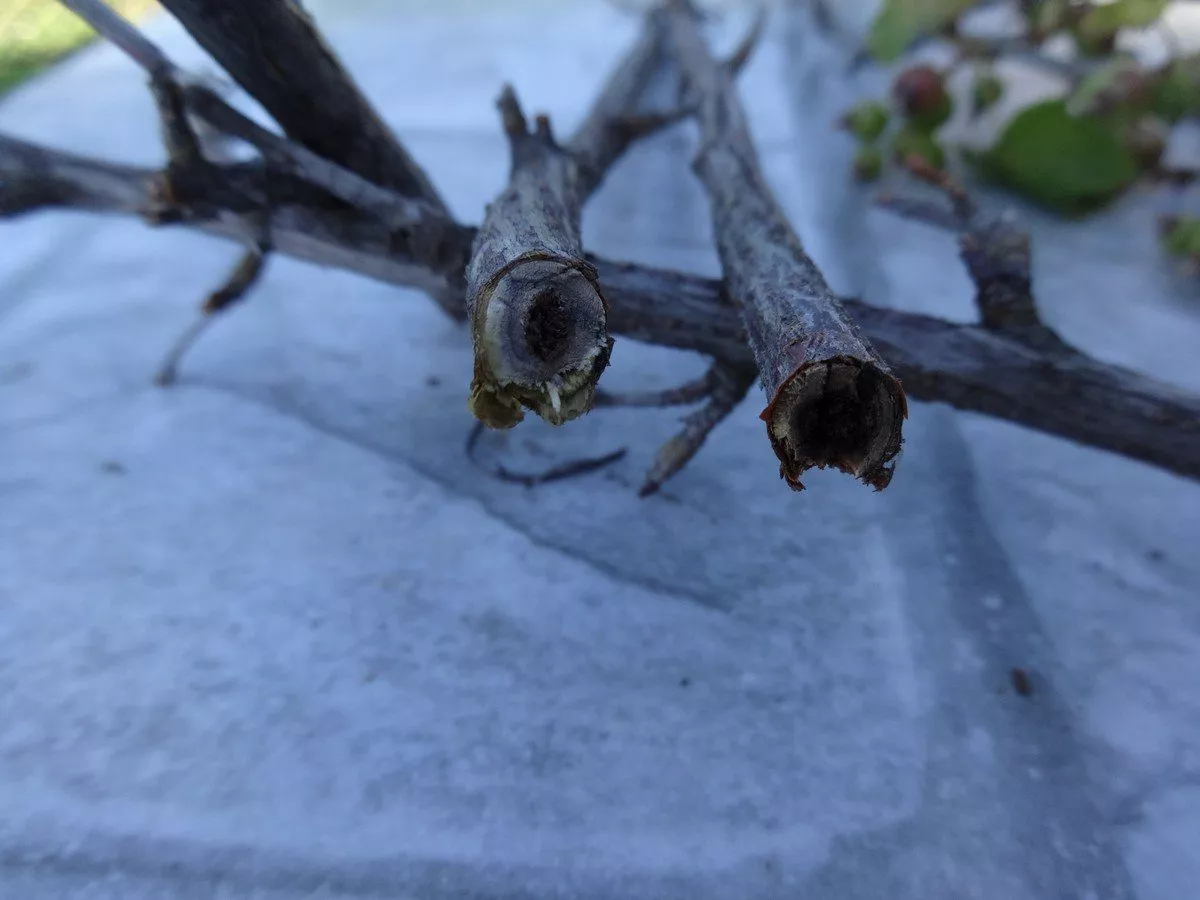
Some of the branches were bent and weakened, some had dried-up buds, and several branches hadn't opened at the ends and remained dry. I remembered that last year, several branches on this currant tree remained bare, their leaves and buds half-dried and not fully open. I thought they were simply frozen. You can see some of these branches in this photo.
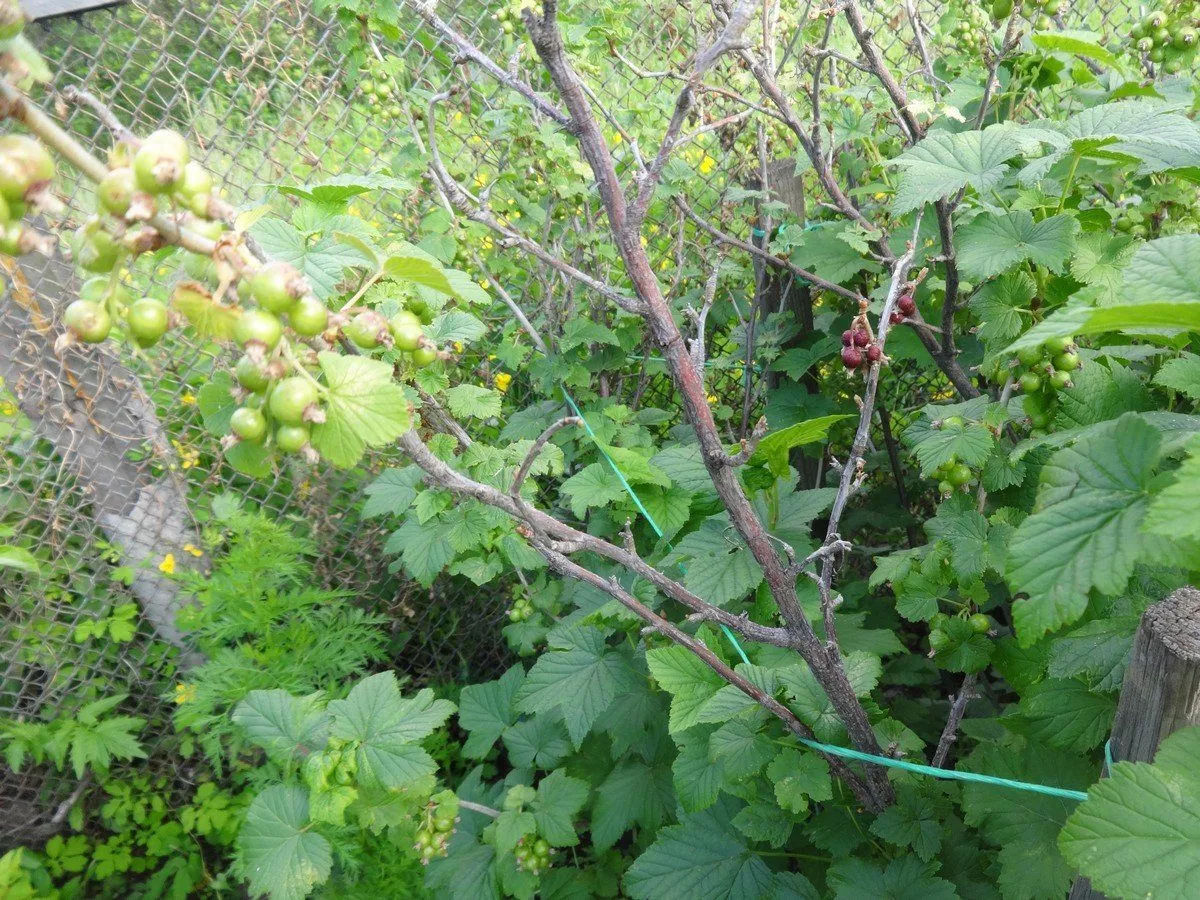
I knew that currants could be attacked by a pest called the glassworm, but I had never encountered such a problem.
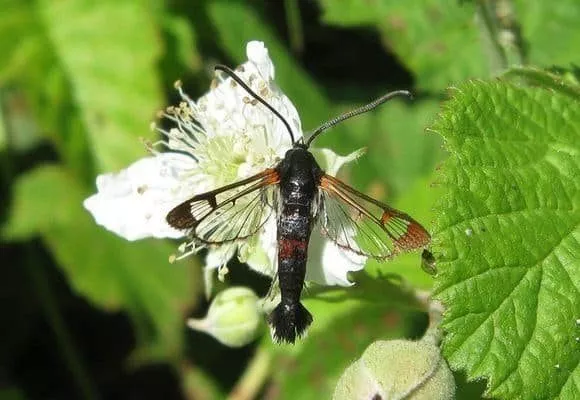
The glasswing is a very graceful butterfly, even resembling a wasp with long antennae and transparent wings, and a dark body with yellow stripes. This is what it looks like – a photo from the internet.
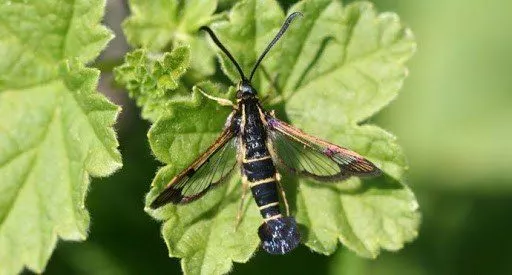
I saw such insects at my dacha last year, but I couldn’t even imagine that these butterflies, or rather their larvae, are malicious pests of currants, raspberries, and gooseberries.
The insect happily feasts on the nectar of berry flowers and lays eggs on twigs. These hatch into white caterpillars and burrow into the core of the shoot. Photo from the internet.
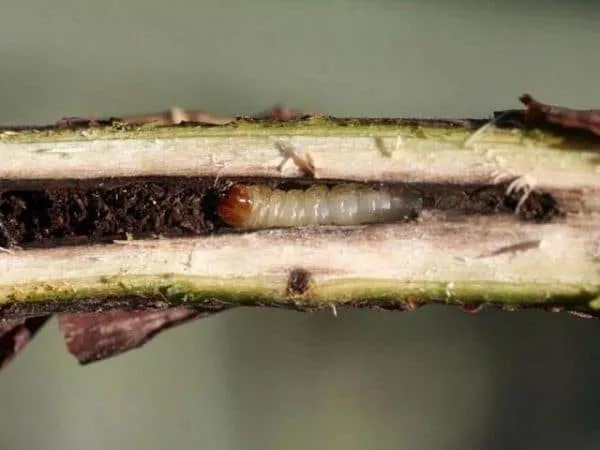
They feed on the core of the stem, descending from top to bottom, live in the twigs until the following spring, becoming adult insects, and leave their shelter.
The branches stop growing, have small leaves and ovaries, and the berries on them dry out and fail to ripen. The shoot tips wither, along with the berries. The branches dry out further and die.
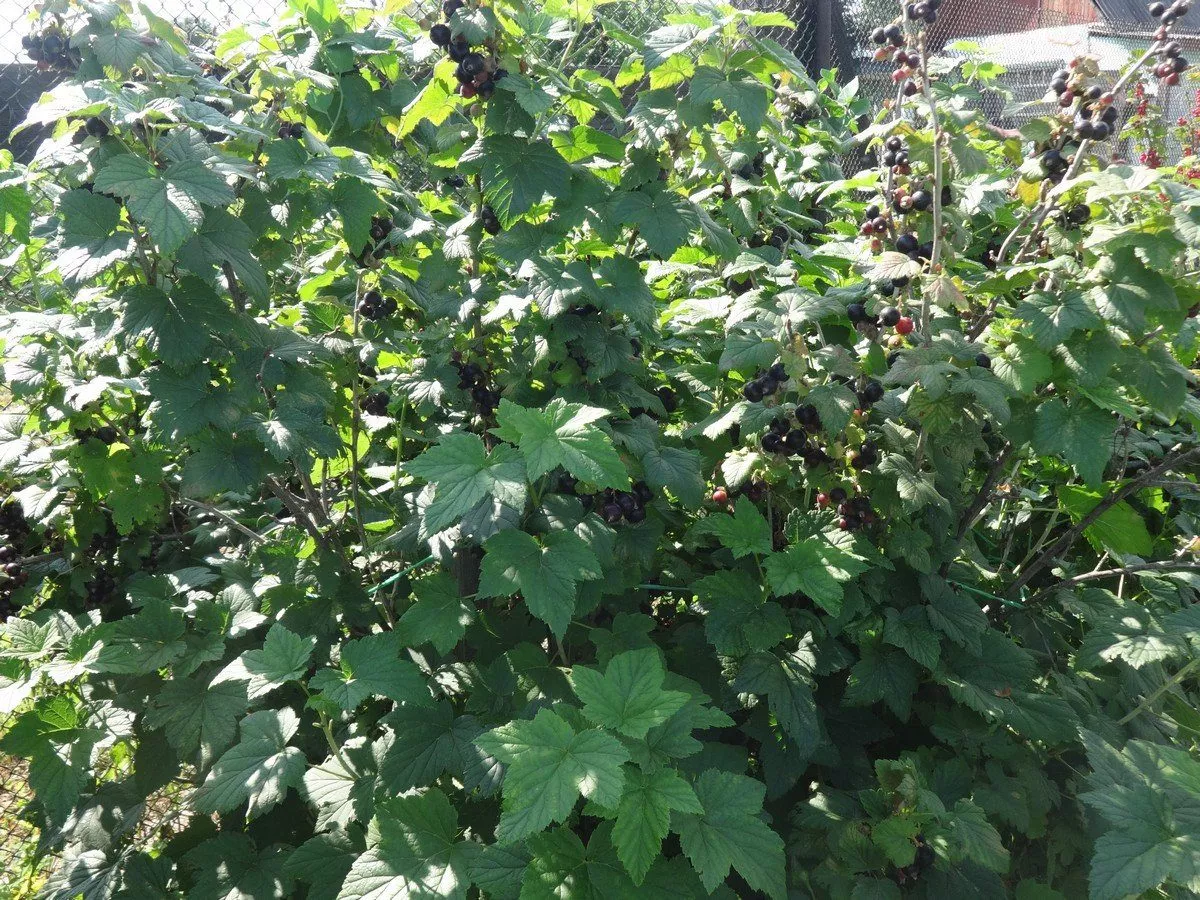
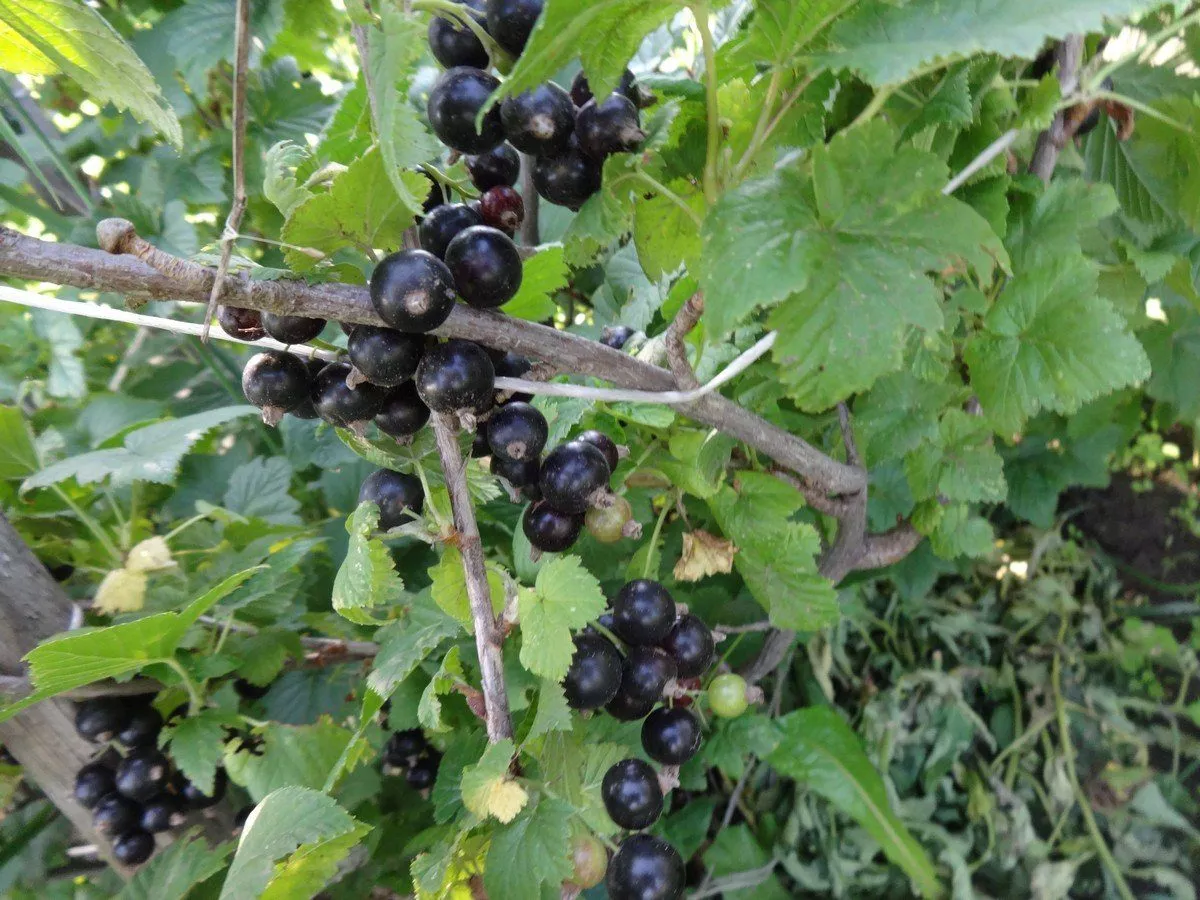
Damaged shoots should be removed to the ground.
What needs to be done to prevent the larvae of this bee-butterfly from destroying currant plantings?
In the spring, before currants bloom, spray the plants with Inta-Vir and 10% Karbofos to kill overwintered caterpillars. We sprayed Inta-Vir and treated the currants for aphids for the first time as soon as they started appearing on the leaves, meaning the caterpillars were also affected.
In mid-June, it's time to begin combating flying butterflies. During the mass egg-laying period, spray the bushes with Fitoverm, repeating the treatment several times at two-week intervals. I found this advice online: to kill butterflies, place a treat for them near the currant bushes—a saucer of sweet syrup or fermented jam. When they begin to appear, it's time to spray the currant bushes.
You can scare away butterflies by spraying them with decoctions of fragrant plants - tomatoes, onions and garlic.
You can plant marigolds, calendula, onions, and garlic near currant bushes – they will help repel the glasswing.
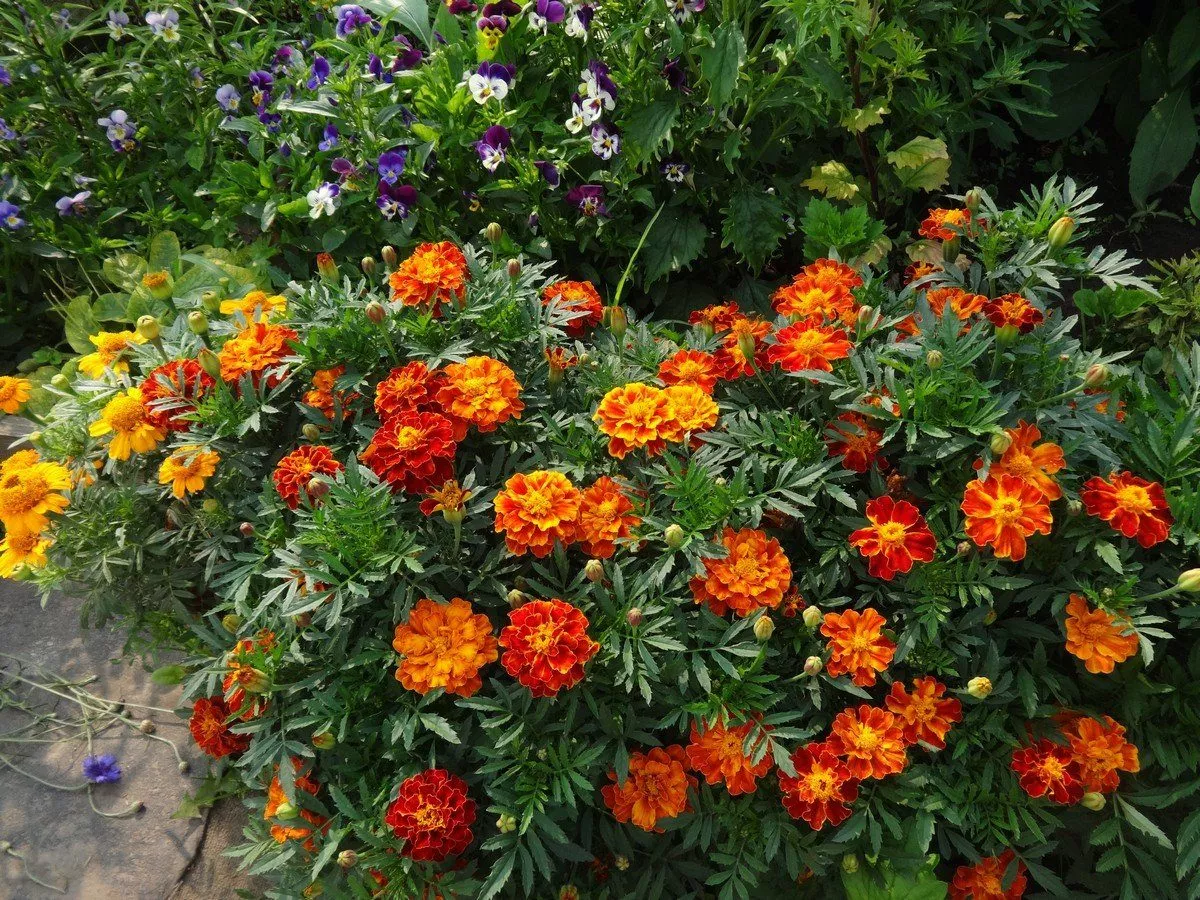
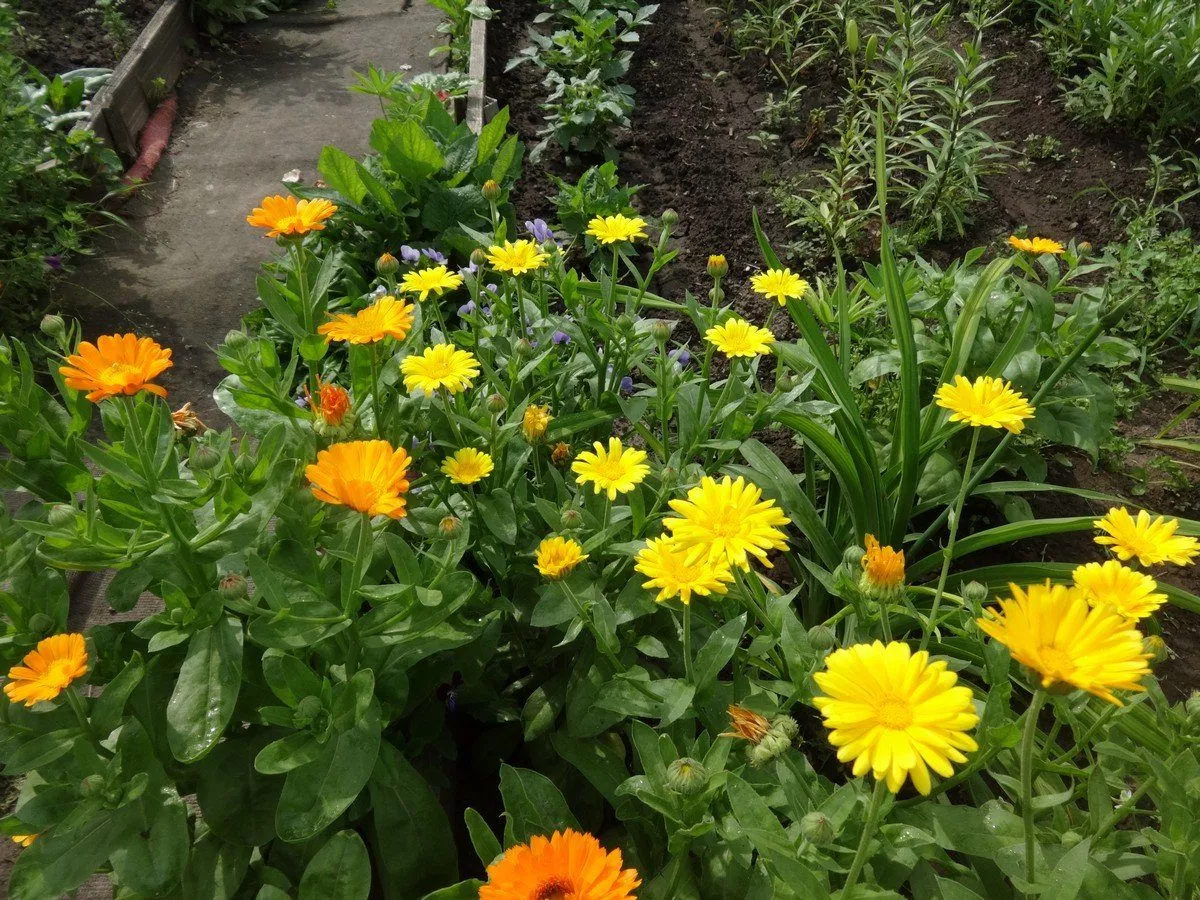
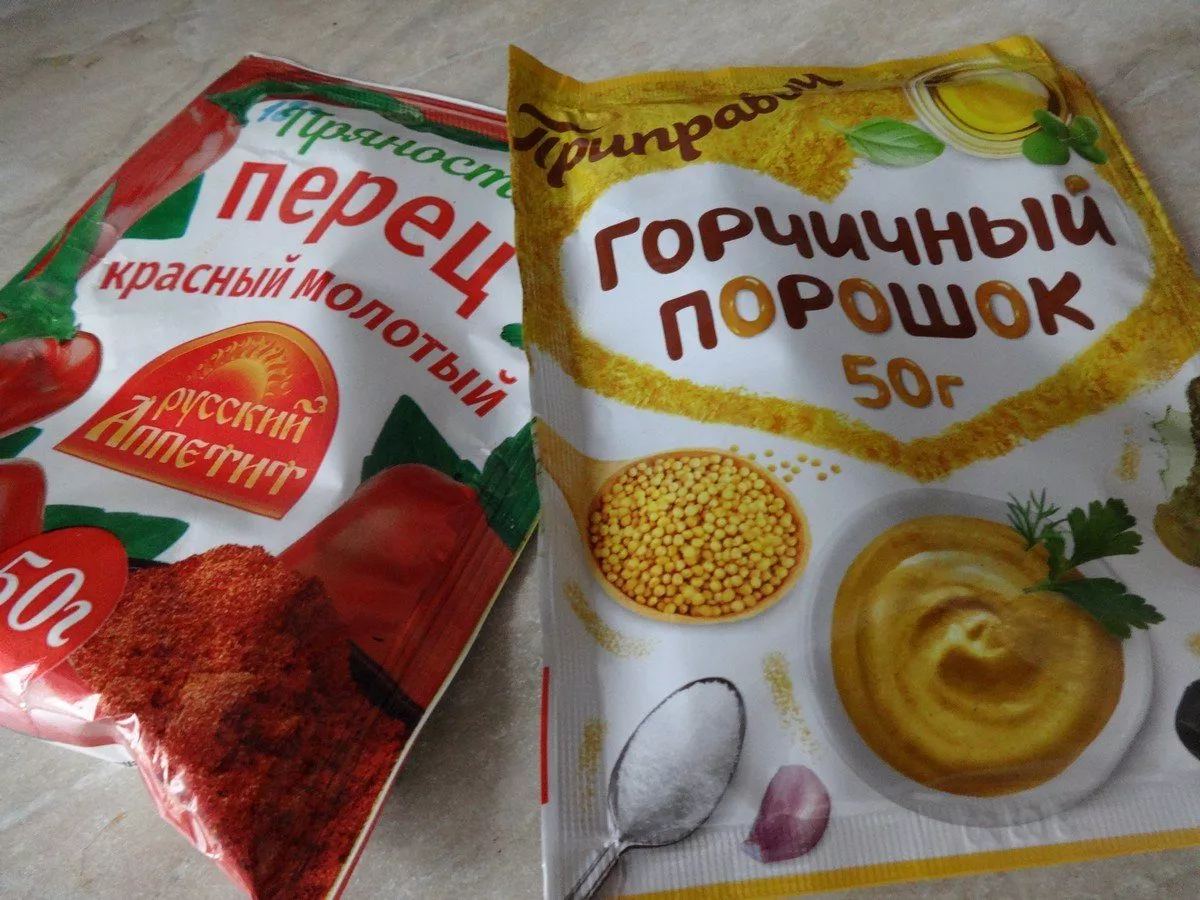
From May to July, you need to sprinkle wood ash, tobacco dust, ground pepper, and mustard under the currant bushes - this will also repel the pest.
In the fall, first remove all affected branches, cutting them down to the ground. Young shoots that grew during the summer should be checked for pests and bent slightly. If a branch breaks, it's hollow and should be cut back to the base. Burning all branches is recommended. Then treat again with Inta-Vir or Karbofos.
So, I'm facing a battle with the glassworm this summer and fall. I'll have to carefully inspect all my currant bushes, as the pest attacks both white and red currants. So far, it's only been detected on one bush, and I need to prevent it from spreading to other plants.