

I'm new to planting, so I try to ask friends and family about various nuances. I planted sorrel, lettuce, parsley, and dill from seeds. A couple of weeks have passed, and no seedlings have appeared.
I complained about this to my mother (she lives in another region of Russia and has been gardening for at least 50 years), and she recommended I mulch them with grass. As far as I remember from my distant childhood, we never did that before. But apparently they've come up with something new over the decades.
I searched the internet, and opinions differ, but most gardeners also recommend doing this. Okay, I mulched it, as advised, with freshly cut grass. Here's how I did it:
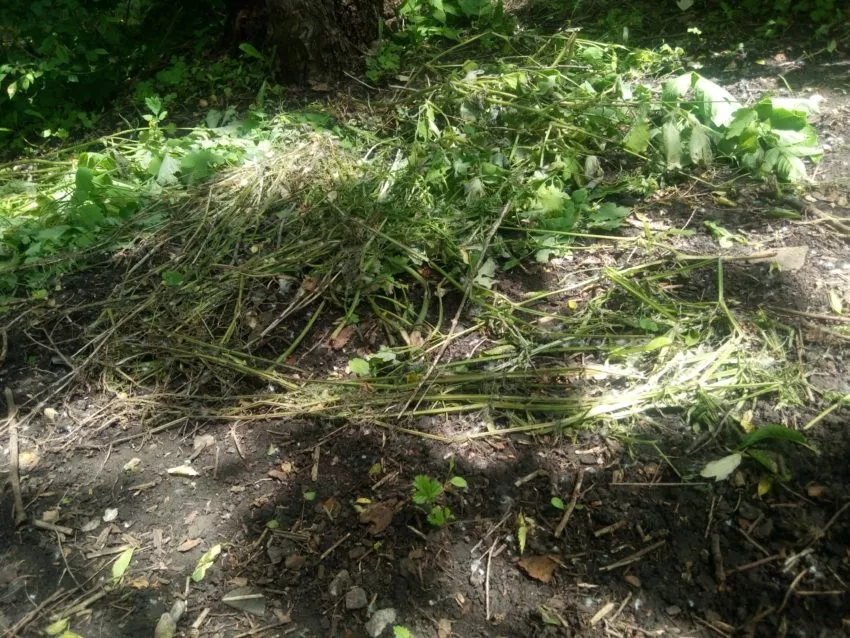
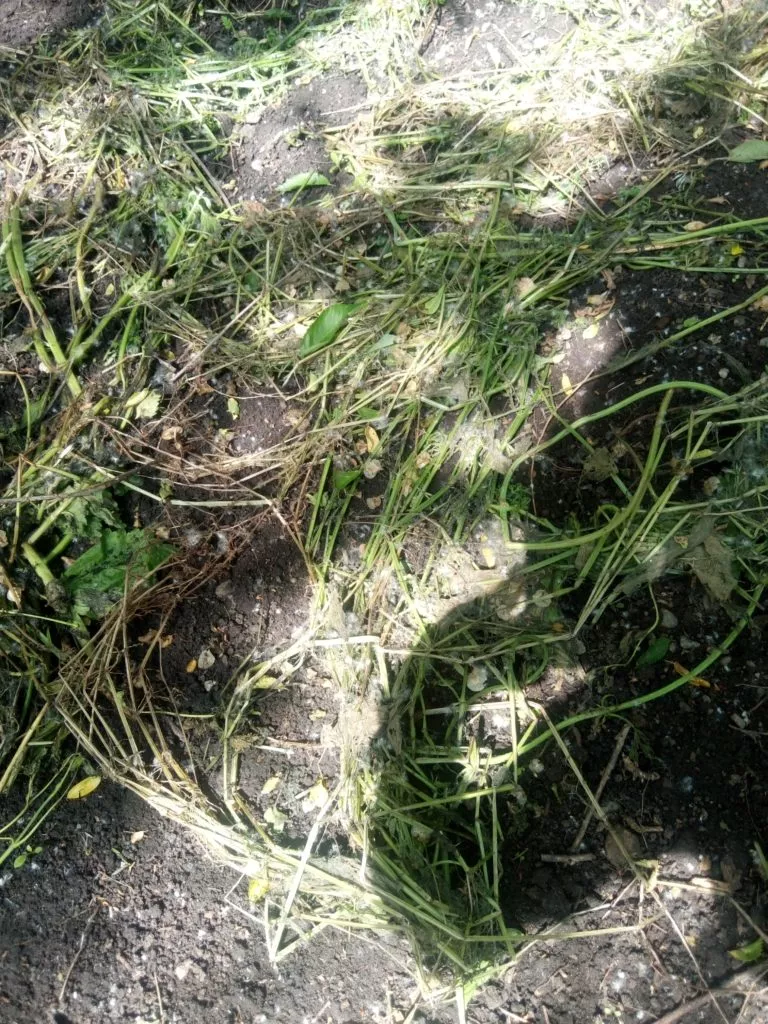
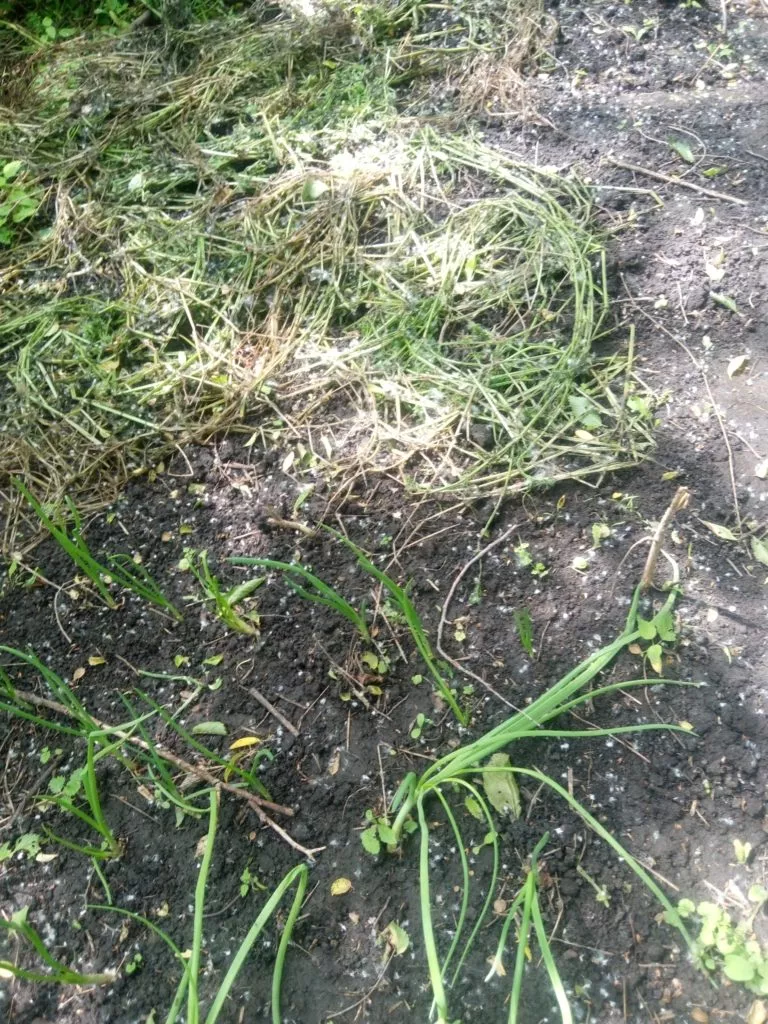
A week passed, and I decided to take a look under the mulch. And yes! I saw a multitude of sprouts:
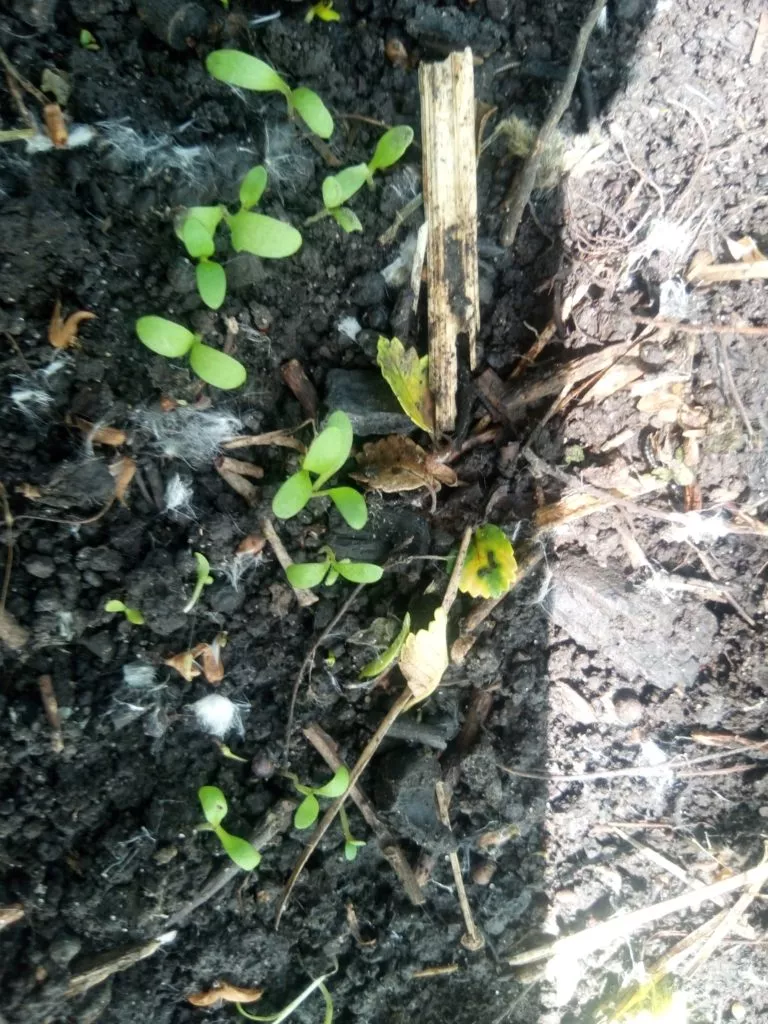
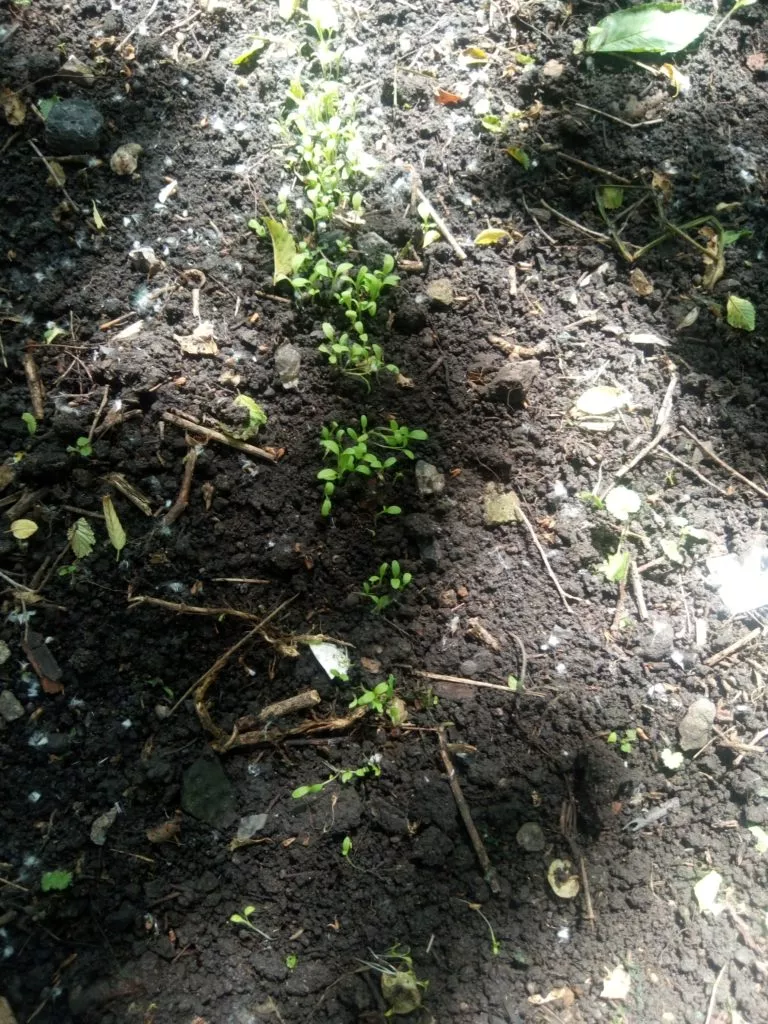
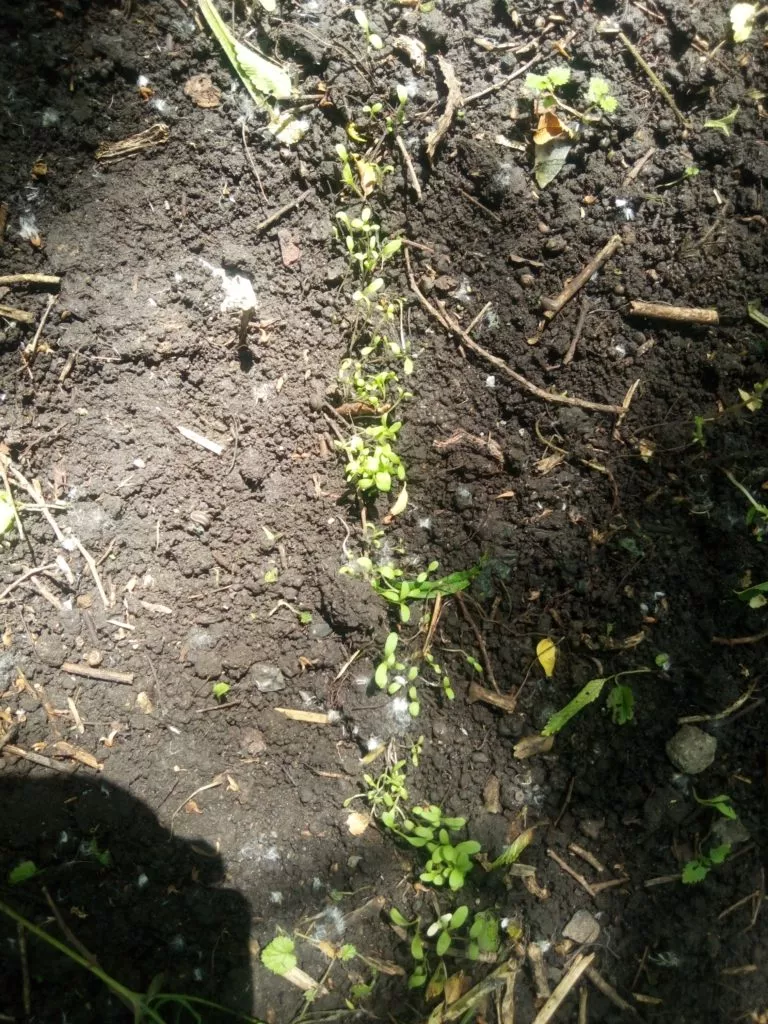
Of course, I was very happy about this, but when I looked more closely, I saw that the humidity under the mulch was too high:
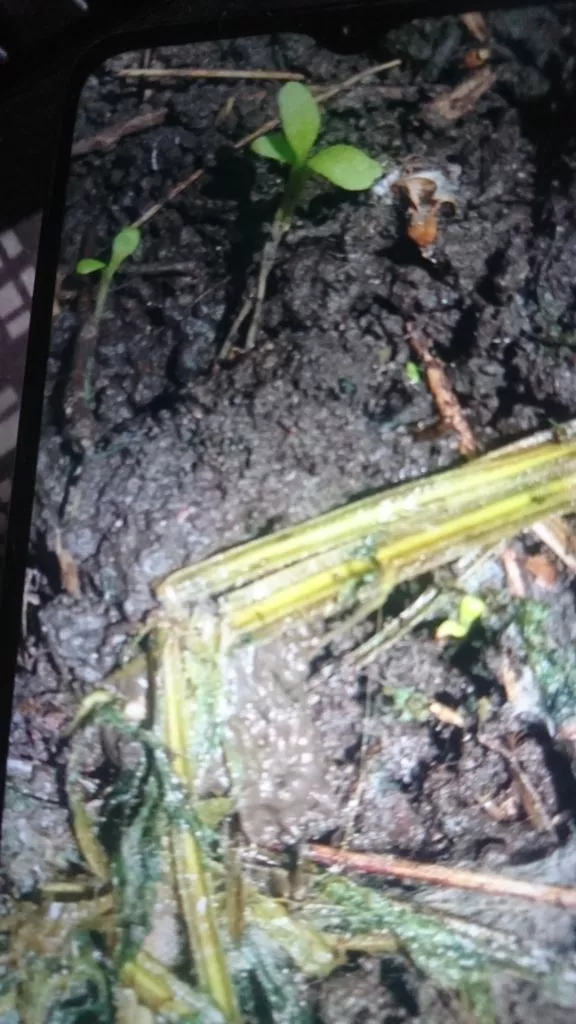
By the way, maybe it's because we've had standing water this year anyway; I'll even show you a photo:
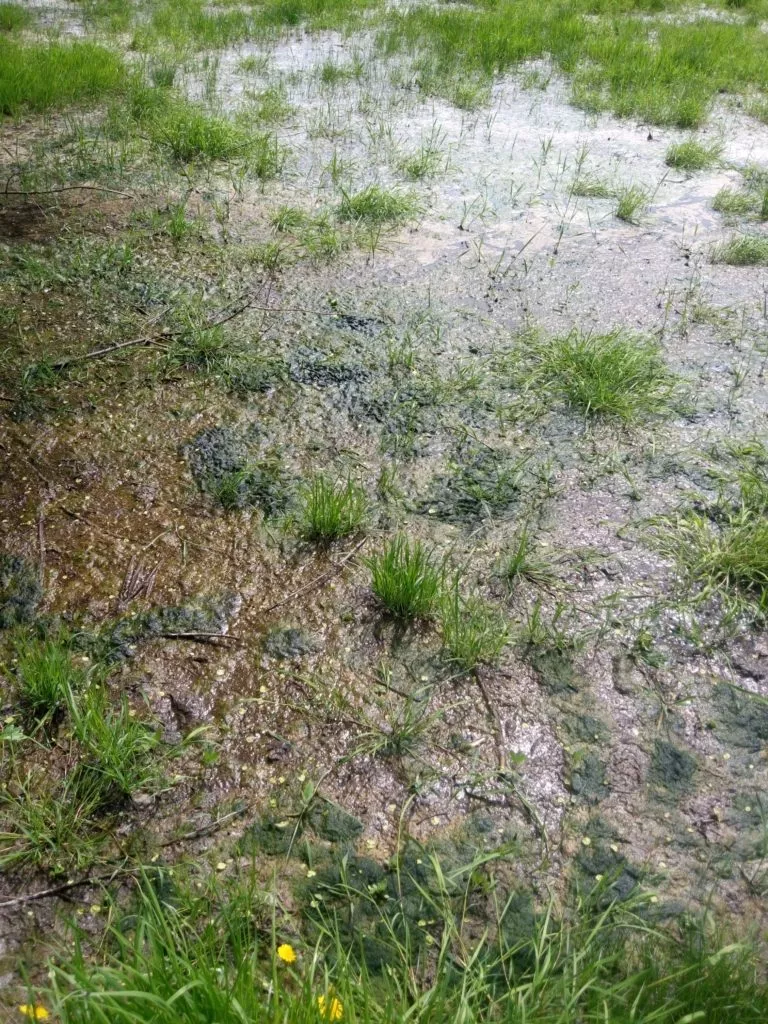
My mother lives in the Krasnodar region, and humidity is known to be a problem there. So, I think this method works best in hotter regions. So, I decided that if I waited any longer, fungal diseases would start to develop under the mulch, which would kill the seedlings. So, I started removing the mulch. It peeled off beautifully; I even enjoyed the process—you pull one edge, and the rest of the grass drags along with it. Here's what it looks like:
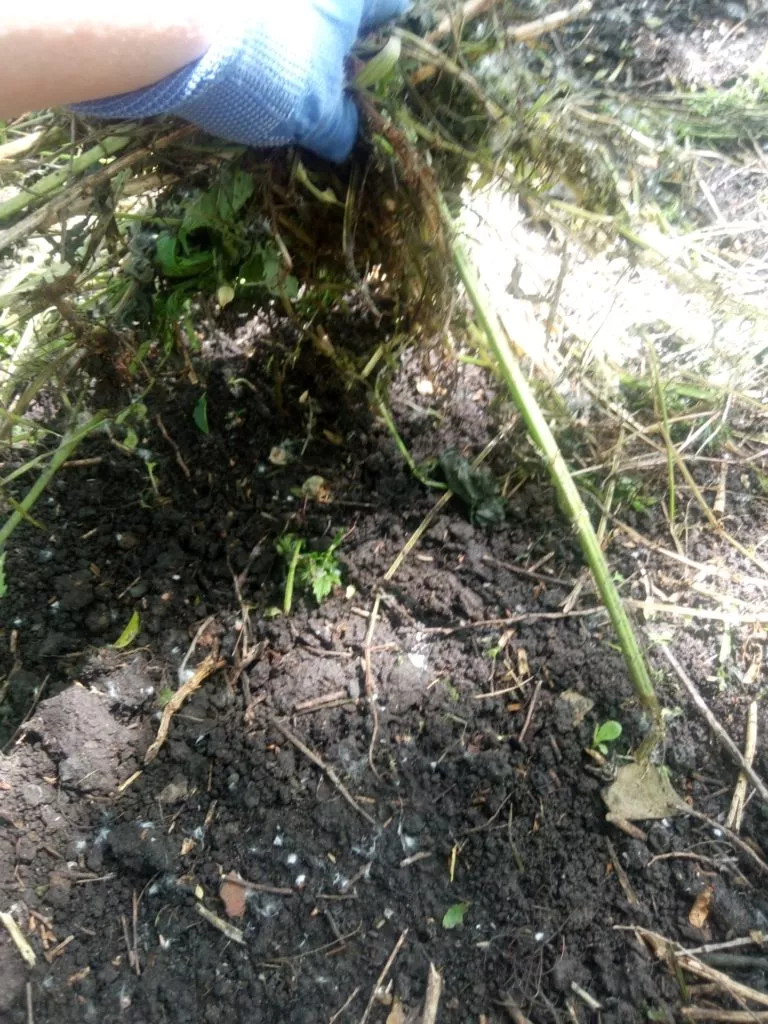
In just a couple of days, the surface had dried out slightly, and I no longer saw any signs of mold. And my seedlings continued to grow.
Overall, I've come to the conclusion that the issue will remain controversial, because the decision to mulch must be made based on various factors—the current weather, soil moisture levels, and climate conditions. To ensure rapid seed germination, I personally recommend covering the seeds with mulch even in regions with very high humidity. The main thing is to remove it in time.