

I have already briefly talked about that, What are hops?, how it is used in the vegetable garden and orchard, and now I want to tell you about its composition. By the way, you can read about the benefits and harms hereHops look like this:
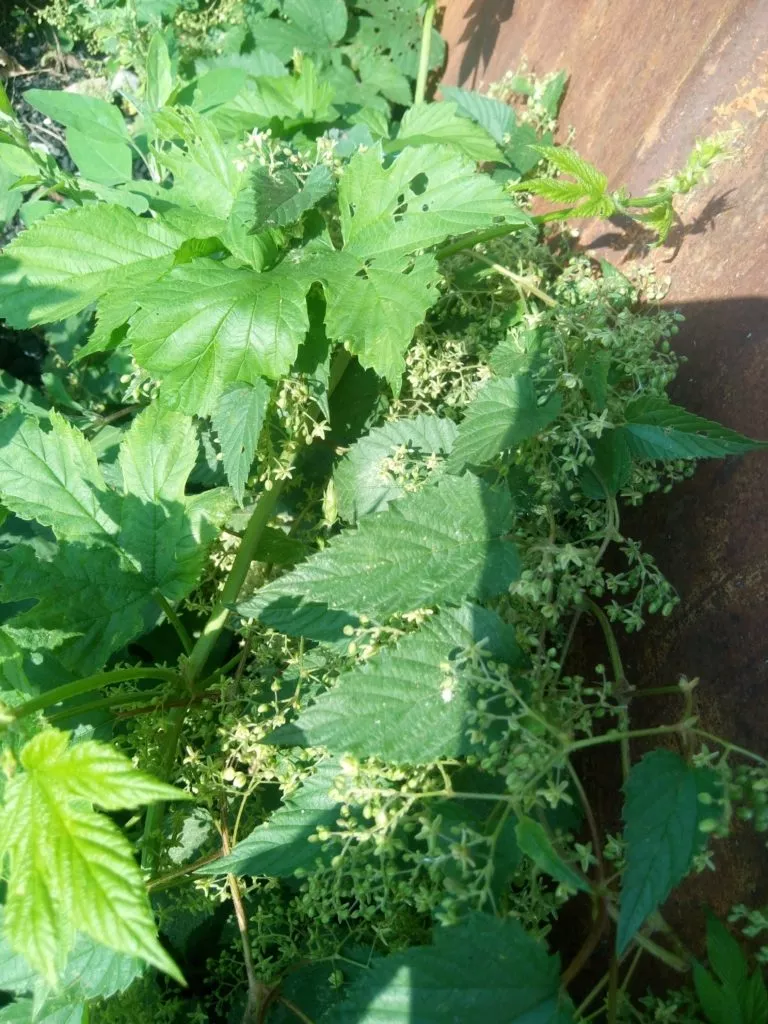
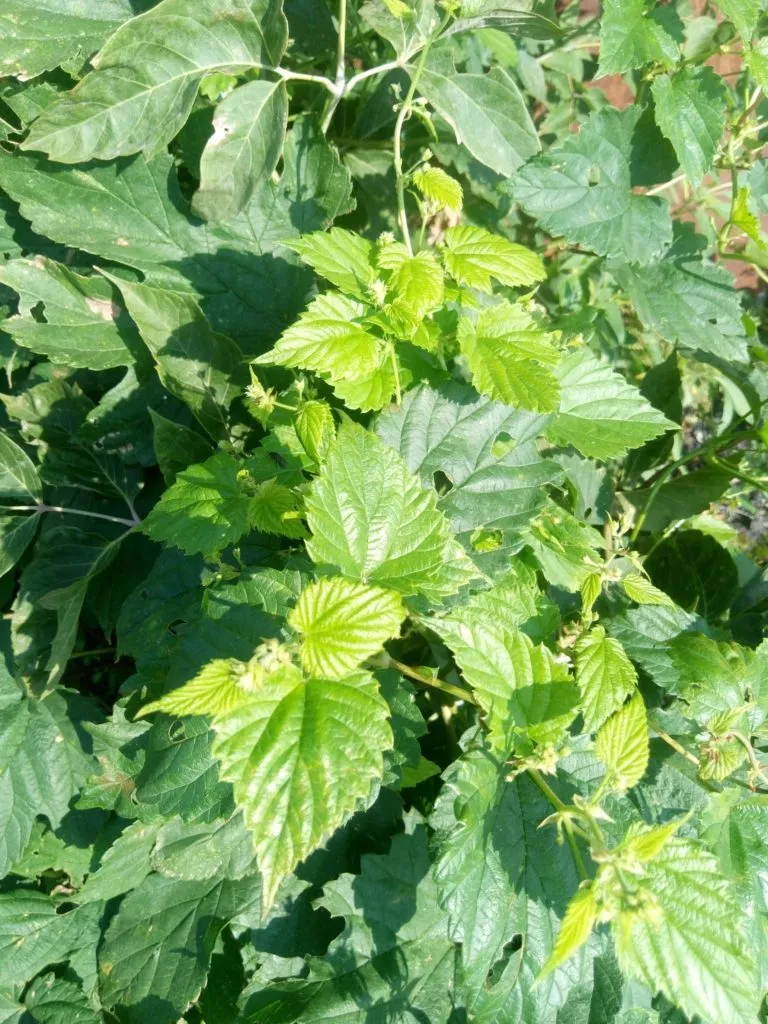
This is what grows in our yard. The plant contains about 15% protein, 18-25% bitter substances, 8% minerals, 4% tannins, 1% hop oil, 3% essential oils, and so on. It also contains trace elements, vitamins, flavonoids, various acids, and other such things. But since hops are most often used to make beer, including at home, I'll discuss the influence of certain substances on this process, which will help you understand why hops produce the most delicious and healthy beer.
Bitter elements
These are soft and hard resins, as well as non-specifically soft ones. The hard ones are of no value for beer, but the others influence the taste—how bitter the drink will be. So, the more of these bitter resins there are, and this depends on the hop variety, the more bitter the beer will be.
There are other features: these resins have bacteriostatic properties, which determine how long the foam will last. And here, the effect is the same as with bitterness: the more resins, the better the foam.
Incidentally, it's the boiling process that converts insoluble forms into soluble ones, which is what creates the bitterness and the true flavor of beer. Therefore, I don't recommend using recipes that claim to brew beer without boiling (and there are plenty of them online these days). Ignore such articles and stories—you won't be able to make beer!
Hop oil
Another component essential for producing quality beer, and most importantly, alcoholic beer, is oil. This oil is found only in the lipulin grains, which are found in these cones:
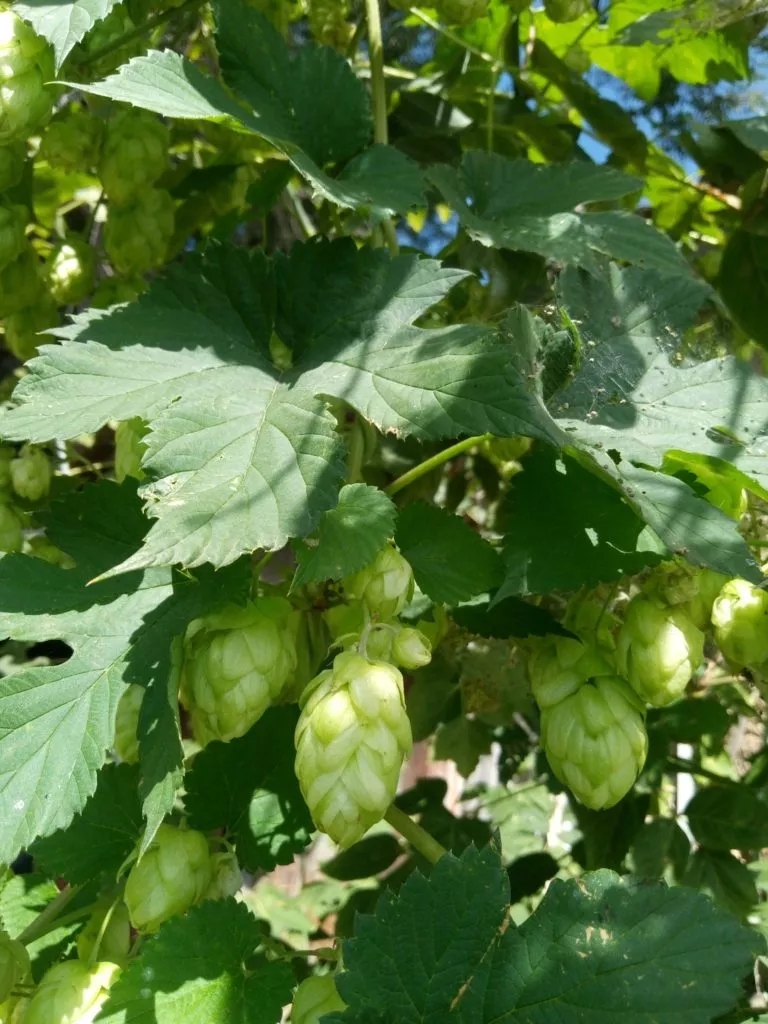
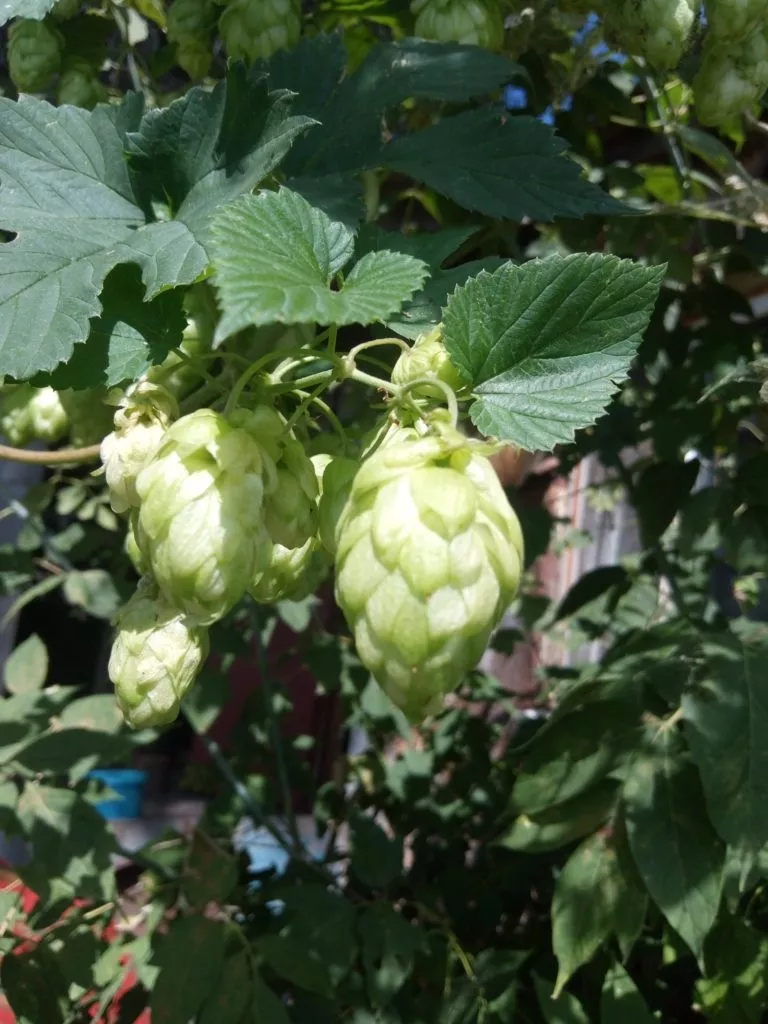
I was surprised to learn that hop oil contains around 250 essential oils. To me, that's a lot for a single plant. Hop oil contains oxygen- and carbon-containing compounds, terpenes, humulenes, myrcenes, and other compounds that influence the aroma and flavor of the drink. If the hop cones are fresh or properly stored, you'll definitely get a pleasant flavor and aroma.
But when the rules for storing cones are violated, the beer may have a taste of garlic, mustiness, valerian, and mold, due to oxidation.
Polyphenols
These are tannins, which affect the color and viscosity of the beer. If you boil the beer longer than recommended, the color will darken. However, this also increases the viscosity and bitterness, as the tannins bind with other elements. Avoid overcooking—the beer will be disgustingly bitter!
Squirrels
Many believe that protein compounds affect the taste and foaming properties of a drink. But I'll dispel this myth: plant proteins are abundant, but fermentation significantly reduces the protein content in the finished product. No more than 30-40% remains (at best). However, carbohydrates are retained, which is why beer is considered high in calories.
Well, here are the main aspects that will help you avoid making mistakes when brewing home beer.