

Let me start by saying that we moved into a new house. The property is neglected, and I discovered a spittlebug on the willow. I've known about this leafhopper for a long time, having encountered the problem in my old house. I also know firsthand how to deal with it, so feel free to follow my recommendations: chemicals And folk remedies.
I've been seeing these kinds of questions a lot on forums lately, so I decided to write a series of articles about this pest. This is what the spittlebug looks like and what it looks like on my large tree:
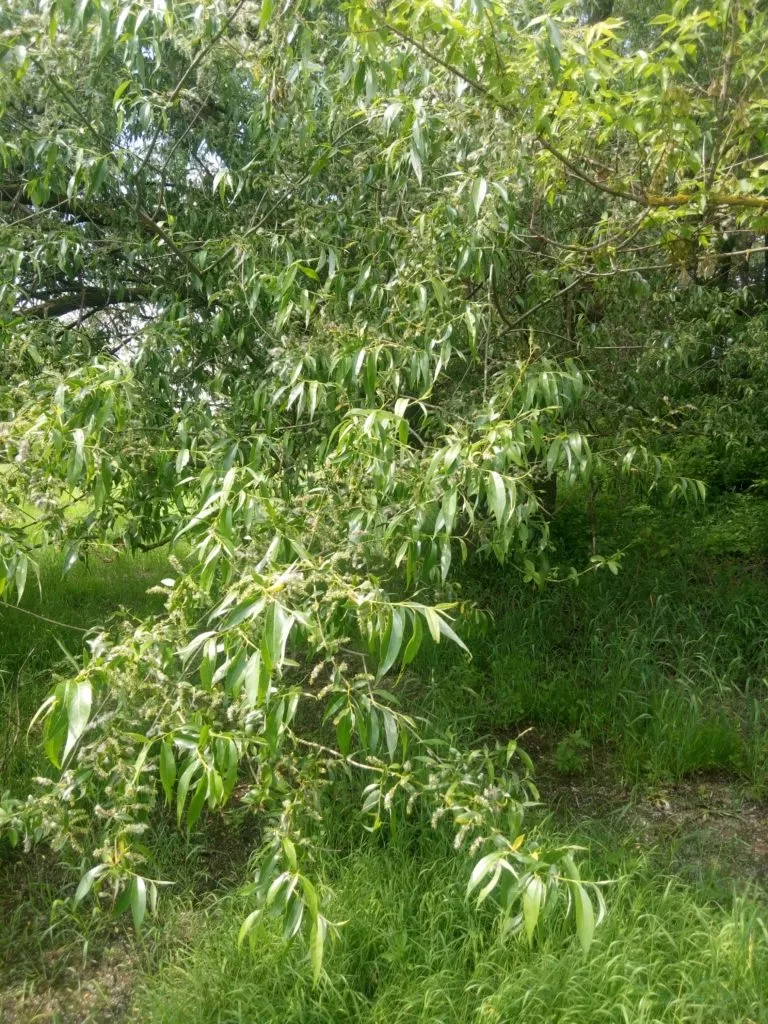
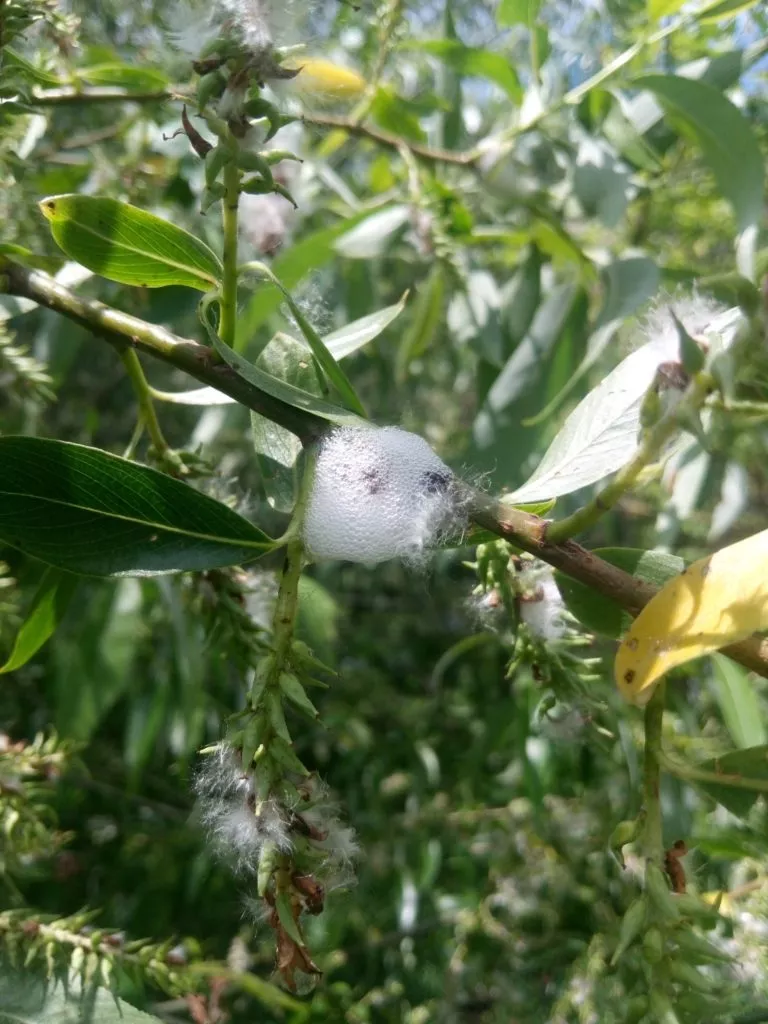
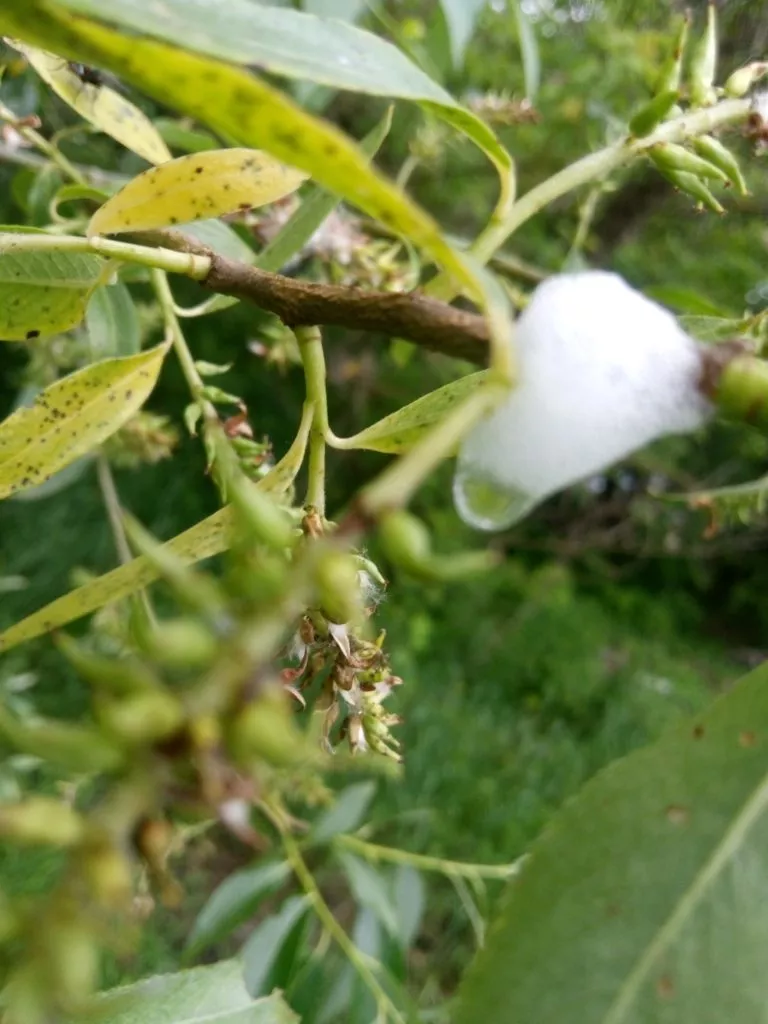
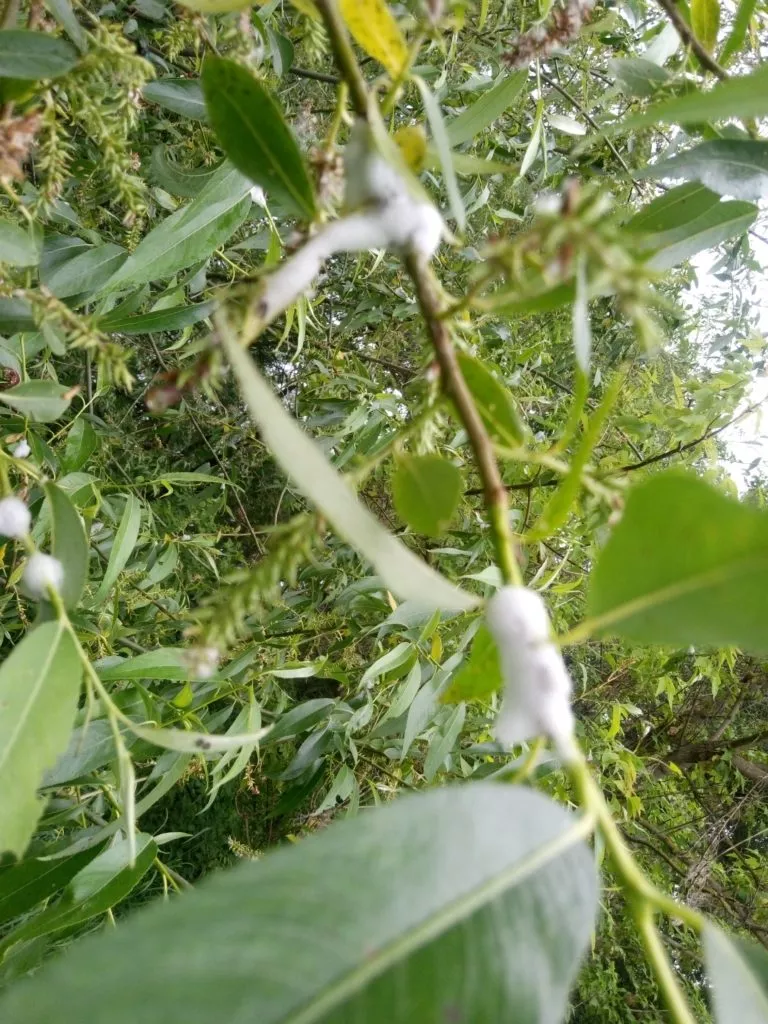
If you look more closely, you can clearly see the pest inside:
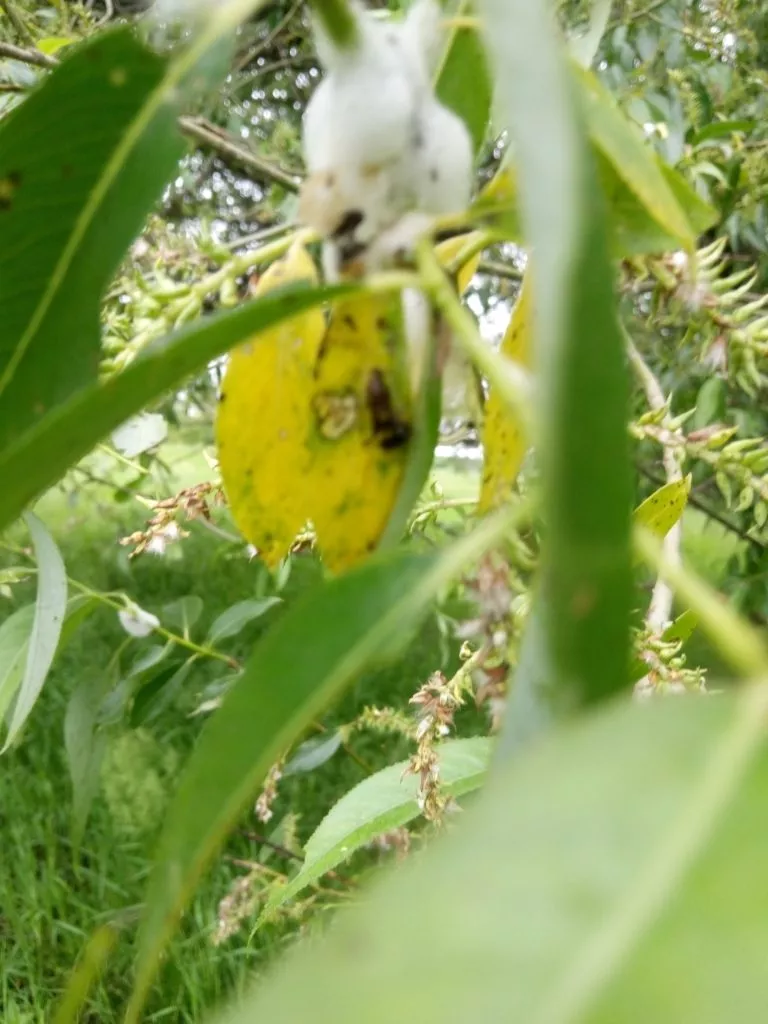
So, what is it? It's a leafhopper pest with semi-rigid wings. The insect ranges from 5 to 10 mm in length and produces only one brood per year. It has a high survival rate, thanks to its foamy secretion, which acts as a protective barrier against other insects, birds, and other insects, as well as against humans and pesticides. Therefore, when treating plants, you should first rinse off this secretion with water. But more on that later.
Foamy leafhoppers easily survive winter frosts, as they are still in the egg stage at this time. They lay eggs in the fall, and the adults die. However, as soon as the weather warms in the spring, the eggs burst and larvae form, which immediately begin secreting a foamy substance. This is the best time to treat, while the foam is still low. Leafhoppers attack almost all crops.