

Saintpaulia is the most common flower among indoor plants.
These are my favorite flowers that grow in our apartment.
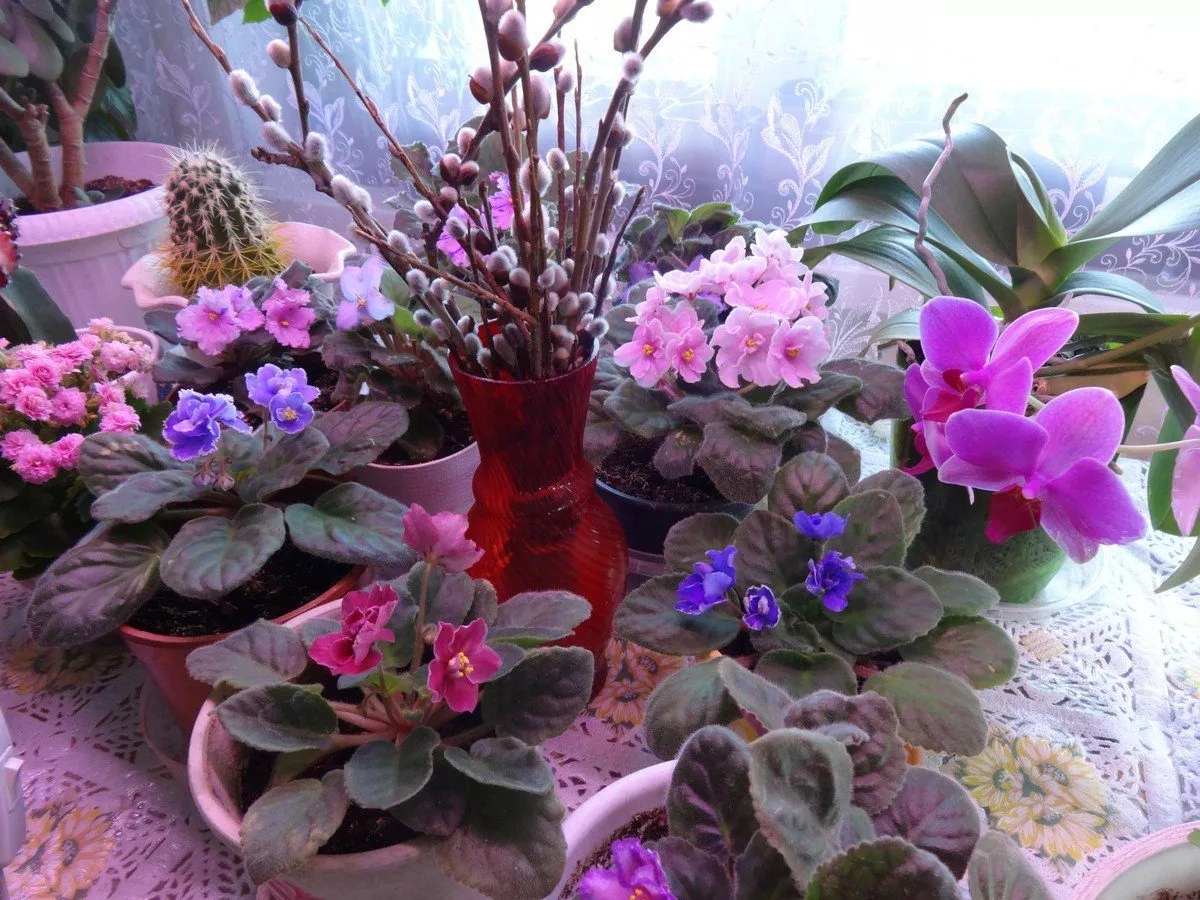
For as long as I can remember, these flowers always grew in my parents' house. They were white, pink, and purple, with single petals. Later, large, double flowers appeared.
After moving to Krasnoyarsk, I took up houseplant cultivation. I bought some flowers at the store, grew others from cuttings neighbors shared with me, and my son brought my first two violets home from school during the summer holidays. They were in terrible condition; several plants were growing in a single pot—dense clumps of elongated, pale leaves. They were old and barely bloomed.
I removed the violets from their pots, washed them with laundry soap, rinsed them with a potassium permanganate solution, added drainage to the bottom, and filled them with loose, fertile soil. I discarded the old plants with their bare, thick stems, planted one violet in each pot, and then replanted mine. One violet was dark blue, the other light pink.
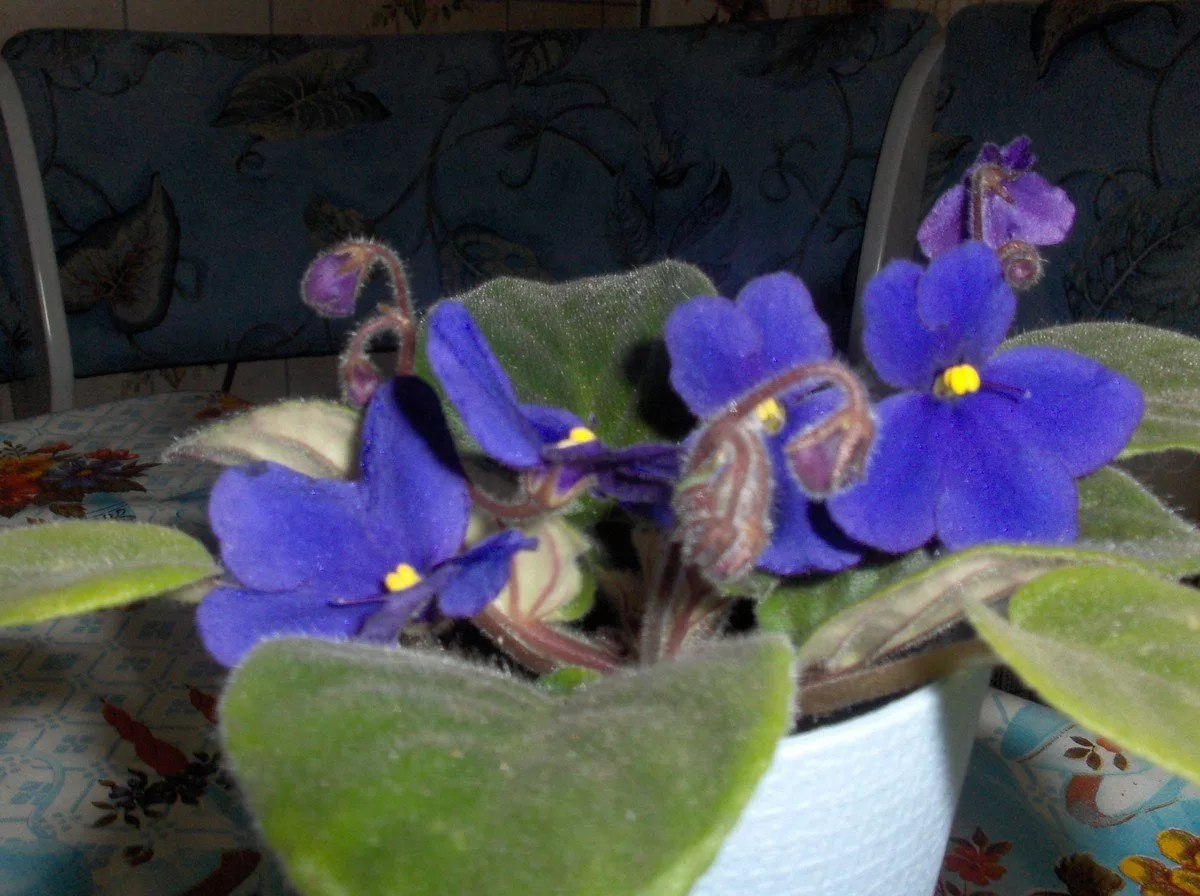
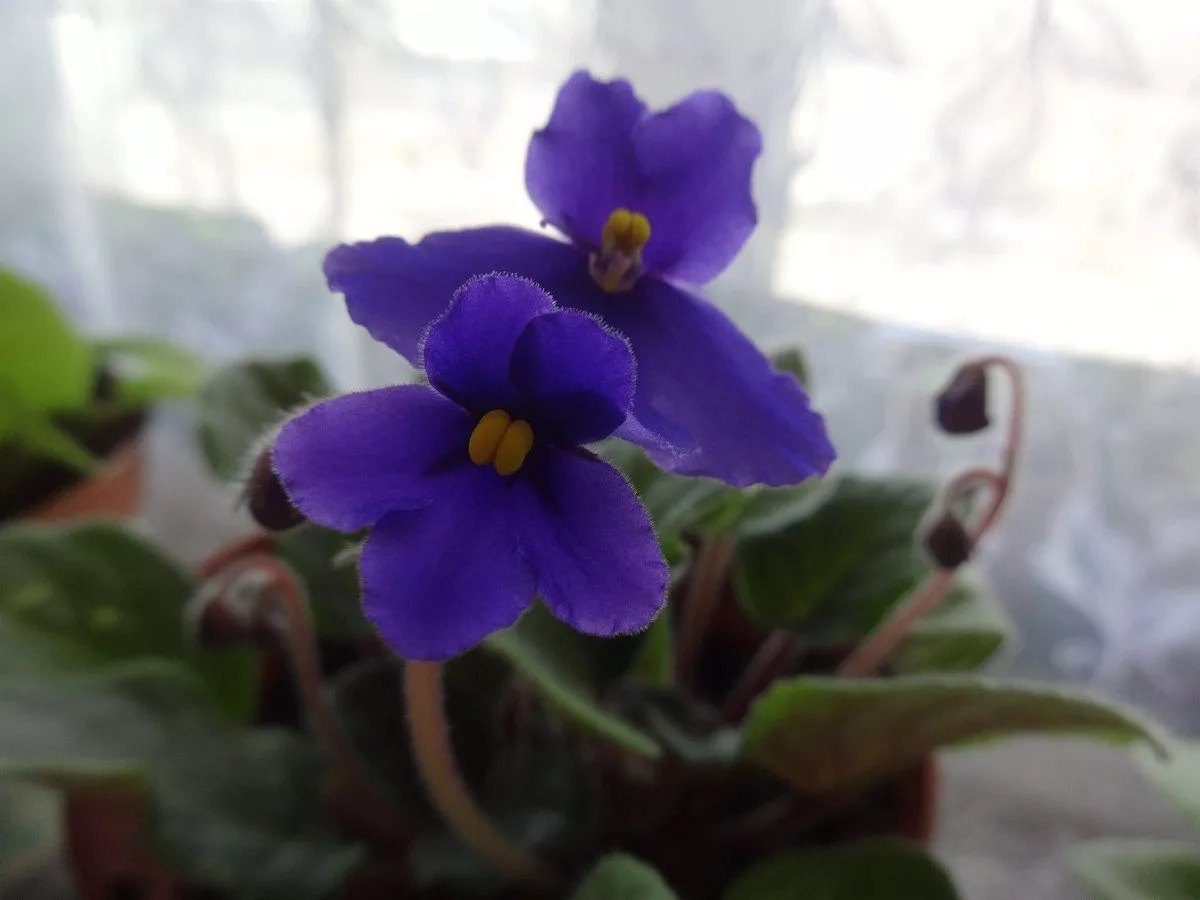
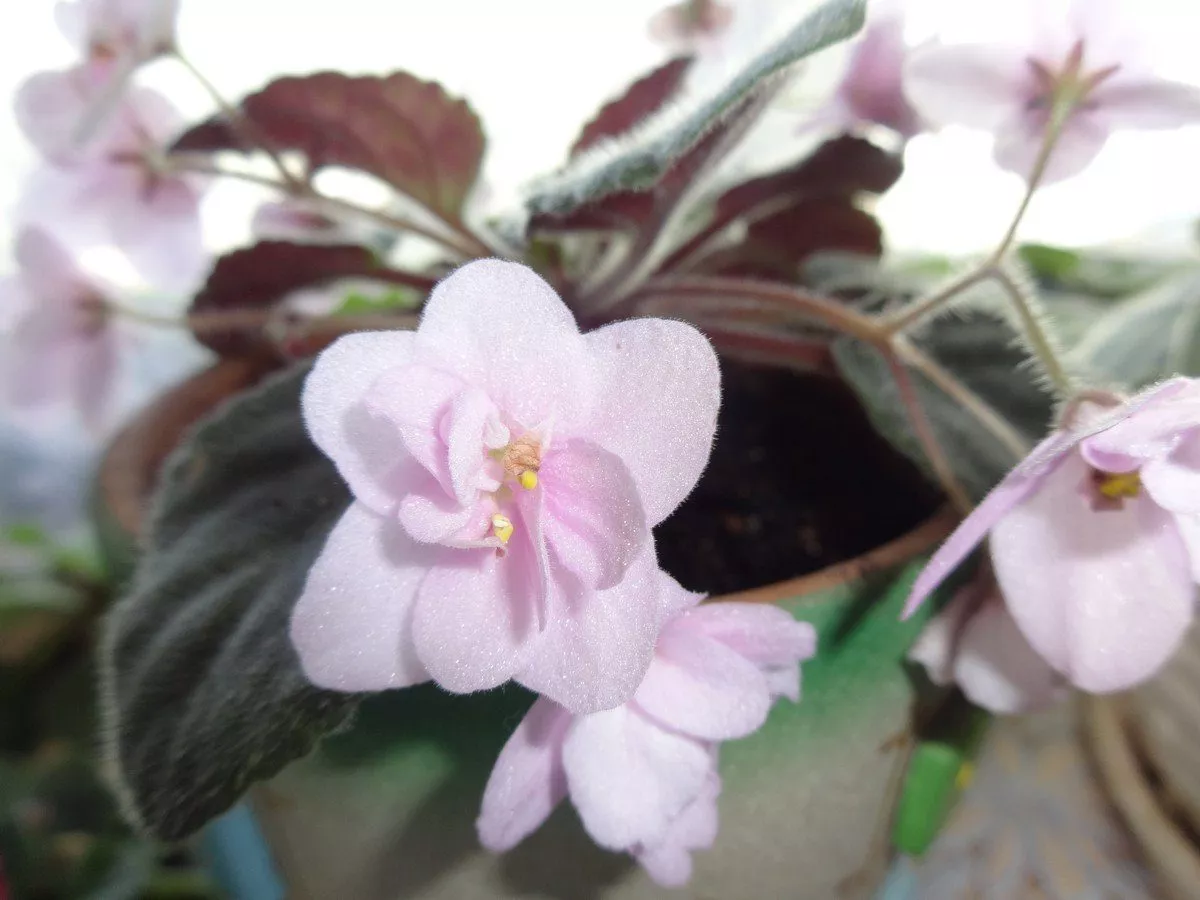
Over the summer, the violets gained strength, and in September my son took the strong, flowering plants to school.
Later, he picked up some fresh violet leaves in the courtyard; someone must have plucked the excess and thrown them away. From the leaves grew beautiful violets.
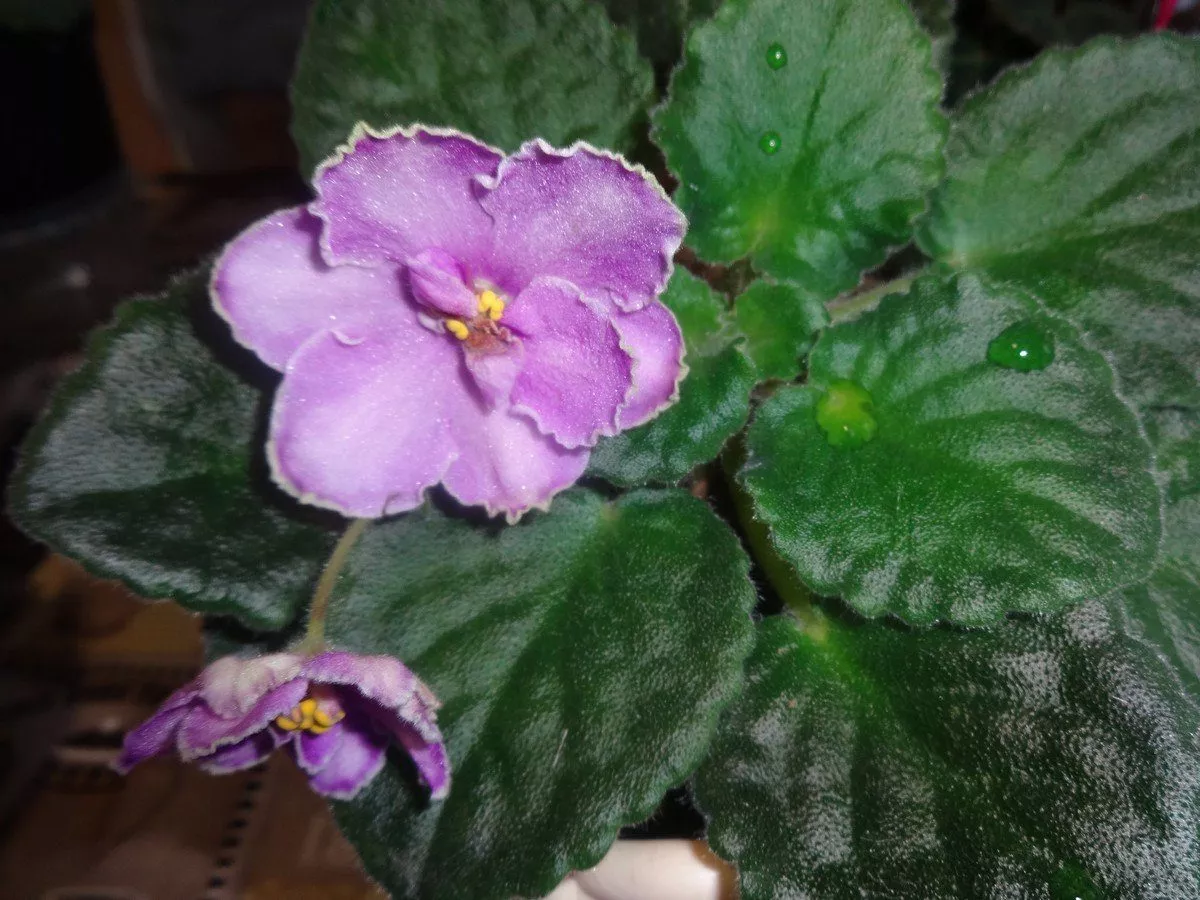
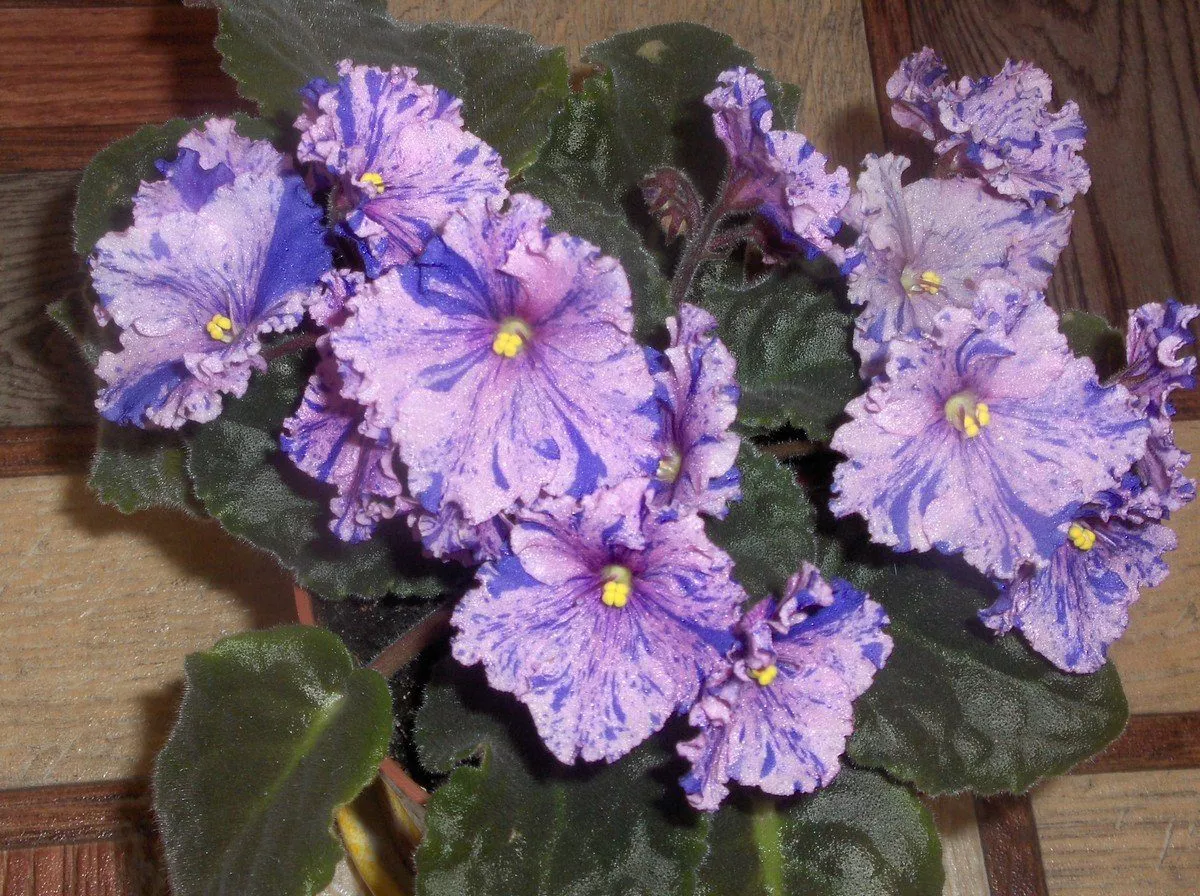
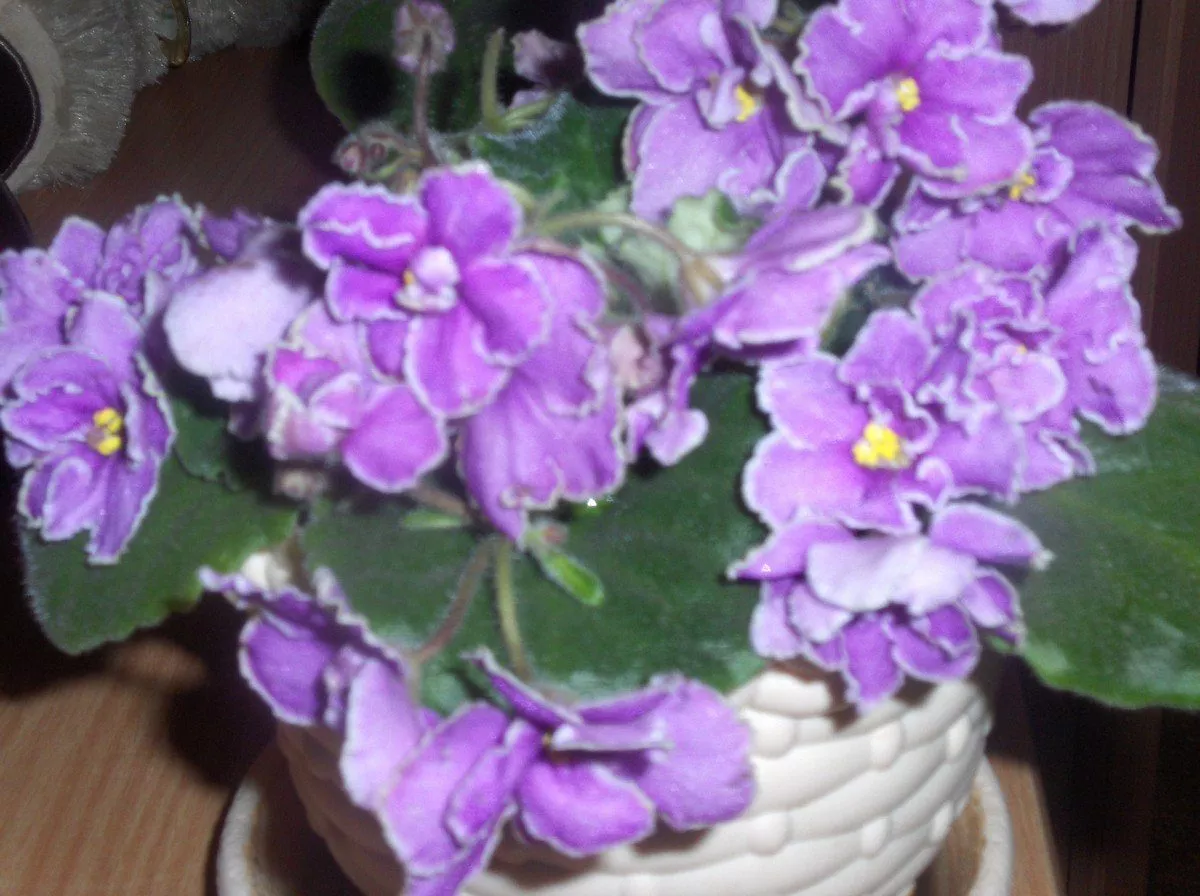
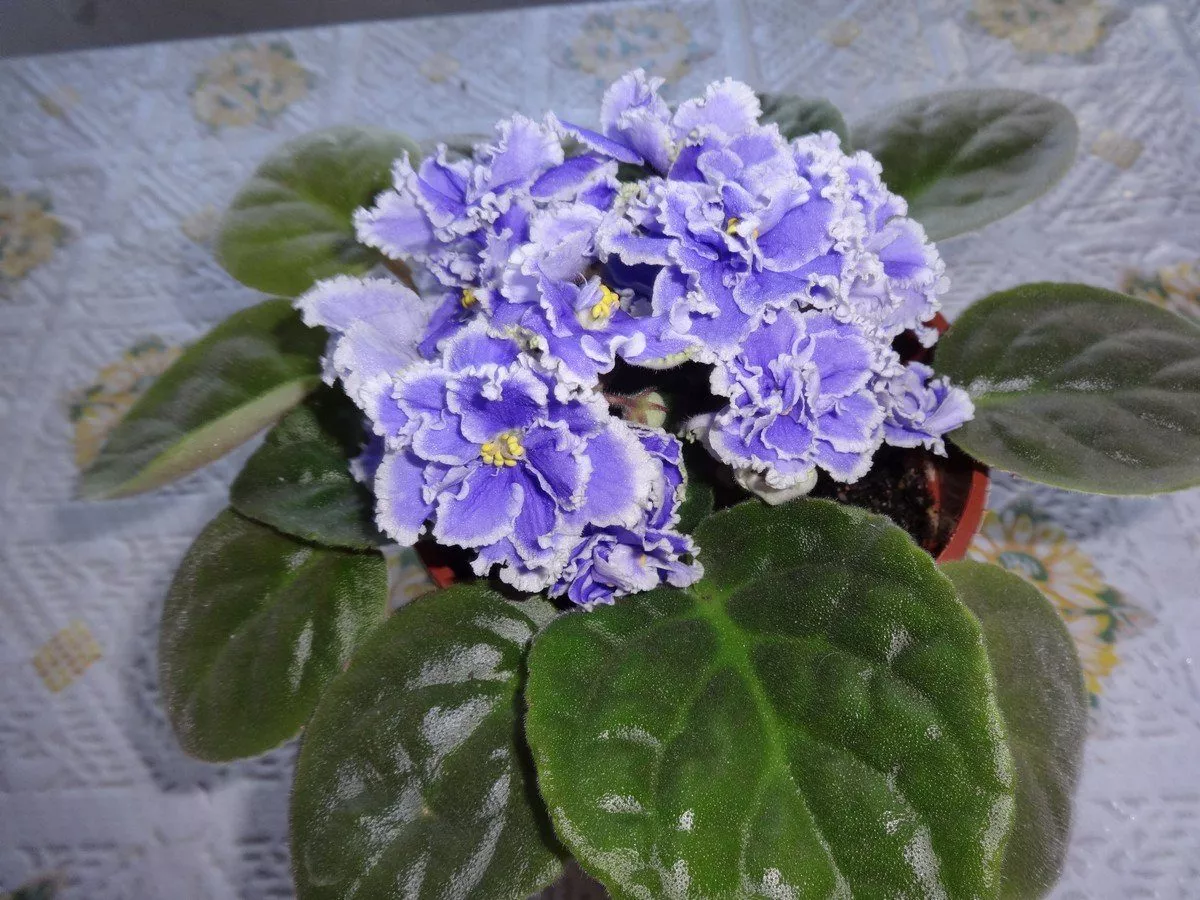
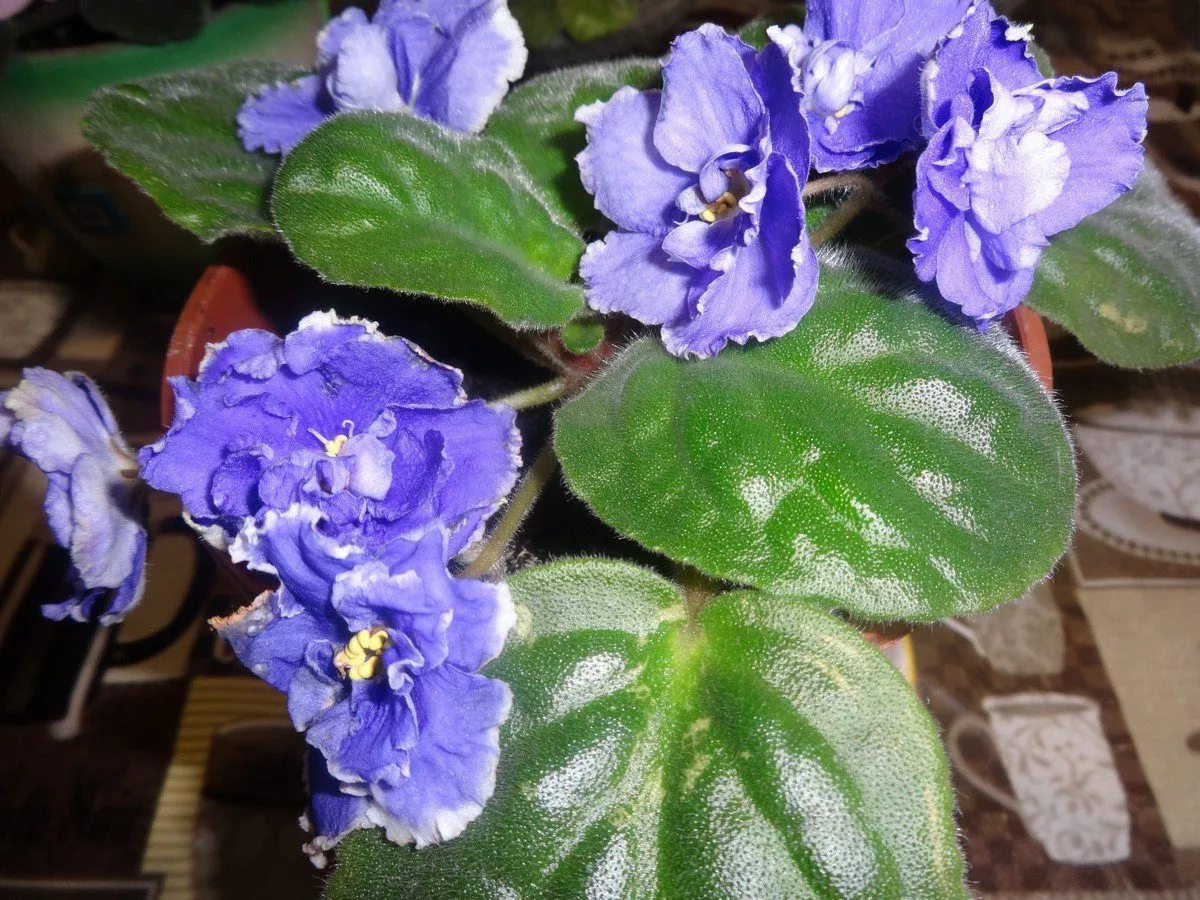
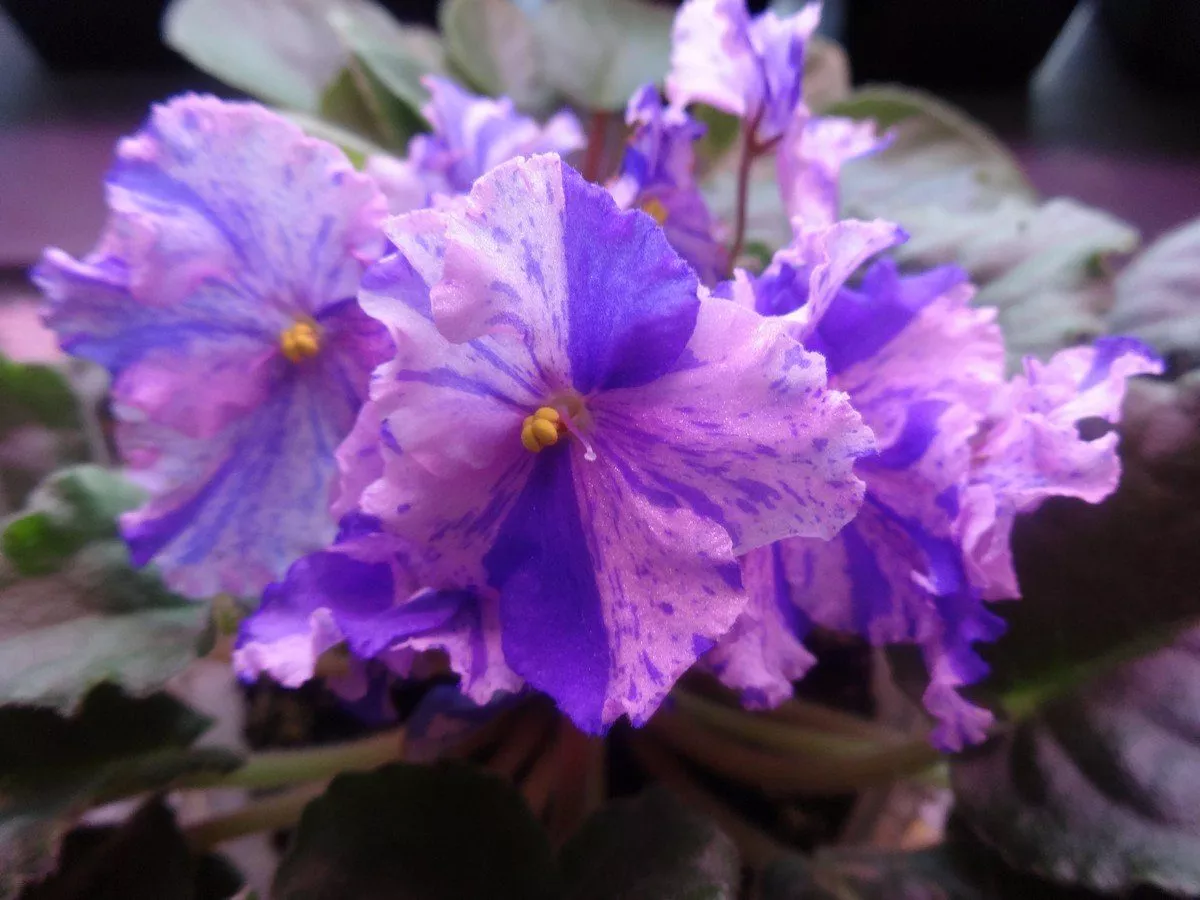
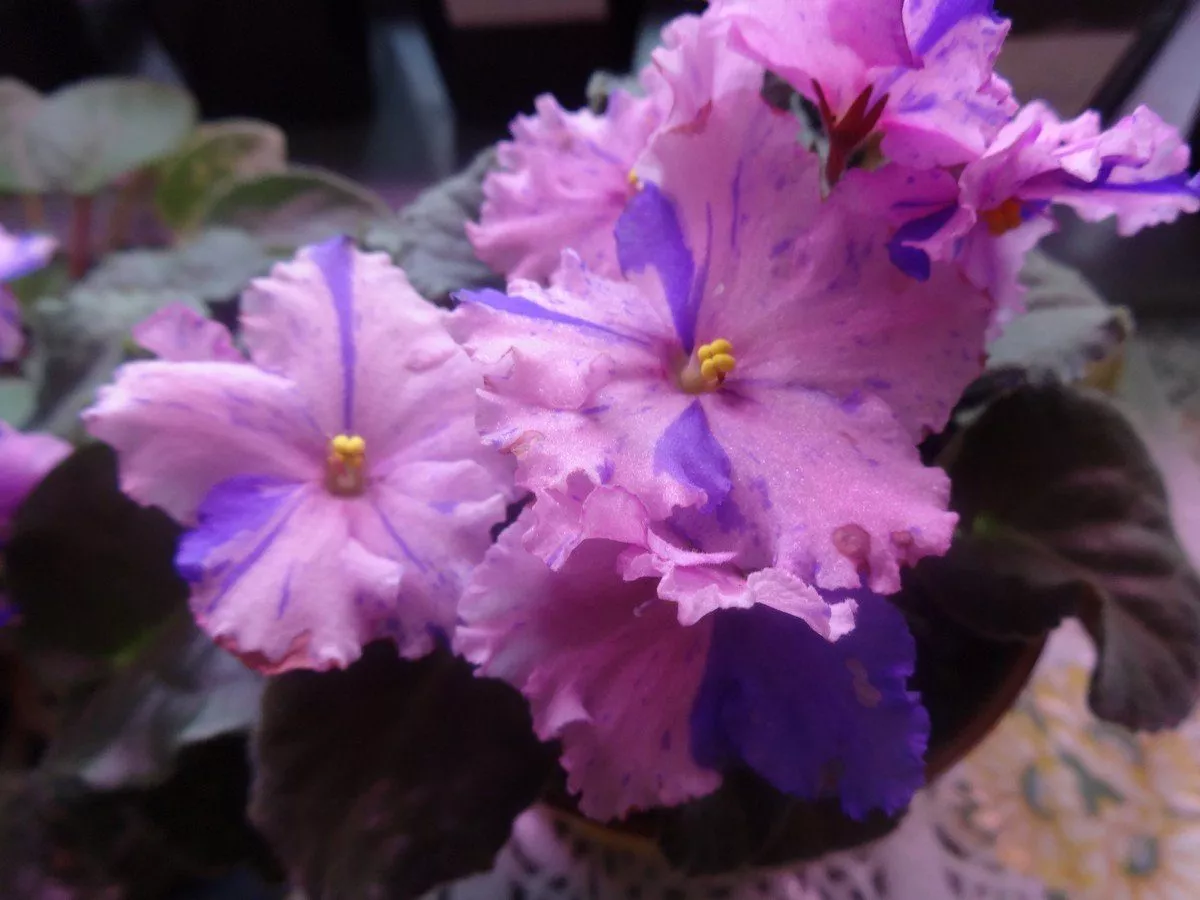
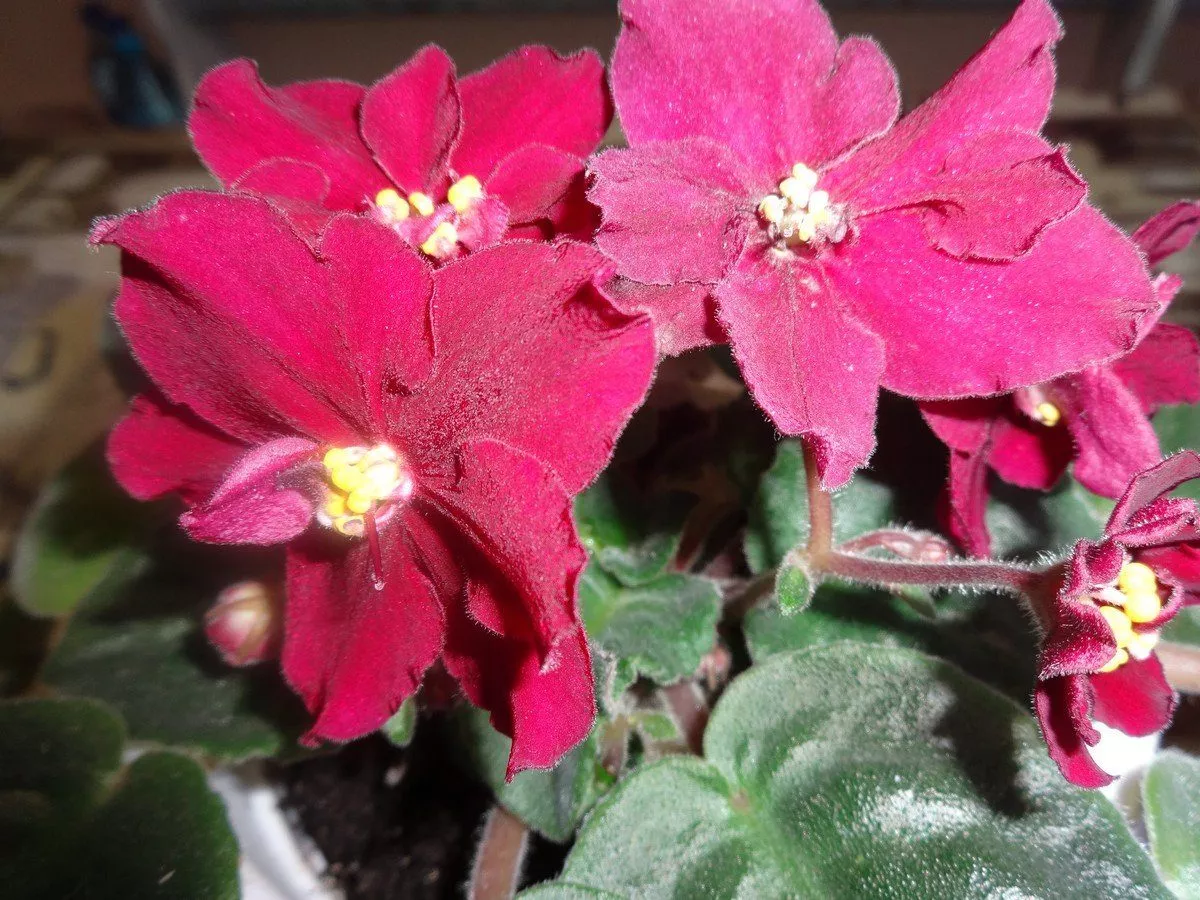
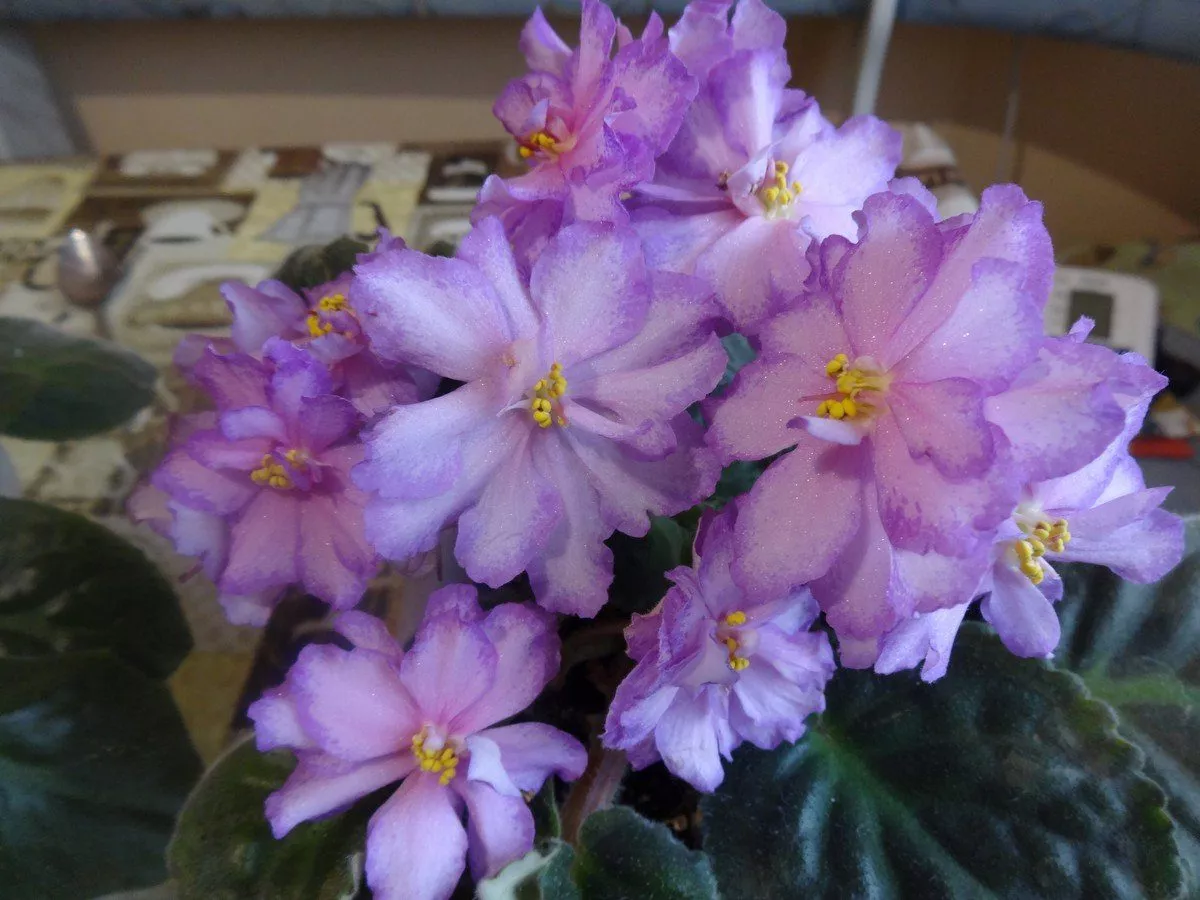
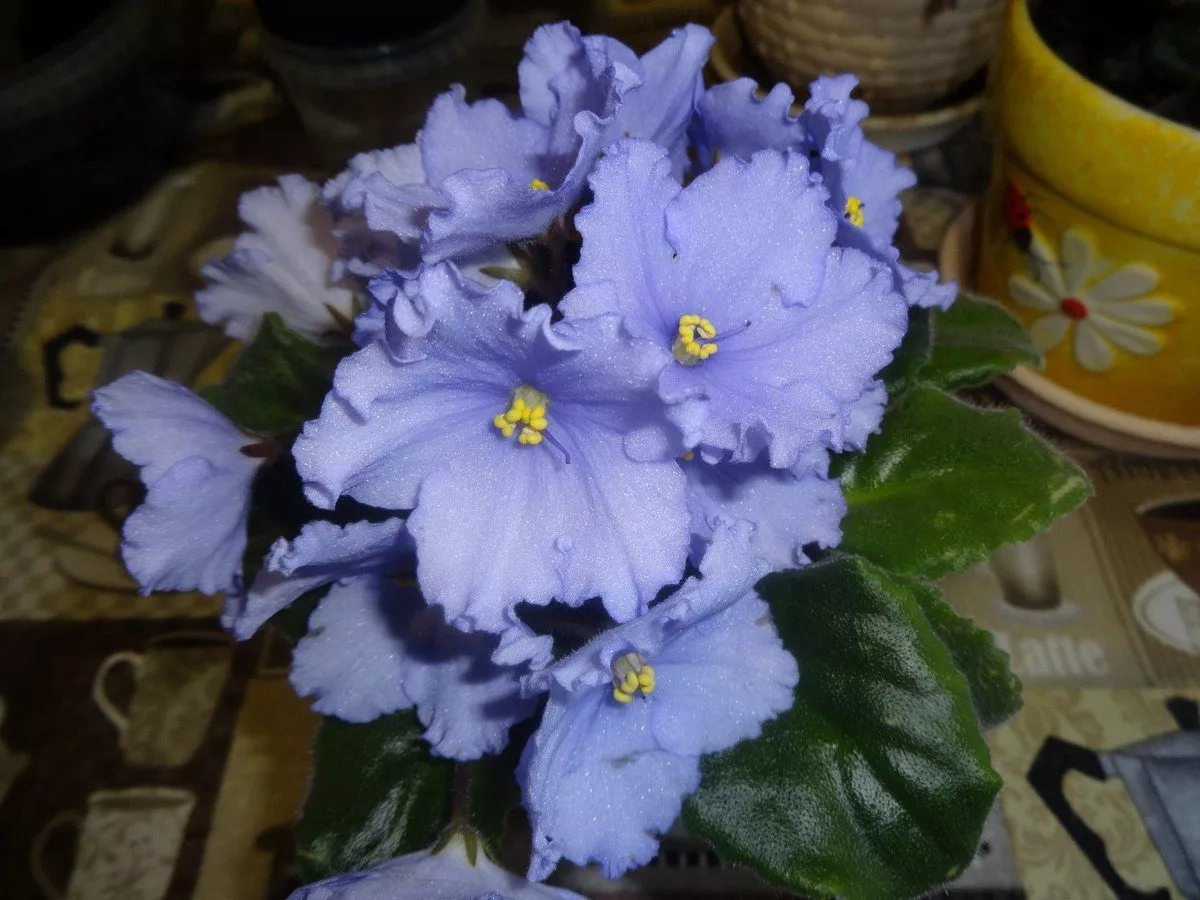
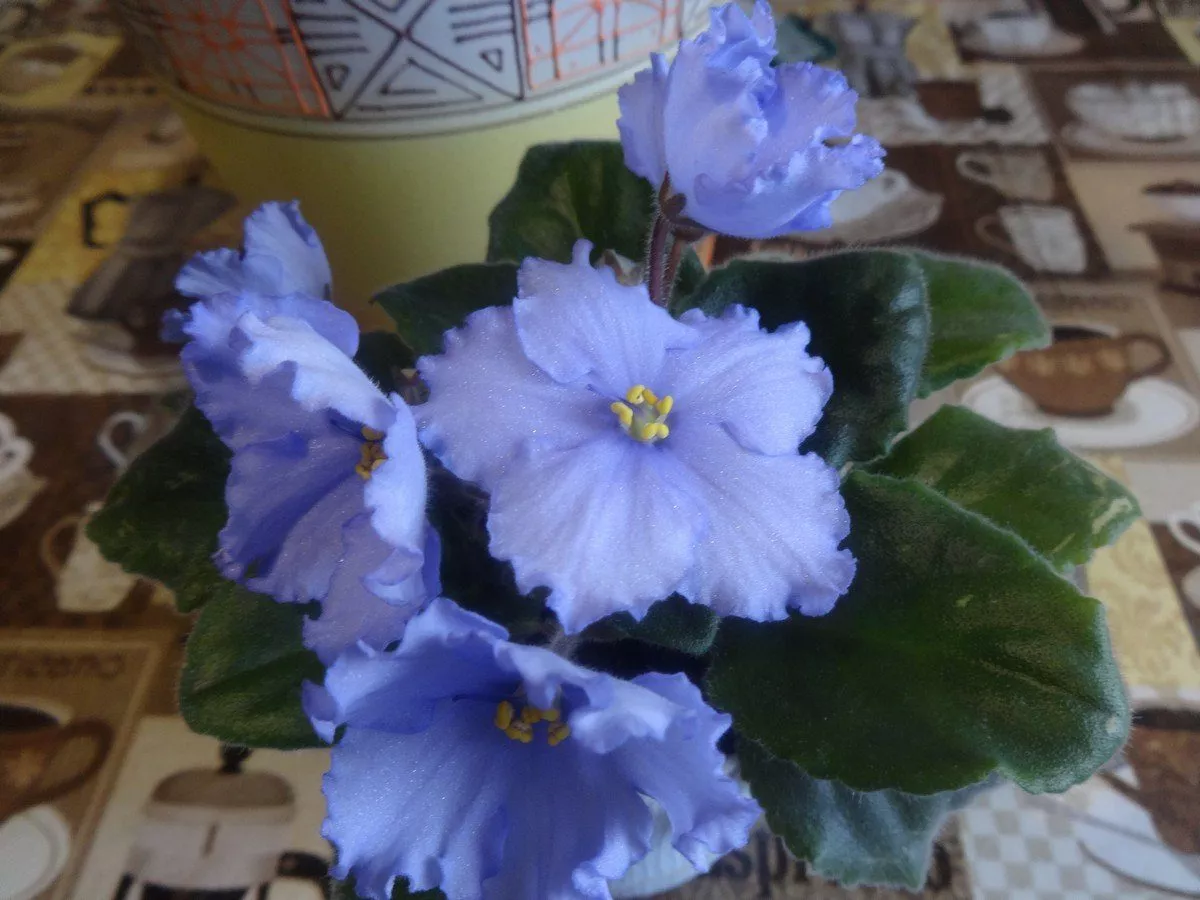
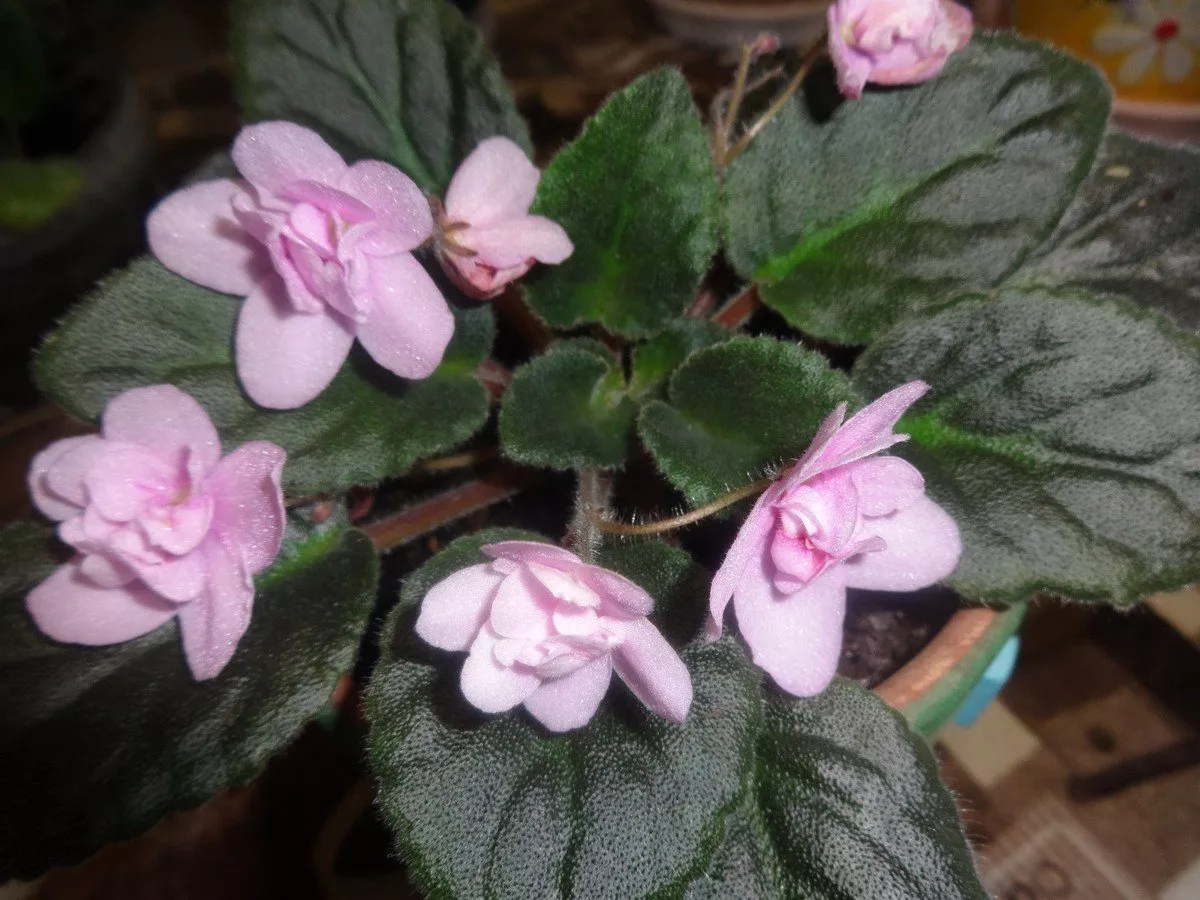
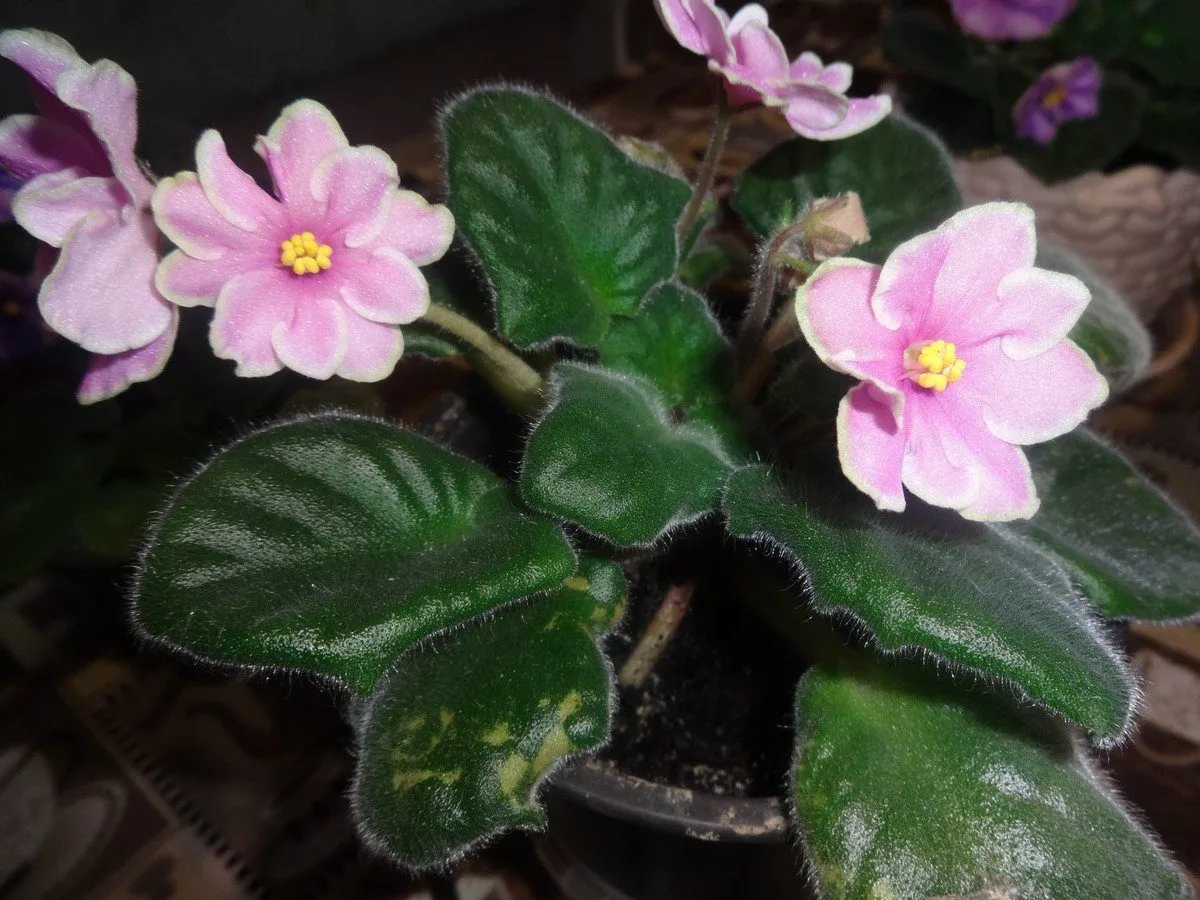
Here is a photo of my first violets, they are still growing with me, of course, I am constantly updating them.
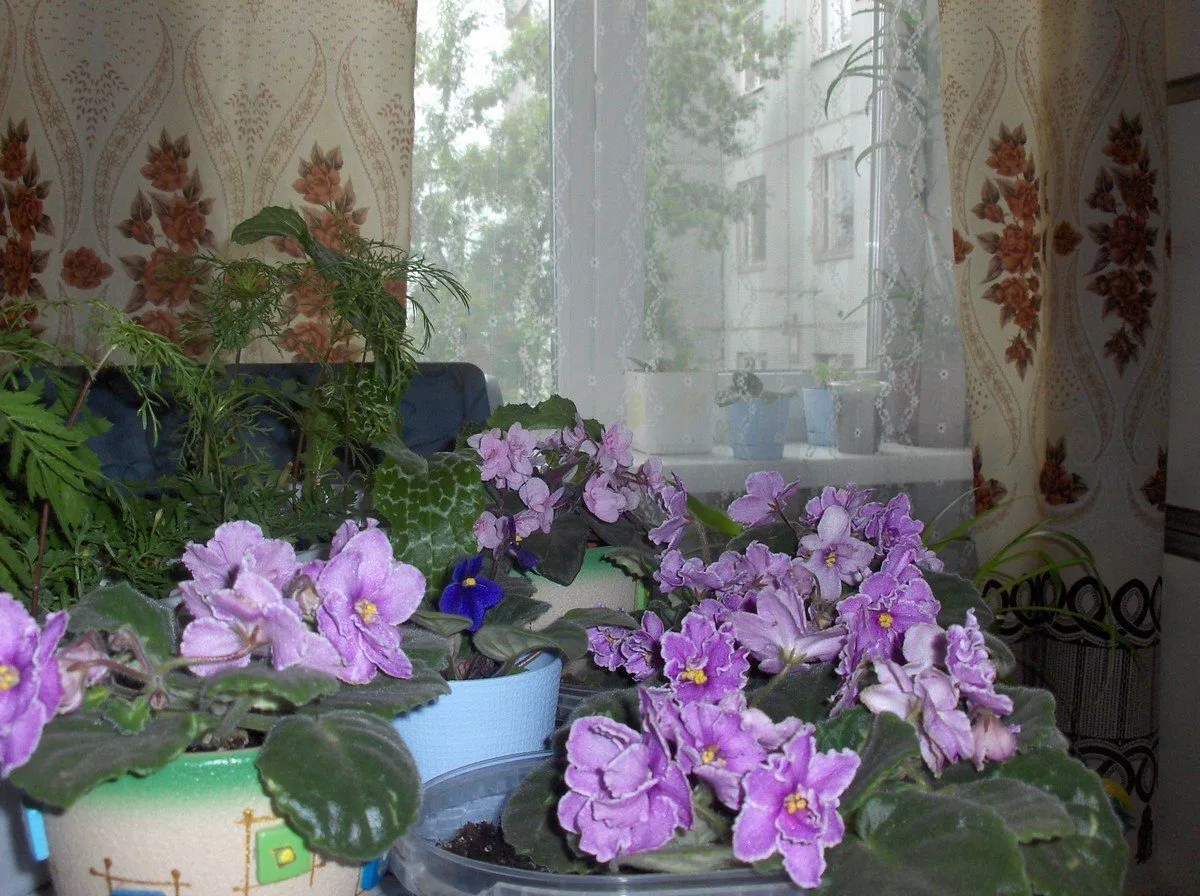
I got another pink violet as a result of an exchange with a neighbor.
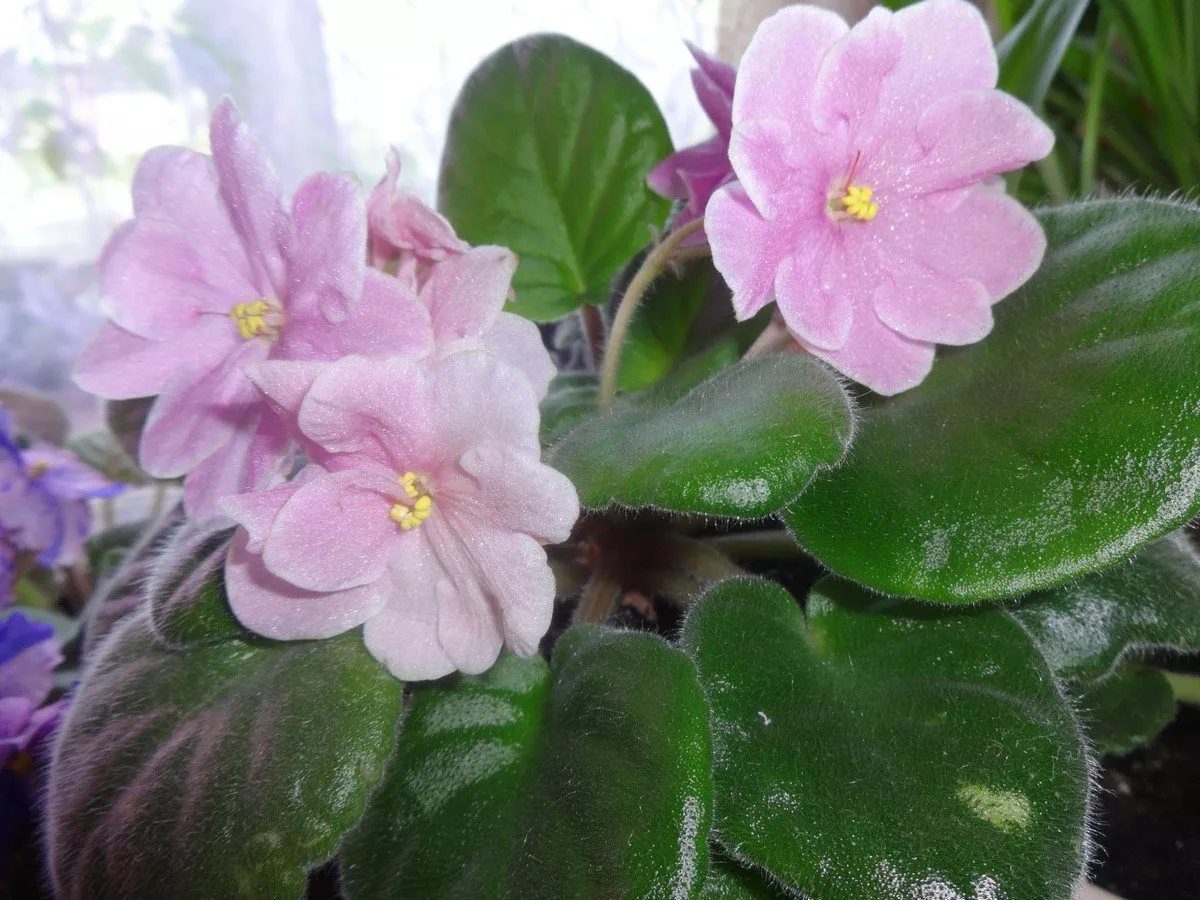
I brought all the other Saintpaulias from Kazakhstan; they grow at my mother's house. My brother's wife grows violets, and she shared some leaves with me. Now I, too, have many wonderful, fabulously beautiful Saintpaulias with large, double, multicolored flowers. I don't know what varieties of violets I have; it doesn't matter to me; what matters is that they bloom and decorate my home.
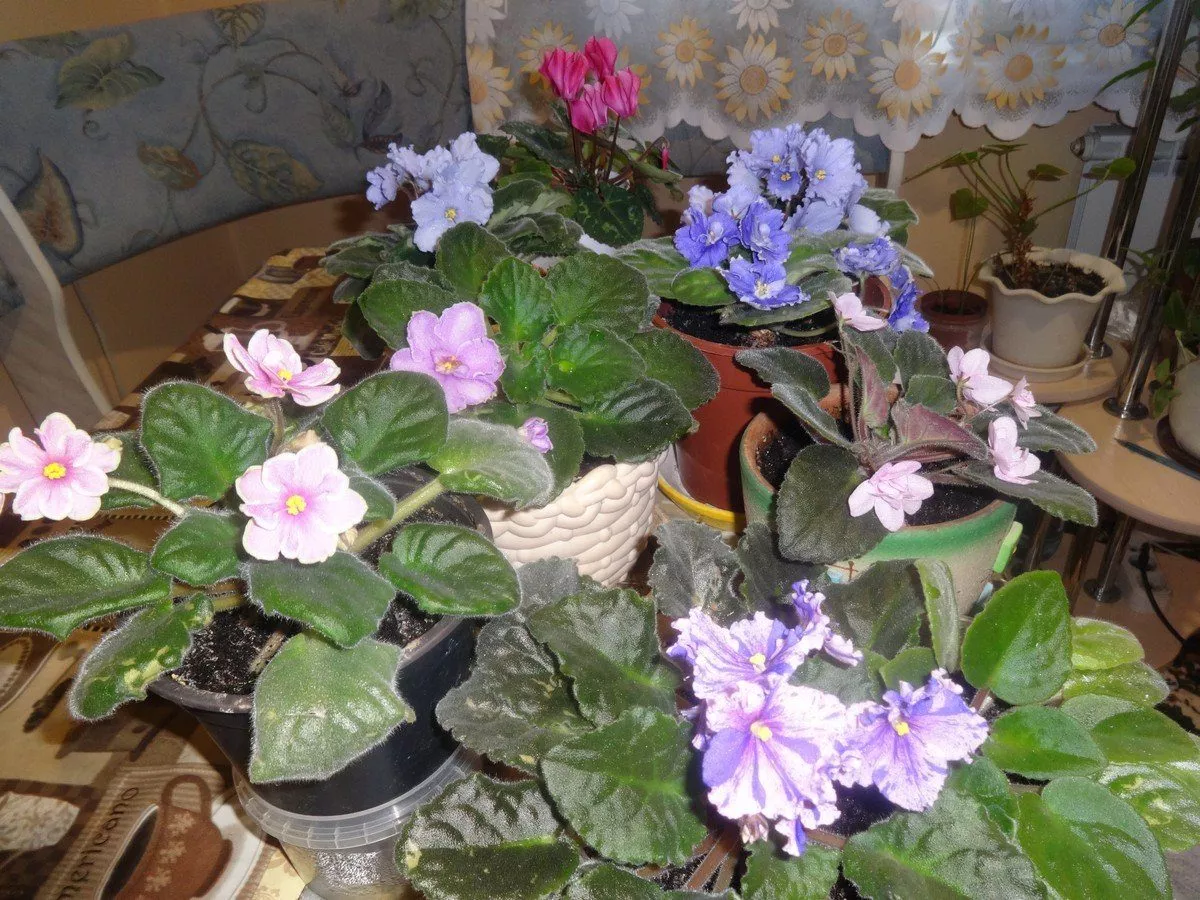
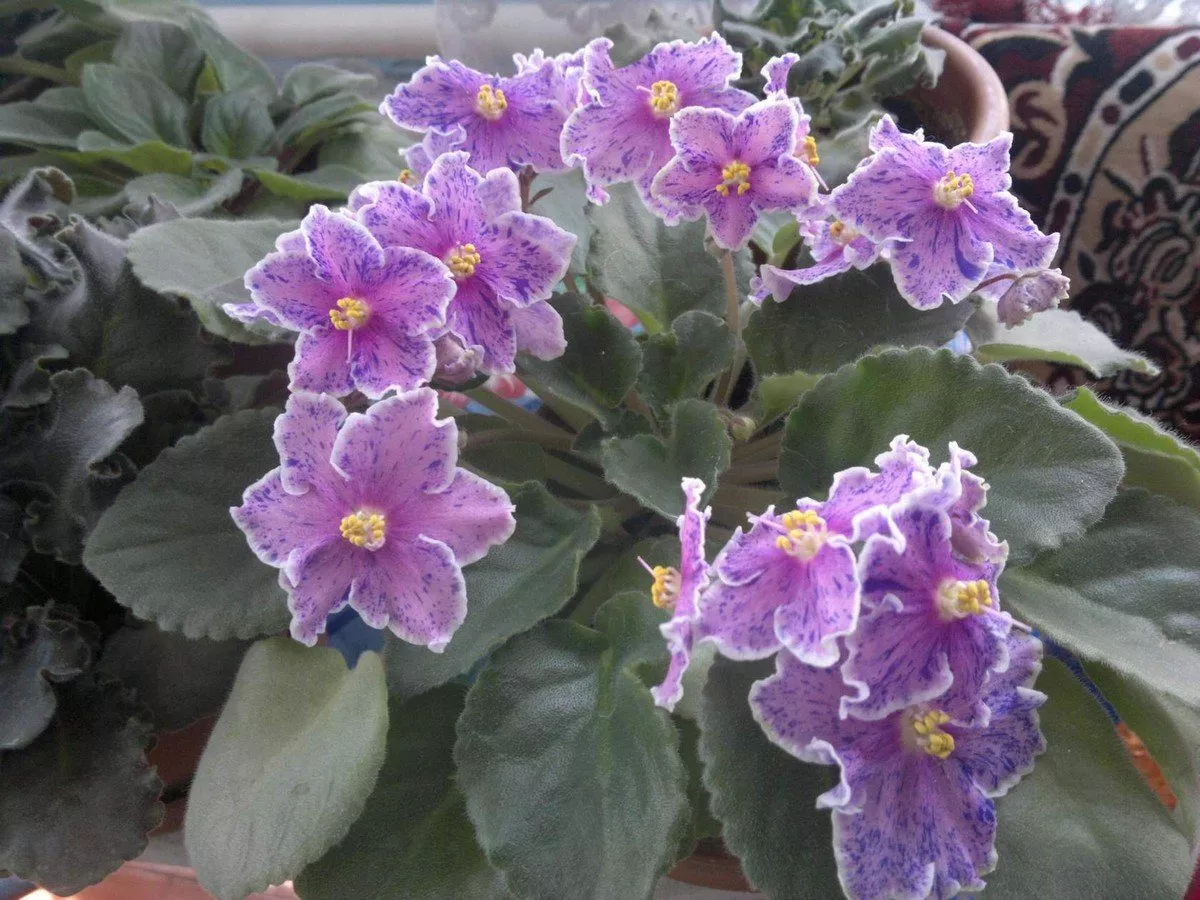
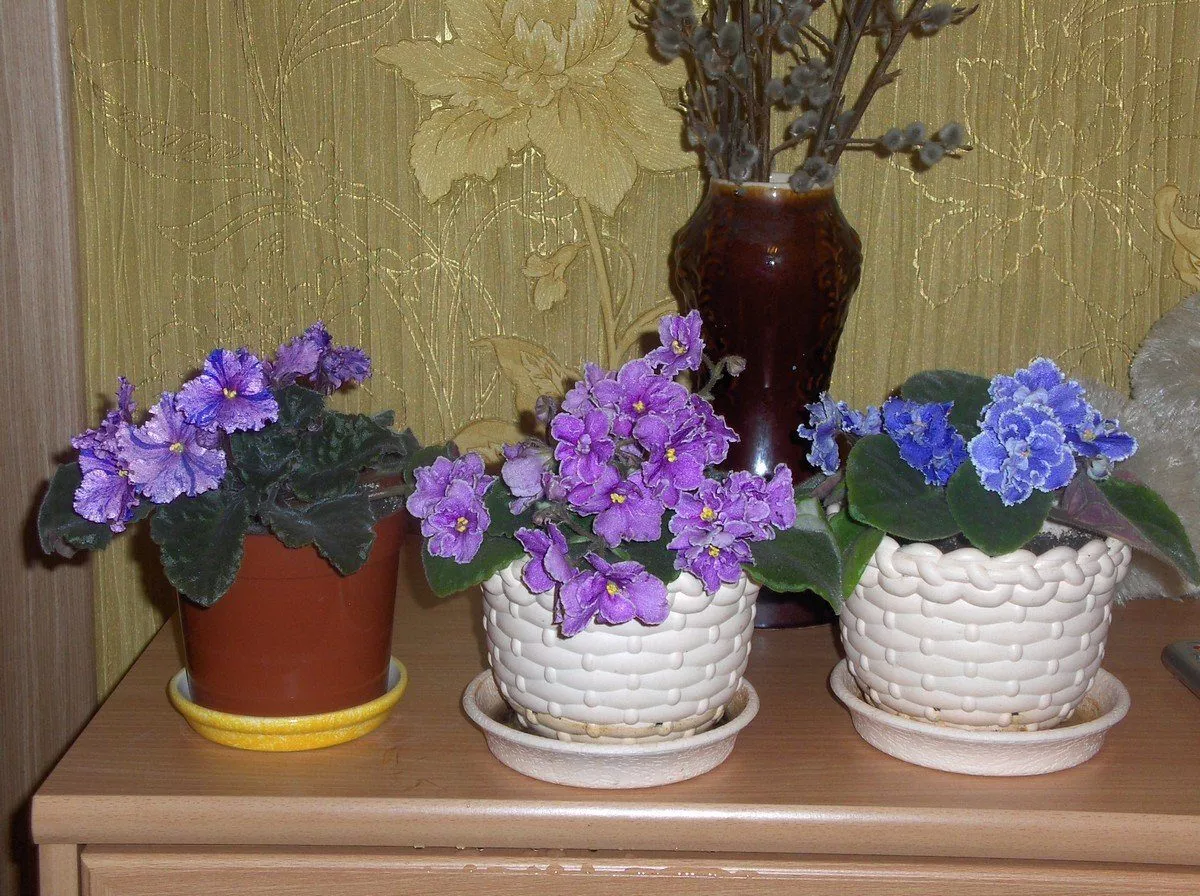
Look how beautiful they are!
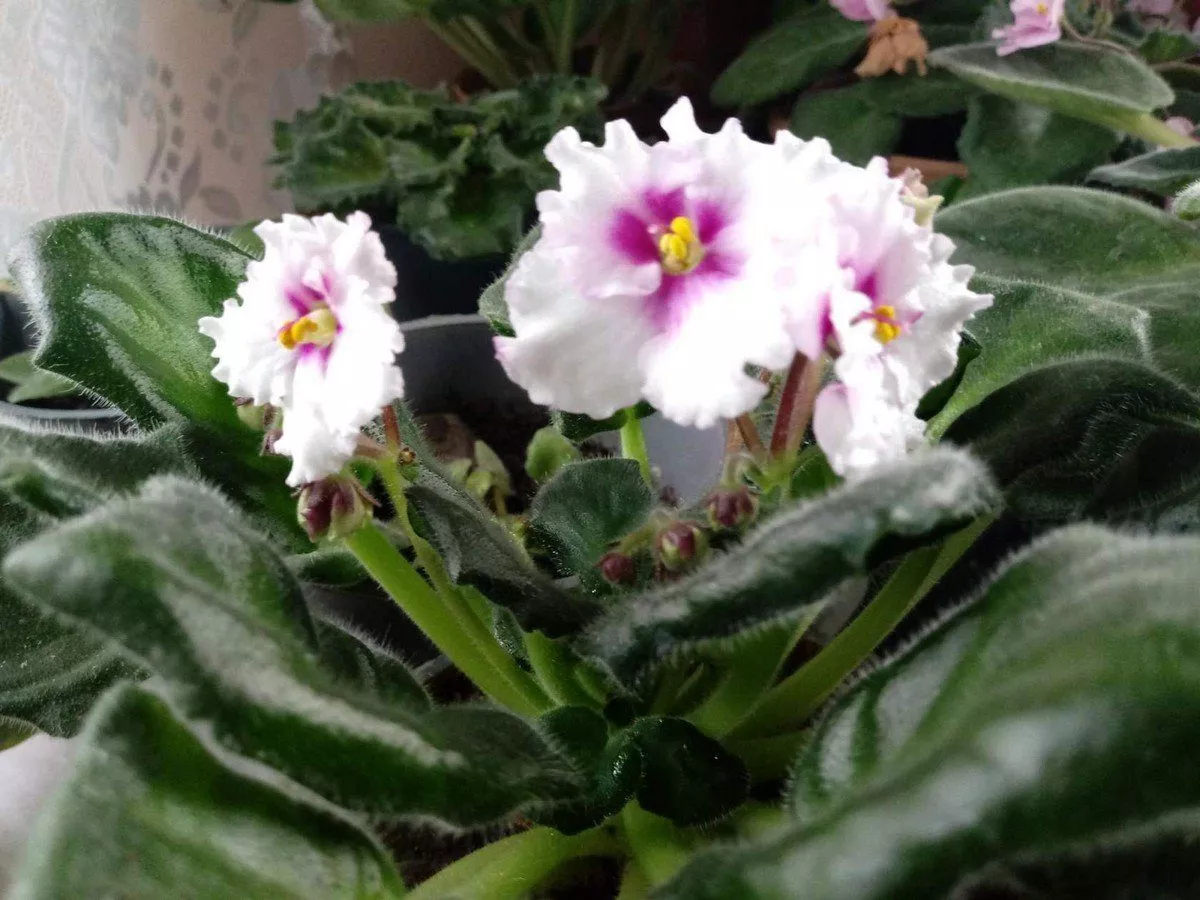
How to grow a violet so that it blooms profusely and delights with its beauty
The violet is a low-growing herbaceous perennial with short stems and rounded, leathery, hairy leaves. Flowers of various colors, single, double, and ruffled, are borne on racemes.
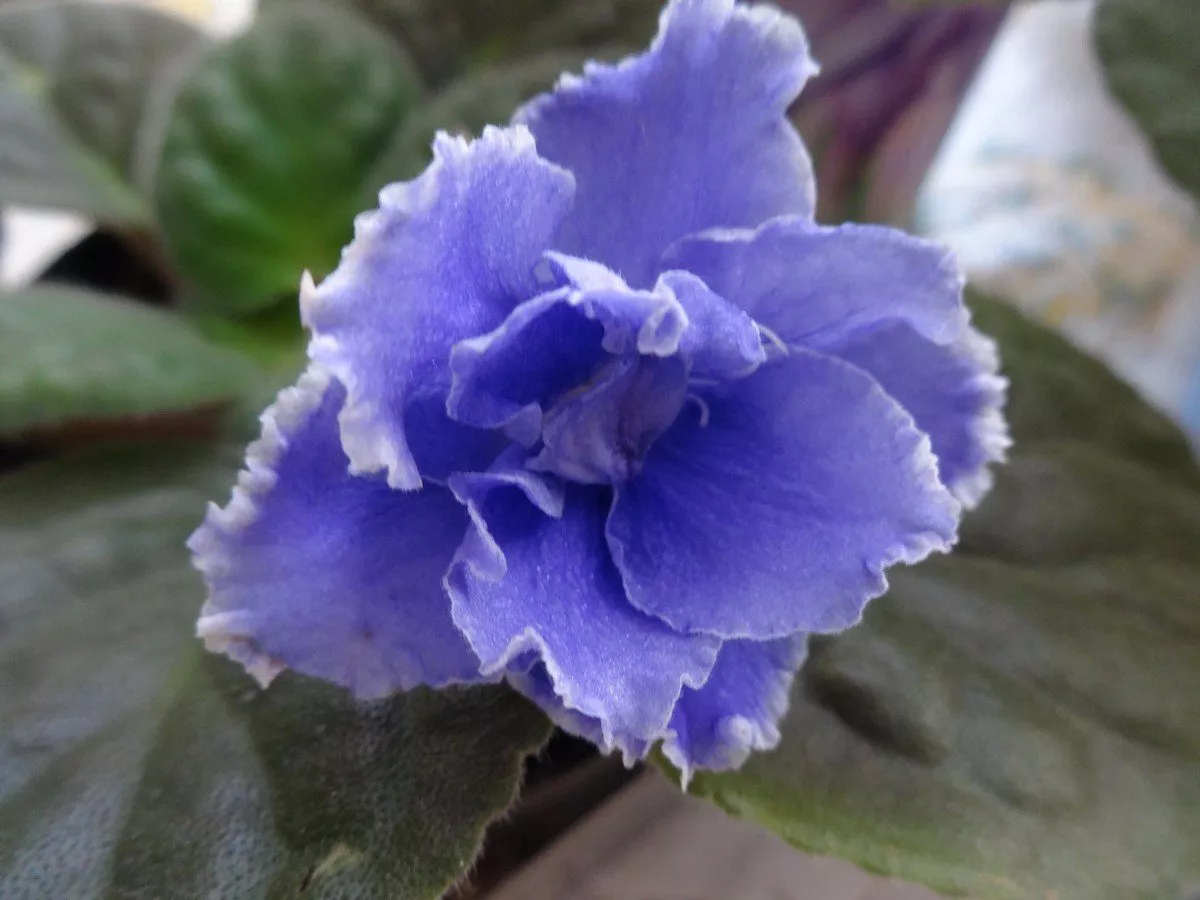
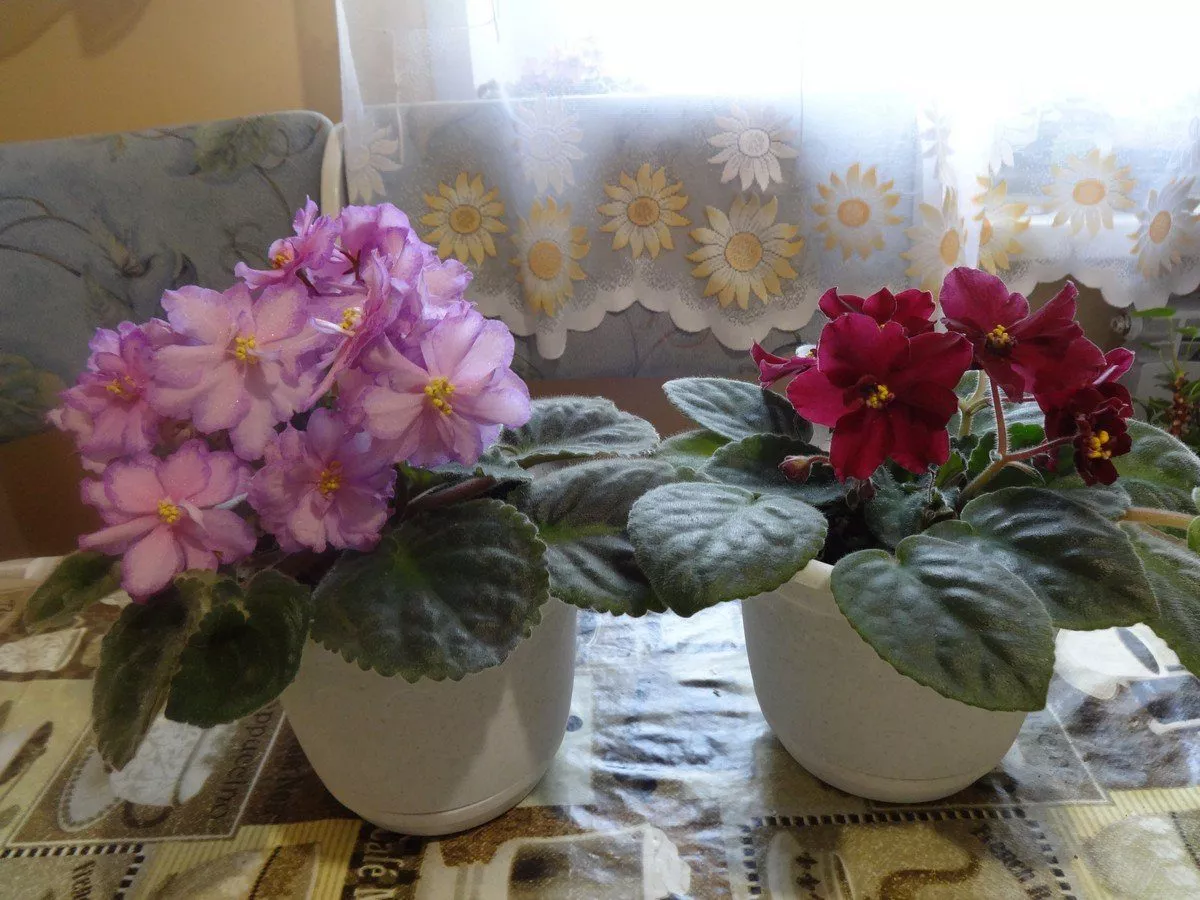
The flower is undemanding, grows well, and propagates easily. It blooms continuously almost year-round, and the flowers last a long time. Even in winter, it produces single inflorescences. While winter blooms aren't as abundant as those in spring and summer, they bring joy nonetheless.
Saintpaulias are not demanding of direct sunlight; they are quite shade-tolerant, but for good flowering they require bright, diffused light for 12 hours all year round.
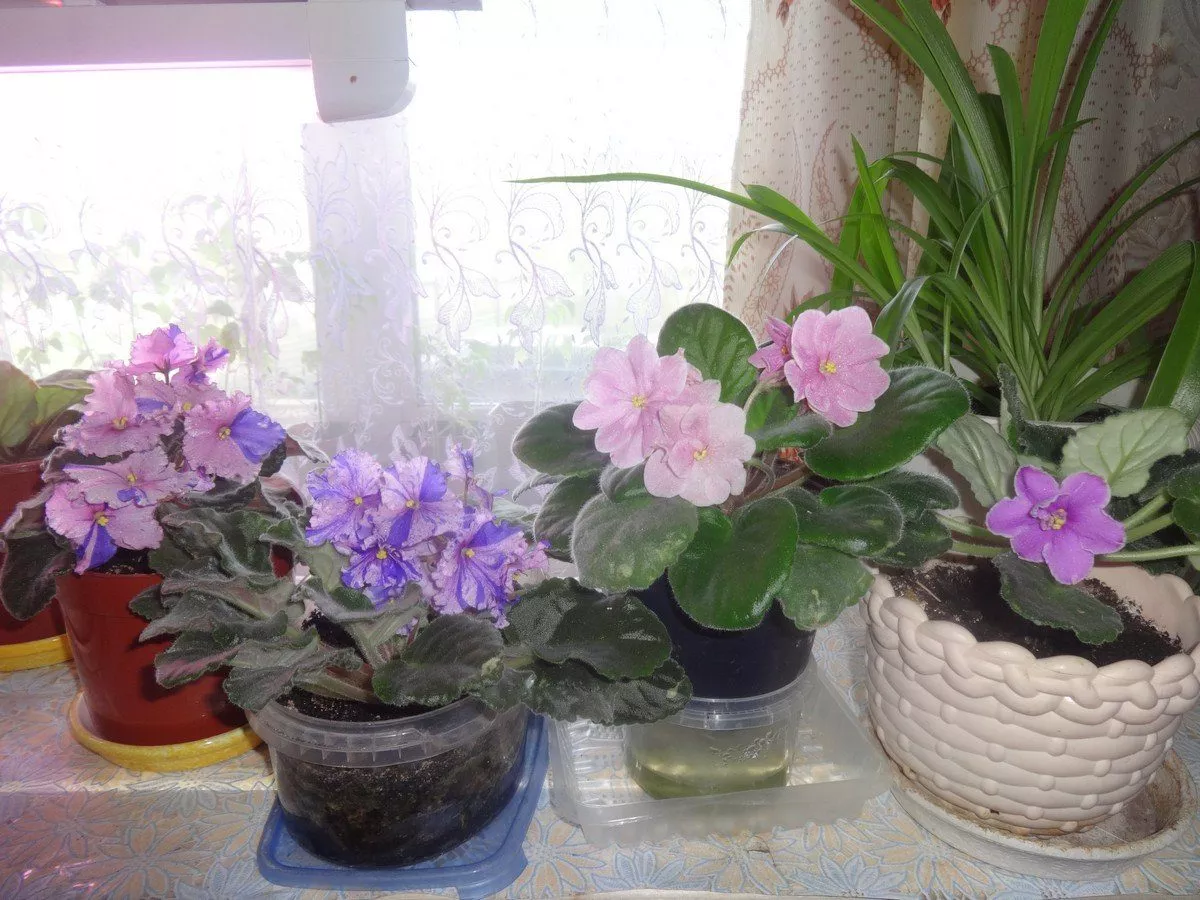
Direct sunlight harms the plant; in too bright a sun, burns appear on the leaves in the form of dark spots.
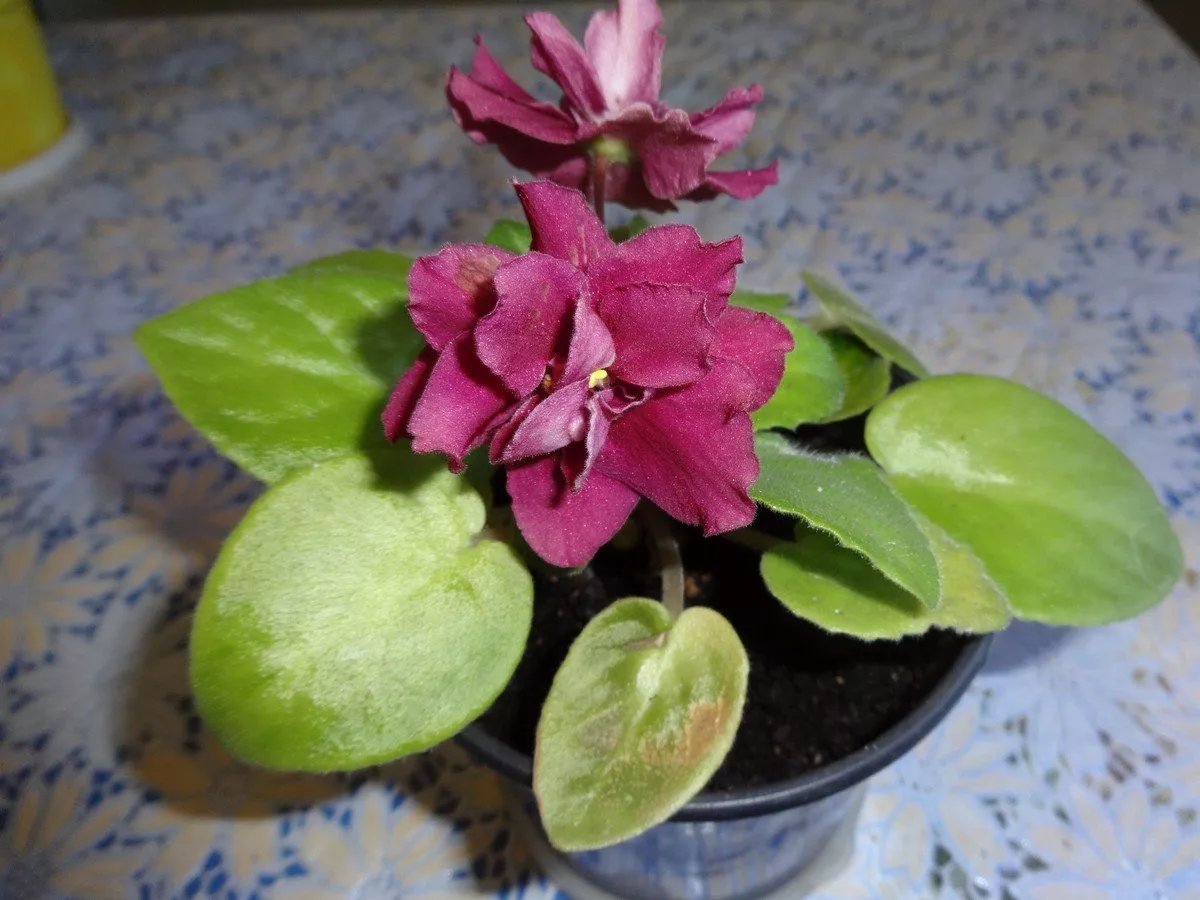
With proper lighting, violets form symmetrical rosettes with green, succulent leaves and numerous flower stalks. To ensure a beautiful, neat appearance and even leaf growth, it's recommended to periodically rotate the pots.
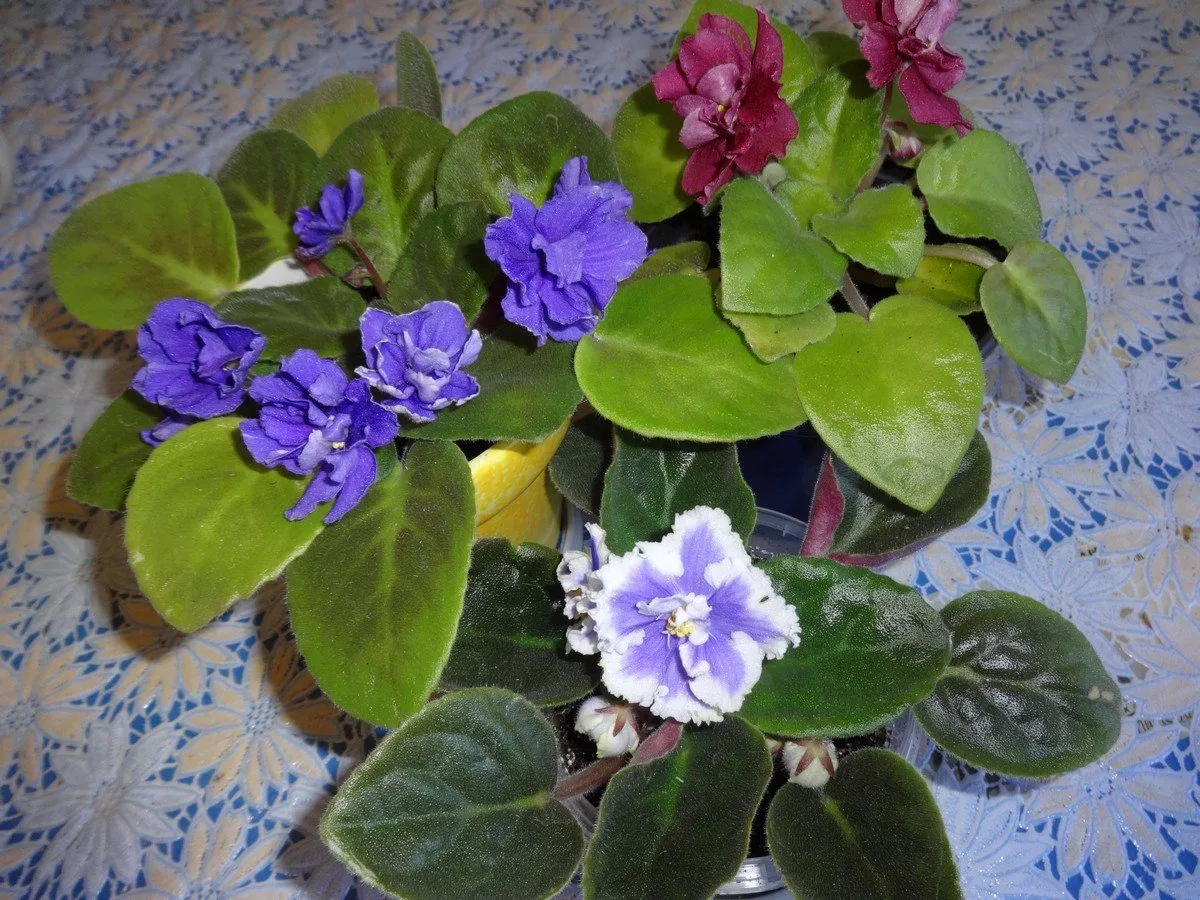
Violets thrive indoors at temperatures between 18 and 22 degrees Celsius, growing well and blooming profusely. At higher temperatures, they stop blooming.
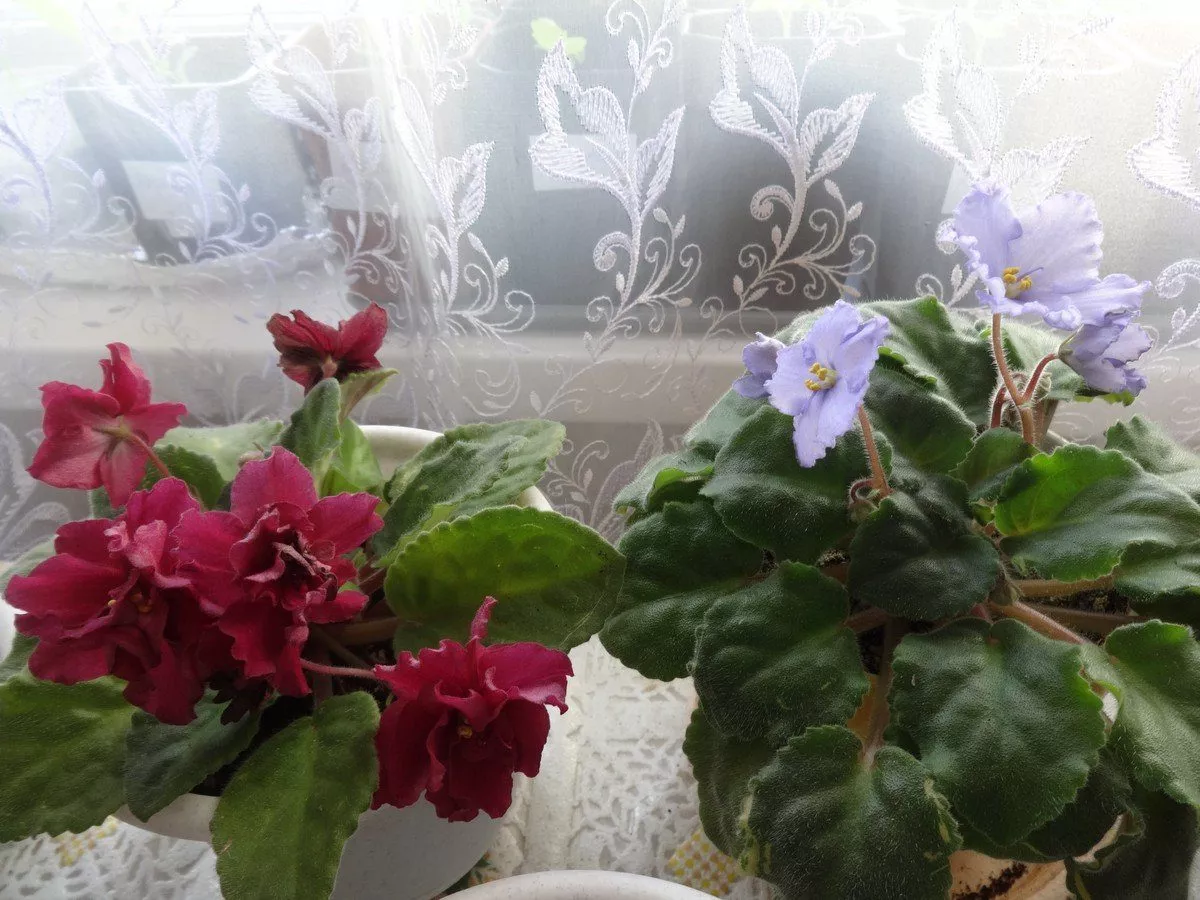
I once read this advice in a gardening magazine: to encourage violets to bloom more frequently and profusely, after the flowers fade, remove the lower leaves and faded flower stalks. This will encourage new leaf blades to form, and new flower stalks will emerge from the leaf axils. Since then, I always pluck off the lower leaves after flowering, and soon the plant is delighting me with flowers again.
Here are the violets that have faded this year, it’s now mid-December, I’ll pick off the leaves and flowers, add new soil and wait for new flower stalks.
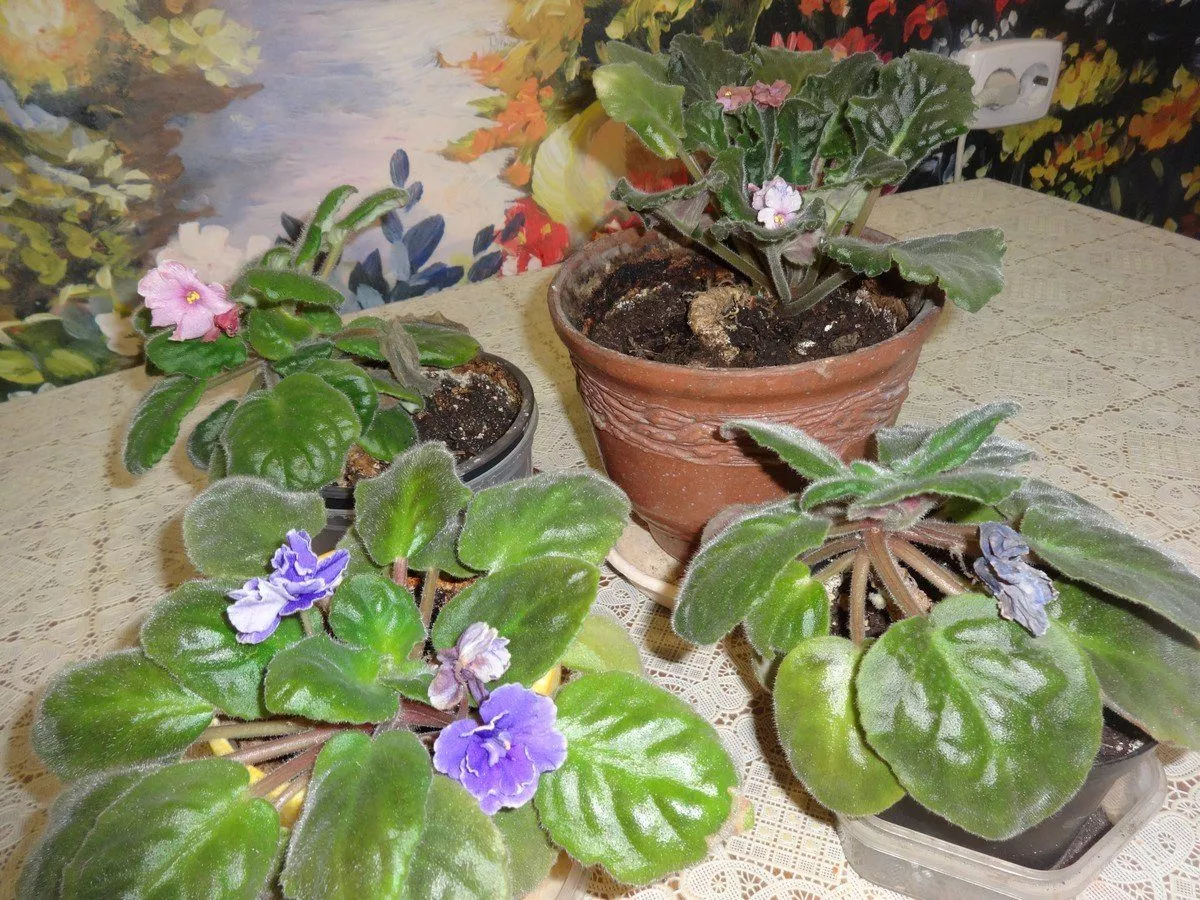
Another tip: if the violet is growing well and has a lush rosette with green, healthy leaves, but is not blooming, you need to knock the pot on the table several times or on the sides of the pot with your fists. When the soil in the pots is shaken, the small roots of the plant are torn, the plant experiences stress and begins to produce flower stalks.
You can create unfavorable conditions for a non-flowering violet, place it in a cooler room for a while, where the air temperature is below 18 degrees Celsius, and reduce watering for a while, and then move the flower to its place and it will soon bloom.
In winter, it's best to protect violets from frosty air when airing. Flowers don't like drafts; cold winds can cause light stripes, streaks, and spots to appear on the leaves.
To prevent the root system from suffering from hypothermia from the windowsill, you can place wooden planks, cardboard, or thick fabric under the pots.
Violets don't require a large container; they thrive in wide, shallow pots, meaning they won't take up much space. Even a small, narrow windowsill can accommodate several pots of flowers.
Violets need to be watered regularly, using settled water at room temperature around the edge of the container, carefully so that water does not get on the leaves.
Many people recommend watering the plant through the tray, but this method causes water to be absorbed through the root ball, gradually accumulating harmful salts in the soil. If you water the pot, the water flows downwards, washing away harmful salts. Water thoroughly to soak the root ball, allowing some water to drain out of the pot through the drainage hole into the tray. Then, drain the water from the tray.
There is no need to overwater the violet; if there is too much moisture, oxygen will stop reaching the roots, they will rot, the leaves will wilt and droop, and the plant may die.
The soil should not be allowed to dry out too much, as the leaves will also wither, the plant will grow more slowly, and the flowers will become smaller.
Spraying violets is not recommended. I periodically wash all my indoor flowers and violets in the bathroom under a gentle stream of warm water to remove dust from the leaves. Then I dry them; when they're completely dry, I put them back in their places.
Violets need to be fed with universal fertilizers for indoor flowers, but with a solution of a weaker concentration than indicated in the instructions.
I fertilize my flowers without any set schedule, sometimes once a month, sometimes more often, using store-bought fertilizer for ornamental and flowering plants. I also use folk remedies—banana peel infusion, ash solution, and egg wash—it's rich in calcium and other micronutrients that help plants grow green mass. This water deacidifies the soil, making it neutral, which has a beneficial effect on the plants.
As the plant ages, its stem becomes bare, and this does not look very nice.
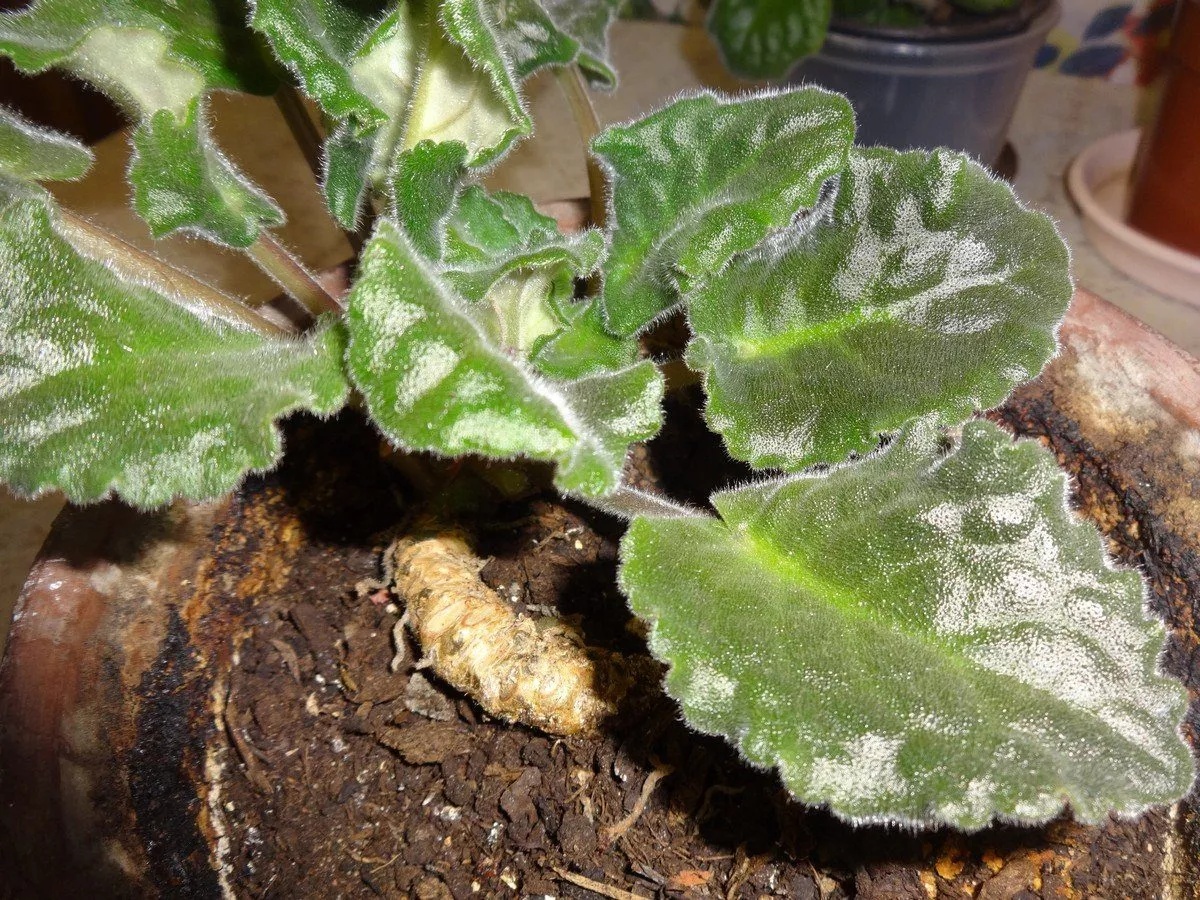
What you can do is add fresh soil, slightly burying the trunk, repot the plant, also burying the trunk in soil, or, better yet, cut off the top of the violet and plant it in a new container. Alternatively, place it in water to root, and when roots appear, repot the violet. This will rejuvenate the plant and bloom faster, unlike a violet grown from a leaf.
Violets are easy to propagate using flower stalks, leaves, side shoots, and cuttings from older plants. The leaves used for propagation should be healthy, firm, and not old. Old leaves root poorly; they have lost their strength and are low in nutrients.
Young leaves are also not suitable for propagation; they are still too weak to produce strong new rosettes.
It's best to root the middle leaves. Petioles should be shortened to 2.5–4 cm; short petioles root faster, and the plant retains all of its parent's qualities.
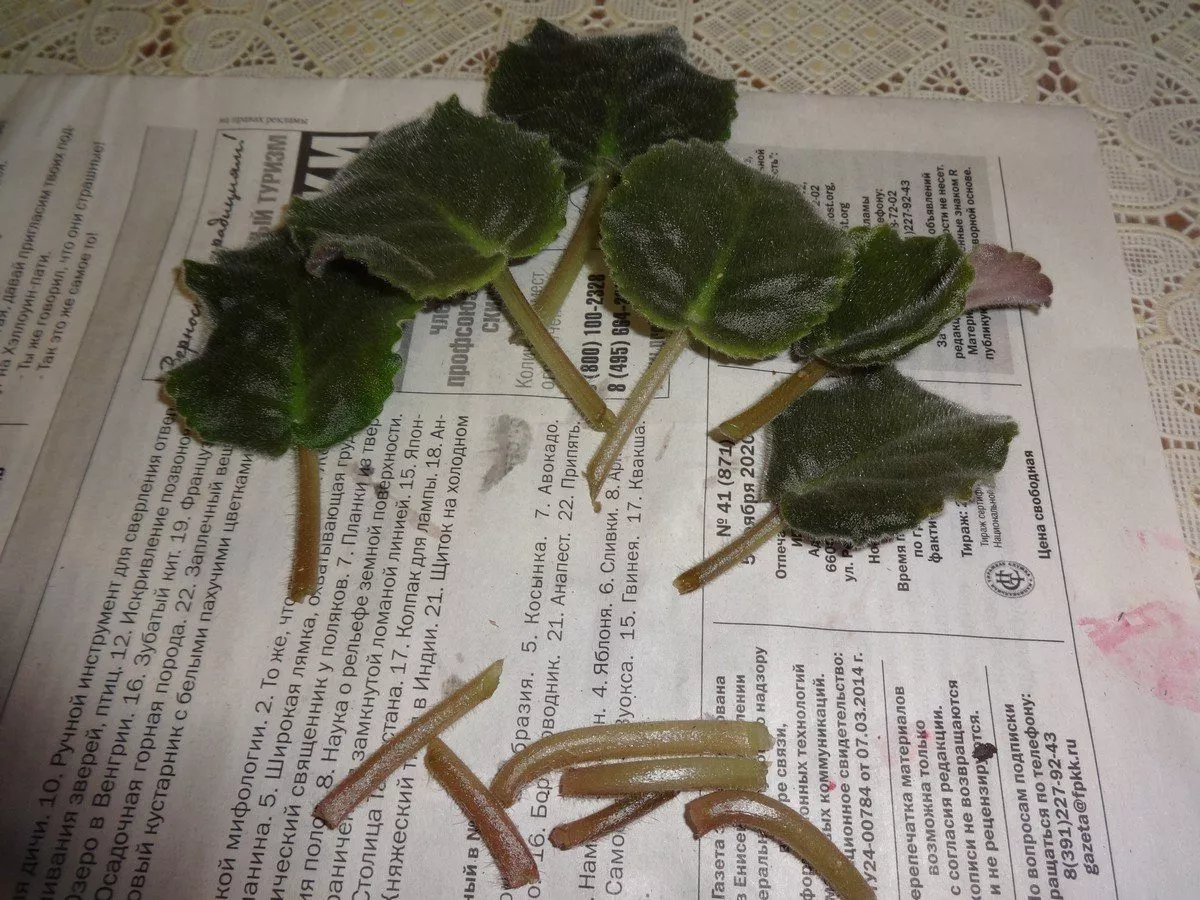
The cut leaves should be placed in water with the lower part of the petiole immersed to a level of 1 cm.
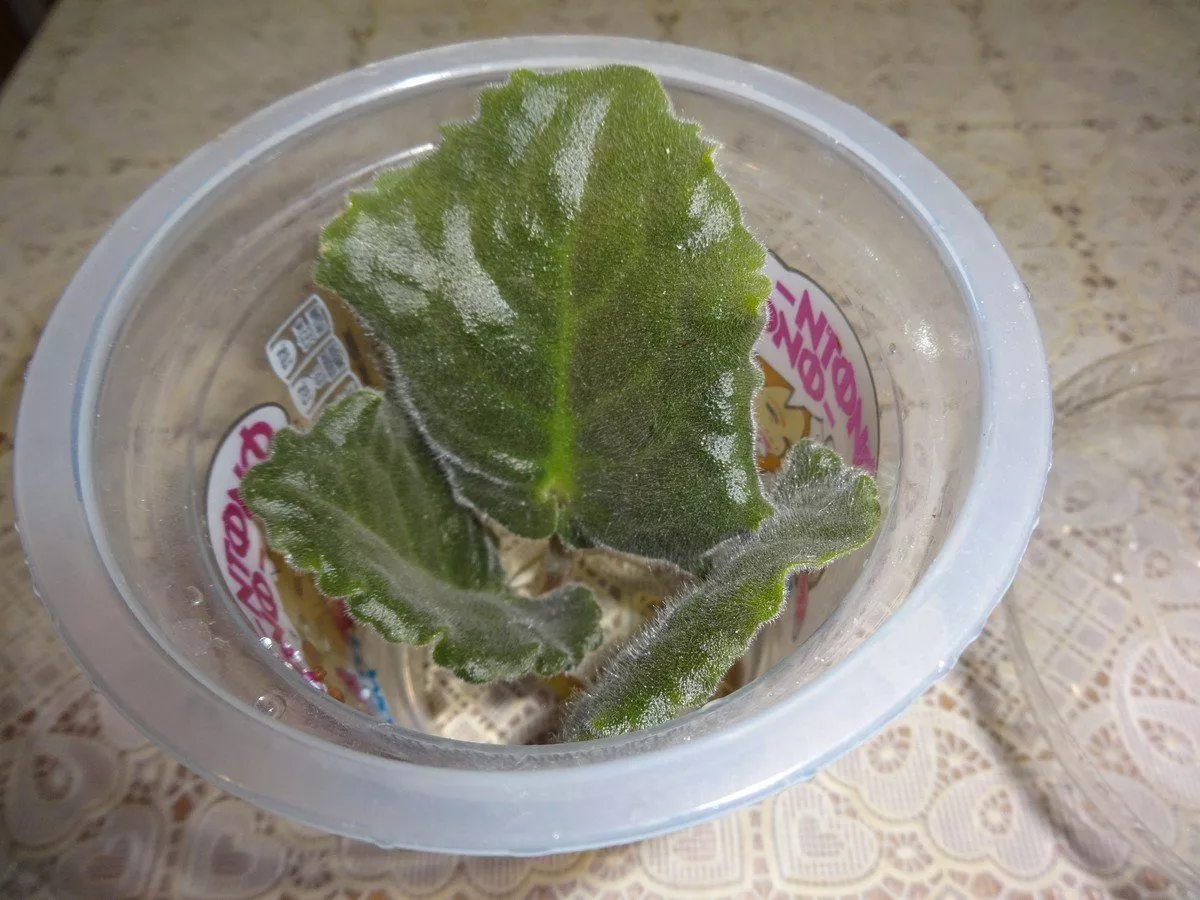
Cover the glass with a lid with a hole on top and place it in a warm and light place.
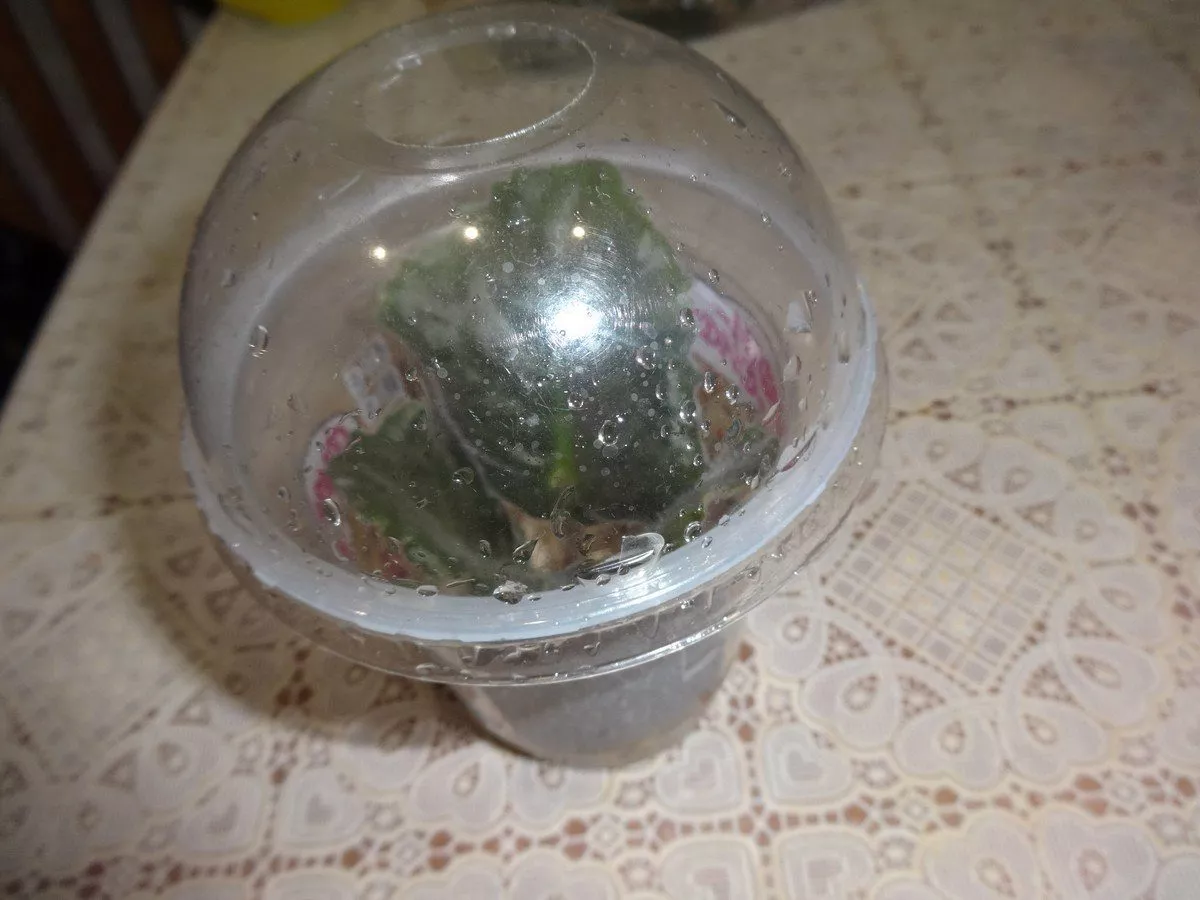
Water the cuttings periodically and inspect the leaves. When roots appear, transplant the cuttings into loose soil, tilting them at an angle, almost horizontally. Within a month, several shoots should appear, and rosettes will form.
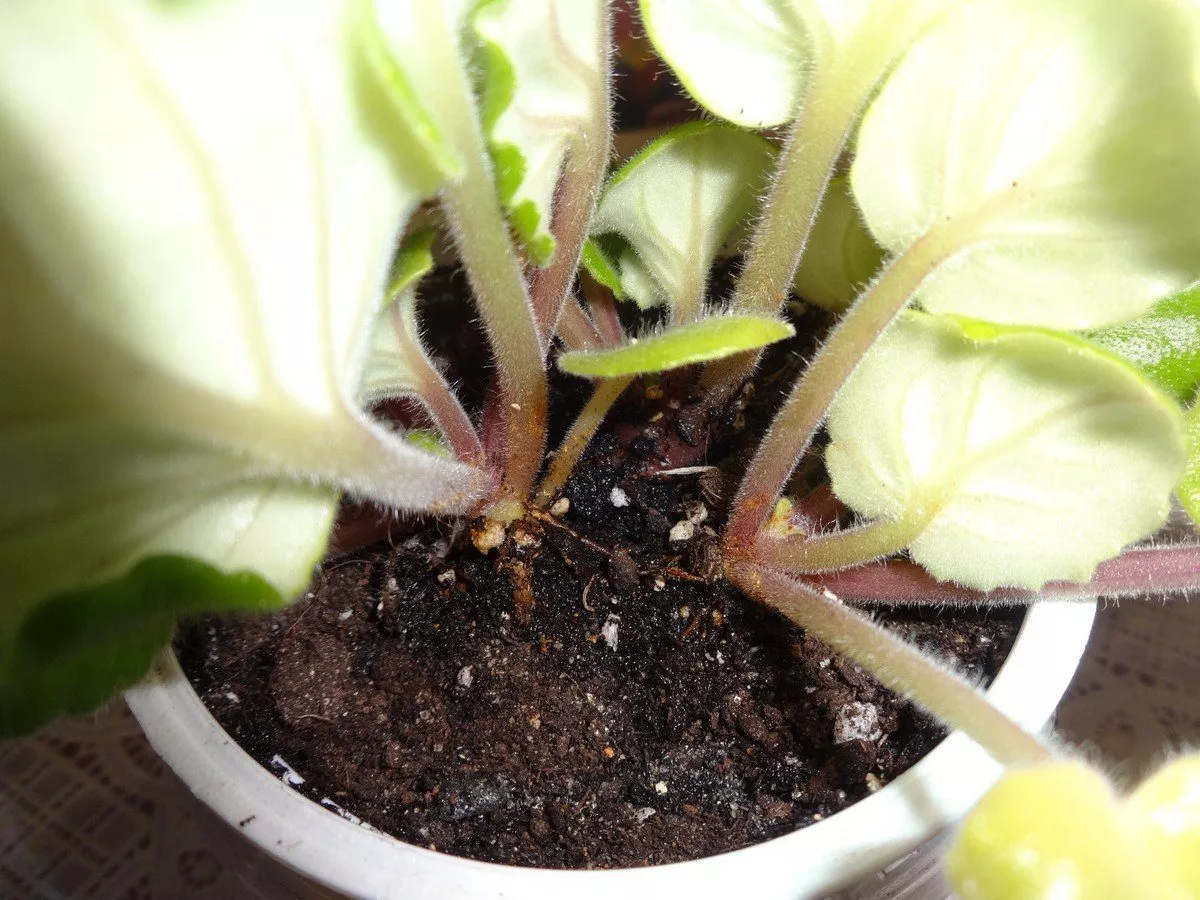
They need to be planted in a separate shallow container.
The cuttings can be planted directly in soil for rooting; there's no need to bury the leaf. Water it and cover it with a perforated plastic bag to maintain humidity. In 1-2 months, roots will form and the shoots will appear. Once they've grown, they need to be replanted.
You can also place the leaves in a plastic bag, spray it with water, tie the bag and monitor the humidity in the bag, and when roots appear, transplant them into the soil.
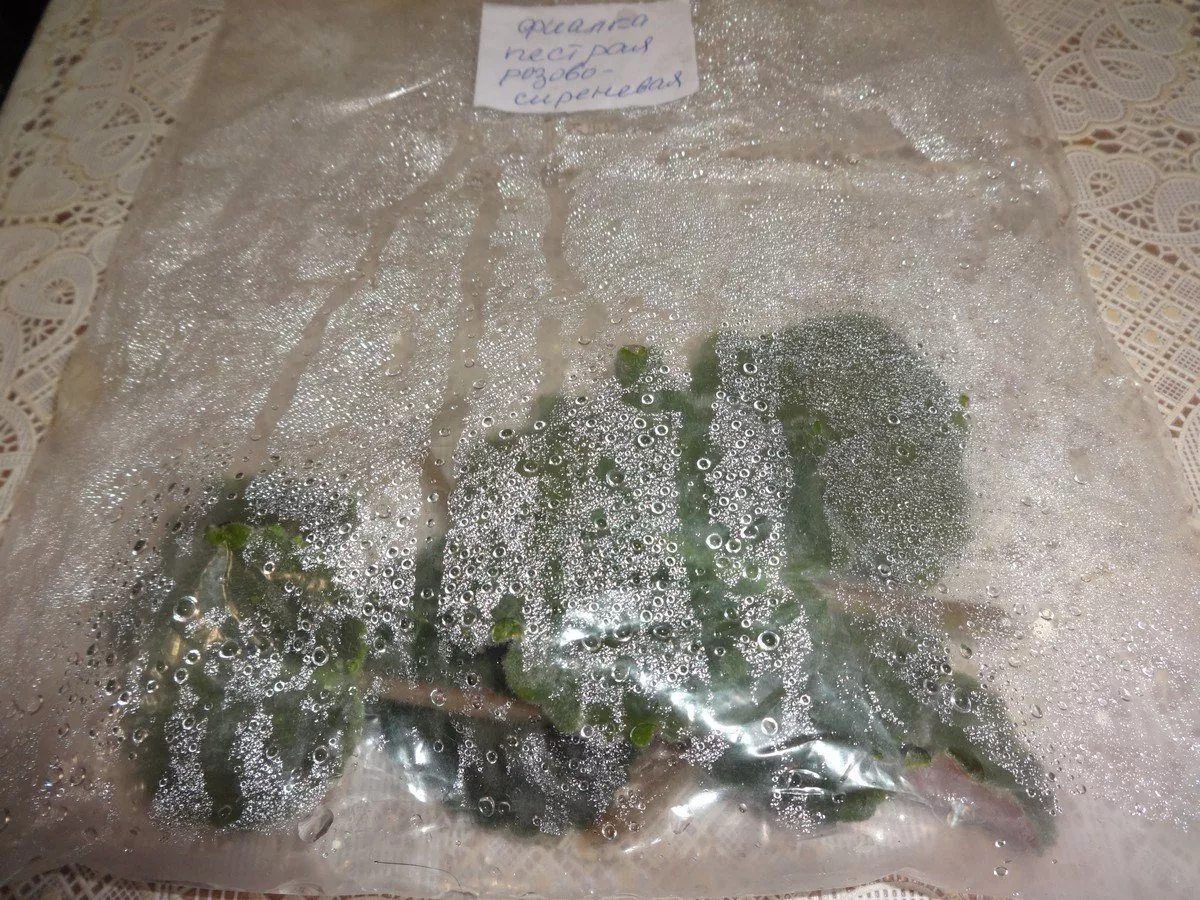
This photo shows young violets grown from leaves; they need to be repotted. The bushes are already cramped in their small containers and lack nutrients, and the leaves are pale.
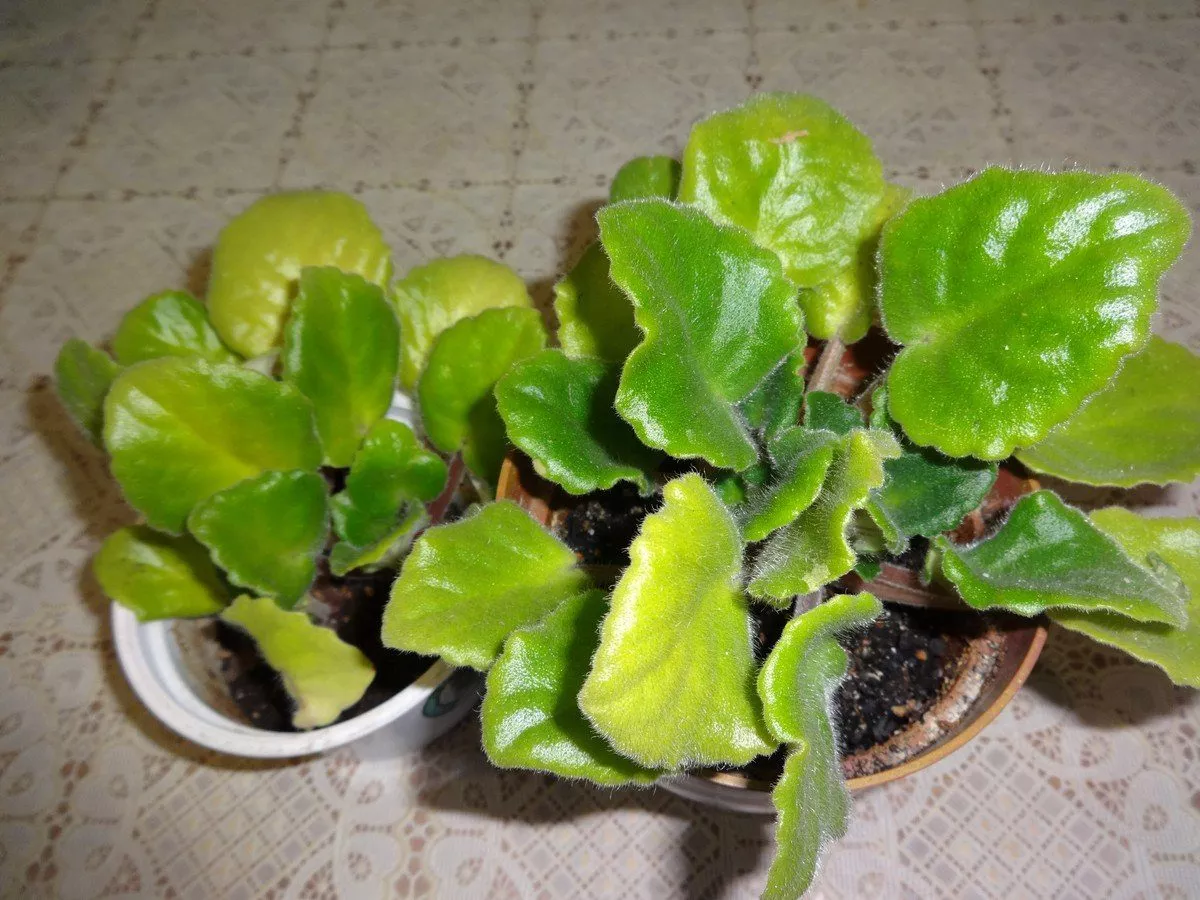
I didn't have time to plant them in the fall, I'll plant them in a few days, I won't wait for spring.
What superstitions have people attributed to Saintpaulias?
- Violets create comfort in the home, lift the spirits, and inspire new achievements. Blooming violets attract prosperity, stability, and harmony to the home.
- There's a belief that violets are a "husband-killer" flower. But that's just superstition. Many of my friends and relatives grow violets in their homes, and they all have large families, and husbands never leave women who love violets.
- It's also believed that violets shouldn't be grown in the bedroom, as they are energy vampires; they drain energy, leaving a person feeling tired, drowsy, and fatigued. We have a few violets growing on our bedroom windowsill, but we don't experience any negative effects from them. We also close the window with thick curtains at night.
Violets are my favorite flowers, and I enjoy growing them. These little bushes create a festive atmosphere with their beauty when in bloom.