

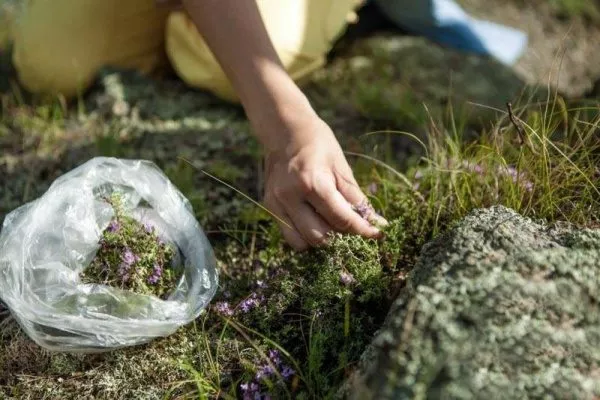
 Many city residents are accustomed to buying medicinal products in pharmacies or markets, as they say, from grandmothers, naively believing that the product will be environmentally friendly.
Essentially, that's how it should be in pharmacies, but the market and the vastness of the internet... that's highly questionable. Personally, since I have the opportunity to collect the ingredients myself, that's what I do.
I can't say I'm an expert on herbs, but I've studied many of them, particularly those that grow in my region. I'm a big fan of natural ingredients because they're safe, so I'd like to share some of my secrets with you.
The collection location is an important factor. For example, plants collected near industrial plants, factories, highways, municipal landfills, etc. are absolutely unsuitable for this purpose. This is because all plants absorb harmful toxic substances from the soil and even the air, especially during rainy seasons.
Please also pay attention to the following points:
- If the collection site is not particularly familiar to you, ask the locals whether there was previously a landfill or any factories nearby.
- If possible, gather herbs in the mountains rather than on flatlands. Scientists have long proven that medicinal herbs in the mountains are richer in nutrients.
- The soil in this area must be fertile, as depleted soil lacks nutrients. Consequently, the plant won't thrive. You can identify poor soil yourself by paying attention to the amount of herbs. Personally, I don't harvest herbs if there are few herbs, but no one else has harvested them, meaning the area is untouched.
- It's crucial to harvest plants correctly: if you don't need the root portion, simply cut off the stems. If you do, always leave the plants in the harvesting area. And in any other case, too. Because if you don't, you won't find these herbs here again next season.
Remember, you can't stop the population. Many herbalists pull the grass from different places every year to give it a chance to fully recover.
There's also a key consideration—when to harvest herbs. Generally, each type has its own timing, but a lot also depends on the part of the plant. Here are the specifics I know for sure:
- Time, weather. It's best to do this early in the morning or after 4 p.m. The weather must be dry, otherwise it will take too long to dry completely.
- Kidneys. The ideal time is early spring, when buds are just beginning to form. Keep in mind that they should be swollen but not yet fully open. If some grasses rebloom, for example, if buds continue to form in summer, this material will no longer be suitable.
- Bark. It will only be useful if collected during sap flow, which is again in the spring. Stop collecting as soon as the leaves begin to unfurl.
- Foliage. It is best to collect leaves during flowering and budding, but if the foliage is wintering, then you can pick it in the fall, after the fruits have ripened.
- Flowers. Harvest only after they have fully blossomed, not when buds are forming (they won't yet contain nutrients). Faded flower stalks are also not suitable.
- Aboveground part of herbs. The optimal time is budding and flowering.
- Fruits, seed part. Only after full ripening. But again, if the fruits are very soft at maturity (like rose hips, for example), it's best to pick them before they soften; otherwise, they won't dry properly and will rot. Some berries (like rowan) should be picked after frost to remove their bitterness.
I was also taught how to properly prepare herbs. Specifically, to pluck some by hand and cut others. Here's what I learned from experienced herbalists:
- Always cut off the buds, but do not pluck them off - the plant will suffer, and the benefits of such material are 50% less.
- Collect bark only from young trees—about four years old. It should be free of any damage or signs of disease. This applies to any part of the plant, however. To remove the bark, make two cuts 20 cm apart, one cut transversely. Then, gently pull off the bark.
- Leaves are always removed, but if this is difficult, you can use pruning shears or scissors. Immediately after cutting, remove the petioles as well—they are not suitable for making infusions. The best place to cut are the lower or middle leaves, as young leaves do not yet contain the required amount of nutrients.
- Flowers are always cut.
- Seeds need to be collected very carefully, as they tend to fall off easily. If you're growing herbs in your garden, you can hang small cloth bags, or even better, nylon tights (they're breathable), under the seed pods.
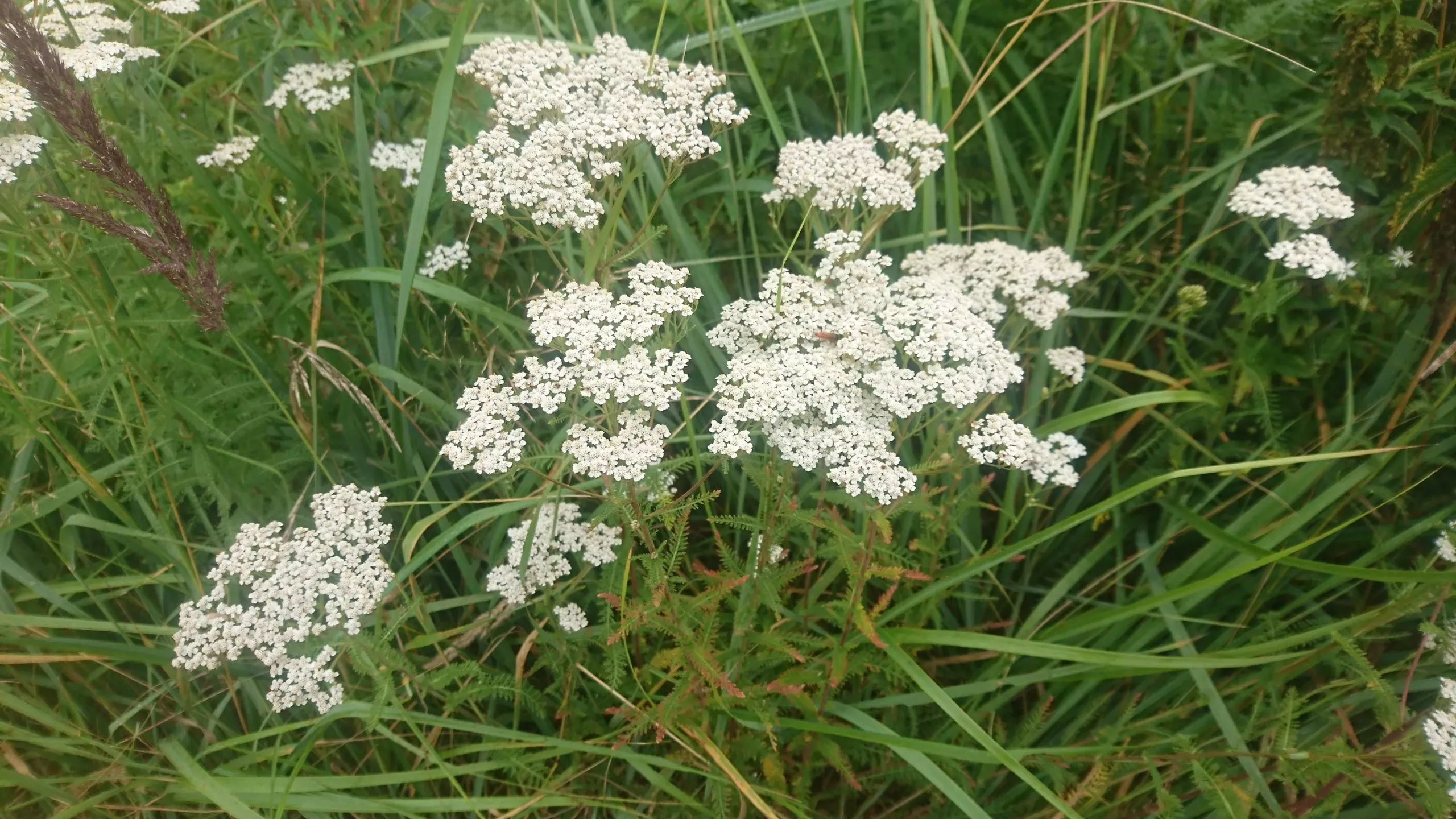
And most importantly, only collect what you know. If the herb is unfamiliar, ignore it, as you risk harvesting some weed that will not only be of no use but also harmful. It's also important to learn how to dry herbs properly, but that's a separate topic, as each plant has its own unique requirements.