

A few years ago, I was visiting a classmate and was simply amazed by the bushes with numerous beautiful crimson flowers. It turned out to be warty euonymus. They later produce orange-hued berries—quite pretty, but terribly poisonous.
Medicinal potions are prepared from them and other parts of the plant. Given my love of folk medicine, I asked a friend for cuttings and learned all the intricacies of growing them. Incidentally, my friend now decorates her garden with these luxurious flowers. I've been growing euonymus for about six years now.
What is a bush?
You can distinguish warty euonymus by its characteristic, specific features. Namely:
- on the shoots there are peculiar warts (botanical name - lenticels, tubercles);
- the flowers have an unpleasant aroma - reminiscent of mice (fortunately, it does not spread far);
- The seeds are black in color and look like tadpoles, but the arils are bright orange.
Let me warn you right away that the bush grows slowly, but the plant is completely unpretentious and frost-resistant.
A little-known but reliable fact (I read it): back in the 18th century, euonymus was used to decorate the alleys and parks of St. Petersburg and Moscow. In the old days, branches were hung to repel rodents and insects (due to the smell).
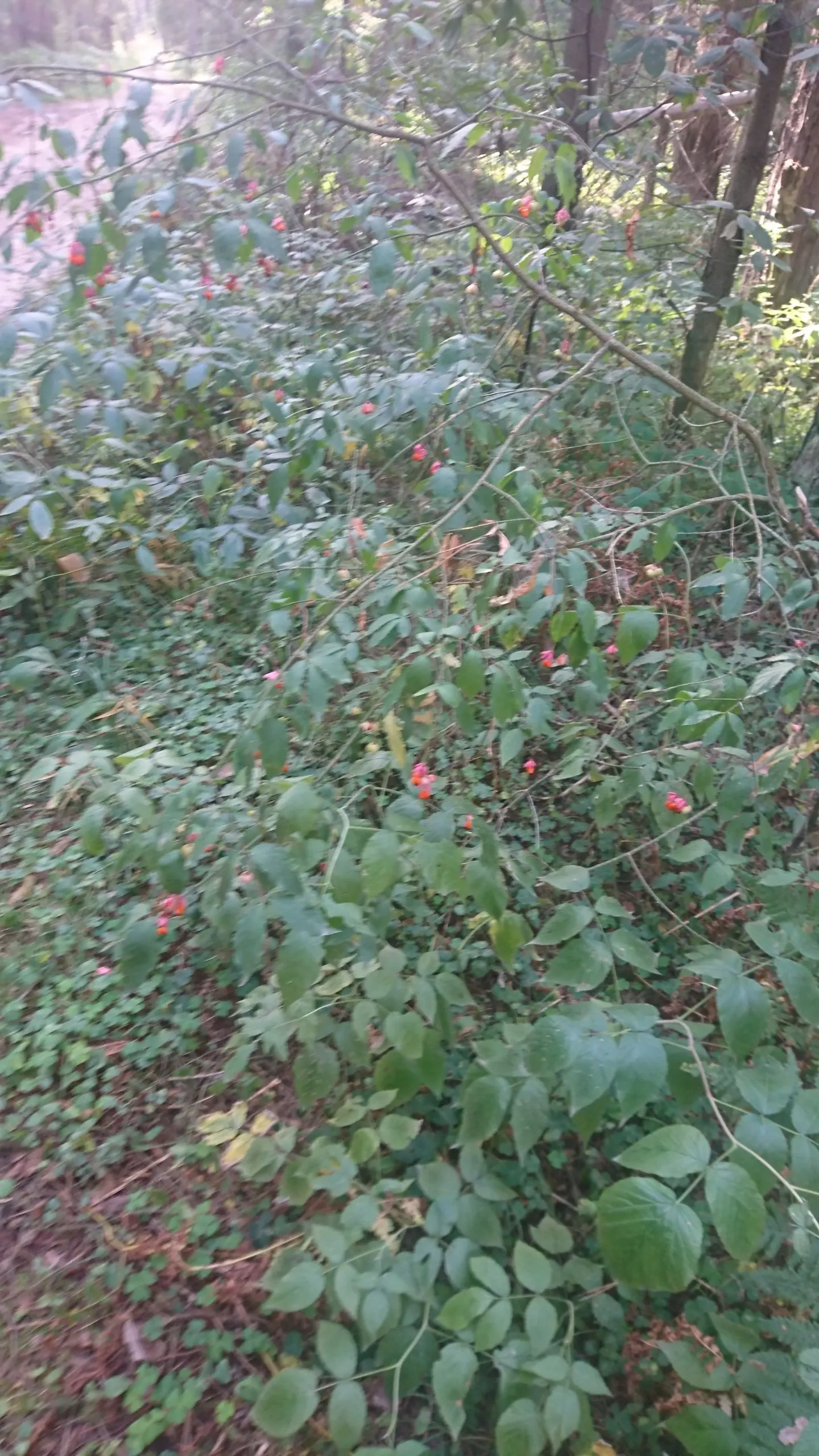 A little about the bush's external characteristics:
- height – from 2 to 2.5 m, reaches these parameters in 30 years, and then stops growing;
- the leaves are small and bright green, but by late autumn they turn pinkish-red, which looks incredibly beautiful;
- roots – superficial type with fibrous root processes;
- the branches are quite thin, with brown and even black tubercles on them (they are loose, which allows oxygen supply);
- flowers are small in size, it is impossible to say that they are beautiful (since they are flat);
- inflorescences are paniculate;
- peduncles are long and very thin (like threads).
This plant is also known to have once been evergreen. For some unknown reason, it ceased to be so. This is evidenced by the fact that the foliage remains green for almost three years, and that under the forest canopy for up to eight years.
What's good for landscape design is early flowering. It begins in May and lasts until almost the end of August. And in September, the red-capped fruits begin to emerge, producing seeds for propagation.
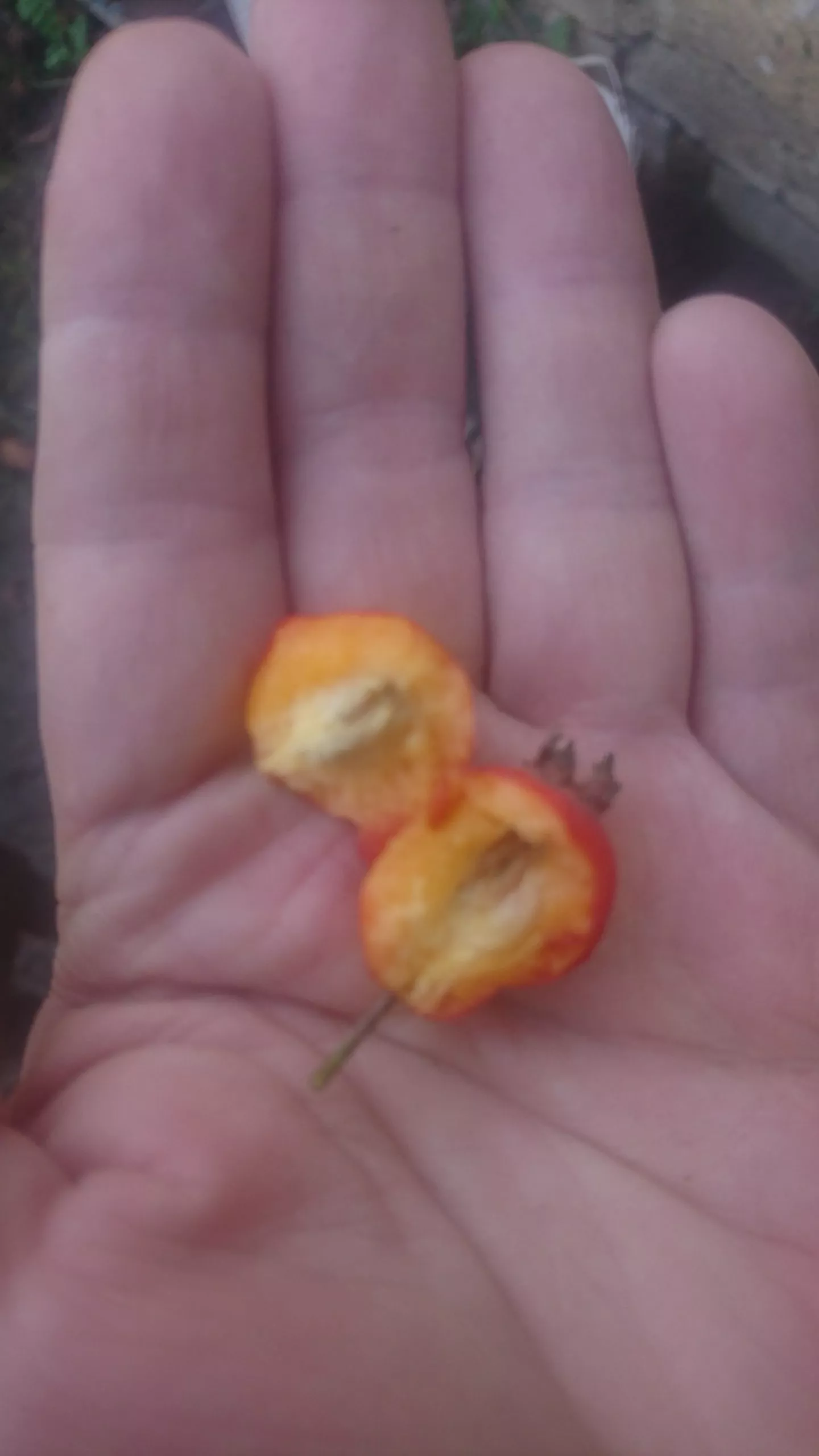
Another peculiarity is that the seeds never fall; they simply hang gracefully. Incidentally, these flowers are pollinated by flies. Again, this is due to the unpleasant odor, which other pollinating insects detest, but flies love.
Purpose of the shrub
The berries are considered highly poisonous, so you shouldn't even try them, but the rest of the tree is rich in various vitamins and microelements. Euonymus is also used for the following:
- the wood is used to make knitting needles, combs and even musical instruments;
- Oil is extracted from the seeds to make cosmetic soap;
- dyes (brown, yellow) are made from the sash parts;
- gutta-percha is produced from various elements of the bush (including the root system) (for those who prefer natural polymers rather than artificial ones);
- Craftsmen use wood for crafts;
- herbalists use it in folk medicine (the list of indications is extensive);
- Designers create unusual living hedges from bushes.
Just keep in mind, if you're planning to plant euonymus for design purposes, that it needs to be sown in full sun. Mine is growing in the shade (no one suggested it right away), so the bushes aren't as lush as I'd like.
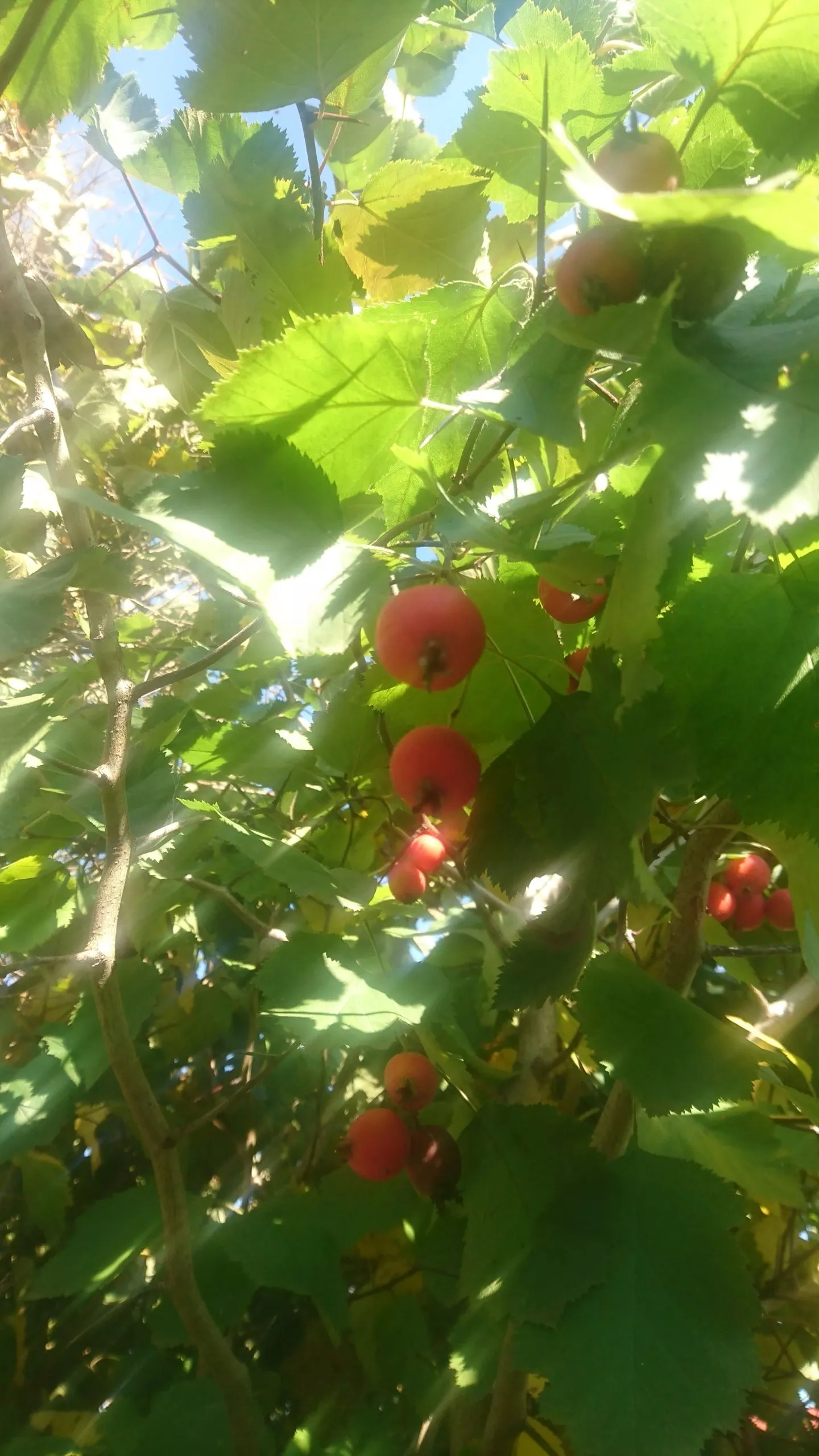
How to plant?
It's best to plant in the spring. I tried planting in the fall, but it was more difficult to establish. To ensure a full crown, avoid planting other bushes within 2-3 meters of each other. Choose a sunny spot with alkaline or neutral soil. The second time I planted, I mixed equal parts humus, sand, leaves, and soil.
Then I did the following:
- I dug a hole – the size is approximately 2 or 3 times larger than the roots of the seedling;
- I put some stones on the bottom for drainage;
- some substrate on top;
- then I placed the seedling and sprinkled it with the rest of the soil mixture (settled).
As you can see, the process is very simple and doesn't take much time. The bushes will quickly adapt by fall.
How do I care?
Immediately after planting, I watered the bushes every 3-4 days for a month because the roots need moisture during this rooting period. From then on, I always follow the same algorithm:
- I water it once a week, sometimes even less often (it tolerates drought well);
- I feed it with organic matter in the spring, mineral complexes in the summer and that’s it;
- I prune it lightly in spring and autumn – I remove frozen, dried, broken and diseased branches (be sure to wear rubber gloves first, then cotton ones, because the plant secretes poison);
- For the winter, I only cover bushes that are no older than 3-4 years; others survive the winter easily.
Briefly about reproduction
Warty euonymus can be propagated using various techniques. For example:
- By seed method. It's a lengthy process; I tried it once, but I don't want to anymore. First, there's stratification, disinfection, soaking, then planting and long, painstaking care. No, that's not my thing.
- By cuttings. This is a great option. I always use it and recommend it to you. I only use young shoots, always green. I simply insert them into a mixture of peat and sand, cover them with plastic, and grow them until roots form.
- By dividing the bush. I recently tried this. The bush was five years old. I decided to transplant it to a brighter spot. I'll admit, it's labor-intensive; digging up the bush isn't easy. But the seedlings took root quickly.
You can also use layering and so on, but I haven't personally tried it, so I can't say anything. I recommend you grow some warty euonymus in your garden—it'll be a nice decoration and give you the opportunity to use different parts of the plant. for medicinal purposes.