
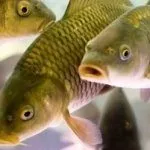
This year, the Volga River is at its highest level. It hasn't flooded like this in years. The hydroelectric power station can't cope, flooding the lower reaches, and the upper reaches are also at their maximum—the water is almost overflowing.
It's good for the fish that the Volga has overflowed, especially the fields—they're shallow, there's plenty of grass, and the water is warmed by the sun—an ideal spawning spot! There's just one catch: the water needs to be released, which means the water level will soon drop, the Volga will return to its normal course, and all the spawn on the grass will be left without water—meaning many fry will die. But, alas, there's nothing we can do. To prevent people from drowning, we sacrifice fish.
We went fishing right at the height of the flood. The fish in this area are usually ravenous, just before spawning.
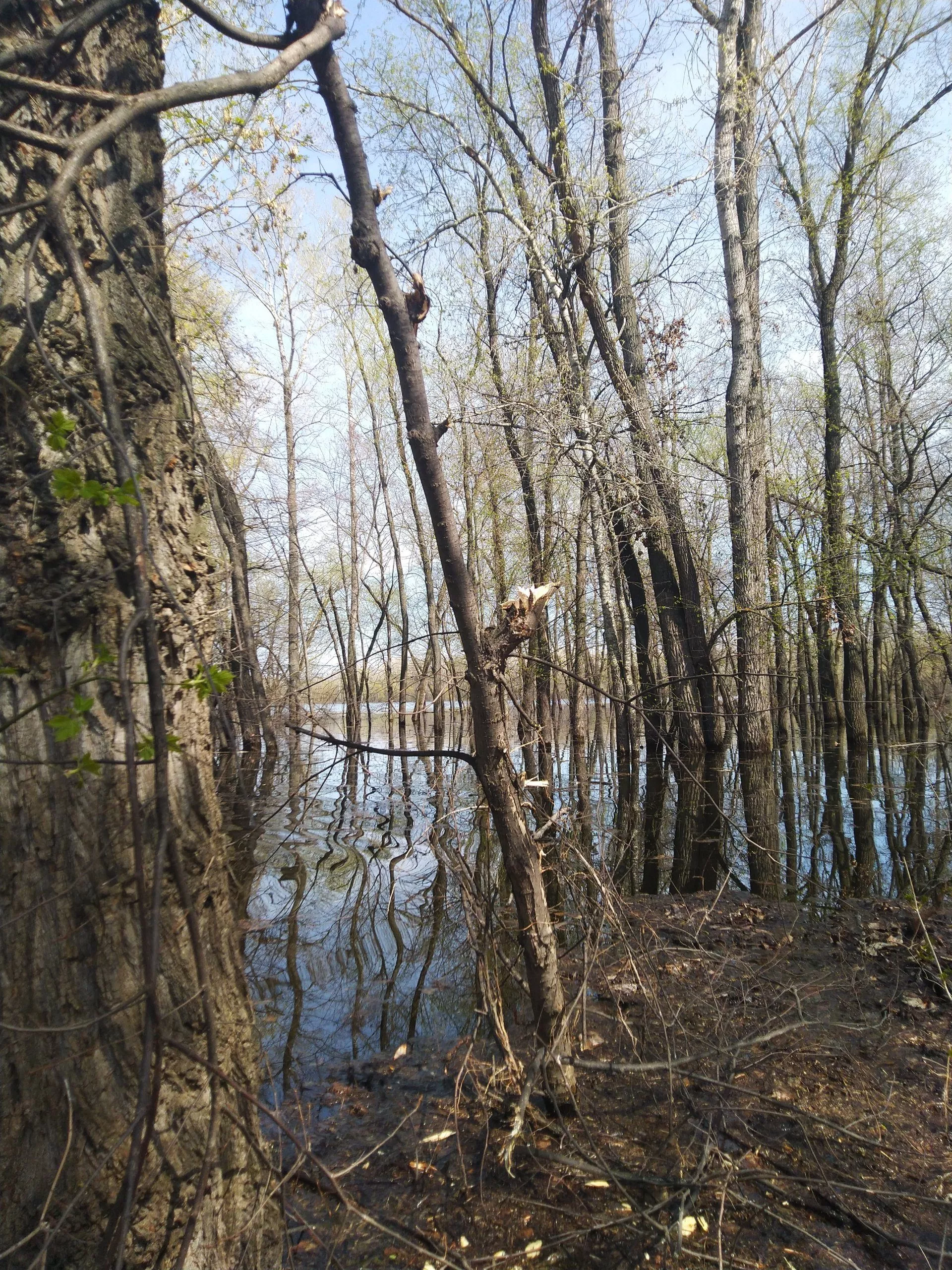
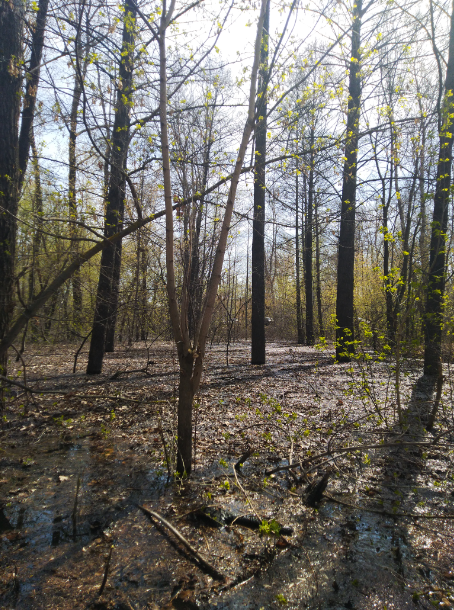
The trees were all flooded, and in this place there was a deep, DRY ravine with a road! The water rose at least 3 meters.
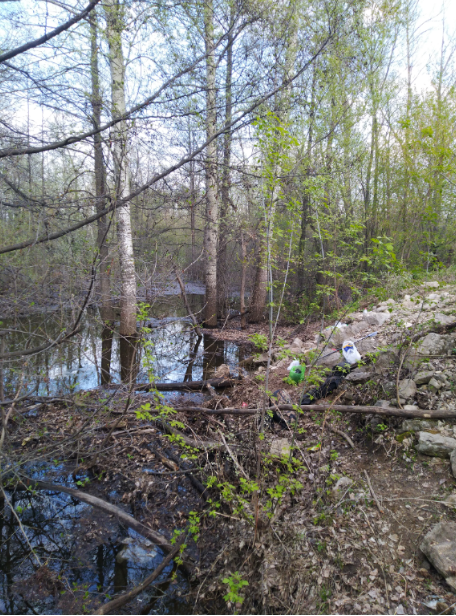
It's not a good place to fish—there are so many bushes and branches that you can't even cast a line—you'll only get snagged. There are also dry leaves floating around and all sorts of trash. But we're a desperate bunch, so nothing hurts to try!
They cast a fishing rod:
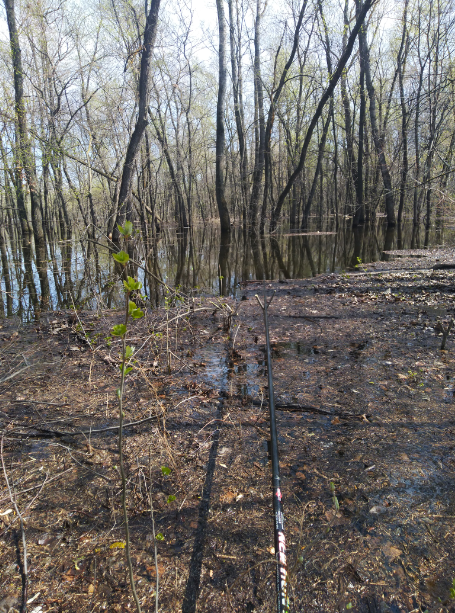
We sat there for a long time. There were no bites.
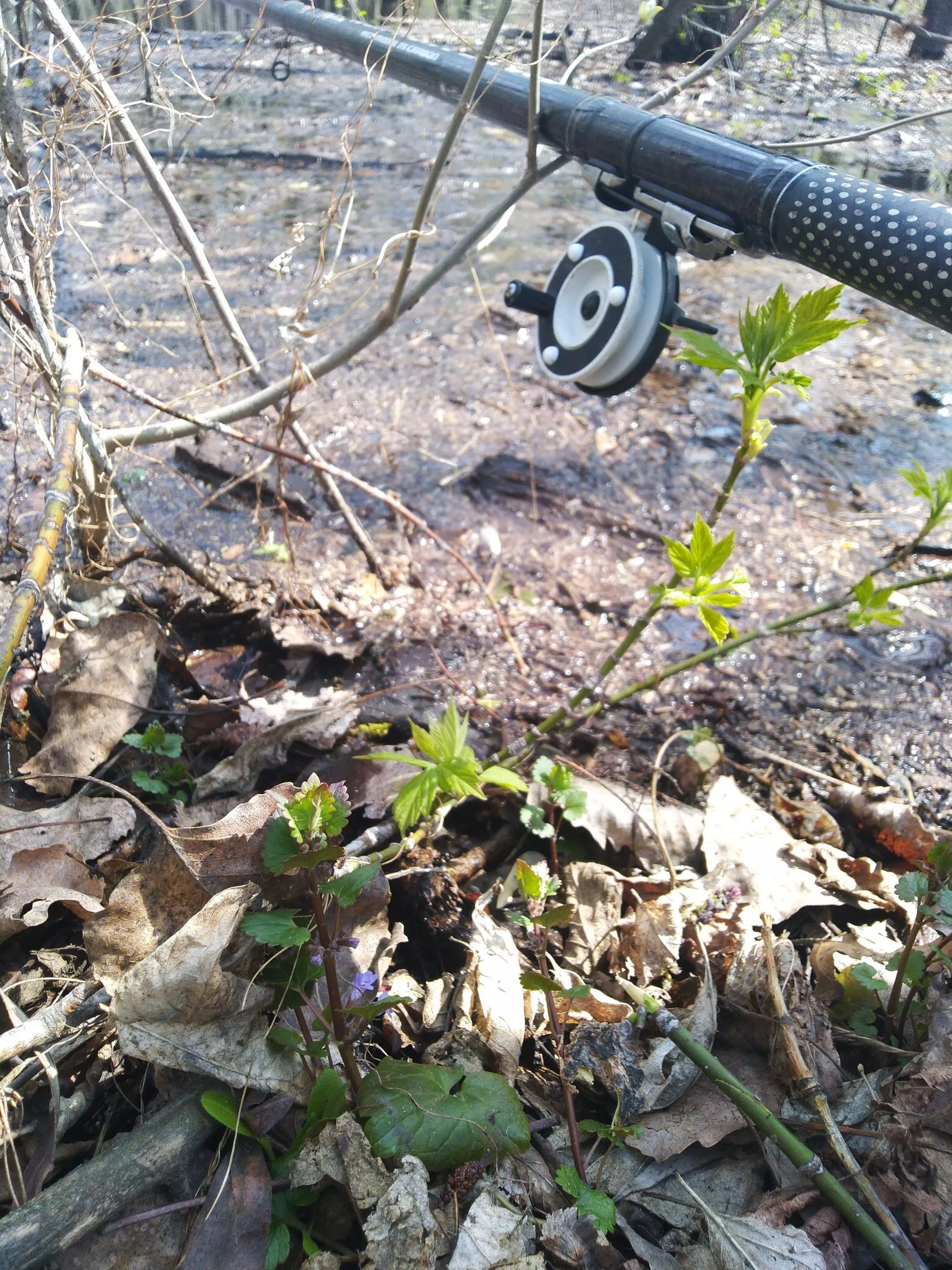
Out of boredom, I started looking around and saw so much beauty. I love paying attention to little things. They might seem inconspicuous at first glance, but from a certain angle they're truly beautiful! Just look:
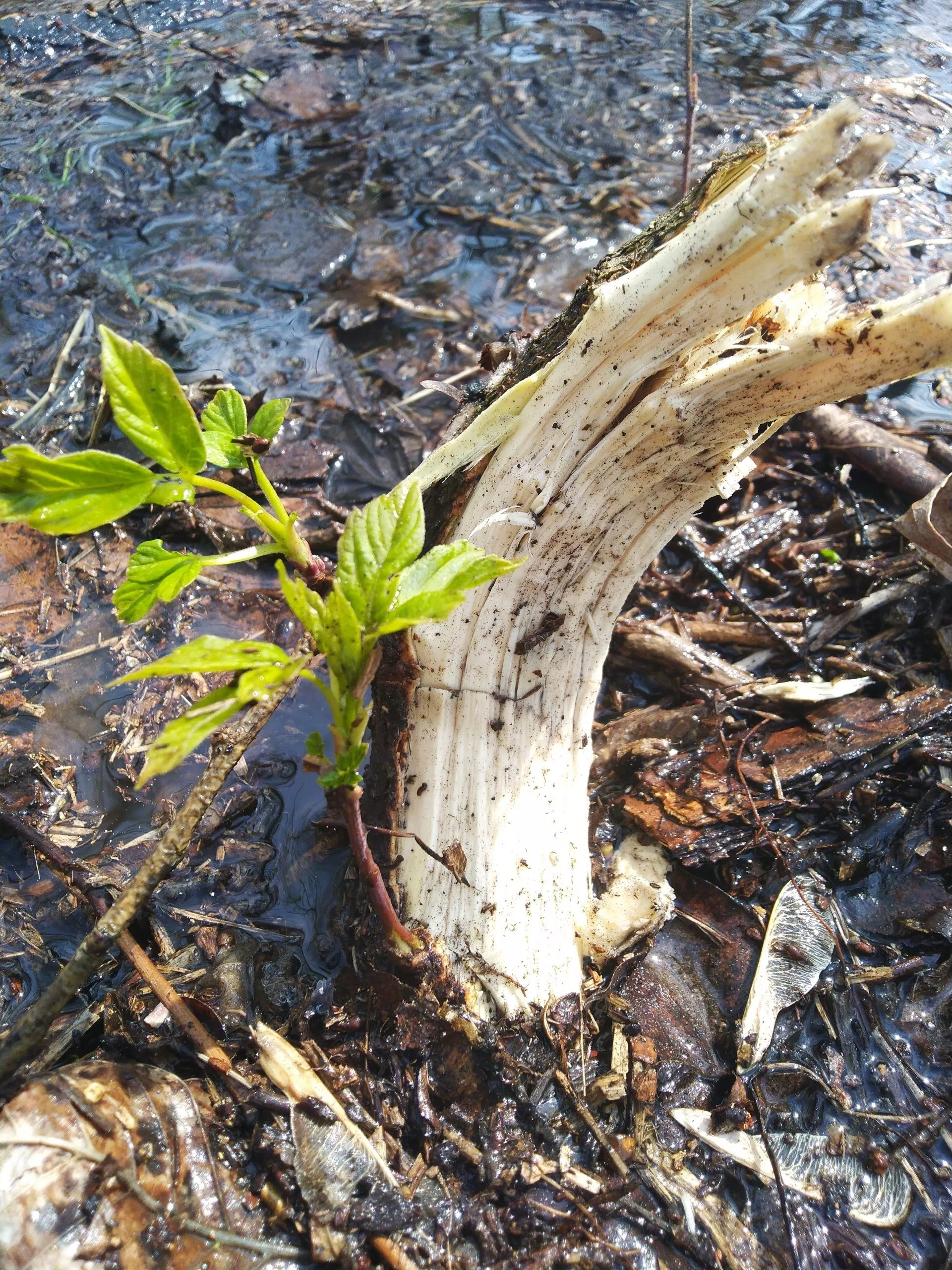
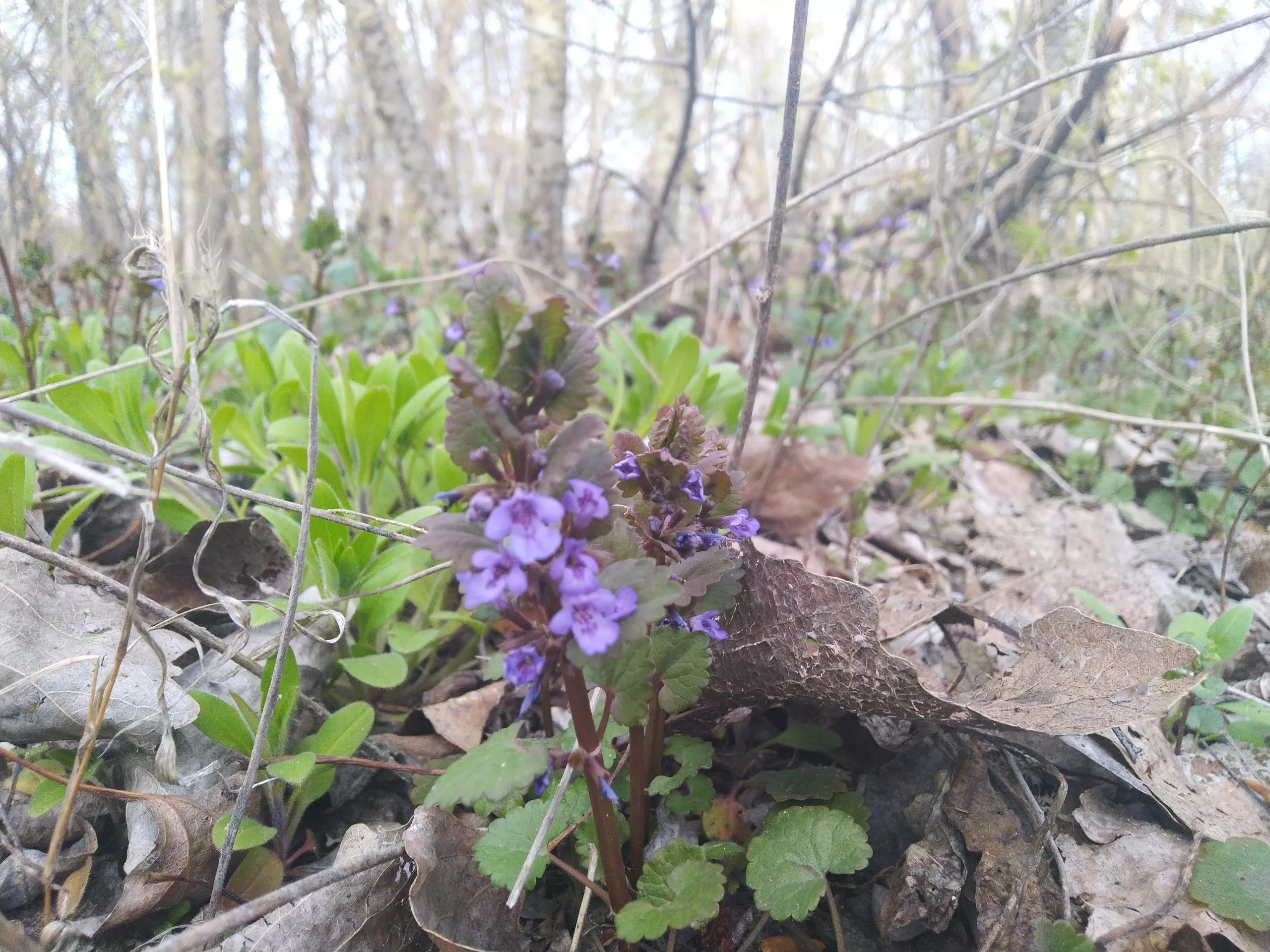
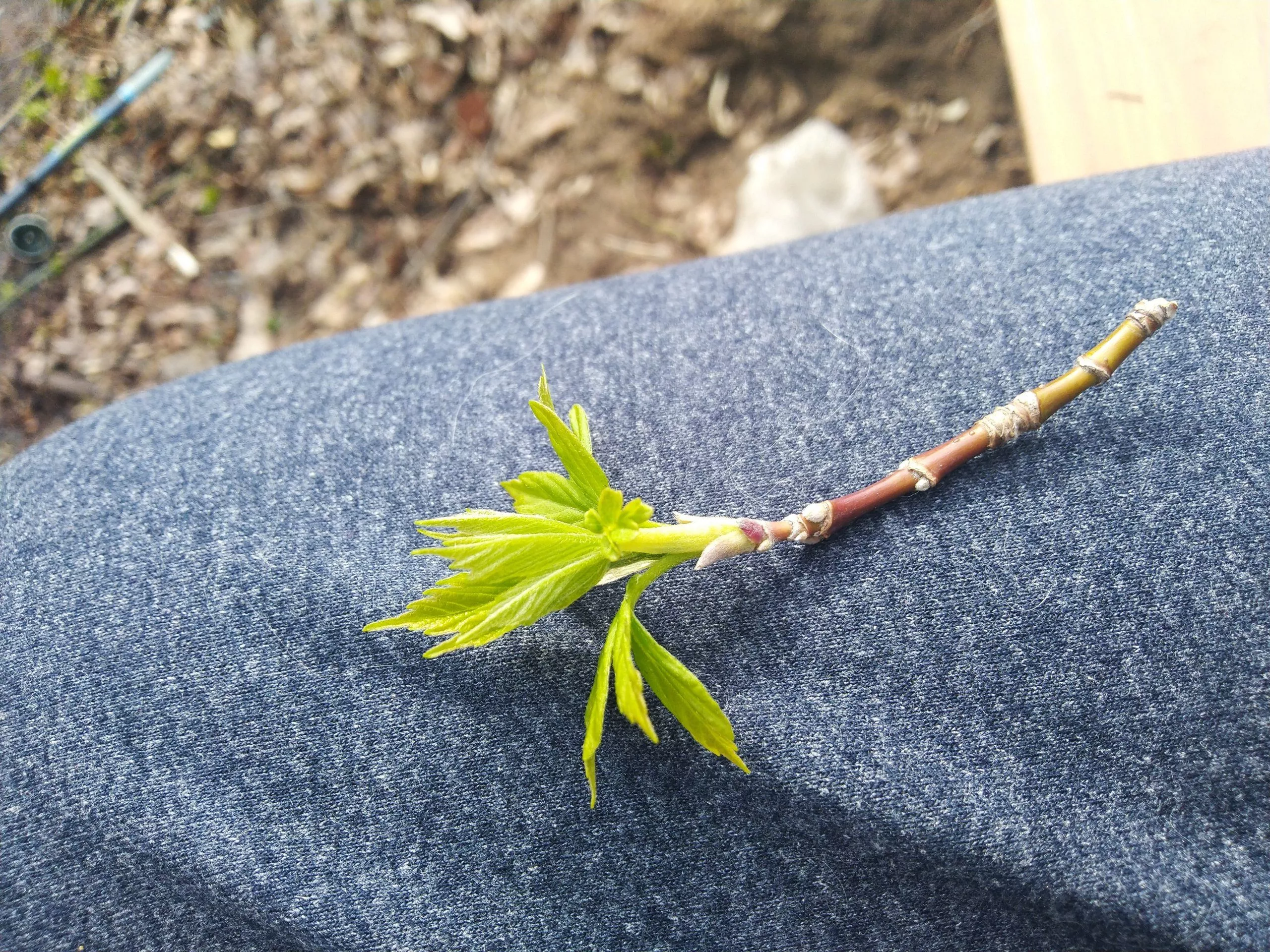
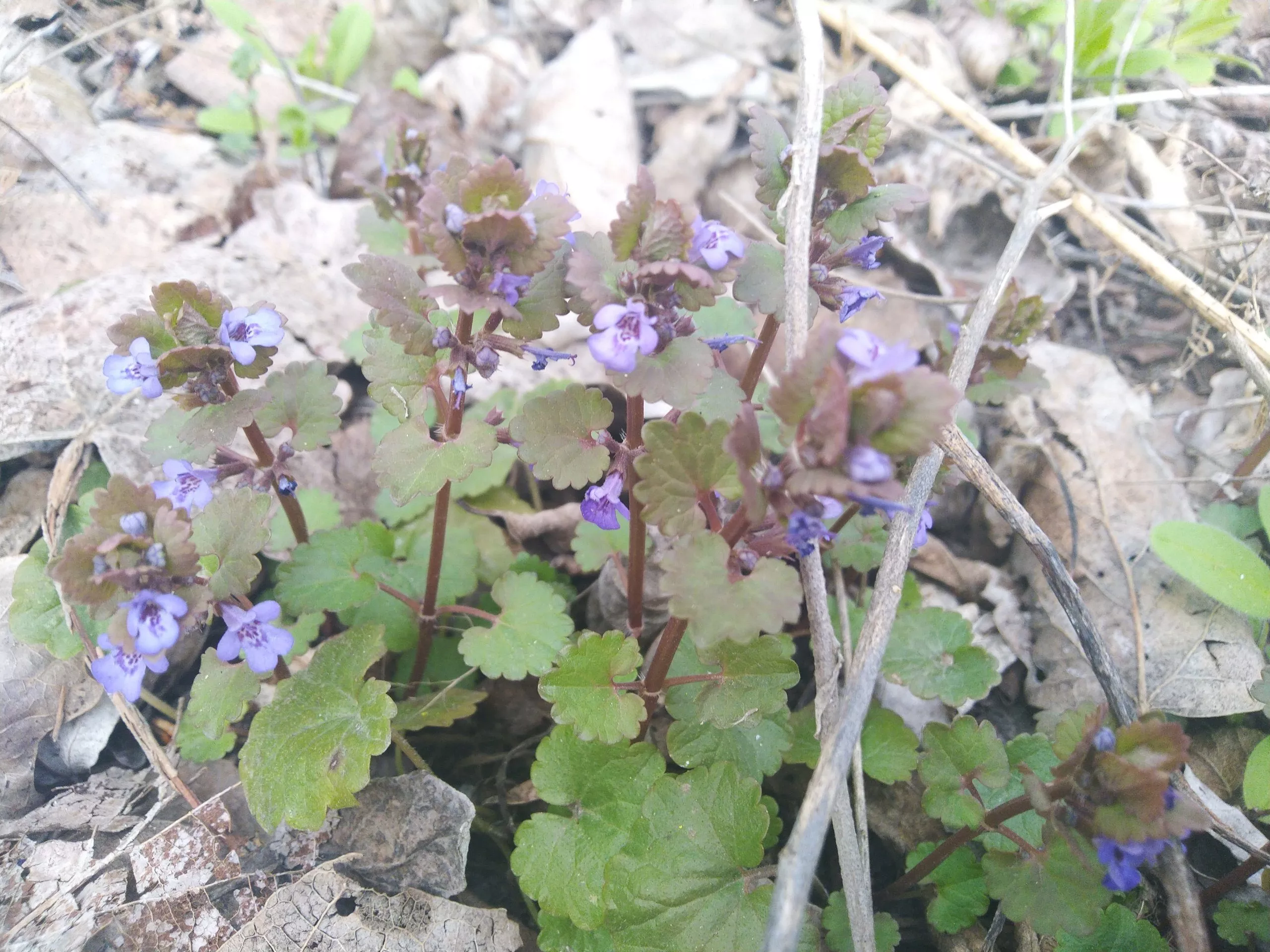
My husband noticed I was losing interest and suggested we change locations. We could try casting a line from another part of the floodplain. It would have been fine, but we'd packed bags and all sorts of fishing gear. It's a pain to lug around.
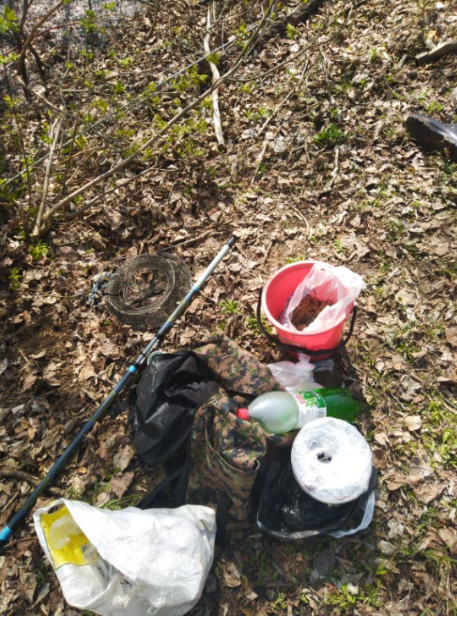
But he was right, as soon as we arrived at the new place, the bite intensified!
And the fish were biting well. But in this spot, the water was running, the current was powerful and pushing away from us for five minutes, then suddenly it was still for two minutes, and then the current was pushing straight toward us. And the fish only bit in the fast current. When the water stilled, it was quiet. The fish also stood still.
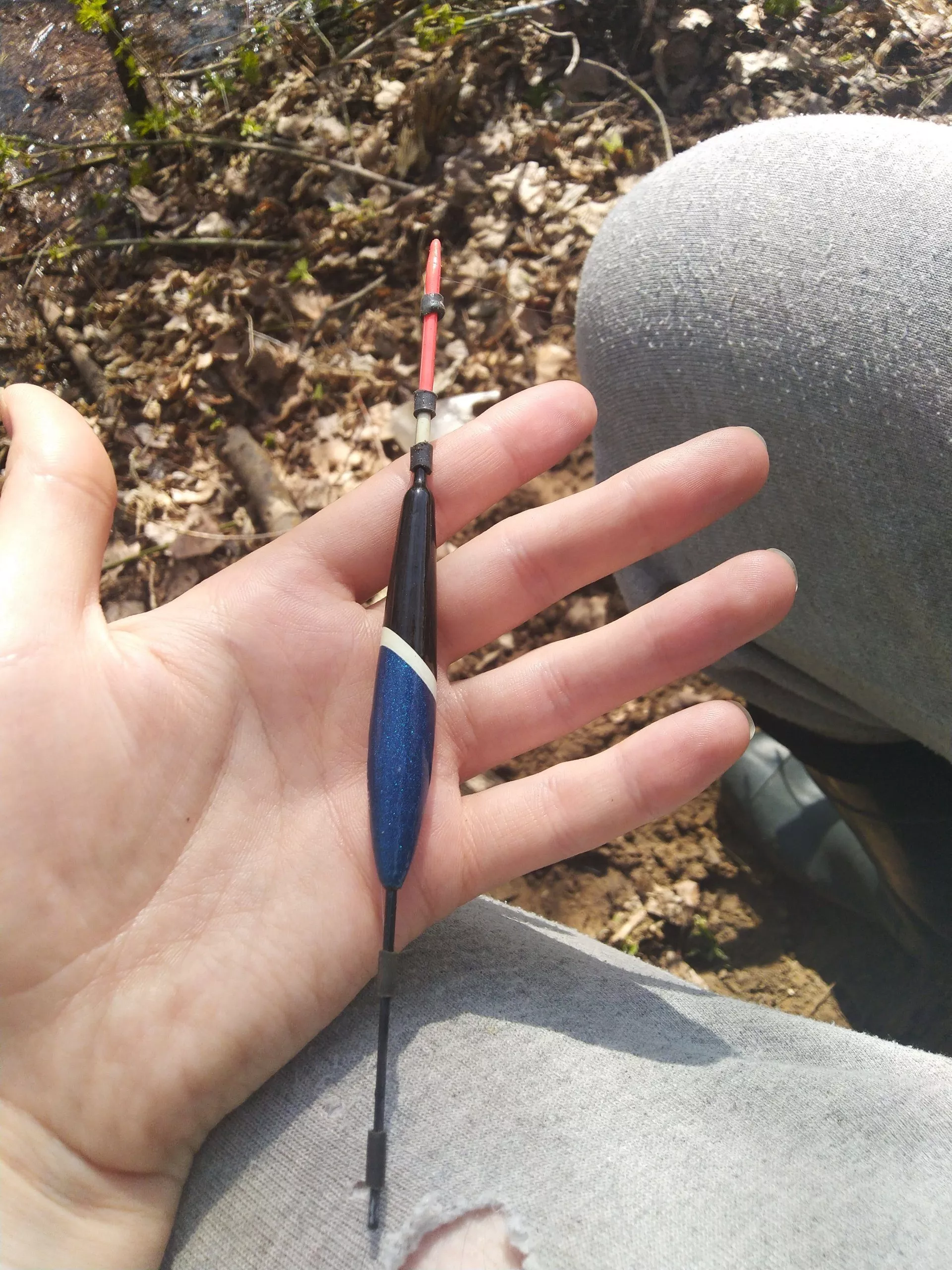
We were fishing with a simple 6-meter rod. We were using maggots. The bottom was 1.5 meters. The float looked like this:
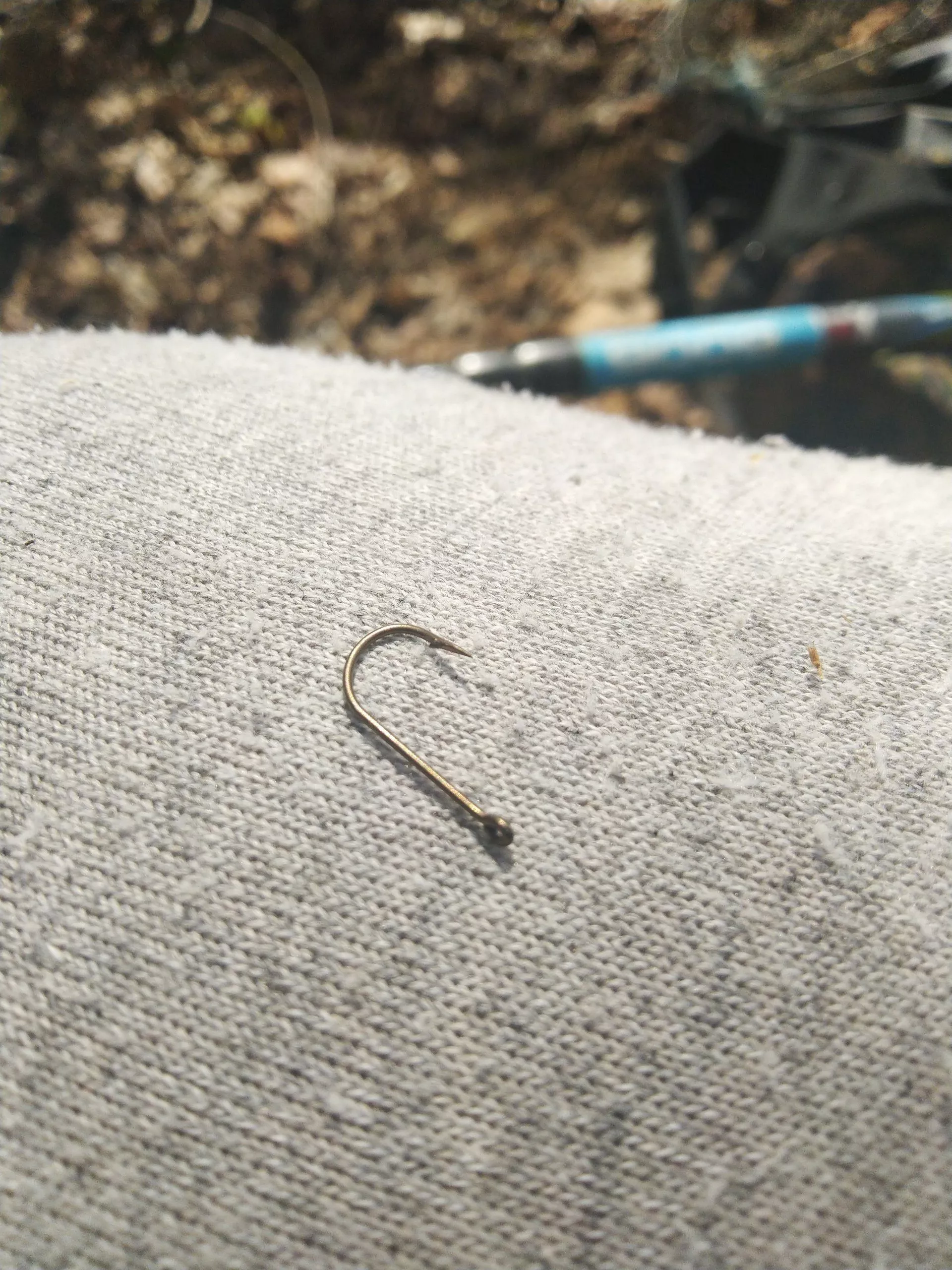
The hook is like this (a bit big, I should have taken smaller (already):
Now I'll tell you the spot where the big fish were biting. It's the same Kopylovo Peninsula (Samara Region). The place is called "On the Pipe." Local fishermen know about it.
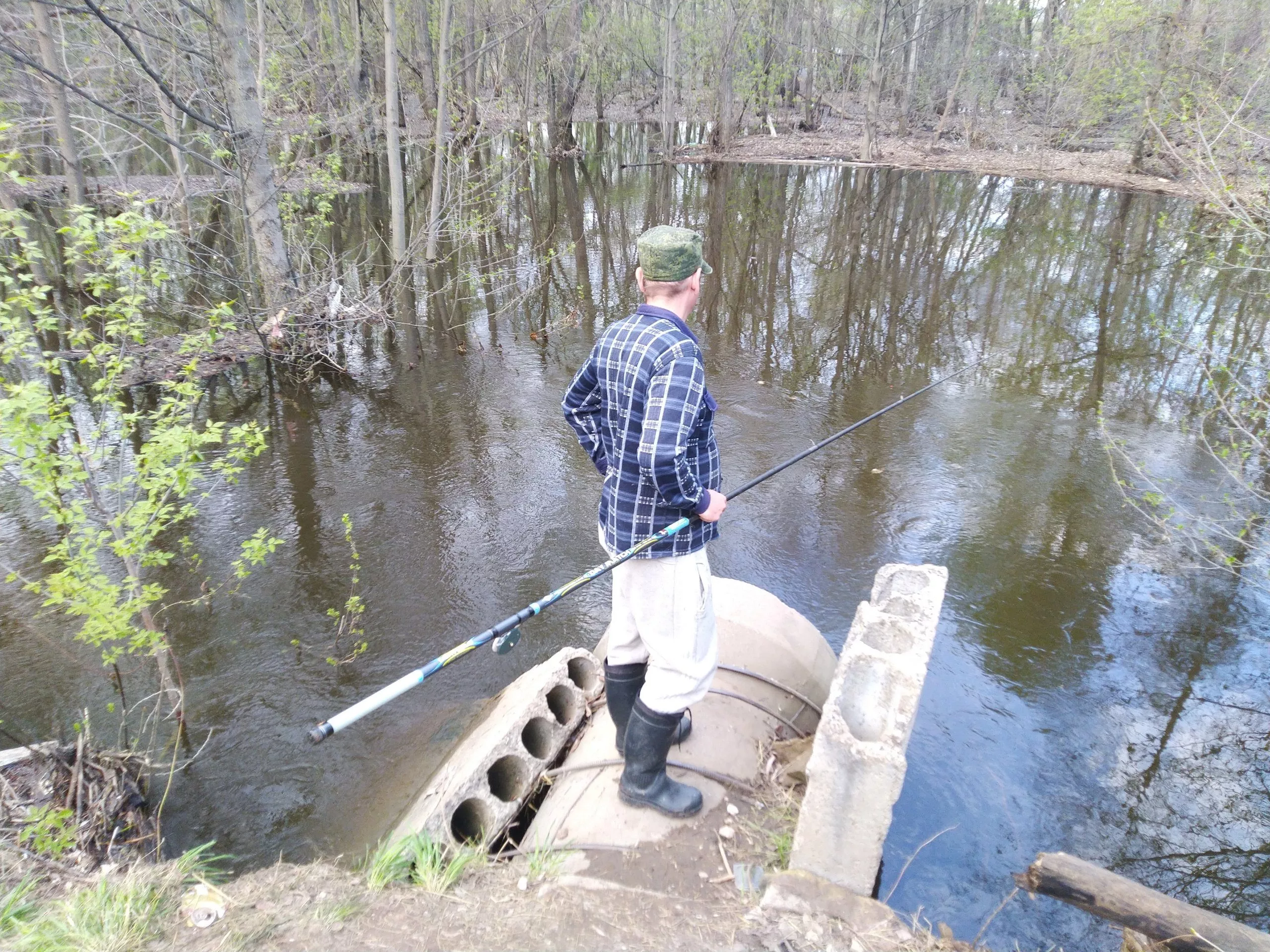
The water is actually running from behind the pipe—sometimes it's pouring out under pressure, sometimes it's sucked back in. And there are tons of fish swimming back and forth there.
The current is very strong. If you fall in, you'll definitely be sucked through the pipe to the other side of the bank (over the bridge!). It's very dangerous. So, be careful in such a place. Especially since there's a deep ravine there. And how it swirls! Sometimes your float gets sucked right into the funnel—you have to pull it out and recast it. Very active fishing. Never boring!
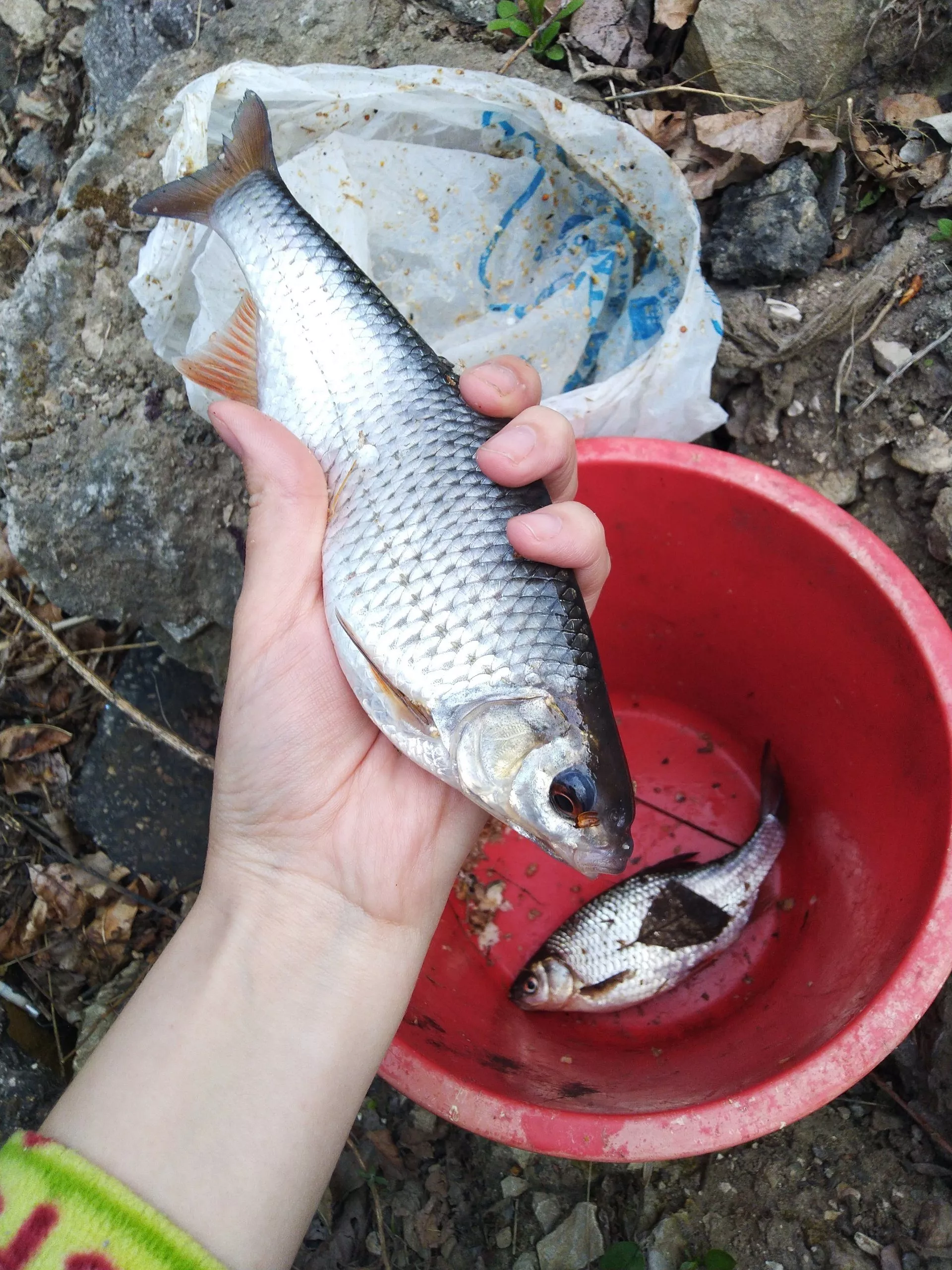
A good, big fish:
A little later the catch became bigger:
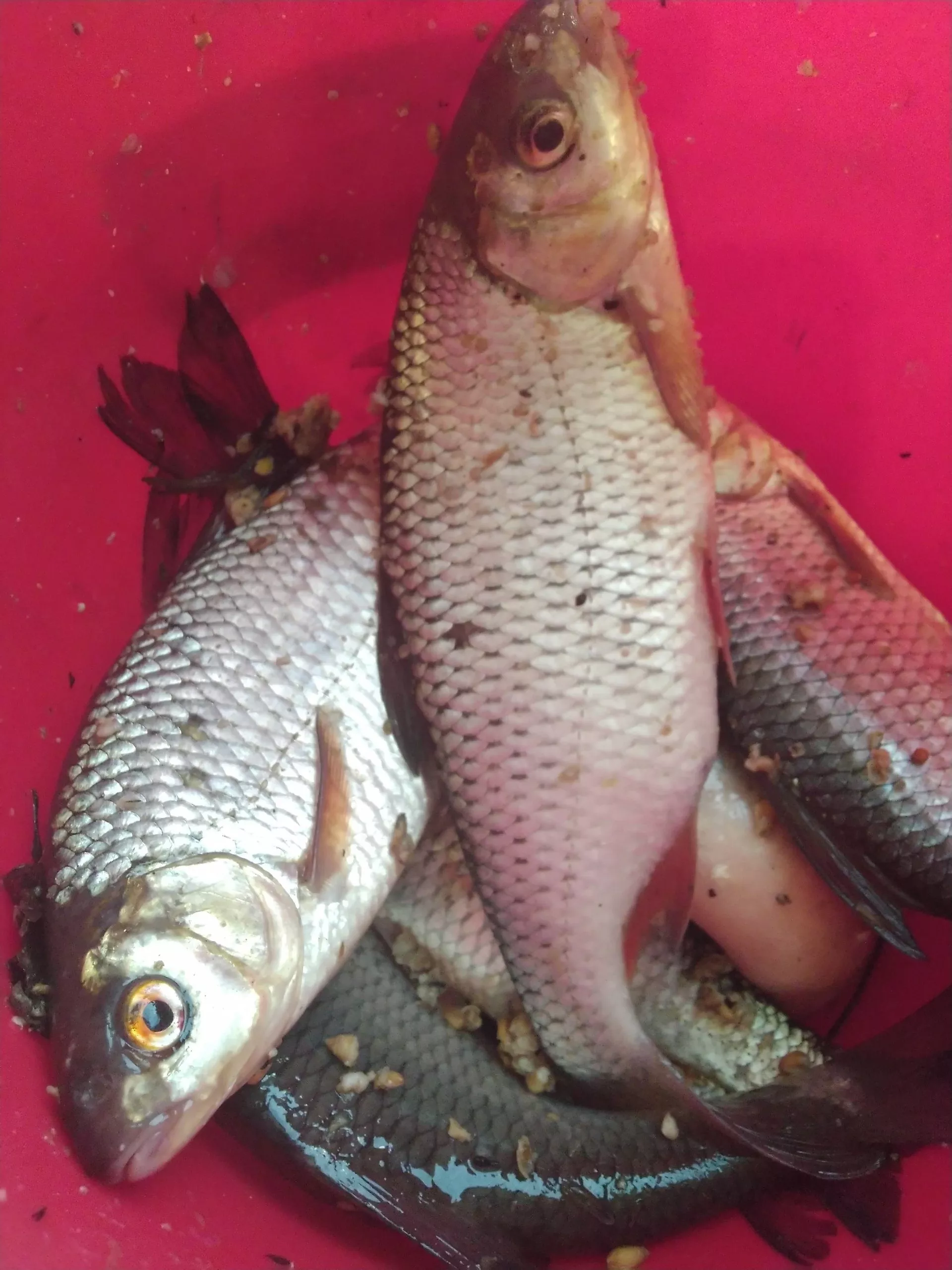
We drank a whole bucket in two hours. We left at sunset.
It was the end of May. The water has now receded, and the fishing has died down. The area is dry now, and the water in the distance is Lake Karasyevo, which the Volga floods in the spring.