
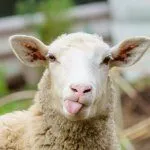
We often get questions about what we feed such a large farm. Some believe that keeping animals is unprofitable precisely because they require large winter feed reserves. So today I'd like to share our experience with feeding livestock.
First, I'd like to point out that by "livestock" I mean cows, pigs, goats, and rabbits. Poultry is not included in this category due to some differences in their diet.
Summer is considered a time of abundant forage and a fairly varied diet for us. The cows are out in the pasture from morning until evening, and we tether the goats in the meadow at the end of the garden.
We've planted a 50-hectare plot of land with alfalfa. As the grass grows, we feed it to the animals and even manage to harvest hay from the plot. We also have several hayfields with mixed grasses and sudan grass.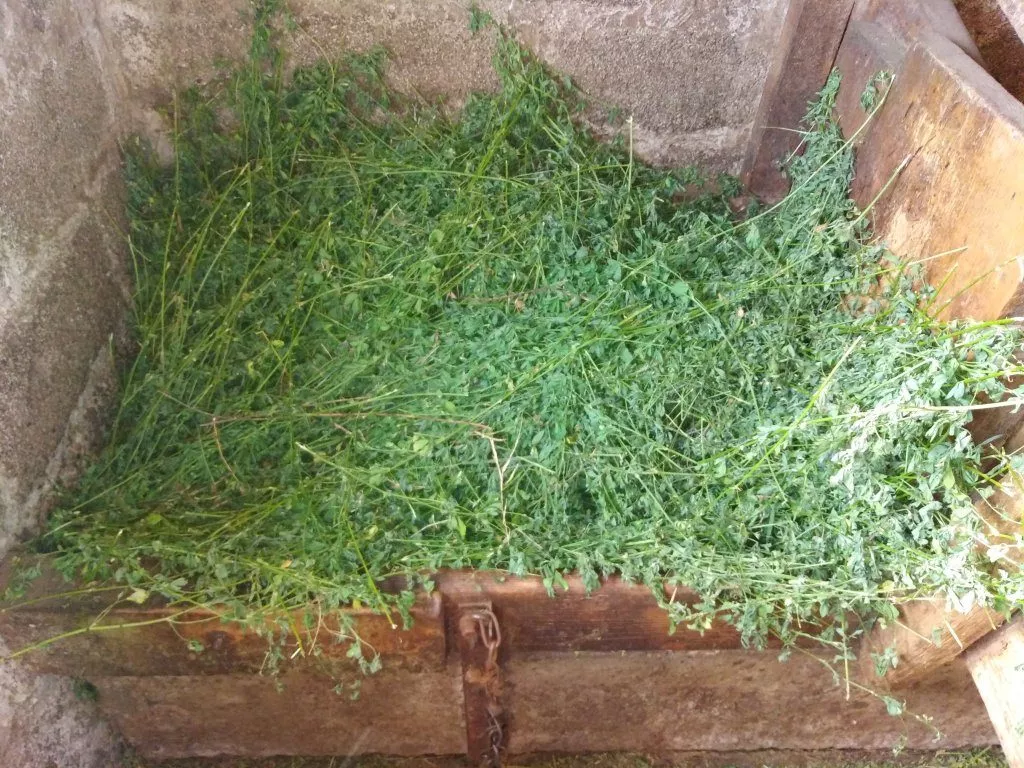
We mow the hay with a walk-behind tractor and then rake it into windrows by hand using a special rake.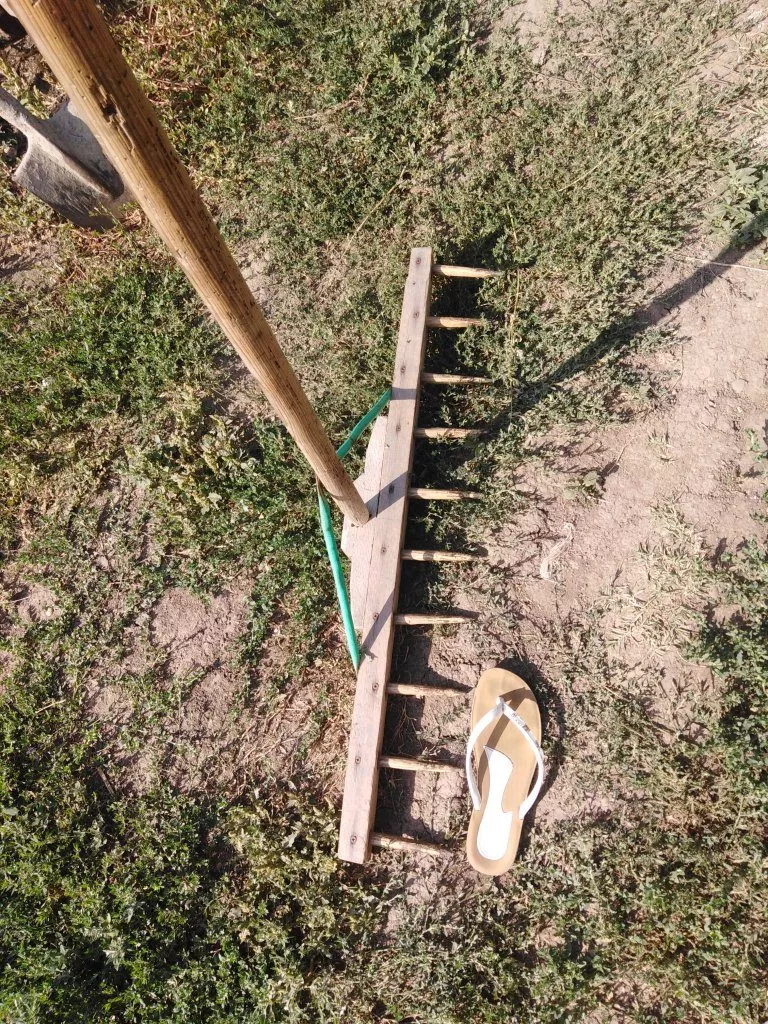
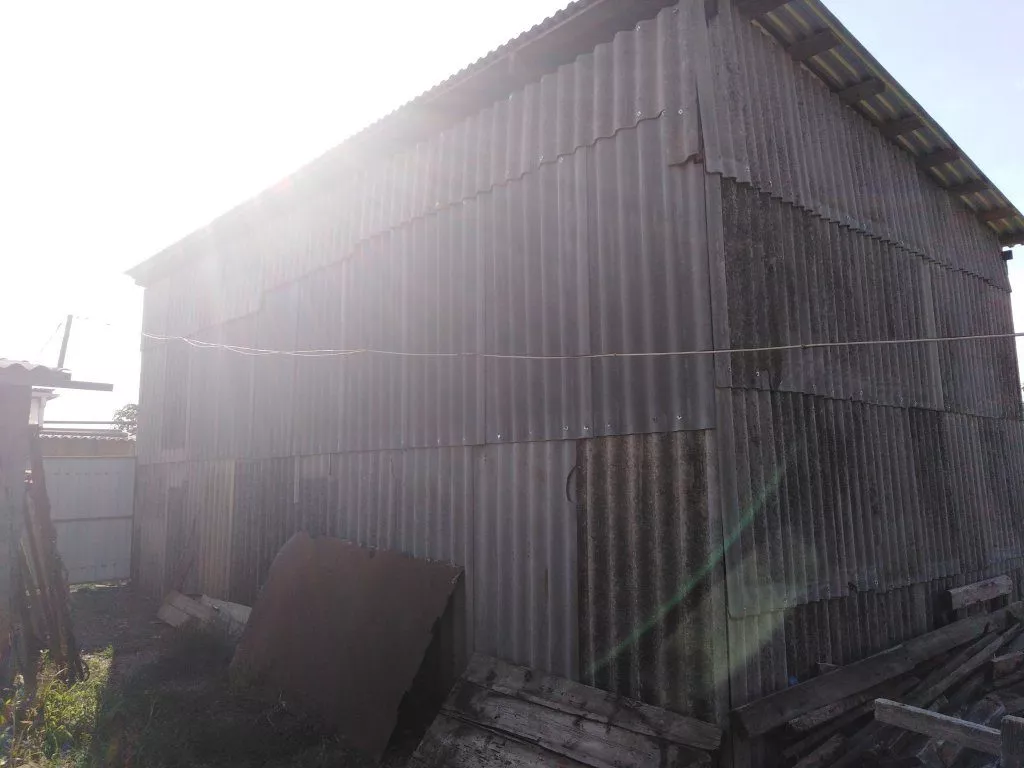
We then transport these piles of dry grass home on a trailer or hire a tractor with a baler. Baled hay is very convenient for storing and distributing to animals.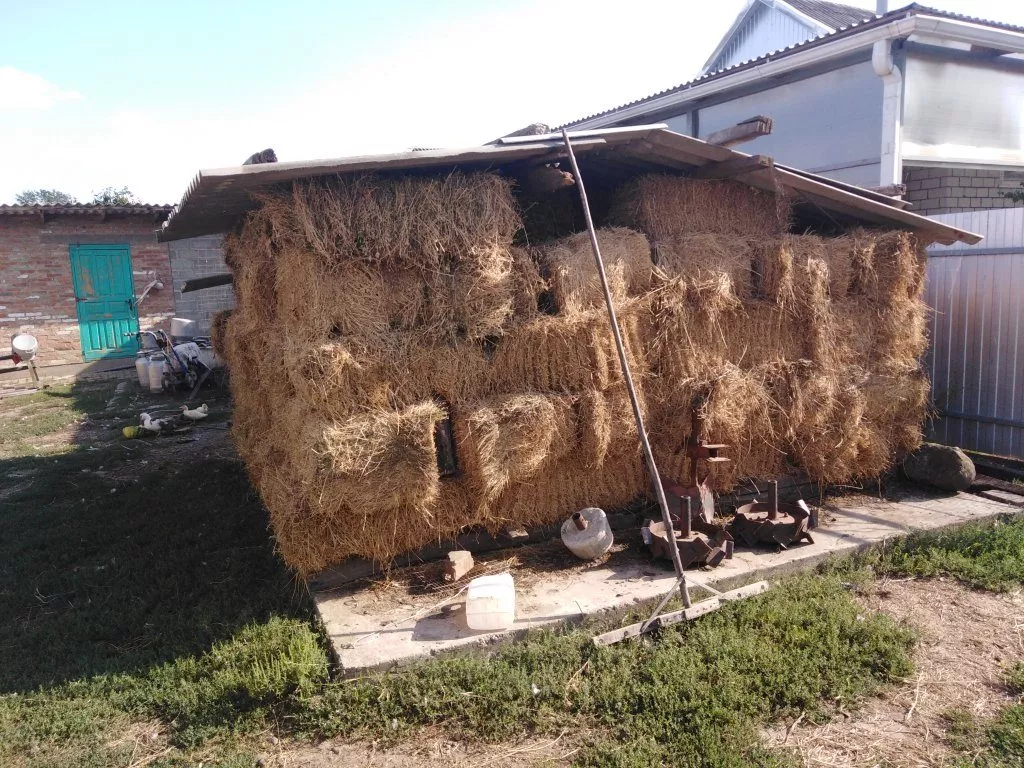 I'd like to tell you about the hayloft separately. It's huge! And it's been growing and improving gradually. It was once just a lean-to.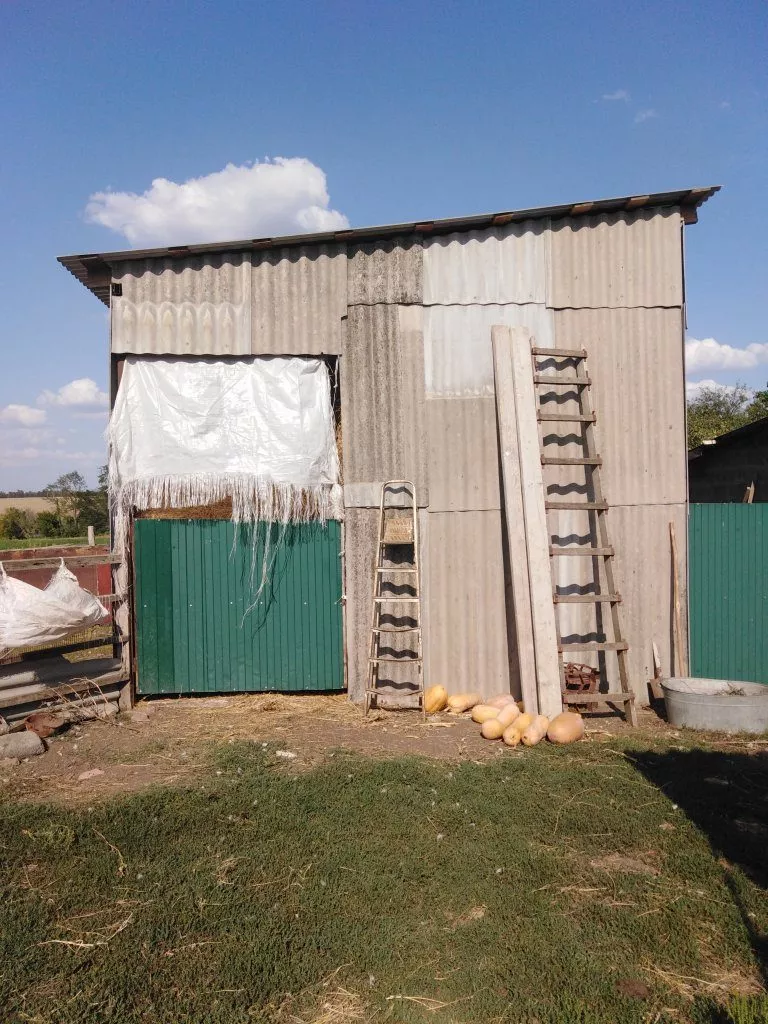
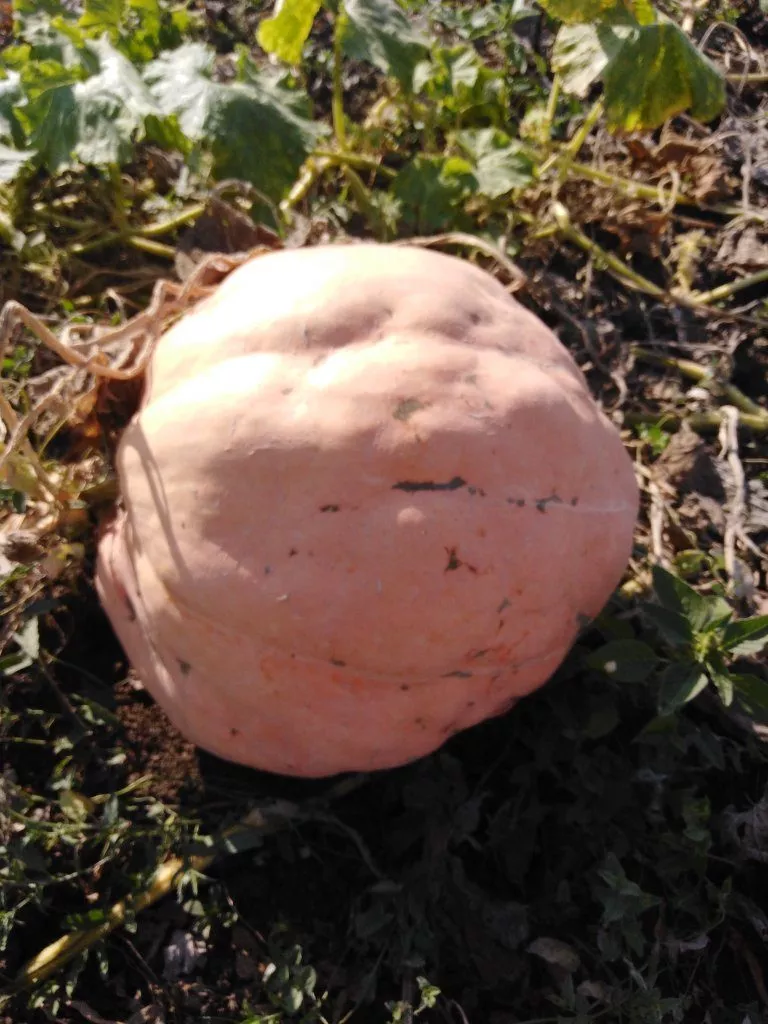
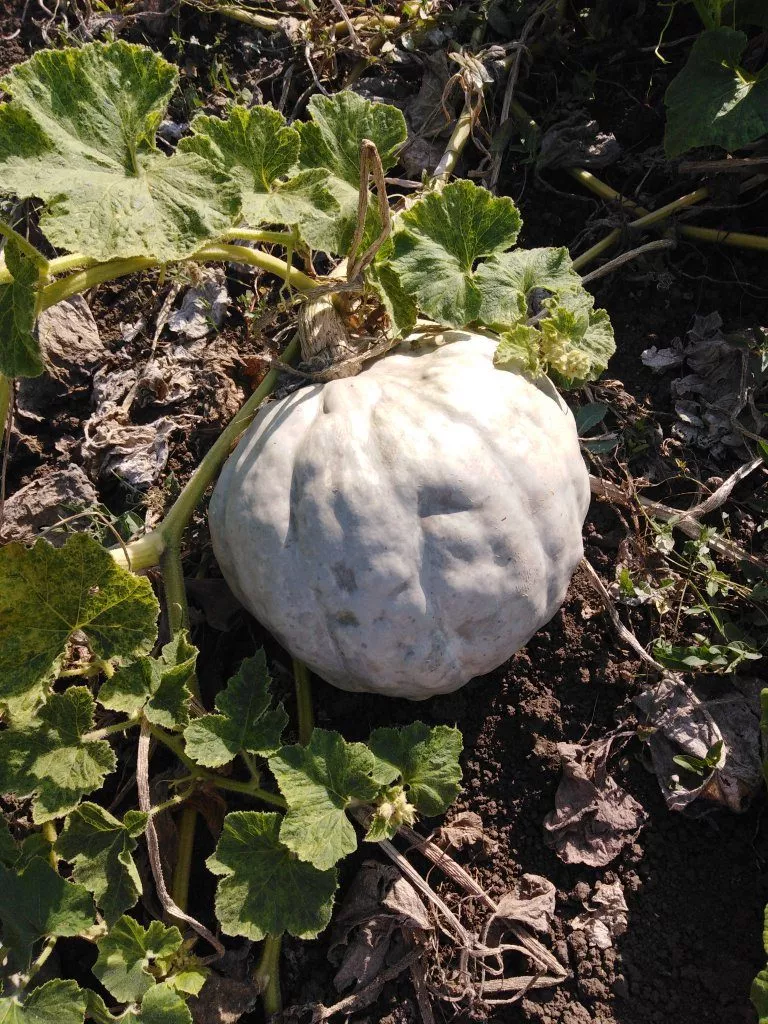
We grow pumpkins and squash in our garden specifically for the animals. We harvest them daily for now, and when they're done growing, we'll gather them and store them in a corner of the hayloft, and when the frost sets in, in the cellar. This year's pumpkin harvest was disappointing due to the drought.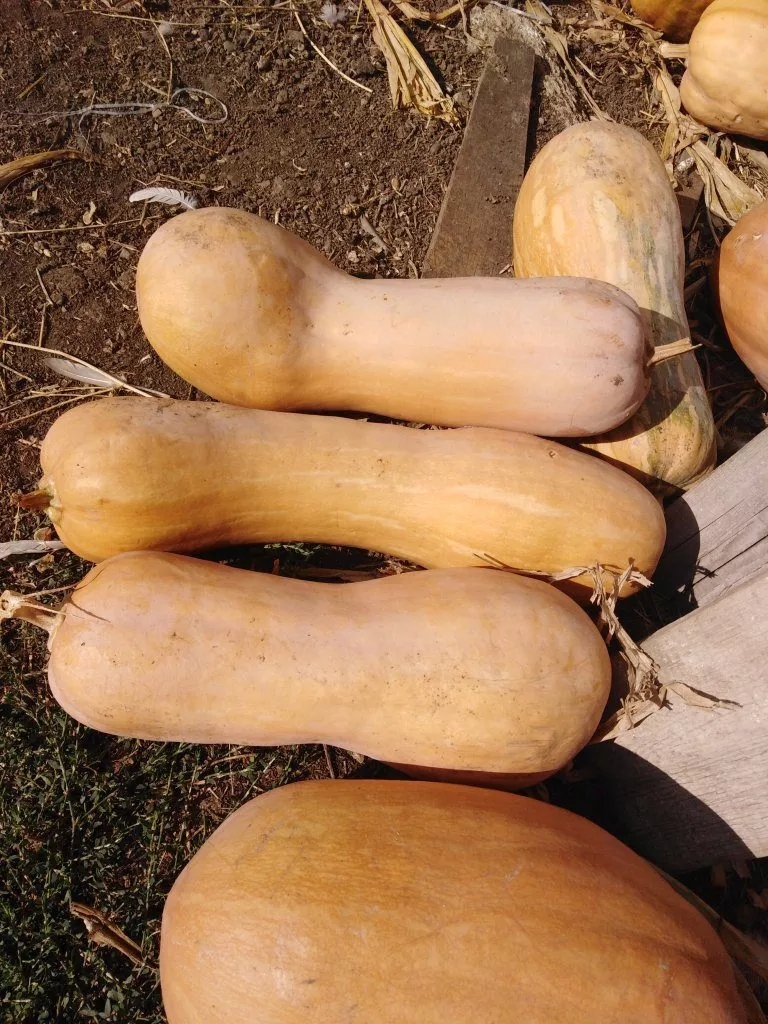
But the watermelons were a joy! We harvested a whole mountain from 500 square meters! The melons and pumpkins usually last until New Year's, or even longer!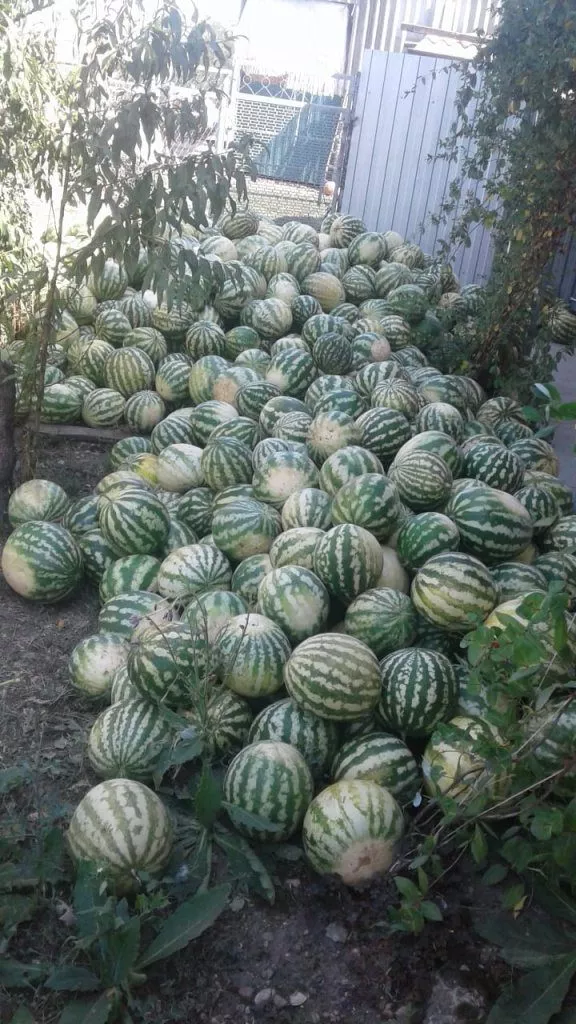
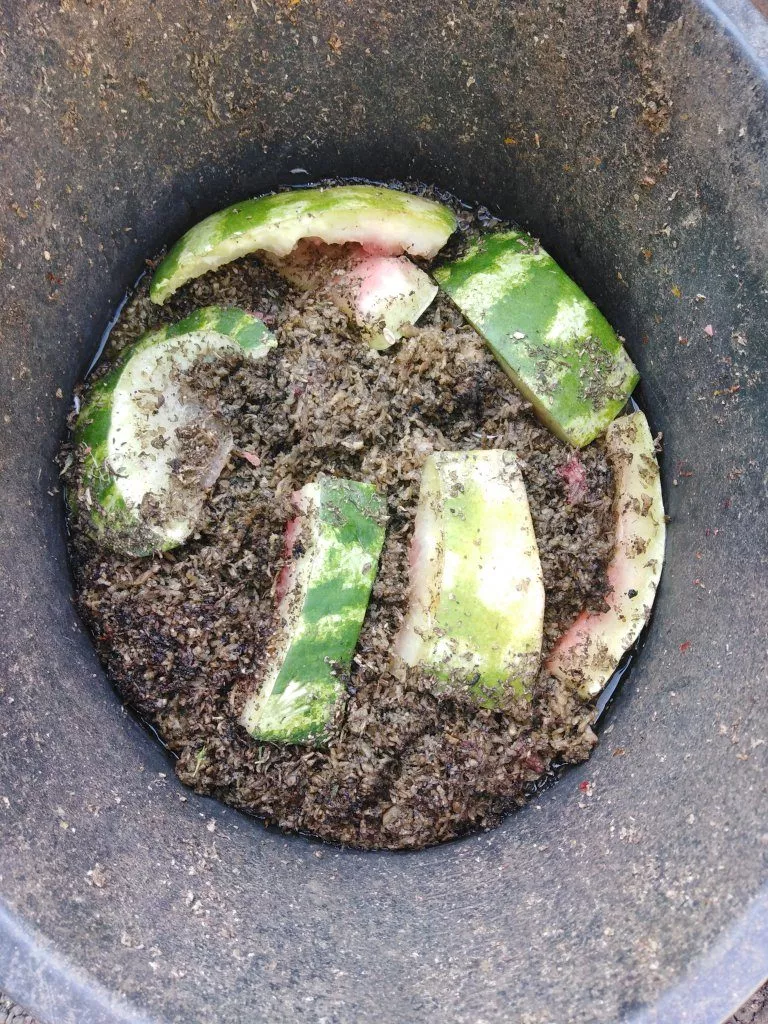
Every day, the cattle's diet includes pulp with fruits (we collect apples, plums, pears) and vegetables (peelings, waste from the total mass of root crops).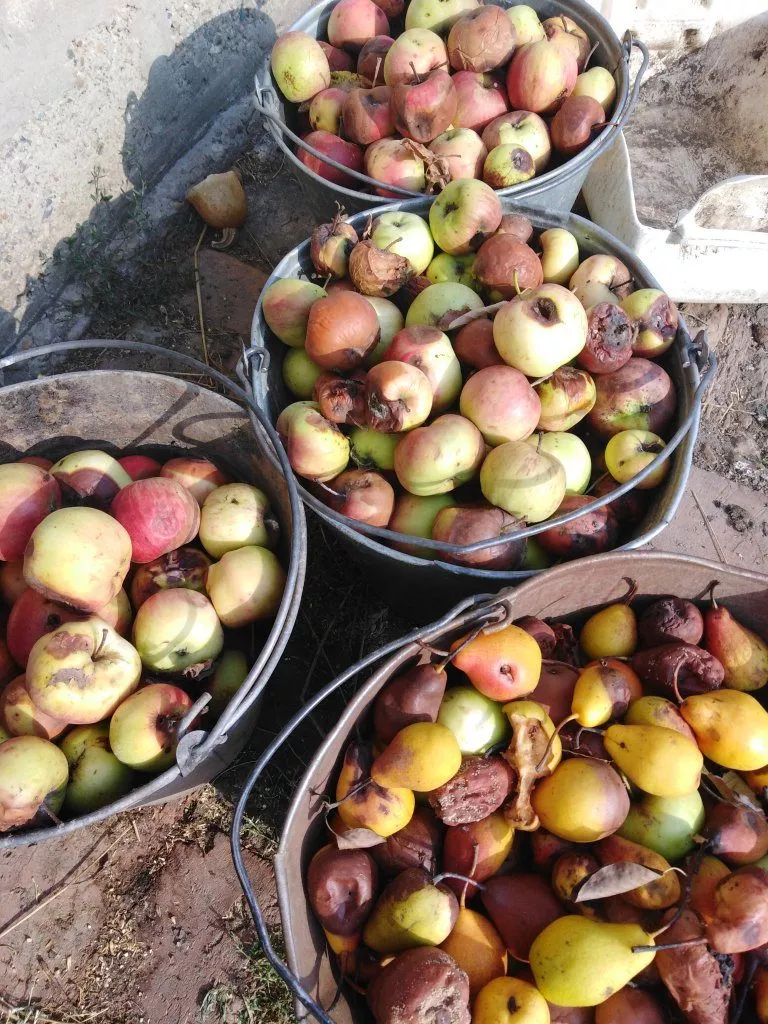
The main grains in our diet are wheat and barley. We don't sow them ourselves, but receive them as rent for the use of our land shares. We bring them in these huge fertilizer sacks and then store them in the barn.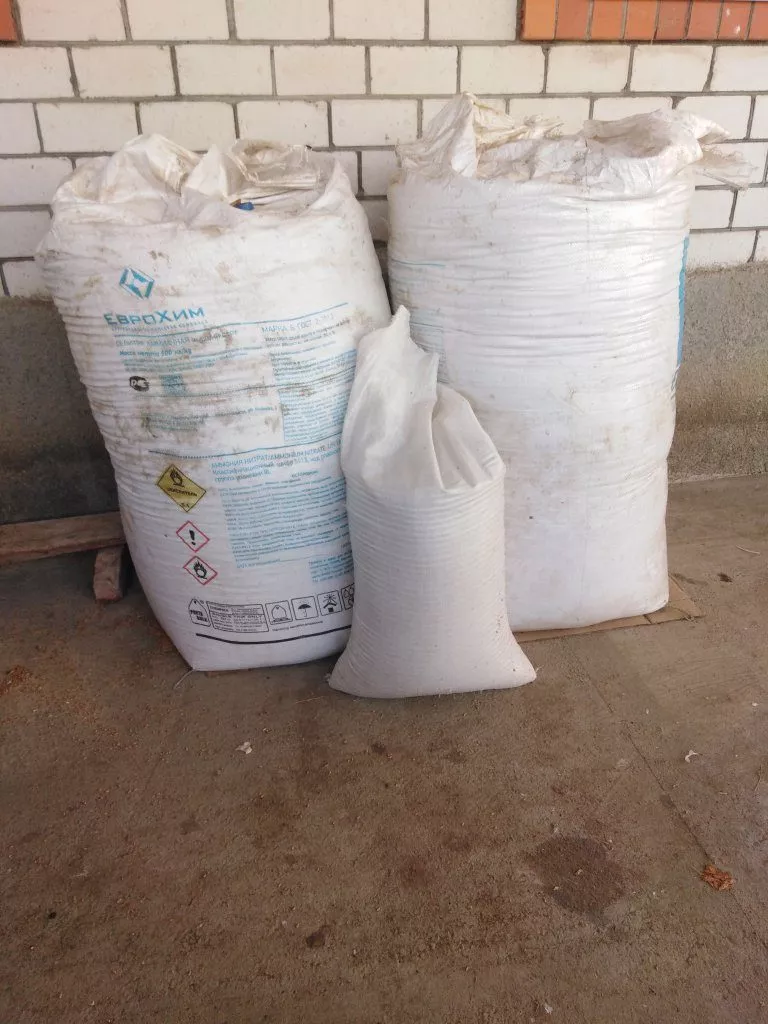
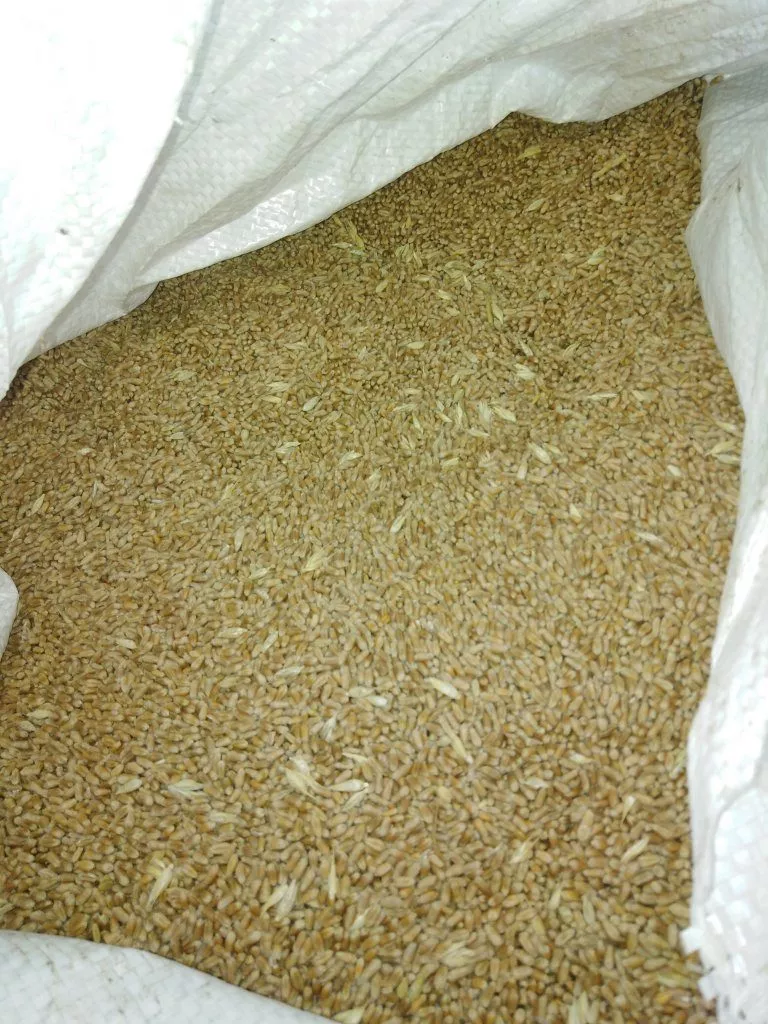
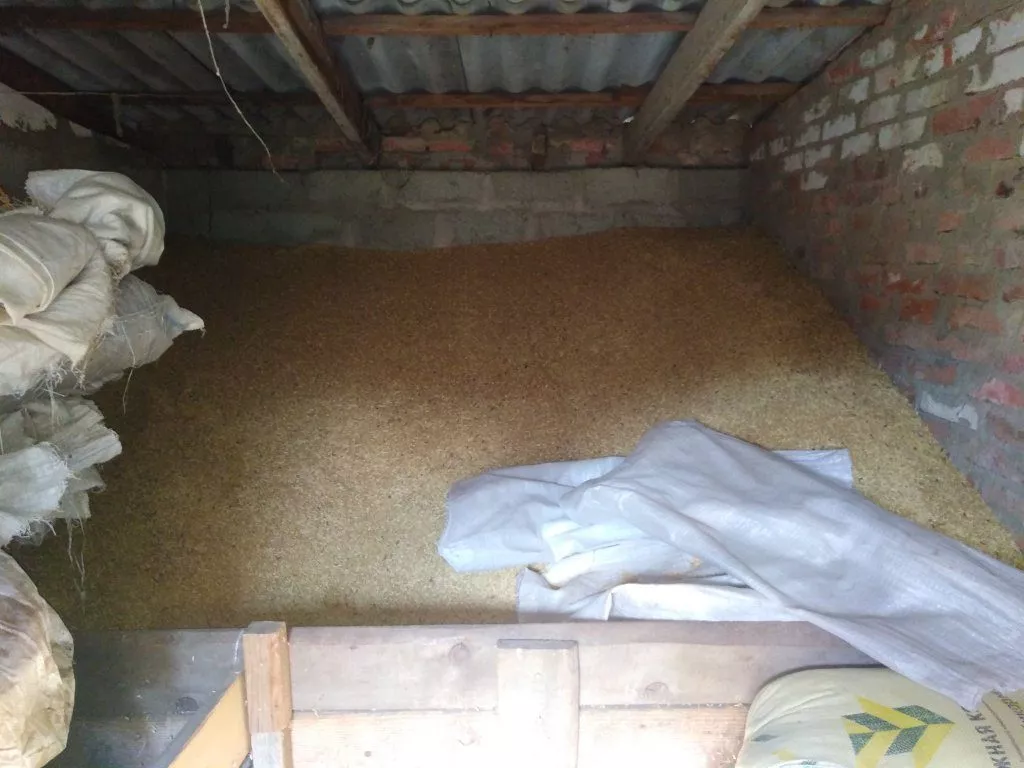
We grind the grain in a mill. We pour the groats into barrels. We prepare compound feed.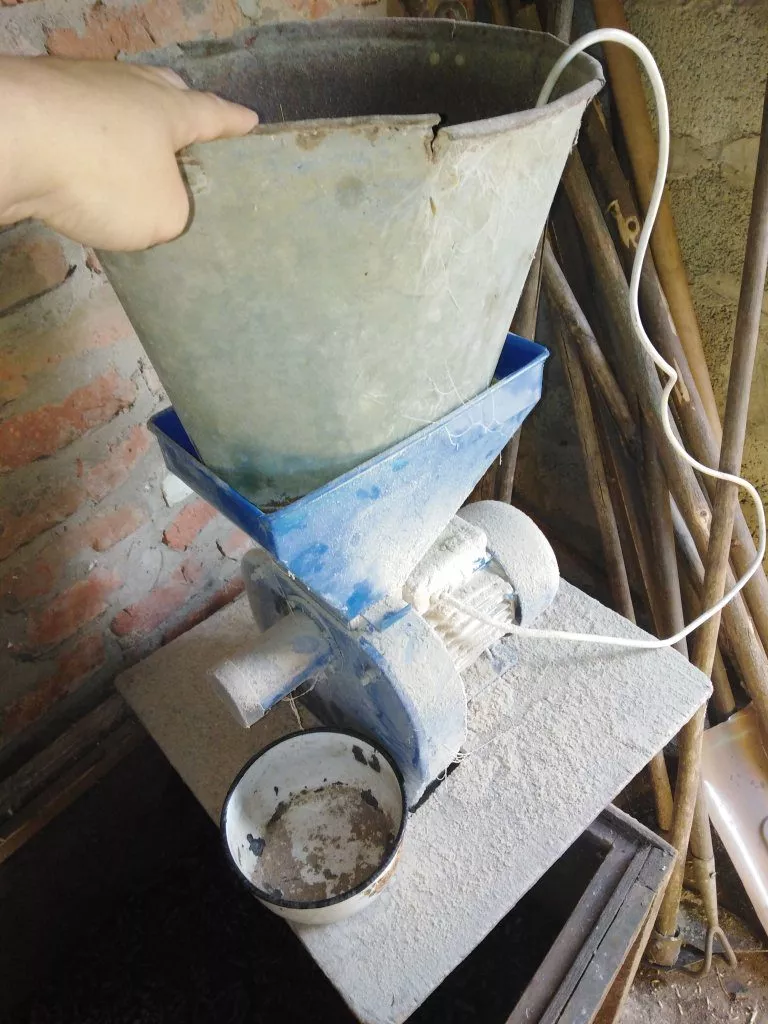
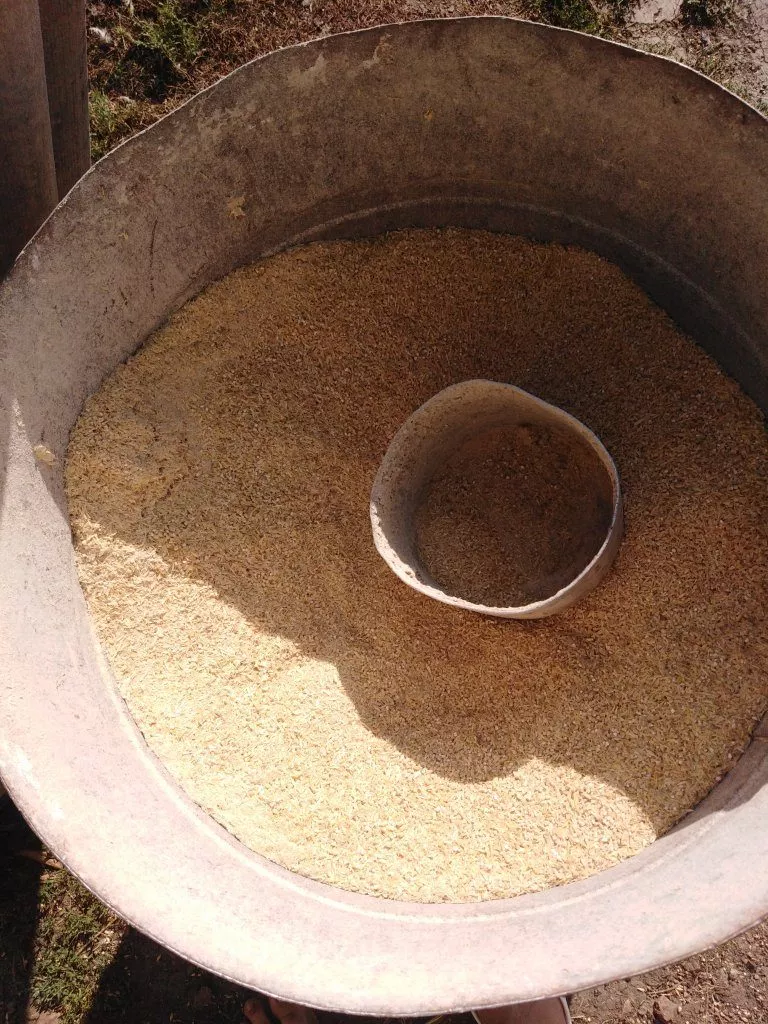
Since autumn, we've been purchasing dry pulp and cake. We're ordering a couple of trucks of wet beet pulp. We didn't make silage this year. Instead, we harvested a bountiful crop of carrots and beets, and stacked the dry corn in sheaves.
When you have a large vegetable garden and hayfields, feeding livestock isn't difficult. Most of the feed comes from these fields. The key is to stay focused and get everything done on time. But farming doesn't tolerate haste. A systematic, gradual feed preparation allows the animals to survive the winter and fall with a full diet, and we don't have to worry about vitamin and mineral deficiencies.