

How quickly summer flies! July is already halfway through. There's a ton of work to do in the garden! But the constant rains make it impossible to get anything done. We go to the dacha every day after work for a couple of hours. And then it starts raining. It might be cloudless and sunny all day, but just as we approach the dacha, clouds appear out of nowhere and it starts pouring. The berries are ripening, and we have to pick them in the rain.
There were three evenings of torrential rain, and our strawberry crop suffered. The berries were washed away, covered in mud, and some were rotting. It was too early to rejoice that there were plenty of strawberries this year; even the weevil didn't cause as much damage as the bad weather. But even in the downpour, we'll find work at the dacha—in the greenhouses, in the little house.
But I've strayed from the topic. In this post, I'll talk about carrots.
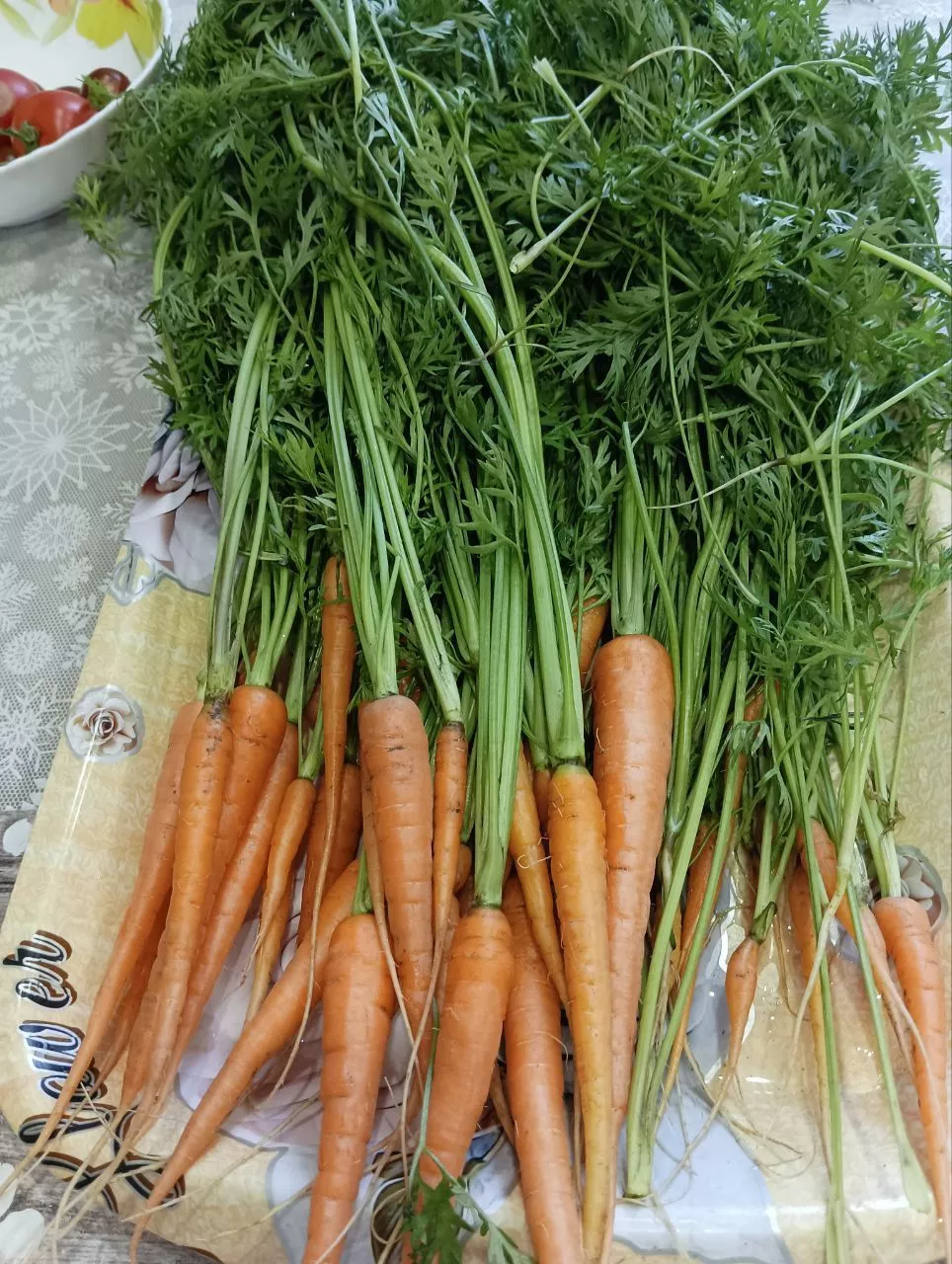
What varieties did I sow? Baltimore is a mid-season hybrid. The other varieties are also mid-season: Queen of Autumn, Autumn King, Losinoostrovskaya 13, and Shantane 2461.
I planted three beds, two rows each. This was my first time planting like this. Usually, we'd fence the beds with boards and plant three rows per bed. It was a bit of a hassle to thin the carrots; the middle row was a bit hard to reach. Now it's much easier; we've widened the spaces between the beds and arranged them in a south-to-north orientation.
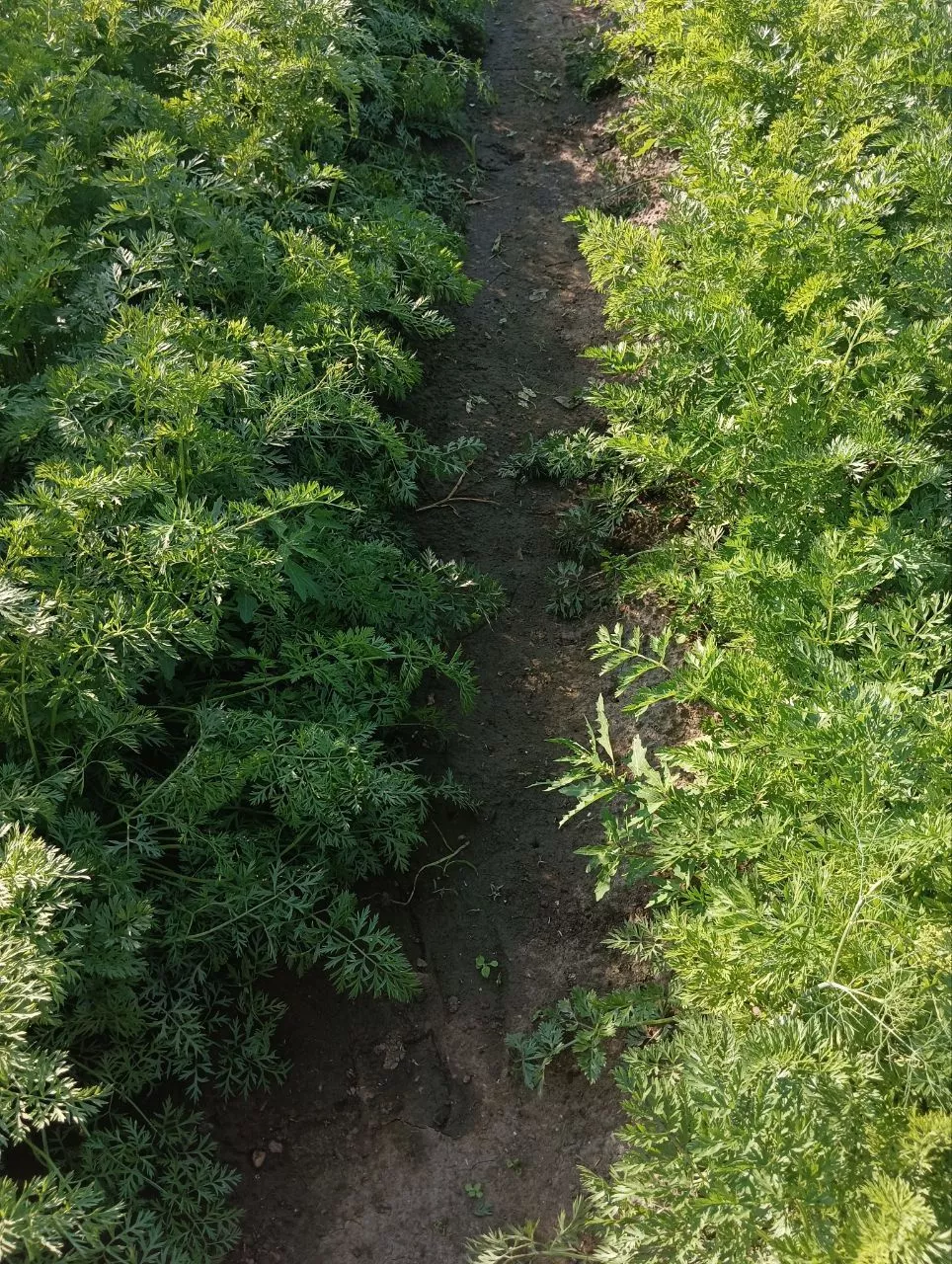
I sowed carrots late, at the end of May. I tried to sow sparingly, but at first it seemed like the carrots weren't sprouting well. There were some empty spots, so I sowed seeds into those gaps. As usual, I didn't thin out the excess seedlings the first time; I ran out of time. So, in mid-July, I finally decided to go through the carrot beds and remove the excess. The rain had temporarily stopped, so I needed to take advantage of the moist soil to thin the carrots and feed them to boost root production.
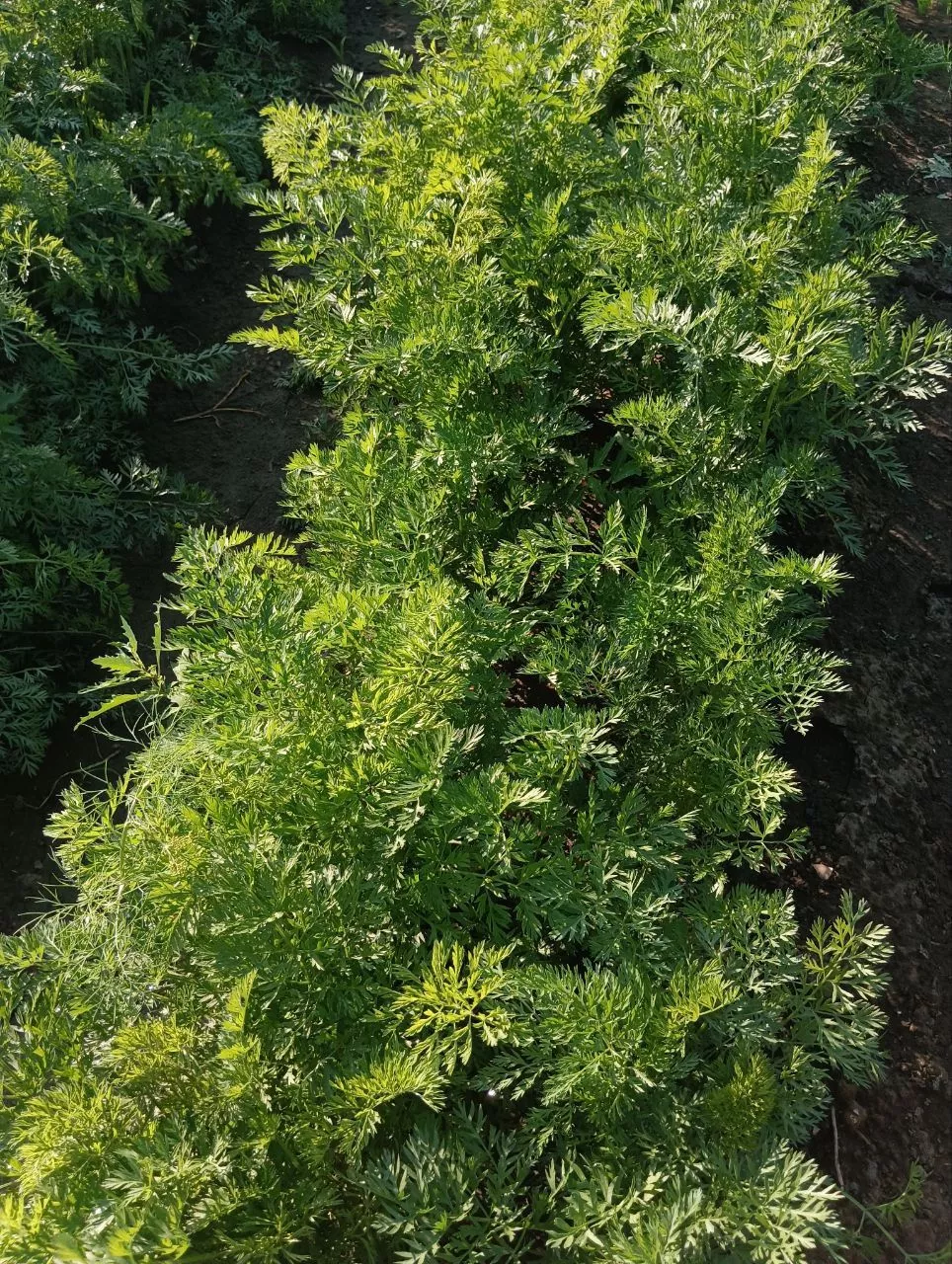
Our carrots are growing well, the tops are healthy and green, and the roots are ready to be pulled out.
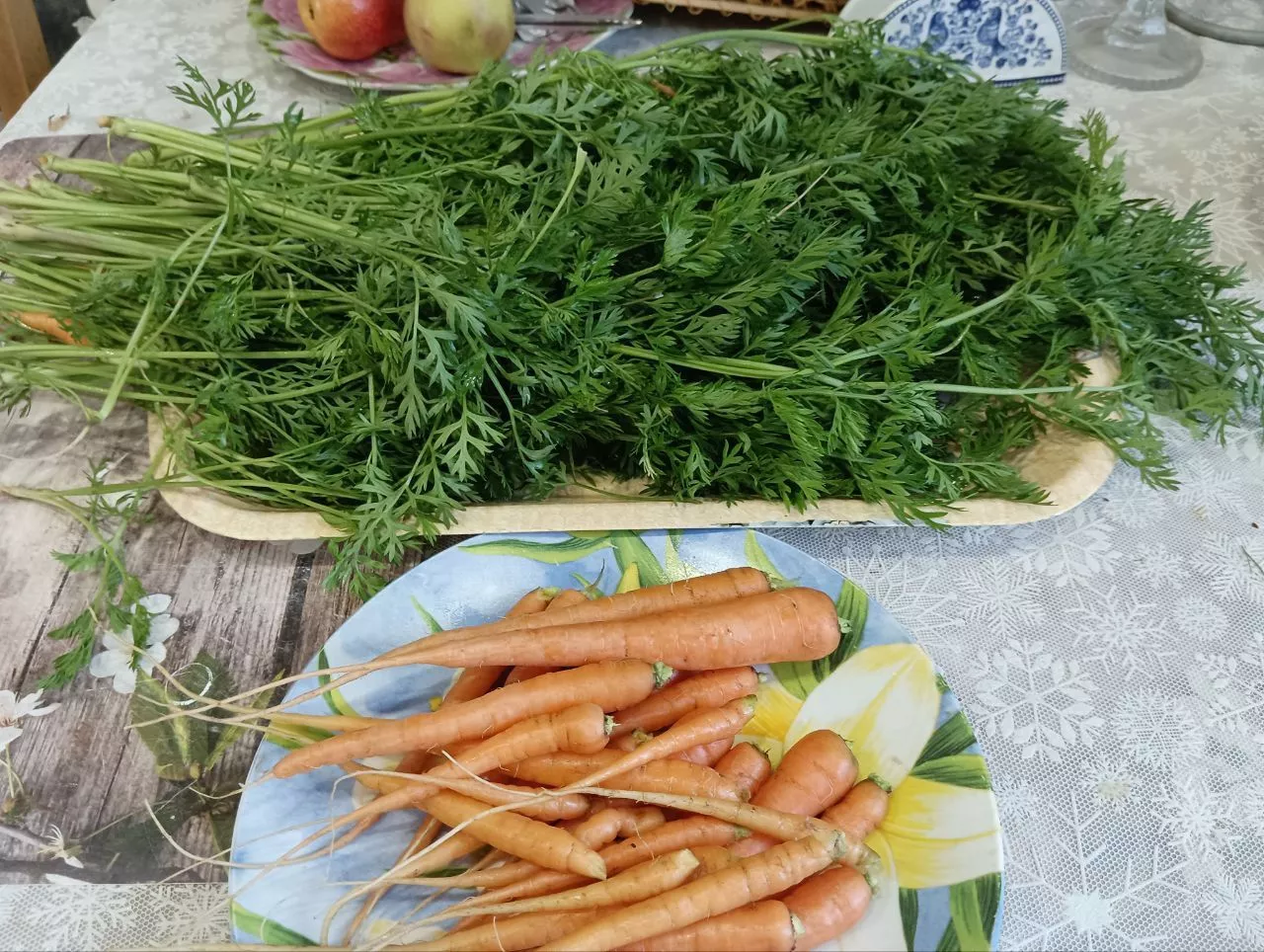
There are no pests present. But you need to be vigilant; carrot flies are lurking nearby. Last year, our carrots suffered from them.
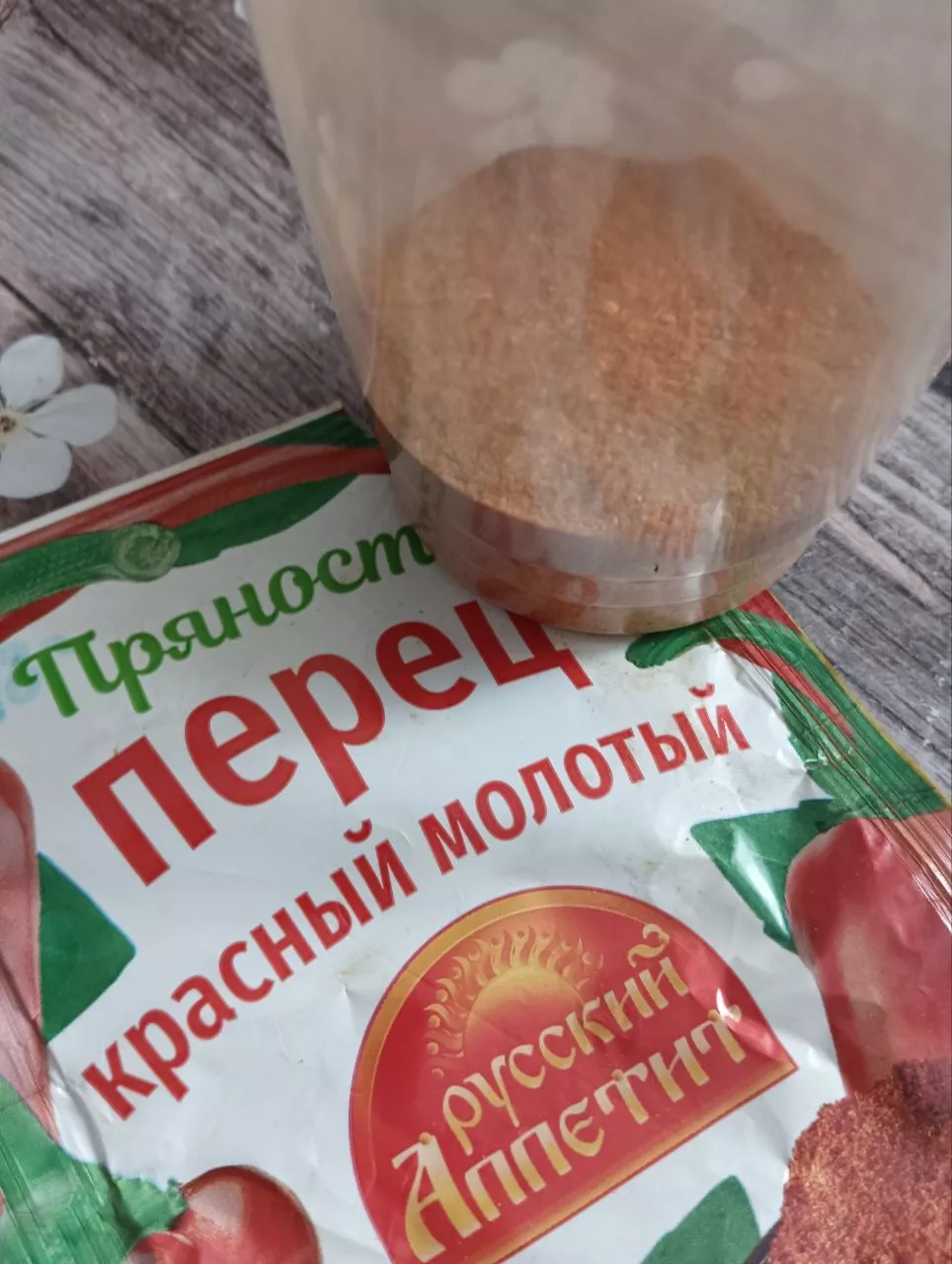
Therefore, before thinning out the excess sprouts, I sprayed the beds with a solution of red hot pepper (1 tbsp per 10 liters of water).
When I thin it out, I cover the holes from the pulled out root crop with soil.
After thinning, it's recommended to water carrots with a solution of potassium permanganate and boric acid: 2-3 grams of potassium permanganate and 2-3 grams of boric acid per 10 liters of water. This will protect against pests and provide potassium and boron. I decided to give it a try; I read online that this type of watering after thinning protects carrots from carrot fly.
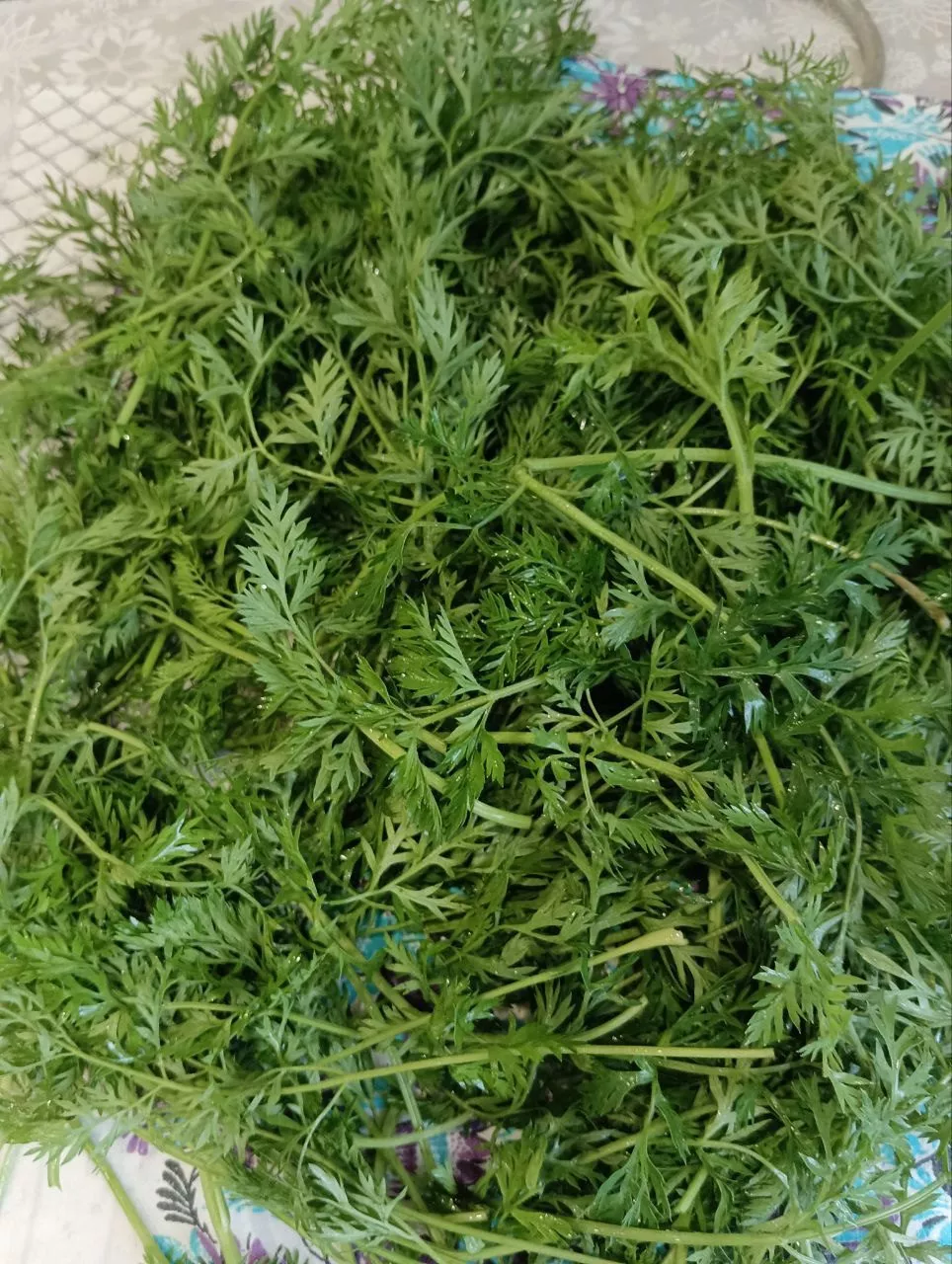
And be sure to remove carrot tops from the carrot bed. The scent of carrot tops left near the plantings attracts this insidious fly.
We applied the first nitrogen fertilizer as soon as our seedlings had grown. We watered them with fermented grass and added compost.
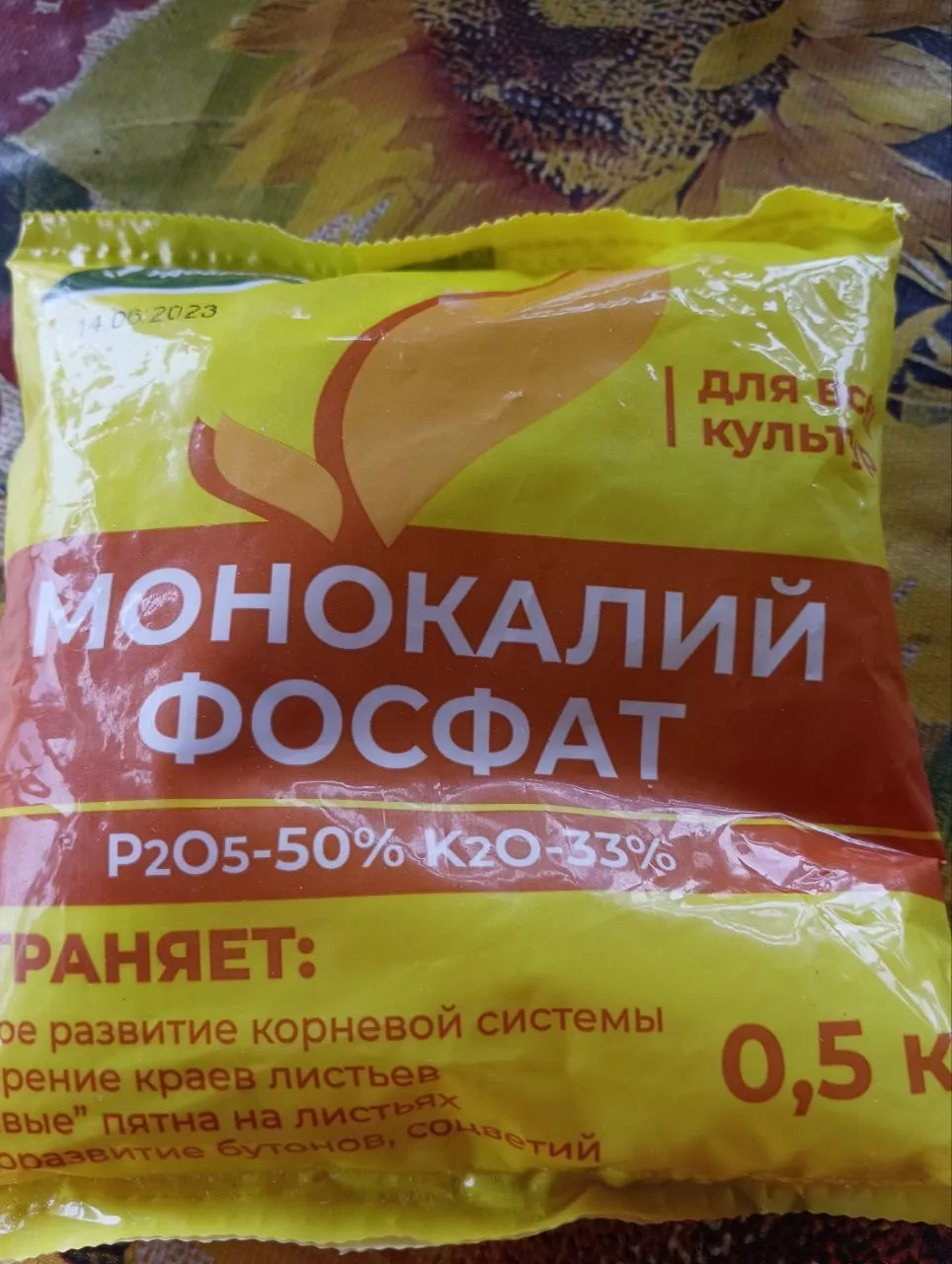
Usually, the second feeding was an ash solution. But this year, I decided to feed with monopotassium phosphate—to feed, dissolve a tablespoon in 10 liters of water and pour it over the damp soil.
Well, I think you can add some ash under the carrots. Wood ash Rich in potassium, phosphorus, magnesium, and other microelements, ash alkalizes the soil, making it looser.
Ash fertilizer improves the quality of root vegetables. They develop well, become large, sweet, juicy, and bright, and will store well.
You can make a solution like this: dilute 1 cup of ash in 10 liters of water. Mix well and water it on the damp soil under the roots.
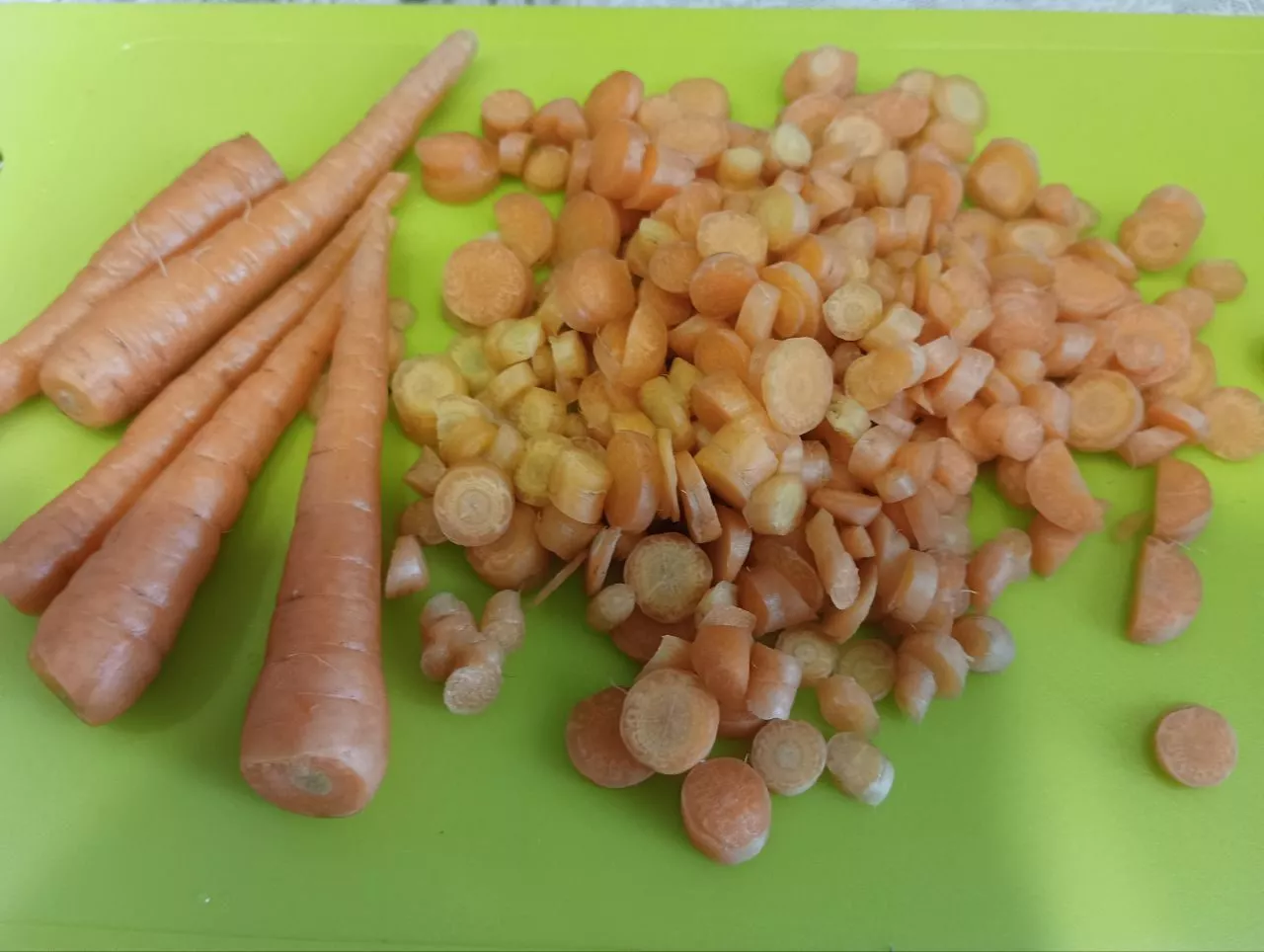
I didn't throw away the extra carrots I pulled out.
I picked off the root vegetables, they will be used for food.
I'll use the greens to make soup and seasoning. I'll dry them, freeze them, and use them in the winter.