

We don't sow dill in our garden beds. It grows spontaneously throughout our dacha, wherever it feels like it. We remove it from the beds and flower beds, leaving it where it doesn't get in the way. It grows, forming umbels with seeds. We collect the ripe seeds for pickling cabbage and making medicine. The remaining seeds scatter, carried by the wind, and young dill sprouts in the spring. This year, I left some wild dill between the carrots and potatoes. Weeds need to be pulled out of the dill thickets.
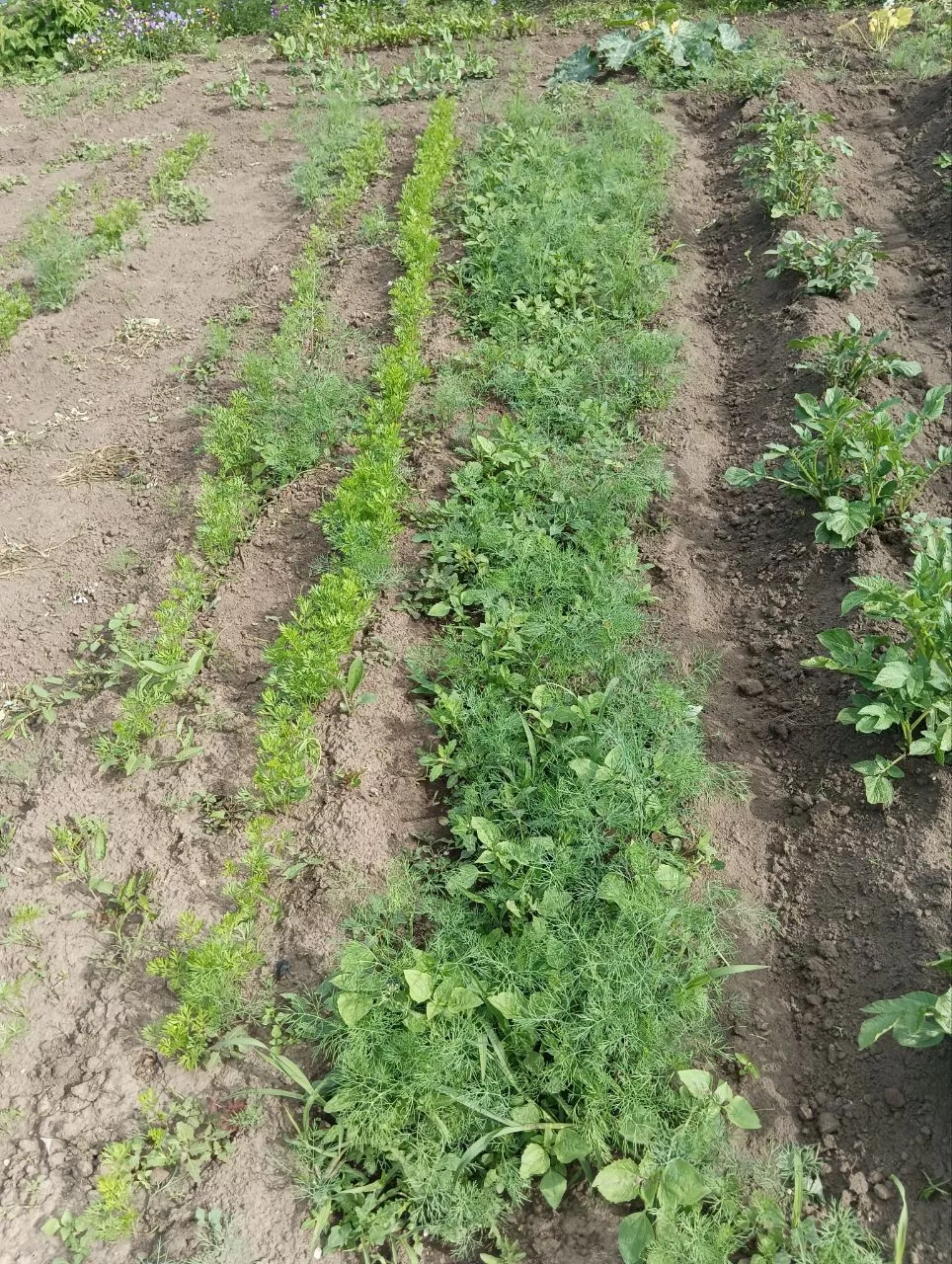
And dill grows on potatoes before hilling.
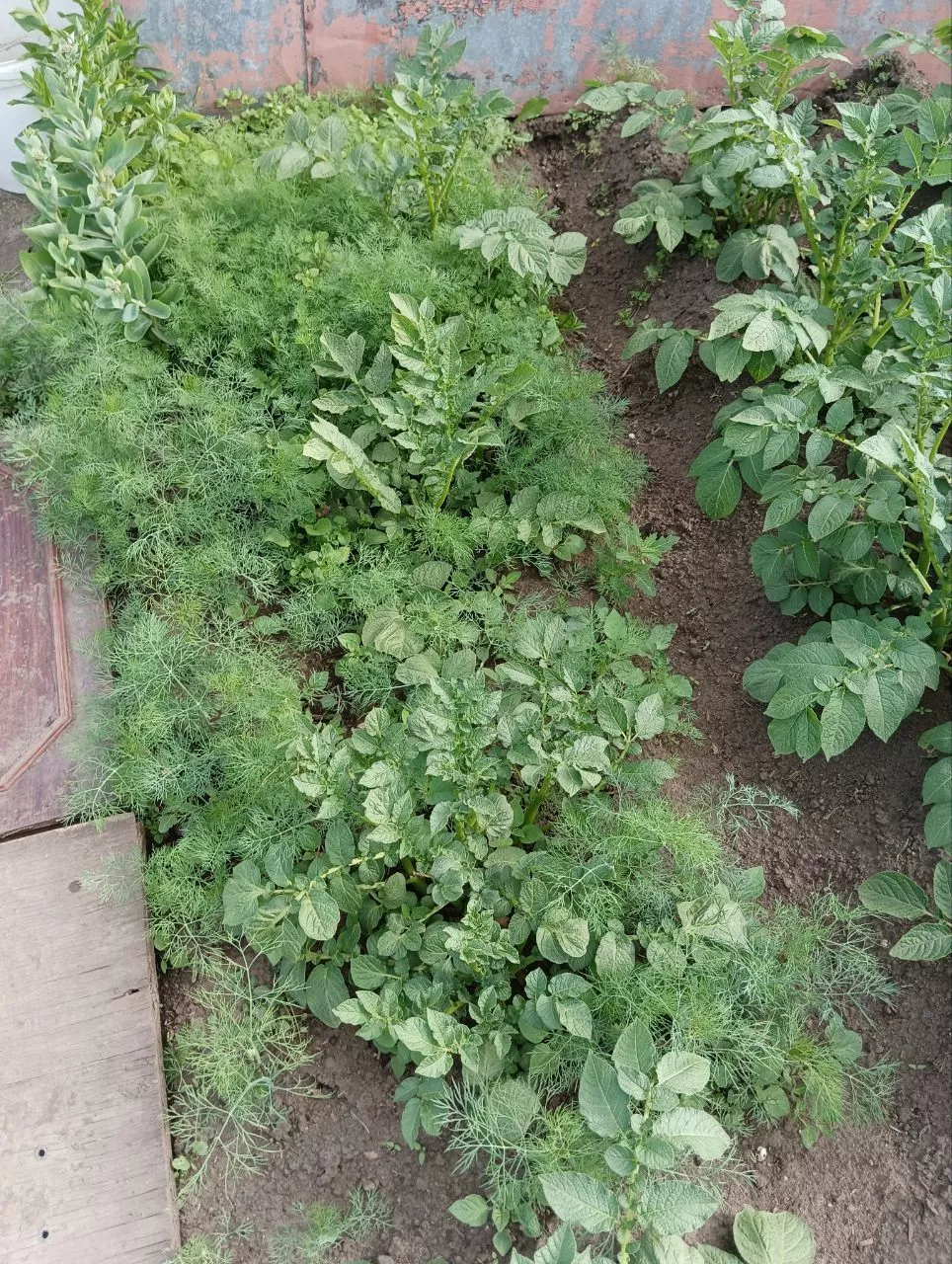 Before hilling the potatoes, we pull out young dill by the roots. And in June, we have a sea of fragrant dill.
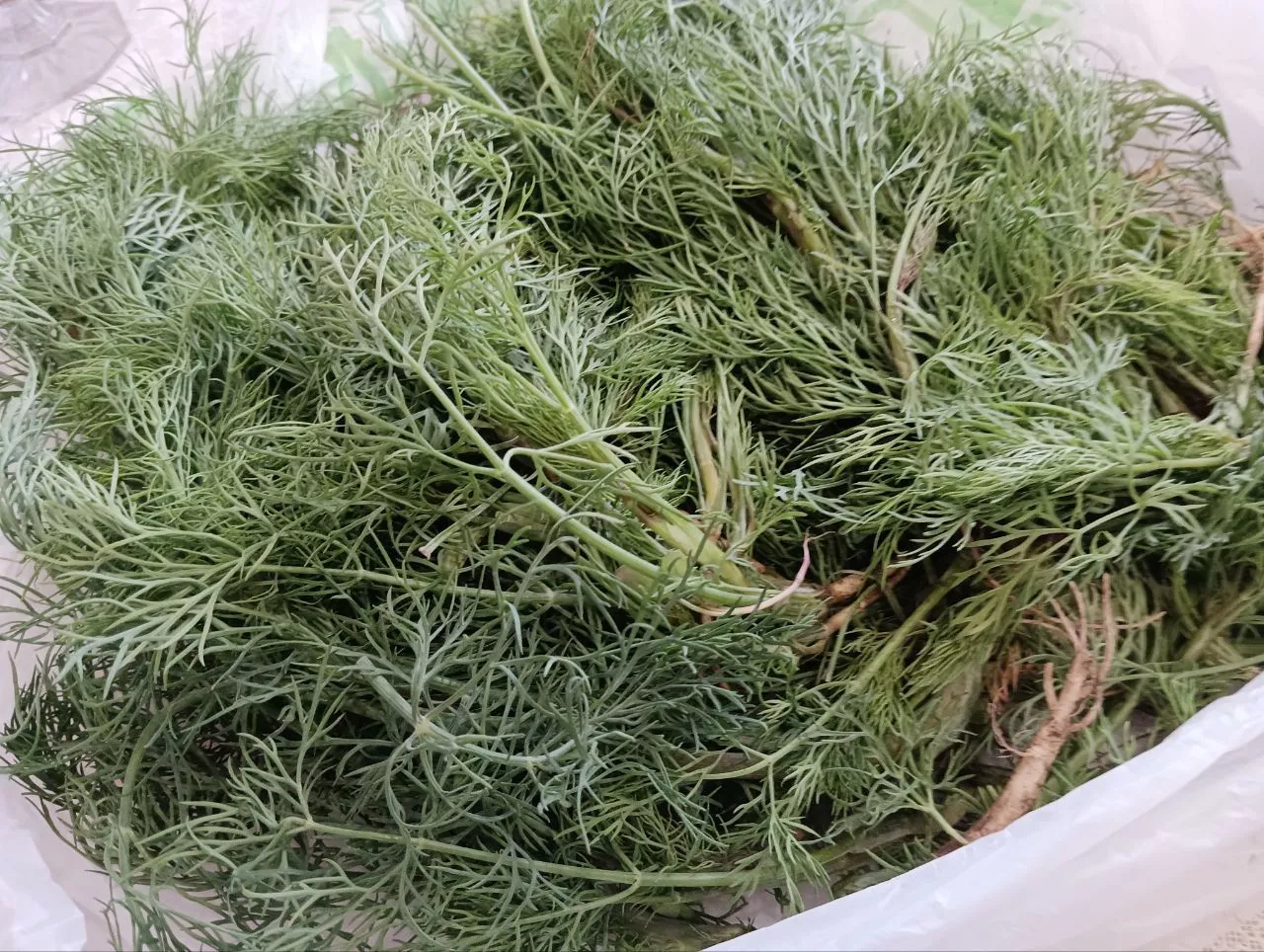
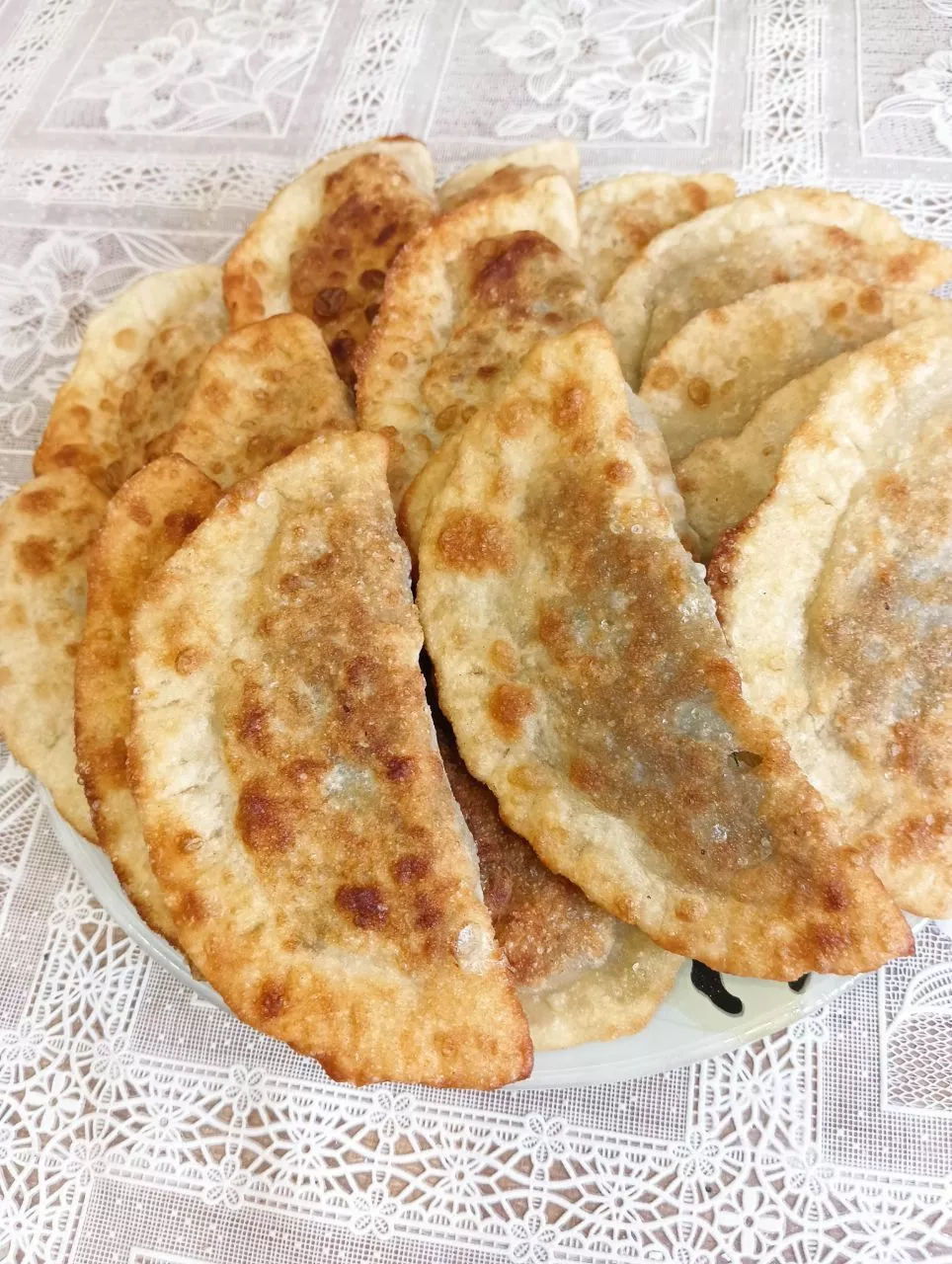
We give it to friends. We eat the tender, vitamin-rich greens, adding them to salads and soups. We make light chebureki pies with dill and other herbs.
We dry dill and freeze it for the winter. We add the scapes to lightly salted cucumbers and marinades.
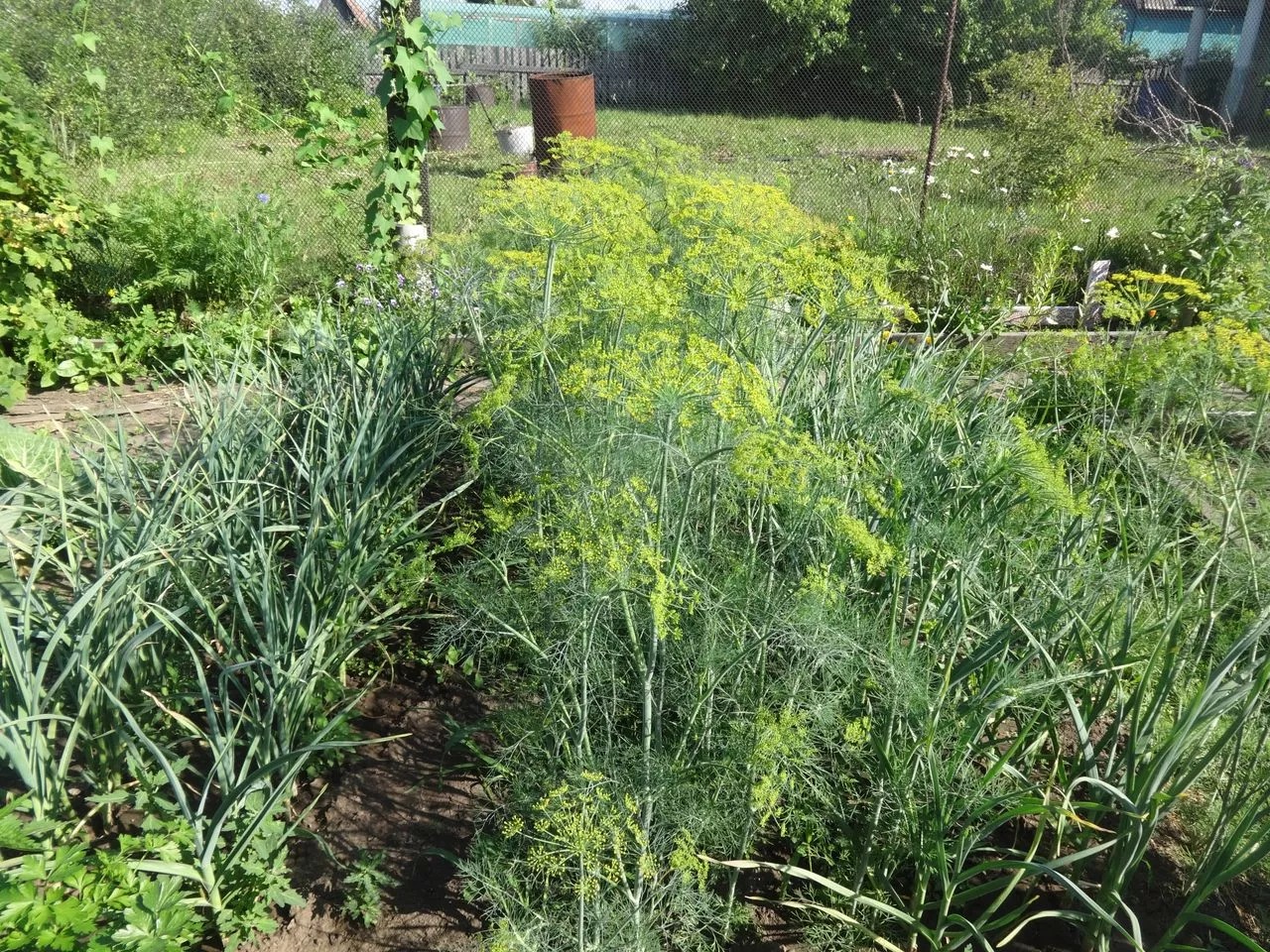
Young dill contains a large amount of vitamins and minerals essential to our bodies. The seeds are rich in acids and essential oils. Dill leaves and seeds are primarily used as a flavorful seasoning. However, dill is also used in folk medicine.
We never fertilize wild dill plantings; they grow on their own.
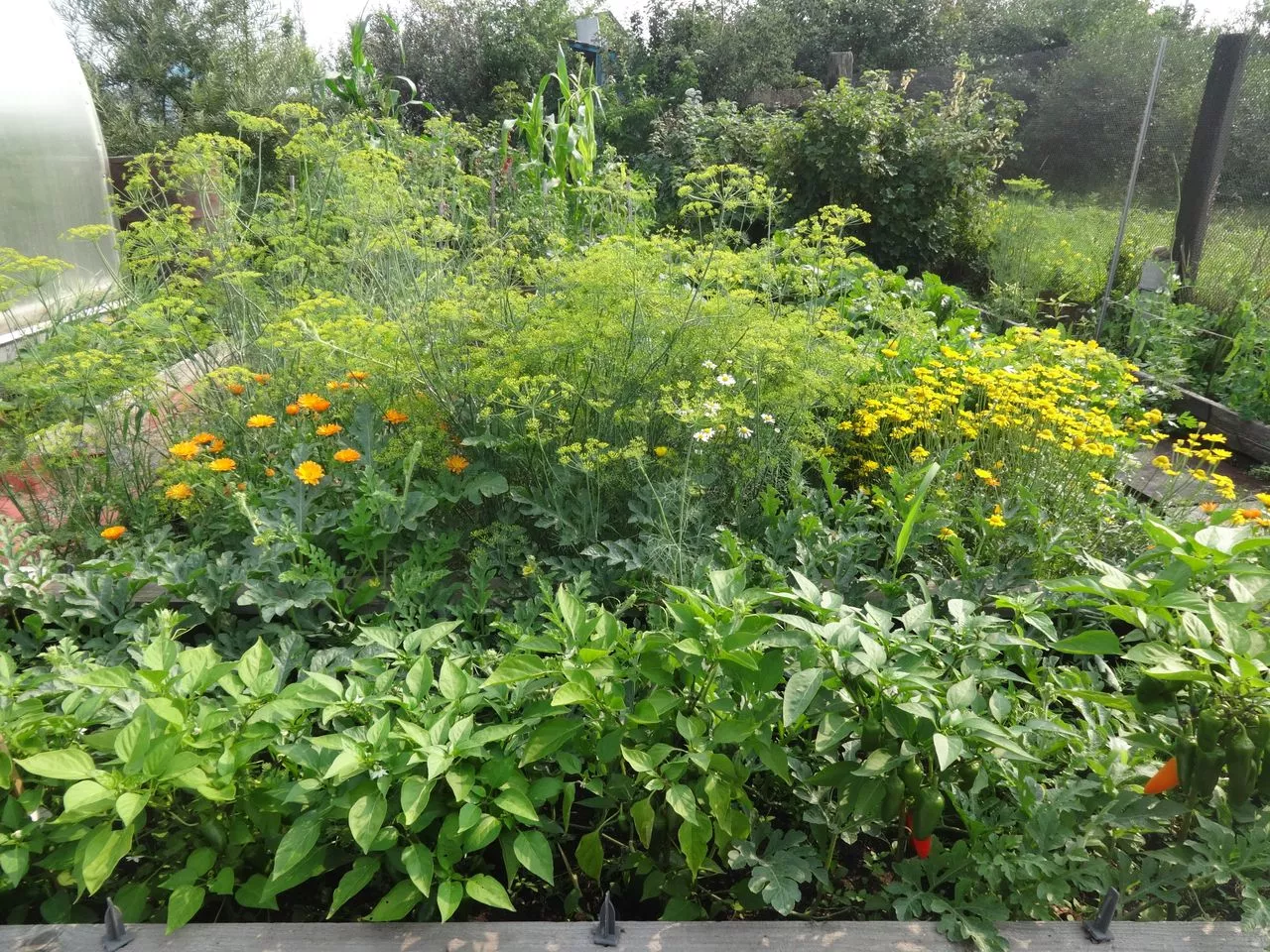
A friend of mine always wonders why this is. She sows dill in her garden bed, fertilizing the soil first. But the dill doesn't grow; it curls up, or gets attacked by aphids. But we have plenty of it without any hassle. It sprouts all summer long, but as autumn approaches, there's not as much greenery as in summer, mostly just dill with umbels. Sometimes I wonder if I should sow dill seeds for greens towards the end of summer?