

Beets, like onions, garlic, and carrots, grow in every garden. I always thought this root vegetable was the most unpretentious—no diseases or pests. They're not like onions or carrots, though—onion flies and carrot flies can infest them, and to avoid losing a harvest, you need to be vigilant.
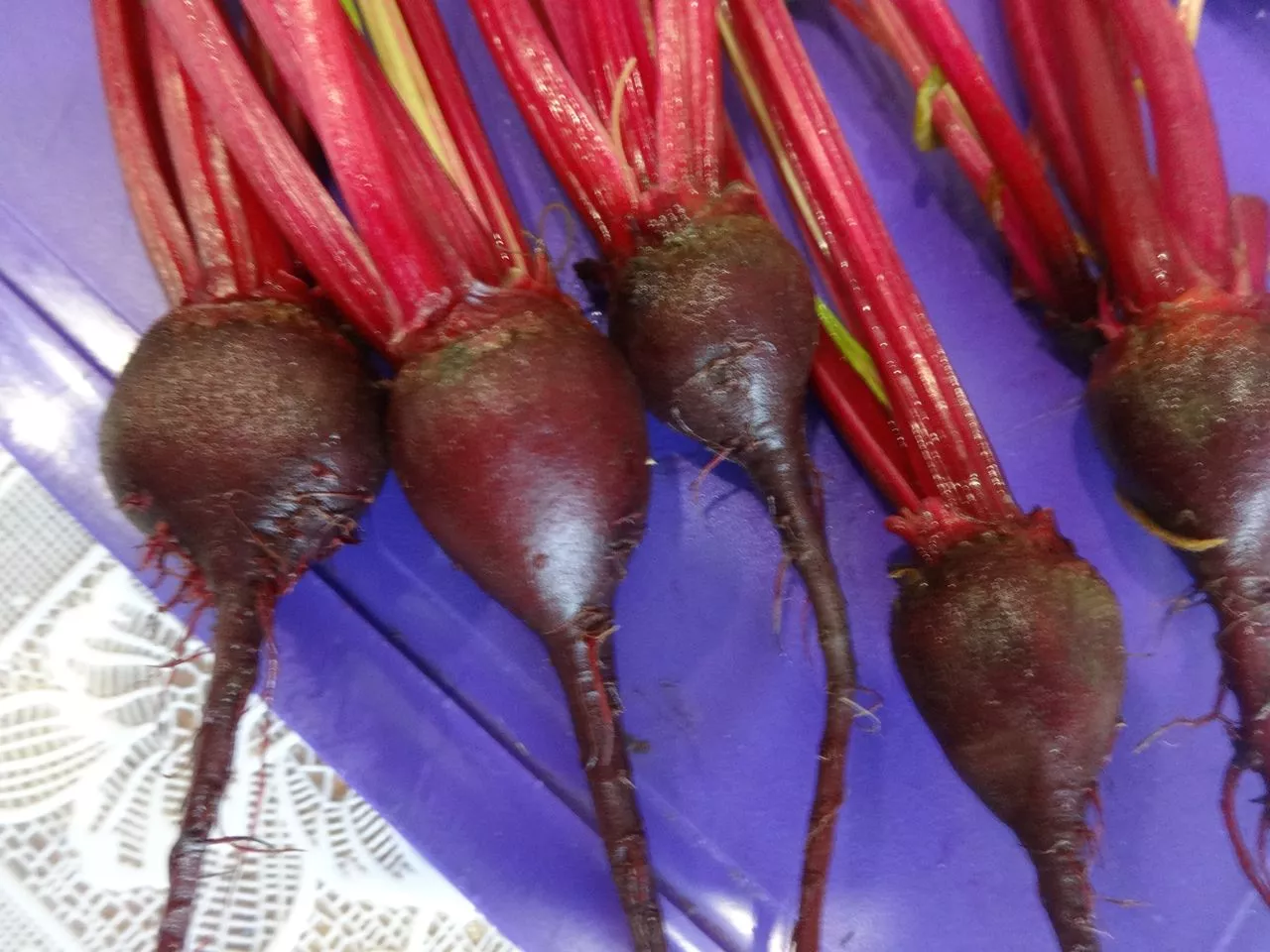
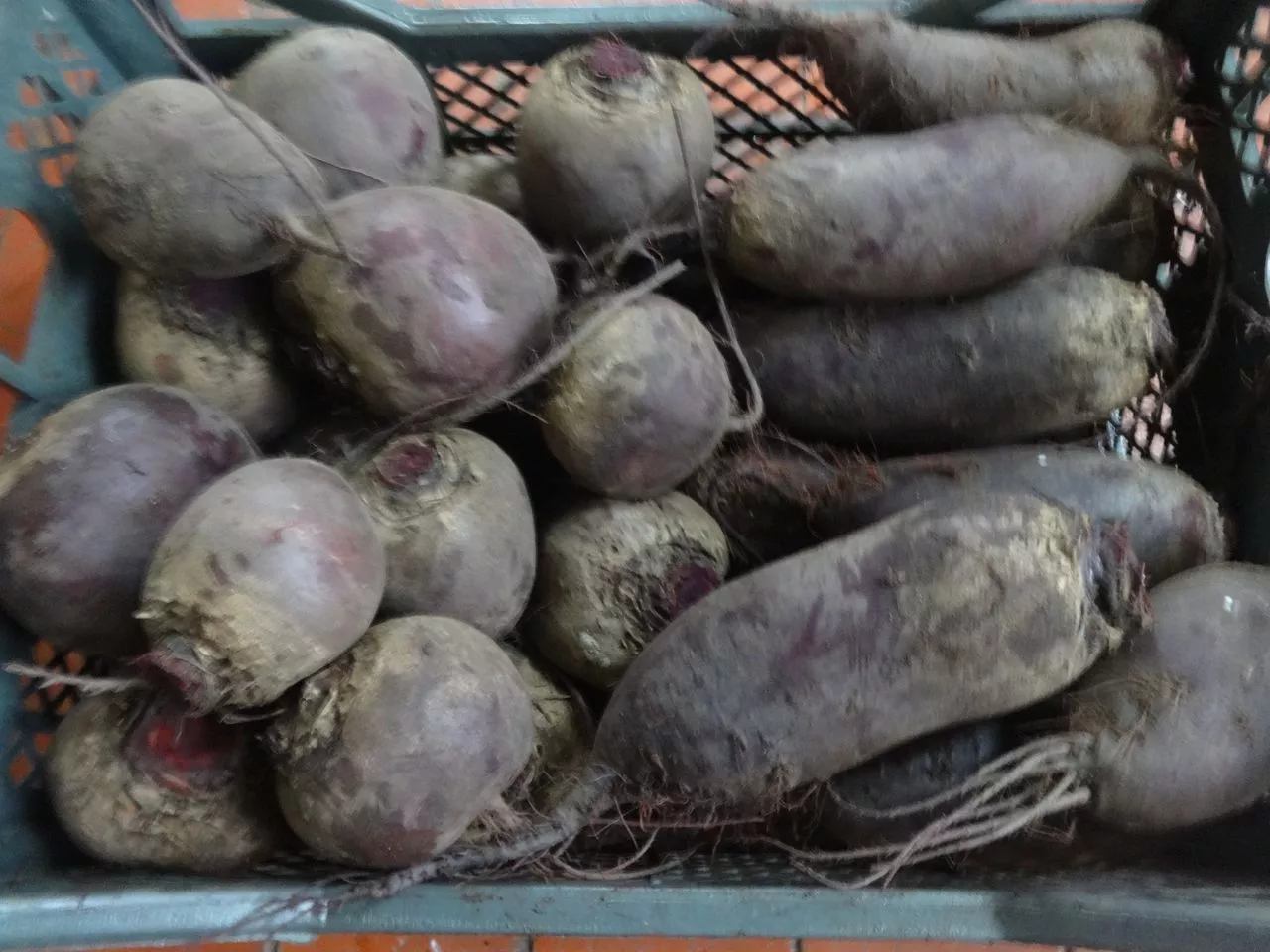
Beets, on the other hand, are a completely different matter—sow them in the spring, thin out the seedlings, and they grow on their own. You don't even need to fertilize them, just remember to water them. The leaves are always green, spotless, and the beets grow beautifully, juicy, smooth, and round.
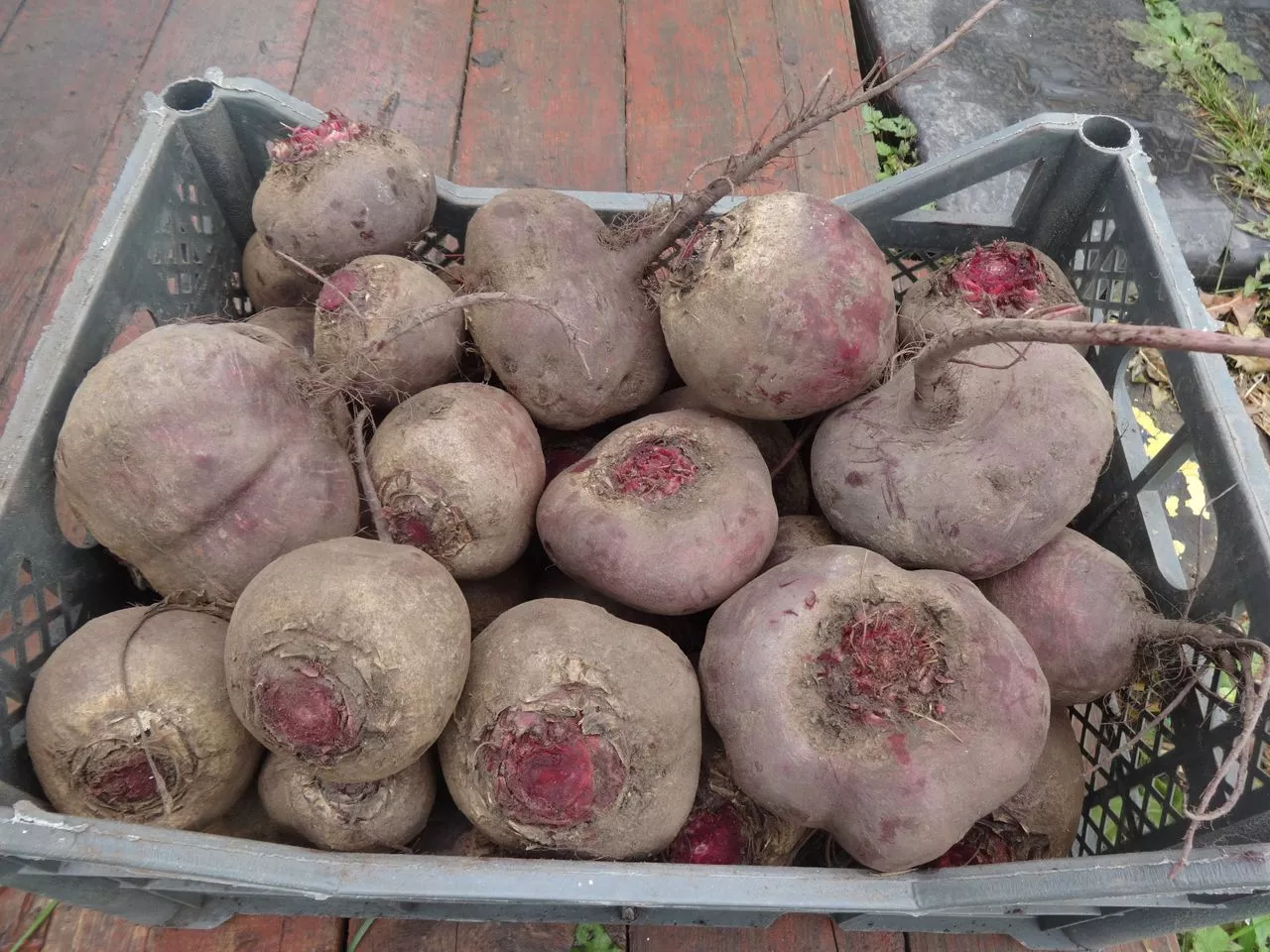
I always try to sow the seeds thickly to avoid huge root crops. Of course, I then thin out the seedlings and add the young sprouts to salads.
In the spring, I sowed beets in two stages: in early May for summer use and at the end of the month for winter storage. All the seeds sprouted well, and the seedlings developed normally.
It rained all June, and it was very cool. We practically didn't water the beets. I pulled out the weeds and loosened the soil a few times, but I didn't notice anything unusual. There were some light spots on some of the leaves (such spots were on the spinach and pumpkin). I thought my husband had watered the leaves again with a watering can when the sun was shining brightly.
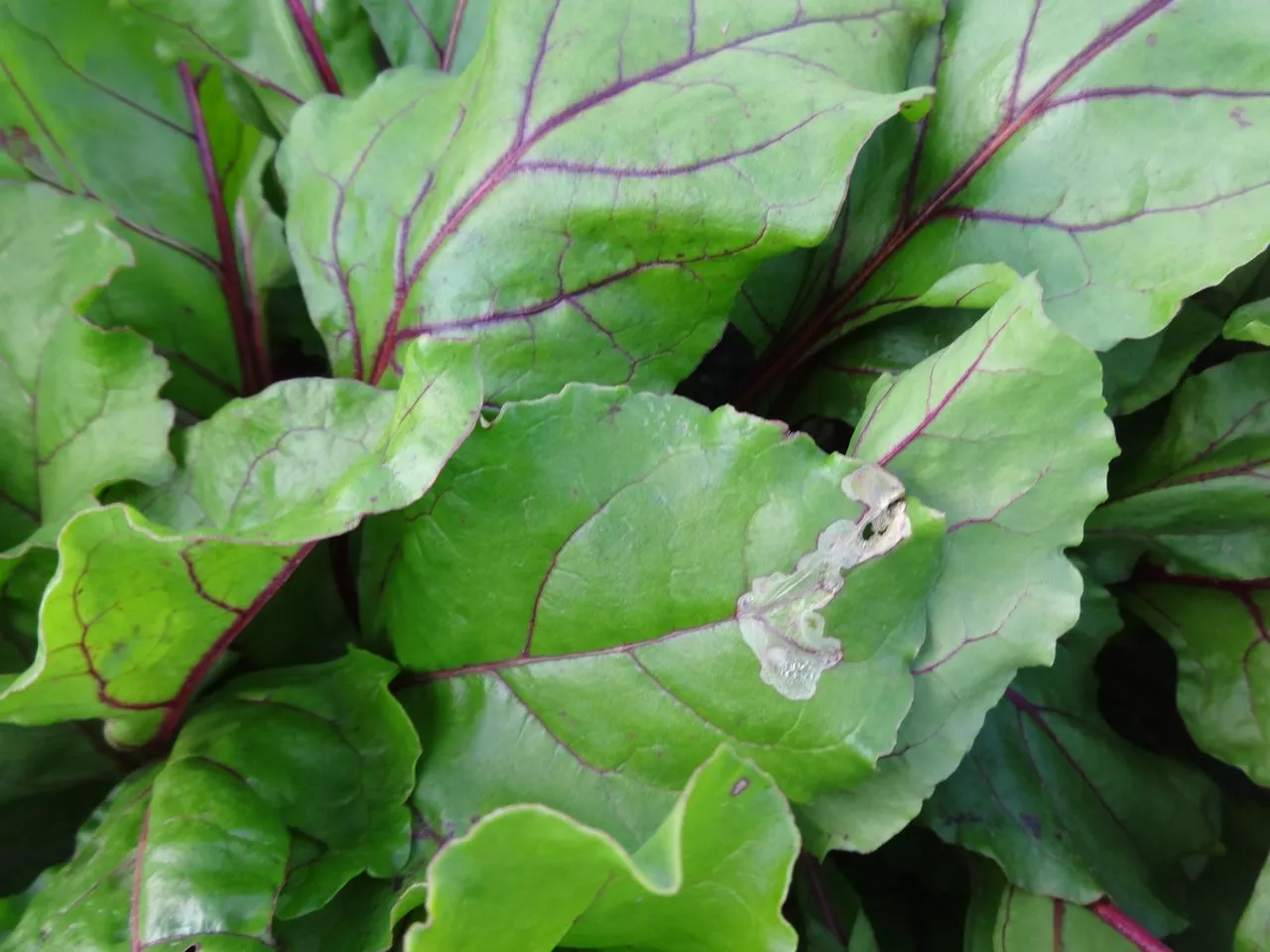
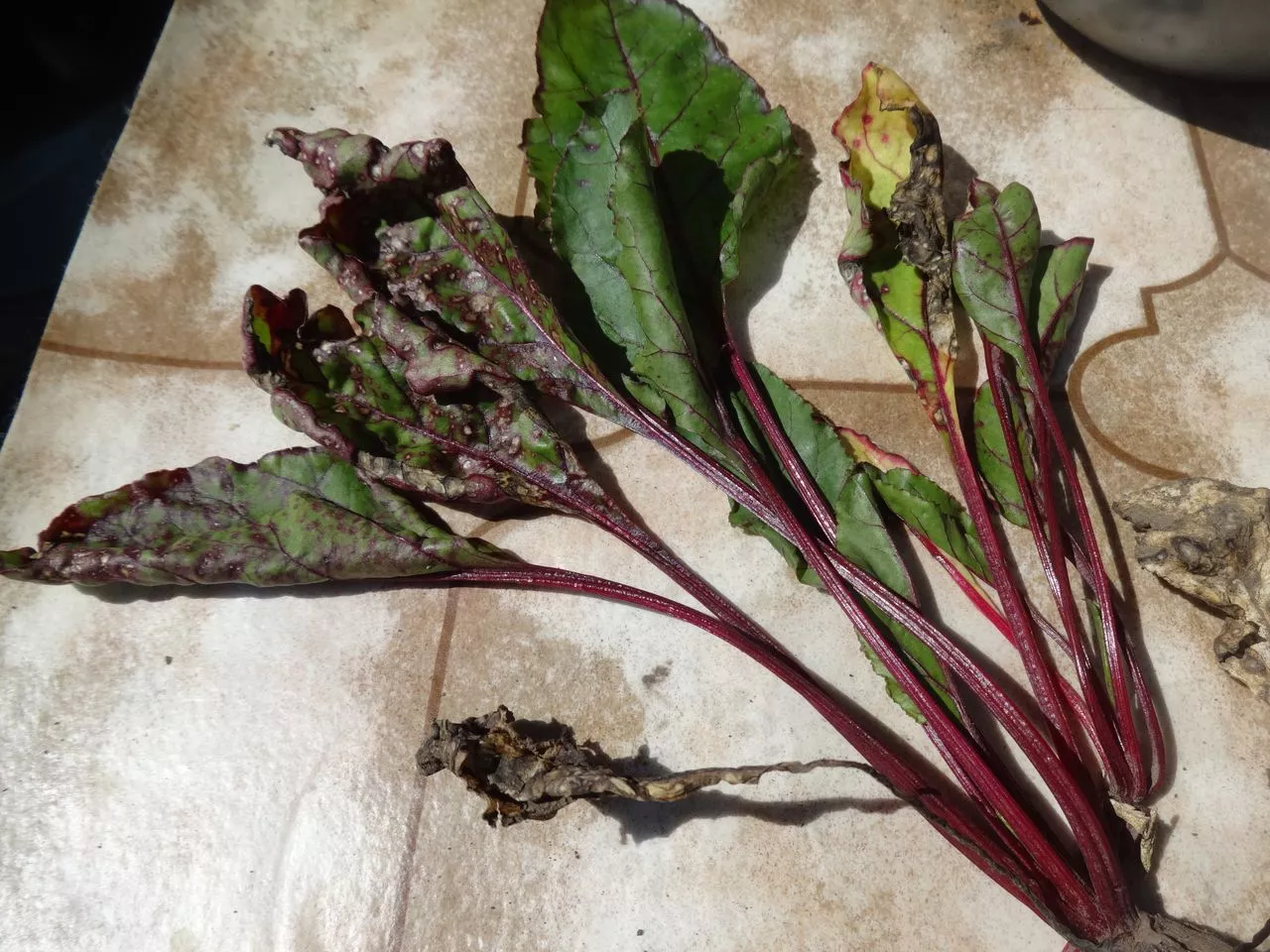
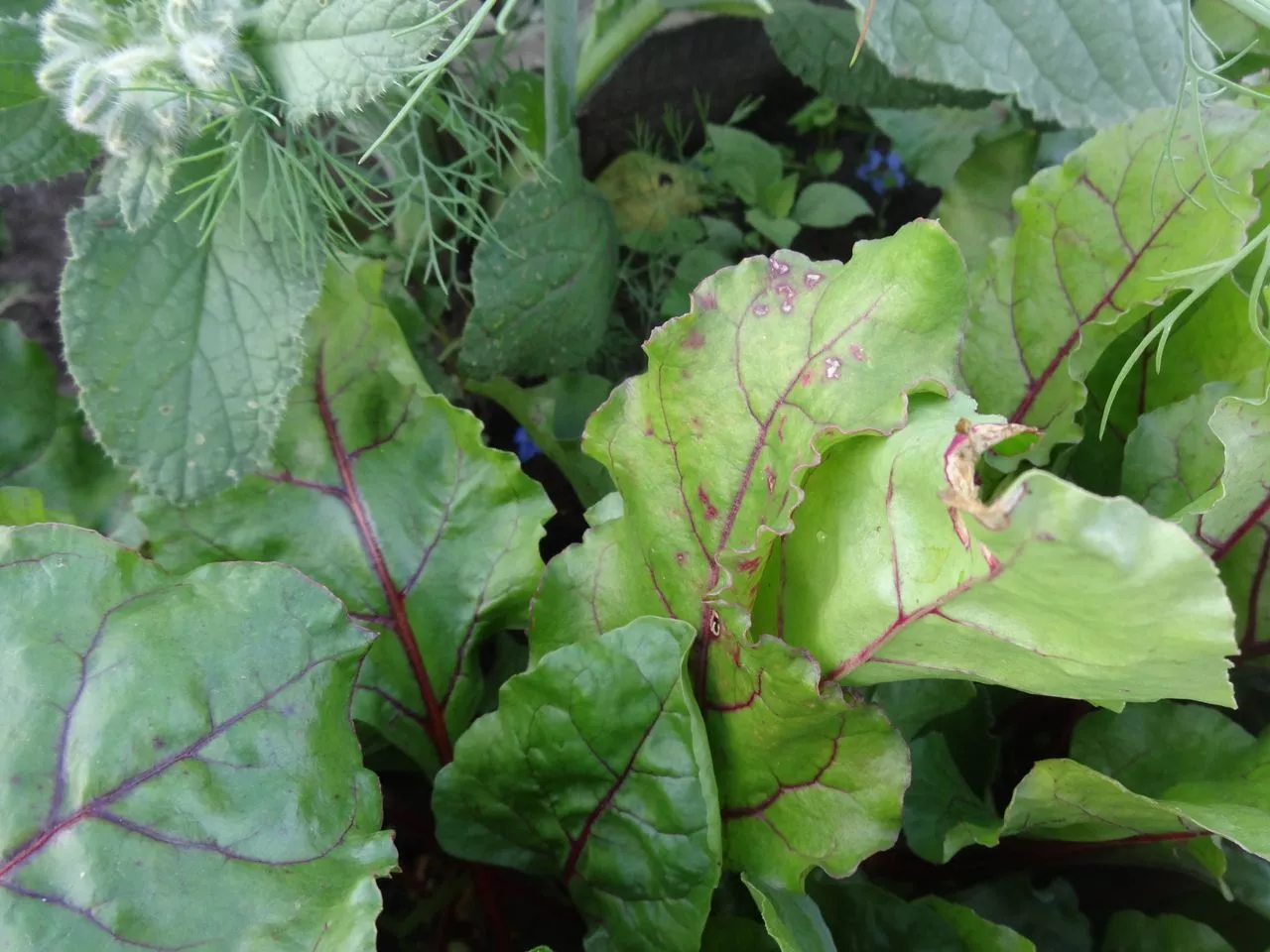
A neighbor was the first to raise the alarm. She said something terrible was happening to her beetroot: the leaves were covered in reddish-brown spots, curling inward, and the lower leaves were rotting and drying out. This is what the diseased beetroot sprouts look like.
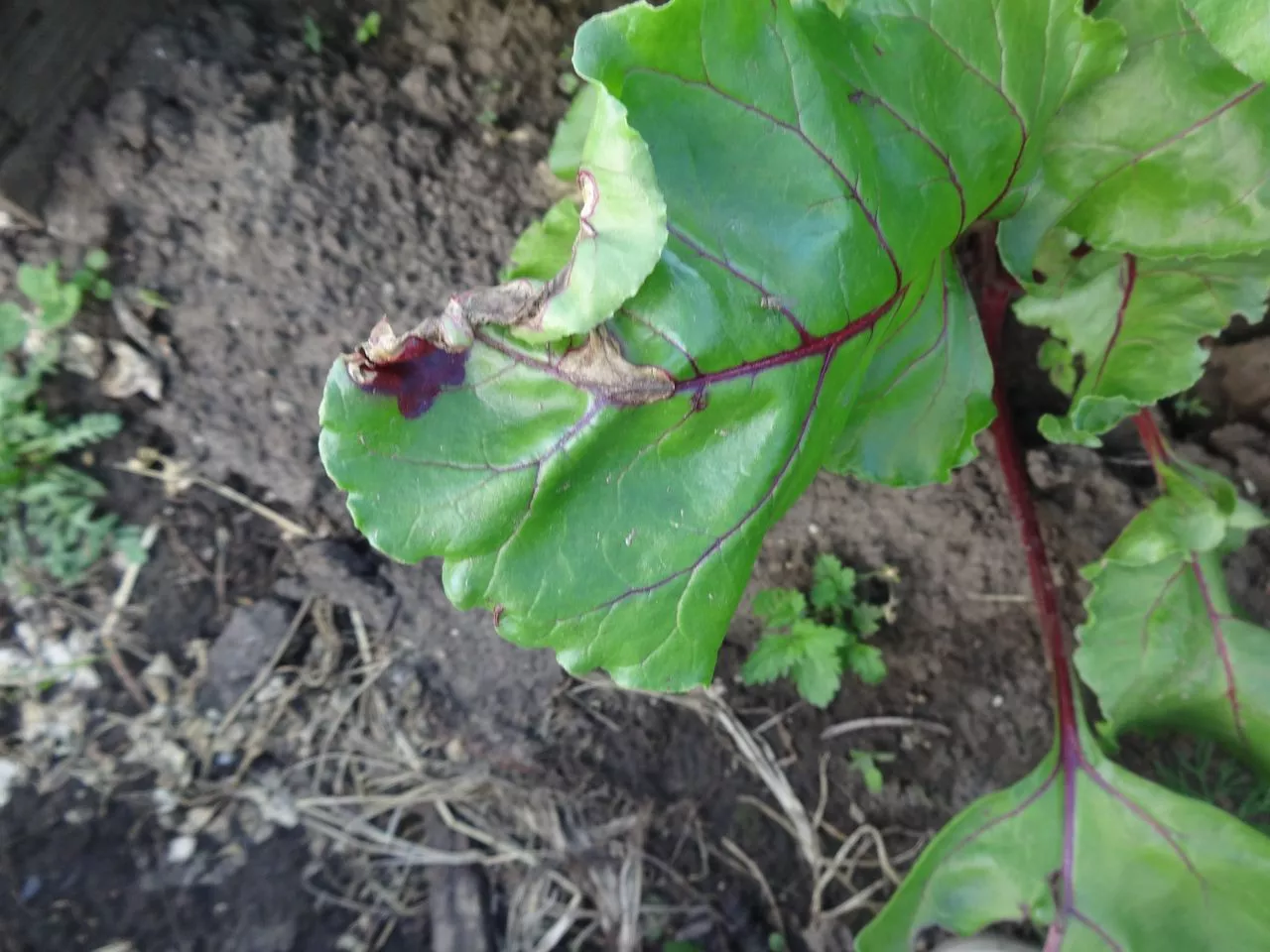
I inspected my beets; I had a few spots on the leaves, too, but overall, everything looked more or less OK. My beets had spots like these.
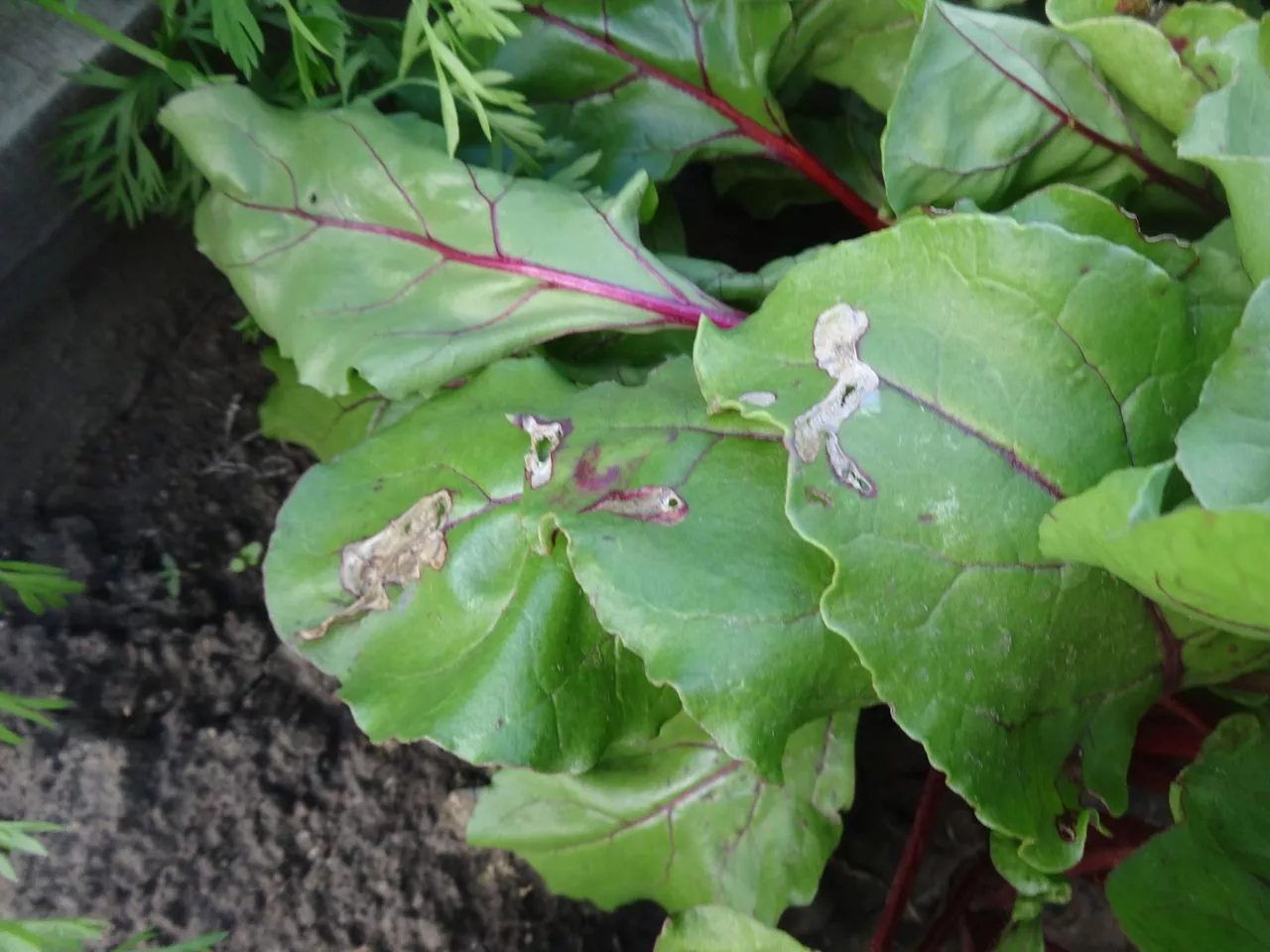
I plucked off all the damaged leaves, loosened the soil, and sprinkled ash under the bushes. I decided to find out what was causing the spots on the leaves and why my neighbor's beets were failing. I also wanted to know what diseases beets can suffer from, what pests they have, and how to properly care for this root vegetable. Here's what I learned.
How to grow beets correctly?
Beetroot requires nutritious and loose soil—we always add humus or compost to the soil. To ensure it's not acidic, we add wood ash. In the fall or early spring, we spread dolomite flour in the garden. So, our soil is perfectly suitable for growing table beets.
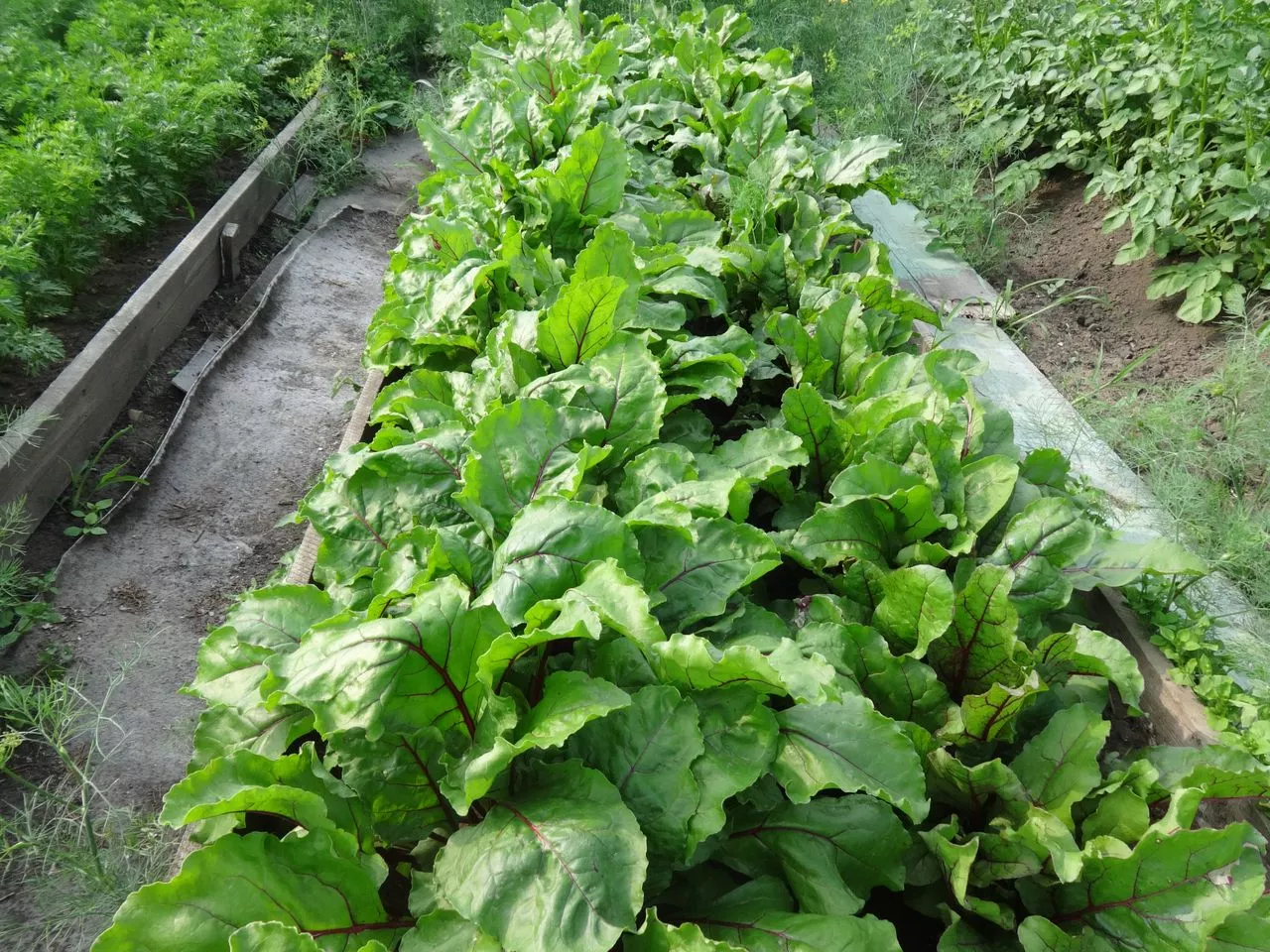
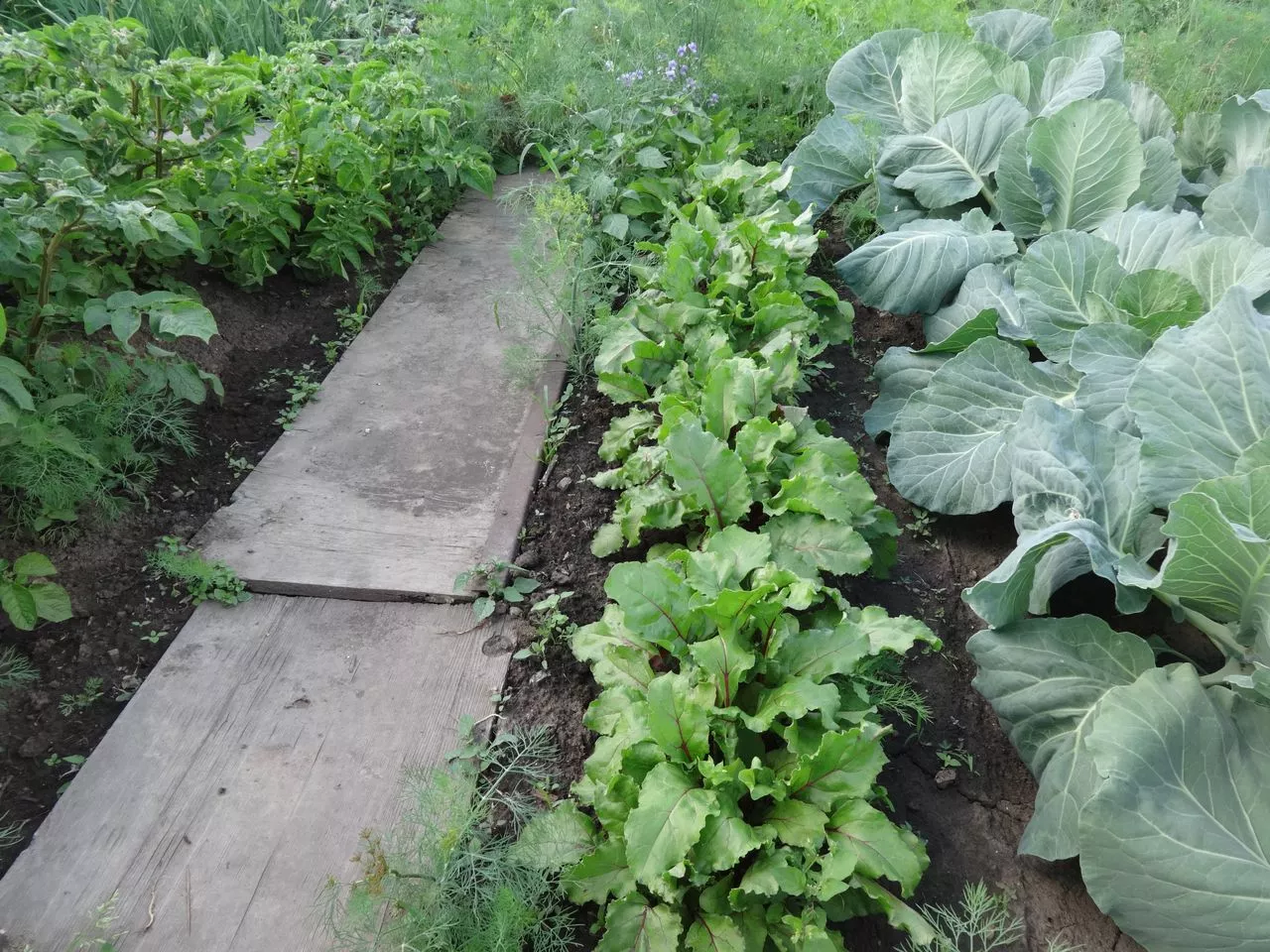
I sometimes sow beets in a separate bed, sometimes along a path, at the edges of other beds, for example, near early cabbage or potatoes, in sunny places.
I've never disinfected or tested seeds for germination before planting. This procedure is recommended: soak the seeds in salt water to test for germination, remove any that float to the surface, then soak them in a pink solution of potassium permanganate and treat them with a growth stimulant.
It's best to sow beets in beds where vegetables such as potatoes, peas, beans, cucumbers, pumpkins, onions, and garlic were grown last year. It's not recommended to grow beets in the same bed for several years in a row; it's better to plant them in a new location each year.
This tasty root vegetable should be sown in warm soil; the seeds may rot in unheated, wet soil. Once the seedlings emerge, water them with warm water. Alternate watering with loosening the soil. Loosen the soil carefully to avoid damaging the roots.
If beets are sown densely, thinning should be done twice per season to ensure that each sprout has enough space to develop its root crop.
If beets are lagging behind in growth and developing poorly, they need to be fertilized. Water them with an infusion of fermented grass or yeast infusions. Add a cup of ash to the water, or sprinkle ash under the beetroot bushes. Loosen the soil, and then water the plants. For faster growth, it's also recommended to apply a complex fertilizer according to the instructions.
To increase the sugar content of root vegetables, it is recommended to water beetroot 2-3 times per season with a weak salt solution - dissolve 1 tablespoon of table salt in 10 liters of water.
What diseases does beetroot have?
It turns out that the culture has many diseases.
Powdery mildew
The most common beet disease appears in the second half of summer. A powdery white coating forms on the leaves, which eventually thickens and covers the entire leaf blade, developing black spots that spread to the stems and roots. The leaves quickly age and die, the plant's nutrition deteriorates, and the roots grow poorly, with reduced sugar content.
The source of infection is seeds and plant debris. Treatment is carried out with fungicides at the first signs of powdery mildew.
Beet rust
The disease manifests itself as early as spring, with raised orange spots and reddish-brown pads appearing on the leaves, followed later by black spots. Beet rust develops in warm, humid weather. As the plant ripens, fungal spores rupture the leaf tissue, weakening the plant, reducing nutrient supply to the root, and causing the beets to develop poorly and become small.
Treatment involves treating seeds, leaves and roots with fungicidal preparations.
Downy mildew (peronosporosis)
Downy mildew causes beet leaves to turn yellow and dry out, the edges of the leaf blade curl downward, the leaflets become compacted, turn light green, and crumble in hot weather. A little later, the leaflets rot or dry out. In damp weather, a purple-gray coating appears on the underside of the leaf.
In the early stages of the disease, 30-40% of plants die. As the disease progresses, root weight decreases, and beets rot during storage.
Rainy, cool weather favors the development of downy mildew. The disease is transmitted through seeds, plant debris, and parent roots.
To prevent downy mildew, it is necessary to disinfect the seed material and spray the beets with special preparations during the growing season.
Alternaria
Alternaria leaf spot develops on the lower, older leaves of beets. Initially, irregularly shaped brown, almost black spots appear on the leaf tips, which then spread across the entire leaf into a continuous black coating. The leaves curl and die.
The disease rarely spreads to root crops, but if things get too bad, the beets begin to rot.
Occurs in cloudy weather. The source of infection is seeds and plant debris. Treat with fungicides according to the instructions.
Ramulariasis
Ramularia leaf spot manifests itself on mature plants. Round, dirty-green spots first appear on the leaves, then turn grayish-white, with a brownish-brown border visible around the spots. In damp weather, the spots also develop a grayish-white coating, and in hot weather, cracks and holes form in the leaves.
The disease becomes active in damp, cool weather, mainly on poor soils, with a lack of boron, manganese and other microelements in the soil.
Phoma (zonal spot)
The disease develops on mature plants in cool and rainy weather. With Phoma blight, round yellow and light brown spots (3-5 mm in diameter) appear on the lower leaves; these spots expand, causing the leaves to dry out.
Later in the disease's development, black spots appear on the spots, and necrotic brown spots with black spots appear on the leaf petioles. On root crops, this disease manifests itself in storage—the beets turn black inside, the flesh becomes hard, and cavities form.
The disease spreads through infected seeds and plant debris. To prevent the disease, treat seeds with Fundazol before sowing and burn infected leaves after harvesting.
Fusarium
Fusarium wilt causes leaves to turn yellow and wilt, along with petioles, and root crops are also damaged. As the disease progresses, the foliage either rots or dries out.
The fungus most often develops in acidic soils; if the disease occurs, it is necessary to spray the plantings with boric acid and remove rotten plants.
Cercospora leaf spot
Cercospora leaf spot is the most common disease of beetroot.
This disease manifests itself in late June or early July with the appearance of light gray, round spots on the leaves, 0.2-0.5 cm in diameter, with a reddish-brown border. As autumn approaches, the spots become smaller, turning into black dots, and spreading to the petioles. Gradually, the lower leaves die off, the spots spread to the middle leaves, while the young upper leaflets remain clear and green.
Warm, rainy weather favors the disease's development. At this time, a gray coating appears on the underside of the leaves. The red spots and coating depress the plants, and all their energy is spent on restoring the leaf blade. Fewer nutrients reach the roots, which impair their weight gain. Cercospora leaf spot can also penetrate the roots, resulting in poor storage of the beets.
The source of infection is seeds and plant debris.
When spots appear, feed the plants with ash or potassium chloride, spray with copper-containing preparations every 10 days, and treat with fungicides. As a preventative measure, treat the seeds before sowing.
Blackleg rootworm
This disease affects seedlings; the plant stems become thinner, turn black, and the seedlings turn yellow, fall over, and die.
Causes of the disease include heavy acidic soils, saline soils, infected seeds, temperature fluctuations, frost during germination, and over- or under-watering. There is no cure.
Beetroot mosaic
The viral disease mosaic manifests itself as lightened veins on the leaves, which appear to be covered with yellow speckles. Later, transparent light spots of varying sizes and shapes, along with water-soaked rings, appear. The leaf becomes pale, curls, deforms, and dies.
Mosaic disease is transmitted from diseased plants to healthy ones by insects such as aphids, bugs, and leafhoppers. This viral disease causes minor crop damage, but it still reduces the yield and quality of root crops.
Beet jaundice
Yellowing initially appears as yellowing of the leaf tip, spreading along the midribs and along the leaf margins. The leaf becomes thick and brittle. Brownish-red spots appear on older leaves.
Yellows is spread by aphids. This disease reduces beet yields by up to 40%.
Beetroot rhizomania
This is a dangerous beet disease that can completely destroy the crop. It is transmitted by a soil-borne fungus that inhabits the roots of beets. The pathogen can survive in the soil for many years.
Beets affected by this disease grow poorly, with low, wilted plants. Spots appear between the veins on the leaves, and the veins and leaves turn yellow and brown. The petioles elongate, and the leaves become pale yellow-green and take on an elongated, lanceolate shape.
The root vegetables fail to develop, are very small, and covered with fibrous, hard roots. These root vegetables do not store well; they rot.
Pests of table beet
I'll be honest - I've never seen any pests in my beetroot beds.
But it turns out beets have their own pests. These include all sorts of beetles—beet weevils and flea beetles, beet flies and bugs, nematodes, leaf miners, wireworms, and mole crickets.
Weevils periodically appear in our garden. We constantly combat them, spraying with Fitoverm, as they damage strawberries and raspberries, eating the flowers, but they can also cause damage to beets, especially to young seedlings. These gray-brown bugs can eat cotyledons or gnaw through thin sprouts in the spring.
We also have cruciferous flea beetles, small, shiny ones that occasionally damage radishes and turnips. They also live on horseradish; the larger, dark blue ones are also found. However, beetroot can be damaged by flea beet larvae, which gnaw at the roots and weaken the plants, and in the fall, the hatched fleas can gnaw on the beet leaves.
You can fight flea beetles on beets using a mixture of wood ash and tobacco dust in a 1:1 ratio, sprinkled on the soil and leaves.
Leaf miner
This brown butterfly is 6 mm long, with a 14 mm wingspan. It lays eggs at the base of petioles or on young leaves. Caterpillars emerge in early summer, nibbling the leaves, damaging the central rosette, and boring tunnels into the petioles. The damaged leaves curl, turn black, and the plant dies.
You can combat beet leaf miners using traditional methods. During the moth's flight period, spray beet crops with a mixture of water, green soap, and the bioadhesive liposam. This treatment makes the leaves sticky, which causes the moths to stick and die. Chemical and biological treatments are also used to control the pest.
Beetroot fly
I've encountered onion and carrot flies, but I had no idea the beet fly existed. It can cause significant damage to beetroot, or more precisely, its larvae, which feed on the pulp of the beet tops. The beet leaves become spotted, turn yellow, and wilt, the sugar content of the roots decreases, and the plant gradually dies.
You can fight beet fly with the help of Inta-vir and Karate preparations, using them according to the instructions.
What conclusions did I draw for myself?
Before planting, be sure to disinfect the seeds with potassium permanganate, hydrogen peroxide, or a solution of Fitosporin. Water the soil with a pink solution of potassium permanganate or Fitosporin.
Add dolomite flour or wood ash to the soil.
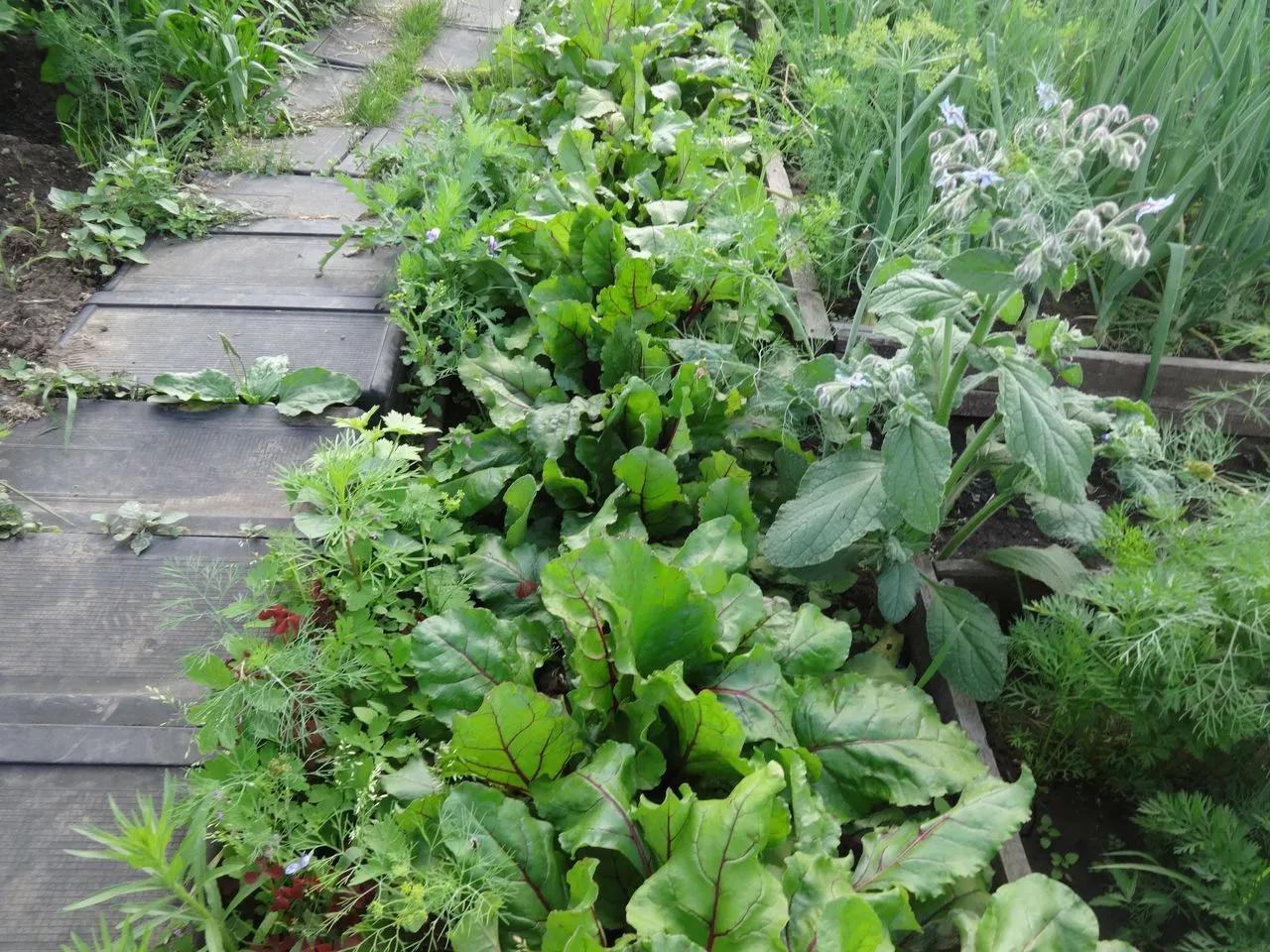
During the growing season, spray the leaves and water the soil with a solution of Fitosporin. Remove weeds.
Choose beet varieties that are resistant to diseases.
Feed periodically to ensure that the beets have all the necessary elements for good growth.
And keep a close eye out for pests.