

Garlic is the healthiest vegetable; it contains many vitamins and substances that can protect the human body from viruses and bacteria.
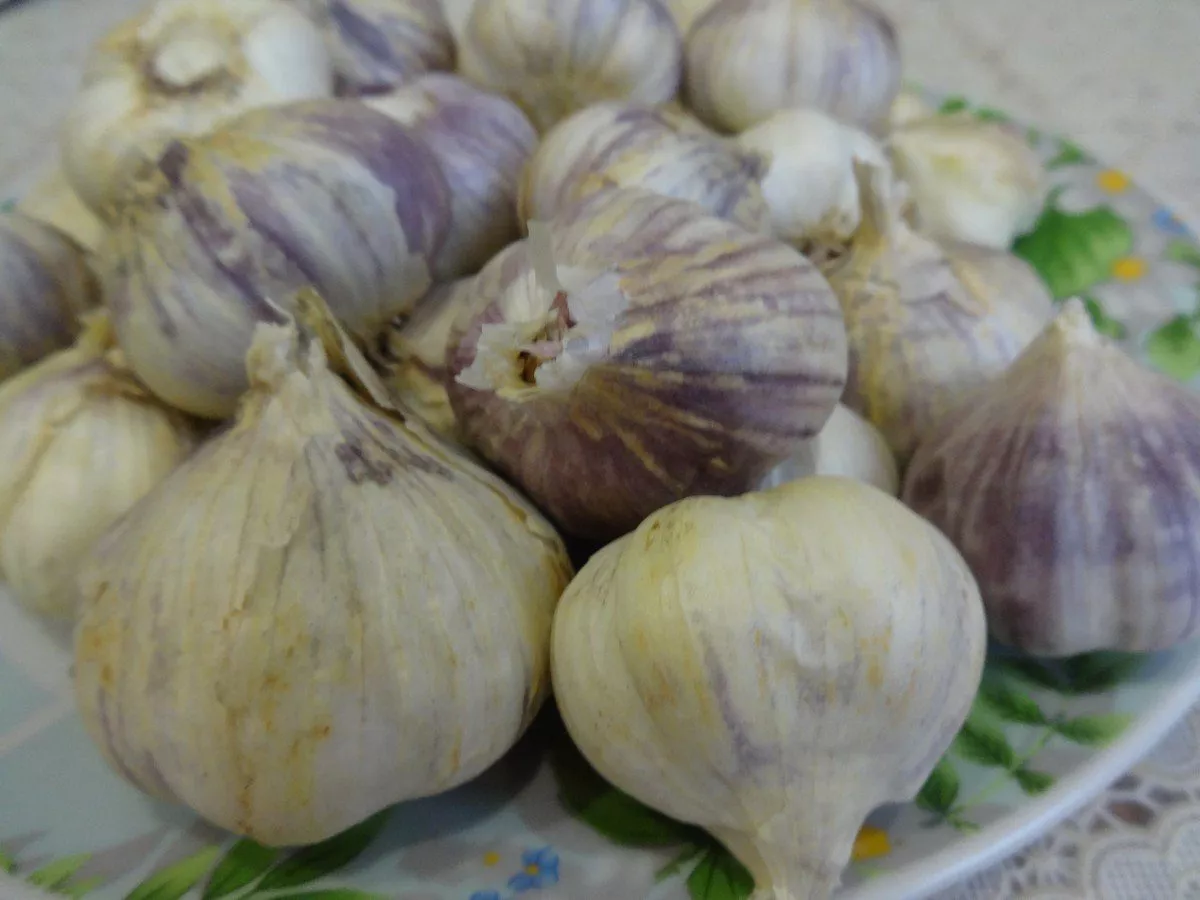
Winter garlic
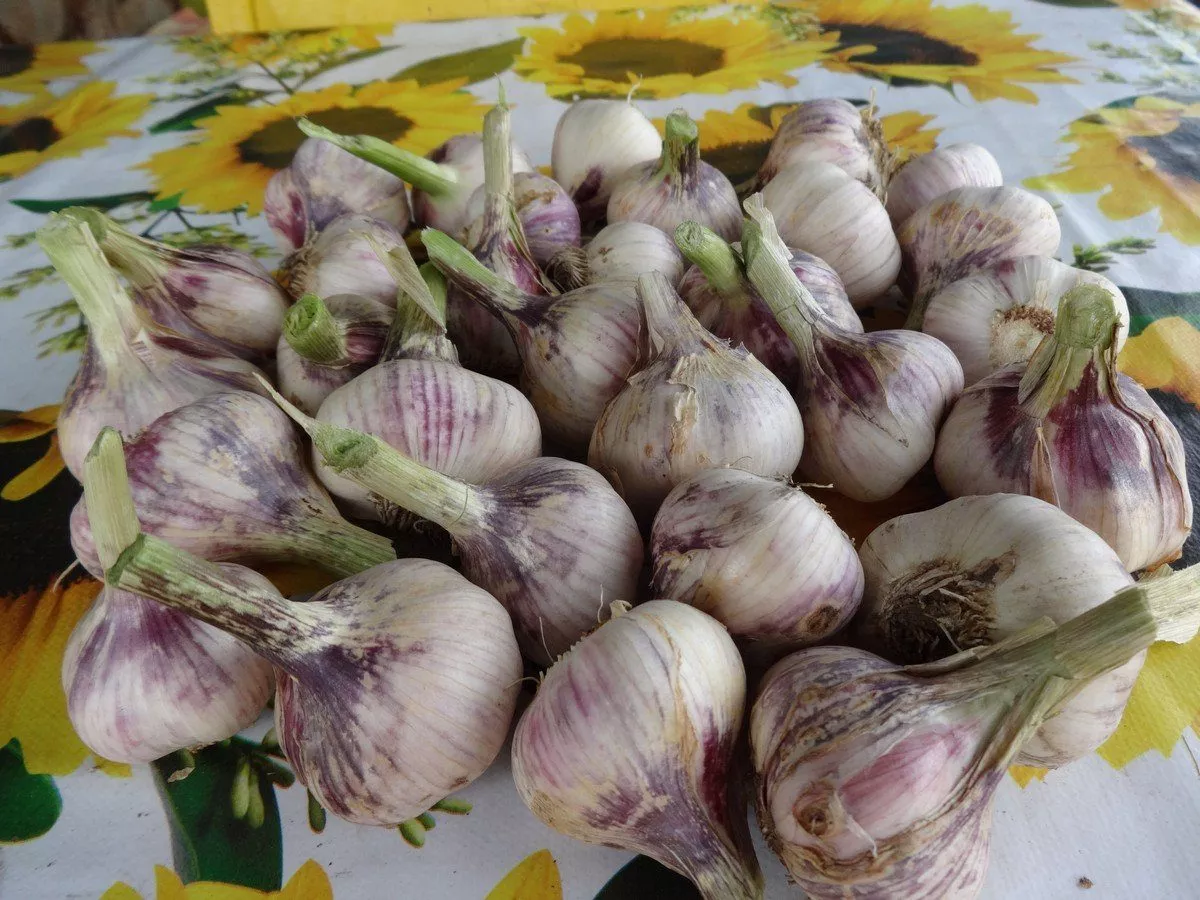
I periodically have problems growing winter garlic at my dacha. There are years when the garlic sprouts well in the spring, grows beautifully, and produces a bountiful harvest.
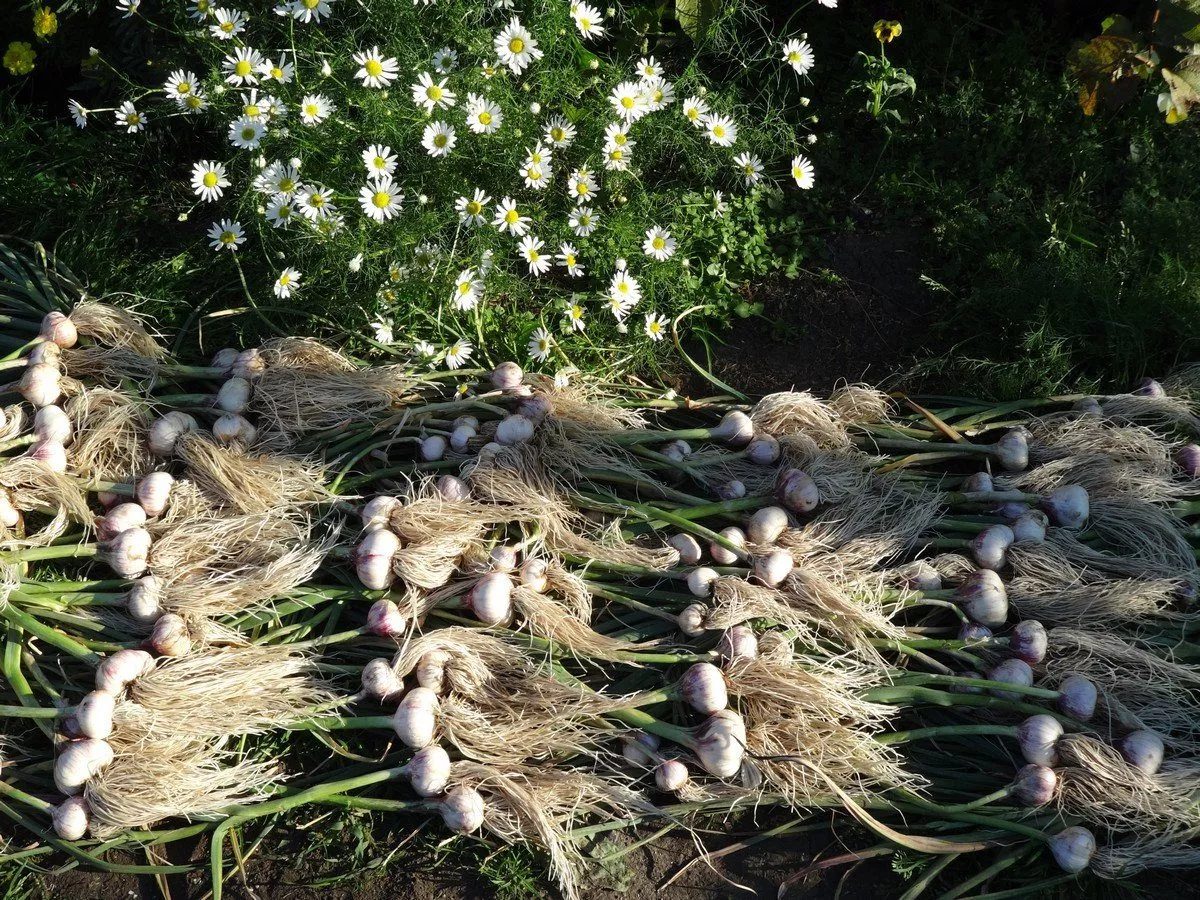
And in other years there are no shoots at all.
It seems that all the planting rules and deadlines were followed in the fall, but in the spring it doesn’t sprout; when you open the bed, you discover a rotten clove; it’s unclear whether the garlic froze or got wet.
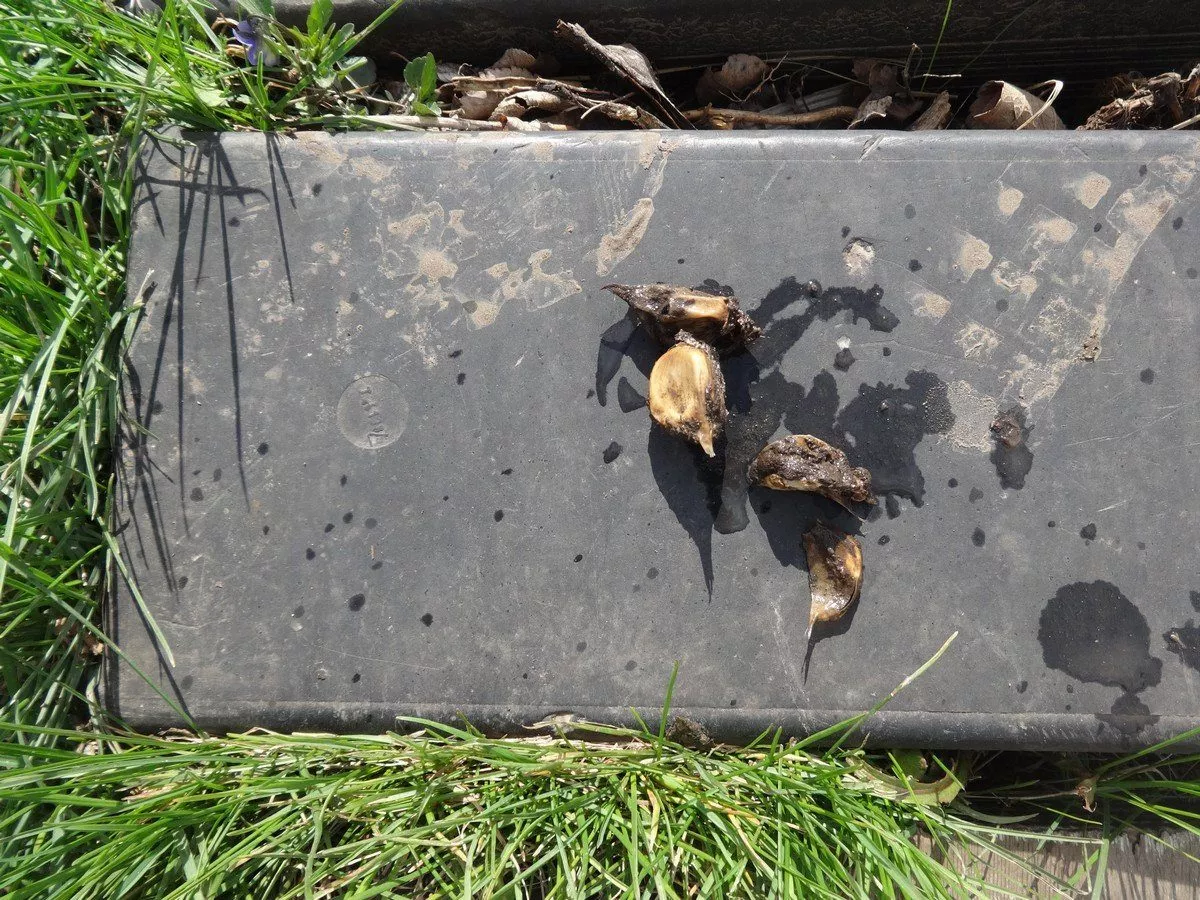
In late autumn, we mulch the plantings with humus and cover them for the winter, and plant them in the sunniest places, but the garlic does not sprout after the winter.
Our local gardening expert once told me on TV that winter garlic needs to be planted early, in late August, so it can develop roots and survive the winter well. I did just that, and by the end of September, all my garlic had sprouted, but then frost hit in October, and all the seedlings perished. I was left without a harvest.
In 2019, all the garlic disappeared; not a single sprout appeared in the spring, and not only in our plot, but in all our neighbors' dachas, and in other areas of Krasnoyarsk, garlic grew.
In the fall, my relatives shared some winter garlic with me, even giving me some small bulbs, and I did everything as expected again: planted it on time, filled the bed with humus, and eagerly awaited spring.
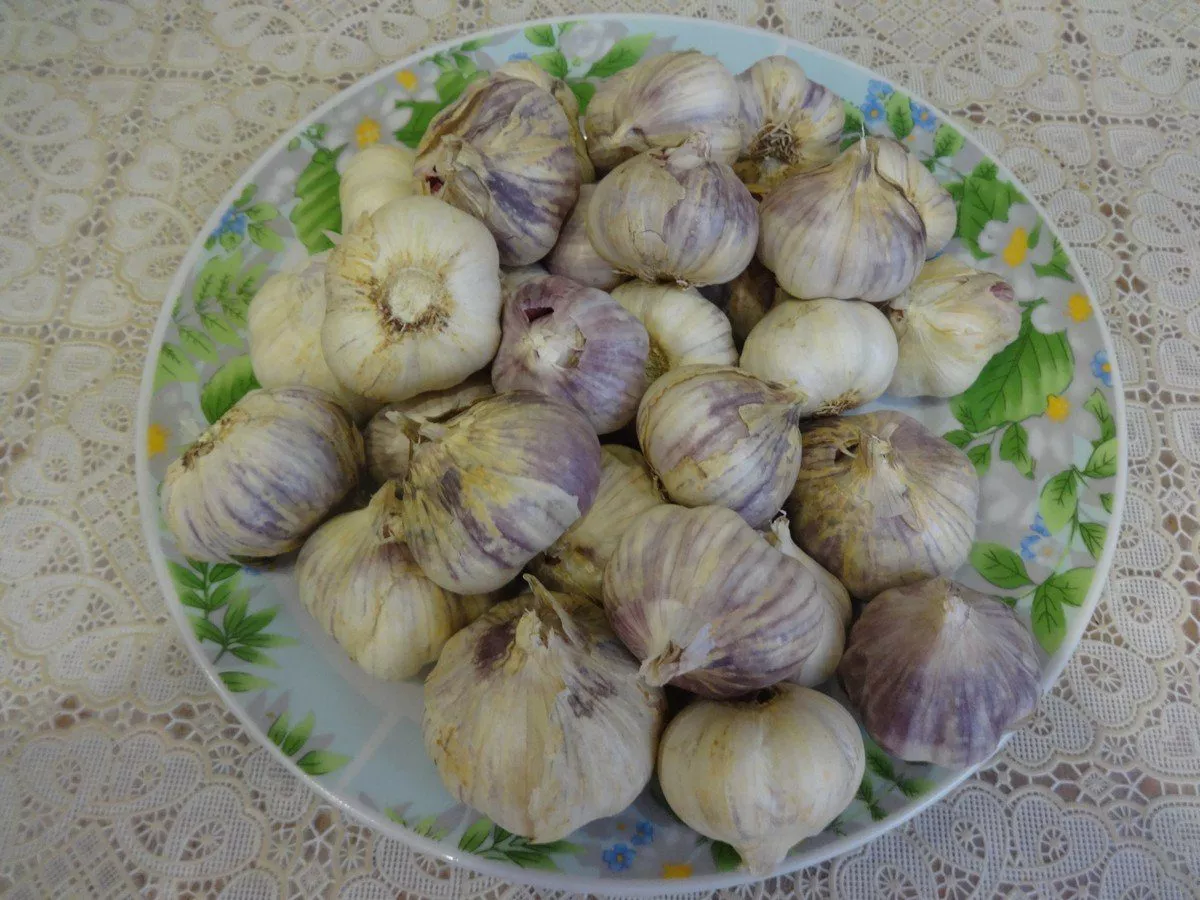
The winter wasn't frosty, with little snow. By the end of February, all the snow had melted. March was warm, without rain, and the soil dried out quickly. By the end of April, the garlic hadn't sprouted yet, so I loosened the bed and discovered that some of the cloves were soft and rotted, while others had developed white roots and the cloves were hard.
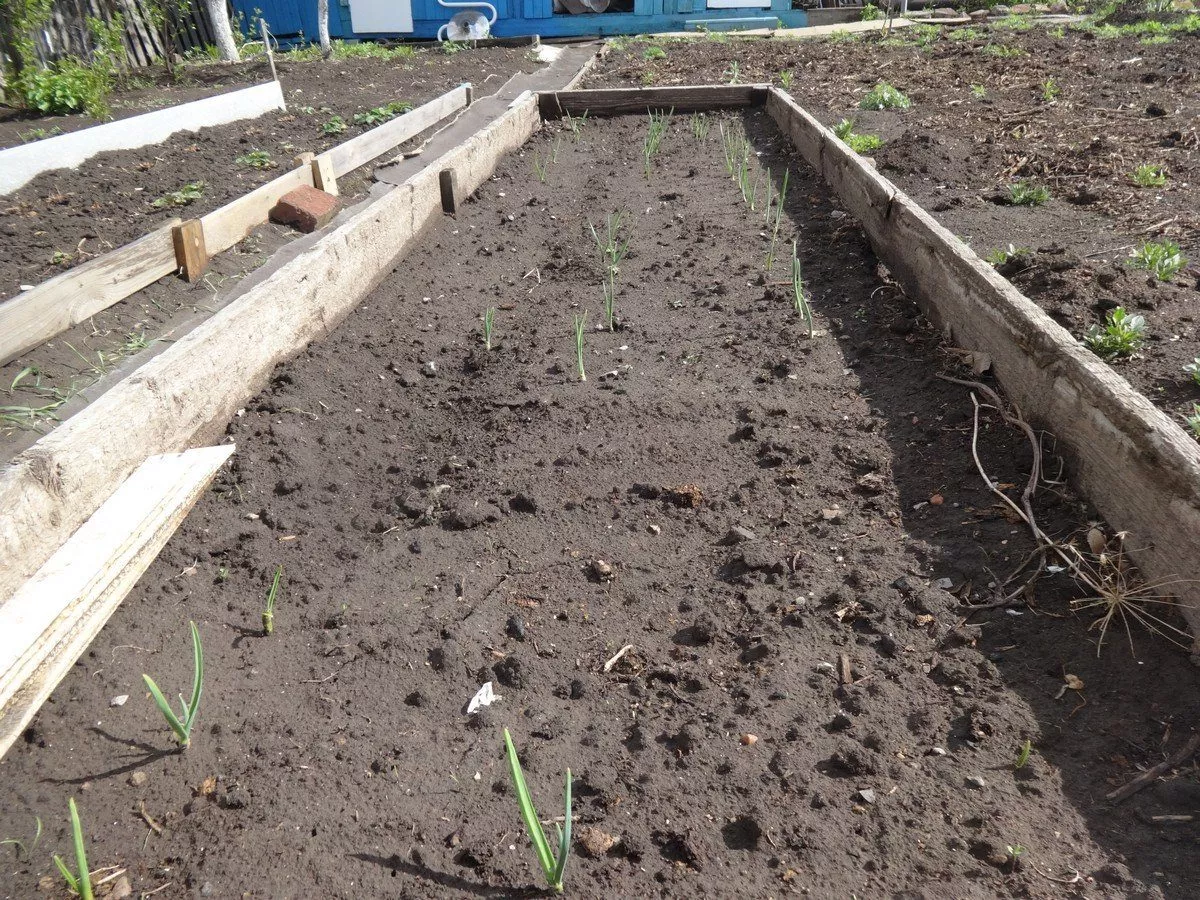
The soil was very dry. I removed the humus layer, watered the bed thoroughly, and waited for the first garlic shoots to emerge. But not all of the garlic sprouted; part of the bed was bare.
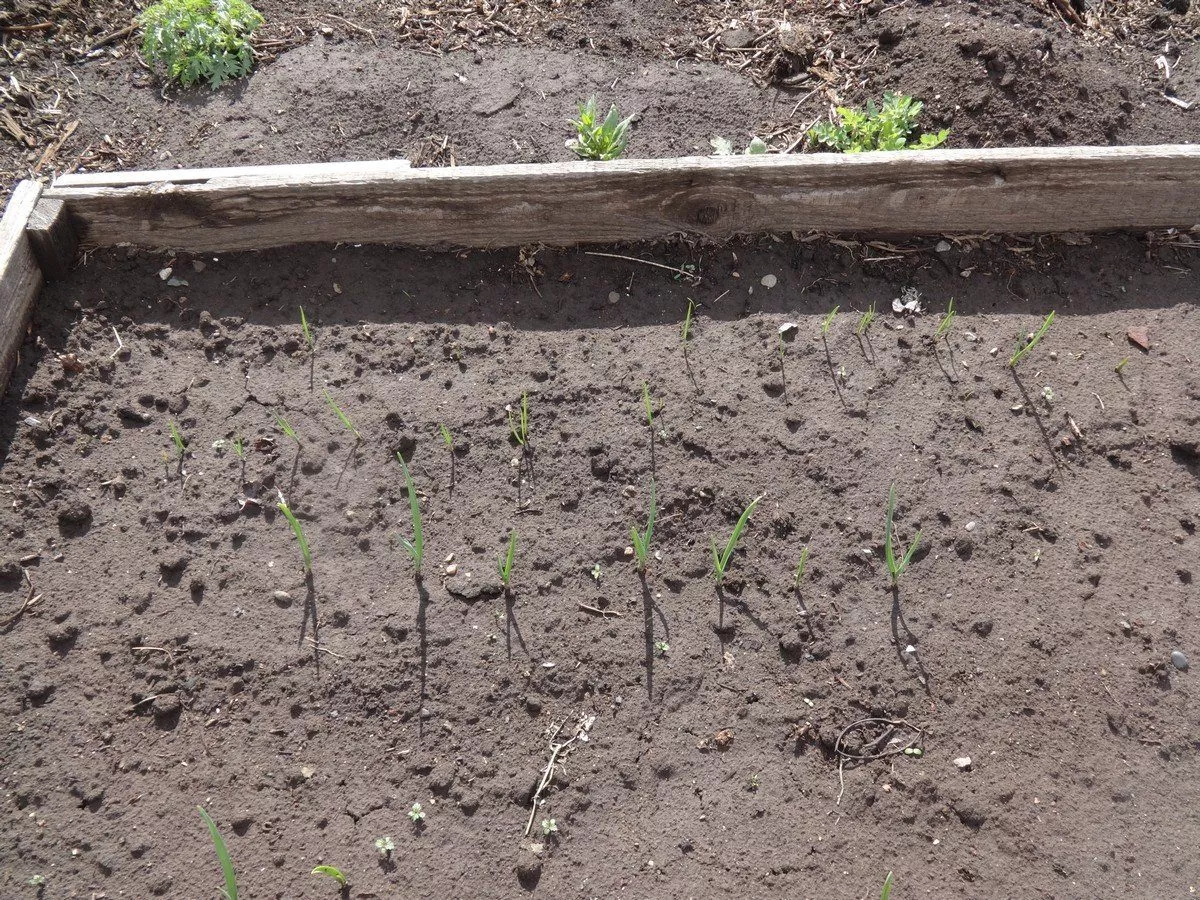
In the fall, I planted small bulblets in the same bed. They form if you leave the stalks until the garlic ripens. I'd never planted them before, but they sprouted too, so thin and tiny.
Spring or summer garlic
Many of my neighbors at my dacha have already given up on winter garlic and are planting only spring garlic. My husband and I have also decided to stop growing winter garlic and will be growing more spring garlic.
We plant summer garlic every year, but only in small quantities. Its heads aren't as large as winter garlic, and the cloves are smaller, especially the inner ones, but it doesn't dry out and keeps well all winter in the cupboard.
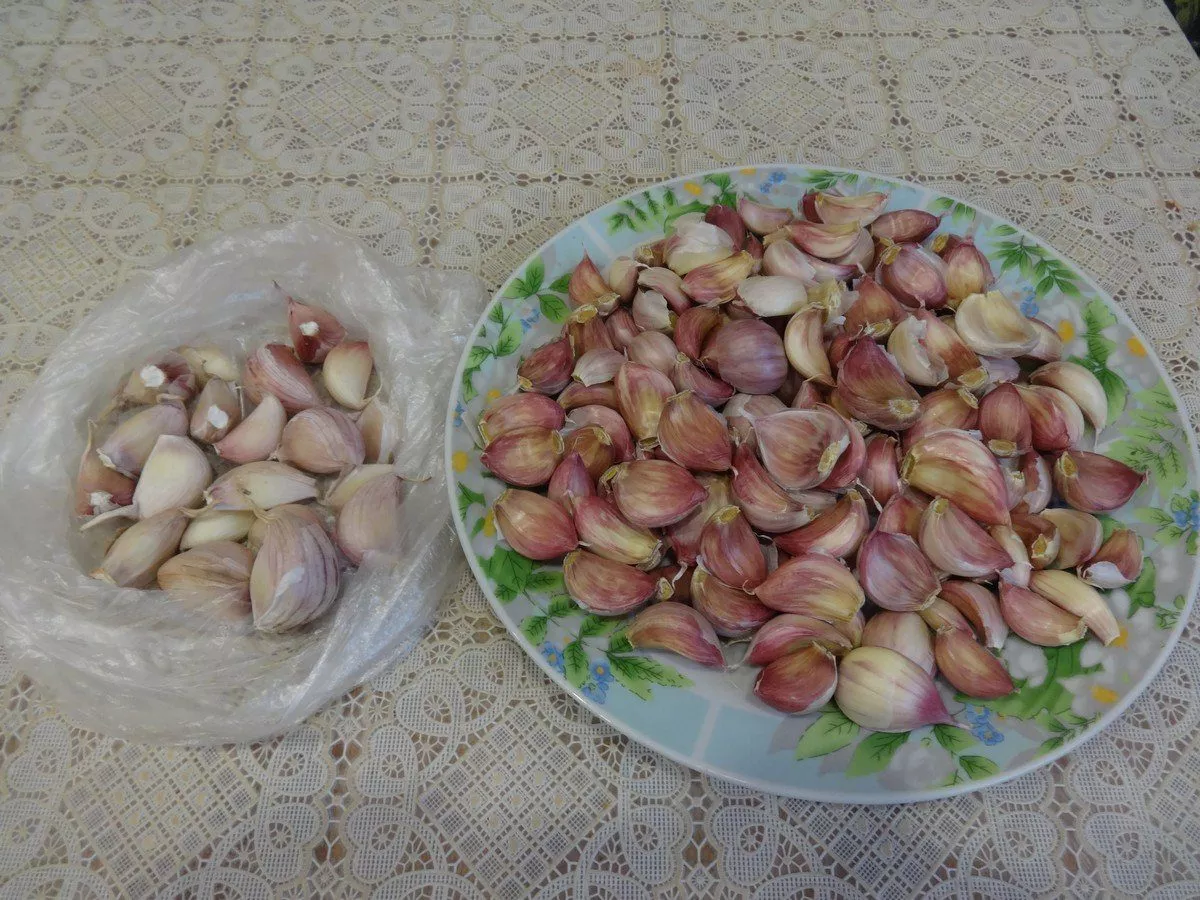
Immediately after digging up and drying the spring garlic, I select the largest heads for spring planting. In the spring, I refrigerate the garlic until the day before planting, separate the heads into cloves, and select the largest, outer cloves. I discard any with spots or dried out cloves.
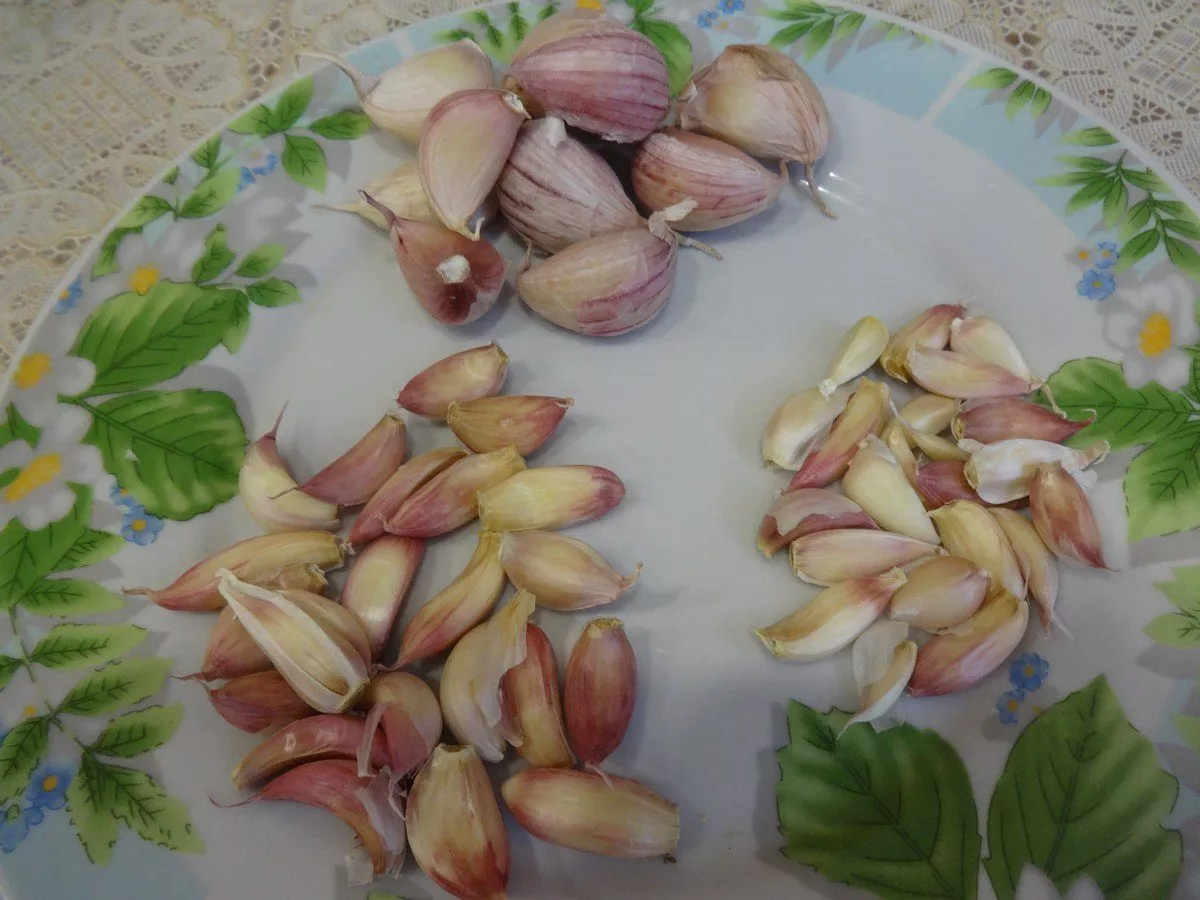
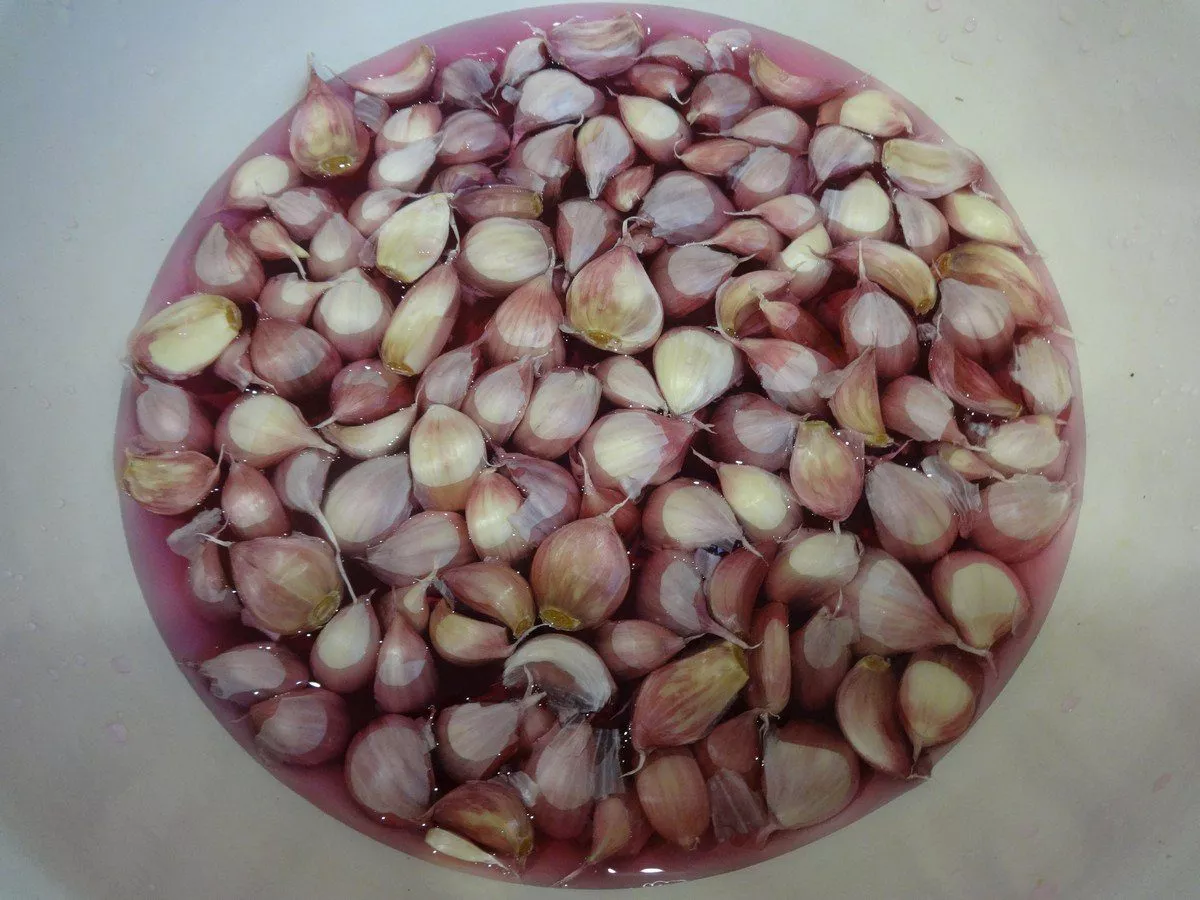
I disinfect the garlic by immersing it in a solution of potassium permanganate or phytosporin for 30 minutes.
I place the bed in a sunny spot, prepare it in advance, fertilize it with humus, add ash if I’m planting in poor soil, scatter mineral fertilizers, usually azophoska, and dig up the soil.
On planting day, I make furrows, water them with water (optionally with potassium permanganate or phytosporin), and lay out the garlic, covering it with soil. I plant spring garlic more densely than winter garlic.
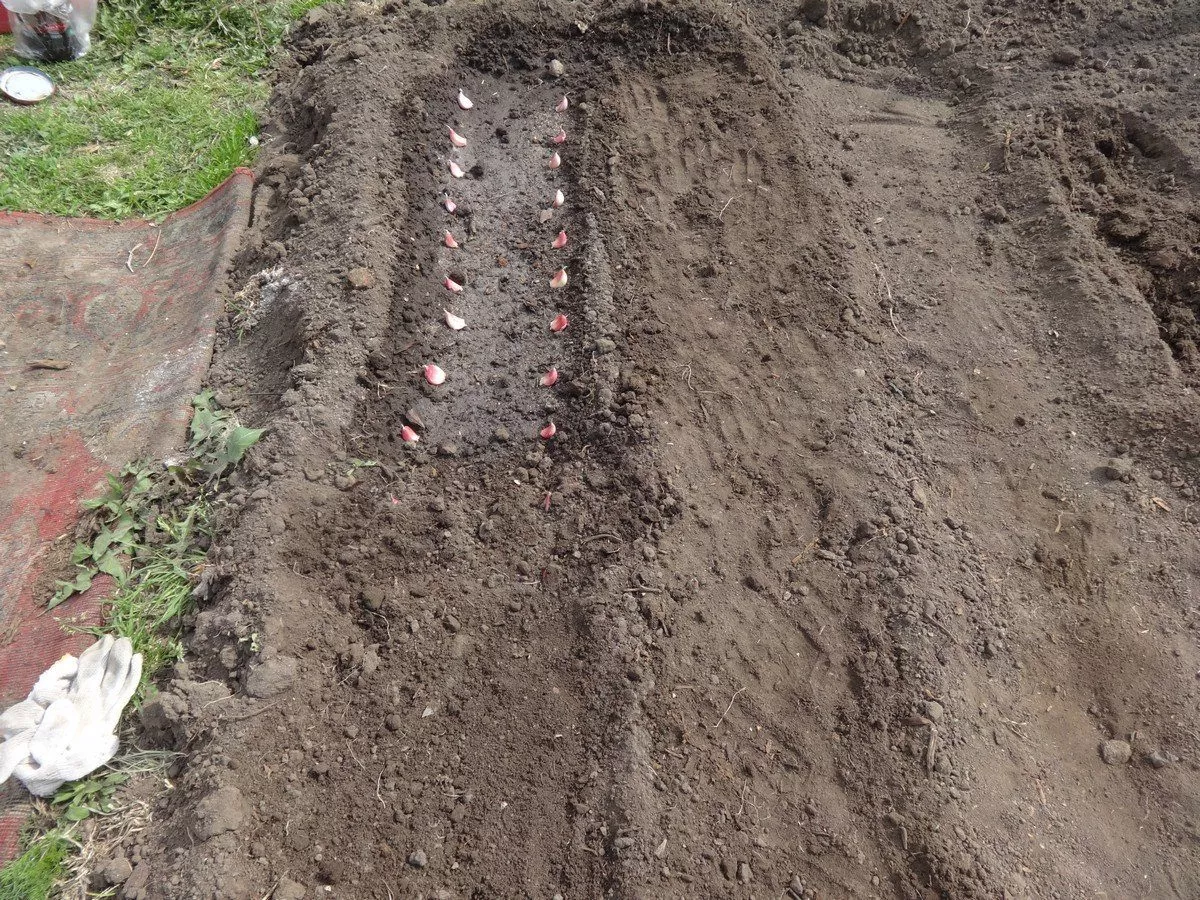
Lately, I've been sprinkling the furrow with mustard seed cake and covering it with soil. Mustard suppresses the growth of mold and other diseases, stimulates the growth of beneficial microflora, repels wireworms and cutworms, and enriches the soil with nutrients. In short, mustard seed cake is a natural fertilizer and pest control.
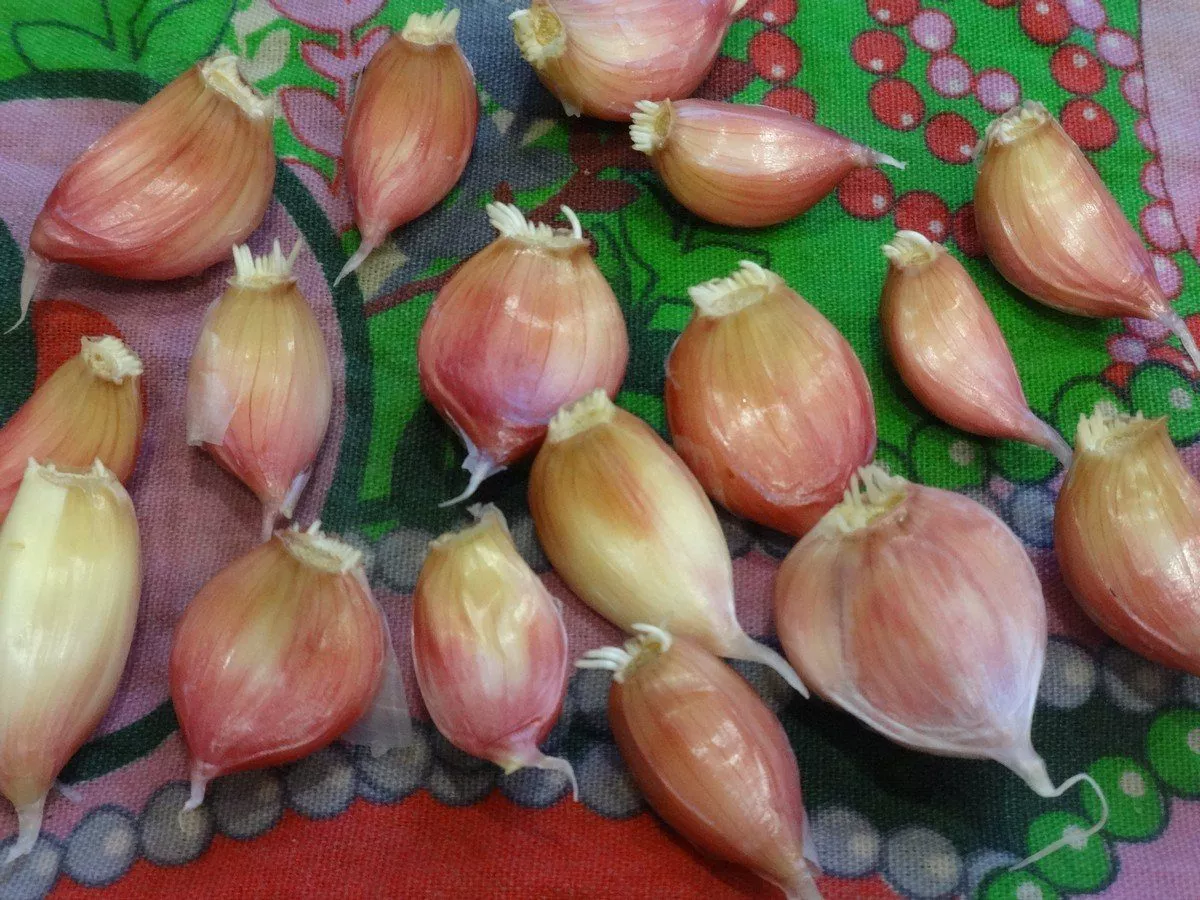
This year I decided to experiment: I wrapped some garlic in a wet cloth and put it in the refrigerator for a few days to allow the roots to develop.
A friend told me she sprouts garlic this way, and once it develops strong roots, she plants it in the ground. This procedure helps summer garlic grow green mass faster, and the heads become larger than those of cloves planted in the ground without roots. I'll try it to see if this is true.
I decided to plant the small inner cloves separately to see what kind of garlic they'll produce. I'll also plant some of the small cloves in the strawberry beds. The garlic will protect the berries from spider mites.