

At the end of September, I couldn't resist planting winter garlic again. In my note about spring and winter garlic I wrote that I wouldn't plant it in the fall anymore, since it often dies in the winter, either freezing or getting soaked. The same thing happened last winter; not all the garlic sprouted in the spring.
The one that didn't disappear produced a good harvest.
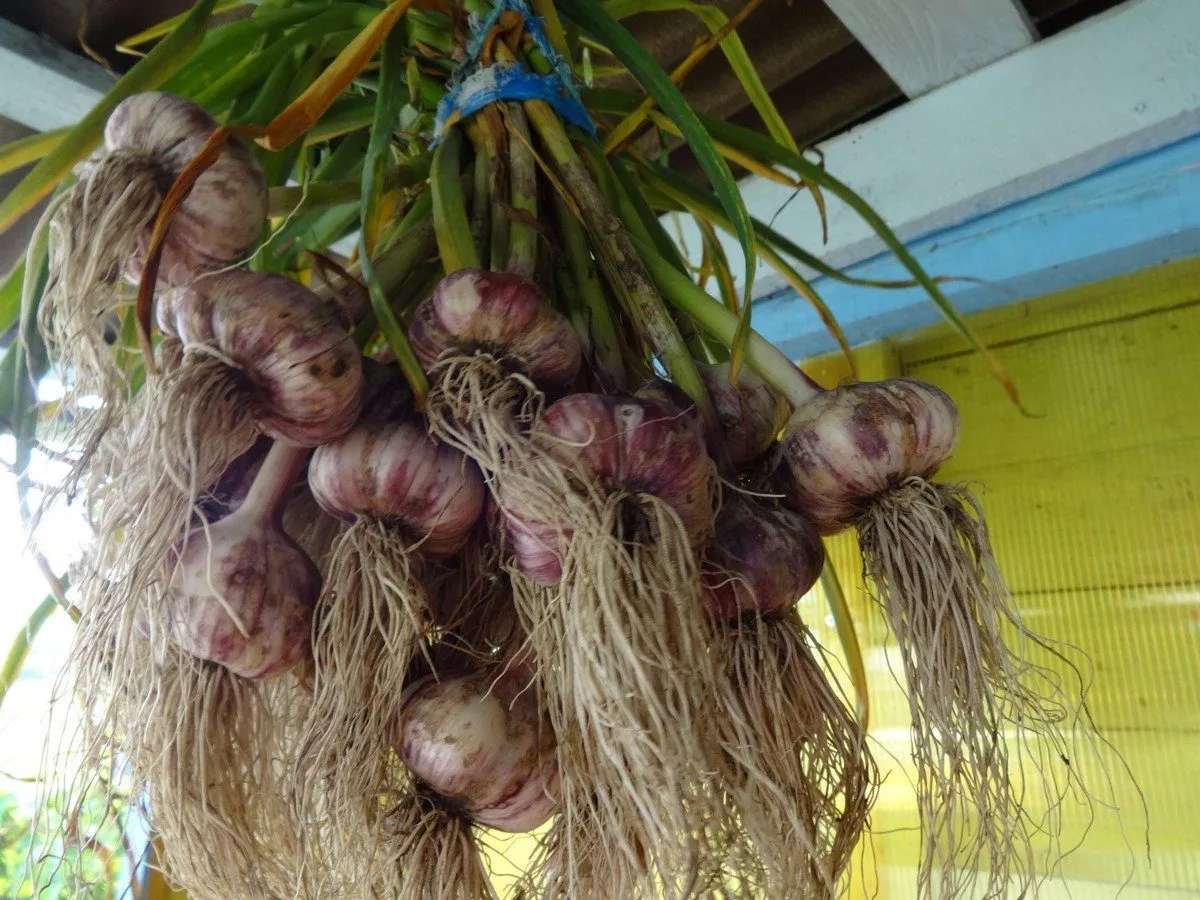
I set some of the largest heads aside for planting, used some for winter preserves, and saved the rest for eating. But even after harvesting, I was still debating whether to plant winter garlic, as I'd planted far more spring garlic than I usually do.
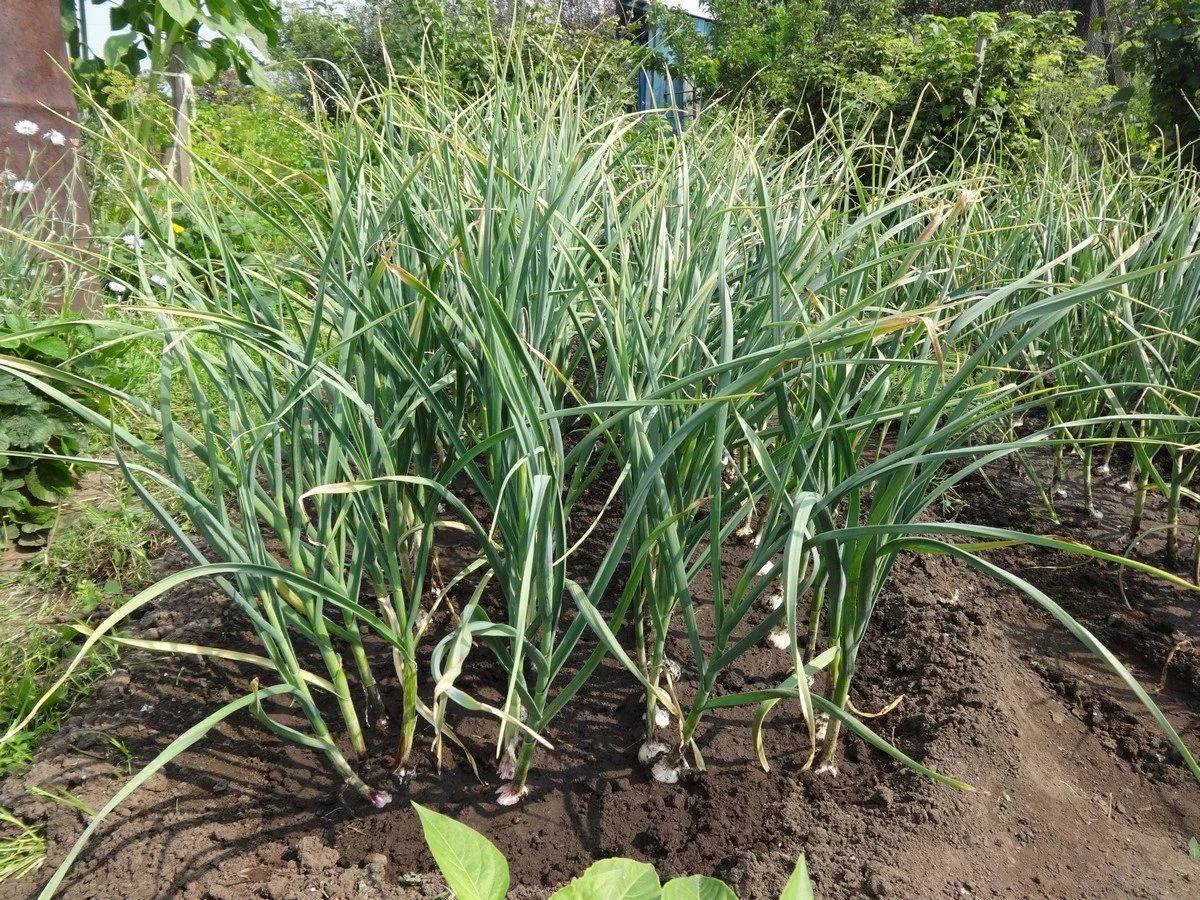
Well, why do I need so much garlic?
But I happened to be at a garden center and saw some winter garlic. I'm determined to plant it in the fall! Well, I'll try it just once, and if it doesn't survive the winter, I won't plant it again.
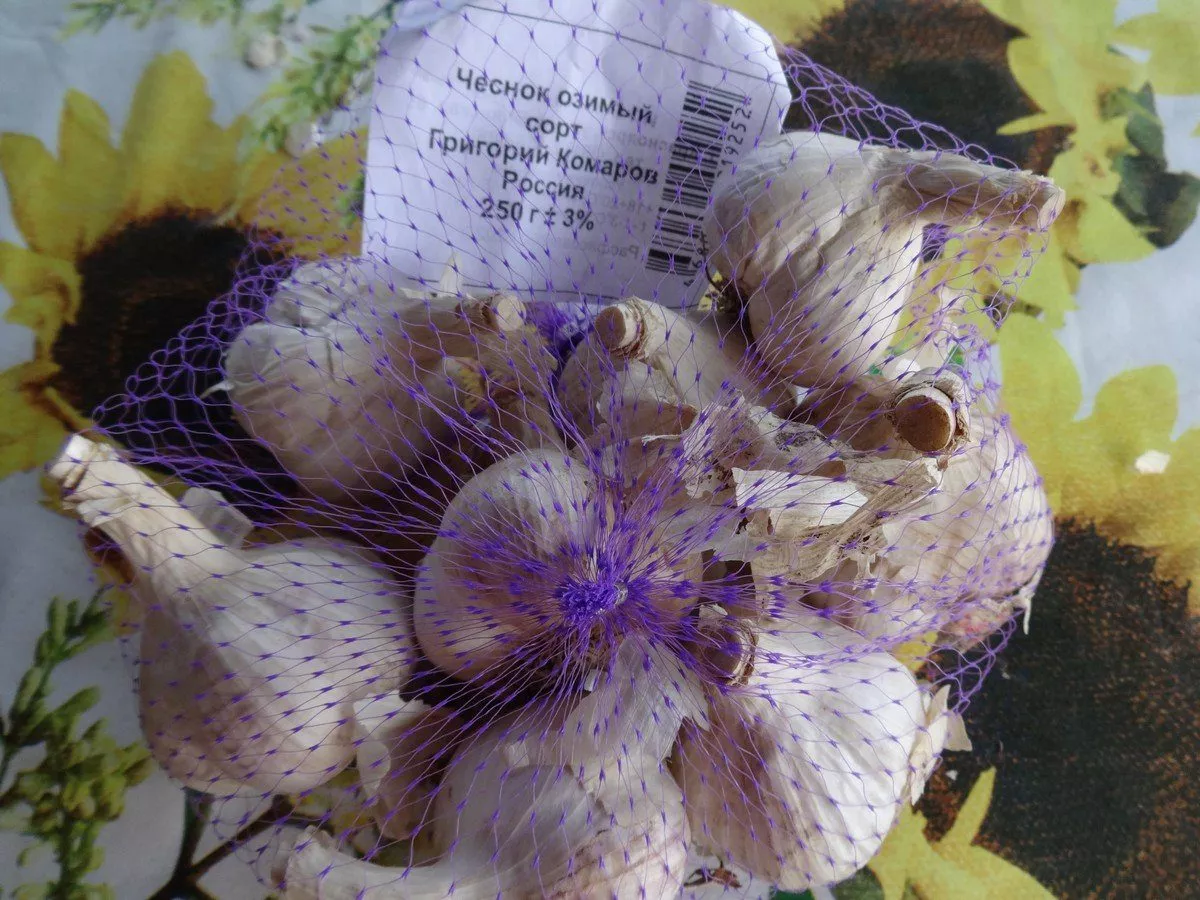
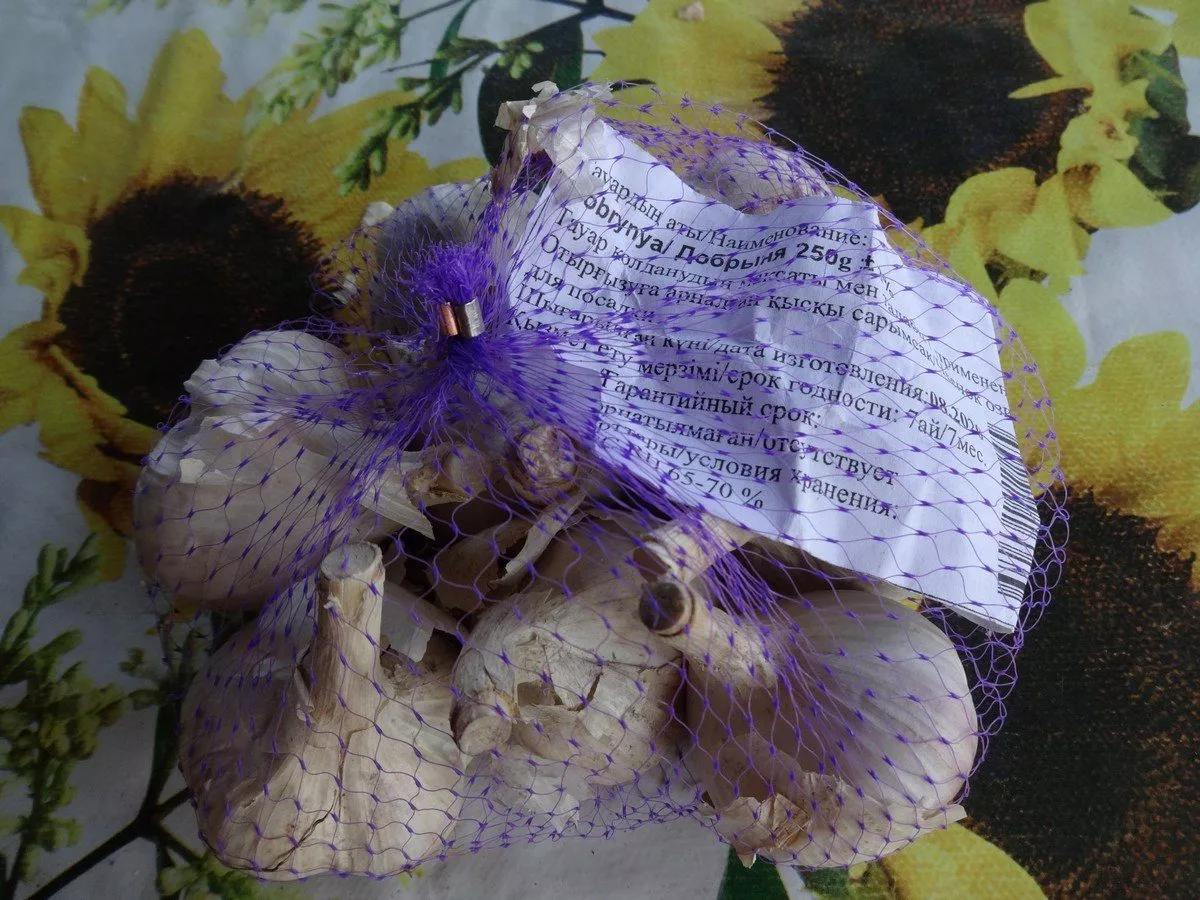
I bought two small bags, each weighing 250 grams, with different varieties - one from a Russian producer, the Grigory Komarov variety, the other from Kazakhstan, called Dobrynya.
I found information about these varieties on the Internet.
Winter garlic Dobrynya
This late-ripening variety was developed by Russian breeders relatively recently and entered into the State Register in 2002. It is frost-hardy, productive, and highly resistant to diseases such as fusarium and late blight. It is also resistant to pests. After germination, it ripens in 125-130 days. The heads are large, round, weighing up to 60 grams. Each head contains up to 10 cloves with light gray skin. This garlic has a sweet, mildly pungent flavor. Its shelf life is approximately six months. Dobrynya should be planted from late September to mid-October.
Winter garlic by Grigory Komarov
This late-ripening variety, also bred domestically, ripens 120 days after germination. It's a high-yielding variety, with large heads weighing 80 to 120 grams. Each head contains 6-7 cloves with white-pink skin. The cloves are white, tasty, aromatic, and medium-spicy. The variety is resistant to fungal diseases. It has a shelf life of up to 8 months.
Planting winter garlic requires fertile soil. I prepared two small beds in advance: one with peas growing in the summer, the other with early cabbage. After harvesting, I sowed white mustard. When it grew, I cut off the green shoots with a flat-top harrow, loosened the soil, and added compost and wood ash. My husband dug the beds. Then I sprinkled a little potassium fertilizer and superphosphate on top. I loosened the soil well and leveled it with a rake. About two weeks later, I planted the garlic. Before planting, I separated the heads into cloves and planted the largest ones.
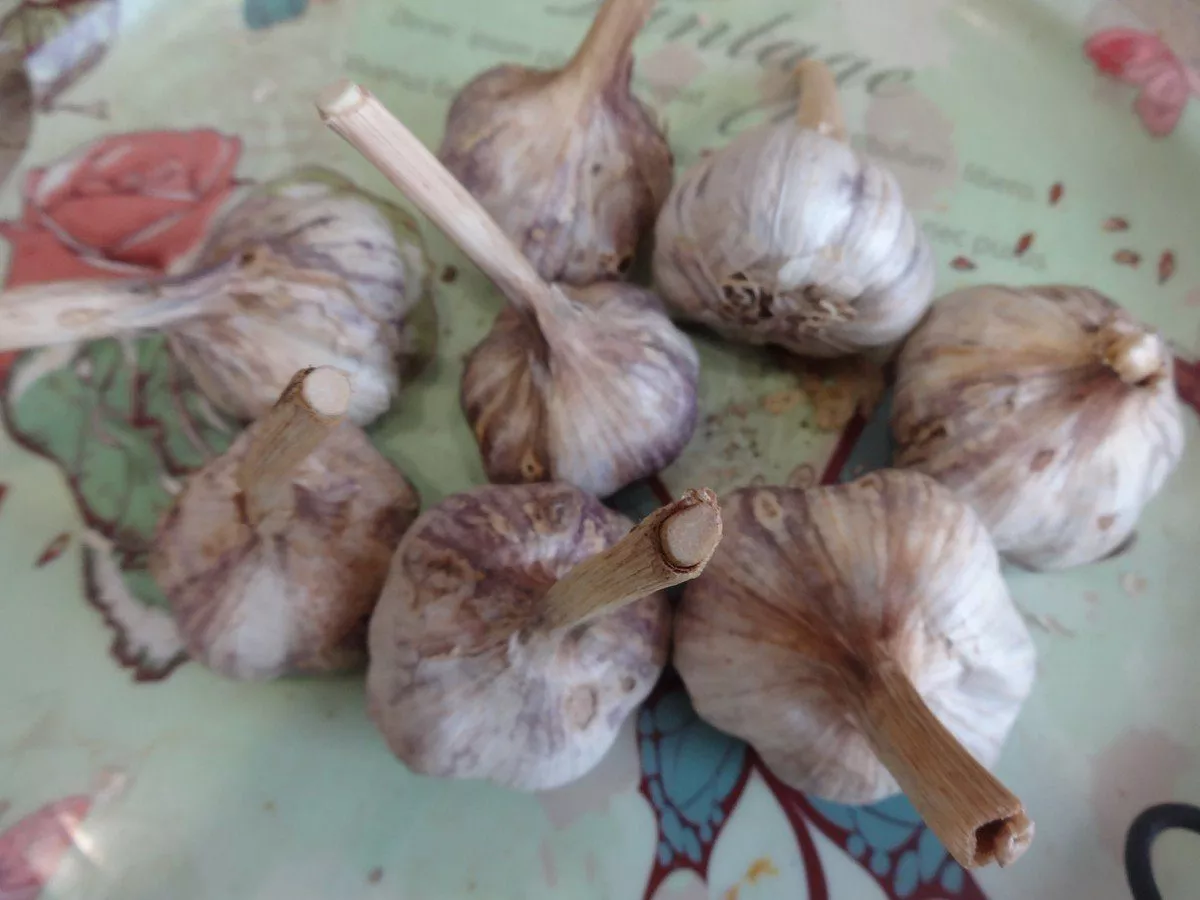
This is what garlic cloves look like. Store-bought garlic has light-colored cloves, while mine are darker in color, you could say purple.
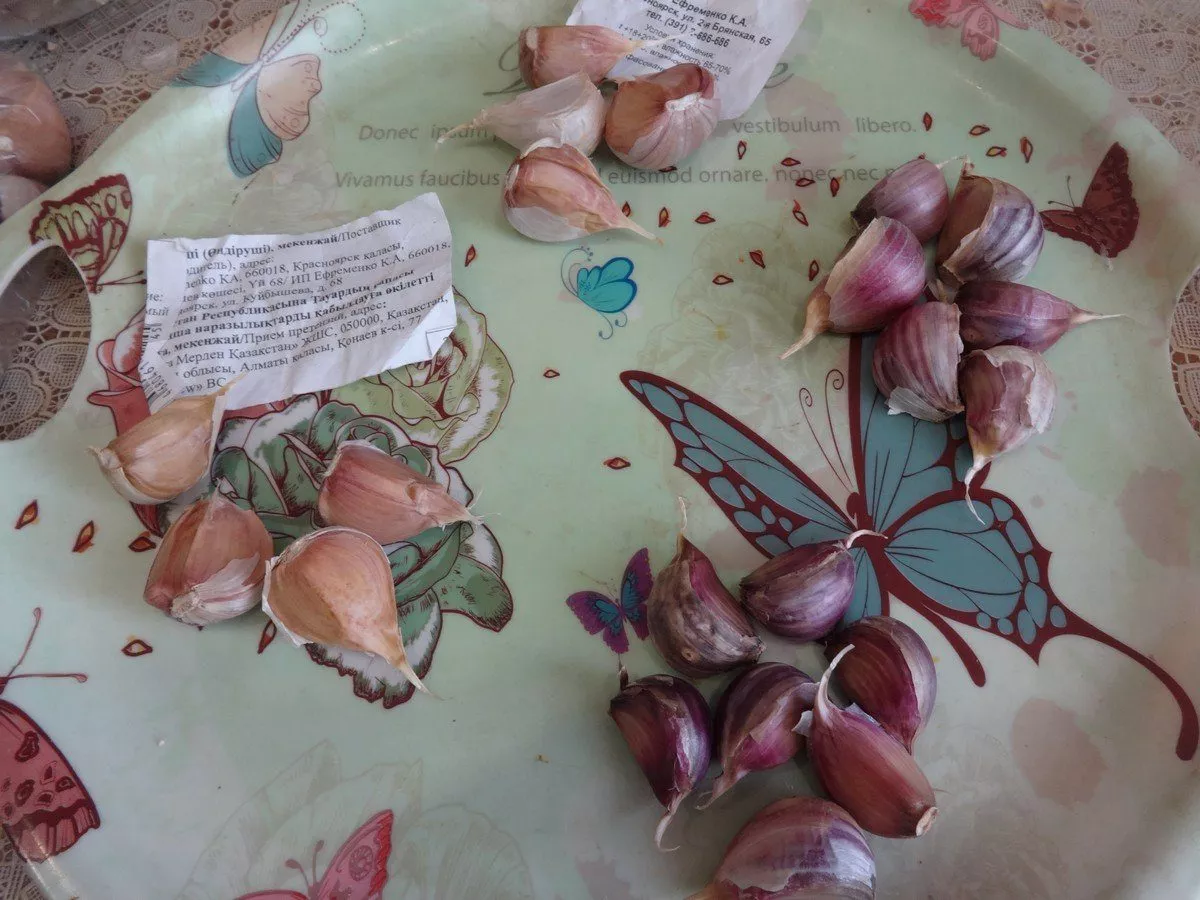
I planted Dobrynya and Grigory Komarov in one bed.
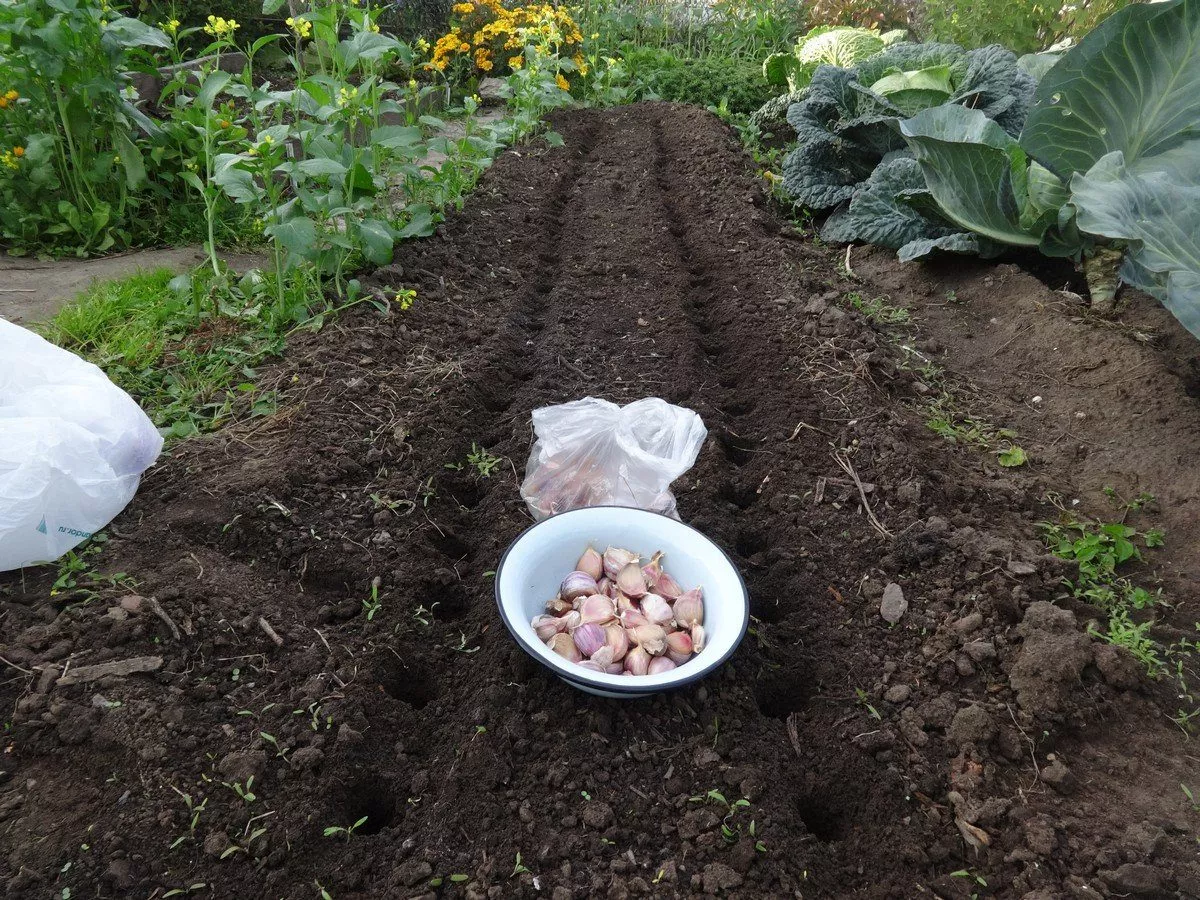
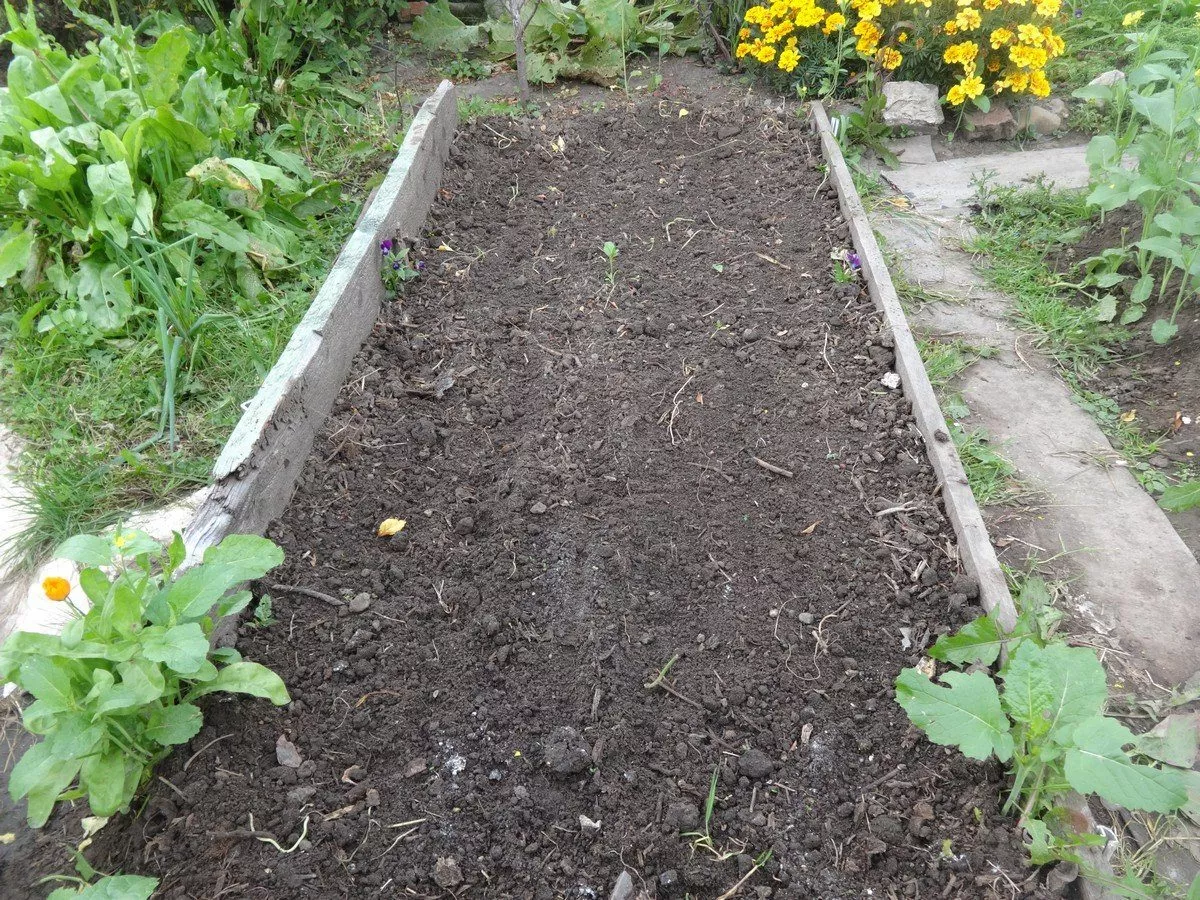
On the other one - my own garlic, I don’t know the name - one is from Ksyusha’s grandmother, the other from Tatyana, my husband’s sister.
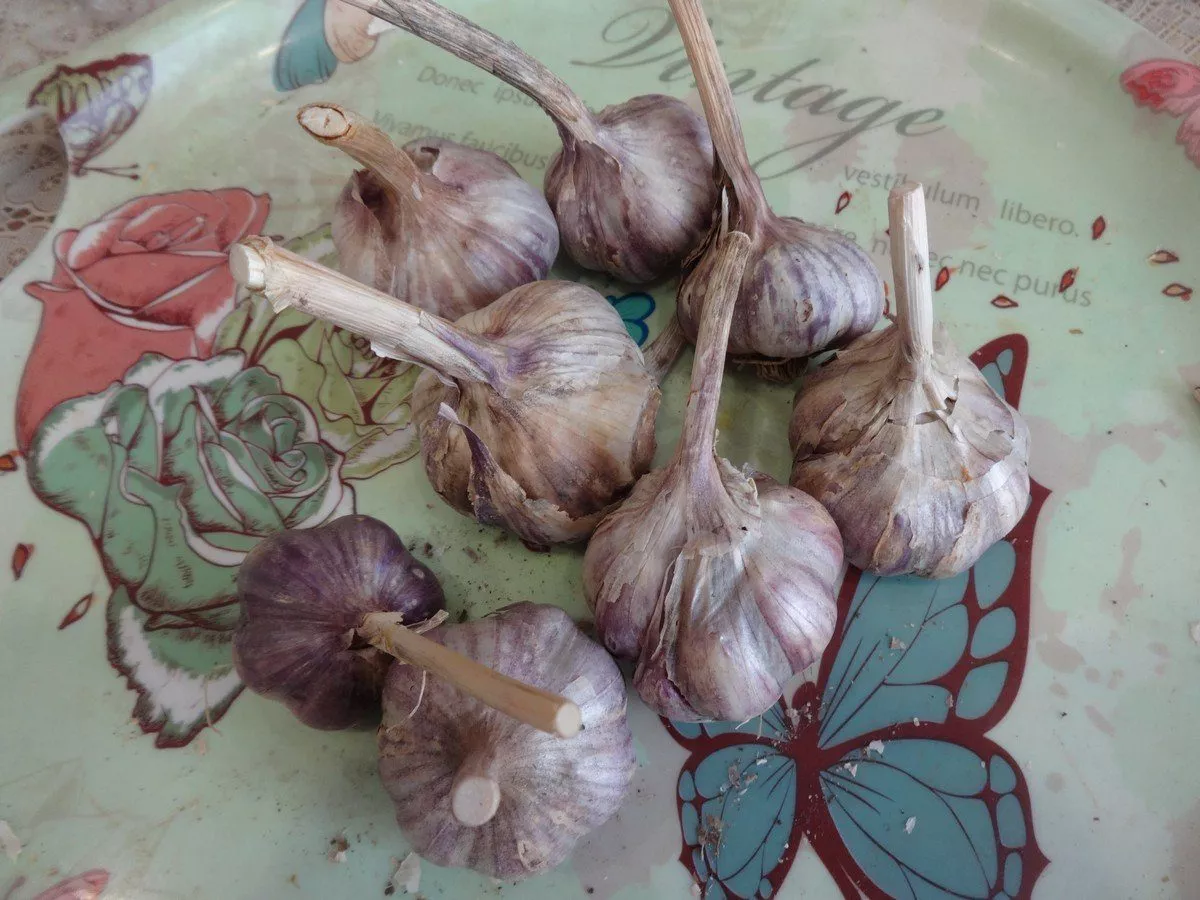
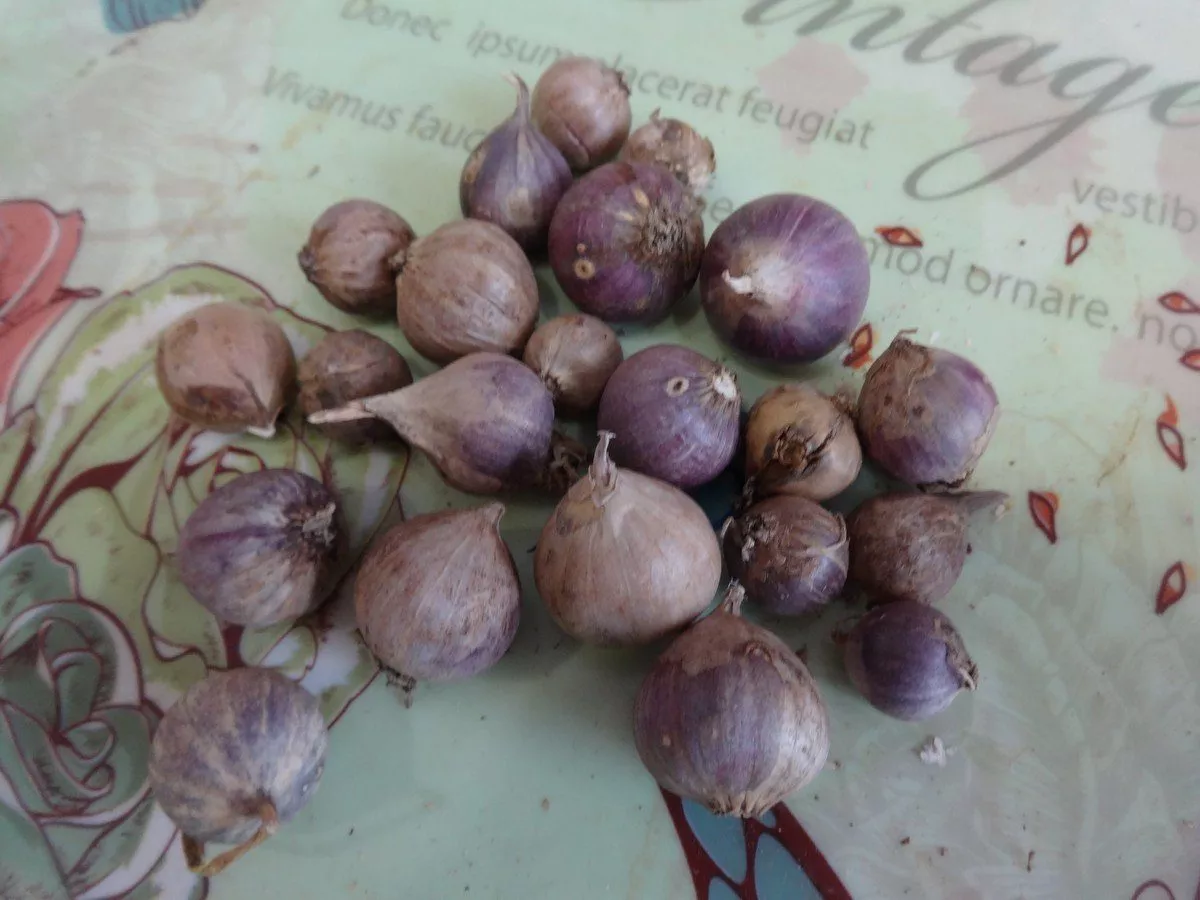
I also planted some garlic, which grew from the bulbs.
In late autumn I will cover the plantings with covering material, usually I cover them with well-rotted humus, but this year we don’t have it.
Survive the winter, my little garlic, don’t freeze, come up in the spring and give a good harvest!