

I have a greenhouse at my dacha, a homemade one, of course (we made it out of whatever we had), but in early spring I grow cucumbers, herbs, and salads there, and then I plant tomatoes. And seedlings, of course. To keep them cool and cool, we lift the plastic sheeting on the sides in some places and cover it with netting. And to make the conditions as natural as possible (to let in rain), we do the same with the roof.
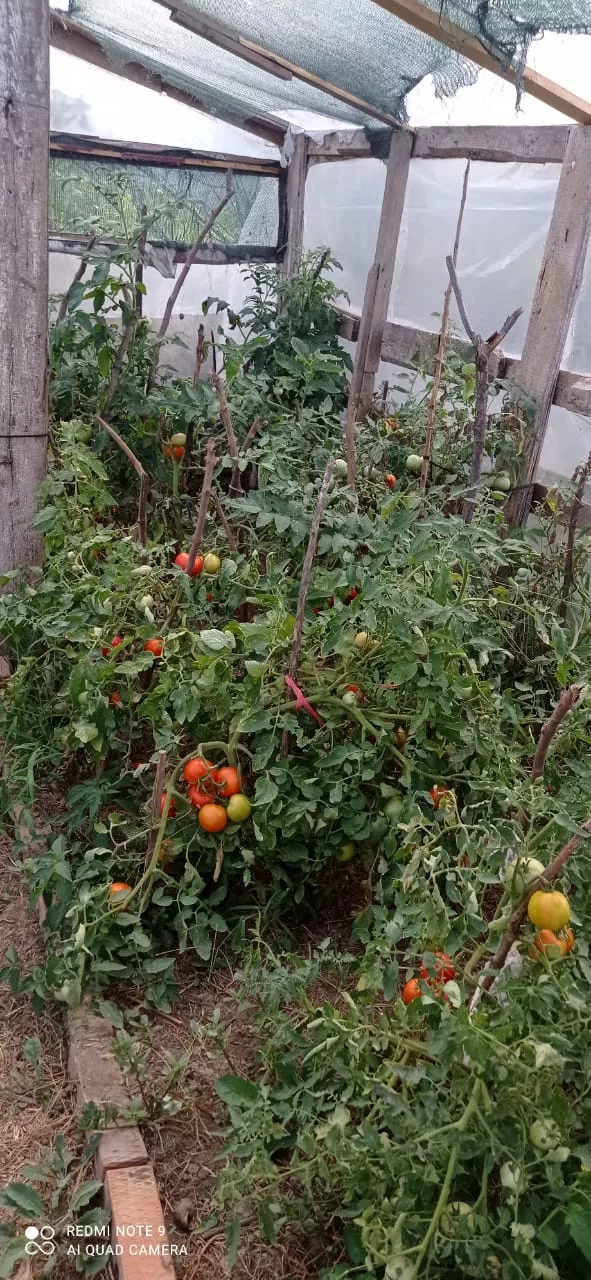
To be honest, I was worried it would be too hot for the crop, but my mother lives in the Krasnodar region, where the climate is hotter than in central Russia. So, that's exactly how she grows tomatoes, and it's a success: the harvest is always good, and the plants rarely get sick.
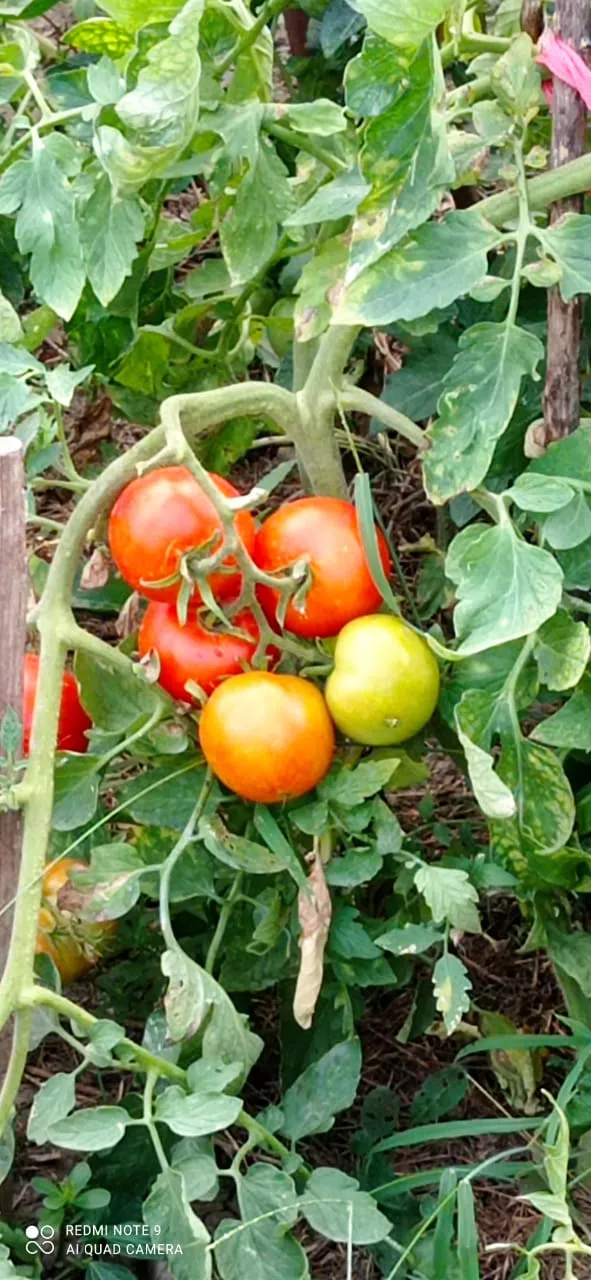
For these purposes, I chose the Volgogradets variety; it tolerates these conditions well and yields around 10-15 kg per bush. Here's a little background on this variety:
- the tomatoes are round in shape, with slightly pronounced ribbing;
- ripening period – just over 100 days;
- the weight of one fruit is from 65 to 100 g;
- shade – standard red;
- they are used universally (I can them, eat them fresh, and make tomato juice - they are very juicy);
- What Volgograd residents love is a lot of warmth and light;
- bush type – determinate, semi-spreading with strong foliage;
- the length of the shoots is 60-80 cm, so tying is required;
- the leaves are slightly corrugated, light green and medium in size;
- taste - very rich tomato;
- keeping quality is not very good, fresh ones can be stored in the refrigerator for no more than two weeks;
- transportability – good;
- one bunch contains 6 to 10 tomatoes;
- the bush is essentially compact and, if properly tied, takes up very little space;
- the ripening is not entirely uniform, although according to the variety description the fruits should all ripen at once, but this is not the case for me (maybe due to greenhouse conditions), and I consider this a plus, since it is difficult to process the entire harvest at once;
- tomatoes do not fall to the ground, even when overripe, and the skin does not burst;
- inflorescences are formed at the level of the 8th leaf, and above that they occur every 2 leaves.
I read that Volgogradets grows well after greens and onions, so that's why we plant them in the greenhouse. When growing, I always monitor the humidity level—it should be around 60%—to prevent rot and dry out. I measure it with an electronic device.
How I plant and grow:
- After harvesting early cucumbers, green onions, parsley, and other vegetables, I always dig up the beds in the greenhouse and simultaneously add a small amount of rotted manure. My soil sits like that for a week.
- About a month before planting, I sow the seeds indoors. I prepare the soil like this:
- 3 parts of garden soil;
- 1 part peat;
- some wood ash.
- I sow the seeds in furrows 1 cm deep, then cover them with plastic film and uncover them for 10 minutes every day. Be sure to moisten the soil periodically.
- When a couple of leaves appear, I transplant them into individual pots, but if possible, I immediately sow the seeds in peat tablets – it’s fast, nutritious, and convenient at all stages.
- There is no need to harden the seedlings because they are being transferred to a greenhouse.
- When this time comes, I make holes 50-60 cm apart. A staggered planting is very beneficial – it's easy to water, the roots don't get tangled, and it saves space (you can plant more plants).
- I water it rarely – once a week (whenever I get to the dacha). That's quite enough. After watering, I always loosen the soil and lay down a thin layer of mulch. I usually use dried weeds for this purpose, but you can use something else. this list.
Don't forget to install supporting posts or trellises immediately when planting. This year, I even used pruned branches from fruit trees and tied the bushes up. They're generally holding up well.
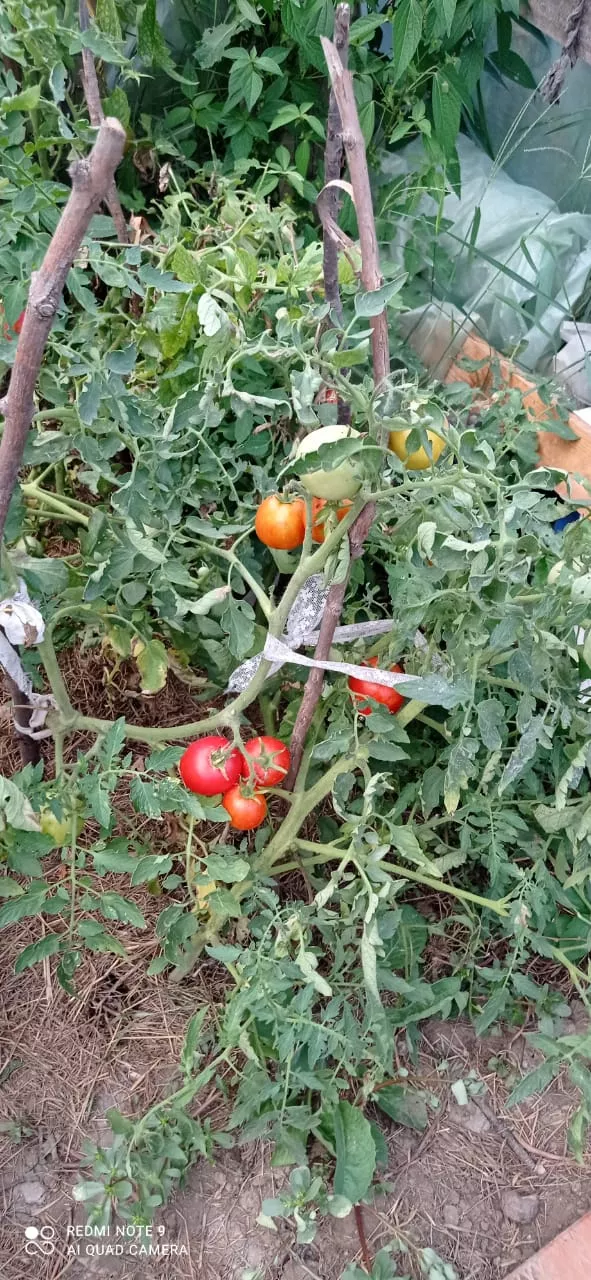
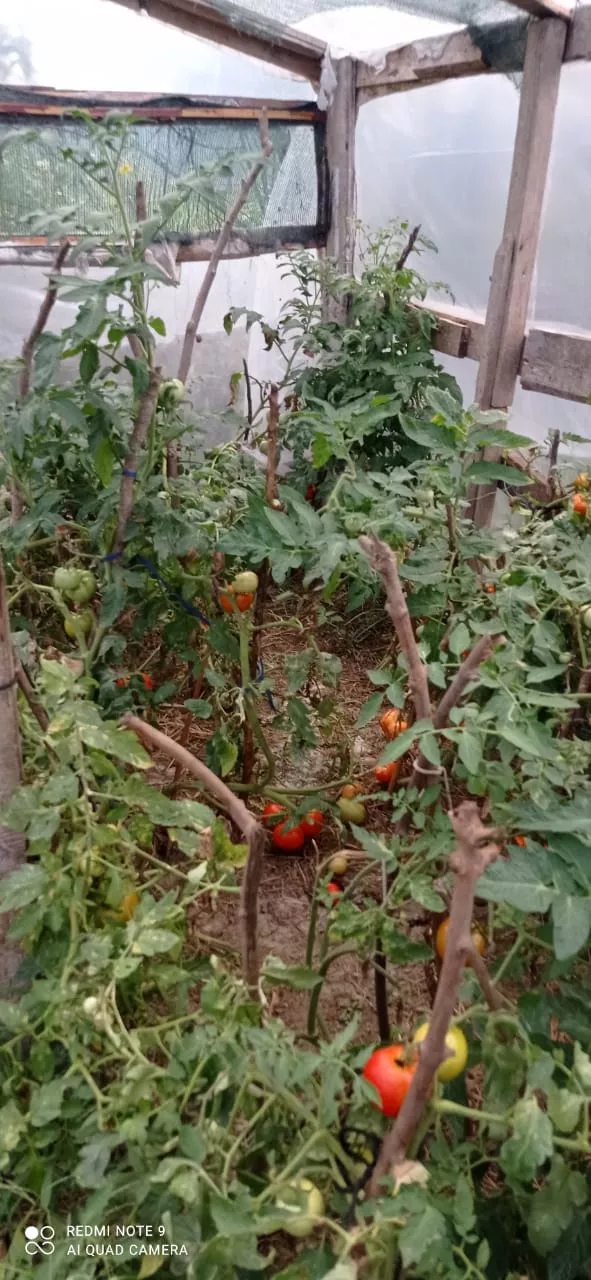
I don't remove side shoots because it makes the fruits smaller, although their number increases. I prefer large tomatoes with plump, juicy flesh.
If you are interested in how to prune tomatoes, take a look here.
Particular attention should be paid to fertilizing. I don't do anything fancy; I fertilize as usual:
- Immediately after transplanting into the greenhouse I add superphosphate;
- when activating growth, use wood ash;
- During flowering, I like to fertilize with Signor Tomato;
- When the fruits are set, I use Ammophoska.
If you're so inclined, try this growing method. I've planted other vegetables in the greenhouse, but they burn up after a while, while Volgogradets tomatoes produce excellent fruit. Incidentally, I sowed the seeds directly into the garden beds one year, and it worked out well, but I couldn't grow anything else in the greenhouse before I got my tomatoes.
Yeah, the tomatoes turned out pretty good. Growing them like this in a greenhouse (open air) is quite interesting. It really won't waste any space in the summer. My greenhouse usually just sits idle. I only used it in early spring for cucumbers. Well, I might have also planted lettuce and parsley. I'll definitely use that advice next year. Oh, and thanks for the link, it's an interesting article.