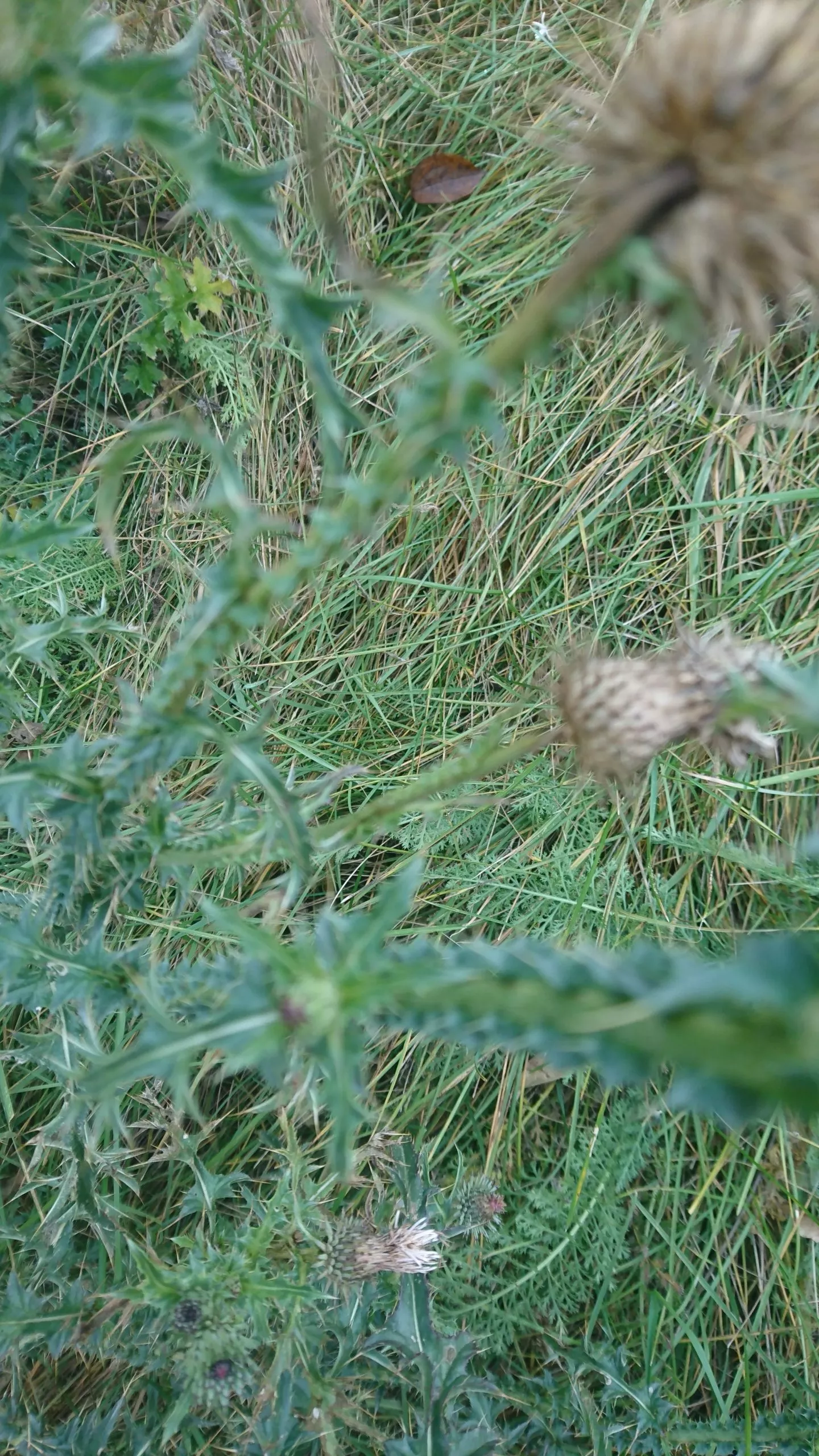
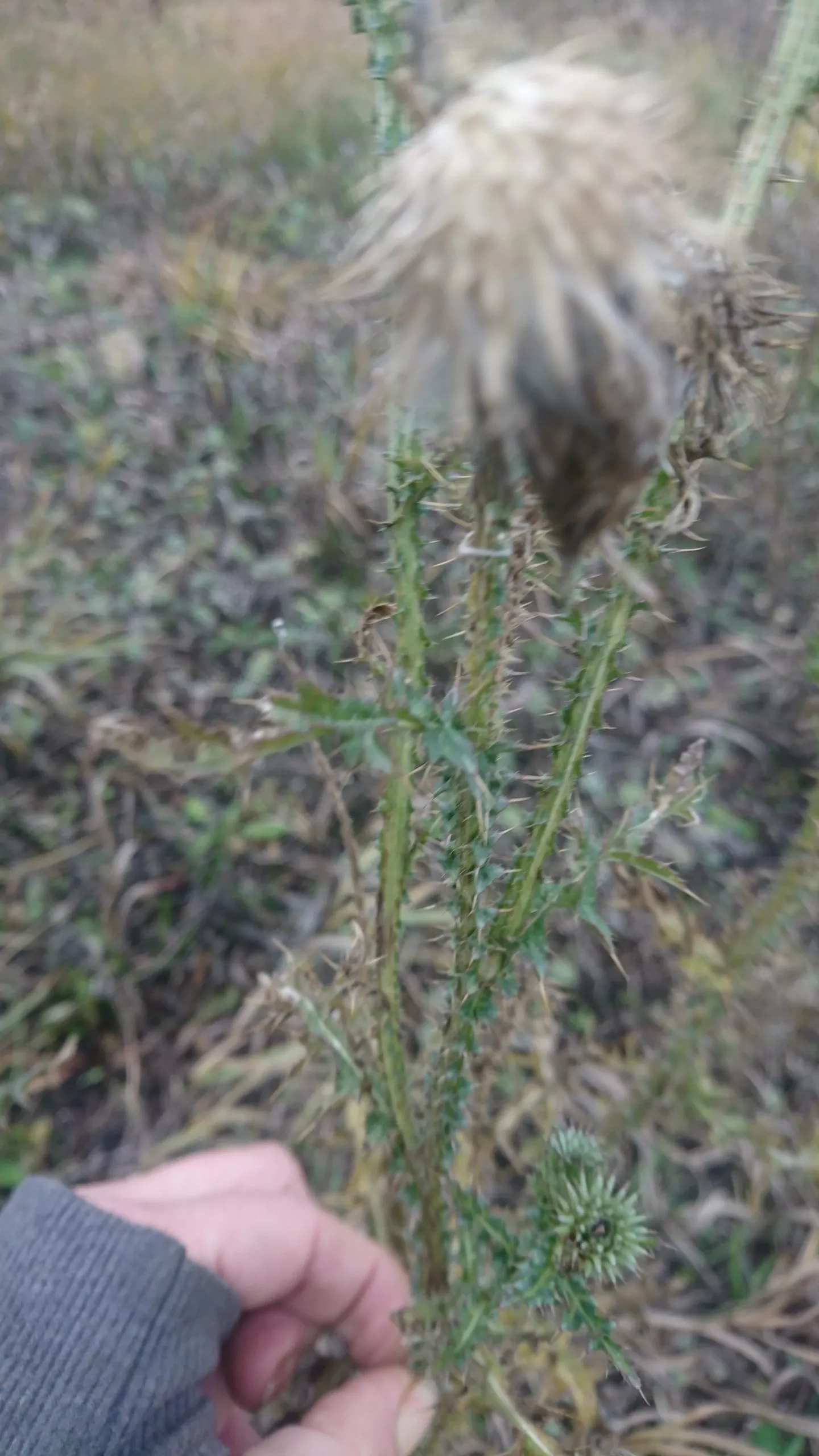
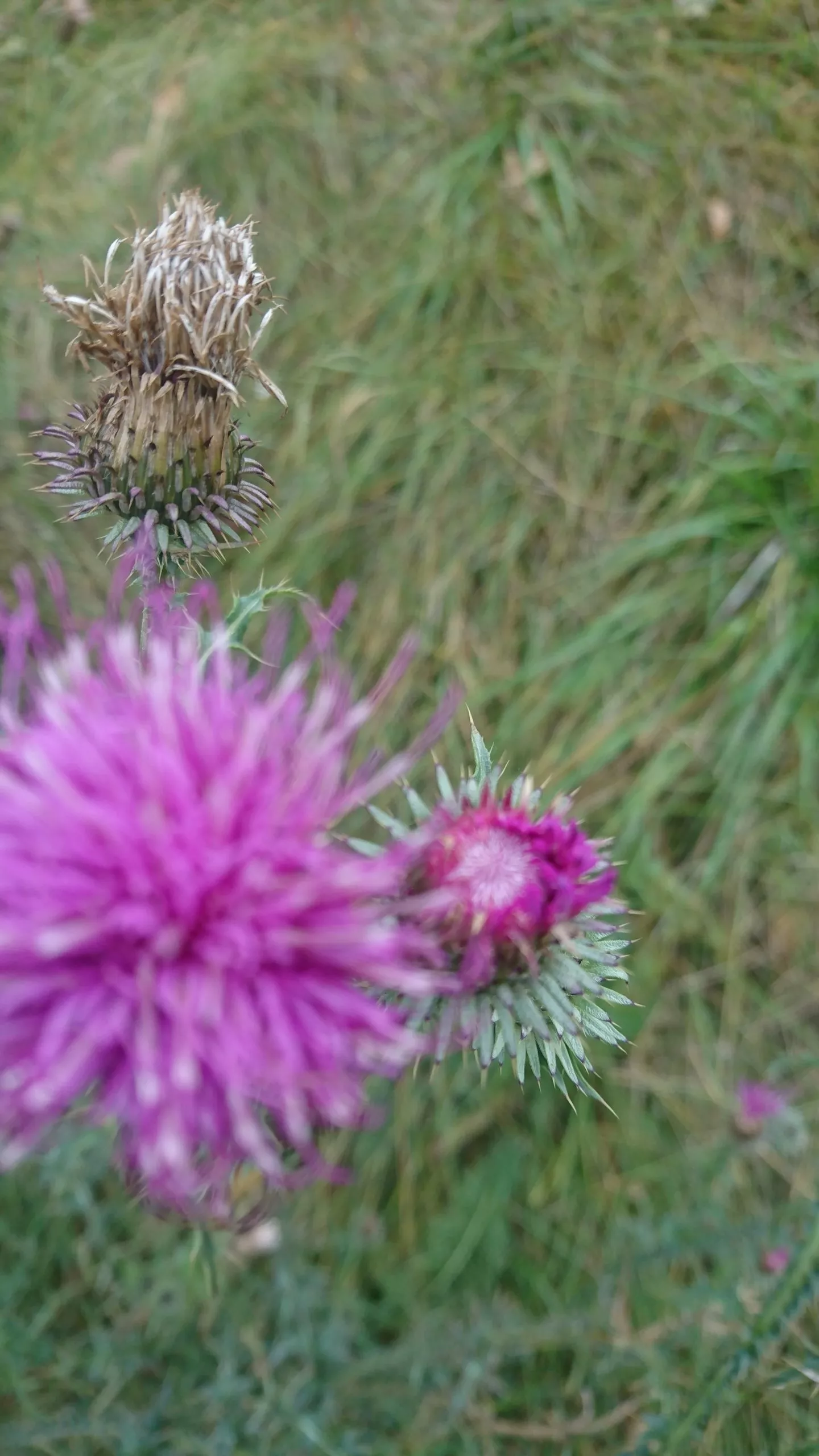
As I already wrote, thistle is a weed, but very beneficial for the human body. But for this, it is important to strictly adhere to rules collection and storage. This is the kind of thistle that grows in our meadows:
What does the plant contain?
All parts of the milk thistle contain a huge amount of vitamins (almost all), but in addition to them, there are also such substances:
- saponins – relieve inflammation;
- silymarins – have a hepatoprotective effect, accelerate metabolism in the liver, and remove all toxic elements from the body;
- bioflavonoids are natural antioxidants;
- tannins – help strengthen the walls of blood vessels and also wash out toxins and other harmful substances;
- essential oil (mostly found in seeds) – used in dermatology and cosmetology;
- various acids – malonic, glycolic, malic, oxalic, citric.
These aren't all the beneficial substances, as describing them all would take too long. Therefore, I decided to focus more on the properties of milk thistle:
- diuretic;
- choleretic;
- anticonvulsant;
- general tonic and health-improving;
- antidepressant;
- wound healing;
- regenerating damaged cells and tissues;
- rejuvenating;
- accelerating blood circulation and microcirculation;
- eliminating any inflammatory processes;
- moisturizing for the skin.
But keep in mind that if there are serious illnesses, then means Milk thistle-based remedies should act as a complementary medicine, not a primary one. However, if you need to prevent disease, rejuvenate your skin, or detoxify your body, you can use the herb on its own.
What problems is it used for:
- cirrhosis and hepatitis, other liver diseases;
- gallstone pathology, atony, cholecystitis and other disorders in the biliary tract, gallbladder;
- diseases of the gastrointestinal tract (constipation, hemorrhoids, gastroenteritis, gastritis, etc.);
- insomnia;
- depression;
- neurosis;
- swelling;
- cystitis;
- tuberculosis and bronchitis, colds, acute respiratory viral infections;
- non-healing wounds, abrasions, scratches, irritations, skin rashes, burns;
- menstrual cycle disorders;
- acne and psoriasis;
- dermatitis and eczema;
- peeling skin and hives;
- allergic reaction.
Are there any contraindications?
You know, many people naively believe that herbal remedies are completely harmless when they take them. But I know for a fact that certain substances in plants have contraindications. And if they aren't followed, complications and unpleasant consequences arise. So be wise.
When you should not use milk thistle-based products:
- individual intolerance;
- bile duct obstruction;
- pancreatitis.
It can be taken during pregnancy and breastfeeding, but in very small doses and with caution.
If this wonderful herb does not grow near your house, you can plant and independently. This is a photo of a thistle that has already bloomed and is ready to harvest its seeds: