

Like nettle, deadnettle is a medicinal plant (I wrote about this herb here). But the beneficial properties are somewhat different.
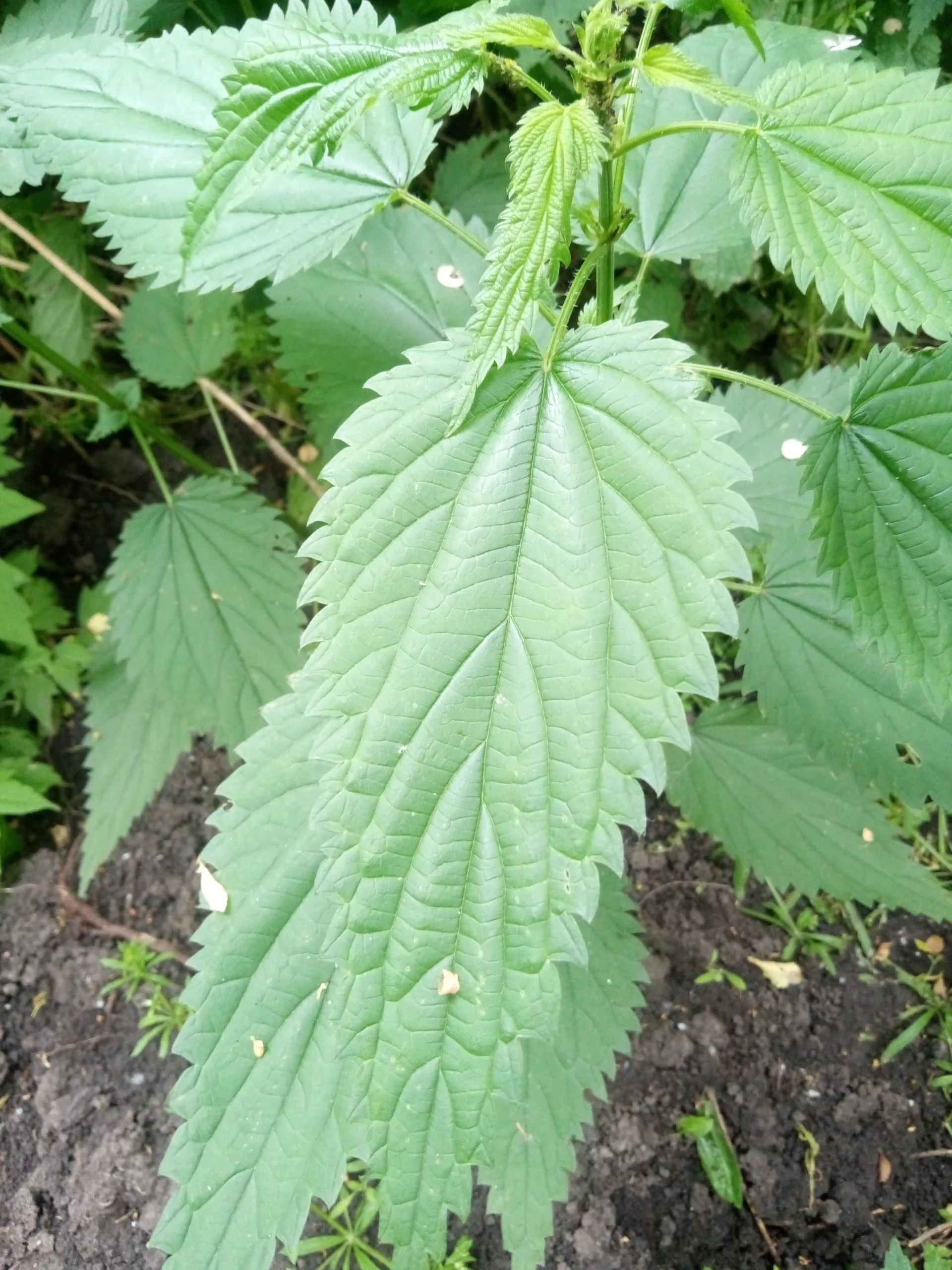
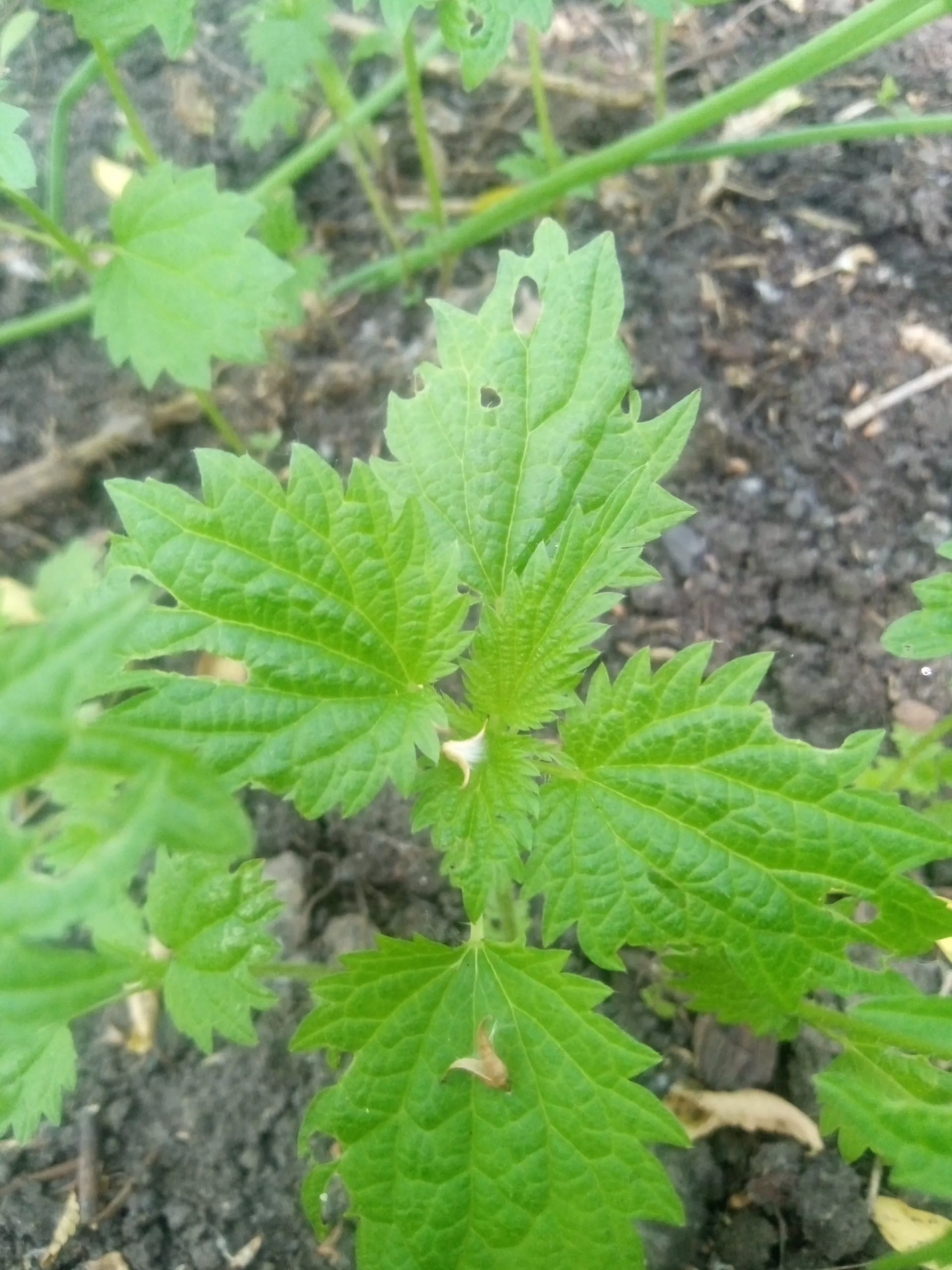
Dead nettle contains many organic acids, ascorbic acid, carotene, sucrose, alkaloids, flavonoids, saponins, essential oils, tannins, tannins, and potassium salts. And these are just a few of the many elements. Listing them all is pointless, so I'll explain what effects dead nettle has on the body:
- strengthening the immune system;
- reduction of inflammatory processes;
- pain relief;
- wound healing;
- elimination of cramps;
- astringent properties;
- choleretic;
- stopping bleeding.
Herbalists often recommend deadnettle to both men and women for genitourinary problems. I'm particularly emphasizing this for women because decoctions improve uterine contractions and tone them.
I've read that dead nettle is used for a very wide range of ailments, but based on a conversation with an experienced herbalist, I can say for sure that it helps with colds, diarrhea, anemia, kidney disease, stomach problems, insomnia, and skin problems.
Now about the harm. There isn't any harm as such, as dead nettle doesn't contain any toxic substances. However, harm can occur due to overdosing and using the product when contraindicated. These are:
- increased blood clotting – blood clots will form;
- hypotension – decreased blood pressure;
- pregnancy – due to accelerated contractions of the uterus, a miscarriage may occur;
- varicose veins and the like, which contribute to thrombophlebitis.
Those are all the contraindications. But deadnettle is used not only in folk medicine, but also in the garden.