
Autumn is a favorite time for mushroom pickers. In September and October, I go for russula mushrooms, saffron milk caps, and field button mushrooms. This post will focus on the latter.
Description of field mushrooms
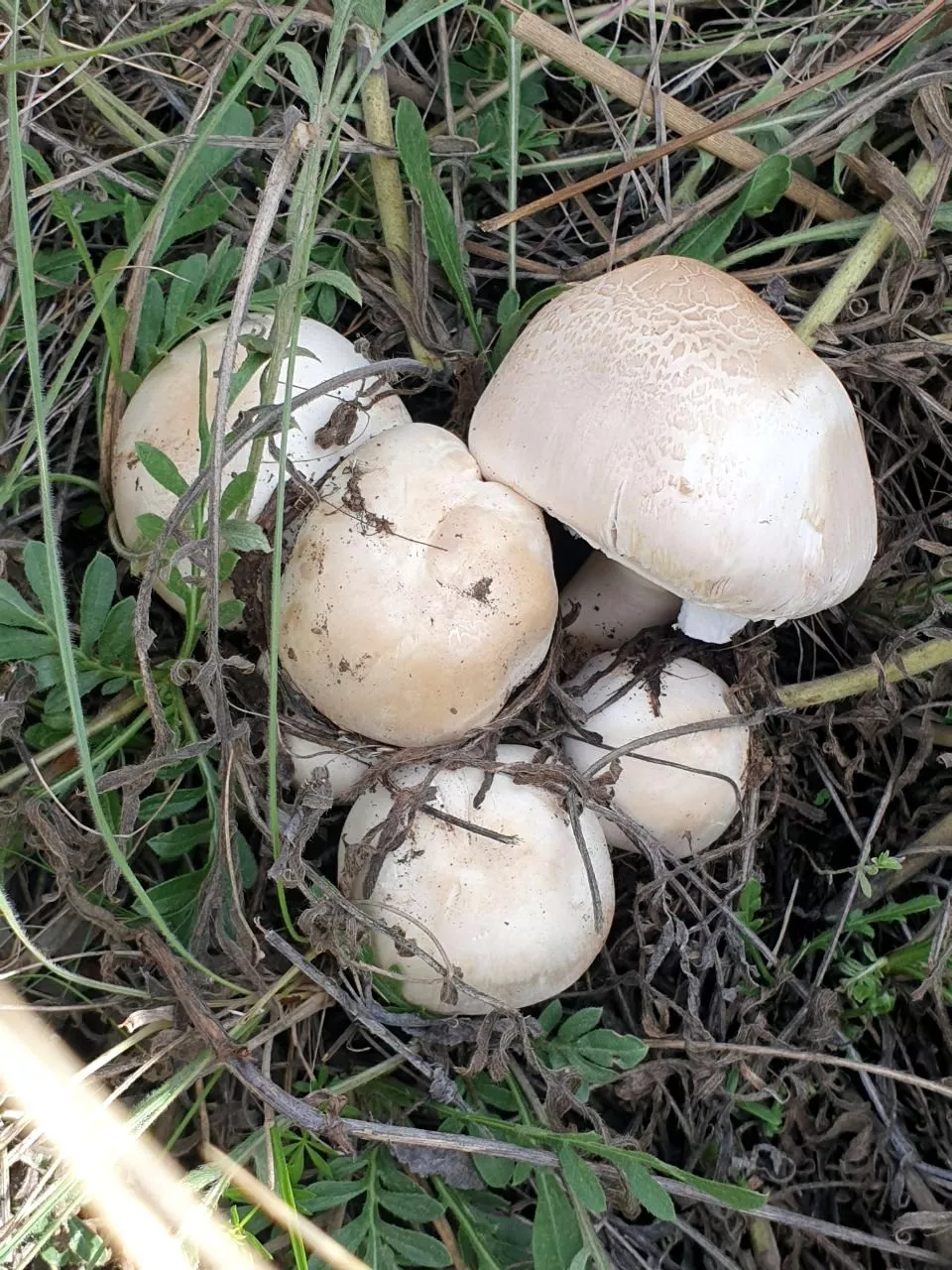
They grow in meadows, fields, and even in city parks or along roads. However, picking mushrooms within city limits, especially along roadways, is not recommended, as they accumulate heavy metals and toxins.
The field button mushroom is a mushroom with a thick, fleshy cap. Initially, it's white, spherical, and has incurved edges. As the mushroom matures, the cap opens and becomes spread out. The cap feels silky and pleasant to the touch. A mature mushroom's cap can reach up to 20 cm in size (out of curiosity, I measured the diameter with a tape measure :)).
Just look at these beauties that I managed to collect:
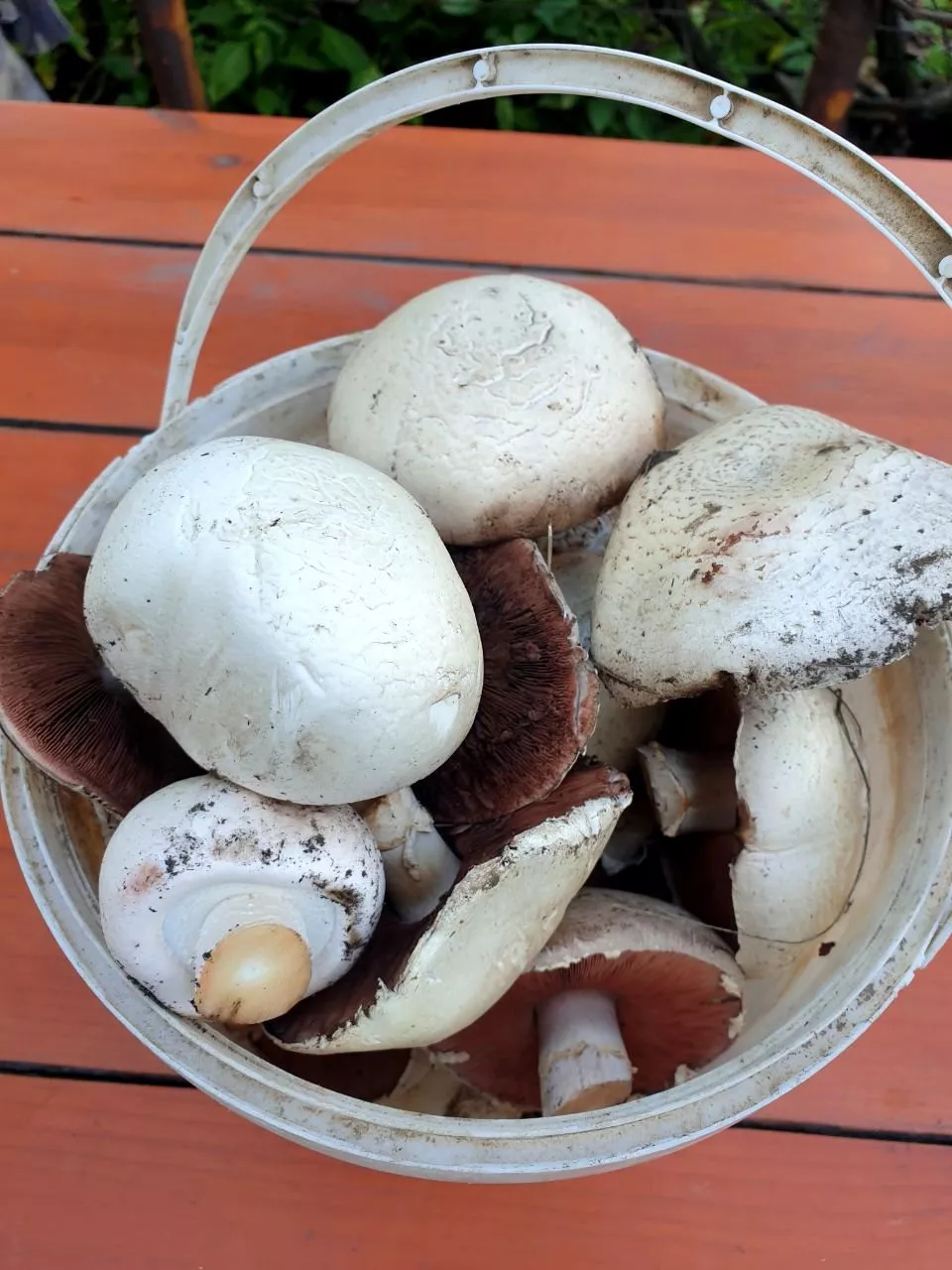
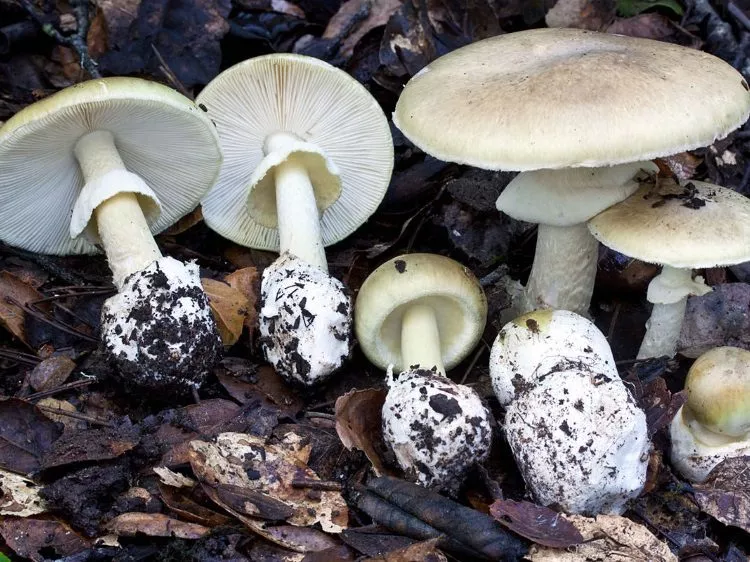
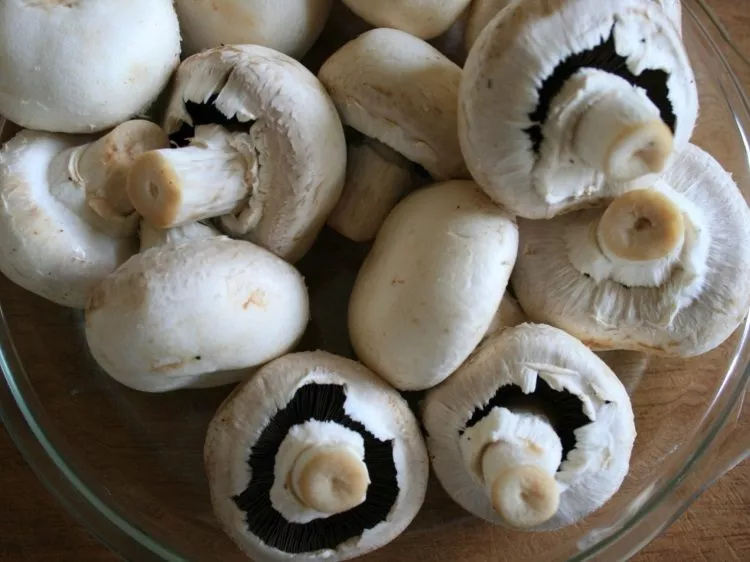
The gills under the cap are initially white, but gradually darken as the mushroom matures. Death cap gills are always white, so if you see a mature mushroom that looks somewhat like a button mushroom but has white/yellowish gills, it's most likely not a button mushroom!* Mature button mushroom gills are always dark: pink, brown (with a purple or chocolate tint), and sometimes even almost black.
*There is one exception: the white champignon, which retains its white gills. However, since it can easily be confused with a poisonous mushroom, picking champignons with white gills in adulthood is not recommended!
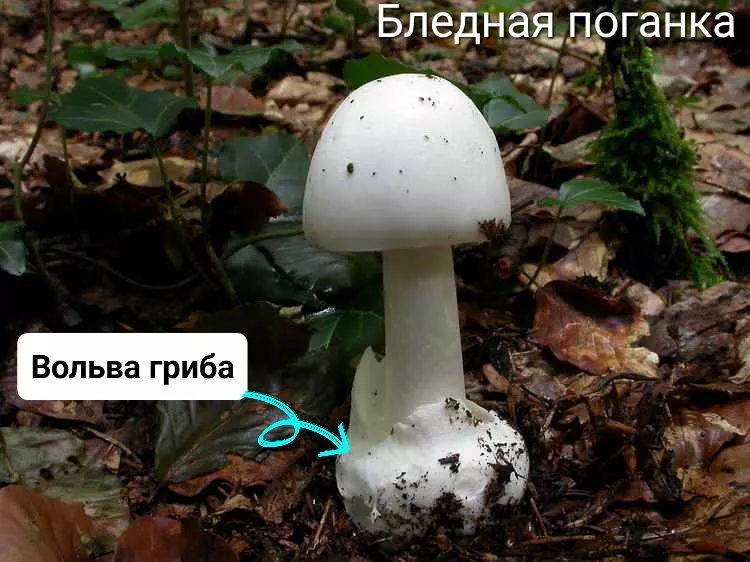
The mushroom's stem is white, cylindrical, and thickens toward the ground. But the champignon doesn't have a volva at the base of its stem! Death caps have one (see the photo below... see that sac near the ground? A champignon shouldn't have that!)
The flesh of a young champignon cap is firm (it softens with age). When pressed or broken, it turns slightly yellow or red. The taste is sweet and nutty. The aroma is aromatic, mushroom-like, with hints of almond (especially if the mushroom is young). The flesh of the stem is fibrous and somewhat coarse.
Poisonous and inedible lookalikes of the champignon
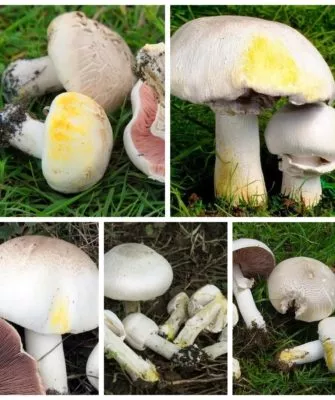
False look-alike mushroom is yellow-skinned champignonMain distinguishing features:
- the cap turns bright yellow when pressed/broken;
- The pulp has a peculiar, almost pharmaceutical smell (reminiscent of gouache... smell it, you'll understand and remember it). This smell only intensifies when cooked.
Books refer to yellow-skinned button mushrooms as poisonous, but I've known people who, out of inexperience, picked them mixed with regular button mushrooms, cooked them, and ate them. The cooking smell wasn't very noticeable because there weren't many of them in the basket (maybe just a few), but they were definitely unpalatable and easy to distinguish.
A poisonous mushroom that can also be confused with champignon is death cap.
A step-by-step guide to identifying edible mushrooms
1. Let's say there's a group of mushrooms. We find an adult mushroom with an open cap. We're interested in the color of the mushroom's gills. Dark—OK; white—we skip this group of mushrooms.
If you find a small, solitary champignon with white gills, leave it alone. There's a good chance you've picked a white toadstool. Look for a group of mushrooms; that will make it easier to identify them.
2. Check to see if there's a volva (like a sac) on the stem just below the ground. If not, OK. If there is a volva, don't even touch the mushrooms; they're most likely death caps.
3. Look at the cut on the stem. If it turns pink, it's OK (photo 1):
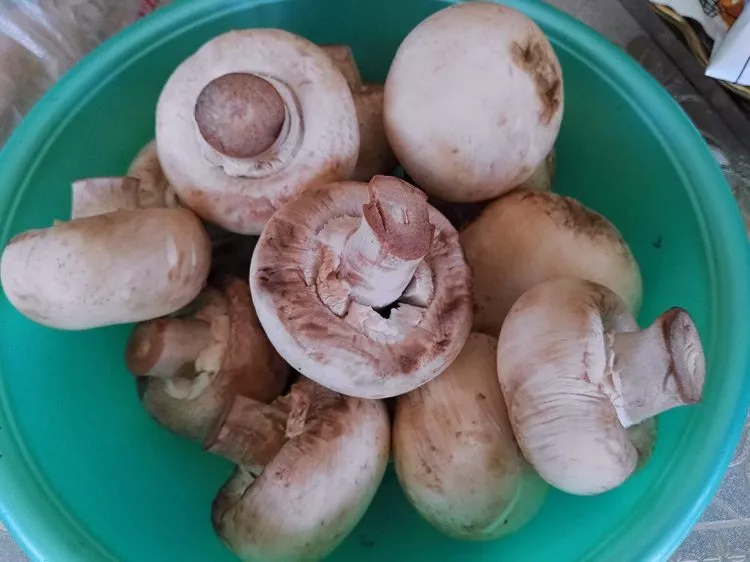
Or it turns slightly yellow (becomes an ochre shade, like in photo 2) - also OK:
It turns bright yellow (this happens quite quickly, you won’t have to wait long) – throw it away and wash your hands:
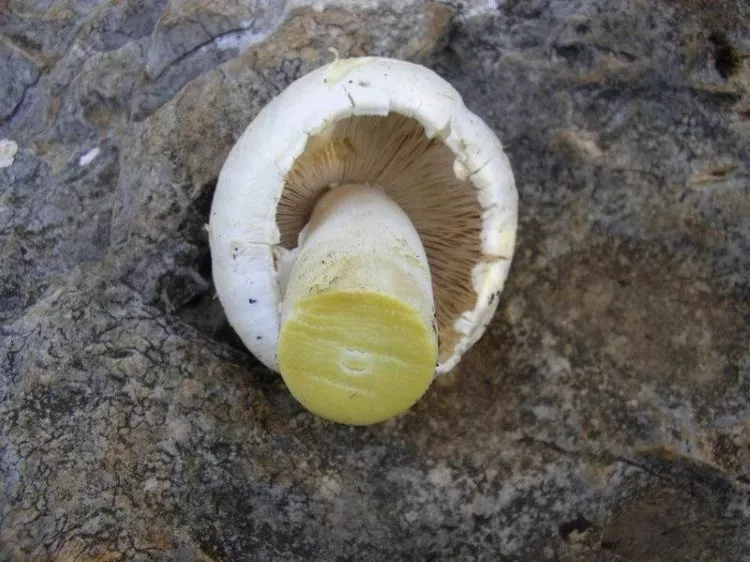
In general, you don't even have to cut the mushroom, as any contact with the false button mushroom will cause it to become covered in bright yellow spots. So, if you see this right away, just pass it by and leave it alone:
4. If the mushrooms develop a specific or unpleasant odor during cooking, discard them without regret. You've likely picked inedible duplicates.
That's all my tips for today. Field mushrooms continue to bear fruit until the autumn cold sets in, so if you're reading this during the warmer months, hurry to gather these delicious mushrooms and preserve them for the winter. Pickled mushrooms are especially perfect for the New Year's table. I highly recommend them!