
We used to have them, and we still have them now. We have a lot of different animals: cats, dogs, a hamster, now we also have chickens, and in the house there is a parrot, and even an Achatina snail, but recently I realized who else is missing - bees!
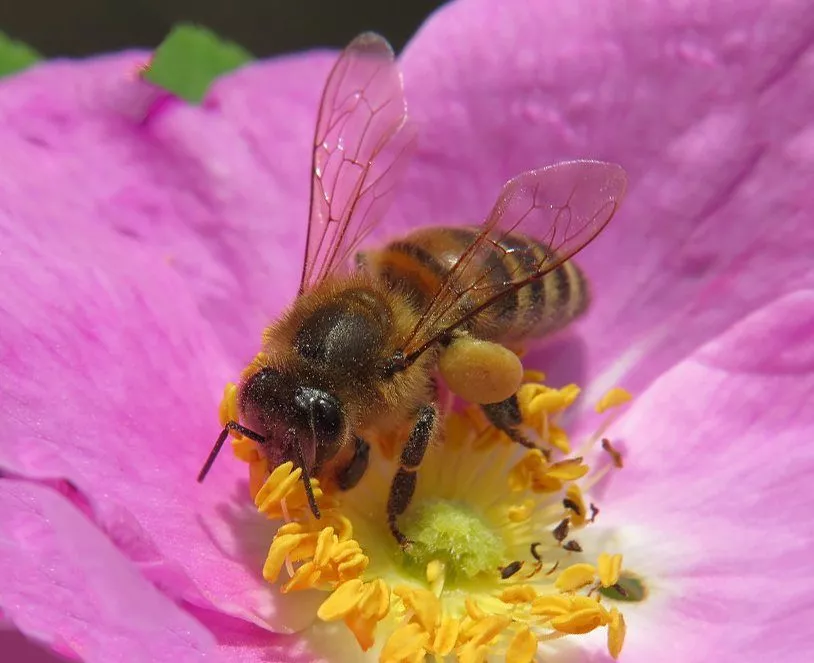
We regularly buy honey, sometimes at the market, sometimes from private sellers, and each time we wonder if it's real or diluted with sugar. Sometimes it's delicious, sometimes it tastes like sugar syrup, not honey.
In fact, I even had the chance to try completely artificial honey—created in a test tube in a chemistry lab, almost indistinguishable from the real thing. It was an experiment by my aunt, a chemist by profession; she became interested in artificial honey one day, and then treated me to some over a cup of tea.
But my most vivid childhood memories of honey are from my uncle, who ran an apiary. Even as preschoolers, whenever we visited, he always treated us to real, fresh honey. We'd walk through his apiary, and he'd talk about bees, explaining that they wouldn't attack without reason, and he'd teach us how to behave around the hives so we wouldn't be afraid of them.
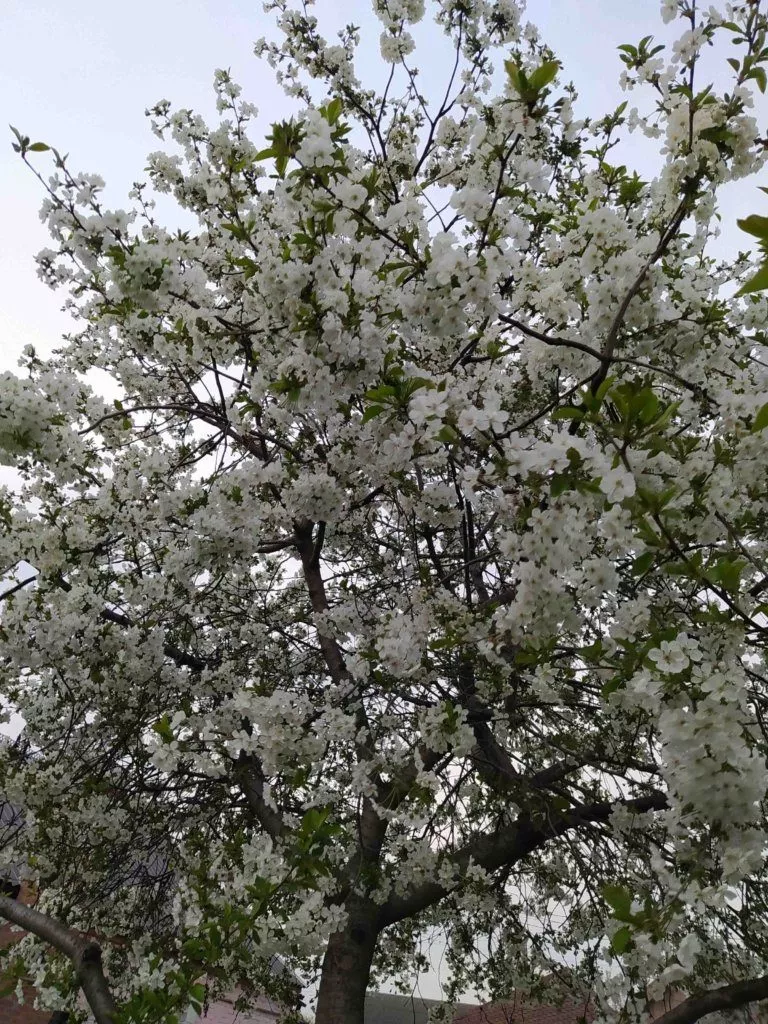
Cherry trees and other fruit trees are in full bloom now, and the flowers are surrounded by the hum of bees – the workers are at work.
Then he'd take out a frame of honeycomb and distill the honey in a honey extractor. He'd immediately pour the warm honey into mugs for my brother and me and sit us down at the table. This honey was truly delicious!
And so, many years later, I felt like trying it out. Of course, not on a full-scale apiary, but rather one or two hives on my property. An additional incentive was the fact that my neighbors had been keeping bees for several years. They had three hives, and the bees were flying all over the neighborhood, including our garden. It's a shame they moved somewhere else a couple of years ago; then I could have asked for advice.
If our neighbor succeeded, why shouldn't we try it too? Especially since half the plot is currently a green meadow. We could try sowing more honey plants there.
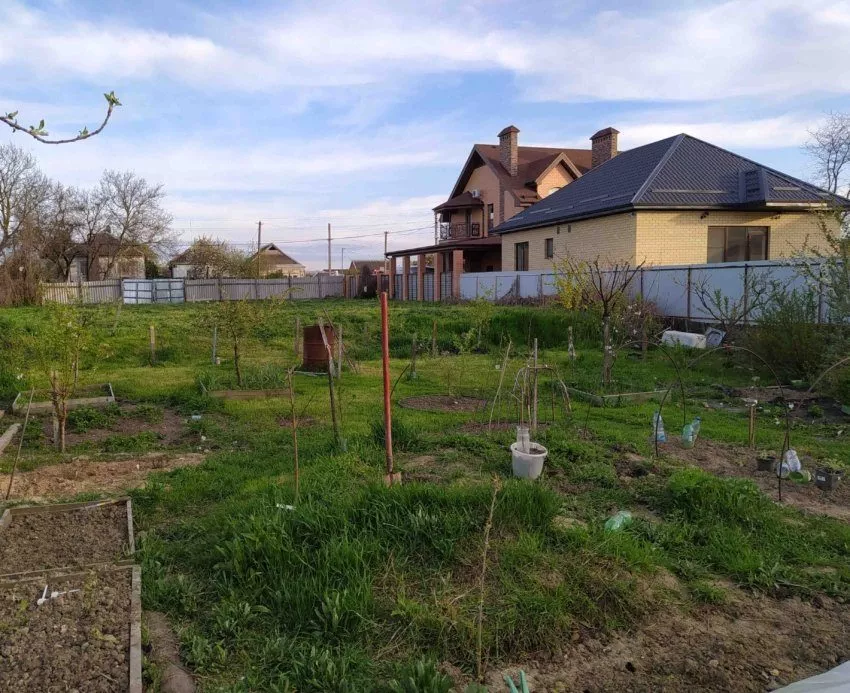
So, we're still in the preparatory stage: reviewing information and exploring options. We'd like to set up evidence in a budget-friendly manner, because if this project doesn't work out, it won't be such a waste of money.
There are plenty of ads for hives for sale; the region has a wealth of beekeepers. I'm slowly reading up on the information. Most people recommend starting with three hives, but we'll see. One is enough to start, and then we'll see. As for construction, it turns out there are hives made of different materials, not just wood, and of different designs, each with its own processing and cleaning technologies, weights, dimensions, and designs. For now, we're leaning toward a regular wooden hive with a removable bottom.
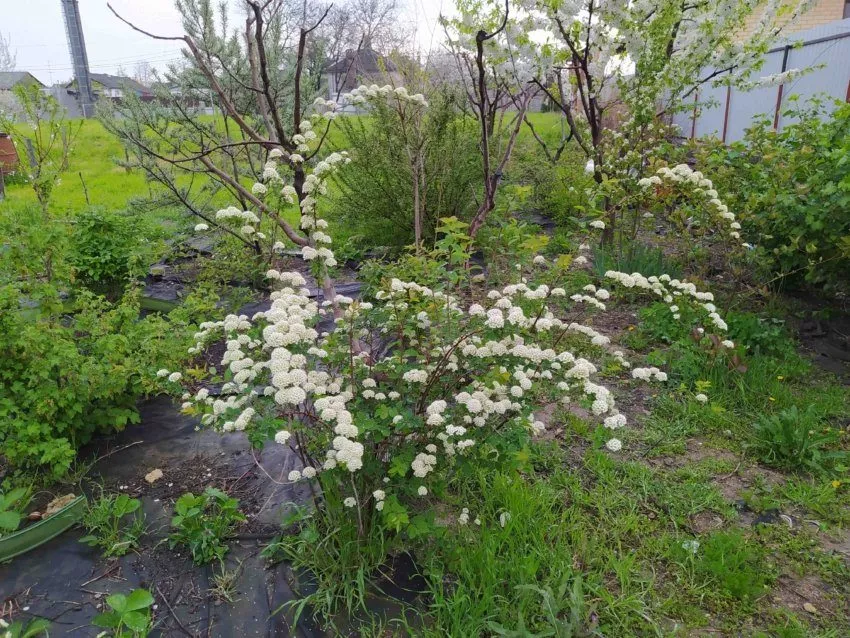
Bees also love meadowsweet.
Regarding placement, we're currently considering a location on a slope, where the elevation changes. This way, the hives will be exposed to the sun but protected from the wind.
We live in a small town, but the surrounding area is filled with private homes and plots of land where people keep chickens, geese, goats, and even cows. There are no kindergartens or other institutions that could be at risk from bees. There are also no large chemical or confectionery companies.
And the bees will pollinate better. For now, we're happy when visiting bees visit our flowers and fruit trees.
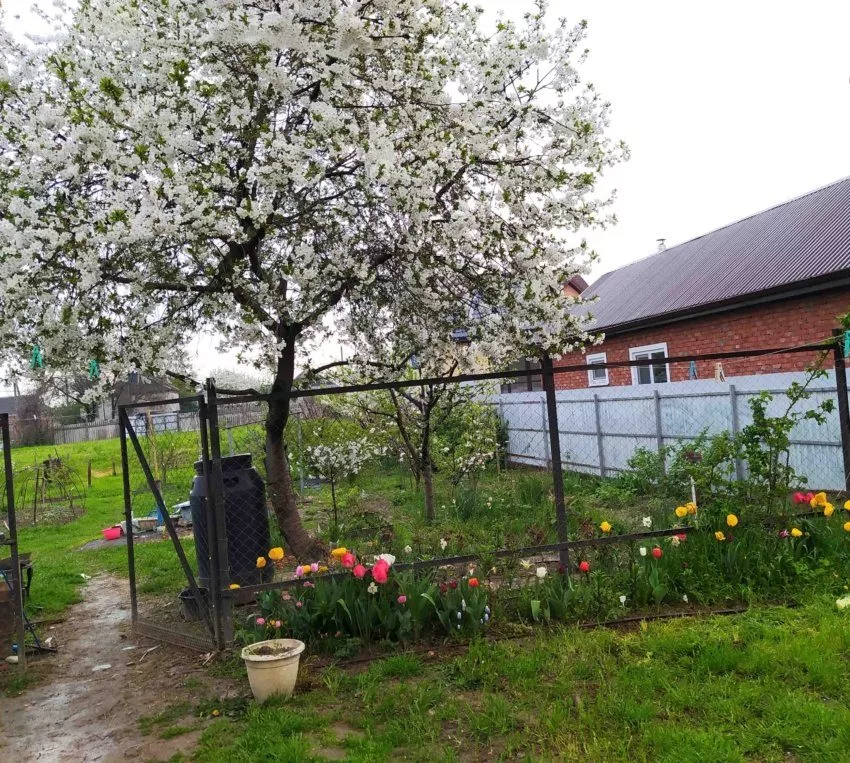
The more bees fly to us, the more fruits will be produced.
I stumbled upon the Ukrainian beekeeper's channel "Apiary Freebie" and am now following his posts, trying to glean useful information and ideas.
But I'm increasingly excited about the prospect of keeping my own bees. I've roughly decided on a location, but I still have to choose and acquire all the necessary equipment.
- We need a hive (for now one for the swarm and the second as a spare), frames - we plan to buy them first, and then, if necessary, try to make them ourselves using a model.
- Wax foundation (for frames).
- Honey extractor - to start with, I think you can buy the simplest one second-hand on Avito.
- Beekeeper's overalls.
- Gloves (while we're still learning the craft, even with friendly bees it's better to be on the safe side).
- Honeycomb knife.
- Smoker.
- Strips for protecting bees from varroatosis.
- Roevnya.
- Beekeeping chisel.
- Wax melter.
It seems I've listed the main things... well, as we get more into this business, we'll add to our inventory.
Of course, there are doubts about whether we can handle it, whether it will work, but we won't know until we try! Moreover, if our mini-apiary succeeds, in addition to delicious honey, the bees will produce propolis—a fermented resin used to treat a variety of ailments—capping, bee bread, wax, royal jelly, drone milk, apitoxin, and dead bees.
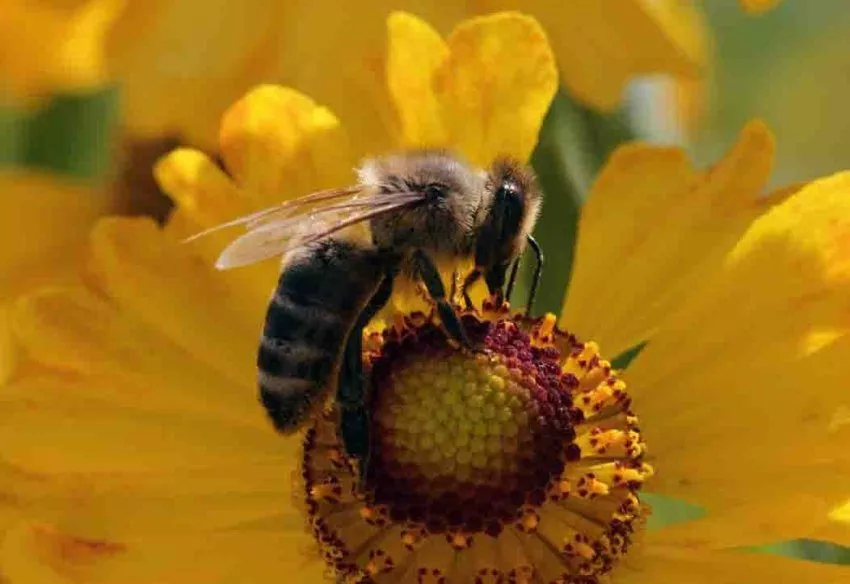
I still need to decide on bees, as it turns out there are both good and bad bee species. Some swarm, some don't. So, I'd like to find good, non-swarming bees so they don't bother the neighbors. These are mostly Carnica or Carpathian bees. We'll try to find and buy these, but first, we need to do some research.
Gorgeous!! I bought one hive three years ago. Now it's been 10 and I don't regret it.