
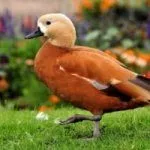
We used to keep chickens, but then we remodeled the yard, removed the old coop, and the hens too. So now we've decided to get some birds again, mainly for home-grown eggs.
When I went to buy some birds, I had to recall my previous selection experience. Since chickens are sold individually at the market, if you want a dozen, go for it! It won't be clear which is the hen and which the rooster when they grow up. It's understandable, since it's not profitable for the seller either.
Approximately half hens and half cockerels hatch from eggs (although there are also folk signs on how to tell by the egg whether a cockerel or a hen has hatched, I don’t know how true they are).
If a seller sexes the chicks, and in most cases the buyer only needs hens and one or two cockerels, the result will be a lot of unsold cockerels. And what to do with them then? Therefore, sexing is not profitable in retail.
But for ourselves, we still want to somehow know what we're buying. So, of course, I tried to choose the hens, and I'll try to tell you how I did it.
These options don't guarantee 100% accuracy; most likely, 2 or 3 cockerels will grow out of 10 selected hens. However, the chance of selecting the desired sex of the chick increases.
The first method
When buying day-old or week-old chicks, I pay attention to the color of their wings. As a rule, the wings of hens are darker in relation to their body color than those of cockerels.
Unfortunately, I didn't take photos of the day-old chicks; their feathers have molted a bit now. But if you look at one of these chicks, you'll notice that some have wing fluff that's the same color as their body or darker—they're most likely hens—while others have lighter-toned wings—they're cockerels.
The second method
If you carefully take the chick by the legs and turn it upside down, the hen will try to tuck her head to her chest and, if possible, tuck her legs in.
Like this:
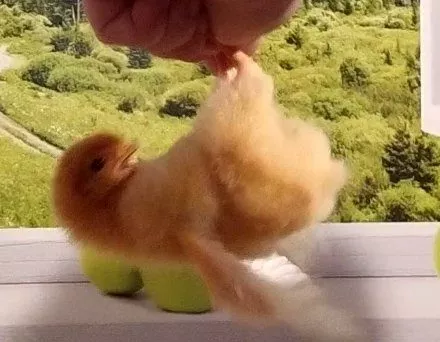
Or like this:
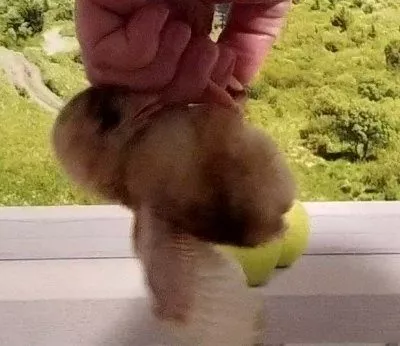 Or even like this:
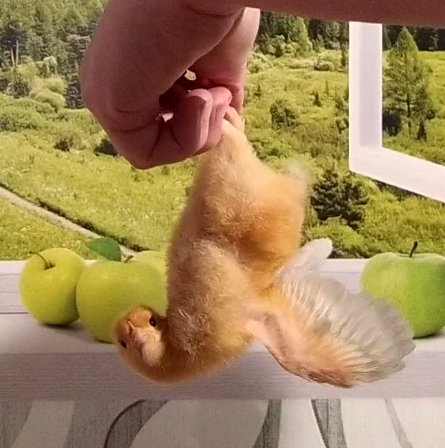
The cockerel, on the contrary, straightens his legs, relaxes his wings and throws his head even further back, towards his back, trying to look around.
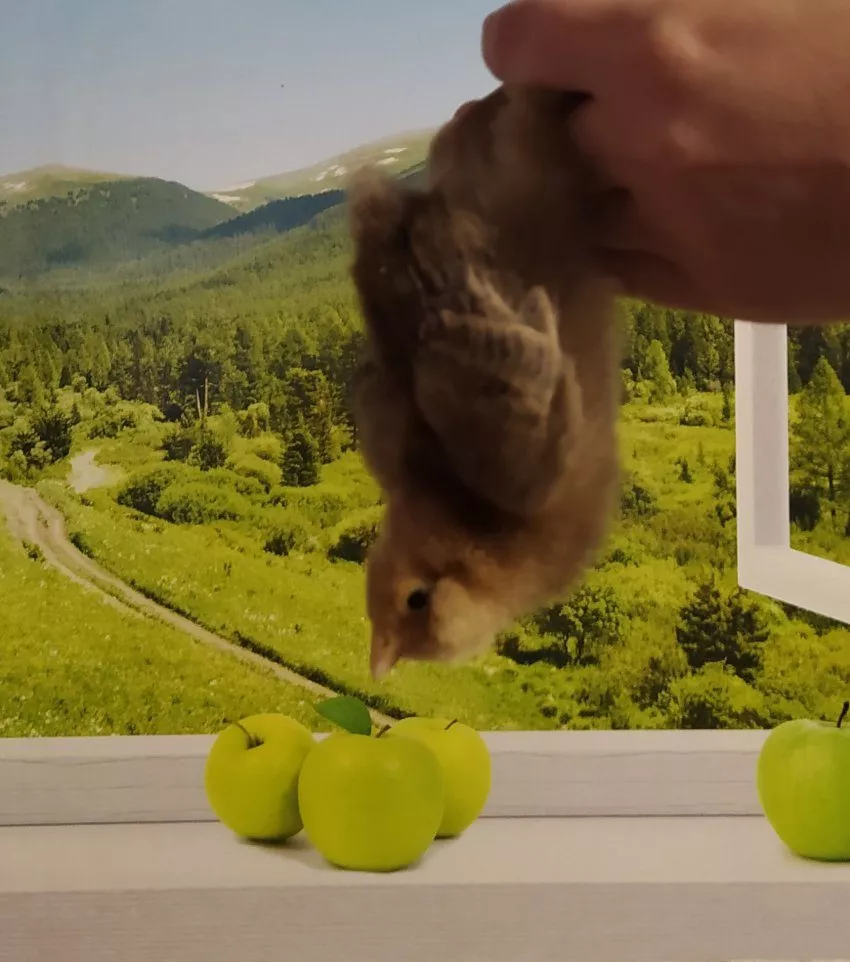 Or like this:
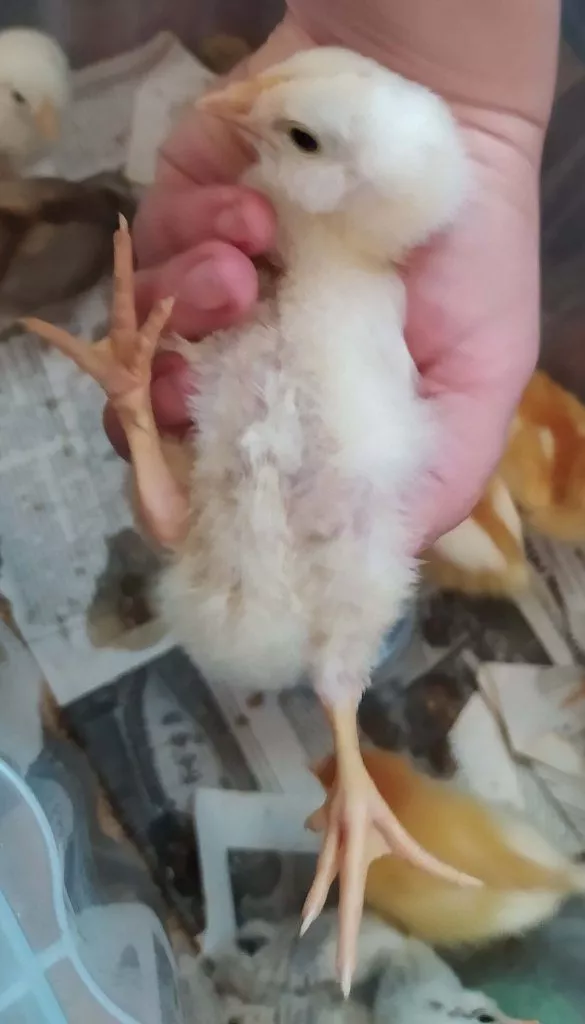
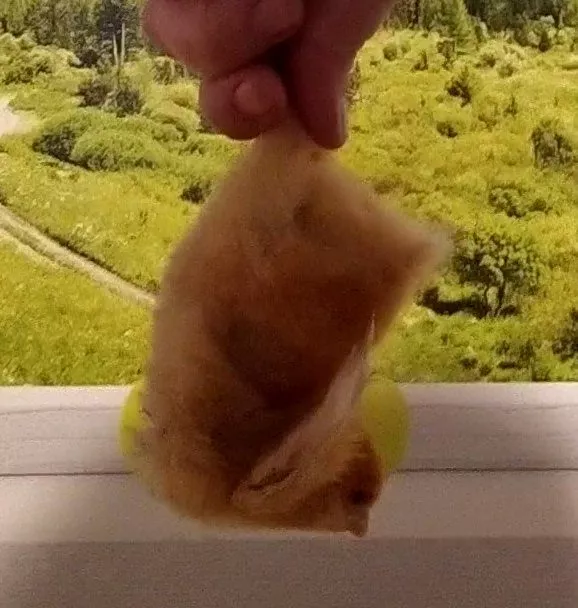 You can also cover the chicken with your palm and simply turn it over onto its back.
The chicken will tuck its legs in and curl up:
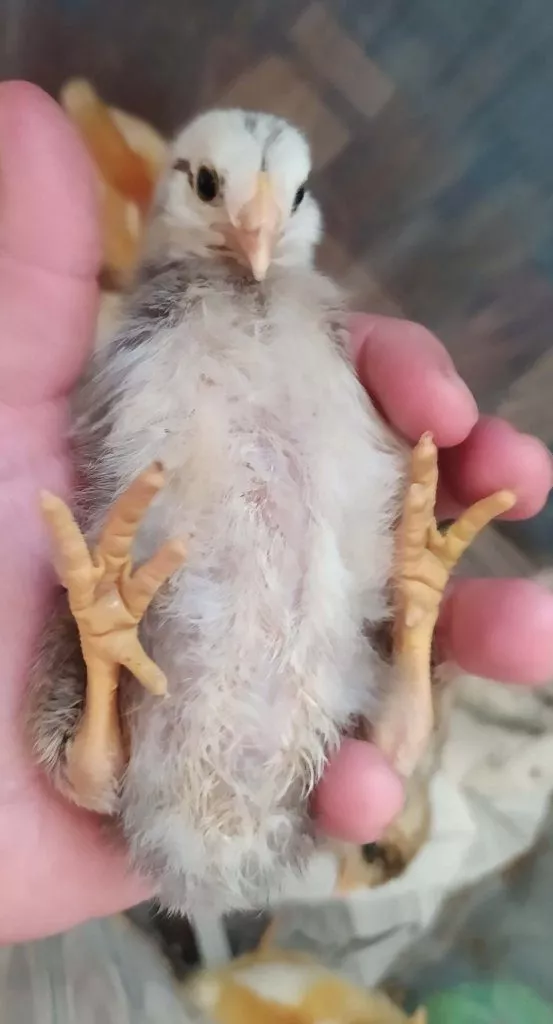
And the rooster will pull them out and spread them out.
 The third option
This is a method of determining sex by plumage.
Let's look at the wings. To do this, carefully open the wing. A hen's flight feathers are arranged in two rows at different levels—a row of long feathers and, above them, a row of short ones.
Here, I tried to outline it schematically:
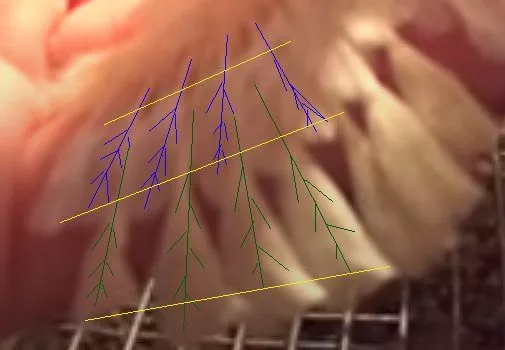 And in cockerels the rows of feathers are approximately the same length:
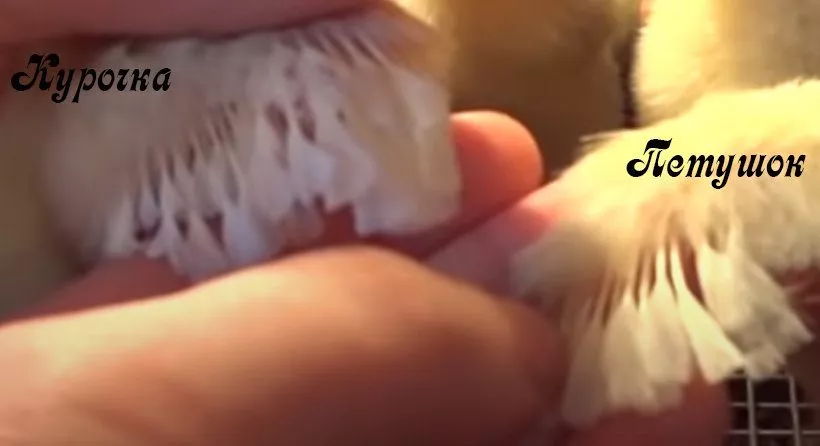
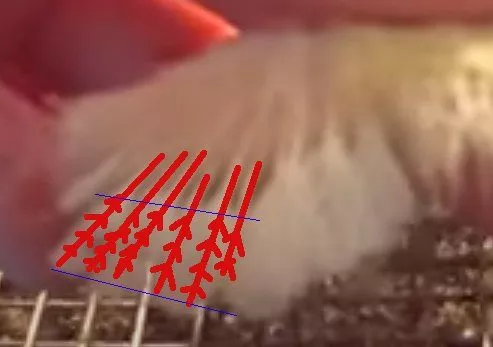 This is at the age of one day, here is a closer look for comparison:
Below, the difference in plumage is already visible at one week of age.
Chicken - feathers in two tiers of different heights.
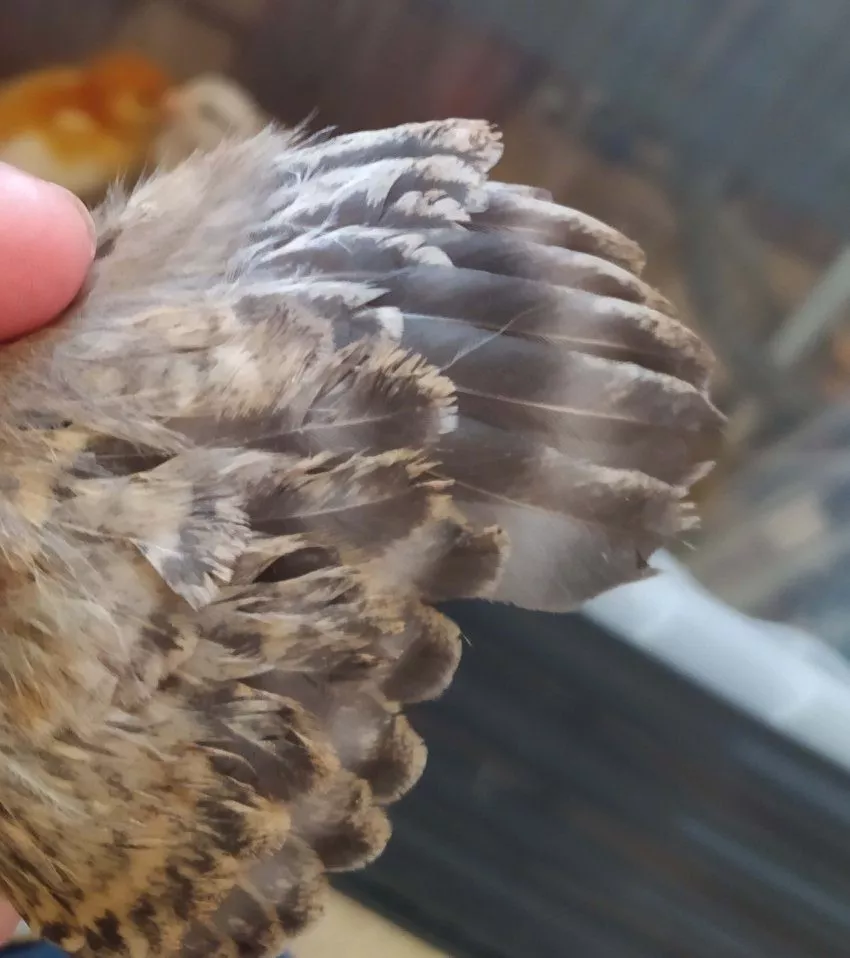 Cockerel - feathers in two tiers, but almost at the same level in length.
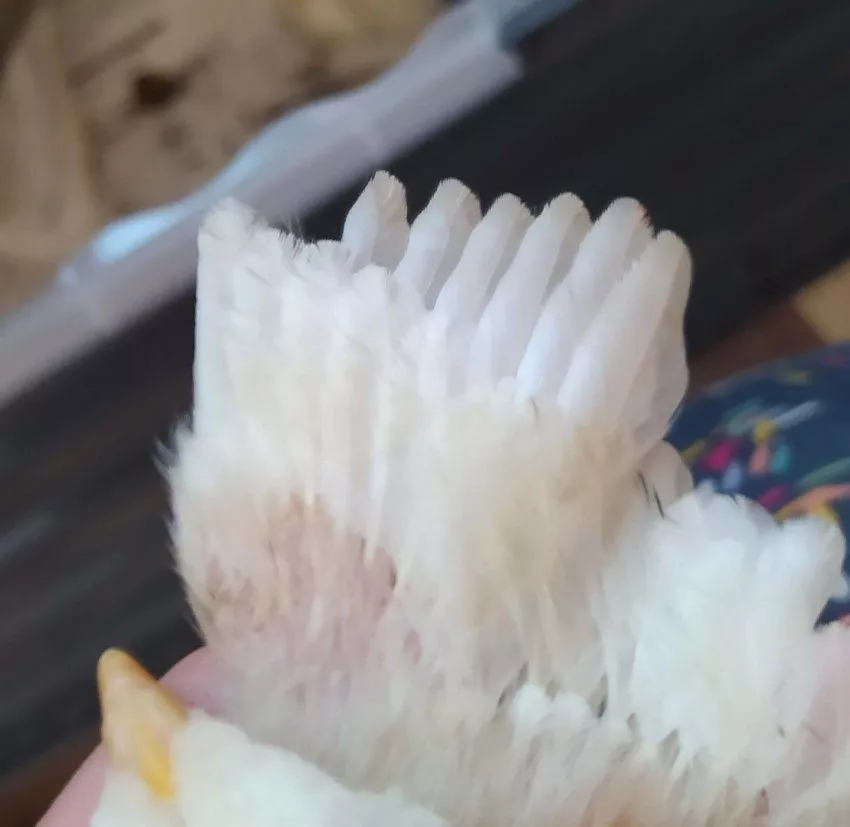 When chicks begin to feather, you can also see differences in their plumage. Hens lose their down and develop feathers earlier than cockerels. Therefore, when choosing week-old chicks, look for those that already have real feathers on their tails.
Cockerels walk longer with fluff on their tails.
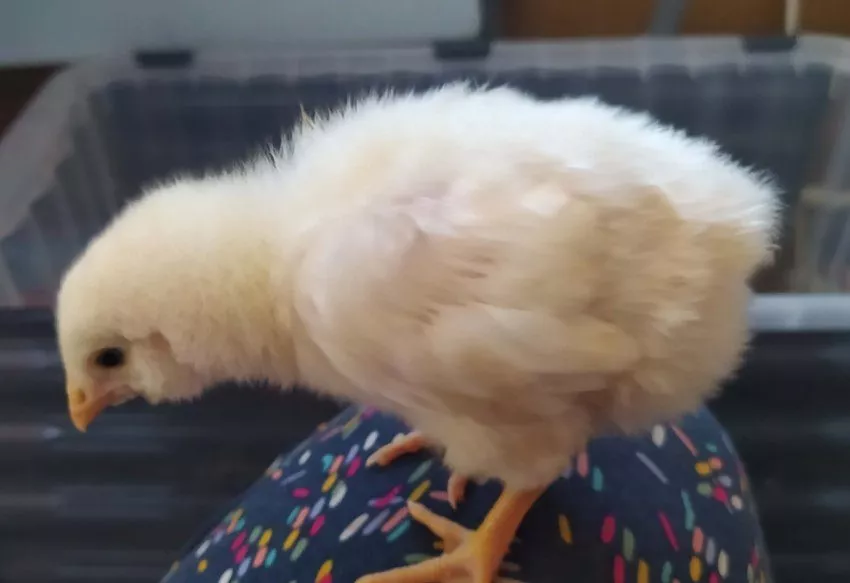 And in chickens, feathers on the tail appear earlier.
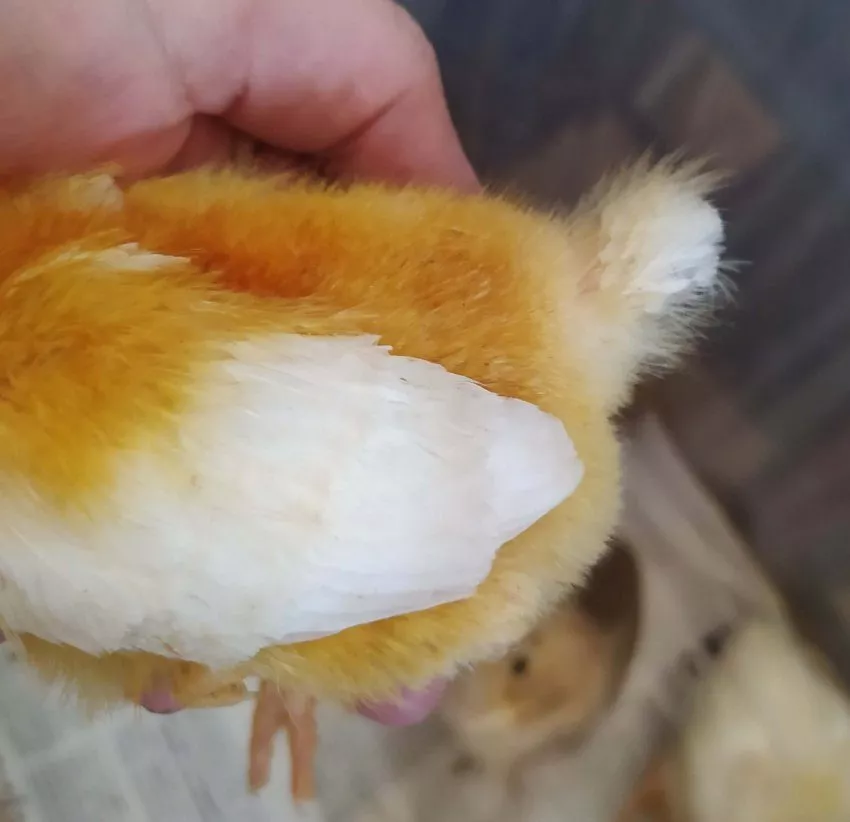
There are other ways to determine a chicken's sex, for example, in factories, they use the cloaca. But I don't know of any, so I rely on the options I listed above when choosing.
If you perform only one test, it may give an incorrect result, but if you use them in combination, the likelihood of correctly choosing the desired sex of the chicken increases.
If you have your own proven methods, please tell us about them.
Thank you. Please continue sharing your observations and experiences raising chickens. I want to get some too, but I'm still learning the ropes so I know what to do and how.