

Winter is finally over. Although here in Krasnoyarsk, spring hasn't really arrived yet. Huge snowdrifts are everywhere, especially at the dacha. There wasn't much snow in December, but so much piled up in January and February that it seems like these mountains of snow will never melt.
And the frosts aren't letting up; in early March, nighttime temperatures were -20°C, with -15°C during the day. But by Women's Day, the scent of spring was in full swing with a multitude of vibrant tulips, gorgeous roses, and other flowers. The frosts have receded, and forecasters are predicting above-zero temperatures in the coming days. So spring will soon be here, too, which means it's time to sow peppers and tomatoes for seedlings. It's time to awaken the seeds.
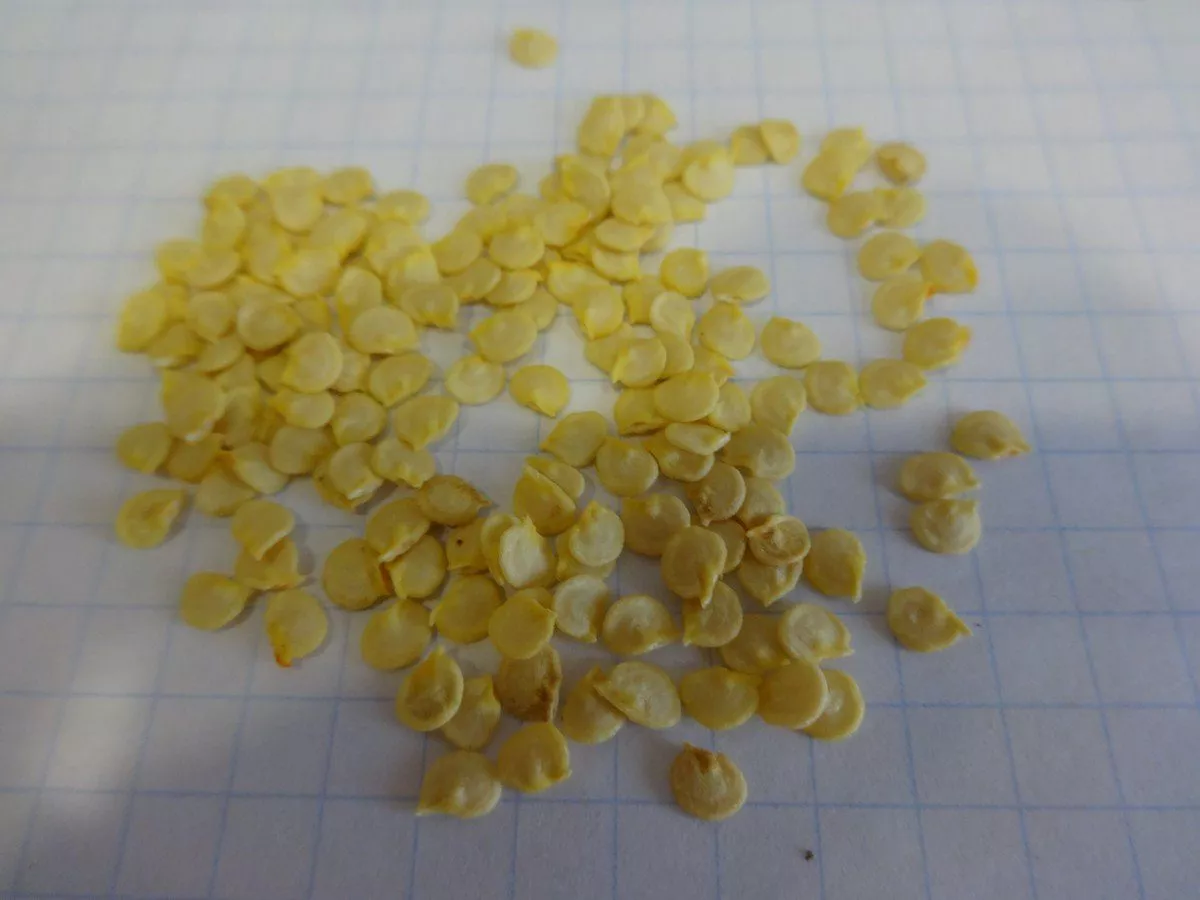
I opened the so-called summer cottage season in mid-February by sowing petunias.
Later, while testing my flower seeds for germination, I planted several sprouted seeds of low-growing marigolds.
And closer to the end of February I sowed pepper seedlings.
First, I tested the seeds for germination by soaking them in salt water for 10 minutes (1 teaspoon of salt per 1 cup of warm water, stirring well to dissolve the salt). I discarded any seeds that floated. They were unsuitable for planting; they were empty and would not germinate.
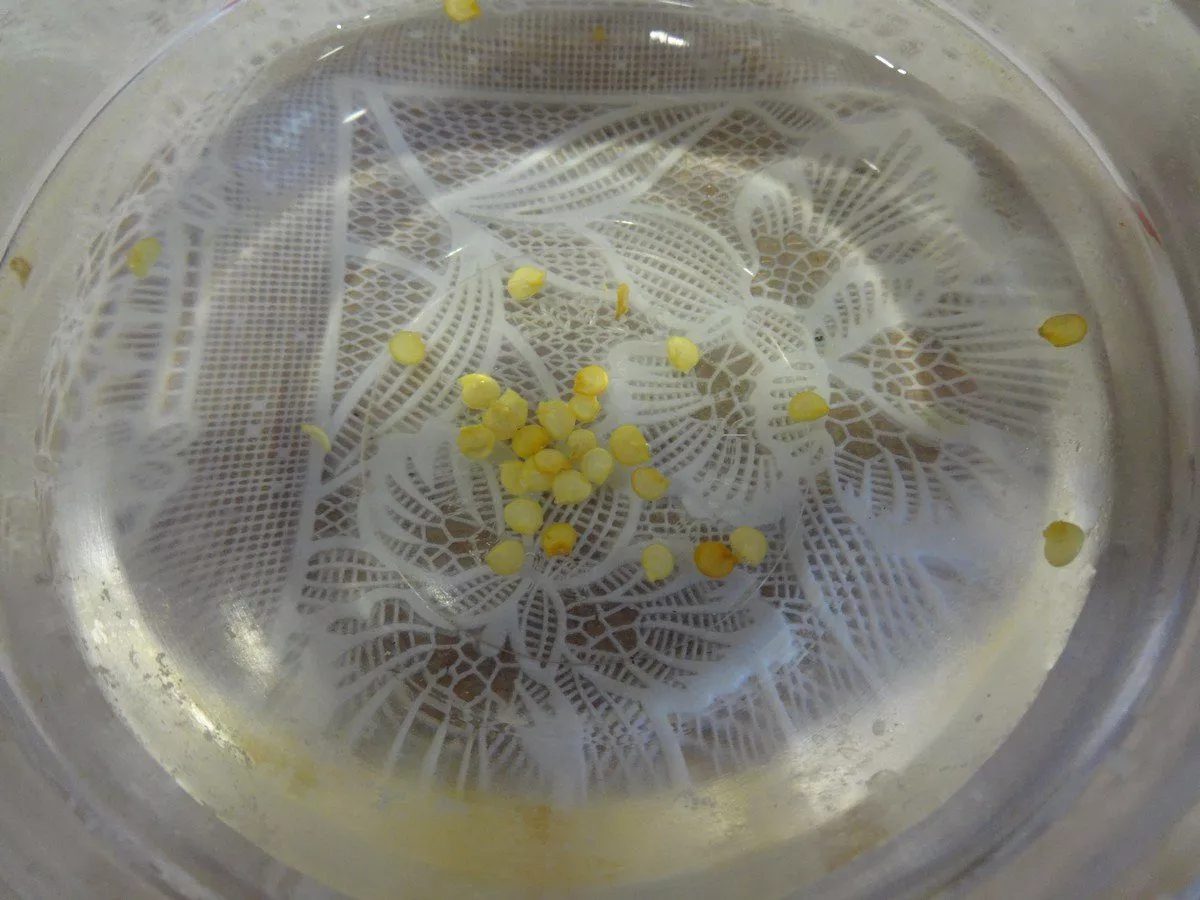
I washed the drowned seeds in clean running water.
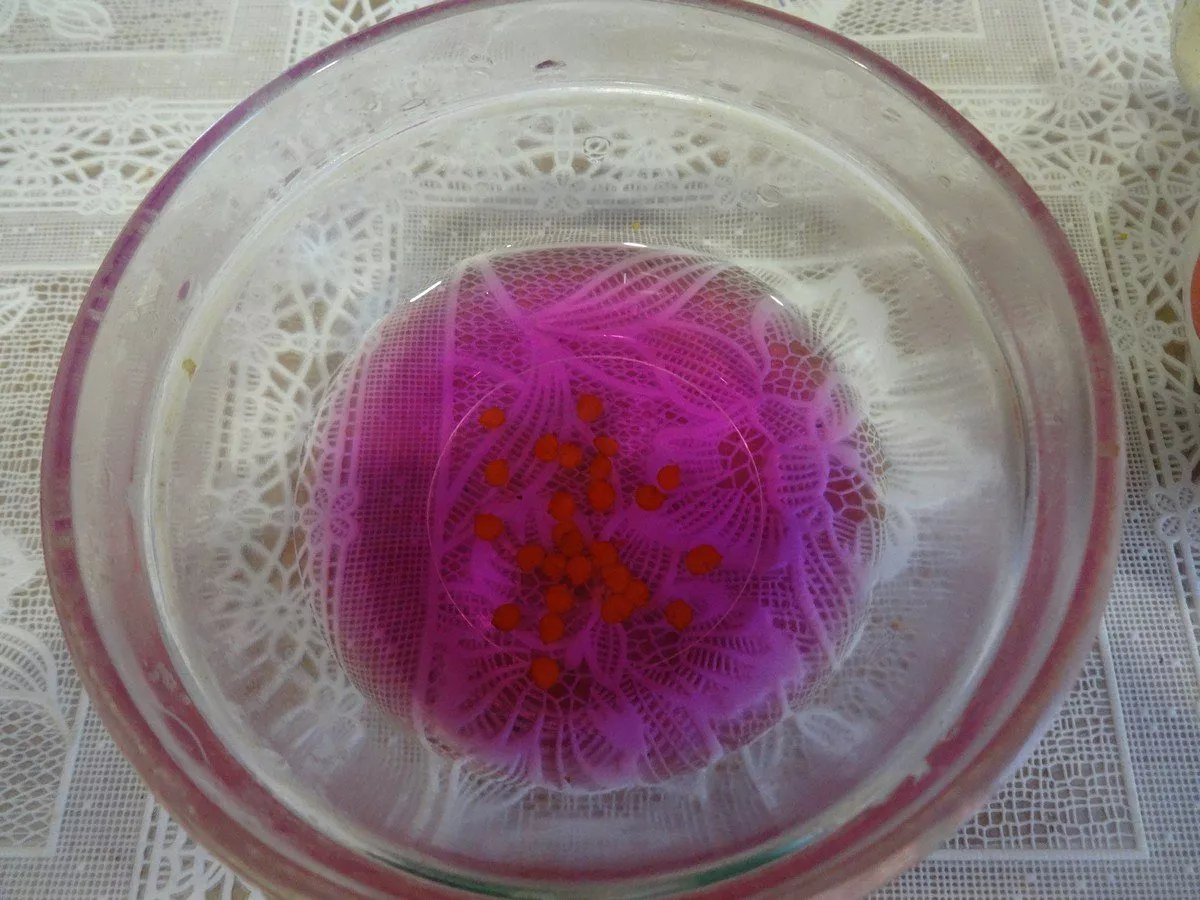
Next, I soaked the seeds in a weak solution of potassium permanganate for 20 minutes. This is to disinfect the seeds from bacterial and fungal infections.
The next step was germinating the seeds. I placed the pepper seeds on damp cotton pads, covered them with another pad, arranged them on a tray, and labeled each variety. I wrapped the tray in a plastic bag and placed it in a warm place. On the third or fourth day, the peppers began to sprout.
I sowed the sprouted seeds in seedling cups, each variety in a separate cup. I rinsed the cups in a solution of potassium permanganate.
Once the seedlings sprout and get a little stronger, I'll transplant each pepper into its own container. Although it's recommended to plant pepper seedlings individually right away, I don't have enough space on my windowsills due to my many houseplants. Later, I'll place the seedlings on shelves with lighting, but initially, all the seedlings will be on the windowsills.
What kind of soil do I use for planting seedlings?
For many years I have been buying Terra Vita living soil, a ready-made soil mixture with the addition of all the necessary micronutrients.
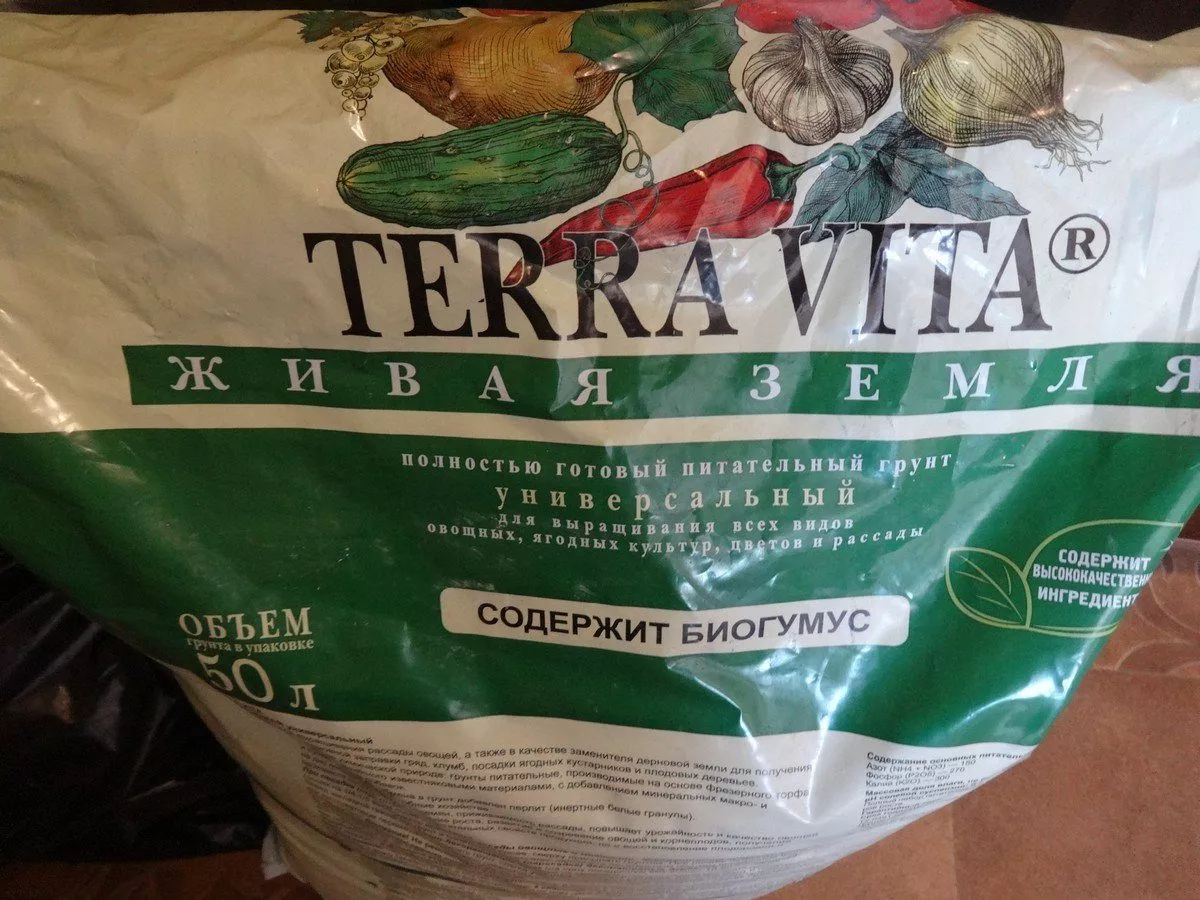
I've bought various potting soils, but I liked this one the best. Last year, though, one package contained poor-quality soil; the soil gave off an unpleasant, sour smell, and white mold appeared on the surface.
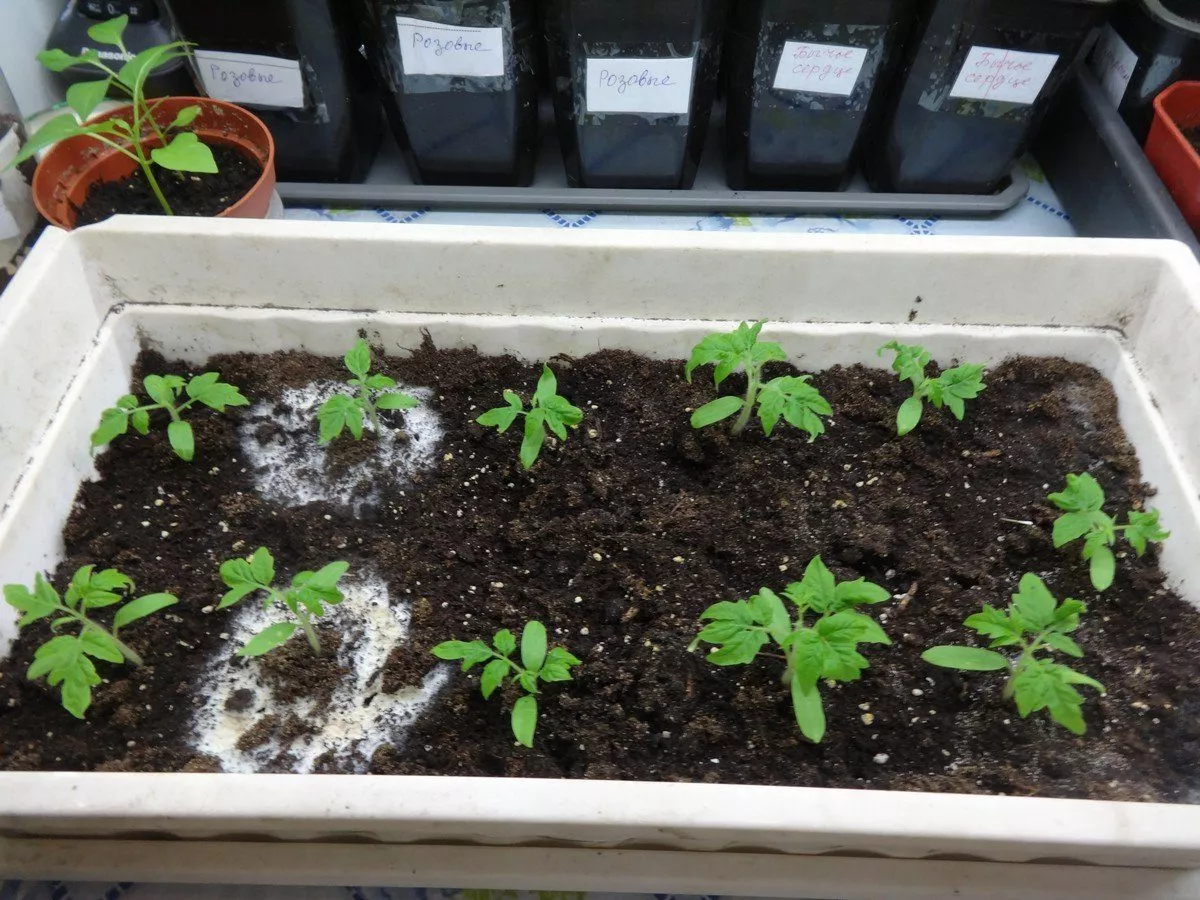
The seedlings transplanted into cups with soil from this package hardly developed and lagged behind the other seedlings in growth.
It wasn't until I transplanted the seedlings into the greenhouse that they started growing. So I decided to add some of my own soil from the garden to the store-bought soil when planting the seedlings.
In the fall, I prepared the soil, sifted it, and added well-rotted manure and ash. To disinfect it, I doused it with a solution of Fitosporin. It was stored in a large plastic bag in the greenhouse. Over the winter, it froze, and I think all the garden pests, their eggs, and larvae that were in the soil died. Before planting the seedlings, we brought the bag home.
What peppers will I grow?
Atlas, Bogatyr, Swallow, Player, Mini peppers orange and red.
I've been growing these pepper varieties for several years. I usually sow my own seeds, but last year I didn't collect any, so I had to buy some. I also bought two new varieties: a Flamenco hybrid and an Early Bird. And a hot pepper called Ogonyok.
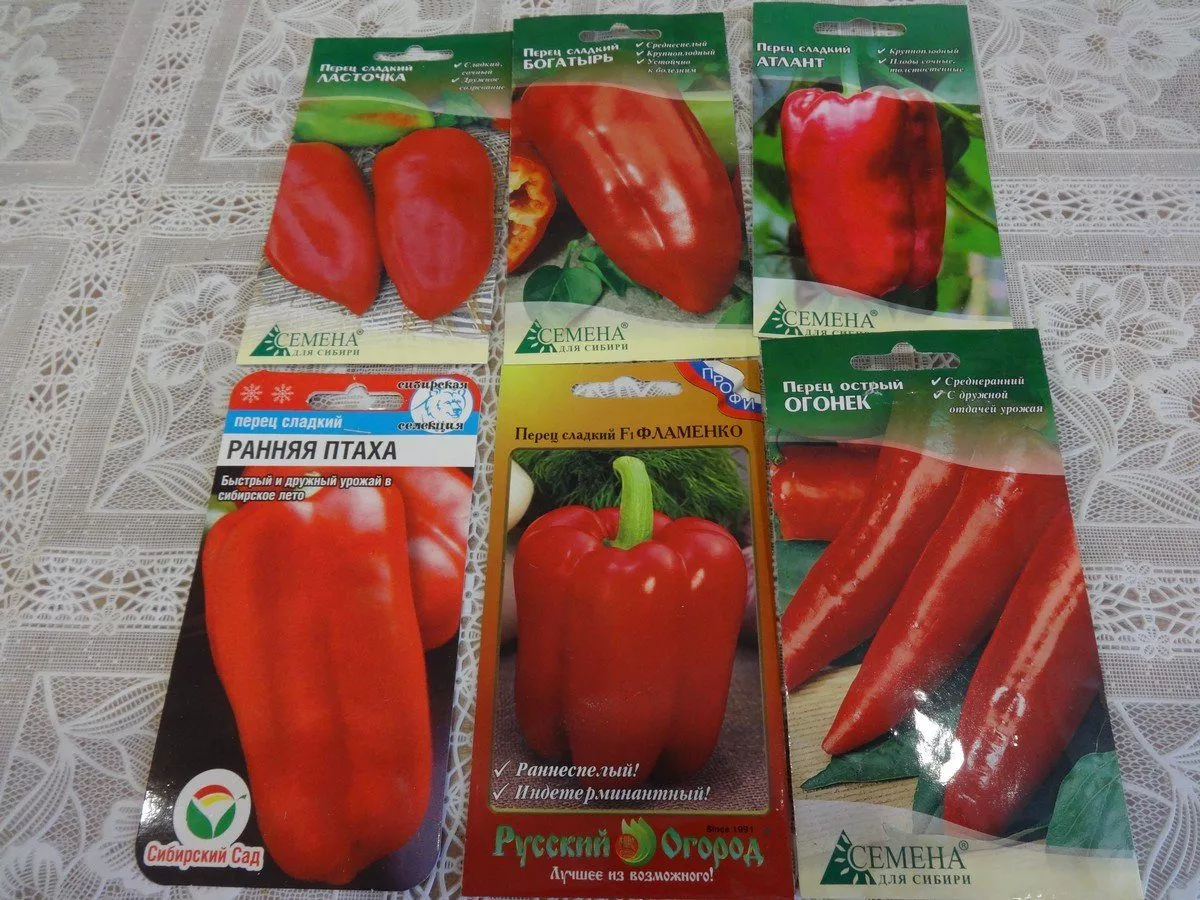
Atlas
This early variety produces large, oblong, cube-shaped fruits up to 20 cm long. Ripe peppers are red, juicy, with 8-10 mm thick walls, and very tasty. The plants grow to 75 cm tall, and always bear a profusion of fruits.
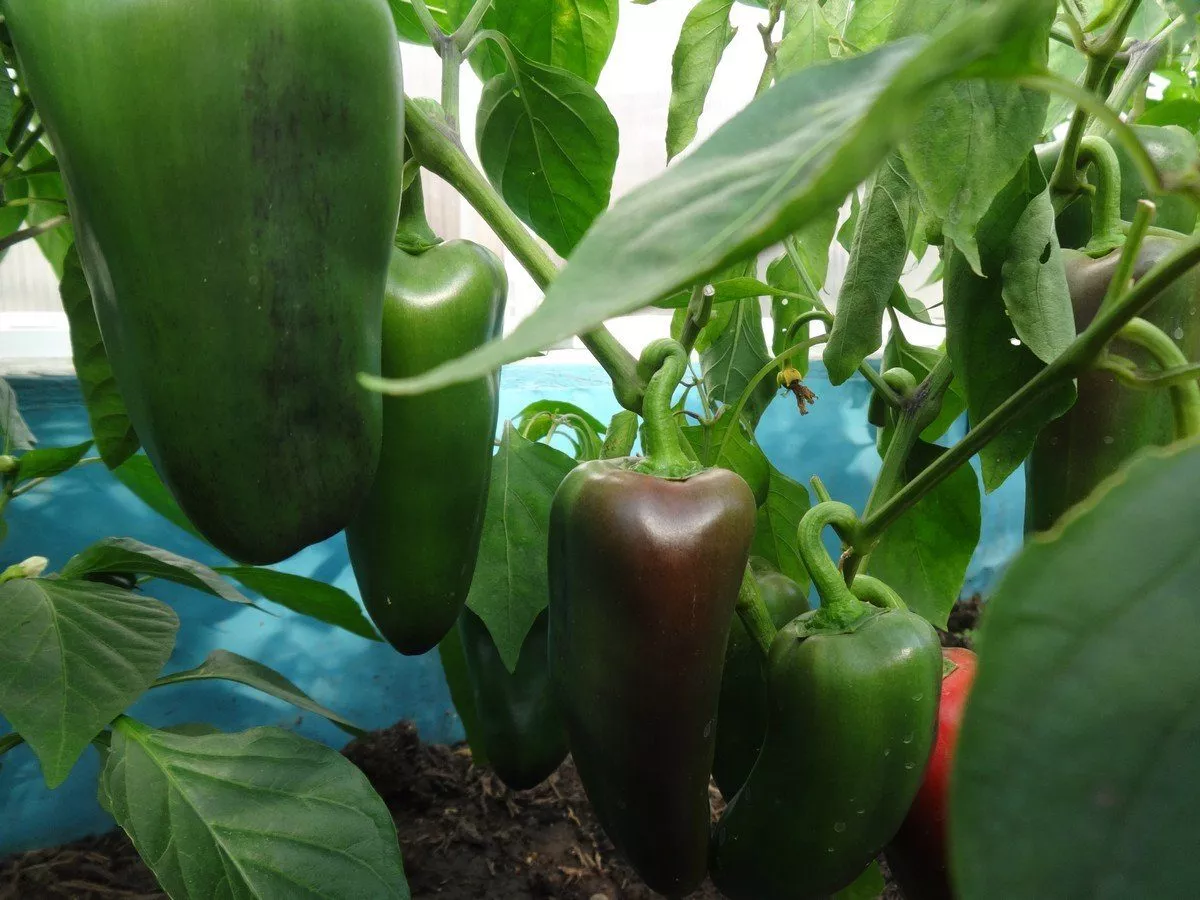
I sowed 10 pieces and they all sprouted.
Bogatyr
This mid-season variety produces large, cone-shaped peppers. It's one of my favorites. The bushes are vigorous, reaching up to 60 cm in height. The yield is good, and the peppers are tasty and juicy.
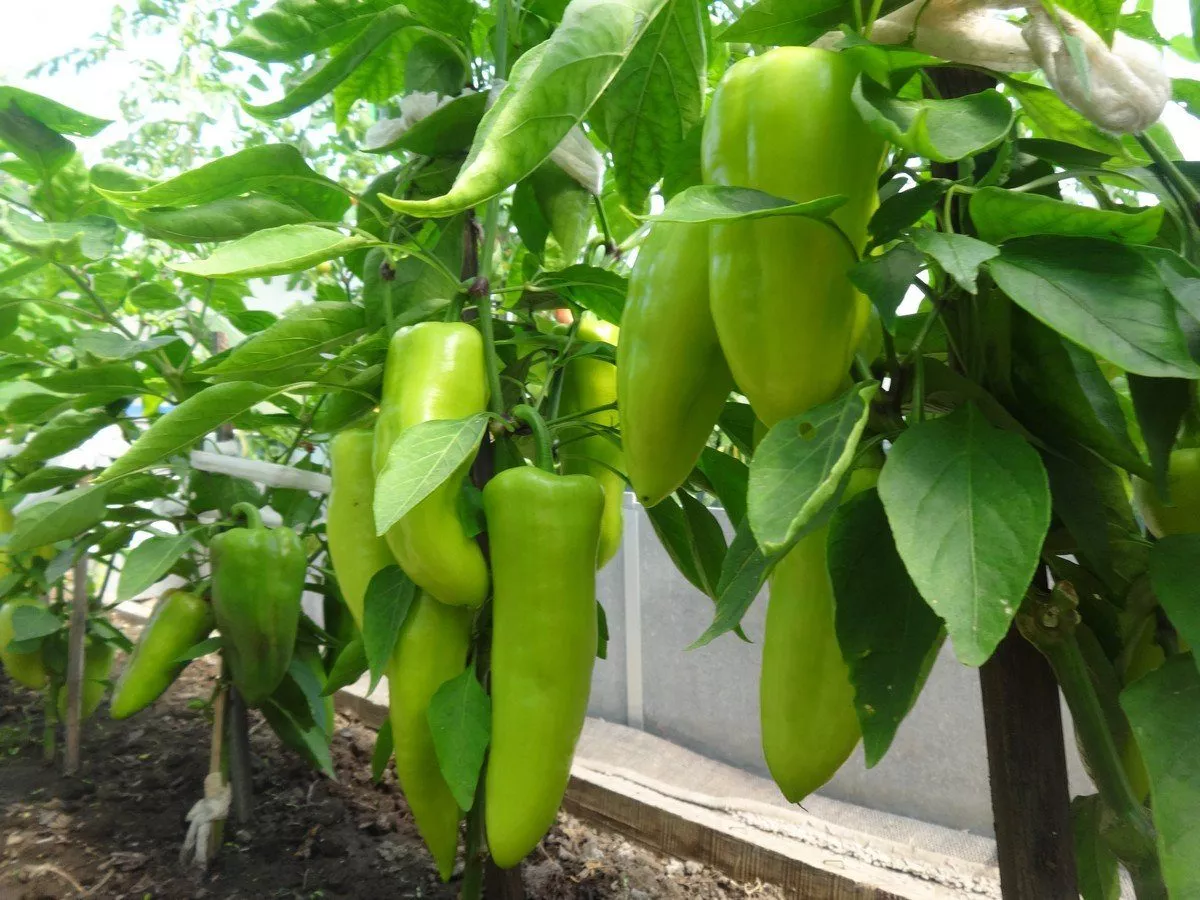
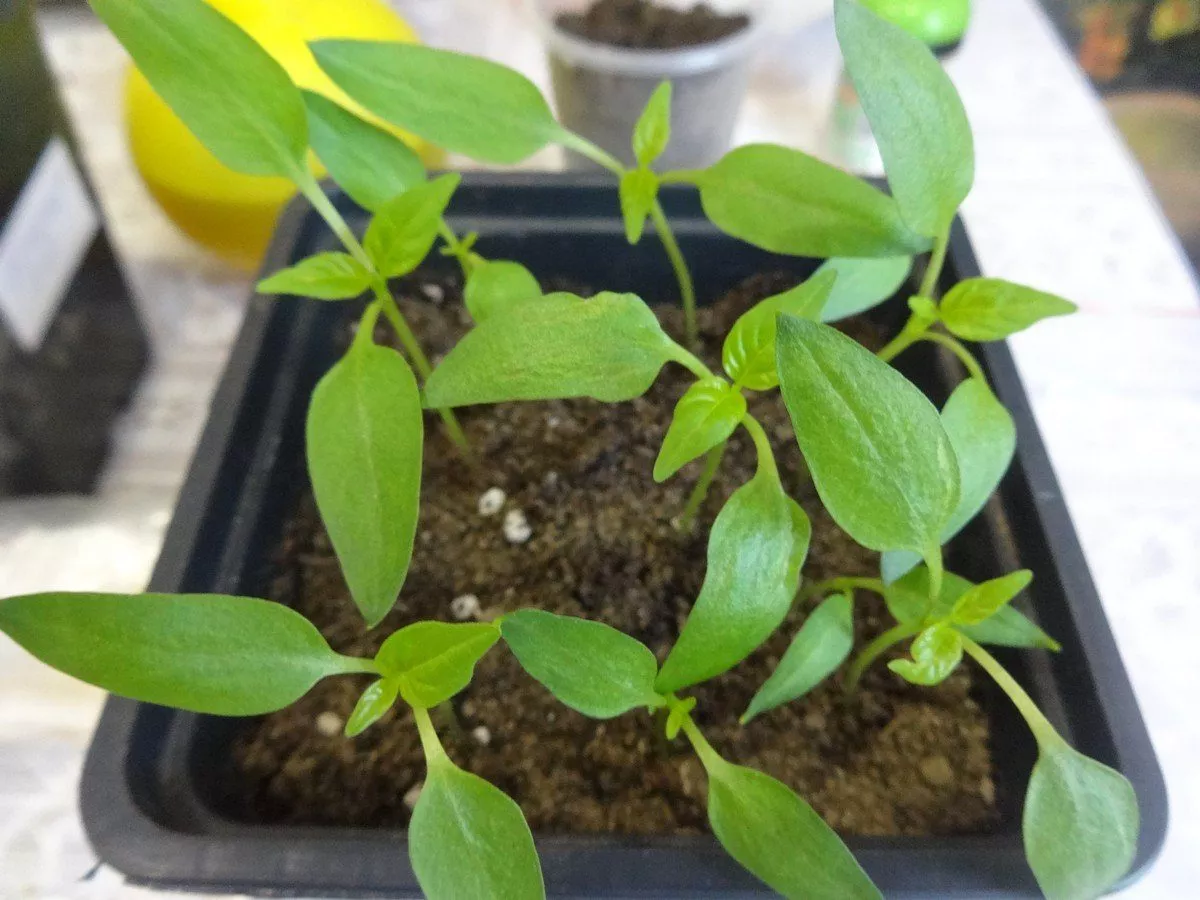
This year I bought some bad seeds. I sowed seven, and only three sprouted. The cotyledon leaves have some light spots on them. I don't know why the leaves look so strange, but I suspect the seeds are infested with spider mites.
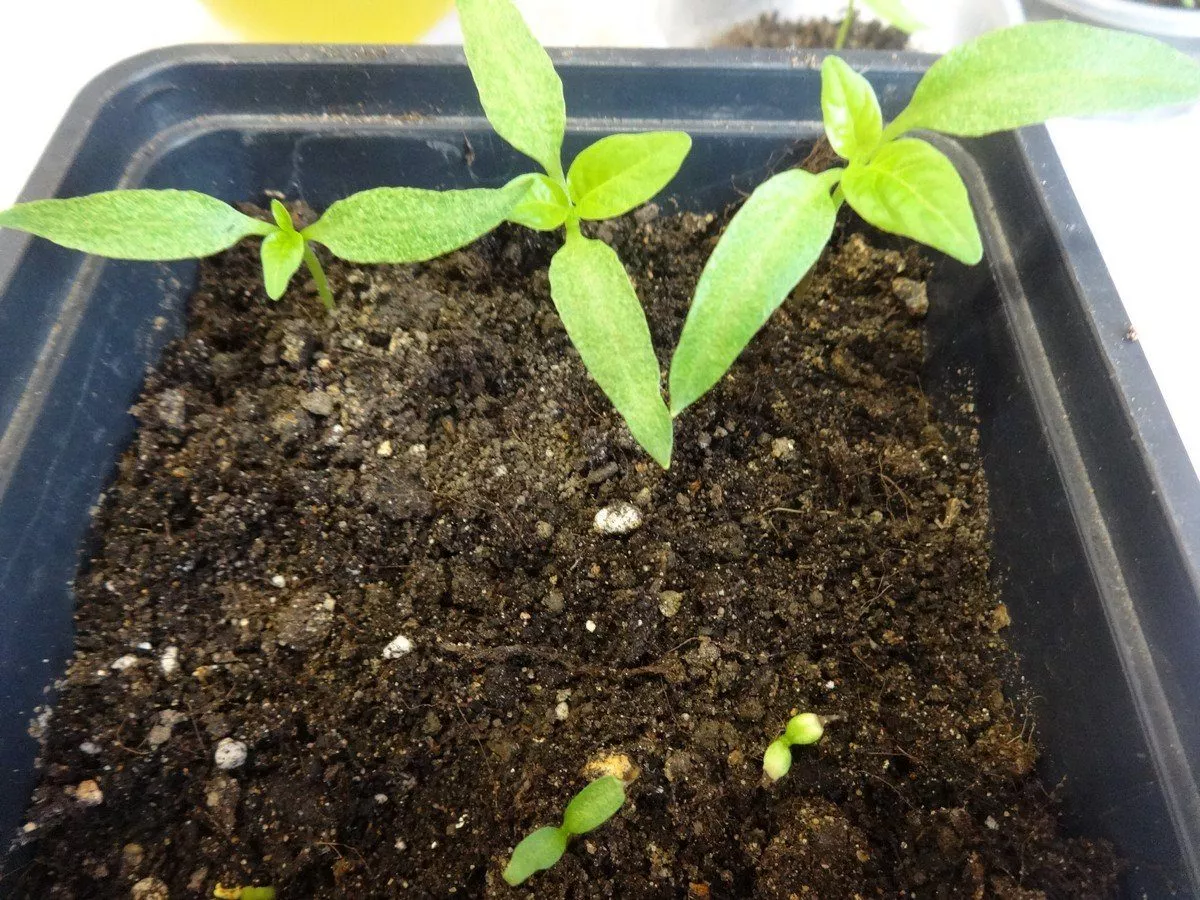
The real leaves are still small and fine. But I think these peppers need to be treated with a garlic solution for spider mites. If that doesn't work, I'll buy Fitoverm.
Three more peppers sprouted later, but they looked terrible, with misshapen cotyledon leaves. I'll remove these three seedlings.
Martin
A mid-early variety, the bush is spreading, about 60 cm high, there are many fruits that ripen evenly.
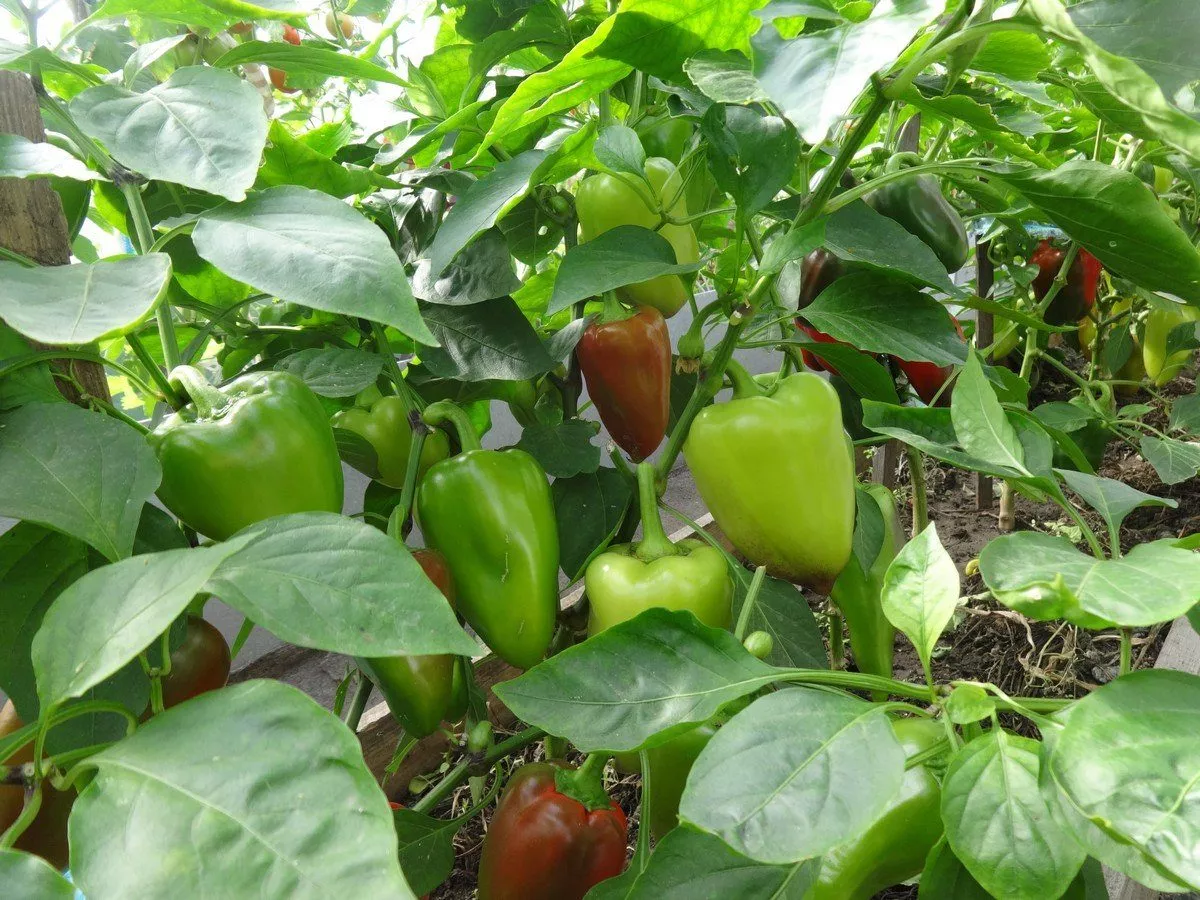
The peppers are medium-sized, juicy, with walls 6-7 cm thick.
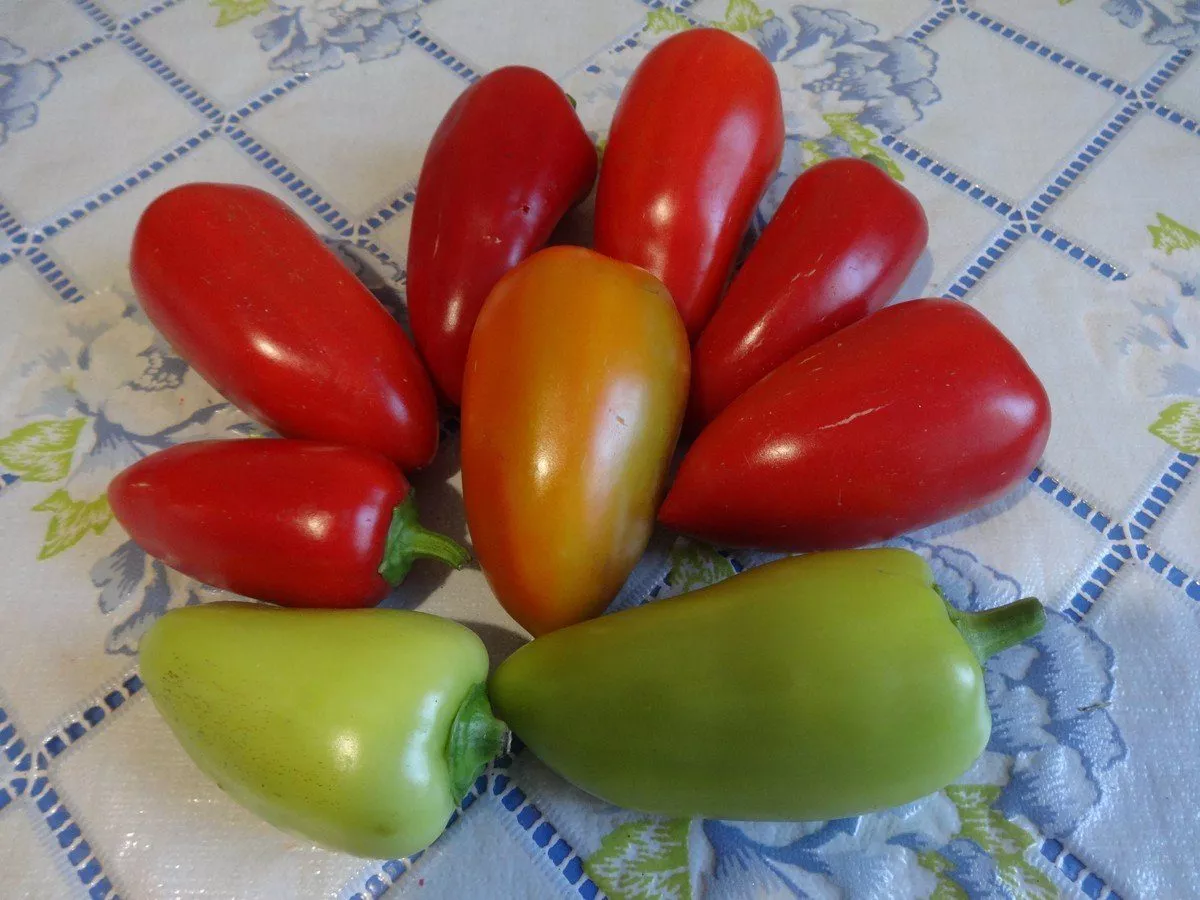
They're great for stuffing. All 5 Swallow seeds sprouted.
Player
I also liked this early-ripening variety. It's large, productive, and produces thick-walled, tasty, and juicy peppers. The plants are short, about 50 cm. I planted it for the first time in 2019.
On the package, the peppers looked different; the fruits were cubic, slightly ribbed, and red.
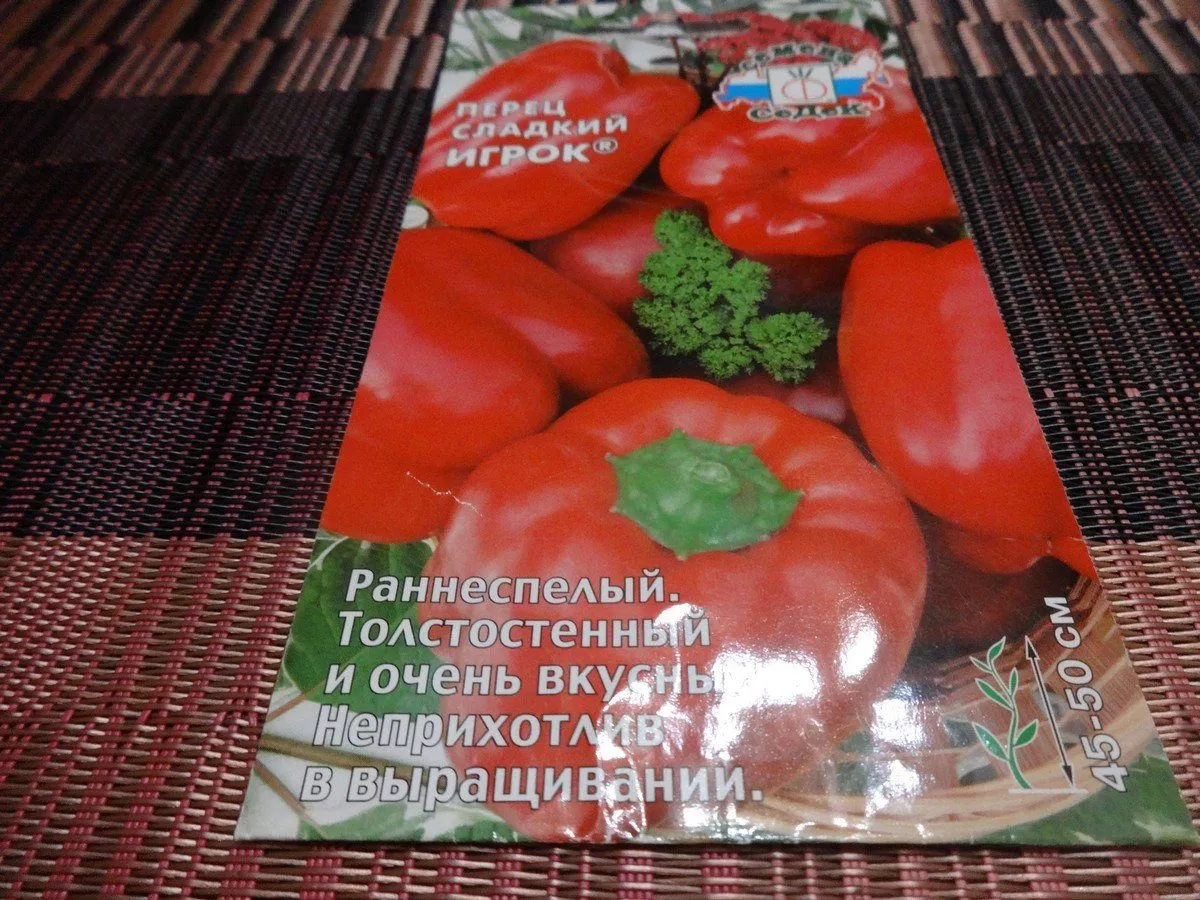
And I grew slightly different shaped fruits, dark red, beautiful.
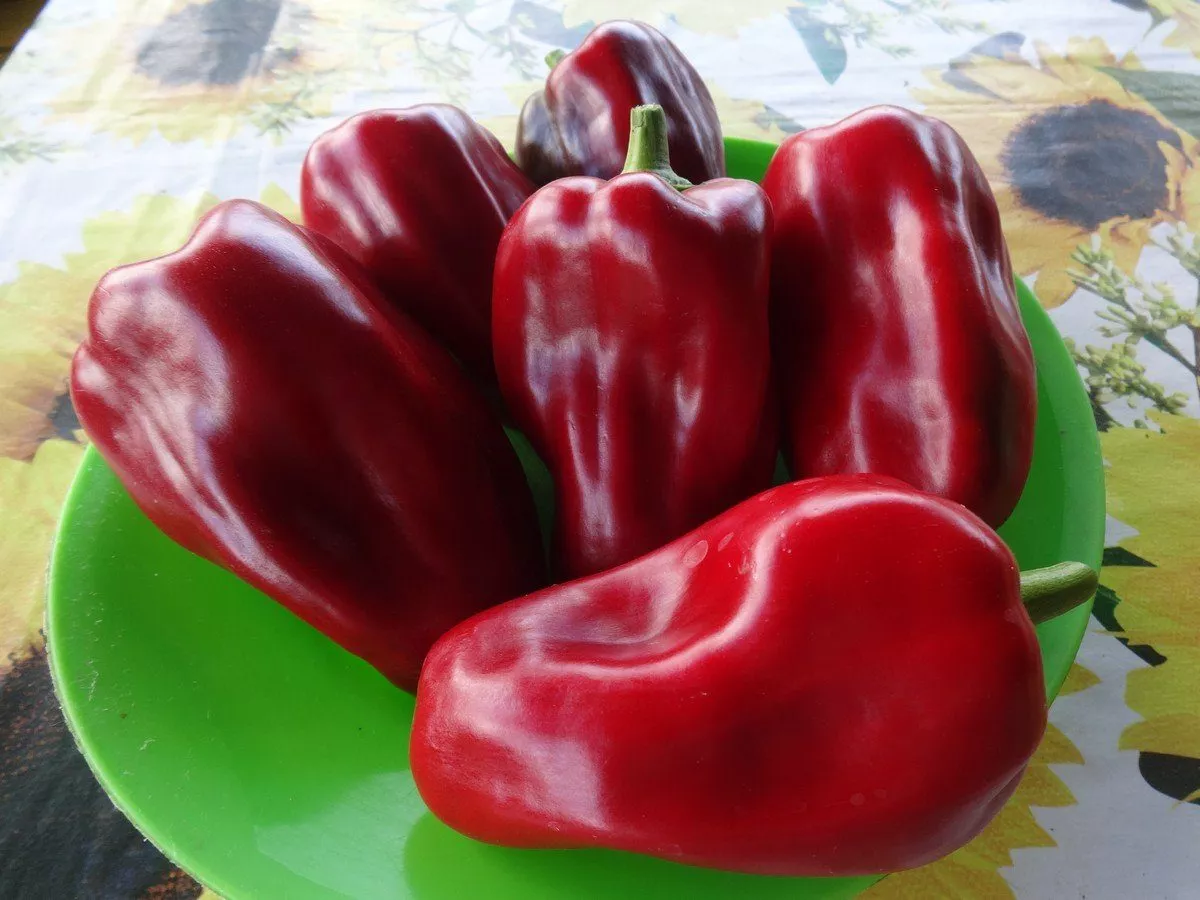
Perhaps there was a mix-up and it's a different variety, but I call these peppers "Player." I'm collecting my own seeds. I sowed five, and four sprouted.
Mini Red and Orange Peppers
These peppers are from the store; I bought fresh peppers for eating in the winter. The fruits are small, very beautiful, bright red and orange.
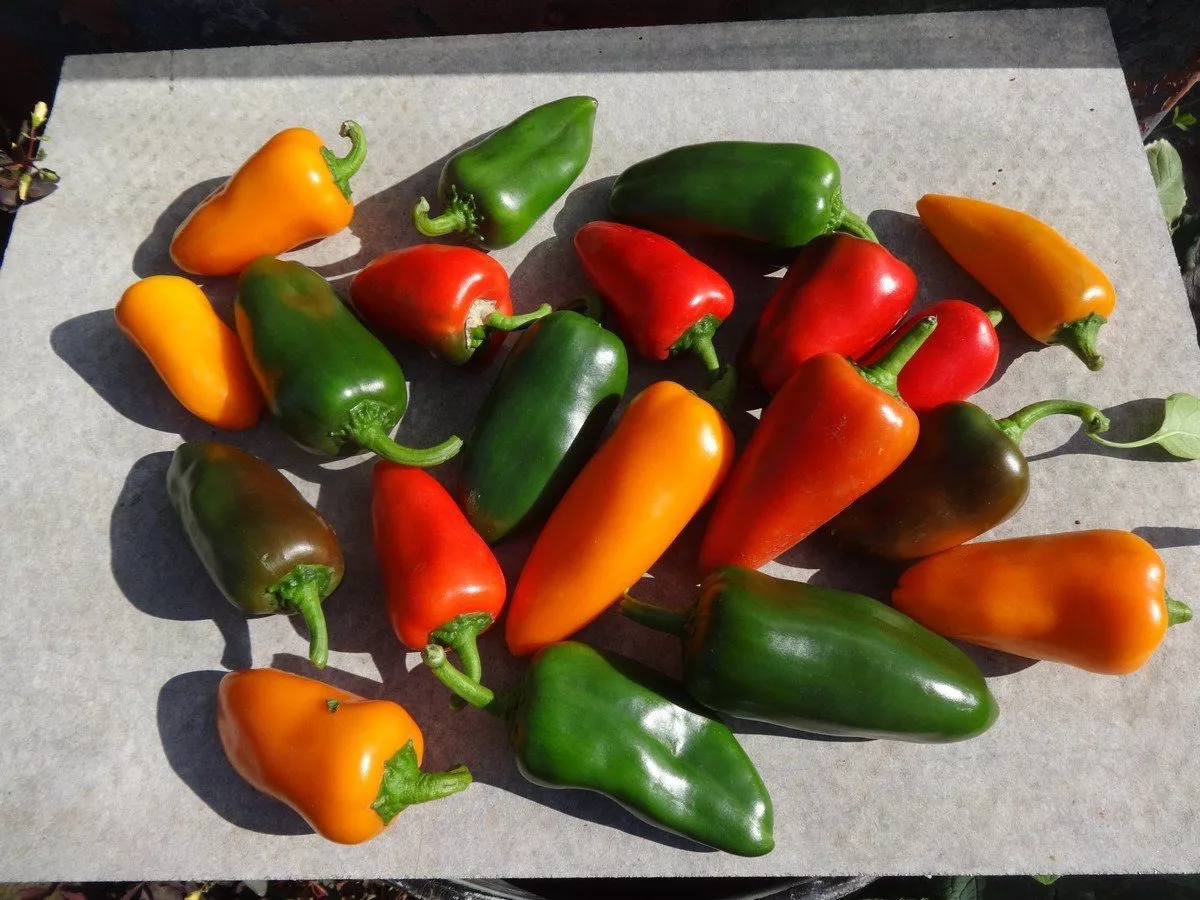
I collected the seeds and sowed them in the spring. The peppers are sweet, juicy, and aromatic. They grow well both indoors and outdoors. They're a productive variety. I sowed five of them, and they all sprouted.
Flamenco F1
The description states that this is an early, high-yielding hybrid. The peppers are cube-shaped, large, and have a juicy, fleshy wall about 8 mm thick. Ripe fruits are a deep red.
I soaked five seeds at the same time as all the other peppers, and two of the five seeds sprouted after fifteen days. I sowed them, but they haven't sprouted yet, and maybe they won't sprout at all. So I might never know what kind of pepper this Flamenco is.
Early bird
The Early Bird pepper seeds also turned out to be of poor quality. Of the five seeds I soaked, two sprouted on the fifth day. They sprouted ten days later. I'll see how they develop.
The peppers look very attractive on the package, with large, red, appetizing fruits. The description states that this is an early-ripening variety intended for Siberia, with short bushes up to 40 cm tall, fruits weighing up to 120 grams, and walls up to 6 cm thick.
Hot pepper Ogonyok
Ogonyok is a mid-early variety. Last year, I grew it in open ground. Despite a cold and very rainy summer, the peppers developed well and produced a good harvest. I had to pick the green peppers, but after a while they turned red.
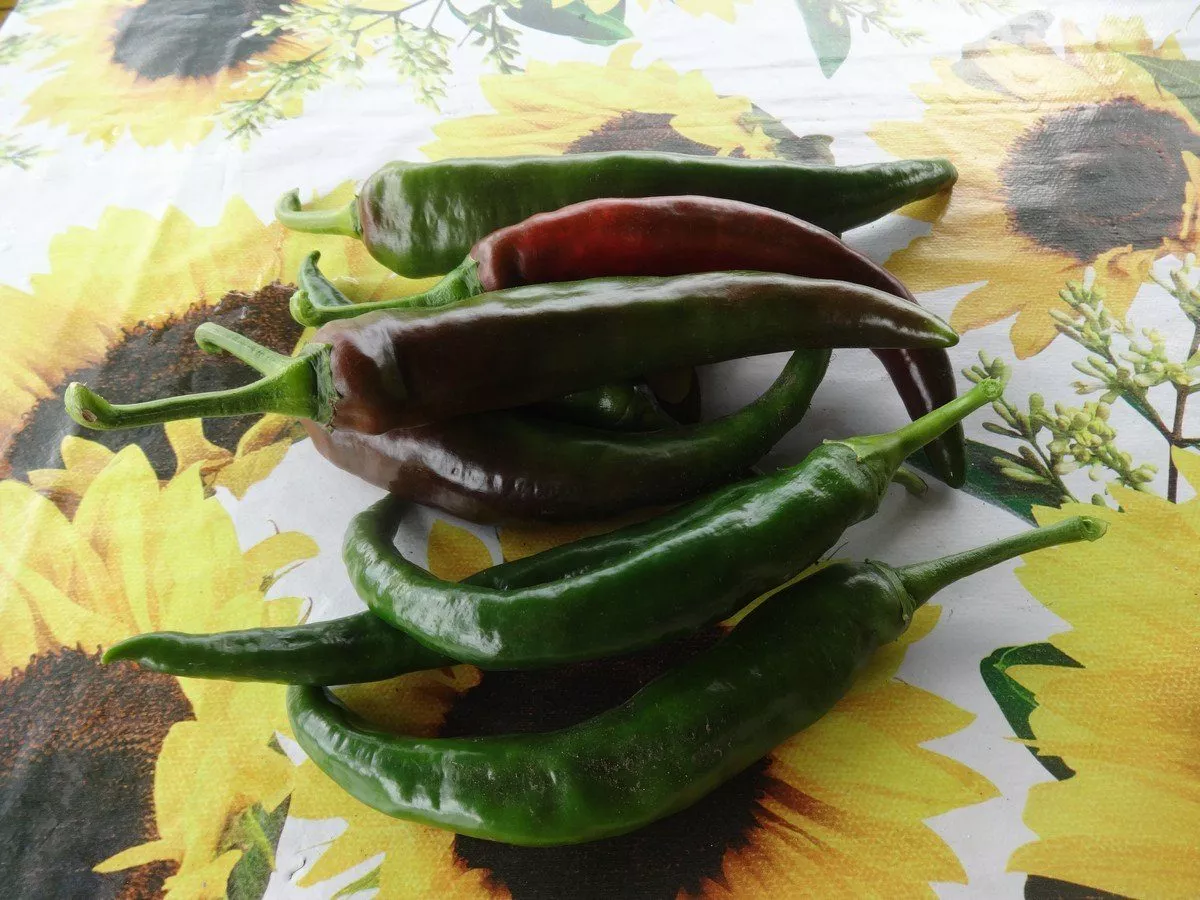
Ogonyok grows low, reaching up to 45 cm in height. It's a very productive variety, producing medium-sized peppers with elongated, pod-shaped green fruits that turn red when fully ripe. The flavor is pungent.
I planted three peppers and they all sprouted.
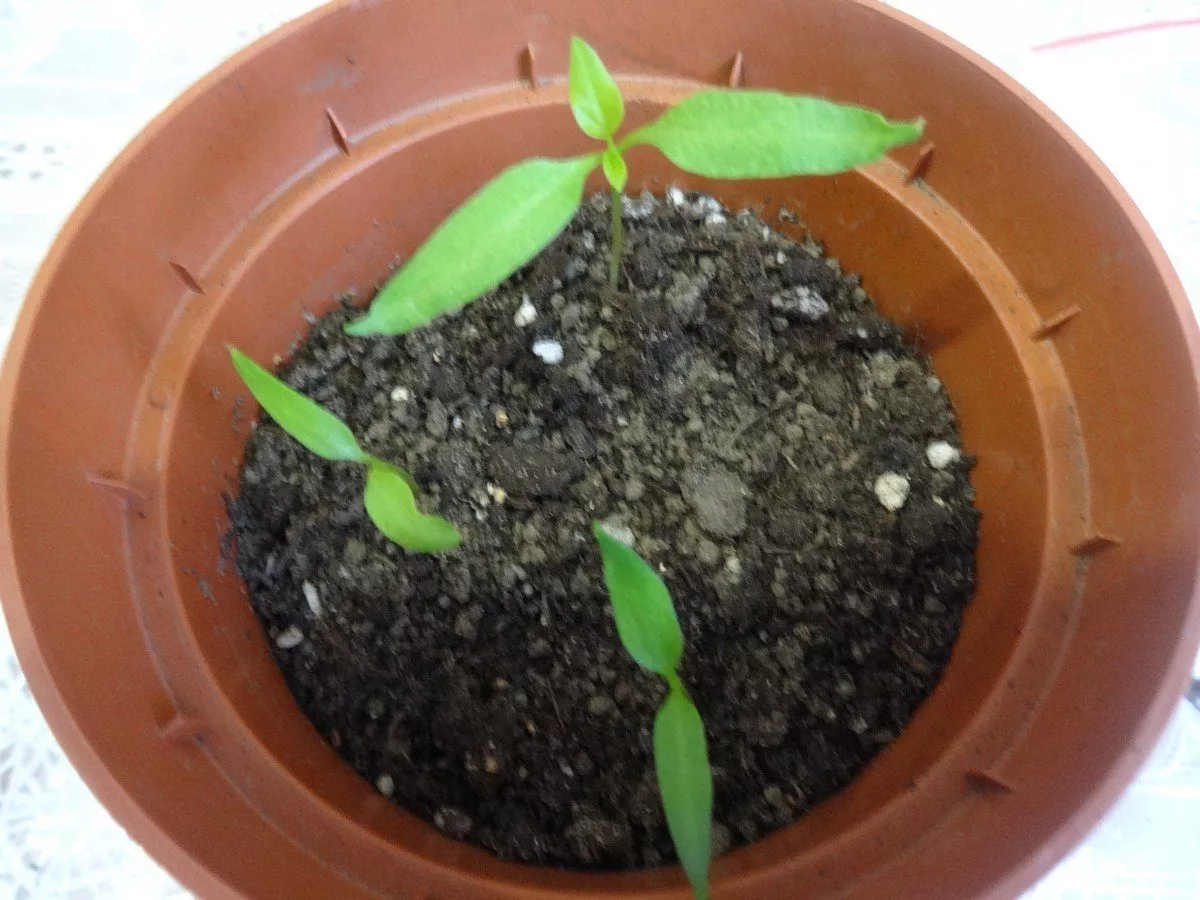
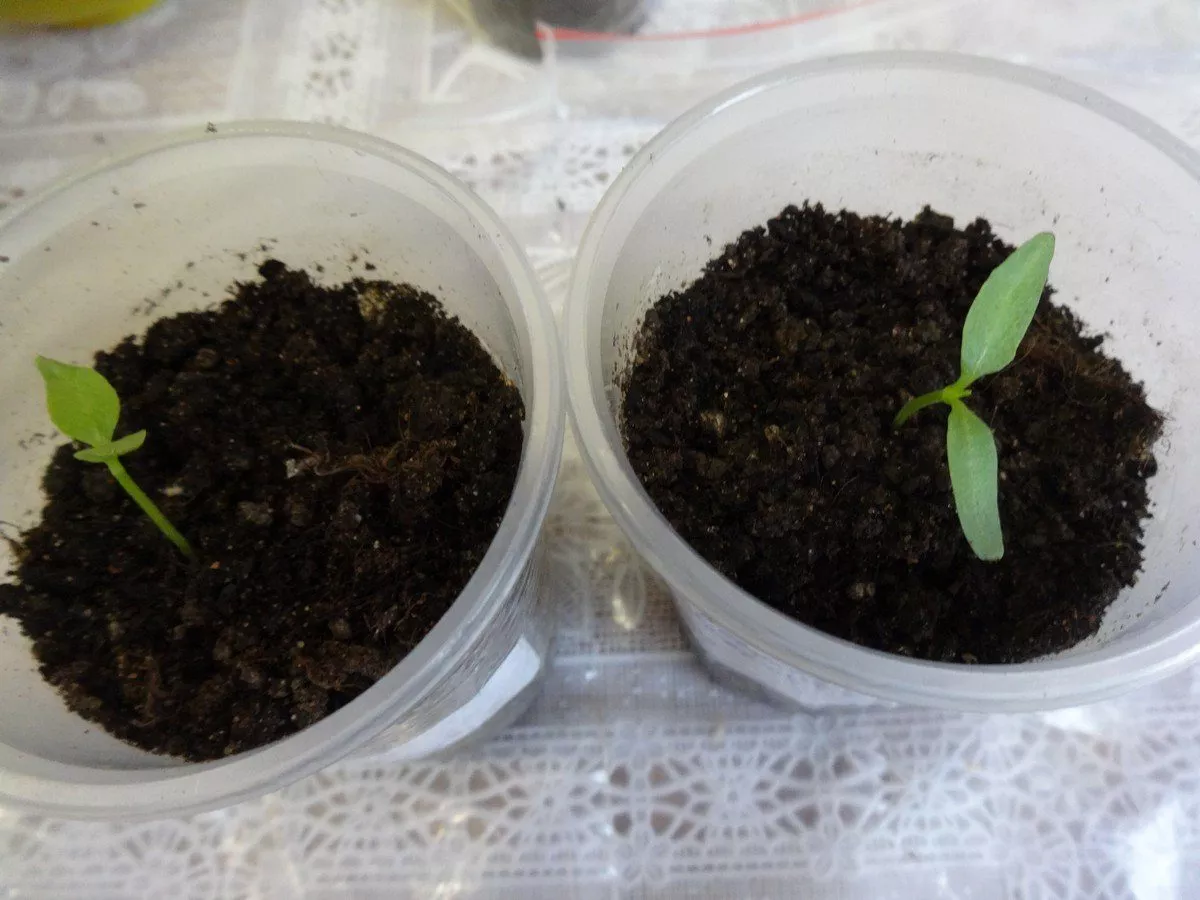
This is what my peppers look like on March 10th.
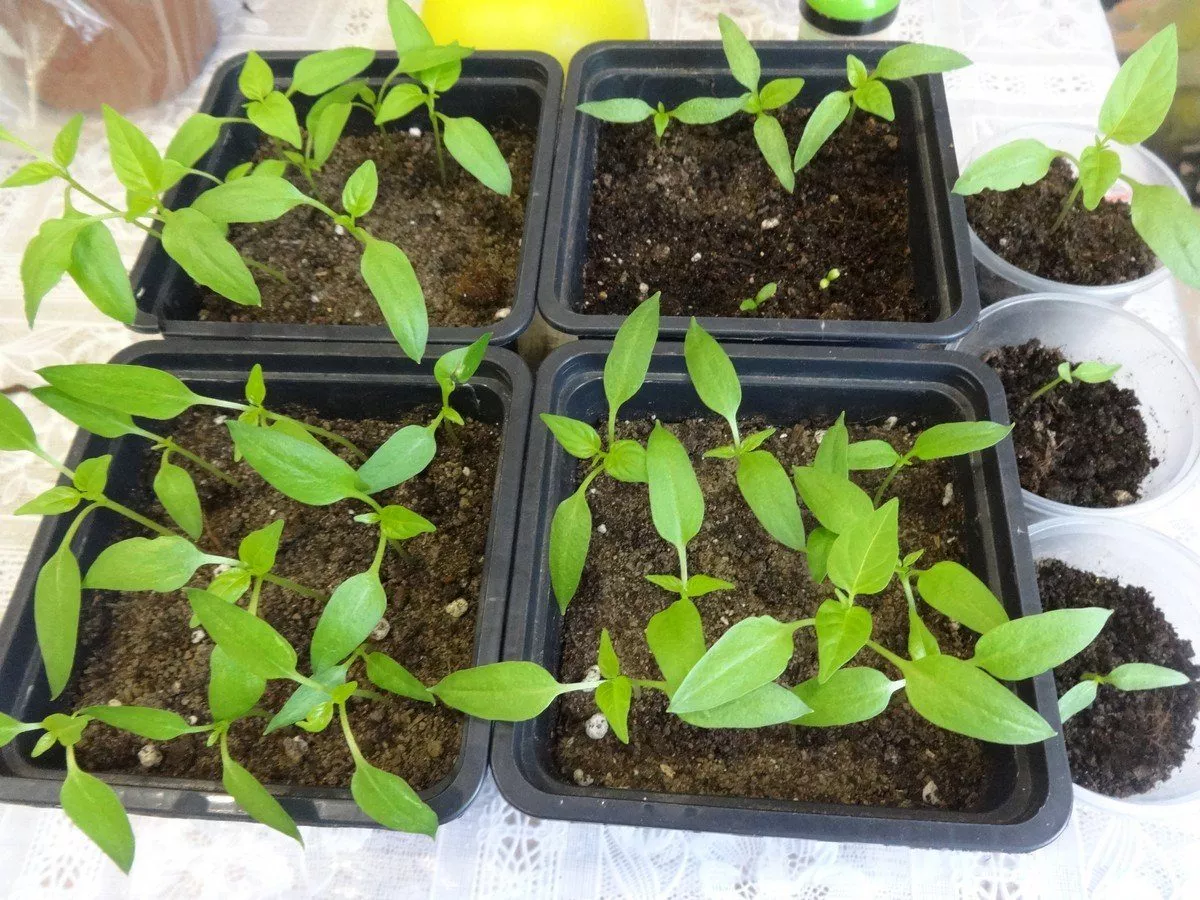
In a few days, after the new moon, I'll transplant all the pepper seedlings into individual cups. I'll select the best, strongest seedlings. I plan to plant 30-35 plants, some in a greenhouse and a few in open ground.