
I wanted to grow cacti on my windowsills, so I bought them in the store.
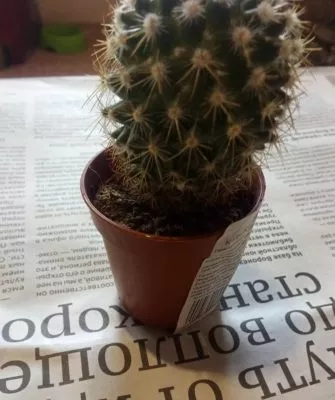
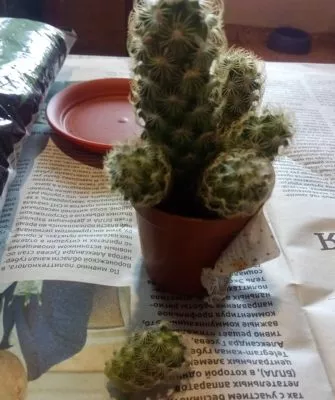
The label says it's a mix..., but in fact, my cacti are of the Mammillaria and Ailostera species.
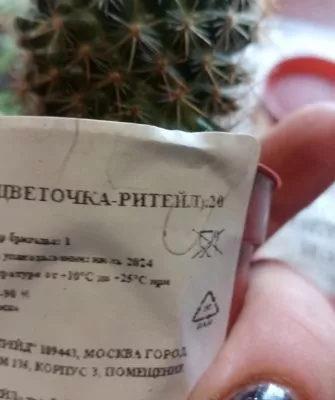
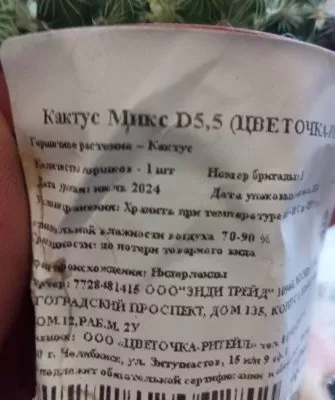
But that's not the point: leaving cacti in store-bought pots is absolutely not an option—they don't have enough space. My colleague recently bought some, but her flowers died—all because the pot was too cramped.
I bought a universal flower substrate with growth activators for cacti – it has many advantages: optimal looseness, air permeability, and an affordable price.
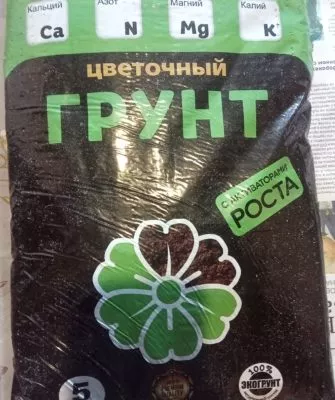
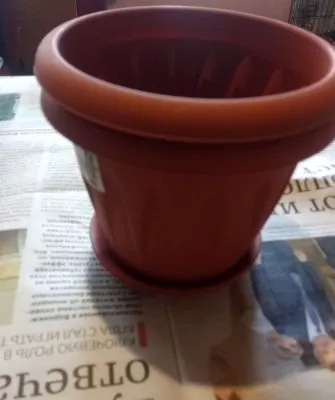
I used plastic pots, but they didn't have drainage holes, so I made them myself.
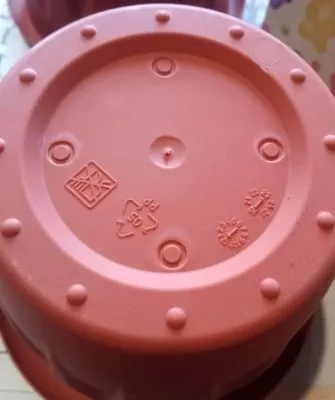
For this, I needed small pliers, a lighter, and a gypsy needle. I think everyone knows how to do it.
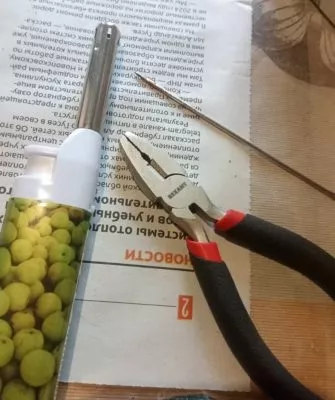
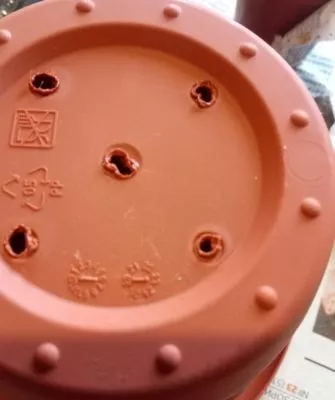
The process itself includes several steps:
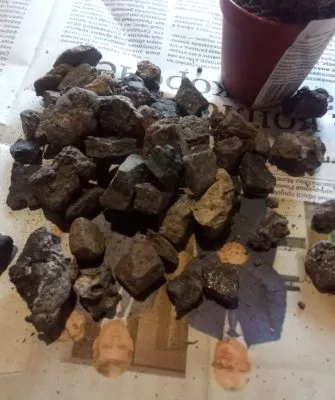
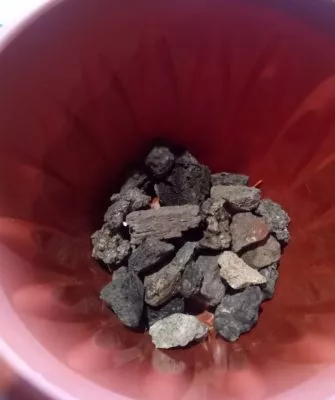
- First, I poured boiling water over the pots and drainage (I used regular street stones) to disinfect them.

- After that, I placed stones on the bottom of the pots.
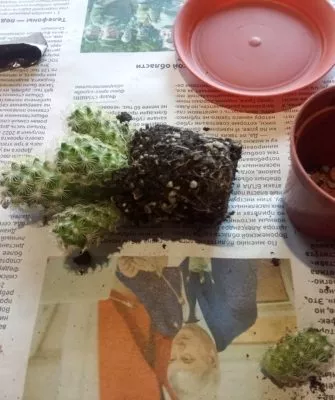
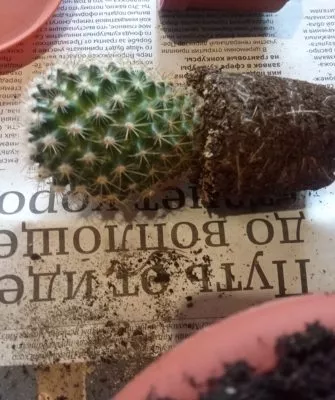
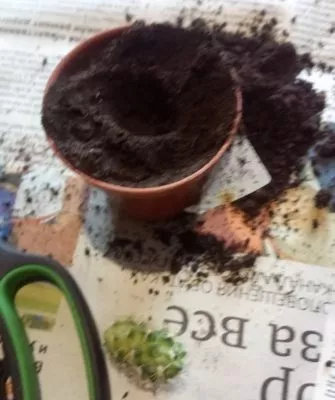
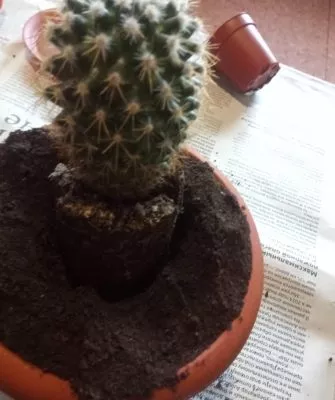
- I carefully removed the cacti from their small containers. This is easy to do without pre-wetting, as the soil in them is very loose. Keep in mind that a lump of soil must remain. This is done for several reasons: firstly, it protects the delicate root system; secondly, the plants have become accustomed to it, making it easier for them to adapt to their new pot.
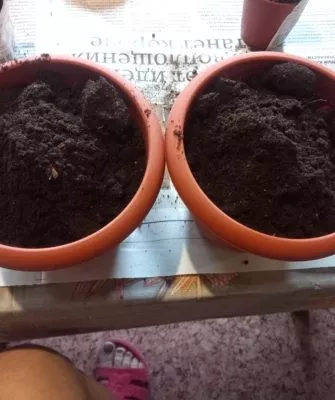
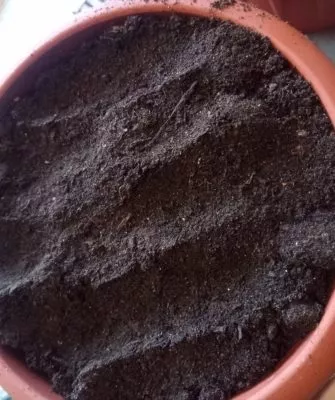
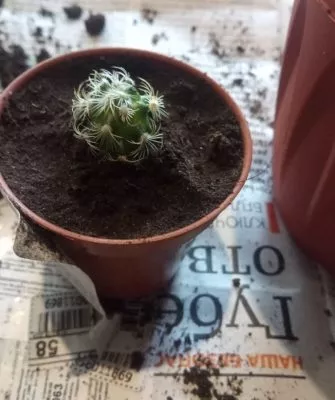
- I filled the pots with soil to a heap, and then compacted it.
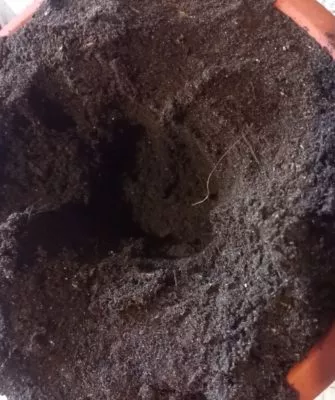
- Now I made a hole inside to the size of the root system with a lump of earth from the flowers.
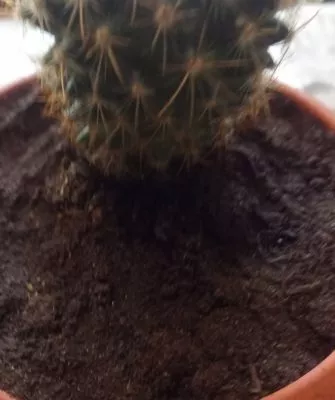
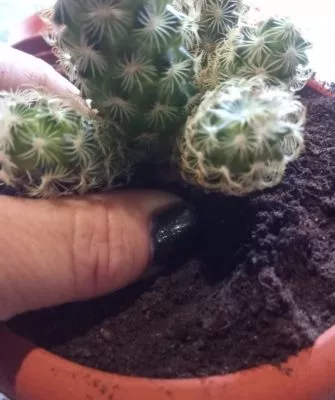
- I carefully placed the cacti, pressing them slightly inward.
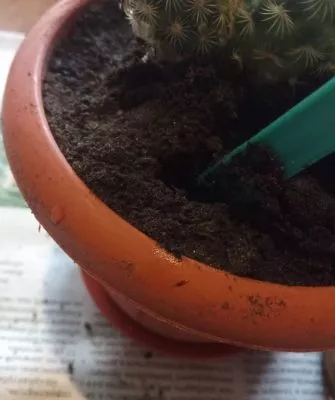
- I loosened the substrate around the cacti.
- I watered it generously.
- After a couple of days, the soil settled and I added new substrate and moistened it with a spray bottle.
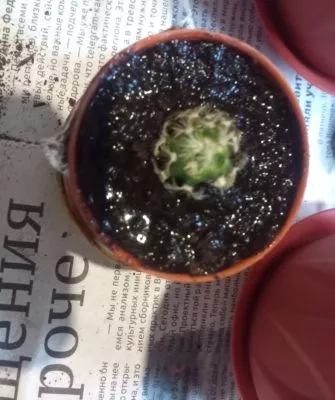
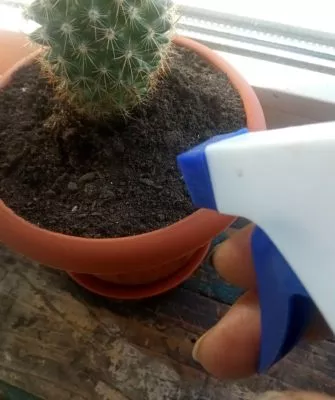
These are the little cacti I got.
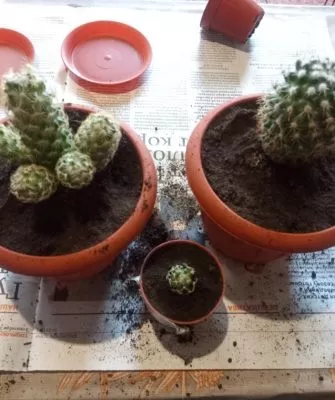
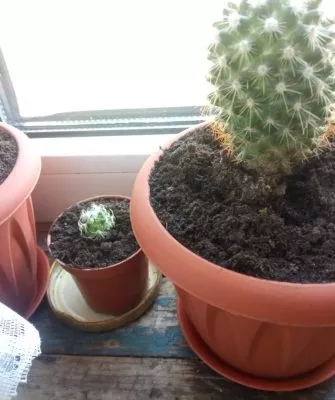
It's been about three months since the transplant, and my flowers have grown quickly. Here's what they look like now:
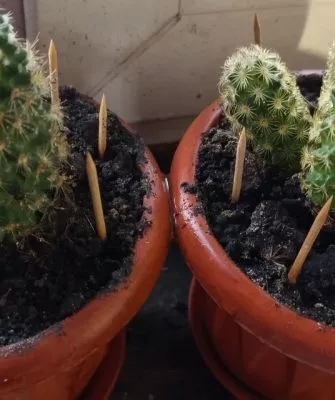
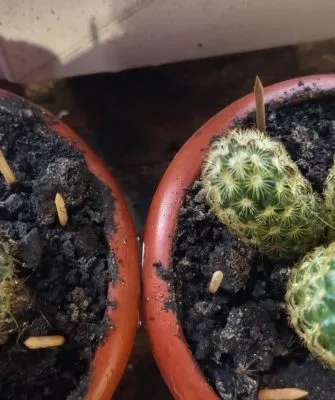
You're probably wondering why there are toothpicks and bay leaves in the pots. Let me explain: despite the prickliness of cacti, my cat loves them and tries to kick the soil out of the pot. To prevent this, I inserted toothpicks, so once she pricks her paw, she no longer touches the flowers.
Bay leaves are excellent at repelling flower gnats – even if you overwater your plants, causing them to rot, or if the gnats appear for other reasons (there are many), bay leaves will prevent them from settling on your windowsills.