

Not long ago, I came across this "nice" herb called Canadian goldenrod. It's both beneficial and harmful. Its benefits lie in its medicinal properties. It's used to make all sorts of potions in folk medicine and in official pharmaceuticals. I wrote about it. fast (If you are interested, read it).
But for the garden and vegetable patch, it's a terrible enemy. The plant is compared to hogweed, which is difficult to get rid of. This is due to its invasive nature. Translated from Latin, this means the flower is capable of attack, invasion, and takeover.
This means that these weed species have a unique mechanism for penetrating the soil and other plant structures, and are characterized by rapid migration. Therefore, they are difficult to eradicate.
It looks like this:
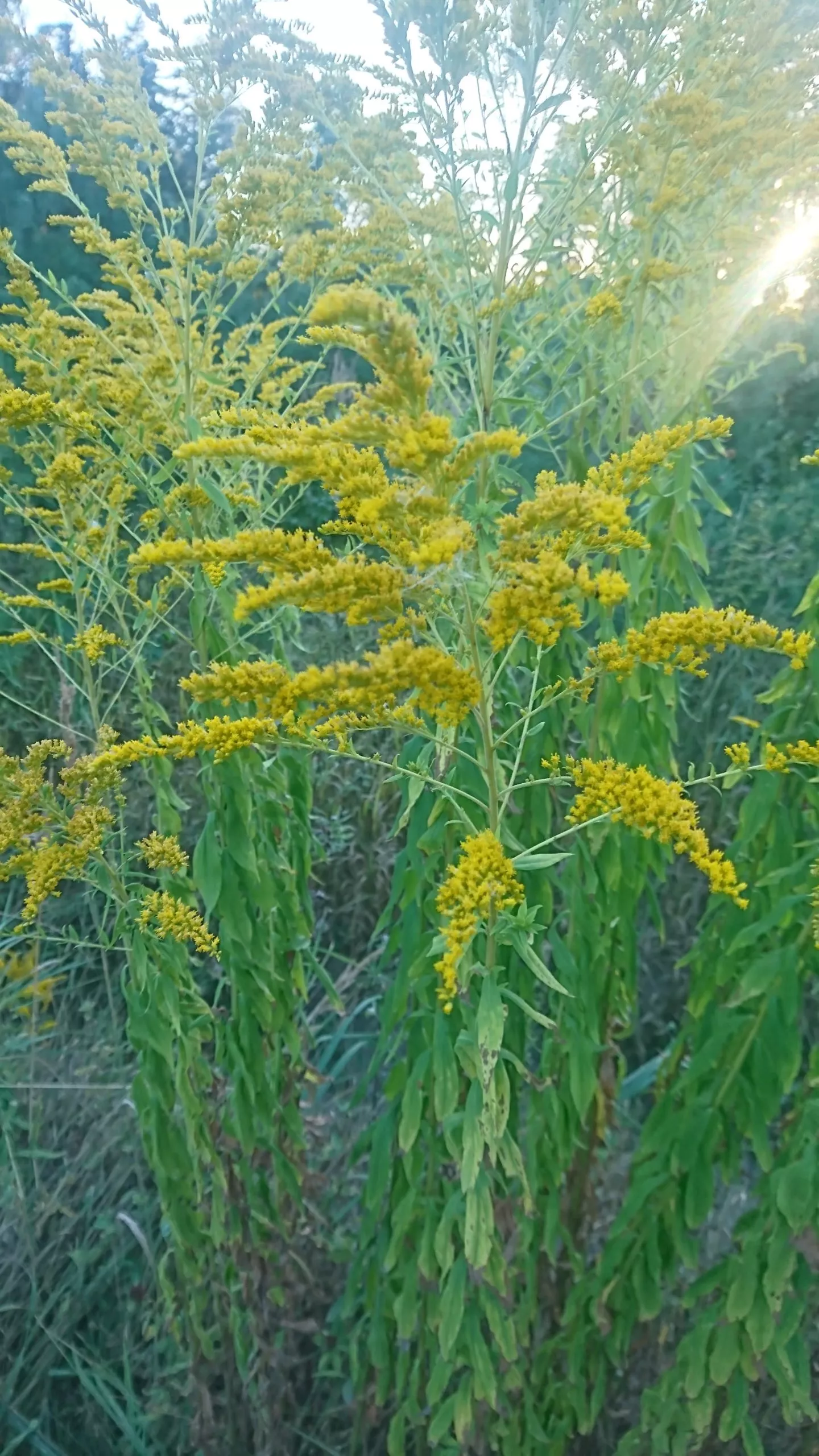
I won't describe all the subtleties in scientific terms; I'll explain it in simple, accessible terms. The whole problem is this:
- A single bush produces approximately 100,000 young plants, because that's how many seeds are released at once. According to scientific literature, germination rates are as high as 95-98%, which is a significant percentage (if only our tomatoes and cucumbers could germinate like that!).
- Goldenrod isn't used as forage—it's simply not eaten by animals in the meadows. The only livestock that might occasionally feast on the weed are sheep. Because of this, meadows overrun with the plant are completely unsuitable for grazing.
- Its rapid spread is also dangerous because the grass displaces other weeds, and especially crops. It simply overwhelms them with its powerful roots and shoots. Where this grass grows, medicinal herbs, winter crops, and even shrubs and other weeds will no longer thrive.
- When goldenrod grows in an area and useful plants disappear, the soil becomes very poor (it will take a long time to improve fertility in the future), pollinating insects and any pests disappear completely (no one feeds on such a weed).
- The seeds are very light and small, so they are easily carried by the wind, even over long distances. If there's no goldenrod in your garden today, it might appear tomorrow (no one is immune from this, which is why there are no preventative measures).
- In nature (at least, none have been found in our country), there are no insects that destroy this weed. Therefore, biological protection/control methods are impossible.
- If Canadian goldenrod or other goldenrods grow in the garden, the tree doesn't die, but yields are significantly reduced. Even if you actively fertilize the soil, the weeds will consume them faster than the tree roots.
Goldenrod is very difficult to control. It can only be destroyed with powerful chemical herbicides. Unfortunately, these are prohibited for use in garden plots, even in fields, especially if there are nearby bodies of water that absorb the herbicide's toxic chemicals.
I read that in China and Belarus, goldenrod is listed as a weed that poses a threat not only to the biological spread of vegetation but also to human health.
If you notice bushes with this weed growing on your property, take action immediately. Some experts recommend the following:
- the stems need to be mown three or even four times per season;
- the mown hay is either burned or used for compost, but only if the seeds are not yet fully ripe;
- at the very beginning of summer and at the end of August, it is absolutely necessary to completely dig up the soil where goldenrod grows (pulling out the roots is almost impossible, only at a very young age);
- You can use herbicides, but you will have to do it frequently and in high doses.
Overall, it's a scary weed. I discovered it in my garden two years ago. I didn't immediately start looking for information, as I had no idea it was dangerous. I didn't know what it was, but all I found online was that it was a medicinal herb, so I started using it for that purpose.
The following year, the bushes grew much more numerous, especially the young shoots (thank God, I eradicated them immediately—just to avoid a thicket). Then my neighbor at the dacha told me she hadn't been able to get rid of this weed for years. And then I found the full information, from scientific literature.
I tried eradication using the methods described above, but I didn't use herbicides—I was afraid of damaging my crops. The results were modest, but they were there. Therefore, I advise everyone to eradicate them immediately rather than wait for them to spread en masse.