

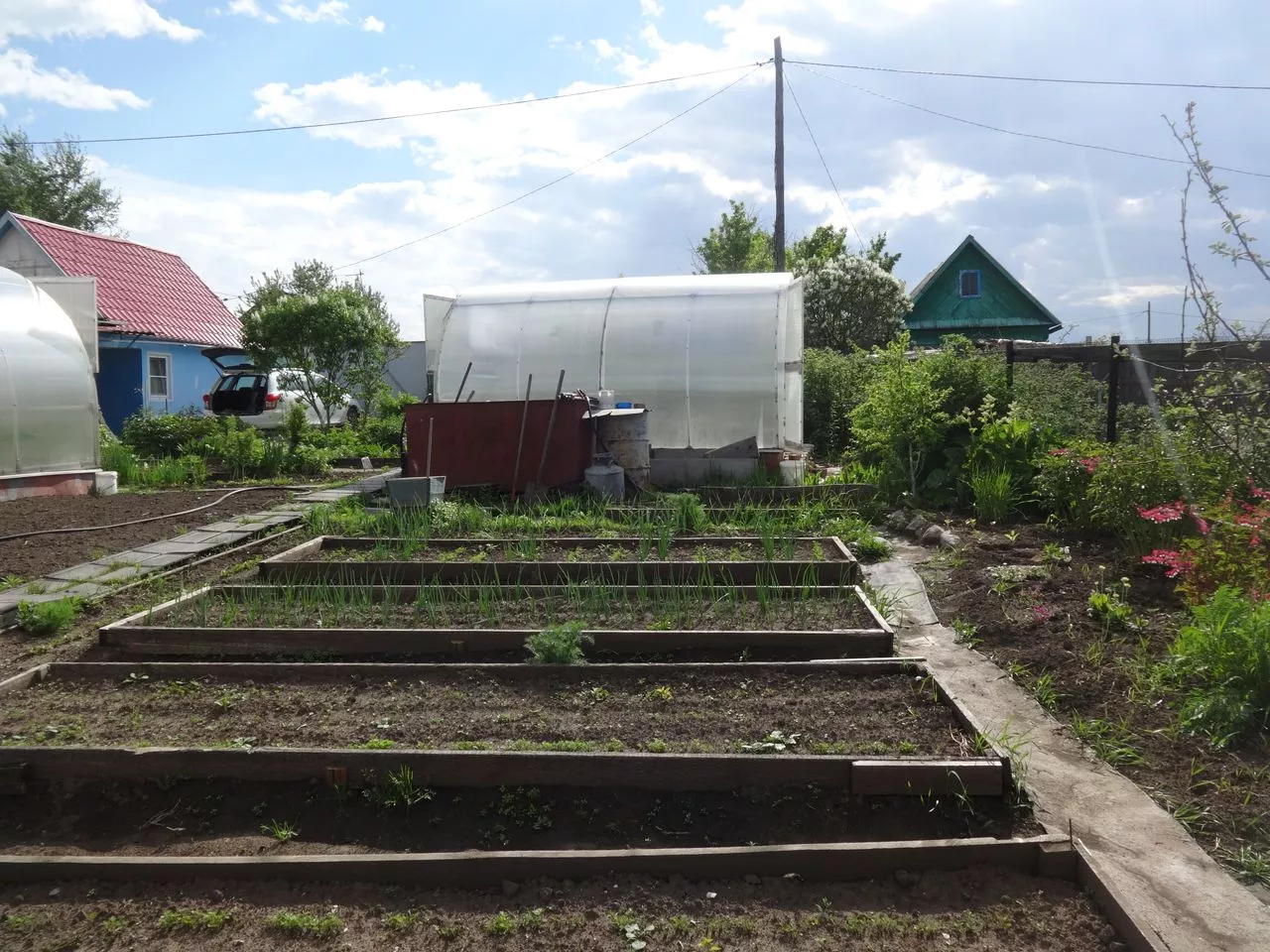
We planted our vegetable garden late this year (2021), planting potatoes, cabbage, zucchini, pumpkins, corn, peas, and beans only at the end of May. At first, we couldn't till the soil due to the dampness and constant rain. We planted the potatoes in the rain; at first it was a light rain, then it turned into a downpour, but we managed to get them planted before the heavy rain. They're already sprouting.
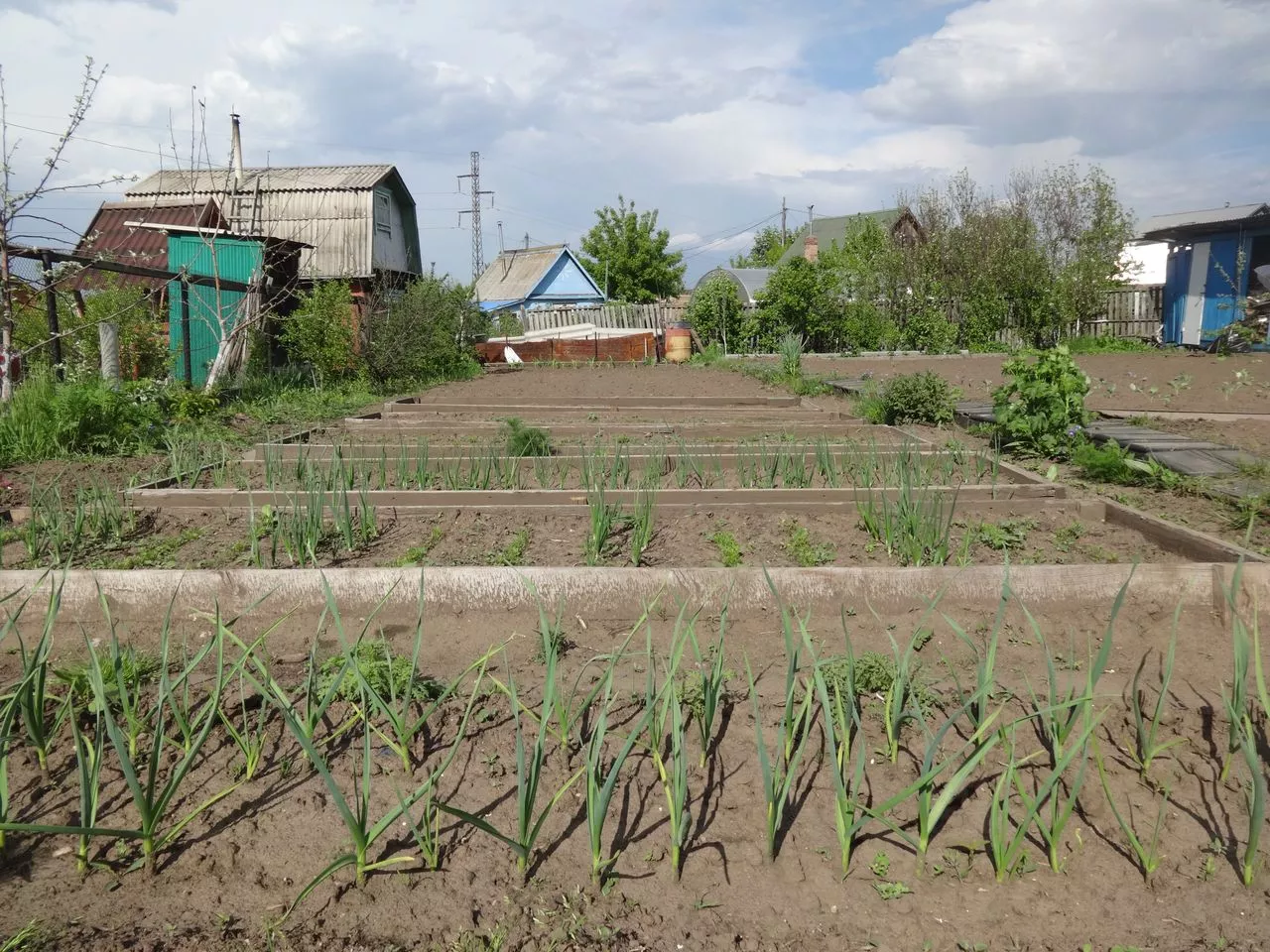
The vegetable beds were sown in early May. Onions, summer garlic, carrots, and beets sprouted well. The beds need to be weeded in the next few days; they're growing much faster.
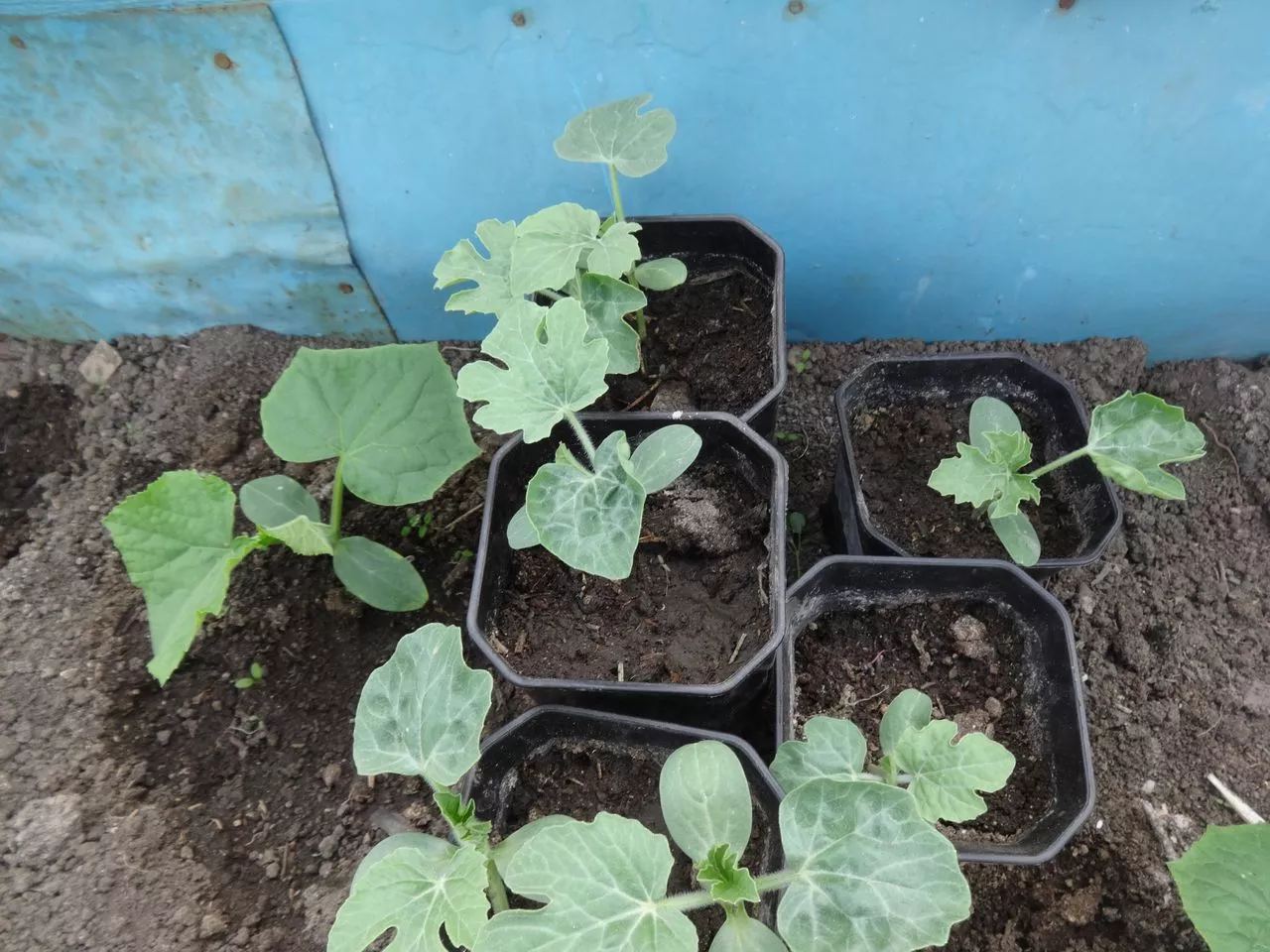
I still haven't planted the watermelons in open ground. They're sitting in cups in the greenhouse, and the seedlings are quite small. Plus, the nights are still cold, and I don't want to bother with covering them.
Garden
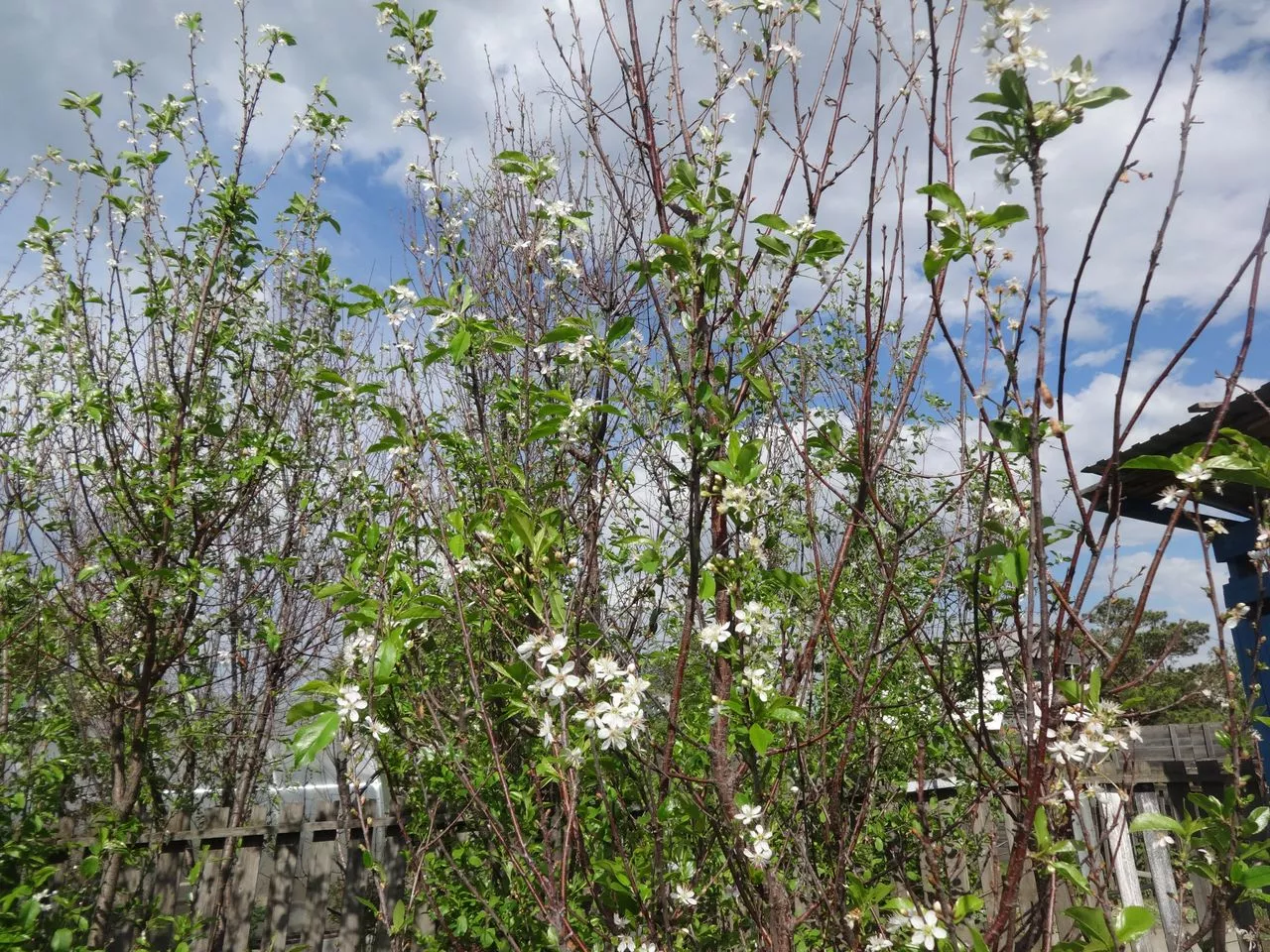
Our cherry trees froze this winter—some of the branches are dead and need to be trimmed. The frozen cherries are old, but they're being replaced by new, young trees that weren't damaged by the frost. The cherries are blooming, but there are very few flowers.
We removed one tree in the spring—its bark was badly cracked, there was a lot of gum on the trunk, and we had planned to remove it anyway. We planted peas in its place.
The felt-like plants haven't bloomed this year; they're resting. Only one young bush bloomed for the first time.
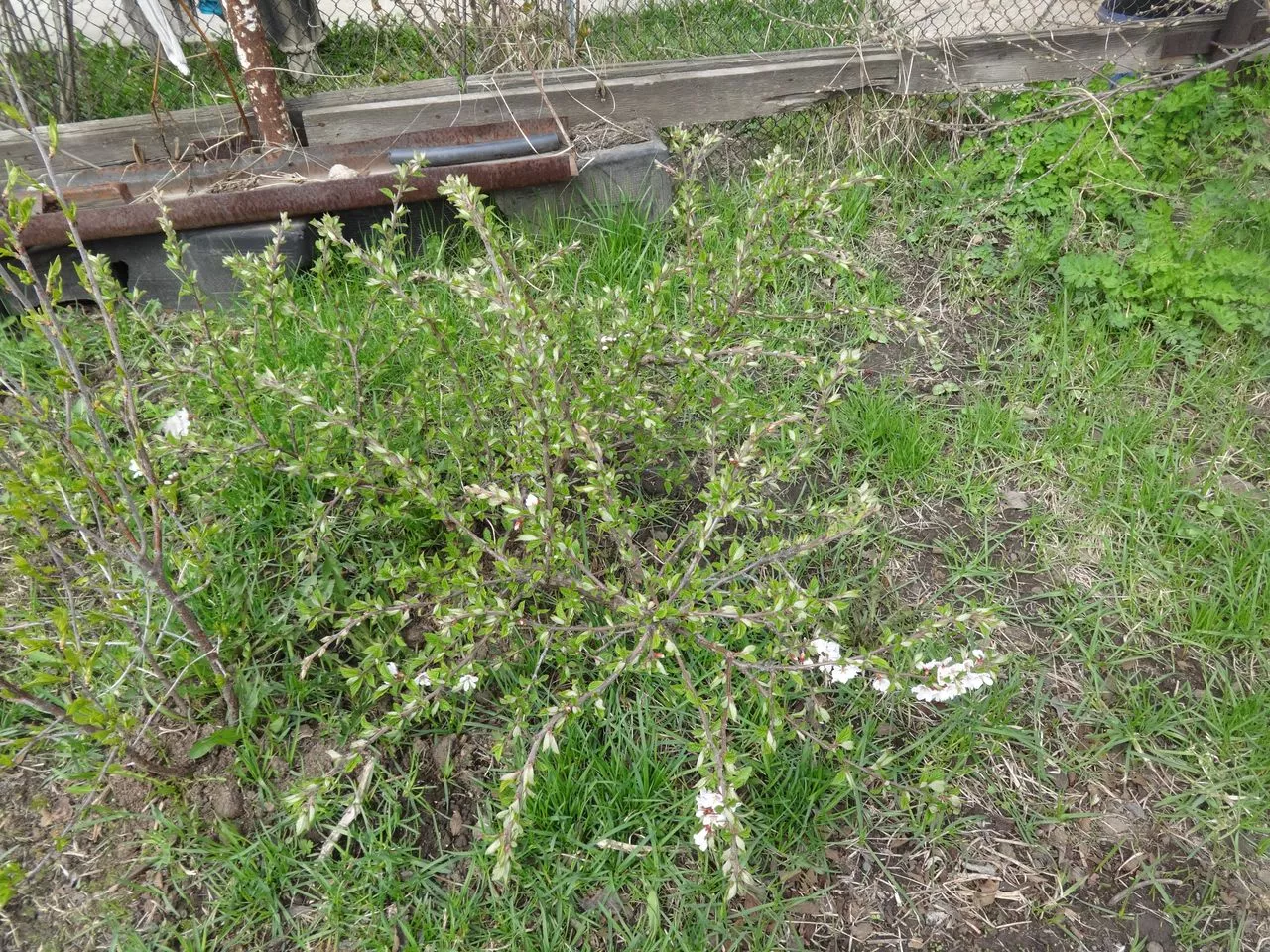
They also have dry branches. On one bush, some branches sprouted leaves early, while others were just beginning to open. It's unclear why the leaves unfolded so unevenly—whether the branches froze in the winter or didn't get enough warmth in the spring.
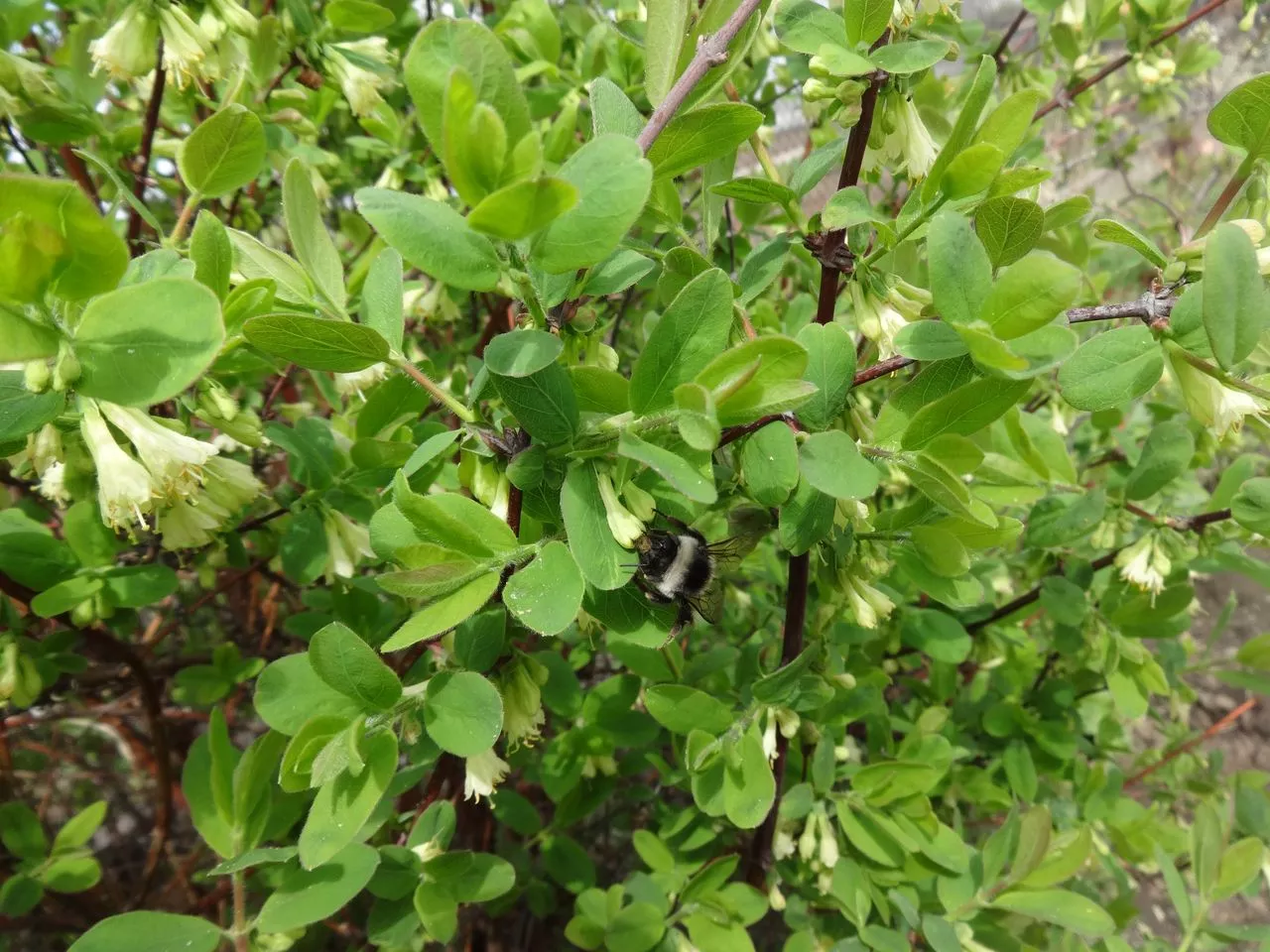
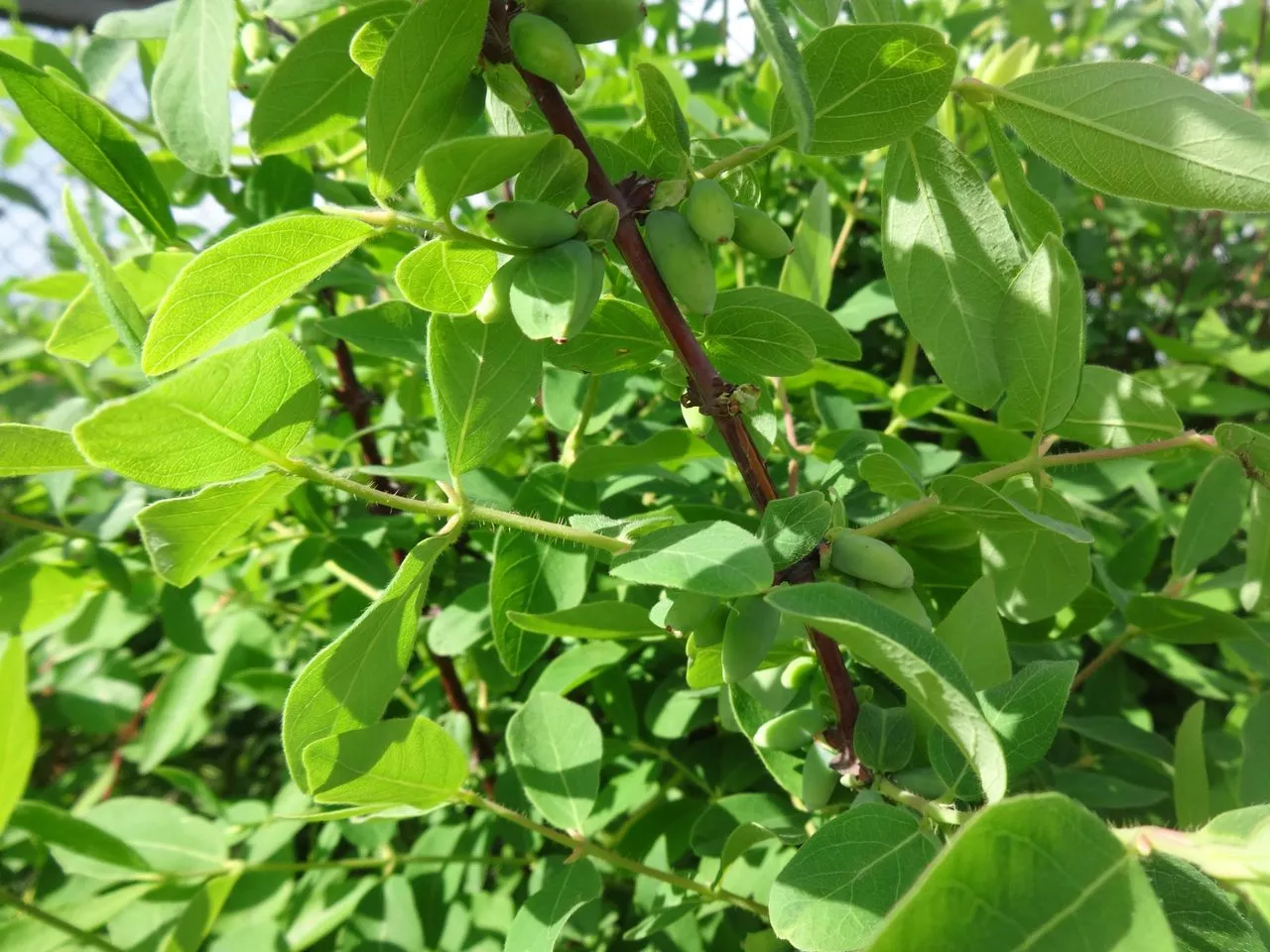
The honeysuckle has bloomed profusely and many berries have already set.
Black, white and red currants are covered with small berries.
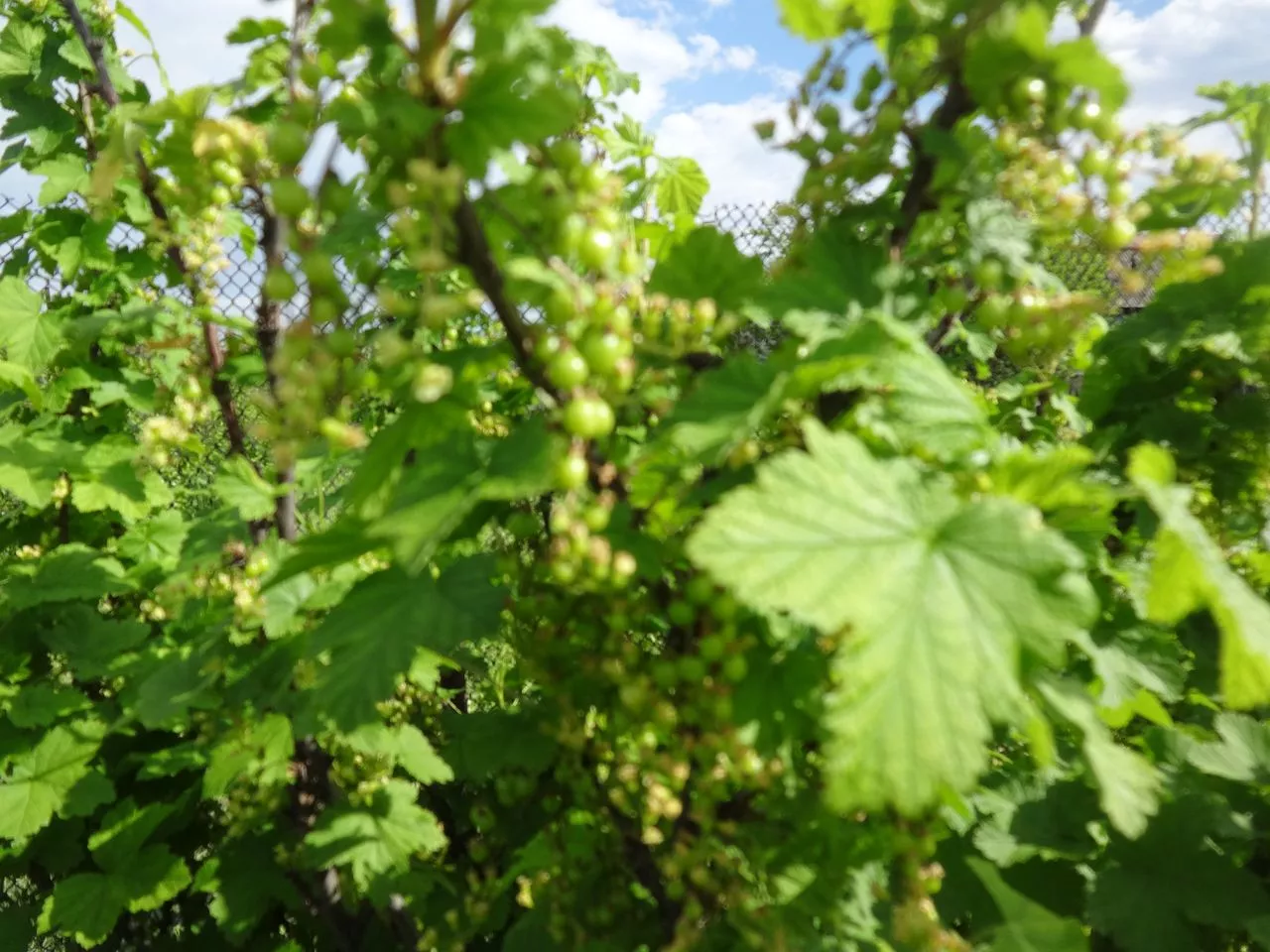
The leaves are green and smooth, and there are no pests or diseases. However, you need to be vigilant—ants are crawling on the branches, and aphids may appear.
We have four blackcurrant bushes growing, two white, and two red. One old blackcurrant bush was removed in the spring; it was growing on the other side of the garden and was covered in large buds infested with mites.
One gooseberry bush also has berries.
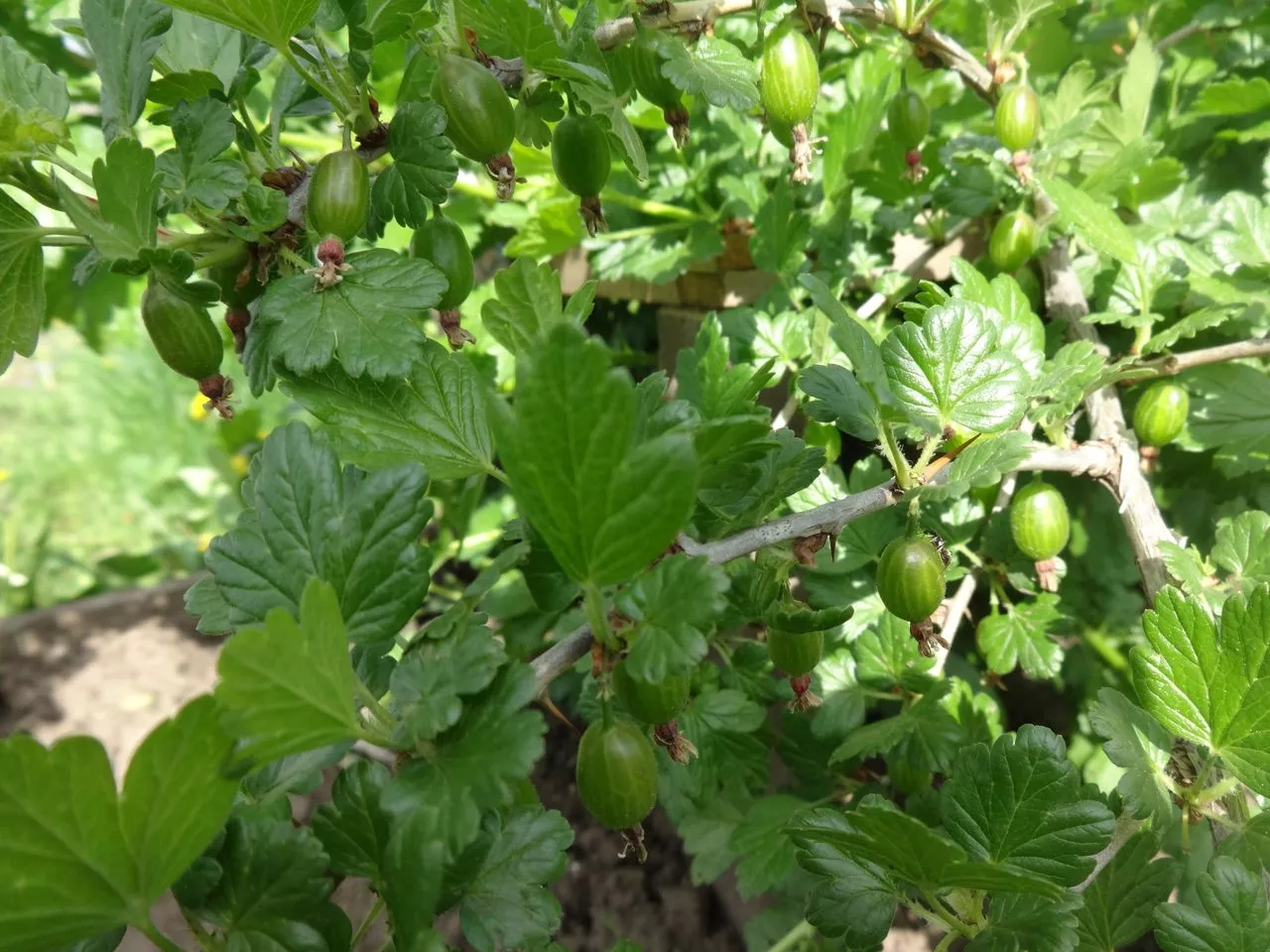
In the fall, we planted another new gooseberry with green fruits, and removed the one that was sick with powdery mildew.
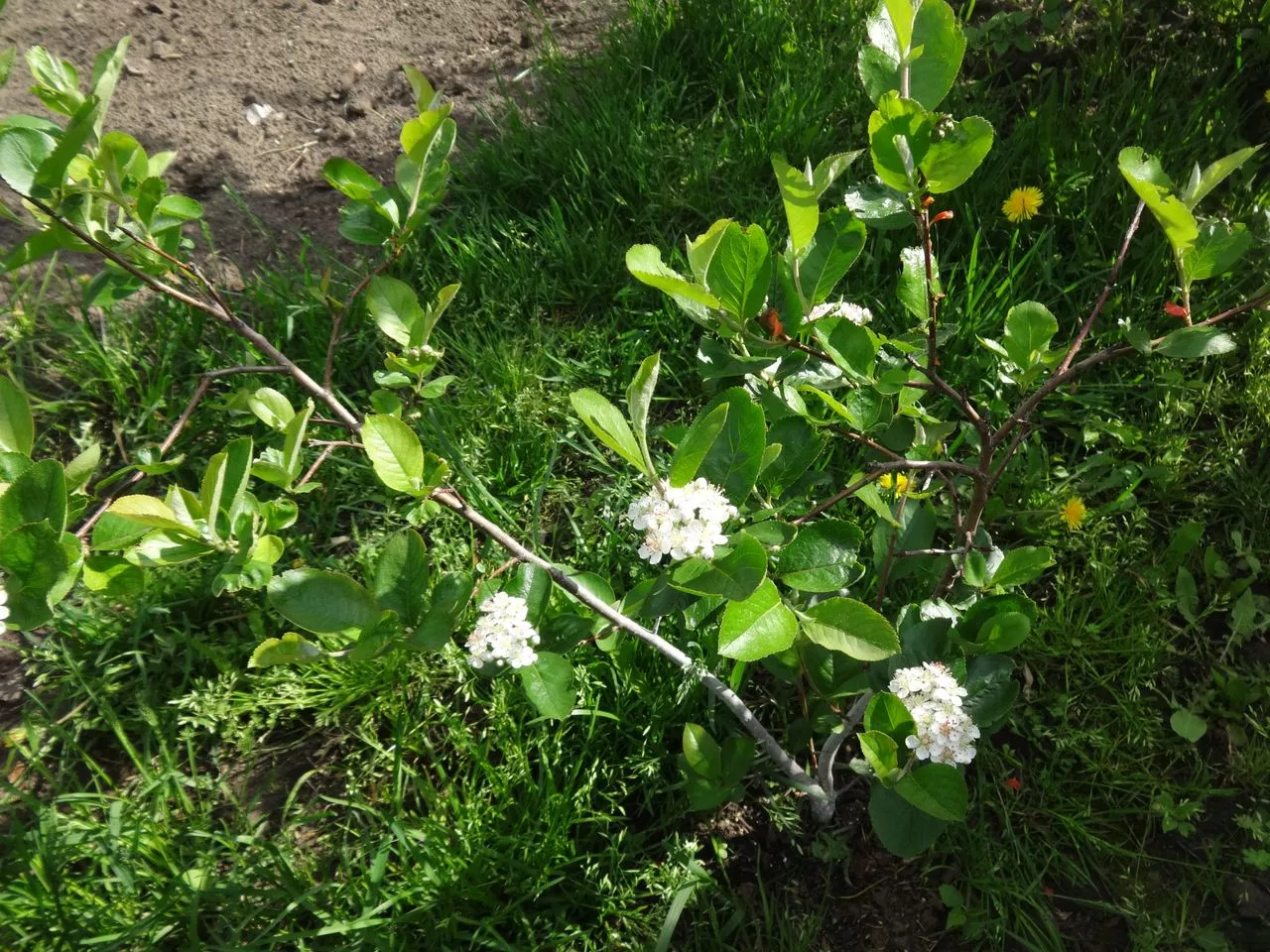
The serviceberry and plum trees have finished blooming. The chokeberry (aronia) is blooming for the first time.
Last year was a bumper year for apples, but this year the trees are taking a break. The crab apples are blooming profusely around the dachas, though they opened later than usual due to the cold weather. Among our young apple trees, Vospitannitsa, Brat Chudnogo, and an unknown apple tree are blooming for the first time.
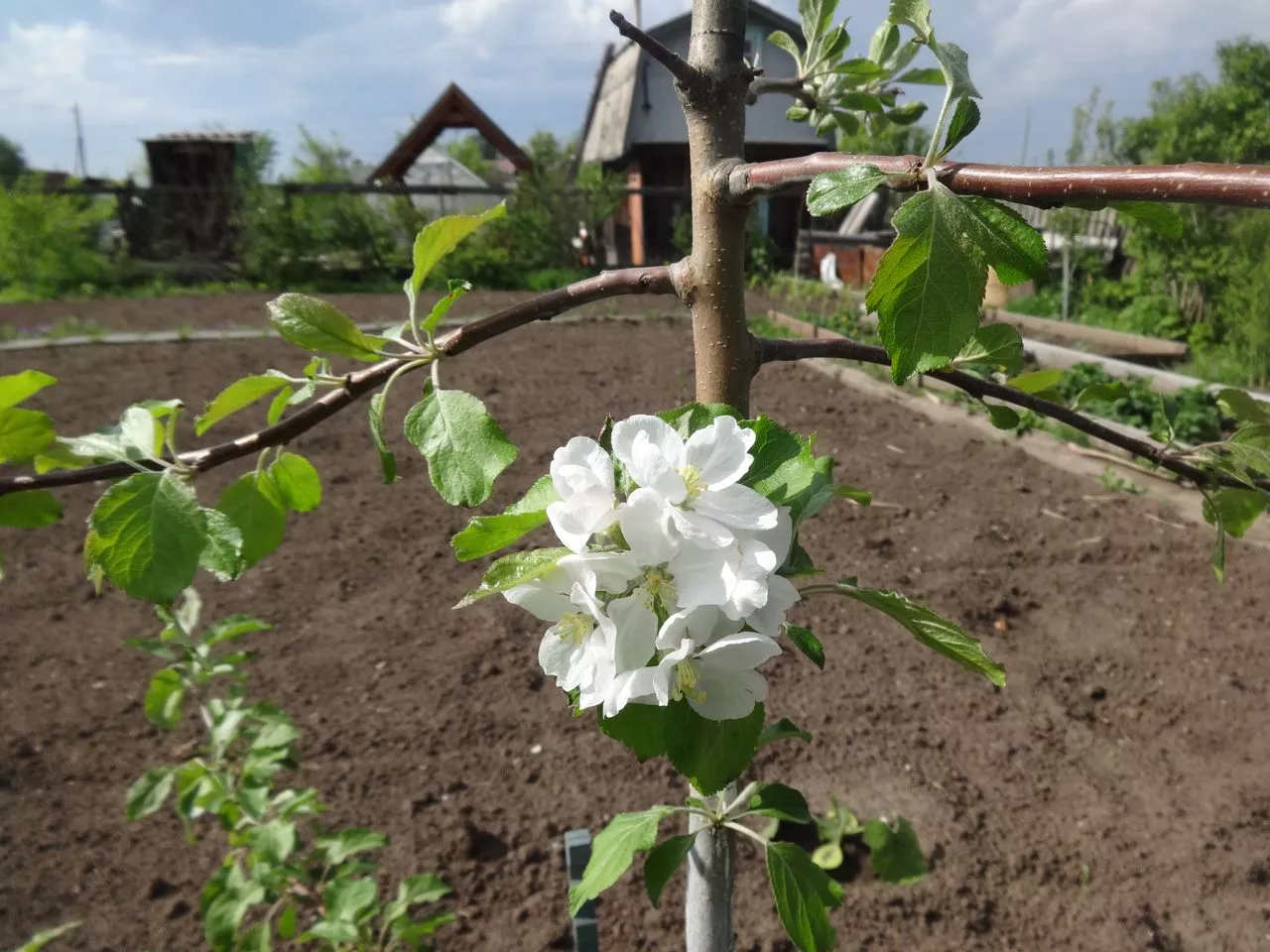
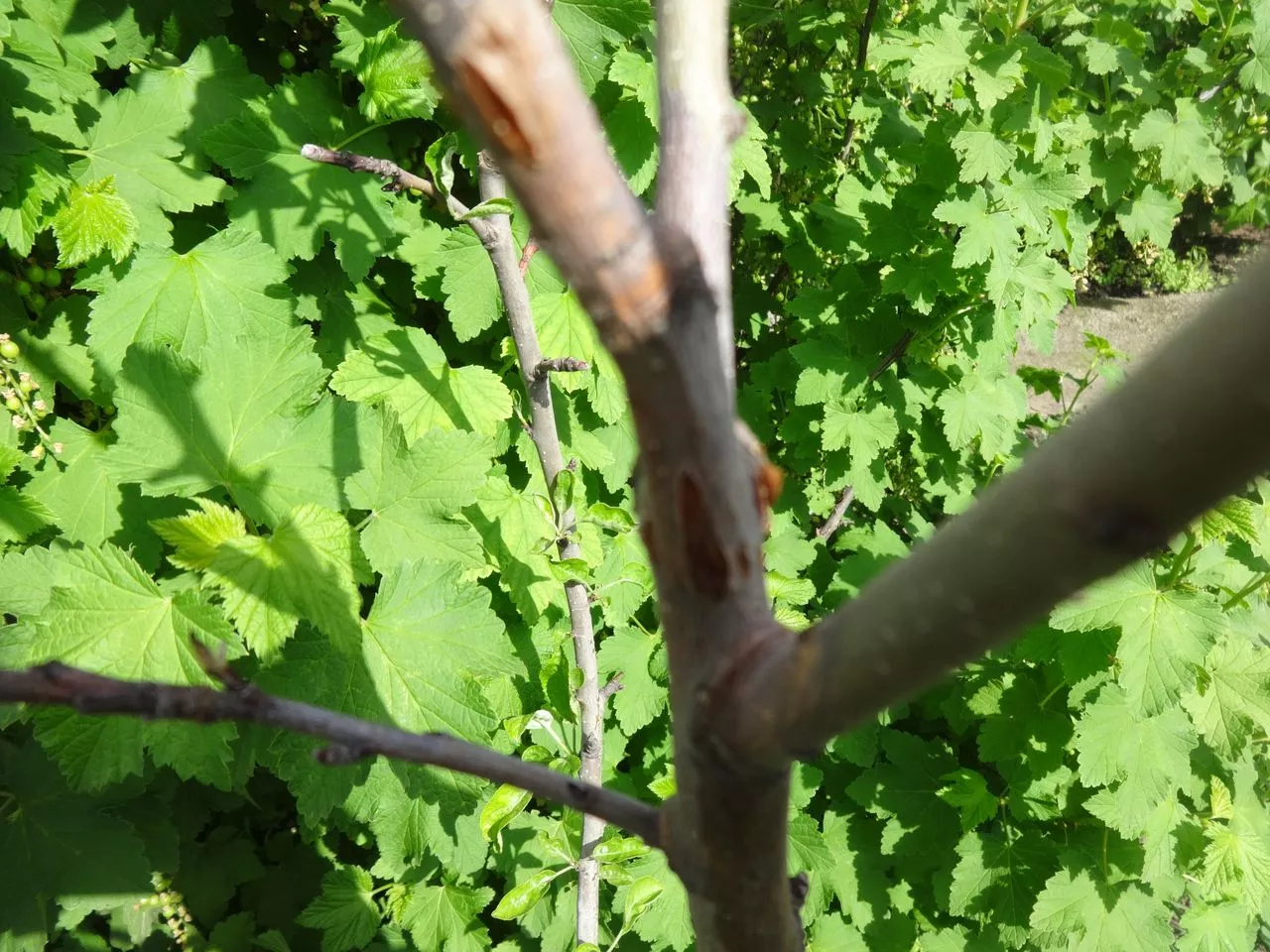
Borovinka and Melba are resting, slowly unfurling their leaves. But on the Tolunai tree, the bark has cracked at the top of its trunk, and the upper branches are drying up.
The strawberries froze this year, and some of the bushes had to be dug up. They're already blooming.
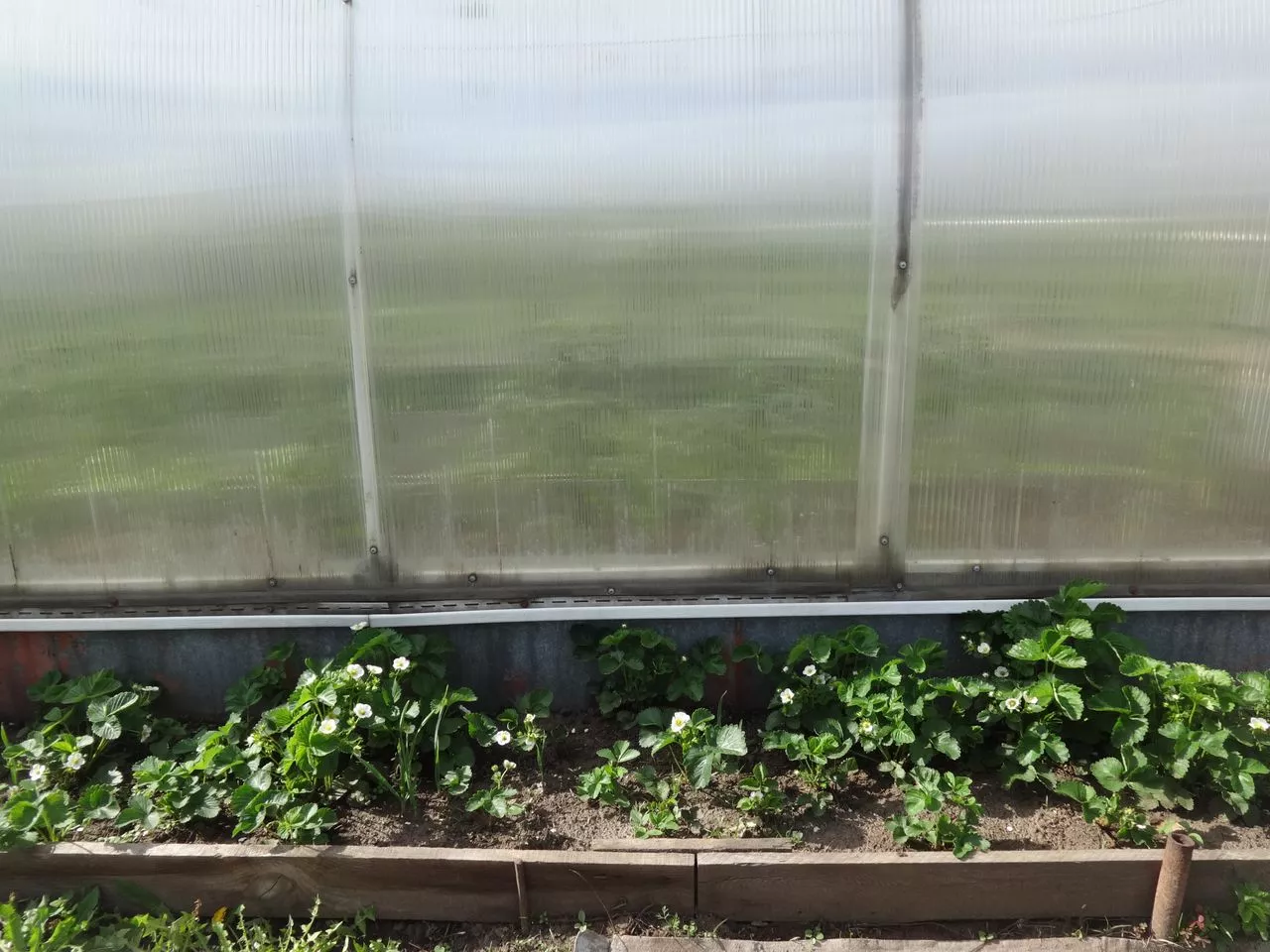
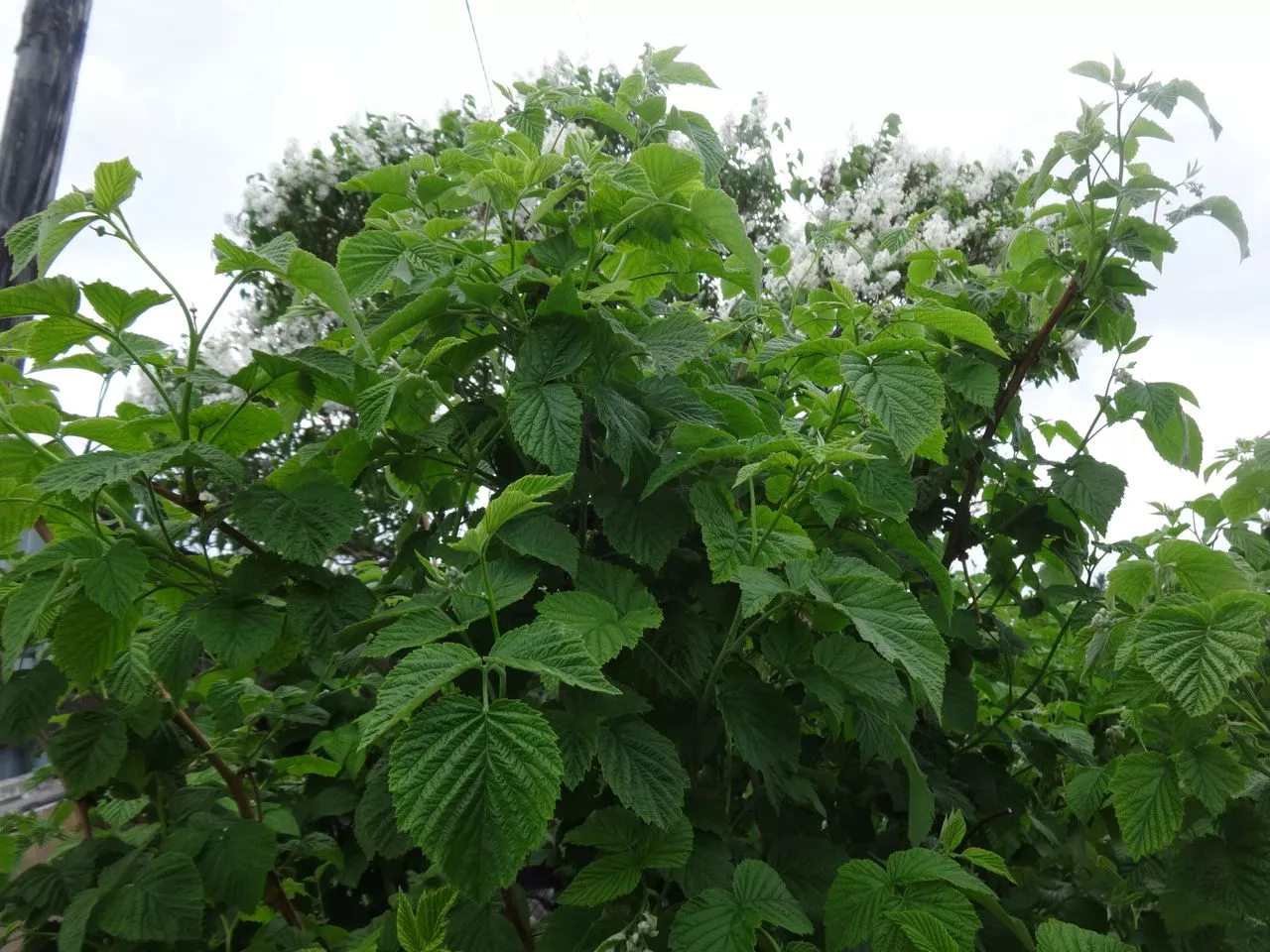
The raspberries have survived the winter well and are still gaining color.
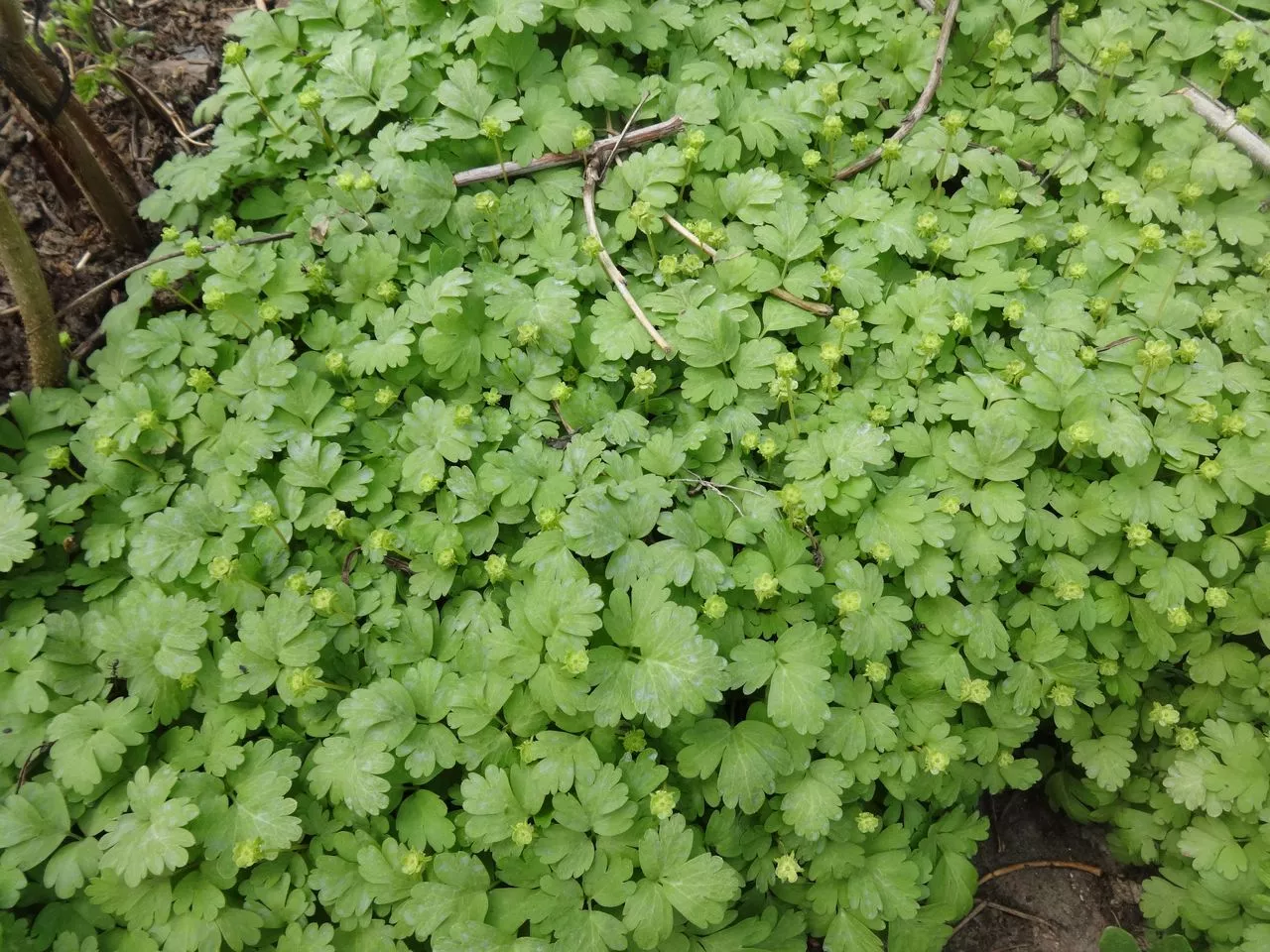
An unknown low-growing weed grew in the raspberry bushes this spring; we removed it. Does anyone know the name of this plant?
The lilacs bloomed with a two-week delay.
And our beautiful viburnum Buldenezh froze badly, we cut it almost completely.
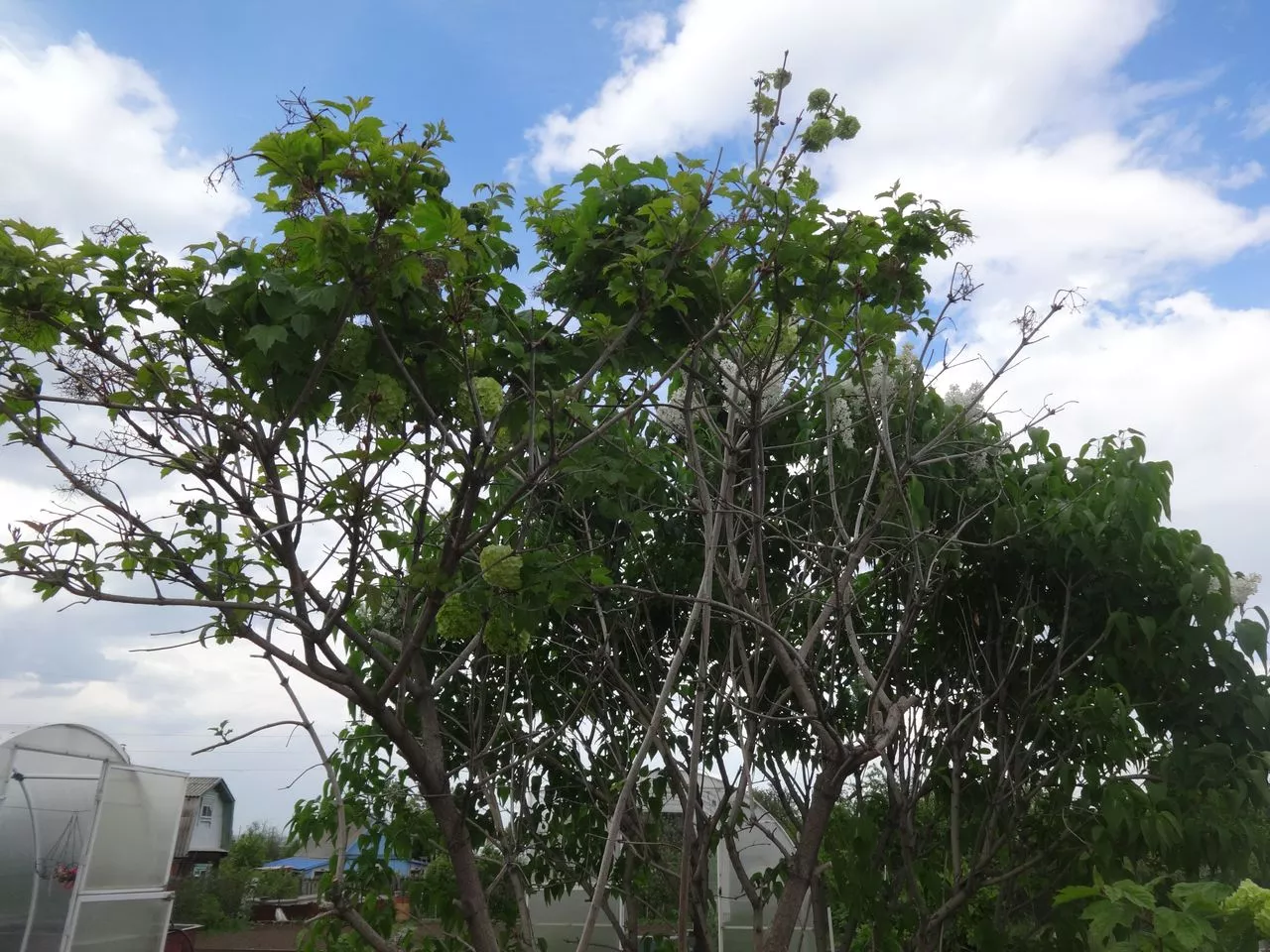
The common viburnum is also blooming profusely, but small black aphids have already appeared on the branches. It needs to be treated with Intavir immediately.
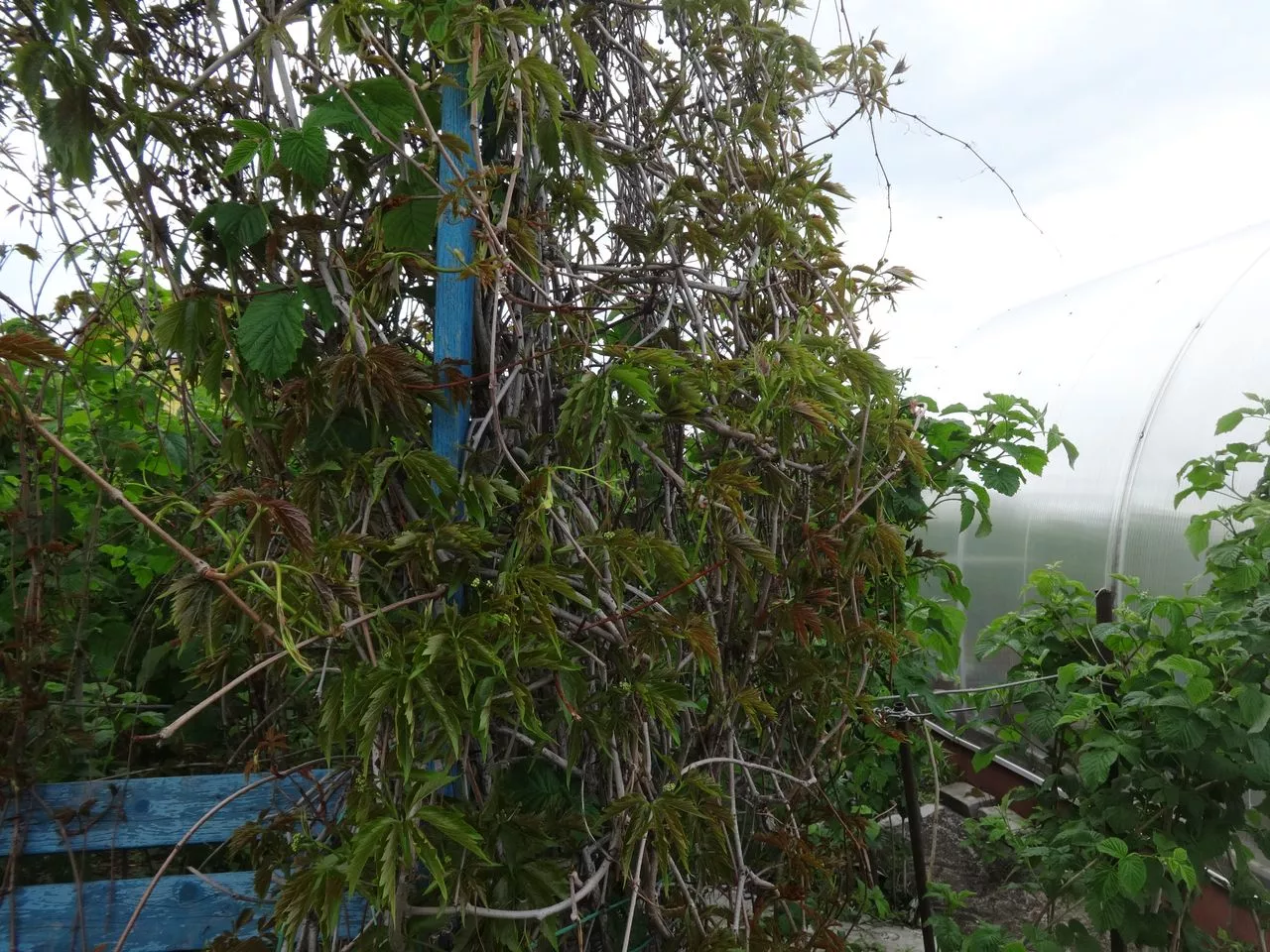
The maiden grapes began to unfold their leaves.
Despite the cold spring, nature is awakening. As soon as the sun warmed, everything around began to grow and bloom. Perennial flowers immediately responded to the sun and warmth, sprouting buds—pyrethrum, aquilegia, and peonies. But I'll talk about that in the next post.