
Good afternoon
Due to recent laws banning fires and burning branches and debris, I finally decided to buy a garden shredder. Since we live in the city, albeit in a private home, our plots are small, and maintaining proper clearances from trees, buildings, and structures is difficult. We have a barrel for burning small amounts of garden waste. But what to do with a pile of branches left over from pruning fruit trees, or branches from a tree blown down by a strong wind? That's where a shredder comes in handy.
While searching, I discovered that there are 3 types of garden shredders:
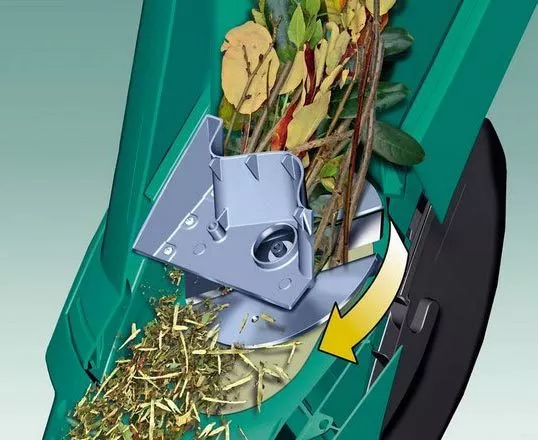
- Knife-type cutters – two or three blades are attached to the disk; as they rotate, they chop the branch. Another option is to install a single large, double-sided blade. Replacement blades are inexpensive – from 200 to 1,000 rubles, depending on the model and brand.

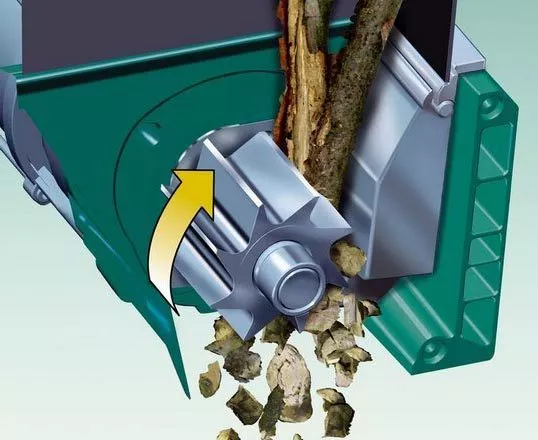
There are also shredders that, in addition to the main blades, have additional blades angled away from the surface. This allows them to shred not only branches but also plant waste. - Milling cutters are good for cutting thick branches; the principle is that the wood is “cut” by a gear with sharpened edges.
But there are downsides: the price is very high, consumables are very expensive, and the cutter can't be sharpened at home. And, as I understand it, it's usually not the cutter that fails first, but the stop between which the branch is clamped for cutting by the cutter blade. This stop is then very difficult to find and replace.
The wood chips from such a shredder come out in the form of large chopped pieces. - Turbine - this model has a lot of blades and, when rotating, they pull in the branch and chop it at the same time.
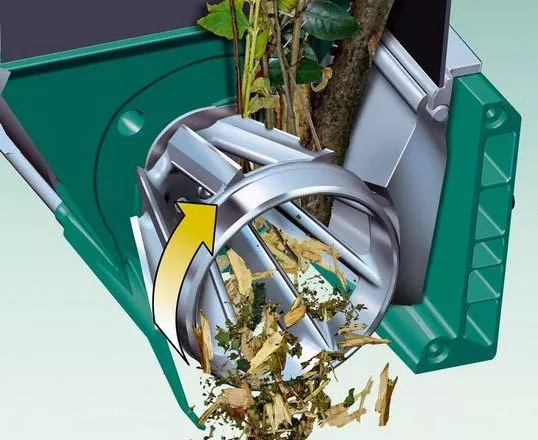
They produce similar chips to knife-type saws, but are more powerful and productive. They can handle thicker branches. However, sharpening is more difficult, and replacement is more expensive.
I chose a shredder based on several criteria:
- Price. I was planning to buy the simplest, cheapest one, hoping it wouldn't break right away. After reading reviews and reading information online, I realized that Bosch and Viking are the leaders in terms of sophisticated grinding systems and quality. And their prices are also reasonable.
- Type of wood chips. Our garden is still young, so we don't have very thick branches (mostly under 3 cm), but the wood chips need to be fine enough to be used for spreading on paths, composting, and mulching plants. Both blade and turbine chippers produce this fineness. A turbine chipper isn't within our budget, so I settled on the blade option.
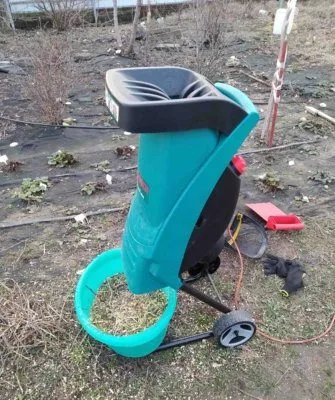
And then, while I was choosing and searching, luck smiled on me: one store had a Bosh Rapid AXT 2000 garden shredder on sale for over 50%. Of course, I couldn't pass it up. I was tormented by doubts about what the catch was, but after purchasing it, I tested it and have no complaints so far; it's made in Hungary.
Just for fun, I registered my shredder on the official Bosch website, and they extended the warranty for it to 3 years.
I'll share my impressions of this device. Maybe it will help someone with their choice.
It is sold in a box like this.
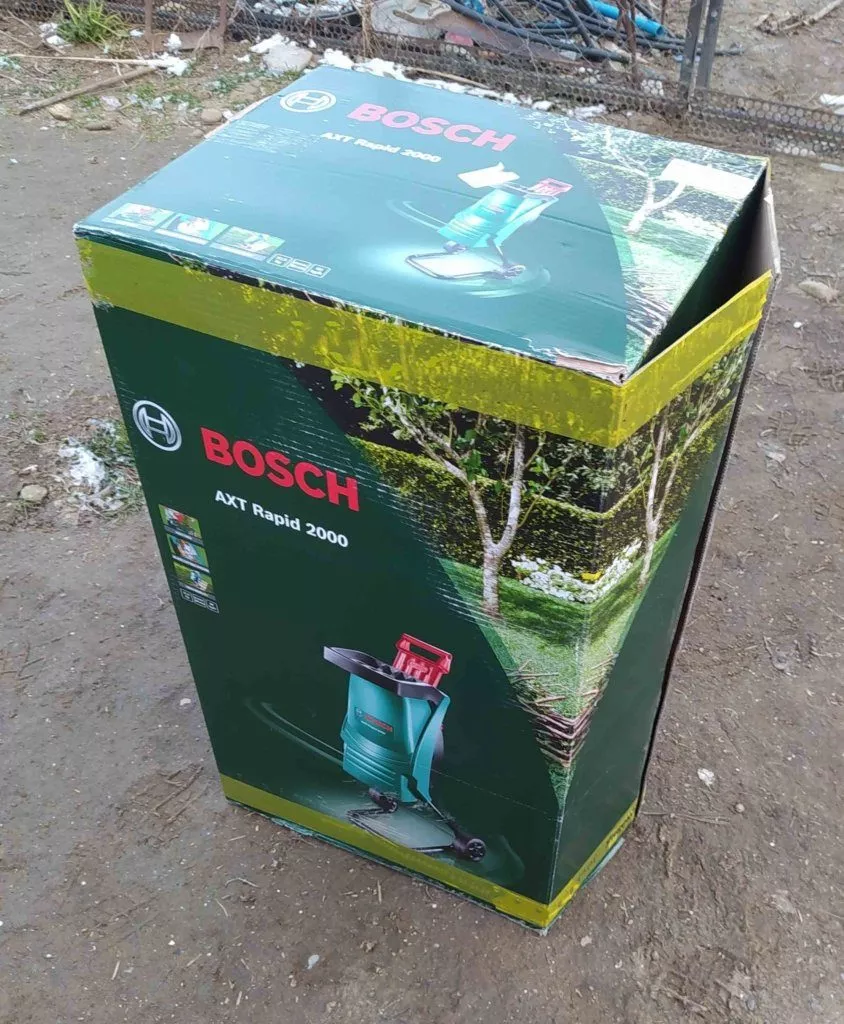
The weight with packaging is 13.4 kg. The assembled shredder itself weighs 11 kg. This was also one of its advantages when choosing it – it's easy to move around the site.

Its power isn't high compared to other models—only 2000 watts. But that's quite sufficient.
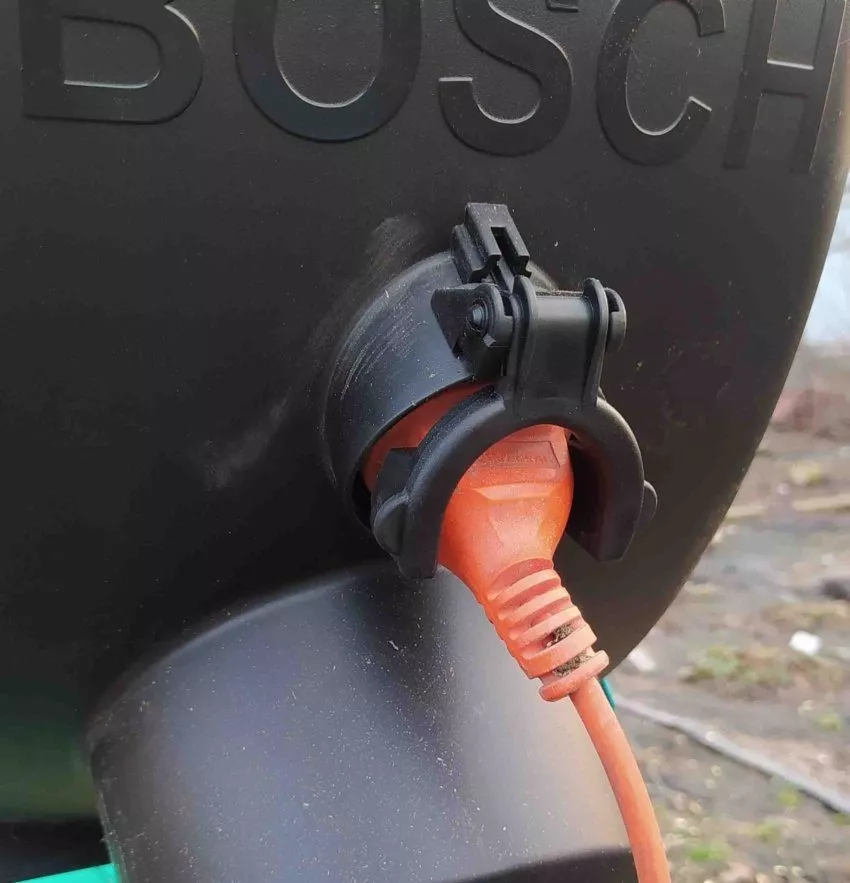
Judging by the reviews, this shredder is voltage-sensitive, so if you plan to use it on a site with an extension cord of 30 meters or more, it's advisable to get a 2x1.5-gauge extension cord. I only had a 2x1.5-gauge one, and I tried it – it works, and the cord doesn't get hot. However, you'll need to upgrade to a thicker one eventually. The shredder doesn't have a cord on the body, only a plug, so you'll need a corresponding extension cord.
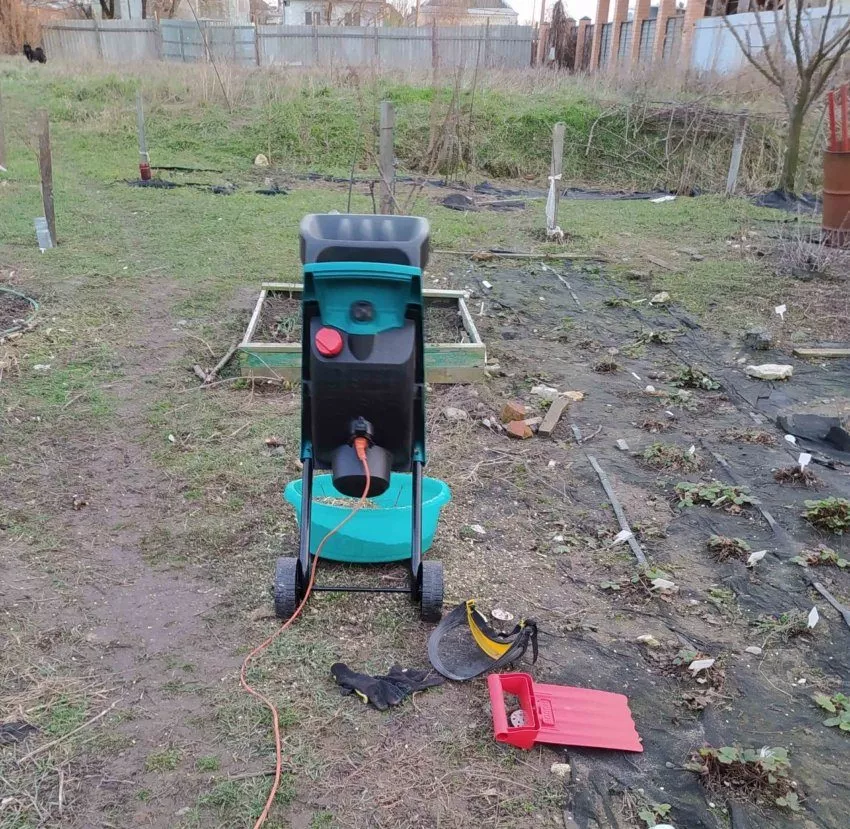
The wheels are plastic and have a handle for moving the machine around the area.
Knife system:
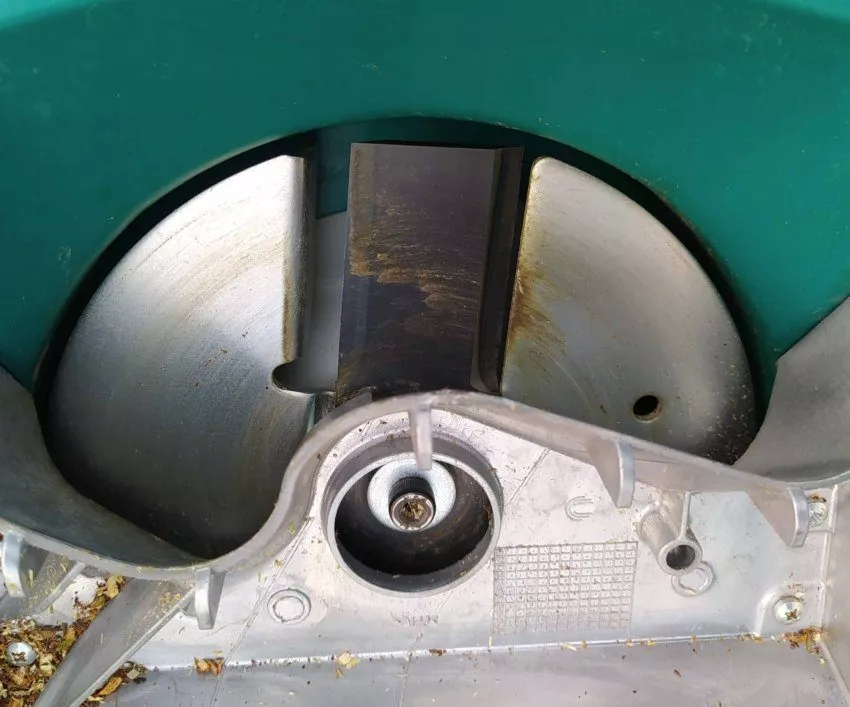
This is the knife after chopping branches.
There is also a place to store the key in case you need to unscrew and turn the knife over.
If the grinder suddenly becomes clogged or the stick gets stuck, it can be opened and cleaned.
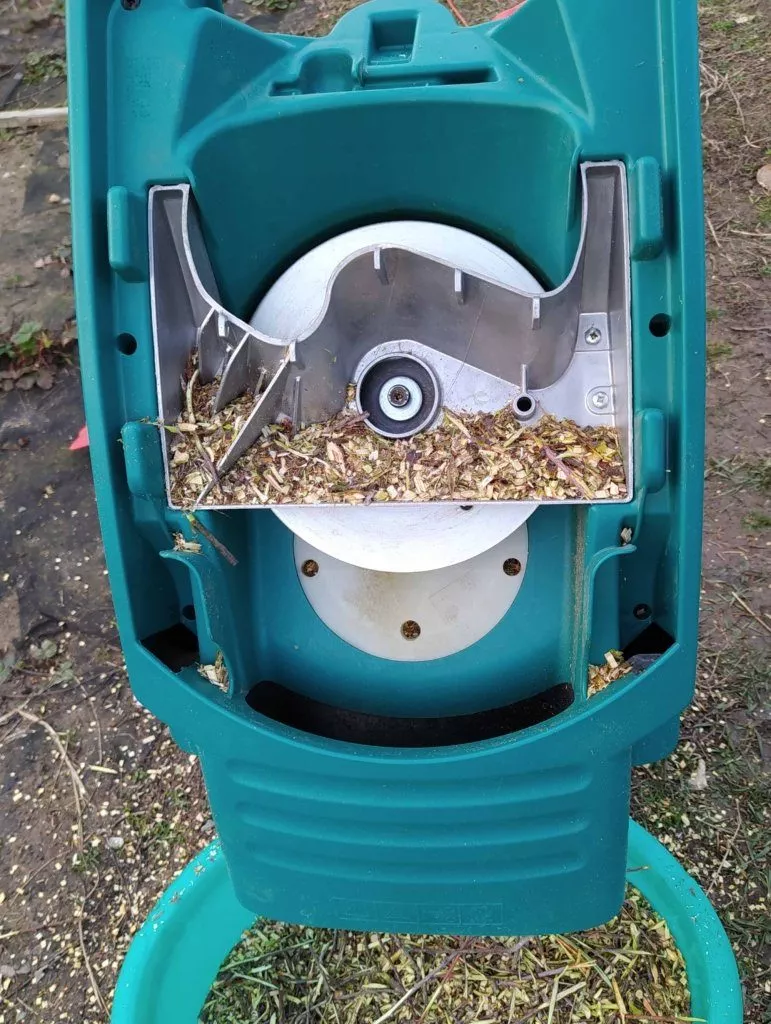
And this is its lid:
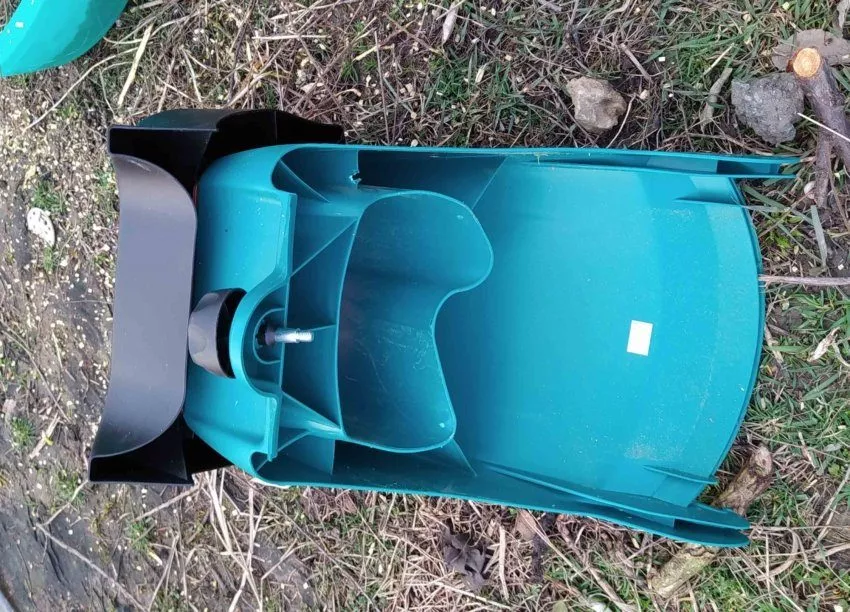
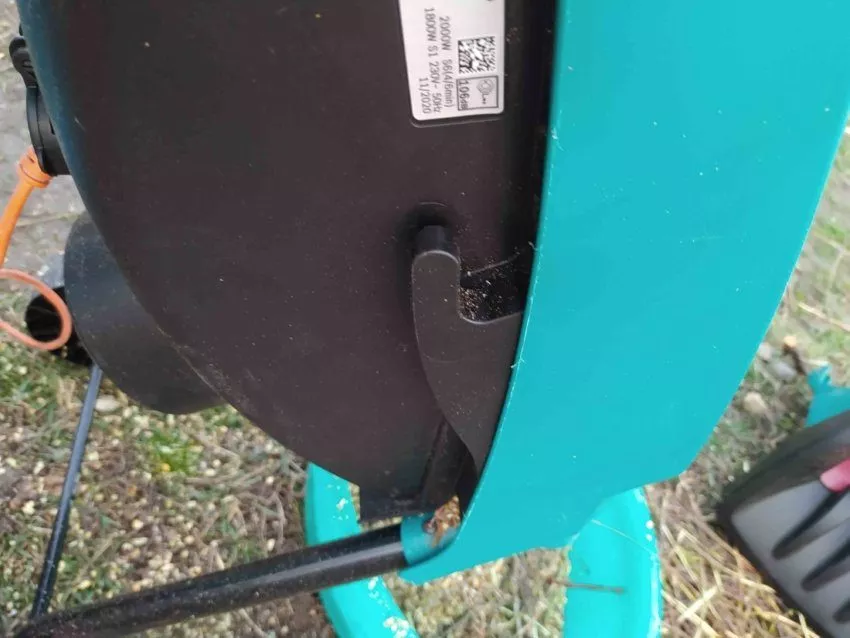
There's a special screw for this, jokingly called the "patience screw." It takes a while to loosen, which is the manufacturer's design for safety. By the time you unscrew the bolt to remove the cover, the blades will stop rotating. And with the screw loosened, the motor won't start; to get it to work, you need to tighten the screw all the way, closing the circuit.
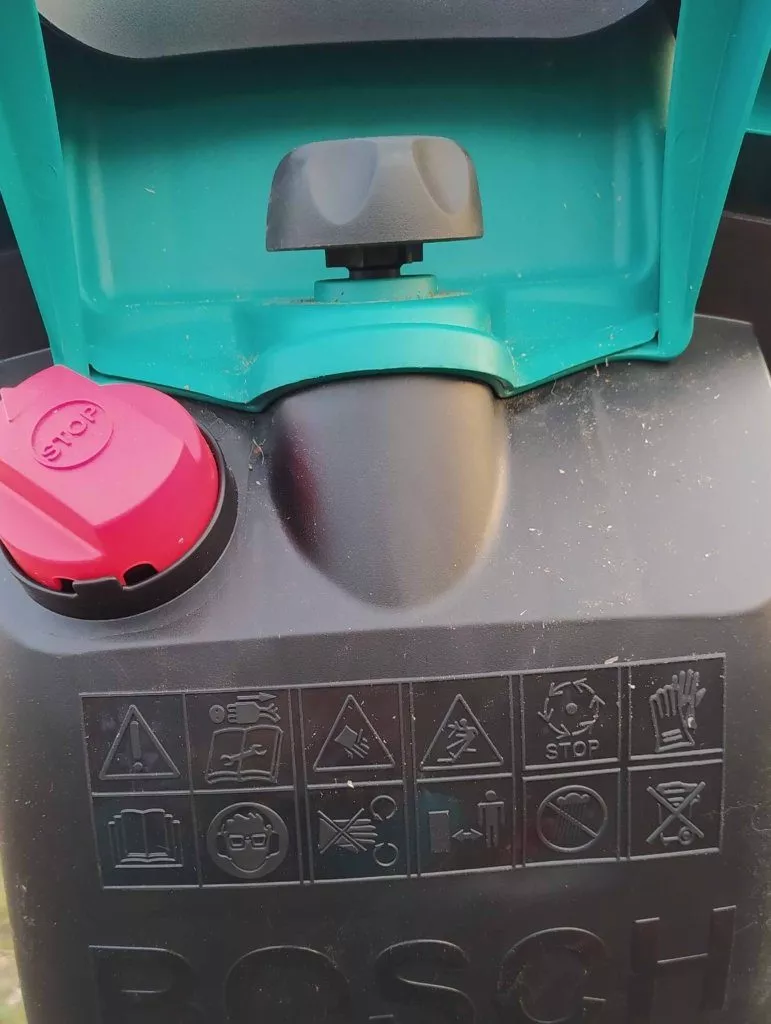
This knife has a double-sided sharpening system, so if one side becomes dull, you can flip it over and continue working. Also, according to reviews, this knife isn't made of hardened iron, so the edge dents easily. Resharpening it is not recommended, as it may disrupt the factory alignment. However, DIYers do sharpen slightly dull blades. However, care must be taken, as the edges are laser-hardened on one side, so sharpening only removes obvious nicks.
There are special "loops" on the sides for attaching the handles of a large bag. This bag used to come with the shredder, but now it's sold separately. But an Auchan bag or a Lenta bag will also work.
So far, I've processed one pile of apricot and felt cherry branches. There are two more piles to go.
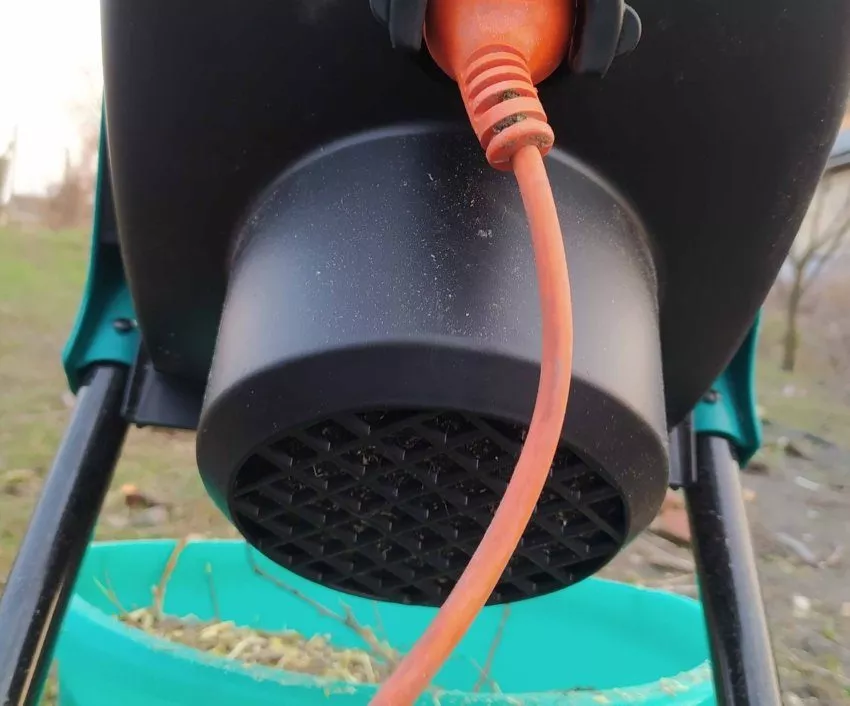
Another point is protecting the engine from overheating. Based on reviews, I understand that the weak point here is the cooling system filter. It's located at the bottom of the shredder and can become clogged with wood dust during operation.
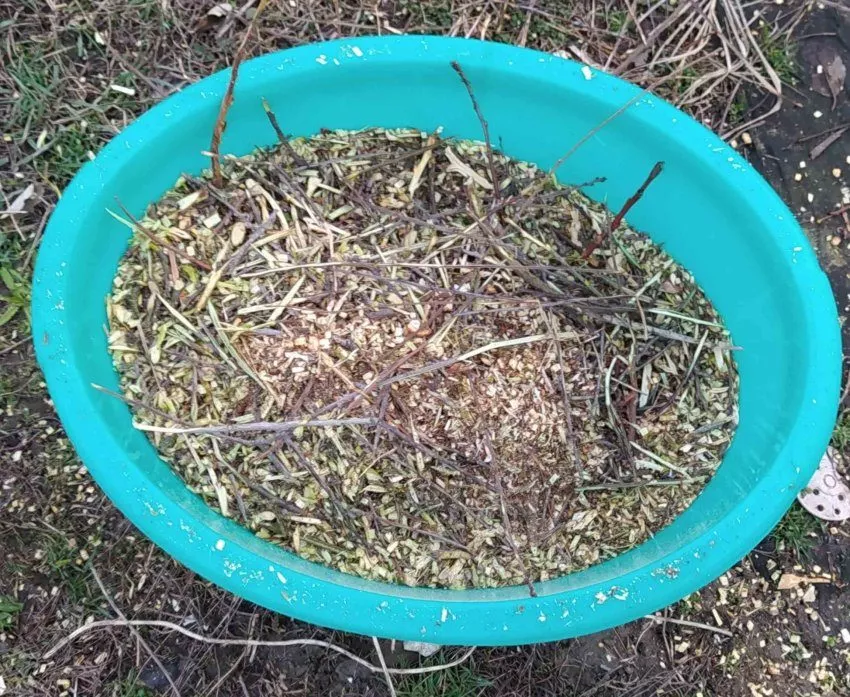
The shredder does not chop thin branches up to 5 mm; they fly past as small whips.
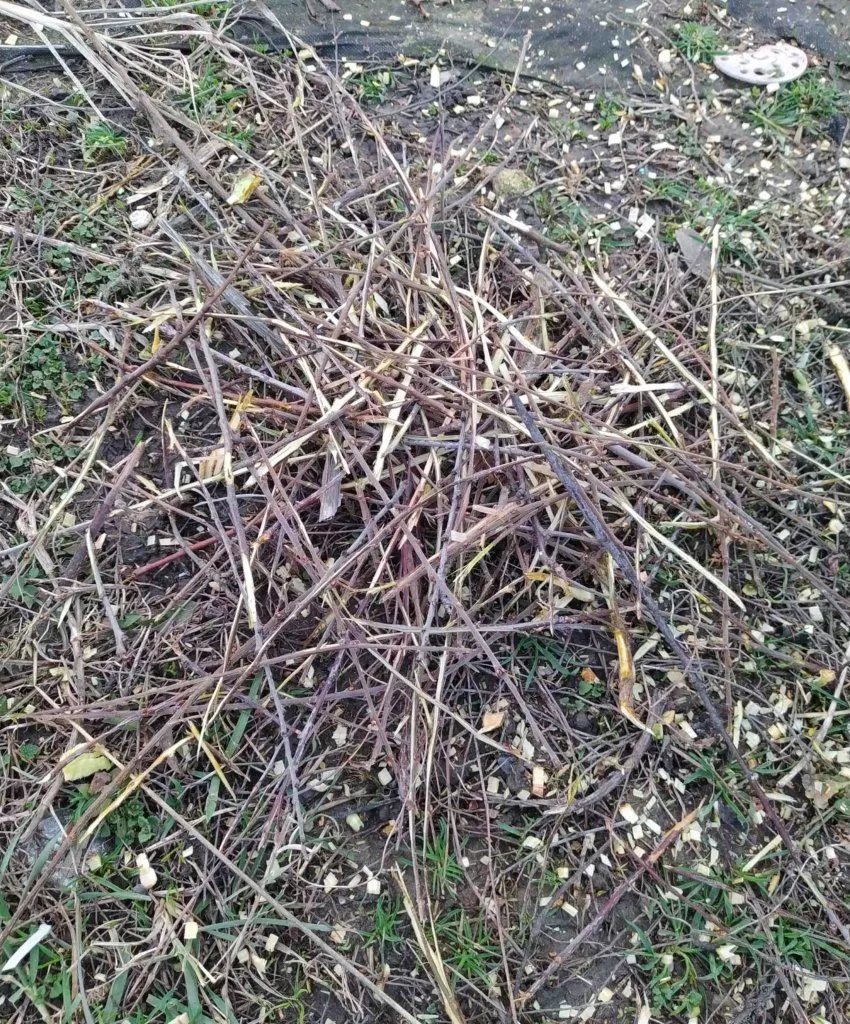
I selected these twigs from the ground wood chips.
While it does take branches thicker than 3 cm, it feels like it's a bit of a struggle. Therefore, it's best to hold onto these branches; if you feel the engine starting to struggle, lift it slightly, let the engine rev up, and then feed the branch again.
If the shredder is overloaded, it has an emergency shut-off feature. In this case, wait a bit and then turn it back on.
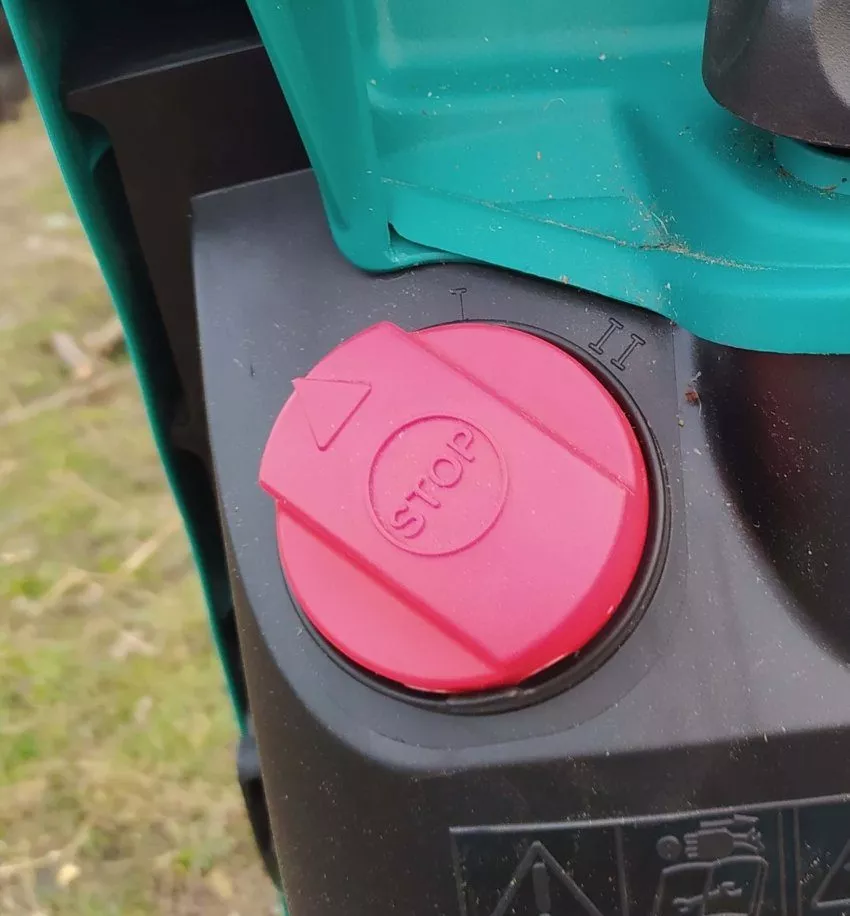
I liked the way the power button itself was designed. To turn it on, turn it all the way to the right (to position II) and release it; it will return to the vertical position I. To turn it off, there are two ways: turn the knob all the way to the left or simply press it; it will act as a button and turn off the engine.
This is what the chips look like:
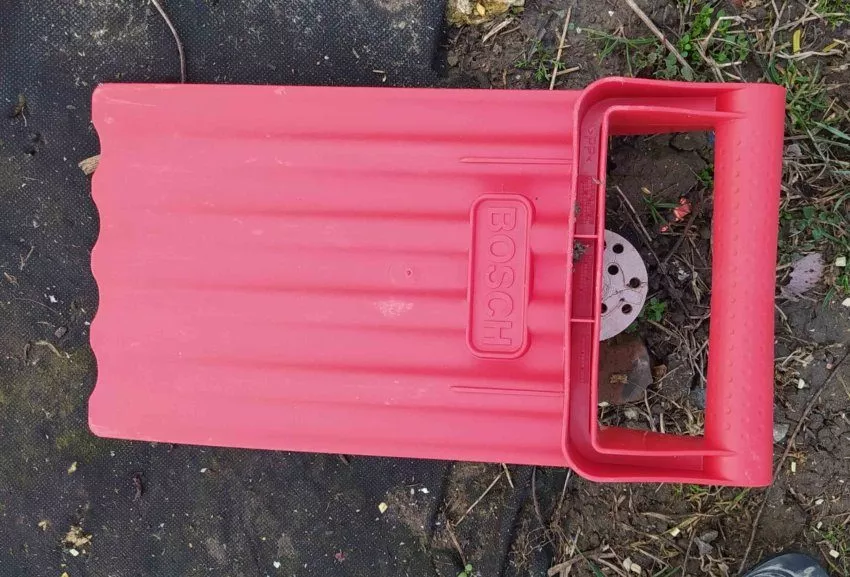
For small branches and grass, use a pusher like this:
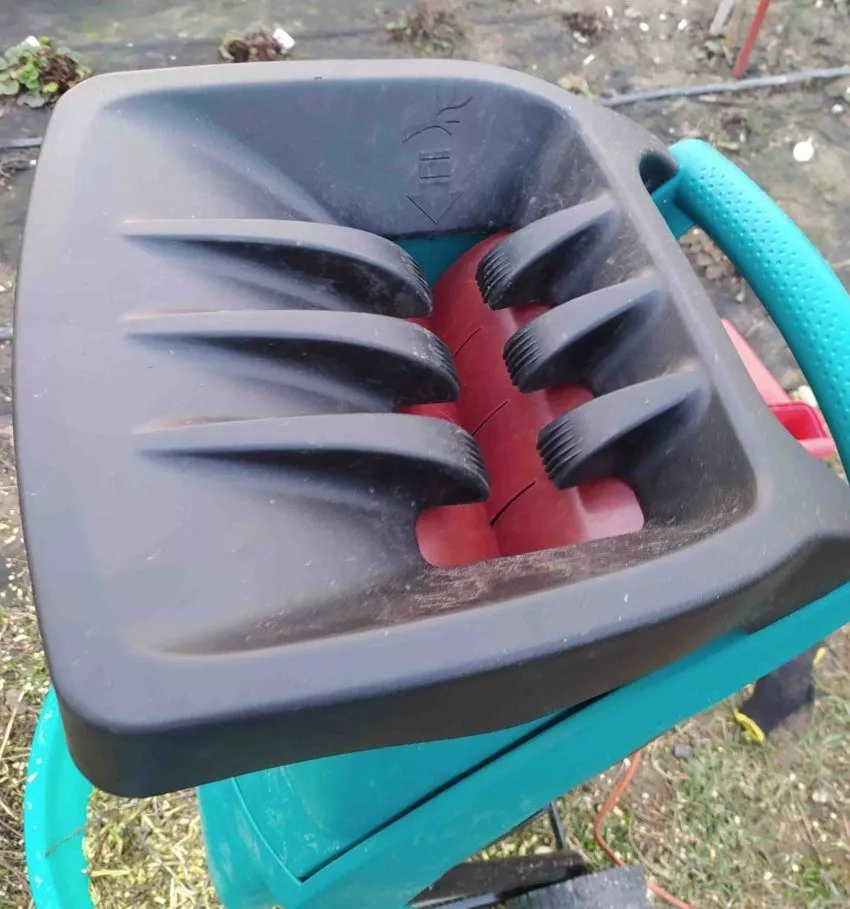
This machine has a wide enough feed chute for branches, but it's still necessary to prepare them first. Branches with too many branches don't always fit through the feed chute. It's easier to cut off such forks with pruning shears beforehand.
I'm playing it safe for now, not chipping any branches thicker than 3 cm, so I end up with a pile of stumps. I'll throw them in the barrel to make ash.
Bottom line, I'm happy with the purchase; it performs its function perfectly.
When working, it's essential to wear protective gear—a mask or goggles, and gloves (preferably rubberized ones, as a twig can snag on knitted gloves and pull your hand toward the loading opening). Despite the protective blades, splinters sometimes fly off. And when chopping, branches can sometimes kick back onto your hands.
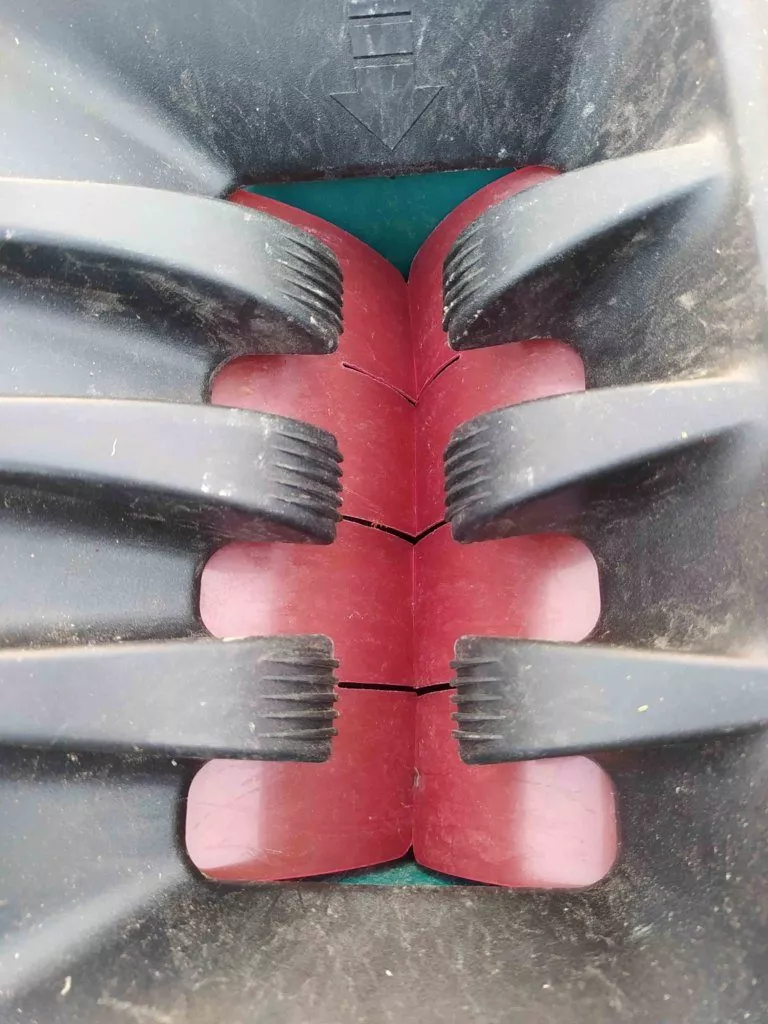
I'll sort the mulch, or rather, the branches I shred. Healthy and clean ones can be used for beautiful mulch for flowers.
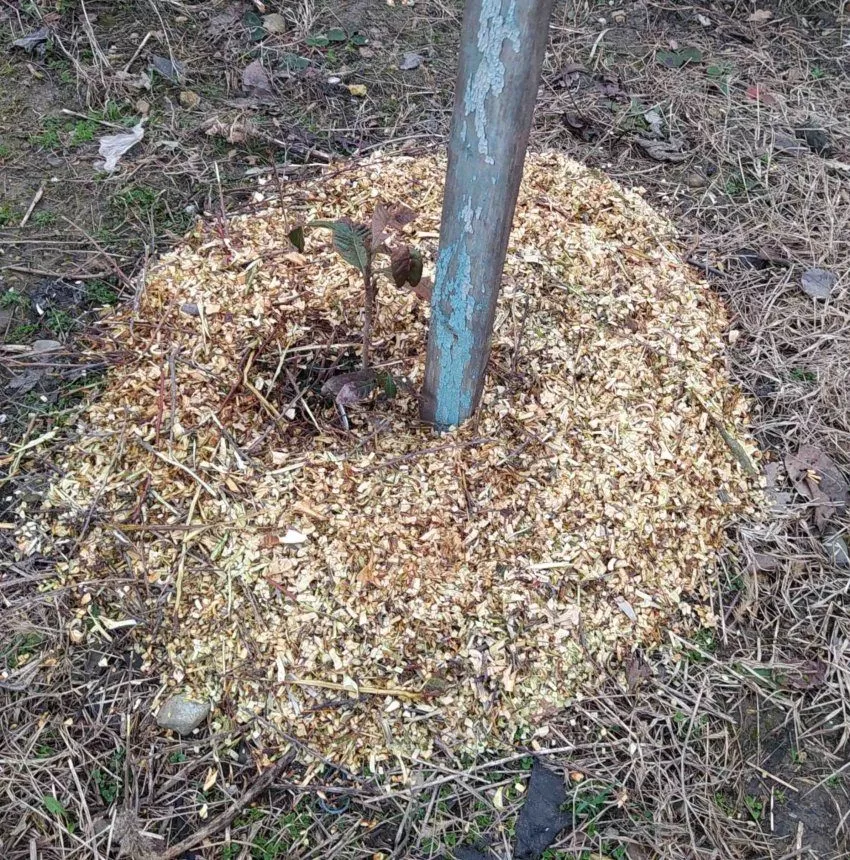
If there are branches affected by fungus, then you should not add mulch to them; they should either be burned or composted in a far corner of the area so that everything rots.
I also plan to shred tomato tops, corn stalks, and Jerusalem artichokes. I hope the Bosch brand doesn't let me down, and this shredder will be a productive and long-lasting help around the garden. I have a lot more planned, including removing all the branches after pruning and covering the roses and other plants with beautiful mulch.