

Sea buckthorn is one of the most common plants in Siberia. Here, sea buckthorn thickets can be found everywhere: around the city, in vacant lots, along roadsides. Every dacha has this healthy berry growing. Residents grow large-fruited varieties. This undemanding, frost-resistant plant belongs to the Elaeagnaceae family. It spreads very quickly via basal suckers. At our dacha, sea buckthorn sprouts everywhere—in potato beds, in strawberry beds, and even in the greenhouse, constantly having to dig up the young shoots.
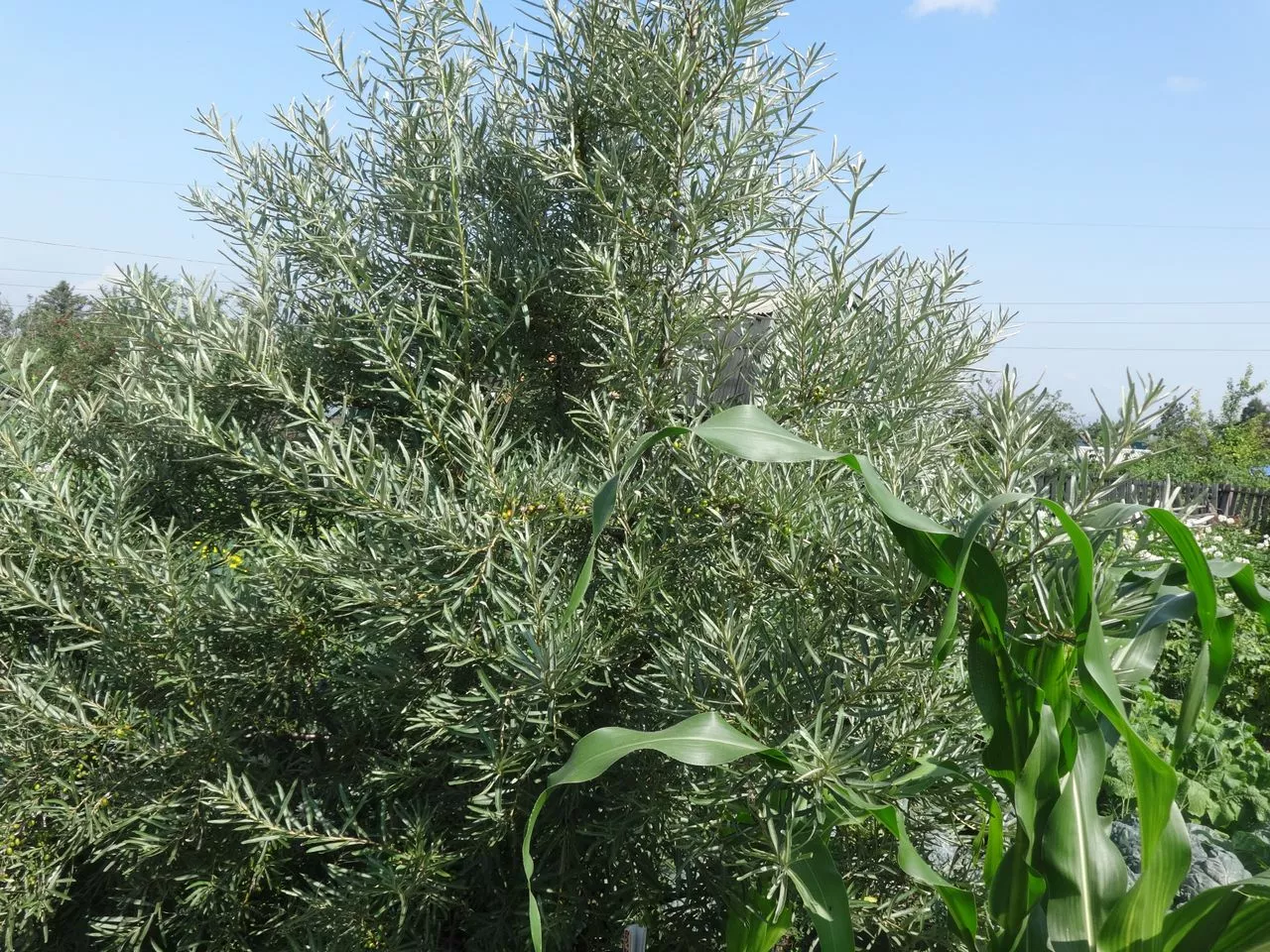
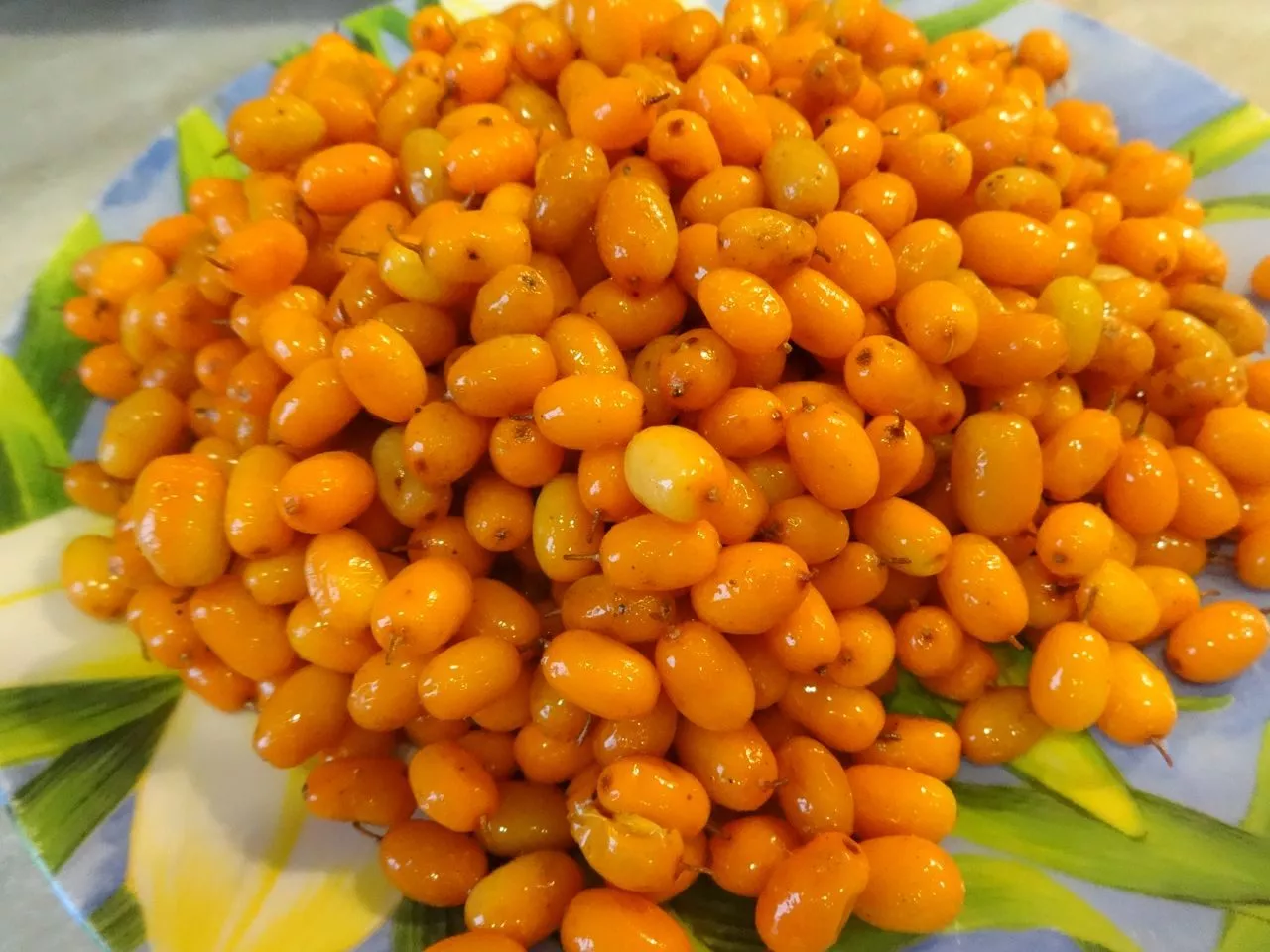
Anyone who sees for the first time a small tree or bush with narrow grayish-green leaves and branches densely covered with elongated orange berries will immediately understand that it is sea buckthorn.
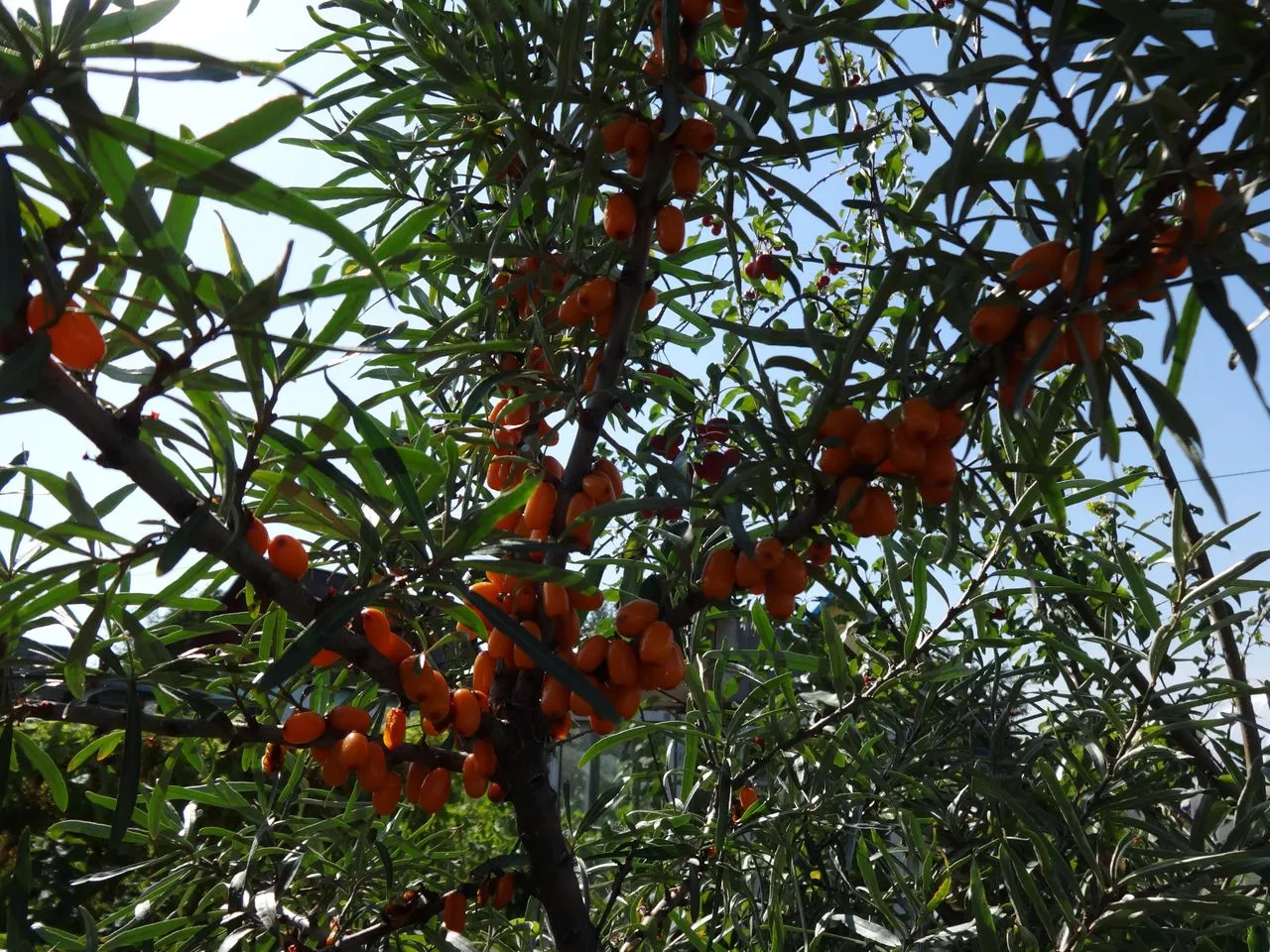
Sea buckthorn is not only a beautiful plant but also a useful one, classified as a medicinal plant and possessing healing properties. The berries contain many active biological substances, as well as a large amount of vitamins and minerals. The twigs and leaves are also used as medicinal raw materials.
It is not very convenient to pick the berries, since there are thorns on the branches, and the fruits themselves are tightly seated on the branches.
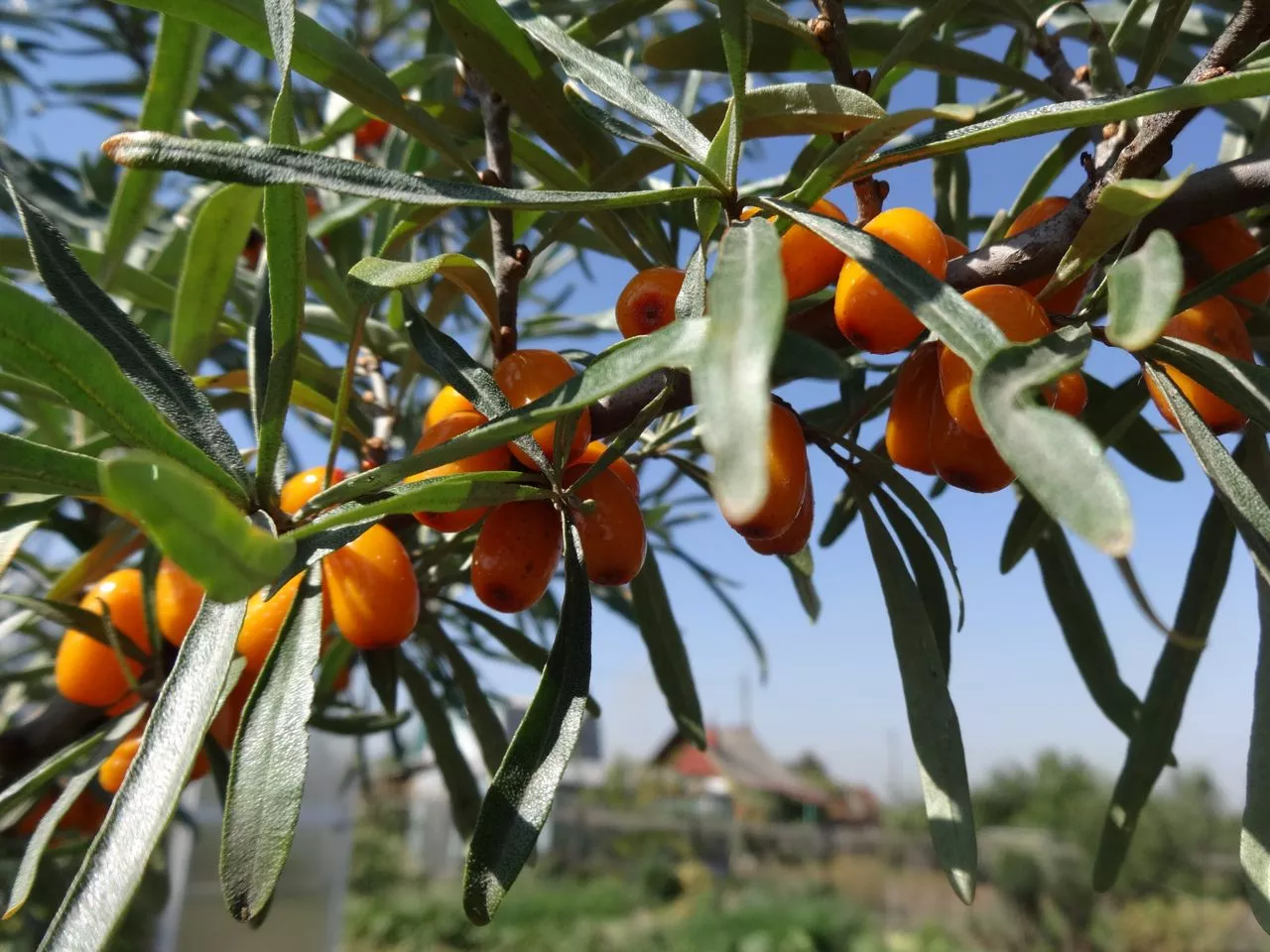
Many people use special tools to harvest sea buckthorn and cut off branches with berries. We pluck the berries by hand or carefully cut off bunches of berries with scissors.
The fruits of the Siberian pineapple, as sea buckthorn is commonly known, have a distinctive, sweet-sour flavor with a slight pineapple aroma. Inside, there's a small seed, which is also recommended for consumption.
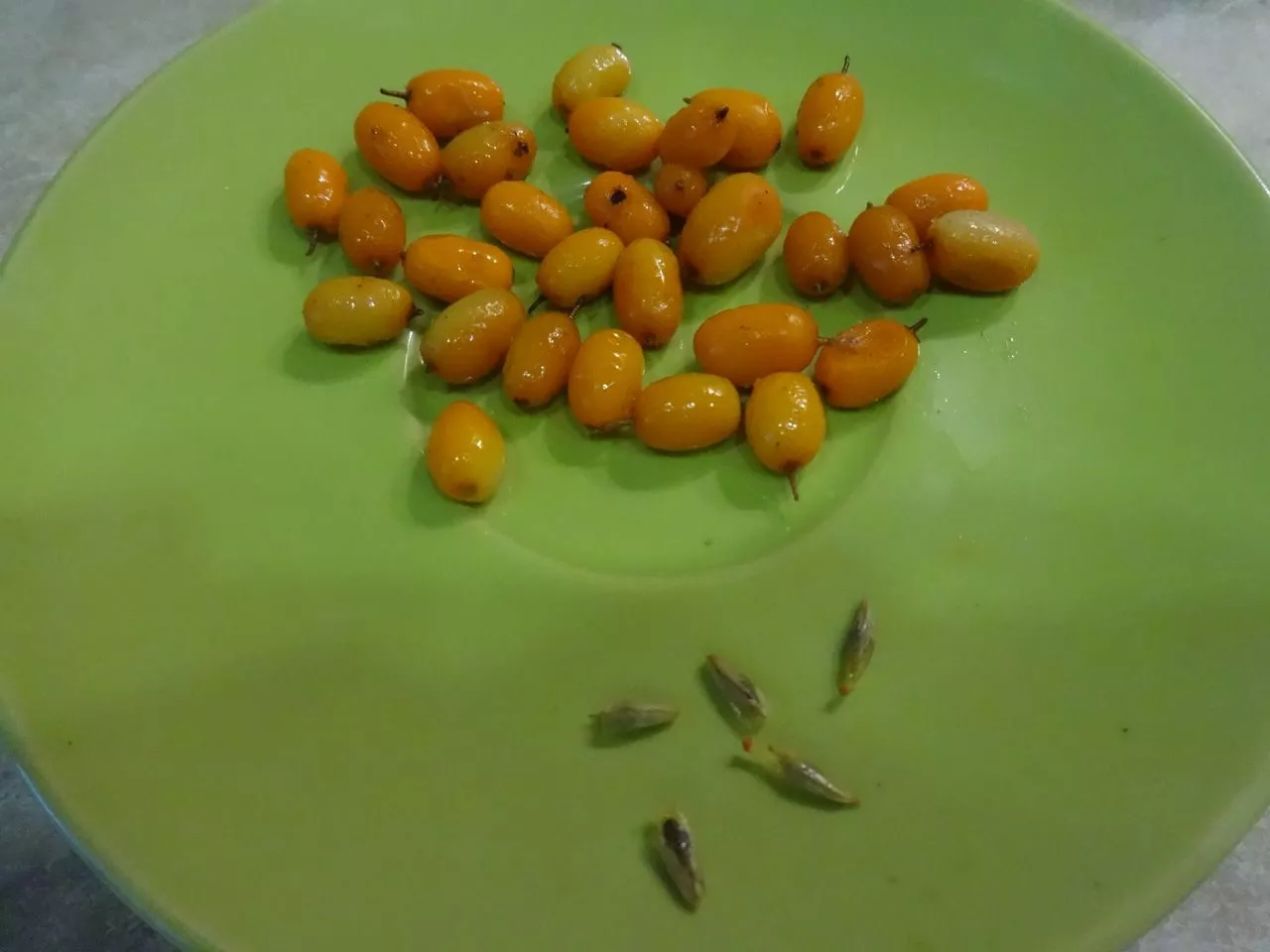
This seed contains many beneficial substances. Many people don't like sea buckthorn, but I absolutely adore this berry.
What do we make from sea buckthorn?
- Compote for the winter Three to four liter bottles. The delicious compote is one of the first drinks to be drunk before winter sets in.
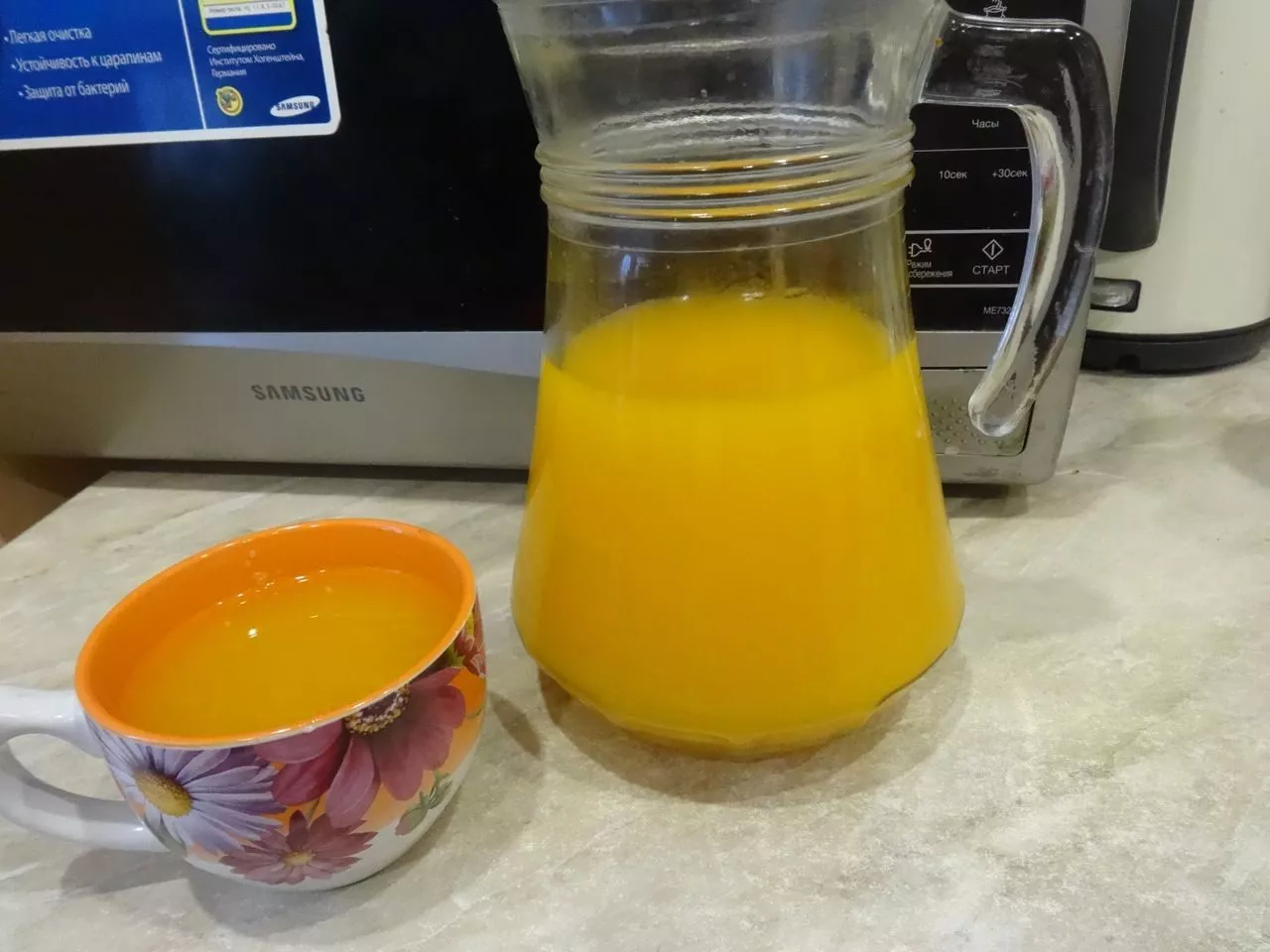
- Homemade juice Fresh or frozen berries should be covered with hot water and boiled for about 5 minutes. Pour the mixture through a sieve into another saucepan, and squeeze out the berries. Pour the pulp back into the water, bring to a boil, and then strain again. Add honey or sugar to the resulting juice to taste and dilute with water.
 The drink is pleasantly tasty, refreshing, and thirst-quenching. And most importantly, it's healthy:
- Sea buckthorn is rich in vitamin C, carotene, and other essential nutrients. Therefore, this juice is recommended during seasonal colds and viral illnesses. It strengthens the immune system and energizes.
- This drink is beneficial for people with cardiovascular disease. Sea buckthorn berries lower blood pressure and cholesterol, strengthen blood vessel walls, and normalize blood sugar levels. The fatty acids in the berries break down fat, preventing the accumulation of new fat deposits.
- Sea buckthorn accelerates metabolism and has a mild laxative effect.
- Berries or juice are beneficial for pregnant women – sea buckthorn contains folic acid and vitamin E, which have a beneficial effect on the woman's body.
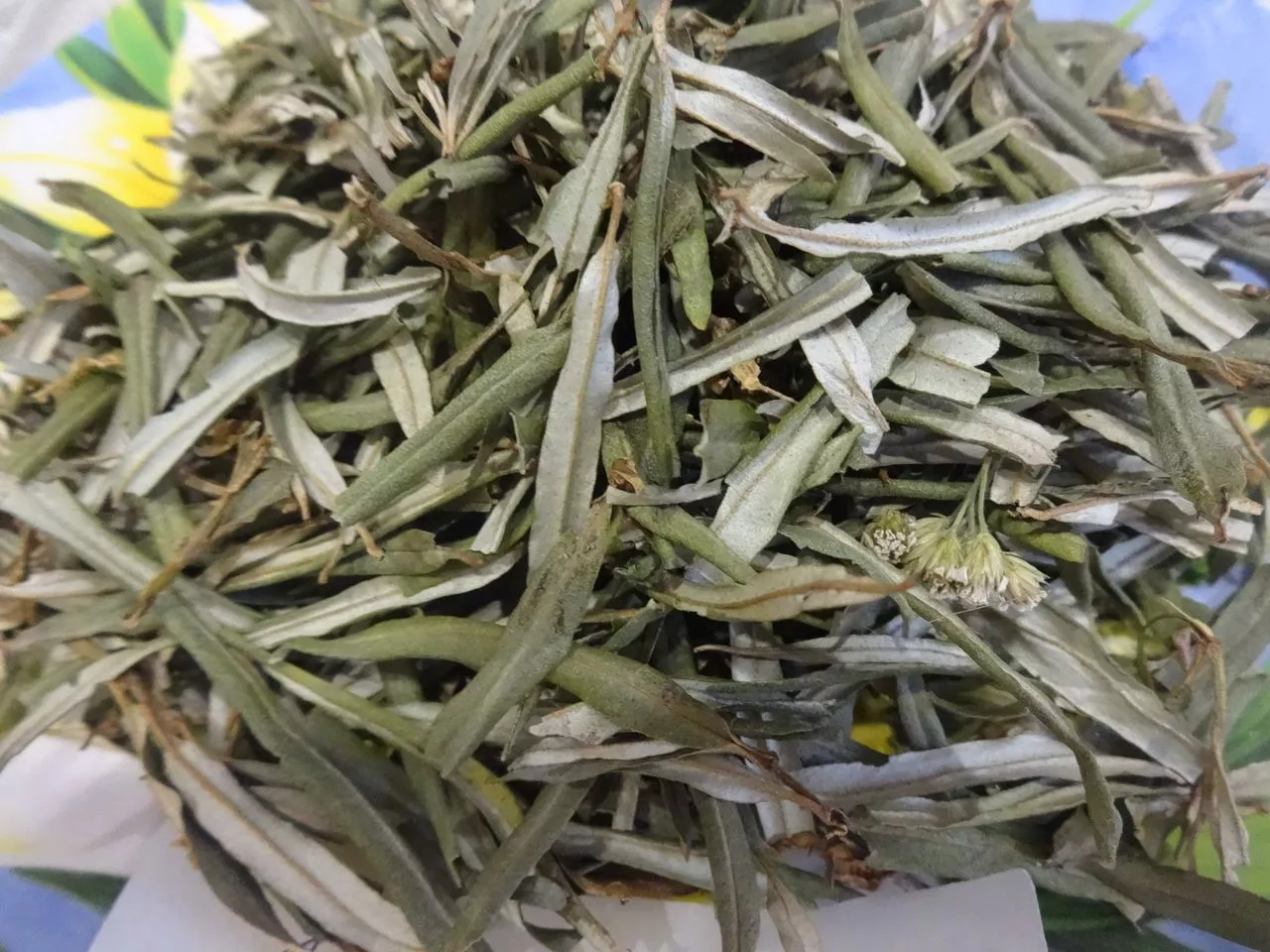
- Healthy tea In winter, pour boiling water over frozen berries and dried leaves, steep, and drink. In summer, brew fresh leaves and berries. This tea gives strength, improves mood, increases productivity, and rejuvenates. It also benefits hair, making it healthier, shinier, and growing faster.
- Freezing berries (they retain up to 90% of their beneficial properties, vitamins and microelements, except for vitamin C; about 20% of this vitamin is lost during freezing).
- Drying the leaves, which we harvest in June or during the harvest.
Sea buckthorn leaves have anti-inflammatory properties. An infusion or decoction of the leaves and twigs can be used as a gargle for sore throats and mouthwash for stomatitis. It can be used as a compress for arthritis and as a drink for gout. The berries and leaves remove uric and oxalic acids from the body, relieving pain.
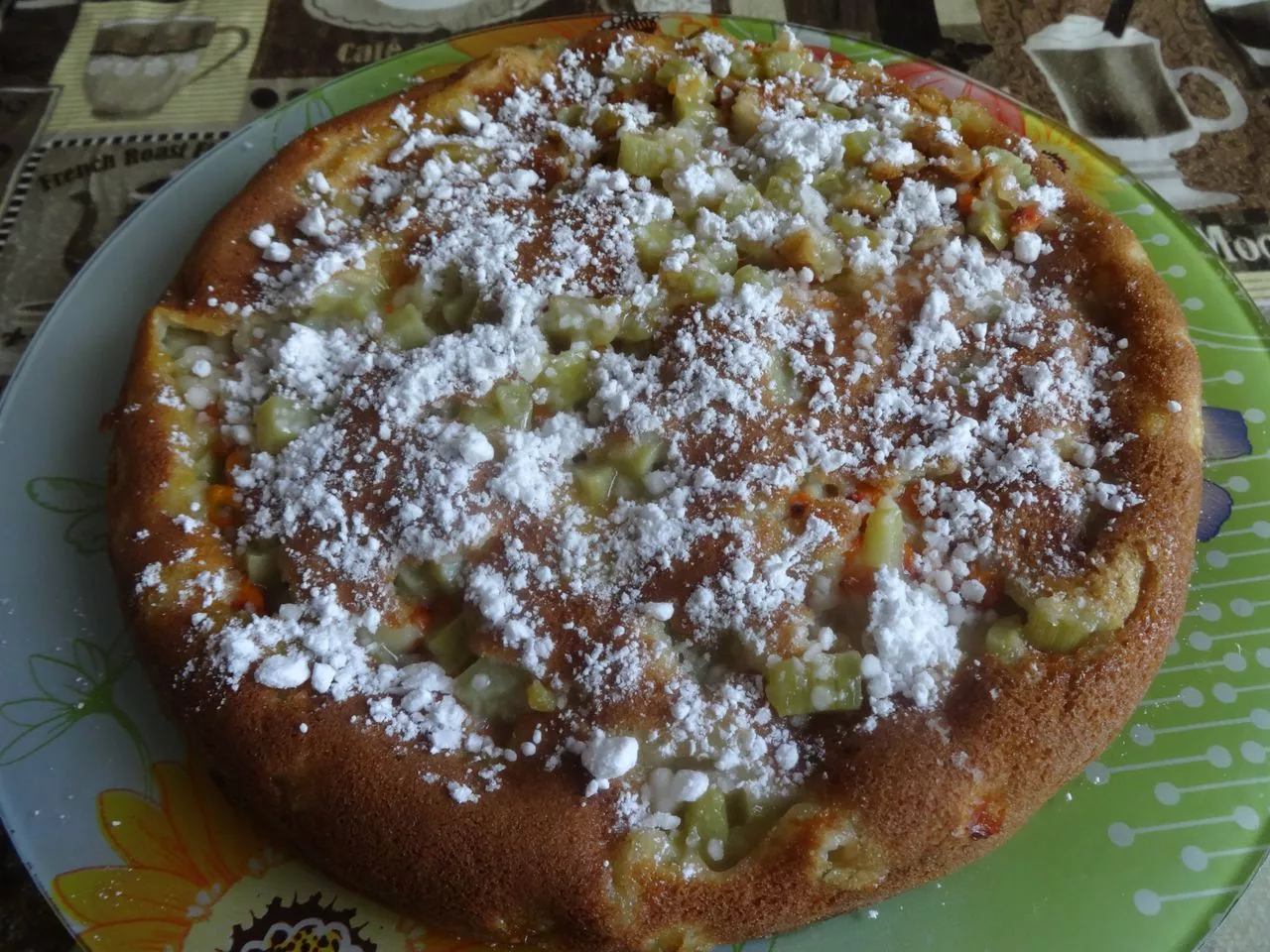
The infusion recipe is as follows: add 2 tablespoons of dried leaves and chopped twigs to 0.5 ml of water, bring to a boil, and steep for 1.5 hours. Take 1/4 cup three times daily or 1/2 cup twice daily. The infusion can be used to cleanse the face, acne, and wounds. - Also from sea buckthorn berries they cook jam, jellies, and jellyI love kefir with sea buckthorn; it's a very healthy drink. I simply add the mashed berries to a glass of kefir. Sometimes I add the berries to pies. Here's a pie with rhubarb, apples, and sea buckthorn.
I've never made sea buckthorn oil, although when we pick the berries, I get the urge to make my own. After all, everyone knows it! It's used for many ailments, and to treat wounds and burns. It's also used in cosmetology (in creams, shampoos, and masks). Maybe someday I'll try making sea buckthorn oil myself. 
Are there any contraindications for sea buckthorn?
Berries are safe in small quantities, but large quantities of berries or juice can cause bleeding, sharply lower blood pressure in people with low blood pressure, and lower blood sugar levels in diabetics.
Individual intolerance is also a contraindication. Everything should be consumed in moderation, and then this healthy berry will bring only benefits.
As a child, I disliked sea buckthorn because of its aftertaste (like something medicinal, I suppose… that's what my grandmother's medicine cabinet always smelled like). Is it true that sea buckthorn juice smells like pineapple?
Sea buckthorn juice smells of sea buckthorn and honey if honey is added to the drink, but the taste reveals faint notes of pineapple. However, if you really want the pineapple flavor, you can add freshly squeezed pineapple juice to the drink.
Thanks for the reply! I'm thinking of ordering some sea buckthorn juice from my parents next year. They're currently running my grandma's dacha, and Grandma's just calling the shots.
Can you make sea buckthorn juice with a juicer, or does it have to be done by hand? We only bought one this year, and we haven't juiced anything else yet except tomato juice. I'm wondering if we could add apples or apricots to the sea buckthorn. Do you think that would ruin the flavor? Have you ever tried that? It's a shame the berries are wasted. A neighbor friend used to come over to my grandmother's and pick the branches of our sea buckthorn tree. She would mash the berries with sugar. Now the neighbor's kids have taken the neighbor in, so no one eats the sea buckthorn, and it's so healthy!
Well, I'll say that sea buckthorn isn't just found in Siberia. It grows well in the South, too. When I was still a schoolgirl, I lived in the Krasnodar region (near Yeysk), and there was sea buckthorn there! I remember we'd go pick buckets of it every year during the season. Mom always made jam—a lot of it. And she made her own sea buckthorn oil, which we used for various ailments. But it was especially helpful for me, as a child, for burns and abrasions.
Thanks for this article; you've discovered a lot of new things. For example, the interesting version with tea, compote, and juice. I need to make some of that this year too.