
Many have heard of a compost pit and the magical organic matter it produces, but not everyone prepares compost correctly and then criticizes it for its supposedly exaggerated properties.
My parents have a large farm in the village, including a huge vegetable garden. Therefore, they have a wide variety of organic fertilizers: from "green" weed manure to animal waste. But compost is considered the most valuable for garden beds.
When my husband and I moved to a city dacha, I discovered that compost bins were very sparsely managed. The soil was clayey, infertile, and heavy. Attempts to use compost to enrich the soil were of little use, as the fertilizer itself was of poor quality.
For example, a neighbor considers a patch of land at the end of her garden a compost pit, where she dumps all her weeds and food scraps. Over time, the pit itself becomes unrecognizable—just a pile of earth overgrown with grass, with an iron barrel buried nearby. Water is poured into it so the compost "draws" moisture from there.
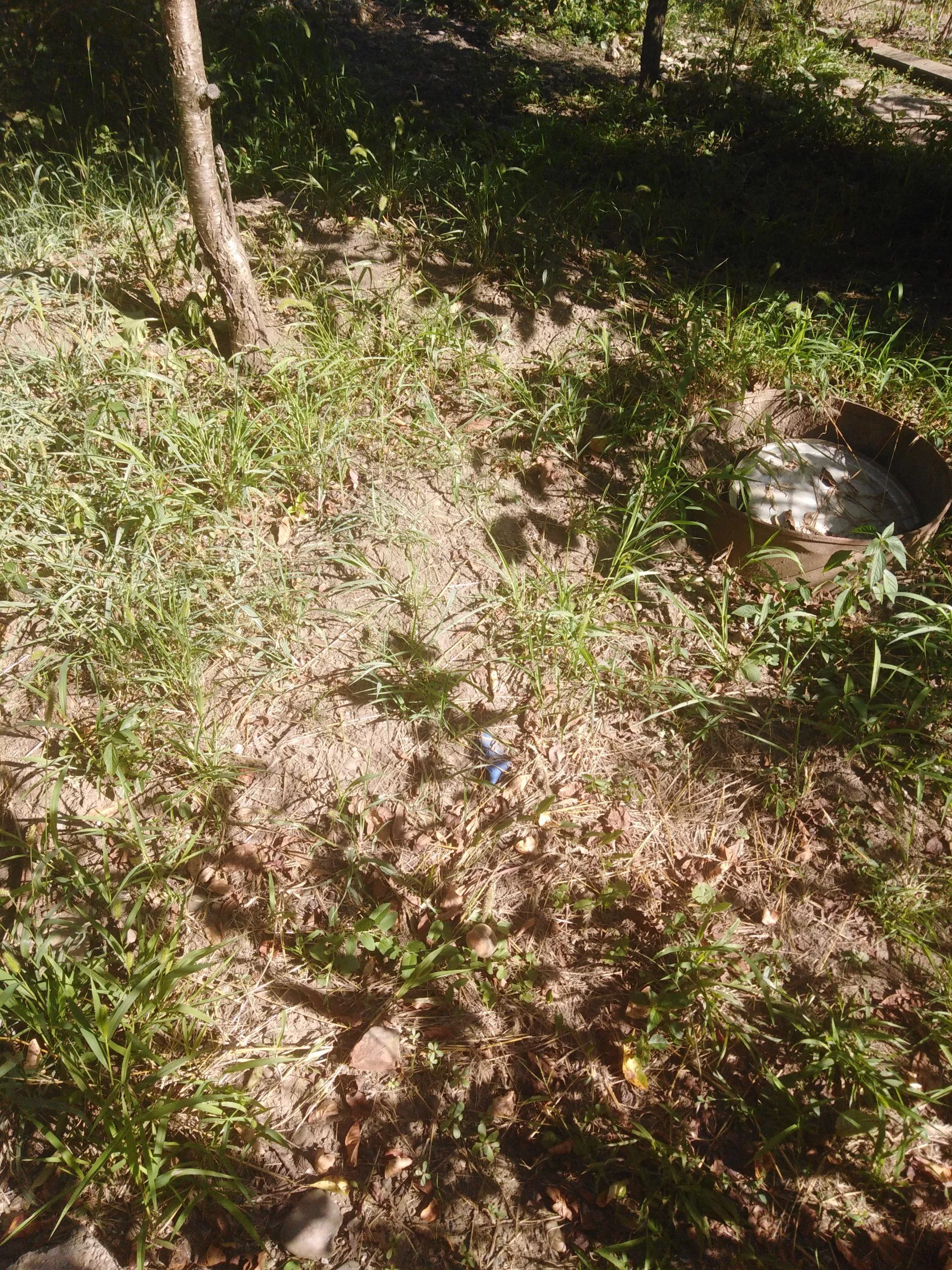
Compost or a pile of useless soil?
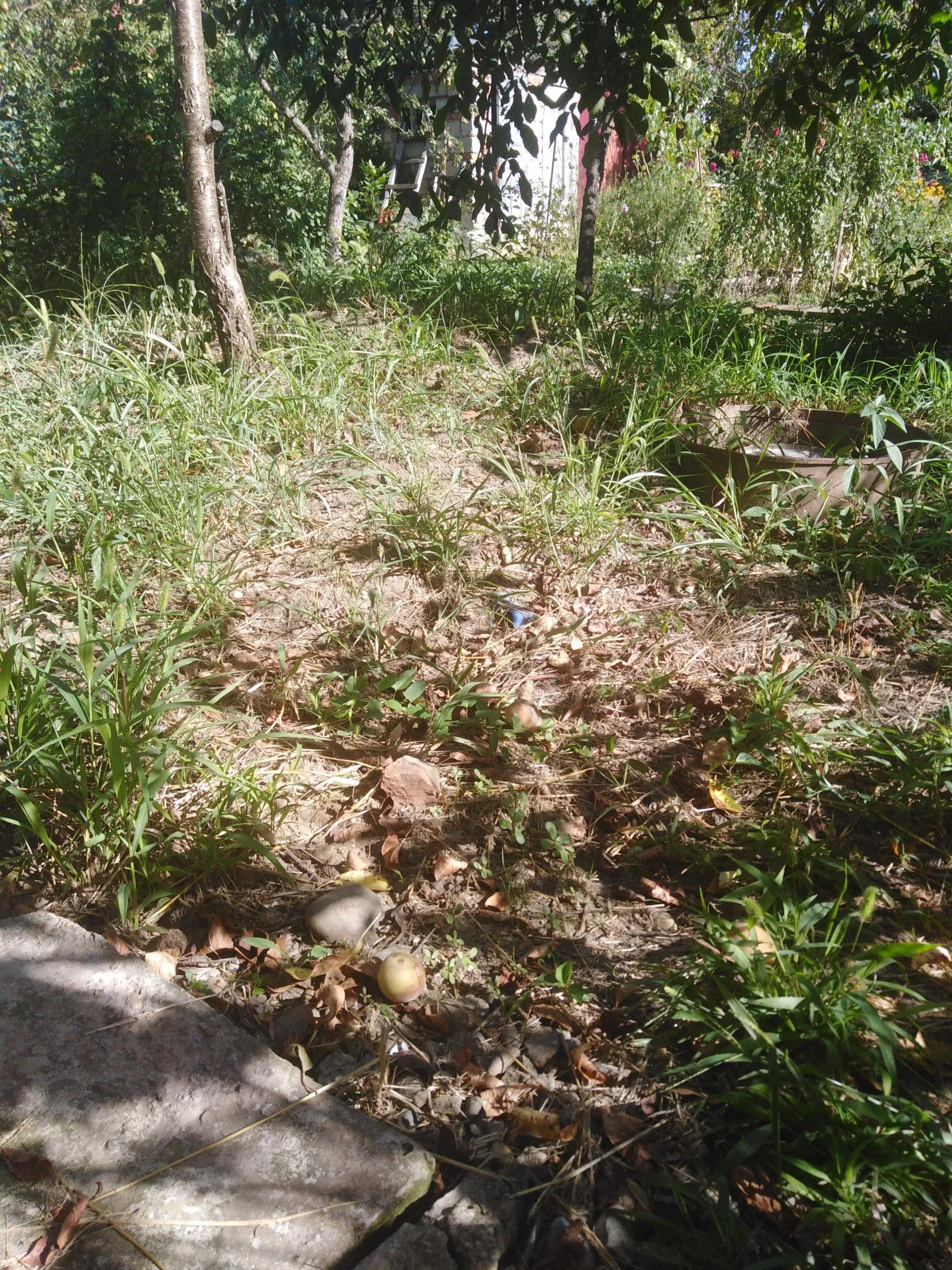
Can this be called compost? I don't think so.
The pile of weeds and table scraps has become so compacted over time that it's indistinguishable from the rest of the soil on the property. Its quality is questionable, as the soil contains many unrotted weed seeds and other such things.
Or another example. A small area near the fence is enclosed by a sheet of iron. And they dump everything here.
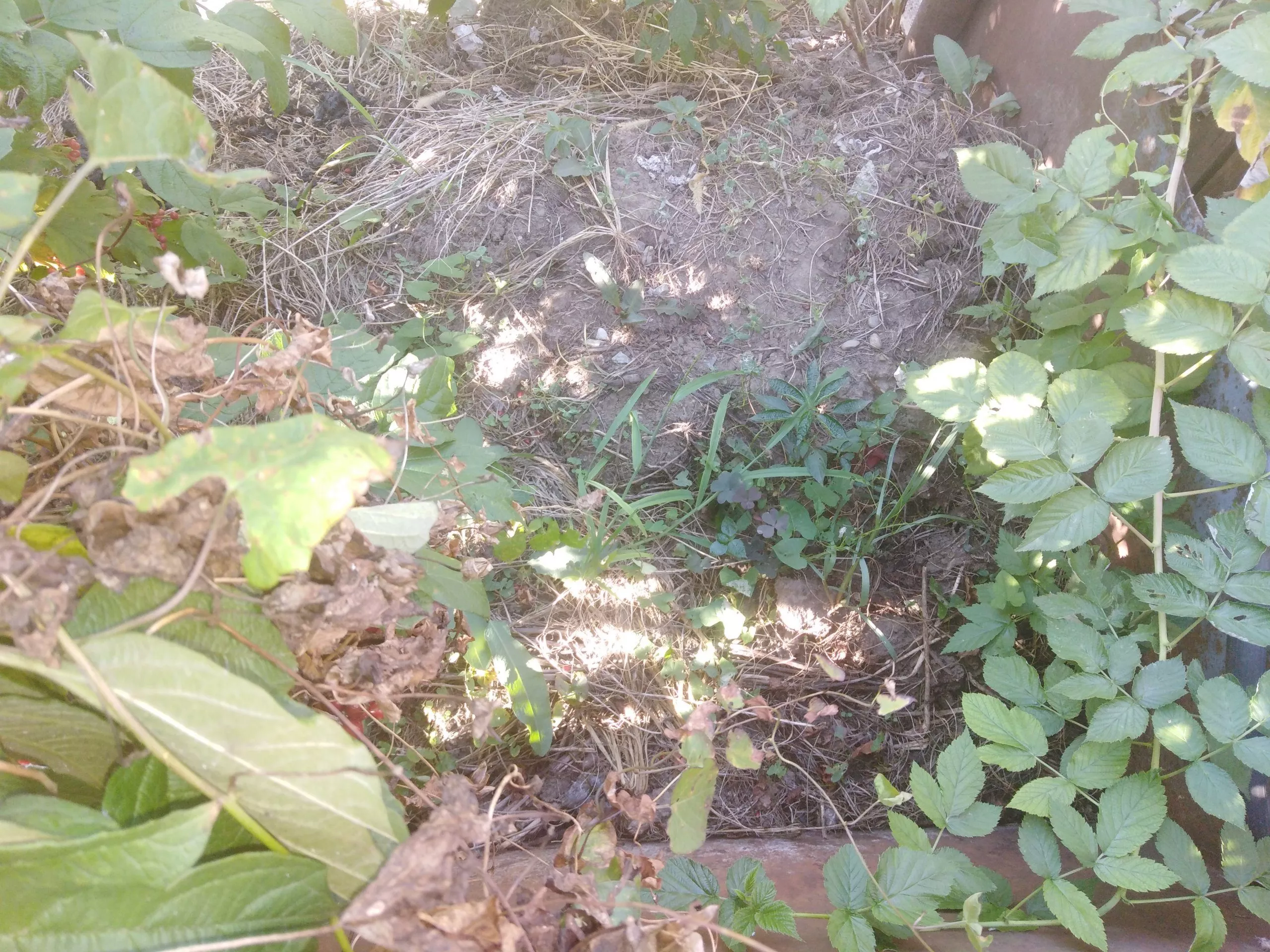
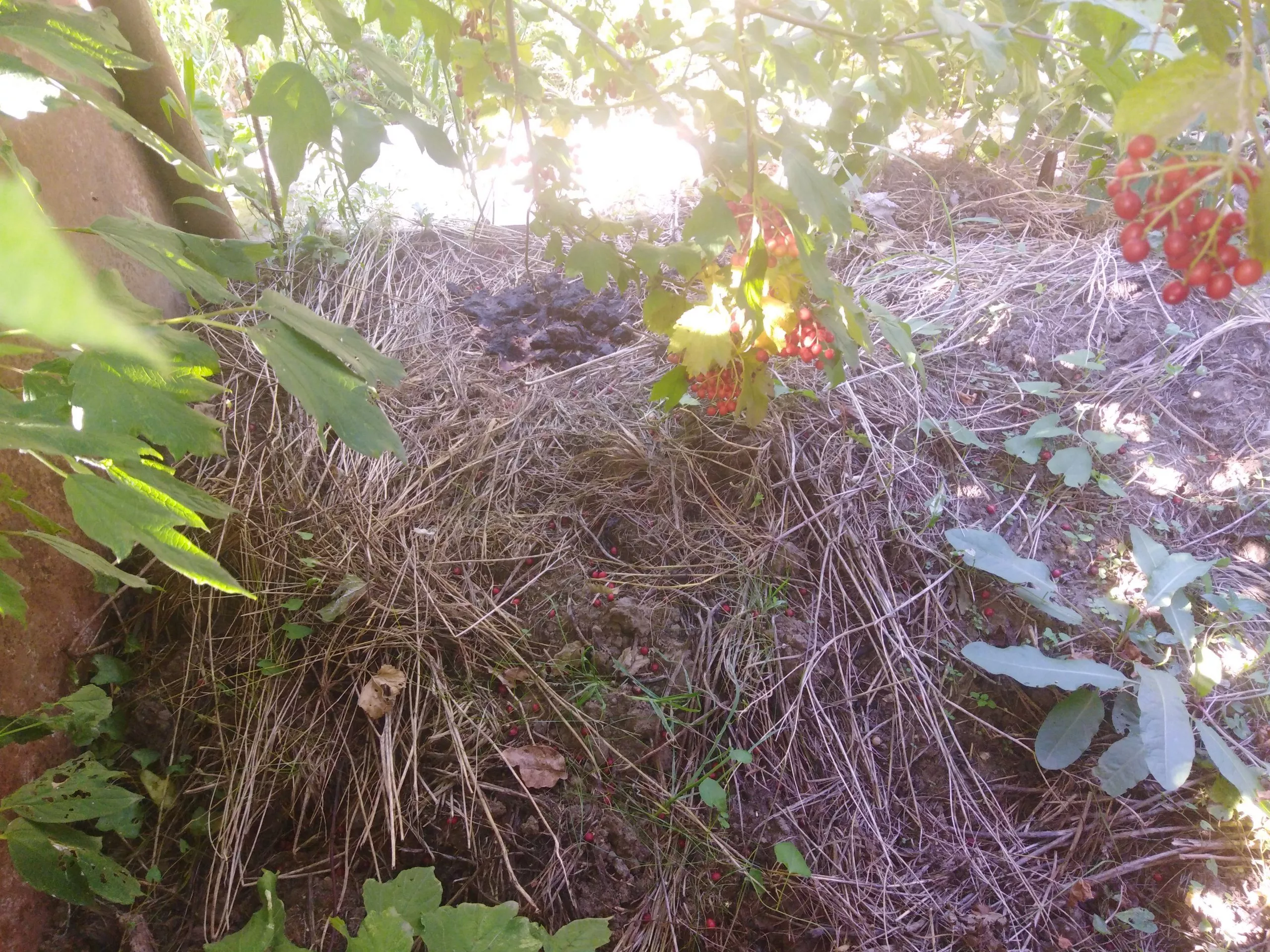
There is little benefit from such fertilizer, if not none.
If you're going to make a compost pit, enrich it with mineral fertilizers and manure, and periodically water it and dig it with a shovel. Only then will the plant waste decompose and become a true treasure trove of nutrients.
The most primitive form of compost is considered to be simply a small pit into which the remains of plant and cooked food are dumped.
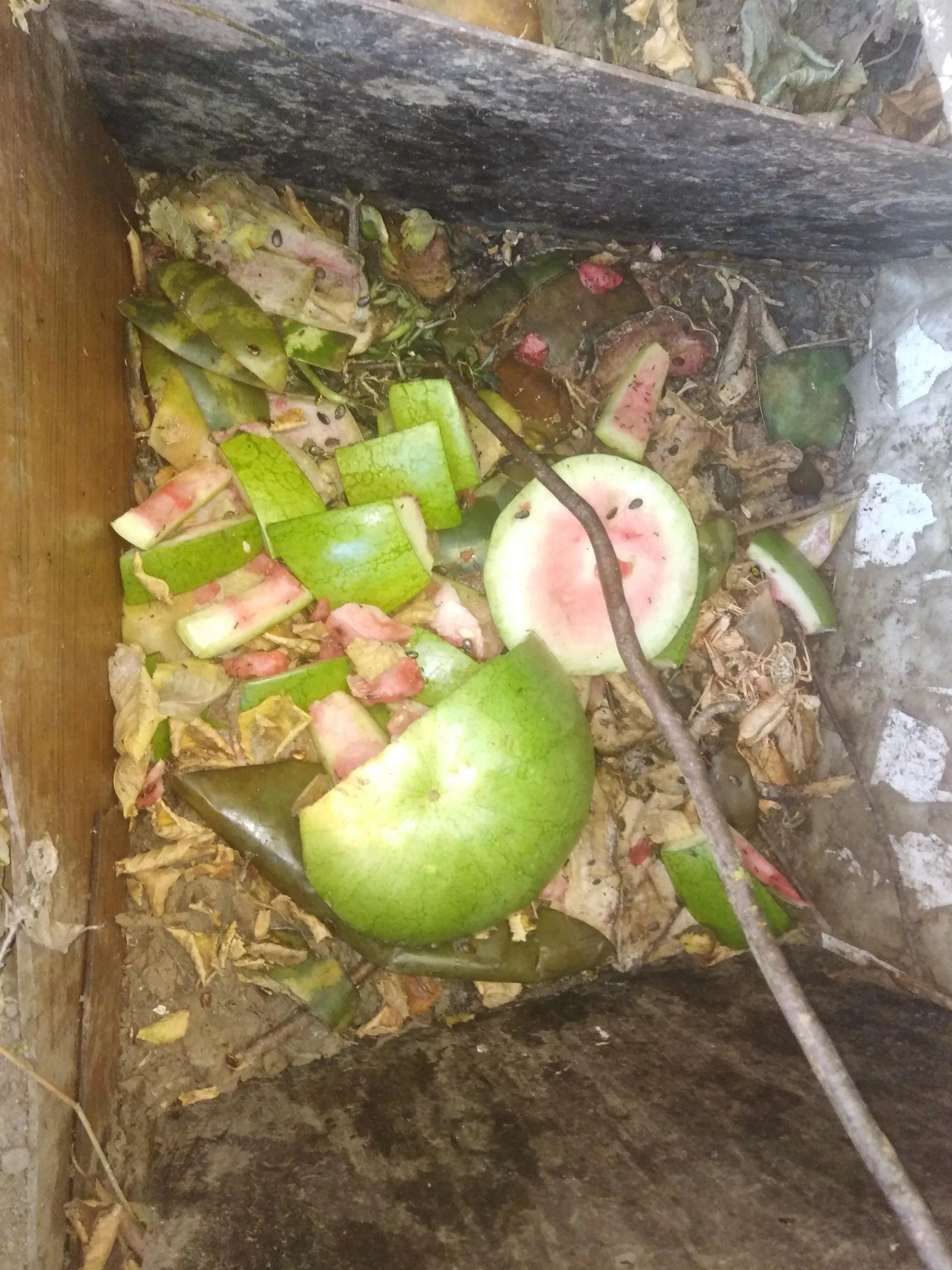
In late autumn, the contents of the pit are scooped out and spread over the garden beds before digging them. Over the winter, all the waste rots in the soil on the plot. This solution may be rational, but it can be optimized if the compost is managed PROPERLY.
The compost pit should be located in the shade to retain moisture in the organic matter longer, promoting rotting, but also to prevent stagnation. Above-ground wooden boxes or a fenced area are the best solution, but not a pit in the ground, as the compost needs to be aerated.
To obtain high-quality compost, the container can be filled with:
- grass;
- plant waste;
- fruits, vegetables, berries;
- sawdust, etc.
Layer the contents, adding bird droppings diluted in water and fertile soil. Add a mineral fertilizer complex. And don't forget to water and stir regularly!
There are compost accelerators available for sale, such as "Kompostin", "Shine" (number 3), Dr. Robik "Compost Accelerator", Micropan "Compost", BioMaster "Compost", etc.
The minimum period after which the fertilizer is considered ready for use is 7-9 months. By this time, the compost will be light, loose, gray-brown in color, and odorless. It is a universal solution for lightening and restoring soil. The effect of compost application is very rapid (due to the mineral fertilizers it contains), and its long-lasting effect is due to its organic components.
Compost can be used as a standalone dry fertilizer or used to prepare infusions.
Organize your compost pit properly and your plants, having received such nutrition, will thank you with a rich harvest.