

A couple of years ago, while walking through the forest, I came across this beautiful berry. Honestly, I couldn't figure out what it was because the leaves looked exactly like raspberries, but the berries were completely different. Then I found information about the bush and decided to transplant a few to my dacha. The cloudberry took root easily, survived the winter well, and by the end of the following July, I had a nice harvest.
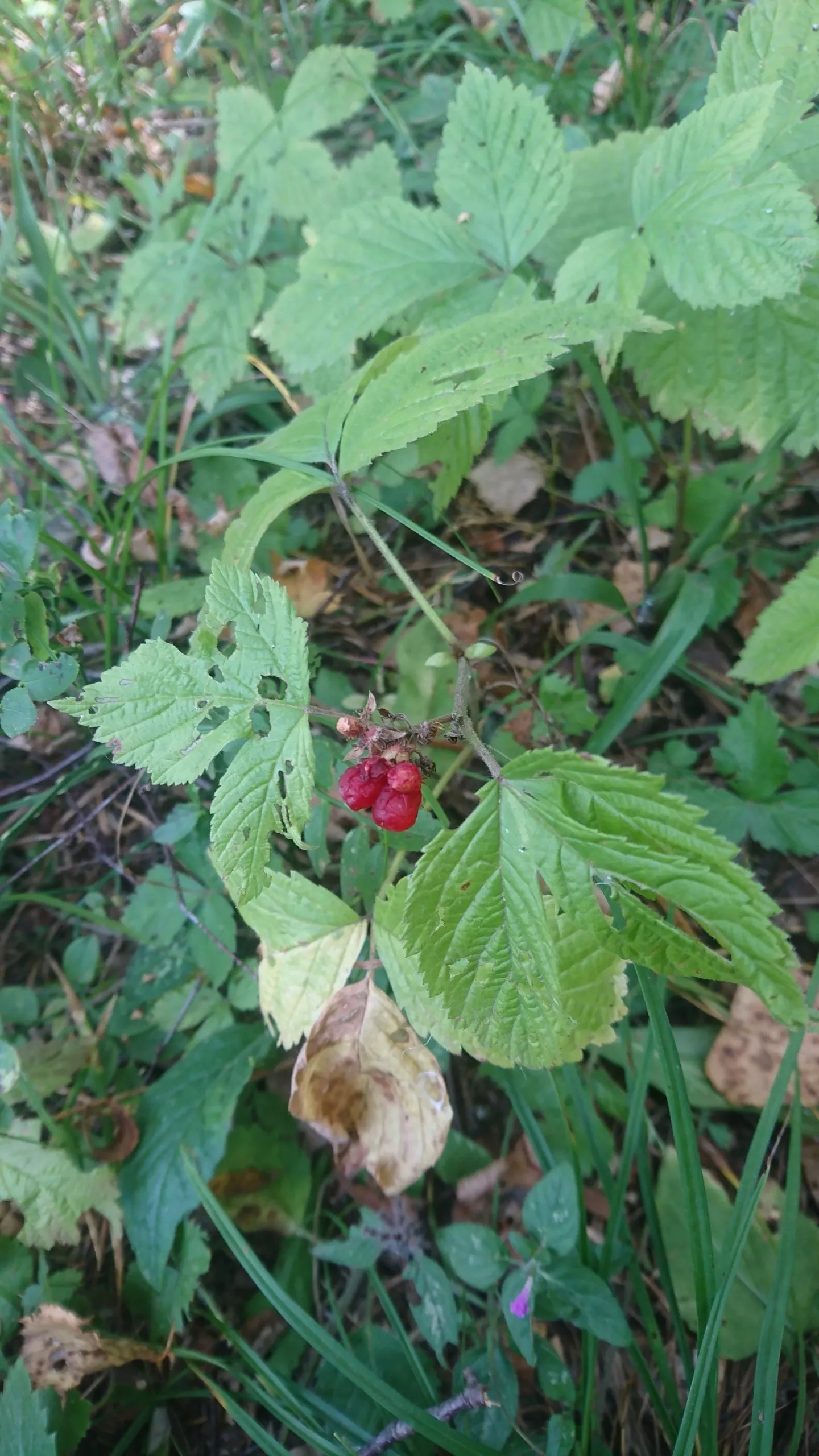
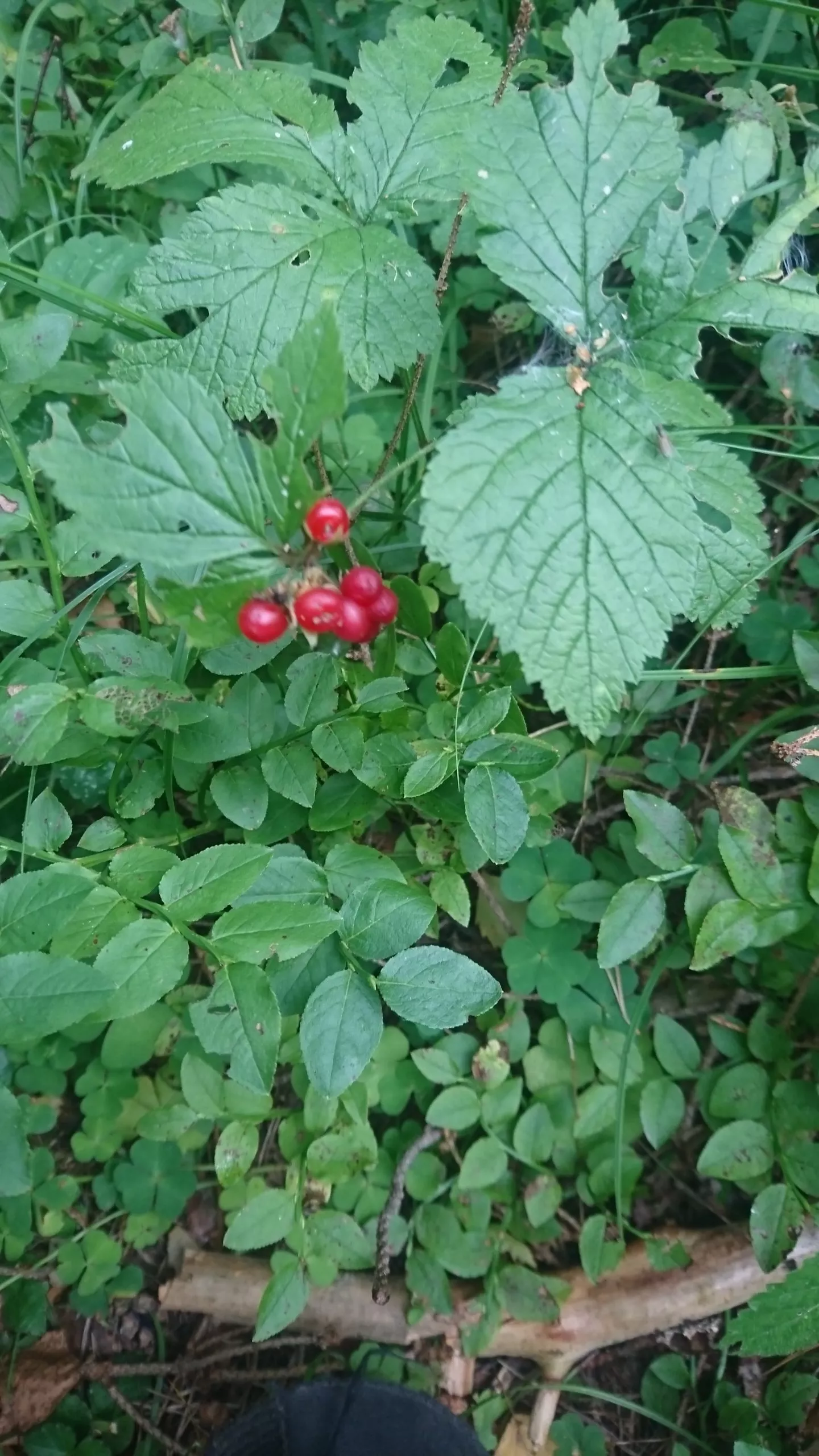
What does a cloudberry look like?
The plant belongs to the Rubus genus, or raspberry family, and is considered a honey plant. It grows most often in cool climates, primarily in coniferous forests. Therefore, when planting, I added a few spruce needles to the holes and used them as mulch.
Incidentally, in Siberia, the berry is called "cold pomegranate" because the bright red elements cluster together in a single rosette. But in my case, the berries mostly grow singly or in groups of two or three. I think this is because the bushes are still very young.
Other features of the plant:
- The berry has 4 segments. They are small in size, but the seed is considered to be rather large in comparison to its parameters.
- The length of the shoots reaches up to one and a half meters, while the height of the bush is only 20-30 cm (the stems lie on the ground and take root there in the fall).
- The leaves are like those of raspberries – rough, trifoliate, with stiff veins and long petioles.
- The small, snow-white flowers appear around mid-May. The flower stalks are umbrella-shaped.
- The fruits are initially reddish-orange, later turning bright red. They have a glassy appearance (looking beautiful and appetizing). The berries are slightly tart, but very juicy. Incidentally, hazel grouse love them, and the leaves can be fed to cows.
Where is it applied?
You can make syrups, sauces, drinks, and even vinegar from cloudberries. I personally made jam and fruit drink, and dried some of the berries. The only drawback is their acidity, so I had to use a 2:1 ratio of sugar to fruit.
I learned that you can also preserve the leaves for the winter—simply dry them and then make decoctions. What are they used for?
- gastrointestinal problems;
- tumors;
- migraines;
- to relieve pain;
- gout;
- joint problems;
- against dandruff and to strengthen hair follicles;
- sedative.
If you eat the berries, they are recommended for anemia and cardiovascular pathologies.
Are there any contraindications?
As it turns out, cloudberries are not recommended for those with hypertension, as the berries contain substances that sharply increase blood pressure. Other indications also include:
- varicose veins and thrombophlebitis;
- diabetes mellitus;
- childhood;
- pregnancy and breastfeeding.
If you are allergic to berries, it is also not recommended to eat them.
How to prepare and store?
Berries can be stored canned, dried, or frozen. Leaves and roots are only dried. Keep in mind that the berries are very juicy, so it's best to use an oven for drying (I set the temperature to 50-55 degrees Celsius; any higher and the berries will simply bake rather than dry). I initially dried them in the sun, but the process took too long. It also rained, increasing the humidity significantly, making the berries even wetter than before.
When I harvest different parts of the bush:
- berries - after full ripeness;
- roots - in early September;
- leaves - when the plant is in bloom.
What can you cook – proven recipes
Besides jam (the recipe is standard, but for 1 kg of fruit I added 2 kg of sugar), I also prepared other dishes:
- Sauce. It pairs perfectly with both meat dishes and baked goods. The resulting sauce is spicy and sweet. I use a couple of cups (250 ml) of cloudberries, half a cup of lingonberries, and one cup of granulated sugar. Here's how I do it:
- I pour all the berries into a saucepan, add sugar and a glass of water;
- I boil it all until thick;
- In the process I add a little clove and coriander;
- I stir it all the time, because as the mixture thickens, it sticks to the bottom;
- I sterilize glass jars and lids and roll them up in the classic way.
- Kvass. We make it from both fresh cloudberries and dried, frozen ones. However, in the latter two cases, you need to first scald them with boiling water (dried berries should be soaked in boiling water for a couple of hours). How to prepare:
- for 550-600 g of berries I take 100 g of sugar and mix it in a saucepan;
- I fill it with 3 liters of warm water;
- I put it on the fire and cook until it becomes slightly thick;
- then the mixture cools to room temperature;
- I add 1 packet of dry yeast and another 100 g of granulated sugar;
- I cover it with a lid and leave it to ferment in a warm, dark place;
- After about 3 days, I strain the kvass and cool it.
- The most delicious snack. I make it for the holiday table. I use fresh, frozen, or canned berries (I preserve it like compote—I use just 50g of sugar per 3-liter jar). How to make it:
- First, I cut 200 g of canned pineapple;
- I grate 2 processed cheeses and a couple of cloves of garlic;
- I mix everything;
- I lightly crush salted crackers (about 200 g) and add them to the mixture;
- I fill the mixture with regular butter cream;
- place on a flat plate in the shape of a cone;
- I cover it with stone fruits on top.
- Wine. The result is not only delicious, but also very healthy. The process is certainly time-consuming, but it's worth it:
- I take 1 kg of sugar and berries, grind everything through a meat grinder;
- I add 700 ml of very warm water;
- I put everything in a 5 liter bottle;
- I cover the neck with gauze and let it sit for 4-5 days in a dark and warm place;
- I mix thoroughly, add another 200 g of sugar, and let it ferment for another week;
- then I strain it and put a regular rubber glove on the bottle;
- I make a hole in it with a needle;
- The glove should be inflated, and when it deflates, I strain the drink again and put it in a cool place for about a month and a half - this will be a young wine, but it is better to let it mature for three months.
That's how I use these berries. Honestly, we all love them. It's a shame they're a bit unpleasant to eat without sugar or honey because of the acidity. I also use all parts of the plant to make medicinal remedies.
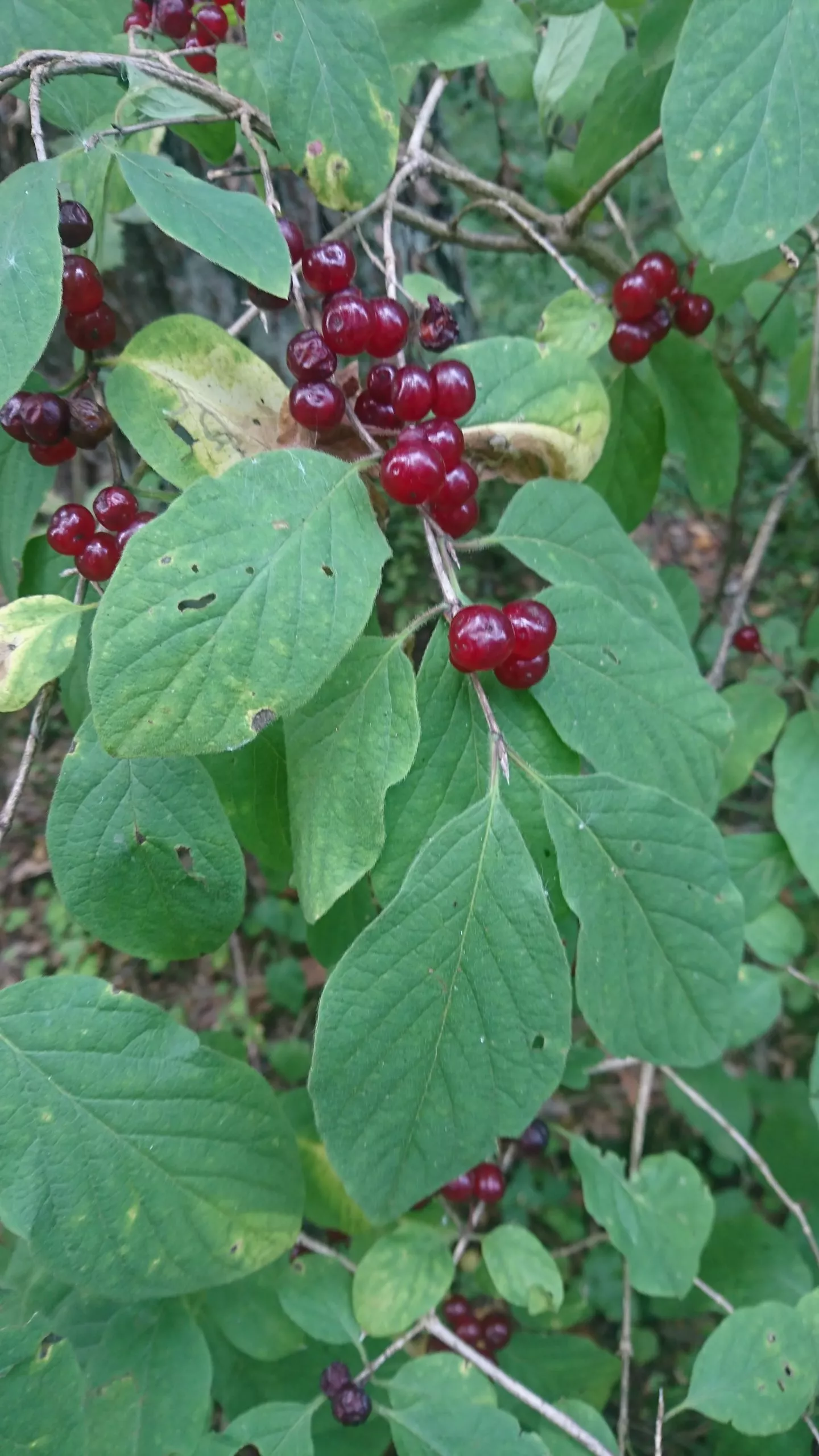
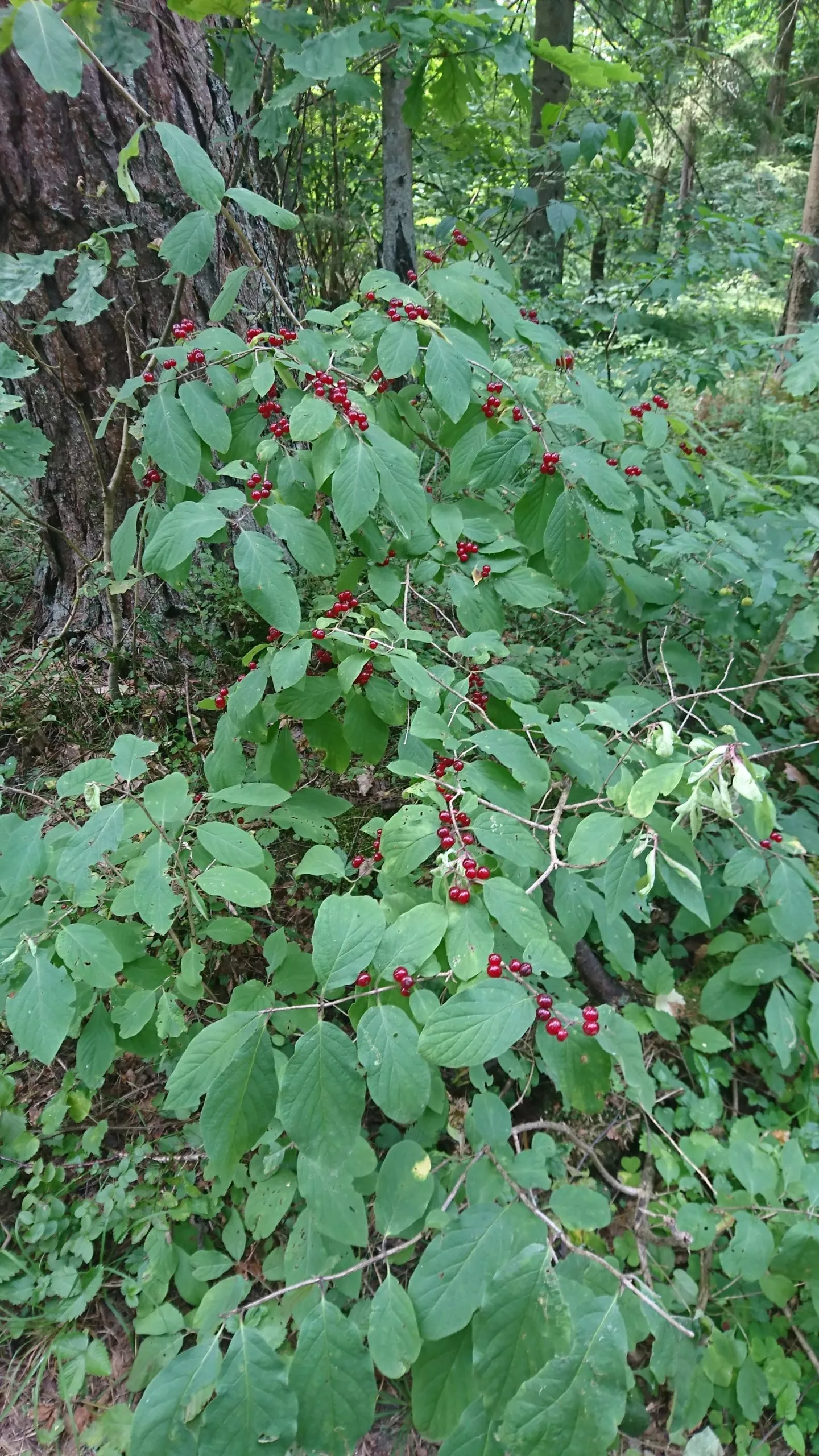
Good afternoon, Alina. You described everything about the bramble correctly and clearly. But I was misled by the photos—the first and third. It's a completely different plant, you can even tell by the leaves. Bramble leaves look like raspberries, just as rough. But in these two photos, the leaves are a different shape. Something familiar, maybe bird cherry or buckthorn, but I'm not sure what kind of plant it is. And the other two photos show bramble. And bramble looks like this. Photo from the internet.
I know this berry well. I always enjoy it when we go mushroom picking.