
This year, June in Krasnoyarsk was cool and rainy. Not a day went by without rain: sometimes it was a light, cold, and lingering rain, sometimes it lashed down in torrential downpours, accompanied by wind and hail, drenching every garden bed, toppling flowers, crushing vegetable leaves, and knocking off fruit buds. Sometimes it poured nonstop, day and night. The sky was overcast with gray clouds, the sun rarely shone, but it was so hot that the ground crusted and cracked. All these temperature fluctuations, excessive soil moisture, and cold winds negatively impacted our vegetable gardens.
But the weeds and pests are doing just fine. Aphids—a horde of them, including tiny, wingless black ones—have swarmed over the daisies, chamomile flowers, and young cherry branches; tiny, winged ones have taken up residence on the petunias; gall aphids have covered the currant leaves with red swellings; shoot aphids have curled the leaves of the currant, plum, and apple trees; and large, green, and light-colored ones have coated the delphinium leaves with a sticky mass.
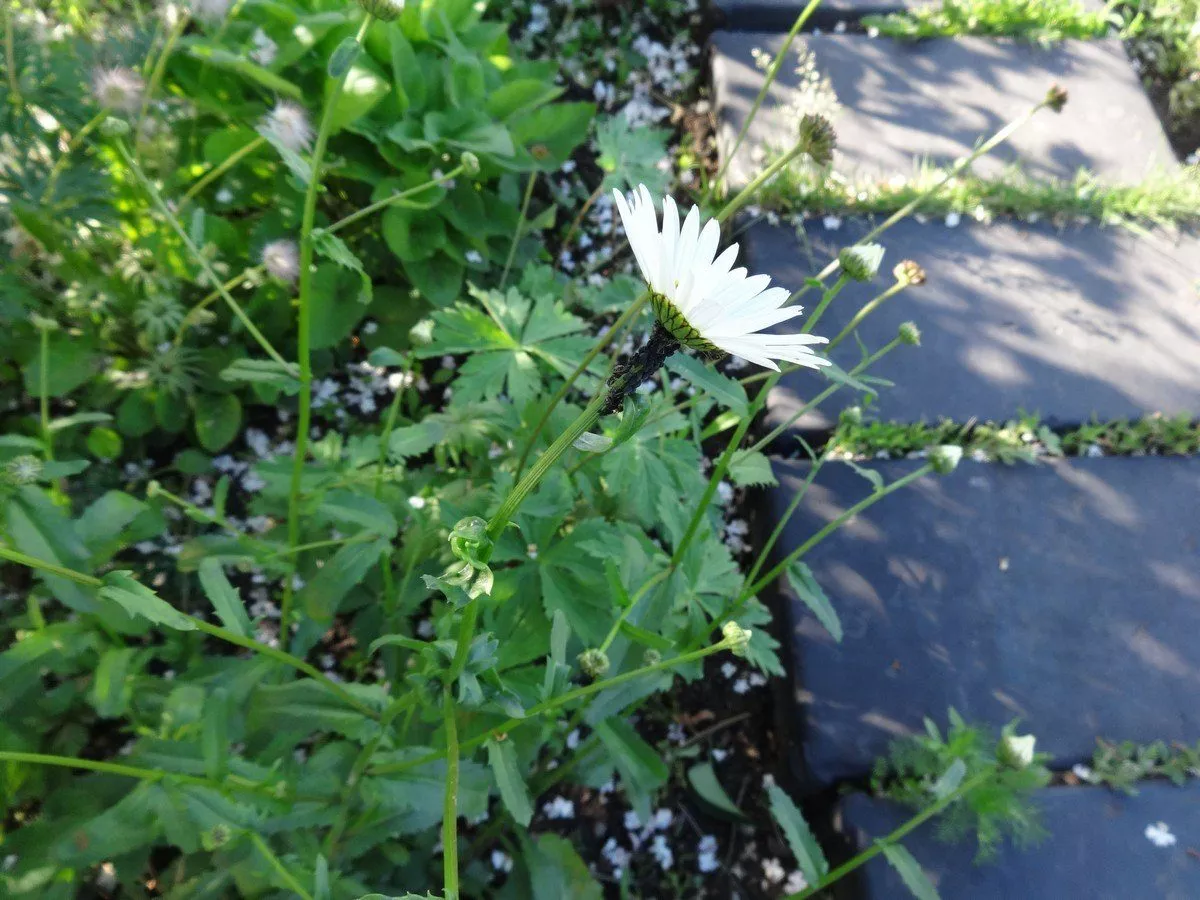
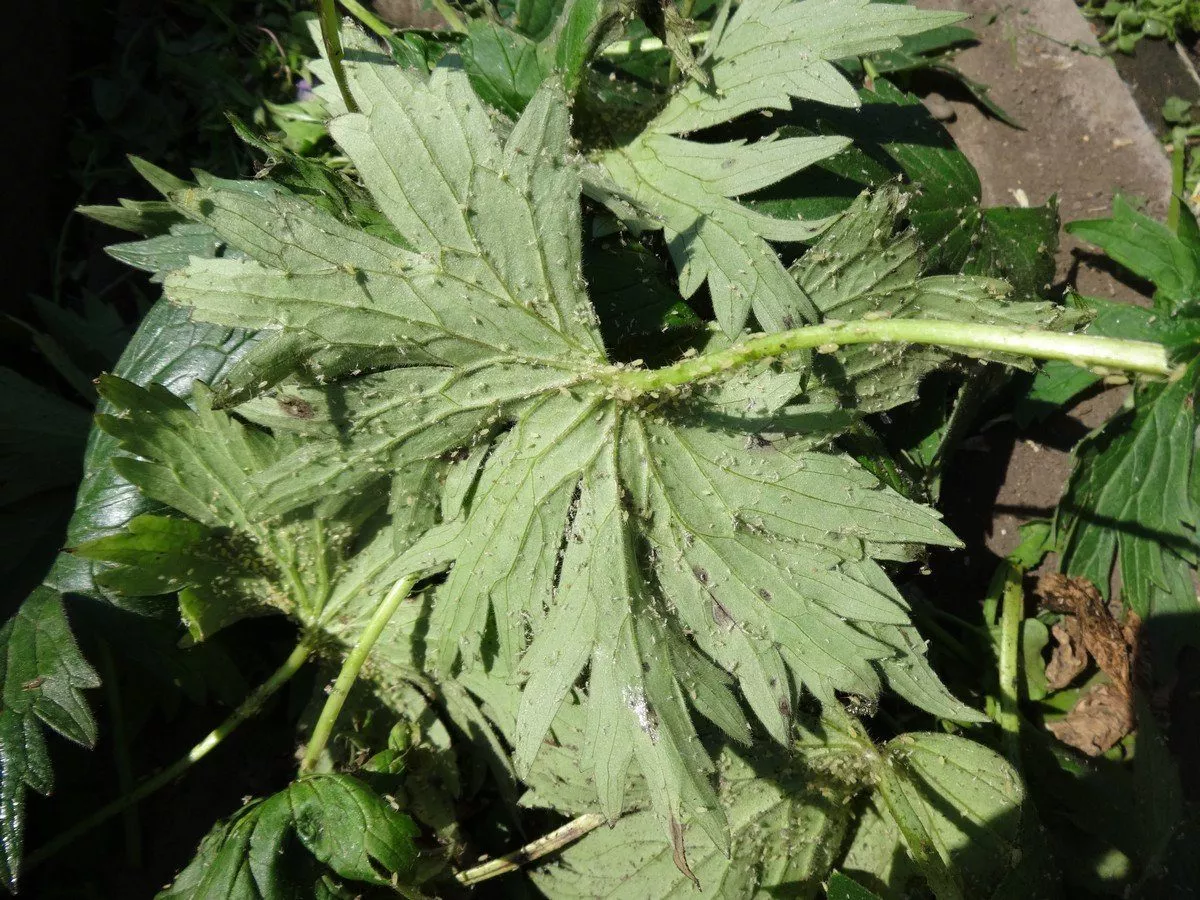
We have tried everything possible to treat it, including folk remedies and store-bought medications, but it disappears for a while and then appears again.
And since mid-June, small light-brown moths with white fringes on the edges of their wings have appeared at the dacha. There are a lot of them, they flutter joyfully around the flowering bushes, feasting on nectar.
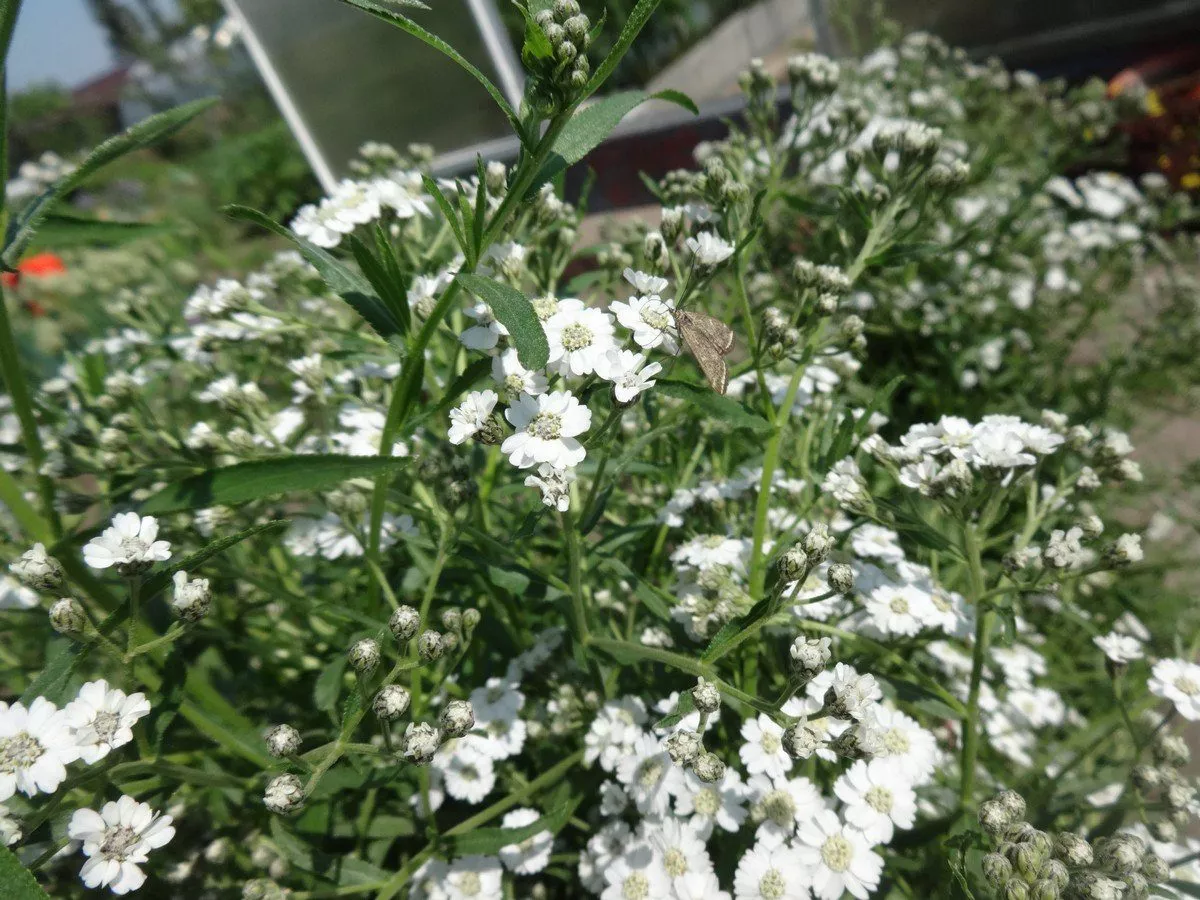 They're everywhere—in vegetable beds and potato patches, in flower beds and greenhouses. I've never seen so many moths before and became curious about what kind of insects they are and where they came from in such huge numbers. I wonder what kind of caterpillars will hatch when these moths lay eggs, and what they'll feed on.
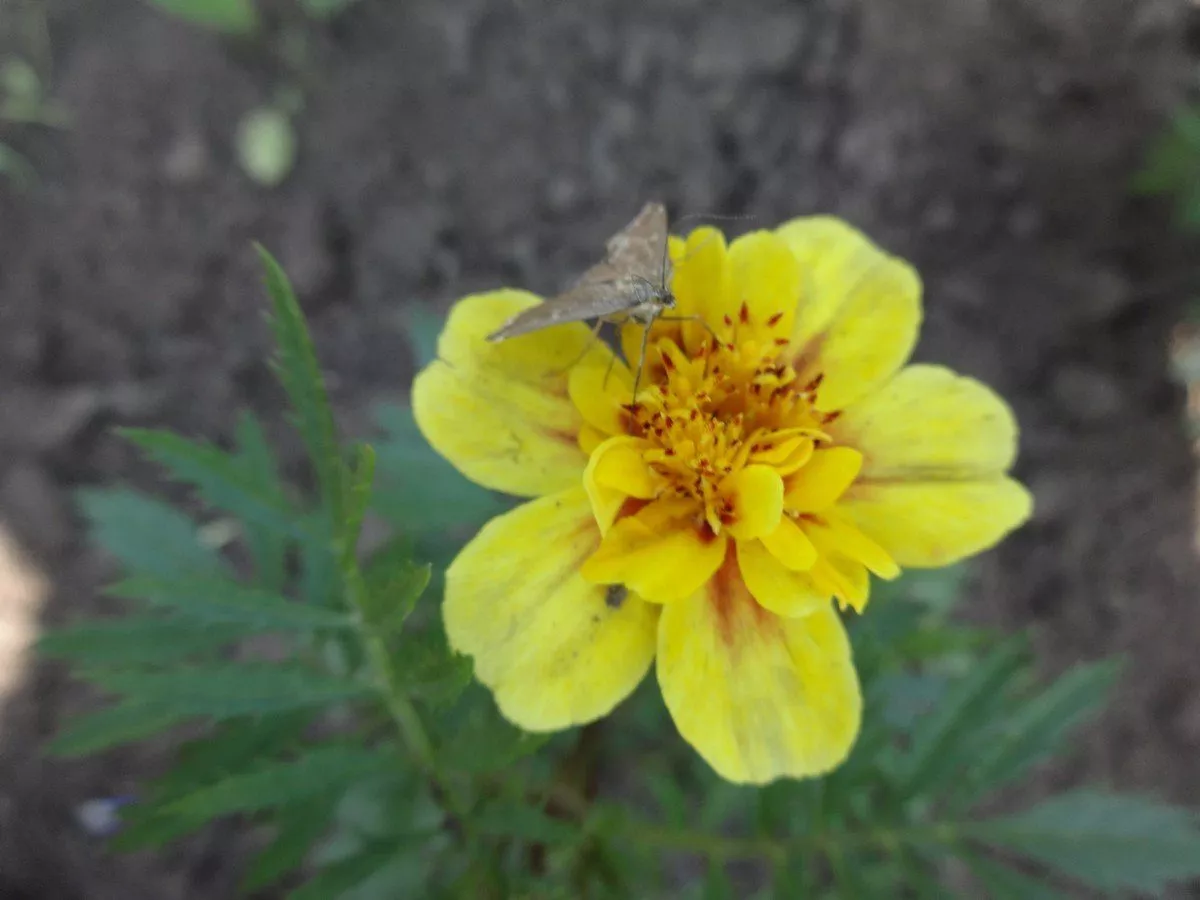
It turned out to be a meadow moth. It appears in such large numbers once every 10-12 years, and single specimens fly over our dachas every year. Rainy weather like this year favors the reproduction of these insects. Without sufficient moisture, females become sterile, and the species' population declines. The moths migrate to more favorable, humid areas.
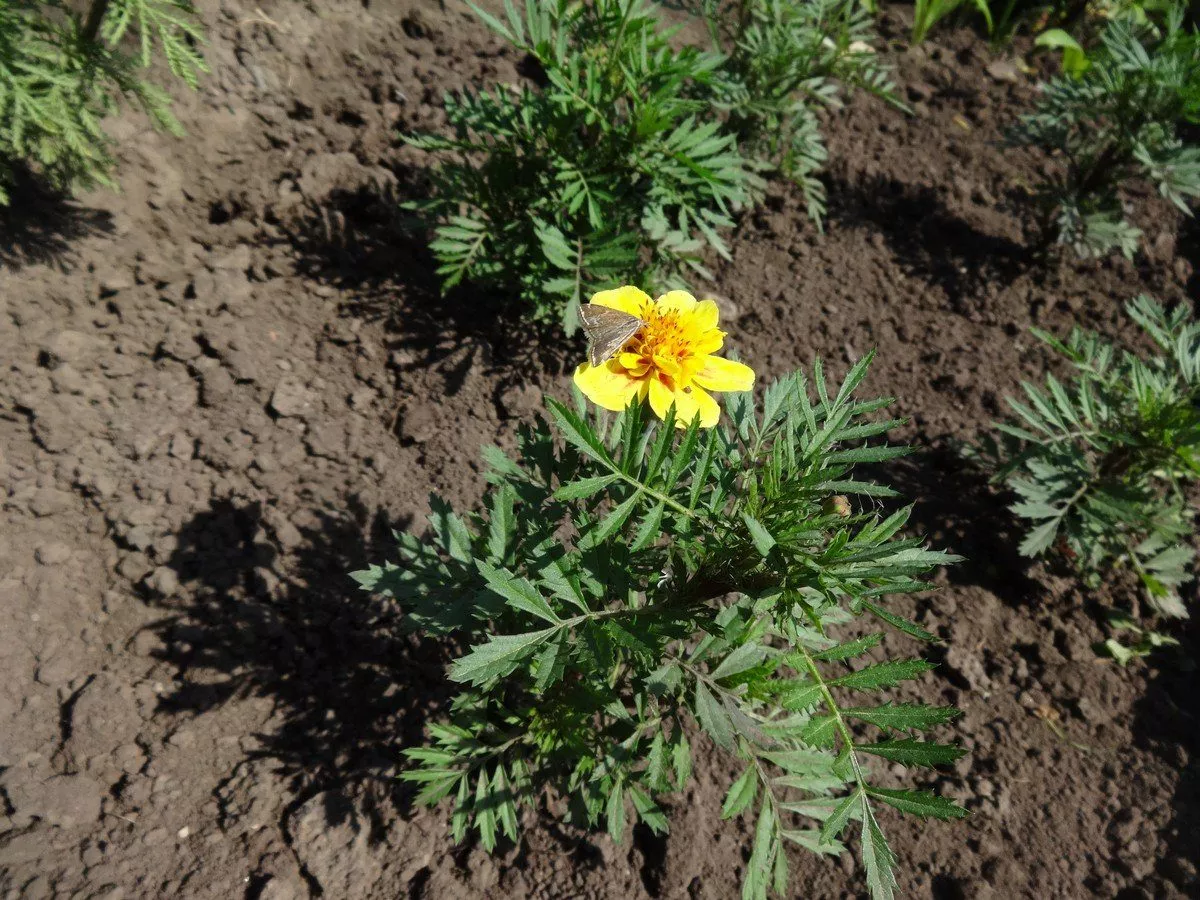
Meadow moths are polyphagous pests; their caterpillars consume vegetable and grain crops and gnaw on everything growing in the garden, including weeds. Caterpillars vary in color depending on their age, ranging from light yellow-green to black, with two yellow intermittent stripes on their backs. The eggs are small, oval, flat, yellowish-white, and shiny. In hot, dry weather, most of the eggs dry out due to lack of moisture.
I've already discovered egg masses on the cabbage leaves. I can't be sure they're the eggs of the cabbage moth, as cabbage butterflies also fly around the garden. Now I'll have to keep a close eye on the plants to avoid a plague of cabbage moth caterpillars.