

I've already written about my dogs, but now I want to focus on how to help pets in cases of poisoning and helminth infections. We've never had worms, of course, because we regularly take the medications prescribed by the vet every three months (we prefer tablets, as they're easier to digest).
But we've encountered poisonings more than once (I think dog owners will understand). You know how it is with animals – they're running around the park, seemingly having fun, sniffing things, chewing green grass... At times like these, you don't even notice how the silly little one puts something in its mouth.
When Charka was a tiny kitten (4 months old), she started vomiting a few hours after a walk. At first, we thought she'd eaten some grass, but the nausea wouldn't go away. A trip to the vet wasn't an option, as it was Saturday evening, and a house call wasn't either, because, sorry, there was only one day left until her due date. We tried some absorbents, but she kept vomiting all night. The result: sad eyes, a recumbent position, a pleading look, and trembling paws.

I went to the pharmacy this morning, but on the way I met a neighbor who also has a dog, a pug. After I told her, she advised me not to "poison" dogs with pharmaceutical chemicals, but to use natural products.
She recommended yarrow. Yes, it's that herb that grows almost everywhere here, yet few people pay attention to it. I decided to give it a try, since I had no reason to distrust Baba Nadya (she's given me helpful advice on numerous occasions). I bought a package of dried yarrow at the pharmacy, brewed it, and began giving it to my "little darling."
The results were simply astounding – literally within 2-3 hours, Chara started getting up and drinking. An hour later, she was heading to her food bowl. I fed her the decoction until evening, and by the next morning, she felt absolutely wonderful!
Whenever I'm at my dacha, I always stop by the pine-birch-spruce forest (in short, a mixed one), where many medicinal herbs grow. I gather them there because Not all plants are good for healing. This year, I stocked up on yarrow, even though I'd previously avoided it.
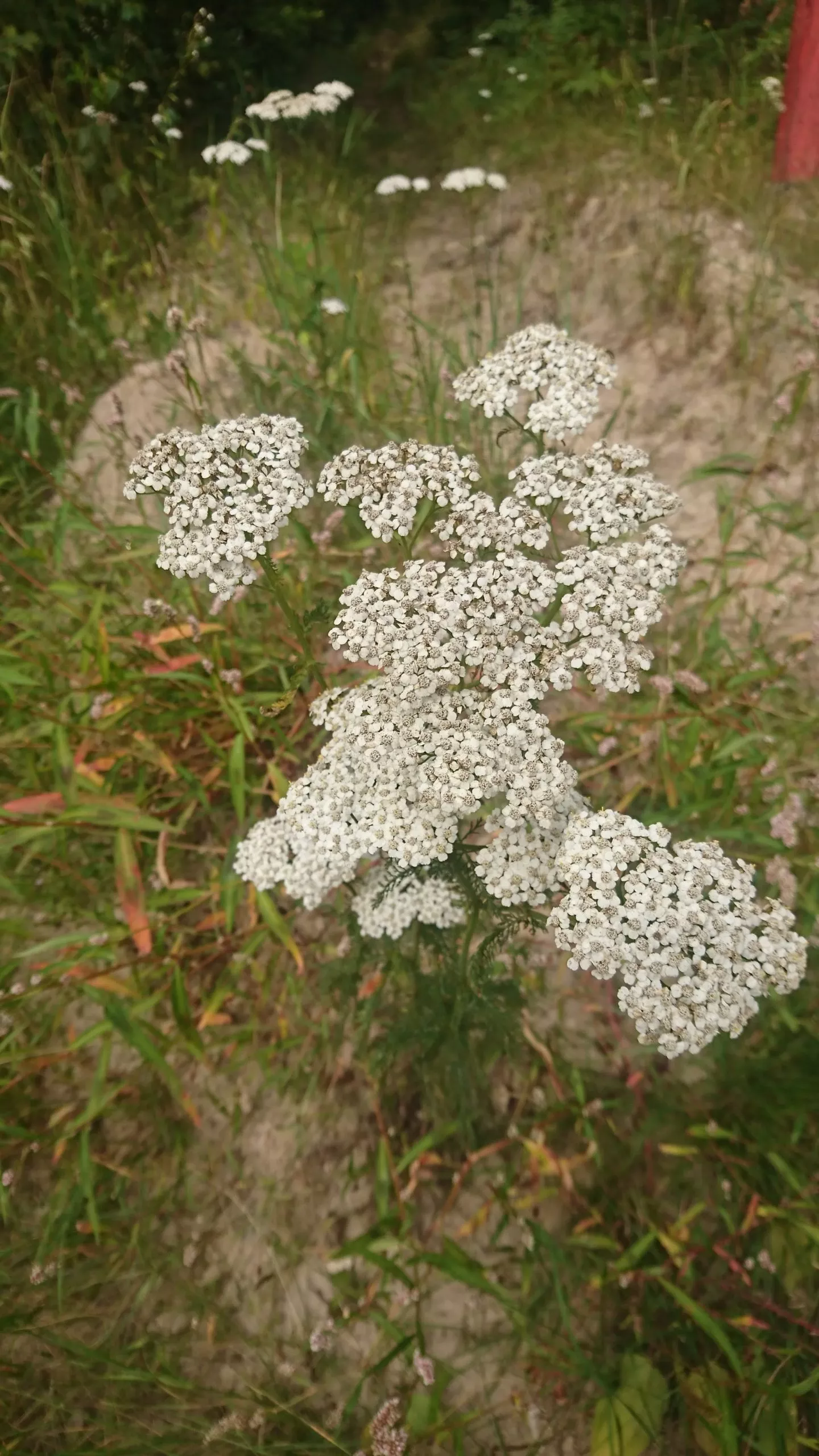
And now the most important thing is how to brew it correctly and in what proportion to give it:
- Take 1 heaping teaspoon of dried, lightly crushed herb. You can use any part of the plant except the root. Personally, I now always brew a mixture of leaves and flowers.
- Pour into a bowl.
- Pour boiling water (a small glass – 200 ml).
- Place on low heat and cook for no more than 10 minutes.
- Cover and let cool naturally.
- Strain.
At the slightest sign of poisoning, give the animal something to drink immediately. The dosage depends on its weight: up to 10 kg (22 lbs) requires 50 ml of the decoction, up to 20 kg (44 lbs) – 100 ml, up to 0 kg (22 lbs) – 150 ml, etc.
Please note that you can only give it 3-4 times a day and no more, as there may be side effects.
Baba Nadya said she could also deworm her dog by adding 1 tablespoon to a glass of water and giving it 100 ml three times a day, regardless of the dog's weight. One day is plenty.
I'd love to know if anyone else has similar advice. It's truly much more enjoyable to treat your beloved pets with natural remedies!
It's great that you know how to properly use medicinal herbs! Such knowledge and positive experience are invaluable.
When poisoning occurs, I give my dog sorbents (the same ones prescribed for humans). For example, I crush Polysorb, Enterosgel, or Atoxil in water and inject it into the dog's mouth with a syringe (without the needle). But if your budget is limited, you can crush regular activated charcoal into a powder (1 tablet per 1 kg of body weight), mix it with water, and inject it into the dog's mouth. It's also important to give your dog frequent water to prevent dehydration (a little broth can be added to the water to encourage drinking).
I'm cautious with medicinal herbs because my dog has liver damage (she once suffered from piroplasmosis due to a tick bite) and is allergic to certain foods and medications. However, I know that antiparasitic herbs include tansy, wormwood, and others (in addition to yarrow). However, all of them are toxic and dangerous both in case of overdose and if the dog has undiagnosed illnesses.
I know some people make garlic infusions or simply feed their dogs grated garlic regularly. One case I know of resulted in poisoning in a dog, as they were fed garlic for several years as an anthelmintic. I also read that experiments were conducted on dogs (to test the effects of garlic on their bodies), and the results showed that garlic can cause hemolytic anemia in four-legged dogs. Generally, onions and garlic are listed in literature as toxic to dogs and cats.
Personally, I choose to deworm my dog twice a year with high-quality, store-bought medications from a veterinary pharmacy (although the norm is once every three months, or four times a year). This is because:
— firstly, the dosage for store-bought products has already been verified, and if used according to the instructions, there should be no overdose (with medicinal infusions, you can make a mistake if you don’t have experience, like me);
— secondly, herbs are more effective against roundworms, pinworms, and other roundworms, while dogs are more likely to have tapeworms, which medicinal herbs can only temporarily prevent from "living happily," but not completely remove from the body (this is what I read, but there may be other information - I would be glad to familiarize myself with it).
We (the family members who walk on two legs) also do preventative treatment every six months (I prefer Vormil chewable tablets). But these are all expensive medications... It's great that there are alternative methods! Situations vary, and you need to be able to handle everything.
Thank you so much for the comment! Yes, I know that tansy and wormwood are toxic, so I don't use them. Yarrow is more gentle. We also deworm every six months, as every three months is too much of a chemical dose. By the way, thank you so much for the advice about garlic and onions. I didn't know about that, but I guess intuitively, I was wary of such recipes.
So, listen to your intuition more often; it is tuned to the right wavelength.