

Most plants are dormant in winter, and repotting them isn't recommended. It's best to do this in early spring. But there are always exceptions to the rule. I repotted my violets at the end of November. They had already finished blooming, and it was easy to see which plants needed repotting.
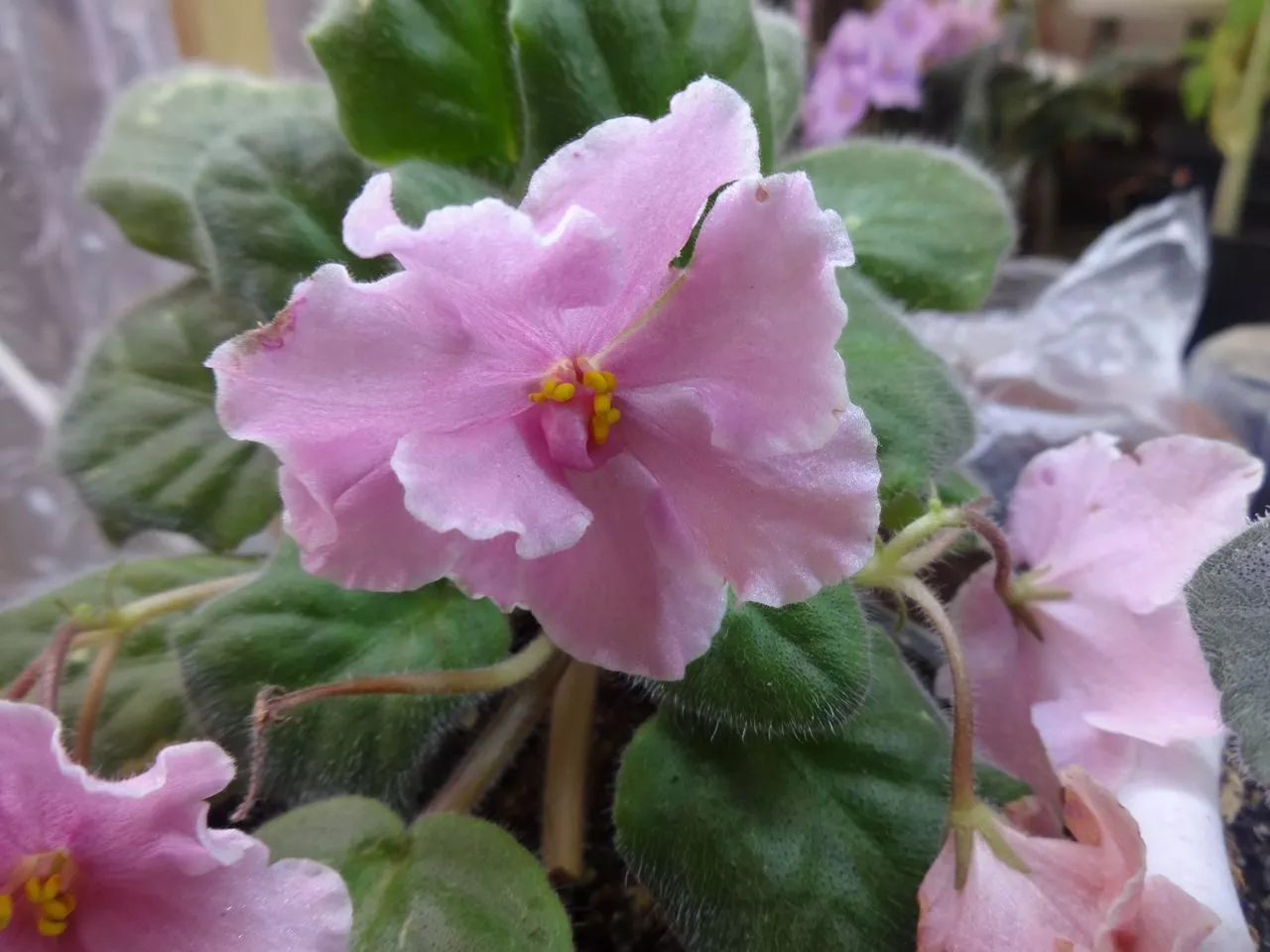
Saintpaulias are very hardy plants and always thrive. That's why I took the risk of replanting some violets.
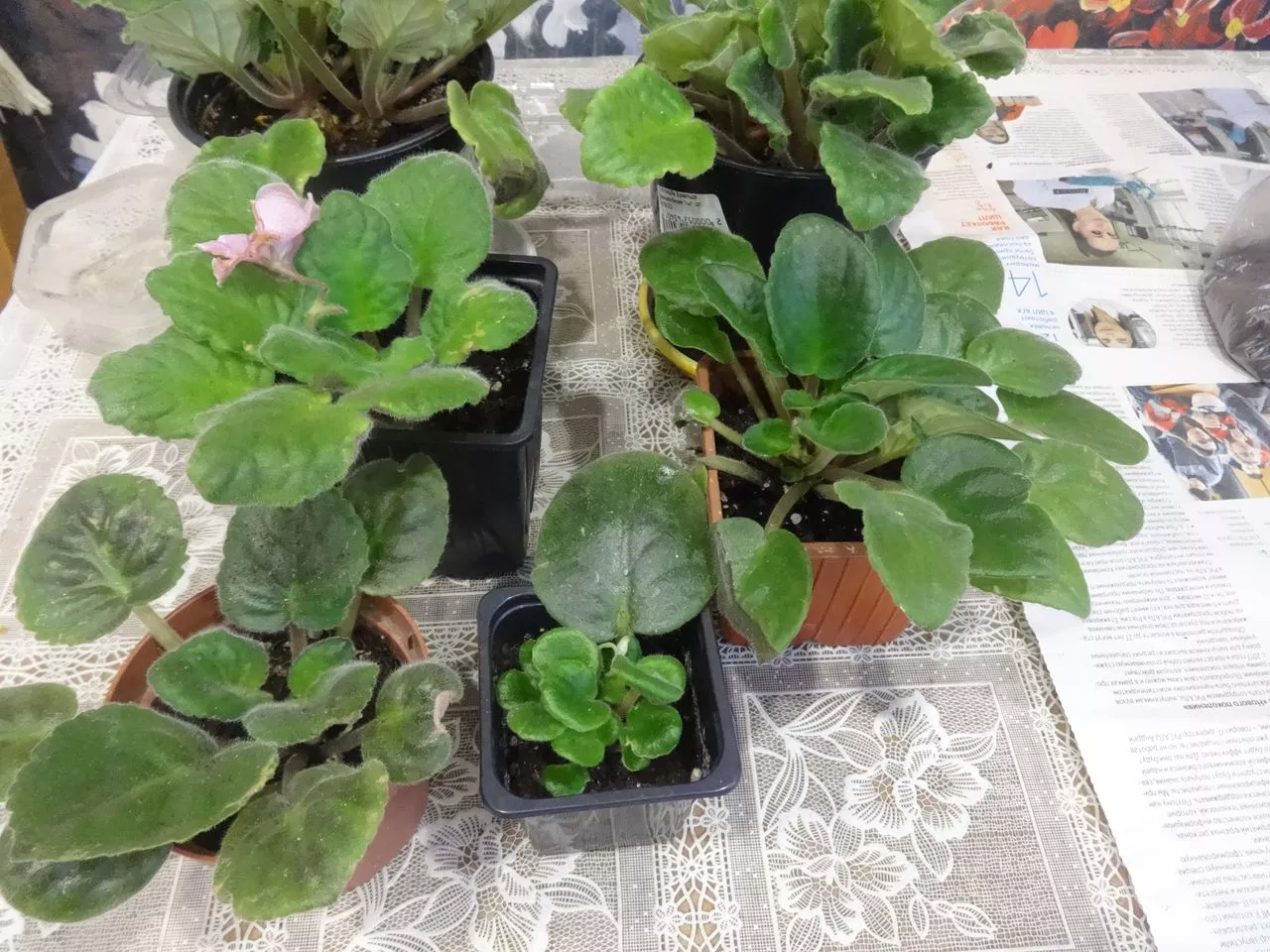
I planted those of which there were several in one pot.
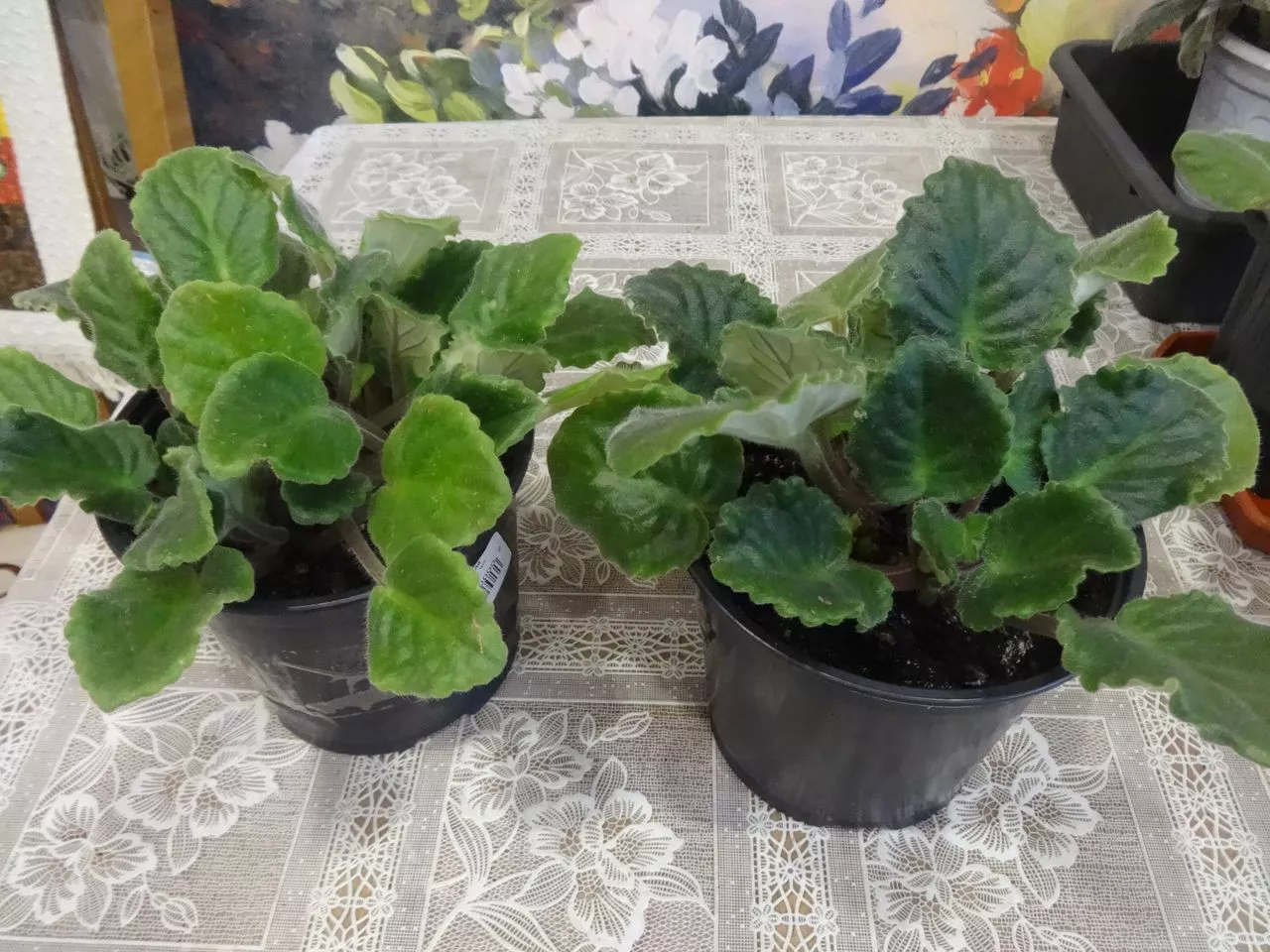
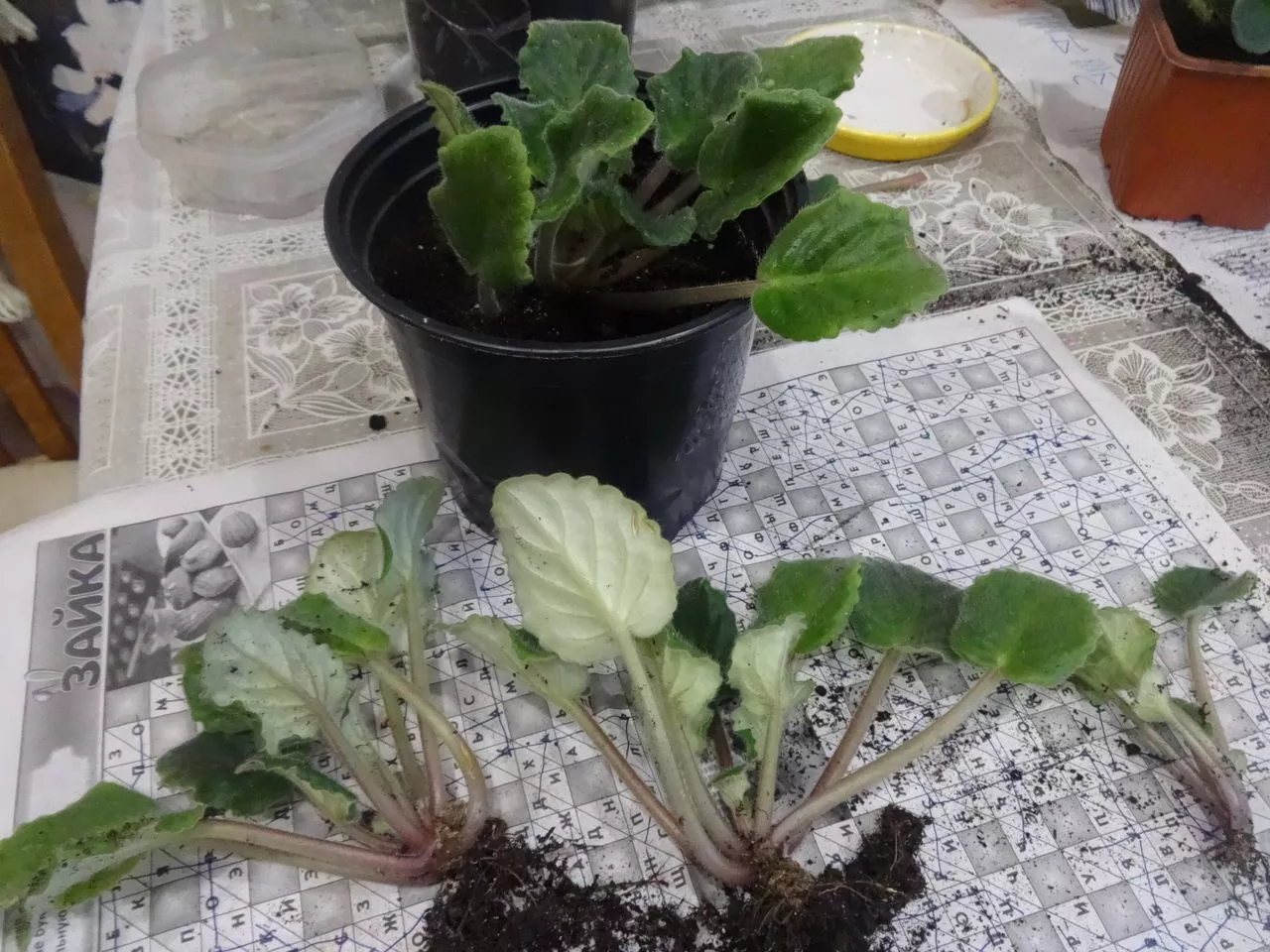
From one violet came four.
Violets have a small root system, so they do not need large and deep pots.
I washed all the pots, treated them with a solution of potassium permanganate, poured a drainage layer of expanded clay on the bottom, and filled them with store-bought soil for flowers.
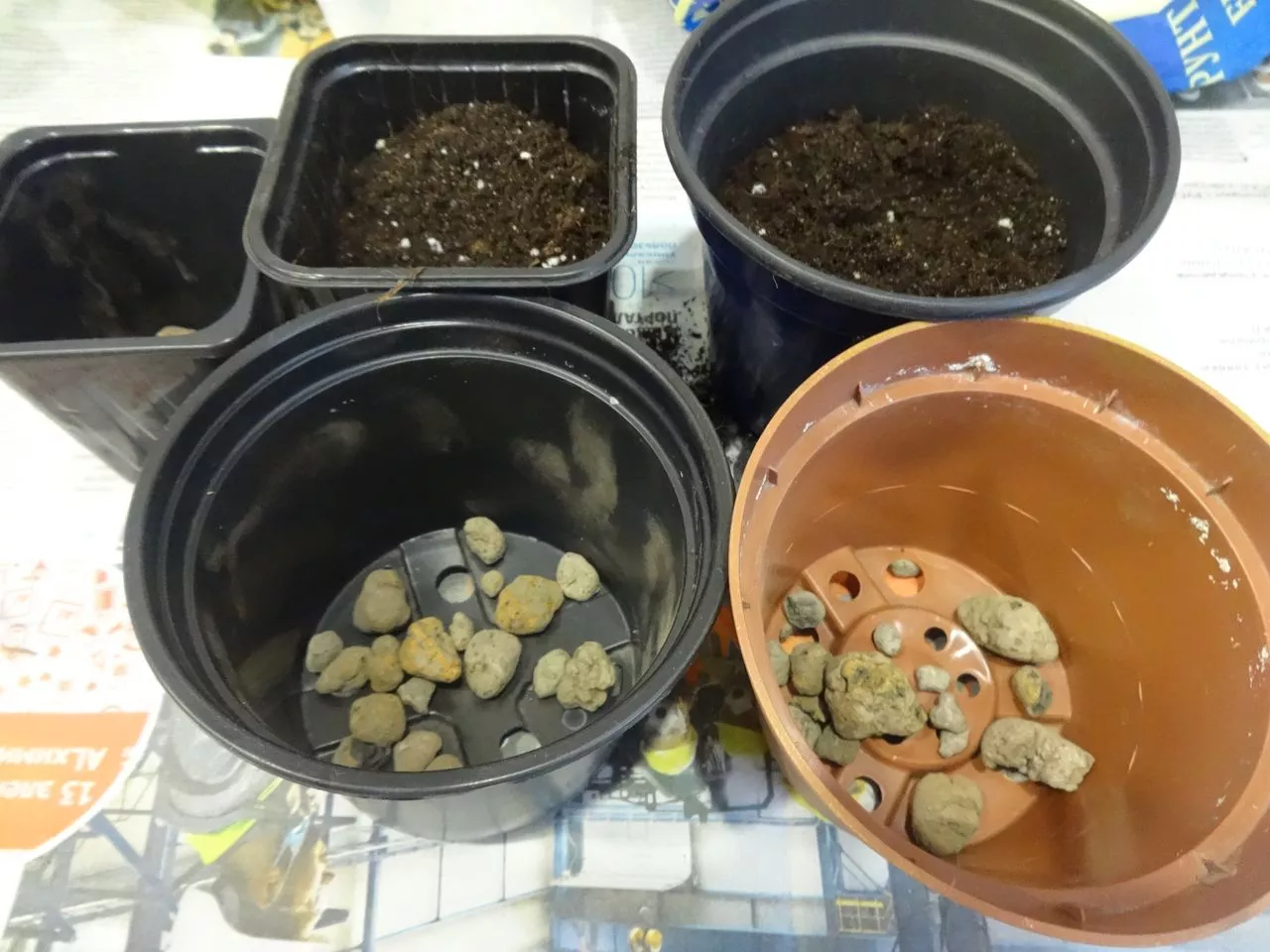
Ideally, I needed soil for violets, but I didn’t want to go to the store in the cold.
I planted young violets that were growing in small pots in slightly more spacious ones.
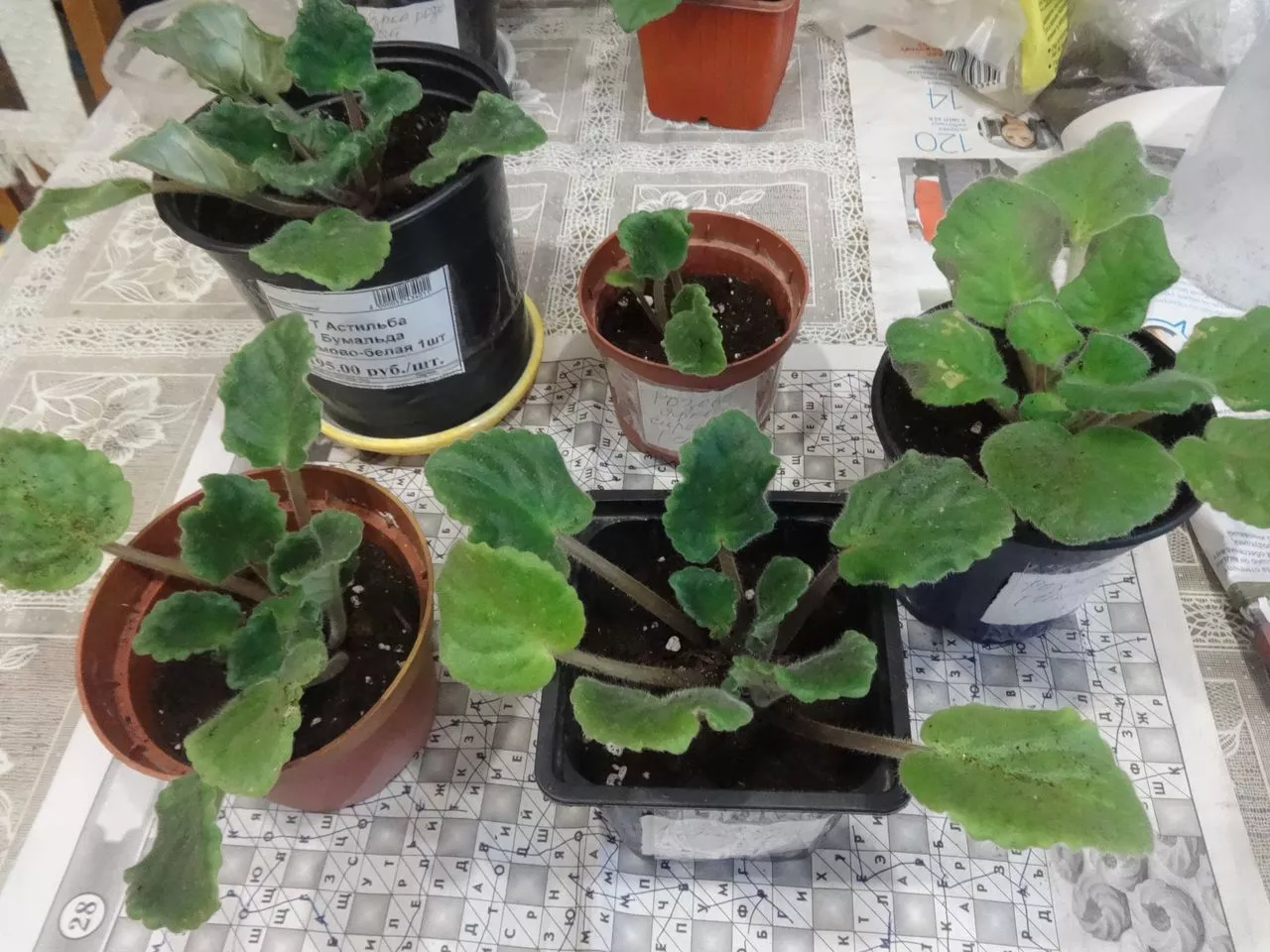
I planted separately the tiniest rosettes that grew from the rooted leaves.
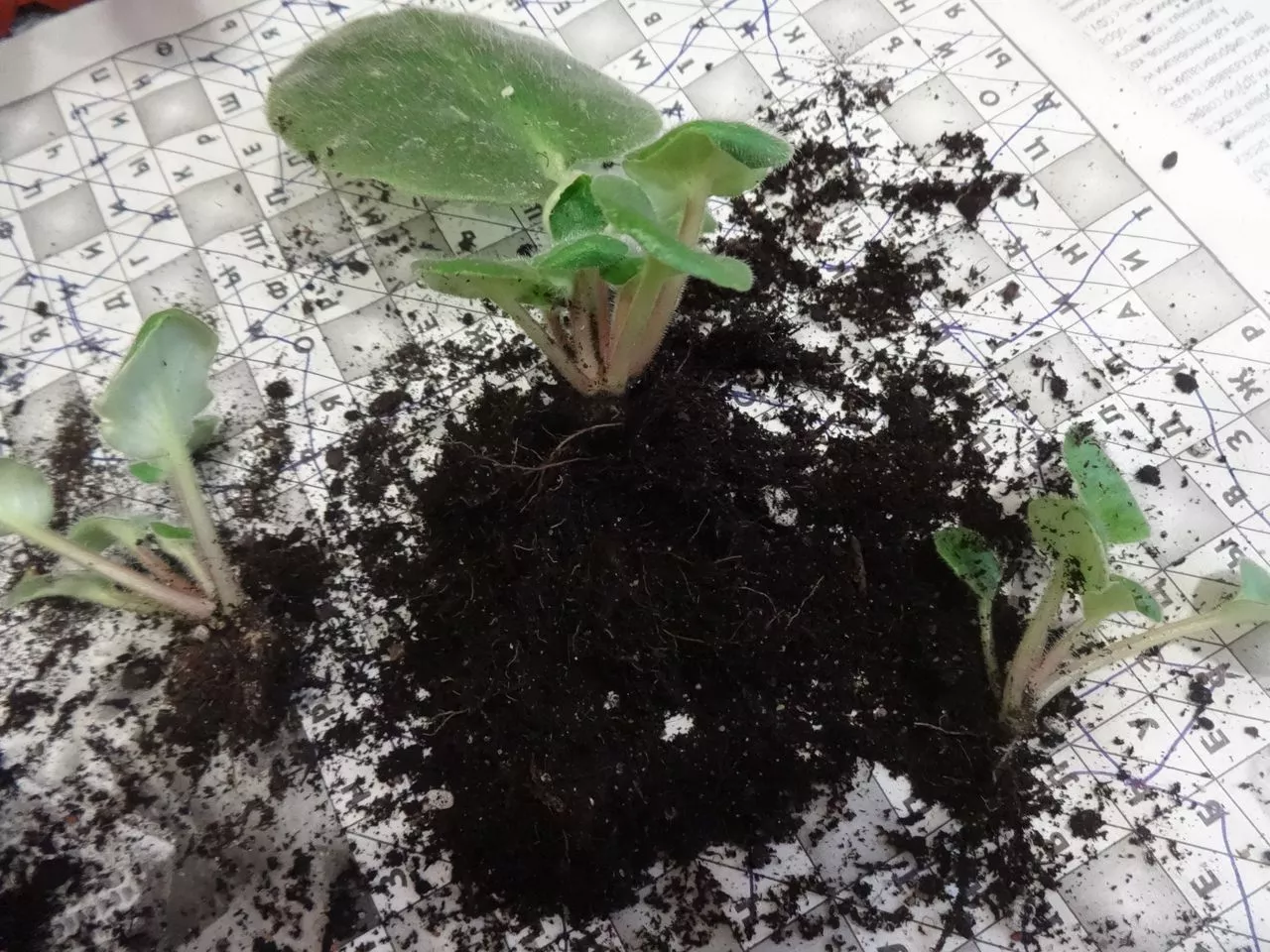
Four rosettes formed on one leaf, two of which I was able to separate and plant separately. I left two rosettes growing together; their thin, weak roots were tightly intertwined, and I didn't dare separate them. When they grow and strengthen, I'll separate them and replant them in separate containers.
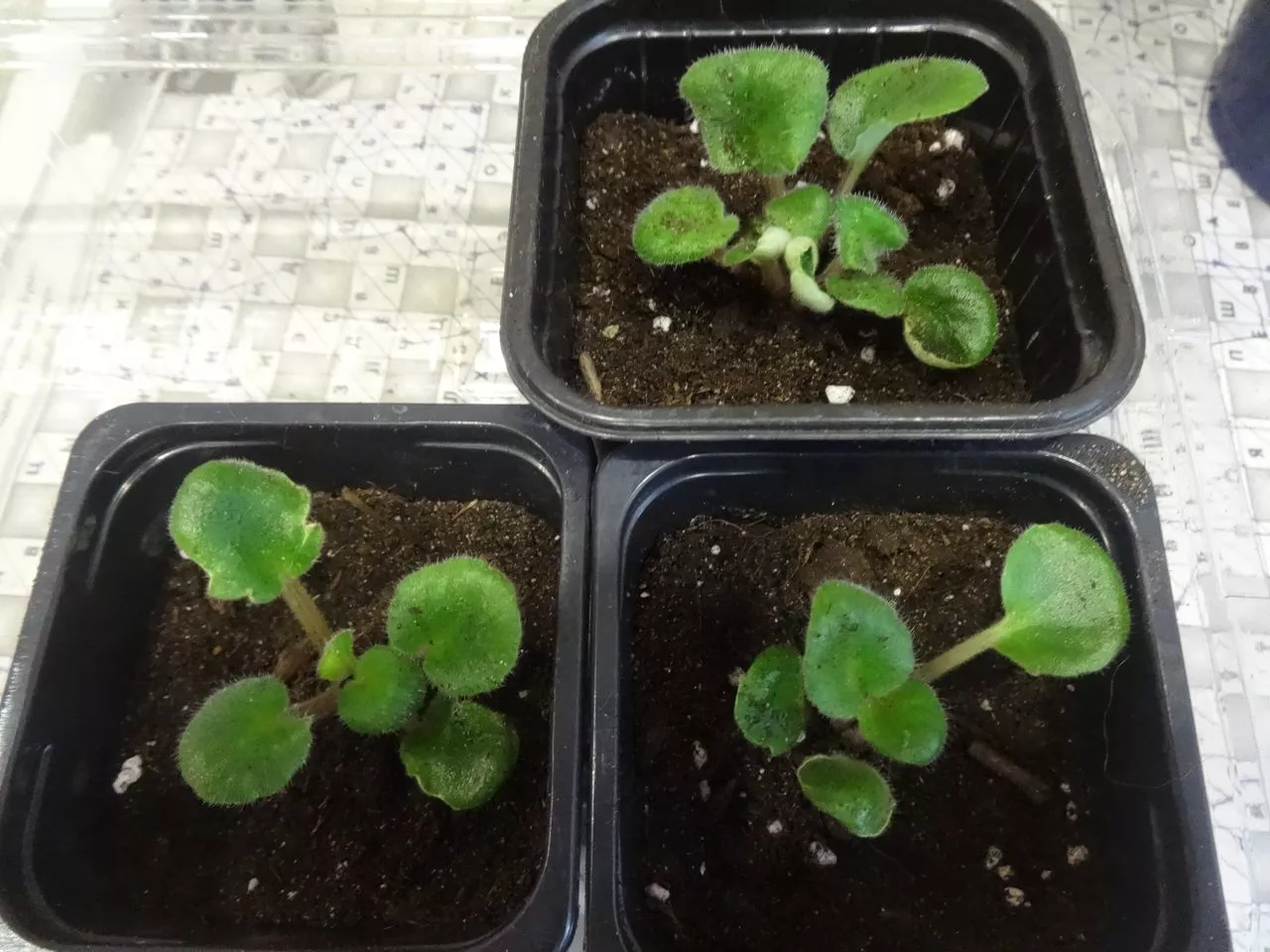
I cut off the leaves from which new rosettes formed so that the babies would get more nutrition.
I watered the transplanted plants thoroughly with warm water. The violets immediately straightened their leaves. I placed the smallest flowers in a so-called greenhouse, covering it with a transparent lid to create a favorable microclimate.
I placed the new violets on the table for three or four days without light. Of course, not in complete darkness; some light from the window reaches the flowers. However, newly transplanted plants don't need bright sunlight.
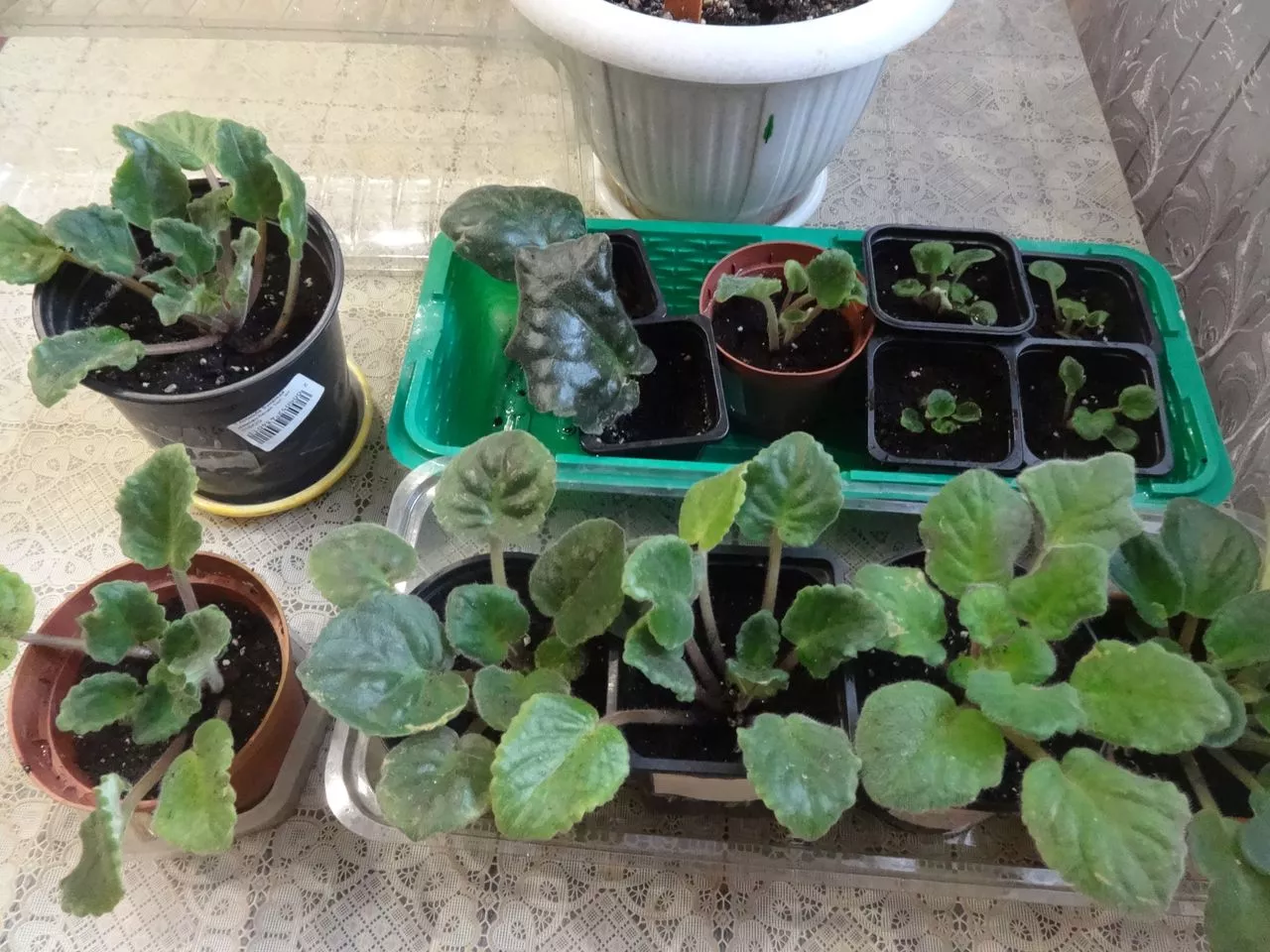
Once the Saintpaulias have adapted, they can be moved to a windowsill or additional lighting can be turned on.
All the violets are doing great, not a single flower has wilted, the leaves are firm and green.
I don’t plan to move my young violets to the windowsill yet; let them grow in the warmth under the lamp.
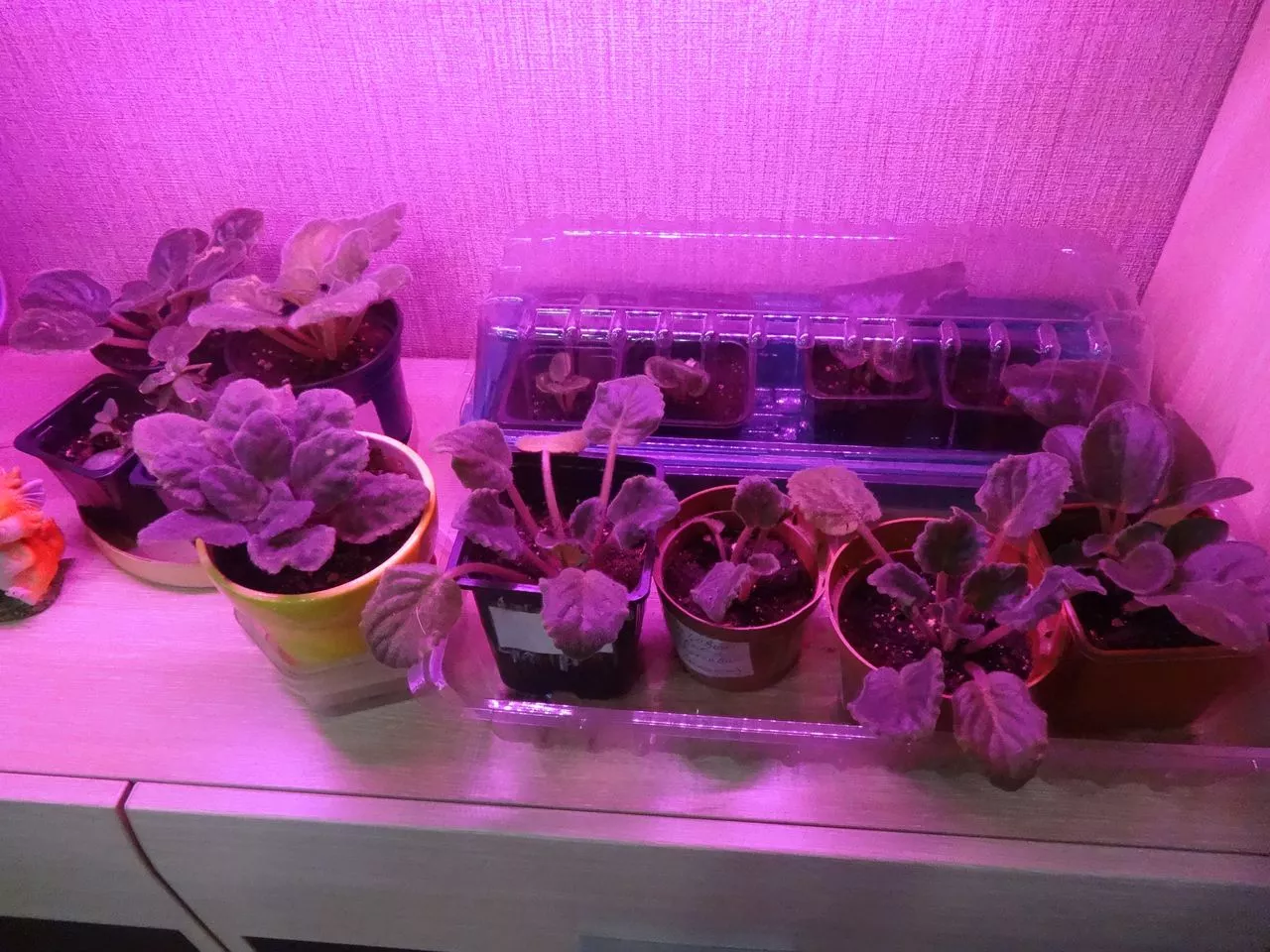
We've already had severe frosts here, and the cold from the window could harm the flowers. When the violets grow a bit and develop leaves, I'll give some of them to friends and family; I don't need so many.
After repotting, violets need to be fertilized once a month. For houseplants, I use organic fertilizer called Vermicompost, diluting it according to the instructions. For violets, I use a weaker concentration.
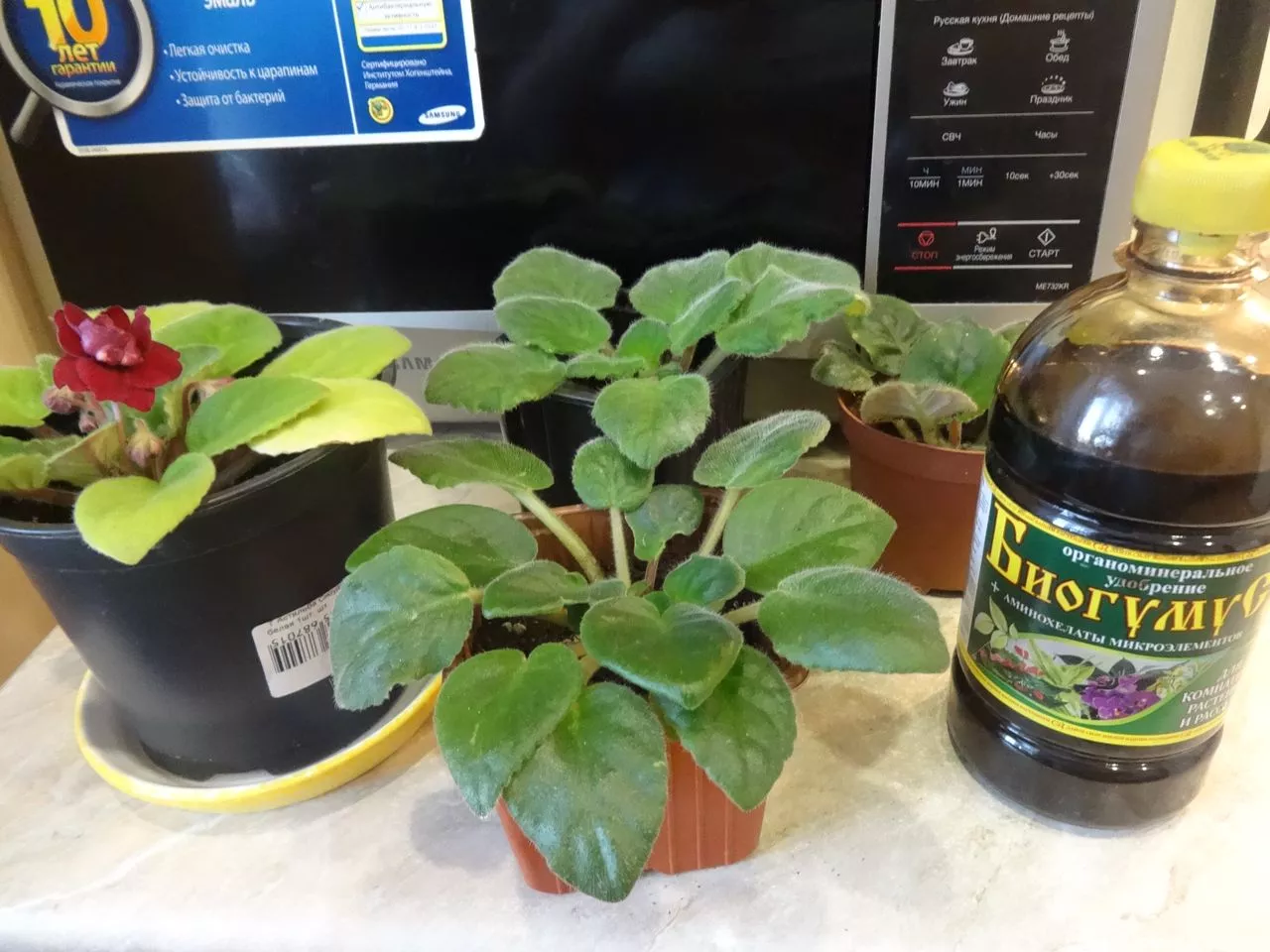
You also need to monitor watering to ensure the soil doesn't dry out or become overwatered. Transplanted violets can dry out due to lack of moisture, while overwatering can lead to fusarium, late blight, and powdery mildew. This is what a violet that's been affected in winter looks like.
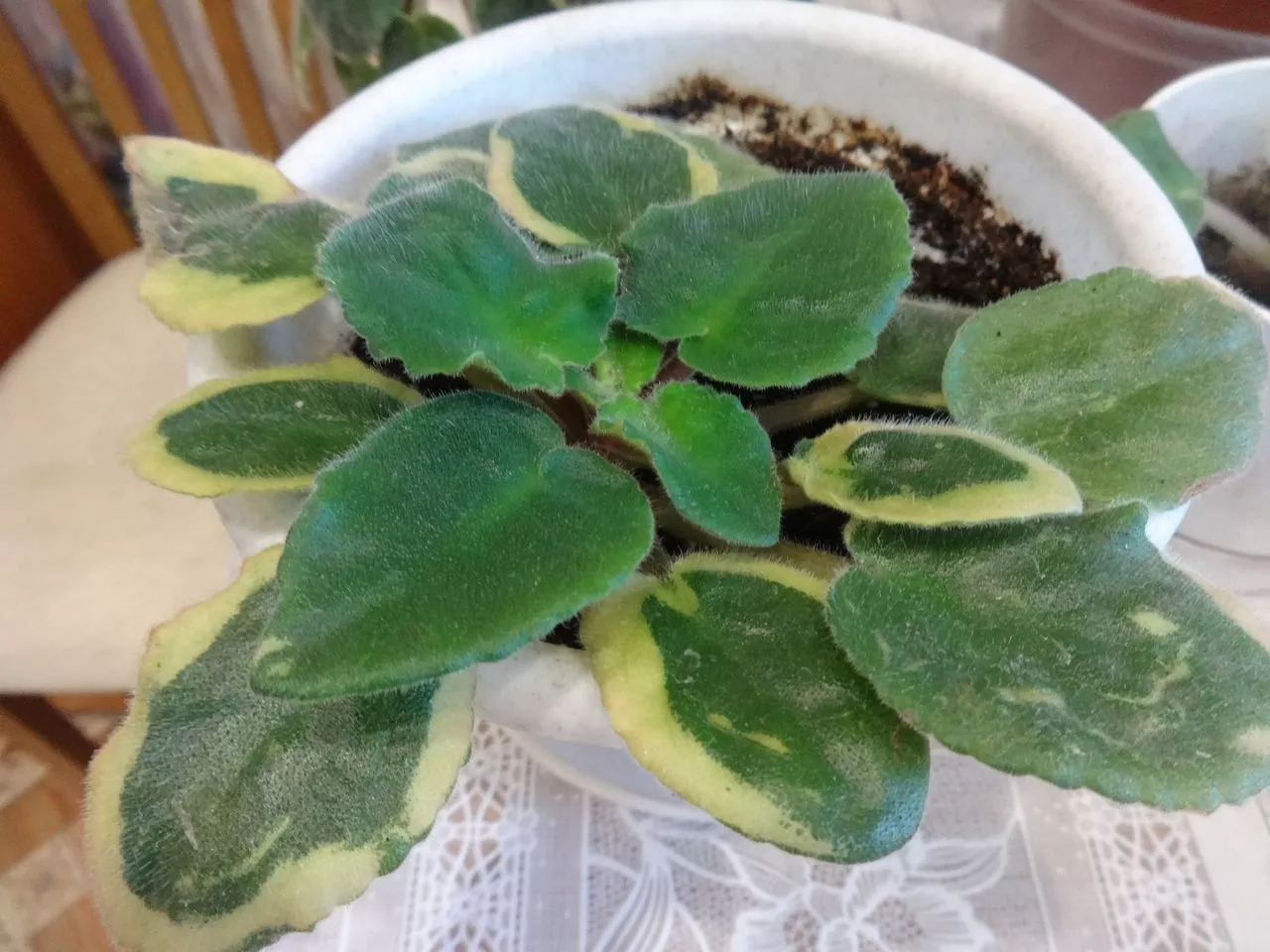
During winter replanting, violets require a little extra attention, and these wonderful plants will soon thank you with lush blooms and bring you joy.
I tried repotting the violets so many times after they finished blooming, but they never took. Thanks for the advice about not putting them directly on the windowsill—that's exactly what I did. And I never fertilized them in winter. I'll definitely take advantage of your advice!