

Bright lupine candles burn,
He decorates my garden,
The leaves spread out their fingers,
And he invited the bumblebee to his feast.And the bumblebee buzzes contentedly over the candle,
It collects nectar with its proboscis,
White, pink and blue
My lupine shines with beauty!
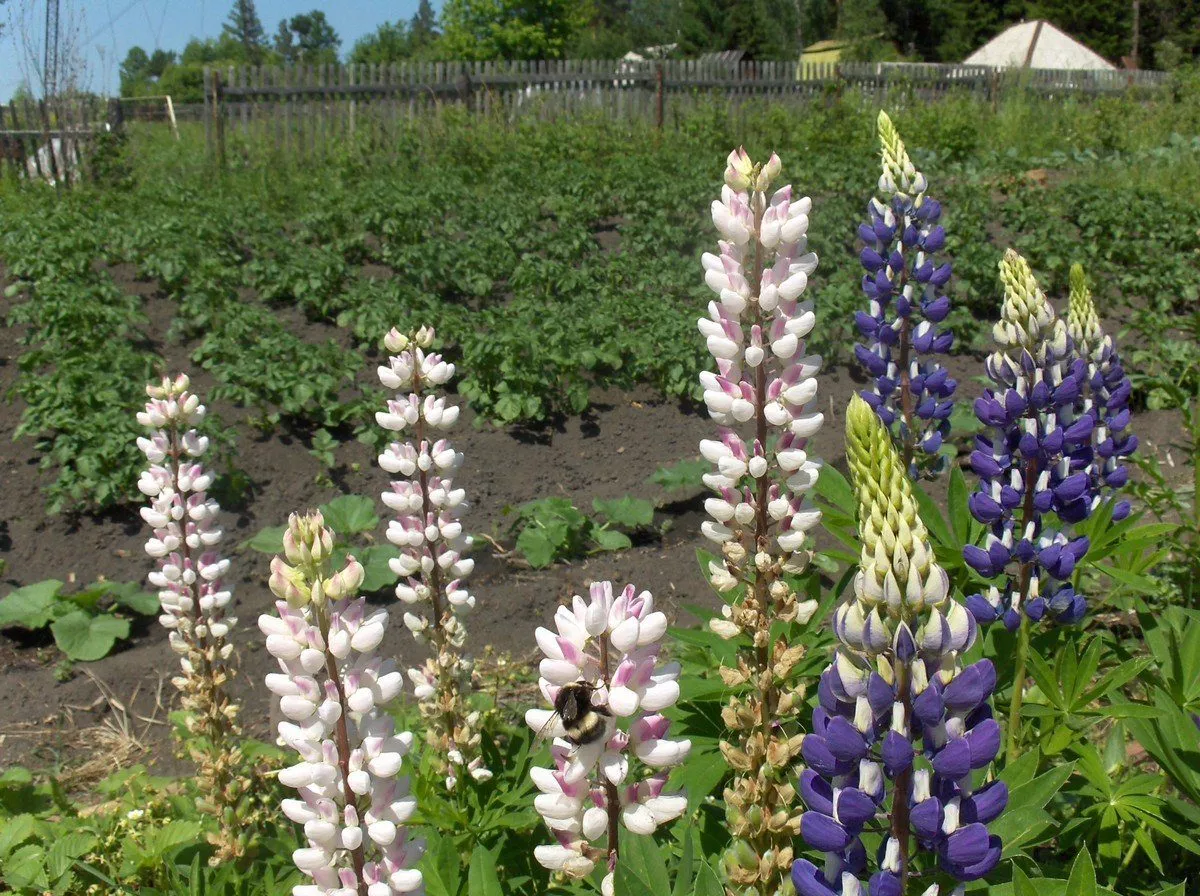
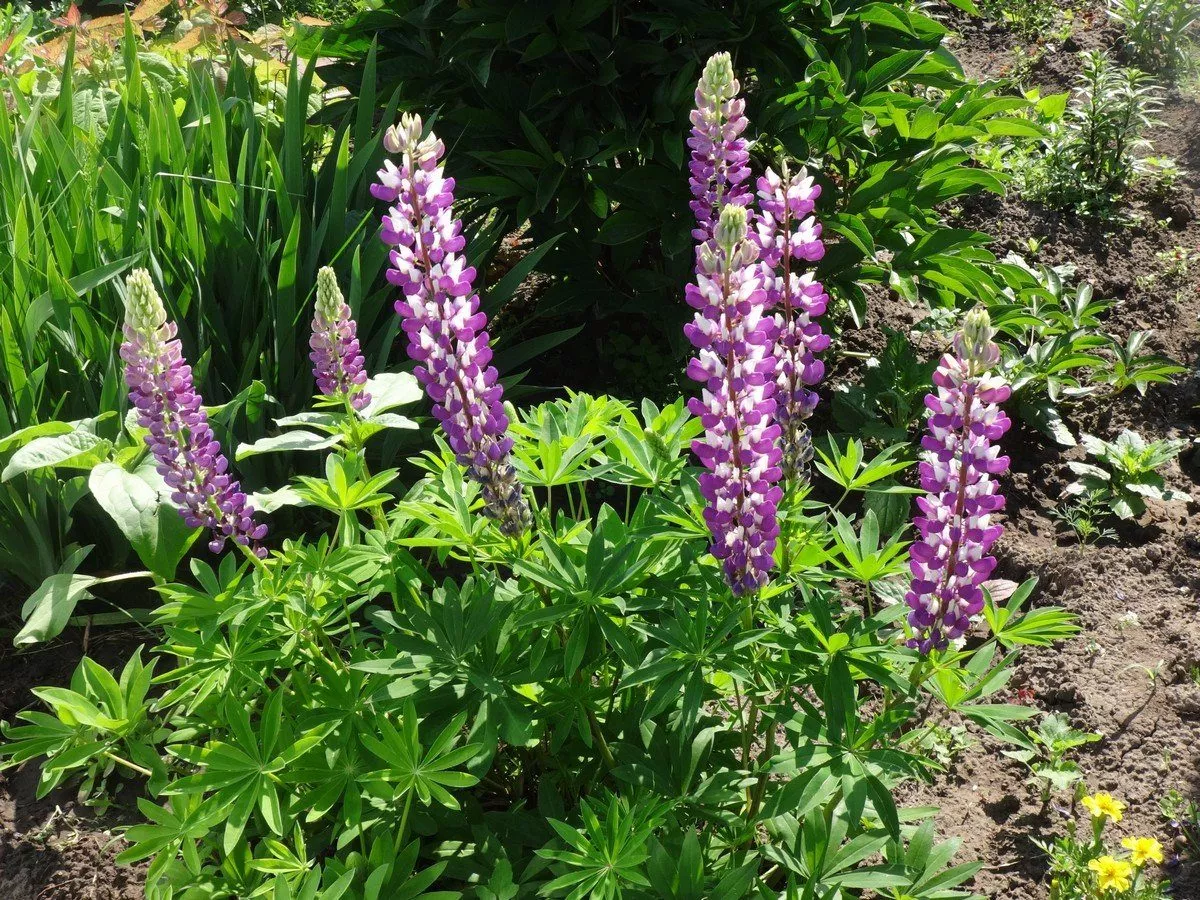
Lupine is another wonderful flower that I enjoy growing at my dacha. I really like the compact bushes of this plant with large, palmate leaves—I call them "palm-shaped." Even without the flower stalks, the bush is very beautiful.
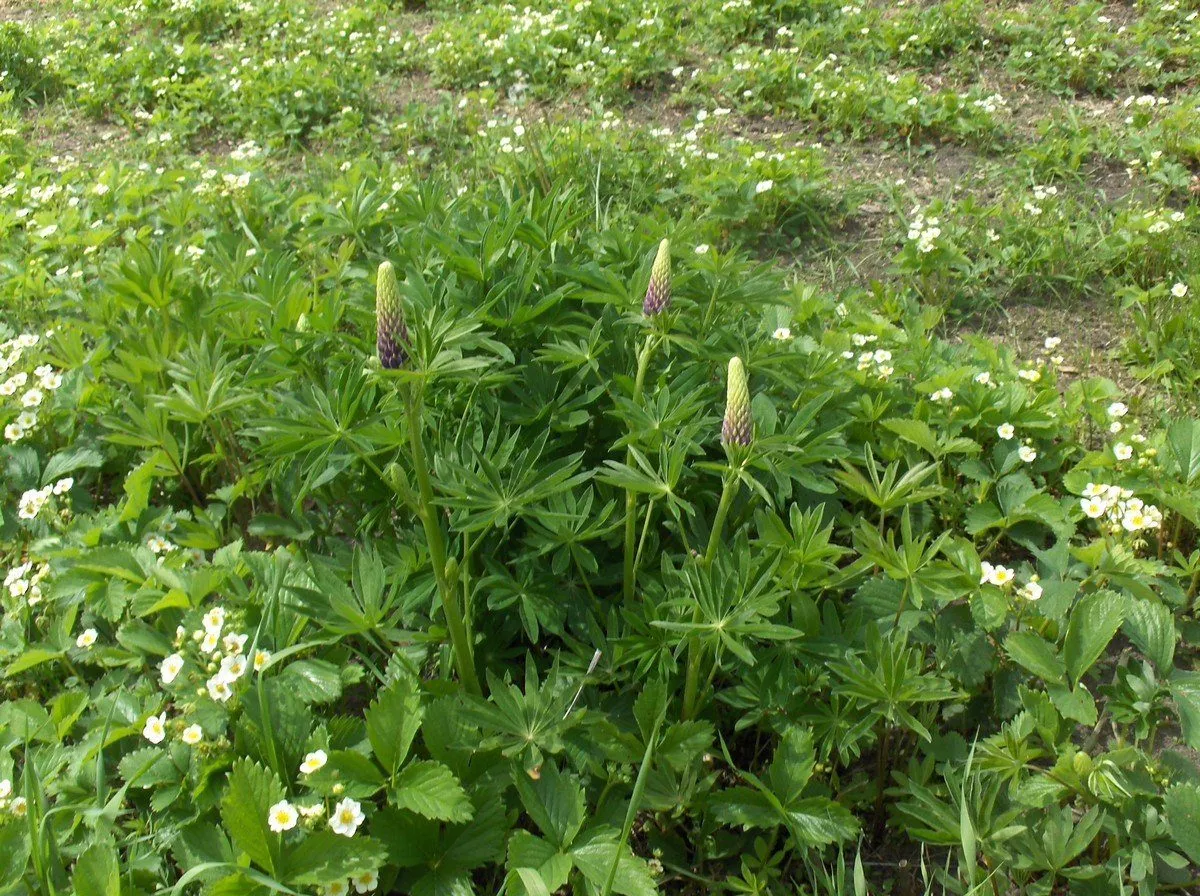
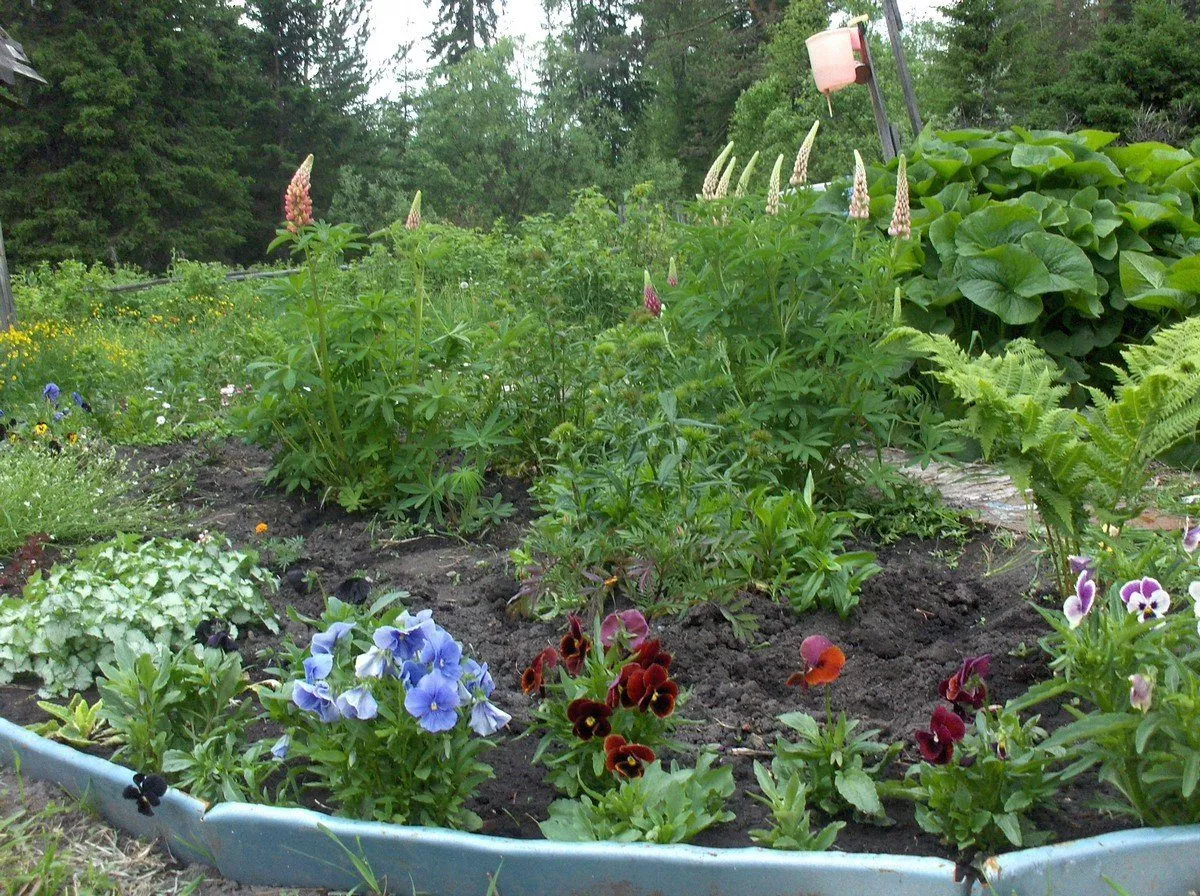
Lupines have long, straight stems bearing numerous flowers, reminiscent of pea inflorescences. The flowers are single- or bicolored—white, pink, purple, red, yellow, and blue. When they fade, a pod appears in their place, containing the seeds (beans).
Another name for lupine is Wolf bean.
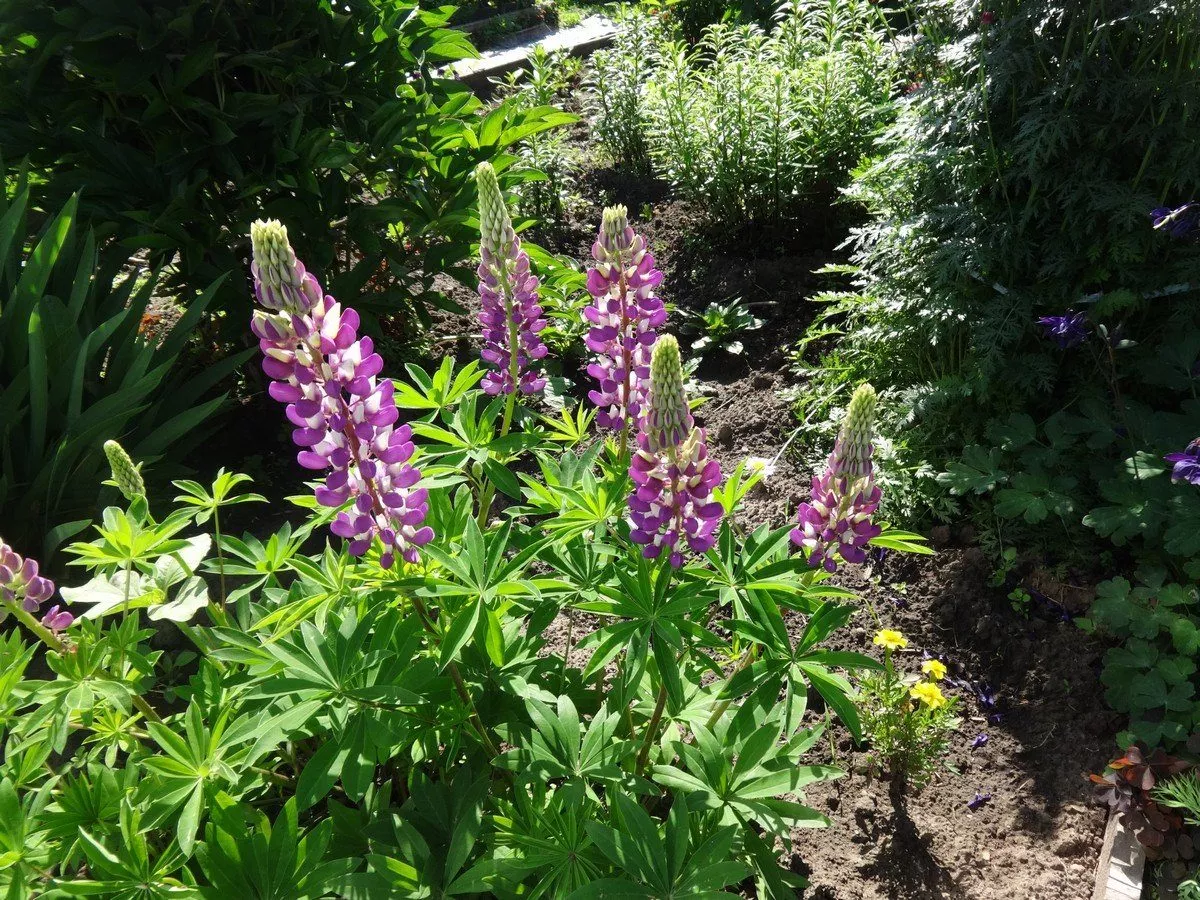
When the pod ripens, it scatters its beans, and in early spring, lupine seedlings appear everywhere. As soon as they sprout their first true leaf, I transplant them to a suitable location.
Lupines have long roots, and if they are damaged, the seedling will not take root. Therefore, it is best to transplant them with the root ball intact, without exposing the root. The roots of mature plants are thick, fleshy, and taproots, containing small nodules that harbor bacteria that enrich the soil with nitrogen.
Many gardeners use annual varieties as green manure, improving the structure of the soil.
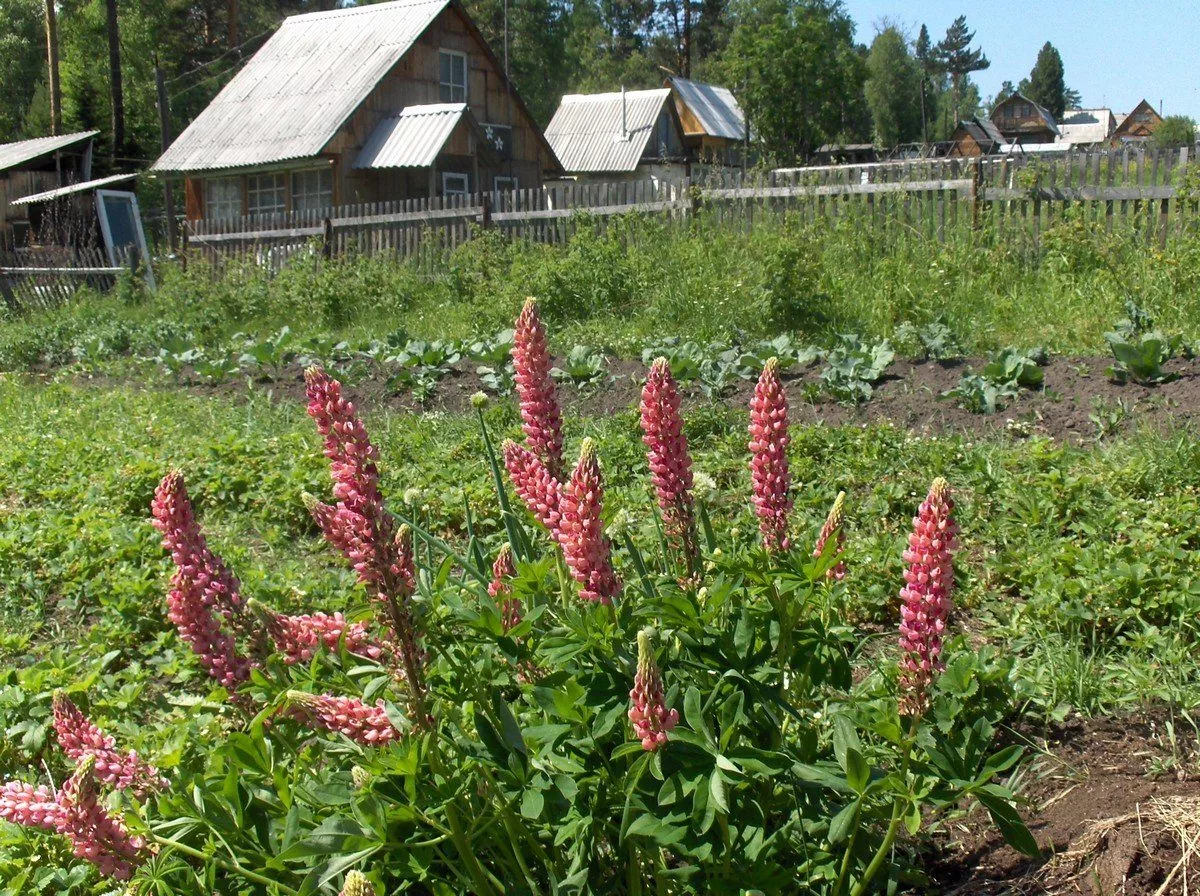
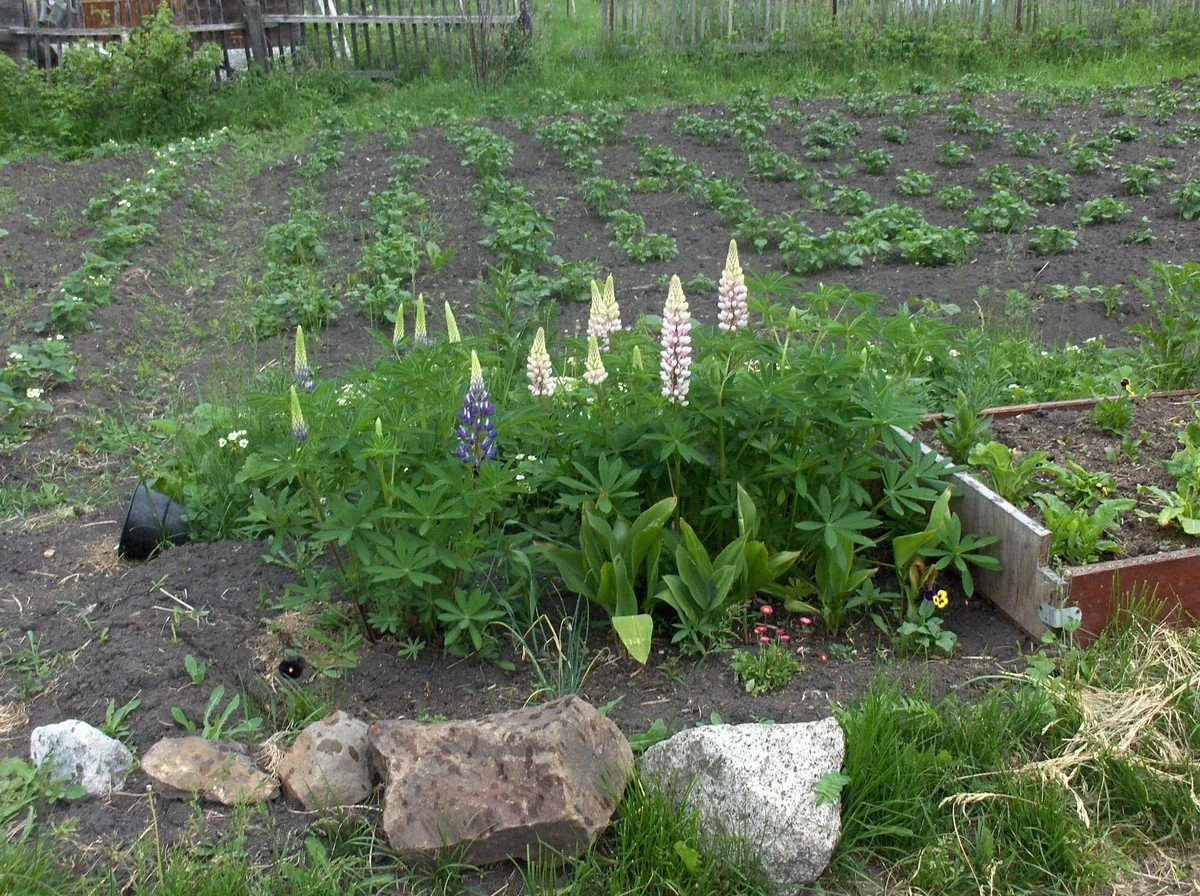
Mature bushes suffer from illnesses during transplantation and often die. The lupine bushes at our dacha also often freeze in winter, so I constantly sow seeds to ensure I don't run out of these beautiful flowers.
In the fall, I cover the root collar with soil, which eventually protrudes from the ground, and add compost or humus under the bush to protect it from freezing. At my old dacha, the lupines overwintered happily under a thick layer of snow.
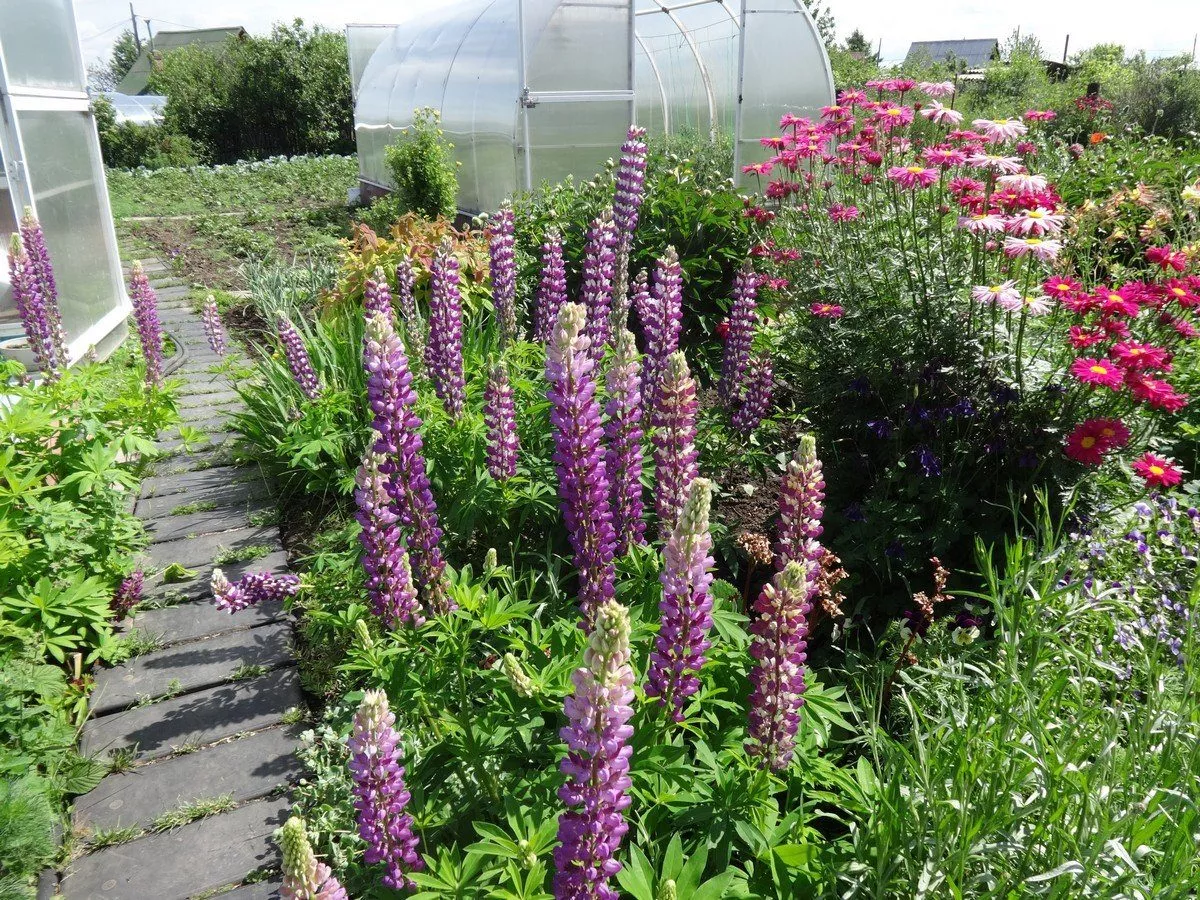
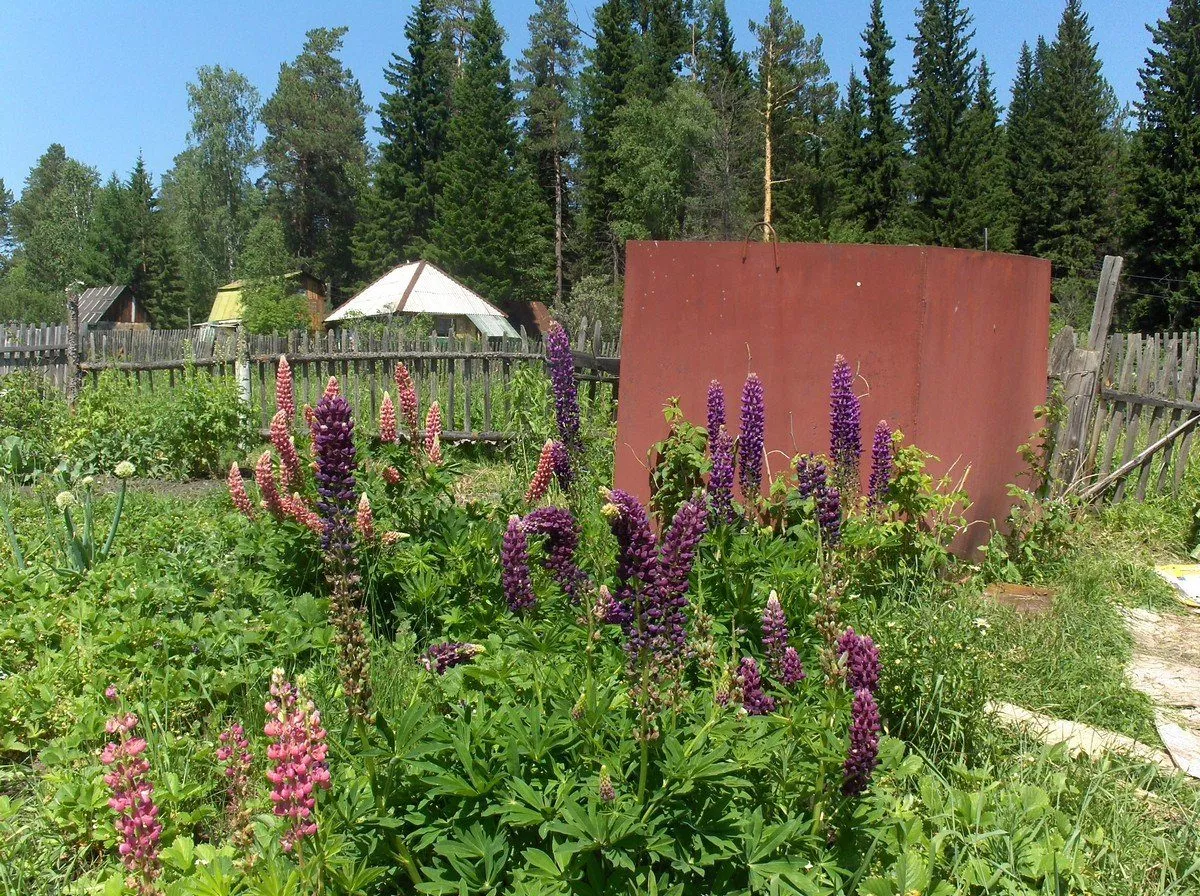
The plant tolerates drought well and doesn't require frequent watering. To ensure lush, beautiful flowers, I feed it with phosphorus-potassium fertilizers before flowering, but even without additional feeding, it blooms and is fragrant.
Here, lupines begin producing their candles in early June and bloom for a month, with the lower flowers opening first and the entire flower stalk gradually blossoming. Sometimes, a second bloom occurs in August or September.
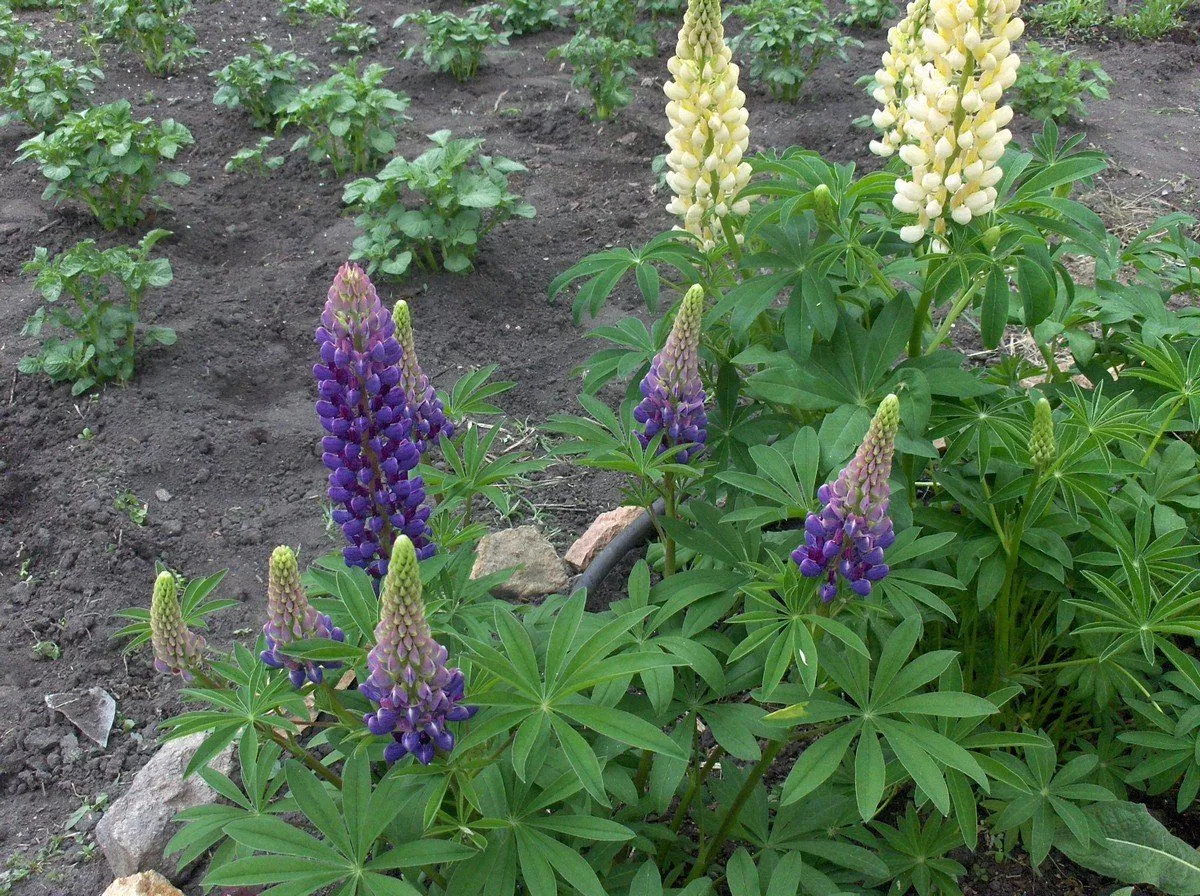
These flowers love loose, fertile soil and sunny, dry places; if they are planted in the shade and overwatered, they may become infected with root rot or fusarium.
To prevent diseases, I water the soil with a solution of phytosporin.
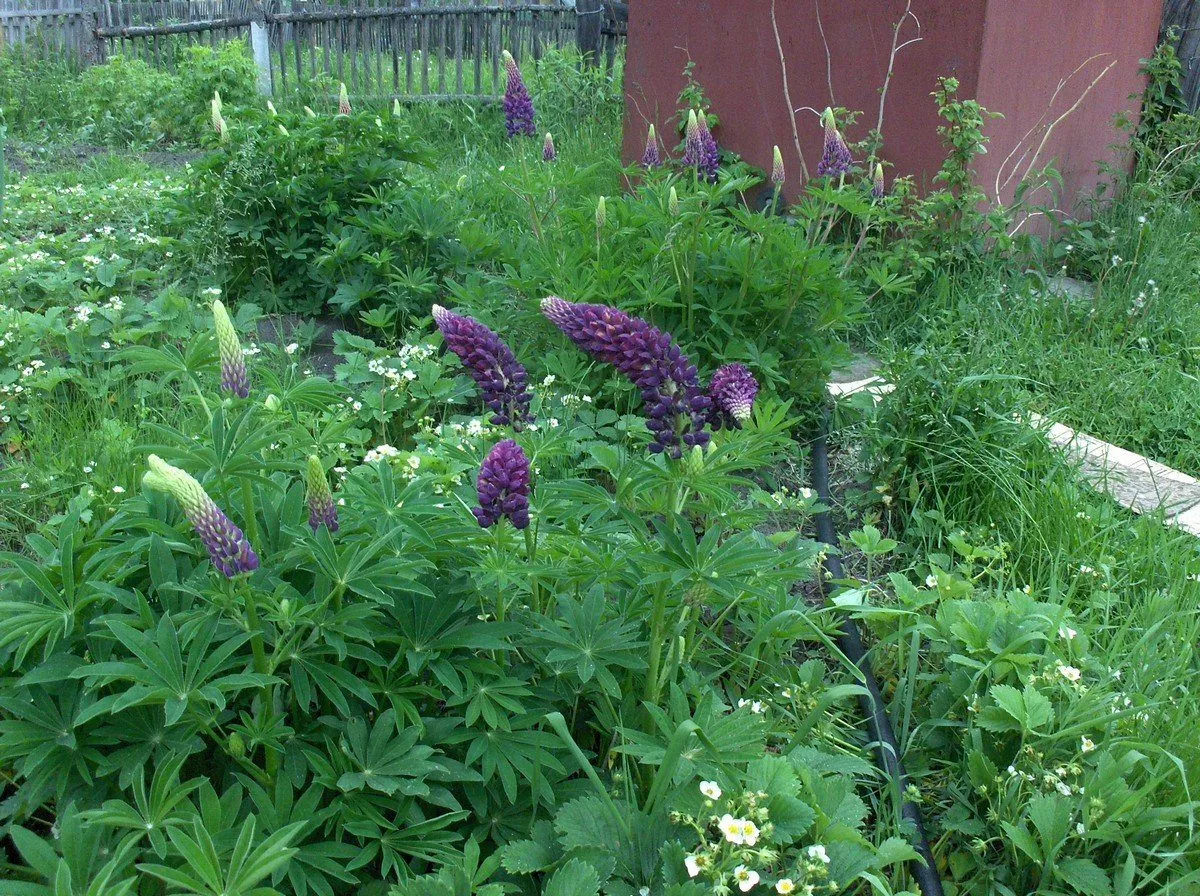
Lupine's favorite pests are caterpillars, which eat not only the leaves but also the flowers. Weevils also attack the flowers, and wireworms can damage the roots.
To kill pests, I use Inta-Vir or Fitoverm. I also periodically loosen the soil and pull out weeds, and my lupine delights me with its vibrant blooms.