
Good day!
I'll tell you about a plant that's still considered exotic, but it's certainly worthy of a spot in our garden. I've seen it called both by both names, the loofah or loofa.
This plant is interesting for its fruits, which are useful both in cooking and in the home. For temperate climates and Siberia, only a greenhouse version with early planting is likely suitable, but for southern Russia, it can easily be grown outdoors.
Luffa is a herbaceous vine, somewhat similar in leaves and stem to cucumbers. However, the fruits are very fibrous when ripe, giving them interesting properties. While green, the fruits are edible. They can also be used as eco-friendly washcloths. I use them a lot, and now I'll tell you how to make them.
So, if you need a soft loofah for your body, don't let the loofah ripen completely—pick it early and dry it under a canopy. The riper it is, the stiffer the fiber. If you need a stiffer loofah, leave it on the bush until it's fully ripe and yellow.
A ripe luffa looks like this:
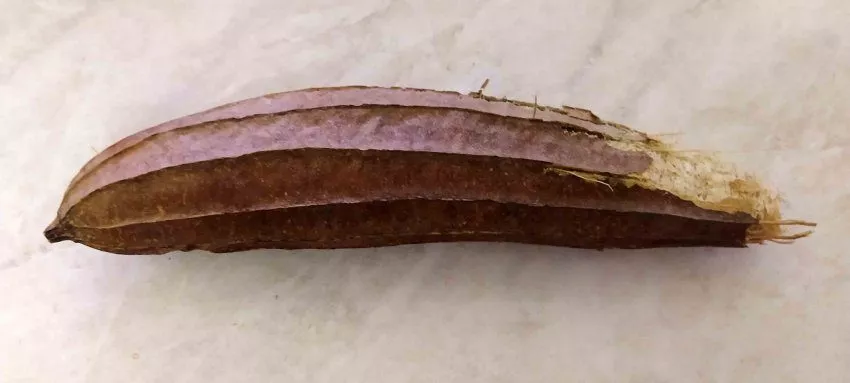
To make a washcloth out of it, just soak it in boiling water and crush it. Like this:
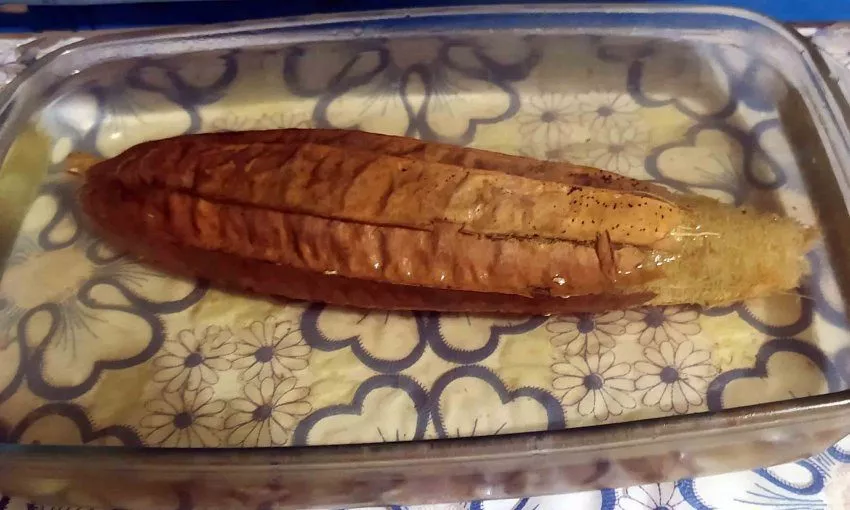
The dry skin will begin to peel off easily, revealing the fibers.
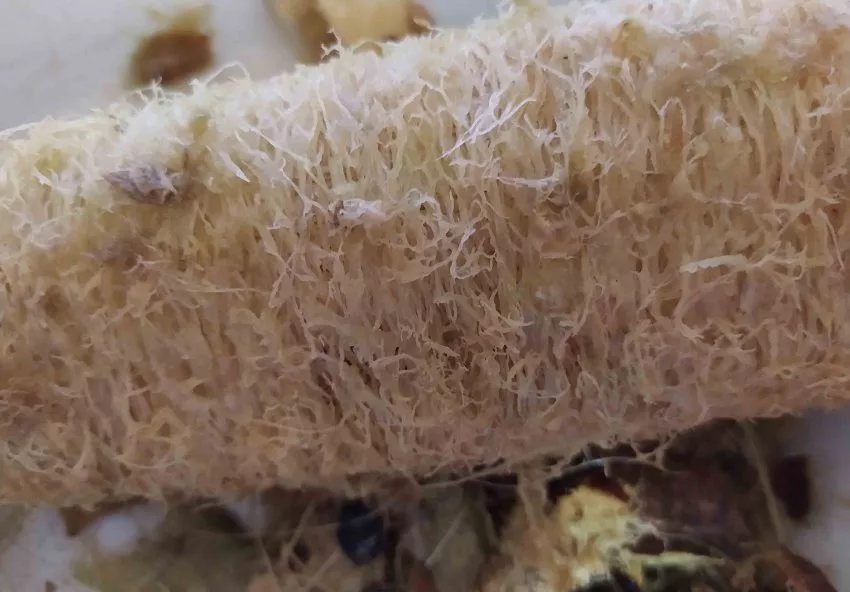
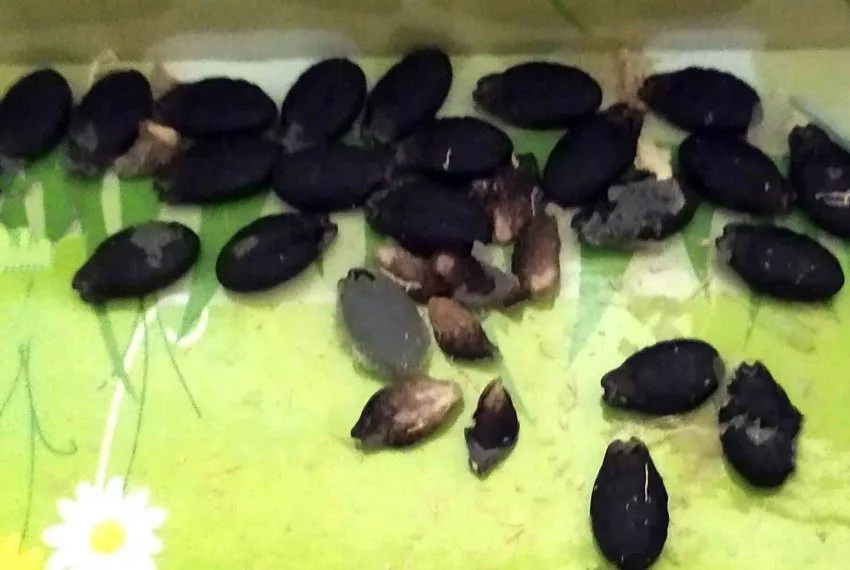
I peel it completely, cut off the ends of the fruit, and pour out the seeds. They will also be useful for sowing new loofah.
We already have a sponge ready. I wash it thoroughly in soapy water and dry it.
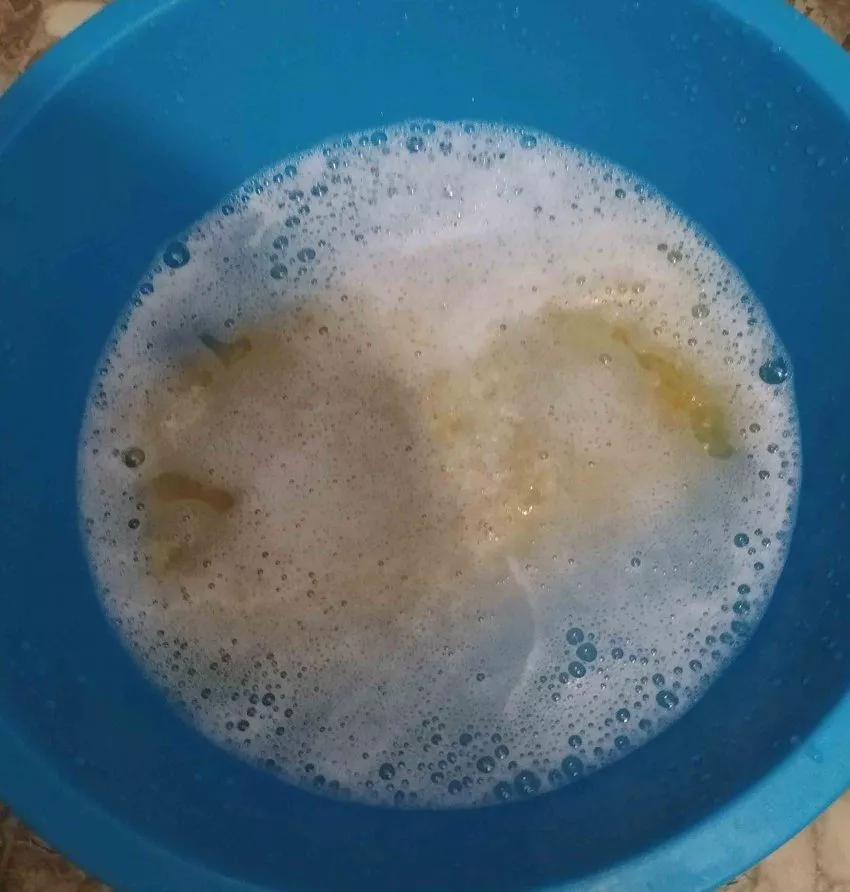
Dishwashing sponge
If I need loofahs for washing dishes, I simply cut them into pieces. For these loofahs, I choose the stiffest, well-ripened loofah, like this one:
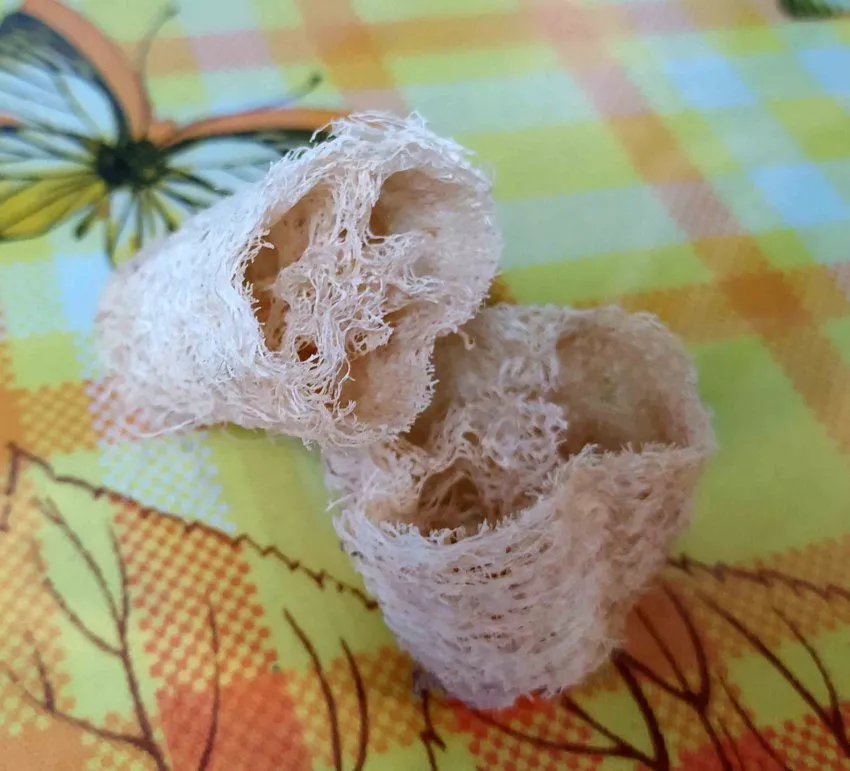
They lather soap and detergents well and clean just as well as a foam sponge. Afterward, simply rinse them thoroughly, and they dry to their original appearance. The only difference is that they're much more environmentally friendly, as throwing away a used sponge pollutes the environment, while a loofah sponge will completely decompose.
Cleaning sponges
I also make regular cleaning sponges out of loofahs. They last longer than dish sponges, and when they get dirty, I wash them with soap and dry them.
To make them, you will need a cleaned loofah and scraps of fabric - terry cloth (you can use an old towel), cotton fabric or fleece.
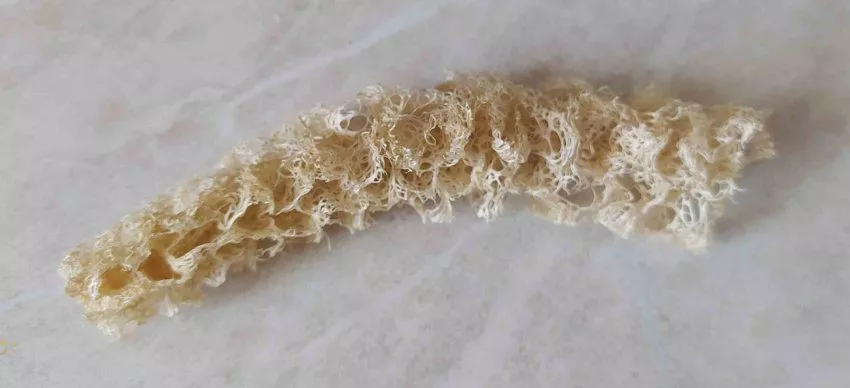
I cut the loofah, peeled and seeded, lengthwise with scissors and cut out the partitions (see photo below).
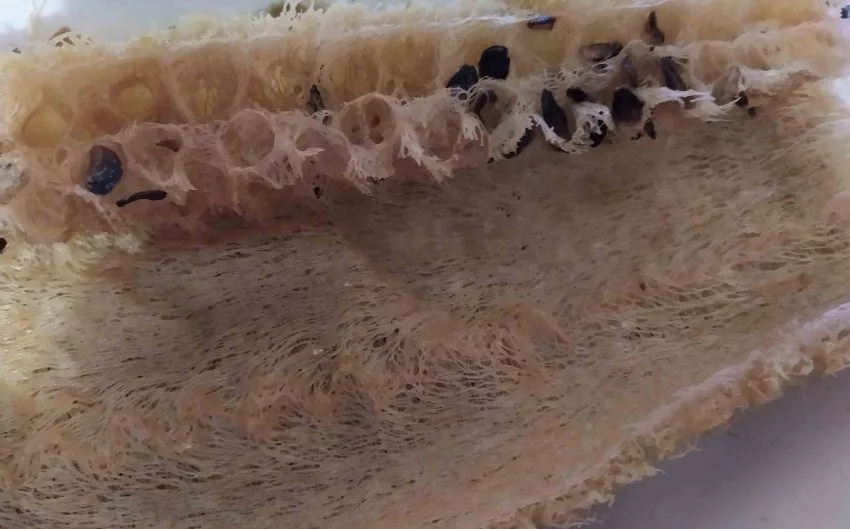
They also make a small, stiff washcloth. Something like this:
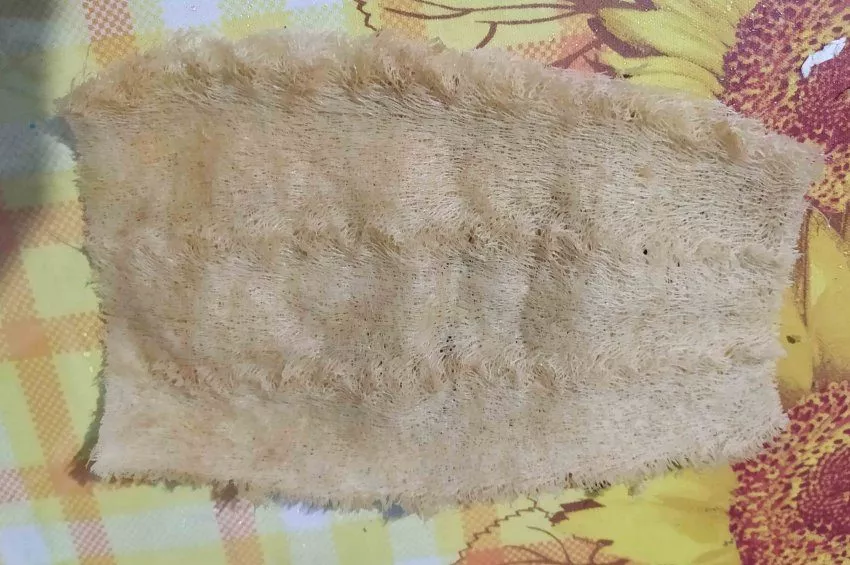
I dampen the main fabric, smooth it out, and leave it to dry. The photo shows the back of the sponge—you can see the bumps where the core was attached.
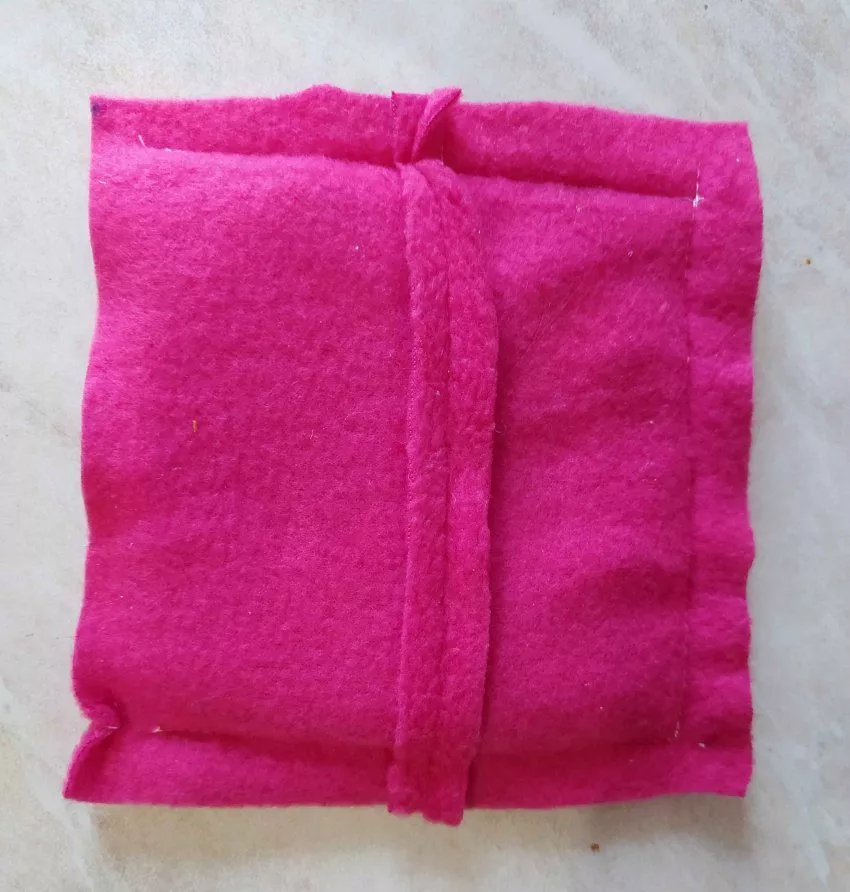
Next, I take the fleece scraps and combine them into a piece of fabric of the required size:
I sew with a prepared loofah sponge:
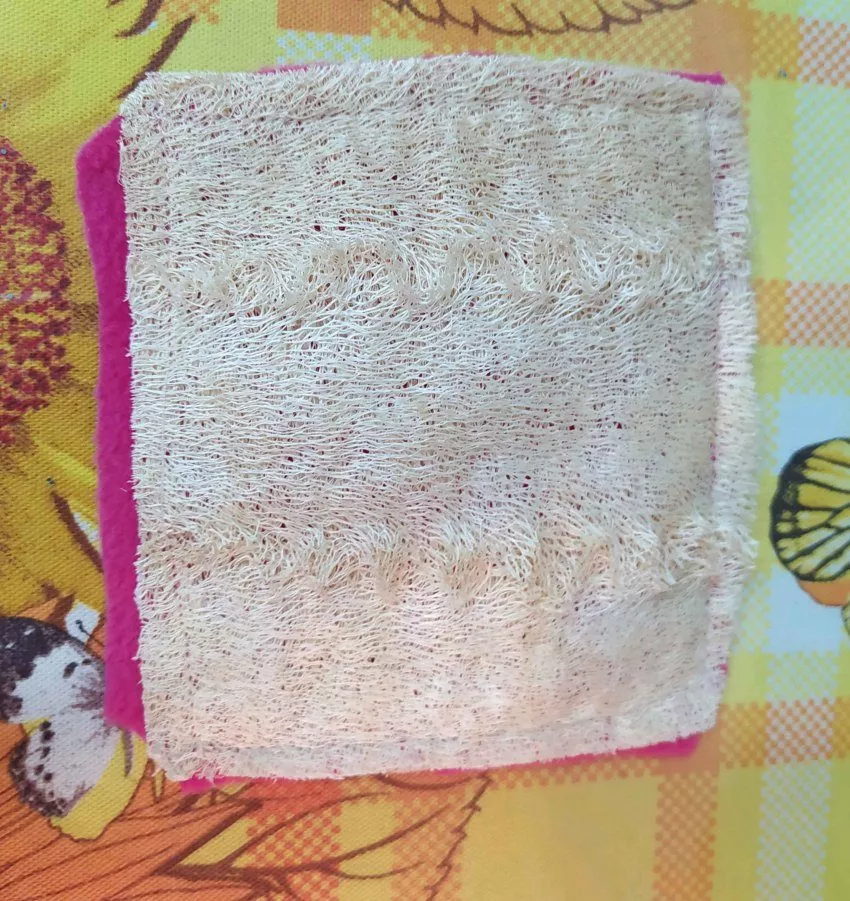
It sews well, but if it is a bit stiff, just moisten it with water from a spray bottle, then it will become softer and easier to process.
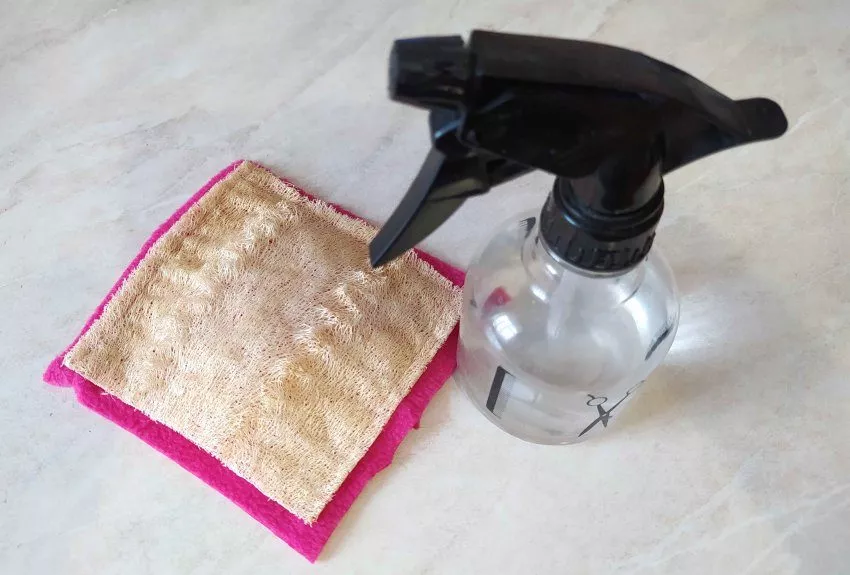
I leave a pocket like this through which I turn the garment right side out. And I trim the corners.
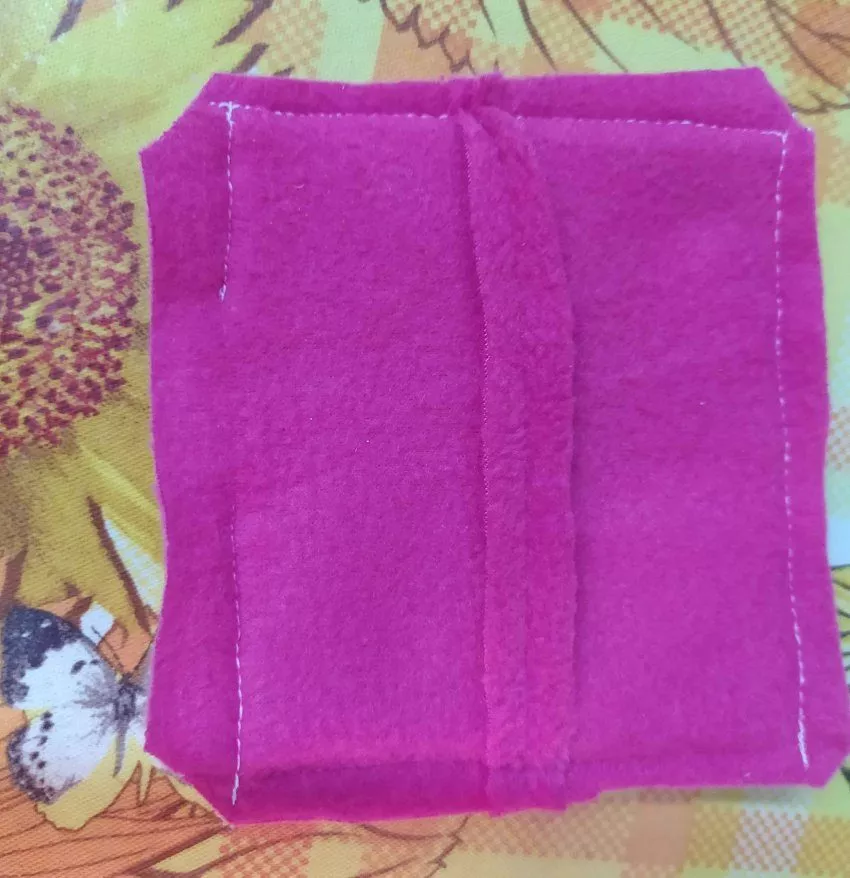
Separately, I make a loop from a scrap of the same fleece.
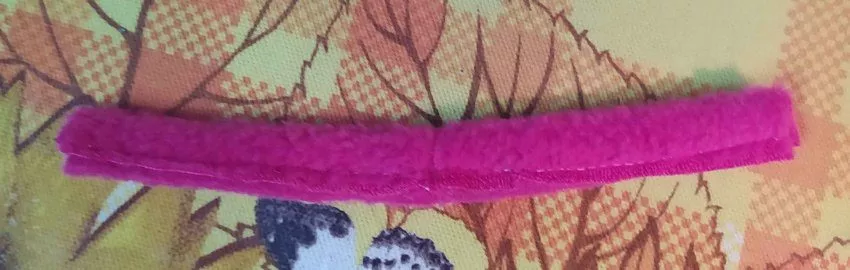
I'm sewing it in. The cleaning sponge is ready!
View from one side:
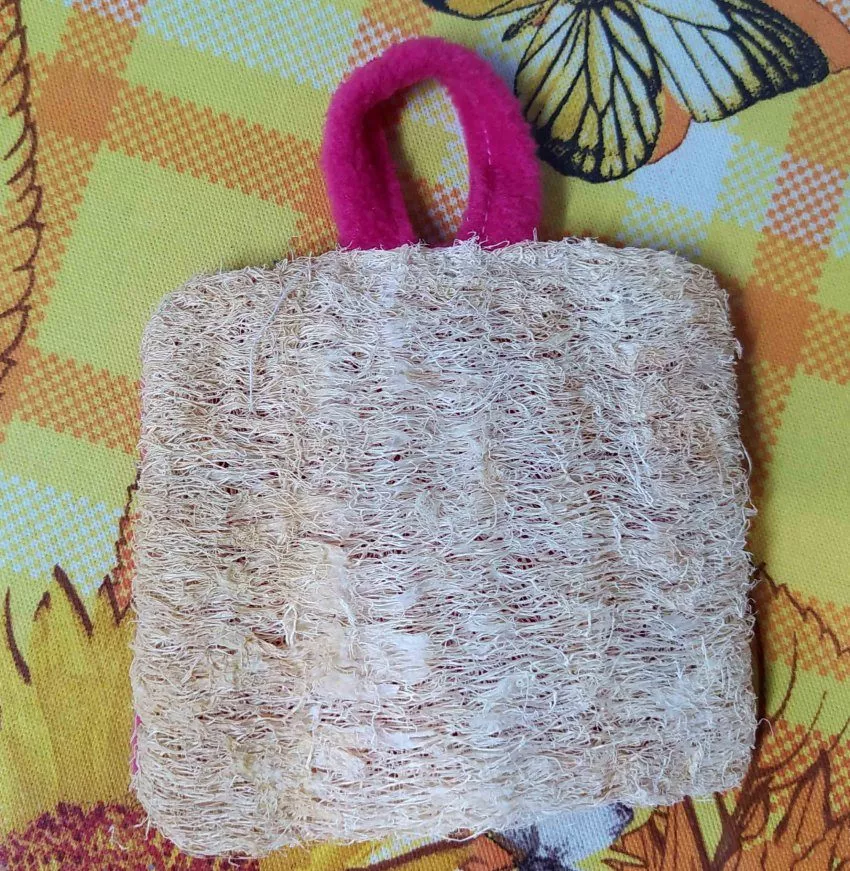
And from the opposite side:
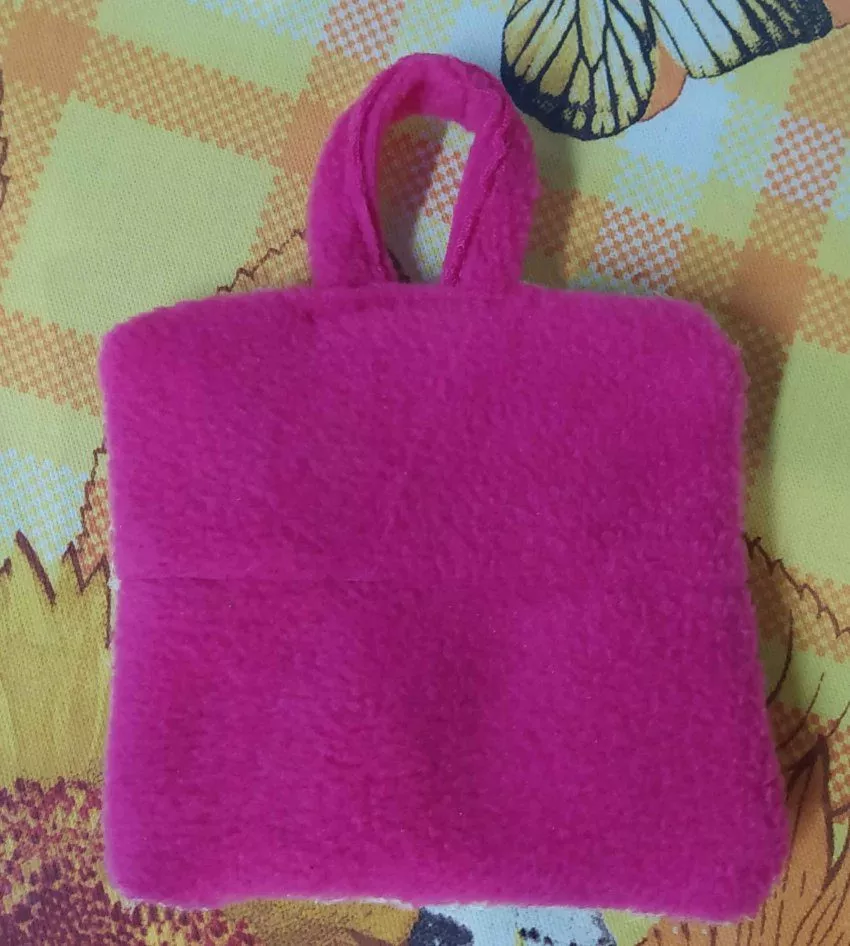
Depending on the load, they last from a week to six months. They're easy to make; it only looks long in the description. The number of sponges depends on the size of the fetus.
There are many options, depending on the purpose. I like these sponges with microfiber. Microfiber cloths are available at any hardware store; they absorb moisture well and don't leave streaks, and when combined with a loofah sponge, they make a great scrubber.
Hypoallergenic eco-friendly body washcloth
To do this, I peel the fruit as shown above. You can, if desired, soak it in a bleach solution for a while if you want to lighten it. Then rinse thoroughly. If the fibers are a bit tough, you can soak them in a baking soda solution for about an hour. I straighten and dry them in the same way.
I cut out the desired shape from the prepared loofah.
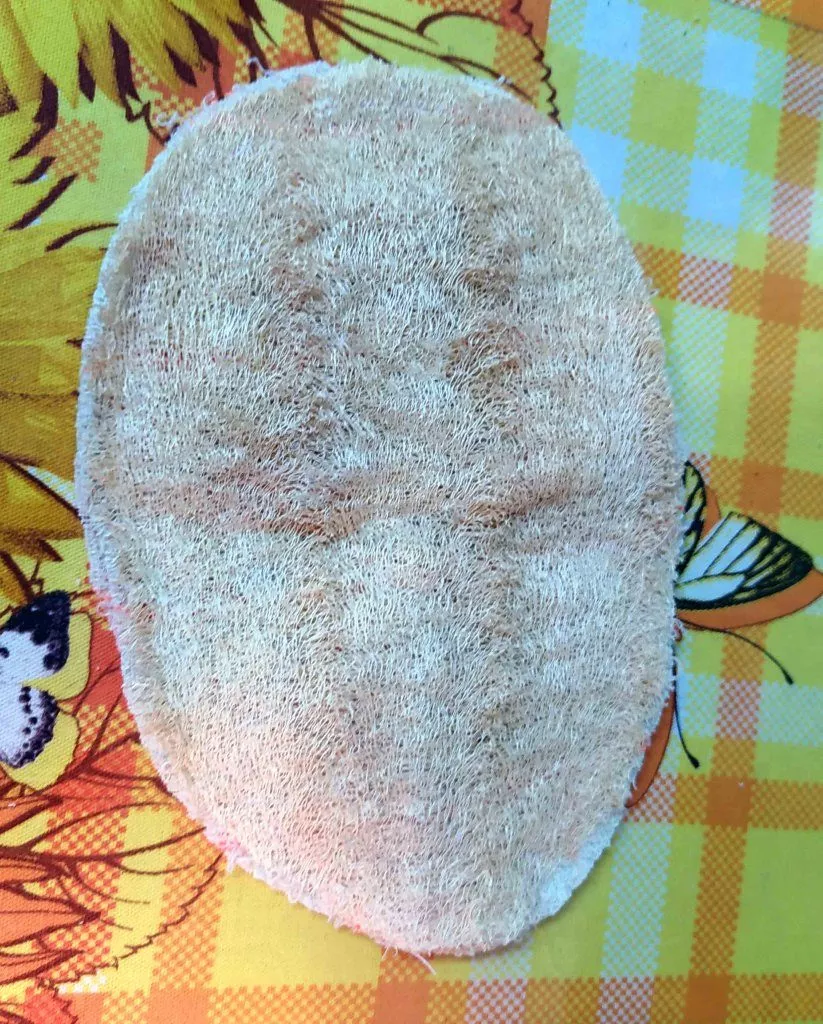
I take terry cloth, in this case a terry towel. To better hold water, I make it thicker by cutting out two pieces from the terry cloth.
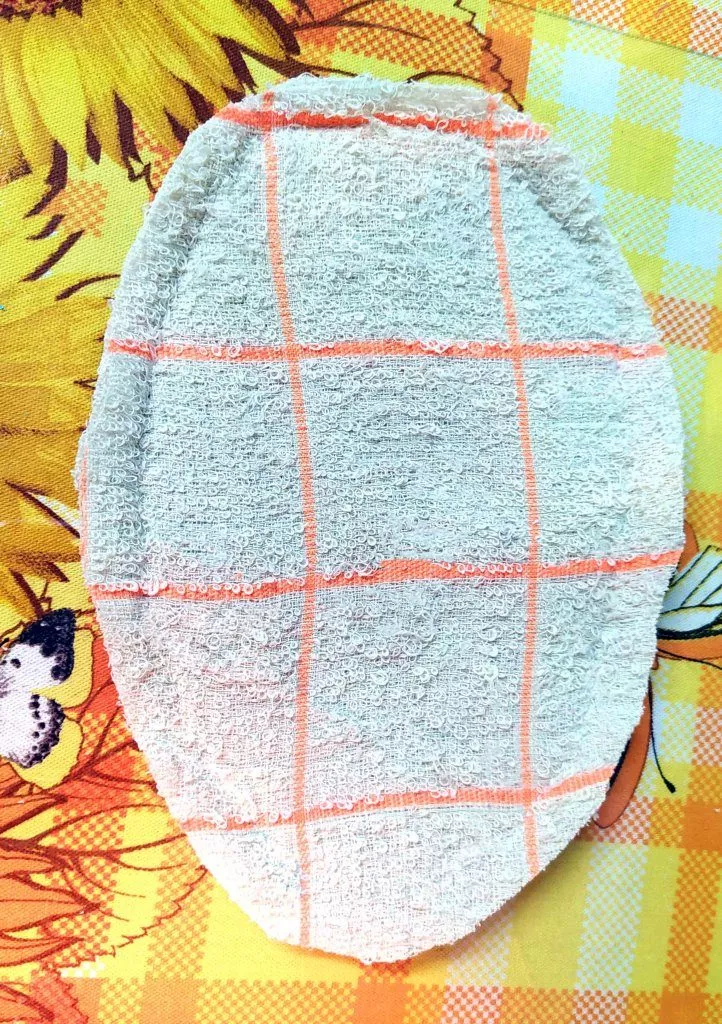
I fold everything with the right sides facing inward, stitch with a loofah, and moisten if necessary.
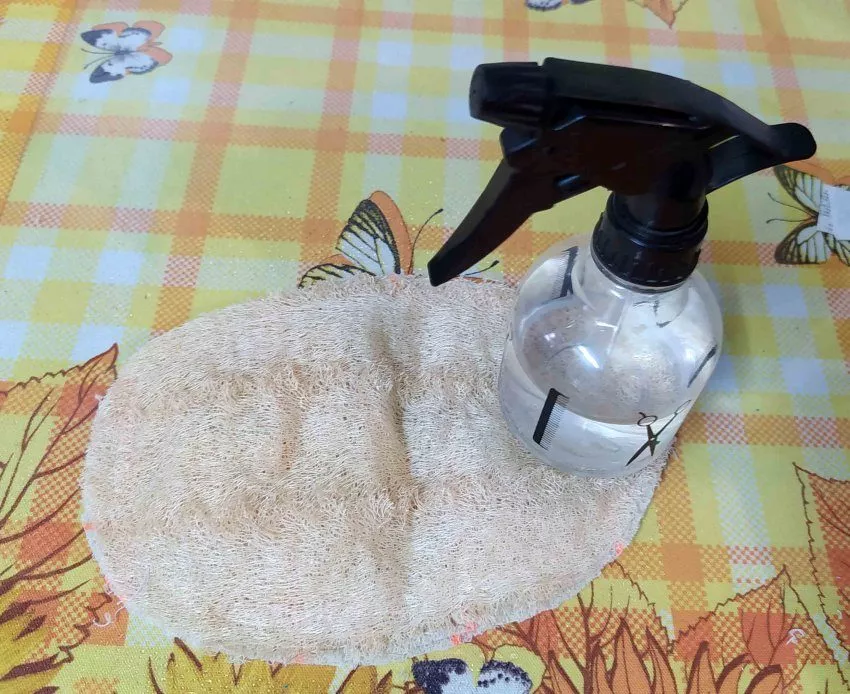
I turn it inside out and sew in a loop. To keep the layers from shifting, I quilt it.
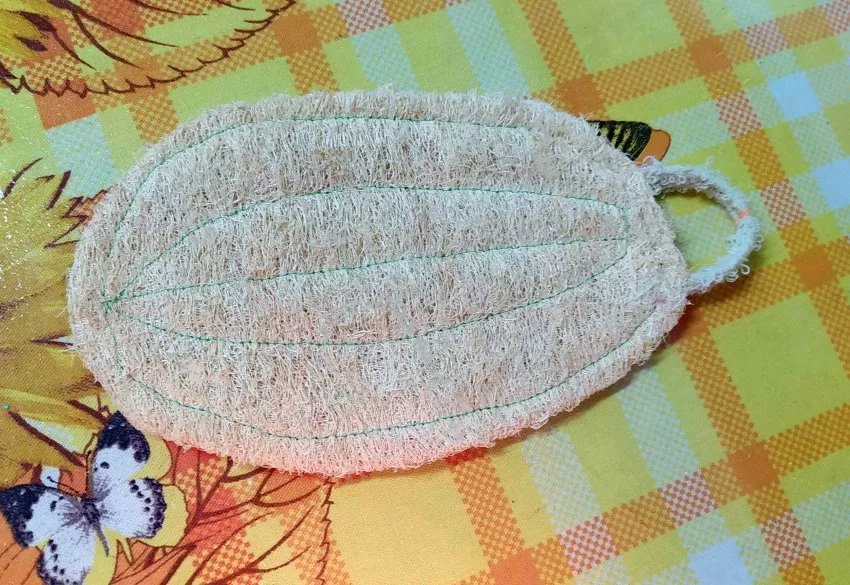
There are many options, really—you can fold it over and trim it with binding, or you can insert a layer of foam inside. I know they make mug covers out of this loofah, which is decorative and keeps the tea hot longer.
Loofah sponges are available in stores, of course, but sometimes it's more fun to grow your own.
Great tutorial! Thank you.
Interesting. I remember these washcloths from my childhood. They were sold at a market in Kazakhstan. I even remember the name. But I didn't know they were plant-based.