
Primroses, keys of paradise -
The first flower of the forest!
They catch the sun's rays,
They delight the eyes in spring,The wind gently sways them,
The dawn washes with dew,
And in the boundless expanses
The key is blooming golden!
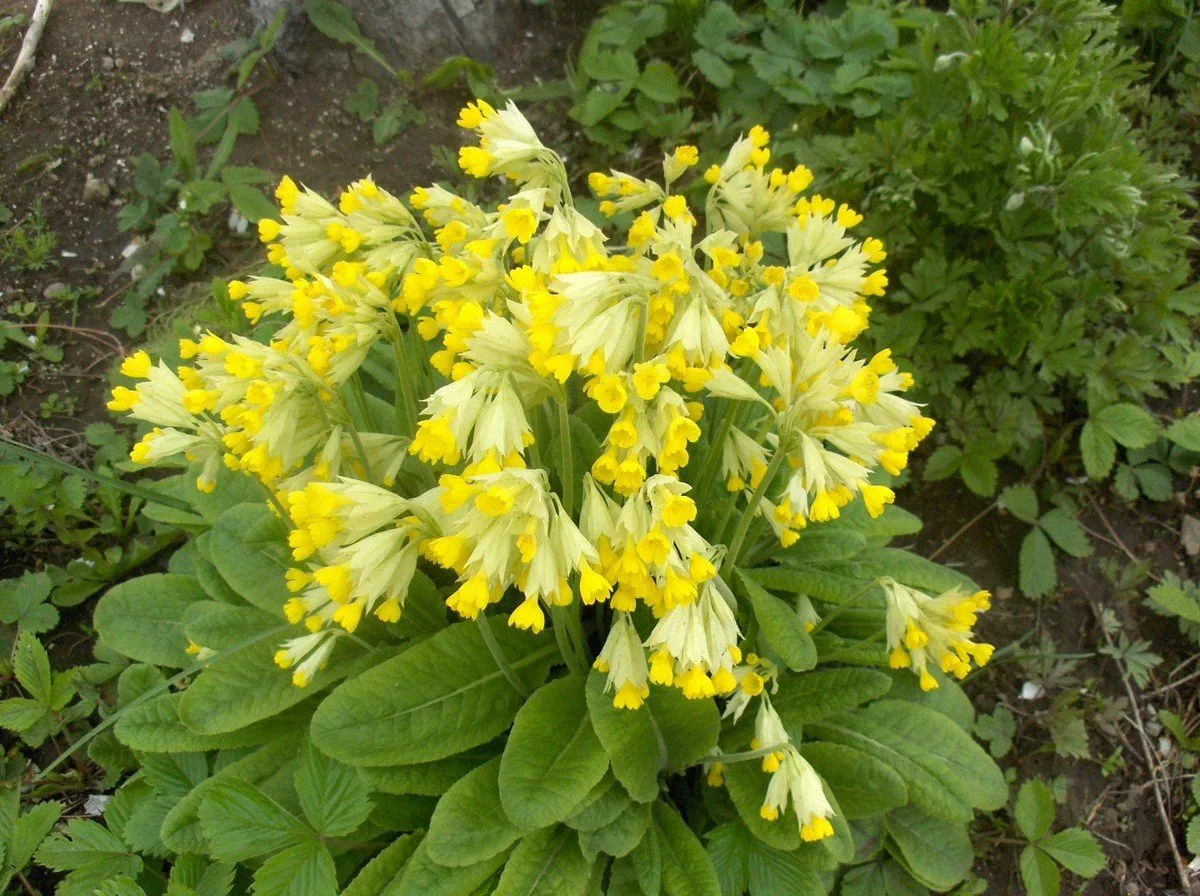
Primroses are among the most beautiful of the primrose flowers. They are affectionately known as "little primroses" or "little lambs." This herbaceous perennial belongs to the Primulaceae family.
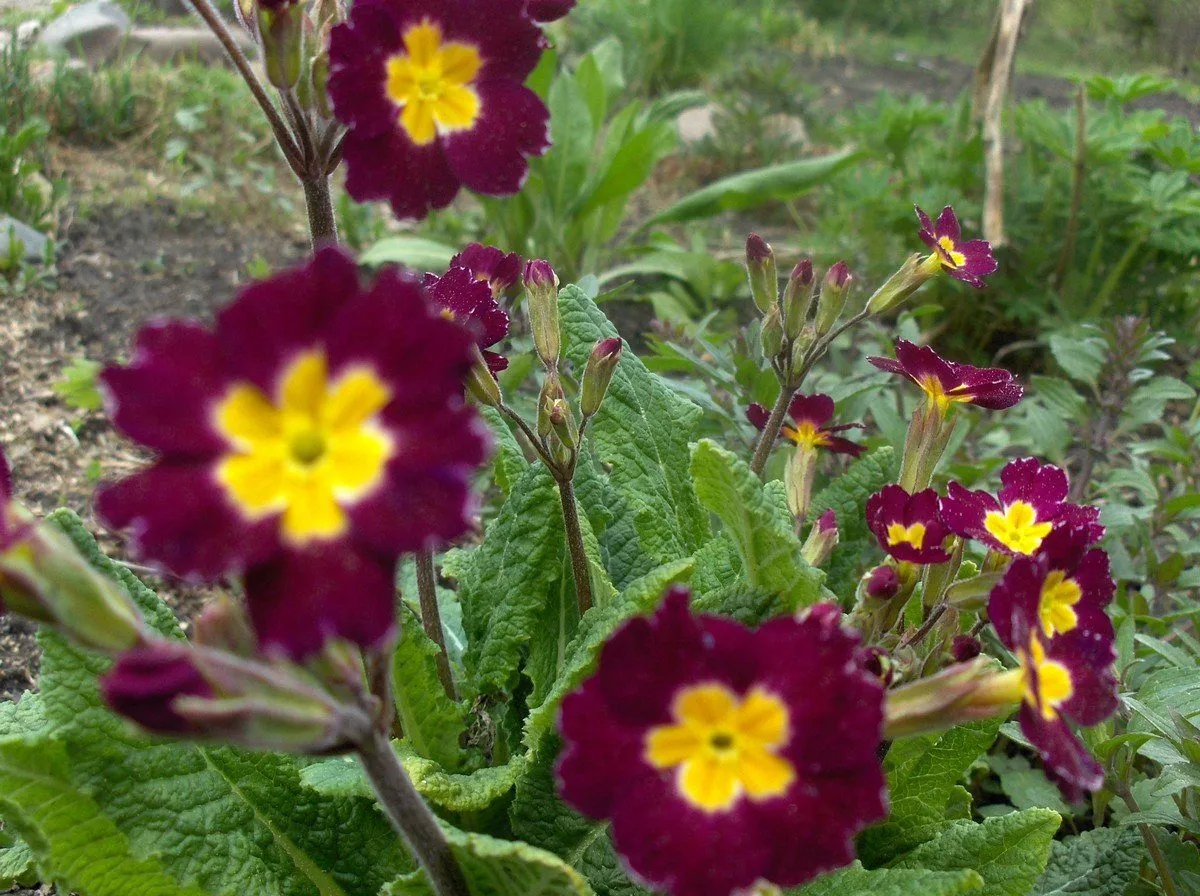
Garden primroses
These low-growing plants amaze with their bright blooms in spring.
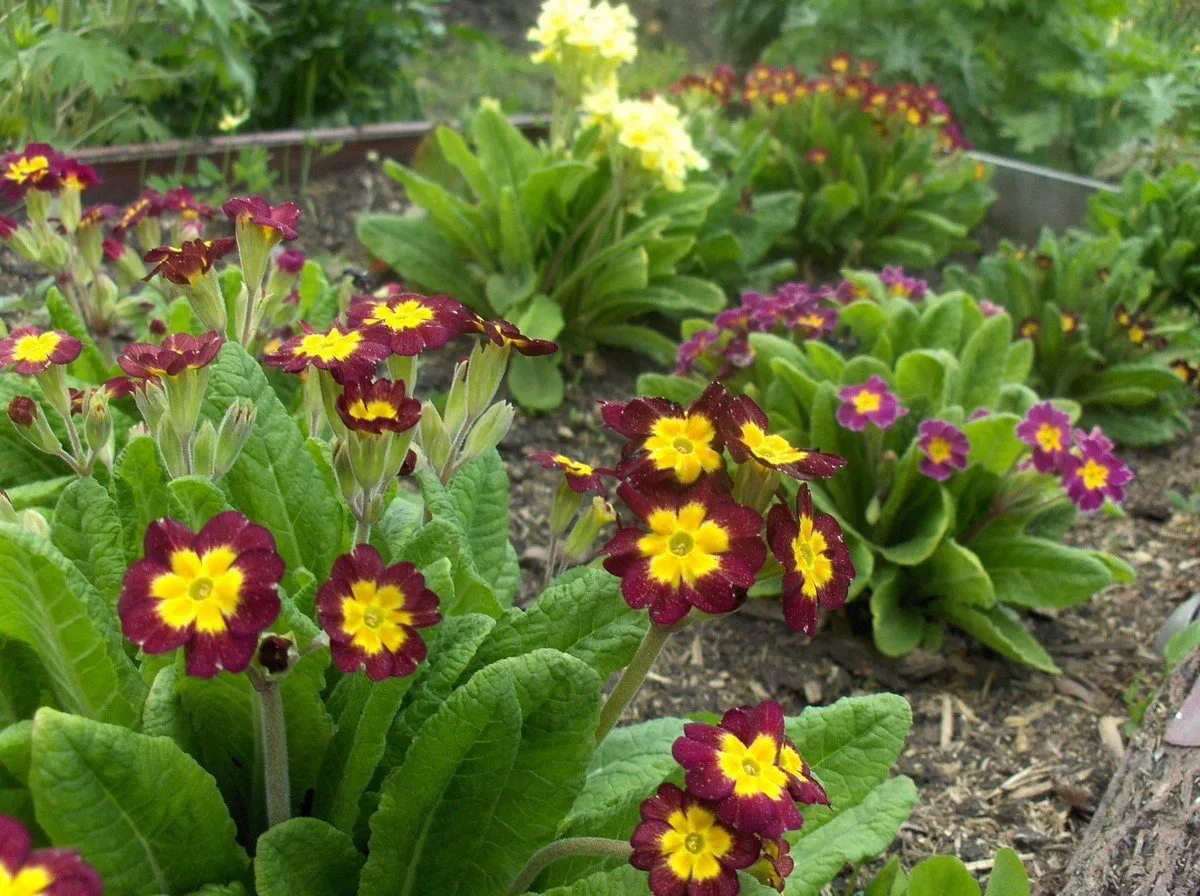
I adore them and once enjoyed growing them. Back then, I was into low-growing plants and bought various seeds of short flowers, including primroses. I grew them from seedlings on the windowsill. All the seeds sprouted, the seedlings didn't stretch, and were strong. At the end of May, my primroses went to the dacha; I set aside a small plot for them. Over the summer, they grew leaves and turned into lush, low bushes.
In the fall, I sprinkled the bushes with humus to prevent them from freezing. When we arrived at the dacha in early May, my primroses had survived the winter, and they had green leaves and buds.
In mid-May, wonderful blue, yellow and red flowers bloomed; these were primroses called Arctica.
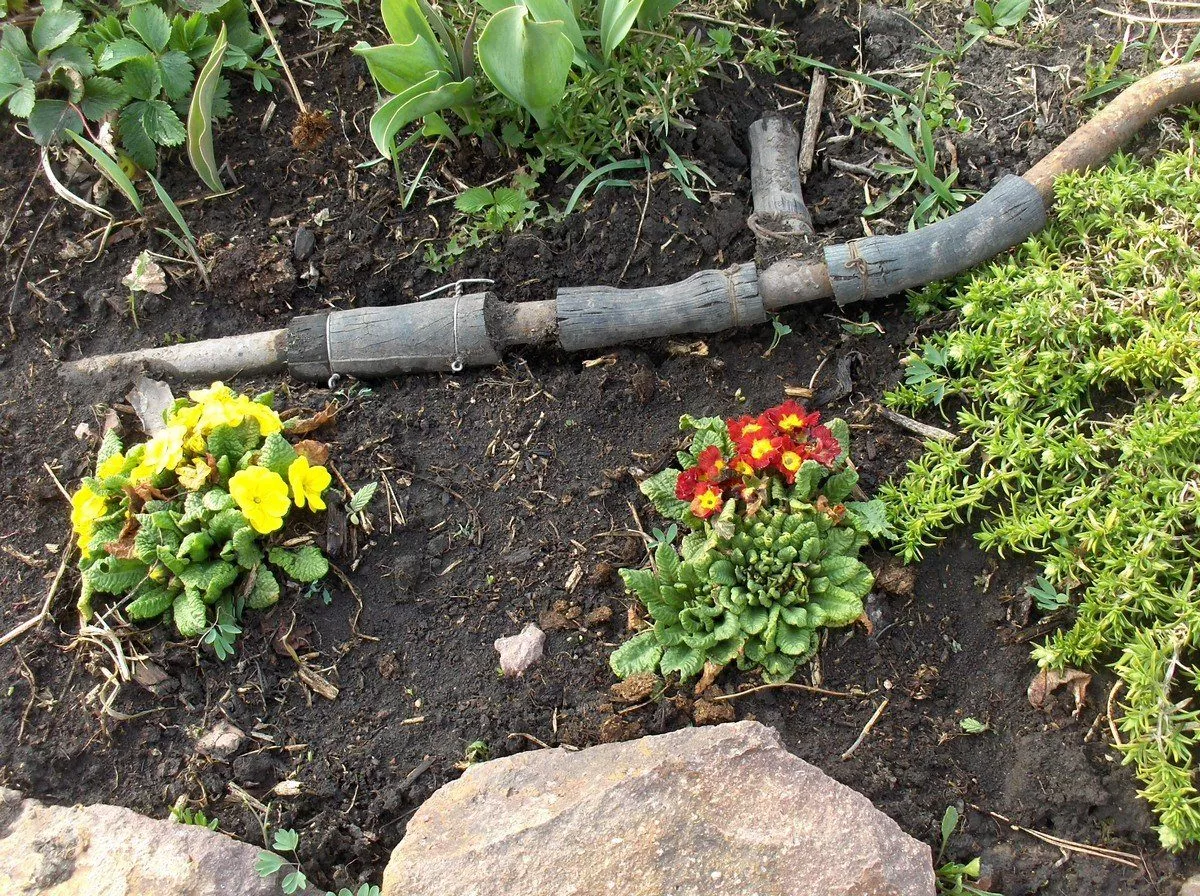
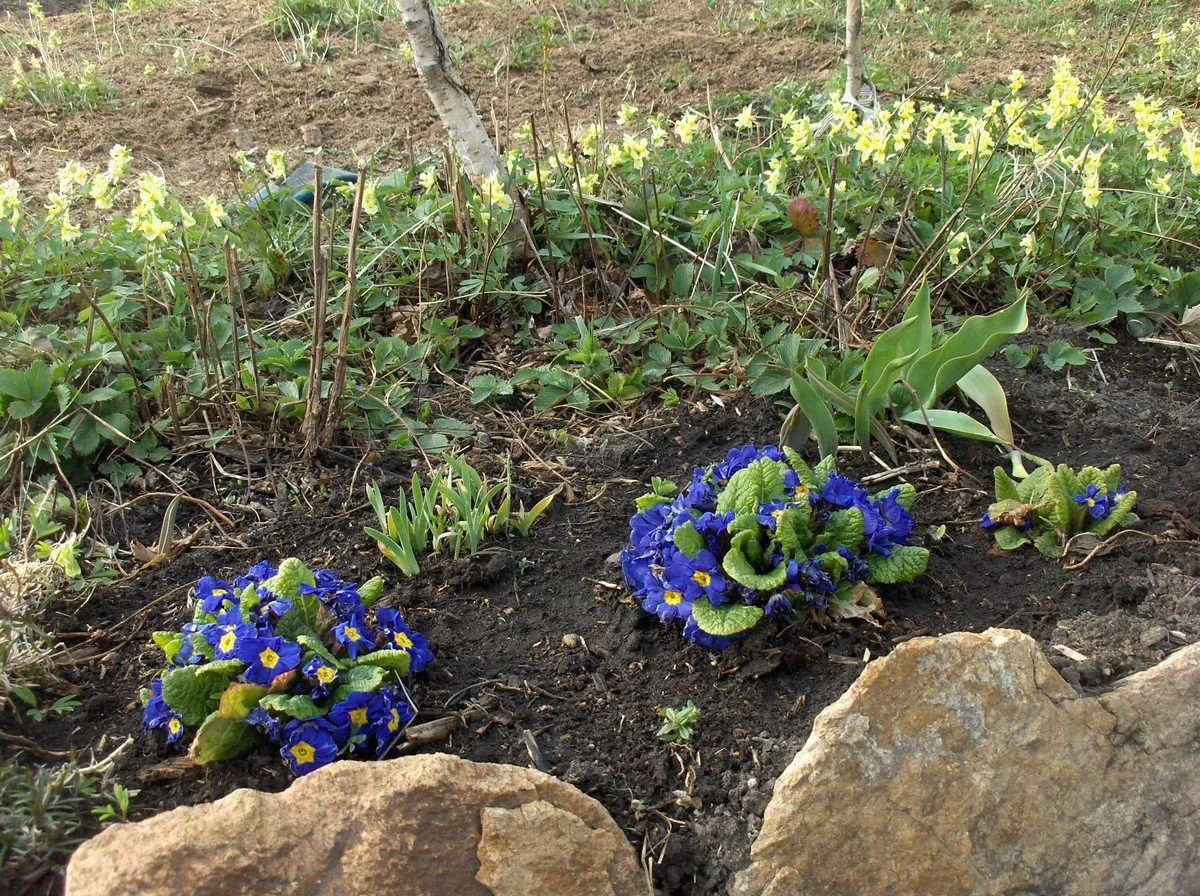
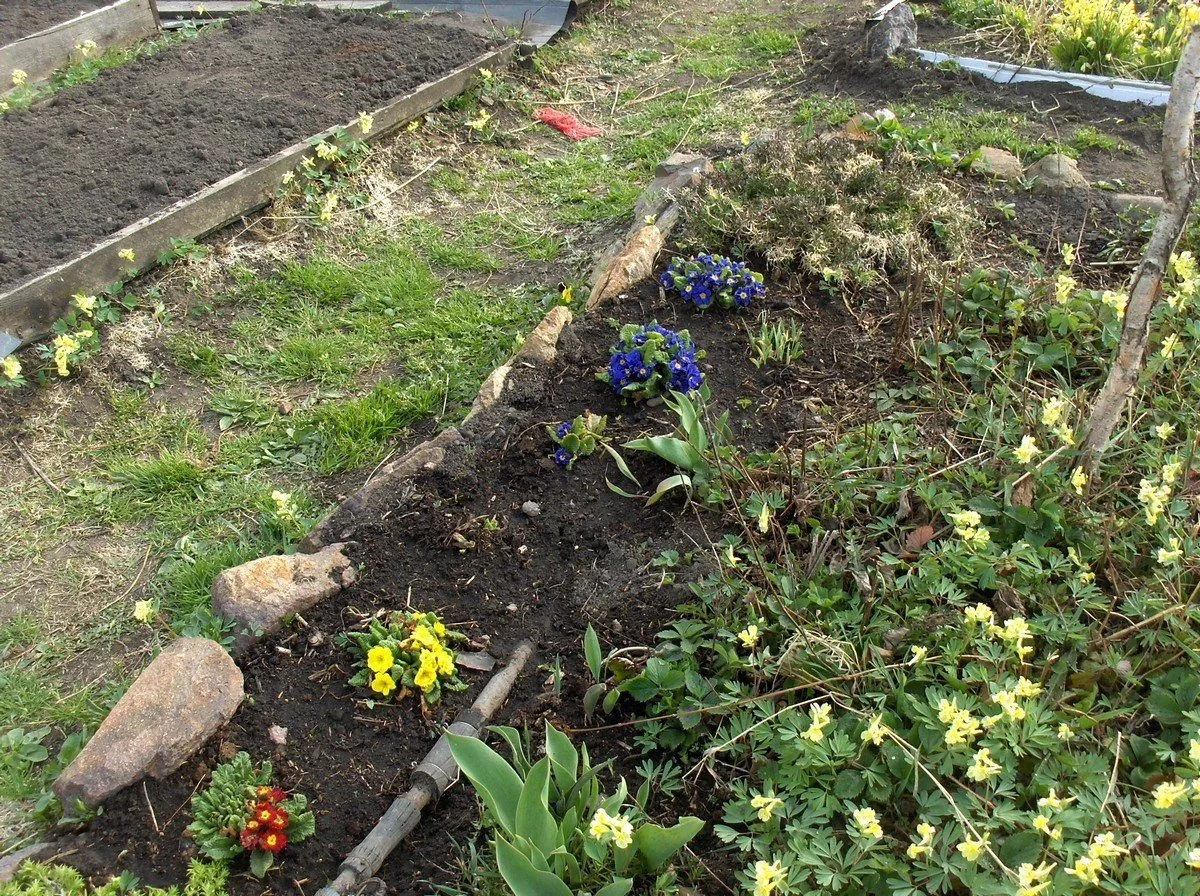
But other primroses from the seed mixture also began to flower, but they fully bloomed at the end of May.
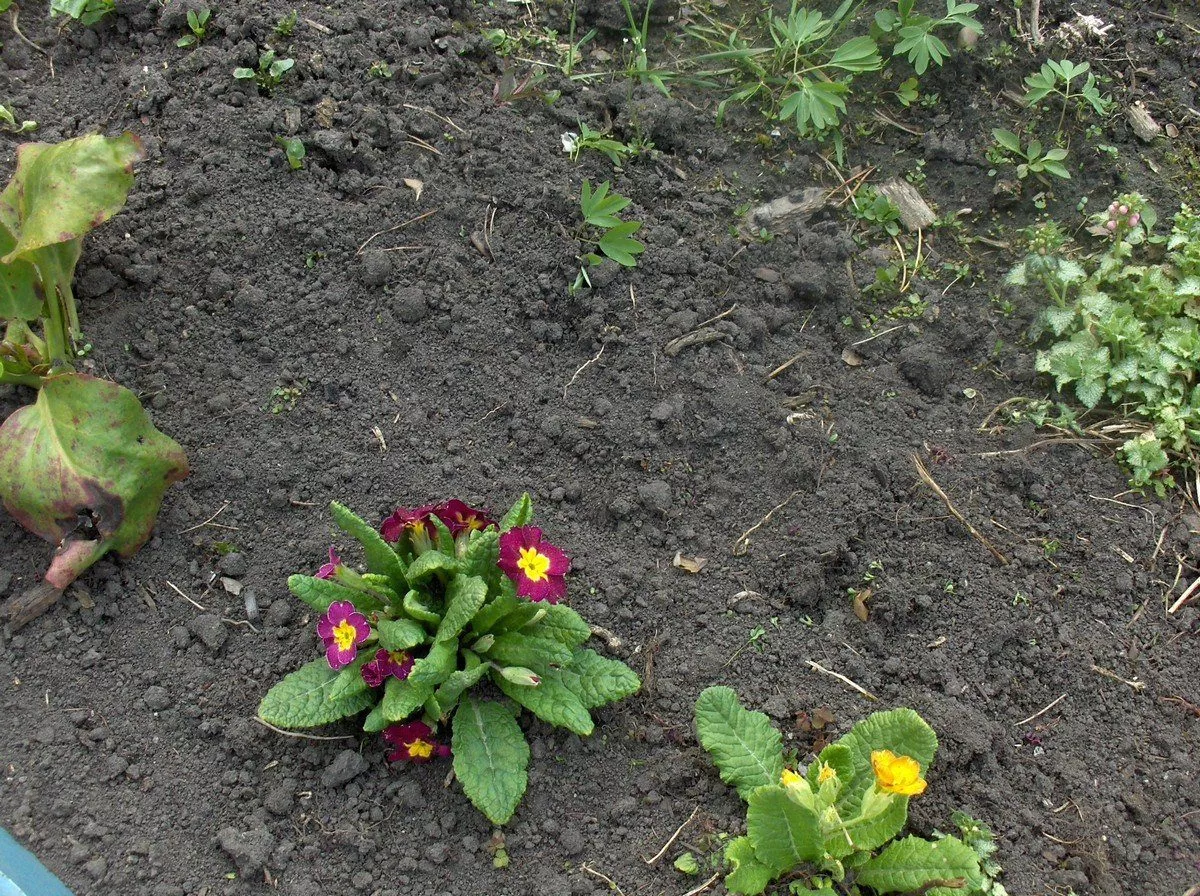
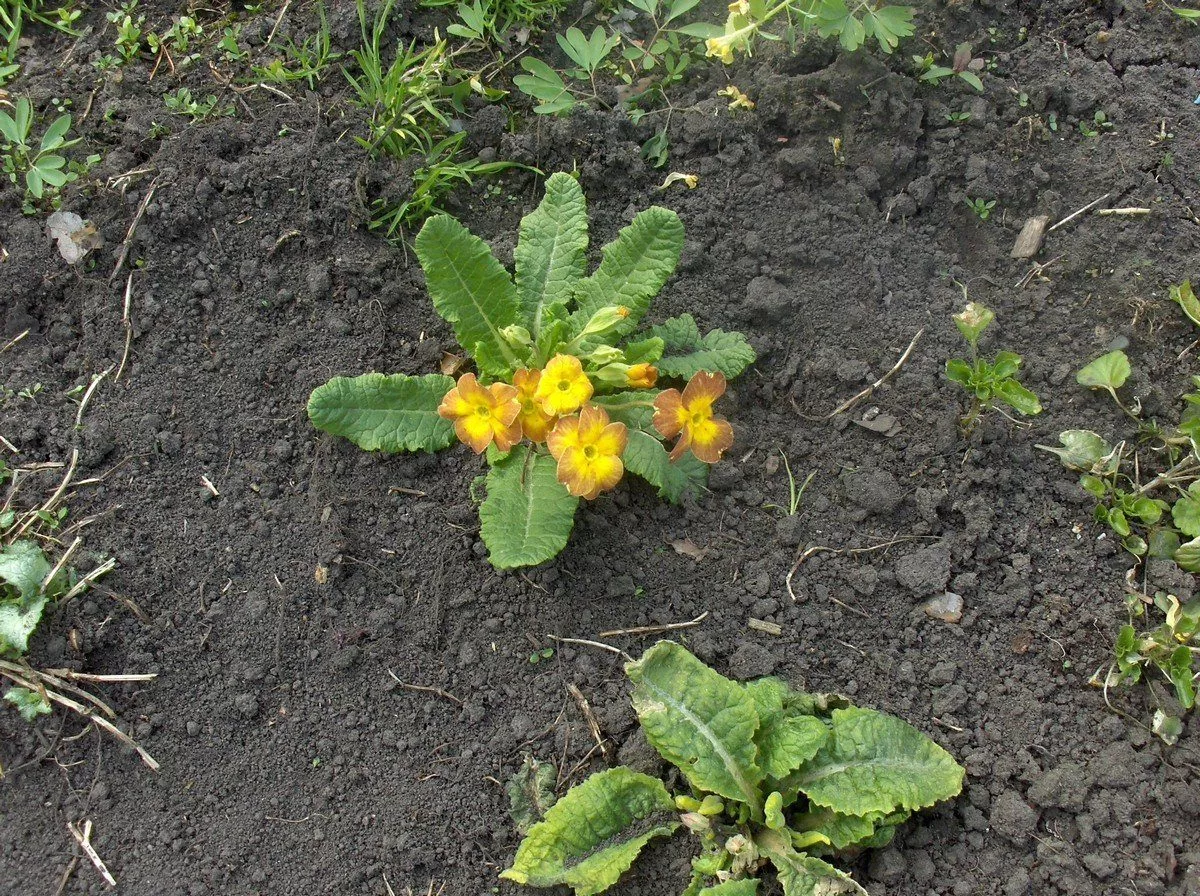
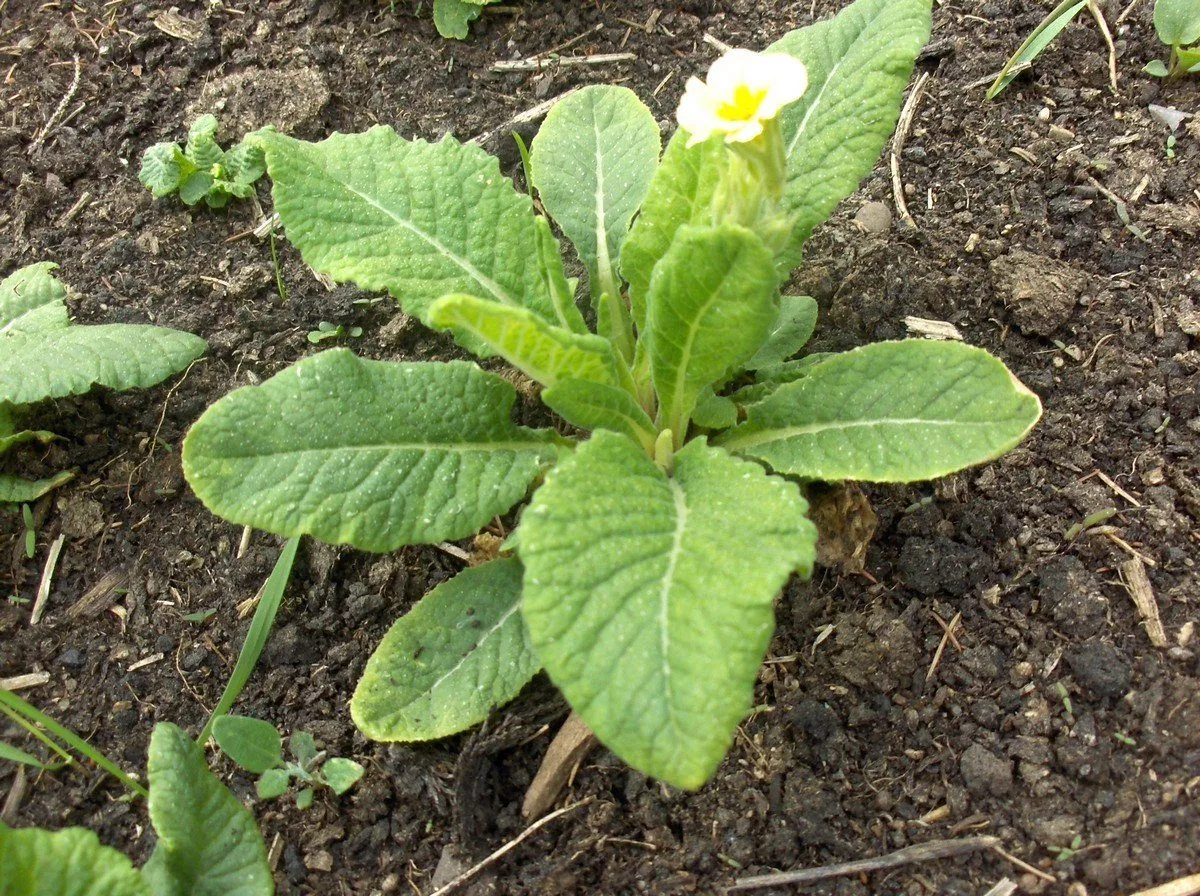
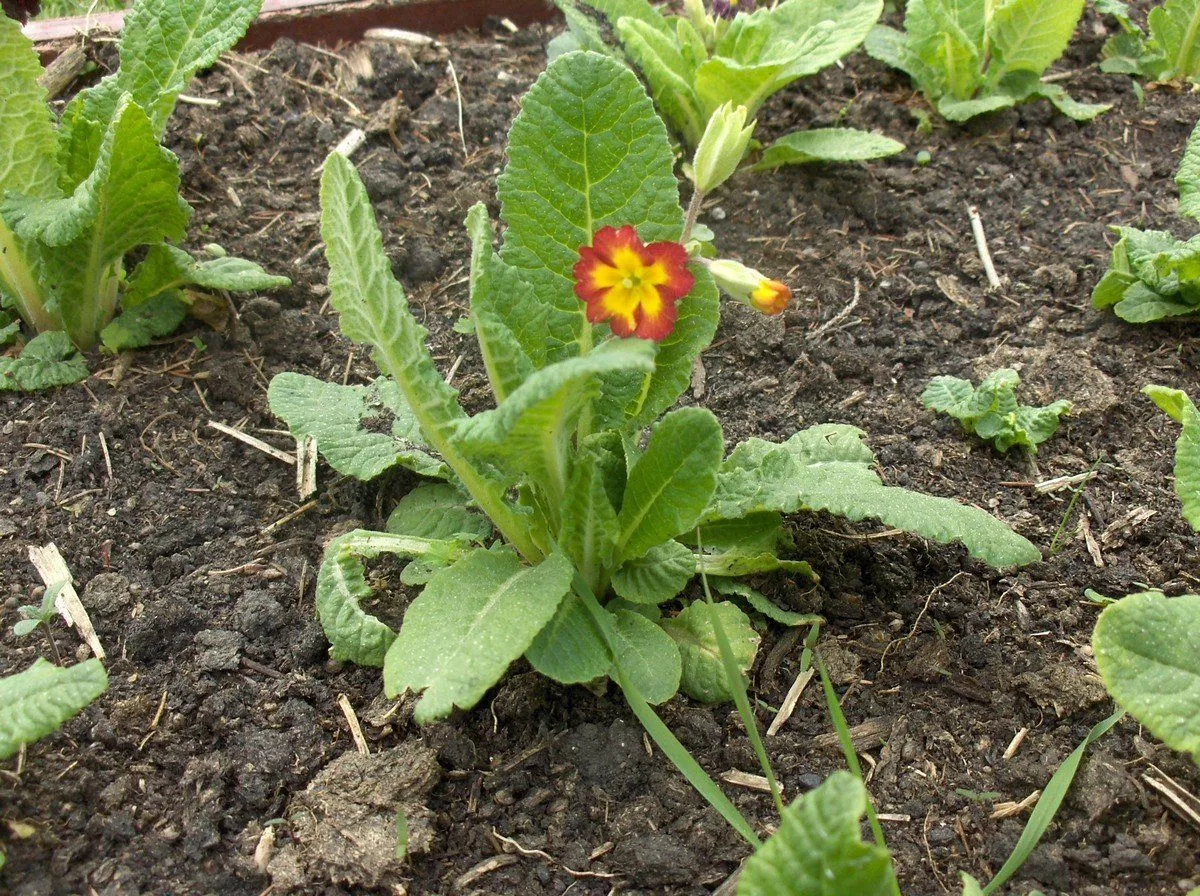
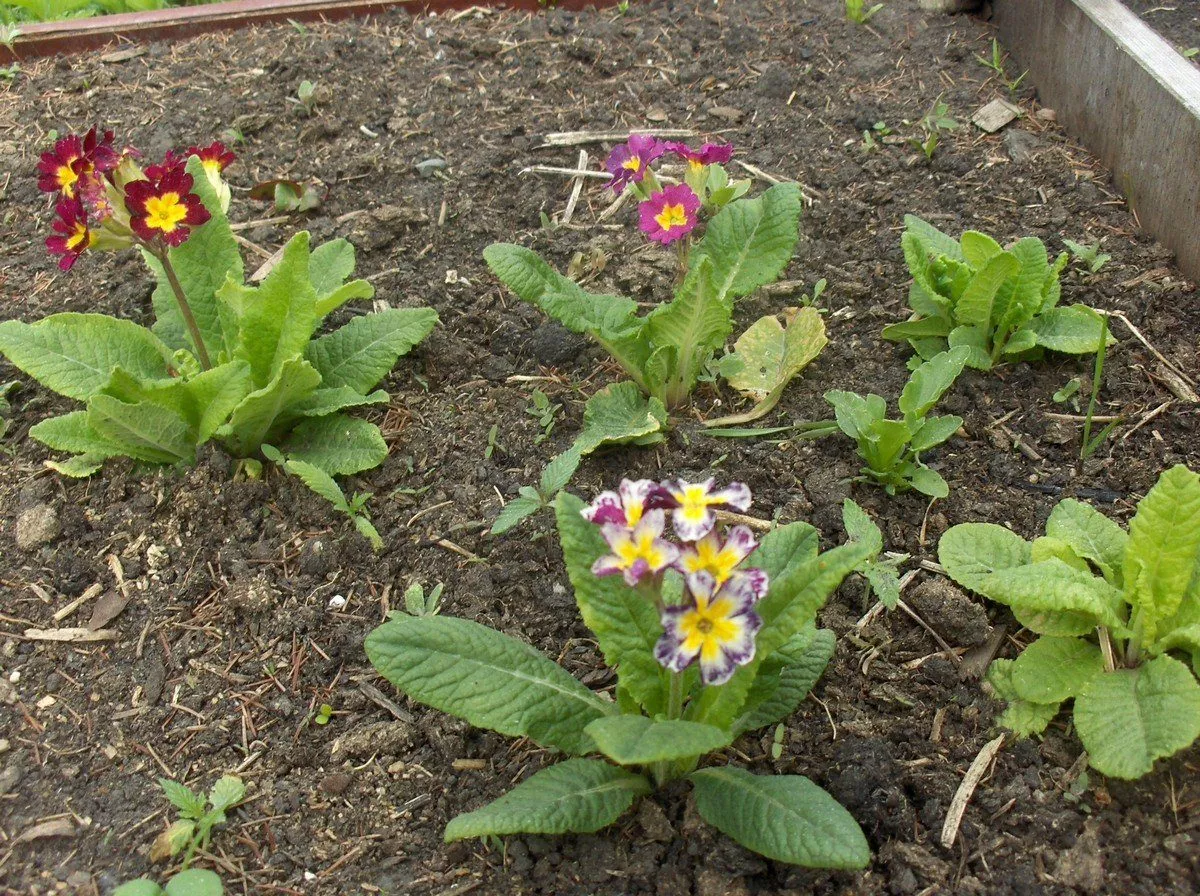
They grew quickly, self-seeded, and soon I had them growing everywhere.
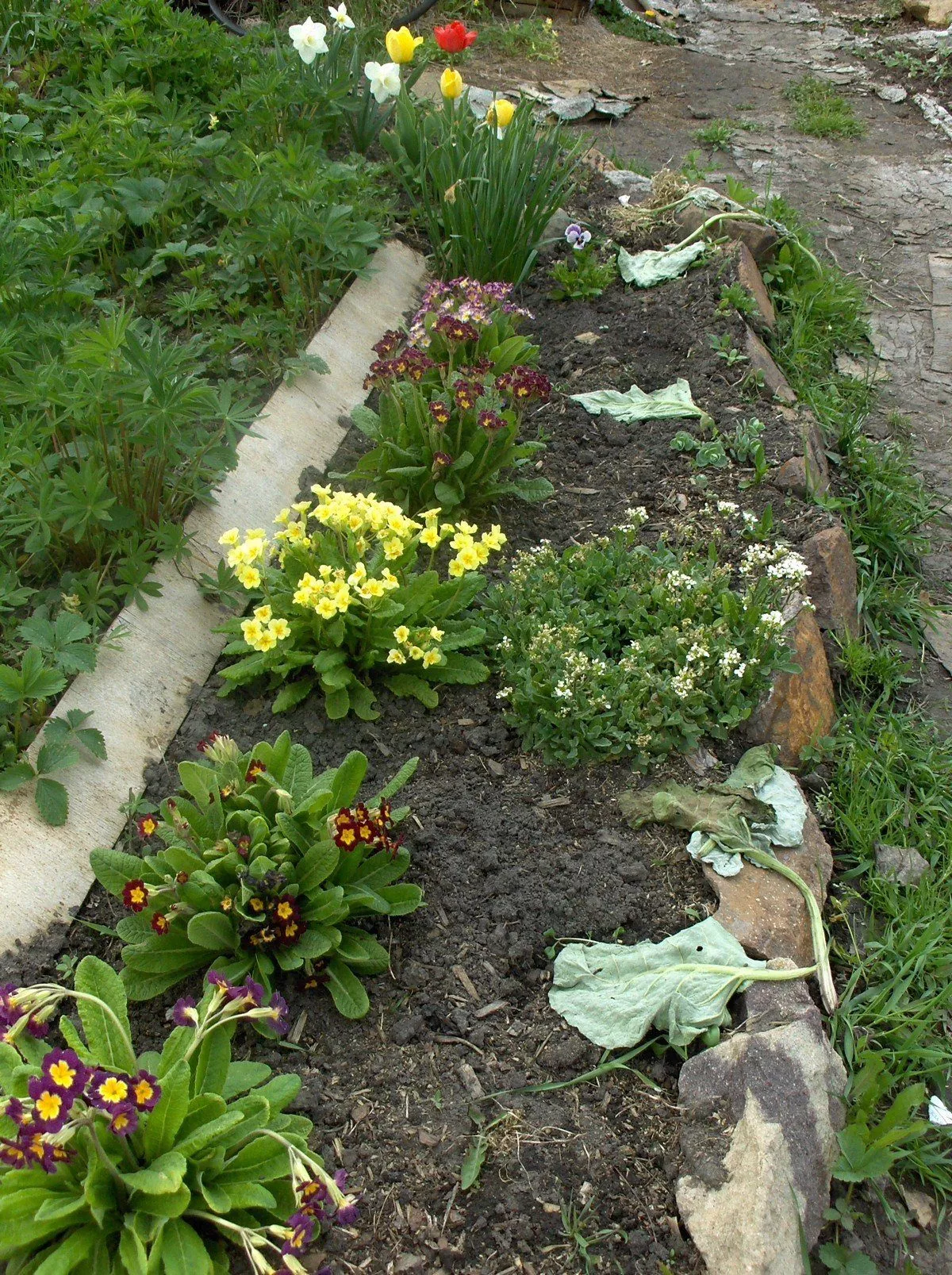
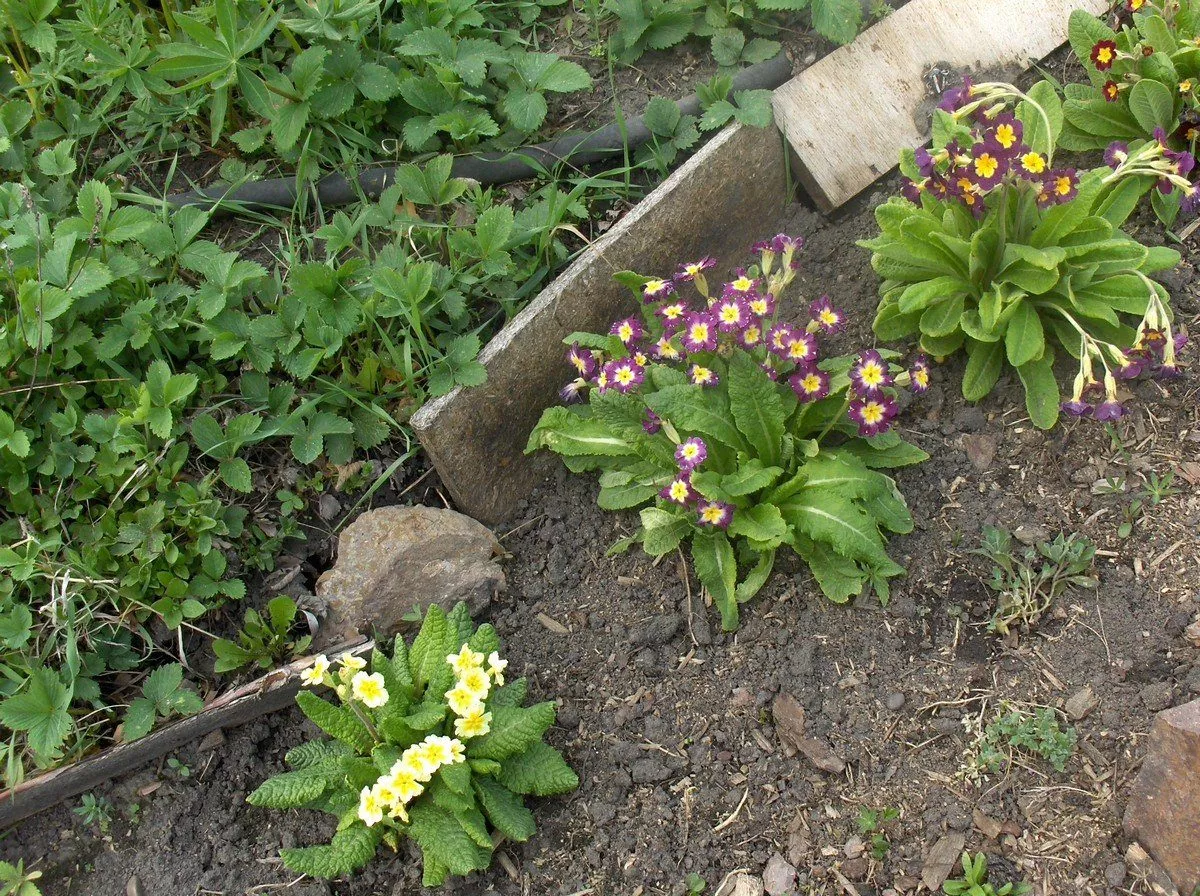
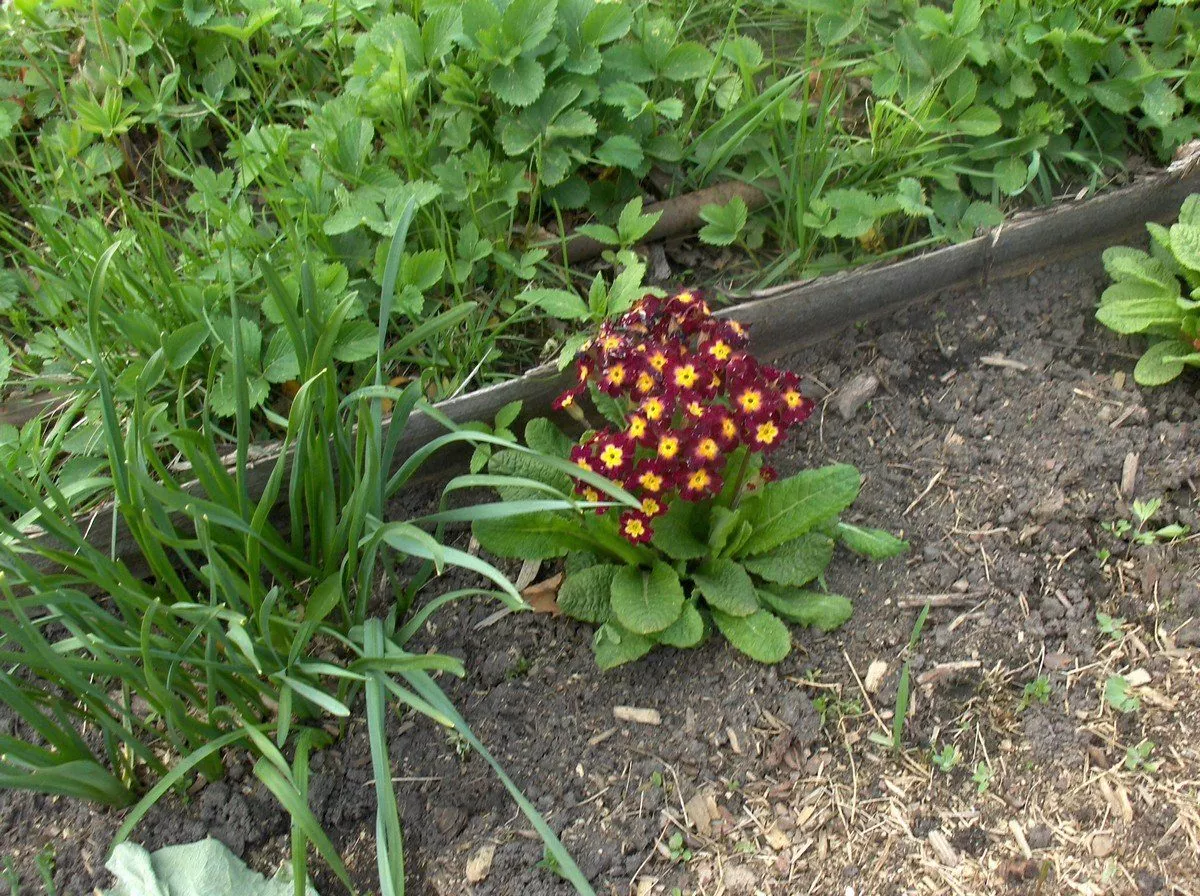
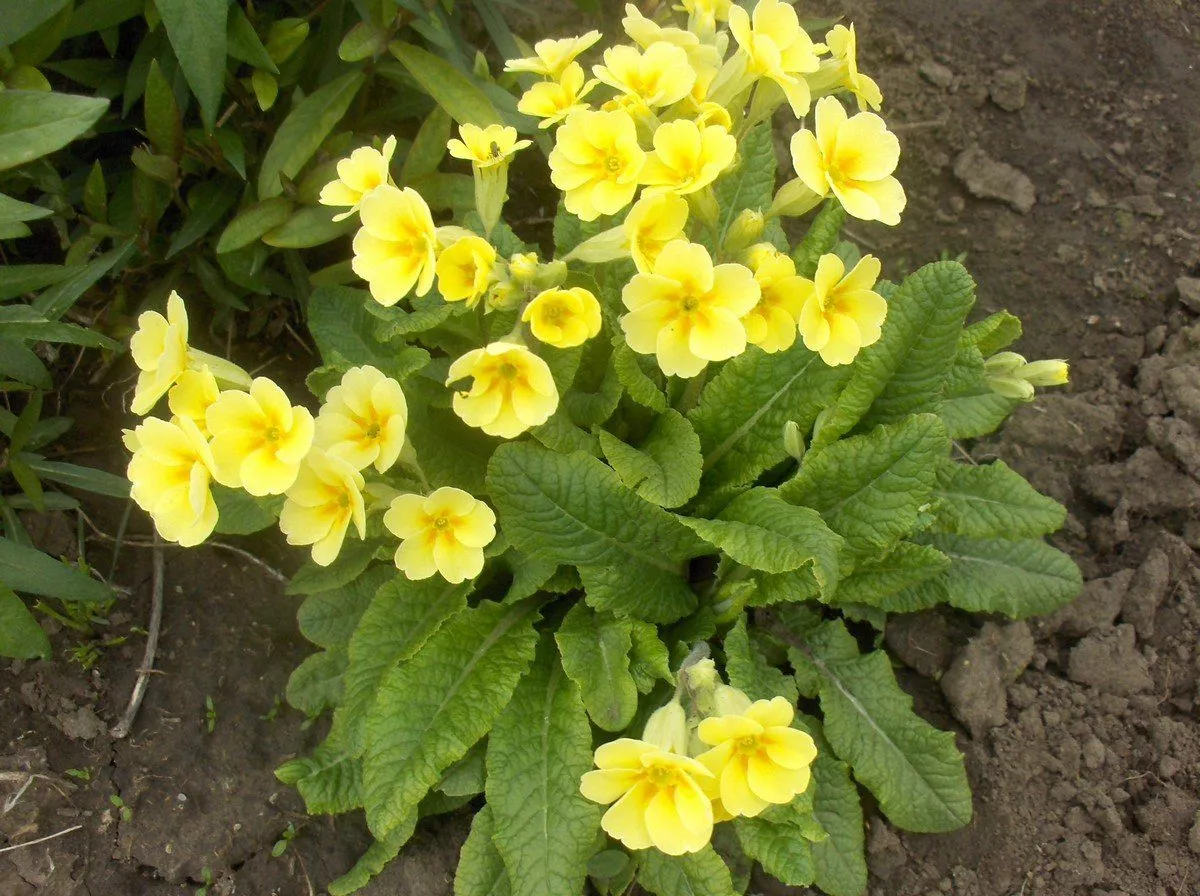
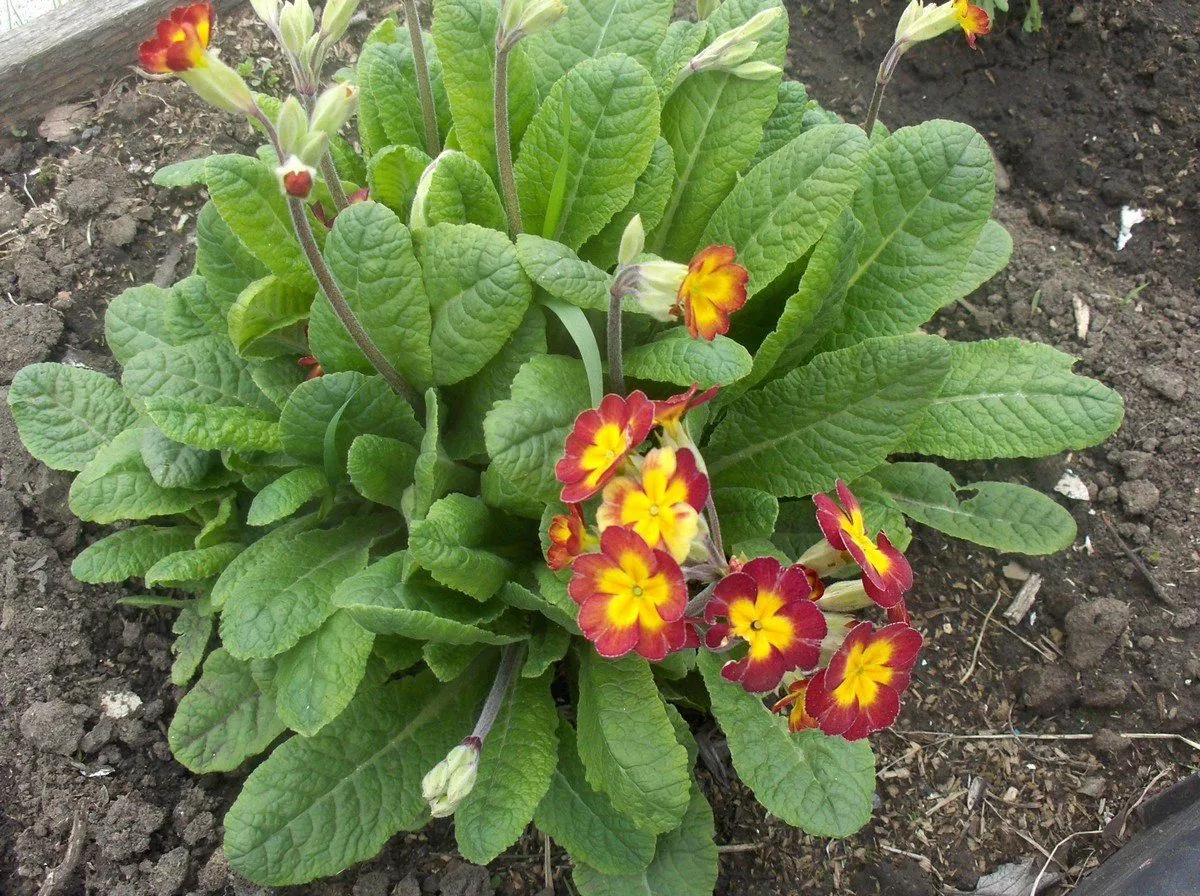
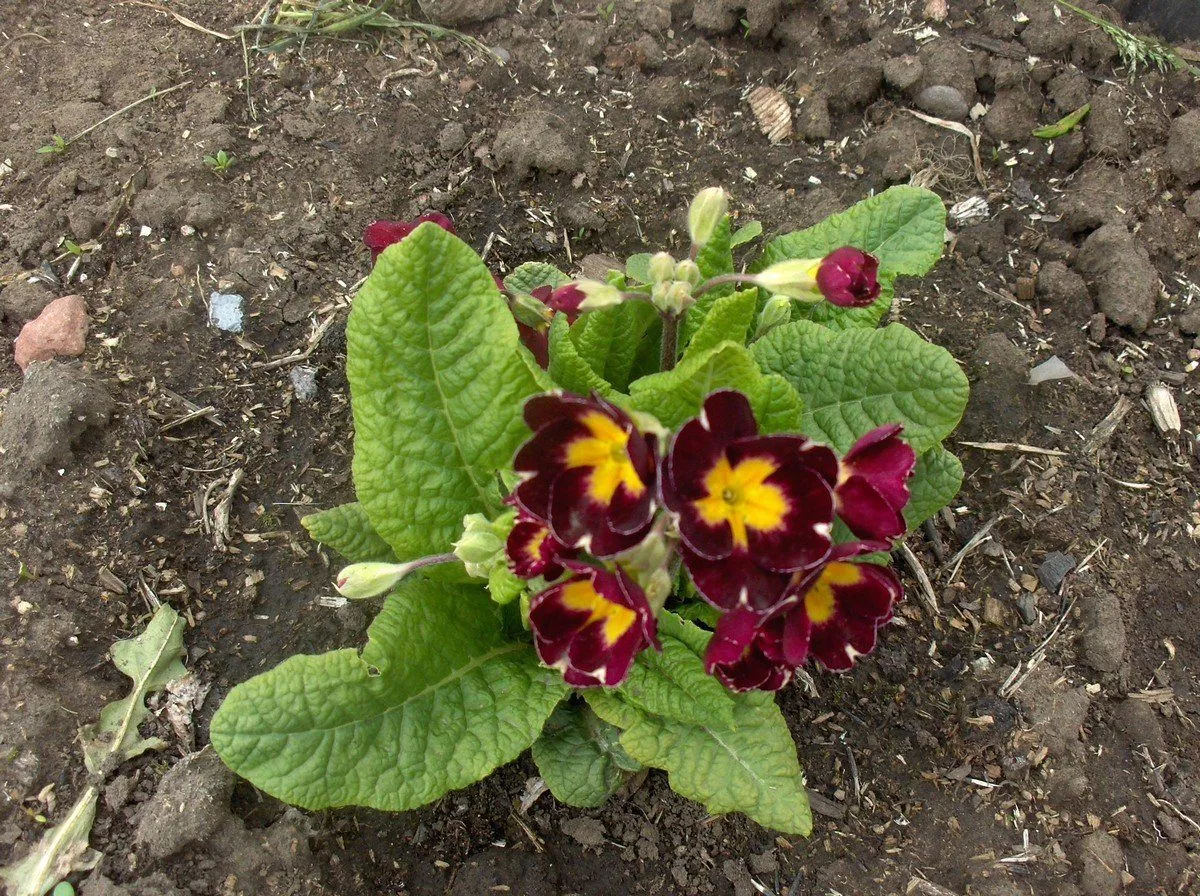
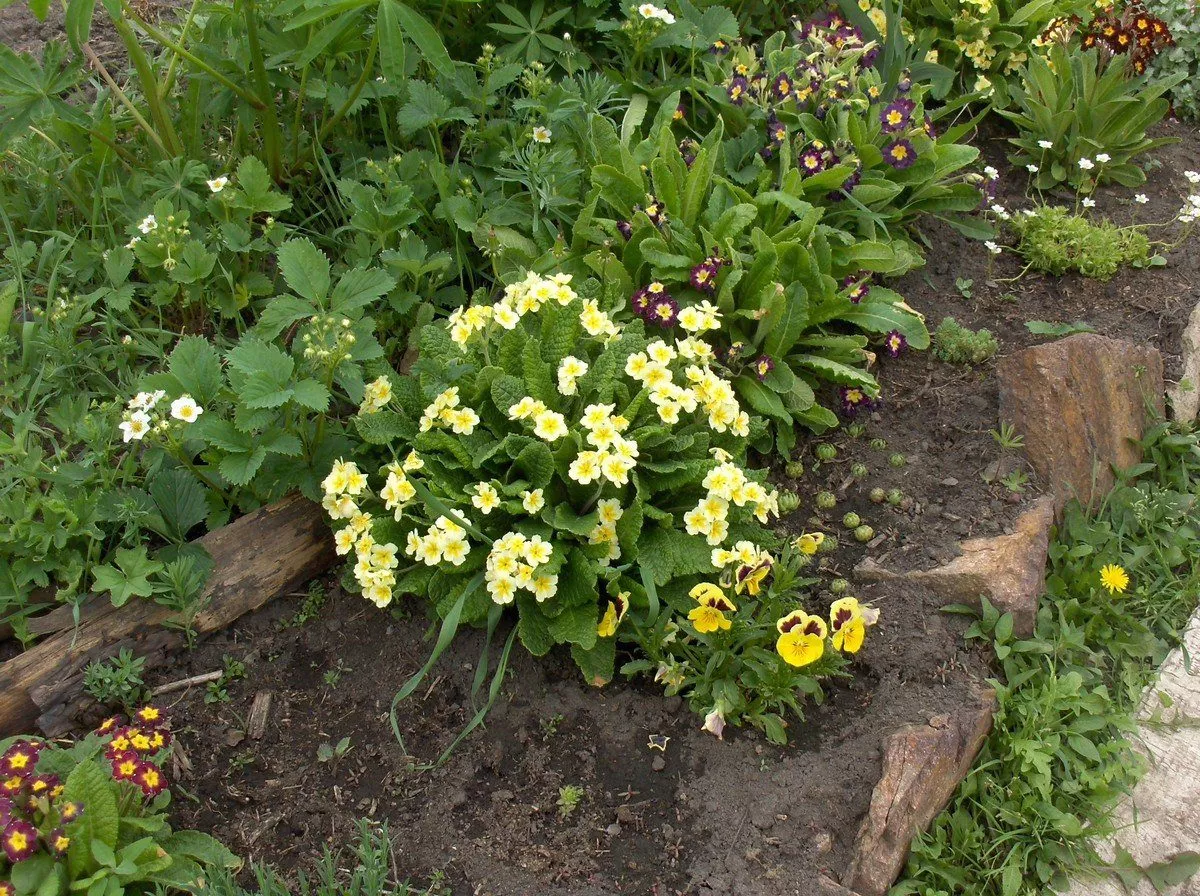
When we bought a new dacha, the first thing I did in the spring was bring all my primroses from the old dacha—daffodils, tulips, muscari, hyacinths, crocuses, and primroses. I transplanted them along the path, and all the flowers took root and bloomed beautifully.
The primroses had grown beautifully over the summer, and I imagined how beautiful it would be next spring. But only the tulips survived the winter; all the other primroses failed to sprout. I brought the primroses back and covered them with compost and dry branches for the winter.
Of all my primroses, only one survived. It's still growing at the dacha, but it's not growing well here, periodically freezing and not self-seeding; perhaps the first shoots are frozen.
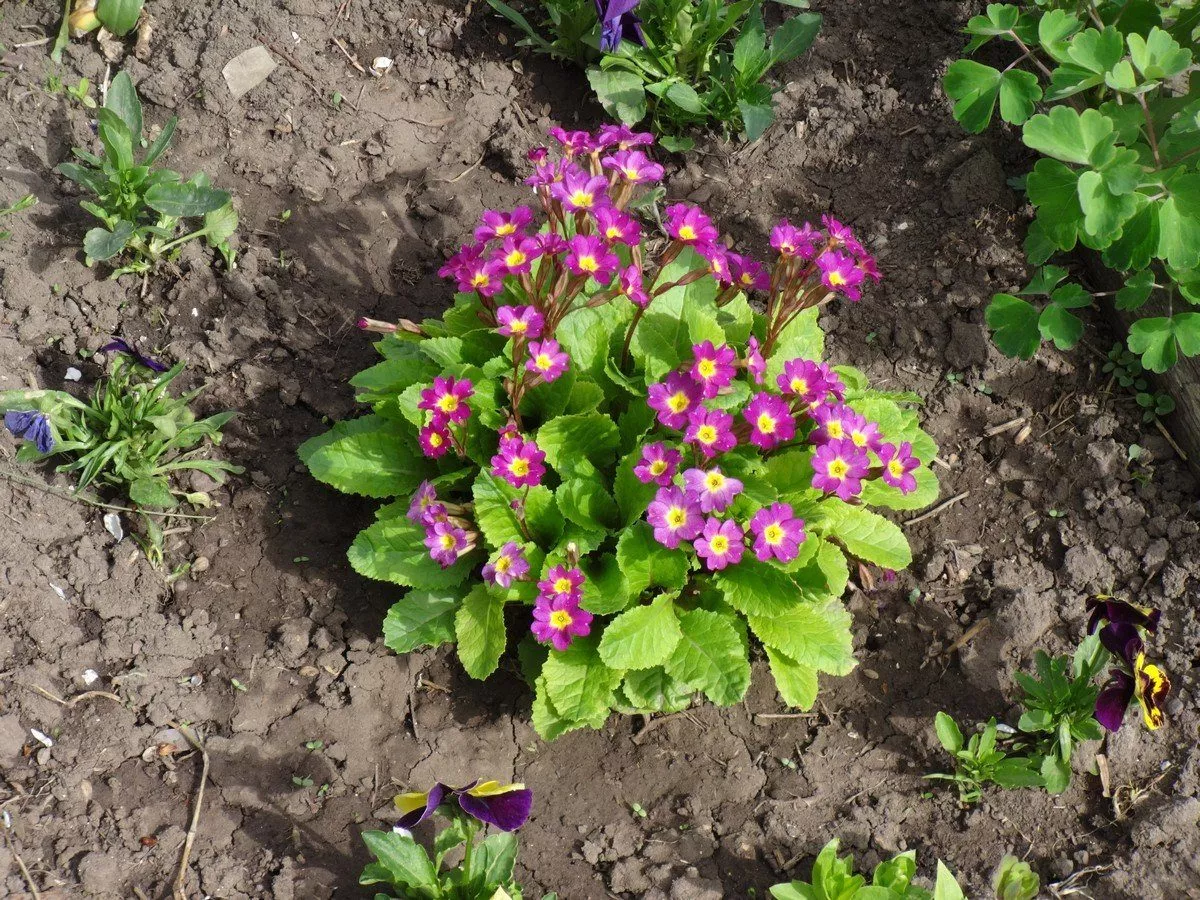
Why did this happen, and I'm left without these wonderful flowers? I think it's all because of the snow cover. Our old dacha was in the taiga, where it was much colder; there were frosts as early as late August, but many flowers grew there and didn't freeze because the snow fell earlier, often with snowdrifts by the end of September. This dacha, however, is close to the city, and there's very little snow; sometimes it melts in late February. In March, the ground in the garden is bare, and frosts can still be severe, so some plants and flowers freeze.
But I found a solution: I planted primroses from the wild. While they don't have such a vibrant palette of colors, they bloom early and profusely with small, bright yellow flowers.
Natural primroses
After failing with garden primroses, I started growing wild primroses. One spring, we were driving to get compost and came across a forested hillock covered in yellow flowers along the road. When I got closer, I saw a wonderful sight: bright yellow primroses and light yellow pasqueflowers growing in the clearing. Enchanted by such beauty, I dug up several primrose bushes, soil included, and transplanted them to the dacha. I planted the primroses in various places, in flower beds, under an apple tree, and under a lilac.
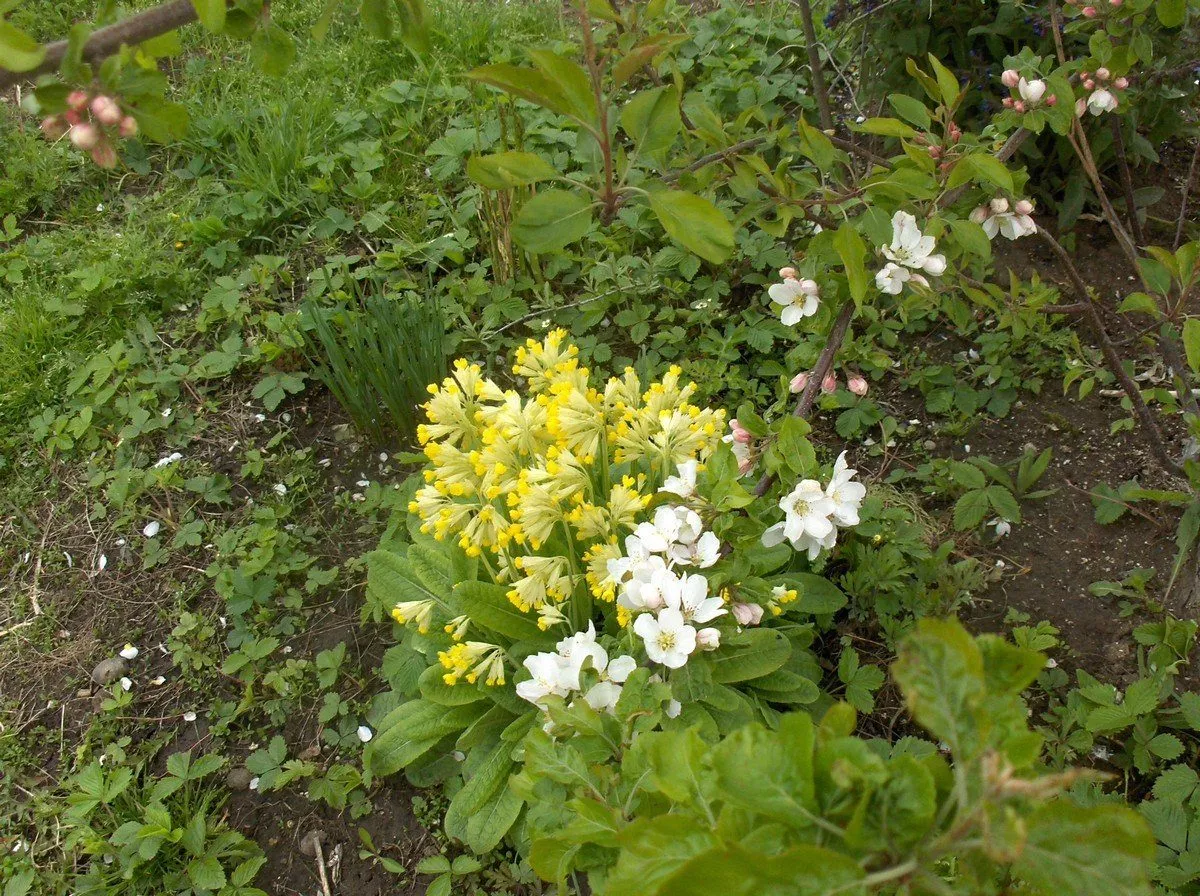
The primroses have taken root, but the bushes are not a dream of grass.
The primrose I planted under the lilac gave me a surprise two years after planting: a pasque flower sprouted near the bush in early spring. Most likely, the soil lump contained pasque flower seeds.
Since then, two primroses grow in one bush and bloom together.
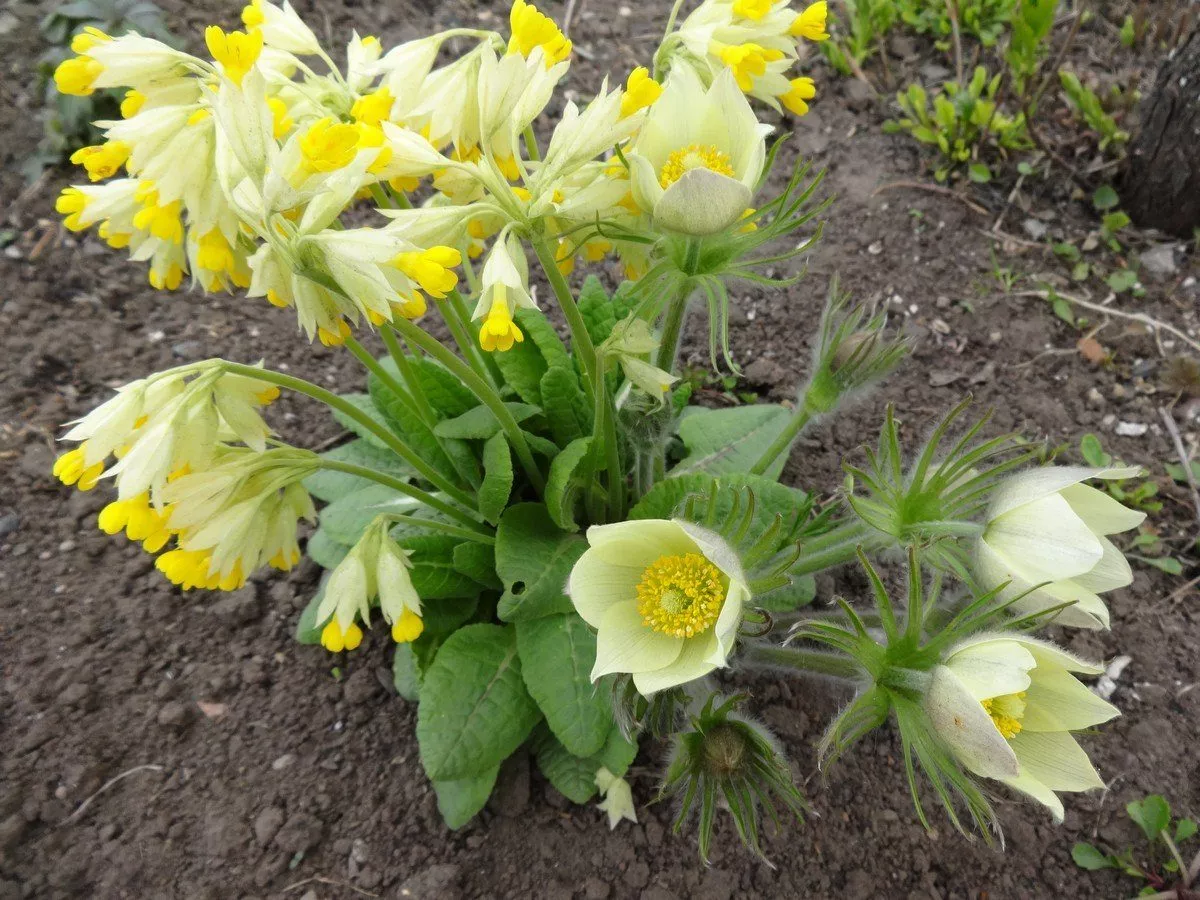
I don't replant them because I'm afraid the pasqueflowers will die. I've tried many times to transplant purple and yellow pasqueflowers into the garden from the wild, but they don't thrive. I've bought store-bought seeds several times, but not a single flower has sprouted. The conclusion is that you need to propagate them from seeds collected from wild plants.
What do the keys look like – our Siberian primrose
Primrose, also known as primrose, or primrose large-cupped—the botanical name for this plant—is a low-growing herbaceous perennial with oblong, soft green leaves. The flower stalks are long, ending in an umbel of several flowers. A single stalk can bear from 3 to 15 flowers. The flowers themselves are small, elongated, bright yellow, and drooping.
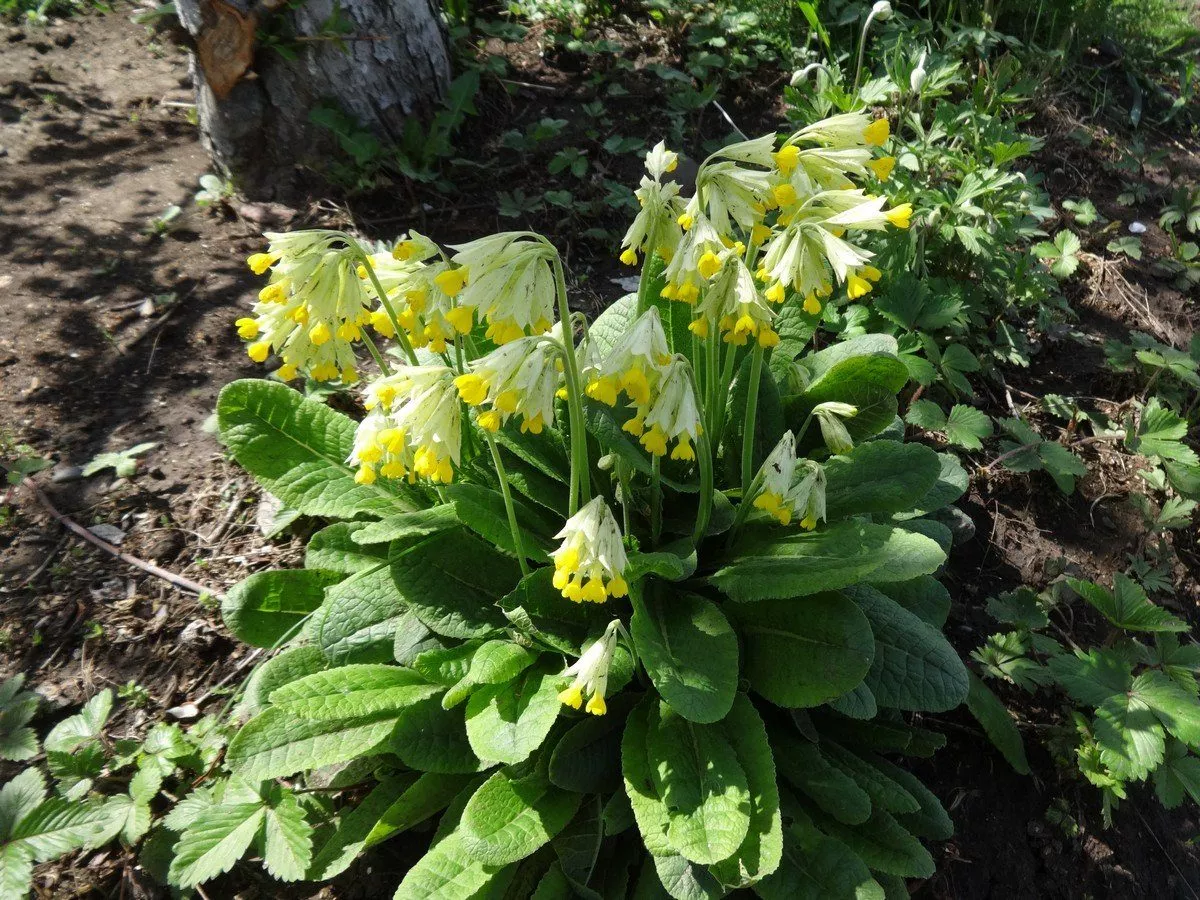
The flowers are pollinated by insects, and bees adore them. I trim off the faded flower stalks, but if I leave them, the seeds fall off. Young shoots emerge in the fall and spring.
There are no problems with propagating or caring for the clumps of clumps; they grow naturally, requiring no fertilizer, and they prefer ample watering. On hot days, if the soil is dry, the clumps will droop and fall apart, but they quickly recover after watering.
Another primrose from nature is the Cortus primrose.
Just recently this spring, I found a thicket of pink primroses near a birch forest and brought one bush back to the dacha. It hasn't fully grown yet, but I really like it.
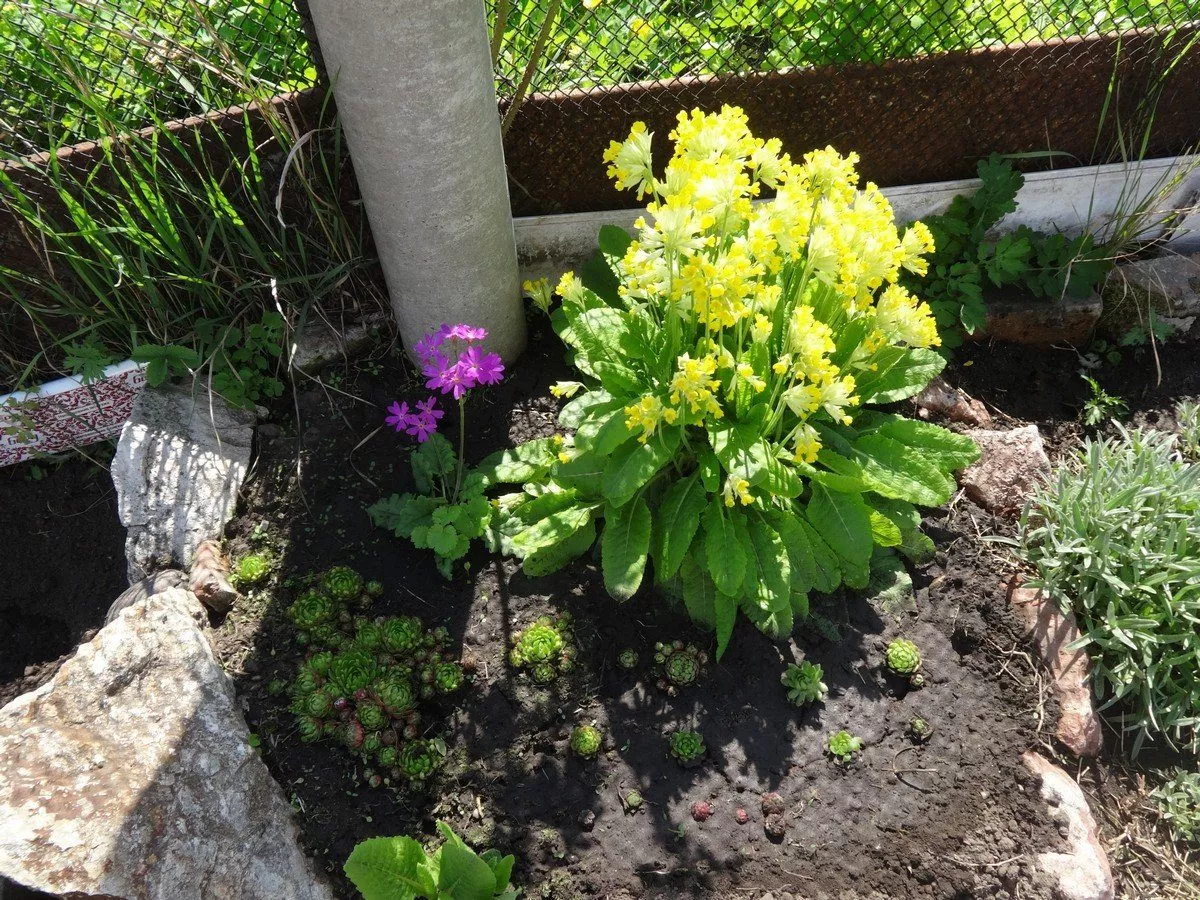
I found information about this primrose online—it's a cortusoides primrose. Unlike the yellow primrose, its leaves are different: rounded, wavy, and bubbly. The flowers are also different—opened with five soft pink petals, slightly bisected but not completely, they resemble hearts. The flower stalks are also long, and a single stem can bear between three and 12 flowers.
The pink primrose survived its first winter well, producing two flower stalks. Over the summer, the bush grew, and in the fall, I discovered young shoots with bubble-like leaves. This means it enjoyed growing here, and like the yellow primrose, it will grace my flowerbed in the spring.
Primrose - keys - is a medicinal plant, which means it can be used not only for beauty, but also for health.
The plant contains beneficial substances that provide relief from many illnesses.
Tea, infusion, or decoction from dried herbs will help with coughs, sore throats, gum inflammation, headaches, joint pain, and increased eye fatigue.
Evening primrose tea is taken to treat loss of strength and vitamin deficiency, to boost immunity, and to lower fever.
I read your article with interest, as you described the same problem with primroses that happened to me. When I moved my plants to a different dacha outside the city, I lost my primroses; they (burgundy and white) refused to grow in the new location. I dug up a wild primrose in the forest, a large-cupped primrose as you called it, and it's grown beautifully and is blooming! I tried planting garden seedlings again, bringing in different soil for it, but it still dies over the winter! But the wild primroses are very pleasing with their blooms, even in the shade! Bulbous primroses are also capricious in their new location, but they still bloom.
The only bulbs I have left are tulips, and even they disappear periodically. I planted new ones again in the fall. The daffodils, crocuses, and hyacinths didn't survive the move, and the muscari are trying to bloom, but the flowers and leaves look frozen. And not all lilies survive the winter.