

Leeks, or pearl onions, are a green vegetable. They are biennials; in the first year, they grow leaves and thick stems. If left in the garden over winter, a flower stalk—an umbel with pink or white flowers—will emerge in the spring, and the seeds will ripen.
Unlike onions, leeks don't form a bulb; instead, they have a small thickening at the end of the stem with long, white roots. The leaves are wide, long, fan-shaped, and tightly attached to the stem. They are greenish-blue in color, reminiscent of garlic leaves.
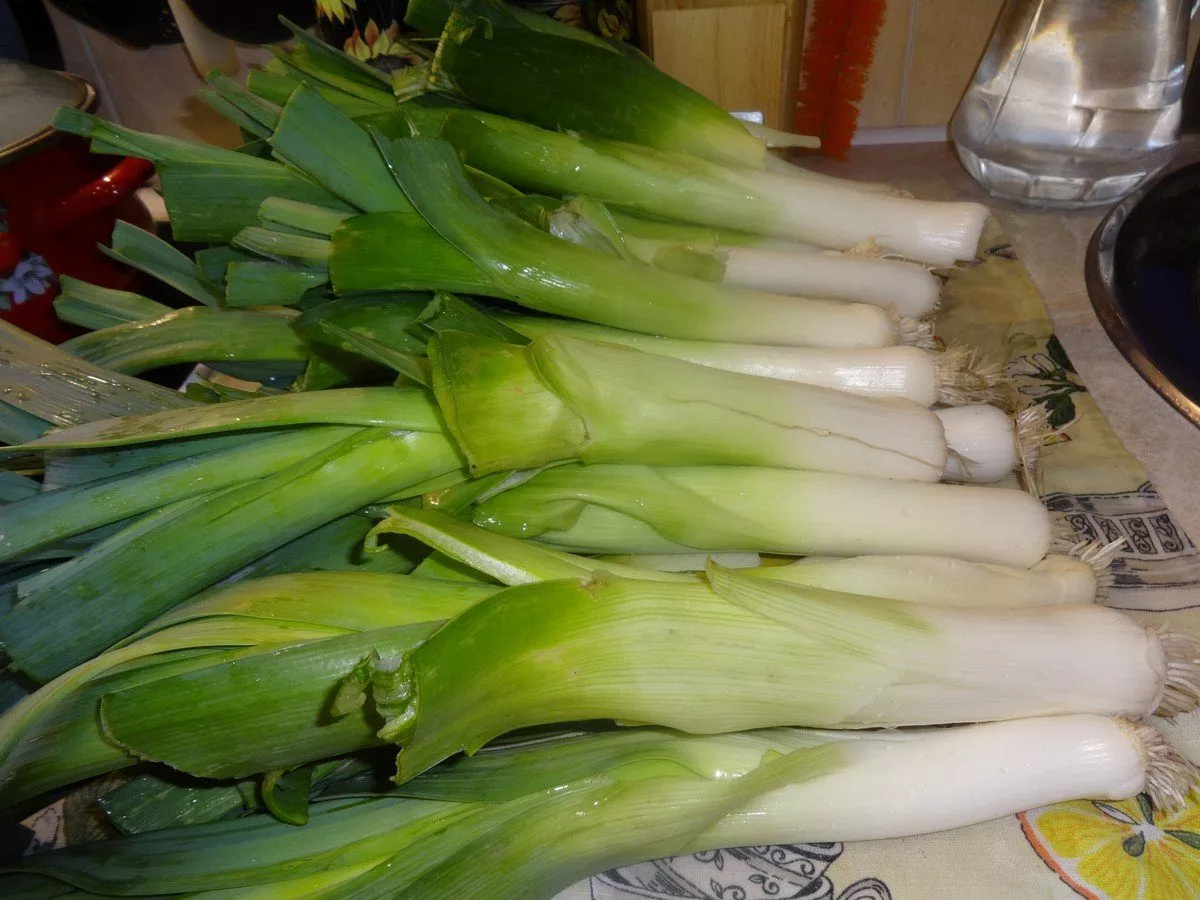
Pearl onions are prized for their thick, fleshy stems with a pleasant, sweet flavor without bitterness or pungency. They and their young, uncoarsed leaves are eaten as food—made into soups, fried, stewed, and added to salads.
This is a very healthy vegetable with healing properties. It is rich in minerals and vitamins that have a beneficial effect on the heart and blood vessels, the gallbladder and liver, the nervous system, and the joints.
A neighbor at the dacha grows these onions every year in a large bed. She stores the thick stalks in the cellar, wrapped in plastic wrap.
In the fall, when the harvest arrives, it treats me to its succulent stems. I make a creamy soup from it—it's delicious and aromatic, and my whole family enjoys it.

And every time I think about sowing onions for seedlings in the spring, I'll definitely do it. But as always, there's not enough room for leeks.
How I planted and grew pearl onions
This spring, Lyudmila gave me her remaining leek seedlings. There were three varieties, but I don't remember the names.
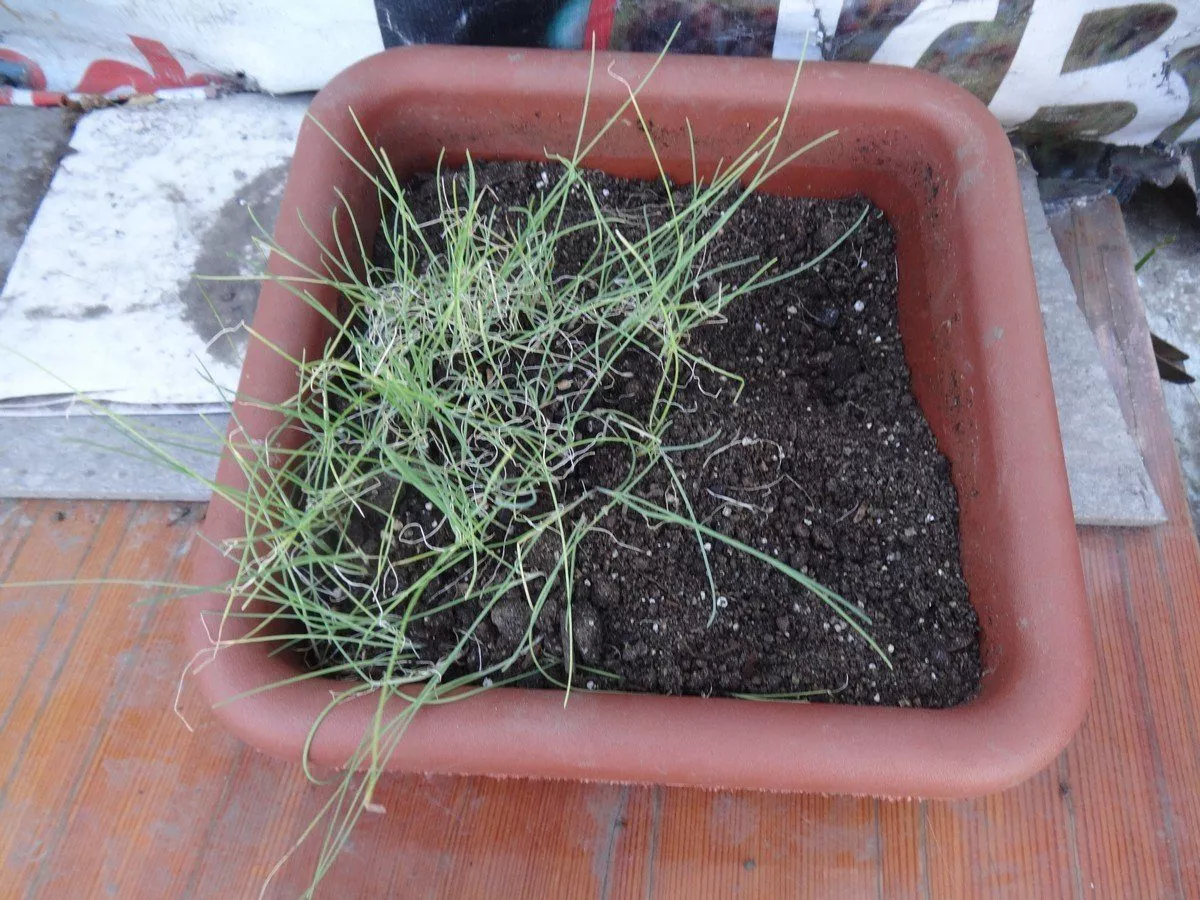
I decided to plant just a few thin sprouts of this wonderful plant as a test.
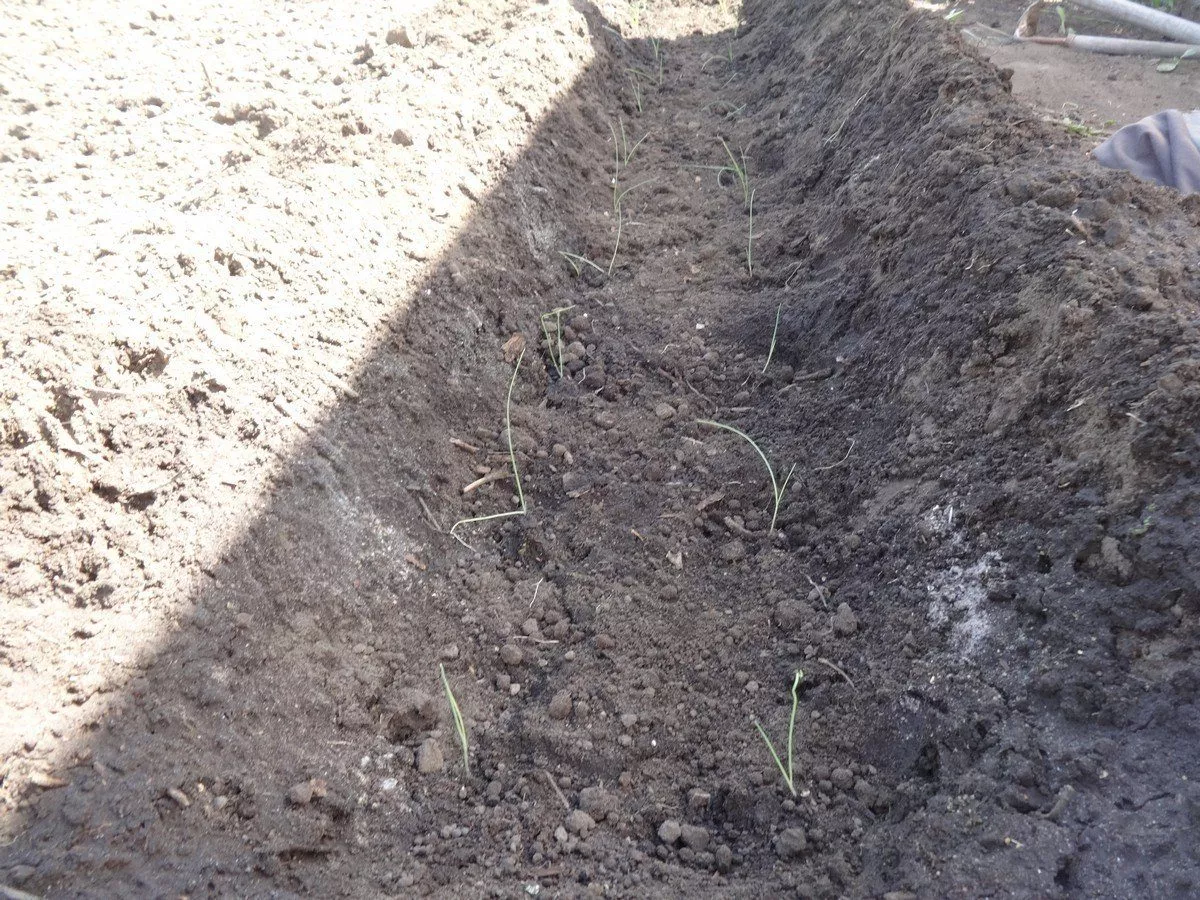
When planting, you need to plant the seedlings deeper and, as they grow, rake the soil up to the stems. This is to ensure the stems acquire a white color; the deeper they are planted, the taller their stems will be.
I planted it on May 10th, made a furrow, added humus, ash, a little bit of azophoska, mixed the soil well and planted the thin sprouts, slightly deepening them, and carefully watered them.
My husband put up some arches over the garden bed and covered it with covering material, since it’s still quite cold here in May, especially at night.
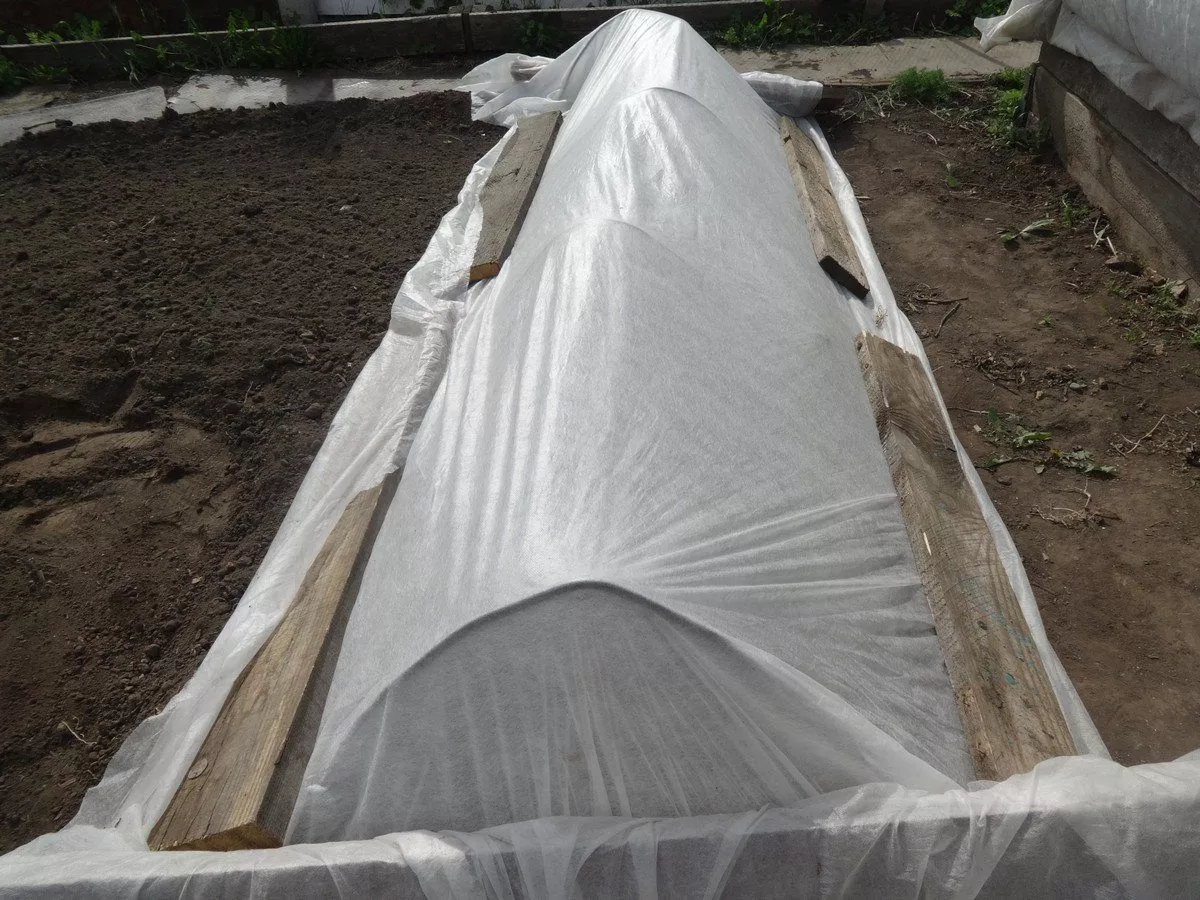
Later, when the sprouts had grown stronger, the covering material was removed.
In midsummer my leeks looked like this.
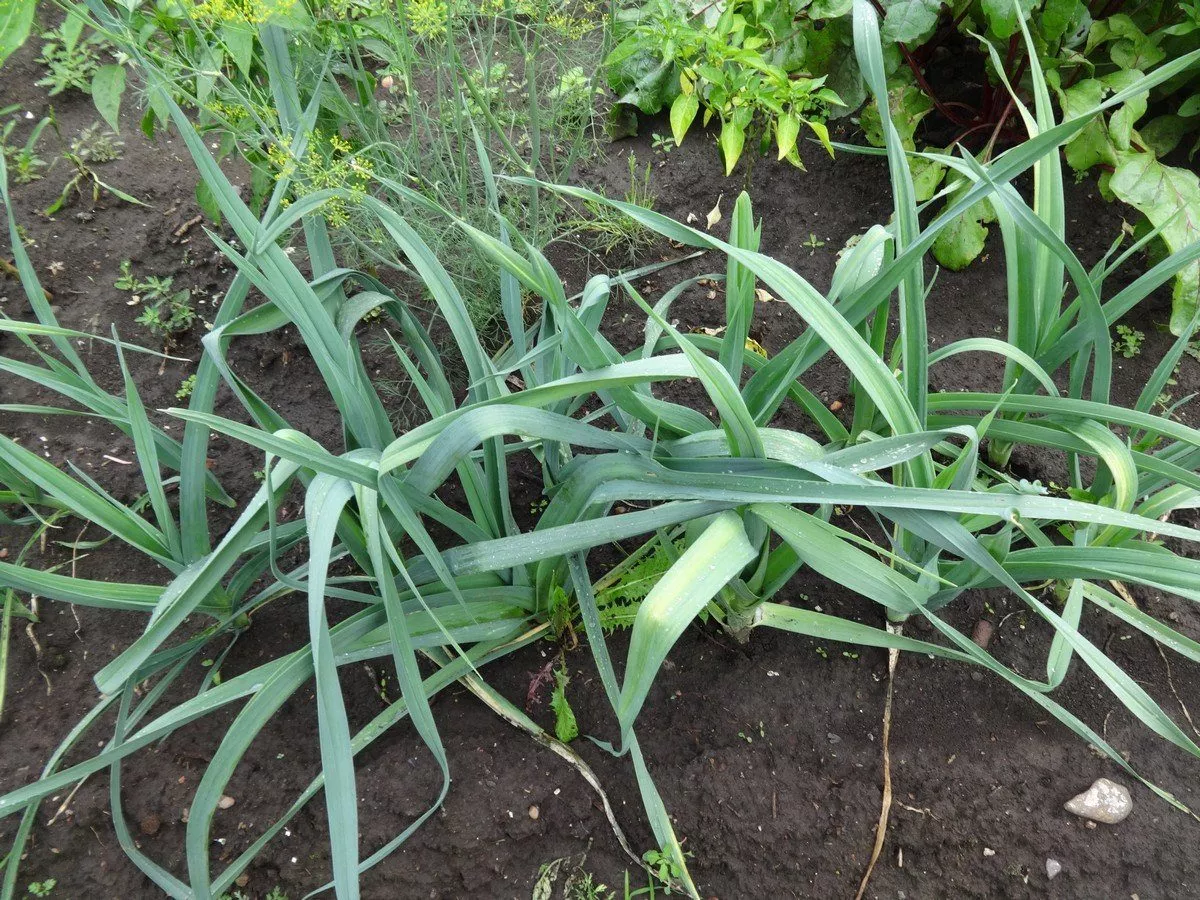
We had a rainy summer and didn't water the onions, although the leeks need regular watering and periodic feeding - we fertilized them with herbal infusion several times.
I hilled the onions three times this season and removed weeds. The onions grew well, developing wide leaves and thick stems. We harvested a small crop in mid-September.
How to Preserve Onions
I dug up my onion, cut off some of the tough leaves and roots, and washed it well.
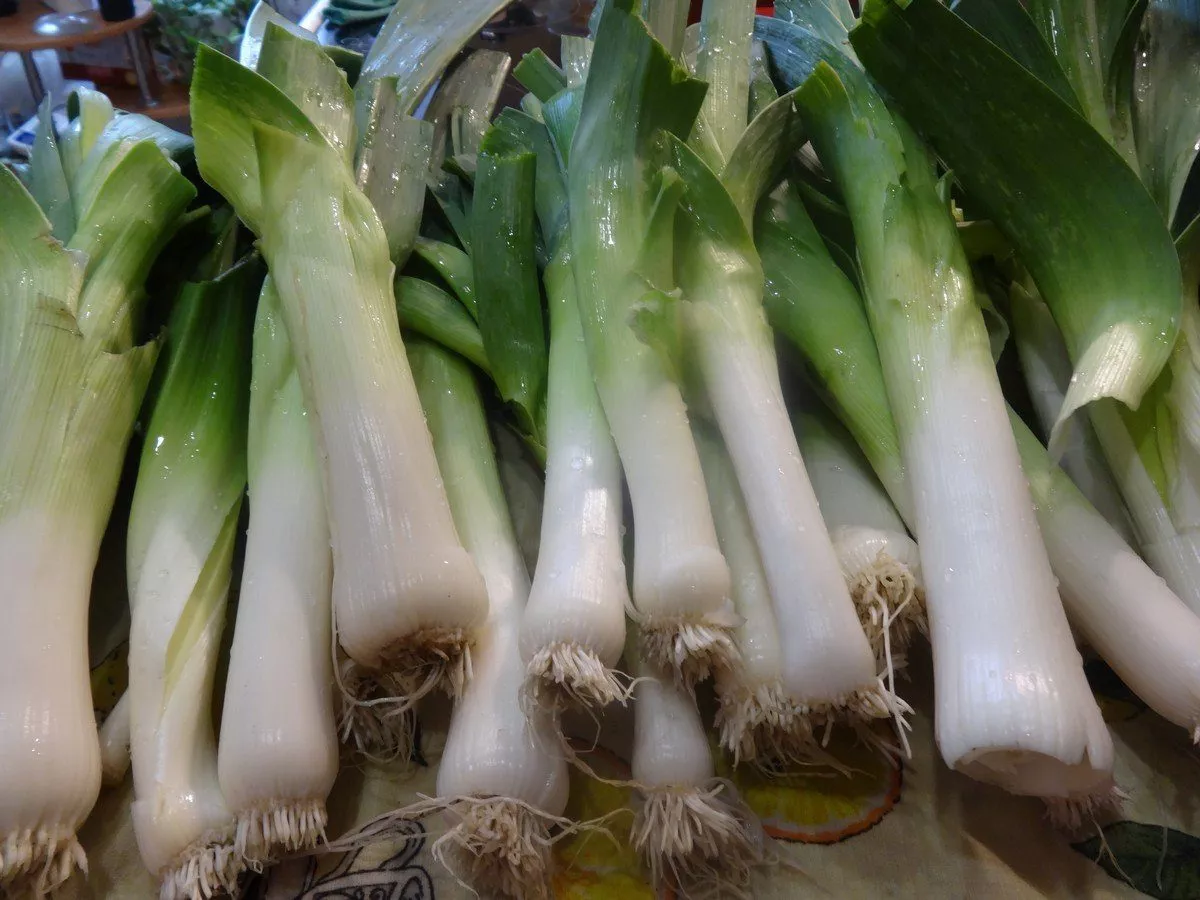
My harvest isn't large enough to store in the cellar, especially since I shared some of it with my family. I saved the thickest stems for storage, placing them in bags and wrapping them in newspaper.
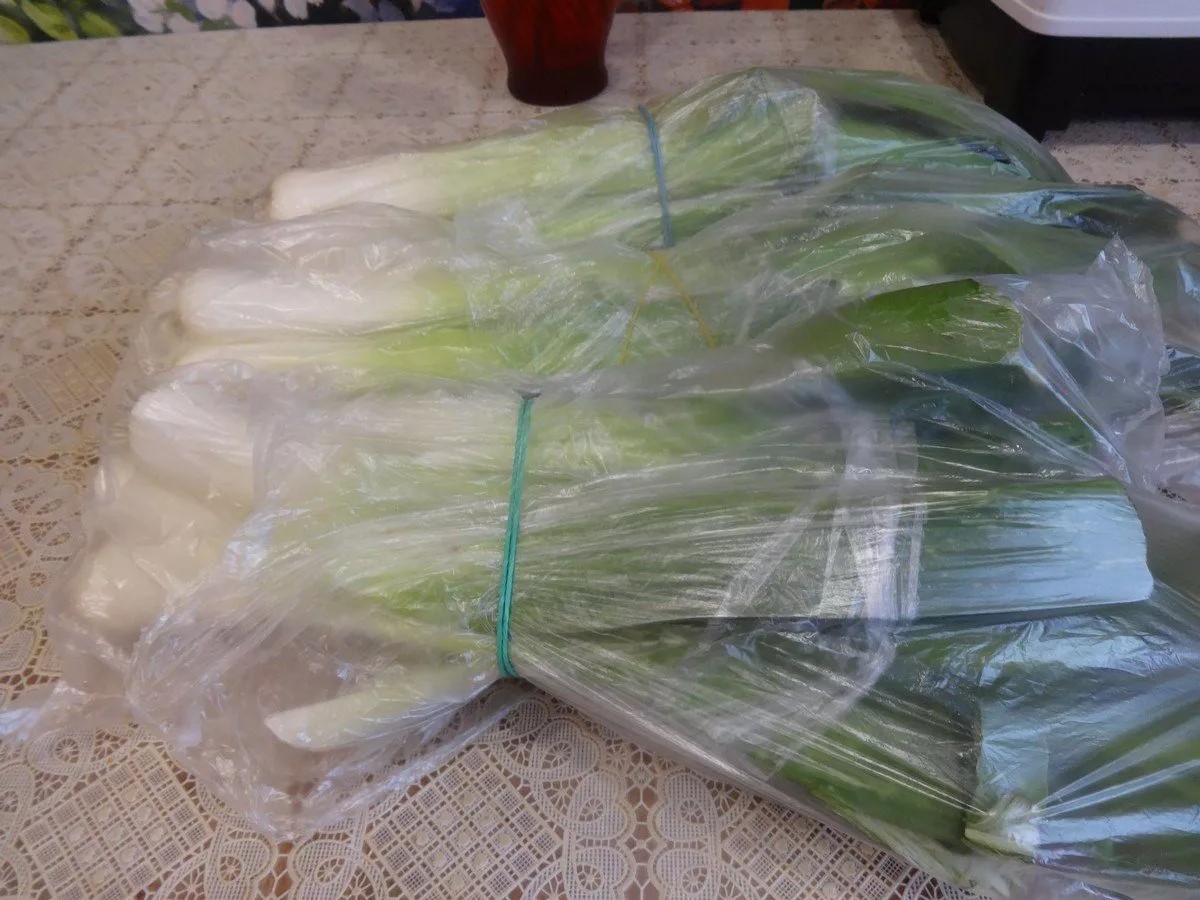
I put it in the vegetable drawer of the refrigerator.
I chopped up the thin stems and froze them.
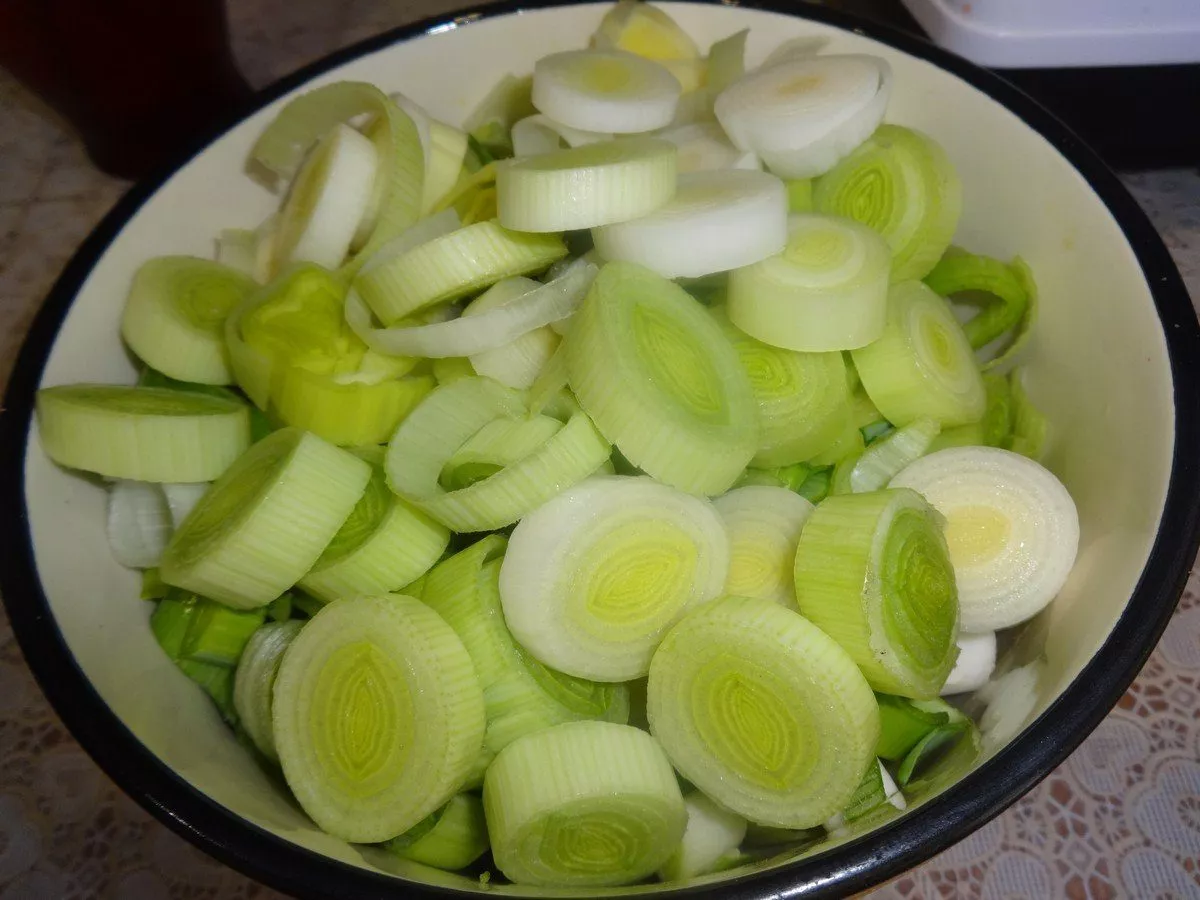
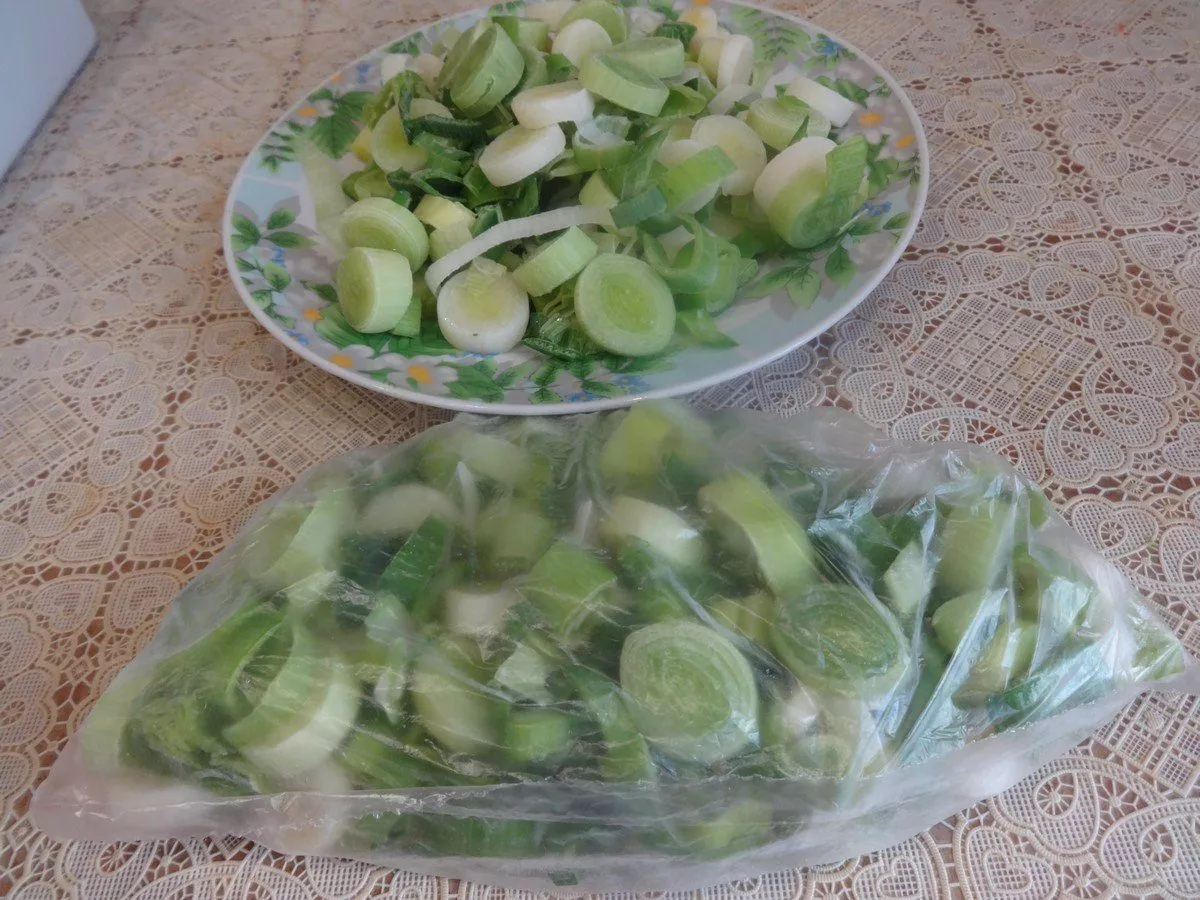
It is believed that during storage, the amount of vitamin C in leeks increases by 1.5 times.
Now I'm thinking maybe I should plant more pearl onions instead of onions. They grow well here in Siberia and, unlike onions, they didn't rot, even in a rainy summer like this one.
I had no problems growing leeks; they practically grew on their own. There were no diseases—the leaves were clean and healthy—and no pests—no one nibbled on the succulent stems. Although I've read that this type of onion is susceptible to many diseases, and pests are also quite fond of them.
Diseases and pests of leeks
I have described below what problems can catch you off guard.
Mosaic
This is a viral disease transmitted by insects—aphids, mites, and nematodes. Yellow-white stripes appear on the leaves. The leaves wilt, dry out, stop growing, and the plant dies. It must be pulled out and destroyed. There is no treatment for mosaic.
Rust
A fungal disease that causes bright yellow swellings to appear on the onion leaves. When the fungal spores mature, the swellings turn black and the leaves dry out. Affected plants should be removed.
Fusarium
Symptoms of this fungal disease include yellow spots and curling of leaves. The leaves gradually die, the plant slows down, and the lower part of the onion begins to rot, along with the roots.
Peronosporosis
This is also a fungal disease known as downy mildew. Pale green powdery spots appear on the leaves, quickly spreading across the entire leaf. The sprouts wilt and curl. These onions are not suitable for consumption.
To prevent diseases, plants are sprayed with a solution of Fitosporin or other preparations.
Onion fly
The most dangerous pest is the onion fly. The larvae hatch in the plant's stems, consume the leaves, leaving light-colored passages, and then reach the underground part of the stem. The onion begins to rot and then dies.
Leeks should be planted next to carrots; the scent of the tops repels flies. To combat these pests, spray onion plantings with a salt solution. Sprinkle the soil with ash, tobacco dust, and ground hot pepper. You can also spray the plants with onion fly repellents.
Leafhoppers
Sometimes the leaves are attacked by psyllids—tiny insects that feed on plant sap and carry diseases. Damaged leaves become covered with a white coating and wilt.
While writing this note, I decided that I would sow leeks for seedlings and search the internet to find out which varieties are suitable for our region.